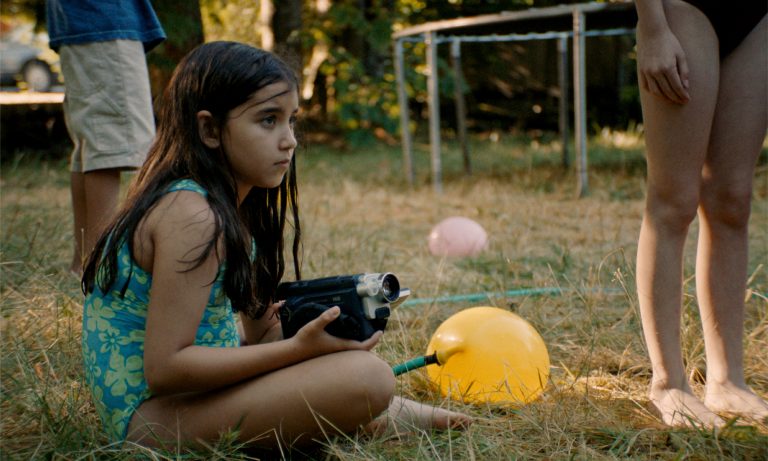
On this episode, JD and Megan discuss not just one of the best surprises of the year, but generally one of the year’s best films in Tuner! Leo Woodall gives one hell of a performance in a movie that shouldn’t work, and yet it all somehow comes together wonderfully. Which is to say, we had a blast dissecting this one.
Review:Tuner
Director: Daniel Roher Writers: Daniel Roher, Robert Ramsey Stars: Leo Woodall, Havana Rose Liu, Dustin Hoffman
This week on the InSession Film Podcast, we discuss our Top 5 movies of the year so far! There’s been some great movies this year and we sift through out favorites at the mid-way point. JD also gives his thoughts on Obsession, Minions & Monsters and Pressure, while Megan dives into Couture and Girls Like GIrls.
– Obsession (2:31) We open the show by diving back into the world of Obsession after JD finally caught up with the film. There are a lot of good things, in particular Inde Navarrette’s sensational performance, but we do bring up some question marks surrounding the Nikki character and how the film portrays her.
– Couture / Girls Like Girls (29:24) Megan then gives us her thoughts on the Alice Winocour film Couture, starring a great Angelina Jolie. She also dives into the charming coming-of-age drama Girls Like Girls from first-time director Hayley Kiyoko.
– Minions & Monsters / Pressure (38:01) Before we get to the Top 5, JD offers up his thoughts on the latest from Illumination in Minions & Monsters, one of the biggest surprises of the year so far. Especially as a cinephile, there is so much to love about the film. As for Pressure, well, it’s a movie about the weather.
– Top 5 Movies of 2026 so far (1:01:45) It’s that time of the year already. We’re halfway through and we’ve seen some pretty good films to this point. It’s been a little slow-going at times, but 2026 has given us some great gems in the first half of the year. As always, we’re excited to dive into our favorites to this point and discuss why these films will linger on as we near the fall season. With that said, what did you think of of our lists?
If you want to help support us, there are several ways you can help us and we’d absolutely appreciate it. Every penny goes directly back into supporting the show and we are truly honored and grateful. Thanks for your support and for listening to the InSession Film Podcast!
Director: Sasha Waters Stars: Helena Bonham Carter, Steve Buscemi, Stephen Colbert
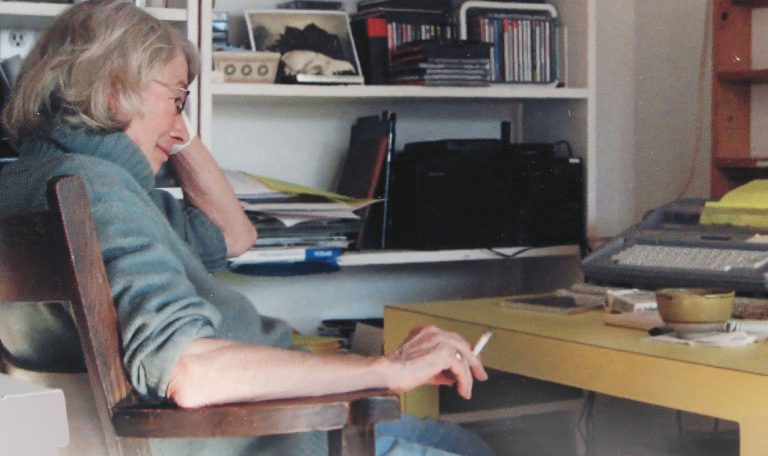
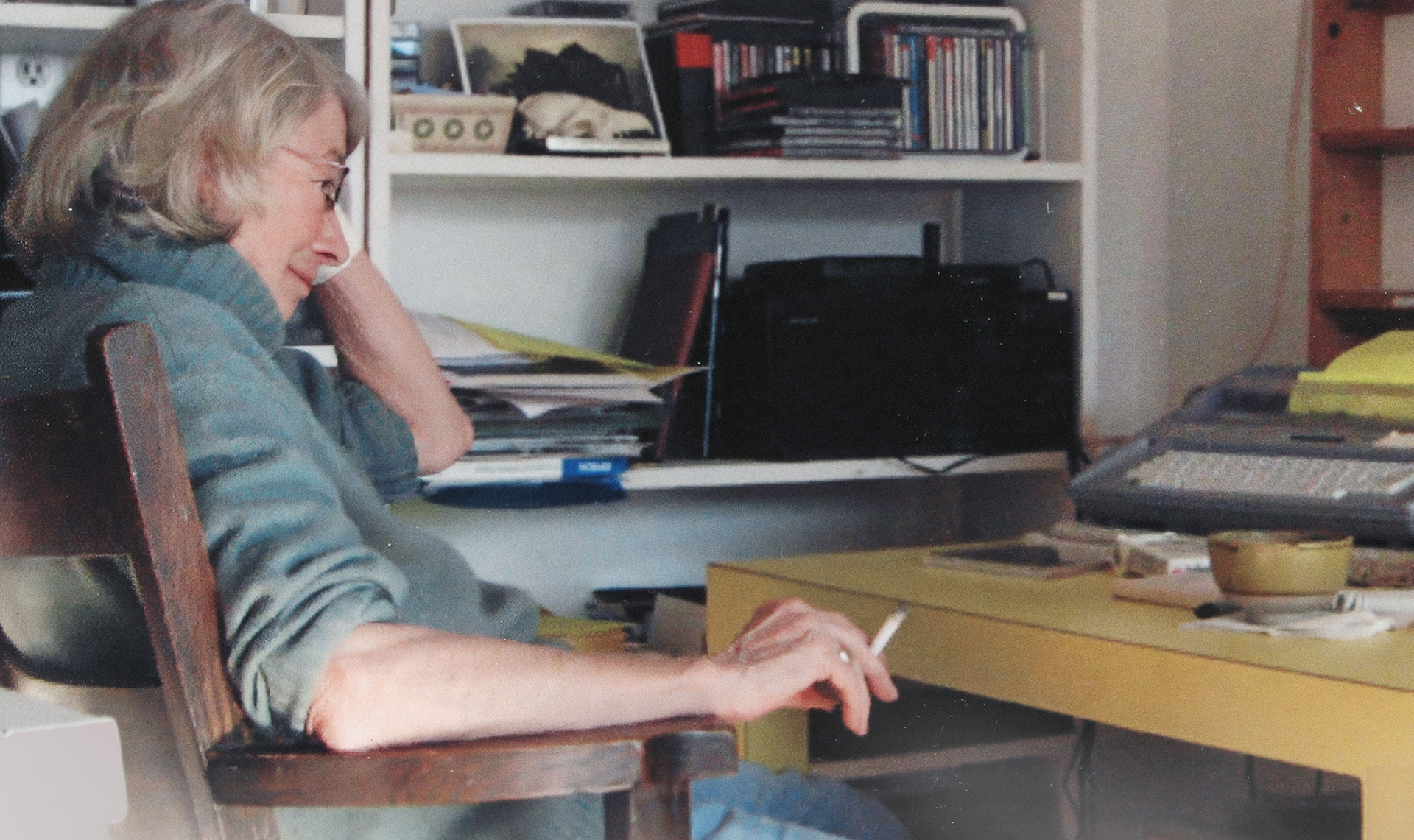
Synopsis:Pulitzer Prize-winning poet Mary Oliver, a quiet queer icon, captivated readers everywhere with her accessible celebration of nature, dogs, and life itself.
Poetry is the most impenetrable of literary genres. It’s a form that requires the reader to be open to the truth about oneself and the state of the world. It requires us to see the truth in the most complex and complicated way possible. Poetry holds many of us at arms length, but there are poets who have the ability to use the form to transcend beyond the boundaries of language to a deeper understanding of what it is to be human. It’s clear from the film Mary Oliver: Saved by the Beauty of the World that Mary Oliver was such a poet.
It’s unique to have not only her work, but Mary Oliver’s own words preserved so well. Much of the film uses archive footage of Oliver as she gives readings, lectures, and talks. Some audio files of her radio, television, and print interviews also make it into the film. We often think of poetry and poets as sort of a sepia-toned, analog idea so it is gratifying to see Oliver speak directly to her life and work. These good and interesting clips can get bogged down in some stock footage that is meant to enhance, but can take away from the person that is keeping our attention.
It’s also refreshing that the majority of talking heads within the film aren’t stuffy historians and theorists. While most of them are poets, writers, and artists, many of them knew Oliver and can speak to her state of being better than any academic could. Some that knew her best have some of the best anecdotes. Filmmaker John Waters, for example, a long time friend of Oliver’s, is a real treat. Though, a kind of irksome addition are the celebrity readers and fans. While their presence isn’t completely outlandish, it does still feel like a way to get people interested in a film about a poet.
That is mostly just at first, though. When Stephen Colbert begins to read one of his favorite poems, he gets noticeably emotional. Later in the film when he attempts another reading, he can’t finish because he is so choked up. When he talks about the poem and other Oliver poems he cherishes, it is from a genuine place. It may feel kind of intrusive to have famous faces who didn’t know the subject in a film like this, but it also feels right to have people who have an emotional connection to the work speak about it.
That is the best reason to watch Mary Oliver: Saved by the Beauty of the World is that it so heavily features Oliver’s poems. We get to hear the poems in full and sometimes with the words as written to accompany. A poem on paper doesn’t sing like a poem read. When you hear the proper cadence, the meter, and scheme of the work it enhances the emotion and depth behind the words.
The second best part of the film is that it does away with the hearsay and personal interpretations of Mary Oliver, the person. Much of what director Sasha Waters wants us to understand is that Mary Oliver was wholly herself. To many she’s a queer icon, a feminist, and a pop figure, but what we find through the narrative of the film is that she was only ever beholden to her own truth. She made no apologies and told no one what to think. As complicated as it seems, she didn’t find herself at the center of any movements and sought no recognition of status. She simply lived as she wanted with whom she wanted in order to write what she wanted. In a way that’s just as powerful.
It’s rare to get such a nuanced portrait of an artist. Often the narrative features, biopics, that depict an artist are interpreted through so many lenses that every aspect of truth is compounded into the cleanest or most palatable version of that person. Documentaries have a point-of-view that’s true, but they also focus on the objective truth, as unvarnished as it may be. Mary Oliver: Saved by the Beauty of the World is a documentary that gives us a window into an artist that became singular in her field without ever compromising who she was as a person.
Director: Olivia Wilde Writers: Cesc Gay, Will McCormack, Rashida Jones Stars: Seth Rogen, Olivia Wilde, Penélope Cruz
Synopsis: Joe and Angela’s marriage is on thin ice. When they invite their enigmatic upstairs neighbors for a dinner party, the night spirals into unexpected places.
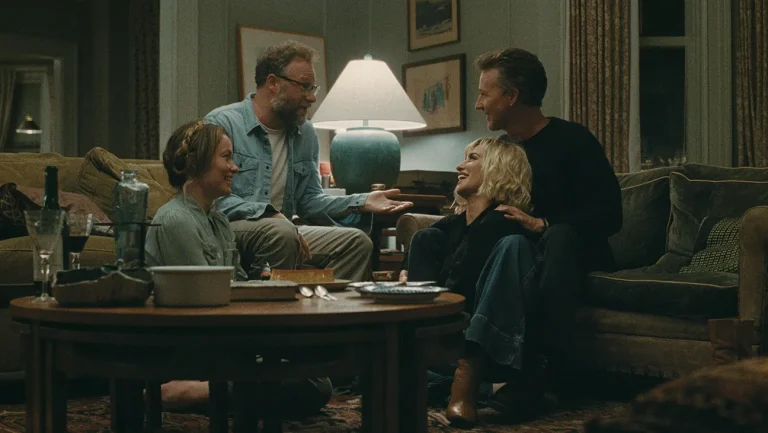
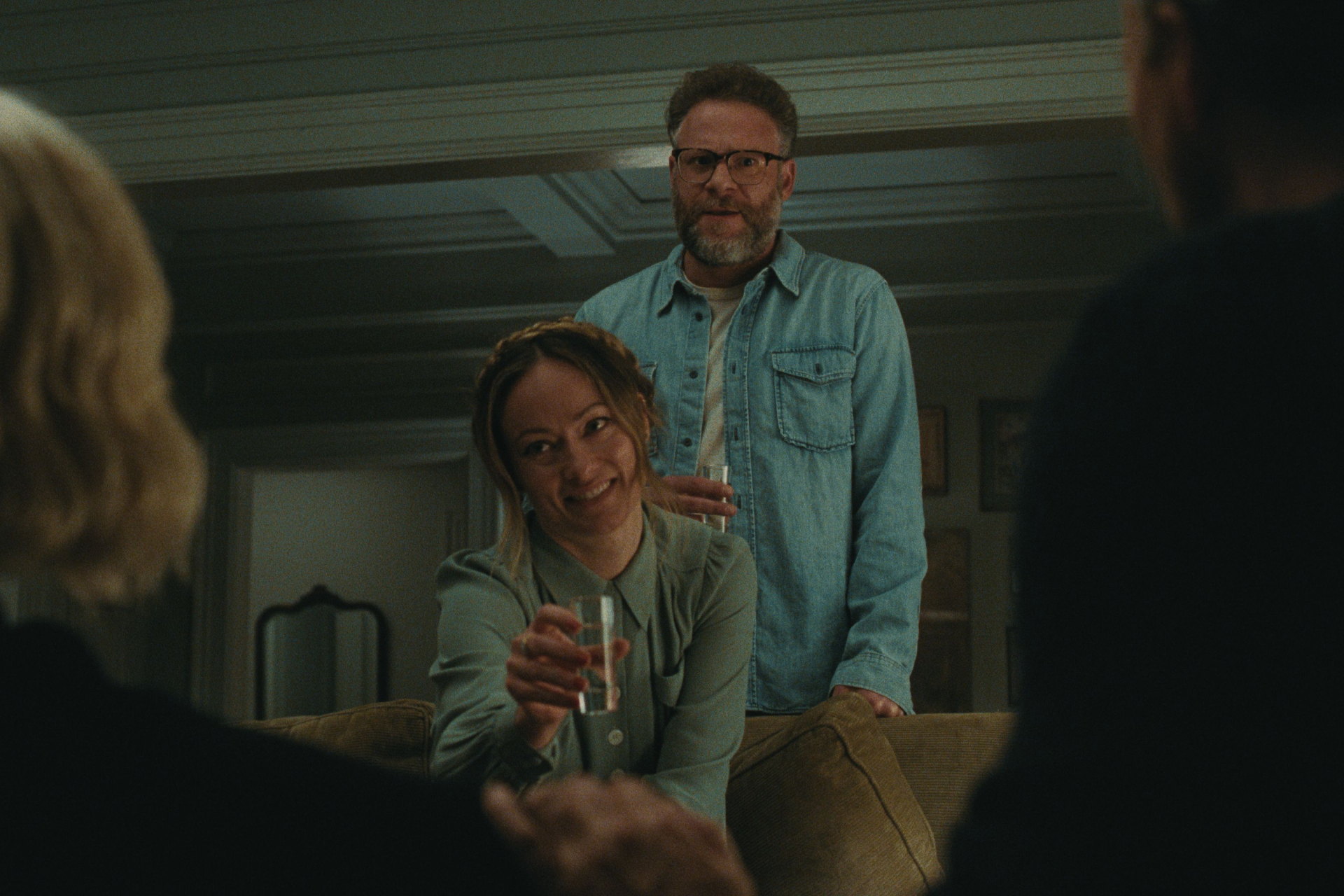
When it comes to The Invite – the latest feature from actor turned director Olivia Wilde (I Want Your Sex), one can describe it as the equivalent of the ball dropping, but in a good way. In which, you are waiting for an ultimatum to be revealed. Let me explain. Based on the film Sentimental and written by Rashida Jones and her writing partner Will McCormick, The Invite follows Joe (Seth Rogen) and Angela (Wilde), a San Francisco couple whose marriage seems to be on the brink of exploding. To make matters worse, when Joe comes home from work that evening, he discovers that Angela has invited the neighbors, Pina (Penelope Cruz) and Hawk (Edward Norton), over for dinner. Needless to say, chaos ensues as we learn more about Pina and Hawk and why they are really here.
Marking her return to directing after five years following her sophomore feature Don’t Worry Darling, Wilde directs the film akin to a chamber piece or play, featuring limited sets and characters. As a result, Wilde takes Jones and McCormick’s witty, hilarious, and dialogue-heavy script and utilizes it in a way where it is maximized to its potential. She and director of photography Adam Newport-Berra (Good Fortune) keeps the camera mostly still and mounted, while also not being afraid to move it around when the film calls for it This allows for Newport-Berra’s cinematography to match well with Jade Healy’s production design, making the sets feel claustrophobic as we become enveloped in the apartment. Additionally, costume designer Arianne Phillips manages to be in sync with Healy’s production design as the colors of everyone’s costume and wardrobe coincides with the set. This helps create a connection with the environment around them.
By having this pattern, Phillips’ costumes also allows the actors to be expressive with their movement and body language. This continues into the score by composer Devonte Hynes (Roommates), where Hynes employs a violin string to highlight tension in a scene. Hynes’ score also permeates the themes of the film, echoing the emotions of the main characters going forward. Finally, editors Anthony Boys and Yorgos Mavropsaridis (Poor Things) whittle the film down a tight 107 minutes. By bringing the film down to that length, the two manage to expose the intensity while also bringing out the humor.
As for the performances, the cast – from top to bottom deliver some incredible work. Starting off with Seth Rogen’s Joe, who is played as an everyman. Albeit a depressed everyman, who like the audience, feels that something is off. There’s a line that Rogen delivers that characterizes his whole performance – “Why do I feel like everyone knows something except for me?” This results in his chemistry with Olivia Wilde to be one of doubt, entendre, and piercing looks.
Speaking of Wilde actually, her and Rogen’s chemistry feels not only bitingly real, but also layered. Especially in contrast to two other performances: Instead of anxiousness, Norton and Cruz, who play Pina and Hawk, deliver their performances with an eerie calm. Instead of piercing looks, there is loving tenderness. We see this in full force with Cruz balancing restraint with a sense of chill. Meanwhile, Norton plays Hawk with an almost surfer-boy/golden retriever-like quality, making you wonder: “Are there any thoughts in that brain of his?”
The Invite is a hilarious chamber piece of a film. Thanks to a witty script from Jones and McCormick, Wilde and company combine comedy and tension in outstanding ways, especially by placing both elements in the forefront. This allows the score, cinematography, and editing to take part in the proceedings. Equally, the performances from Rogen, Wilde, Cruz, and Norton serve in contrast to each other allowing the audience and the characters to bask in the ridiculousness of everything. As one of the best comedies of the year, The Invite is the perfect film to laugh, all the while also feel the heat.
Director: Rachel Israel Writers:Amelia Brain, Andra Gordon, Brent Hoff Stars: Jackie Tohn, Sarah Podemski, Judah Lewis
Synopsis:The film follows struggling musician Nomi who accepts a last-resort job from her overachiever best friend Mara: mentoring misfit campers, the “Floaters,” at their childhood Jewish summer camp.
Summer camp is a rite of passage for many people. It’s a place you don’t really want to go to meet people you don’t want to meet to learn archery, crafts, and about yourself. As much as many of us grumble about it at the beginning, camp is a bubble where you can do something or be someone you never thought possible. You could meet a best friend or at least have people who will remember you for something. Even if they forget your name, you will be a part of a story they may pass on to their kids on the eve of their first camp experience. The Floaters is about the triumphs and angst of the camp experience.
This is where the script for The Floaters really sings. The writers, Amelia Brain, Andra Gordon, and Brent Hoff, have captured this memorability and legacy of camp. They have a classic ragtag story of a down on its luck camp mixed with the campers no one wants putting on a “let’s save the day” skit. It all comes together toward the end where these campers really find a way to connect with each other and Nomi (Jackie Tohn) finds her voice again by becoming a mentor. It’s really heartwarming.
The bad part is that almost everything before the last act of the film is so very bland. The laughs fall flat, the subplots are very uninteresting, and most of it feels like it was written by folks who wanted to set the action in their childhood, but kept the present day setting and then struggled to add in phrases that today’s teens might actually use. It all feels a bit off and that may be a problem of too many voices wanting to be heard. While there are three credited writers, three additional people are credited with a “story by.” Comedy is collaborative, but this feels like there were many competing visions at play. It’s why the enemies to lovers storyline feels rushed. It’s why Nomi’s backstory and our understanding of her as a character is rushed. It’s why there is a rival camp with a bully camp director and camp bullies within our protagonist’s camp, which feels like too much antagonism for very little pay off on either front.
It may also feel vague and bland because it’s a very niche camp. The Floaters is about a Jewish summer camp and while there are many universal themes, there are many things that keep a broad audience at arms length. The camp itself, Camp Daveed, is very inclusive, bringing together the Jewish diaspora within the U.S., but it still feels like many of us are left out of the joke. Context and some explanation are provided most of the time, but it can slow down the action when someone has to explain something the other person on screen already knows.
It really is that third act that saves the film. The throughline of the floater group is one of redemption for all of them. The alt-right kid finds empathy. The two Queer kids find strength. The apathetic cool girls find community. All of them realize that they are worth something. If the film was far more focused, it could have been really good. Nomi is an O.K. protagonist, but her story isn’t the most interesting. Her catharsis is earned and her arc is wrapped up nicely, but she feels like she’s in a different movie altogether. A movie worth watching, but still tonally different from the one we get.
The Floaters is a film that survives on nostalgia. Its universal aspects do outweigh its niche appeal. It may be bland and one or two subplots that achieve some sort of end catharsis are unearned, but overall it’s got a lot of heart. That’s what we need out of these summer camp films is a clear arc from zero to hero. The Floaters at least delivers that amongst everything else that’s crammed into the film.
Director: Derrick Borte Writers: Thomas Perry, Derrick Borte, Daniel Forte Stars: Russell Crowe, Luke Evans, Teresa Palmer
Synopsis: A nightclub owner is on the verge of leaving his dangerous past behind for retirement. After masked gunmen rob him and he finds himself squeezed by ruthless cartels, a mysterious newcomer arrives with an interest in buying the business.
Not every film is aiming to break new ground. Instead, they go with an elevator pitch style. “It’s like Inception meets Pulp Fiction!” It is understandable that prospective audiences (and producers) would get excited by statements like these. After all, new ideas are risky, especially in a culture driven by nostalgia and recognition. This is not to say those movies, clearly inspired by their respective favorites, are without merit. In fact, there is a relaxing quality to these films in the age of streaming, where comfort and relatability can be paramount.
The Get Out, directed by Derrick Borte, is not breaking any new ground, and most likely will not be remembered a few hours after watching. It follows Marco Kapak (Russell Crowe), an Albanian immigrant who has been wildly successful and is the owner of a nightclub. He plans to retire, in style, with his much younger girlfriend, Sunny (Teresa Palmer), but everything is thrown into upheaval when he is robbed on the way to the bank by Jeff (Aaron Paul), for reasons unknown. Things start to unravel due to his connection with a criminal cartel, initially represented by Rodriguez (Danny Zovatto).
The ideas presented by screenwriters Derrick Borte and Daniel Forte (from a book by Thomas Perry) are nothing new, but there are moments that stick. Frankly, this movie completely falls apart with Russell Crowe. Despite making his career originally as a dramatic actor, his relatively recent forays into comedy have been pretty impressive. Obviously, nothing is touching The Nice Guys, and this never comes close, but Crowe is clearly having a blast. The Albanian accent may not be accurate, but it does allow for repeated funny moments throughout. Unfortunately, the film never focuses fully on comedy, instead attempting to balance the tones with a madcap crime caper.
However, Borte and cinematographer Brendan Galvin do have an excellent handle on the limited action setpieces in The Get Out. In particular, there are two scenes that stand out. In the first, Galvin films a high speed car chase after Marco has been robbed. For just a moment, the film feels like it has real energy and an action pedigree. Later, without spoiling anything, there is an extended shootout and attempted assassination that shows an understanding of action geography that was unexpected in a movie this small scale. But still, when it dives into the goofiness, it has the audience on its side.
This is especially true when the character of Carrie (Nina Dobrev), a bank teller who quickly figures out what Jeff is up to. She makes for a good pair with Aaron Paul who plays buttoned up and overwhelmed well. Dobrev, on the other hand, is practically giddy with sexual excitement at the chance to rob absolutely anyone and live out her Point Break fantasies. She also manages to deal with more difficult emotions when things go sideways (like they always do), even if the script demands that she and Jeff are constantly in ridiculous situations.
Unfortunately, all of this is surrounded by a necessary, but plodding plot point of an undercover federal agent tracking Marco in the hopes that they can find information about the cartel. The agent, Joe Carver (Luke Evans) is saddled with most of this work, which of course crosses over with the Jeff and Carrie storyline, even if it feels forced and awkward. Evans performs admirably, especially when singing karaoke, but there is only so much to be done with a hackneyed undercover cop routine.
The Get Out manages to be just entertaining enough to muddle through its quick runtime. Crowe and Dobrev uplift some questionable material, even when the film attempts to pluck emotional heartstrings. Those moments don’t hit very hard, but the audience at least understands the emotions that they are supposed to feel. Crowe especially, is such a seasoned performer that he can manage to pull us along the expected plot points and make us all at least chuckle along the way. The Get Out is frankly the perfect movie to catch on streaming to fill a few hours.
On this episode of Chasing the Gold, Shadan is joined by her good friend Kylie Price to talk about her cinephile journey, the movies she’s been watching and what films she would recommend!
Check out this week’s show and let us know what you think in the comment section. Thanks for listening and for supporting the InSession Film Podcast!
This week on Episode 694 of the InSession Film Podcast, inspired by Supergirl, we thought it would be fun to talk about all of the great female characters we’ve seen in come book movies over the years. While there aren’t as many female-led movies in the genre (sadly), there are a plethora of great characters to choose from for this list. We had the best time diving into this one and talking about why these characters are so iconic. That said, here are our lists:
(Note: Please keep in mind that we each had different criteria for our selections)
JD
1) Motoko Kusanagi – Ghost in the Shell (1995)
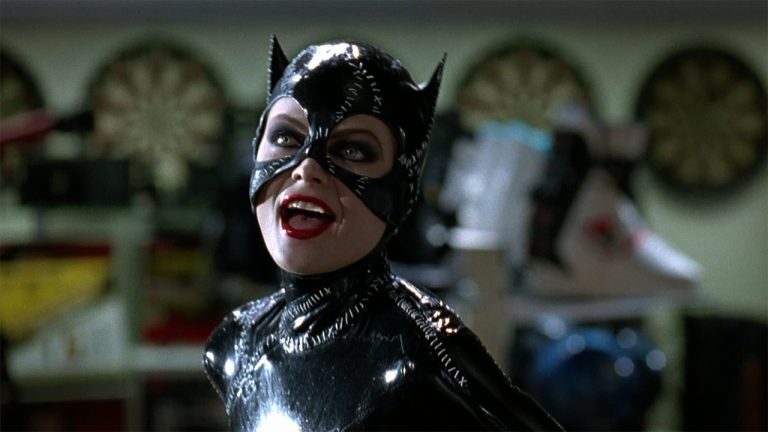
2) Catwoman – Batman Returns
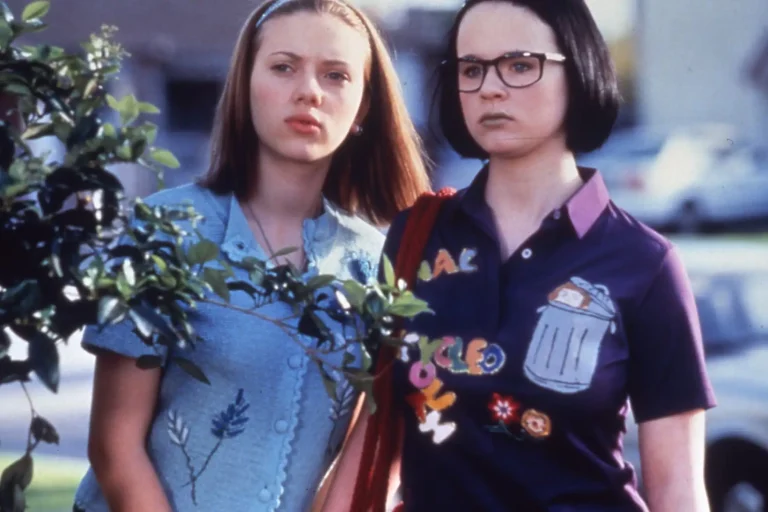
3) Enid Coleslaw – Ghost World
4) Rogue – X-Men / X2
5) Ramona Flowers – Scott Pilgrim vs the World
Megan
1) Harley Quinn – Birds of Prey
2) Catwoman – Batman Returns
3) Valkyrie – Thor: Ragnarok
4) Lori Petty – Tank Girl
5) Lois Lane – Superman (1978)
Honorable Mentions (Combined)
MJ (Raimi Films), Black Widow, Scarlet Witch, X-23, Gamora, Gwen Stacey (Spider-Verse), Peggy Carter, Yelena, Thena (Eternals), Sersi (Eternals), Captain Marvel, Rebecca Doppelmeyer, Nancy Callahan, Hit-Girl, Andy (The Old Guard), Rita Wirtowski, Nausicaä, Sally (Watchman)
Hopefully you guys enjoyed our lists, and if you agree or disagree with us, let us know in the comment section below. There are obviously many more female characters that we didn’t have time to mention. That is to say, your list could look very different than ours given the great films and memorable sequences we saw over the last year. That being said, what would be your Top 5? Leave a comment in the comment section or email us at [email protected].
For more lists done by the InSession Film crew and other guests, be sure see our Movie Lists page.
This week on Episode 693 of the InSession Film Podcast, inspired by the upcoming release of the brand new Stanley Kubrick box set, we discussed our Top 5 Criterion Collection box sets that we want to see some day! Criterion has an insane collection (in turns out) that features many of the best films of all-time, but weirdly there are gaps in the box sets that could be remedied. This was a really fun conversation and hopefully Criterion gives us these as we’re more than willing to spend the money. That said, here are our lists:
(Note: Please keep in mind that we each had different criteria for our selections)
JD
1) Terrence Malick
2) Charlie Chaplin
3) Jordan Peele
4) Lynn Ramsay
5) Steven Spielberg
Ryan
1) Robert Altman
2) Mike Nichols / Elaine May
3) Spike Lee
4) Todd Haynes
5) Richard Linklater
Honorable Mentions (Combined)
Pedro Almodóvar, Todd Field, Spike Jonze, Jeff Nichols, Kelly Reichardt, Wim Wenders, Jane Campion, Sofia Coppola, Abbas Kiarostami
Hopefully you guys enjoyed our lists, and if you agree or disagree with us, let us know in the comment section below. There are obviously more box sets that we didn’t have time to mention. That is to say, your list could look very different than ours given the great films and memorable sequences we saw over the last year. That being said, what would be your Top 5? Leave a comment in the comment section or email us at [email protected].
For more lists done by the InSession Film crew and other guests, be sure see our Movie Lists page.
Director: Kyle Valle Writer: Kyle Valle Stars: Kyle Valle, Erin Áine and Domenic Jungling
Synopsis: A couple boards a Gomo – a self-driving rideshare cab – only to find themselves trapped with no way out.
The rise of micro-shorts and bite-sized storytelling has transformed the way audiences consume content. With viewers increasingly turning to short-form platforms and seeking entertainment that fits around busy schedules, creators are finding innovative ways to tell compelling stories in just a few minutes. Horror, in particular, has thrived in this format. The genre’s ability to create tension, suspense, and shocking twists in a short amount of time makes it perfectly suited to micro-series storytelling. At the same time, horror continues to dominate our screens, from blockbuster cinema releases to streaming hits and viral online content. Combining these two growing trends, Autonomous feels perfectly timed, delivering a tense and engaging horror experience that can be enjoyed in short bursts while still leaving a lasting impression.
Built around a premise that feels both futuristic and unsettlingly plausible, this micro-horror series throws its characters into a nightmare scenario that many of us have probably joked about at some point: what happens if we get into a self-driving car and can’t get out? The story follows a couple who step into a self-driving rideshare vehicle expecting a routine journey. Instead, they quickly realize they are trapped inside with no way out. From there, Autonomous transforms an everyday convenience into a claustrophobic prison, proving that some of the best horror concepts come from taking something familiar and twisting it just enough to make it terrifying.
One of the things I enjoyed most about Autonomous is how accessible it is. This isn’t a horror experience that relies on excessive gore or relentless jump scares. Instead, it leans into suspense and the growing sense of dread that comes from being trapped in a situation beyond your control. The micro aspect does make you feel as if you’re watching a live stream, a very interesting concept where the traditional filming style takes on a documentary feel.
The confined setting is particularly effective. Much of the action takes place within the vehicle itself, and that limitation actually works in the film’s favor. Horror often thrives when characters have nowhere to run, and the enclosed space creates a sense of pressure making the audience feel almost as trapped as the people on screen.
The performances from Erin Áine and Domenic Jungling help sell the premise. In a story that depends heavily on character reactions and emotional responses, believable performances are essential. Both actors bring enough authenticity to their roles that I remained invested throughout. Their growing fear and frustration feel genuine, helping to maintain the suspense even when the narrative remains relatively simple.
As a micro-horror production, the series keeps things moving at a brisk pace, which makes it an easy watch for fans looking for something entertaining without committing to a lengthy feature film. The shorter format also suits the story well, allowing the tension to remain focused rather than diluted. Some hooks in the beginning could have been stronger to keep audiences invested and watching, as for some audiences, this type of storytelling will feel disjointed. The hooks in the middle, where they’re standed, stuck and there’s a strange figure outside are very strong and this is where the pace picks up. I did make me question why not just a short film? But again, this is a new method of storytelling.
Is Autonomous going to be for everyone? Probably not. Shortform is quite bespoke and is very easy to switch off and leave. But the performances are strong and the horror is just enough to keep you guessing and intrigued.
With 16 episodes, this micro-series falls somewhat short of what is expected (50-80), but I think it’s a strong toe-dip into a growing way of telling stories.
Overall, I had a good time with Autonomous. It’s a straightforward, entertaining horror experience that delivers exactly what it promises: tension, claustrophobia and a healthy dose of technological paranoia. It’s the kind of project that demonstrates how a strong idea, solid performances and effective atmosphere can be just as important as a large budget. For horror fans looking for an easy watch with a clever modern premise, this is well worth adding to the watchlist.
On this episode, JD and Megan discuss one of the best surprises of the year in The Sheep Detectives! We might be late to the party, but we’re super thrilled to be here regardless. There is lots to love and plenty to discuss, and boy did we have fun with this one.
Review:The Sheep Detectives
Director: Kyle Balda Writers: Craig Mazin Stars: Hugh Jackman, Nicholas Braun, Nicholas Galitzine, Julia Louis-Dreyfus
The physical media market has never been better than it is now. So many ways to watch films, in the best way possible, the only thing holding you back is the financial weight of a premium Blu-Ray release. It is a tough ask to pay $39.99 plus tax for one movie that you may or may not enjoy (I get it!). Do you go to Rotten Tomatoes? Do you go to the depths of the Ebert archives – which isn’t a bad option. Well, I’ve spent my dinero on a plethora of Criterion releases so you don’t have to. I’m going to list 10 Criterion releases that you should check out that aren’t the heavy hitters like Uncut Gems, Killers of the Flower Moon, or Pee-Wees’s Big Adventure. If you learn about a new film from this list or maybe I pushed you to finally get that film you’ve been debating on buying, comment below!
Miloš Forman is one of cinema’s most important figures and a major player in the Czech New Wave film movement. While Criterion does offer Daisies, Diamonds of the Night, and Valerie and Her Week of Wonders, I do think Loves of a Blonde is the more underrated of the bunch. This film is incredibly funny and is oddly relevant to today’s American culture despite it being both Czech and very much not from today. Even though you can peel away at the exterior and find a filmmaker clenching his fist at the fascist rule of his time, the film at face value is just about miscommunication between a girl and a boy’s relationship after a brief fling. The film is a crisp 82 minutes, and since it is still in an older format you can get it at a much cheaper price than most films on this list. Skip the Chipotle for lunch and just grab this for ~$15. This film is currently best available on DVD.
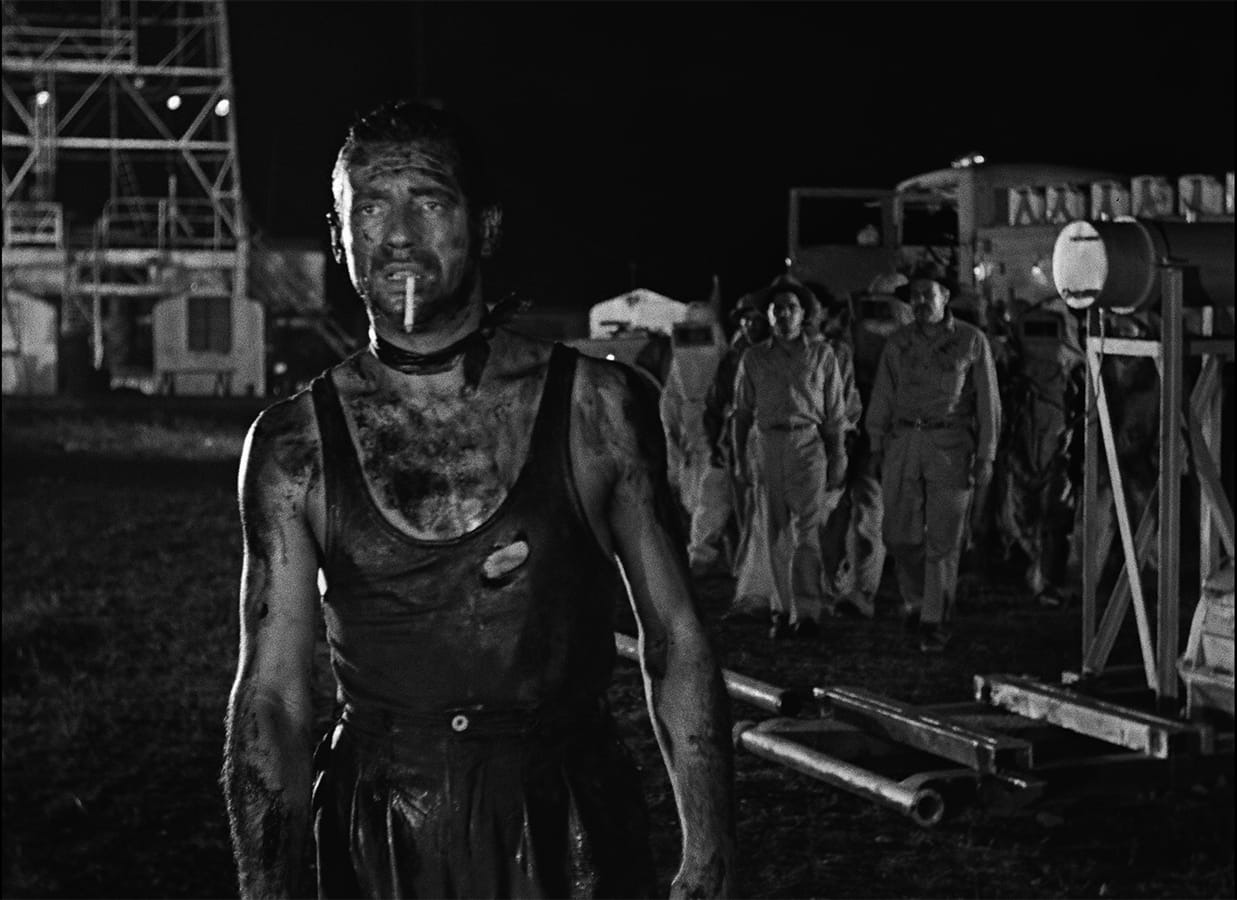
Although people may know its American remake more, Sorcerer (also a Criterion release), The Wages of Fear is the anti-Prozac in cinematic form. While most modern thrillers are more aggressive and fast paced in thrill propulsion, The Wages of Fear achieves a level of thrill by taking it slow. A scene with a wooden road extension along a hill left me wound up well after the scene had concluded. The crazy part, you can go in having seen Sorcerer (and the beats are basically the same between the two films) and you’ll still be on the edge of your seat. The Wages of Fear is that good. This film is best available on 4K Ultra HD.
My two favorite performances by an actor belong to Lily Gladstone in Killers of the Flower Moon and Larenz Tate in Menace II Society. When this was announced as part of the opening slate of Criterion’s 4K releases I was incredibly excited. I’m sure most people were over the moon for Citizen Kane and The Piano, but this is one of the best films ever made. This film is devastating but also weirdly inviting. You are in the Hughes Brothers’ hands for the duration of the film and when tragedy strikes you feel it in a way only true masters of the form are capable of doing. I don’t want to give anything away, but this is an incredible film that I think doesn’t get enough love. Even now, with the new box set from the brilliant John Singleton, people will probably flock to Boyz N The Hood since it’s the more commercially popular film but if you haven’t seen Menace II Society I implore you that you give it a shot. This film is best available on 4K Ultra HD.
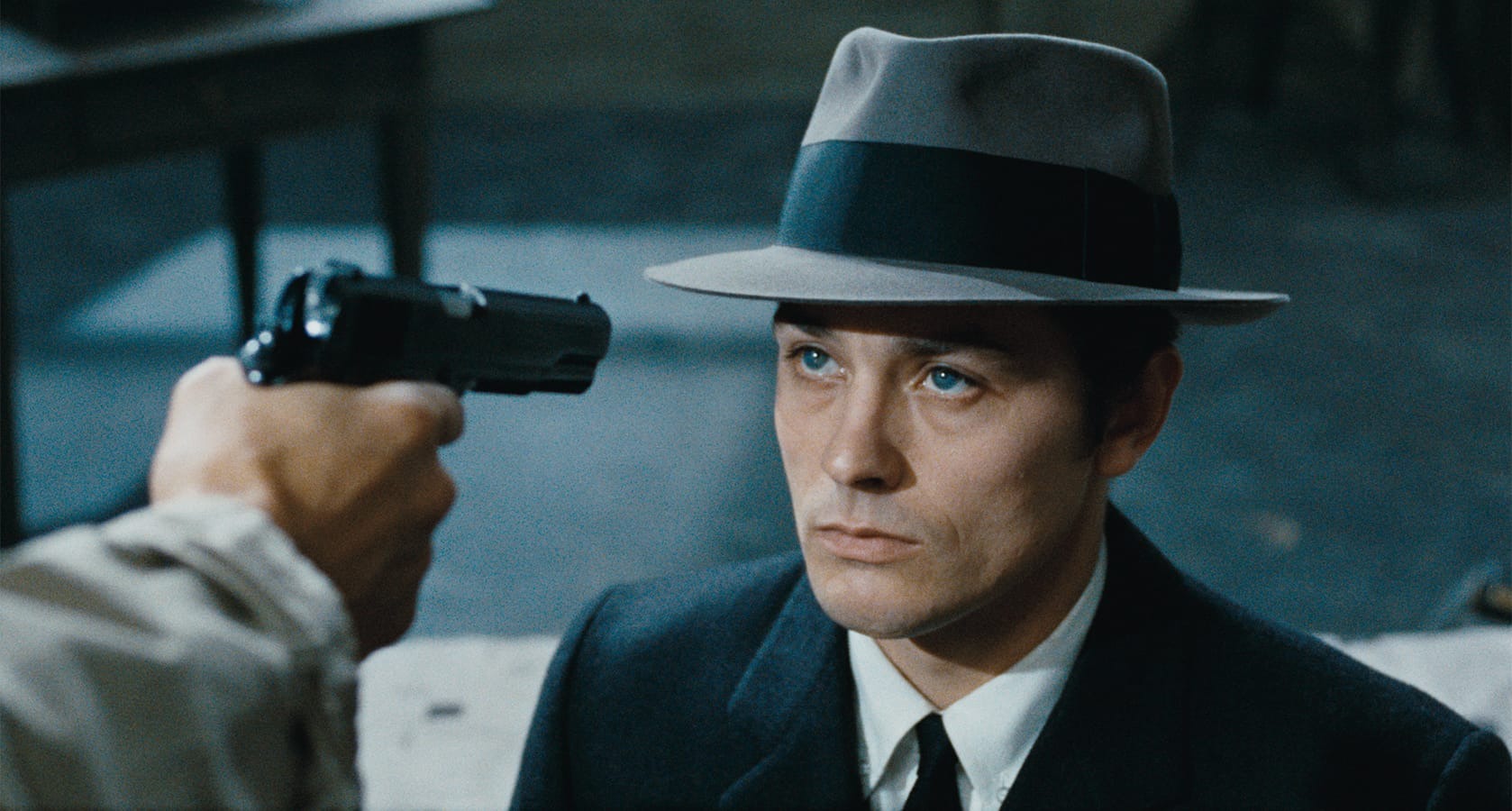
I have a soft spot for Le Samouraï. Maybe it’s the Metal Gear fan in me, or just the slick filmmaking but no one has ever been cooler than Alain Delon in this film. Melville’s films are all incredibly sly and stylish without being incredibly loud or excessive, but the simplicity in Le Samouraï works well for me. I don’t think you could go wrong with any Melville films in the collection – hell, if you needed a reason to go pick up Le Cercle Rouge, do it. But personally, I’ll stick with Le Samouraï. This film is best available on 4K Ultra HD.
Edward Yang is one of cinema’s greatest directors yet his works are only recently becoming more and more accessible. Obviously Yi Yi is the film everyone knows from him, but A Confucian Confusion and Mahjong are both equally as incredible. Yi Yi and A Brighter Summer Day have a more somber and intimate approach to their material, but A Confucian Confusion and Mahjong tackle serious material while being lively and more urbanized. Edward Yang’s approach to blocking is one of a kind and despite utilizing distance in a variety of his scenes you feel drawn into the scene, as if you’re a fly on the wall. I’m enamored with these films and I can talk extensively about them – these should be on your list this month. Last bit here, Mahjong has the best burp in all of cinema. This set of films is currently available on Blu-Ray.
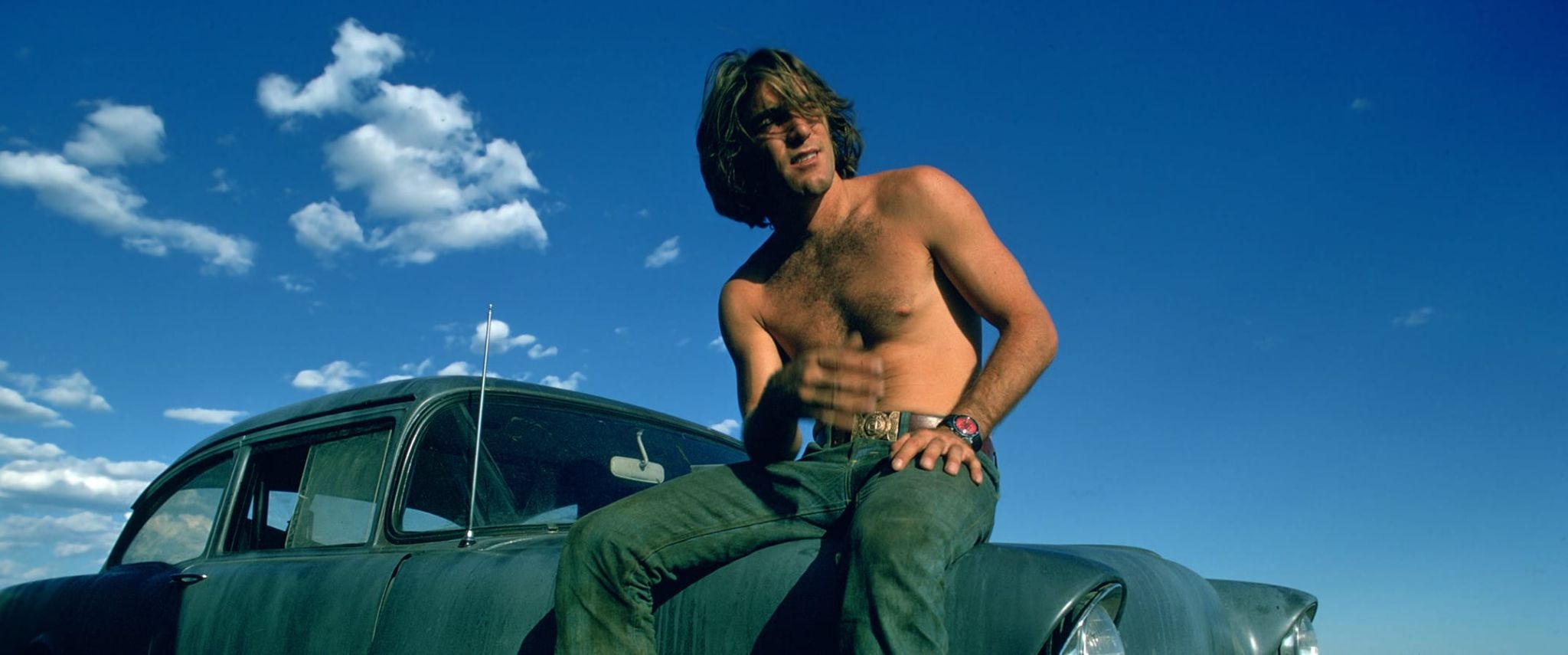
When I first saw this film I was at an ‘art house theater’ in San Antonio. In reality the ‘theater’ is just a one room art exhibit with a projector and various chairs of shapes and sizes – sort of like an overglorified living room. The charm factor was throttling off, and this film only drove it further (see what I did there?). This film stars James Taylor, the musician, and Beach Boys’ Dennis Wilson in their only acting roles, about two drag racers in a cross country race against Warren Oates’s GTO. The winner of the race would get the loser’s car. I’ve rarely seen this movie discussed but this is without a doubt one of the best road movies I’ve ever seen. Yes, even better than the excellent Fear and Loathing in Las Vegas. You would not go wrong picking this up. This film is currently best available on Blu-Ray.
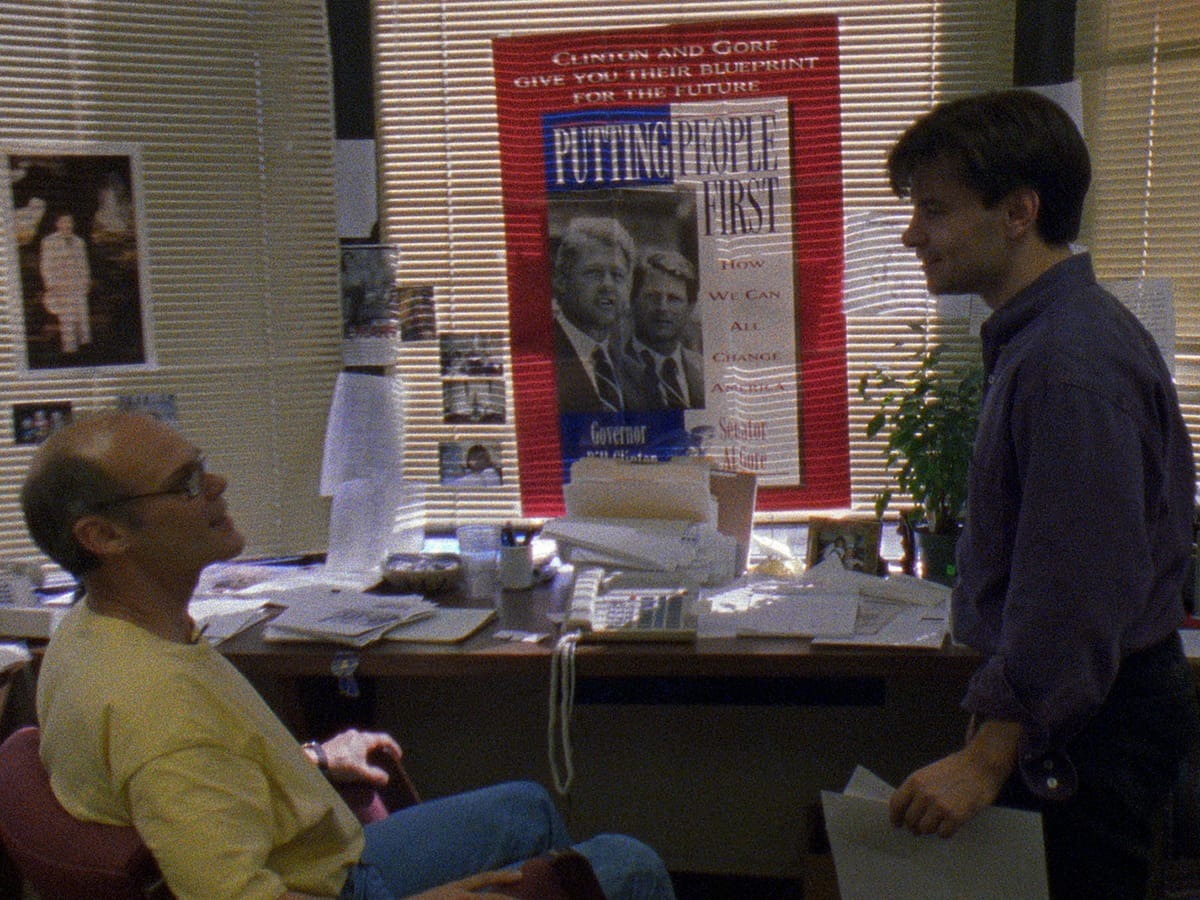
While I would go out of my way to recommend Hoop Dreams, I feel like the praise for that is head and shoulders above most documentaries in the Criterion Collection. With that said, the assortment of documentaries revolving around American politics are relatively few in the Collection and I think The War Room is a great capsule from the 1992 presidential election. Furthermore, anyone looking to dive into documentaries should AT LEAST see one from D.A. Pennebaker. Even though they only got approval after the Democratic primaries, they made the remainder of the election cycle incredibly enthralling and suspenseful. Obviously, we know that Bill Clinton wins this election, but the scene where the team is waiting for the election results is nail biting – the tension is strong enough to make you forget that he won. This film is currently best available on Blu-Ray.
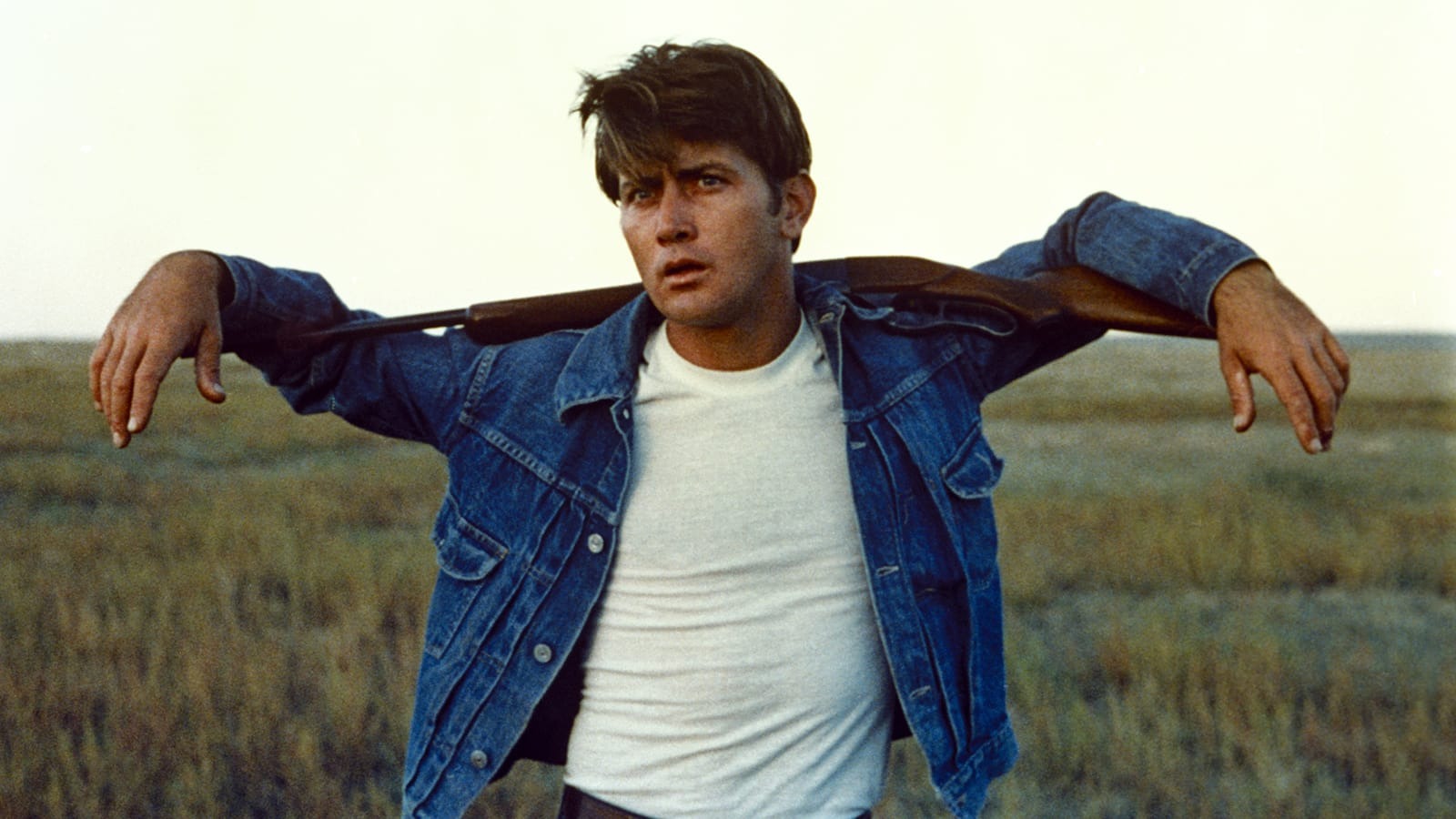
I won’t pretend I’m the biggest Terrence Malick fan – Badlands is the only film I’ve seen from him so far. But Badlands. PHEW, Badlands. That is a movie. 1970s Martin Sheen was able to display some of the most evil individuals on film with this and Apocalypse Now. While you fall into the rabbit hole of consequences for Sheen, there’s still a monstrously tender film underneath. The sequence using “A Blossom Fell” by Nat “King” Cole is incredible, somehow making me feel for Sheen’s morally depraved character Kit. While most films or TV shows about killers make you feel the sludge of depravity, this film rides along the balance beam of morality while never promoting the actions committed. This is truly one of a kind film that I can toss on anytime, any day. This film is currently best available on Blu-Ray.
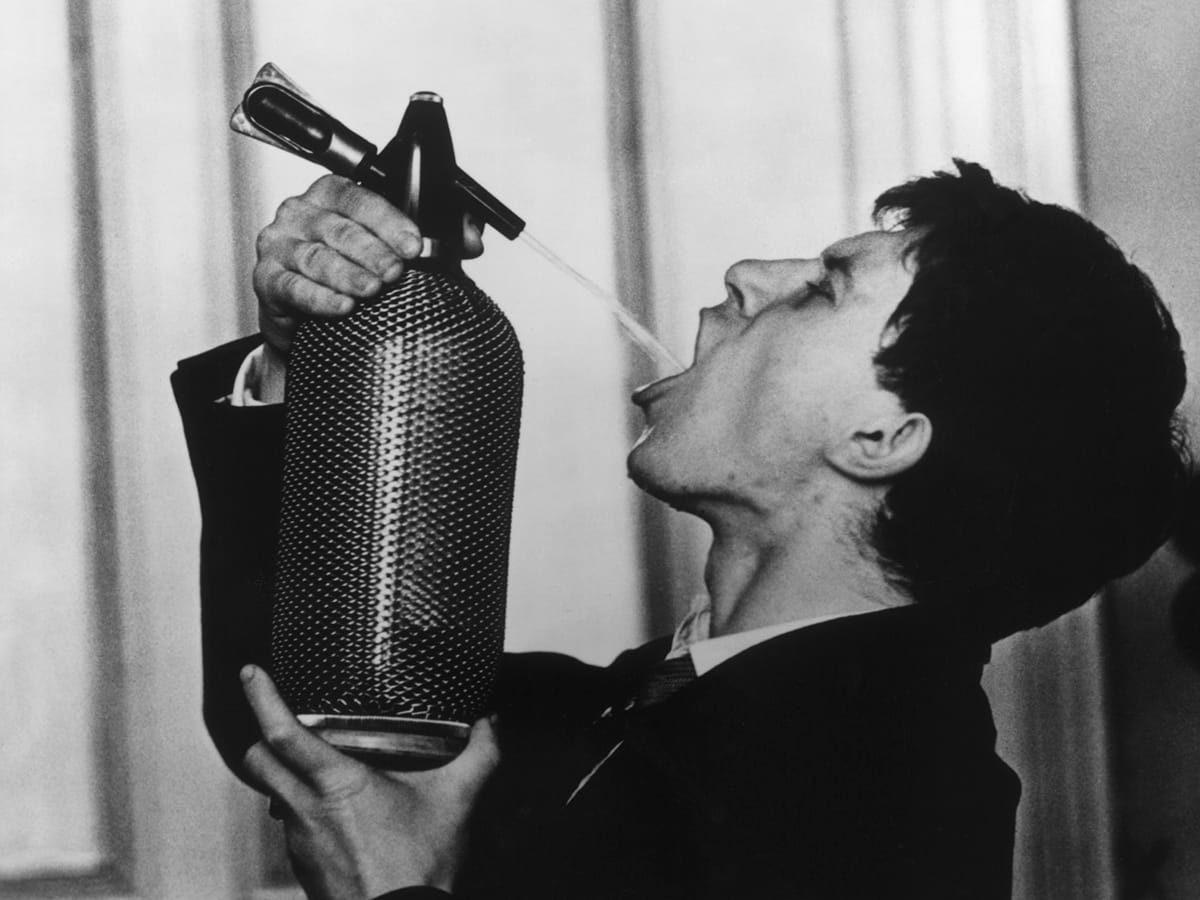
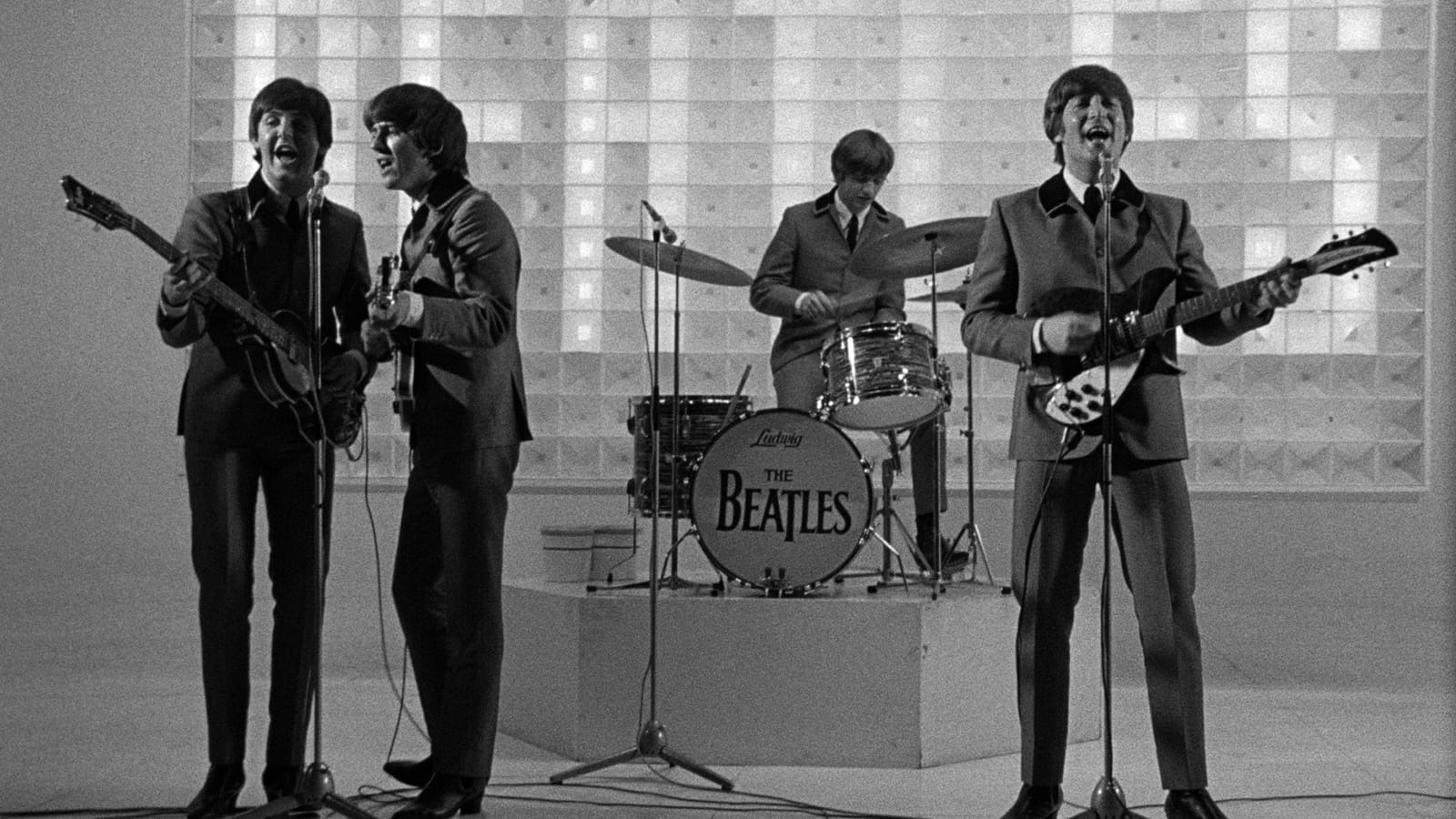
Criterion has a handful of really excellent music-related films, mostly documentaries. Thelonious Monk Straight, No Chaser, Gimme Shelter, and the box set The Complete Monterey Pop Festival are all great options to scratch your itch, but A Hard Day’s Night is incredibly charming and is a great deviation from the typical music films you see. While it isn’t entirely out of left field for musicians to star in films (look at The Rat Pack for example), I can’t recall a film starring a band where the film’s material is just promo for an album release. The Beatles were filled with personality and even if you aren’t a fan of their music the film is still incredibly fun. You wouldn’t regret going this route if you’re itching to get your music fix. This film is best available on 4K Ultra HD.
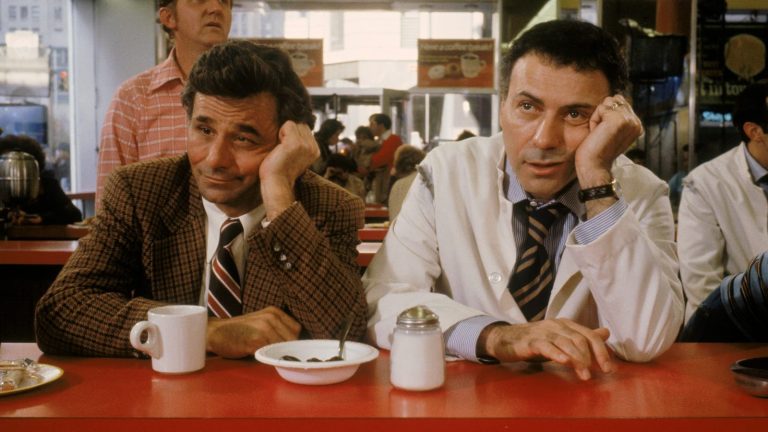
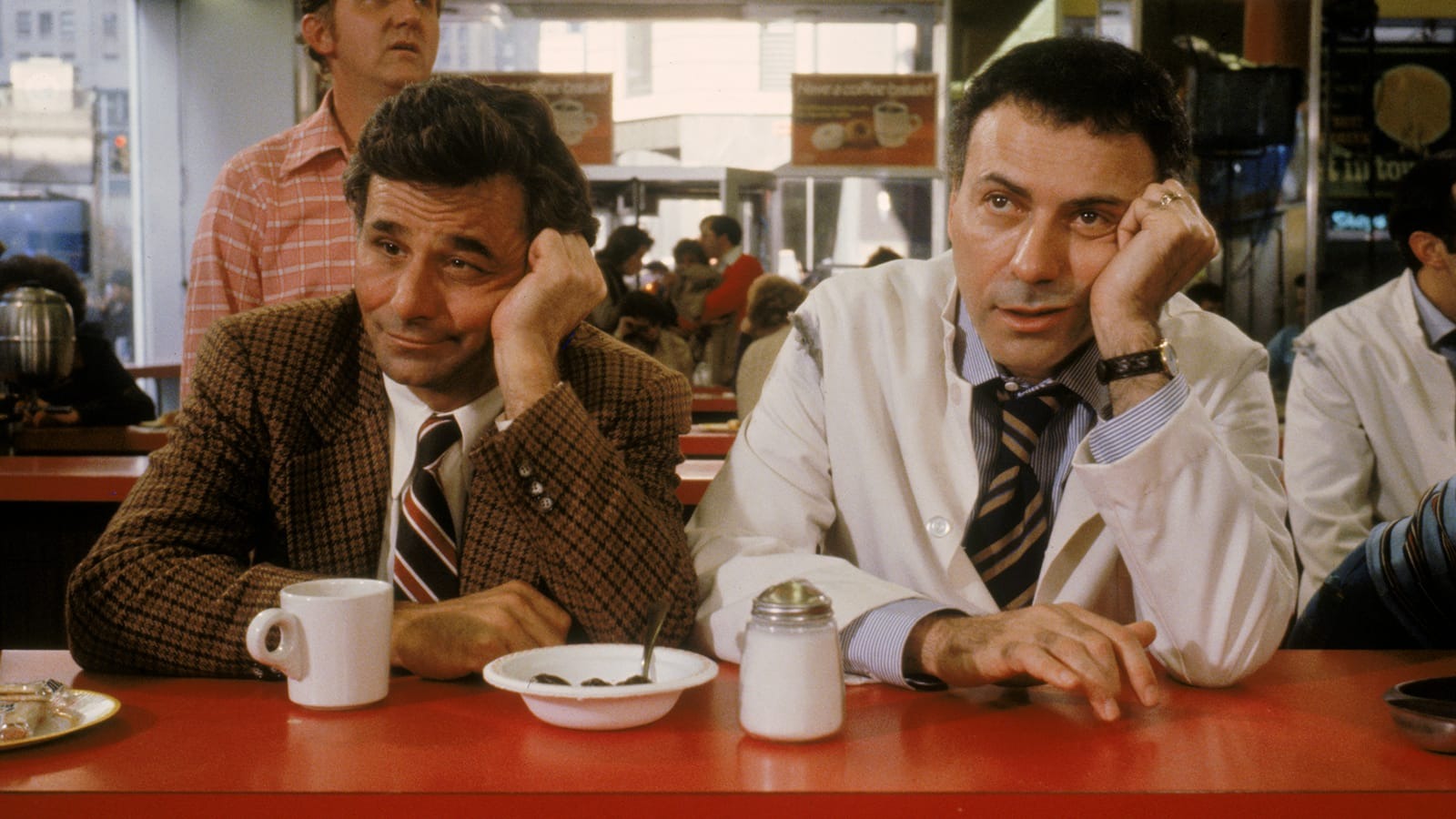
I’ve written about this film before, specifically about buying the Criterion release of it. The In-Laws is one of my all time favorite films and I only discovered it through Criterion and comedians that recommended the film. You cannot go wrong with this film, every time I go to Barnes & Noble during their sales I always see a copy collecting dust on the shelf and if I could I would take it away from its dusty spot and place it next to the copy I already have. That sounds foolish, but this movie is that good. I won’t dig too deep into it, some of the stuff in it hasn’t aged entirely well, but it’s still worth every second of your time. Go buy this film! This film is currently best available on Blu-Ray.
Give these a shot, if you picked any of these up and enjoyed what you saw let me know!! Otherwise, enjoy the sale this month!
Director: Pierre Coffin Writers: Pierre Coffin, Brian Lynch Stars: Pierre Coffin, Allison Janney, George Lucas
Synopsis: Follows the Minions in 1920s Hollywood as they search for frightening creatures for their monster movie, partner with a green creature, and must save the planet after unleashing monsters.
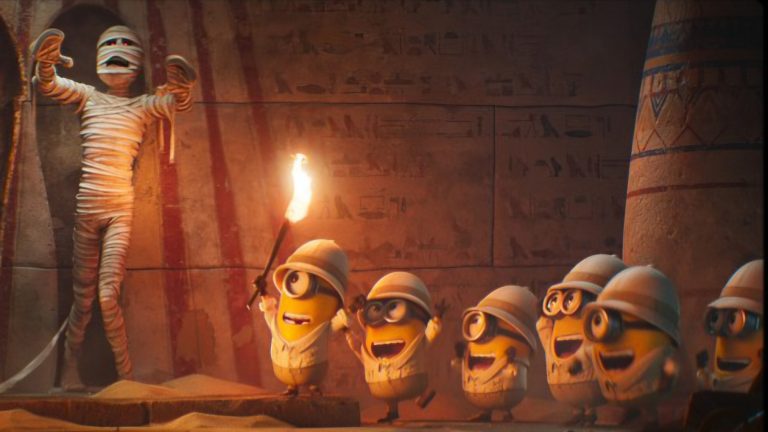
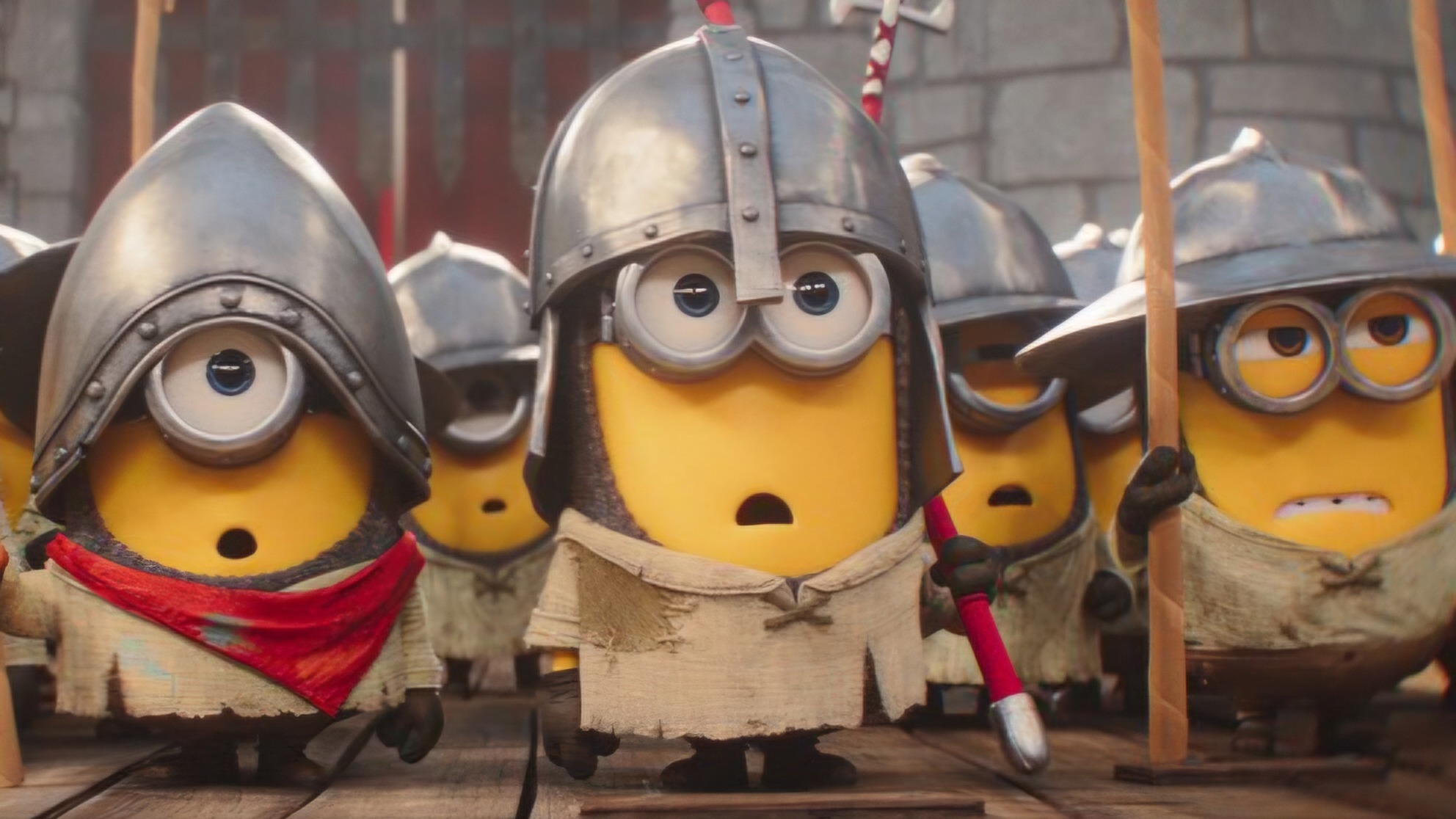
The Minions have had an impressive run, with Minions & Monsters serving as the third entry in the prequel franchise and the seventh movie in the Despicable Me universe — the powerful and almighty DMU, for short. And that is not even counting Illumination’s brand exploitation of its intellectual property for fast food, beverages, theme parks, candy, the auto industry, and even insurance sold to families worldwide.
Yes, Illumination uses the Minions like Felonious Gru himself, sending those obsequious, mindlessly loyal followers out to do its bidding. Fortunately, somehow, each installment remains very funny, even as the franchise shows signs of becoming stale. Minions & Monsters still brings a truly unique sense of humor that owes a great deal to Looney Tunes: old-fashioned, smart, subversive, and equipped with near-perfect comic timing.
This type of world-class comedy is hidden beneath a candy-coated animated shell. The movie is filled with utter slapstick chaos, hilarious gibberish, and wild cartoon violence without consequence, displaying an impressive command of comic escalation. Sure, there isn’t much of a plot when it comes to these psychopathically magnetic but misunderstood evil little lemon goblins, but the joy is in experiencing everything and the kitchen sink approach.
The fast-moving bits, pratfalls, and Hollywood parody make Minions & Monsters as enjoyable as any entry in the DMU so far.
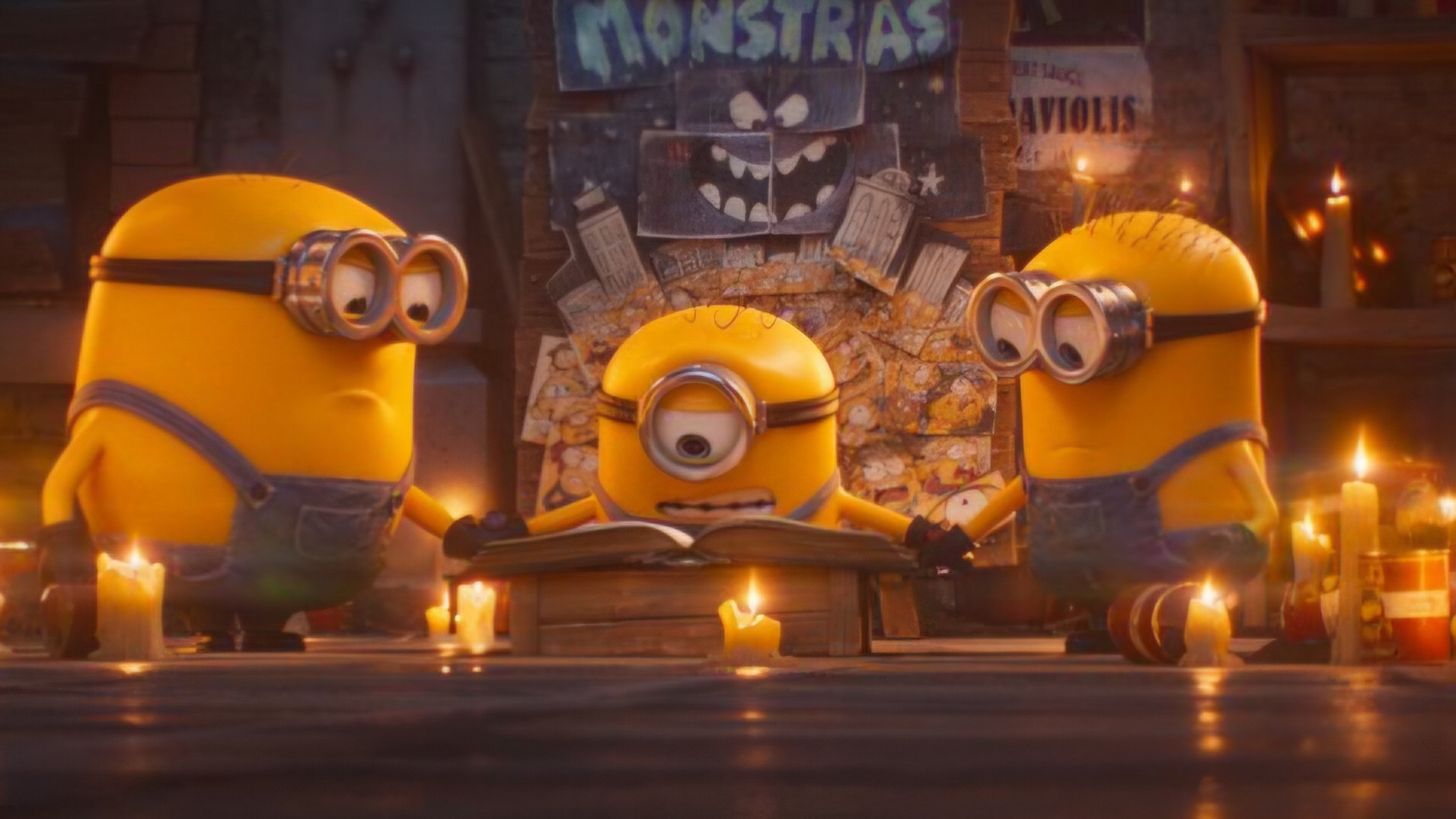
The story follows a new group of Minions looking to upgrade their subservient ways by finding the world’s greatest villains. Among them is James, an artistic Minion with a passion for painting, who becomes the third wheel to Henry and Ed (all three voiced by Peter Coffin), two Minions with an infamous backstory of their own. During their search for a new master after the death of silent films exposes their gibberish, they acquire a warlock’s spellbook.
After a director (Christoph Waltz) hires the trio to star in his movies following their accidental interruption of a staged train robbery, they must contend with egotistical studio heads (Jeff Bridges). Hoping to secure their place in creature features, they summon a squid monster named Goomi (Trey Parker). Then, a robotic alien named Dort (Jesse Eisenberg), an ode to The Day the Earth Stood Still, arrives, and the yellow-bellied troublemakers immediately begin following the metal tin can as their new leader. And “Eureka!” — down the Minion hole we go.
From Pierre Coffin, Minions & Monsters works so well because it is, well, a monster mash of genres with a comedic spin, much like those Warner Bros. cartoons we mused about above. The film embraces the 1920s silent Golden Age of Hollywood, musical numbers, and creature features, blending them into madcap bliss. In fact, the screenplay by Brian Lynch and Coffin lacks structure, which you admire, as it embraces what makes IPs so special to begin with.
Coffin, who was nominated for an Academy Award for Best Animated Feature for Despicable Me 2, finds, beneath all the infectious fun, an odd appreciation for Hollywood — an Illumination love letter, if that is even possible. Of course, the experience is heavily dependent on your enjoyment of the Minions, which is great news for kids and adults who can never get enough of them. Not to mention the nonstop action, comedy bits, and beautiful animation.
Minions & Monsters knows its audience. How many manic animated films can pay homage to the stars of silent comedy and modern-day sci-fi mythmakers while surrounding them with manic gibberish, and even satirizing the studio’s own retail market for the titular characters? The movie is for kids, adults, and cinephiles, all within under 90 minutes, astutely understanding what the filmmakers want to accomplish and what their intended audience deserves.
You can watch Minions & Monsters exclusively in theaters starting July 1st!
Director: Paul Greengrass Writers: Paul Greengrass, Christopher Rouse, Robert Ludlum Stars: Matt Damon, Tommy Lee Jones, Alicia Vikander
Synopsis: The CIA’s most dangerous former operative is drawn out of hiding to uncover more explosive truths about his past.
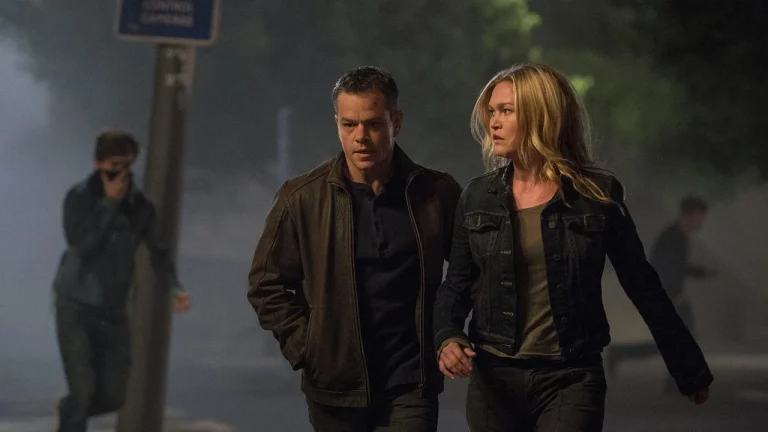
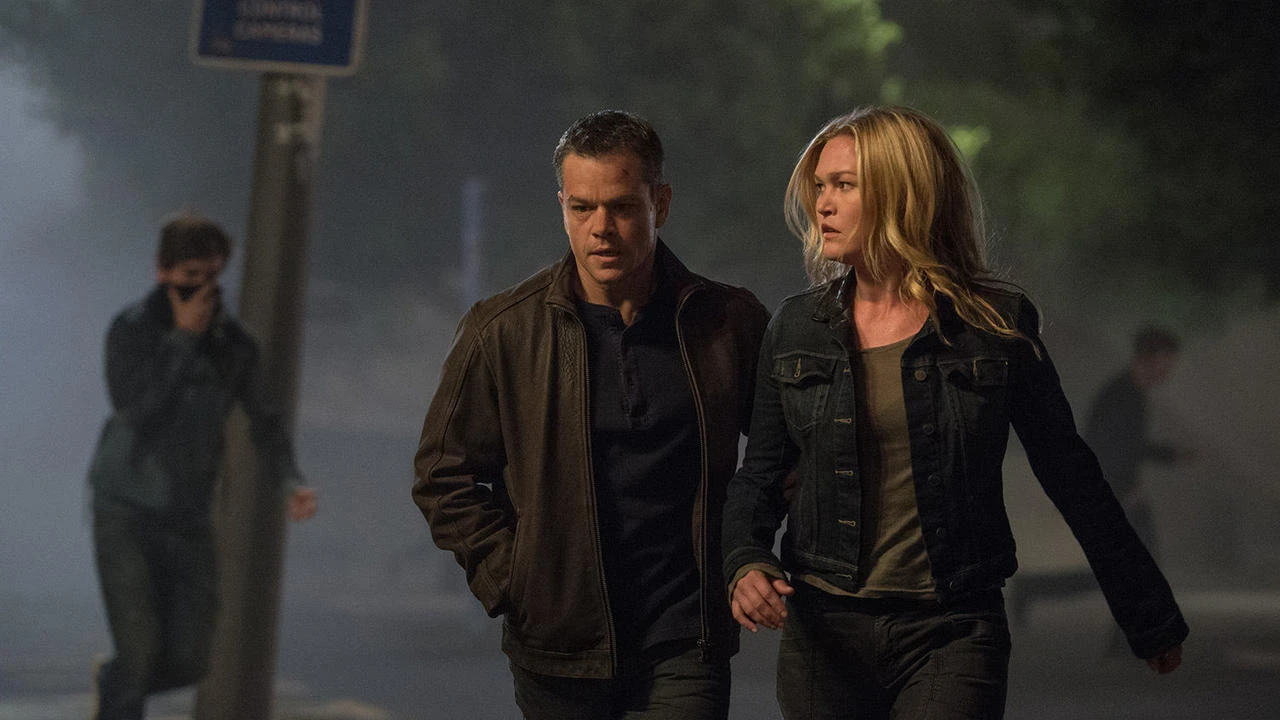
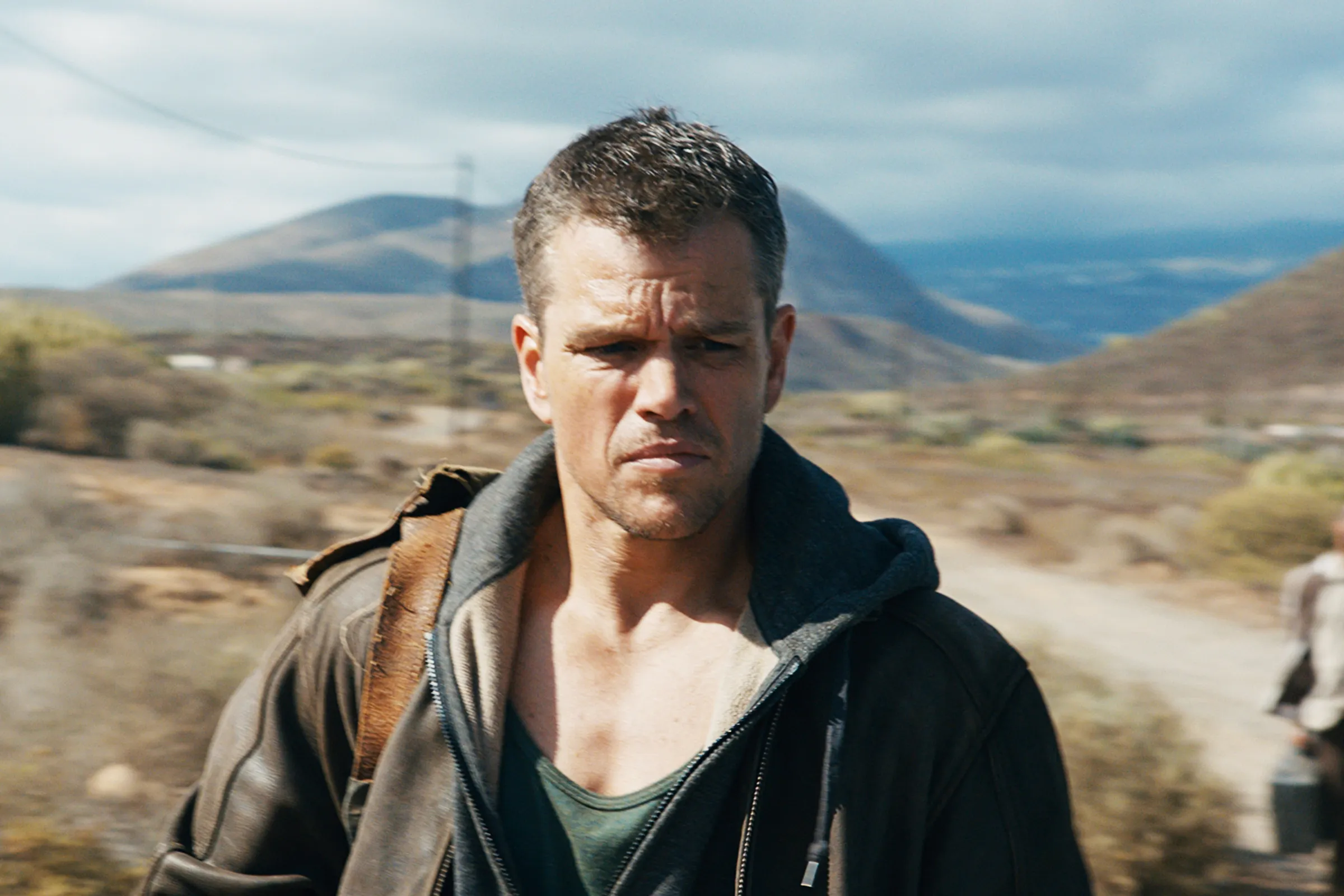
Few action franchises have left a mark on cinema quite like the Bourne series. Beginning with The Bourne Identity in 2002, the franchise reinvented the modern spy thriller, trading gadgets and one-liners for realism, grit, and relentless tension. Across five films, the series has generated more than $1.6 billion at the global box office, proving that audiences couldn’t get enough of Jason Bourne’s journey from amnesiac assassin to a man desperately searching for the truth about his past. His character remains one of the most compelling action heroes ever created. We love Bourne because he feels human. He’s vulnerable, intelligent, and constantly fighting against forces much larger than himself. Ten years after its release, Jason Bourne is a reminder of why this franchise captured audiences worldwide and why few action films have managed to match its standard.
Returning to the film a decade later, I was immediately struck by its confidence. By the time Jason Bourne arrived in cinemas in 2016, there had been a nine-year gap since Matt Damon last appeared as the character in The Bourne Ultimatum. During that time, plenty of action franchises had emerged, some gathering quite the momentum (Mission Impossible – Ghost Protocol in 2011, and Casino Royale in 2006), showing that audiences craved watching a good-looking man saving the world. And we’re so glad that Jason Bourne returned to our screens without damaging its previous legacy.
The film reunites Damon with director Paul Greengrass, whose handheld camera work and documentary-style approach helped define the franchise’s identity. While some viewers criticized the shaky-cam trend that followed in Bourne’s wake, this style helps every chase, fight, and confrontation feel immediate and grounded. There is a sense of realism that many modern action films struggle to achieve.
The story sees Bourne pulled back into a world he desperately wants to leave behind after discovering new information about his father and his connection to the CIA’s covert programs. At the same time, the film explores themes of government surveillance, digital privacy, and the growing influence of technology companies. What is interesting is how relevant these ideas still feel ten years later. In some ways, they feel even more timely now than they did in 2016.
Of course, nobody comes to a Bourne film solely for political intrigue. The action remains the main attraction, and Jason Bourne delivers spectacularly. The film contains several standout sequences, but the Las Vegas finale remains genuinely impressive. The sheer scale of the chase through the Strip is breathtaking, combining practical stunts, destruction, and tension in a way that feels increasingly rare in an era dominated by CGI-heavy blockbusters.
Matt Damon slips back into the role effortlessly. One of the most fascinating aspects of Bourne as a character is how little he actually says. Damon has never relied on lengthy speeches to make the character compelling. Instead, so much is communicated through expression, body language, and presence. He’s completely believable as a man carrying the weight of a troubled past while still possessing extraordinary skills.
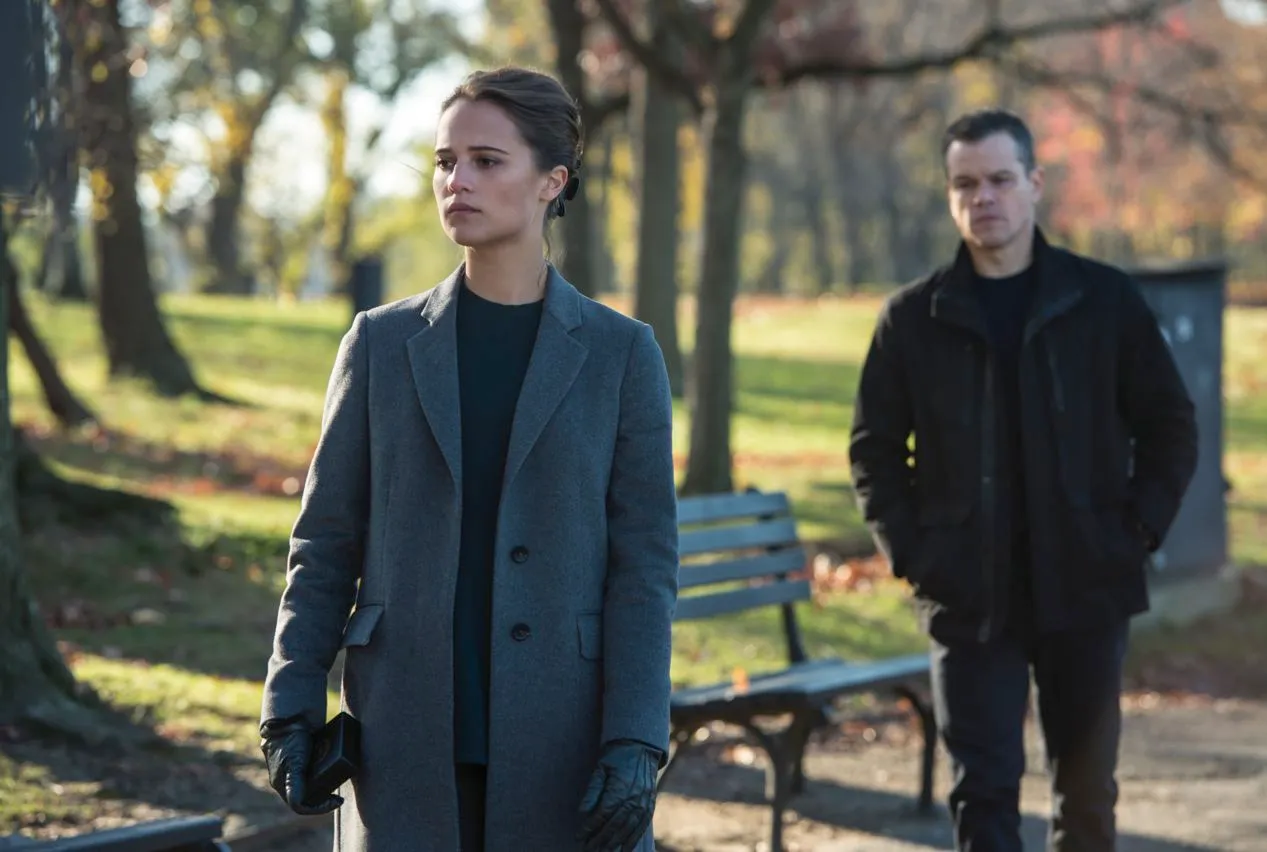
The supporting cast also adds plenty of depth. Alicia Vikander brings intelligence and ambiguity to CIA cyber director Heather Lee, while Tommy Lee Jones provides a suitably hard-edged presence as CIA Director Robert Dewey. Vincent Cassel, meanwhile, makes for a formidable physical threat as the mysterious Asset pursuing Bourne across the globe.
What continues to impress me most about the Bourne franchise is its pacing. Every scene pushes the story forward, and every action sequence is justified. That is perhaps why Jason Bourne still works so well ten years later. It may not be the strongest entry in the series, but it embodies everything that made the franchise successful. It is smart, fast, tense, and consistently entertaining. Most importantly, it reminds us why Jason Bourne became such an iconic character in the first place.
For longtime fans like me, revisiting the film is an enjoyable trip back into one of cinema’s greatest action franchises. For newer viewers, it serves as a reminder of how effective action storytelling can be when character and spectacle work hand in hand. A decade on, Jason Bourne remains a thrilling ride, and despite countless imitators, there are still very few films that can keep up with what the Bourne series does best. At just over two hours, it moves with remarkable efficiency, making it an easy and thoroughly entertaining watch.
Director:Jeff Tremaine Stars: Johnny Knoxville, Steve-O, Chris Pontius, and the whole rest of the gang
Synopsis:The fifth and final installment in the Jackass franchise sees the crew go on one last insane crusade.
If insanity is doing the same thing over and over again and expecting a different result, what’s the word for going back to the well and willingly falling down the bore in the name of cinema? Thankfully for us, the Jackass troupe doesn’t need a hard and fast term nor a definition of any kind to make sense of the thing they’ve gleefully and perilously dedicated their lives to for the better part of three decades. Thousands of injuries, tens of thousands of swift blows to the genitals, and a handful of near-death experiences on, Johnny Knoxville and co. are best known and will forever be singularly remembered for voluntarily putting themselves in harm’s way for the sake of a laugh: Ours and one another’s. Questions regarding the stunt of the day tend to be few and far between. It’s better that way; some might even argue that it’s beautiful.
The last 30-ish years of escapades dreamed up by Knoxville, Steve-O, Chris Pontius, et al. are best distilled down to a single idea by the tagline for their 2022 collection of (mis)deeds, Jackass Forever: “Some people never learn.” Flipping that statement around and directing at their eager audience lets it ring just as true. From its dawn as an MTV clip show in 2000 through its endless run of spinoff feature films and the many “0.5s” smattered in between, people (generally men) have delighted in watching Bam Margera fall into a pit of fake snakes only for a handful of real ones to be added moments after the initial misguided terror wore off; in seeing Jason “Wee-Man” Acuña convince multiple cast members that there definitely wasn’t a massive, hidden hand attached to a spring-powered pendulum around the corner from where they’d be walking, waiting to wallop them in the grill (“HIGH FIVE!”); or in enjoying insert cast member name here’s next (but never first) encounter with a bite-happy reptile. You need not rack your brain too much to imagine what these creatures are all too happy to bite, and these men are all too happy to let them. They pull these stunts over and over again, and yet as a viewing experience, Jackass never gets old.
But the Jackasses themselves have, and Jackass: Best and Last —the fifth and final installment, as has been proclaimed in the film’s marketing and is reiterated a few times on screen by cast and crew alike — doesn’t hesitate in acknowledging that fact. Its opening credits, a trademark performance in each entry that simultaneously introduces the cast and pummels them with blunt force, is a Jamiroquai-inspired “dance” number that doesn’t require the featured players to move all that much. (Helping matters is the “Virtual Insanity”-lite treadmill floor; a few participants don’t even have to walk in order to meet their makers.) The film’s opening bit is a robot-administered prostate exam; later comes a gag — emphasis on the gag — in which a handful of castmates chug the intolerable liquid one drinks to prepare for a colonoscopy and play a smelly game of “Twister.” Knoxville and longtime Jackass steward Jeff Tremaine discuss that “this is what Jackass looks like at 50,” only for that humorous sentiment to be later one-upped by the revelation that one more bull-inflicted head injury might just kill the face of the franchise. It’s all fun and games when somebody gets hurt. Not so much if someone dies.
And so while there’s plenty of new to be found here, including the still sorta new gaggle of young castmates (Zach Holmes, Sean “Poopies” McInerney, Jasper Dolphin, Eric Manaka, and Rachel Wolfson, who quite specifically gets nothing to do), Best and Last spends less time introducing skits and stunts into their everlasting arsenal of classic pranks than it does revisiting those those of films and episodes past. Some are shown in snippets, while others — like Forever’s “Silence of the Lambs,”3D’s “Poo Cocktail Supreme,” and the “abduction” of Brad Pitt circa 2002 — are replayed in full, often with additional, unseen commentary thrown in for good measure. To use an aforementioned distinction, Best and Last would be safe to categorize as a “0.5,” the sort of “here’s what we left on the cutting room floor” films that the crew would typically release between new chapters with a slightly different tone and structure… insofar as a Jackass film holds to a specific structure, that is.
Like the installments to have come before it, Best and Last’s editing is limited to fade outs and fade ins between clips, a touch that always made the series feel undeniably homemade from a filmmaking perspective. (As if building a ramp and a slingshot designed to launch a man in a wheelbarrow into an inflatable pool isn’t “homemade” enough.) That persists here, though many of the on-cams chaps carry with them a somber tone, acknowledgements that this is, indeed, an ending. It being the ending may depend more on how much Paramount loves money, or cares to reinvent the procession for its streaming arm with “Poopies” and Jasper et al. as its stars. But those whippersnappers hardly carry with them the fervor for this sort of stuff that Chris Pontius has for swinging his penis in circles like a helicopter blade. Nor are they remotely as willing as their fearless leaders, particularly Knoxville, to step into the ring with a bull hellbent on cracking open its opponent’s skull. And who would (or could) be? It takes an especially sick person to appreciate crafting their own pain in order to make others laugh.
The gratitude this particular critic feels for these lunatics goes beyond the bounds of their balls and bullets taken. It has often been shared, albeit glibly, how beautiful Jackass is, a visual representation of a smattering of very unique, very male friendships locked together by a common insanity. But the series, from television to cinemas, has also spotlit the growth that its stars have experienced, with Best and Last perhaps offering the most concrete examples of development. Between archival and present-day footage, we watch Steve-O go from refusing to shove a toy car up his ass to the guy willing to take a robot’s finger instead. In other news, he’s gotten sober, and the crew has enforced on-set sobriety in order to ensure maximum safety while performing the dumbest shit imaginable. We’ve come a long way from the days when Knoxville [redacted] himself in the [redacted] with nothing but [redacted] as protection, a stunt that opens this new film and had never been seen before. (Unless, of course, you were really dying to see the truth to the many rumors of why Knoxville is the captain and found it on YouTube before it was taken down.)
We’ve come a long way from a lot in the context of Jackass, from when the majority of their crusades had to do with riding skateboards to now, when budgets are larger yet men are less capable of taking the same hits they once took. Best and Last’s new set pieces aren’t recycled but are underwhelming by comparison to the old days. Imagine a de-aged, stomping Robert De Niro in The Irishman that absolutely looks every year his actual age; that’s sort of what it’s like to watch how much time has aged our beloved boys out of what they’ve always been capable of.
What hasn’t changed is how much joy they find in their jobs, a crazy concept in and of itself that they take to levels unheard of prior. No longer are they the same 20-something warriors who challenged MTV to air “The Convict,” a bit in which Knoxville was actually threatened with an arrest after dressing up like an escaped prisoner and using a hardware store’s saw supply to rid himself of handcuffs, or literally took a dump in a different hardware store’s display toilets for shits and giggles. Now, they’re a bit more like us: Weathered from life on the exterior but young and dumb at heart. Jackass: Best and Last takes pride in the knowledge that it’s okay to move on and to revel in the glory days all at once, even if the glory days theoretically concluded long ago, six concussions and 19 broken limbs in the past. But they’ll never fully learn, no matter what certain medical professionals tell them to do, and likely never will. Thank goodness for that.
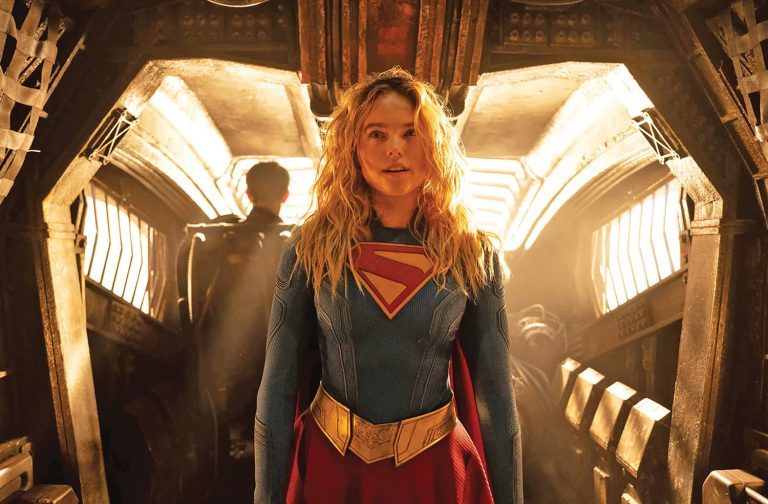
On this episode, JD and Megan discuss the second movie to debut in the new DCU in Supergirl! The film has been quite divisive at best (shocking, we know), but its execution does leave something to be desired, even if it’s affable on paper. We do our best to find the root causes of its failures while also highlight what does work about the film.
Review:Supergirl
Director: Craig Gillespie Writers: Ana Nogueira Stars: Milly Alcock, Eve Ridley, Jason Momoa, Matthias Schoenaerts
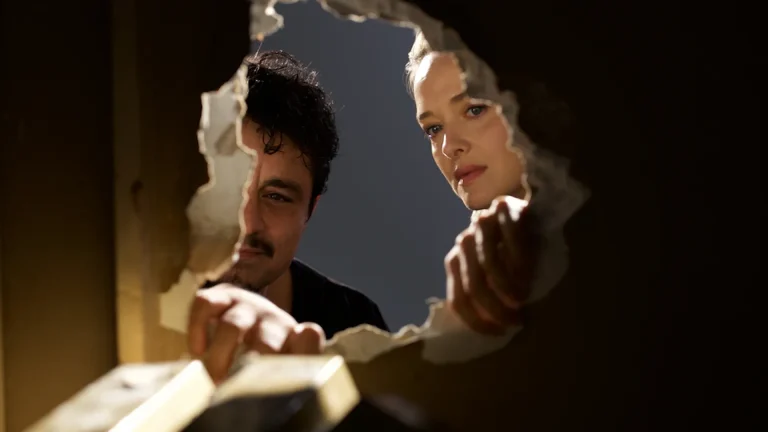
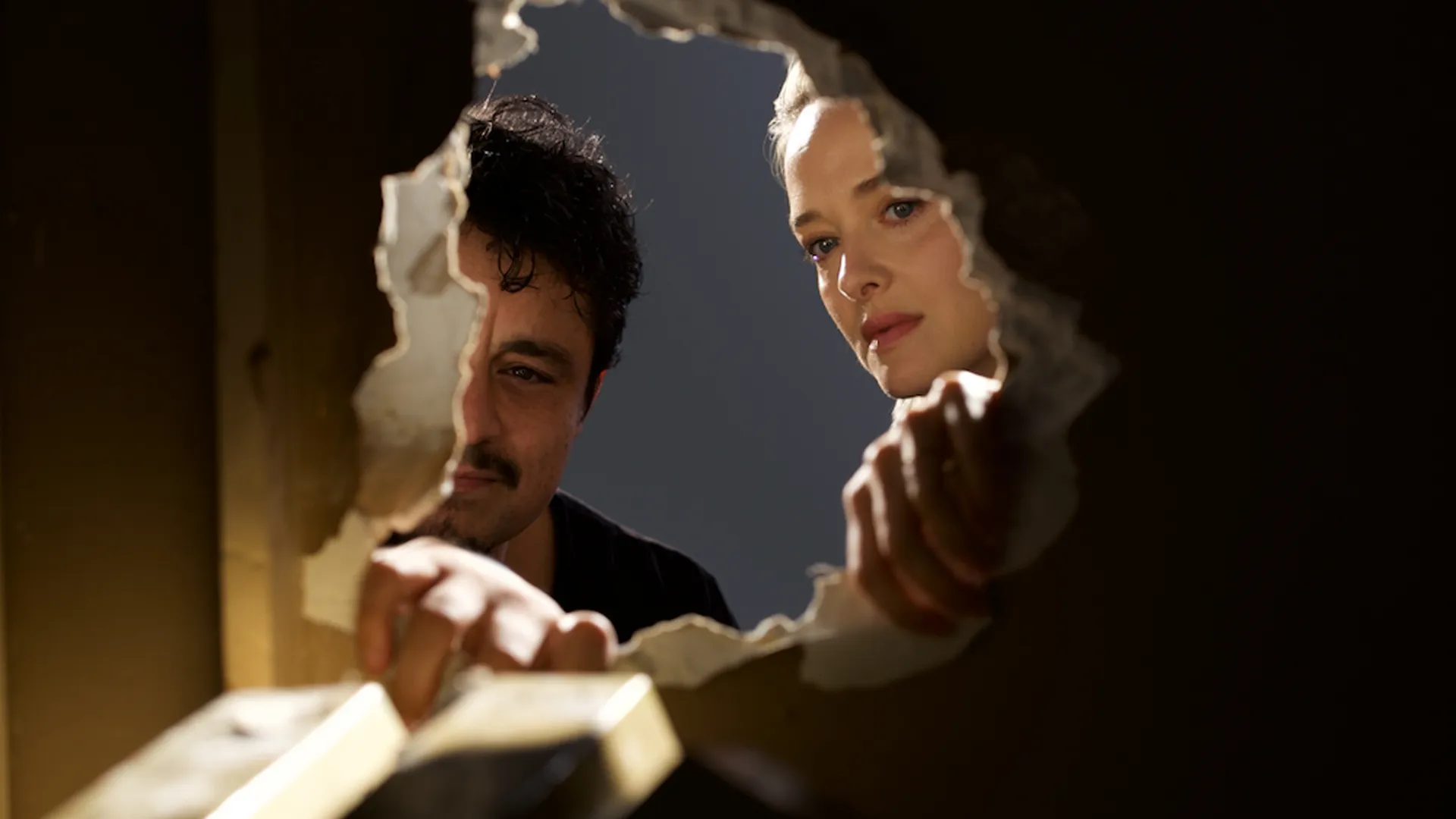
Synopsis:A broke couple finds a treasure trove hidden in their home. Tempted by riches, they plot to secretly sell the gold, but their illegal scheme jeopardizes their relationship and lives.
Being compared to an accomplished filmmaker is often an honor. If you’re able to capture the essence of a well known filmmaker, but also make your own statement and establish your own style, then it can be a boost to your film. It means most reviews and fans will describe your film as “[famous filmmaker]-esque.” It’s a mixed bag in that way. Some of us think that J.J. Abrams’ original feature Super 8, often described as Spielberg-esque, is a terrific film, but others feel like it’s a poor facsimile of another’s style. The same goes for most of us who balk at an obvious Tarantino-esque film because no one can really achieve the same alchemy that Quentin Tarantino is known for. It’s not to say Tarantino’s brilliant, but that his brain is so full of forgotten fluff and homage to niche culture that his style is impenetrable and thus inimitable because of it. You could rightly call writer and director Adam Hoelzel’s Tender Coen-esque, recalling Joel and Ethan Coen’s stellar filmography of unique crime capers, but in this case Tender‘s comparison will be unfavorable.
Tender is a film that wants to be much loftier than it is. Yet, its filmmakers are unable to execute its lofty ideas in a compelling way. The problem Tender encounters is a lack of risk. As a director, Adam Hoelzel is not taking the chances that are warranted by the film that Hoelzel the writer put to paper. This is a bland interpretation of a good idea. Hoelzel and cinematographer Antonio Cisneros never attempt a unique visual perspective or a unique visual interpretation. This feels like they spent the budget on things other than cameras or lighting apparati that could evoke the dark mood they wanted. This affects the production design, which looks so sparse and like a theater set rather than a lived-in film location.
There’s a perfect example of this in a scene after Ellison Nash (David Koechner), the big heavy of the film, makes his move on his former partner, Mayor Jerry Kristiansen (Robert Peters), putting Jerry in the hospital. The next day there is a man taking pictures in the office. He’s just a man in a shirt and tie. Another man in a suit walks by, then a couple of our characters bumble into the office. It takes the one character who we’ve seen in a police uniform, Griff (Mark St. Cyr), to show up to make us realize that this is an active crime scene. Then suddenly the daughter of the mayor, Taryn (Shakira Barrera), who also runs his re-election campaign, shows up and everyone understands she’s in charge.
None of the design, costuming, or energy of the scene has any rhythm of a crime scene or the gravity of an elected official being attacked in his office. It feels so odd and jarring. No less jarring than the action that follows, though. Suspension of belief is one thing, but most small American towns have a succession plan for their mayor, who is mostly a figurehead, and it rarely shifts power to the mayor’s heir. It’s also laughable that Taryn, having no power as far as the story tells us, is able to remove police officers from an active crime scene and then sit at a blood stained desk to hold a meeting.
It feels like when Hoelzel came up with the idea for the film he decided not to do any research into real life procedures of police, medical, or political offices. A lot of these interactions and nitty gritty details are half thought through. These easy, unrealistic behaviors do service the plot, though. It’s clear Hoelzel gave a lot of thought into how Billie (Jess Weixler) and Mick (Jesse Garcia) could launder the money they will make from the gold they found. It’s clear he thought about almost every loose end that could ruin their plans to get away with it. It’s clear that the ideas were there, but the execution is just so bland as to supersede any cleverness that may be hidden in there.
If there is any redeeming quality to Tender is that many of the main actors’ performances are compelling enough to make you want to keep watching. Jess Weixler is doing some good work with the material she’s given. Her performance, if not the least bit risky, makes you wish the film didn’t diverge from her perspective. You can see the attempt she’s making at creating a character who’s worth following and that makes her worth watching.
Filmmaking is inherently risky. There’s no guarantee that what is on the page will be interpreted by the actors, the production crew, or the post production crew as clearly as it was felt when the writer put fingers to keyboard. Yet, if a filmmaker is unwilling, or unable, to push beyond the page or challenge themselves in taking a stab at something new and announces their vision to the world, what is left is just uninteresting. Tender had the potential, but its filmmakers didn’t have the gumption. They put out something that is derivative and fails to evoke anything other than a bored sigh after it’s over.
Director:Rod Lurie Writers:Rod Lurie, Marc Frydman Stars: Scott Eastwood, Colin Hanks, Aunjanue Ellis-Taylor
Synopsis:A wounded American soldier is trapped behind German lines during the Battle of the Bulge.
World War II movies are supposed to make an impact. The Greatest Generation fighting off the tyranny and evil of Nazi Germany should make you feel something. Rod Lurie’s Lucky Strike manages to be forgettable and somehow anonymous about anything and everything the film is interested in.
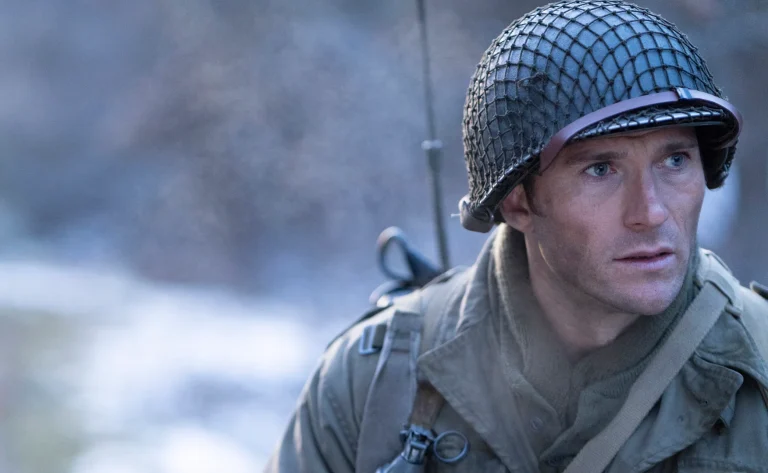
Scott Eastwood stars as Captain Castle, the leader of a group of World War II Army engineers in Belgium during the winter of 1944. Tasked with blocking a forest path, Castle and his men make their way into the wilderness and stop an approaching German Panzer division. Castle helps disarm a machine gun placement, but is cut off from his men, who are killed by the arriving Panzer.
Caught behind enemy lines and equipped with little more than his new Motorola radio, Castle must navigate the Belgian countryside, avoid detection, stave off multiple injuries, and attempt to get back home to safety. Along the way, he fights off German divisions, encounters occupied locals, and attempts to outsmart the Panzer group.
World War II soldier trapped behind the lines during the Battle of the Bulge should work on some level. Weirdly, the film decides to zero in on odd choices instead of developing any character, including Castle. It’s one thing to make your hero a normal everyman, it’s another to avoid developing him in any way. He keeps his private life private, but not in some mysterious way. It’s almost like the filmmakers didn’t want to put in the effort to flesh out his backstory and left it as some sort of mystery no one cares to solve.
Without spoiling anything, even the title Lucky Strike makes no sense. In the first five minutes, you see Castle smoking with the titular seal burning on a cigarette. That’s the last Lucky Strike mention for well over an hour. When the plot device comes back around, you completely forget it’s the title of the film, much less acting as some pivotal plot point. It reminded me of an episode of The Studio where Seth Rogen attempts to get Martin Scorsese to direct a film about Kool-Aid. I have no idea if the actual, still-in-existence brand is directly involved, but it wouldn’t surprise me.
It begs the question: who is this film even for? It’s not very exciting, has no narrative rhythm, features no performances worth remembering, and touches on the slightest bit of history that is very well publicized already. It’s not overly violent, has no tension, and gives you no reason to care about the main character. Not to mention, an opening framing device clearly establishes Castle’s well-being, zapping any bit of tension out of the proceedings.
At the film’s conclusion, you realize what the filmmakers have been up to, and you sit there gobsmacked at what just transpired. That? That was what all this was about? When it comes to basic filmmaking structure and audience understanding, Lucky Strike goes out of its way to keep you completely in the dark about what is important while being as obvious as possible about everything else. Nazis bad? You don’t say. This guy seems a little shady…he’s shady. The film is almost impressive in its staggering mediocrity, surpassed only by its confounding conclusion.
If anyone other than Eastwood is the main face in front of the camera, maybe some of my problems go away. Unfortunately, he is as bland as possible, to the point I forgot he was the actor in question, on-screen for 80% of the runtime. You could easily put a cavalcade of boringly handsome faces in the role and they would be as ineffective as Eastwood. If not for his occasional teeth gritting, he doesn’t even remind you much of his father.
Colin Hanks shows up for one scene and at least acts like he wants to be there. Poor Aunjanue Ellis-Taylor is on the other side of the two-handed framing device, but she doesn’t have anything to work with. No other actor makes the slightest impression, all vaguely looking the same if they are Americans and all slightly evil looking if they are Nazis.
Lucky Strike is boring, bland, and uninspired. Between Scott Eastwood’s nothing performance and Rod Lurie’s nothing direction, only the confounding filmmaking choices provide anything memorable.
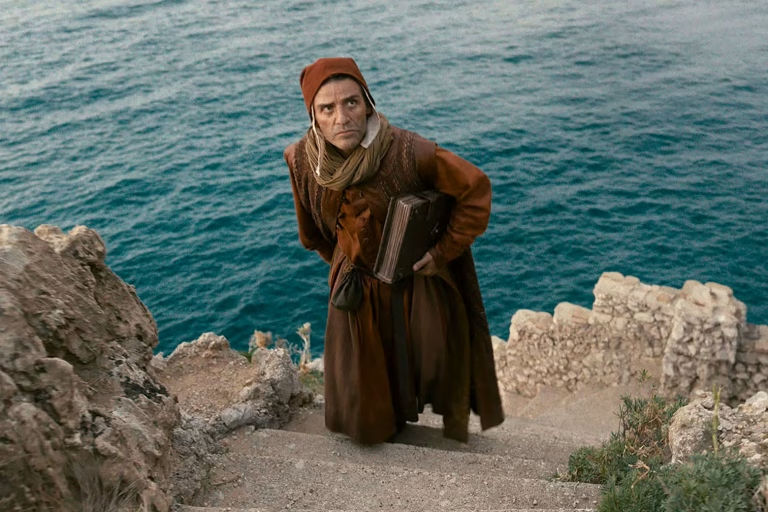
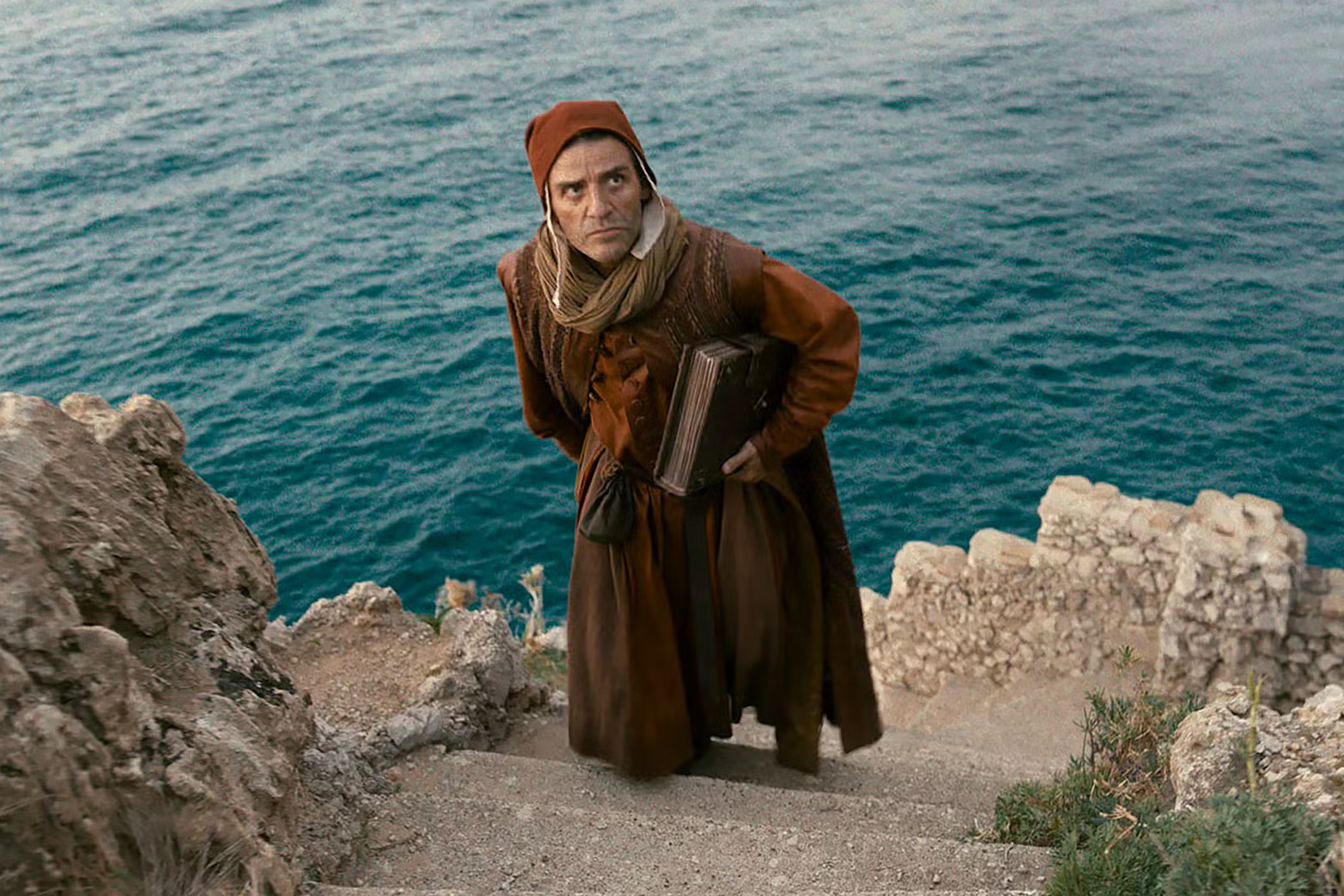
Director:Julian Schnabel Writers:Julian Schnabel, Louise Kugelberg Stars: Oscar Isaac, Gerard Butler, Gal Gadot
Synopsis:A handwritten manuscript of Dante Alighieri’s poem “The Divine Comedy” makes its way from a priest to a mob boss in New York City, where it is taken by Nick Tosches after he’s asked to verify its authenticity.
It’s been a while since we’ve seen such a gargantuan piece of flopsweat so unwatchable that not even its star-studded ensemble could save it. I mean – Oscar Isaac. Gerard Butler. John Malkovich. Jason Momoa. Franco Nero. Sabrina Impacciatore. Al Pacino. MARTIN. SCORSESE! You would think that this amazing ensemble could make Julian Schnabel’s decade-spanning In the Hand of Dante feel somewhat palpable or, at the very least, watchable. Sadly, you’d be wrong, but it shouldn’t come as a surprise if you’ve essentially seen what happened following its Venice premiere. Despite such an impeccably mounted cast, the movie couldn’t even get a major studio to acquire it; instead, Netflix dumped it on its streaming service with little to no fanfare.
Only Al Pacino gives In the Hand of Dante’s sole memorable performance – in one scene – as Nick Tosches’ (Oscar Isaac) uncle, Carmine, because he distills the essence of what Schnabel’s adaptation of Tosches’ book of the same name is about. In one single sequence, he tells the audience what’s most important to retain of Schnabel’s story that mirrors two time periods with each other, one where Isaac plays Dante Alighieri as he is in the process of writing his masterpiece, “The Divine Comedy,” and the other where Tosches is looking for the lost manuscripts of Dante’s work.
Many actors play dual roles, including Gal Gadot as Dante’s wife, Gemma Donati, and Nick’s current secretary, Giulietta. The movie tries to create parallels between the performances, but they end up bloating the film’s already long runtime to interminable lengths and introduce characters late in the runtime when it should stop adding new narrative (and thematic) threads on top of the ones that should already be developed. The conceit of the film sees Tosches help mob boss Joe Black (John Malkovich) and his second-in-command, Louie (Gerard Butler), retrieve the manuscripts and authenticate them, but the film takes so many detours that it never fully gets to the point.
Louie might be one of the dumbest mobster characters in movie history, as he kills literally everyone with potential knowledge of what Nick is currently doing, which leads the son of a slain boss (played by Jason Momoa) hot on his trail. The existential historical drama by way of Temu Terrence Malick doesn’t really work (although Roman Vasyanov’s striking black-and-white and color photography is certainly a highlight), but the mob storyline is even worse.
While Schnabel benefits from tableaux of a spiritual dimension and the aid of Martin Scorsese in portraying Alighieri’s mentor (even if his overall performance has little impact), the significance he attempts to link between the past and 2001 doesn’t have the intended effect. However, nothing will prepare you for the soap opera theatrics of its final half-hour, where Momoa, in a ridiculous Italian accent, attempts to top another historically terrible performance from Gadot, with zero emotional nuance or complexity, as she portrays Giulietta/Gemma’s longing with the subtlety of a sledgehammer.
Instead of staying in a gritty tone, which is exacerbated by the film’s striking use of black-and-white, Schnabel opts for tawdry melodrama, leaving his cast adrift, unable to latch onto anything that would make their work credible. It’s especially apparent for Isaac, who, after one of the most richly-layered turns of his career in the second season of Beef, plays Tosches and Dante with no real conviction and exaggerated histrionics that it’s almost laughable, but not as funny as the aforementioned Gadot and Momoa, “who can pull off the worst Italian accent you’ve ever heard” confrontation.
Even when the movie attempts to scratch deeper than its surface by attempting to link Tosches’ story to the universe’s grander theological designs and make Uncle Carmine’s words cut deeper than a knife wound, there are so many embarrassing sequences in this disaster that one even wonders what made Schnabel such an auteur in the first place. His portraits of artists (Basquiat and At Eternity’s Gate) are certainly his best movies, but when he gets esoteric and begins to fly off in a thousand different directions, that’s when they don’t work.
In the Hand of Dante falls in the latter category, but it’s not even a special kind of awful that you can laugh about with your friends while drunk. It’s a painfully miserable and overlong experience that saps your soul and reminds you that life isn’t worth sitting through these meaningless slogs that offer nothing of value to the audience, but most importantly to the people in front of the camera. Oscar Isaac has never been this bad. Gerard Butler has never been this bad. Martin Scorsese usually brings a welcome presence to his on-screen performances – even in films like Shark Tale, Outcome, and The Mandalorian and Grogu – but he can’t make his character work. It might just be the biggest waste of talent and time we’ll see in this modern era, and will hopefully dissuade anyone from ever collaborating with such a vacuous “artist” like Schnabel ever again.
This week on the InSession Film Podcast, On this episode, inspired by Supergirl, we discuss our Top 5 female characters in comic book movies! We also dive back in the our superhero State of the Union conversation we stated last week after Supergirl‘s disappointing box office returns. Is A24 is hot water over their AI agreement with Google? And finally, JD gives us his thoughts on John Carney’s latest film Power Ballad.
– Superhero State of the Union – Part 2 (2:07) We open the show by continuing our superhero State of the Union conversation we had last week discussing the current state of the genre and where it might be headed in the near future. Given Supergirl‘s initial box office returns, it only adds more fuel to the fire regarding our concerns and how this might be a significant turning point in our culture.
– A24’s AI Partnership / Power Ballad (36:17) We then shift our attention over to A24, who was under fire over the last week for their new AI partnership with Google. It got to a point where A24 was forced to release a report “explaining” to audiences what this new partnership is all about. The problem is that the report is nothing but vague word salad and doesn’t explain anything. Before getting to the Top 5, JD gives us his thoughts on John Carney’s new film Power Ballad, starring Paul Rudd.
– Top 5 Female Characters in Comic Book Movies (1:05:20) Inspired by Supergirl, we thought it would be fun to talk about all of the great female characters we’ve seen in come book movies over the years. While there aren’t as many female-led movies in the genre (sadly), there are a plethora of great characters to choose from for this list. We had the best time diving into this one and talking about why these characters are so iconic. With that said, what did you think of of our lists?
If you want to help support us, there are several ways you can help us and we’d absolutely appreciate it. Every penny goes directly back into supporting the show and we are truly honored and grateful. Thanks for your support and for listening to the InSession Film Podcast!