


Directors: Thomas F. Mazziotti
Synopsis: After 30 years, locked away footage from the 1990s is revealed featuring raw, emotional confessions from a group of disillusioned New Yorkers. As the world faces new challenges, their voices feel more relevant than ever. People are people. Even then.
New York City has always had a gravitational pull that’s hard to explain and even harder to resist. It’s a place that reinvents itself constantly, yet somehow never loses its edge. In recent years, that magnetism feels even more amplified. With global attention turning toward the United States ahead of the upcoming World Cup, and the renewed excitement around the Knicks after a long-awaited surge in success, New York once again finds itself in that familiar spotlight. It’s the kind of city where stories collide, overlap, and echo for decades. That sense of layered human experience is exactly what makes The Passengers feel so timely, even though its footage belongs to another era entirely.
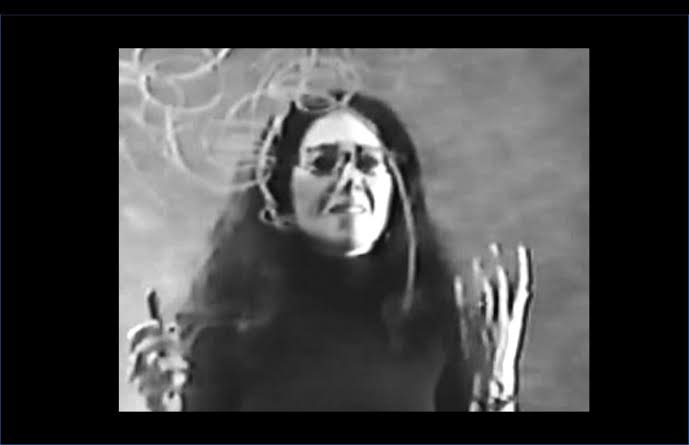
There’s a certain magic to stumbling upon a moment preserved in amber, or in this case, 16mm grain and VHS fuzz. The Passengers, a strikingly intimate documentary from director Thomas F. Mazziotti, opens a window into 1990s New York City not through headlines or stock footage, but through the eyes, voices, and vulnerabilities of the people who lived it. Unearthed after more than three decades in hibernation, this 71-minute film is less a nostalgia trip and more a raw, resonant meditation on identity, chaos, and connection in the city that never sleeps.
This documentary grapples with the turbulence of the era: crime, gentrification, AIDS, art, ambition, and the quiet, daily search for meaning in a metropolis that never stops to ask questions. Through personal, candid footage, we see subway singers, street poets, wanderers, and everything that makes New York one of the most famous cities in the world.
The interviews are immediate, visceral, and unfiltered, often feeling more like confessions than structured conversations. That’s the quiet brilliance of Mazziotti’s approach. By allowing the footage to remain untouched for decades, he preserves not just what people said, but how they said it. And yet, what’s most striking is how contemporary it still feels. The anxieties, aspirations, and contradictions voiced by strangers in the 1990s could easily belong to New Yorkers today.
We hear from a young woman who recalls her first time stealing, and how much she enjoys it, but how it ruined her life. A young woman talking about the abuse her brother put her through, a man learning how to tell the truth but how he enjoys pushing people’s buttons, and many more intimate, vulnerable, and relatable stories. The documentary doesn’t shy away from looking at people’s dark sides and how they view the world.
The whole piece is shot in black and white, with some sections having very dim lighting across faces, which will really make you lean into what is being said. There is piano music used across people’s interviews, which helps reflect the speaker’s mood. In some sections, there are random bursts of piano music, which give a dramatic, chaotic, and uncomfortable feel. And in others, it is soft, gentle, to make the viewer feel at ease.
The Passengers had its premier at the New York City Independent Film Festival 2025, and received an honorable mention at the LA Underground Film Forum. Its lo-fi aesthetic and street-level perspective align perfectly with the current resurgence of analogue storytelling in the digital age.
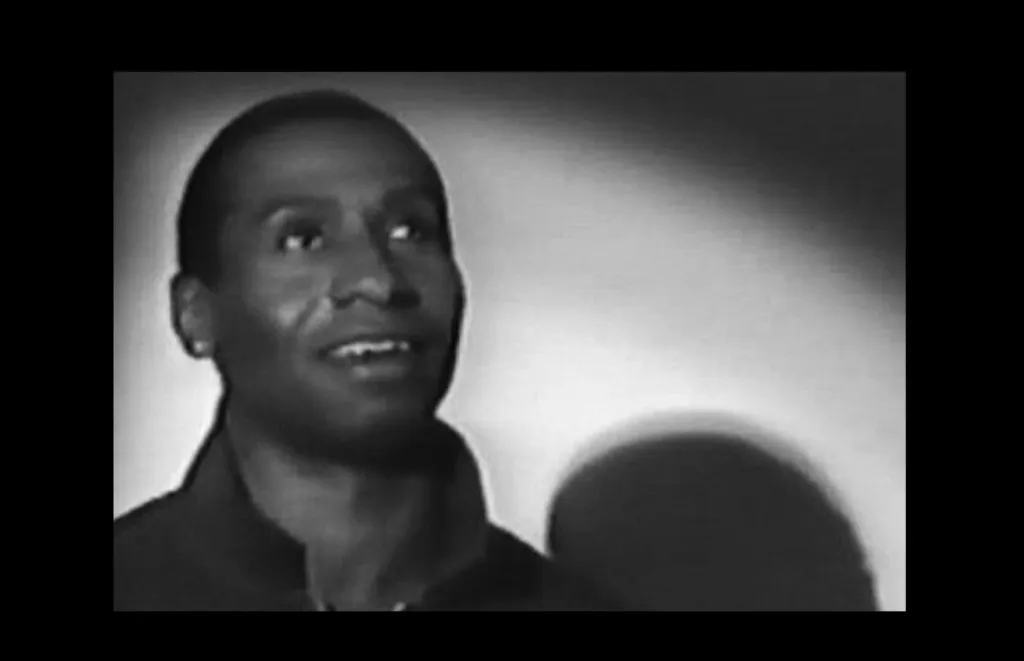
Structurally, the film is deceptively simple: a series of interviews stitched together without traditional exposition or narration. You might wonder how it will come together and tie up with a level of poignancy. The final sequence, set against the backdrop of a dark subway rolling through the city, brings a surprising emotional resonance. A final monologue drifts over the movement of the train, grounding the entire film in a single, human voice. It’s a simple choice, but an effective one, offering a sense of closure without resolution.
At just over an hour long, The Passengers is a compact yet contemplative piece that invites viewers not only to look back, but to listen closely. It’s a reminder that even amidst the chaos of a bygone era, people were, and still are, just people, trying to be seen, heard, and understood. Whether you’re a documentary enthusiast, a fan of New York history, or simply in search of something soul-stirringly real, The Passengers is worth the ride.