

Home Blog Page 92

Interview with D.W. Waterson, Director of ‘Backspot’

D.W. Waterson is a Canadian drummer, musician, disc jockey, and now feature film director. They have previously made an acclaimed web series about Toronto club life and electronica called Thatโ€™s My DJ which focused on the contributions LGBTQ+ people and female coded POC made to the traditionally male industry.

In Backspot, Waterson turns their camera to a sport which has traditionally been seen as an adjunct to male sports โ€“ cheerleading. Waterson never for a moment lets the audience forget that cheerleaders are athletes, first and foremost. 

Starring Devery Jacobs, Evan Rachel Wood, Noa Diberto, Kudakwashe Rutendo, Thomas Anthony Olajide, and Shannyn Sossamon โ€“ Backspot is tough, tender, intelligent and visceral. 

Nadine Whitney spoke with D.W. Waterson about queering the gaze and pushing limits.

Nadine Whitney: Riley (Devery Jacobs) is in a battle to be the best. She genuinely loves cheerleading, but she also genuinely loves Amanda (Kudakwashe Rutendo) and Rachel (Noa Diberto, who has played a gymnast before) – yet she becomes willing to physically harm Rachel under Eileenโ€™s (Evan Rachel Wood) instruction. Did you spend a lot of time researching elite performers? 

D.W. Waterson: I spent over five years scouting a cheer squad, which we ended up featuring in the film. Theyโ€™re the only Black-owned cheer squad in all of Canada; Cheer Fusion All-Stars. Working with them was incredible, we wouldnโ€™t have been able to create Backspot without them. Having them be involved so closely ensured that we were able to understand the hard work that goes into cheer and the high stakes of competitions, while nailing the specifics of the cheer world.ย 

NW: Riley is dealing with extreme anxiety. She has what is clinically known as trichotillomania. She goes into dissociative states. Her Mom is also dealing with mental health issues. What made you decide to focus on the need to please and be pleasing? And how those expectations – whether internal or external shape the journey of many people in the film.

DW: Backspot delves into many conversations, about the sport of cheerleading and the toll that it takes, about queer elders (Eileen – Evan Rachel Wood and Devon – Thomas Anthony Olajide) and bridging the gap between generations of queer folks, but it also unpacks pressures and mental health. Riley suffers from anxiety, and itโ€™s not without reason. She is the backspot on her squad, which is arguably one of the hardest and most dangerous positions in cheer. She is at the bottom of the pyramid, holding up the girlโ€™s ankles as theyโ€™re hoisted, and is the first to catch the girls as they fall, putting their bodies at physical risk of harm. But Riley also suffers from hereditary anxiety, where her mom Tracy (Shannyn Sossamon) suffers from obsessive compulsive disorder. Itโ€™s through these difficult navigations, but ultimately from unexpected queer mentorship, that Riley is able to find a healthier balance with herself, her relationships and the sport that she loves.

NW: Which came first? The music or the script? How much of the film comes from your experiences working as a DJ and seeing people move? 

DW: The script and the music unfolded simultaneously. I feel like DJing and directing are very similar, in the sense that youโ€™re trying to get a large group of people on the same page, and to go on a journey together. There were obviously a couple of tracks like โ€œCome On Eileenโ€ that we knew we needed to lock in early. Iโ€™m a huge Prodigy fan, and I named the Thunderhawks team after the Prodigy before I even knew I could get that track. But after an impassioned letter to the Prodigy, we were able to license the song and it was one of my personally favorite things to cut in the film; the Thunderhawks cheer montage. 

Throughout the scriptwriting process, I was also working and producing my own electronic music that emanated that โ€œjockโ€ feel, to infuse into the film. Songs like โ€œBodyLimitโ€ ft. T Thomason.ย 

NW: A character called Nikki (Madison Seguin) comes with her girlfriend to the sleepover in the auditorium. She says to Riley, Rachel, and Amanda that cheerleading is very โ€œmale gazeyโ€. When it comes to Backspot do you think that there is a queer gaze? 

DW: The queer gaze has been something Iโ€™ve been looking to protect throughout the entire process of creating Backspot. Cheerleaders have too often been viewed through the male gaze, sexualizing and trivializing them. But I feel like being a non-binary and queer director, who admires the fuck out of this sport and the queer actors in the film, it creates a sense of deep respect that bled through the gaze of the film. Being a director, I literally direct the audiencesโ€™ eye, and turn it towards where they should be looking, which is moments of pure athleticism and brutality, but also queer joy. 

NW: We are living in an age where people are facing threats for simply existing. How important was it to you as a non-binary artist to make a teen centric film which also stars queer folk and people from diverse backgrounds?

DW: In a primarily white, cis and Christian space, we often overlook the queer athletes of color who are the foundation (and dare I say backspot) to the sport. I wanted to reflect my world, and my co-producer Devery Jacobsโ€™ world in this film, and within the sport of cheerleading. 

Backspot premiered at TIFF and is currently in select cinemas and is available to rent in certain territories. 
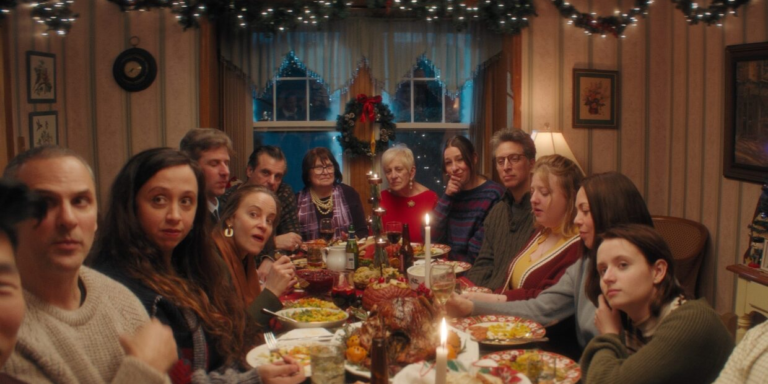
Quinzaine des cineastes, Cannes 2024: Capsule Reviews of โ€˜Christmas Eve in Millerโ€™s Pointโ€™, โ€˜Savanna of the Mountainโ€™, and โ€˜Something Old, Something New, Something Borrowedโ€™

Created in 1968 by the French Directors Guild, the Quinzaine des cineastes (formerly known as the Quinzaine des rรฉalisateurs), or the Directors Fortnight, aids filmmakers from around the world and contributes to the discovery of their filmographies to a broader audience. They have an eclectic slate covering many perspectives from various styles, ranging from surrealistic to social-realist and experimental. This section of the Cannes Film Festival tends to showcase the new exciting voices of cinemaโ€™s future, and (I think some of the names that were a part of this yearโ€™s Quinzaine, like Joaquรญn Cociรฑa, Cristรณbal Leรณn, and India Donaldson, can be such.) In this capsule review piece, I will discuss three films I saw from the festivalโ€™s section: Christmas Eve in Millerโ€™s Point, Savanna and the Mountain, and Something Old, Something New, Something Borrowed.ย 

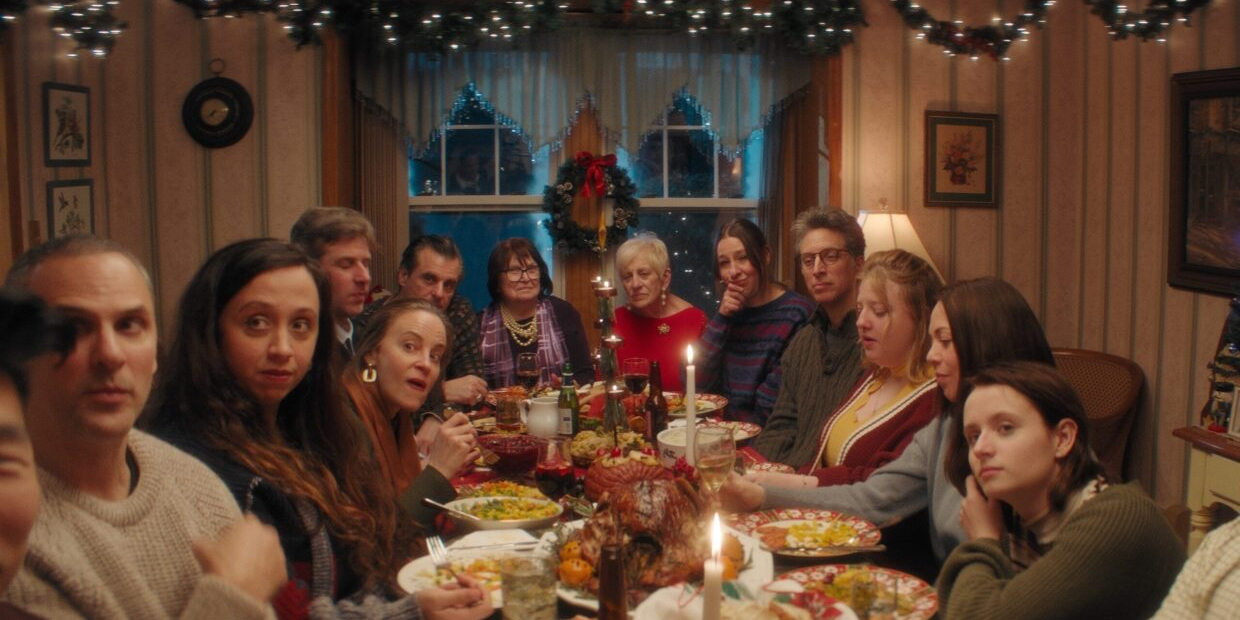
Christmas Eve in Millerโ€™s Point (Directed by Tyler Taormina)

The first film in this capsule review is Christmas Eve in Millerโ€™s Point from Tyler Taormina. It is an ironic comedic piece that constantly teeters between an indie holiday hit and a conflictless miscalculation of tones. The holiday season arrived early in Cannes, although the hot summer weather didnโ€™t change one bit. Although I wasnโ€™t particularly aching for that holly, jolly cheer at this point in time, it sure is welcoming. If Iโ€™m being honest, it is quite strange to see a Christmas film not only at the Cannes Film Festival but also at this time and in this weather. But the programmers at the Quinzaine des cineastes have offered to give one of their spots to Taormina and crew to deliver a โ€œwarm upโ€ for December. 

Rather unfortunately, the majority of Christmas Eve in Millerโ€™s Point doesnโ€™t manage to capture the feeling of warmth and melancholy that arises during the Holiday season; Taormina opts for a narrative without a precise lead or tone, which keeps the audience away from the tenderness we were expecting from the feature. The story, or lack thereof, is set in Long Island, New York, following the Italian American Balsano family. They spend the night of Christmas Eve in unison, celebrating the Holidays in the matriarchโ€™s (Mary Reistetter) house. However, this may be the last of this sort of gathering, as Grandma Antoniaโ€™s health is deteriorating rapidly. 

As each family member deals with their problems and blues, they question the ties that bind them. They ponder the separation and loss of tradition that might occur in this circumstance. Does the house itself have the power to unite this fractured family? Or do they feel compelled to continue without it? From that specific angle, I believe most people can relate to that scenario; something similar happened to my family, and somehow, the holiday season hasnโ€™t been the same. But Christmas Eve in Millerโ€™s Point loses its way amidst the snippets that cover family conversations, which lead nowhere, and overwrought deadpan comedy, which doesnโ€™t land. The performances fit Taorminaโ€™s vision of an odd, funny, and brooding Christmas Eve dinner. 

Thereโ€™s a tactility in their chemistry that allows you to sense the emotions scattered across the canvas. However, none end up engaging enough to get into the emotional core that Taormina wants to show near the end. The film’s sweetness isnโ€™t artificial, but the nostalgia it wants to bask in does have specs of such, which diminishes the Holiday season cache. 

Grade: C-

Savanna and the Mountain (A savana e a montanha) (Directed by Paulo Carneiro)

The second film in this capsule review piece is Savanna and the Mountain (A savana e a montanha) from director Paulo Carneiro. It is a stylistically interesting picture in its combination of documentary and narrative feature filmmaking with some small elements of magical realism scattered across the canvas. It is a portrait of a small town slowly crumbling. Still, its people are holding their might against the mining operations occurring in Covas do Barroso, a village in northern Portugal. This issue has happened for the past few years, and the rest of the world doesnโ€™t know about it. 

This is Paulo Carneiroโ€™s shout to make sure people realize what is happening and how similar situations are happening in other places worldwide. The townsfolk are fighting against a company called Savannah Resources, which is creating lithium queries and looking for a way to rebuild the village based on those actions. This is all seen from the perspective of the townsfolk, as the actual residents are cast in the project, which gives Savanna and the Mountain a nice touch of importance and thematic weight with a bigger personal layer from the people involvedโ€™s point of view. They play different versions of themselves with more profound discontent and disquietude as the denizens travel across the grass-covered plains and rocky steppes. 

Their angst and frustration are front and center. The company sends messages about revitalizing job creations and giving them great chances, yet most people are skeptical about these so-called โ€œempathetic communicationsโ€. That is why they take matters into their own hands. Carneiro is motivated to depict this development artistically, keeping the political fury present. He does so by not only using vivid imagery that shows the place’s ins and outs but also adding folk songs to the film, which serve as changes with a rebellious tone. And Carneiro doesnโ€™t sugarcoat it; these songs contain very on-the-nose lyricism, for better or worse. 

His play’s style sometimes falters as the structure grows creaky and repetitive, often keeping the audience not so much at a distance but without a precise narrative hook to latch onto outside of the mutinous story elements. For most of the film, I wasnโ€™t entirely captured by the narrative presentation of the picture, even though its cinematography is very vivid due to the realistic portrayal of life โ€“ and the injustices occurring โ€“ in that small town. Nevertheless, the power of its messaging remains intact. The atmosphere is filled with tension and resistance. Paulo Carneiro culminates on a solid note that leaves the audience with doubts about how everything is still, to this day, going on. 

Grade: C

Something Old, Something New, Something Borrowed (Algo viejo, algo nuevo, algo prestado) (Directed by Hernรกn Rosselli)

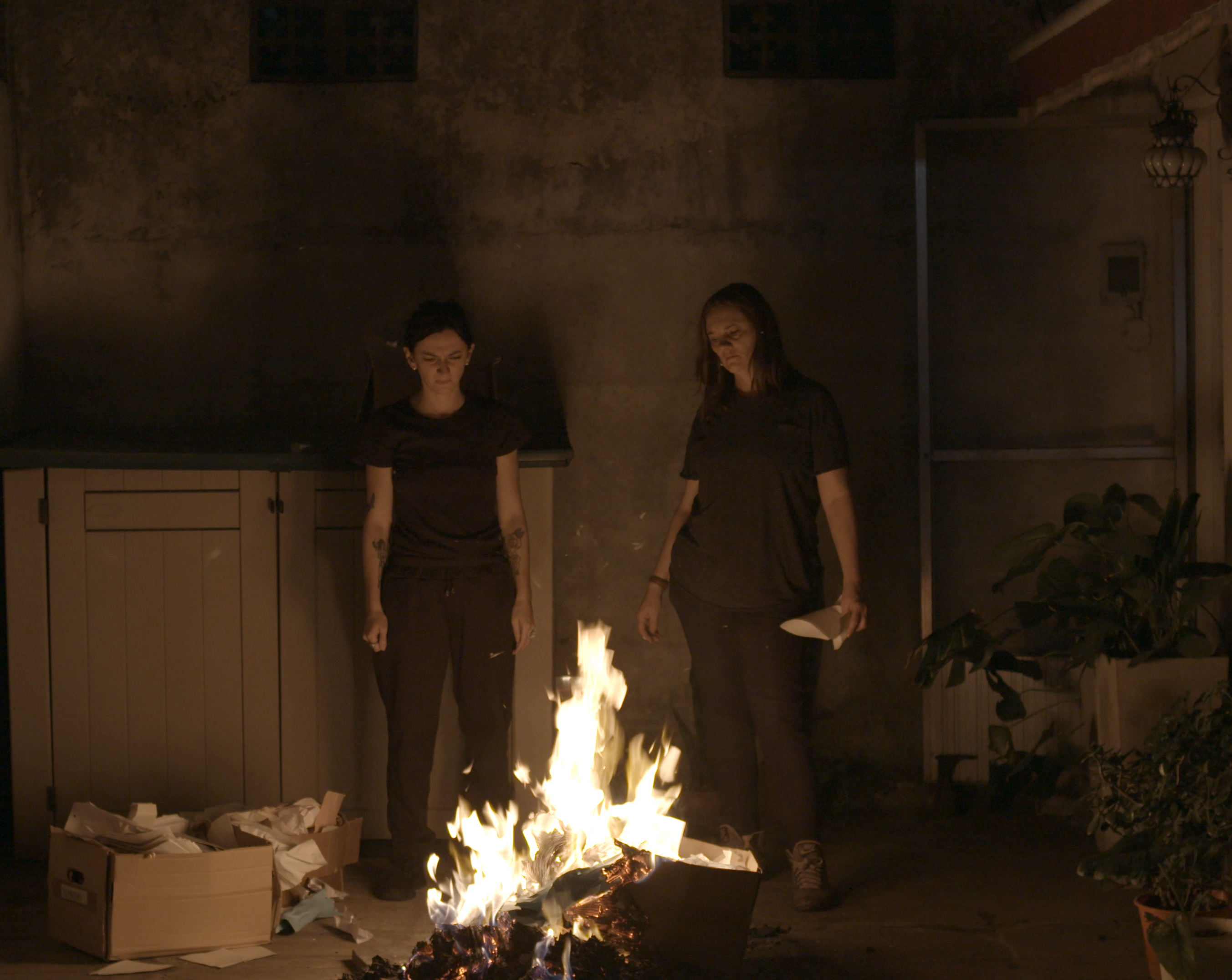
The third (and final) film in this capsule review piece is Hernรกn Rosselliโ€™s exciting Something Old, Something New, Something Borrowed (Algo viejo, algo nuevo, algo prestado). It is a crime drama with a neo-noir background that isnโ€™t explored due to its focus on the personal and meditative โ€“ a blend of elements and dark tones that borrow from a variety of genres, most to its favor, in a way that demonstrates the Argentinian directorโ€™s playfulness behind the camera. The film follows the Felpeto family, who are struggling to cope with the death of the patriarch and the underground lottery business that he has left behind โ€“ the matriarch, Maribel, now has to handle it forcefully.

The issues between the family arise not only in their conjoined grief but also in the chance that the police might raid them, as has happened to the other illegal businesses that were in contact with the Felpeto. The trepidation comes from their fear of losing it all at a time of sheer frustration and astray amidst passing. In case the worst-case scenario occurs, they burn files, destroy records, and hack into the patriarchโ€™s computer to see if he has money tied up in other dangerous places they donโ€™t know about. This process takes many years of their lives. And we see it through old VHS tapes and camera recordings โ€“ hearing the minute details through Maribelโ€™s narration. 

This combination adds a unique layer to the film and separates it from the many crime films released yearly. It is stripped down and more grounded, almost feeling documentary-esque at specific points. Rosselli remains very stylish in how he edits each sequence together, blending past and present through these recordings in ways that immerse you into this story full of uncertainty. In his attempt to break the mold of crime films, the Argentinian director doesnโ€™t want to showcase any violence and keep his film tight and clean, focusing on the family preparing โ€“ and managing a forced-upon situation โ€“ for a detrimental shift in their lives. 

Something Old, Something New, Something Borrowedโ€™s impact might get knocked down during its last couple of minutes, with an ending that might leave many, including me, looking for a deeper resolution after seeing ten years of their lives encapsulated across such old-school recordings. But the project remains entrancing mostly due to Rosselliโ€™s poignant portrait of a family portrait. At a time of conventionality, we come across yet another director from Argentina who wants to reinvent or experiment with genres that, for the most part, have circled around the same tropes for years. 

Grade: B

Women InSession: The Legacy of River Phoenix

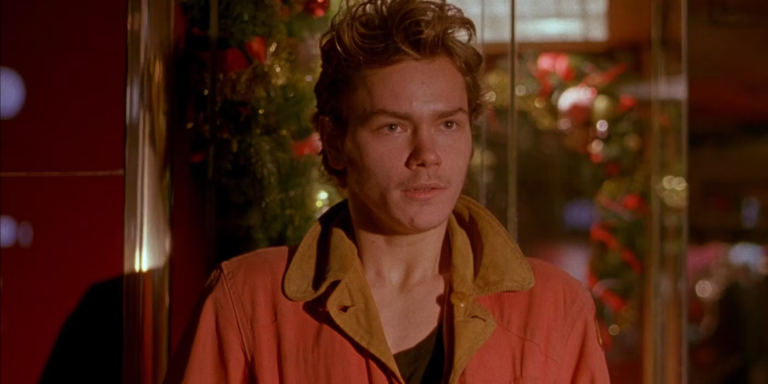
This week on Women InSession, we discuss the legacy of River Phoenix through his performances in Stand By Me and My Own Private Idaho! It’s, of course, tragic what happened to Phoenix, but his performance live on with a deep emotional fervor that will stand the test of time. We talk about that and much more with the great River Phoenix.

Panel: Kristin Battestella, Jaylan Salah

On that note, check out this week’s show and let us know what you think in the comment section. Thanks for listening and for supporting the InSession Film Podcast!

Subscribe to our Podcasts RSS
Subscribe to our Podcasts on iTunes
Listen on Spotify
Listen on Stitcher
Women InSession – Episode 87

Movie Review: ‘Bad Boys: Ride or Die’ is a Nonstop, Bombastic Nostalgia Machine


Directors: Adil El Arbi, Billal Fallah
Writer: Chris Bremner, Will Beall, George Gallo
Stars: Will Smith, Martin Lawrence, Vanessa Hudgens

Synopsis: When their former captain is implicated in corruption, two Miami police officers have to work to clear his name.


Bad Boys: Ride or Die is the fourth installment of the franchise. The original Bad Boys was a breakout hit for Will Smith, proving he could lead a summer blockbuster. It also paved the way for him to be cast in Independence Day, which signified a breakthrough in mainstream Hollywood films. An action franchise with two leading African American actors was born for the first time.

Yet, breaking through the City of Angels’ major studio exclusivity didnโ€™t light a fire under those controlling the money. The studios do what they do. They refused to greenlight the Bad Boys II sequel for almost a decade, then waited another 17 years for the third chapter, Bad Boys for Life. Meanwhile, there have been three The Expendables films from 2010 to 2014, then a fourth less than ten years later.

Thankfully, nearly 30 years after the original, the franchise has a sequel that does Bad Boys justice. Bad Boys: Ride or Die is a nonstop, bombastic nostalgia machine, returning to its roots by adding an equal amount of humorโ€”a revitalized Martin Lawrenceโ€”to its jaw-dropping and thrilling action sequences. The latest installment is spectacular fun and full action-packed hilarity, though the filmmakers have trouble keeping a consistent style and tone.

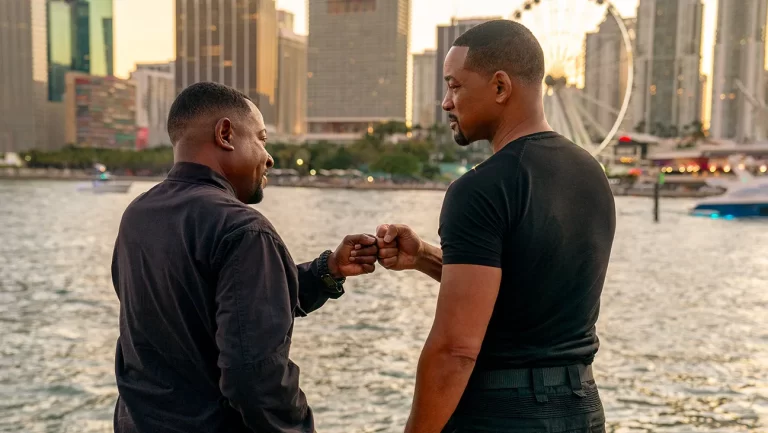
The story continues the saga of two mismatched buddy cop detectives: the uber-cool ladies’ man, Mike Lowrey (Will Smith), and the anxious, wise-cracking family man, Marcus Burnett (Martin Lawrence). Now, the plot returns to its original Bad Boys roots. The duo begins to investigate corruption within their own Miami police department. What spurs these well-respected detectives to break ranks and investigate their own?

After all, the police have a โ€œratโ€ squad of their own. However, when some bad guys hack their late captainโ€™s computer, it sends a video recording of Conrad Howard (Joe Pantoliano), left, claiming that if they receive it, he was murdered. So, these bad boys (I know, I regret typing it) drop everything, even after Mikeโ€™s recent nuptials and Marcusโ€™s health scare.

It turns out that Captain Howard was accused of being in bed with the local cartels (itโ€™s Miami, so if Colonel Jessup walked by, he would say, โ€œIs there another kind?โ€). However, Mike and Marcusโ€™s investigation soon takes a nosedive (quite literally) as they are set up and accused of being in bed with the cartels and their late captain, turning them into fugitives who must now prove their innocence.

Bad Boys: Ride or Die is directed again by Adil & Bilall, who also helmed the third film (and are probably more famous for the Batgirl debacle at Warner Brothers). Working with a script from Chris Bremner (The Man From Toronto) and Will Beall (Aquaman), this installment is a marked improvement over Bad Boys for Life. For one, that film wasnโ€™t funny; this one is hilarious.

I couldnโ€™t quite recommend the two Bad Boys sequels. For one, they traded Martin Lawrenceโ€™s fast-talking humor and friendly friction with Will Smith for ominous tones and an excessive amount of violence. And frankly, the last filmโ€™s ridiculous twist of Lowreyโ€™s lost child becoming a Sicario and shooting Loweryโ€™s father figure was getting close to toxic male soap opera status.

Thankfully, Lawrence has abandoned the sleepwalking, cruise-control performances of the last two films. Here, the comedian brings a level of maximum overdrive energy we haven’t seen since the original. Lawrence is spectacularly funny here. He’s over the top in a few spots (alright, a lot), but anyone can do action, and not everyone can do what Lawrence is capable of when he’s on his game.

Several cameos from the original are included, and the team makes it a family affair. Some spectacular action scenes bring back the bombastic quality that is almost a nod to Michael Bay. And, of course, if you are a fan of ’90s action films like I am, seeing the iconic light strike graphic of a Don Simpson/Jerry Bruckheimer production is like a quick hit of nostalgic action bliss. Not to mention the scene-stealing Dennis Greene, whose Reggie steals the film.

I will say the plot doesn’t make a whole lot of sense. I mean, it’s obvious, but when it comes to specifics, there seems to be a healthy dose of very graphic violence to distract you from it being completely contrived. The villain, played by Mr. McSteamy, Eric Dane, is incredibly one-note (and you need to get a sense of his motivation). You immediately know who the “hidden” villain is as soon as they walk on screen. However, Jacob Scipio’s Armando works much better in the story this time.

Seeing this duo back on the big screen with Bad Boys: Ride or Die in fine form is an absolute joy. Smith still brings the same charisma and action-star status. Yes, you turn to Bad Boys for the Bayhem magic (watch out for the Michael Bay cameo), the pastel-colored skies, and the beautiful guys and dolls filling the Miami streets. However, it’s the bromanceโ€”LawSmith, if you willโ€”that keeps you coming back time and time again.


Heck, if the Fast and the Furious franchise can do ten movies, why can’t they?

Grade: B-

Movie Review: ‘Robot Dreams’ is Achingly Human


Director: Pablo Berger
Writers: Pablo Berger, Sara Varon
Stars: Ivan LaBanda, Albert Trifol Segarra, Rafa Calvo

Synopsis: The adventures and misfortunes of Dog and Robot in New York City during the 1980s.


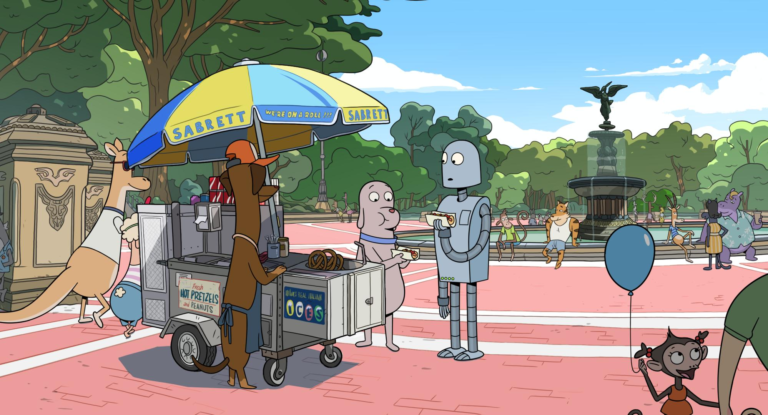
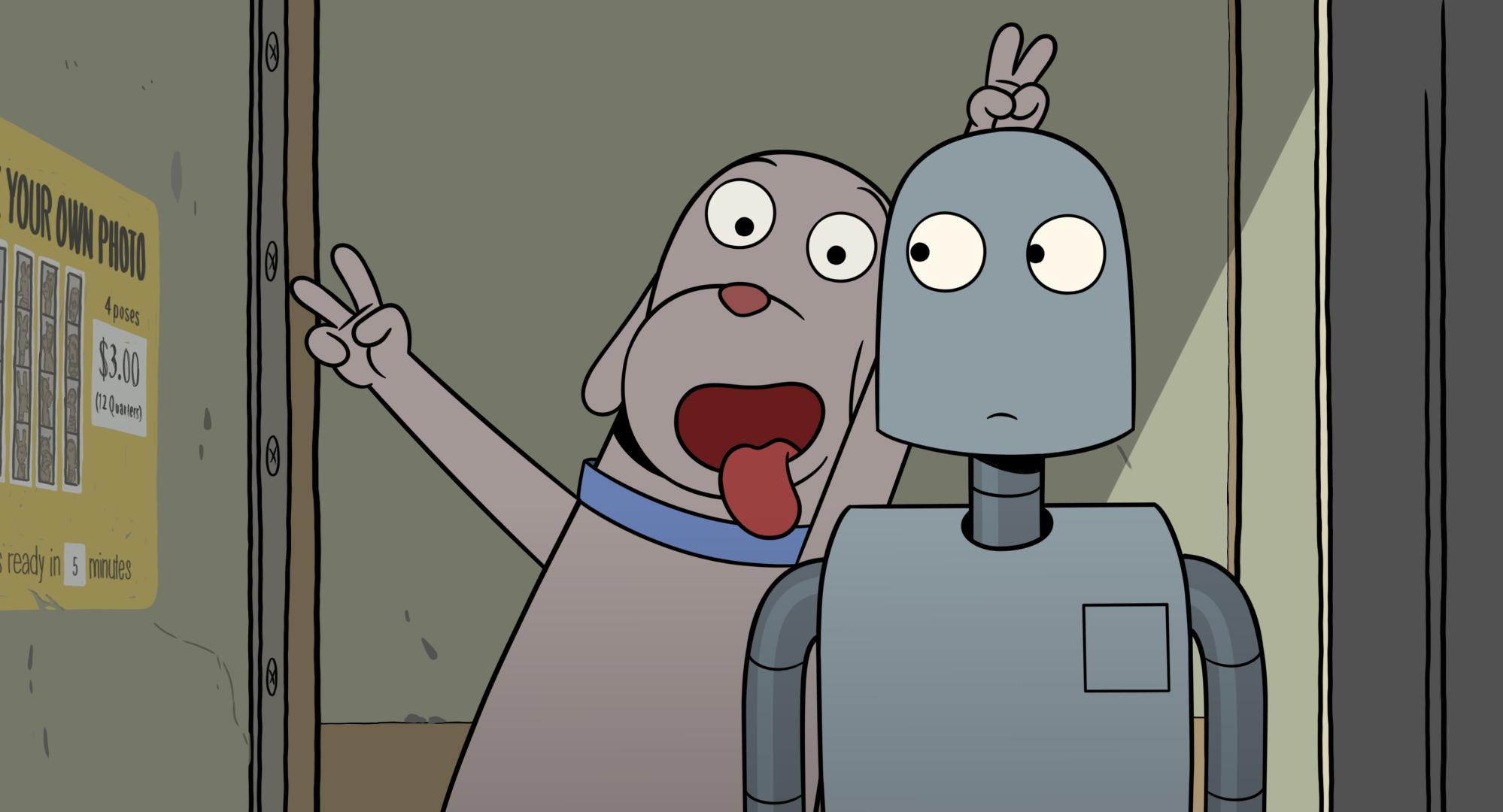
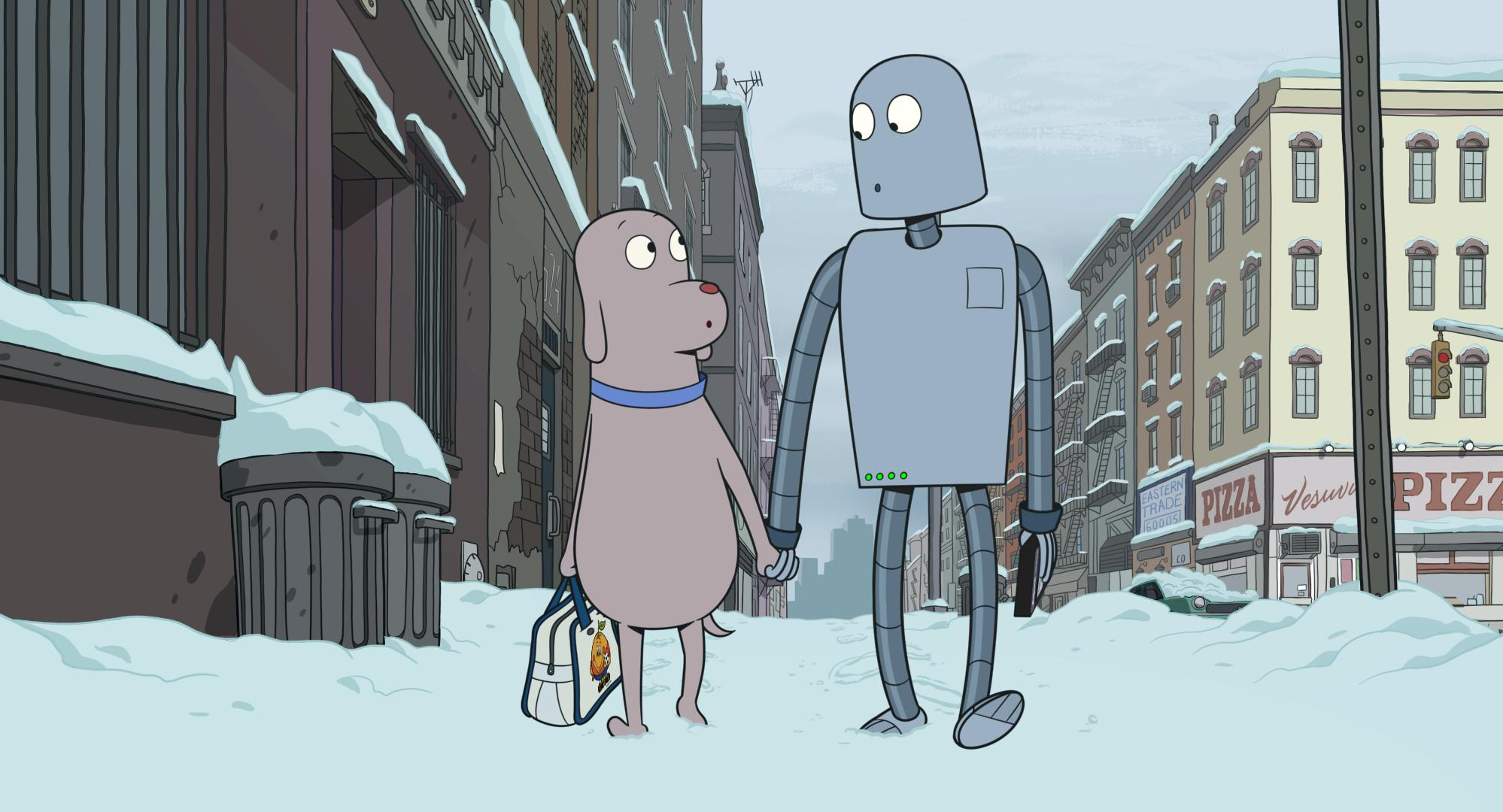
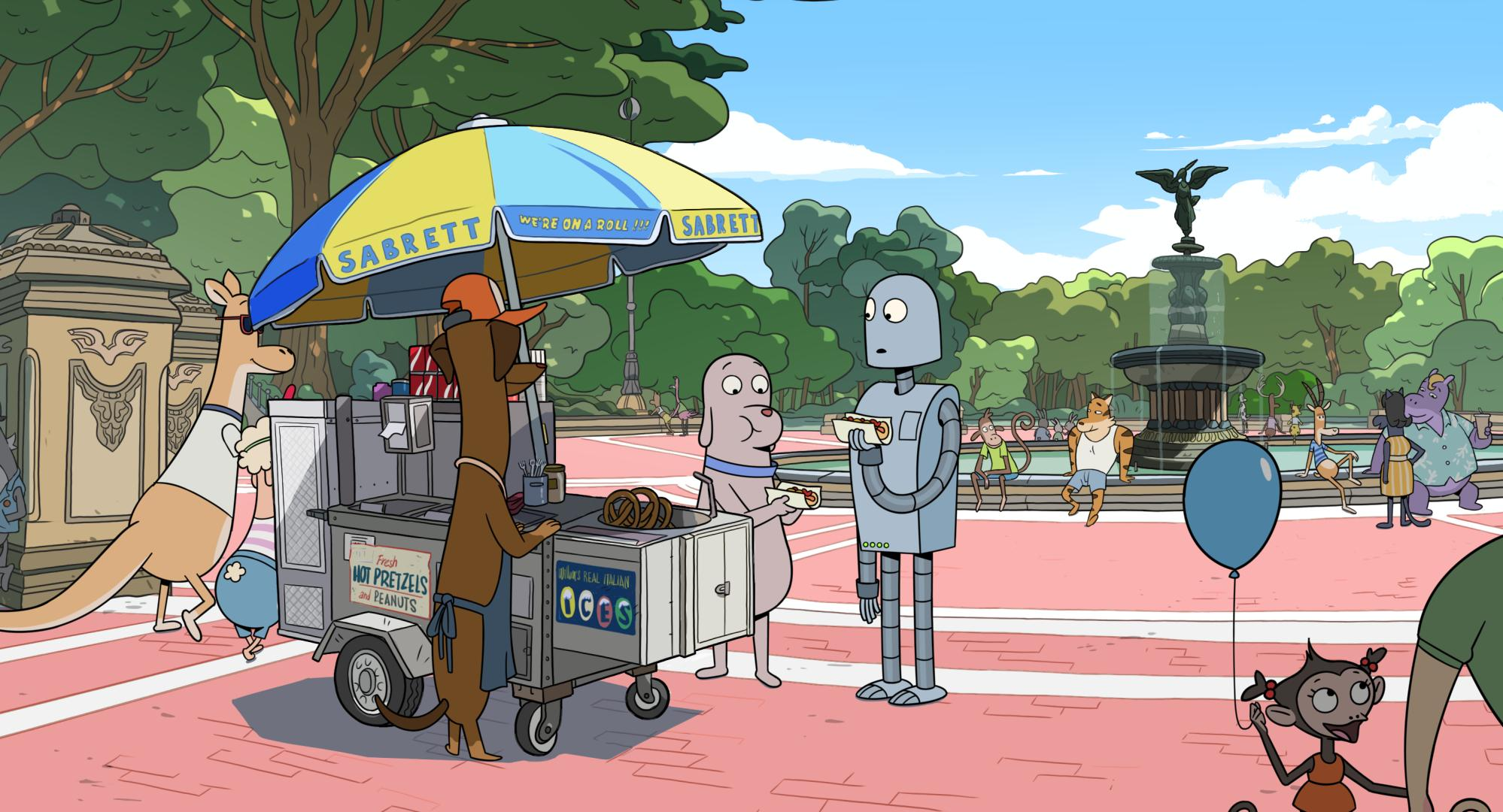
Robot Dreams is an empathetic animated tale that captivates with its wordless storytelling. With its meditative pace and immersive 2D visuals, a far cry from current Hollywood counterparts like Illumination, this is an anthropomorphic cartoon for children and parents alike. Transporting the audience with a masterful soundscape to 1980s New York, this deeply human story invites them to experience the world of Dog and Robot with tenderness and heart.ย 

The film, directed by Spanish filmmaker Pablo Berger, is adapted from Sara Varon’s 2007 graphic novel of the same name. Centered around Dog (Ivan LaBanda), the Twin Towers stand tall in the distance as the film introduces you to the canine protagonist alone in his apartment. The animation style of simple lines and not-too-bright colors match the feeling of its graphic counterpart. The detail is born out of the initial simplicity โ€“ this is clear-drawn animation with intent.

Microwaving his dinner and yearning for companionship, Dog watches the television in solitude before seeing an advertisement for an ‘Amica 2000’ robot. Fed up with seeing his reflection as a sole entity, he orders the robot companion. After a fast delivery and DIY construction, his Tinman-looking friend is born with long arms and a loving smile. An unbreakable bond between Dog and Robot instantly sparks – they begin doing everything together.

Strolling through the Zootopia-reminiscent city, sound designer Fabiola Ordoyo crafts an intricate coating of metropolitan sounds that add an immersive and authentic feel to New York. Whether they are eating a hot dog, sitting on a bench looking up at the Brooklyn Bridge, or even roller skating to Earth, Wind & Fire’s โ€œSeptember,โ€ the visual and auditory storytelling achingly paint a beautiful picture of both character and setting.

On a Labor Day holiday, Dog is separated from Robot when a trip to Ocean Beach causes rust to set into Robot’s parts – Dog doesn’t have the strength to lift him. It is also the final day before the beach closes for the season. Dog promises Robot he will return with a box of tools when he can, but the authorities catch him when he attempts to break into the beach the next day.

Over the off season on Coney Island, Robot is left to dream in the sand. It is not an electric sheep he dreams of. Instead, it is his best friend in the whole world. It’s not starting a conversation about AI sentience; it is exploring the obstacles and joys of friendship in any form. So begins a tale of longing and the frailty of connection. 

With needle drops placed with expert precision (โ€œSeptemberโ€  becomes the film’s anthem and will likely have the audience reach for the tissue box), the world of Robot Dreams is bittersweet and expertly storyboarded. Berger told the crew to watch Charlie Chaplin, Buster Keaton, and Harold Lloyd as inspiration, which is evident. As a love letter to the masters of silent cinema, Robot Dreams makes the audience feel deeply invested in characters that don’t utter a single word. There is friendship and love but also regret and loss. It’s never pessimistic, but it allows for melancholy – a traditional tale that speaks volumes about the human experience.

Throughout life, one of the core things we must learn as conscious beings is to seek connection. Loneliness can feel like a dark shadow that never draws in light, but friendship is the opening of the curtain that breathes life and love into one’s existence. The most important aspect of balancing the lonely and the connected is knowing when to let some things and some people pass through. Robot Dreams is the purest and most melancholic amalgamation of this concept. Calling the film ‘Past Lives for best friends’ would not be an unjust statement.

As people grow, mature, and change, they won’t necessarily know the same people they did a decade or two ago. For some, that is a complex concept to grasp. For some lucky ones, they will have lifelong friends. The conflict facing Dog and his journey back to Robot reflects life itself. Maturity comes from accepting that some people will not be in one’s life forever. Rather than grieve the times that were, there is wisdom in musing on what they gave at that time. They look out in the street and find peace seeing them living their lives in contentment. Through its Tintin-inspired visual palette, this film asks for love and thoughtful reflection to replace feelings of regret and remorse.ย 


We all need to find our people in the world. If a dog and a robot can find their way in amongst the verve of ’80s New York with its busy streets, smoggy stations, and overcrowded beaches- anyone can. Robot Dreams is a triumph of tender, empathetic animated cinema. It doesn’t necessarily give the catharsis one wants, but it certainly provides the outcome that the film, and life itself, deserve.

Grade: A

Movie Review: ‘Nathan-Ism’ Connects The Past and The Present


Director: Elan Golod

Synopsis: At the end of World War II, Nathan Hilu, the son of Syrian Jewish immigrants to New York, received a life-changing assignment from the U.S. Army: to guard the top Nazi war criminals at the Nuremberg trials.


โ€œIโ€™m a memory man,โ€

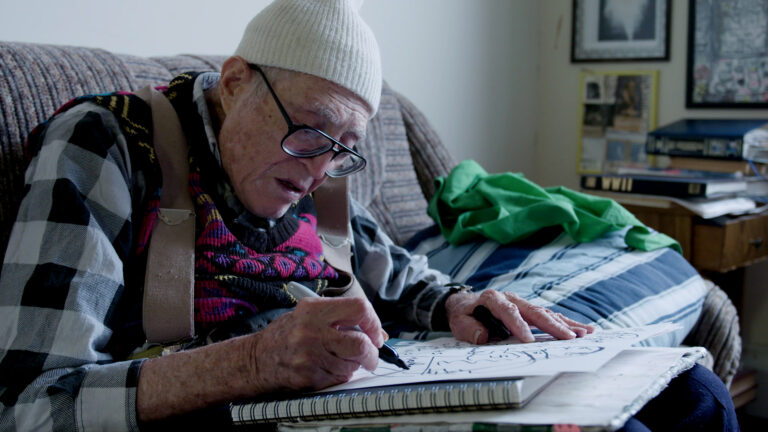
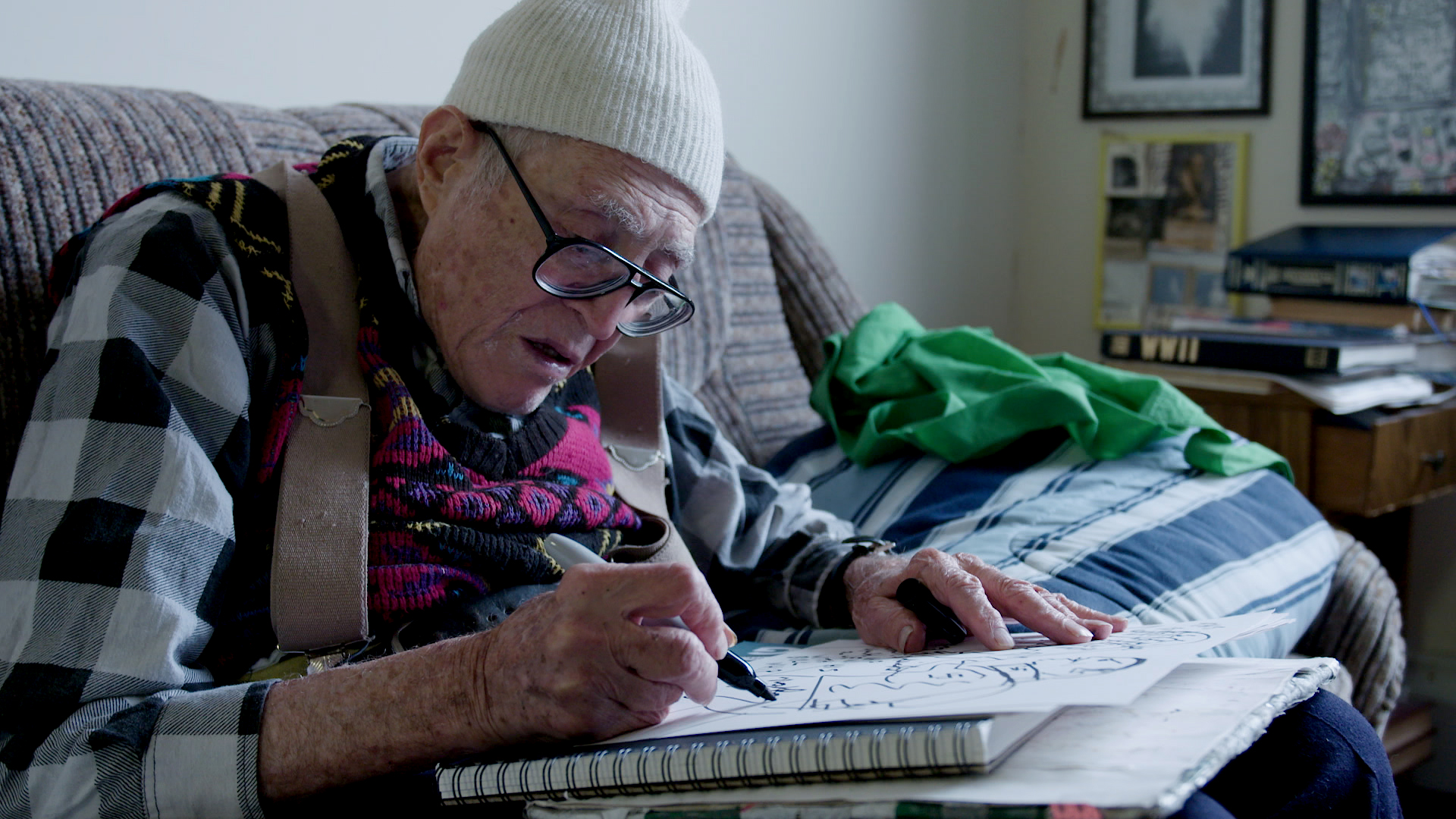
With this sentence, Nathan Hilu, the son of Syrian Jewish immigrants, starts the documentary Nathan-ism. As director Elan Golod carefully shoots his hands and features, immersed in the work of art at hand, traces of a world start manifesting in front of our eyes. 

This documentary connects the past with the present through the canvas of art. Fresh off WWII, young Hilu was a soldier on a mission from the U.S. Army: to guard the top Nazi war criminals at the Nuremberg trials. What follows is his unruly imagination turning factual events into works of art. Hiluโ€™s paintings become a parallel visual memory of what happened during those formative years in his life and at a critical time in world history.

This documentary is an archive of a particular human being, at a special time in history. Documentarians are the modern-day historians. They keep a record of what happens in the world. But instead of news channels and social media working on mass reporting, documentarians take a slice of life and put it under the microscope. The Holocaust is a massive humanitarian tragedy, and taking it one slice at a time, one survivor at a time is the right thing to do, to collectively bring together the history of the world saved and protected for the generations to come. 

If there is a lesson to learn, itโ€™s how impactful art is in safekeeping the horrors and massacres taking place all over the world. Filmmakers and artists worldwide must pay attention to every person who has contributed to documenting wars and genocides. If we want something to stand the test of time, letโ€™s write about it and photograph it, but also, letโ€™s make art and seal it with emotions. 

For 90-year-old Hilu, his ultimate victory over Hitler is making fun of him. His paintings are a mockery of bloodthirsty antisemites, brutal ethnic cleansers, and fascists. Art always stands on the right part of history when it does what it does best, belittling the evil and the greedy, and elevating the weak and the oppressed. Golod perfectly captures that through various shots of Hiluโ€™s tools and paintings of Nazi war criminals during the Nuremberg trials. Hiluโ€™s imagination has created a strange, lucid world. His construction of the cells and the prisoners, while leaving space for some of his thought processes to survive the rapid progression of his old age.

Nathan-ism is a tool of resistance. It’s not simply a documentary, but an insight into the mind of a genius recluse. An artist so swallowed and consumed by his art that the outside world seems to vanish in his presence. The inside of Hiluโ€™s mind is a cacophony of events, words, actions, and colors. Golodโ€™s camera perfectly captures his surroundings but helps him retrieve his memories, evoking them and showing them alive and vibrant with the intensity of the past.

This film truly implies that history is the greatest teacher. If the past and the present could be set side by side, only then will people know how suffering looks and feels. When years have passed and the comparisons become eerily similar, the world beholds one tragedy unfolding after the other, leading to worse outcomes but also bringing them back to textbooks and hate speeches, uncovering the root and cause of all problems, prejudice, hostility, unprecedented hatred, violence, and evil in its raw form. The hatred that people carry in their hearts, the grueling intentions to obliterate one group off the face of the big, wide earth, as if life cannot contain all creatures big and small, this hatred that breeds hatred has no place in a modern world where seemingly constant connectivity has made it easier for people to empathize with similarities rather than fuel differences.

Grade: A-

Movie Review: ‘MoviePass, MovieCrash’ is Equal Parts Enlightening and Frustrating


Director: Muta’Ali
Stars: Mitch Lowe, Nathan McAlone, Sydney Weinshel

Synopsis: Exploring the company founding and the implosion of the business by outside investors who took over the company, left it bankrupt and under investigation.


The new documentary MoviePass, MovieCrash, brought up some resentment for me. For one, like many cinephiles, when I heard about MoviePass, it was as if a business and product were finally made for me. This was a time I call the golden age of American life (you know, except for the guy with orange hair running the country at the time).

I mean, for Godโ€™s sake, you could hide out from the searing 100-degree-plus heat here in Las Vegas from 9 a.m. to midnight, having access to three square meals a day, unlimited drinks, and bathrooms while lounging in comfortable chairs for $9.95 a month. I saw more movies in three months than in the previous five years.

Then reality set in, and MoviePass turned off its cards, began refusing to respond to customer complaints, and removed the unspoken agreement between owner and customer on the metaphorical handshake to see any movie they wanted on July 17, 2018, shutting down access to a little film called Mission: Impossibleโ€”Fallout.

(Side note: I had to buy a ticket to a little film called Blindspotting because of the blackouts which turned out to be my first published film review and sat at the top of my 2018 top ten list.)

Even director Christopher McQuarrie had to issue a tweet saying he had no comment on the MoviePass fallout, pun intended. (Though he should have since members were buying tickets to other films and sneaking into his Tom Cruise action-spectacular, cutting into their reported profits.) By the following year, the dream had ended in the fall of 2019, but the movie industry had changed forever.

That’s the feeling captured and conveyed in MoviePass, MovieCrash, a relatively straightforward and informative *cough* true crime *cough* documentary that is entertaining and can even cause feelings of anger, especially when you look back at the public relations spin put on by MoviePass executives. Remember when we were told the executive was a former co-founder of Netflix? According to the film, all he did was supply the DVDs.

The film reveals that the scheme was to market how well HMNY stock was doing. The only way to do that was to promote a subscription price that was a non-viable market and claim that data was the key to making profits (which was a lie). They then used the subscribers’ monthly contributions to fuel lavish parties and movie productions (do you remember Kevin Connolly’s infamous Gotti?) and even launched an airline version called MoviePass Air.

Yes, it was a thing. According to the film, the scheme’s executives, Mitch Lowe and Theodore Farnsworth, will soon stand trial for fraud charges.

Director Muta’Ali Muhammad’s (Cassius X: Becoming Ali) white-collar crime documentary reflects on the racial divide in American business. It was not Lowe and Farnsworth who started MoviePass; it was Stacy Spikes and Hamet Watt, two African American businessmen who were forced out of the company. 

They even held 80 million dollars worth of company shares at the time, which they could not sell for twelve months after being kicked off the board. By the time they could sell, they were worthless. The documentary is like Fyre: The Greatest Party That Never Happened, but on a grander scale.

Muta’Ali Muhammad’s film is a slick and fun experience, similar to Eat the Rich: The GameStop Saga and Enron: The Smartest Guys in the Room. However, MoviePass, MovieCrash is different because it highlights systemic racism in the minority public. Here, a white businessman took control of a black-owned and led business, then defrauded the American public.

The Max documentary MoviePass, MovieCrash, is tailor-made for anyone who is a fan of the spectacular rise and downfall of public figures and businesses. Some of the film comes across as a puff piece for co-founder Stacy Spikes new venture, who bought back the company last year in a bid to relaunch. (Frankly, to the extent that it made me wonder if a studio like Warner Brothers bought a piece of it. My concerns will be realized if a Max subscription comes with a MoviePass membership in the near future.)


While the story of MoviePass is still incomplete and the future uncertain, the documentary MoviePass, MovieCrash provides a thorough and entertaining coverage of the fraud, offering a nostalgic, enlightening, and frustrating trip down memory lane. Now, excuse me while I run to eBay because the defunct MoviePass MasterCard that I found in my junk drawer is selling for up to a cool grand, and who couldnโ€™t use that kind of money nowadays?

Grade: B-

Episode 588: The Lost Weekend

This weekโ€™s episode is brought to you by Koffee Kult. Get 15% OFF with the code: ISF

This week on the InSession Film Podcast, JD and Brendan are joined by Ben Miller of the Target Audience Podcast to discuss Billy Wilder’s 1945 Oscar-winner The Lost Weekend! We also discuss Pixar’s new direction and a controversy surrounding JD’s latest hockey adventure.

Check out this weekโ€™s show and let us know what you think in the comment section. Thanks for listening and for supporting the InSession Film Podcast!

– Controversy! (5:05)
We open the show this week with injustice! A travesty! A robbery! JD talks about how he scored the goal of his life in beer league hockey, but it was taken away by the refs in what can simply be labeled as a dubious call. This time we have video to prove it. 

– Pixar / Scott Wampler (12:55)
Recently, Pixar executives made headlines for comments about a new direction they are taking after films such as Luca and Turning Red apparently not satisfying them. Evidence suggests that they were well liked and gave propulsion to the Disney+ app, so pointing out those films leaves some very murky questions. On a different note, we end the segment by discussing the heartbreaking passing of film critic Scott Wampler and the unity shown by everyone on social media. 


RELATED: Listen to Episode 516 of the InSession Film Podcast where we discussed our Top 10 Movies of 2023!


– Best Picture Movie Series: The Lost Weekend (53:03)
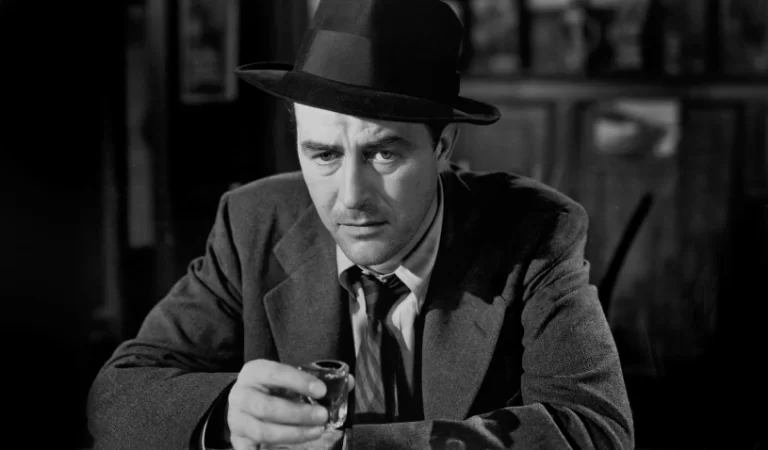
We continue our Best Picture Movie Series in the 1940s with Billy Wilder’s 1945 Oscar-winning film The Lost Weekend! The film, in many ways, is a first of its kind and might have hit certain pockets of America in a big way as the War was coming to an end. Ray Milland gives one of the best actor wins of the era with a striking performance that enhances the films visceral quality. It might not be Wilder’s best film, but so many movies (especially about addiction) are influenced by The Lost Weekend in some way.

– Music
Go Find Out For Me – Dan Romer
The Lost Weekend – Miklรณs Rรณzsa

Subscribe to our Podcasts RSS
Subscribe to our Podcasts on iTunes
Listen on Spotify
Listen on Stitcher
InSession Film Podcast – Episode 588

Next week on the show:

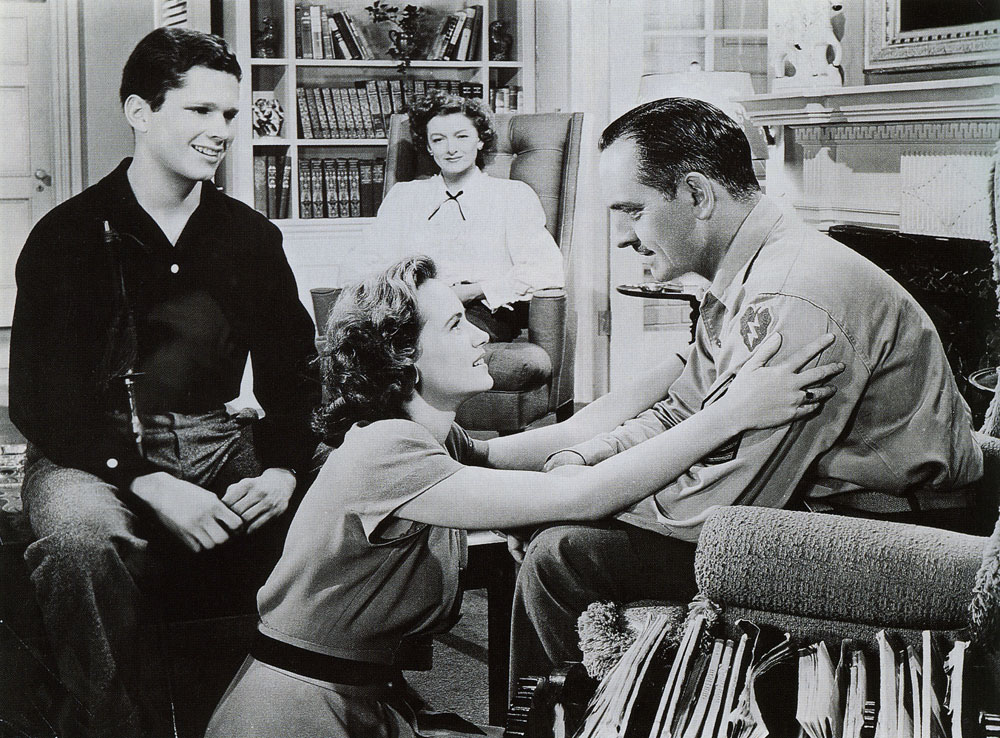
Best Picture Movie Series: The Best Years of our Lives

Help Support The InSession Film Podcast

If you want to help support us, there are several ways you can help us and we’d absolutely appreciate it. Every penny goes directly back into supporting the show and we are truly honored and grateful. Thanks for your support and for listening to the InSession Film Podcast!

VISIT OUR DONATE PAGE HERE

Chasing the Gold: Why Josh O’Connor is Primed for an Oscars Coronation

Josh Oโ€™Connor is one of those actors whose performances feel like a mountain climb. The higher he gets, the more guttural his portrayals become. He conveys a whole range of emotions, from tenderness to sensuality and disgust.

It started with his career-turning performance in The Crown where Emma Corrinโ€™s haunting and en pointe interpretation of Princess Diana didnโ€™t eclipse his subtle and toned-down take on Prince Charles. Oโ€™Connorโ€™s performance garnered him deserved accolades and increased respect within critical circuits.

Oโ€™Connor has spread his wings even further with two powerful performances electrifying this yearโ€™s slightly boring, slightly calm movie scene: Arthur in La Chimera and Patrick Zweig in Challengers

Technically, La Chimera was released last year, so it wonโ€™t be eligible for this yearโ€™s Best Actor race at the Academy Awards. But itโ€™s a great predisposition for his award potential for multiple reasons. Through the lens of La Chimeraโ€™s female director Alice Rohrwacher, Oโ€™Connor appears on the verge of a seance, a man feverish with memories and despair, harboring a sensitivity for hidden artifacts more than he understands how to communicate with people. Rohrwacher has seen the tormented, shy introvert inside Oโ€™Connor and exploited him, bringing him full circle in front of our mesmerized eyes. As he rests his head on stone, cowers in tight spaces, and caresses the stolen heads of statues, Oโ€™Connorโ€™s Arthur is a madman torn with fragile masculinity, a visible lightness both difficult and enjoyable to watch. Like the fragile artifacts he holds between his palms, Arthur is a ceramic piece on the verge of cracking.

In Challengers, Luca Guadagnino, one of modern cinemaโ€™s most baroque masters of sexual subtext, pushes the docile man further down the drain of Oโ€™Connorโ€™s psyche, bringing out the coy, seductive, bitter monster in him. Patrick is a seductive pansexual beauty. Unlike Art, the poetic lover, always needing a dominant woman or a passionate man to coax his internalized emotions, Patrick is a stallion, too wild to tame but too bored to care about being tamed. 

Oโ€™Connor has impressive post-production and pre-production projects ahead. He has recently worked with diverse and international directors with different visions and artistic perspectives. He also has a supporting role in the drama Lee, co-starring Kate Winslet, due in September 2024.

He has another Luca Guadagnino project, Camere separate, in development. Brazilian-Algerian director Karim Aรฏnouz is directing him alongside festival darling Kristen Stewart in Rosebushpruning.  He is also starring in South African director Oliver Hermanus’s latest creation, The History of Sound. The news of Oโ€™Connorโ€™s casting in the third Knives Out installment with Daniel Craig, Cailee Spaeny, Kerry Washington, and Glenn Close has rocked the internet and trended on Twitter. Thatโ€™s a lucrative career like no other and in a very short time. The tricky question in this case would be: Could Oโ€™Connorโ€™s impressive performance in Challengers garner him a Best Actor nod this year? Does his Patrick Zweig deserve award recognition? After Cannes premieres like The Apprentice and Bird, and big players like Gladiator II in the second half of the year, the Best Lead Actor race is yet to be defined. So far, most male performances seem to be on a subdued, lukewarm level of โ€˜okayโ€™ acting. The actors have yet to shine and cast shadows on each other in this so-far dull season. 

Unlike female performancesโ€”notably Zendayaโ€™s stunning, broken (but outwardly all-collected) mess as Tashi in Challengersโ€”that predict a tough, competitive season, male performers are more laid-back as we near mid-2024. Their competition is unlike the thrilling past seasons, when it has been nearly impossible to pinpoint a deserving one over the other.To answer the big question, I would like to know if his performance in Challengers will give him an award nod. But do I feel he deserves it? Absolutely. I prefer his turn in La Chimera, but that doesnโ€™t detract from his wild, subtly seductive turn as Patrick Zweig. We may see O’Connor for award consideration sooner than we think if voters, critics, and Academy boards recognize the Challengers cast as young Hollywood shakers.

Chasing the Gold: Villeneuve, Guadagnino Capture Early Best Director Buzz

Historically, the Best Director category has been primarily filled by directors with films that come out late in the year, the classic awards season that starts in late November. This isnโ€™t necessarily the rule anymore, with the past two Best Director awards going to Christopher Nolan for Oppenheimer and Daniel Kwan and Daniel Scheinert for Everything Everywhere, All at Once, released in July and March of their respective years. Itโ€™s possible to be nominated for the Oscar award with any release date and win the top prize. For all we know, this yearโ€™s winner has already been released. 

Thus far, we have seen one clear frontrunner in Denis Villeneuve for Dune: Part Two. Frankly, this film is the current frontrunner for many awards, both above and below the line. This would make Villeneuveโ€™s second nomination for Best Director, his first coming for the science fiction film Arrival. Many thought he could squeeze in for Dune: Part One at the 94th Academy Awards, but was ultimately edged out from the already stacked list by Kenneth Branagh for Belfast and Ryusuke Hamaguchi for Drive My Car, the latter of which displayed the continued growing success of international films and filmmakers garnering more attention by the Academy over the past decade. 

Villeneuveโ€™s popularity among film lovers has skyrocketed since the release of the first Dune, and heโ€™s proven capable of several different kinds of films. Whether itโ€™s a smaller, more intimate story like Enemy or Prisoners, a high-stress crime thriller like Sicario, or large-scale action adaptations like Dune, Villeneuve delivers entertaining, thought-provoking films time after time. He also offers a unique visual style, which puts some people off. His films are hyper-realistic in lighting and color without much extra flare to brighten things up. This near-brutalist imagery gives audiences something different than the bland color palette of a streaming show or film. Itโ€™s also the antithesis of over-stylized cinematography that blasts neon colors into every frame. This style sets him apart, allowing him to bring something only he could envision to the screen. 

Another Spring contender could be director Luca Guadagnino for Challengers, a film that has already been memed to death on social media. Its instant online popularity may fade quickly, but ignoring a movie like this that takes the world by storm is impossible. Ironically, Zendaya is one of the stars carrying this one and Dune: Part Two. While Guadagninoโ€™s Call Me By Your Name was nominated for Best Picture, he has never gotten a nod for directing. Thereโ€™s clear evidence that the Academy responds to his films, and this is easily the most accessible film of his since the Best Picture nomination at the 90th Academy Awards. Itโ€™s also important to note that his film was meant to come out last fall, and another film will be released sometime this year. Queer, starring Daniel Craig, is also being eyed as a potential awards player, and whichever film is more palatable to audiences and voters alike could get Guadagnino a nomination that encapsulates love for both movies. 

Thankfully, there are many more films to look forward to this year, and the release of George Millerโ€™s Furiosa: A Mad Max Saga this past weekend will likely shake things up in several categories. As it stands, Denis Villeneuve is the clear-cut favorite in our eyes, but he will have to weather many storms in the coming months to keep that momentum going. 

Movie Review: ‘Hanky Panky’ is a Chaotic Mess That Works


Directors: Lindsey Haun, Nick Roth
Writer: Nick Roth
Stars: Toby Bryan, Jacob Demonte-Finn, Clare Grant

Synopsis: A man and his sentient napkin friend save the world from a dark evil in a cabin deep in the Utah mountains, and also learn to love.


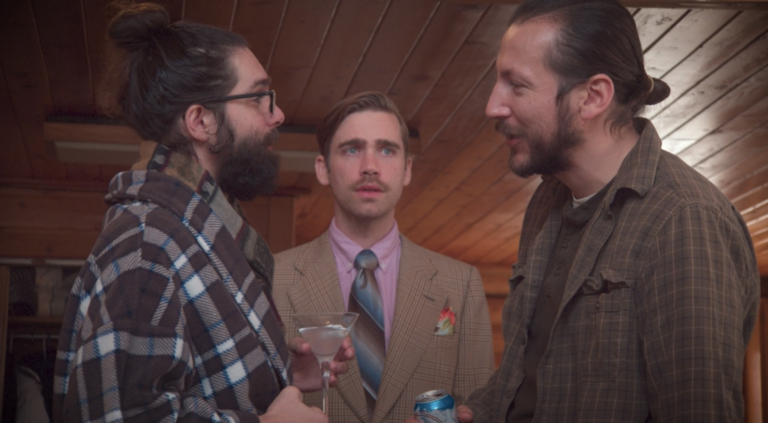
A no-longer-than-an-hour-and-a-half, solid, horror comedy has become a rare gem recently. Thus my surprise to find Hanky Panky, a silly, tongue-in-cheek feature debut from Lindsey Haun and Nick Roth, an emerging new director duo on the horror scene. Imagine bringing in a bunch of genres, and mixing them in the blender while sprinkling the top with some shrooms, the resultโ€ฆis a chaotic mess. 

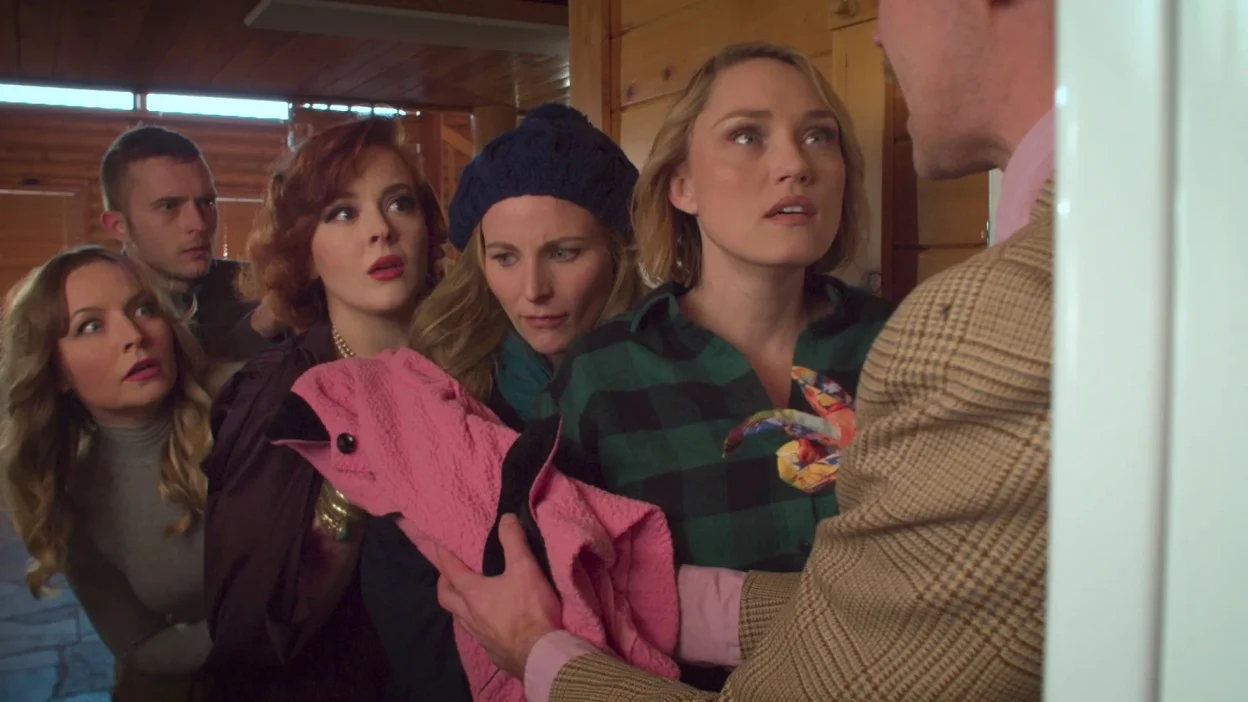
The filmโ€™s premise is as adorable as it is absurd: A cabin in the snow. A group of unfortunate misfits. A two-faced woman called Lilith. A man and his talking, excessively swearing handkerchief. And a setting suitable for a murder or an orgy. In a secluded, snowy mountain cabin, our protagonists gather for a retreat by a quirky ayahuasca wannabe shaman. Things get complicated when bodies start piling up and a talking hat is the villain, wreaking havoc on our protagonists and their handy friend the wanky handkerchief.

The film relies on all the complacent horror tropes; extreme close-ups and awkward Dutch angles, over-the-top actorsโ€™ reactions,  dialogue that runs towards ridiculous at times, and off-camera murders with copious amounts of fake blood splatters, and yet, all those elements seem to make it work. Itโ€™s funny without being overt, itโ€™s got some decent jump scares, and itโ€™s a great companion on a trip, that is, if the trip is toned down to below 30 Fahrenheit. 

The fun behind the camera and the feel of the gone-and-forgotten indie movie where people brought along their friends and non-actors to a non-existent set where everyone got high and went home happy is there.  

One of the key things that makes Hanky Panky work is Toby Bryanโ€™s voice as Woody, the foul-mouthed, talking handkerchief, and the main protagonist, Samโ€™s, best friend. Woody seems out of a Wong Kar-wai alternate universe if Cop 663โ€™s house items have decided to talk back to their lonely, chatty owner in Chungking Express. Woody is gross, witty, and doesnโ€™t miss a chance to let out a crude remark or a sneaky chuckle. Heโ€™s the perfect antithesis to Sam, and he makes sure to make himself heard. He has a voice unlike his human friend Sam, whose isolation and social discomfort make his voice come out sputtering and fiddling with self-expression unless heโ€™s trying to flirt.

Roth excels as the co-director, and his on-screen presence as Dr. Crane is always a joy. It reminds me of David Crossโ€™s portrayal of Tobias Fรผnke in the same deluded gullible existence that seems unaware of its incredulousness. Clare Grant shines as the stereotypical Southern, friendly neighbor, and plays her role with such saccharine-heavy positivity even when her truth is eventually exposed.

Everything about this movie rules. Characters -possible actors- are stoned and goofing around. The plot is too idiotic to notice any plot holes. Seeking fun and laughs for laughs is the name of the game so wrapping the audienceโ€™s mind on the turn of events or continuity seems unnecessary and sucking the enjoyment from the movie-watching experience. This is a film made with love and for the love of giggles. People who want to get a laugh at being scared, Scary Movie style are welcome to come aboard this humble abode. Hanky Panky is just for gigs. No need to go hard on it without taking into consideration the amount of brilliance Nick and Lindsey have exhibited to make such a moronic premise not only work but surpass initial skepticism. The dialogue and the acting are its strongest points, and while it falls short of its horror scope sometimes, it has a lot to make up for what it is lacking.

Grade: B

Movie Review: ‘The Young Wife’ is Profoundly Moving


Director: Tayarisha Poe
Writer: Tayarisha Poe
Stars: Leon Bridges, Aya Cash, Kiersey Clemons

Synopsis: It follows a young woman grappling with the meaning of love and commitment, follow her over her non wedding day.


The Young Wifeโ€™s writer and director, Tayarisha Poe, is a filmmaker with a singular and unique vision so distinct that there is nothing like her films out there. Her movies are obsessive about language, filling her script with witty and intense dialogue that is sharp. They sting or touch you in a way that most filmmakers can only dream of. As you get caught up in her words and stunning visuals, you begin to fall under the grip of a filmmaker who wields her camera frame with the intent of affecting her audience in a way that sneaks up on you that is holistic and honest.

As a case in point, a breathtaking scene in The Young Wife moved me in a way a film has not done so in quite some time. All with a single piece of dialogue, Poe has the character of Sabrina (a scene-stealing Aida Osman) tell her friend, lovingly and dripping with empathy, how it is a โ€œprivilege that others are affected by you.โ€ The scene is beautiful, even lyrical, in a way only achievable when writing, acting, and atmosphere achieve a certain harmony. 

Itโ€™s this quality that always keeps The Young Wife present and in the moment for the audience.

The story follows Celestina (Heart Beats Loudโ€™s Kiersey Clemons), a young woman in her late twenties who is about to get married. Yet, Celestina is doing everything she can to tell friends and family it’s a “non-wedding.” She is engaged to River (a terrific Leon Bridges), and Celestina is keeping a secretโ€“she has just quit her job but hasn’t told him. The only person Celestina has told is her mother (Sheryl Lee Ralph), who is less than thrilled with her daughter giving up her high-paying gig when her fiancรฉ doesn’t have the means to support them.

That leads to some delightful and thought-provoking scenes about individuality and conformity. The script takes that theme with the ability to weave together an eclectic group of characters that are so different they can be placed in their specific genres (and arguably even a few tropes). Many will complain about this being unattainable whimsy, but this is not the point. Celestina is surrounded by unique individuals who stand out among the crowd, and sheโ€™s afraid of blending into it. When she marries River, Celestina seems to be asking herself if she will lose her sense of self. Will she only be known as River’s wife? 

In one of the film’s best scenes with Clemons’s former Transparent co-star, Judith Light, who plays River’s grandmother, she tells Celestina how a man can break you down into little pieces, “Let your husband choke to keep yourself whole.”

It has been interesting to see how artists, particularly actors and directors, have been influenced by the COVID-19 pandemic by looking at their films before and after. In the case of The Young Wifeโ€™s director, Poeโ€™s debut film was the 2020 Juvenalian satire Selah and the Spades, which had some of the sharpest commentary about the social justice political climate in recent memory. However, in The Young Wife, the lines of social justice commentary are erased, and you have a lovely eclectic mix of all backgrounds bonded through love and friendship. 

The story is set in a futuristic background where climate change is rapidly causing rain and forest fires, and the world has begun to embrace the burden of alleviating mental health globally. (Be looking for a Lovie Simone cameo in a recurring scene called โ€œThe Meditation Minute.โ€) Celestina is a woman who is consumed by her anxiety about her future while experiencing depression about her past. Her character is never mindful or in the moment but experiencing what most of us have had during and now (yes, itโ€™s still going on). 

The scenes with her friends are chaotic because they are present. The scenes on the news of impending doom are present, causing Celestina to look past them as a defense mechanism to ignore the present. What Poe has created here is a controlled chaos constantly in motion and revolving around Celestina. When you break it down, the tone and feel of Poeโ€™s The Young Wife is akin to the first act of Lars von Trierโ€™s Melancholia. As the film progresses, the looming sense of a worldโ€™s rotting at its core becomes more prevalent and brought to the forefront. This plot point mirrors the reason for Celestina’s internal turmoil that she cannot seem to bring under control. 

However, all Poe accomplishes here is possible because of Clemons’s best career performance. Thatโ€™s because the young actress begins to realistically depict the twenty-something sense of existential dread against the backdrop of extraordinary circumstances. Clemons can show great strength and vulnerability in a single glance as her characters slowly come apart at the seams and are repaired by the ones she loves around her. This comes back to the โ€œprivilege that others are affected by you.โ€


The Young Wife is a metaphor for a new world, still seen through a feminist lens that reveals the more things change, the more they stay the same. While many may stick their nose up at the filmโ€™s idiosyncratic composition and claim there is a purple prose to its subtext, the final act of Tayarisha Poe’s film becomes profound. One that causes the audience to have a visceral reaction to the chaos happening all around us.

Grade: A-

Movie Review: ‘Art and Life: The Story of Jim Phillips’ Explored Artistic Glory Days


Director: John Makens
Stars: Neil Young, Chad Muska, Steve Alba

Synopsis: Embark on the epic ride of Jim Phillips, the genius behind skateboarding and rock culture’s electrifying art. This documentary explores Phillips’ unyielding commitment to his craft, embodying a testament to resilience in art and life.


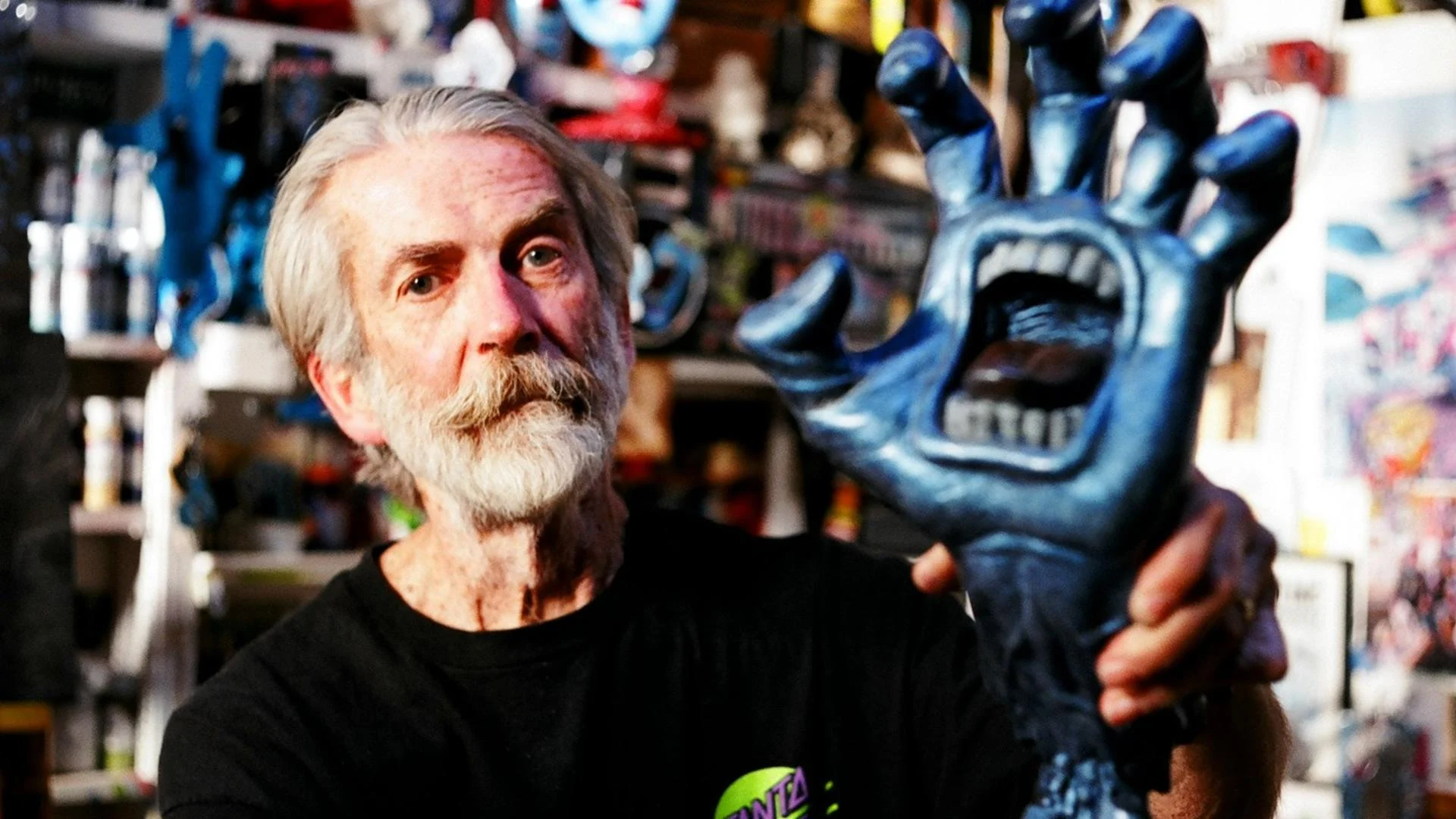
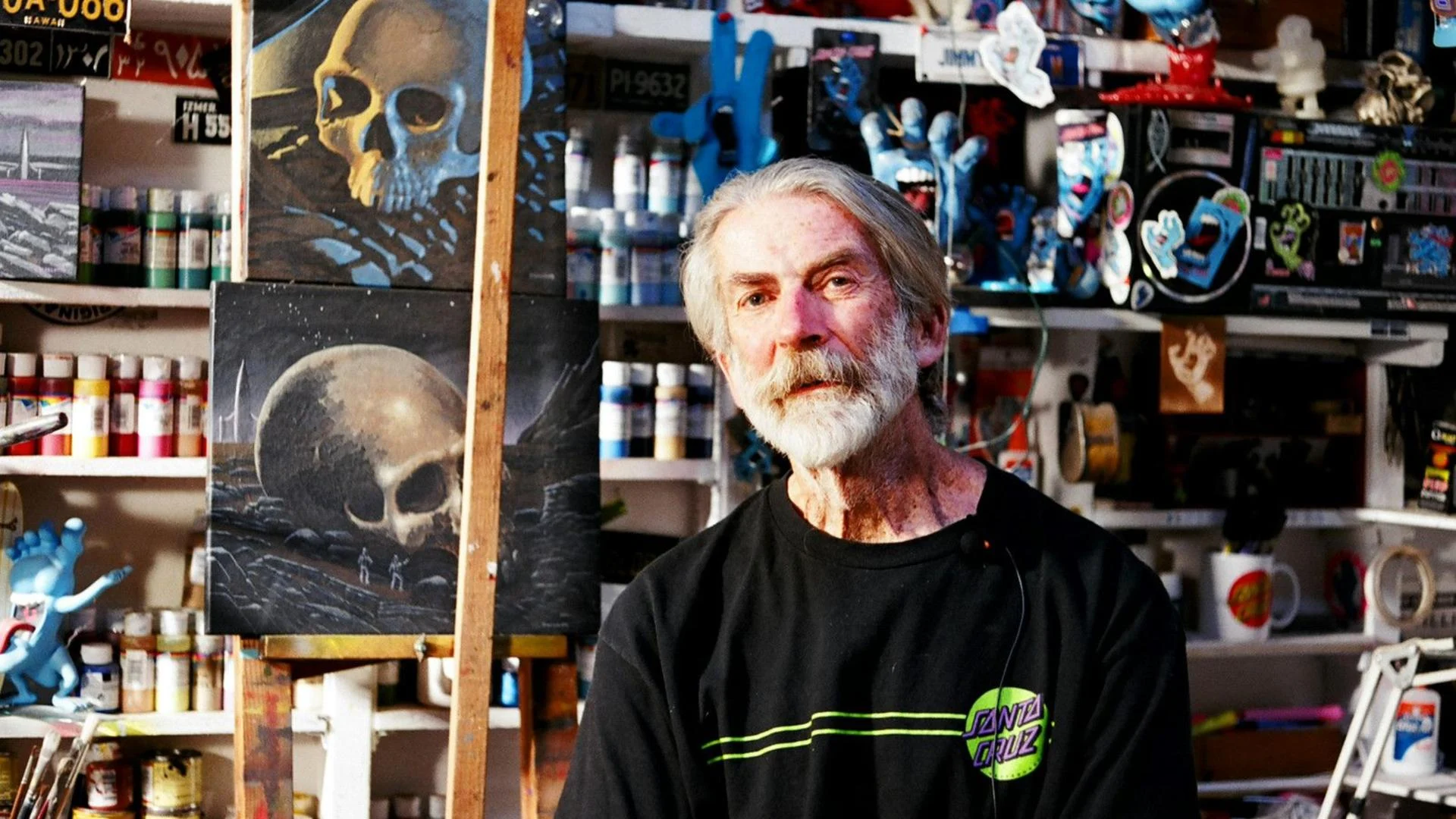
The corporatization of the relatively informal Santa Cruz skating scene and the wider countercultural movement was, of course, inevitable but thereโ€™s still a bittersweet sense of loss that emerges when one thinks back to the halcyon days in which simply hanging out with a bunch of other social outcasts could be read as a countercultural gesture. We live in a world in which capitalism eventually comes to encompass everything, but we find ourselves desperate to hold onto the few things that appear to stand outside of the realm of commercial product. Fortunately, artists have found productive ways of responding to the complicated, often destructive relationship between art and commerce. The clash between pure, authentic artistic expression and soulless, draining financial concerns is not as simple as I have made it out to be. Many of the illustrators who flourished during the 1970s were willing to explore the contradictions inherent in producing commercial art in an irreverent manner.ย 

One of the most prominent artists of this period was illustrator Jim Phillips, who hit his stride when he began working as the sole art director for NHS Inc. The sports equipment distribution company  primarily targeted the youth market and Phillips became increasingly immersed in Santa Cruzโ€™s burgeoning skate and surf subcultures. He found a way to achieve a form of artistic expression in a cut-throat professional environment, while also forming genuine bonds with other skating enthusiasts. His life story is captured in Art and Life: The Story of Jim Phillips (2024), a loose, affectionate portrait of a turning point in the history of the hippie movement. Phillips serves as a warm and engaging interlocutor; ready and willing to throw out amusing anecdotes at a momentโ€™s notice, while also commenting on the links between the social climate of the 1970s and his development as an artist. 

The documentaryโ€™s easy, free-floating structure allows it to jump fluidly from one shaggy dog story to the next and prevents it from feeling like a simple hagiography. Director John Makens wisely limits the scope of his documentary to a point where Phillipsโ€™s specific preoccupations as an artist can come into focus. There is always a danger, when attempting to tackle such an extraordinary, overwhelming subject, that a project will end up losing a sense of focus altogether. Makens offers up tantalizing glimpses of the bigger picture here but stops short of attempting to craft a Diaries, Notes and Sketches (1968) for the internet age. In narrowing his projectโ€™s focus down to the specifics of Phillipsโ€™s life story and professional successes, he finds a microcosm through which a larger story can be hinted at. Itโ€™s a fruitful approach to treading over ground that has already been subjected to a frightening level of close analysis.ย 

There is also something enormously moving about the documentaryโ€™s joyful deconstruction of the Santa Cruz logo, which has come to be seen as Phillipsโ€™s magnum opus. This documentary asks us to view this iconic piece of branding as the centerpiece of a wider artistic movement within Phillipsโ€™s oeuvre. We get a greater sense of the build-up to the creation of this signature piece and the difficulties that an artist faces when challenged to keep producing after hitting a creative peak of sorts. A lot of this material will seem familiar to viewers who have watched a wide assortment of documentaries about the creative process but Makensโ€™s take on this particular phenomenon is heftier than the likes of Jeff Koons: A Private Portrait (2023). He might not unearth anything groundbreaking but the journey ultimately serves as the destination and thereโ€™s plenty to enjoy if you go along with the ride. 

The picture will naturally find its viewership among young aspiring artists who are likely to already be familiar with Phillips. However, I would recommend that those who arenโ€™t already deeply embedded within the Santa Cruz underground scene still make an attempt to seek this film out. It has a certain universal appeal that taps into the deep need that humans have to find a sense of belonging within a larger community. The heyday of the Santa Cruz skate and surf subcultures might have passed but this documentary gives you a nostalgic yet clear-eyed vision of what it might have been like to experience those glory days firsthand.

Grade: B+

Movie Review: ‘Summer Camp’ Infantilizes Adults


Director: Castille Landon
Writer: Castille Landon
Stars: Kathy Bates, Diane Keaton, Betsy Sodaro

Synopsis: Follows Nora, Ginny, and Mary, three childhood best friends who used to spend every summer at a sleep away camp together. After years, when the opportunity to get back together for a summer camp reunion presents itself, they all seize it.


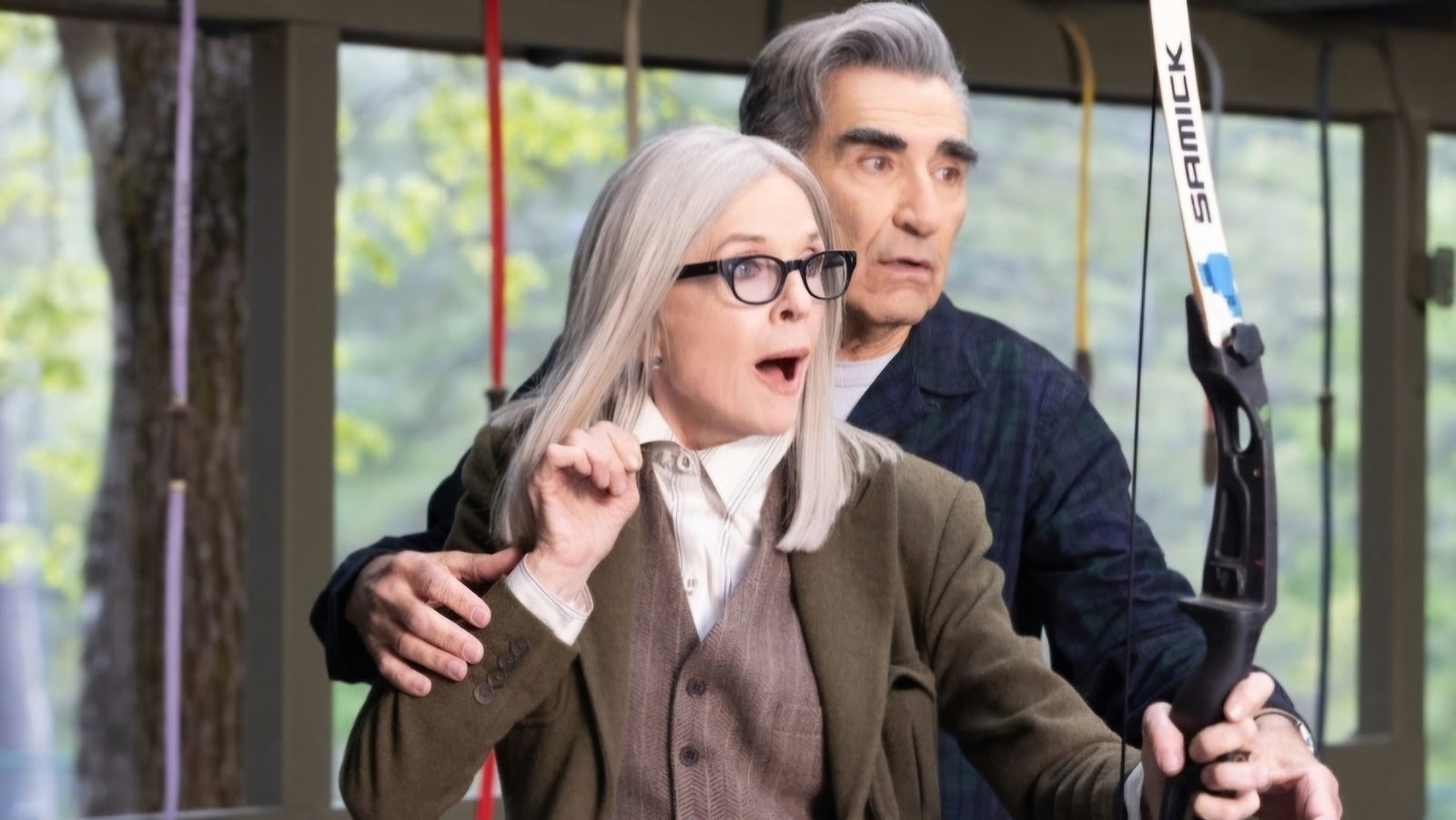
First of all, since when do summer camps have reunions? It’s a question I’ve been asking since having to sit through the trailer for the cortisol-fueled women of a certain age comedy, Summer Camp. As baby boomers begin to retire, more and more of these types of movies have been made over the past decade. From the Book Club (gulp) franchise, Poms, Las Vegas, and Going in Style, you have a series of movies being shoved down the throats of moviegoers to watch with their parents on Mother’s or Father’s Day. 

Summer Camp is that movie, but at the very least, it has its heart in the right place. 

The film stars three legendary performers: Academy Award winners Kathy Bates (Misery), Diane Keaton (Annie Hall), and Academy Award nominee Alfre Woodard (Cross Creek). The story follows three childhood friends who, yes, have been best friends since finding each other at that recreational outdoor camp. Ginny (Bates) is a life-hack guru and has conquered social media stardom, unlike any woman her age. 

Ginny has been trying to get her friends, Nora (Keaton) and Mary (Woodard), together for ages, but life happens and gets in the way. Nora is a widow, lost her husband of 34 years, and buried herself in her work. Mary is a nurse who regrets never finishing medical school to become a doctor. Mary’s husband, Mike (Seinfeld’s Tom Wright), is too needy and over-reliant on her, calling her during her shift in the emergency room to see where the remote has been placed. 

So, Ginny buys a gigantic recreational vehicle, practically abducting her two friends, and goes off for a nostalgia-filled week of reliving old memories while making new ones.

Castille Landon, director of the After franchise of underwhelming films, brings the same sort of shallow and saccharine storytelling and characters with such little three-dimensionality that a couple of fat heads on your childโ€™s wall would be more well-rounded. Not only is the story incredibly lame, but everything from the story, main characters, and supporting roles comes straight out of the studio machine artificial playbook.

This regurgitates the same old story we have seen countless times before and in any age bracket. Three friends get together, check. Three friends enjoy their time together, check. Three friends meet members of the opposite sex, rekindling romantic feelings they havenโ€™t felt in years. Finally, those friends fight; they leave angry but get back together for an apology, leaving everyone with that warm and fuzzy feeling studios pander to their audiences with, check and check.

My issue with movies like Summer Camp is that their scripts treat their targeted audiences like children’s movies. They try to teach and send positive messages to older adult men and women who are fully formed as if they haven’t lived their entire lives with more experience than anyone. Clichรฉ, cut-out romantic lead (and villain) male characters highlight these issues. 

Eugene Levy’s Stevie is the nerdy and anxious one. Of course, he pairs with Keaton’s anxious and nerdy character. Dennis Haysbert’s Tommy is a different kind of trope; that good guy clichรฉ is looking to fill that romantic void. (Itโ€™s a role he has played hundreds of times before and was tailor made for.) Even Wright’s Mike is a one-note, toxic male villain type we have seen countless times before, with no redeemable qualities.

Yes, Kathy Bates has one or two feisty retorts that are humorous. Josh Peck has an amusing yet predictable running gag. The only reason that Summer Camp is tolerable is the infectious supporting turn by Betsy Sodaro, who has the filmโ€™s only laugh-out-loud moment, which, unfortunately, is all about product placement. Besides that, this is one of the more underwhelming comedies in recent memory.

Grade: D+

Chasing The Gold: ‘Dune,’ ‘ Civil War’ Lead the Battle for Best Sound

Now that weโ€™ve had a few months for more films to come out, we can start to see the (incredibly) early beginnings of the Best Sound race. The year has given us both letdowns and surprises across the board, but a couple of contenders have risen to the top of the list. As it stands today, two films seem to stand out when you consider the sound category: Dune: Part Two and Civil War

Dune: Part Two is the easiest case to make, so letโ€™s start there. The love for the sound design in this film is already apparent, given the first installment took home the prize at the 94th Academy Awards just a few years ago, beating out Steven Spielbergโ€™s remake of West Side Story, among other worthy options. The sound in Part Two is equally impressive, adding different elements to the world alongside familiar sounds from the first film. The full inclusion of the shai hulud (giant sandworms) introduces a whole new aspect of sound design that was teased in Part One. Voters may find it difficult to look at the star power behind Dune: Part Two and the franchiseโ€™s prior awards success and convince themselves to vote elsewhere. 

Our other contender, Civil War, is a divisive choice. Whether you enjoyed the film or not, itโ€™s hard to deny the wonders of its sound design, especially when seen in IMAX. During the intense war sequences, the sound alternates between some of the loudest gunshots Iโ€™ve ever heard to cutting out completely as Lee (Kristen Dunst) and Jessie (Cailee Spaeny) snap photographs of the gruesome scene. This variation in design, combined with how the sound swirls around the theater, makes Civil War one of the more impressive achievements in recent memory. Civil War benefits from doing two things that voters love to see in this category: having big, loud sounds and playing around with the lack of sound. This could help put it above other films that do only one element well. 

This year’s dark horse for Best Sound could be the Ryan Gosling and Emily Blunt vehicle, The Fall Guy. This love letter to stuntmen and action films has plenty of action scenes with speeding cars and booming explosions likely to wow audiences and critics alike. However, for The Fall Guy to have a chance, it must turn its box office performance around and be seen more widely. The marketing may have made people think this would be too comedic and silly or not quite the action spectacle director David Leitch delivered. Thereโ€™s one massive upcoming film to look out for regarding the Best Sound award, and fortunately, we will get to see it in just a few days. Visionary director George Millerโ€™s Furiosa: A Mad Max Saga is likely to make a splash in all the technical categories. Its predecessor, Mad Max: Fury Road, won both Sound Editing and Sound Mixing in 2015 when the award was split into two separate categories. It is a blessing and gift that we get technical marvels like Furiosa and Dune: Part Two in the same year. Theyโ€™ll be competing for all the technical awards, and it will be so fun to see who will come out on top here.

Women InSession: Critic Spotlight – Jaylan Salah

This week on Women InSession, we continue our critic spotlight series as we get to know Jaylan Salah and talk about how her experience as an international critic! Jaylan has some unique experiences that distinguishes her amongst the crew and we have a lot of fun talking about how that influences her perspective on film.

Panel: Kristin Battestella, Zita Short, Jaylan Salah

On that note, check out this week’s show and let us know what you think in the comment section. Thanks for listening and for supporting the InSession Film Podcast!

Subscribe to our Podcasts RSS
Subscribe to our Podcasts on iTunes
Listen on Spotify
Listen on Stitcher
Women InSession – Episode 86

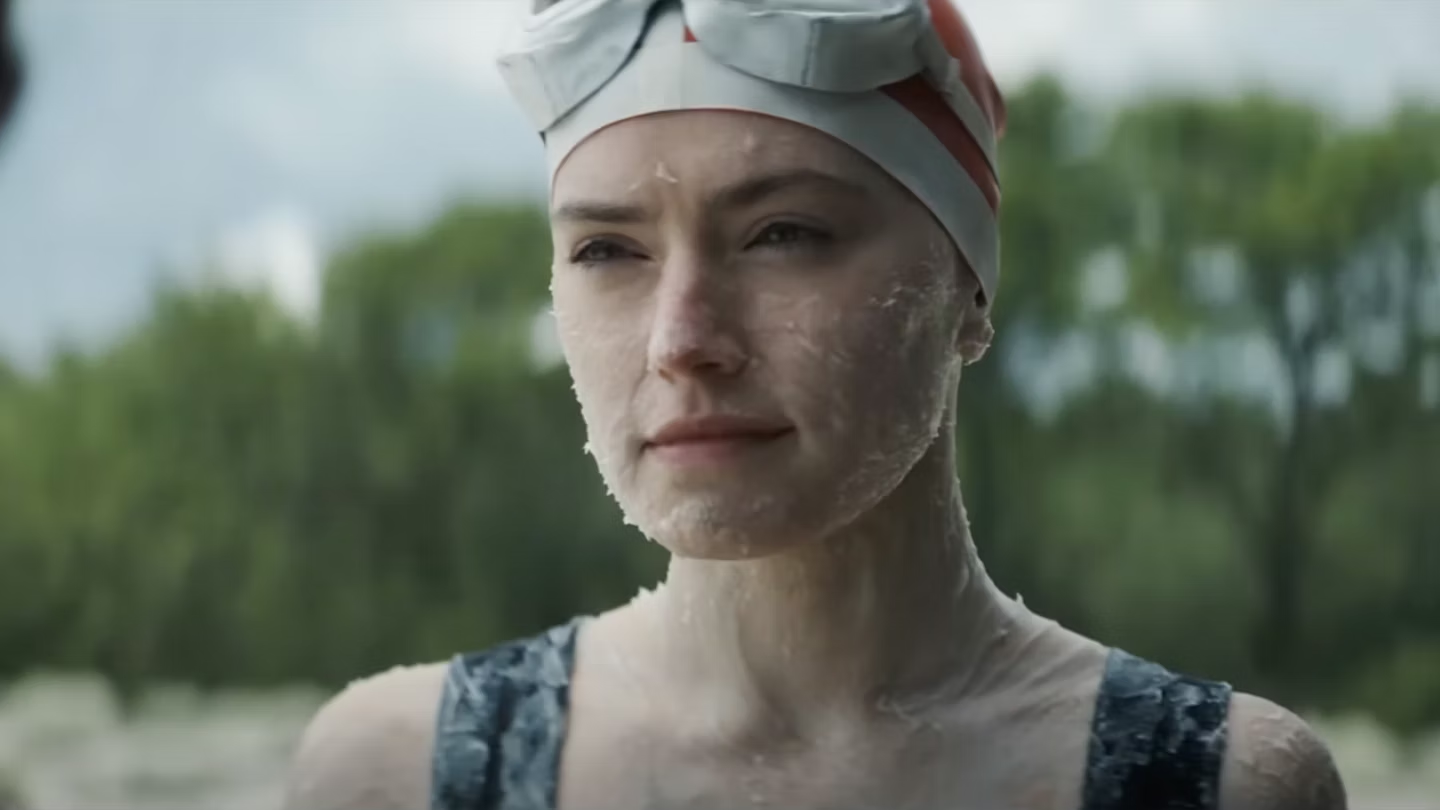
Movie Review: ‘Young Woman and the Sea’ Drowns in Falsehood


Director: Joachim Rรธnning
Writer: Jeff Nathanson, Glenn Stout
Stars: Daisy Ridley, Tilda Cobham-Hervey, Stephen Graham

Synopsis: The story of competitive swimmer Trudy Ederle, who, in 1926, was the first woman to ever swim across the English Channel.


At some point during Joachim Rรธnningโ€™s woeful biopic of champion swimmer Gertrude โ€œTrudyโ€ Ederle, one can imagine Russell Crowe as Maximus walking into the frame and proclaiming, โ€œAre you not inspired!โ€ Not content to let Ederleโ€™s remarkable achievements in competitive womenโ€™s swimming stand on their own merits, Jeff Nathansonโ€™s trite script embellishes so often that one begins to doubt Trudyโ€™s existence. There certainly was a Trudy Ederle, and she was an Olympic swimmer who grew up on Amsterdam Avenue in Manhattan and was the first woman to swim the English Channel in 1926. She had a sister named Margaret and was the daughter of German immigrants. She had measles as a child which affected her hearing. She trained under Charlotte โ€œEppyโ€ Epstein and the WSA and was guided by both Jabez Wolffe and Bill Burgess. So far, so true. However, Young Woman and the Sea goes about telling Trudyโ€™s story in a manner that stretches credulity to breaking point.

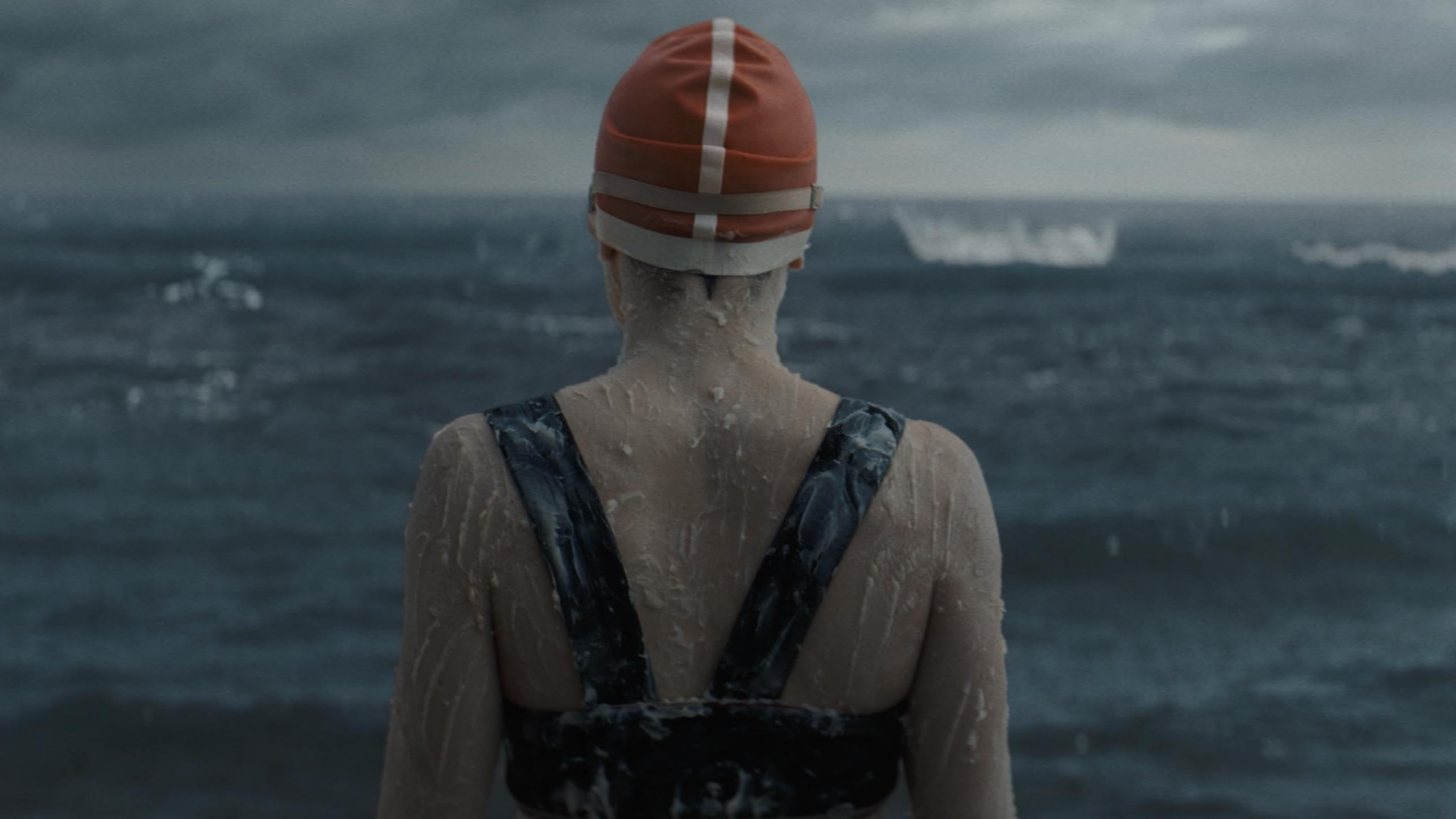
The film opens with Gertrude (Daisy Ridley) facing the Channel from the shore of Cape Gris-Nez in France. She sings โ€œAinโ€™t We Got Funโ€ to herself before she enters the water and the film cuts back to where it all began โ€“ Gertrude (Olive Abercrombie) and Meg (Lily Aspell) as children living above their father Henryโ€™s (Kim Bodin) butcher shop. There are the sounds of sirens as the General Slocomb sinks, taking with it a portion of โ€œLittle Germanyโ€™sโ€ residents including children. Frau Ederle (Jeanette Hain) frets so much that she makes sure her children will learn how to swim to avoid such a tragedy. However, a more personal tragedy is looming as Gertrude almost dies from the measles. Her fever breaks and soon she is forcing her parents to let her swim along with Meg. Because she was infected, she learns by being tied to a barrel on the Jersey shore and Coney Island. Meg has the more traditional lessons and, at first, it seems that she will be the champion swimmer โ€“ but Trudyโ€™s pluck and courage find her training with Charlotte โ€œEppyโ€ Epstein (Sian Phillips) and overcoming her bad technique (โ€œKick, Trudy, kick!โ€).
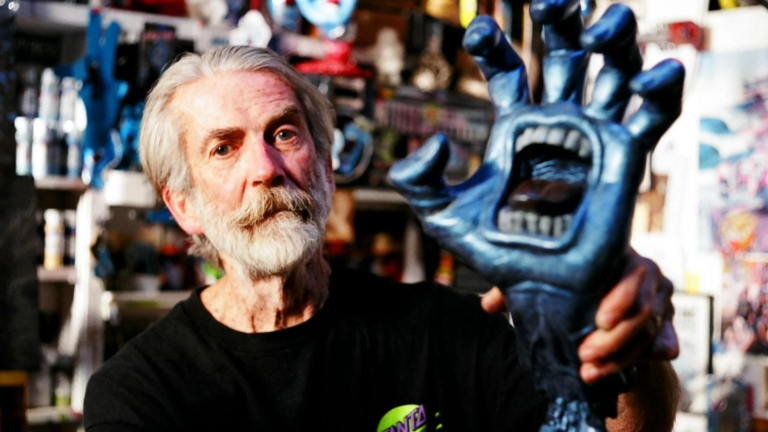
Meg (Tilda Cobham-Hervey) and Trudy (Daisy Ridley) are now teens and dealing with sexism and disapproval. Young immigrant women donโ€™t get to go past Amsterdam Avenue and make a name for themselves in any endeavor beyond marriage. Except they do โ€“ as Trudy and other members of the WSA go to the Olympic Games in Paris in 1924 and score a lot of medals despite the dastardly James Sullivan (Glenn Fleshler) hiring Jabez Wolffe (a petulant Christopher Eccleston) to stymie their efforts in favor of the male swimmers who include Johnny Weissmuller. 

Somehow, winning medals is the death of womenโ€™s swimming and theyโ€™ll never be allowed back at the Olympics (patently false as American women swam the next Olympics and all of the Olympics America was involved in โ€“ but never mind that) so Meg decides to take one for the Ederle team and marry a nice German boy because, โ€œthatโ€™s what happens to girls here,โ€ and โ€œno one wants two girls from the butcherโ€™s shop to be heroes.โ€ No nice American boy for Meg, and no swimming for Trudy especially not when it is so immodest, and the police are checking the length of bathers on Coney Island Beach.

Yet Trudy isnโ€™t going to let a little thing like backlash against womenโ€™s suffrage, insecure men who failed to reach their dreams, and paternal negating stop her from being the one who does the marathon swim โ€“ especially when little girls think sheโ€™s neat. 

Aided by Eppy and Meg, Trudy makes a bet that she can swim from Battery Park to Sandy Hook in a matter of hours โ€“ if she wins Sullivan will pay to sponsor her English Channel crossing. Win she does, but she doesnโ€™t reckon on Jabez being set up as her coach โ€“ a man who is told to do everything in his power to ensure she fails, or drowns, or some such.

It almost works as Jabez indulges in dirty tricks. Luckily the over-the-top Bill Burgess (Stephen Graham) is there to ensure there are no more attempted drownings and both Henry and Meg turn up to help Trudy get back on her feet and make the crossing โ€“ even ensuring she can escape from Sullivanโ€™s guarded cabin.
Wave after wave of ridiculous challenges hit Trudy. The weather! Jellyfish! Goggles taking in water. But golly, gee whiz, our girl isnโ€™t going down without a fight. Trudy looks determined. Trudy is indefatigable. Trudy yells a lot. Meg is amazed and even does a bit of swimming. Everyone is astounded or having a tantrum (Jabez is humiliated). The score by Amelia Warner insists everyone is impressed. Cutting between Mother Gertrud and Henry Jr., (Ethan Rouse) listening to the report on the wireless at home in New York is dramatic tension. So too Charlotte whooping, โ€œYou go, girl!โ€ from her apartment window; โ€œKick ya feet!โ€ (Somewhere, someone is also yelling โ€œRun, Forrest, run!”).ย 


There is a memetic saying, โ€œOf all the things that didnโ€™t happen, that didnโ€™t happen the most.โ€ Young Woman and the Sea indulges in so many patent falsehoods that no one even has to do even the briefest fact check to know they are being fed an idiotic narrative masquerading as truth. There were enough factors in Trudyโ€™s life which made what she did exciting and groundbreaking, so why go the making stuff up route? Heroic young woman completes a marathon swim in record time is enough. Between terrible accents, over acting, and ridiculous plotting, Trudy Ederle becomes dimensionless. Young Woman and the Sea is not only a bad film it is wrongheaded. If eye rolling was the intended effect, Joachim Rรธnning has hit the jackpot. If honoring a champion was what the film had in mind โ€“ the movie not only flops, it sinks, taking almost everyone involved with it to the bottom of the ocean.

Grade: D-

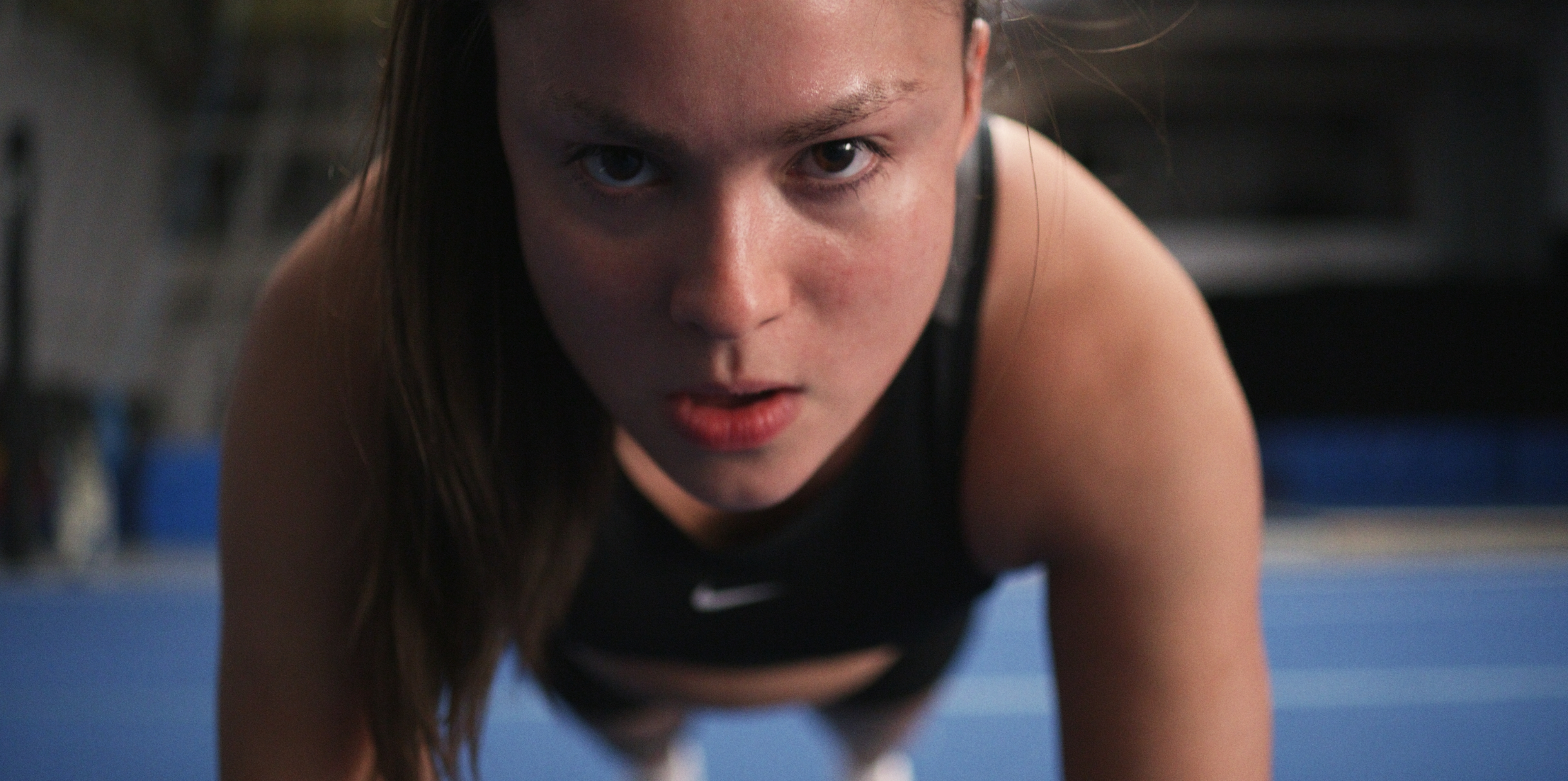
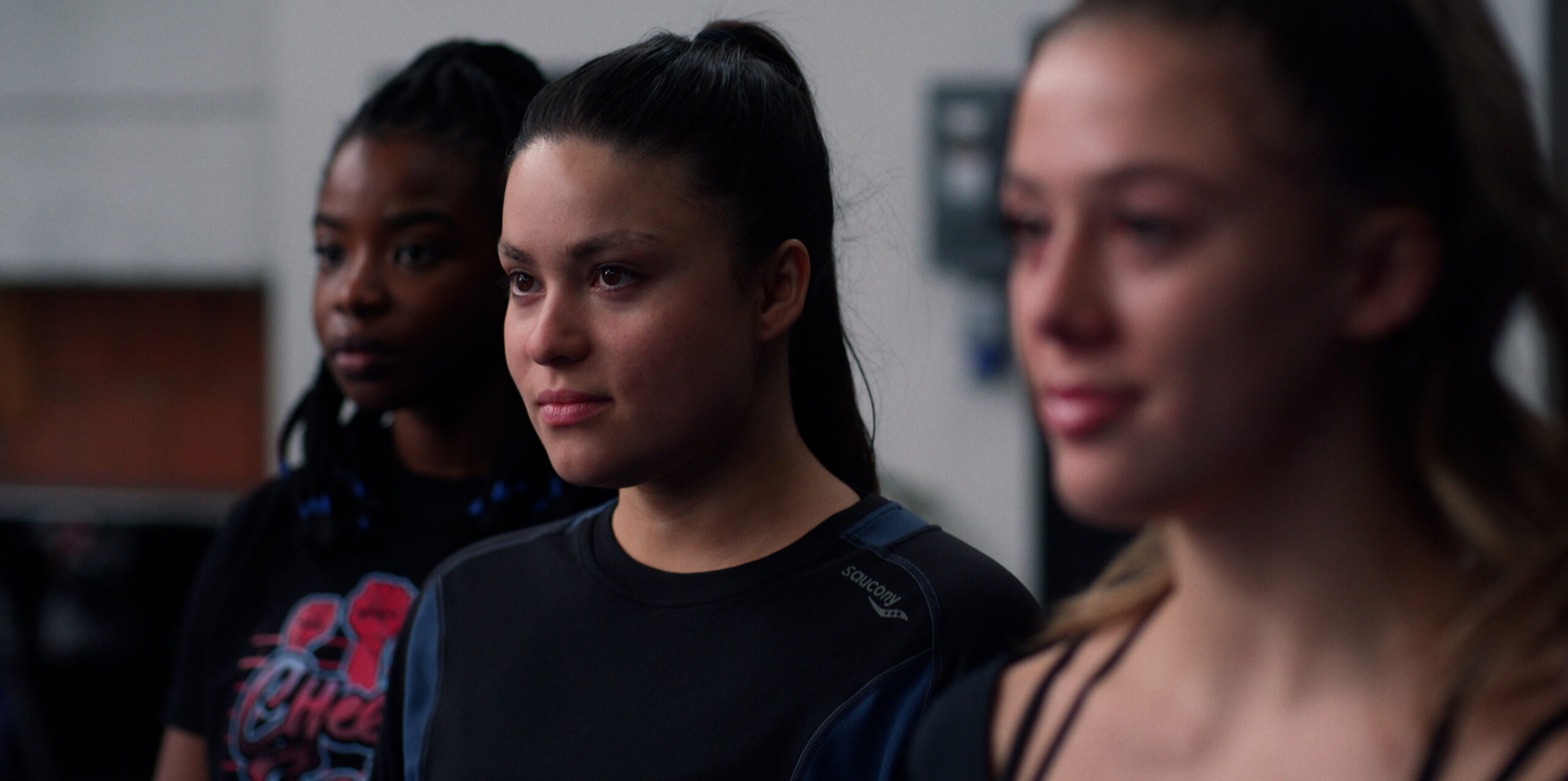
Movie Review: ‘Backspot’ is Elite, Kinetic Filmmaking


Director: D.W. Waterson
Writers: Joanne Sarazen, D.W. Waterson
Stars: Devery Jacobs, Evan Rachel Wood, Kudakwashe Rutendo

Synopsis: Riley is given the chance to cheer with the all-star squad, Thunderhawks. With a competition looming, Riley must navigate her crippling anxiety, her relationship with her girlfriend, and her desperate need for approval from her new coach.


โ€œThis bodyโ€™s not a cage, this bodyโ€™s not a prison, this bodyโ€™s no mistake, this bodyโ€™s pushing limits.โ€

D. W. Watersonโ€™s competitive cheerleading film begins with movement and music. The kineticism introduces the audience to the incredible athleticism of the young people hitting the mats with force and grace. 

Riley (Devery Jacobs) is the captain and backspot of her mid-level team โ€“ the one who supports the flyers. The base of the pyramid is under her supervision. If someone falls, itโ€™s because she wasnโ€™t thinking fast enough. After the tumbles and backflips, an actual tumble occurs when flyer Rachel (Noa Diberto) crashes to the mat because of a dip by a base. Almost immediately the air is sucked out of Riley โ€“ she didnโ€™t fall, but in her mind she failed. โ€œDonโ€™t go all dark,โ€ her teammate and girlfriend Amanda (Kudakwashe Rutendo) tells her. 

Cheerleading is Rileyโ€™s home. Her other home is Amanda. โ€œSuch a pretty girl,โ€ according to Rileyโ€™s anxiety riddled Mom, Tracy (Shannyn Sossamon) whose perfectionism borders on obsessive disorder. Something which Riley also suffers from as she deals with panic attacks and trichotillomania. Riley is in a battle with herself, she must exercise precision and control to succeed. She sees her motherโ€™s eagerness to please her father (who is just a hand with a remote-control playing sport at increasingly loud volumes) as self-effacement. But Rileyโ€™s own eagerness to please confuses her and the brutality she visits on her body is disproportionate to the dopamine fix of executing a perfect tuck.

The person she most wants to please is Eileen McNamara (Evan Rachel Wood), the coach of the professional team The Thunderhawks. Making it on to that team, especially with Rachel and Amanda is a dream โ€“ yet inside the dream is a waking nightmare she canโ€™t parse. Cheerleading is something sheโ€™s done for years โ€“ her community is there. The love of her young life is there. So why does it hurt so much? And who is she willing to hurt for it?

The psychology of any athlete is complex. That complexity is multiplied when it is filtered through the malleable identity of being a teen. Rileyโ€™s fight or flight modes are in overdrive. Eileenโ€™s coaching style is a mixture of negative and positive reinforcement, something which adds to Rileyโ€™s own confusion. The assistant coach, Devon (Thomas Anthony Olajide) is withering and snappy, but he is a sequined blanket for the team; he may scratch a little, but he is there to make them shine. What Eileen is aiming for is keeping the young women off balance to reshape them. Life is hard for gay sportspeople in Eileenโ€™s estimation. Reject to protect. Become steel. Be unimpeachable. Yet sheโ€™s also the only person who manages to calm Riley properly during one of her panic attacks. In more than one way Eileen is a cult leader and Riley allows her personality to be subsumed.

โ€œShe has a wife! Could she be any more perfect?โ€ Riley gushes to Amanda about Eileen. Amanda is more grounded. She canโ€™t afford to only be a cheerleader despite being an accomplished one. Her mother, Denise (Olunike Adeliyi) is generous and chaotic but sheโ€™s also a single mom raising three kids. Amanda doesnโ€™t have the money Riley does. She canโ€™t spend every moment training because she needs to work. Amanda sees damage where Riley doesnโ€™t โ€“ not only on the bodies of the young athletes but on their sense of self.

D. W. Watersonโ€™s script written in conjunction with Joanne Sarazen displays immense sensitivity and understanding of how young people attempt to negotiate who they are. At no point does the film move into the โ€œqueer miseryโ€ trope. Riley and Amanda donโ€™t suffer because they are gay. Their relationship is challenged because of reasons outside of their queerness. Money, mental health, slipping off the same page they believed they were on. When Riley swallows the Eileen Kool-Aid and physically assists in hurting Rachel to ensure she stretches into a wider split, Riley is breaking the trust of her friend and becoming a stranger to her girlfriend. 

Backspot belies its modest budget and quick turn around shooting time. D. W. Waterson uses their musical and design aesthetic in conjunction with James Porembaโ€™s whirling cinematography to make the film move in physical and psychological sync. It certainly doesnโ€™t hurt that everyone in the film is beautiful even if they donโ€™t feel they are. Laila (Marlee Samson) doesnโ€™t conform to what would be considered โ€˜perfect body standardsโ€™ for a cheerleader and D. W. Waterson acknowledges that there are issues with the sport. At the same time Laila is shot to be glorious. 

โ€œSmile, happy, energy!โ€ is the mantra for cheerleading. Make it look easy. No All-Star sport is easy. Its blisters, bruises, concussions, possible hospitalization. Itโ€™s using a tampon to stop a nosebleed. But itโ€™s also flying like one is weightless, bodies moving in harmony with a rhythm built through a specific sorority. Cheerleading has little to do with the crop tops and false eyelashes โ€“ it is faith in teamwork. The sexiness of the sport is because it is athletic dance mixed with gymnastics. Once Riley realizes that what the sport gives her is belonging to her friends, she can find victory and a sense of calm. She can breathe and experience weightlessness.

Devery Jacobs is a force โ€“ physically and psychologically. The fierceness of her performance is matched by her raw vulnerability. Riley loves with passion, fear, and anger until she is shown by the โ€œmiddle-agedโ€ Devon (a perfect Thomas Anthony Olajide) that what she needs to be is messily human. That means letting go of the idea that she must fix every perceived bodily and emotional flaw. She doesnโ€™t need to make herself Eileenโ€™s โ€œbrick shit houseโ€ to be the best. Being the best in any competition is fleeting. Being a winner is not losing or denying yourself.

Noa Diberto is also superb as is Kudakwashe Rutendo. Both actors embody the brilliantly chaotic nature of youth. Diberto has incredible warmth and comic timing. Rutendo is sensitive, supportive, brave and switched the hell on. 

Wonderfully shot, choreographed, scored, and acted, Backspot is not only everything you could wish for in a sports film, but also everything you want in a queer coming of age story. Dark and light collide to create magic under neon and laser lights. D. W. Waterson will have you cheering for their energetic, affecting, and intelligent work. Elite level filmmaking.

Grade: A

Criterion Collection: June 2024

The month of June is a massive month of Criterion releases because an astounding six films and a miniseries are all coming out. From a piece of Mexicoโ€™s golden age of cinema to a contemporary portrait of gender fluidity, these releases really stack up well into the middle of summer. It is becoming all the more important as physical media dies a slow death and this preservation of old and contemporary films keeps the dream alive of collecting them all like Carrie Coon and Tracy Betts (owning 10,000 DVDs makes them heroes). Hereโ€™s the list for this June.ย 

Victims of Sin (1951)

In his own version of film noir, director Emilio Fernรกndez tells the story of a cabaret dancer (Ninon Sevilla) who rescues an infant from abandonment despite her boss (Rodolfo Acosta) disapproving of her sudden motherhood. When a rival nightclub owner (Tito Junco) is willing to help and falls for her, it sets up an explosive love triangle and climatic crime of passion. It is considered one of the best Mexican films during their Golden Age and a standout of cinema south of Americaโ€™s border early after the end of WWII.ย 

Querelle (1982)

The last film from Rainer Werner Fassbinder before his untimely death, Jean Genetโ€™s gay erotica was Fassbinderโ€™s only English-speaking film with Brad Davis as a sailor in a 1930s French port. He kills a man during a drug deal and uses his bisexual seduction to frame others for the killing. With screen legends Jeanne Moreau and Franco Nero, Fassbinder takes an expressionist route in telling Genetโ€™s story with the complete absorption of desire and masculinity hiding the gay love underneath it all.ย 

Blue Velvet (1986)

One of two rereleases this month, David Lynchโ€™s shocking masterpiece still haunts with this disruption of quiet suburbia through the eyes of a young man (Kyle MacLachlan) after he discovers a severed ear. As he gets close to the detectiveโ€™s daughter (Laura Dern), he gets sucked into the bosom of a singer (Isabella Rosselini) and her captor, the psychotic Frank Booth (Dennis Hopper). Rich in cinematography, Lynch opens up a much darker side of life that lures us with the titular melody and slaps us with a dose of harsh realism in such seedy quarters.ย 

Bound (1996)

Before The Matrix, sibling duo Lana and Lilly Wachowski made a splashy, sexy debut about a conwoman (Gina Gershon) who catches the eye of her neighbor (Jennifer Tilly). They start an affair in which they target a mobster (Joe Pantoliano) and steal money, but they find themselves perilously close to being found out about their plan and the affair. It is a neo-noir that cackles with delight in this exciting and dangerous tale that gave the Wachowskiโ€™s the power to make something so influential, a franchise came out of it.ย 

Fear And Loathing Las Vegas (1998)

The second re-release is the adaptation of Hunter S. Thompsonโ€™s gonzo novel about a journalist (Johnny Depp) and his lawyer (Benicio Del Toro) covering a motorcycle race, only to suddenly embark on an LSD-soaked nightmare of a trip. Director Terry Gilliam makes the best of a very difficult book and explodes on the screen a radical story of societyโ€™s neurosis living in a capsule during the 1970s, the height of Thompsonโ€™s language-changing work. While it failed at the box office, Fear And Loathing has remained a cult classic 26 years later.ย ย 

The Underground Railroad (2021)

Barry Jenkins took Colson Whiteheadโ€™s Pulitzer Prize winning book about a historical reimagining during the era of slavery and transformed it into a magical realistic miniseries. A slave named Cora (Thuso Mbedu) witnesses the brutal death of an escapee, but this does not deter her from making her own escape. She eventually finds the underground railroad – an actual train underneath in secret – to take her stop-by-stop out of the South towards liberation while a slave catcher (Joel Edgerton) remains on her tail. All ten episodes are a journey, completely different to what we would expect, courtesy of Jenkins and company.ย ย 

Orlando: My Political Biography (2023)

Spanish writer and academic Paul B. Preciado took his first shot at filmmaking with this personal essay on gender by having numerous trans and nonbinary people (like himself) to reenact Virginia Woolfโ€™s novel Orlando: A Biography. Everyone reads passages that very much shape them as it does in the book on giving their identity as a human regardless of being trans in an era of hostility. Itโ€™s a transcendent piece of a story from across the centuries that resonates to this day. 

Chasing the Gold: Zendaya Becomes Major Best Actress Challenger

The film landscape has changed so much in recent years that a film and a performance, with the right narrative, can be a contender long into award season. Voters seem to have much longer memories now. They have been ignoring films that attempt a final push in the last weeks of December for the films theyโ€™ve loved all year. Everything Everywhere All at Once was released in March of 2022, yet nearly a year later, Michelle Yeoh strode across the stage to accept Best Actress. The greatest performances often supersede time and space. Zendaya gives an immortal performance in Challengers, making her the top Best Actress contender of 2024 thus far.

There’s no doubt that moments after seeing Challengers, people did an internet search for Tashi Duncan. Her character is so indelible that she has to be based on a real person. Like Cate Blanchett’s Lydia Tรกr from two years ago, Zendaya has pulled off an acting feat of epic proportions. It’s refreshing to see a woman so three-dimensional from an original script.

Zendaya takes the reins of the film from her first silent moments until her final primal scream of ecstasy. She is the one who carries the heft of the story. Her machinations drive her โ€œlittle white boysโ€ mad with the need to please her. She broods with the best of them, and her silences say even more than each of her careful and cuttingly terse words.

The performance is one for the ages and shows the brilliant actress Zendaya has become. Itโ€™s impossible to take your eyes off of her, even when she’s doing something despicable. Zendayaโ€™s Tashi has the power to keep us on her side, even at her worst. She never telegraphs a move. Only the subtleties in Zendaya’s expression give us the barest hint as to Tashi’s true intentions.

It’s obvious Zendaya is the frontrunner at this point, but she will likely have some stiff competition. The strongest contender so far is another child star turned prestige player, Kirsten Dunst. The loudest pundit voices have championed her understated but powerful work in Civil War. Her narrative is the opposite of Zendaya’s up-and-comer. Dunst has had an illustrious career with too few accolades. She’s due for more love with only one Oscar nomination under her belt. However, whether or not Dunst has a chance is hinged on how much love Civil War can carry through awards season. Even if Challengers fails everywhere else, Zendaya is too much of a presence to ignore.

Other actresses from the spring releases who could nab a nod: 

  • Regina Kingโ€™s performance in Shirley will be in the mix. 
  • Kristen Stewart’s brilliant turn in Love Lies Bleeding is talked about but might be a tough sell on this ballot. 
  • Anya Taylor-Joy will likely have her moment in the blistering sun with Furiosa: A Mad Max Saga
  • Anne Hathaway’s charms in The Idea of You are undeniable.

Zendaya has a terrific narrative behind her. She’s the 21st-century version of the Hollywood actress. She can balance prestige TV as well as franchise films. Not only that, but sheโ€™s also a producer who is a fierce advocate for her films. Two of last year’s Best Picture contenders were produced by their lead actressesโ€” Emma Stone’s Poor Things and Margot Robbieโ€™s Barbie. With the press and engagements for Dune: Part Two behind her, Zendaya can focus the rest of the season on advocating for herself and for Challengers. There’s a good chance another spring queen will be walking across the Oscar stage this coming March.