

Home Blog Page 93

Op-Ed: Garbo-Spotting

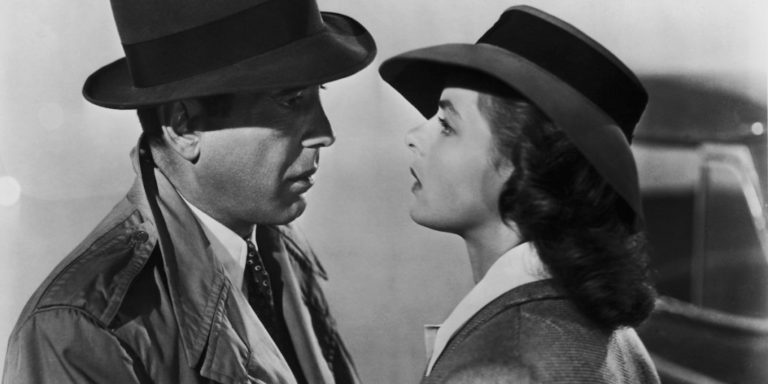
“Garbo still belongs to that moment in cinema when capturing the human face still plunged audiences into the deepest ecstasy, when one literally lost oneself in a human image as one would in a philtre, when the face represented a kind of absolute state of the flesh, which could be neither reached nor renounced.”

Greta Garbo used to be really, really famous. Thatโ€™s something that us modern consumers of celebrity canโ€™t really understand anymore. A lot of people are famous now, and fame doesn’t really seem that hard to come by. For an actress whose career lasted from the last years of the silent era to just before the US entered WWII, Greta Garbo made a relatively small number of films in Hollywood while other actor’s film performances sometimes numbered in the hundreds She was also known to be fiercely private, even by the standards of the era. I think it is because of this wanted privacy and because of her relatively scarce film output that made her as big a mega-star as she was. Absence, Garbo proved, does make the heart grow fonder. Regardless of her wishes to remain private, her face (and what a face it was) was everywhere.

Garbo’s legendary loneliness started at a young age as a child in Stockholm, as she recalled: “It was eternally greyโ€”those long winter’s nights. My father would be sitting in a corner, scribbling figures on a newspaper. On the other side of the room, my mother is repairing ragged old clothes, sighing. We children would be talking in very low voices, or just sitting silently.” In public and in private, Garbo always spoke with a sort of melancholy. At the time, this made her seem more mysterious and attractive. Now, we would likely recognize this to be a manifestation of depression. She participated in local theatre as a child, worked as a fashion model, and appeared in some commercials. In an interview with Orson Welles by Jack Parkinson, the two begin reflecting on the lost days of Hollywood stardom. Parkinson asks Welles: “Either the camera loves you or the camera doesn’t. I presume that was more true about Garbo than anybody else?”. Welles agrees, then brings up a handful of Garbo’s early commercials he had seen while touring the Swedish Film Institute:

“There was this great galumphing ‘Swedish cow’ having a picnic. There was NOTHING to show you that you were looking at the most divine creature who would ever be on the screen. And two years later she was Greta Garbo.”

Though I don’t subscribe to such degrading terminology, I too admit that there is a vast difference between her appearance in these commercials compared to even her earliest film performances.

Greta would go on to study at the Swedish Royal Dramatic Training Academy. Super fans may recognize this as the period during which she developed a close relationship with fellow actress Mimi Pollak. Garbo’s bisexuality (or something of the like), about which much has been speculated, appears to have at least a semblance of truth within the letters written between these two friends. Upon hearing of Pollak’s pregnancy, Garbo wrote: “We cannot help our nature, as God has created it. But I have always thought you and I belonged together.”

At only 19, Garbo was recruited by Finnish director Mauritz Stiller to appear as the lead of her first film, The Saga of Gรถsta Berling. This was soon followed up by a leading role in G.W. Pabst’s The Joyless Street, a controversial and highly censored film about prostitution, theft, murder, and all sorts of unsavory characters suffering from post-war poverty. Somehow (there are several stories) she gained the attention of MGM Dictator Perpetuo Louis B. Mayer who brought her to Hollywood and signed her to a studio contract. It didn’t take long for a star to be born.

Garbo arrived in Hollywood during the tail end of Silent Era Hollywood, which was all the same to her because she didn’t speak english. At the time, “foreignness” was an asset for stars, who used their exotic beauty, style, and often manufactured backstories to their advantage. Garbo was heralded in the style of European-born stars like Alla Nazimova and Pola Negri. Though such comparisons are obvious, I am more likely to compare her to Rudolph Valentino, who would die the same year Garbo made her first Hollywood movie. Literary theorist Roland Barthes makes the same comparison:

“A few years earlier the face of Valentino was causing suicides; that of Garbo still partakes of the same rule of Courtly Love, where the flesh gives rise to mystical feelings of perdition.”

Valentino was the original Latin Lover, and used his exotic charm in such a way that caused fainting spells and hysteria amongst his fans. Yet there was something obscurely feminine about him, in his grace and passion on screen. I wonder if, conversely, Garbo was so attractive to male audiences not in spite of her masculinity, but because of it. If she was something of a taboo to heterosexual men, and therefore all the more exciting and desirable.

Though such language would be used in this manner at the time, audiences of the 1930s could probably tell there was something “queer” about her – in her face, in the way she dressed and walked, in the roles she played – she was not inherently feminine, not sweet like Mary Pickford or  glamorous like Gloria Swanson. Garbo almost seemed unfettered by the nonsense of gender. “The androgyne is certainly one of the great images of Camp sensibility” writes Susan Sontag, referring specifically to “the haunting androgynous vacancy behind the perfect beauty of Greta Garbo”. In her face, frame, and style, Garbo personified art deco.

Garbo’s career was fast tracked when she became associated with Jack Gilbert, at the time one of the most popular leading men in Hollywood. Unfortunately, the outcome of their relationship would turn out like a messier version of A Star is Born. While Garbo succeeded in the early days of talking pictures, Gilbert’s career became less and less stable. The reasons for Gilbert’s downfall are as varied as any Hollywood legend: Maybe it was because spoke with a distinct diction trained for the theatre that just didnโ€™t work in the movies; maybe it was because he was an alcoholic; maybe it was the result of a personal vendetta by Mayer. Probably, it was a bit of all three. Gilbert and Garboโ€™s three silent film pairings were all hits, capitalizing on their rumored off screen love affair. The legitimacy of this relationship is up for debate, as it lacks no concrete proof beyond studio publicity rags. One story states that the two planned to be married in a double wedding ceremony alongside King Vidor and Eleanor Boardman, but Garbo got cold feet and left Gilbert at the altar. There was a relationship there, that’s for certain. What we don’t know is exactly what sort of relationship it was.

When Gilbert’s career was in significant decline, Garbo did him a solid by having him cast as her romantic lead in Queen Christina, an eerily true-to-life piece that stands as a pillar of early queer cinema. The film is a fictionalized account of the final years of the reign of Queen Christina of Sweden in the 17th century. Christina was known to be a highly-educated woman who sought to make Stockholm the “Athens of the North”. While queen, she lived an unconventional lifestyle for a woman of her time, notably dressing mostly in men’s attire. At 28, she decided to convert to catholicism and abdicate her throne. She never married, and spent the rest of her life traveling around Europe. In Queen Christina, the queen’s interest in the catholic religion is replaced by her love for a catholic man, a Spanish courtier played by Jack Gilbert. In real life, Christina was known to have a close relationship with one of her ladies in waiting, a relationship which is not-so-subtly alluded to in the film with a kiss and a wink. Garbo spends the first half of the film in male-attire, looking perhaps as beautiful as she ever did. She meets the Spanish courtier in this attire, and he mistakes her for a man. Thus, they share a room together at an inn. When the Spaniard realizes that Christina is a woman, his attraction turns from one of camaraderie to one of lust. In a love scene typical of the early 1930’s, the chemistry between the two is palpable. Still in her masculine attire, the scene possesses a paradoxical sense of homoeroticism, as if a love scene between two men, further twisting the film’s somewhat radical portrayal of gender and sexuality.

This was only one of many love scenes between Garbo and her male co-stars throughout her filmography that appear, in their staging and dialogue, to be a little “queer”. Physically, she’s often in the dominant position, holding the man’s face in her hands, and instigating every kiss and movement. In a 1930 Photoplay article titled “The Private Life of Greta Garbo”, there are numerous references to her masculinity, and her bachelorhood:

“She wore men’s tailored shirts. She owned dozens of men’s silk ties, in all colors. At night, she wore men’s pajamas, in soft shades of silk and in stripes. Her hats were of soft felt in mannish style. . . When her manservant brought her shoes, she would laugh and say, ‘Just the kind for us bachelors, eh?'”

Some of the lines in the article may seem unremarkable to the untrained eye, but stick out to a certain few:

“In the summer of 1929, Garbo did not seem to be devoted to any particular man.”

“Garbo has always been fond of flowers. Her favorites are pansies and violets.”

Maybe I’m reading too deeply into this, but something about these particular terms reads as tongue in cheek, as if perhaps it was an open secret that Greta was a little “different” from the other girls. During this time period, queer moviegoers had to look for these sorts of subtleties wherever they could so that they might have something, and someone, to identify with. How did her queer fans see her?  Did they recognize something in her that others didn’t?

Queen Christina concludes in a fashion that is eerily similar to the real life scenarios of Garbo and Gilbert. Woman is a ruler, woman falls in love with a man, man dies, woman loses interest in the whole thing and gives up the crown. Three years after Queen Christina, Jack Gilbert was dead from a heart attack brought on by severe alcoholism. Garbo was not in attendance at his funeral. Garbo would go on to make six more films, including some classic costume period dramatic romances, and arguably her greatest and most iconic role: Ninotchka. This was Garbo’s first proper comedy, written by Billy Wilder and directed by Ernst Lubitsch. The marketing for the film capitalized on Garbo’s melancholic and dramatic persona, with the film’s posters proudly proclaiming “Garbo laughs!” She’s sensational in it, totally mastering her comedic timing and deadpan humor with the sophistication of “The Lubitsch Touch”.

In 1941, Garbo starred in her last film: Two Faced Woman, a comedy with a plot akin to The Lady Eve. The film was a box office and commercial failure, and Garbo and MGM came to a mutual agreement to not renew her contract at the studio. And that was it. I don’t believe that one bad box office performance was the cause for her retirement. I think she was sick of the whole thing, as she’d likely been for several years.

When she retired in 1941, that enigmatic “face of the century” became an even more rare and valuable find. In 1949, she did a screen test for a Max Ophรผls adaptation of a Balzac novel, which can be viewed on Youtube. If this footage had been publicly available in 1949, her face would have been very different to audiences who remembered her from the 1930s, but certainly no less beautiful. That once smooth face is marked by laugh-lines and crow’s feet. She looks, perhaps for the first time ever on film, to be genuinely happy. But financing fell through, and the screen test never amounted to a real film. I can’t help but play out the scenario in my head of how different her legacy would be if the film had come to be. Would she have had a second career in European film? Would she have been cast as Norma Desmond in Sunset Boulevard, as Wilder had initially intended, and been introduced to an entirely new generation of filmgoers? Maybe. But she didn’t, and from there, she essentially vanished. Or at least, she tried to.

“There just aren’t any faces like that anymore. Maybe one – Garbo.”
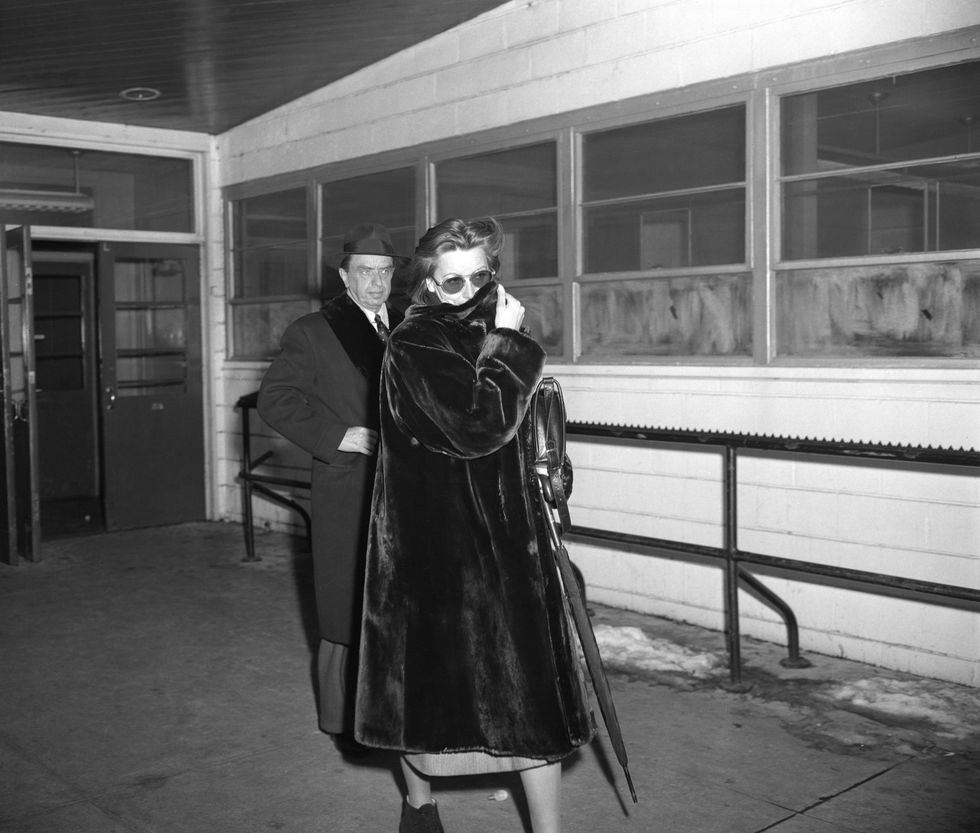
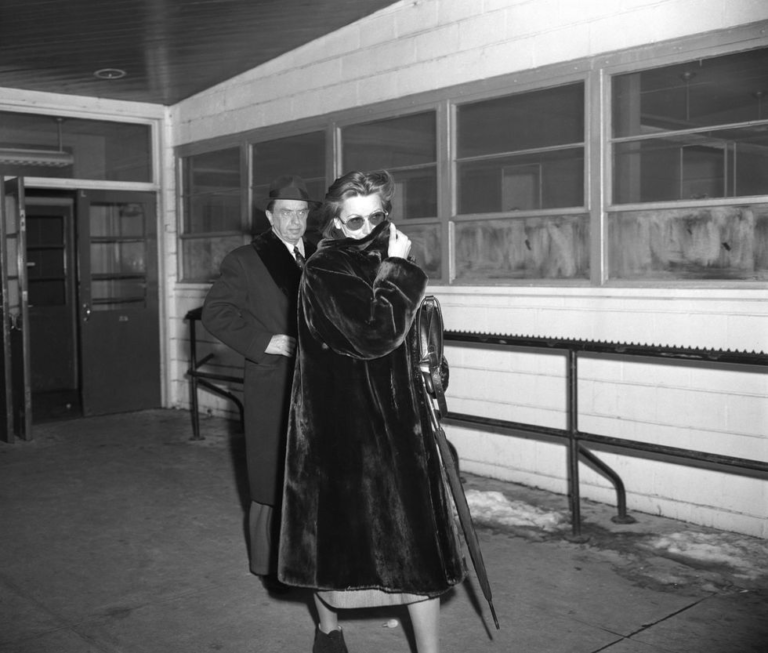
Like spotting Bigfoot (an apt comparison considering how she was often characterized by and teased about her supposedly large foot size) the act of Garbo-spotting became a niche pastime of in-the-know New Yorkers. Many would have their stories of โ€œthat timeโ€ they swear they saw her on a walk in Central Park, or in an expensive clothing store. She moved through the city like an apparition, only visible in a particular light, at a certain angle. The sight of her was overwhelming, halting onlookers in their tracks while leading to twisted tongues and fumbling fingers. There are many photos of her in this transient, almost ephemeral state. She moves about like a rare animal evading capture from a wildlife photographer. Today, I despise the selfish ways in which fans flock actors and singers in public spaces for pictures, totally disregarding that they are, in fact, human. But I can’t blame those who approached Garbo in awe, if you had the wherewithal to do so. If I had the opportunity myself, I would have done the same thing. To some, it would have been like encountering a saint, a sight that thrusts worshippers into a state of rapture. To her, it was a mere disturbance, a memory of a time in her life she was happy to let go of. Obviously, on screen and in real life, before, during, and after stardom, she very much wanted to be left alone.

Un Certain Regard, Cannes 2024: Capsule Reviews of โ€˜Holy Cowโ€™, โ€˜The Story of Souleymaneโ€™, and โ€˜When the Light Breaksโ€™

The Un Certain Regard (translated to โ€œa certain glanceโ€) section of the Cannes Film Festival offers a lens into the perspectives of the world. This section mainly consists of filmmakers on the rise and debutants, who are given the chance to premiere their new or first works and stamp their names in the history books. Unfortunately, I couldnโ€™t see many of the films on this slate. But I caught a few of them, some showing potential and others not so much, yet thereโ€™s some cadence. In this capsule review piece, I will talk about three of them: Holy Cow, The Story of Souleymane, and When the Light Breaks.ย 

Holy Cow (Vingt Dieux) (Directed by. Louise Courvoisier)

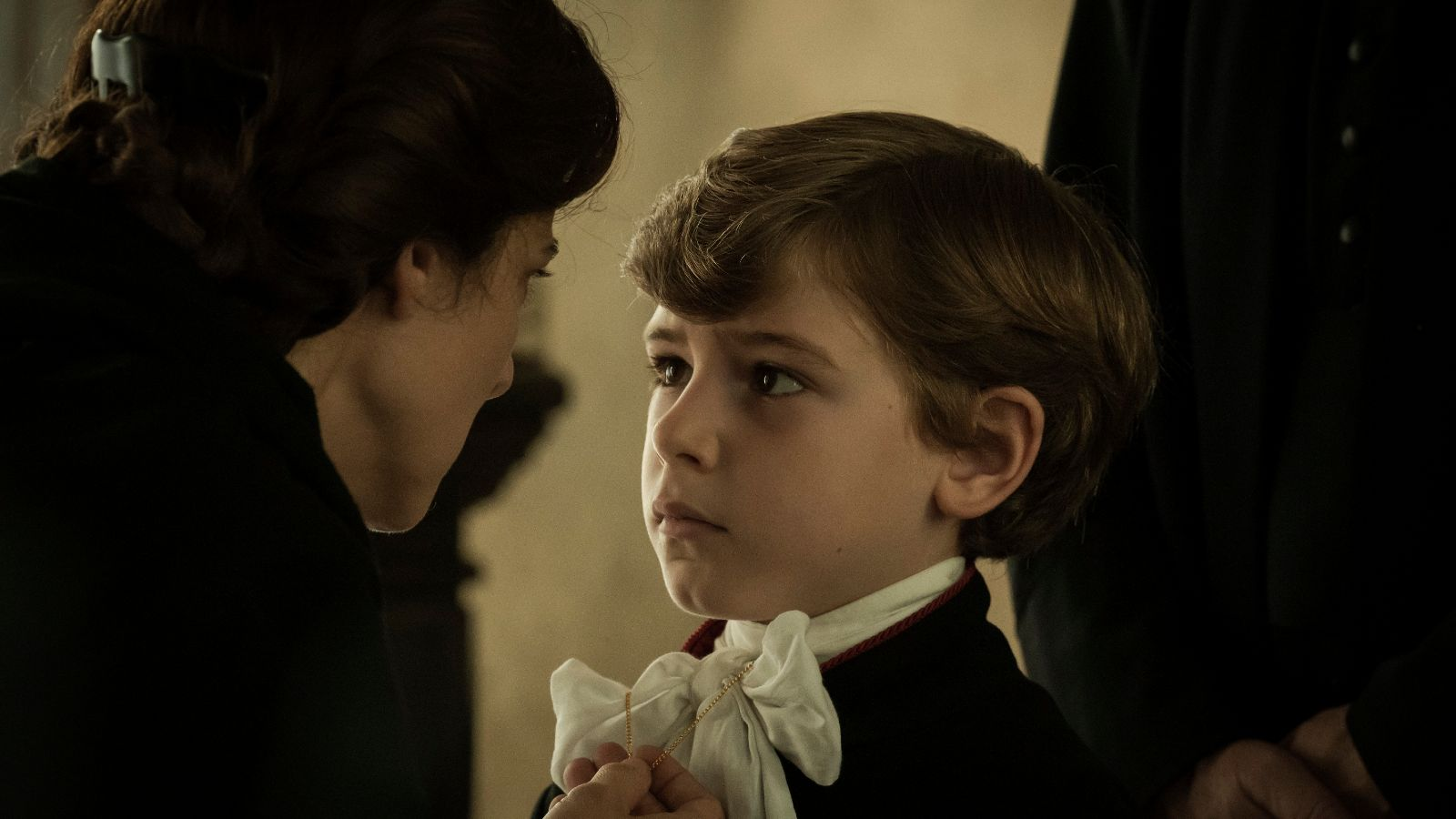
The first film in this piece is Holy Cow (Vingt dieux) by French filmmaker Louise Courvoisier. Coming-of-age films always have a space in the Cannes Film Festival. But they often arrive as a 50/50 split of creative and by the numbersโ€”with levels of artistry or, to put it slightly, plain, vanilla-flavored. Unfortunately, the latter applies to the aforementioned film, leaving me without much of an impression. The film follows Totone (Clรฉment Faveau), an eighteen-year-old kid who used to spend his time drinking at local pubs with his crew in the Jura region of France, but after his fatherโ€™s passing, his life has shifted entirely. He is left alone to care for his little sister and make ends meet to keep the house. 

To make a โ€œquick buck,โ€ Totone and his friends enter a cheese-making competition in the Comtรฉ region. The winner gets a gold medal and thirty thousand euros, which will help Totone and his sister get a fresh start. We have seen hundreds of stories like this, where the โ€œlast resortโ€ starts as an exploit to earn money, but later, the protagonist views it from a different perspective โ€“ connecting their suffering to their work process. In this case, cheese-making represents taking things slowly in life, where we shouldnโ€™t rush things out of our control. It is a lovely message, with some moments having a genuine dramatic sensibility that wants to take a piece of the audienceโ€™s heart and break it. 

However, since, on a cinematic level, it is manufactured like the ones that came before, you donโ€™t tend to care much about the story or its characters. Instead, you keep on guessing where everything is headed in your mind. But that isnโ€™t the only reason why Holy Cow doesnโ€™t work. While the performances are solid, the emotions in the narrative donโ€™t ring true. Thereโ€™s an artificiality that distances the viewer from the characters, leaving us without much to hold onto after the credits roll. This is not the worst film I saw at the Cannes Film Festival this year. However, it is the most straightforward and cinematically ambitionless, which is a far worse experience than watching a bing-swing disaster. 

Grade: D

The Story of Souleymane (Lโ€™histoire de Souleymane) (Directed by. Boris Lojkine)

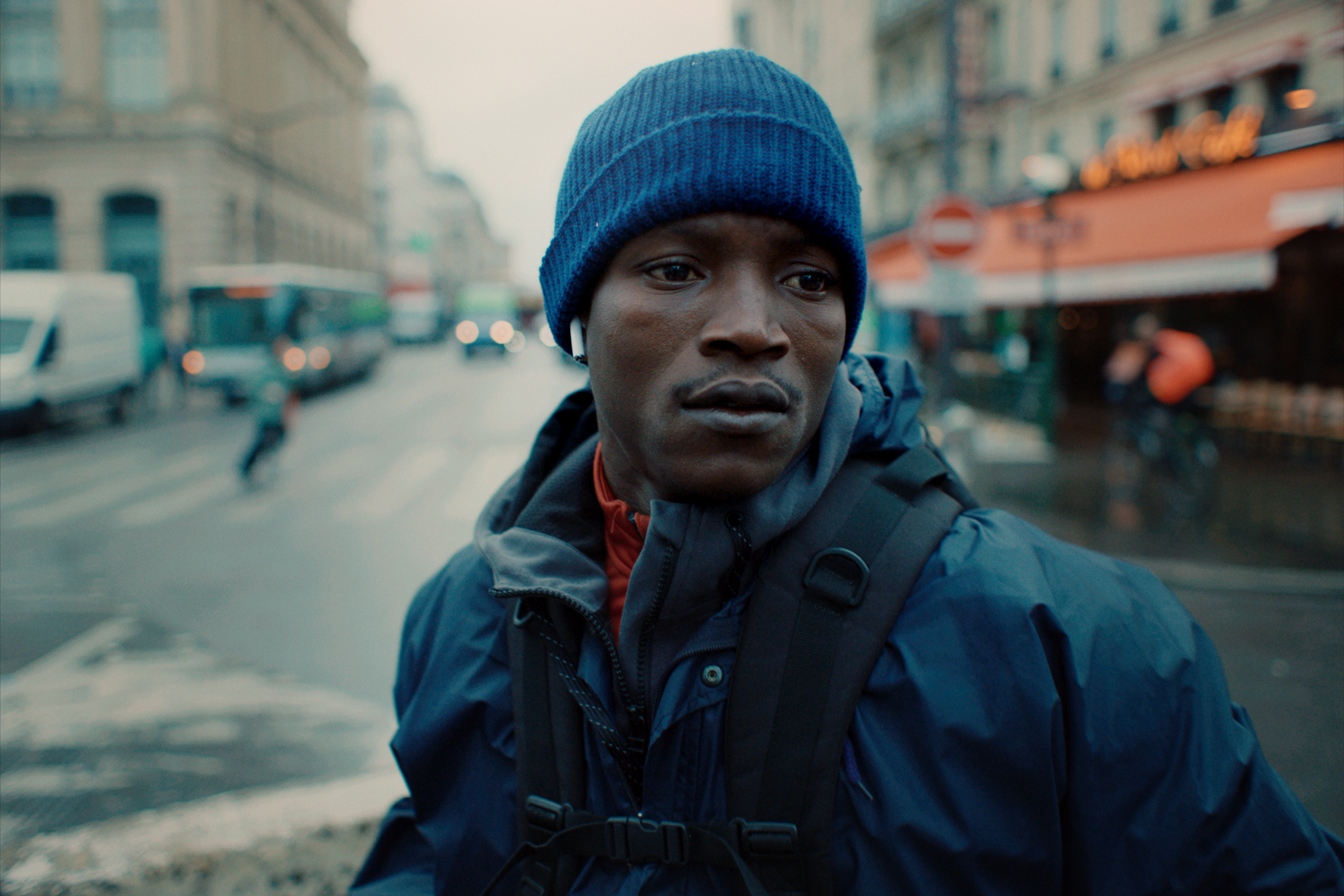
The second film in this capsule review piece is The Story of Souleymane (Lโ€™histoire de Souleymane) by Boris Lojkine, which won the Jury Prize for the Un Certain Regard section as well as its Performance Award. Lojkine sometimes delves into a Dardennes-esque type of direction with the narrative, where we follow a lost soul in a rural city as he deals with life’s difficulties โ€“ feeling detached as he makes ends meet and has his family troubles. He also used this inspiration in his previous feature, Hope. But the difference is that the social commentary here is sharper and more nuanced, albeit a tad too expository for its own sake. 

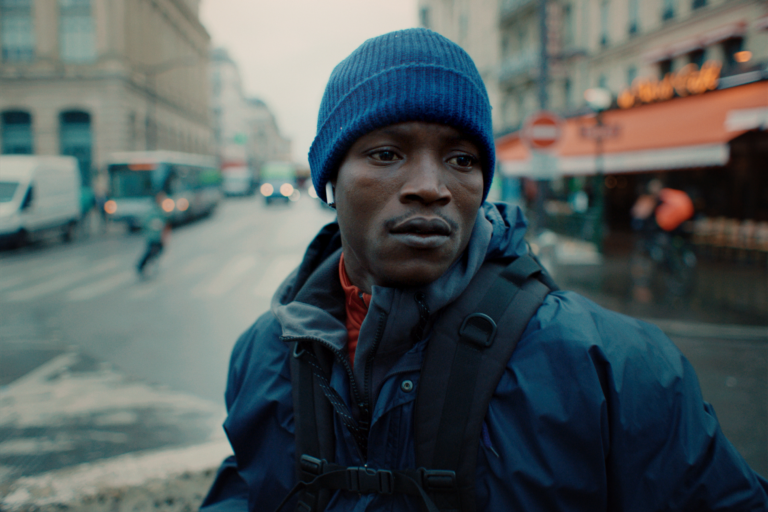
The story follows Souleymane Sangare (Aubu Sangare), who is waiting for an interview call that might get him his residency in France. The film tells a forty-eight-hour tale about Souleymane preparing for that meeting as he encounters some troubles in his bike delivery jobโ€”dealing with cruel customers, the chaotic streets of Paris, and personal struggles. Like many of the characters in Lojkineโ€™s filmography, Souleymane is fighting hard to fight for a better life. Regarding his monetary situation, most of his wages go to his contractor, Emmanuel (Emmanuel Yovanie), and the man helping him get his residency, Bary (Alpha Oumar Sow). This is where the narrative creates its tension. 

Thereโ€™s uncertainty about what will happen to Souleymane the following day regarding his citizenship and buying his necessities. Aubu Sangare, in his debut performance, does a tremendous job at keeping everything genuine, personal, and impactful. He treats the calmness as a welcoming friend, even in the most challenging situations, and it makes each scene contain some emotional weight, even though the screenplay can often feel heavy-handed. The film lives and breathes under his wing, and Sangare guides it with empathy and sincerity. The problem lies in how Lojkine and co-writer Delphine Agut handle the Dardennes-esque sensibility of European social realism, which renders The Story of Souleymane rather maladroit at the film’s back end.

Grade: C+

When the Light Breaks (Ljรณsbrot) (Directed by. Rรบnar Rรบnarsson)

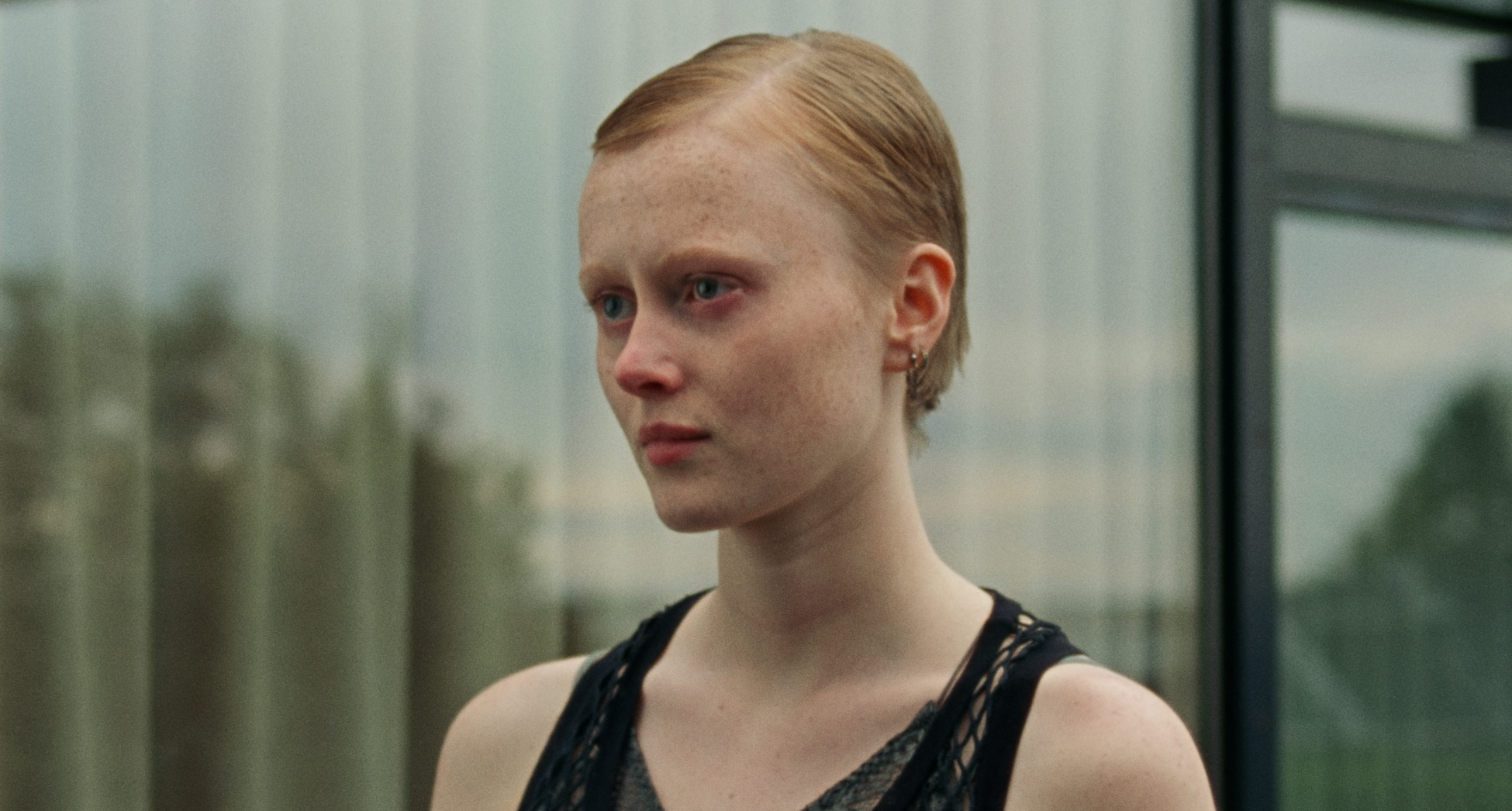
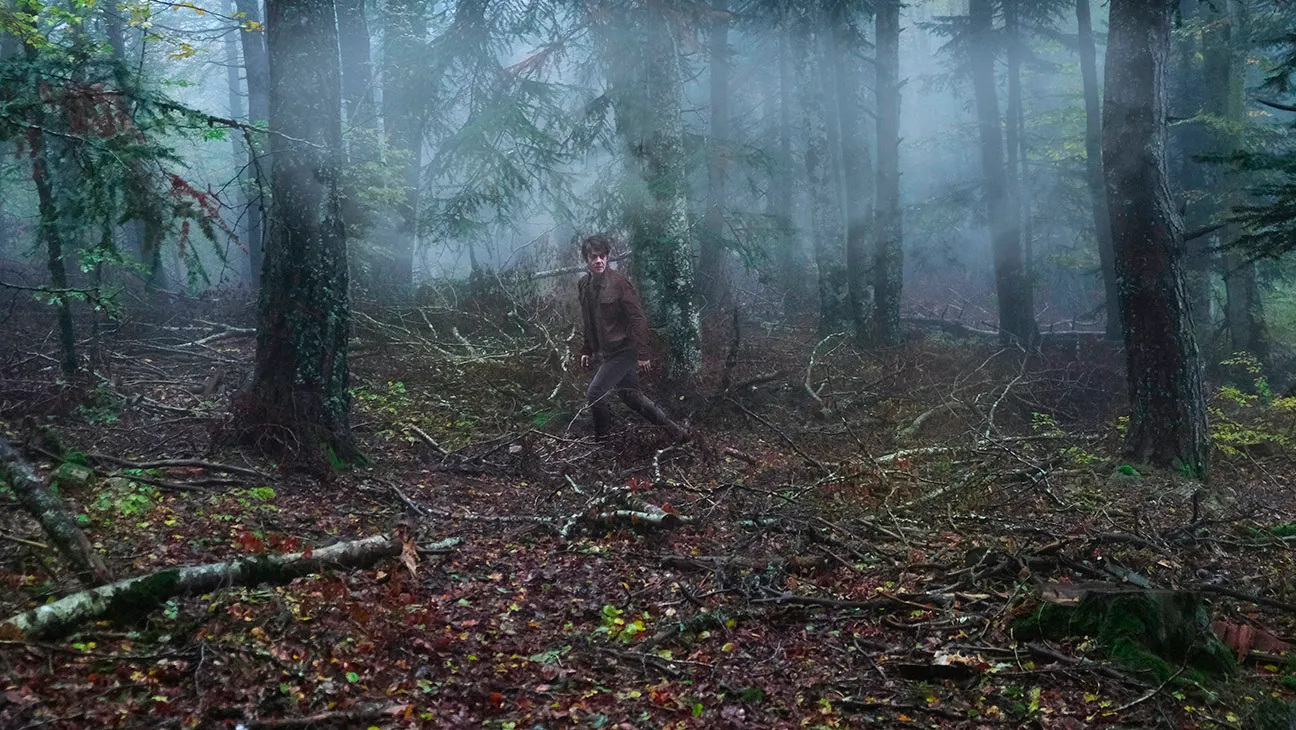
The third (and final) film in this capsule review piece is When the Light Breaks (Ljรณsbrot) by Rรบnar Rรบnarsson, the opening film of the Un Certain Regard section. This is a film about the stages of grief and how we handle and go through it in different ways, yet it all leads to the emotional catharsis that unites us all in our mourning. Thereโ€™s a beautiful subtleness attached to each scenario that holds the film together on an emotional and cinematic level. However, there are certain directorial decisions that Rรบnarsson applies, which make When the Light Breaks lack the potency of its topics and the relatable power of the performances. 

The film centers around Una (Elin Hall), a young art student with a bright future. Sheโ€™s happily living with her boyfriend, Diddi (Balduer Einersson); the two spend their days together, hoping that theyโ€™ll get the opportunity to have a more prosperous life. But that day, at least together, will not arrive. An explosion in a tunnel has killed many people, including Diddi, who was heading out of town for a few days. Una now goes through an array of emotions โ€“ rejection, sorrow, guilt, remorse โ€“ as she grieves the death of her partner, one of the few people who accepted her as she was. 

When the Light Breaks is divided into sections, each set in a different location that reflects a stage in the grieving process. These places help translate the charactersโ€™ emotions into a step-by-step process of acknowledgment and understanding โ€“ learning about different ways people approach a loss. However, with this structure comes a necessity to turn up the emotional valve and tonnage in each location. This causes some scenes, although well-performed by the young talented cast, to lack that vulnerability of the story. The performances dictate that feeling, yet Rรบnarsson makes it weaker by layering out the film in this fashion. 

In addition, the editing and scene-by-scene transitions bothered me. Each scene in the various locations culminates abruptly, leaving little breathing space so the audience can be more immersed in the story. A specific frame captures what Rรบnarsson wanted to say with the film. He aligns two characters between a glass door, one in front and the other behind; their faces align, signifying how we all, despite our differences, go through this process the same way internally. It is a beautiful image that speaks louder than words. If only the film could have more vivid, striking imagery to have a stronger sentimental backbone. 
Grade: C

Movie Review: ‘The Garfield Movie’ is Lazy, Standard Family Fare


Director: Mark Dindal
Writers: Paul A. Kaplan, Mark Torgrove, David Reynolds
Stars: Chris Pratt, Samuel L. Jackson, Hannah Waddingham

Synopsis: After Garfield’s unexpected reunion with his long-lost father, ragged alley cat Vic, he and his canine friend Odie are forced from their perfectly pampered lives to join Vic on a risky heist.


Since the boom in nostalgia culture that has ravaged all of mainstream entertainment, there has been a culling of the depths to find familiar properties to make new again. It’s branded entertainment and the saddest aspect is it’s working. People are spending their money, or worse their time, with entertainment that has no value other than the profit the company makes off our stupidity. That’s what The Garfield Movie is. It’s a cash grab with a familiar face on it.

Nostalgic adults who read the comic strip, enjoyed the “Garfield and Friends” cartoon show, or even thought the live action Garfield: The Movie from 20 years ago was all right, are going to waste their time. This Garfield is unrecognizable from the 46 year old fat, lazy Monday hating, lasagna loving cat. It feels like writers Paul A. Kaplan, Mark Torgrove, and David Reynolds wrote a script for an animated movie and while they pitched it to Sony, the executives said, “You know who would be great for this? Garfield.”

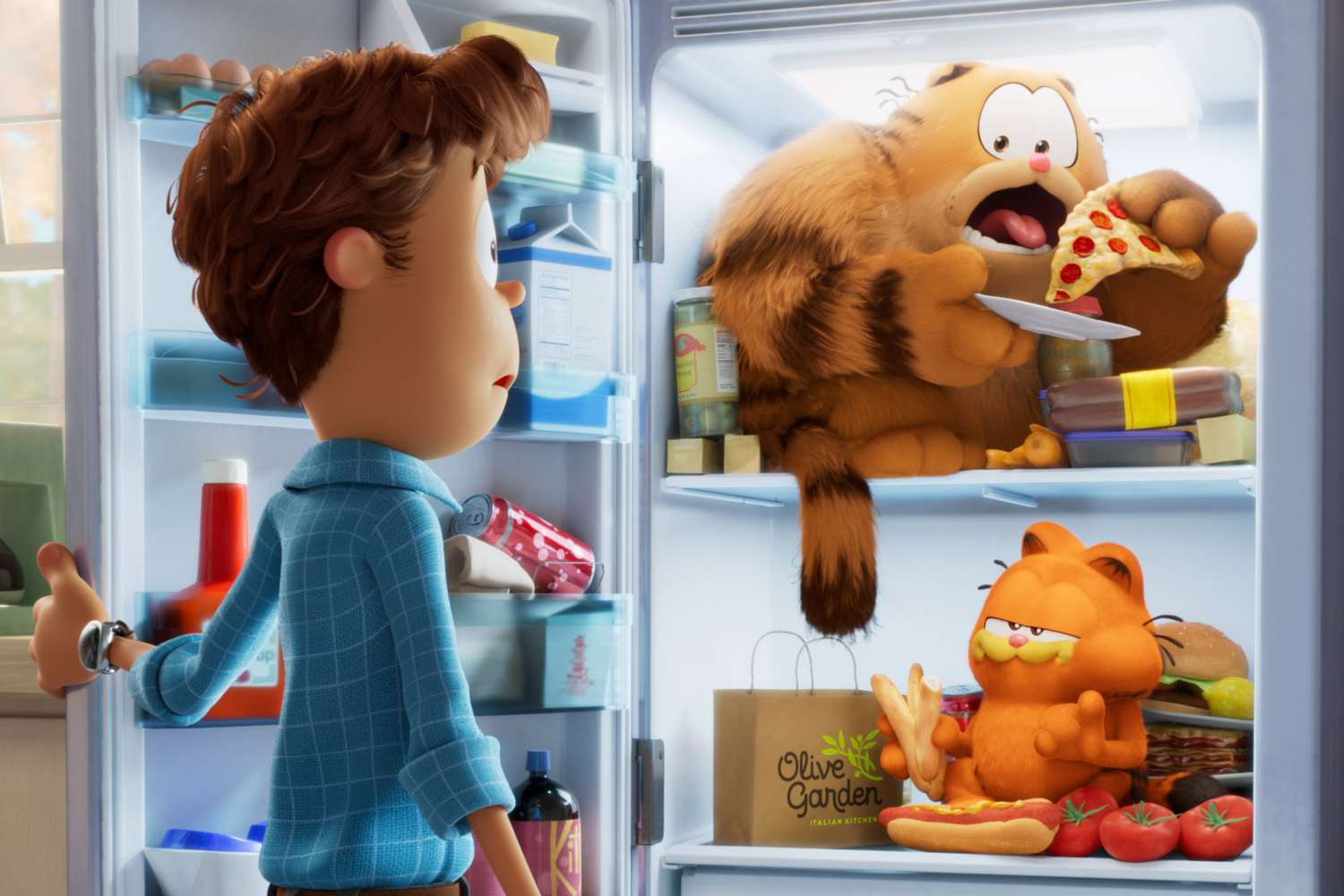
The plot is finely tuned. It has all of the elements of a basic story with a nice tidy bow of a wrap up. It’s just not actually a Garfield story. It’s overly and unnecessarily saccharine. It has none of Garfield’s bite or wit. The characters are the shallowest interpretation of their familiar selves. Odie is mentally and emotionally intelligent. Jon has no personality or presence. Liz the veterinarian shows up for two scenes and Nermal is a blink and you miss it cameo. The new characters are all stock animated archetypes. The absent father, the jilted crime partner, the hapless henchmen, the overzealous security guard, the beaten down hero of the hero. It’s nostalgia without the actual nostalgia. It makes one wonder if they hired Chris Pratt because he seems to have no interest in doing a familiar inflection to a well known character.

It’s hard to get excited to see Chris Pratt’s name on an animated film. He just doesn’t do anything new with his voice to get into the character. It worked for him when he was cast in The Lego Movie because that’s a new character in a new universe and his vocal style worked for the enthusiasm of the character. It worked again for him in Onward because before he got into great shape, he used to exude that sort of going nowhere, older brother energy. But with last year’s The Super Mario Bros. Movie and now The Garfield Movie, he’s just not getting the assignment. His voice is a distraction from what’s going on in the film. 

Though it’s a bad film for child free, nostalgic adults, it’s a decent film for families. It’s a movie that any kid who doesn’t know Garfield from Heathcliff can enjoy. The animation is very slick with every pet and animal looking like they are very fuzzy and pettable. The environments are colorful and intriguing. The food looks so good you’ll wish the film had smell-o-vision for those parts. The action is engaging and the jokes are familiar, but can land with the right audience with some for the adults and some for the kids.ย 


That is the trouble with thrashing a film like The Garfield Movie. The film does no real harm in the world and is something for families to enjoy being at together. Nostalgic adults should try much harder not to be nostalgic adults and let the kids have their new version. This version isn’t for anyone who wants to see a real Garfield movie. It’s a sort of split between a C grade family comedy and an F grade adaptation of a well known character. It’s really not worth it either way unless you just can’t find anything else to do for the long weekend.

Grade: D

Episode 587: Going My Way

This weekโ€™s episode is brought to you by Koffee Kult. Get 15% OFF with the code: ISF

This week on the InSession Film Podcast, we continue our Best Picture Movie Series with Leo McCarey’s 1944 Oscar-winning film Going My Way! We also discuss this year’s Cannes Film Festival winners and once again we try to decipher the box office woes of 2024.

Check out this weekโ€™s show and let us know what you think in the comment section. Thanks for listening and for supporting the InSession Film Podcast!

– Opening Discussion (0:45)
We open the show this week with JD talking about his recent trip to Walt Disney World and celebrating his 10-year wedding anniversary. 

– Cannes Winners / Box Office Woes (9:49)
In this segment, we talk about this year’s Cannes Film Festival winners and why Anora talking the Palme d’Or is extremely exciting. Sean Baker rules and this win has us really hyped up for his latest. And as usual, the box office discourse continues to be exhausting, and the Memorial Day weekend did nothing to remedy the recent woes. We, of course, felt the need to dive further into that once again. 


RELATED: Listen to Episode 516 of the InSession Film Podcast where we discussed our Top 10 Movies of 2023!


– Best Picture Movie Series: Going My Way (53:03)
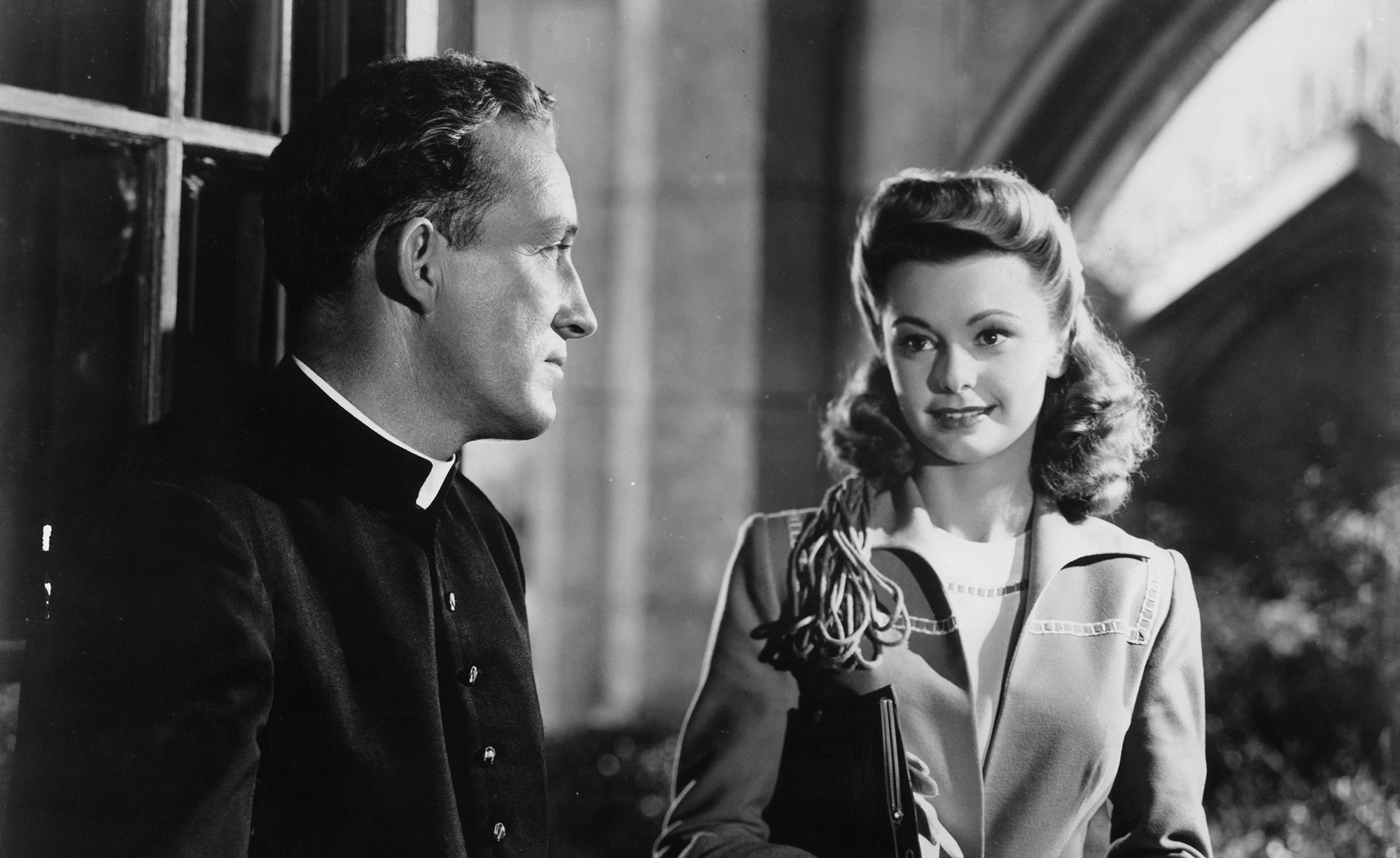
We continue our Best Picture Movie Series in the 1940s with Leo McCarey’s 1944 Oscar-winning film Going My Way! Given the context of the time, this is a pretty bizarre winner. Not because it’s bad (we do debate its quality), but because 1944 was such a pivotal year for the War. And after discussing Miniver and Casablanca, two films that are heavily influenced by the conflict, Going My Way is the complete antithesis. Which made for a really fun conversation.

– Music
Dementus Is Gaining – Junkie XL
Swinging On A Star – Bing Crosby

Subscribe to our Podcasts RSS
Subscribe to our Podcasts on iTunes
Listen on Spotify
Listen on Stitcher
InSession Film Podcast – Episode 586

Next week on the show:

Best Picture Movie Series: The Lost Weekend

Help Support The InSession Film Podcast

If you want to help support us, there are several ways you can help us and we’d absolutely appreciate it. Every penny goes directly back into supporting the show and we are truly honored and grateful. Thanks for your support and for listening to the InSession Film Podcast!

VISIT OUR DONATE PAGE HERE

Podcast Review: Furiosa

On this episode, JD and Brendan discuss George Miller’s latest spectacle in Furiosa: A Mad Max Saga! We, as was the rest of the world, were blown away by Mad Max: Fury Road back in 2015. So we were quite intrigued by the opportunity to go back to the Wasteland with Furiosa, even if Furiosa herself was going to be portrayed by another actress. Or in this case, two other actresses. And Miller did not disappoint.

Review: Furiosa: A Mad Max Sagaย (4:00)
Director: George Miller
Writers: George Miller, Nico Lathouris
Stars: Anya Taylor-Joy, Chris Hemsworth, Tom Burke, Alyla Browne

Subscribe to our Podcasts RSS
Subscribe to our Podcasts on iTunes
Listen on Spotify
Listen on Stitcher
InSession Film Podcast – Furiosa: A Mad Max Saga

Chasing the Gold: An Early Look at Best Animated Feature

The award for Best Animated Feature has been one of my favorites to follow over the past few years. Every year, some of the best films have been awarded in this category, and we even saw a battle that came down to the very end this past season, with The Boy and the Heron besting the favorite, Spider-Man: Across the Spider-Verse. This year is no different, with some big-name sequels being released from the giants of animated film studios; however, as weโ€™ve seen over the past few years, maybe those giants arenโ€™t as big anymore. While there are bound to be some under-the-radar films that are released and gain momentumโ€”who saw Robot Dreams coming last yearโ€”this is my early look at how the Oscar race for Best Animated Feature could play out. 

  1. The Day the Earth Blew Up: A Looney Tunes Movie (Warner Bros. Animation)

    Director: Pete Browngardt
    Cast: Eric Bauza, Candi Milo, Peter MacNicol
    Synopsis: Daffy Duck and Porky Pig try to save the Earth from an alien invasion.
    Release: Fall 2024

The Looney Tunes series has never done well in terms of the Academy Awards, making this film a massive wildcard. So, while this movie might be good, will it be enough to tear down that barrier? The Day the Earth Blew Up: A Looney Tunes Movie could follow a path similar to that of Teenage Mutant Ninja Turtles last year; while Mutant Mayhem was one of the best animated films of 2023, it missed an Oscar nomination.

  1. Despicable Me 4 (Illumination)

    Director: Chris Renaud
    Cast: Steve Carell, Kristin Wiig, Joey King, Miranda Cosgrove
    Synopsis: Maxime Le Mal escapes from prison to enact revenge on Gru, who is now living peacefully with his new son, Gru Jr.
    Release: July 3, 2024

I do not think a nomination for Despicable Me 4 is a real possibility; however, the minion craze shows no signs of slowing down at the box office. Notably, no film from this franchise has made it into the final Oscar 5 since Despicable Me 2 in 2014. So, will the fourth installment of this series bring them back to the Dolby Theater? Thereโ€™s at least a chance.

  1. Fixed (Sony Pictures Animation)

    Director: Genndy Tartakovsky
    Cast: Adam DeVine, Idris Elba, Kathryn Hahn, Fred Armisen
    Synopsis: A blue bloodhound finds out he will be neutered in the morning.
    Release: 2024

An argument could be made that, had there been a Best Animated Feature category back in 2000, South Park: Bigger, Longer & Uncut would have been nominated, given that it still came away with a nomination for the song โ€œBlame Canada.โ€ However, since the introduction of the category, there has never been an adult R-rated comedy in the Oscar 5. Fixed has a stacked cast, but will it be monumental enough as a film to change the โ€œkidโ€ narrative that has plagued this category for years?

  1. The Garfield Movie (Sony)

    Director: Mark Dindal
    Cast: Chris Pratt, Hannah Waddingham, Samuel L. Jackson
    Synopsis: Garfield reunites with his long-lost father, who draws him into a high-stakes heist.
    Release: May 24, 2024

While I highly doubt a nomination for The Garfield Movie is likely, it would be ignorant not to include it on this list. Over the past few years, films similar to The Garfield Movie have garnered awards buzz, like Minion: The Rise of Gru and The Super Mario Bros. Movie. While neither film performed exceptionally well critically, both had massive box office earnings, keeping them in the conversation, and with the film already making $50 million, thereโ€™s a chance for a massive turnout. Time will tell with The Garfield Movie, but if the money is there, so is the possibility. 

  1. Inside Out 2 (Pixar)

    Director: Kelsey Mann
    Cast: Amy Poehler, Phyllis Smith, Tony Hale
    Synopsis: Riley is now a teenager and is experiencing all-new emotions.
    Release: June 14, 2024

Pixar is in a lull regarding the Oscar for Best Animated Feature. The 11-time winning studio has gone without a win since 2020โ€™s Soul. Inside Out was a massive hit; however, no sequel has won this award since Toy Story 3 and 4โ€” and technically Wallace and Gromit: The Curse of the Were-Rabbit. While Inside Out 2 has a clear advantage, itโ€™s still an uphill battle. But, if we have learned anything, it’s not to count out Pixar.

  1. Kung Fu Panda 4 (DreamWorks)

    Director: Mike Mitchell, Stephanie Stine
    Cast: Jack Black, Awkwafina, Viola Davis
    Synopsis: Po is positioned to be the next Spiritual Leader of the Valley of Peace, which means he must find a new Dragon Warrior.
    Release: March 8, 2024

There is precedent here, as both Kung Fu Panda and Kung Fu Panda 2 were nominated for an Oscar; however, it seems unlikely, given the tepid response to the film and the early release date. It is still important to mention it as a possibility, but as you will see with a movie later on this list, DreamWorks might have more on its mind.

  1. The Lord of the Rings: The War of the Rohirrim (Warner Bros. Animation)

    Director: Kenji Kamiyama
    Cast: Brian Cox, Miranda Otto, Shaun Dooley
    Synopsis: The untold story of Helmโ€™s Deep and its founder, Helm Hammerhand.
    Release: December 13, 2024

There has been a resurgence in Lord of the Rings properties over the past few years. First, the Amazon Prime series The Lord of the Rings: The Rings of Power broke records for being the most expensive TV show ever made. It was also just announced that Andy Serkis will direct a new live-action film, The Hunt for Gollum, releasing in 2026 with Peter Jackson set to produce. 

This could be a perfect time for one of the most awarded franchises, including a film that went 11/11 at the Oscars, to return to the Oscar stage. While no anime outside of Miyazaki has ever won the animated feature Oscar, name recognition for the Lord of the Rings could be a big selling point.

  1. Moana 2 (Disney)

    Director: David G. Derrick Jr.
    Cast: Auliโ€™i Cravalho, Dwayne Johnson, Alan Tudyk
    Synopsis: An older Moana ventures deep into Oceania after receiving a mysterious call from her ancestors.
    Release: November 27, 2024

The announcement of Moana 2 shocked most people, given that a live-action remake of the original was announced in early 2023, and this sequel was only announced at the beginning of this year. Still, the original Moana was a remarkable film that maybe should have won the Oscar back in 2017. Will this be the time to fix that? Or will this be another close call? No matter what, Iโ€™m looking forward to seeing how far theyโ€™ll go.

  1. Orion and the Dark (Netflix)

    Director: Sean Charmatz
    Cast: Jacob Tremblay, Paul Walter Hauser, Colin Hanks
    Synopsis: A boy with an active imagination faces his fears alongside a new friend: Dark.
    Release: February 2, 2024

Netflix released Orion and the Dark in February, and it opened to generally positive reviews (91% on Rotten Tomatoes). Even though the release seems a bit early, Netflix has proven to be a force when it comes to the Best Animated Feature category. They have garnered five nominations (I Lost My Body, Klaus, Over the Moon, The Sea Beast, Guillermo del Toro’s Pinocchio)ย and one win (Pinocchio).ย  Along with those five nominations, two additional nominees were distributed by the streaming service (Mitchells vs the Machinesย andย Nimona)ย  I donโ€™t think Orion and the Dark will break into the Oscar five, but you canโ€™t count Netflix or screenwriter Charlie Kaufman out yet.

  1. Spellbound (Netflix)

    Director: Vicky Jenson
    Cast: Rachel Zegler, Nicole Kidman, Javier Bardem
    Synopsis: Princess Ellian must go on a daring quest to save her parents and kingdom after her parents are transformed into monsters.
    Release: 2024

Vicky Jenson is directing Spellbound, and if that name isnโ€™t familiar to you, then let me just say she also directed a movie by the name of Shrek. Yes, the director of the first-ever Best Animated Feature winner is now taking her talents to Netflix in a brand new animated musical with a stacked cast of Javier Bardem, Nicole Kidman, and one of the hottest young actresses in Hollywood, Rachel Zegler. This film has been tossed around for years, bouncing from studio to studio, but it looks like Netflix will ultimately reap the rewards that come from itโ€”if it manages to be a good film.

  1. Thelma the Unicorn (Netflix)

    Director: Jared Hess, Lynn Wang
    Cast: Brittany Howard, Will Forte, Jon Heder
    Synopsis: After Thelma the Pony is covered with glitter and stuck with a carrot, she becomes pop sensation Thelma the Unicorn.
    Release: May 17, 2024

The trailer for Thelma the Unicorn didnโ€™t wow me in any way, but the movie looks cute enough to be a possibility, and the Netflix name doesnโ€™t hurt. There is also a massive cast attached to it. Will Thelma be unique enough to break into the Oscar 5?

  1. Transformers One (Paramount Animation)

    Director: Josh Cooley
    Cast: Chris Hemsworth, Brian Tyree Henry, Scarlett Johansson
    Synopsis: The untold origin of Optimus Prime and Megatron.
    Release: September 20, 2024

Something intriguing about Transformers One is that it has been quite some time since this franchise has returned to its animated roots. However, the big question is, is it too little too late? Transformers as a brand has been all over the place in the years post-Michael Bay, with films like Bumblebee resetting the timeline once again. It is unclear where this franchise is going, and while Transformers One could be a hit and follow a similar path to that of Teenage Mutant Ninja Turtles last year. Doing yet another origin story is a considerable risk that might not pan out as well awards-wise as it might at the box office.

  1. Ultraman Rising (Netflix)

    Director: Shannon Tindle, John Aoshima
    Cast: Christopher Sean. Rob Fukuzaki, Hiro Nakamura
    Synopsis: A superstar baseball player returns to Japan to carry the mantle of Ultraman.
    Release: June 14, 2024

Once again, I am including this because of the Netflix factor, but Ultraman: Rising at least has a level of wonder because it is based on a long-running Japanese character. This film could gain enough worldwide attention to make it into the Oscar lineup, or it could be an interesting Netflix release made for fans.

  1. The Wild Robot (DreamWorks)

    Director: Chris Sanders
    Cast: Lupita Nyongโ€™o, Pedro Pascal, Catherine Oโ€™Hara
    Synopsis: An intelligent robot named Roz is stranded on an abandoned island after a shipwreck.
    Release: September 27, 2024

DreamWorks has not released an awards contender in quite some time, with its last win coming in 2006 for Wallace and Gromit: the Cure of the Were-Rabbit. Puss in Boots: The Last Wish was a major surprise in 2022, but Guillermo del Toroโ€™s Pinocchio was just too strong a contender. That being said, the trailer for The Wild Robot looks breathtaking and genuinely feels like something new to DreamWorks. It will have stiff competition, especially from a few sequel projects from major contending studios. Still, if the film is as good as the trailer showed it could be, we could be looking at something extraordinary.

  1. Untitled Wallace and Gromit (Aardman Animations)

    Director: Merlin Crossingham, Nick Park
    Cast: Ben Whitehead
    Synopsis: Gromit is concerned that Wallace has become over-dependent on his inventions.
    Release: 2024

    Donโ€™t ask me why, but the academy loves what Wallace and Gromit have been doing. Aardman Animations has picked up four nominations, including a win for Wallace and Gromit: The Curse of the Were-Rabbit. This will be the first mainline film in the series since 2008, and since both spin-offs of Shaun the Sheep: The Movie and Shaun the Sheep: Farmageddon picked up nominations, I feel pretty confident that the academy enjoys these films.

There are always bound to be surprises throughout the year, but now, this is where I see the race. I think it will be heavy on the sequels and IP-driven projects, but ultimately, The Wild Robot will capture hearts like Wall-E did years ago.

Prediction:

  1. The Wild Robot
  2. Inside Out 2
  3. Moana 2
  4. Untitled Wallace and Gromit
  5. Spellbound

Next Up:

  1. The Lord of the Rings: The War of the Rohirrim
  2. The Day the Earth Blew Up: A Looney Tunes Movie
  3. Orion and the Dark
  4. Transformers One
  5. The Garfield Movie
  6. Despicable Me 4
  7. Fixed
  8. Thelma the Unicorn
  9. Ultraman Rising
  10. Kung Fu Panda 4

How to Watch Movies Without Country Restrictions?

Imagine this: you have read about a great new thriller movie online or heard about a superb comedy movie from your friends overseas. As anyone else, you will be excited to watch this movie soon. However, encountering the โ€œGeo-blockedโ€ notification can kill all the joy. 

While it may seem like you have no other way to stream your favourite movie, you do not have to be so pessimistic. Movie enthusiasts know no bounds, especially when it comes to streaming new and exciting releases.

If you are also tired of being geo-blocked, here are some of the most beneficial ways to consider.

  1. Use a Reliable VPN

Using a VPN is one of the most trusted ways for movie enthusiasts to stream their favourite movies that are not available in their country. Reliable VPN providers such as Surfshark make it so much easier for movie enthusiasts to stream the movies they love from wherever they want.

A VPN provides you with secure and encrypted access to the internet. While many people know VPN as a tool to protect their identity online, they often overlook how it also enables individuals to mask their identity and change their region.

Once you disguise the country you are in, you can easily access the companyโ€™s streaming profile. This feature provided by VPNs makes it so much easier for you to enjoy your favourite shows from any region without any restrictions.

  1. Download Your Movies

Whether you frequently travel because of work or as a hobby, you may have faced a lot of problems with streaming your favourite movies. Every region can have its own regulations and restrictions that must be adhered to. However, it should not limit you from streaming your favourite content. 

If you do not want to lose access to your favourite movies, it is always recommended that you download them before travelling. Even the best streaming services are empathic with the needs of their clients and allow them to download movies and episodes on their devices. This way, you can watch it even if you do not have access to the internet. 

  1. Keep Multiple Applications 

Just because one streaming platform does not let you stream a movie does not always mean that it is restricted on every platform. Before giving up hope, you can try different applications to stream your favourite TV shows and movies.

If you are travelling abroad, you can look into local streaming services with a range of movies that may interest you. Before you visit the destination, make sure you look for a free trial option to ensure that the service is suitable for your needs.

  1. Consider Something New 

While there are several ways for you to watch geo-blocked content, it is impossible to find your favourite movies sometimes. Instead of being sad about what you are missing out on, you can look at the brighter side and explore more content to stream.

Being flexible can do wonders for you. There are brilliant movies on Netflix, Mubi, and Amazon waiting to be discovered by cinephiles. 

Movie Review: ‘Atlas’ is Mindless and Forgettable


Director: Brad Peyton
Writers: Leo Sardarian, Aaron Eli Coleite
Stars: Jennifer Lopez, Simu Liu, Sterling K. Brown

Synopsis: In a bleak-sounding future, an A.I. soldier has determined that the only way to end war is to end humanity.


While watching Brad Peytonโ€™s Atlas at home, the power went out twice in the span of five minutes. Now, I donโ€™t much believe in higher powers, but I canโ€™t help but think this was a sign from above to tell me to stop watching before my brain turned to complete mush. With all the issues I had during the film’s beginning in the hopes that my WiFi would reset before resuming the movie, my viewing ended much later than expected and I immediately went to sleep after the credits finished rolling.ย 

I woke up the next day not remembering a single frame out of Atlas, as if the movie only existed in a fever dream and I hallucinated the entire thing. That can be the only explanation to muster up any comment on Peytonโ€™s most listless film yet, an action sci-fi package that likely wouldโ€™ve been pitched by Menahem Golan at the Cannes Film Festival, as he frequently told the plot synopsis of movies based on scenarios he would completely make up in his head without any intention of actually filming the damn thing. 

Itโ€™s a shame, because Peyton has proven in the past that he can direct good action in films like San Andreas and Rampage, and thereโ€™s a scene in its opening moments that proves he has the juice, with cameras hooked on machine guns and first-person shots of a tactile fistfight. That sequence put in my head that maybe this movie wonโ€™t be so bad after all, but it gets immediately hampered by barely-finished VFX with no sense of scale or depth as we get introduced to our titular character (played by Jennifer Lopez), a recluse scientist who fears the rise of AI after a sentient robot, Harlan (Simu Liu), killed her mother as a child. 

Colonel Elias Banks (Sterling K. Brown) is assembling a team to apprehend Harlan after his location was revealed, and Atlas becomes an integral part of the mission. However, each member of the team is using an AI-powered spacesuit known as โ€œSmithโ€ (Gregory James Cohen), which Atlas does not want to use, or be close to. 

Predictably enough, the team gets ambushed by Harlan and Atlas is forced to board a Smith to ensure her survival. The rest of the movie is an After Earth ripoff of Atlas being guided by Smith to arrive at Harlanโ€™s base and destroy it, alongside him. Now, of course, After Earth wasnโ€™t particularly good, but Shyamalan is far more willing in presenting interesting ideas to the screen, even if it doesnโ€™t fully work, than Peyton, who wants to talk about AI without talking about AI. Let me explain: Artificial Intelligence is the subject of the moment, and the very rise of the technology in our everyday lives poses a real threat not only to our workforce, but also to humanity as a whole. 

Exploring this in a movie is ever-timely, as the technology keeps evolving and taking much grimmer turns. AI is omnipresent during the opening moments of the movie, but the effects on such a technology is never fully developed, other than we know how much Atlas despises it, while everyone else embraces it. Peyton doesnโ€™t develop this idea beyond that surface-level conflict, whether Atlasโ€™ disdain of the technology or the reason why everyone decided to blanket embrace AI. Thatโ€™s an interesting idea in and of itself, and one even wonders why someone would trust a technology that no one actively understands (even some of the most proponent supporters of AI, including Elon Musk and Yoshua Bengio, have asked for a pause on developing new AI experiments, though others like Yann LeCun have fully embraced it). 

The only โ€˜realโ€™ comment we get out of the proliferation of AI are that some softwares have humanized traits (such as one who specifies their pronouns being โ€œshe/herโ€ and not โ€œitโ€), and that AI is everywhere. Atlas thinks AI bad. Others think AI good. She will, at the end, think that AI is bad, except for Smith, because they will learn to (literally and figuratively) bond inside a Spy Kids 3D: Game Over-like spatial environment with shoddy-looking visual effects and a complete lack of proper shot composition.ย 

There isnโ€™t a single image of note in Atlas, and the film will never once overcome its โ€œfake movieโ€ allegations, with characters so thinly-developed and poorly acted you would think they signed up to do an elongated SNL parody, which would be the only way to describe the out-of-body experience youโ€™ll have watching this. There would be no other way to qualify Liuโ€™s stilted, hysterically awful performance as Harlan, a villain whose motivations can only be summed up to โ€œblow up the world and kill Atlas,โ€ instead of something far more psychologically active, which the best AI villains have always been. He does kick some ass during the finaleโ€™s Dragon Ball Z-inspired fight scene, but itโ€™s not enough to make him a fully-fledged antagonist, whereas Lopez completely phones it in through its green screen-laden environments and action scenes directed by its visual effects team. 

Thereโ€™s no rhythm or energy in anything going on. We barely learn who these people are for us to truly latch onto them and create a meaningful connection with the protagonists, which are at the heart of every good science-fiction story. If weโ€™re going to spend TWO HOURS of our time, and most of it with one character, I expect the titular protagonist to be developed, or at least as relatable as possible. But weโ€™re a long way off Lopezโ€™s incredible performance in Hustlers, knowing full well this will be another cog in the Netflix algorithm that will be as easily forgotten as her previous actioner, The Mother

At least that movie had some bold narrative swings that made the entire experience feel surreal, whereas Atlas has virtually nothing of note to offer. None of the acting is particularly interesting, the visual effects are completely unconvincing, the action continues the CGI blob pandemic thatโ€™s unfortunately been plaguing most of our blockbusters, and Peyton never delves into some of the ideas that could make this piece of science-fiction feel excitingly relevant, asking pertinent questions on the use of Artificial Intelligence in our everyday lives and how we can examine its arrival in a less frightful, but apprehensive light. 

AI isnโ€™t all bad โ€“ I certainly enjoy using otter.ai to transcribe interviews (especially in this busy Emmy FYC season), but itโ€™s also not all good. This moral grey area seems to be at the center of Atlas, yet Peyton never has the guts to do anything with it. He would rather fill the screen with mind-numbing images that never look real enough for me to care and immediately forget as soon as I begin to fall asleep. Iโ€™ll only remember the time I had watching it, with two divine interventions telling me to stop before I continued on and felt absolutely nothing for two very long, very dull hours. 

Grade: F

Movie Review (Cannes 2024): ‘Emilia Pรฉrez’ is the Trans Cartel Musical You Didnโ€™t Know You Needed


Director: Jacques Audiard
Writer: Jacques Audiard
Stars: Karla Sofรญa Gascรณn, Zoe Saldaรฑa, Selena Gomez

Synopsis: When a Mexican cartel leader kidnaps criminal lawyer Rita and hires her to help him become a woman, a journey begins for both characters that changes them both, taking them face to face with the very essence of the country in which they live.


What should a musical about a Mexican drug lord looking to become a woman look and sound like? Whatever your answer to that question is, think again: you are not prepared for the deliriously subversive, savagely fun ride Emilia Pรฉrez is about to take you on.

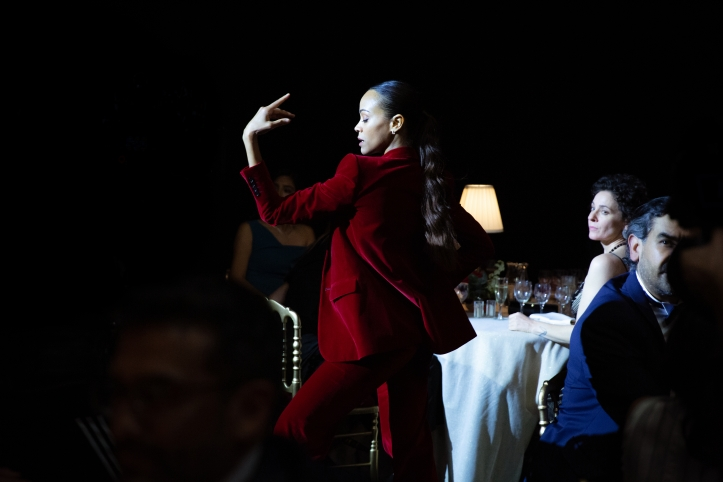
Writer-director Jacques Audiardโ€™s (Paris, 13th District) new film, presented in competition at the 2024 Cannes Film Festival, takes place in Mexico City, where disillusioned lawyer Rita (Zoe Saldaรฑa) is getting tired of helping criminals get away with murder. Rita knows that complying with her bossโ€™s requests to do just that is the only way to survive in her corrupt country, but that doesnโ€™t stop her from expressing all her frustration in a song. โ€œยฟDe que hablamos hoy y ahora?โ€ (โ€œWhat are we talking about, today and now?โ€), she sings, highlighting the issues in Mexicoโ€™s criminal justice system, and we are mesmerized by a performance thatโ€™s as spectacular as the most grandiose Broadway show and yet retains the immediacy of an intimate theater play.

Just when we think we have Emilia Pรฉrez all figured out, something else happens that subverts our expectations all over again. Suddenly, Rita is kidnapped and taken to infamous cartel leader Manitas (Karla Sofรญa Gascรณn), who has a request for her. โ€œYes,โ€ Rita responds, before the man has even begun explaining what he wants โ€“ knowing all too well that, just like at her daily job, she doesnโ€™t really have a choice. But Manitasโ€™ next words take her by surprise. โ€œI want to be a woman,โ€ he states, matter of factly. And just like that, Rita realizes that thereโ€™s a lot she doesnโ€™t know about the most feared gangster in Mexico City.

Soon, Rita leaves the constraints of her daily routine and starts traveling around the world, looking for the right clinic for her client, having been given access to Manitasโ€™ unlimited resources. The more she learns about her new employerโ€™s upcoming surgeries, the more excited she becomes, and it all culminates in a delirious, wildly liberating musical number that sets the tone for whatโ€™s to come. โ€œNanoplasty?,โ€ asks a nurse, to which Rita enthusiastically answers, โ€œYes!โ€.  โ€œVaginoplasty?โ€ โ€œYes!โ€, โ€œLaryngoplasty?โ€ โ€œYes!โ€, โ€œChondrolaryngoplasty?โ€ โ€œYES!โ€

If youโ€™re able to get on board with the madness, this is also a point when youโ€™ll immediately fall in love with Emilia Pรฉrez, a film that you, quite simply, wonโ€™t be able to take your eyes off of. The combination of perfectly timed routines that seem to take place almost by chance, Saldaรฑaโ€™s flawless delivery and physical acting, and infectious songs that blend musical conventions with the unmistakable vibe of mariachi music will have you dancing in your seat, as you eagerly anticipate the next scene of a movie that will take you to truly unpredictable places. And on top of this, the film is both hysterically funny and surprisingly poignant, depending on the scene.

Our protagonistsโ€™ real journeys effectively begin after the transition, when Manitas becomes Emilia Pรฉrez. With her new identity comes a new sense of morality, since it was never her desire to be a gangster: she was born into that life. When we next meet her, years later in London, she has tracked down Rita again, to ask for her help one more time. Emilia needs Rita to help her move back to Mexico and reunite with her family, as she cannot live without her kids โ€“ only, her two children and her wife Jessi (Selena Gomez) think sheโ€™s dead, as โ€œManitasโ€ had to die in order for Emilia to be born.

Together, the two women find a way to get both Emilia and her wife and kids in Mexico, but that means that her family cannot know who she really is. And so, Emilia hides her true self once again โ€“ this time, assuming the identity of a relative. This version of Emilia is generous and kindhearted: on top of welcoming them all into her family, she starts a charity with Rita to help families whose loved ones are among the many desaparecidos in Mexico โ€“ people who simply โ€œdisappearedโ€ due to organized crime, which to this day could be as many as 100,000 โ€“ get closure. The paradox is that, back when she was Manitas, Emilia was herself responsible for these disappearances, which usually resulted in bodies to get rid of. 

Is becoming the real you and deciding that you want to do good enough to cancel all the evil youโ€™ve done in the past and grant you redemption? This is one of the questions Audiard and co-writers Thomas Bidegain, Nicolas Livecchi, and Lรฉa Mysius ask in the film, and the answer is not so simple.ย 

Emilia Pรฉrez is ultimately a tragedy, but itโ€™s a grandiose one thatโ€™s drenched in the culture in which it takes place. From the start, we are shown a society whose many sides often clash with one another. Itโ€™s a patriarchy where women are often voiceless and have to endure a great deal of violence, yet, at the same time, they are also the ones who hold everything together with their love, empathy, resilience, and, ultimately, hope. The fact that Manitas wants to become a woman encapsulates these very contradictions, making this an unequivocally Mexican tale โ€“ one that embodies the very essence of the country, both in narrative and form, and raises complex, even controversial questions.


โ€œWhen you were born to strive and raised to kill, youโ€™d better dance or die,โ€ reads one of the filmโ€™s most poignant song lyrics, which perfectly sums up its protagonist. Emilia Pรฉrez isnโ€™t defined by heroes and villains, but by multilayered humans who are who they are because of the context in which they were raised. Itโ€™s no coincidence that the movie often feels like a soap opera, with its use of melodrama and abundance of dramatic twists, which arenโ€™t usually associated with the crime thriller genre: Emilia Pรฉrez is ultimately a snapshot of a country defined by its contradictions, and a cry for forgiveness within the chaos.

Grade: A-

Movie Review (Cannes 2024): ‘Anora’ Has a Star in the Making


Director: Sean Baker
Writer: Sean Baker
Stars: Mikey Madison, Mark Eydelshteyn, Yura Borisov

Synopsis: Anora is a comedy about a sex worker shot in New York City and Las Vegas.


During his short yet acclaimed film career, Sean Baker went from grounded to hyper-extended. But that doesnโ€™t remove how the indie-cinema darling is known to depict the lives of people who are frowned upon by the upper class. His characters always hold onto that promise that โ€œthe American Dreamโ€ has sold to them โ€“ looking for that moment to change their lives. It is a false advertisement that many people continue to follow. Yet, it gives them hope, even if their chances of moving into their dream house or having an easy life are slim. 

The reason Sean Bakerโ€™s cinema works and why many have grown attached to his filmmaking is because he explores their world with curiosity, empathy, and sincerity. You genuinely sense how much research and deep dives he does before writing his characters. In his latest work, Anora (which won the Palme dโ€™Or in this yearโ€™s Cannes Film Festival), Baker remains with his current trend of delivering portraits of the โ€œAmerican Dreamโ€ through the lens of sex workers, hoping to remove the stigma around them. Here, we see it through the perspective of the young titular character, who has possibly her one-way ticket to a more lavish life that sheโ€™s been aching for. 

Halfway through the movie, Baker shifts the screwball comedy texture (donโ€™t take the comedy part of it too literally) into one with heavier dramatic weight. A big heart is lingering around the film, intertwined with sadness, benignity, and hopelessness that help broaden the emotional scope of Bakerโ€™s storytelling. With great confidence, he maneuvers through all of those feelings, even when the narrative garners some less-than-realistic swings โ€“ keeping the project in balance and its crux intact. This is a director growing into a tone technician right before our eyes.ย 

The stellar Mikey Madison plays Anora, who prefers to be called Ani. Sheโ€™s a twenty-three-year-old exotic dancer at a New York City strip club named Headquarters. She dances for her clients, and if it is convenient for her, Ani works as a sex worker late at night. She is in full command of her life; Ani knows precisely what she is doing and wants in life โ€“ always maintaining her head high even in the most dire situations. It is a tough life, yet Ani is more than determined and proud of how she makes her earnings. But she would drop everything if there was a chance to get the life of her dreams. Who wouldnโ€™t? I think everyone would do the same thing if given the opportunity. 

Well, for Ani, that moment is right around the corner with the appearance of Ivan Zakharov (Mark Eydelshteyn), a twenty-one-year-old Russian big spender and son of an oligarch. Ivan, who is living freely doing whatever he likes with his parentsโ€™ endless supply of cash, requests a dancer who can speak Russian for the day. Out of mere luck, Ani fits that billing, even if her grasp of the language is limited. He becomes enamored with the dancer, spending a few paid nights together. The two begin to click, nearly breaking the relationship between client and customer. Then, Ivan gets a crazy idea that will cause him much trouble with his family. 

Since he has to return to Russia soon to work with his father, Ivan takes Ani on a week-long trip to Las Vegas, with all of her days being paid, to not only get one last taste of freedom but also marry the dancer he has fallen in love with so he can stay in the U.S. Ani immediately accepts; she now has her way into the secured life where sheโ€™s wealthy and happy, having taken a liking to the oligarchโ€™s son. But everything comes crashing down in a Safdie Brothersโ€™ manner when Ivanโ€™s parents get a notice about the whole thing. As a means to get the marriage annulled, they send Toros (Karren Karagulian) and his goons (Yuriy Borisov and Vache Tovmasyan) to handle the situation one way or another.

To avoid them, Ivan runs away, leaving Ani to deal with the three men, who have nowhere to go until everything is resolved. And so, a search for him begins. Emotions are all over the place collectively. Ani is worried and anxious about how everything is going to go down. The goons are obligating her to follow suit, or theyโ€™ll take matters into their own hands. This creates a parallel between her life previously and post-meeting Ivan, where before, she was in full command of her life, and now, men are trying to control every aspect of it afterward. But Ani is resilient and defiant, not indulging in what they set her up to do so easily. 

Thatโ€™s one of the many reasons we, as an audience, begin to care for and want to protect Ani at any given turn. This is a statement about Bakerโ€™s writing, which seems to improve with each feature due to the nuance he gives to his characters and the understanding behind their decisions, as well as Mikey Madisonโ€™s astonishing (and hopefully star-making) performance, which will have everybody raving. Madison is effortlessly magnetic, oozing confidence โ€“ matching Baker behind the camera โ€“ in the way she does a balancing act of desperation, feistiness, and vulnerability amidst the screwball and thriller-like tension that shifts Anora into a place of cinematic appraisal. Thereโ€™s a light that shines in her presence, even in the alarming situations that occur; this makes sense since the meaning of her characterโ€™s name turns out to be honor and grace.ย 

Although not to the same degree, her acting partner, Mark Eydelshteyn, doesnโ€™t shy away from the spotlight. Eydelshteyn has a complex role in his hands, too. The young actor has to find a way to channel his characterโ€™s youthfulness and the intricacies of his lingering pain โ€“ the sadness within his timed freedom and the happiness that arises amidst his recklessness. It is all an escape for him. This can be seen more prevalent during the scenes where Ivan and Ani are intimate and open with one another. Both of them, even if they are content with their lives, have fractures in their soul that, with this new companionship, can be fixed to some degree. In Madison and Eydelshteynโ€™s performances, you see the depth of these characters, who initially looked thin-layered and uninteresting. 

The authenticity that Sean Baker brings to the project makes everything tick. From the sweet romantic comedy and zaniness in the likes of The Lady Eve to the moments of tension that come into play later on, you get a test of the city, its people, and the outsiders who now bask in it. Baker takes time to capture the heart of Coney Island and Las Vegas, both in its liveliness and the gutter. They are their characters, part of the play in genre and tone Baker crafts and maintains steady. If you have read about his scouting process, you know how much time he takes to pick up local places that draw out the essence of the cities within the confines of his respective stories. And once again, he does such with great attention to detail.ย 


Anora keeps an eye on the marginalized, as expected with Bakerโ€™s work, yet with a more playful and equally tactile touch. It is less distancing from the mainstream audience than before, but Baker doesnโ€™t sacrifice what makes his films unique in appealing to a broader scope.ย  He maintains everything in his wheelhouse while being kittenish in his direction. We donโ€™t know if this will be a hit at the cinema. However, Anora has many fun moments and reflective breathing spaces to captivate the viewers โ€“ immersing them in Aniโ€™s journey and fighting for her right to a better life.

Grade: B+

Movie Review: ‘What You Wish For’ is Deviously Charming


Director: Nicholas Tomnay
Writer: Nicholas Tomnay
Stars: Nick Stahl, Tamsin Topolski, Randy Vasquez

Synopsis: A down-on-his-luck chef with gambling problems flees to a Latin American villa, where he assumes the identity of another man.


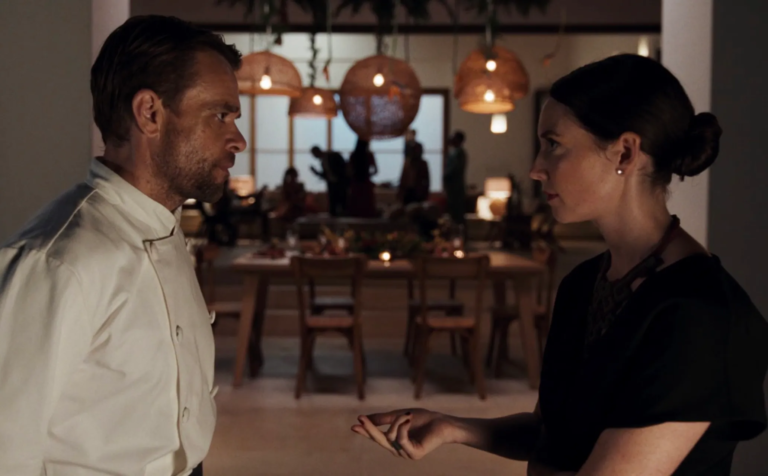
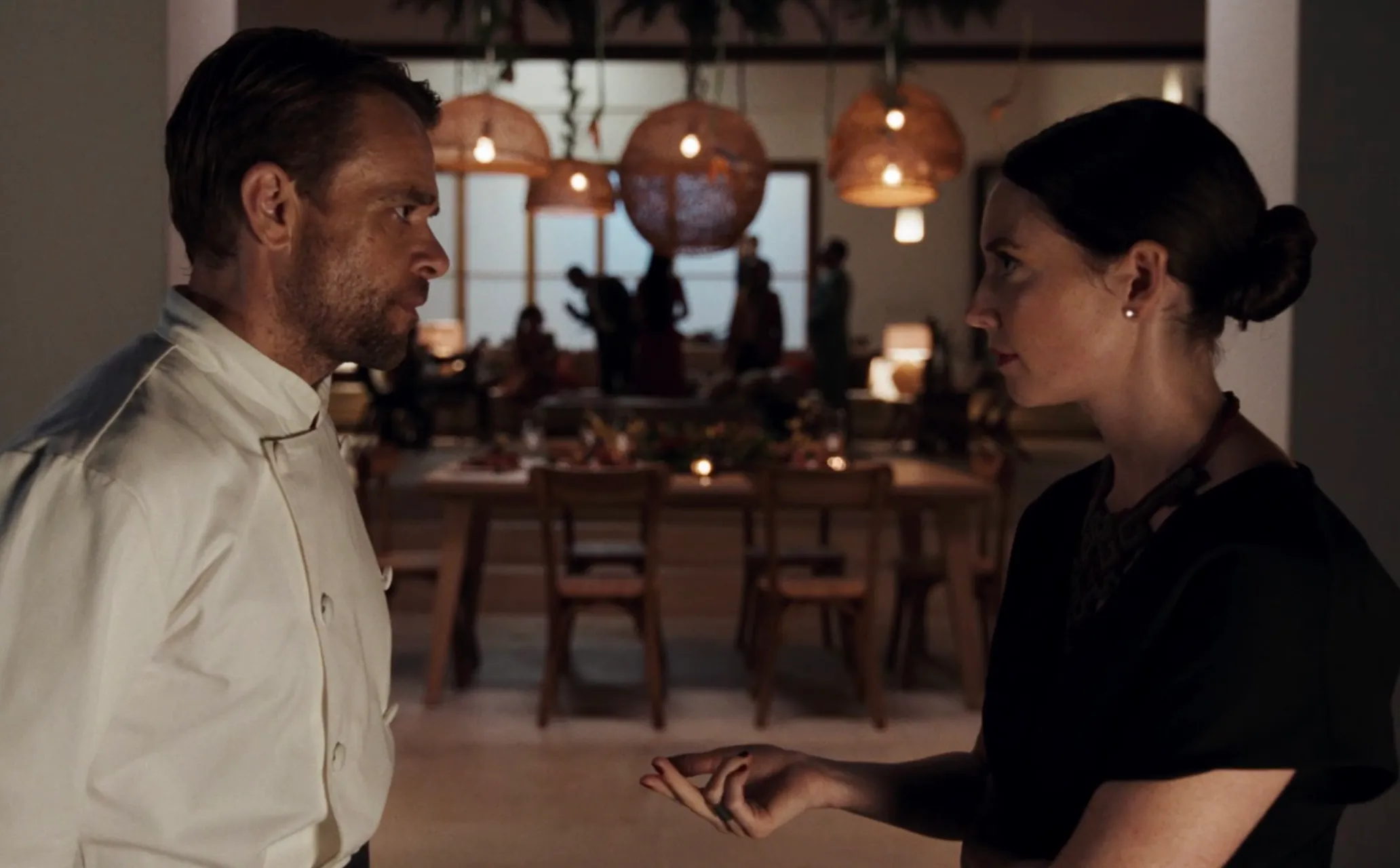
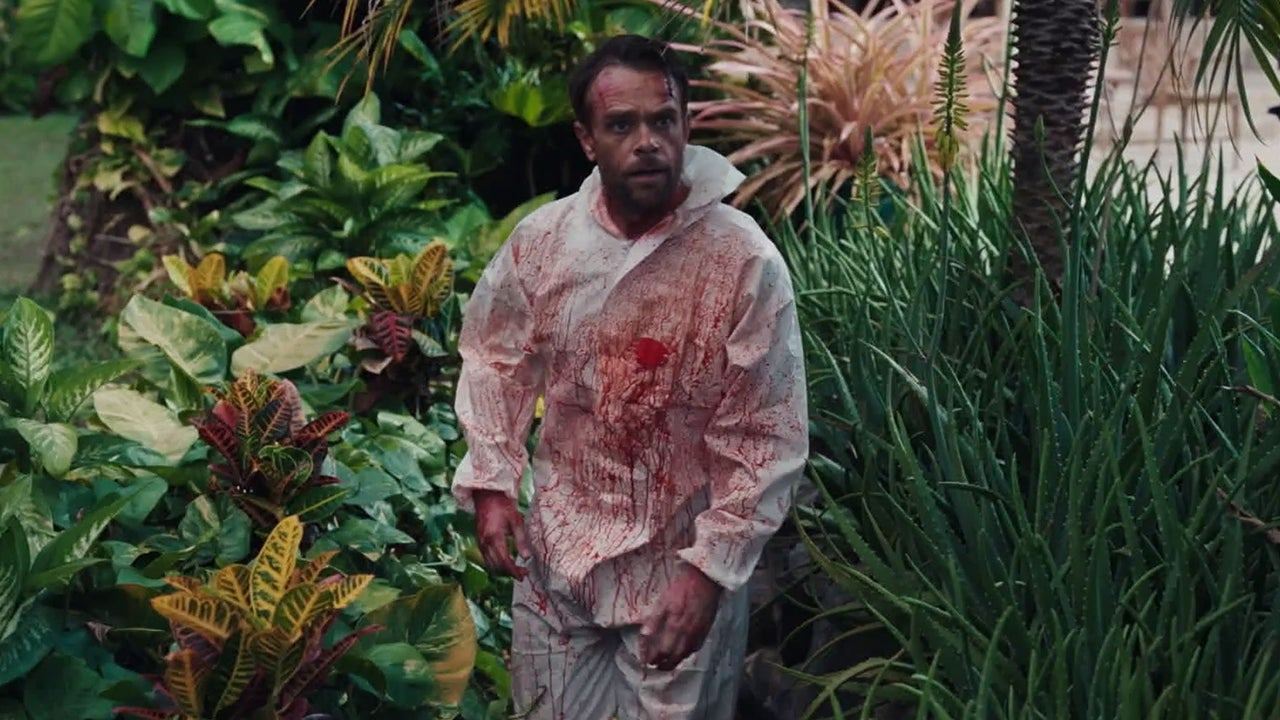
In What You Wish For, Ryan (Nick Stahl) and Jack (Brian Groh), once flatmates in culinary school, have gone down very different paths over the past 12 years. Ryan is drowning in debt and on the run from a dangerous pursuer, seeking refuge in Latin America with his old friend, Jack. Meanwhile, Jack enjoys a lavish lifestyle, cooking for the world’s elite, but he’s secretly discontent with his life. When Ryan arrives, envious of Jack’s apparent success, he stumbles into an opportunity to take over Jack’s identity. However, Ryan soon discovers that Jack’s glamorous job involves more than just preparing exquisite meals, revealing hidden dangers and complexities behind the luxurious facade.

Nicholas Tomnayโ€™s sharp-edged black comedy What You Wish For skillfully taps into the current trend of culinary arts in film and television, epitomized by films like The Menu. While it departs from the typical professional kitchen setting, the film maintains a strong focus on the culinary craft through protagonist Ryan. Early scenes highlight Ryan’s cooking prowess, starting with a simple yet expertly made omelette and escalating to a high-stakes risotto challenge with Jack to impress their friend Alice (Penelope Mitchell). As secrets unfold and the story darkens, the introduction of a flirtatious Australian traveler (Penelope Mitchell) and a keen local detective (Randy Vasquez) sets the stage for escalating tension. 

The agency handling Jack is accustomed to trouble and swiftly steps in to ensure the smooth continuation of their event once Ryan assumes Jackโ€™s identity. Imogene (Tamsin Topolski), with her impeccable English demeanor and unthreatening yet elegant wardrobe, instructs Ryan on his new responsibilities and the severe consequences of failure. Throughout, Tomnay integrates discussions on ingredients and cooking techniques, adding authenticity and engaging food enthusiasts without being didactic.

What You Wish For plunges into the ageless notion of hidden complexities, akin to an iceberg with most of its mass concealed beneath the surface. Jack’s job initially seems like a dream come true for Ryan, but beneath this enticing exterior lies a tumultuous and perilous reality. The film deftly reveals the harsh truth that one can never fully comprehend another’s struggles without living their life. As Ryan assumes Jackโ€™s identity, he also inherits his dangerous circumstances, causing the audience to wince as he spirals from one calamity to the next. This relentless descent creates a gripping narrative, as viewers, much like Ryan, search desperately for a way out of the chaos.

Yet, amid the swirling turmoil, there are flickers of hope and self-discovery. Ryan’s initial conversations with Jack highlight his dissatisfaction and frustration with his culinary career. However, in the crucible of his new situation, Ryan discovers a latent passion for cooking, culminating in the meal of his life. This newfound skill poses a troubling question: should he embrace this opportunity and pursue his culinary calling, or should he escape the looming dangers? What You Wish For weaves a story of aspiration, desperation, and the bittersweet taste of success, leaving the viewer contemplating the true cost of dreams realized.

Nick Stahl’s portrayal of Ryan is nothing short of exceptional, reaffirming his prowess as an actor who shines brightest in the independent film arena. Under the meticulous guidance of director Nicholas Tomnay, Stahl undergoes a remarkable transformation, presenting a performance so fresh and nuanced that it feels like we are witnessing his talent for the first time. He sheds any traces of his previous roles, fully immersing himself in the character of Ryan. Stahl expertly captures the dual facets of Ryan’s persona: his adeptness in the culinary arts and his escalating sense of desperation and fear. What stands out is Stahl’s restraint; he avoids melodrama, instead opting for a subtle approach that conveys depth and authenticity. As a chef well-versed in handling high-pressure situations, Ryan maintains a calm exterior even as chaos envelops him. Stahlโ€™s ability to sustain this composed demeanor, while hinting at the turmoil beneath the surface, adds a compelling layer to his character and keeps the audience deeply engaged.

Ryan’s ability to think quickly and adapt to challenging situations is captivating, ensuring that the audience remains engaged throughout What You Wish For. If he were to react hysterically to each escalating crisis, the film might risk becoming farcical. Instead, Stahl’s portrayal of Ryan as outwardly composed, yet with an underlying tension, injects a subtle, almost incredulous humor that provides a welcome release from the filmโ€™s intensity.


What You Wish For offers a thought-provoking exploration of the dangers of chasing aspirations without considering the consequences. It presents a fresh take on the age-old warning to be cautious about what one wishes for. As a darkly entertaining thriller, the film skillfully reveals that the allure of a seemingly better life often conceals deeper complexities. Ultimately, it serves as a compelling reminder that things aren’t always as they seem, leaving audiences both satisfied and reflective.

Grade: B+

Chasing the Gold: Meet the (New) Hosts

This week on Chasing the Gold, Shadan and Erica talk about their cinephile journeys and how film shaped them into who they are, becoming passionate about film and awards season! As new hosts of the show, some listeners/viewers might not be aware of who we are, so we wanted to provide a little bit more insight into why we’re excited about doing this show.

On that note, check out this week’s show and let us know what you think in the comment section. Thanks for listening and for supporting the InSession Film Podcast!

Subscribe to our Podcasts RSS
Subscribe to our Podcasts on iTunes
Listen on Spotify
Listen on Stitcher
Chasing the Gold – Meet the (New) Hosts

Help Support The InSession Film Podcast

If you want to help support us, we would greatly appreciate it! For more info, CLICK HERE.

Movie Review (Cannes 2024): ‘The Shrouds’ is a Moving Portrait of Cinematic Grief


Director: David Cronenberg
Writer: David Cronenberg
Stars: Vincent Cassel, Diane Kruger, Guy Pearce

Synopsis: Karsh, an innovative businessman and grieving widower, builds a device to connect with the dead inside a burial shroud.


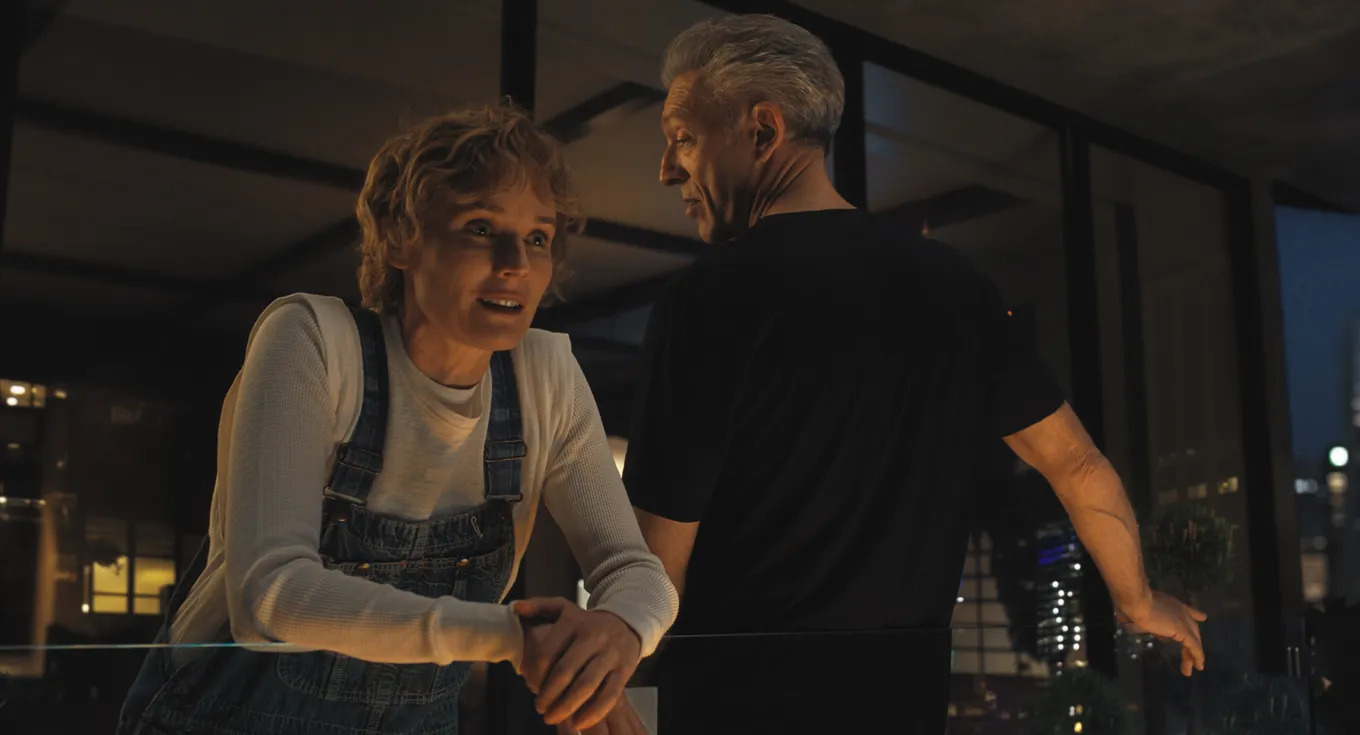
In David Cronenberg’s world, everything is tangible, from his plastic, carnal creations to his characters’ emotions deep inside their hearts, even when the narrative seems somewhat distant from reality. You can grasp everything in his mind the same way you have dreams and nightmares about David Lynchโ€™s oeuvre. Cronenberg does many things with the body, but his films also haunt the mind and soul of the viewer โ€“ his career is divided into those two halves โ€“ which traverses them into a state of shock and awe. And it is an experience like no other. He has often tested Cannes Film Festival attendees with these distinct, disturbing experiences that yield them until numb. In his latest work, The Shrouds, the Canadian filmmaker has done it again.ย 

David Cronenberg has decided to retain the mysteriousness and eroticism prevalent in his cinema while being more restrained in his horror elements and inquisitive prodding. It is one of his most refined works, cut from the same cloth as what came before, yet with a different, more intimate pattern. Switching the grisly for the abstruse and philosophical, The Shrouds is Cronenbergโ€™s most contemplative work to date, using the grief he still holds after the death of his wife of forty-three years, Carolyn (who passed away in 2017 after battling cancer), to create a story about our own conspiracies while dealing with loss โ€“ our search for answers as weโ€™re in our mourning processes. 

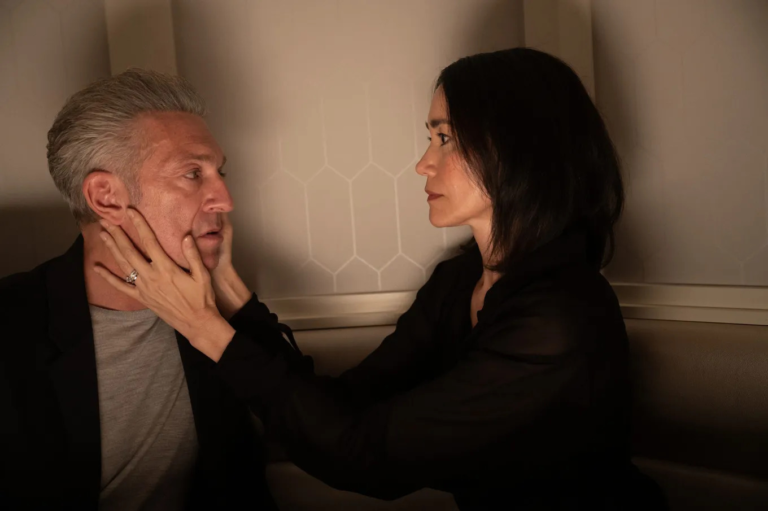
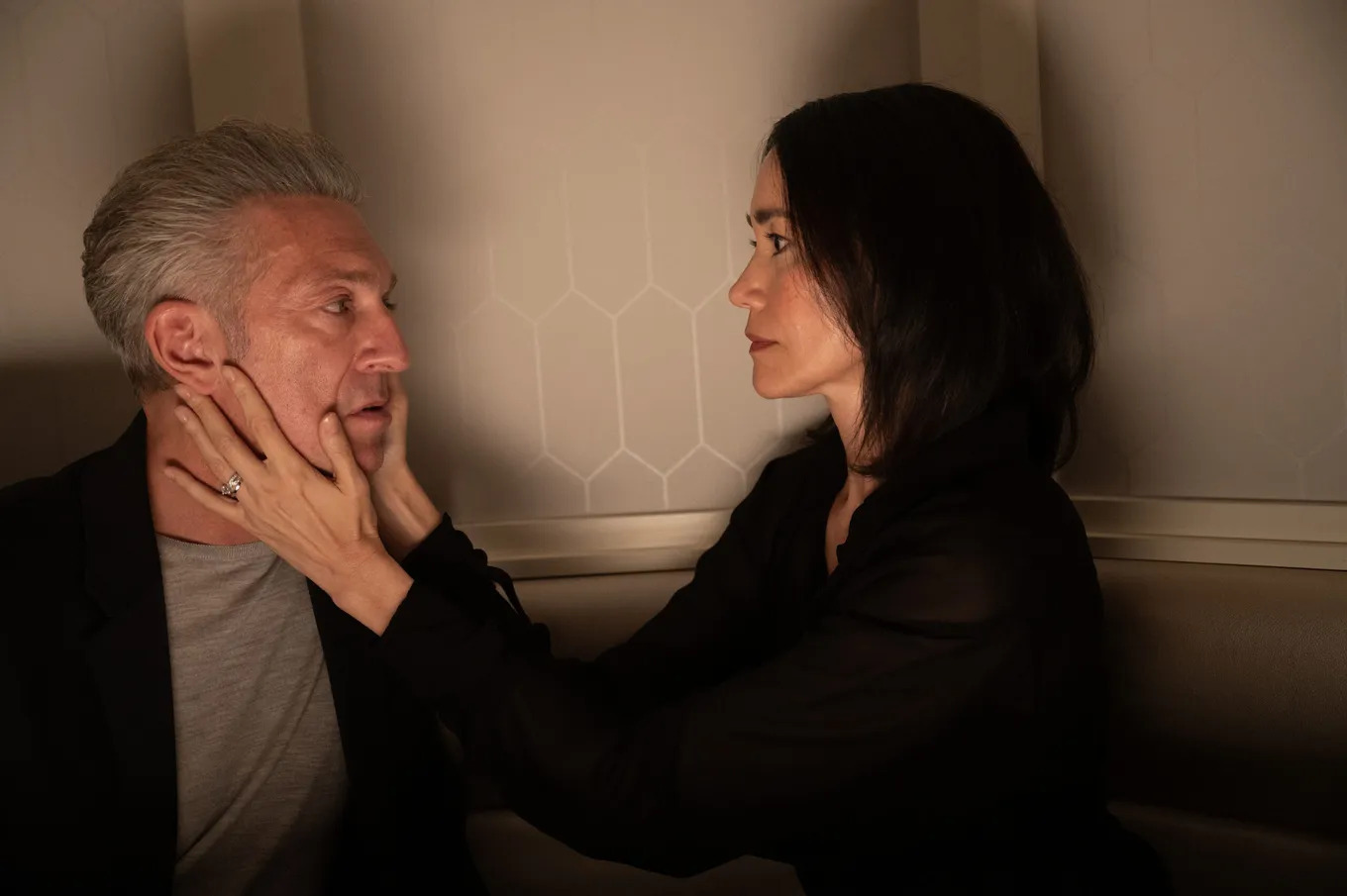
He draws from his own life โ€“ the lead, Vincent Cassel, mirroring his image and persona to offer a glance into the filmmakerโ€™s psyche and soul โ€“ and pain to curate an intentionally estranged and cold atmosphere so the viewer can sense, both in front and behind the camera, that lingering dread that has haunted every one of us who have been struck with the death of a person held dear. This is all seen through the eyes of the melancholy-drowned Karsh (Cassel, or, to put it in Cronenbergian terms, the directorโ€™s dead ringer), who yearns and longs to be next to his passed wife, Beca (Diane Kruger in one of three roles). Karsh cries for her and yells to the void to have her back.ย 

You see how Karshโ€™s insides are gnawed, but, on the outside, thereโ€™s no abreaction. Thereโ€™s no emotional release. Visions about her continue to haunt him to the point of being fixated on her presence. These necrophilic nightmares, not in the way that Jorg Buttgeirat did in the cheap sleaze that is Necromantik, about his wife, serve as some more tactile exploration into Karshโ€™s psyche. He sees the image of the past heโ€™s holding onto in his mind and the decomposing one he can see via his skeptical technological creation. He has founded a revolutionary and provocative gadget called GraveTech. This company allows people to grieve in a different, more tangible manner by putting cameras in the burial so they can see a clear image of their loved ones.ย 

The headstones, a connective tissue between life and death, demonstrate the body’s materiality. This image of a body without a beating heart being readily available at all times, rotting as time passes, adds another layer. Cronenberg, known for deconstructing and reconstructing the body, explores with this new technology how we tend to hold onto that perfect image of a person once they are gone. However, he does so uniquely, where both the rotting flesh and youth intertwine, creating a potent coldness that puts chills down the viewerโ€™s spine. In this world where Karsh is doing acts that service his emotions, the body, now ridden with everything human, comes as an everlasting image that stains and relives. 

Just as the body turns inside out, Karshโ€™s obsession increases; his world revolves around that shroudโ€”that vision planted in his mind that time destroys while he remains wounded yet enamored. Even when he matches with a woman on a dating service, he brings her close to the memory of his passed wife; they walk around the graves and bask in what is left โ€“  to quote Eva H. D.โ€™s poem โ€˜Bonedogโ€™: โ€œEverything you see now, all of itโ€ฆ bone.โ€ Even through these perilous thoughts across his mind, Karsh remains calm, as if nothing fazes him. This calmness maintains him as a complex, meditative character we want to dissect. 

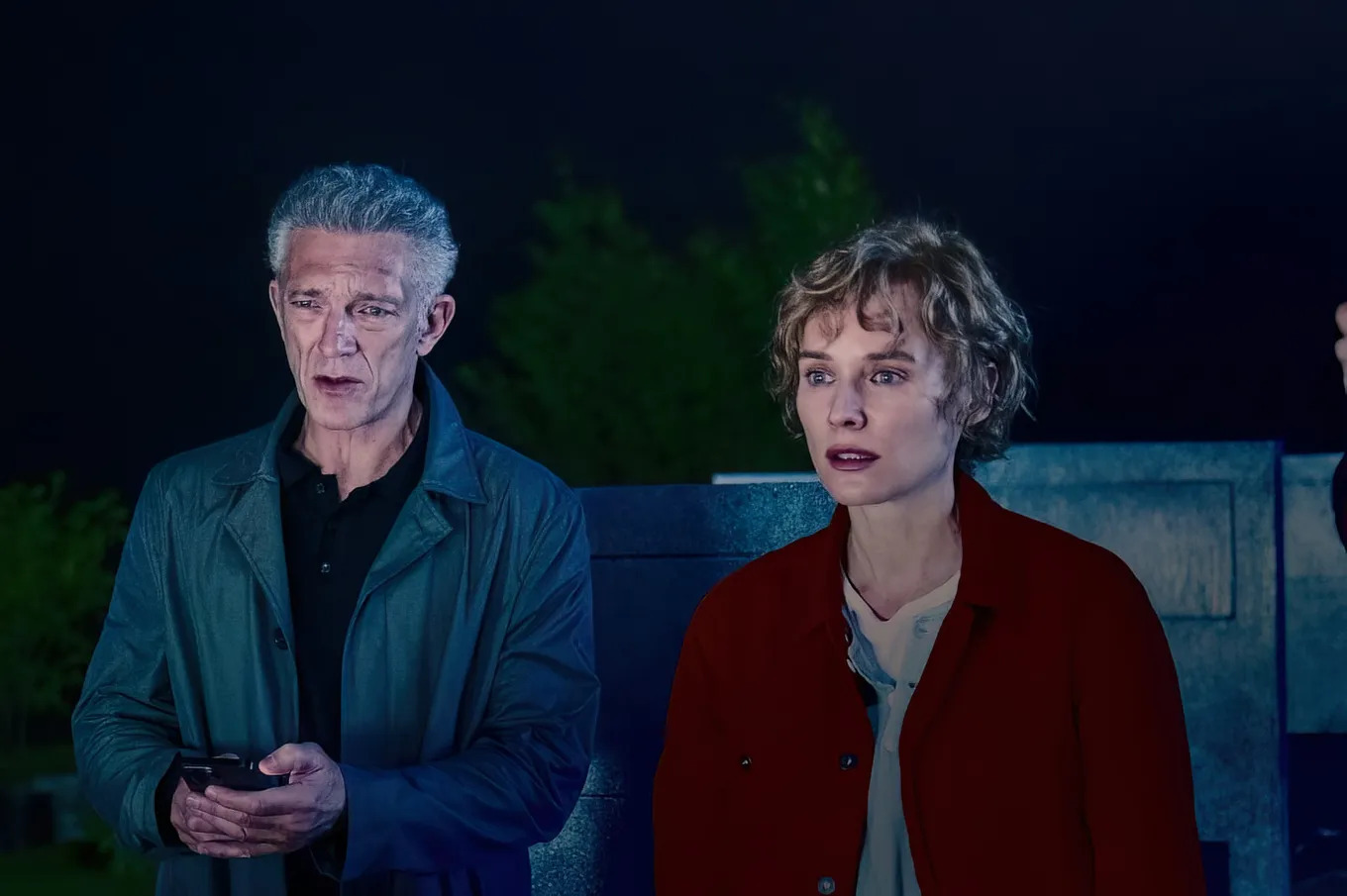
We all have had to put on a poker face during our worst times. But Karsh doesnโ€™t seem to have one; he just wanders lost in life at this point, staggered and impenetrable. He goes to the void and awaits a response; in his visions, Beca comes up with some answers that leave Karsh meditative. However, everything begins to change once the cemetery is broken into and vandalized; a hacker has also blocked the images from the corpse. Who is trying to do the deed? Is it someone who is against what Karsh has created? Or is it just a person tired of seeing people like him remain broken? He enlists the help of his brother-in-law, Maury (Guy Pierce), so they can find the culprit. 

This creates a conspiracy theory about why this has happened, reflecting on how we, while facing grief, turn to plays of deception and neglect to make sense of something deemed untenable. We create alternate realities and conclusions to try to make sense of lifeโ€™s biggest hardship, death. Instead of looking for answers, we ignore our realities for a second as we riddle ourselves with questions about every single detail, action, and choice as a coping mechanism. Sometimes it works, sometimes it doesnโ€™t. But grief is something that everybody goes through differently โ€“ depending on our fears about the great beyond and how attached we were to the person. David Cronenberg comments on topics that translate from his decade’s worth of material, like sex, the rise of technology (and our dependence on it), and artificial intelligence. 

Cronenberg does so via his usual visually hypnotizing measures. However, those are the crucial focus this time, even though they are very present in the film. The Shrouds is not precisely autobiographical, but it uses many details in the directorโ€™s life to forge a compelling, spine-chilling story. Cronenberg doesnโ€™t just translate real-life situations into the canvas. Cinematographer Douglas Koch, who worked on Crimes of the Future, highlights the light lurking within the darkness, even when the atmosphere is most opaque. This is reflected in a more literal manner when Karsh gazes up his cemetery at night, with the screen lighting up as beacons of the love we had for our dearly departed โ€“ which is a powerful image that is quite angelic in its Cronenbergian way โ€“ and the visions he has about his wife.ย 

Thereโ€™s a luminescent glow amidst the decomposing flesh. Yet, the dark shadows of melancholy continue to march on every scene, creating that fight between light and darkness, life and death (or even isolation and companionship) thatโ€™s so incredibly moving in a way that you canโ€™t experience with the rest of Cronenbergโ€™s work. Some narrative swings might not work in their totality, especially when the exposition dumps are on and about. However, the conspiracy theory element has many philosophical layers to peel that intrigue you, and later perturb, about his cinematic approach to healing his wounded soul. It is fascinating to see how these nihilistic scenarios have a duality, like a mirroring effect that coats the film in a shroud of its own, where Cronenberg uses cinema as a gateway to his questions, doubts, and anxieties. 

Cinema is indeed a shroud for life in its complexities and hardships. That drapery symbolizes the parting of the veil between this world and the next. And, like so, the director uses (and watches) such to visit the dead and have conversations with the living about it. David Cronenberg said something very striking in a recent interview before The Shrouds at Cannes premiere: โ€œIโ€™m often watching movies to see dead people. I want to see them again; I want to hear them.โ€ He also said, “cinema is, in a way, a shrouded post-death machine.โ€ And while that perspective is genuinely depressive, it is also very accurate.ย 

Glancing upon a film from the 1920s, and even though you are immersed in its totality, the thought of seeing ghosts goes through your mind. Seeing a creation, a piece of art and history, through that lens adds a mysticality to the picture. You start pondering about their lives, both in and out of the screen, almost like a conspiracy theory, except thereโ€™s nobody to answer your questions. It is cinema as a cemetery, much like The Shrouds, and it is an exploration of the living brooding, lamenting, and interrogating about the people we wish theyโ€™d be next to us. And an ever-transfixing one, even though challenging to approach, much like death itself.

Grade: A-

Movie Review: ‘The Beach Boys’ Lets the Sun Shine on a Great American Band


Directors: Frank Marshall, Thom Zimny
Writer: Mark Monroe
Stars: Janelle Monรกe, The Beach Boys, Lindsey Buckingham

Synopsis: A celebration of the legendary band that revolutionized pop music and created the harmonious sound that personified the California Dream.


The new Disney+ documentary The Beach Boys is one of the more informative films on a famous person or group for millennials or young people in recent memory. Frank Marshall and Thom Zimny’s engaging new feature reveals the band’s influence and goes beyond the band’s surfer boy, free spirit image. Not to mention uncovering (more like a good dusting off) fascinating details across decades of changes in the American landscape.

The Beach Boys were most likely your parents’ or grandparents’ band. Considering their well-known touring prowess, you probably accompanied them to see an outdoor concert during their resurgence in the ’80s and ’90s across major and minor league baseball parks across the United States. They may seem corny because they focus on their earlier hits, which sell. But The Beach Boys’ story is an all-American one of evolution, redemption, and timeless, lasting impact.

The documentaryโ€™s outline is uneven, but that doesnโ€™t make the bandโ€™s journey any less fascinating. The first act follows the formation of the band, a group of sandy blonde teenagers singing songs of positivity, even though most of them hated the water. The Beach Boys were practically a family business. Started by Brian Wilson along with his brothers Dennis and Carl, they were encouraged to sing and write songs by their overbearing and alcoholic father, Murray.

Along with their cousin Mike Love and close friend Al Jardine, the band found a niche with songs of a sunny disposition during peacetime in American culture. However, as the film progresses, we learn about the songwriting process and why the band kept turning over members more than The View. Brian Wilson had no formal training or education in music. Still, he was recognized as a genius in emotional depth, melodic arrangement, harmonization, and innovative techniques that changed pop music forever.

The flip side of that genius comes from a place of trauma. The elder Wilson wielded a large stick without a carrot. History has shown how Murray protected the teenagers with his burly and boundary-breaking style. However, his unrealized dream as a musician involved being overbearing toward his sons and band members. That led to Murray being demoted as the manager, but he was never taken off as head of publishing. This was Brian Wilson’s biggest mistake because a bitter Murray sold the entire band’s catalog for 500,000 dollars. Those songs are now estimated to be worth eight figures or more.

The documentary’s second act draws more amazing parallels (and offers terrific insight and experts such as Janelle Monรกe). For one, The Beatles landed on Ed Sullivan while touring Asia. They are known as the world’s biggest band, and they stole the group’s momentum. The bitterness in some members’ voices, particularly the elder Wilson brother, is eye-opening and even comical. Brian Wilson says that the Beatles record “I Want To Hold Your Hand” is “not that good of a record.” They were even said to be “crude,” and The Beach Boys were more “refined.” The film also includes a recording of Sir Paul McCartney discussing the rivalry.

Even in a clip of Ed Sullivan introducing Wilson and his band (which is weird after seeing the famous clip of their arch-nemesis for decades), critics had to debate which song was better, “Fun, Fun, Fun” or the now iconic “She Loves You.” Even though The Beach Boys were popular for years (they were even more popular in England when Lennon and Company broke onto the scene), they became known as the “American Beatles.” Yet, an even more shocking revelation is how Charles Manson wrote a song on the B-side of the band’s album “Bluebirds Over the Mountain” after befriending Dennis Wilson called “Never Learn Not To Love.”

The Beach Boys excels at using a narrative structure of historical linear threads through the iconic band’s timeline, which continues to astonish if you are a novice to the band and the era. It may seem far-fetched, but this is very similar to films like Forrest Gump or The Butler (and yes, I realize those are fictional). Since these are real-life figures, it makes the nonfiction film even more interesting and engaging.

While you would like The Beach Boys to offer a more precise and detailed picture of Brian Wilson’s struggles, his breakdown and childhood are kept at arm’s length, and you cannot possibly ignore the Beach Boys’ journey to their place in American music history. While striving to reinvent themselves to regain the respect they lost in some circles, their “positivity” ultimately became their salvation. In an era where mental health is now at a premium today, their music is as relevant as ever.

Grade: A-

Movie Review: ‘Laugh Proud’ Breaks Barriers and Lightens Hearts


Director: Quentin Lee
Stars: Jazzmun, Jason Stuart, Kit DeZolt

Synopsis: Nine diverse LGBTQ+ comics each perform a short set connected by a hostess with the mostest in an orgiastic one-night stand starring fresh comics to veteran comic Jason Stuart and the world’s first intersex comic 7G.


Laugh Proud is a stand-up comedy film – a set of nine vignetted LGBTIQ+ performers, each with their own comedy brand. Filmed in July 2023 at the Los Angeles LGBT Centre, actor and performer Jazzmun hosts a diverse and eclectic range of queer artists. Irreverent and mostly funny – this is a light-hearted affair with a focus for queer voices.

With a zippy pace, Laugh Proud begins with an opening text crawl depicting the expansion of the Nazi’s criminal code against homosexuality in 1934 – archive footage rolling in the background. By the time of World War II, branded with the ‘Pink Triangle,’ queers were easily identifiable by the SS throughout concentration camps – over 10,000 German and Austrian men were arrested, and many killed. As an introduction intended to feel dour, the tone quickly changes gear.

The ‘Pink Triangle’ now lights the neon backdrop of the film’s title as a vivacious montage introduces the nine performers who will take the stage – a call back to the reclamation of self-identity by the queer liberation movement from the 1970s onward. Director Quentin Lee makes the audience instantly aware that pride and laughter are at the forefront of the film – subverting the idea that LGBT+ performers only have a traumatic history in their repertoire.

From Jason Stuart, Christian Cintron, Amanda Alvich, Juno Men, Asha ‘August’ Hall, Brian Clark, Rowan Niles, and the first intersex stand-up comic ‘7G,’ the diversity on display is hard not to notice. Whether it be the hell hole of gay dating apps, lesbian emotional turmoil, navigating the world as a trans person of color, or even just complaining about children – the entire gamut of queer experiences is open to amusement or relatability. It is also an excellent achievement to give voice to an intersex artist who brings something new and unique to the comedy world.

Most of the comics use anecdotal or observational humor, and for the most part, this brand of comedy works to their talents. The opener, Kit DeZolt, introduces the woes of losing your virginity in embarrassing ways, the life of being an adopted queer – “I got my first rejection when I was born”, and the power of humor from a lived experience. Juno Men offers a noteworthy bit about not living up to your parents’ expectations as a trans comicโ€””you will be no son of mine” is given a funny new meaning. 7G makes the audience howl with a story about how hard it is to “play with a non-binary, trans masc dude” before making everyone chant a word you’ll never expect. It can get absurd at times, but it is unapologetic.

Unfortunately, the film can feel disjointed and rushed. The original recording seemed to clock in at the 2-and-a-half-hour mark, and this truncated 90-minute special sometimes feels like a tasting of multiple dishes rather than a full meal. The editing is particularly jarring and noticeableโ€”Jazzmun abruptly cuts off numerous times, which is evidently to reduce the runtime. Itโ€™s not a serious detractor, as portmanteau stand up shows by design can get messy and run with a quickened pace.

At worst, some comics’ time allotment is far briefer than others. At best, it is a springboard that inspires us to seek out these artists if people want to follow their careers elsewhere. There is a specific power in giving a comprehensive platform to many marginalized voices – strictly without making their marginalization the butt of every joke. These are real experiences, and it is willing to make humor out of everything from the benign to the serious aspects of life. Sometimes though, you want a bit more time to listen.

Laugh Proud achieves precisely the sort of tone the title expects of it. As the special’s anthological format can inspire, some stand-up comedians are bound to make people laugh more than others, but that is okay – there is something here for everyone in the queer community. It is an at-times too brief introduction to some of America’s funniest LGBTIAQ+ comics, but it is not without many laughs and a penchant for telling proudly quirky stories.

Grade: B

Movie Review: ‘#MoCrazyStrong’ Tells An Inspirational Story of Resilience


Directors: Jamie MoCrazy, Mark Locki
Stars: Jamie MoCrazy

Synopsis: The story of Jamie MoCrazy’s career, life, injury, and fight to return.


All sports-themed documentaries start with the same subject. An Icarus, a person who flew too high for their good, until they came crashing to the ground, but never gave up. #MoCrazyStrong is no exception. 

The 2023 short documentary follows the gut-wrenching story of former pro skier Jamie MoCrazy, most famous for her double-flip in a slopestyle ski run at the X Games which -for those who donโ€™t know- are a series of action sports events including skateboarding, skiing, and snowboarding, among other things. The documentary also sheds light on the invisible struggles that athletes go through, not just the physical but also the dark places they go to when things get harder. For example, their bodies not answering to their commands or their injuries turning out to be scarier than they may have anticipated.

Jamie MoCrazy has been ranked #1 for three consecutive years, a bold, fearless skier. Watching her fly through the air and then glide on the snow beneath her like a mythical figure, a person larger than life and closer to Greek gods and deities, is a work of wonder, a symphony that testifies to the power of sports as an art form in its own right. Then the film shifts tone and we watch with our hearts caught in our throats as Jamie suffers a traumatic brain injury (TBI) after trying a trick she hasnโ€™t tried before and her head whiplashing into the snow.

That feeling of conquering the laws of gravity suddenly becomes a morbid sensation of being earthbound. One couldnโ€™t help but wonder how Jamieโ€™s bravery and that of her family helped her through the aftermath of the catastrophe. One of the strongest elements of #MoCrazyStrong is how intimate it feels as if the MoCrazy clan is letting us in on a secret that no one else knows. Though a short recount of what happens, the soul put into this film is what makes it shine. It is told through quotes from family and friends, in addition to a huge amount of footage, both of Jamie’s pre-injury and throughout her healing journey.

The tough thing about healing is accepting the present. A here and now becomes an eternity, consequences become facts rooted in the growth journey. Jamie experiences pain, despair, and uncertainty with every step into maturity. Her whole identity has been built on her being a skier, so for that to be ripped from her is bound to cause an identity crisis even in the bravest of hearts. But she becomes an inspiration to others. She surpasses her role as a survivor and becomes an active participant in the global process of reaching out to others, offering her support as a TBI ski injury survivor. 

The documentary works as a bandaid that soothes her pain, and in that process, the pain of others. No one has to feel lonely going through an experience like that. Jamie hasnโ€™t. Her rise up from the ashes and decision to climb, putting behind all her skiing dreams, are the highlights of her arduous journey through physical and emotional distress, forming smiles on our faces and driving us to follow her lead.

#MoCrazyStrong aims to raise awareness for those who have suffered from a TBI, but it goes beyond a list of complications and treatment routes. Itโ€™s a familyโ€™s call out for support, a hand extended in peace to draw in other athletes who may not be as aware as they are on the subject. Instead of lingering on the pain and the hardship, it focuses on the travel, rather than the outcome. It only wants to progress with love and awareness, and it perfectly succeeds in capturing that.

As the documentary came to an end, I began to wonder about the invisible challenges faced by athletes and TBI survivors, and whether weโ€™ve been inside Jamieโ€™s head long enough to grasp the full intensity of what she has gone through. Still is maybe. No one can answer that but Jamie, but weโ€™ll always be grateful for her generosity in allowing us a portal into one of the most critical stages of her young life.

Grade: B+

Movie Review (Cannes 2024): ‘Block Pass’ Nearly Crashes in the Back Half


Director: Antoine Chevrollier
Writers: Berenice Bocquillon, Antoine Chevrollier, Faiza Guene
Stars: Damien Bonnard, Mathieu Demy, Leonie Dahan-Lamort

Synopsis: Willy and Jojo are childhood friends who never leave each other’s side. To beat boredom, they train at the Pampa, a motocross track. One evening, Willy discovers Jojo’s secret.


The Cannes Film Festival always has an array of coming-of-age stories lined up in their slate, whether in competition for the Palme dโ€™Or or their independent sections, such as the Semaine de la Critique (Criticโ€™s Week). Many directors are given the opportunity to concoct their near-adulthood tales that, one way or another, reflect their own lives. Antoine Chevrollier is one of those filmmakers in this yearโ€™s festival, presenting his latest work, Block Pass (La Pampa) โ€“ a genuine yet poorly structured story about two best friendsโ€™ trials and tribulations, as one of them deals with the loss of his father, while the other has his most kept secret revealed.ย 

Block Pass begins with a dare between friends โ€“ a dangerous antic that might kill someone in the worst-case scenario. Jojo (Amaury Foucher) must cross the busy highway on his motorbike at top speed. His best friend, Willy (Sayyid El Alami), is highly preoccupied with what might happen if Jojo doesnโ€™t make it or crashes into a vehicle. Everything goes well. Willy recognizes that it was a risky move on his part yet celebrates this stunt, as he deems it entertainingly maddening. After this maneuver, we get a glimpse of their life as off-road circuit racers, where the adrenaline rush fuels each turn and jump. These scenes reminded me of Lola Quiveronโ€™s Rodeo, which coincidentally also played at the Cannes Film Festival two years ago. 

The viewer is placed at the center of this subculture, but instead of dirt riders in Quiveronโ€™s film, Chevrollier uses motor cross. Unlike the aforementioned film, Block Pass doesnโ€™t focus on this daredevil, thrilling lifestyle’s specifics and ins and outs. It gives hints during the first act to get you in the headspace of the lead characters โ€“ the reasons why they do the sport. I would have appreciated seeing more of this life, not to the extent that Quiveron did in great detail, but something of that nature. It adds more personality to the film and provides glances at a side of the world that most people donโ€™t know about. Instead, Chevrollier focuses on the dramatic elements rather than drawing up the environment.ย 

When the races are finished and the duo is tired from celebrating, Willy and Jojo return to their respective homes, dealing with their family troubles and demons. Willy is still emotionally wounded by the death of his father. He hasnโ€™t been able to move on, hence the aggression and hostility toward his motherโ€™s new partner. Meanwhile, Jojo is trying to reach the standards that his father has for him, as well as keeping his sexuality a secret from the people around him. The reason why Jojo hides this big secret is because this subculture is very masculine, and he knows that they wonโ€™t look at  once they hear about his sexuality, they wonโ€™t look at him the same way โ€“ treating him with disrespect and malice. The only person who will be there for him is his best friend.

Block Pass struggles with how Chevrollier handles the intertwining between Willyโ€™s grief and his relationship with Jojo, sometimes making it feel like two different projects. When Chevrollier focuses on one side of the story, the other is sidelined for a very long period of time, making each narrative intersection between the two have a lesser impact than it should. Each of these topics, grief, and acceptance, needed more time to be examined. They remain incomplete; the audience wants to learn more about the characters and their respective angst. Willy and Jojo suffer plenty, yet they arenโ€™t given many moments of brevity so that we can know them better. While the emotions are palpable, the notions about understanding are somewhat short-sighted.ย 
Halfway through Block Pass, Chevrollier pivots the story into a Close territory.

And that transition in dramatic tone doesnโ€™t contain the emotional potency or subtlety that Lukas Dhont provided his film with when approaching that heavy emotional turn. During that section of the film, the story is handled with care yet in a loose manner that makes each scene afterward feel a tad distant. However, when Block Pass is nearing its end, Chevrollier delivers one final punch that is very effective. It is a short and slight moment that not only makes up for the poor management of the narrative beats in the film’s second half but also encapsulates the beautiful friendship that Willy and Jojo have in a single frame. But this moment arrives so late that it makes you wish that Chevrollier had delivered the same emotional potency to the rest of the story.

Grade: C-

Episode 586: Casablanca

This weekโ€™s episode is brought to you by Koffee Kult. Get 15% OFF with the code: ISF

This week on the InSession Film Podcast, we continue our Best Picture Movie Series with the Michael Curtiz’s iconic 1943 film Casablanca! We also discuss the silly A Quiet Place discourse, the brilliance of Junkie XL’s brilliant Fury Road score and the films from Cannes we’re most excited about.

Check out this weekโ€™s show and let us know what you think in the comment section. Thanks for listening and for supporting the InSession Film Podcast!

– Opening / Luca Guadagnino’s New Film (0:45)
We begin the show this week with some fun banter about recent events in our lives before pivoting to talk about Luca Guadagnino’s new film Queer, and the recent report that it will have “a lot of sex scenes” in it. Which we found kind of funny after our Challengers review where we talk about how that film kind of pulled its punches and could have been more erotic.

Mad Max: Fury Road / A Quiet Place / Cannes (15:25)
Over the weekend, there was a post on Twitter about A Quiet Place that CinemaSins’d the opening of the film and its “illogical” decisions, a thread that went viral and sparked some insane discourse. We talk about why the thread was intentionally hilarious and frustratingly obtuse. We also spend some time talking about Junkie XL’s score to Mad Max: Fury Road and why it’s one of the best in the last decade. And we end the segment by talking about the Cannes Film Festival and the movies we’re looking forward to the most based off the initial reactions. 


RELATED: Listen to Episode 516 of the InSession Film Podcast where we discussed our Top 10 Movies of 2023!


– Best Picture Movie Series: Casablanca (53:03)
We continue our Best Picture Movie Series in the 1940s with Michael Curtiz’s legendary Oscar-winning film Casablanca! Hailed as one of the best of all-time, Casablanca has been analyzed to death by this point, however; we did our best to find a path that might be slightly less traveled. It’s also one that makes sense in context of our conversation last week on Mrs. Miniver. We have a really fun time talking about why the two films are more similar than they’re given credit for, all while Casablanca being one of the very best simply as a movie working on its own terms. 

– Music
Brothers In Arms – Junkie XL
As Time Goes By – Dooley Wilson

Subscribe to our Podcasts RSS
Subscribe to our Podcasts on iTunes
Listen on Spotify
Listen on Stitcher
InSession Film Podcast – Episode 586

Next week on the show:

Best Picture Movie Series: Going My Way

Help Support The InSession Film Podcast

If you want to help support us, there are several ways you can help us and we’d absolutely appreciate it. Every penny goes directly back into supporting the show and we are truly honored and grateful. Thanks for your support and for listening to the InSession Film Podcast!

VISIT OUR DONATE PAGE HERE

Movie Review (Cannes 2024): ‘Ghost Trail’ Goes Cold For Too Long


Director: Jonathan Millet
Writers: Jonathan Millet
Stars: Adam Bessa, Tawfeek Barhom, Julia Franz Richter

Synopsis: Hamid joins a secret group tracking Syrian regime leaders on the run. His mission takes him to France, pursuing his former torturer for a fateful confrontation.


Jonathan Milletโ€™s feature-length debut Ghost Trail (Les fantรดmes) is a neatly crafted film that explores the psyche of a Syrian refugee via a spy-genre model. Millet uses an exciting way of exploring the tensions and angst a refugee goes through during and after the significant changes in their lives, especially when encountering ghosts of the past. However, such deconstruction of the espionage subgenre tends to drag across the filmโ€™s fascinating premise. Ghost Trail begins in 2015, when we see a man named Jamid (Adam Bessa, an underrated, talented actor) waiting exhausted alongside some other men in the back of a truck. They look worn out and tired of having to face these injustices daily.ย 

The camera focuses on the sun burning the Syrian desert as they head toward the light until there is no return. The film flashes forward to when Hamid lives in Strasburg, France, two years later. In this time that we miss, Hamid has been very busy โ€“ doing various jobs, talking to other Syrians from exile circles, as well as trying to find a person who he deems is his lost cousin from the war. It is slowly revealed that our protagonist is hiding secrets, so his life is very isolated; he even lies to his mother about living a successful life in Berlin. Hamid is part of a โ€œclock-and-daggerโ€ European-based organization that tracks down war criminals responsible for the atrocities that occurred under Basharโ€™s regime. 

These people Hamid and company are searching for use fake names and disguises, hiding themselves within all of Europe โ€“ camouflaging to begin their new lives. With these details known, you realize that Hamid is not looking for his cousin. Instead, he is searching for a man named Harfaz, his torturer from the time he was imprisoned in Sednaya. This is an intriguing premise with many possibilities as the spy games begin and the tension rises. Miller doesnโ€™t indulge in the flash and action that modern spy films tend to use; instead, he takes a more grounded approach to the genre, focusing on Hamidโ€™s perspective during his search for the man who tormented him.

We get plenty of close-ups of Hamidโ€™s stone-cold expressions in the process, further adopting the persona of a lone wolf captured with ease by Bessa throughout the film. Ghost Trail begins to go into a darker territory thematically when Hami thinks he has found Harfaz near Strasbourg. Hamid only has a blurry picture of him and canโ€™t rely on facial recognition, as Harfaz put a bag over his head when torturing him. But his presence still puts a chill down his spine; the way the man talks, smells, and walks reminds Hamid of Harfaz. However, the key is in the details. Hamid notices the man has an injured hand, a mark he recognizes immediately. Thatโ€™s when he questions what his next move will be. 

The man Hamid believes is his torturer goes by the name of โ€œHassanโ€ (Tawfeek Barhom), who lives a comfortable life devoid of any complications. This makes Hamid even more furious, as โ€œHassanโ€ is living a life that he couldnโ€™t have โ€“ one taken away from him forcefully. The audience feels his pain through Bessaโ€™s solid performance. The man was robbed of a prosperous life with his wife and daughter, who died during the war. But he now lies deep in isolation; his PTSD haunts his daily living. Through this isolation, MIllet reflects on how the world moves on from these severe problems worldwide. He questions if the world wants, or is interested, in bringing these war criminals to justice instead of letting them go on with their lives as if nothing has happened. 

When Hamid finally decides how to approach the situation, Ghost Trail then plays off as a game of cat and mouse, where Hamid is slowly trying to get closer to โ€œHassan;โ€ it even reaches a point where he can smell him, which has the audience worried about his actions. During these moments, you get the best and worst assets that MIllet offers in his feature debut. Ghost Trail, unfortunately, ends up dragging a lot when developing this hunt. By the last act, you feel pretty tired of the lone wolf procedure of catch and follow, and the filmโ€™s strong ending doesnโ€™t manage to hit as hard as one would like.ย 


Sometimes, Millerโ€™s direction hints at Francis Ford Coppolaโ€™s The Conversation via sensory clues and details revealed instead of lots of violence, which would have the film go to an unwanted exploitative territory. However, Millet runs out of ideas to keep the audience completely hooked on the narrative. For the most part, Ghost Trail remains engaging enough to make us intrigued about where it is heading and the exploration of a refugeeโ€™s broken psyche thanks to the solid performances and the aforementioned sensory element. I think there should have been a more crafty or savvy manner in which everything came to a close in the last few minutes.

Grade: C+

Movie Review: ‘Kidnapped: The Abduction of Edgardo Mortara’ is an Impeccable Creation


Director: Marco Bellocchio
Writers: Marco Bellocchio, Susanna Nicchiarelli, Edoardo Albinati
Stars: Paolo Pierobon, Fausto Russo Alesi, Barbara Ronchi

Synopsis: A Jewish boy is kidnapped and converted to Catholicism in 1858.


Marco Bellocchioโ€™s Kidnapped: The Abduction of Edgardo Mortara uses the case of the titular character, a young Jewish boy who was taken from his family in 1858 by the Catholic Church, as the conduit to investigate zealotry informed by the idea of Papal supremacy. A protracted battle to have the child (Enea Sala) returned to his family became a lightning rod through which Pope Pius IXโ€™s (Paolo Pierobon) position as temporal ruler became seen as no longer viable.

Bellocchio and co-writer Susan Nicchiarelli are less interested in the facts of the case than they are in what it revealed about the Catholic Church and law at the time. Even with that focus, they refine further to make it a psychodrama where the mind of a child is emblematic of the splintered states around the period of Italian Unification.ย 

In Bologna, the prosperous Jewish Mortara family live quietly. Momolo (Fausto Russo Alesi) and Marianna (Barbara Ronchi) have a large and happy family. They practice their religion at home as there are no synagogues. A possible (but unlikely) baptism by a young domestic servant of the baby Edgardo later leads to the local Inquisitor Gaetano Feletti (Fabrizio Gifuni) sending Papal soldiers to take the child to Rome to live as a Christian. It is an act which not only violates parental rights but is also forced conversion โ€“ a practice which was increasingly frowned upon. 

There is little doubt that, for Feletti, it is motivated by antisemitism as he makes it impossible for Momolo to fight the proceedings. He calls them โ€œperfidious Jewsโ€ and not so subtly threatens Molomo and his brother-in-law. Even sympathetic Catholics cannot stop Edgardo being ripped from his home. Momolo does all he can to stop his son panicking. The child asks, โ€œWill they chop off my head, Papa?โ€ Momolo responds, โ€œNo, they wonโ€™t hurt you.โ€ What Edgardo goes through is beyond hurt โ€“ it is a complete erasure. 

There is a deliberate surrealism in Edgardoโ€™s journey via canals and waterways to Rome. He sees a funeral parade and encounters the crucifixion for the first time. He is told Jesus was a Jew who converted and then was killed by Jews. The Christ figure becomes a terrifying symbol for the child as he cannot understand the violent sacrifice of the body. Nothing makes sense to a six-year-old who was playing with his siblings one day and was then a pawn for the Church to prove baptism cannot be undone.

When Pope Pius IX is introduced, it is as a man who is increasingly obsessive and illogical. Surely the fact he partially liberated the Rome ghetto is proof enough that the Jews should be grateful for his largesse? He repudiates Rothschild and the amount of money the papacy owes. He has nightmares that he will be circumcized by force in his bedchamber brought on by European and American political cartoons lampooning what they see as his overstepping his authority with Edgardo and other Jewish children housed in the โ€˜orphanageโ€™. Marco Bellocchioโ€™s vision of the church is one which is decadent and crumbling โ€“ the wealth is undeniable โ€“ and that is seen as obscene. 

Pius and his council are psychologically coercive. The child Edgardo follows the example of Elia (Christian Mudu) a young boy from the Rome ghetto who tells him he must pretend to pray the way the priests require or else he will never be free. When the priests note that Edgardo is co-operating, they make the narrative that he is happy as a Christian and wants to convert his family. Edgardo becomes a pet for Pius who reads his conversion as a personal triumph over those questioning the role of the Holy See and dogmatic practices.

Marco Bellocchio moves between artificiality and realism in an attempt to cement the symbolic nature of the film. It is impeccably designed and shot. Sometimes the perfection masks his intent, and the audience is lulled into the sense that Kidnapped is a straight historical drama โ€“ something the director of Fists in the Pocket (1965) is not setting out to create. Bellocchio and Nicchiarelli (Miss Marx) provide a history lesson but do so with their own brand of cynicism towards the Catholic Church and those who wield power over others based on protecting their own interests.

Ultimately, Kidnapped is a satirical tragedy. As it shifts from the constant struggles Momolo, Marianna, and Edgardoโ€™s eldest brother Riccardo (Samuele Teneggi) undertake to get Edgardo back to years later where Edgardo (Leonardo Maltese) is a young man in 1870 and a fervent Catholic priest who is quite literally forced to lick the ground where Pius walks. The Papal states topple under Garibaldi, Pius dies years later, and the damage to Edgardo and his family is never repaired because he is so brainwashed he tries to baptise his mother on her deathbed.
Kidnapped is perhaps a little too polished to be the punch Marco Bellocchio is aiming for. Strange but not as strange as it needs to be to convey how absurd the kidnapping was, especially as it benefitted no one. A single line spoken by the child Edgardo after the death of another kidnapped child, Simone, is vital; โ€œWe must have not prayed enough. Was it all pointless?โ€ For in the end none of the Mortara family find reconciliation with their lost son, Pope Pius IX ends up as a corpse Father Pio Edgardo contemplates throwing into the Tiber โ€“ but history sees him beatified in 2000 by Pope John Paul II. Bellocchio stops short of making a masterpiece with Kidnapped โ€“ but nevertheless makes a striking film about a child lost to his family and himself.

Grade: B+