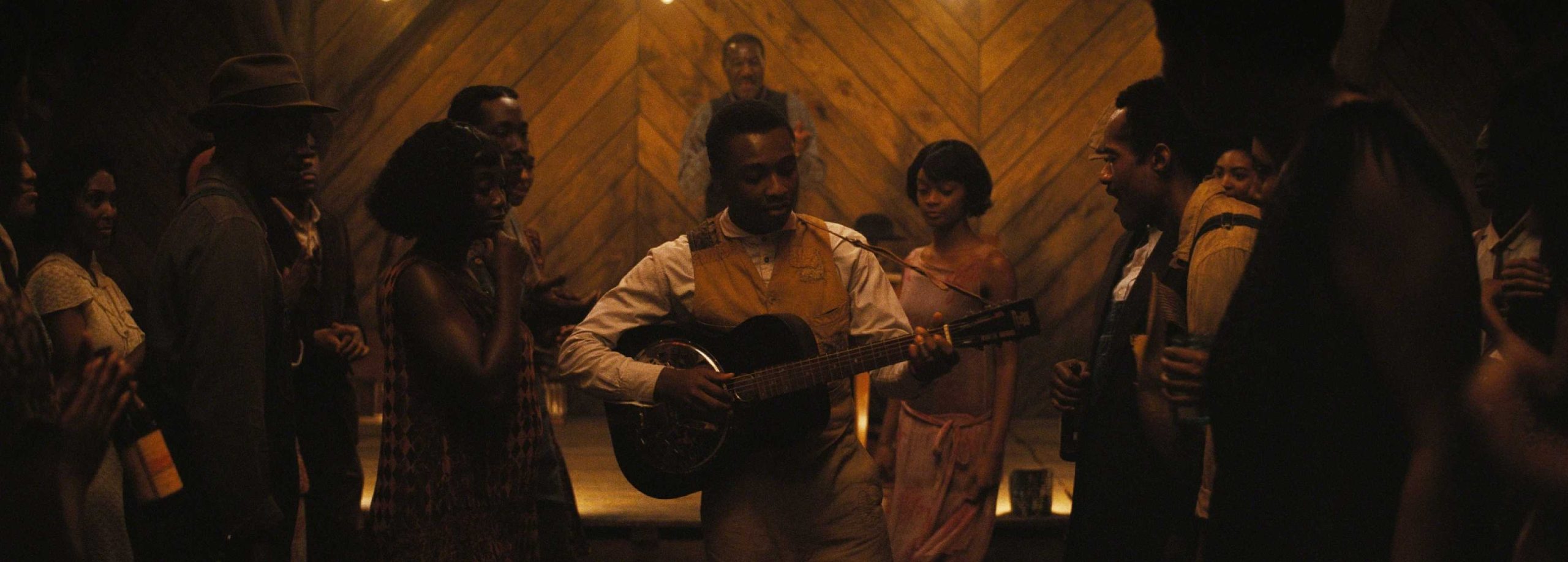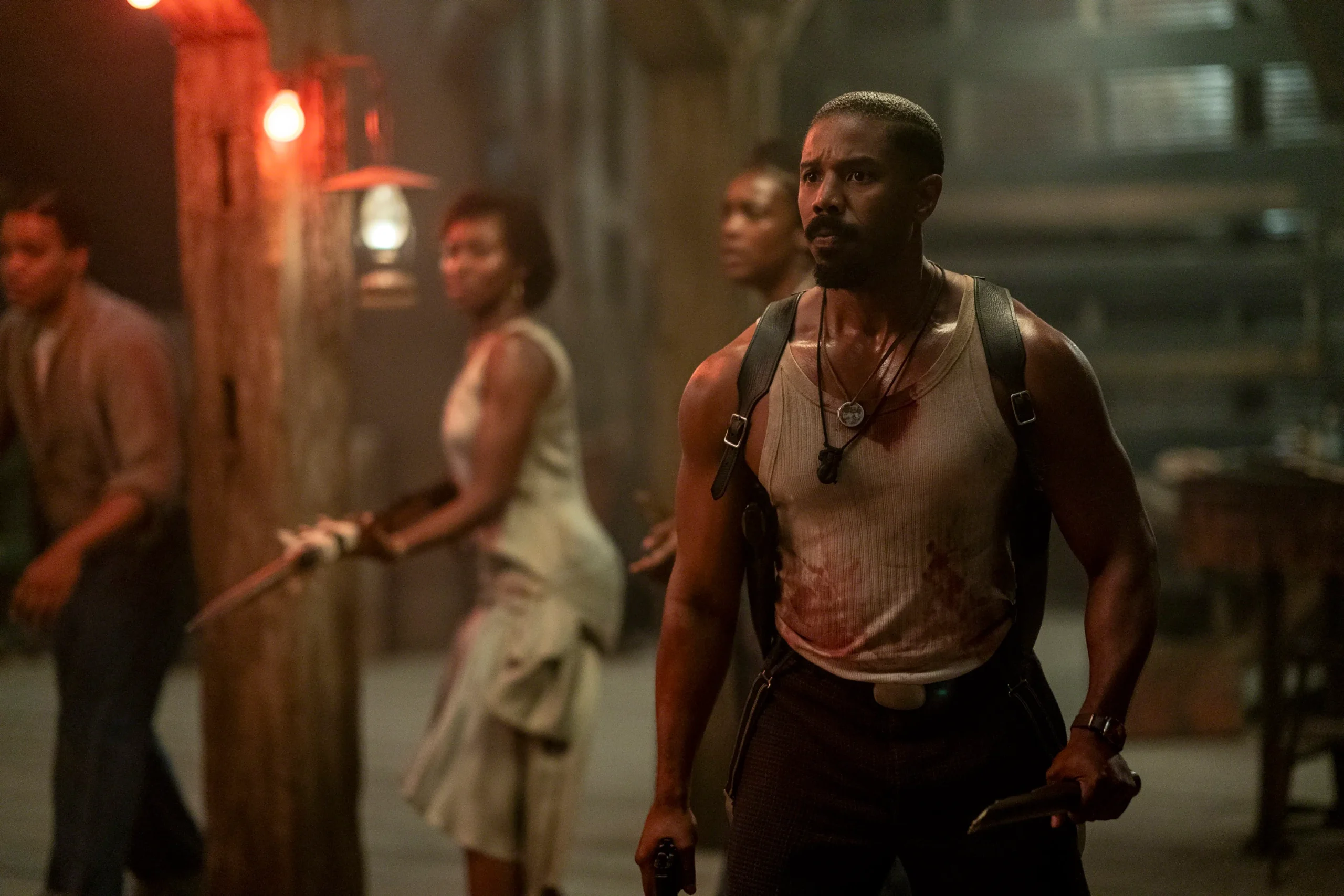


Home Blog Page 22

Chasing the Gold: Final Oscar Predictions from the InSession Film Staff

Below are Oscar predictions in all 24 categories from members of the InSession Film team. Given that our crew could only find consensus in one category, you will definitely want to check back in for more analysis when Oscar nominations are announced on Thursday, January, 22nd.

Youโ€™ll be able to watch the nominations live via a livestream on The Academyโ€™s website. Listen to the latest episode of Chasing the Gold for even more predictions. And watch our in-depth breakdown of the short film categories. Awards Editor Shadan Larki’s Oscar Predictions page is also always up-to-date with the latest standings.

InSession Film Staff: Shaurya Chawla, Dave Giannini, Joey Gentile, JD Duran, Shadan Larki, Ben Miller, Joshua Mbonu, Romey Norton, Cameron Ritter, Jaylan Salah, Jacob Throneberry, James D. Williams, and Zach Youngs.

๐Ÿ† Best Picture

One Battle After Another
(Shaurya Chawla) (Dave Giannini) (Joey Gentile) (JD Duran) (Shadan Larki) (Ben Miller) (Joshua Mbonu) (Romey Norton) (Cameron Ritter) (Jaylan Salah) (Jacob Throneberry) (James D. Williams) (Zach Youngs)

Sinners
(Shaurya Chawla) (Dave Giannini) (Joey Gentile) (JD Duran) (Shadan Larki) (Ben Miller) (Joshua Mbonu) (Romey Norton) (Cameron Ritter) (Jaylan Salah) (Jacob Throneberry) (James D. Williams) (Zach Youngs)

Marty Supreme
(Shaurya Chawla) (Dave Giannini) (Joey Gentile) (JD Duran) (Shadan Larki) (Ben Miller) (Joshua Mbonu) (Romey Norton) (Cameron Ritter) (Jaylan Salah) (Jacob Throneberry) (Zach Youngs)

Sentimental Value
(Shaurya Chawla) (Dave Giannini) (Joey Gentile) (JD Duran) (Shadan Larki) (Ben Miller) (Joshua Mbonu) (Cameron Ritter) (Jaylan Salah) (Jacob Throneberry) (Zach Youngs)

Hamnet
(Shaurya Chawla) (Dave Giannini) (Joey Gentile) (JD Duran) (Shadan Larki) (Ben Miller) (Joshua Mbonu) (Romey Norton) (Cameron Ritter) (Jaylan Salah) (Jacob Throneberry)

Frankenstein
(Shaurya Chawla) (Dave Giannini) (Joey Gentile) (JD Duran) (Shadan Larki) (Ben Miller) (Joshua Mbonu) (Cameron Ritter) (Jaylan Salah) (Jacob Throneberry) (James D. Williams)

It Was Just an Accident
(Shaurya Chawla) (Dave Giannini) (Joey Gentile) (JD Duran) (Shadan Larki) (Ben Miller) (Joshua Mbonu) (Cameron Ritter) (Jacob Throneberry) (Zach Youngs)

Bugonia
(Dave Giannini) (Shadan Larki) (Ben Miller) (Joshua Mbonu) (Romey Norton) (Cameron Ritter) (James D. Williams)

Train Dreams
(Shaurya Chawla) (JD Duran) (Shadan Larki) (Ben Miller) (Joshua Mbonu) (Romey Norton) (Cameron Ritter) (Jacob Throneberry)

The Secret Agent
(Shaurya Chawla) (Dave Giannini) (Joey Gentile) (JD Duran) (Shadan Larki) (Ben Miller) (Joshua Mbonu) (Romey Norton) (Cameron Ritter) (Jacob Throneberry) (James D. Williams) (Zach Youngs)

Weapons
(Joey Gentile) (Romey Norton) (Jacob Throneberry)

F1: The Movie
(Shaurya Chawla) (Romey Norton) (Jaylan Salah) (Zach Youngs)

Song Sung Blue
(Romey Norton)

How to Train Your Dragon
(Romey Norton)

Sorry, Baby
(JD Duran) (Zach Youngs)

Avatar: Fire and Ash
(Zach Youngs)

Blue Moon
(Zach Youngs)


๐ŸŽฅ Best Director

Paul Thomas Anderson โ€” One Battle After Another
(Shaurya Chawla) (JD Duran) (Dave Giannini) (Shadan Larki) (Ben Miller) (Joshua Mbonu) (Romey Norton) (Cameron Ritter) (Jaylan Salah) (Jacob Throneberry) (James D. Williams)

Ryan Coogler โ€” Sinners
(Shaurya Chawla) (JD Duran) (Dave Giannini) (Shadan Larki) (Ben Miller) (Joshua Mbonu) (Romey Norton) (Cameron Ritter) (Jaylan Salah) (Jacob Throneberry) (James D. Williams) (Zach Youngs)

Chloรฉ Zhao โ€” Hamnet
(Shaurya Chawla) (JD Duran) (Dave Giannini) (Shadan Larki) (Ben Miller) (Joshua Mbonu) (Romey Norton) (Cameron Ritter) (Jaylan Salah) (Jacob Throneberry)

Joachim Trier โ€” Sentimental Value
(Shaurya Chawla) (JD Duran) (Shadan Larki) (Joshua Mbonu) (Romey Norton) (Cameron Ritter) (Jacob Throneberry)

Josh Safdie โ€” Marty Supreme
(Shaurya Chawla) (JD Duran) (Dave Giannini) (Shadan Larki) (Ben Miller) (Joshua Mbonu) (Romey Norton) (Jaylan Salah)

Jafar Panahi โ€” It Was Just An Accident
(Ben Miller) (Dave Giannini) (Cameron Ritter) (Jaylan Salah) (Jacob Throneberry) (Zach Youngs)

Joseph Kosinski โ€” F1
(Zach Youngs)

Eva Victor โ€” Sorry, Baby
(Zach Youngs)

Lynne Ramsay โ€” Die My Love
(Zach Youngs)


๐ŸŽญ Best Actor

Courtesy of Sony Pictures Classics

Timothรฉe Chalamet โ€” Marty Supreme
(Shaurya Chawla) (JD Duran) (Dave Giannini) (Shadan Larki) (Ben Miller) (Joshua Mbonu) (Romey Norton) (Cameron Ritter) (Jaylan Salah) (Jacob Throneberry) (Zach Youngs)

Leonardo DiCaprio โ€” One Battle After Another
(Shaurya Chawla) (JD Duran) (Dave Giannini) (Shadan Larki) (Ben Miller) (Joshua Mbonu) (Romey Norton) (Cameron Ritter) (Jaylan Salah) (Jacob Throneberry) (James D. Williams) (Zach Youngs)

Wagner Moura โ€” The Secret Agent
(Shaurya Chawla) (JD Duran) (Dave Giannini) (Shadan Larki) (Ben Miller) (Joshua Mbonu) (Romey Norton) (Cameron Ritter) (Jaylan Salah) (Jacob Throneberry) (James D. Williams)

Michael B. Jordan โ€” Sinners
(Shaurya Chawla) (JD Duran) (Dave Giannini) (Shadan Larki) (Ben Miller) (Joshua Mbonu) (Romey Norton) (Cameron Ritter) (Jaylan Salah) (James D. Williams) (Zach Youngs)

Ethan Hawke โ€” Blue Moon
(JD Duran) (Dave Giannini) (Shadan Larki) (Ben Miller) (Joshua Mbonu) (Romey Norton) (Cameron Ritter) (Jaylan Salah) (Jacob Throneberry) (Zach Youngs)

Joel Edgerton โ€” Train Dreams
(Shaurya Chawla) (Jacob Throneberry)

Jeremy Allen White โ€” Springsteen: Deliver Me From Nowhere
(Zach Youngs)


๐ŸŽญ Best Actress

Jessie Buckley โ€” Hamnet
(Shaurya Chawla) (JD Duran) (Dave Giannini) (Shadan Larki) (Ben Miller) (Joshua Mbonu) (Romey Norton) (Cameron Ritter) (Jaylan Salah) (Jacob Throneberry) (Joey Gentile)

Rose Byrne โ€” If I Had Legs Iโ€™d Kick You
(Shaurya Chawla) (JD Duran) (Dave Giannini) (Shadan Larki) (Ben Miller) (Joshua Mbonu) (Romey Norton) (Cameron Ritter) (Jaylan Salah) (Jacob Throneberry) (James D. Williams) (Joey Gentile) (Zach Youngs)

Renate Reinsve โ€” Sentimental Value
(Shaurya Chawla) (JD Duran) (Dave Giannini) (Shadan Larki) (Ben Miller) (Joshua Mbonu) (Cameron Ritter) (Jacob Throneberry) (Zach Youngs)

Emma Stone โ€” Bugonia
(JD Duran) (Dave Giannini) (Shadan Larki) (Ben Miller) (Joshua Mbonu) (Romey Norton) (Cameron Ritter) (Jaylan Salah) (Jacob Throneberry) (James D. Williams)

Chase Infiniti โ€” One Battle After Another
(Shaurya Chawla) (JD Duran) (Shadan Larki) (Ben Miller) (Joshua Mbonu) (Romey Norton) (Cameron Ritter) (Jaylan Salah) (Jacob Throneberry) (James D. Williams)

Amanda Seyfried โ€” The Testament of Ann Lee
(Shaurya Chawla) (Dave Giannini) (Romey Norton) (Jaylan Salah) (Zach Youngs)

Kate Hudson โ€” Song Sung Blue
(Joey Gentile) (Romey Norton) (Zach Youngs)

Jennifer Lawrence โ€” Die My Love
(Jaylan Salah) (Zach Youngs)


๐ŸŽญ Best Supporting Actor

Stellan Skarsgรฅrd โ€” Sentimental Value
(Shaurya Chawla) (JD Duran) (Dave Giannini) (Shadan Larki) (Ben Miller) (Joshua Mbonu) (Romey Norton) (Cameron Ritter) (Jaylan Salah) (Jacob Throneberry) (Zach Youngs)

Benicio del Toro โ€” One Battle After Another
(Shaurya Chawla) (JD Duran) (Dave Giannini) (Shadan Larki) (Ben Miller) (Joshua Mbonu) (Romey Norton) (Cameron Ritter) (Jaylan Salah) (Jacob Throneberry) (James D. Williams)

Jacob Elordi โ€” Frankenstein
(Shaurya Chawla) (JD Duran) (Dave Giannini) (Shadan Larki) (Ben Miller) (Joshua Mbonu) (Cameron Ritter) (Jaylan Salah) (James D. Williams)

Sean Penn โ€” One Battle After Another
(Shaurya Chawla) (JD Duran) (Dave Giannini) (Shadan Larki) (Ben Miller) (Joshua Mbonu) (Romey Norton) (Cameron Ritter) (Jaylan Salah) (Jacob Throneberry)

Paul Mescal โ€” Hamnet
(JD Duran) (Shadan Larki) (Ben Miller) (Joshua Mbonu) (Romey Norton) (Cameron Ritter) (Jaylan Salah) (Jacob Throneberry)

Delroy Lindo โ€” Sinners
(Shaurya Chawla) (Dave Giannini) (James D. Williams) (Romey Norton) (Jaylan Salah) (Zach Youngs)

Adam Sandler โ€” Jay Kelly
(Jaylan Salah) (Jacob Throneberry)

Dylan Oโ€™Brien โ€” Twinless
(Zach Youngs)

Kevin Oโ€™Leary โ€” Marty Supreme
(Zach Youngs)

Conan Oโ€™Brien โ€” If I Had Legs Iโ€™d Kick You
(Zach Youngs)


๐ŸŽญ Best Supporting Actress

Teyana Taylor โ€” One Battle After Another
(Shaurya Chawla) (JD Duran) (Dave Giannini) (Shadan Larki) (Ben Miller) (Joshua Mbonu) (Romey Norton) (Cameron Ritter) (Jaylan Salah) (Jacob Throneberry) (James D. Williams) (Joey Gentile) (Zach Youngs)

Amy Madigan โ€” Weapons
(Shaurya Chawla) (JD Duran) (Dave Giannini) (Shadan Larki) (Ben Miller) (Joshua Mbonu) (Cameron Ritter) (Jaylan Salah) (Jacob Throneberry) (James D. Williams) (Joey Gentile)

Inga Ibsdotter Lilleaas โ€” Sentimental Value
(Shaurya Chawla) (JD Duran) (Dave Giannini) (Shadan Larki) (Ben Miller) (Joshua Mbonu) (Romey Norton) (Cameron Ritter) (Jaylan Salah) (Jacob Throneberry) (Joey Gentile) (Zach Youngs)

Odessa Aโ€™zion โ€” Marty Supreme
(Shaurya Chawla) (JD Duran) (Shadan Larki) (Ben Miller) (Joshua Mbonu) (Cameron Ritter) (Jaylan Salah) (Joey Gentile)

Wunmi Mosaku โ€” Sinners
(Shaurya Chawla) (JD Duran) (Dave Giannini) (Shadan Larki) (Ben Miller) (Joshua Mbonu) (Romey Norton) (Cameron Ritter) (Jaylan Salah) (Jacob Throneberry) (James D. Williams)

Elle Fanning โ€” Sentimental Value
(Dave Giannini) (Romey Norton) (Jaylan Salah) (Jacob Throneberry) (Zach Youngs)

Ariana Grande โ€” Wicked: For Good
(Joey Gentile)

Glenn Close โ€” Wake Up Dead Man: A Knives Out Mystery
(Zach Youngs)

Gwyneth Paltrow โ€” Marty Supreme
(Zach Youngs)


๐Ÿ“ Best Original Screenplay

Sinners โ€” Ryan Coogler
(Shaurya Chawla) (JD Duran) (Dave Giannini) (Shadan Larki) (Ben Miller) (Joshua Mbonu) (Romey Norton) (Cameron Ritter) (Jaylan Salah) (Jacob Throneberry) (James D. Williams) (Zach Youngs)

It Was Just an Accident โ€” Jafar Panahi
(Shaurya Chawla) (JD Duran) (Dave Giannini) (Shadan Larki) (Ben Miller) (Joshua Mbonu) (Romey Norton) (Cameron Ritter) (Jaylan Salah) (Jacob Throneberry) (Zach Youngs)

Marty Supreme โ€” Ronald Bronstein & Josh Safdie
(Shaurya Chawla) (JD Duran) (Dave Giannini) (Shadan Larki) (Ben Miller) (Joshua Mbonu) (Romey Norton) (Cameron Ritter) (Jaylan Salah) (Jacob Throneberry)

Sentimental Value โ€” Joachim Trier & Eskil Vogt
(Shaurya Chawla) (JD Duran) (Dave Giannini) (Shadan Larki) (Ben Miller) (Joshua Mbonu) (Romey Norton) (Cameron Ritter) (Jaylan Salah) (Jacob Throneberry) (Zach Youngs)

Sorry, Baby โ€” Eva Victor
(Shaurya Chawla) (JD Duran) (Dave Giannini) (Shadan Larki) (Ben Miller) (Joshua Mbonu) (Romey Norton) (Cameron Ritter) (Jaylan Salah) (James D. Williams) (Zach Youngs)

Weapons โ€” Zach Cregger
(Jacob Throneberry)

Black Bag โ€” David Koepp
(Zach Youngs)

Blue Moon โ€” Robert Kaplow
(Zach Youngs)


๐Ÿ“– Best Adapted Screenplay

One Battle After Another โ€” Paul Thomas Anderson
(Shaurya Chawla) (JD Duran) (Shadan Larki) (Ben Miller) (Joshua Mbonu) (Cameron Ritter) (Jaylan Salah) (Jacob Throneberry)

Hamnet โ€” Maggie Oโ€™Farrell & Chloรฉ Zhao
(Shaurya Chawla) (JD Duran) (Shadan Larki) (Ben Miller) (Joshua Mbonu) (Cameron Ritter) (Jaylan Salah) (Jacob Throneberry) (James D. Williams)

Train Dreams โ€” Clint Bentley & Greg Kwedar
(Shaurya Chawla) (JD Duran) (Shadan Larki) (Ben Miller) (Joshua Mbonu) (Cameron Ritter) (Jaylan Salah) (Jacob Throneberry)

Bugonia โ€” Will Tracy
(Shaurya Chawla) (JD Duran) (Shadan Larki) (Ben Miller) (Joshua Mbonu) (Jaylan Salah) (James D. Williams) (Zach Youngs)

Frankenstein โ€” Guillermo del Toro
(Shadan Larki) (Joshua Mbonu) (Cameron Ritter) (Jaylan Salah) (Jacob Throneberry) (Zach Youngs)

Wake Up Dead Man: A Knives Out Mystery โ€” Rian Johnson
(Shaurya Chawla) (Ben Miller) (Jaylan Salah) (Jacob Throneberry) (Zach Youngs)

The Testament of Ann Lee โ€” Mona Fastvold and Brady Corbet
(Zach Youngs)


๐Ÿญ Best Animated Film

KPop Demon Hunters
(Shaurya Chawla) (JD Duran) (Dave Giannini) (Shadan Larki) (Ben Miller) (Joshua Mbonu) (Romey Norton) (Cameron Ritter) (Jaylan Salah) (Jacob Throneberry) (James D. Williams) (Zach Youngs)

Zootopia 2
(Shaurya Chawla) (JD Duran) (Dave Giannini) (Shadan Larki) (Ben Miller) (Joshua Mbonu) (Romey Norton) (Cameron Ritter) (Jaylan Salah) (Jacob Throneberry) (Zach Youngs)

Little Amรฉlie or the Character of Rain
(Shaurya Chawla) (JD Duran) (Dave Giannini) (Shadan Larki) (Ben Miller) (Joshua Mbonu) (Romey Norton) (Cameron Ritter) (Jaylan Salah) (Jacob Throneberry)

Arco
(Shaurya Chawla) (JD Duran) (Dave Giannini) (Shadan Larki) (Ben Miller) (Joshua Mbonu) (Romey Norton) (Cameron Ritter) (Jaylan Salah) (Jacob Throneberry)

Elio
(Shaurya Chawla) (JD Duran) (Dave Giannini) (Shadan Larki) (Ben Miller) (Joshua Mbonu) (Romey Norton) (Cameron Ritter) (Jaylan Salah) (Jacob Throneberry)


๐ŸŒ Best International Film

Sentimental Value โ€” Norway
(Shaurya Chawla) (JD Duran) (Dave Giannini) (Shadan Larki) (Ben Miller) (Joshua Mbonu) (Romey Norton) (Cameron Ritter) (Jacob Throneberry) (Zach Youngs)

It Was Just an Accident โ€” France
(Shaurya Chawla) (JD Duran) (Dave Giannini) (Shadan Larki) (Ben Miller) (Joshua Mbonu) (Cameron Ritter) (Jaylan Salah) (Jacob Throneberry) (Zach Youngs)

The Secret Agent โ€” Brazil
(JD Duran) (Dave Giannini) (Shadan Larki) (Ben Miller) (Joshua Mbonu) (Romey Norton) (Cameron Ritter) (Jaylan Salah) (Jacob Throneberry) (James D. Williams) (Zach Youngs)

The Voice of Hind Rajab โ€” Tunisia
(Shaurya Chawla) (JD Duran) (Dave Giannini) (Shadan Larki) (Ben Miller) (Romey Norton) (Jaylan Salah) (Jacob Throneberry) (Zach Youngs)

No Other Choiceโ€” South Korea
(Shaurya Chawla) (Dave Giannini) (James D. Williams) (Ben Miller) (Joshua Mbonu) (Romey Norton) (Cameron Ritter) (Jaylan Salah) (Jacob Throneberry) (Zach Youngs)

Sirรขt โ€” Spain
(Shaurya Chawla) (JD Duran) (Shadan Larki) (Joshua Mbonu) (Cameron Ritter) (Jaylan Salah)


๐Ÿ“ฝ๏ธ Best Documentary Feature

The Perfect Neighbor
(Shaurya Chawla) (JD Duran) (Dave Giannini) (Shadan Larki) (Ben Miller) (Joshua Mbonu) (Romey Norton) (Cameron Ritter) (Jaylan Salah) (Jacob Throneberry)

Mr. Nobody Against Putin
(Shaurya Chawla) (JD Duran) (Dave Giannini) (Shadan Larki) (Romey Norton) (Cameron Ritter) (Jaylan Salah) (Jacob Throneberry)

Apocalypse in the Tropics
(Shaurya Chawla) (Shadan Larki) (Ben Miller) (Jaylan Salah)

Come See Me in the Good Light
(Shaurya Chawla) (Dave Giannini) (Ben Miller) (Romey Norton) (Cameron Ritter) (Jaylan Salah) (Jacob Throneberry)

2000 Meters to Andriivka
(Shaurya Chawla) (JD Duran) (Dave Giannini) (Shadan Larki) (Ben Miller) (Joshua Mbonu) (Romey Norton) (Cameron Ritter) (Jaylan Salah) (Jacob Throneberry)

Cover-Up
(Shaurya Chawla) (JD Duran) (Dave Giannini) (Ben Miller) (Joshua Mbonu) (Romey Norton) (Cameron Ritter) (Jacob Throneberry)

My Undesirable Friends: Part I โ€” Last Air in Moscow
(JD Duran) (Shadan Larki) (Joshua Mbonu) (Cameron Ritter) (Jaylan Salah)

The Alabama Solution
(Joshua Mbonu) (Jaylan Salah)


๐ŸŽฏ Best Casting

Sinners โ€” Francine Maisler
(Shaurya Chawla) (JD Duran) (Dave Giannini) (Shadan Larki) (Ben Miller) (Joshua Mbonu) (Romey Norton) (Cameron Ritter) (Jaylan Salah) (Jacob Throneberry) (James D. Williams) (Zach Youngs)

One Battle After Another โ€” Cassandra Kulukundis
(Shaurya Chawla) (JD Duran) (Dave Giannini) (Shadan Larki) (Ben Miller) (Joshua Mbonu) (Romey Norton) (Cameron Ritter) (Jaylan Salah) (Jacob Throneberry) (James D. Williams) (Zach Youngs)

Hamnet โ€” Nina Gold
(Shaurya Chawla) (JD Duran) (Dave Giannini) (Shadan Larki) (Ben Miller) (Joshua Mbonu) (Romey Norton) (Cameron Ritter) (Jaylan Salah) (Jacob Throneberry)

Marty Supreme โ€” Jennifer Venditti
(Shaurya Chawla) (JD Duran) (Dave Giannini) (Shadan Larki) (Ben Miller) (Joshua Mbonu) (Romey Norton) (Cameron Ritter) (Jaylan Salah) (Jacob Throneberry) (Zach Youngs)

Frankenstein โ€” Robin D. Cook
(Shaurya Chawla) (Shadan Larki) (Ben Miller) (Jaylan Salah) (Romey Norton)

Weapons
(Dave Giannini) (James D. Williams) (Cameron Ritter) (Jaylan Salah) (Jacob Throneberry)

Sentimental Value
(JD Duran) (Joshua Mbonu) (Zach Youngs)

The Secret Agent
(Zach Youngs)


โœ‚๏ธ Best Editing

One Battle After Another โ€” Andy Jurgensen
(Shaurya Chawla) (JD Duran) (Dave Giannini) (Shadan Larki) (Ben Miller) (Joshua Mbonu) (Romey Norton) (Cameron Ritter) (Jaylan Salah) (Jacob Throneberry) (Zach Youngs)

Marty Supreme โ€” Ronald Bronstein & Josh Safdie
(Shaurya Chawla) (JD Duran) (Dave Giannini) (Shadan Larki) (Ben Miller) (Joshua Mbonu) (Romey Norton) (Cameron Ritter) (Jaylan Salah) (Jacob Throneberry) (Zach Youngs)

Sinners โ€” Michael P. Shawver
(Shaurya Chawla) (JD Duran) (Dave Giannini) (Shadan Larki) (Ben Miller) (Joshua Mbonu) (Romey Norton) (Cameron Ritter) (Jaylan Salah) (Jacob Throneberry) (James D. Williams) (Zach Youngs)

F1: The Movie โ€” Stephen Mirrione
(Shaurya Chawla) (Dave Giannini) (Shadan Larki) (Ben Miller) (Joshua Mbonu) (Romey Norton) (Cameron Ritter) (Jaylan Salah) (Jacob Throneberry) (Zach Youngs)

Frankenstein โ€” Evan Schiff
(Shaurya Chawla) (JD Duran) (Dave Giannini) (Ben Miller) (Joshua Mbonu) (Romey Norton) (Cameron Ritter) (Jaylan Salah) (James D. Williams) (Zach Youngs)

Hamnet โ€” Chloรฉ Zhao & Affonso Gonรงalves
(JD Duran) (Shadan Larki) (Cameron Ritter) (Jaylan Salah) (Jacob Throneberry)


๐Ÿ“ธ Best Cinematography

Sinners โ€” Autumn Durald Arkapaw
(Shaurya Chawla) (JD Duran) (Dave Giannini) (Shadan Larki) (Ben Miller) (Joshua Mbonu) (Romey Norton) (Cameron Ritter) (Jaylan Salah) (Jacob Throneberry) (James D. Williams) (Zach Youngs)

One Battle After Another โ€” Michael Bauman
(Shaurya Chawla) (JD Duran) (Dave Giannini) (Shadan Larki) (Ben Miller) (Joshua Mbonu) (Romey Norton) (Cameron Ritter) (Jaylan Salah) (Jacob Throneberry) (James D. Williams) (Zach Youngs)

Frankenstein โ€” Dan Laustsen
(Shaurya Chawla) (JD Duran) (Dave Giannini) (Shadan Larki) (Ben Miller) (Joshua Mbonu) (Romey Norton) (Cameron Ritter) (Jaylan Salah) (Jacob Throneberry) (James D. Williams)

Hamnet โ€” ลukasz ลปal
(Shaurya Chawla) (JD Duran) (Dave Giannini) (Ben Miller) (Romey Norton) (Cameron Ritter) (Jaylan Salah) (Jacob Throneberry)

Train Dreams โ€” Adolfo Veloso
(Shaurya Chawla) (JD Duran) (Shadan Larki) (Ben Miller) (Joshua Mbonu) (Cameron Ritter) (Jaylan Salah) (Jacob Throneberry)

Marty Supreme โ€” Darius Khondji
(Dave Giannini) (Shadan Larki) (Joshua Mbonu) (Romey Norton) (Jaylan Salah)

Die My Love โ€” Seamus McGarvey
(Zach Youngs)

F1: The Movie โ€” Claudio Miranda
(Zach Youngs)

Nouvelle Vague โ€” David Chambille
(Zach Youngs)


โš™๏ธ Best Visual Effects

Avatar: Fire and Ash
(Shaurya Chawla) (JD Duran) (Dave Giannini) (Shadan Larki) (Ben Miller) (Joshua Mbonu) (Romey Norton) (Cameron Ritter) (Jaylan Salah) (Jacob Throneberry) (Zach Youngs)

F1: The Movie
(Shaurya Chawla) (JD Duran) (Dave Giannini) (Shadan Larki) (Ben Miller) (Joshua Mbonu) (Romey Norton) (Cameron Ritter) (Jaylan Salah) (Jacob Throneberry) (Zach Youngs)

Frankenstein
(Shaurya Chawla) (JD Duran) (Dave Giannini) (Shadan Larki) (Ben Miller) (Joshua Mbonu) (Romey Norton) (Cameron Ritter) (Jaylan Salah) (Jacob Throneberry) (James D. Williams)

Wicked: For Good
(Joshua Mbonu) (Romey Norton) (Cameron Ritter) (Jaylan Salah) (Jacob Throneberry)

Superman
(Shaurya Chawla) (JD Duran) (Dave Giannini) (Shadan Larki) (Ben Miller) (Joshua Mbonu) (Romey Norton) (Jaylan Salah) (Jacob Throneberry) (Zach Youngs)

Sinners
(Shaurya Chawla) (JD Duran) (Shadan Larki) (Ben Miller)

The Lost Bus
(Dave Giannini) (Cameron Ritter)

Jurassic World: Rebirth
(Zach Youngs)

Tron: Ares
(Zach Youngs)


๐ŸŽผ Best Original Score

Jessie Buckley and Paul Mescal in Hamnet

Sinners
(Shaurya Chawla) (JD Duran) (Dave Giannini) (Shadan Larki) (Ben Miller) (Joshua Mbonu) (Romey Norton) (Cameron Ritter) (Jaylan Salah) (Jacob Throneberry) (James D. Williams) (Zach Youngs)

One Battle After Another
(Shaurya Chawla) (JD Duran) (Dave Giannini) (Shadan Larki) (Ben Miller) (Joshua Mbonu) (Romey Norton) (Cameron Ritter) (Jaylan Salah) (Jacob Throneberry) (Zach Youngs)

Hamnet
(Shaurya Chawla) (JD Duran) (Dave Giannini) (Shadan Larki) (Ben Miller) (Joshua Mbonu) (Cameron Ritter) (Jaylan Salah) (Jacob Throneberry)

Frankenstein
(Shaurya Chawla) (JD Duran) (Dave Giannini) (Shadan Larki) (Ben Miller) (Joshua Mbonu) (Romey Norton) (Cameron Ritter) (Jaylan Salah) (Jacob Throneberry) (James D. Williams)

Train Dreams
(JD Duran) (Romey Norton) (Cameron Ritter) (Jaylan Salah) (Jacob Throneberry)

F1: The Movie
(Shaurya Chawla) (Dave Giannini) (Ben Miller) (Romey Norton) (Jaylan Salah)

Sirรขt
(Joshua Mbonu) (Shadan Larki) (Jaylan Salah)

Marty Supreme
(Shadan Larki) (Zach Youngs)

Wake Up Dead Man: A Knives Out Mystery
(Zach Youngs)

Wicked: For Good
(Zach Youngs)


๐ŸŽถ Best Original Song

โ€œGoldenโ€ โ€” KPop Demon Hunters
(Shaurya Chawla) (JD Duran) (Dave Giannini) (Shadan Larki) (Ben Miller) (Joshua Mbonu) (Romey Norton) (Cameron Ritter) (Jacob Throneberry) (James D. Williams) (Zach Youngs)

โ€œI Lied to Youโ€ โ€” Sinners
(Shaurya Chawla) (JD Duran) (Dave Giannini) (Shadan Larki) (Ben Miller) (Joshua Mbonu) (Romey Norton) (Cameron Ritter) (Jacob Throneberry) (James D. Williams) (Jaylan Salah) (Zach Youngs)

โ€œDear Meโ€ โ€” Relentless
(Shaurya Chawla) (JD Duran) (Dave Giannini) (Shadan Larki) (Ben Miller) (Joshua Mbonu) (Romey Norton) (Cameron Ritter) (Jacob Throneberry)

โ€œTrain Dreamsโ€ โ€” Train Dreams
(Shaurya Chawla) (JD Duran) (Dave Giannini) (Shadan Larki) (Ben Miller) (Joshua Mbonu) (Romey Norton) (Cameron Ritter) (Jacob Throneberry)

โ€œThe Girl in the Bubbleโ€ โ€” Wicked: For Good
(Shaurya Chawla) (Dave Giannini) (Joshua Mbonu) (Jacob Throneberry) (Cameron Ritter) (Romey Norton) (Zach Youngs)

โ€œLast Time (I Seen the Sun)โ€ โ€” Sinners
(Shadan Larki) (Romey Norton)

“Salt Then Sour Then Sweet” โ€” Come See Me in the Good Light
(Ben Miller) (JD Duran)

Highest 2 Lowest” โ€” Highest 2 Lowest
(Zach Youngs)

Our Love” โ€” The Ballad of Wallis Island
(Zach Youngs)


๐Ÿ›๏ธ Best Production Design

Frankenstein
(Shaurya Chawla) (JD Duran) (Dave Giannini) (Shadan Larki) (Ben Miller) (Joshua Mbonu) (Romey Norton) (Cameron Ritter) (JD Duran) (Jacob Throneberry) (James D. Williams)

Sinners
(Shaurya Chawla) (JD Duran) (Dave Giannini) (Shadan Larki) (Ben Miller) (Joshua Mbonu) (Romey Norton) (Cameron Ritter) (Jacob Throneberry) (James D. Williams) (Zach Youngs)

Wicked: For Good
(Shaurya Chawla) (JD Duran) (Dave Giannini) (Shadan Larki) (Joshua Mbonu) (Jacob Throneberry) (Romey Norton) (Cameron Ritter) (JD Duran) (Ben Miller) (Zach Youngs)

Hamnet
(Shaurya Chawla) (JD Duran) (Dave Giannini) (Shadan Larki) (Joshua Mbonu) (Jacob Throneberry) (Romey Norton) (Cameron Ritter) (Ben Miller)

Marty Supreme
(Shaurya Chawla) (JD Duran) (Dave Giannini) (Shadan Larki) (Joshua Mbonu) (Jacob Throneberry) (Romey Norton) (Cameron Ritter) (Ben Miller)

Wake Up Dead Man: A Knives Out Mystery
(Zach Youngs)

Sentimental Value
(Zach Youngs)

Blue Moon
(Zach Youngs)


๐Ÿ‘— Best Costume Design

Frankenstein
(Shaurya Chawla) (JD Duran) (Dave Giannini) (Shadan Larki) (Ben Miller) (Joshua Mbonu) (Romey Norton) (Cameron Ritter) (Jacob Throneberry) (James D. Williams) (Jaylan Salah)

Wicked: For Good
(Shaurya Chawla) (JD Duran) (Dave Giannini) (Shadan Larki) (Joshua Mbonu) (Jacob Throneberry) (Romey Norton) (Cameron Ritter) (Ben Miller) (Jaylan Salah) (Zach Youngs)

Sinners
(Shaurya Chawla) (JD Duran) (Dave Giannini) (Shadan Larki) (Ben Miller) (Joshua Mbonu) (Romey Norton) (Cameron Ritter) (Jacob Throneberry) (James D. Williams) (Jaylan Salah) (Zach Youngs)

Hamnet
(Shaurya Chawla) (JD Duran) (Shadan Larki) (Joshua Mbonu) (Romey Norton) (Cameron Ritter) (Jacob Throneberry) (Jaylan Salah)

Hedda
(Shaurya Chawla) (JD Duran) (Dave Giannini) (Shadan Larki) (Romey Norton) (Jacob Throneberry) (Cameron Ritter) (James D. Williams) (Jaylan Salah) (Ben Miller)

Kiss of the Spider Woman
(Dave Giannini) (Jaylan Salah)

One Battle After Another
(Ben Miller) (Joshua Mbonu)

The Testament of Ann Lee
(JD Duran) (Zach Youngs)

Superman
(Zach Youngs)

Marty Supreme
(Zach Youngs)


๐Ÿ’„ Best Makeโ€‘Up & Hairstyling


Frankenstein
(Shaurya Chawla) (JD Duran) (Dave Giannini) (Shadan Larki) (Ben Miller) (Joshua Mbonu) (Romey Norton) (Cameron Ritter) (Jacob Throneberry) (James D. Williams) (Jaylan Salah) (Zach Youngs)

Sinners
(Shaurya Chawla) (JD Duran) (Dave Giannini) (Shadan Larki) (Ben Miller) (Joshua Mbonu) (Romey Norton) (Cameron Ritter) (Jacob Throneberry) (James D. Williams) (Jaylan Salah) (Zach Youngs)

Wicked: For Good
(Shaurya Chawla) (JD Duran) (Dave Giannini) (Shadan Larki) (Joshua Mbonu) (Romey Norton) (Cameron Ritter) (Ben Miller) (Jaylan Salah) (Zach Youngs)

The Smashing Machine
(Shaurya Chawla) (JD Duran) (Shadan Larki) (Joshua Mbonu) (Cameron Ritter) (Jacob Throneberry) (Jaylan Salah) (Ben Miller)

Kokuho
(Dave Giannini) (Shadan Larki) (Ben Miller) (Jacob Throneberry) (Jaylan Salah)

The Alto Knights
(Dave Giannini) (Romey Norton) (Cameron Ritter) (Jacob Throneberry)

One Battle After Another
(Joshua Mbonu) (Shaurya Chawla)

Marty Supreme
(JD Duran) (Zach Youngs)

The Ugly Stepsister
(Zach Youngs)


๐Ÿ”Š Best Sound

Sinners
(Shaurya Chawla) (Dave Giannini) (Shadan Larki) (Ben Miller) (Joshua Mbonu) (Romey Norton) (Cameron Ritter) (JD Duran) (Jacob Throneberry) (James D. Williams) (Jaylan Salah) (Zach Youngs)

One Battle After Another
(Shaurya Chawla) (Dave Giannini) (Ben Miller) (Joshua Mbonu) (Romey Norton) (Cameron Ritter) (JD Duran) (Jacob Throneberry) (James D. Williams) (Shadan Larki) (Zach Youngs)

F1: The Movie
(Shaurya Chawla) (Dave Giannini) (Ben Miller) (Joshua Mbonu) (Romey Norton) (Cameron Ritter) (JD Duran) (Jaylan Salah) (Zach Youngs)

Sirรขt
(Ben Miller) (Joshua Mbonu) (Jacob Throneberry) (Cameron Ritter) (JD Duran) (Jaylan Salah) (Shadan Larki)

Frankenstein
(Shaurya Chawla) (Dave Giannini) (Ben Miller) (Joshua Mbonu) (Jacob Throneberry) (Shadan Larki) (Cameron Ritter) (James D. Williams)

Avatar: Fire and Ash
(Dave Giannini) (Shaurya Chawla) (JD Duran) (Romey Norton) (Jacob Throneberry)

Wicked: For Good
(Romey Norton)

Mission Impossible: The Final Reckoning
(Zach Youngs)

Springsteen: Deliver Me From Nowhere
(Zach Youngs)


๐ŸŽจ Best Animated Short

ร‰iru
(Shadan Larki) (Cameron Ritter) (Joshua Mbonu) (JD Duran)

The Girl Who Cried Pearls
(Shadan Larki) (Cameron Ritter) (Joshua Mbonu) (JD Duran) (Ben Miller)

Playing God
(Shadan Larki) (Cameron Ritter) (Joshua Mbonu) (JD Duran) (Ben Miller)

Retirement Plan
(Shadan Larki) (Cameron Ritter)

Snow Bear
(Shadan Larki) (Cameron Ritter) (Joshua Mbonu) (JD Duran)

Butterfly
(Joshua Mbonu) (JD Duran) (Ben Miller)

Autokar
(Ben Miller)


๐ŸŽฅ Best Documentary Short Subject

All the Empty Rooms
(Shadan Larki) (Cameron Ritter) (Joshua Mbonu) (JD Duran) (Ben Miller)

All the Walls Came Down
(Shadan Larki) (Cameron Ritter) (Joshua Mbonu) (JD Duran) (Ben Miller)

Armed Only with a Camera: The Life and Death of Brent Renaud
(Shadan Larki) (Cameron Ritter) (Joshua Mbonu) (JD Duran) (Ben Miller)

The Devil Is Busy
(Shadan Larki) (Cameron Ritter) (Joshua Mbonu) (JD Duran)

Heartbeat
(Shadan Larki) (Cameron Ritter)

Rovinaโ€™s Choice
(Joshua Mbonu) (Ben Miller)

Cashing Out
(Ben Miller)

We Were the Scenery
(JD Duran)


๐ŸŽฌ Best Liveโ€‘Action Short Film

A Friend of Dorothy
(Shadan Larki) (Cameron Ritter) (Ben Miller)

Jane Austenโ€™s Period Drama
(Shadan Larki) (Dave Giannini) (Jacob Throneberry) (Cameron Ritter) (Ben Miller)

Rock, Paper, Scissors
(Dave Giannini) (Jacob Throneberry) (Joshua Mbonu) (Cameron Ritter) (JD Duran)

Dadโ€™s Not Home
(JD Duran)

The Pearl Comb
(Dave Giannini) (Jacob Throneberry) (Ben Miller)

Two People Exchanging Saliva
(Dave Giannini) (Jacob Throneberry) (Joshua Mbonu) (Shadan Larki) (Cameron Ritter) (JD Duran) (Ben Miller)

Ado
(Joshua Mbonu)

Beyond Silence
(Dave Giannini) (Jacob Throneberry) (Joshua Mbonu) (Shadan Larki) (Cameron Ritter) (JD Duran)

The Singers
(Joshua Mbonu) (Shadan Larki) (Cameron Ritter) (JD Duran) (Ben Miller)

Chasing the Gold: Final Oscar Predictions (The Shorts Categories)

InSession Film Awards Editor Shadan Larki is joined by The Contendingโ€™s Joey Moser joins to make final Oscar predictions for Best Animated Short, Best Live-Action Short, and Best Documentary Short. Joey also shares more tips and tricks for predicting Oscarโ€™s toughest categories and discusses his favorite short films of the year.

For more insight into all 45 short filmโ€™s shortlisted at the 2026 Academy Awards, watch Joey Moser (The Contending), Abe Friedtanzer (Awards Buzz), and Daniel Howat (Next Best Picture)โ€™s epic shorts breakdown here.

You can also see Shadanโ€™s final Oscar predictions in all 24 categories, check out our Oscar Predictions page.

Nominations for the 98th Academy Awards are finally announced on Thursday, January 22nd. Check back in with InSession Film for more coverage.

Podcast Review: 28 Years Later: The Bone Temple

On this episode, JD and Megan discuss Nia DaCosta’s incredible new film 28 Years Later: The Bone Temple! After Danny Boyle’s masterful 28 Years Later last year (JD’s #2 movie of 2025), we were very excited for this one and it did not disappoint. It has its own energy and purpose, building further upon the 28 lore, and delivering some sequences that will be remembered at the end of the year.

Review:28 Years Later: The Bone Temple

Director: Nia DaCosta
Writers: Alex Garland
Stars: Ralph Fiennes, Jack O’Connell, Alfie Williams

Subscribe to our Podcasts RSS
Subscribe to our Podcasts on iTunes
Listen on Spotify
Listen on Stitcher
InSession Film Podcast – 28 Years Later: The Bone Temple

Movie Review: ‘Shuffle’ Shows the Machinery of Exploitation in Recovery


Director: Benjamin Flaherty
Writer: Benjamin Flaherty

Synopsis: Three people navigate a dangerous treatment industry rife with insurance fraud.


Winner of the SXSW Jury Award for Best Documentary and opening at DCTV Firehouse Cinema in New York on January 16, 2026, Shuffle hits audiences with strong urgency and quiet force. Directed by Benjamin Flaherty, the film is an unflinching examination of the billion-dollar addiction treatment industry. The film exposes how care, insurance, and profit have become dangerously entangled. What distinguishes Shuffle from many investigative documentaries is how personal it feels.ย 

Flaherty tells this story through the lens of his recovery from addiction, grounding the filmโ€™s investigation in lived experience rather than detached inquiry. Shuffle is not sensationalist or accusatory; it is measured, patient, and deeply attentive to the human cost of systemic failure.

The film begins at street level, examining a seemingly small-time scam in which people struggling with addiction are effectively bought and sold for their insurance policies. These individuals are โ€œshuffledโ€ between treatment centers, sober homes, and relapse-triggering environments, not to heal, but to keep insurance money flowing. As Flaherty follows the money, Shuffle exposes a network of collusion involving private operators and public policy failures that have created ideal conditions for exploitation.

Shot over the course of three years, the documentary follows three individuals caught in this insurance-fueled cycle of fraud. In this world, survival hinges not on access to treatment, but on escaping it. Their journeys are harrowing, marked by instability, manipulation, and constant risk. Each person is allowed complexity, contradiction, and dignity. Their interviews feel intimate, and the documentary supports sections with childlike animations, drawings, and scribbles to help the audience imagine the scenes the interviewees are describing and support the voiceover. Shuffle isnโ€™t afraid to show the harsh reality of addiction and recovery, which includes relapsing and overdosing. Nicole and her partnerโ€™s suffering will pull at your heartstrings. Danielโ€™s story is gut-wrenching – your hopes will be high, and then itโ€™ll come crashing down. To say this documentary is an emotional rollercoaster is an understatement.  

The filmโ€™s investigative reach is equally impressive. Itโ€™s incredibly eye-opening and shocking to see how lucrative, unhelpful, and at times, fake, this industry is. The documentary has access to whistleblowers exposing fraud from within the system, alongside experts who trace how well-intentioned reforms opened the door to abuse. In the wake of the opioid epidemic, insurance companies were required to cover addiction and mental health treatment at parity with other medical conditions. Shuffle makes clear how this gap became a profit engine, preying on more than 40 million Americans struggling with addiction.

All interviews feel fresh rather than rehearsed. There is no reliance on flashy editing or heavy-handed scoring. The film trusts its material and its audience, allowing testimonies and evidence to accumulate with devastating clarity. This quiet approach makes its conclusions all the more searing.

What is most saddening to learn and understand is that these false promises are deceptive but not illegal. Taking advantage of people at their most vulnerable is promoted for profit, and humans are seen as money makers rather than for who they are. This documentary isnโ€™t offering a solution, but offers a warning. A warning that youโ€™ll be recruited on social media sites such as Facebook, and those recruiters get a finder’s fee. The shiny websites will lure you in, and a lot of the real-life establishments are old hotels. The rehab facilities then use addictive medications to treat addiction (the irony is outstanding!) and will put drugs back into bodies and keep them addicted for a lifetime.

But there is a little light at the end of the tunnel – not all hope is lost. You will finish this documentary willing for people to be sober, willing for them to succeed, and it might just increase your empathy and humility. Ultimately, Shuffle is a sharply reported exposรฉ and a deeply personal reckoning. It asks difficult questions about how society treats addiction, who benefits from recovery, and what happens when care becomes commerce. By intertwining investigation with empathy, Flaherty has made a documentary that informs, implicates, and resonates. With a respectable runtime of one hour and twenty-three minutes, this documentary is a must-watch for fans of real, hard-hitting stories and investigative drama.

Grade: A

Op-Ed: Mirrors and Nightmares: The Melodramatic and the Surreal in the Cinema of Todd Haynes and David Lynch

0

Two Visions of the Unraveling American Dream

In modern American cinema, Todd Haynes and David Lynch stand out as unique figures. Their styles are so distinct we’ve turned their names into adjectives. “Haynesian” brings to mind meticulous period detail, high-stakes emotion, and the rigid rules of classic Hollywood melodrama. “Lynchian” means the grotesque bursting into everyday life, a surreal dream logic that makes reality feel unstable. This โ€˜adjectivicationโ€™ serves both directors poorly, chiefly by flattening their work and points of view into โ€˜stylesโ€™; but Lynch in particular suffers for it, with the term โ€˜Lynchianโ€™ often erroneously being used to describe anything avant gard or simply just a bit weird.  

But beneath these different styles lies a deep and similar critical project. Both directors have spent their careers taking apart foundational American myths, especially the “American Dream.” Their work suggests the dream isn’t just a failed promise of success, but a kind of sick or broken creative idea at its core. Both Haynes and Lynch use their films to diagnose this sickness in the American psyche.

Haynes, a kind of “elegant anthropologist of human desire,” critiques the dream from within its own historical forms. He uses pastiche (a form of imitation) as a critical tool, borrowing the look of 1950s “women’s pictures” to expose the racial, sexual, and gender anxieties hidden inside them. Lynch, on the other hand, acts like a cinematic psychoanalyst, the “master of the surreal” who digs up “America’s shadow self.” His critique comes from the subconscious, the darkness lurking just beneath the calm suburban surface.

Together, their films challenge the “idealized depictions… associated with the American Dream.” They both argue that a “realistic” style is the wrong tool for the job. You can’t capture a culture founded on a fantasy by pretending to be realistic. The “real” America, in their films, isn’t a place of facts but a place that feels like a melodrama or a nightmare.

The Politics of Pastiche: Todd Haynes and the Sirkian Melodrama

Todd Haynes’s cinema is a kind of careful, critical archeology. His main strategy is taking and reusing past cinematic forms, especially the 1950s “women’s picture” and the lush, social-commentary-filled melodramas of director Douglas Sirk. This isn’t just empty nostalgia. For Haynes, imitation is a powerful political tool. By perfectly recreating the look and feel of a repressive film era, he builds a framework to say all the things that, because of the strict Production Code, a director like Sirk could only hint at.

Haynesโ€™s focus on form is a political act. He uses the very language of a conformist, old-fashioned cinema to tell the subversive stories it was designed to silence. He treats melodrama as a serious tool for social critique, proving that its “lush seductiveness” can be used to expose the very repressions it once had to hide.

Haynes’s work acts as a critical bridge. It connects the high melodrama of Douglas Sirk, the queer art of Andy Warhol, and the European films of Rainer Werner Fassbinder. At the center of this is a deep understanding of melodrama not as a negative term for “over-acting,” but as a unique style with critical power. In this view, melodrama is a “competing logic” in film. It favors the characters on the margins, finds meaning in the set design and colors (the mise-en-scรจne), and focuses on emotion over “rational” action. This is the logic Haynes uses.

Haynes has spoken of his and Fassbinder’s “critical discovery” of Douglas Sirk. They both saw the “political and critical potential” in a genre often dismissed as the “maternal melodrama.” Fassbinder, and later Haynes, realized that the power struggles in a family “re-echo historical and political structures.” By choosing to work in this “degraded” genre, Haynes is arguing that the home isn’t a retreat from politicsโ€”it’s the most intimate and intense stage for politics.

His 2002 masterpiece, Far from Heaven, is the clearest example of this project. The film is obviously in direct conversation with Sirk’s All That Heaven Allows (1955). But Haynes’s film is more than a remake; it’s a critical expansion. It uses Sirk’s template to confront 1950s taboos with a modern frankness. Where Sirk’s film was about a scandalous romance between an older widow and her younger, working-class gardener, Haynes introduces the previously taboo subjects of race and sexuality.

In Far from Heaven, the seemingly perfect husband, Frank Whitaker (Dennis Quaid), is a closeted gay man. This is a direct comment on the life of Rock Hudson, the star of All That Heaven Allows, who had to hide his own homosexuality. At the same time, the film changes the original’s class-based romance into an interracial one. The heroine, Cathy Whitaker (Julianne Moore), finds comfort with her Black gardener, Raymond Deagan (Dennis Haysbert). This introduces a racial conflict that 1950s Hollywood could never have shown so openly.

This bold theme is backed up by an incredibly strict visual style. Cinematographer Edward Lachman has described the painstaking process of recreating the look of 1950s Technicolor, using period-appropriate lighting and old-fashioned lenses. The goal, Lachman said, was to test Haynes’s core idea: could the social critique hidden in Sirk’s styleโ€”where the “beauty that surrounds the characters’ lives becomes their repression”โ€”still connect with a modern audience? The answer was yes. The result is a film in which every saturated color, every perfect camera angle, and every soaring musical note carries the heavy weight of social meaning.

The film’s obvious artificiality begs to be seen through a postmodern lens. Some theorists, like Fredric Jameson, have called this kind of imitation a “blank parody,” an “empty” and “ahistorical” style. But Haynes’s work is far more complex. It creates what scholar Amelia DeFalco calls a “double-edged longing that realizes and embraces the illusion of its own object.” The film isn’t nostalgic for the real 1950s; it’s nostalgic for the movies about the 1950s.

As theorist Linda Hutcheon argues, this kind of irony puts its source in “inverted commas.” It both uses and subverts the old-fashioned style. The hyper-stylization doesn’t hide history; it reveals ideology. The “obvious artificiality of the sets, costumes, facial expressions… points to the constructedness of the underlying social structure.” By showing that the “perfect” suburban world is a movie-made fantasy, Haynes suggests that the social rules of racism, sexism, and homophobia are also just social constructions made by humans, systems of power that can be questioned and taken apart.

The American Uncanny: David Lynch and the Surrealist Subconscious

If Todd Haynes digs up the American Dream through its film history, David Lynch tunnels into its psychological roots. His film universe is defined by a unique style we call “Lynchian.” This term describes a specific strategy: making the familiar feel deeply strange. This is close to Sigmund Freud’s concept of the “uncanny,” or das Unheimliche, literally, the “unhomely.” Lynch peels back the “mask of this idyllic Americana” to reveal a churning, irrational subconscious where desire, violence, and the grotesque burst into the everyday world.

The “Lynchian” style is a powerful mix, a blend of the “incredibly grotesque” with the “incredibly mundane” that creates “a constant feeling of unease.” This is a uniquely American kind of surrealism. It’s not abstract; it’s built “entirely from American materials and archetypes.” His films are soaked in 1950s imagery: James Dean haircuts, Roy Orbison songs, and the clean surfaces of new suburbs. Lynch has said he loves the work of Norman Rockwell and Edward Hopper, artists who “see a certain thing, and they catch it.” Lynch’s genius is finding the surreal inside this all-American imagery, not outside it.

He filters this project through the rules of film noir. Noir gives Lynch a basic “sensibility: You look under the surface… and there’s this corruption.” Many of his films, like Blue Velvet and Mulholland Drive, are built around a mystery. But Lynch turns these plots into journeys of the mind. The detective isn’t just investigating a crime; he’s investigating the dark corners of himself and our collective unconscious. This mix of noir and surrealism creates the uncanny effect. The familiar world is just a thin layer over a chaotic, dream-like reality.

Blue Velvet (1986) and the TV series Twin Peaks (1990-91, 2017) are perfect examples. The opening of Blue Velvet is a visual mission statement for his entire career. It starts with perfect, Rockwell-esque images: white picket fences, bright red roses, a friendly fireman. This perfection is suddenly broken when a man watering his lawn has a stroke. The camera then pushes past the surface, diving deep into the green grass to show a chaotic, writhing mass of insects; a clear metaphor for the violent, primal world just beneath the calm surface.

Twin Peaks applies this critique to a whole town. The town, with its charming diners and “damn fine coffee,” seems like a wholesome American archetype. But this quaint exterior is a parasitic host for a list of horrors: rape and murder, incest, kidnapping, and arson. The show’s structure, both murder-mystery and soap opera, is key. Lynch uses the familiar, even silly, tropes of a soap opera as a vehicle to explore deep and disturbing themes of trauma, grief, and supernatural evil. The critique is psychological: the “evil comes from within.”

Central to this style is Lynch’s fascination with the grotesque, especially the human body. His first feature, Eraserhead (1977), is a landmark of “body horror” and explores what scholar Mikhail Bakhtin called “grotesque realism.” Lynch’s camera focuses on the “deformed and ‘monstrous’ body,” ignoring its “closed, smooth… surface” and instead showing its “orifices” and “inner features… blood, bowels, heart.” This isn’t just for shock. It’s part of his worldview, which swings between the horrific and the sublime, merging “the grotesque with the beautiful.”

This all leads to a powerful critique of the idea of “home.” The very spaces that should be the most comforting – the suburban house, the nuclear family – are, in Lynch’s films, the source of the deepest horror. The uncanny isn’t an intruder. It is the repressed truth of the domestic sphere, the “unhomely” reality at the very heart of the American home.

The Corrupted Garden: A Comparative Critique of the Suburb

The American suburb, that powerful symbol of post-war prosperity, is a shared battleground for Haynes and Lynch. In Far from Heaven and Blue Velvet, both directors use the 1950s suburb as a hotbed for trauma. They turn what Douglas Sirk called a “storybook-pretty but socially arid prison of conformity” into a place of deep crisis. Both films agree that the “American dream contains within it the American nightmare,” but they reach this conclusion from different directions. Haynes finds the sickness in the rigid social codes (racism, homophobia) that crush people from the outside in. Lynch finds it in the primal, violent urges that burst up from the subconscious, from the inside out.

Haynes’s suburb is a world of surfaces you can’t ignore. Filmed in the oversaturated Technicolor of a Sirk melodrama, his Hartford, Connecticut, is almost impossibly beautiful. The horror is the oppressive perfection of the image. The flawless homes and vibrant colors are the tools of a “profound social sickness,” the crushing weight of social expectation.

Lynch’s suburb, by contrast, is a lie. His Lumberton, North Carolina, is shot like a film noir, where deep shadows are always threatening to swallow the sunny surfaces. The horror isn’t what you see; it’s what’s hidden. For Haynes, the surface is the prison. For Lynch, the surface hides the prison.

This points to a key difference: Haynes’s critique is sociological, while Lynch’s is psychoanalytic. In Far from Heaven, the trauma is social. The characters suffer because they crash into the “mores of the era.” The evil is systemic, collective, and enforced by the community. In Blue Velvet, the trauma is psychological and primal. The hero’s journey is a dark initiation into a world of sexual violence and sadism. The “evil” is an eruption of the id.

Their main characters show this difference clearly. Cathy Whitaker in Far from Heaven is a classic victim-heroine, a figure of pity. Jeffrey Beaumont in Blue Velvet is a voyeur, an active explorer who is both repulsed and drawn to the darkness he finds.

Aesthetic Bleed: The Uncanny in Haynes, The Melodramatic in Lynch

While these labels are useful, just calling Haynes “social” and Lynch “psychological” doesn’t tell the whole story. A closer look shows a significant bleed or crossover between them. There are moments when Haynes explores the uncanny, and moments where Lynch relies heavily on melodrama.

Todd Haynes’s 1995 film Safe is a great example. It’s a “tale of suburban body horror” that feels closer to Lynch or David Cronenberg. The film follows Carol White (Julianne Moore), a wealthy housewife who develops a mysterious “environmental illness.” Haynes films her sterile world with a clinical distance, using wide shots that make her look tiny and lost in her own home.

The film’s power is in its ambiguity. Carol’s illness, which causes violent physical reactions to everyday chemicals, is a deeply unsettling affliction. It blurs the line between her body and her environment. It’s as if her toxic suburban life is literally poisoning her. The film never gives a clear diagnosis, leaving us to wonder if the sickness is physical, mental, or both. As one analysis notes, Safe understands that the “most oppressive horrors are the ones that we generate from within.” Here, Haynes shows that the repressive social environment doesn’t just cause emotional pain, it can physically manifest as a terrifying, uncanny sickness.

On the reverse side, Lynch’s Twin Peaks is built on the foundations of melodrama and the soap opera. The show is “equal parts murder mystery and soap opera,” filled with classic melodramatic tropes: dark family secrets, forbidden loves, and the suffering of its female characters. The over-the-top emotional outbursts from its characters create a constant tension between absurdity and real, gut-wrenching pain, a core feature of melodrama.

Lynch’s genius is using these “low culture” forms as a Trojan horse. The familiar, comforting structure of a soap opera grounds the show’s most bizarre, surreal, and horrifying moments. This makes their intrusion even more disturbing. By hiding his supernatural horror inside a primetime soap, Lynch suggests that the extreme passions and hidden traumas of melodrama aren’t a distortion of reality, they are a more accurate map of the psychic turmoil bubbling just beneath the surface of American life.

This crossover is a key point. The unifying element for both directors is the human body as the ultimate site of critique. In Safe, the social environment becomes a pathogen that sickens Carol’s body. In Twin Peaks, deep psychological trauma results in the brutal destruction of Laura Palmer’s body. For both filmmakers, the abstract critique is made real and physical through the suffering of the human body.

A Shared Lineage: The Subversive Inheritance of Sirk and Fassbinder

The parallel critiques of Haynes and Lynch aren’t a coincidence. They are part of a shared artistic family tree. Their work is built on a line of subversive filmmaking that runs from mainstream Hollywood to radical European art cinema, starting with Douglas Sirk.

Sirk’s 1950s melodramas are a core inspiration for both. A leftist German intellectual who fled the Nazis, Sirk directed Technicolor “weepies” for American studios. From within this system, he developed a deeply sardonic style, offering an “ironic and at times surreal refraction of the American self image.” He turned the idealized suburb into a “prison of conformity,” using “exaggerated sets… painted in unreal hues” to show his characters’ inner turmoil.

The influence on Haynes is direct. Lynch’s debt is less direct, but just as deep. Lynch inherits Sirk’s profound sense of irony and his use of “kitsch.” Sirk himself said his beautiful, flower-filled sets were “tombs, mausoleums filled with the corpses of plants,” symbolizing the spiritual death of the middle class. This use of glossy surfaces to signal inner rot is a core principle of the Lynchian style.

If Sirk provided the source code, the German director Rainer Werner Fassbinder was the revolutionary programmer who unlocked its most radical power. Fassbinder is a central influence on Haynes. He showed that the power dynamics in domestic relationships were direct reflections of “historical and political structures.”

Fassbinder’s 1974 film Ali: Fear Eats the Soul is a key film in this chain. It’s a direct remake of Sirk’s All That Heaven Allows, but Fassbinder’s version is about a romance between an elderly German woman and a younger Moroccan immigrant worker. This film was the direct model for Haynes’s own Far from Heaven.

The connection between Fassbinder and Lynch is more about similar themes and feelings. Critics have noted their shared fascination with mystery and the “nightmarish” qualities of human relationships. Fassbinder, influenced by the playwright Bertolt Brecht, often used techniques to create a critical distance. This idea of using form to make the audience think, rather than just feel, provides a useful link between Haynes’s self-aware imitations and Lynch’s unsettling irony.

Sirk’s critique had to be hidden. Fassbinder took that hidden critique and made it loud, radical, and political. He legitimized the use of degraded popular genres (like melodrama) for serious artistic and political work. He paved the way for filmmakers like Haynes and validated the strange, complex experiments of an auteur like Lynch.

Filming the Dream’s Collapse

The cinematic worlds of Todd Haynes and David Lynch, though they look different, arrive at the same powerful conclusion: the American Dream is not a reality to be filmed, but a fantasy to be taken apart. Their work argues that the sicknesses of American life can’t be captured with realism. Instead, they turn to styles often dismissed as “too much”; melodrama’s high emotions and surrealism’s irrational logic. They show that these are actually the most precise and truthful ways to articulate the nation’s deepest anxieties. They expose the American Dream as a fragile story, a postmodern simulation built on a cracked foundation of social and psychological repression.

Their critiques are postmodern. They reject a single grand narrative of truth. Instead, they focus on how our idea of America is a mediated reality, built from all the other images and films we’ve ever seen. Haynes’s Far from Heaven is not a film about the 1950s so much as it is a film about films about the 1950s. Lynch’s work does the same, blurring the lines between dream, memory, and media to suggest a “hyperreality” where the copy has become more real than the original.

Haynes’s melodramatic mirror reflects the elegant, cruel surfaces of American society. Lynch’s surrealist nightmare gives shape to the darkness that this polished society tries to bury. But these are not opposing visions. They are two reflections of the same truth. The crossover between their workโ€“ Haynes’s body horror in Safe, Lynch’s soap opera in Twin Peaksโ€“ proves their shared belief that the social and the psychological are one and the same.In the end, the most powerful critique Haynes and Lynch offer is that the dream and the nightmare are not opposites. The nightmare is the dream’s subconscious. The melodrama is the emotional truth of the dream’s spectacular failure. Their films don’t just show the death of the American Dream; they perform an autopsy on it, revealing its true, terrifying, and often tragically beautiful nature.

Movie Review: โ€˜A Useful Ghostโ€™ Has a Wacky Concept With Mixed Results


Director: Ratchapoom Boonbunchachoke
Writer: JRatchapoom Boonbunchachoke
Stars: Davika Hoorne, Witsarut Himmarat, Apasiri Nitibhon

Synopsis: A spirit possesses a vacuum cleaner, causing many consequences.


If youโ€™ve seen Josh Safdieโ€™s Marty Supreme, you probably remember the line, โ€œWhen you see this woman act, youโ€™ll feel like you got your c*ck sucked by a vacuum cleaner!โ€ If you ever wondered what that felt like, you should watch Ratchapoom Boonbunchachokeโ€™s directorial debut ,A Useful Ghost, in which the spirit of a dead wife possesses a vacuum cleaner and, yes, does what the aforementioned quote says. If you think Iโ€™m spoiling something from this certifiably insane movie, donโ€™t worry โ€“ Iโ€™ve barely scratched the surface. This is one of those audacious productions where youโ€™re either fully on board with it or will check out as soon as you see the spirit of a dead person being reincarnated inside a household appliance.ย 

For me, I had a relatively mixed experience watching Boonbunchachokeโ€™s Fiertรฉ Montrรฉal-award winning ghost comedy, which starts out as a purely pleasurable, almost mad genre film with such mordantly-timed humor itโ€™s almost impossible to resist falling in love with what the Thai filmmaker proposes. The first half of the movie is a total laugh riot, where this writer almost fell off his chair multiple times because he was laughing so hard. It is bizarre, sure, but the profound humanity at the heart of this otherworldly story felt incredibly tangible, and the core relationship the film tracks, between March (Witsarut Himmarat) and ghost Nat (Davika Hoorne) is so textured that itโ€™s not hard to fall in love between the two characters. 

Thereโ€™s a study of grief at the middle of Boonbunchachokeโ€™s screenplay thatโ€™s profoundly affecting, especially as one contrasts Marchโ€™s relationship with his vacuum as a sort of memento with โ€œsentimental valueโ€ that carries the soul of her deceased wife. Many who cope with the loss of a loved one will sometimes keep frivolous objects, with no monetary value, for themselves because it carries a personal history to them and reminds them of the people that were a part of their lives before they moved on to another plane of existence. March does things with the vacuum that may put him in jail, but who can blame him when the spirit of his wife is intrinsically attached to the object and just wonโ€™t disappear?

These questions that lie within A Useful Ghost are intriguing and sets the stage for a movie that explores what it means to be a human in a world that feels less grounded in reality by the day. Plus the comedy is very funny โ€“ calm, peaceful monks swearing at the sight of the ghost? Cโ€™mon, this is typical fantasy slapstick, and it works to brilliant effect in Boonbunchachokeโ€™s genre hybrid. 

The relationship between March and Nat is also well-developed, with the pair giving performances of great sensitivity, especially in the filmโ€™s latter half, where they ruminate on their own existence โ€“ and mortality โ€“ as they face a planet they donโ€™t understand. The back half of the movie is also where A Useful Ghost began to lose me, turning the impeccably-timed (and often caustic) comedy into a rightfully angry political satire that, unfortunately, undoes a lot of the strong character work of the first half in favor of a wild ending that will certainly have lots of people talking, but whose emotional impact is stunted by blunt provocation. 

Boonbunchachoke has a lot (perhaps too much) on his mind, and I doubt many will disagree with what he says. However, the approach chosen feels like a massive departure from what its former half had acclimated the audience to, especially as the story moves into more comedic territory. Ditching this halfway through and extending the runtime to near interminable lengths doesnโ€™t seem like the right move when A Useful Ghost has already built so much momentum before losing most of it altogether. There are scenes in the second part of the film that will undoubtedly get people talking (one, in particular, is so wild it makes everything in Jerry Zuckerโ€™s Ghost look like small potatoes in comparison), but is it only because of how provocative they are?

There is some wild stuff in this that is too good to be kept secret, but after the effect of being bemused by whatโ€™s on screen wears off, youโ€™re left with the odd sense that this project feels incomplete and that the screwball ghost comedy was a far more intriguing aspect than the political satire. It is still an admirable effort and sets Ratchapoom Boonbunchachoke as a filmmaker to watch as he makes his next move. However, the overall result of a film with such an insane premise should be far better (and more memorable) than what it sadly ends up being. Though if you wanted to see someone getting his private parts sucked by a vacuum cleaner, boy, do I have the movie for youโ€ฆ

Grade: C

Chasing the Gold: Final Oscar Nomination Predictions

On this episode of Chasing the Gold, Shadan is joined by Robert Licuria to discuss their final Oscar nomination predictions for the 2026 Academy Awards! It’s that time of the year where things are getting hectic with lots of discussion of who makes and who doesn’t, and what will be the next Best Picture winner? Well, later this week we get one step closer to Oscar glory as we hear this year’s Oscar nominations. So here are our final predictions and what we expect to see!

Check out this week’s show and let us know what you think in the comment section. Thanks for listening and for supporting the InSession Film Podcast!

Subscribe to our Podcasts RSS
Subscribe to our Podcasts on iTunes
Listen on Spotify
Listen on Stitcher
Chasing the Gold – Final Oscar Nomination Predictions

WATCH/LISTEN TO THE PODCAST

Movie Review: ‘The Rip’ Delivers the Heroes We Need


Director: Joe Carnahan
Writers: Joe Carnahan, Michael McGrale
Stars:ย Matt Damon, Ben Affleck, Steven Yeun

Synopsis: A group of Miami cops discovers a stash of millions in cash, leading to distrust as outsiders learn about the huge seizure, making them question who to rely on.


The Rip takes the action film, a genre that will always be classic Americana and gleefully overloads it with antiheroes, leaving you to question whoโ€™s good, whoโ€™s bad, and whether that line between hero and villain even exists anymore. Especially in todayโ€™s world, where we are begging for heroes, actively seeking them out, and craving genuine conviction, we are, as Aaron Sorkin would say, so thirsty for it that weโ€™ll crawl through the desert toward a mirage and drink the sand.

Yes, the world needs heroes, and Netflixโ€™s The Rip delivers them. 

The story follows Matt Damon as Lieutenant Dane Dumars (Matt Damon), who leads a team in Miamiโ€™s Narcotics Unit. Their division is being put under the microscope when a rumor makes the rounds of โ€œinside heist teams,โ€ where cops play robbers and steal money from illegal drug stash houses across the city. While talking to the Major (Nรฉstor Carbonell), Daneโ€™s team is interviewed, including his hothead second in command, JD (Ben Affleck). 

The team is under professional and personal stress, and after the filmโ€™s opening scene, we learn why. A member of their team, Jackie (Lina Esco), is murdered in cold blood on Magic Cityโ€™s humid, rainy night, and they have no clue why. JD, who has a hush-hush relationship with Jackie, is masking his pain. Numa (A Thousand and Oneโ€™s Teyana Taylor) and Lola (Maria Full of Graceโ€™s Catalina Sandino Moreno) are having trouble making ends meet. Mike (Minariโ€™s Steven Yeun) is constantly in his lieutenantโ€™s ear about unpaid overtime.

It also doesnโ€™t help that Matty (Kyle Chandler), a local DEA agent, is always flaunting the uncapped pay the Feds allow, while Daneโ€™s team works for free, beyond the normal nine-to-five. Thatโ€™s the carrot the audience is given, so here comes the stick: Dane gets a tip from Crime Stoppers that thereโ€™s a couple of hundred thousand dollars in a downtown stash house. He gathers his troops, and they charm their way into Desiโ€™s (The Flashโ€™s Sasha Calle) home, where they discover over twenty million dollarsโ€”and supervision in sight. 

The Rip is from Joe Carnahan (The Grey), who rose to prominence with the 2002 Jason Patric and Ray Liotta crime classic Narc. It may have taken some years, but Carnahan has found his way back to what he does best: telling crime stories through interesting lenses and making conventional plot devices feel new again. (Do yourself a favor and book a double feature with this and his 2022 pulpy homage to โ€™70s crime films, Copshop, an honorable mention on our esteemed Editor-in-Chief David Gianniniโ€™s Best Films of 2021 list.)

For one, Carnahan uses tension, tone, and pace as creative weapons. Now, yes, The Rip is much more of a straight genre picture than he has made in a while. However, there is a velocity to the scenes that zip by in a way you canโ€™t quite put your finger on. Watching it back, even moments where the FBI is interrogating Damonโ€™s Daneโ€™s team carry an organic urgency that feels infectious. Thatโ€™s because his script rarely gives way to exposition that overstays its welcome.

Scenes with Damon and Affleck at each otherโ€™s throats feel dangerous, fast, and unstable. While the third act comes together a bit too cleanly, the familiar crime clichรฉs are played with a clever wink and nod to the audience, showing an awareness of plot holes the rest of us would normally question. Yes, seasoned cinephiles will likely spot the main villain a mile away. Yet the tension and tone built through clever plotting will keep most genre fans on the edge of their seats for most of the film.

There are a few details that drag down the picture, like communication with drug cartels, which I found laughable. In addition, when they reveal Jackieโ€™s killer in the third act, they do it in a flashback. The criminal takes off their mask and walks away, as if there were no cameras on every street corner or in the parking lot filled with cars. I mean, have Damon, Affleck, and Carnahan never watched an episode of true crime where CCTV solves more murders than Columbo?

Yes, The Rip is worth watching because it is a smart, popcorn-style streaming film that takes a thoughtful approach to a standard story. (The real-life story it is based on, the real-life Miami River Cops scandal, is bonkers and begging to be made into a feature.) An excellent cast does lift the material, but the story, the devices, and the tension make the picture gripping enough to recommendโ€ฆ and to be thankful for cinematic heroes, since we lack so many at the moment. 

You can stream The Rip exclusively on Netflix starting January 16th!

Grade: B

Movie Review: ‘Kidnapped: Elizabeth Smart’ Reclaims the Narrative from the Crime


Director: Benedict Sanderson
Stars: Elizabeth Smart, John Stable

Synopsis: Elizabeth Smart recounts her kidnapping at age 14 from her Utah home through personal testimony and exclusive footage.


Netflixโ€™s Kidnapped: Elizabeth Smart approaches one of the most widely reported abduction cases of the early 2000s with power and poise. The documentary doesnโ€™t just retell what viewers may already know, but interrogates how such stories are remembered.

Elizabeth Smart was fourteen years old when she was taken from her home in Salt Lake City in 2002, a crime that sparked a nationwide search and months of intense media coverage. Her eventual recovery was widely framed as a miracle, a narrative that offered closure for the public even as it simplified the reality of what survival actually entails. Kidnapped: Elizabeth Smart pushes back against that simplification. Due to the victim being alive, this documentary can shift its perspective on the psychological and emotional aftermath rather than focus solely on the investigation and trial. 

Where many true-crime films rely on escalating tension and procedural suspense, Kidnapped adopts a quieter, more reflective rhythm. Never-before-seen archival news footage, family recordings, and present-day interviews are woven together, allowing the weight of events to surface gradually. Thereโ€™s a look into the Mormon community (being so tight-knit), and how this affected them, as, in most kidnapping cases, the perpetrator is someone the victim knows. There were suspicions that the kidnapping was staged, and the documentary talks you through the investigation, carefully and clearly. 

There are first-class interviews with police, investigators, family members (including her father, who was a suspect and they explain why – especially when heโ€™s describing the experience as โ€˜wonderfulโ€™ in a way), and media experts, all of which give detailed accounts and their experiences through this investigation. Mary-Katherine, Elizabeth’s sister, is central to the documentary by recalling what she remembered that night her sister went missing. 

Elizabeth Smartโ€™s presence anchors the documentary in perspective. Her reflections are thoughtful and often analytical. Her story is a reminder that lived experience rarely conforms to the emotional arcs imposed by media storytelling. She recalls her kidnapping, gently and with purpose. What happened is chilling; kidnapped and forced to be married, raped, and chained up by a man she describes as looking like โ€˜Rasputin,โ€™ who claimed to be a โ€˜man of God.โ€™ God apparently told this man he needed to kidnap and marry seven girls, and he threatened to take her sister and cousin. Changing her looks, keeping her quiet by threats, it took months for the police to find Elizabeth Smart.

In later sections, the documentary explores Smartโ€™s efforts to rebuild her life and advocate for others. The court case took over ten years, and certain institutional failures and systemic oversights are acknowledged but not fully interrogated, leaving the critique more implicit than confrontational. A deeper examination of accountability could have sharpened the documentaryโ€™s broader social impact. Still, this limitation does not undermine the integrity of its central focus.

The filmmakers are also attentive to the role of media in shaping public perception. The media response to this kidnapping was massive, and news broadcasts from the early 2000s are revisited with a critical eye, revealing how quickly speculation and certainty can outpace understanding. The documentary is eye-opening by showing the perspective of survivors who must contend with a version of their story that no longer belongs to them. So it is heartwarming to see Elizabeth Smart being able to build a life for herself and not be defined by this awful period in her life. To quote Elizabeth from an interview with Tudum, โ€œI also hope it brings comfort that there are happy endings, and that even after terrible things happen, you can still have a wonderful life.โ€

Kidnapped: Elizabeth Smart is not an easy watch, nor is it meant to be. In shifting attention away from the crime and toward the person who survived it, Kidnapped: Elizabeth Smart challenges the conventions of true-crime storytelling and, in doing so, sets a higher standard for how stories of trauma are told. Netflix is off to a strong start this year, with this must-watch true-crime doc.

Grade: B

Women InSession: Whimsical Musicals

This week on Women InSession, inspired by Wicked‘s success over the last two years, we dive into our favorite whimsical musicals that we would recommend! They are some of the most fun you can have in a movie theater, which makes sense as to why Wicked was so (ahem) popular, but there are other whimsical musicals that are worthy of your time that we hope you check out.

Panel: Kristin Battestella, Amy Thomasson

On that note, check out this week’s show and let us know what you think in the comment section. Thanks for listening and for supporting the InSession Film Podcast!

Subscribe to our Podcasts RSS
Subscribe to our Podcasts on iTunes
Listen on Spotify
Listen on Stitcher
Women InSession – Whimsical Musicals

Chasing the Gold: Interview: โ€˜The Testament of Ann Leeโ€™ Production Designer Sam Bader

InSession Film Awards Editor Shadan Larki chats with The Testament of Ann Lee production designer Sam Bader. Be sure to check out our other awards season interviews here.

Chasing the Gold: Interview: ย ‘The Testament of Ann Lee’ Editor Sofรญa Subercaseaux

Listeners ofย Chasing the Goldย will know that Mona Fastvoldโ€™s The Testament of Ann Lee is unequivocally my favorite film of 2025. Itโ€™s visually stunning, innovative, evocative, truly unlike anything Iโ€™ve seen before.ย 

I spoke with editor Sofรญa Subercaseaux to learn more about how those Shaker musical sequences came together and working with Fastvold to weave this remarkable cinematic achievement. 

The Testament of Ann Lee is in theaters now.

List: JD Duran’s Top 10 Movies of 2025

Each year we do a Top 10 list for our awards show, and it’s one of my favorite things we do on the podcast. 2025 was a unique year because outside of a few notable films, it was a so-so year up until October and it had me nervous as to how good of a year it would end up being. But, of course, I had nothing to worry about as it was an avalanche of great movies once the fall season kicked off.

In the end, 2025 was an incredibly well rounded year with stellar box office / streaming hits, a plethora of extraordinary international features and some indie gems that made for nice variety. There was also one major theme that arose; movies about parenthood, death and grief. Hamnet, The Chronology of Water, The Testament of Ann Lee, Sirat, The Voice of Hind Rajab, Train Dreams, 28 Years Later and The Secret Agent all explored that notion in one way or another. Then you have films like Die My Love, If I Had Legs I’d Kick You, and Sentimental Value that are less about death, but certainly about parenthood and trauma. You could argue that Good Boy fits this idea as well. Not all of these films made my Top 20, but I did quite respond to all of these films in some way. Overall 2025 was a great year with some all-time moments on its resume.

We do encourage you to listen to Episode 670 to hear more about our picks, but as we do every year, listed here are my Top 10 Movies of 2025.


RELATED: JD’s Top 10 Movies of 2024


10. It Was Just An Accident


In a lot of ways, It Was Just An Accident is the movie of the year given our current political landscape. Jafar Panahi has famously been arrested several times over the last 15 years and was banned from making movies. So, crafting a tale on morality and catharsis like we see in this film was clearly personal for him. Where do you draw the line between your moral convictions and the urge for revenge and justice after being tortured and stripped of your humanity? A question that Panahi has no doubt posed to himself, and thus this film was born as it becomes the mechanism in which he wrestles with deep, abraded thoughts on vengeance and violence. The writing and directing here from Panahi is maybe the best of his career. It’s poignant and timely. It’s nuanced and complex. Everything we see here was not an accident. It’s cogently thought out and it fosters arguably the best ending of 2025. Click here to listen to our full review.

9. If I Had Legs I’d Kick You


If I Had Legs I’d Kick You is a stunner. A raw and unrestrained examination of parenthood and the exhaustive challenges you sometimes face, especially when you’re wrestling with this deep void of emptiness and isolation (Linda’s husband is absent for most of the film). Linda is forced to confront motherhood in seclusion while succumbing to stress and pressures due to complications outside of her control. As a result, we see a mother recoiling and living in a different reality from everyone else around her. Rose Byrne with one of the very best performances of 2025. Mary Bronstein, I’m sorry I wasn’t familiar with your game. Click here to listen to our full review.

8. The Mastermind


The Mastermind is a movie straight out of the New Hollywood era. It’s almost as if it time-traveled from the 1970s into 2025. Harnessing the likes of The Long Goodbye and California Split, it’s the exact kind of anti-heist movie you’d expect from the great Kelly Reichardt. It’s methodical and unconventional. You could almost accuse the film of being scant, which I think is the point, because James (played wonderfully by Josh O’Connor, my favorite 2025 performance from him) is remarkably detestable. He’s utterly clueless and couldn’t be more detached from the politics of the time. Reichardt isn’t interested in some sort of psycho-analysis of why he squandered his comfortable middle class life, it’s as simple as him having the luxury to do so. In that sense, it’s a brilliant film with stunning period details. Click here to listen to our full review.

7. Hamnet


I cannot begin to articulate the levels in which Hamnet destroyed me. However, while it is devastating, but what I really love about the film (and this isn’t talked about enough) is that it’s so much more than just a movie about grief and death. It’s equally interested in life, love and the power of art as a means of healing. We don’t know for certain if Hamlet was inspired by the death of Hamnet, but let me say this loud and clear: WHO F***KING CARES! Hamnet unequivocally buys that idea and essentially infers that Hamlet is William Shakespeare’s The Fabelmans. A work of art that becomes the nucleus for hope and healing. Hamnet is reinterpreting Hamlet as a mechanism to explore grief and art. Taking it literally is akin to taking the Bible literally. Which, to each their own I guess, but I’d argue that’s silly and not at all what Chloรฉ Zhao is going for with the film. I find it inspired. Great filmmaking from Zhao and this cast is sensational. Paul Mescal is excellent as always. Jacobi Jupe with one of the best child performances of the last decade. And Jessie Buckley deserves every bit of the Oscar. Click here to listen to our full review.

6. Resurrection


Bi Gan’s Resurrection is an extraordinary piece of filmmaking. It’s almost hard to describe, but it’s this strikingly beautiful dreamscape about broken people finding healing in dreams and cinema. the way it weaves time, history and the evolution of cinema is nothing short of sublime. It’s structured into six chapters, with each one paying homage to different era’s of cinema, as well as incorporating one of the six senses recognized in Buddhist thought. Starting in the early 19th Century the film begins in the Silent Film stage, progressing to a film noir murder-mystery, weaving to the rise of slow cinema, the harkening back to the New Hollywood era and then transporting us into a modern vampire movie. That alone is fascinating, but additionally each segment is soaked in distinct color pallets and composition. Resurrection is, by far, the winner for Best Cinematography. It flexes at every moment as each frame is painted with vivid detail. It’s absolutely breathtaking. Review coming soon on the pod.

5. Sentimental Value


Sentimental Value is my pick for the best screenplay of the year. A masterclass in storytelling. It’s this deeply poignant examination on the connection between parents, children and shared grief. An idea that is ciphered through art and history in this all encompassing way that gives context to the kind of trauma that defines the Borg family, and how art has become their coping mechanisms. And in the end, it echoes the likes of Gavin O’Connor’s Warrior with a drunken father at the center of a sibling relationship where his exploits bring them together in a beautiful moment of catharsis and finding closure. I love that Joachim Trier does not hold your hand through any of this. He simply offers the puzzle pieces and cogently allows you to put it all together. Leading to a final moment between a father and a daughters who communicate, not though dialogue, but art and expression. It’s remarkably moving. One of the best ensemble casts of 2025. It should have no less than four Oscar nominations for acting alone. Click here to listen to our full review.

4. Marty Supreme


Marty Supreme is as electric and propulsive as we’d expect from Josh Safdie. From the opening credits, it’s bursting with confidence and vibrancy. It somehow turns ping pong into the most riveting sport on earth, capturing the action prodigiously with great emotion underneath. Which is vital given that this is a film about traversing the volatility of ambition and a deep yearning for greatness. Something that comes through in both Safdie’s direction and a career-defining performance from Timothรฉe Chalamet. He is spellbinding as Marty, letting the character’s ego, in security and hunger exist all at once in every moment. He’s charming and funny. He’s repulsive and irksome. He’s your best friend. He’s your worst enemy. Marty is all of those things as his obsession for greatness consumes him. That is, until he’s forced into humility. There’s been a lot of debate about the ending to Marty Supreme, but it works for me because Marty is humbled and it does change him. Unequivocally. Those final scenes are a scorcher and totally earned. Click here to listen to our full review.

3. Sinners


I was completely blown away by Sinners. It’s the very rare breed of movie that’s perfectly imperfect. A messy masterpiece. On one hand it’s this sexy and seductive Southern gothic vampire movie. But it’s also this soulful and exquisite music movie, illuminating the deep connection of blues to the Black community, with Ryan Coogler somehow fusing those genres together seamlessly. As if that’s not enough, what’s even more astounding is how those varying aesthetics and styles work congruently to examine the Black diasporic experience, assimilation and passing and the looting of black musicianship. It cannot be overstated, the brilliance of using Irish colonization to symbolically tap into those ideas, denoting that Remmick sees vampirism as a means of escape. Not to mention how the film includes the deep ties to East Asians in the delta, superstitions and myths that live in the bayou and even what Native American vampire hunters mean as far as their role in it all. There’s a ton to unpack and I don’t care how messy it may be at times. It’s stunning. It’s fun. It’s moving. The “I Lied to You” moment is the SCENE OF THE YEAR. Coogler is my pick for Best Director. The score by Ludwig Gรถransson is absurd. A ravishing cast that is excellent. Click here to listen to our full review.

2. 28 Years Later


28 Years Later is my pick for the Best Overlooked Movie of 2025. It’s everything you’d want out of a Danny Boyle film. Visually speaking, it’s audacious, weird, gross, evocative, and incessantly beautiful. The kaleidoscopic vistas rendered by the iPhone rigs are incredible. The nighttime Alpha chase sequence is breathtaking in its ethereal thrills. And my god, the gnarly, yet gorgeous vestige at the end of the film is truly extraordinary. The action sequences in the first act are enthralling. The pregnant zombie sequence is assiduously crafted and unlike anything else I’ve ever seen. The artistry and craftsmanship on display is nothing short of sublime, and it’s why I nominated Boyle for Best Director. However, it’s also his most emotionally arresting and thematically compelling film to date. Spike’s coming-of-age isn’t born out of traditional masculinity and how well he shoots a bow, but rather his willingness to be vulnerable. The juxtaposition of him going into the woods to “become a man” by killing zombies to him going into the woods with his mom to save her is very moving to me. And ironic because Spike isn’t going on a journey to save her, but to remember and grieve her. Those final images, the contrast of grotesqueness and beauty, is fervently poignant. A thorough deconstruction of the franchise while also being a subtle rebuke of nationalism. Click here to listen to our full review.

1. One Battle After Another


One Battle After Another is another masterpiece from Paul Thomas Anderson. I love how vast and wide-ranging it is. On one side of the coin, it’s this provocative, yet timely, examination of revolution, parenthood and white supremacy. While on the other side it’s a stoner comedy where Leonardo DiCaprio can’t remember pass codes, falls 40 feet from a rooftop, jumps out of a moving vehicle, and is the world’s worst sniper. PTA has always been an audacious filmmaker, but the tonal and narrative swings in this film are as enthralling as anything he’s ever done. The bookends are intense, pulsating heartstoppers (the road scene at the end is one of the year’s best sequences hands down). Yet at the same time it’s maybe PTA’s funniest film to date. Leo on the phone will never not be hilarious. In the hands of another filmmaker, that tonal whiplash would be too jarring, but PTA is a (ahem) master of his craft and he’s in control of this at all times. Coupled with how this is his most politically overt to date, without having to constantly revel in black and white politics. It’s simply a reflection of the fallacy of political extremes, and the devastating consequences that come about when those extremes collide. Given the current discourse on this film, he 1000% nailed it. Not to mention a stellar ensemble cast that includes arguably Leo’s best performance, MY best supporting actress in Teyana Taylor and one of the biggest discoveries of the year in Chase Infinity. Click here to listen to our full review.

To round out my Top 20, here is the rest of my list:
11) Sorry, Baby
12) Die My Love
13) No Other Choice
14) Sound of Falling
15) Eephus
16) The Shrouds
17) The Chronology of Water
18) Train Dreams
19) The Secret Agent
20) On Becoming A Guinea Fowl

Because it was such a deep year, and I felt so compelled, I compiled a full Top 50 on Letterboxd.

Let us know what you think. Do you agree or disagree? We’d like to know why. Leave a comment in the comment section below or tweet us @InSessionFilm.

To hear us discuss our InSession Film Awards and our Top 10 Best Movies of 2025, subscribe to us on Apple Podcasts, Spotify, Soundcloud or you can listen below.
List: Dave Giannini’s Top 10 Films of 2025

Well, we are finally here. We have reached the end of another year of cinema. And, as always, it has been an extremely good year. Also, like all years, you are better off being a searcher than you are of simply waiting for the biggest movies of the year. This is not to say that there were not great blockbusters, because there were! But I urge you, as a movie lover, to always branch out. Try to find movies that challenge you, that youโ€™ve never heard of, or that just sound plain crazy. Overall, I can promise you that it will be rewarding. 

So, letโ€™s get to it, youโ€™re here for the list, right?

Honorable mentions include: No Other Choice, Die My Love, Resurrection, If I Had Legs I’d Kick You, Bugonia

10. Marty Supreme

Safdie movies are tough for me. Mostly, I find the work to be fine and a bit overrated. This one is too, but only in the sense that I donโ€™t think it is perfect. Chalamet, as a young man poisoned by intense motivation to be the best at something, anything, gives one of the best performances of the year. For a long movie, this one moves like lightning. There are numerous supporting roles here that are excellent, but none quite as much as Gwyneth Paltrow. This movie is worth watching just for her finally getting back into the acting game in a real way. The ending has brought much discussion, but I, for one, love that the story of a man who only cares about his personal future must screech to a halt and deal with a future that is not about him.
9. Eephus

As an older movie lover who loves baseball just as much, Eephus feels like it was built in a lab for me. The best hangout movie of the year (in a year with two Linklater movies!), I felt like I wanted to spend as much time as possible with these crotchety old guys. As the future comes for them, and us all, I could not help but be swept up in the romance of the game, backlit by their cars. They wanted one more game. Donโ€™t we all?

8. The Ugly Stepsister

The Ugly Stepsister reclaims the fairy tale for the horror fiends and freaks. No talking animals, no fairy godmothers; simply the grimiest, grittiest version of a treasured tale sure to haunt your nightmares. This is one you may watch peeking around your fingers, but it is so worth it. There are images that I may never unsee. Man, there is nothing better than a surprise movie that you never saw coming! Emilie Blichfeldt has created a memorable, gory, bloody masterpiece to watch through your fingers and gritted teeth.

7. Sentimental Value

This might be the most impeccably written screenplay of the year. Eskil Vogt and Joachim Trier crafted this, and I cannot help but be in awe. Yes, the house is a character, but they manage this without delving into any silliness. At its core, Sentimental Value seems to be about the relationships we wish we had, as opposed to the ones that we do. Especially with family, we want perfection, we want them to know what they did wrong, and what they need to do to fix those wrongs. There are no true villains here, just humans. Skarsgard, Reinsve, Lilleaas, and Fanning all deserve awards for the work that they have done here. A subtle, complicated, difficult movie that rewards those who stick with it.

6. It Was Just An Accident

Even things that seem simple, like taking revenge on someone truly evil, are never straightforward. Movies sometimes seem to teach us that this is an uncomplicated matter, but moments like this change us, sometimes irrevocably, as surely as the original traumatic acts do. Panahi, ever the expert on the human condition, teaches us that we always have a choice. We do not have to become like our captors, and our best selves would never take this step, for it will damage us more than the violence done against us ever could. Even if it may be our undoing, our humanity must persist. 

5. Sorry, Baby

Yes, another movie about trauma and sexual assault. But no, you have not seen anything like this before. Eva Victor (writer, director, and star) manages to craft a genuine and stunning piece of work that dissects trauma, friendship, romance, and human kindness all in a nearly perfect package. Victor and Naomi Ackie together form an incredible duo that I will think of whenever I ponder friendship on screen. The way they talk to each other, the way they listen actively to one another should be studied. And that scene of trauma is so delicately handled that I wish a lot of directors (especially men!) would take a closer look. Also, keep an eye out for John Carroll Lynch, providing one of the best scenes of the year. Eva Victor for everything, please and thank you!

4. The Secret Agent

In a year of numerous incredible international films, this is the very best of them. Writer and director Kleber Mendonรงa Filho crafts one of the yearโ€™s best screenplays (and films, obviously). But really, this is all anchored by the best male performance of the year, from Wagner Moura. I donโ€™t know what is going on in Brazilian film, but this is back-to-back after Fernanda Torres showed us how itโ€™s done in Iโ€™m Still Here. But in this movie, Moura keeps himself a mystery, basically until the climax. He is playing many different sides of a man, and Filhoโ€™s script doesnโ€™t allow us to see the entire picture until the final frame. Sexy, dangerous, funny, and moving; The Secret Agent is an absolute must-see.

3. One Battle After Another

This feels sacrilegious to be this low. A Paul Thomas Anderson movie, with this cast? Trust me, I feel worse about it than you do. And if we are being real, everything from 4 to 1 could be my top movie of the year. Lifeโ€ฆLIFE!! One of the best father-daughter movies ever, it really hits hard for those of us that are aging. As a group, we have definitely done more harm than good and it is almost time to pass the baton to the younger generation. Our battles arenโ€™t over, but we arenโ€™t well enough to be on the frontlines. The next battle (and the next one) is up to the kids. The best we can hope is that we have passed on enough and that we can support them as they hopefully do better. This features one of the best casts of the year, but no one is more important than Chase Infiniti. For a young actor to go toe-to-toe with Leonardo DiCaprio AND Sean Penn? Unfathomable. And yet, here we are.  
2. Sinners

Ryan Coogler is a mad man. Is this historical fiction, a vampire movie, a music movie, a movie about the Black experience and art? Yes, the answer is yes. This movie also happens to have the scene of the year. You know the one. And actually, that scene is the perfect way to think about the film as a whole. Dozens of professionals, all working in concert, to make something that you have never seen before. Sinners will stick with me. Truly, Ryan Coogler is an original. He can do it all and, more importantly, seems to want to do it all for the biggest audience possible. I am simply happy to be one of many in the crowd.

1. Frankenstein

If I could make one change, I would simply rename the film โ€œGuillermo del Toroโ€™s Frankenstein.โ€ You can argue, and many have, that he has been making Frankenstein for his entire career. And that may be true, but to see him tackle Mary Shelleyโ€™s creature filled my gothic loving soul to the brim. Oscar Isaac (as Victor) manages to be both overdramatic (a feature, not a bug) and a symbolic toxic father figure. Jacob Elordi (as The Creature) is an absolute revelation. He may not have been the original choice, but he was born to play exactly this role. GDT manages to do Shelleyโ€™s story justice (YMMV, please make your own list) and focus on the difficulties of halting the cycles of violence and abuse between parents and children. The beauty and craftwork on display here is why I watch movies. Costumes, sets, makeup, all monstrously created and awe inspiring. Frankenstein is happily my favorite movie of 2025. Frankenstein is a romantic, gothic, violent, sensual piece of art. We are lucky that we live in a world that has given us Guillermo del Toroโ€™s perfect vision, large and bold.

List: 2025 InSession Film Awards (all nominees and winners)

This week on the InSession Film Podcast, we featured our 13th annual InSession Film Awards! During Part 1, we discussed the very best that 2025 had to offer in terms of film. We dove into everything from movie surprises, to overlooked movies, to the best acting performances and so much more!

For every category, we each listed our own nominations and winners. Winners are highlighted in bold.

Best Actor

Brendan:

  • Timothee Chalamet,ย Marty Supreme
  • Joel Edgerton, Train Dreams
  • Dylan Oโ€™Brien, Twinless
  • Wagner Moura,ย The Secret Agent
  • Josh Oโ€™Conner, Wake Up Dead Man

JD:

  • Leonardo DiCaprio, One Battle After Another
  • Timothee Chalamet,ย Marty Supreme
  • Joel Edgerton, Train Dreams
  • Josh O’Connor, The Mastermind
  • Wagner Moura,ย The Secret Agent

Dave:

  • Michael B. Jordan,ย Sinners
  • Leonardo DiCaprio,ย One Battle After Another
  • Timothee Chalamet,ย Marty Supreme
  • Wagner Moura,ย The Secret Agent
  • Ethan Hawke,ย Blue Moon
Best Actress

Brendan:

  • Rose Byrne, If I Had Legs I’d Kick You
  • Susan Chardy, On Becoming a Guinea Fowl
  • Imogen Poots, The Chronology of Water
  • Renate Reinsve, Sentimental Value
  • Eva Victor, Sorry, Baby

JD:

  • Jennifer Lawrence, Die My Love
  • Renate Reinsve, Sentimental Value
  • Rose Byrne, If I Had Legs I’d Kick You
  • Imogen Poots, The Chronology of Water
  • Jessie Buckley, Hamnet

Dave:

  • Rose Byrne,ย If I Had Legs, I’d Kick You
  • Jennifer Lawrence, Die My Love
  • Kathleen Chalfant,ย Familiar Touch
  • Tessa Thompson, Hedda
  • Emma Stone,ย Bugonia
Best Actor Supporting Role

Brendan:

  • Miles Caton, Sinners
  • Jacobi Jupe, Hamnet
  • Jacob Elordi, Frankenstein
  • Tim Key, The Ballad of Wallis Island
  • Stellan Skarsgรฅrd, Sentimental Value

JD:

  • Jacob Elordi, Frankenstein
  • Stellan Skarsgรฅrd, Sentimental Value
  • Jacobi Jupe, Hamnet
  • Benicio del Toro, One Battle After Another
  • Ralph Fiennes, 28 Years Later

Dave:

  • Sean Penn,ย One Battle After Another
  • Delroy Lindo,ย Sinners
  • Jacob Elordi,ย Frankenstein
  • Jeffrey Wright,ย Highest 2 Lowest
  • Stellan Skarsgard,ย Sentimental Value
Best Actress Supporting Role

Brendan:

  • Odessa A’zion, Marty Supreme
  • Pamela Anderson, The Naked Gun
  • Inga Ibsdotter Lilleaas, Sentimental Value
  • Amy Madigan, Rebuilding
  • Teyana Taylor, One Battle After Another

JD:

  • Wunmi Mosaku, Sinners
  • Inga Ibsdotter Lilleaas, Sentimental Value
  • Teyana Taylor, One Battle After Another
  • Odessa A’zion, Marty Supreme
  • Son Ye-jin, No Other Choice

Dave:

  • Wunmi Mosaku – Sinners
  • Inga Ibsdotter Lilleaas โ€“ Sentimental Value
  • Son Ye-Jin – No Other Choice
  • Ursula Corbero – Kill The Jockey
  • Teyana Taylor – One Battle After Another
Best Director

Brendan:

  • Kaouther Ben Hania, The Voice of Hind Rajab
  • Danny Boyle, 28 Years Later
  • Josh Safdie, Marty Supreme
  • Jafar Panahi, It Was Just An Accident
  • Kleber Mendonรงa Filho, The Secret Agent

JD:

  • Paul Thomas Anderson, One Battle After Another
  • Danny Boyle, 28 Years Later
  • Kelly Reichardt, The Mastermind
  • Bi Gan, Resurrection
  • Ryan Coogler, Sinners

Dave:

  • Paul Thomas Anderson,ย One Battle After Another
  • Ryan Coogler,ย Sinners
  • Guillermo del Toro,ย Frankenstein
  • Jafar Panahi,ย It Was Just An Accident
  • Lynne Ramsay,ย Die My Love
Best Original Screenplay

Brendan:

  • David Koepp, Black Bag
  • Carson Lund, Eephus
  • Eskil Vogt and Joachim Trier, Sentimental Value
  • Mary Bronstein, If I Had Legs I’d Kick You
  • Ronald Bronstein and Josh Safdie, Marty Supreme

JD:

  • Eva Victor, Sorry, Baby
  • Ryan Coogler, Sinners
  • Eskil Vogt and Joachim Trier, Sentimental Value
  • Josh Safdie and Ronald Bronstein, Marty Supremet
  • Jafar Panahi, It Was Just An Accident

Dave:

  • Ryan Coogler,ย Sinners
  • Eva Victor,ย Sorry, Baby
  • Eskil Vogt and Joachim Trier,ย Sentimental Value
  • Josh Safdie and Ronald Bronstein,ย Marty Supreme
  • Kleber Mendonรงa Filho,ย The Secret Agent
Best Adapted Screenplay

Brendan:

  • Nia DaCosta, Hedda
  • Paul Thomas Anderson, One Battle After Another
  • Clint Bentley and Greg Kwedar, Train Dreams
  • Alex Garland, 28 Years Later
  • Rian Johnson, Wake Up Dead Man

JD:

  • Chloรฉ Zhao and Maggie O’Farrell, Hamnet
  • Alex Garland, 28 Years Later
  • Clint Bentley and Greg Kwedar, Train Dreams
  • Paul Thomas Anderson, One Battle After Another
  • Rian Johnson, Wake Up Dead Man

Dave:

  • Guillermo del Toro,ย Frankenstein
  • Paul Thomas Anderson,ย One Battle After Another
  • Highest 2 Lowest, Evan Hunter
  • Nia DaCosta, One Battle After Another
  • Will Tracy,ย Bugonia
Best Cinematography

Brendan:

  • Anthony Dod Mantle, 28 Years Later
  • Autumn Durald Arkapaw, Sinners
  • Kim Woo-hyung, No Other Choice
  • Michael Bauman, One Battle After Another
  • Adolpho Veloso, Train Dreams

JD:

  • Kim Woo-hyung, No Other Choice
  • Adolpho Veloso, Train Dreams
  • Anthony Dod Mantle, 28 Years Later
  • Dong Jingsong, Resurrection
  • Autumn Durald Arkapaw, Sinners

Dave:

  • Autumn Durald Arkapaw,ย Sinners
  • Adolpho Veloso,ย Train Dreams
  • Michael Bauman and Paul Thomas Anderson,ย One Battle After Another
  • Anthony Dod Mantle,ย 28 Years Later
  • Steve Yedlin,ย Wake Up Dead Man
Best Documentary

Brendan:

  • It’s Never Over, Jeff Buckley
  • John Candy: I Like Me
  • The Perfect Neighbor
  • Predators
  • Sly Lives! (aka The Burden of Black Genius)

JD:

  • The Perfect Neighbor
  • Come See Me in the Good Light
  • Cover-Up
  • Predators
  • 2000 Meters to Andriivka

Dave:

  • Come See Me in the Good Light
  • Cover-Up
  • Put Your Soul On Your Hand and Walk
  • Predators
  • Mr. Scorsese
Best International Film

Brendan:

  • The Secret Agent
  • Sentimental Value
  • The Voice of Hind Rajab
  • It Was Just an Accident
  • Little Amรฉlie or the Character of Rain

JD:

  • It Was Just An Accident
  • No Other Choice
  • Sentimental Value
  • Resurrection
  • Sound of Falling

Dave:

  • Resurrection
  • The Ugly Stepsister
  • Sentimental Value
  • It Was Just An Accident
  • The Secret Agent
Best Animated Film

Brendan:

  • The Day the Earth Blew Up: A Looney Tunes Movie
  • The Bad Guys 2
  • Kpop Demon Hunters
  • Predato: Killer of Killers
  • Little Amรฉlie or the Character of Rain

JD:

  • Little Amรฉlie or the Character of Rain
  • Ne Zha 2
  • Zootopia 2
  • Kpop Demon Hunters
  • Predator: Killer of Killers

Dave:

  • Arco
  • Ne Zha II
  • KPOP Demon Hunters
  • Little Amelie, or the Character of Rain
  • Zootopia 2
Best Original Score

Brendan:

  • Ludwig Gรถransson, Sinners
  • Young Fathers, 28 Years Late
  • Bryce Dessner, Train Dreams
  • Rob Mazurek, The Mastermind
  • Howard Drossin, Highest 2 Lowest

JD:

  • Bryce Dessner, Train Dreams
  • Max Richter, Hamnet
  • Son Lux, Thunderbolts*
  • Daniel Lopatin, Marty Supreme
  • Ludwig Gรถransson, Sinners

Dave:

  • Hildur Guรฐnadรณttir,ย Hedda
  • Ludwig Gรถransson, Sinners
  • Jonny Greenwood,ย One Battle After Another
  • Daniel Blumberg,ย The Testament of Ann Lee
  • Mateus Alves and Tomaz Alves Souza,ย The Secret Agent
Best Use of Song

Note: This category includes original songs and pre-existing music.

Brendan:

  • โ€œFirework” by Katy Perry, Eddington
  • “So Very Hard to Go” by Tower of Power, Freaky Tales
  • “Everybody Wants to Rule the World” by Tears for Frears, Marty Supreme
  • โ€œI Lied To Youโ€ by Miles Caton, Sinners
  • “Npothing’s Gonna Stop Us Now” by Starship, Sinners

JD:

  • โ€œI Lied To Youโ€ by Miles Caton, Sinners
  • “What It Sounds Like” by HUNTR/X, Kpop Demon Hunters
  • โ€œRocky Road to Dublin” by Jack O’Connell, Brian Dunphy and Darren Holden, Sinners
  • โ€œTrunksโ€ by A$AP Rocky, Highest 2 Lowest
  • “Forever Young” by Alphaville, Marty Supreme

Dave:

  • “Golden”, KPOP Demon Hunters
  • “I Lied To You” ,ย Sinners
  • “Dirty Work” ,ย One Battle After Another
  • “Salt Then Sour Then Sweet” ,ย Come See Me in the Good Light
  • “Under Pressure” ,ย Is This Thing On?
Best Opening/Closing Credits Sequence or Scene

Brendan:

  • Sinners (Closing Credits)
  • Hedda (Opening Credits)
  • Highest 2 Lowest (Opening Credits)
  • Marty Supreme (Opening Credits)
  • The Naked Gun (Closing Credits)

JD:

  • Sentimental Value (Closing)
  • Hamnet (Closing)
  • It Was Just An Accident (Closing)
  • If I Had Legs I’d Kick You (Closing)
  • Marty Supreme (Closing)

Dave:

  • Sentimental Value (Closing)
  • Sorry, Baby (Closing)
  • If I Had Legs, I’d Kick You (Closing)
  • Final Destination: Bloodlines (Opening)
  • It Was Just An Accident (Closing)
Best Overlooked Movie

Brendan:

  • The Shrouds
  • On Becoming a Guinea Fowl
  • Mickey 17
  • The Ballad of Wallis Island
  • The Baltimorons

JD:

  • On Becoming a Guinea Fowl
  • Eephus
  • The Chronology of Water
  • The Shrouds
  • Invention

Dave:

  • The Phoenician Scheme
  • Hedda
  • Lurker
  • Familiar Touch
  • The Mastermind
Best Surprise Movie

Brendan:

  • The Naked Gun
  • Freakier Friday
  • Highest 2 Lowest
  • Thunderbolts*
  • Wake Up Dead Man

JD:

  • The Naked Gun
  • Predator: Badlands
  • Thunderbolts*
  • Superman
  • Highest 2 Lowest

Dave:

  • I’m Not Everything I Want To Be
  • Eephus
  • Kill The Jockey
  • Wake Up Dead Man
  • Resurrection
Best Surprise Actor/Actress

Brendan:

  • Kevin O’Leary, Marty Supreme
  • Dylan O’Brien, Twinless
  • Bad Bunny, Caught Stealing / Happy Gilmore 2
  • ill Arnett, Is This Thing On?
  • Tom Hanks, Freaky Tales

JD:

  • Tim Key, The Ballad of Wallis Island
  • Will Arnett, Is This Thing On?
  • Aidan Delbis, Bugonia
  • Chris Evans, Materialists
  • Liam Neeson, The Naked Gun

Dave:

  • Dylan O’Brien,ย Twinless
  • Gwyneth Paltrow,ย Marty Supreme
  • Conan O’Brien,ย If I Had Legs I’d Kick You
  • Jai Courtney,ย Dangerous Animals
  • Dakota Johnson,ย Splitville
Best Movie Discovery

Brendan:

  • Miles Caton โ€“ Actor, Sinners
  • Chase Infiniti – Actress, One Battle After Another
  • Michael Strassner – Writer / Actor, The Baltimorons
  • Rob Mazurek – Composer, The Mastermind
  • Carson Lund – Director, Eephus

JD:

  • Chase Infiniti – Actress, One Battle After Another
  • Jacobi Jupe – Actor, Hamnet
  • Miles Caton โ€“ Actor, Sinners
  • Mary Bronstein – Director, If I Had Legs I’d Kick You
  • Eva Victor – Director / Actress / Writer, Sorry, Baby

Dave:

  • Emilie Blichfeldt, Director,ย The Ugly Stepsister
  • Eva Victor, Everything,ย Sorry, Baby
  • Miles Caton, Actor,ย Sinners
  • Chase Infiniti, Actress,ย One Battle After Another
  • Tonatiuh, Actor,ย Kiss of the Spider Woman
JD’s Individual Special Awards

Best Individual Score Track

  • “Not Alone” – Son Lux (Thundebolts*)
  • “Of the undiscovered country” – Max Richter (Hamnet)
  • “Home II” – Bryce Dessner (Train Dreams)
  • “Your Actions, Your Choices” – David Flemming (Challengers)
  • “Drive Fast” – Hans Zimmer (F1)
  • “Remember” – Young Fathers (28 Years later
  • “I Love You Tokyo” – Daniel Lopatin (Marty Supreme)
  • “Trust Device” – Johnny Greenwood (One Battle After Another)
  • “Fantastic Four Main Theme” – Michael Giacchino (Fantastic Four: First Steps)
  • “Elijah” – Ludwig Gรถransson (Sinners)

Best Overlooked Performance

  • Dylan O’Brien, Twinless
  • Delroy Lindo, Sinners
  • Florence Pugh, Thunderbolts*
  • Frank Dillane, Urchin
  • Kayo Martin, The Plague
  • Shih-Yuan Ma, Left-Handed Girl

Best Directorial Debut

  • Kristin Stewart, The Chronology of Water
  • Harry Dickinson, Urchin
  • Ronan Day-Lewis, Anemone
  • Eva Victor, Sorry, Baby
  • Carson Lund, Eephus

Best Actress Performances That Also Deserved To Be Nominated

  • Chase Infinity, One Battle After Another
  • Tessa Thompson, Hedda
  • Jodie Comer, 28 Years Later
  • Emma Stone, Bugonia
  • Susan Chardy, On Becoming a Guinea Fowl
  • Eva Victor, Sorry, Baby
  • Amanda Seyfried, The Testament of Ann Lee

Holy Shit, The Editing

  • No Other Choice
  • The Perfect Neighbor
  • Caught By the Tides
  • The Chronology of Water
  • Avatar: Fire and Ash

Why Was 2025 Trying To Kill Me?

  • Hamnet
  • The Testament of Ann Lee
  • Die My Love
  • The Chronology of Water
  • If I Had Legs I’d Kick You
  • Sirat
  • The Voice of Hind Rajab
  • Train Dreams
  • 28 Years Later
  • Sentimental Value
  • The Secret Agent
Brendan’s Individual Special Awards

Best Performance by a Non-Human, aka “Cheddar Goblin” Award

  • Indy the dog, Good Boy
  • Suicidal Hamster, If I Had Legs I’d Kick You
  • The meerkat, Left-Handed Girl
  • The guinea fowl, On Becoming a Guinea Fowl
  • The cat, Sorry, Baby

Best “Actor Saves a Sinking Ship” Performance

  • Dave Franco and Allison Brie, Together
  • Olivia Holt and Mason Gooding, Heart Eyes
  • Cooper Hoffman and David Jonsson, The Long Walk
  • Dwayne Johnson, The Smashing Machine
  • June Squibb, Eleanor the Great

Misunderstood M0ovie Most Likely Subject to Reevaluation

  • Anemone
  • Highest 2 Lowest
  • Mickey 17
  • Mission: Impossible – The Final Reckoning
  • Warfare
Dave’s Individual Special Awards

The Steven Soderbergh Very Good Year Award

  • Steven Soderbergh,ย Presence andย Black Bag
  • Naomi Ackie,ย Mickey 17ย andย Sorry, Baby
  • Benicio del Toro,ย The Phoenician Scheme andย One Battle After Another
  • Richard Linklater,ย Blue Moon andย Nouvelle Vague
  • Josh O’Connor,ย Rebuilding, The History of Sound, Wake Up Dead Man, The Mastermind

The Dakota Fanning On Fire Award

  • Alfie Williams, 28 Years Later
  • Jacobi Jupe,ย Hamnet
  • Cary Christopher,ย Weapons
  • Lily LaTorre,ย Rebuilding
  • Ana Sophia Hager,ย She Rides Shotgun

The Beatrice Straight Make It Count Award

  • Chris Cooper,ย History of Sound
  • William H. Macy,ย Train Dreams
  • Nick Nolte,ย Die My Love
  • Bridgett Everett,ย Wake Up Dead Man
  • John Carrol Lynch,ย Sorry Baby

Well, that’s it for our 2025 InSession Film Awards! Hopefully, you all enjoyed our nominations and winners. If you agree or disagree with us, let us know in the comment section below. We would love to hear how your nominations and winners would vary from our picks above. You can also email your selections to us at [email protected] or follow us on social media.

To hear our Top 10 Movies of 2025, listen to Part 2 of Episode 670!

Episode 670 (Part 2): Top 10 Movies of 2025

This weekโ€™s episode is brought to you by Koffee Kult. Get 15% OFF with the code: ISF26

This week on the InSession Film Podcast, for Part 2 of our InSession Film Awards, we discuss our Top 10 movies of 2025! It was a great year for cinema and we had a really fun discussion counting down the very best that cinema had to offer at the movies this last year.

It took awhile to get going, but once the fall season arrived, it was an avalanche of great films. Even if, ironically, we saw some of the very best movies in the spring and late summer (and don’t worry, we have them represented on our lists), most of 2025โ€™s great depth came during the last few months and it pushed the year to a whole new level. It was a little more well rounded than 2024 as Hollywood made a big comeback as well. Last year was defined by innovative ambition and extraordinary experimentation. This year had a nice little buffet of everything.

Click here to listen to Part 1 of our 13th annual InSession Film Awards!

Top 10 Movies of 2025 (27:45)
See JD’s full list here
See Brendan’s full list here
See Dave’s full list here

Do you agree or disagree with our list? Let us know in the comment section below or contact us on social media.

Subscribe to our Podcasts RSS
Subscribe to our Podcasts on iTunes
Listen on Spotify
Listen on Stitcher
InSession Film Podcast โ€“ Episode 670 (Part 2)

Help Support The InSession Film Podcast

If you want to help support us, there are several ways you can help us and we’d absolutely appreciate it. Every penny goes directly back into supporting the show and we are truly honored and grateful. Thanks for your support and for listening to the InSession Film Podcast!

VISIT OUR DONATE PAGE HERE

Movie Review: ’28 Years Later: The Bone Temple’ is a Meditative, Funny, and Gory Blast


Director: Nia DaCosta
Writer: Alex Garland
Stars: Jack O’Connell, Ralph Fiennes, Emma Laird

Synopsis: As Spike is inducted into Jimmy Crystal’s gang on the mainland, Dr. Kelson makes a discovery that could alter the world.


As someone who was mixed on 2025’s 28 Years Later, I came into a direct sequel with tempered expectations. To say I was blown away by Nia DaCosta’s 28 Years Later: The Bone Temple is an understatement. It’s the best film of the franchise.

All the problems I had with 28 Years Later have been addressed. Where there was tonal whiplash, there is now consistency. Where there was a scattered narrative, there is now focus. Where there was terror, there is now tension. Despite keeping the relative story consistency of the previous entries, DaCosta molds the story into a film filled with dark humor, captivating visuals, and, above all else, hope in a hopeless world.

Picking up almost immediately following the events of the previous film, young Spike (Alfie Williams) meets the Jimmys, led by Sir Lord Jimmy Crystal (a truly unhinged Jack O’Connell). Following an initiation into their group, the Jimmys roam the country looking for settlements to rob and murder. Spike attempts to adapt to the group, but his apprehension at their brutal methods alienates him. Only Jimmy Ink (Erin Kellyman) treats him with kindness.

Meanwhile, Dr. Ian Kelson (a spectacular Ralph Fiennes) continues his interactions with the Alpha-infected Samson (Chi Lewis-Parry). Dr. Kelson recognizes Samson’s desire to be subdued via a blow dart, which relaxes his body and mind into a state of euphoria and peace. With their interactions growing more frequent, Dr. Kelson begins to investigate a medical explanation for Samson’s continued safe interactions.

DaCosta, directing her first film without the benefit of her own script, takes the story established by writer Alex Garland and slows down. The main threat is no longer the blistering speed and fury of the infected. Instead, the evils of man take focus, especially on just how depraved they can be. On top of that, the world gets a bit smaller, taking place in around four locations in a small geographical area with less than 15 characters in total. That narrowed focus gives the film time to let scenes breathe without the need to jump around. The characters sit with you instead of existing as a passing fancy.

And those characters are particularly interesting. What drives Sir Jimmy to such madness and brutality? What is Spike doing with this group? What does Jimmy Ink allow for the brutality, but is seemingly bored by it? Why is Dr. Kelson so sane when he should so clearly be insane? These are questions that linger without direct answers. Garland and DaCosta don’t want to handhold the audience, but they don’t want to make things too complicated. This is a simple story with two main story threads. You know the two will eventually combine, but you will never be ready for what happens when they do.

Maybe the biggest surprise is the comedy. Instead of gallows humor with touches of nihilism, the humor comes from the ridiculousness of this world. Dr. Kelson drags away a dead infected body, but sings “Girls on Film” while doing so. Jimmy’s cruelty and insanity often results in dark humor while tensions rise. The entire climax of the film is an extended joke. Once I realized what was going to be happening, I couldn’t stop giggling in anticipation of the preposterous visuals I was about to take in.

But, there are still those famous zombie tropes you come to expect from these films. A man’s head is violently pulled from his shoulders, spine still attached. Knife wounds are viciously deployed in various settings. Bones crunch, blood flows. The filmmakers aren’t stupid. They know what their audience wants. At the same time, the film is not content with another lazy retread of the same old zombie song and dance. It will give you what you want, but also deliver what you never knew you needed.

All of this works due to the immense talents of the cast. Relegated to a featured supporting role in the first film, Fiennes takes control of the narrative this time around. He is somehow able to balance his measured intensity and playfulness without ever veering into the realms of insanity. His iodine-covered skin and penchant for โ€˜80s New Wave music might seem nuts, but a touch of context or a quick conversation will bring you down to earth. It’s a stellar performance for an actor who continues to surprise.

O’Connell barely saw a minute of screentime in the previous film, but becomes the primary antagonist in this version. Sir Jimmy is never anything other than completely unhinged and insane, but his insanity is rarely at 100. He is not ranting and raving, rather a calculated preacher who commands his minions with certainty and cruelty. Following his performance in Sinners, O’Connell has carved a nice little avenue for himself. Williams’ role has less substance than the first film, though his story is the throughline for the audience. He certainly does a great job of looking terrified and overwhelmed.

Kellyman is a welcome addition to the series, never revealing her true intentions as the most surgical of the Jimmys. She is able to balance deadly precision with compassion and understanding. Even Lewis-Perry, who did little more than stand and groan in the first film, does a standout job with Samson’s characterization. His character is the one I am most interested in seeing going forward in the series.28 Days Later: The Bone Temple fixes any squabbles I had with the first film. Despite the low expectations, I had an absolute blast. While January is usually a dumping ground for releases, this is undeniably one of the best films ever released this early in the year.

Grade: B+

Movie Review: ‘Greenland 2: Migration’ Moves in Similar Patterns


Director: Ric Roman Waugh
Writers: Mitchell LaFortune, Chris Sparling
Stars: Gerard Butler, Morena Baccarin, Roman Griffin Davis

Synopsis: The surviving Garrity family must leave the safety of the Greenland bunker and embark on a perilous journey across the decimated frozen wasteland of Europe to find a new home.


The disaster movie is our most hopeful genre. After all the chaos, the worst instincts of humanity, and the sheer magnitude of the destruction, the heroes often prevail and there’s a metaphorical rainbow at the end. The end is when we learn that after the tremendous disaster people will be better, kinder, and more compassionate. It’s the artistic embodiment of the light at the end of the tunnel. Which is why most disaster movies don’t get sequels. With a sequel you squelch the idea that everything’s going to be O.K. The only thing that can really happen after the apocalypse is the post-apocalypse, a grim, grimy world without hope except for the legends that emerge from the wastelands. Greenland 2: Migration attempts to build a bridge between these two disparate thoughts.

The filmmakers behind Greenland 2: Migration have attempted to combine the post-apocalyptic and the disaster film and it has mixed results. On the one hand the environmental stakes are very high as space rocks are still falling from the sky, horrible storms, earthquakes, and tidal waves are still trying to kill people. Then there are the people with guns, or just people desperate to survive. It begins to feel like a copy of the original film, but without the sense of safety in numbers that the first film had. The Garrity family, led by John (Gerard Butler) realizes that, with their shelter collapsing around them, that they have to go in search of the mythical new and safe civilization. This new eden is inside the Clarke crater, the crater caused by the largest space rock to hit Earth in the first film. They face terrifying perils, but it feels like the stakes are lower and lower as they survive each new challenge with ease and barely a scratch on any of them.

This family is not only unkillable, but the luckiest people on the face of the Earth, John’s obvious radiation sickness not withstanding. They’re sort of a bad luck charm for everyone around them, though. The Garrity family gains and loses allies so quickly you start to forget their names if you ever caught them in the first place. Greenland 2: Migration is a shorter film than its predecessor and it makes the story suffer in this case. The pace of the script by Mitchell LaFortune and Chris Sparling is a bit like trying to catch your feet underneath you when you miss judge the speed of a moving walkway. New characters are established and erased within a scene of each other. You can barely catch your breath as you go from one action scene to another. There are sequences that could be a whole film in and of themselves, but are shortened almost abruptly in order to move on to the next idea.

Those crazy and intense sequences become the reason the film remains entertaining, though. As the film whips through each scenario, we get to see excellent action sequences staged by director Ric Roman Waugh and his crew. One of the most exciting, if unnecessarily long and complicated, sequences is as the Garrity’s come to a newly formed chasm created by the shifting of the new tectonic plates. If that sentence doesn’t make a ton of sense, it’s because the science of the film is a bit more “rule of cool” than cold hard facts. They first descend to a sort of platform where a rope bridge extends to a tall column of rock in the middle of the chasm. There’s very high winds flying at them, whipping them about the whole time. Then on the column they have to get on all fours to crawl across a ladder laid on its side to the piece of land on the other side. As an earthquake happens and rocks begin to crumble it becomes a mad dash. It’s a thrilling sequence, but add in the human element of people panicking and it gets even more tense and exciting.


Greenland 2: Migration is an exciting film. Much like its predecessor there’s a lot to unpack and escape in with this “what if” scenario. While keeping mostly focused on this one family unit, the film eschews the grandiose message of many films like it in that they aren’t trying to find blame with world leaders or explain how this all came about because of human actions. It’s a film that relies heavily on a suspension of disbelief and tries too hard to recapture what made the first film so unique. It’s a rehash in many ways and feels like the filmmakers didn’t have another idea, just that they wanted to play in this sandbox again with whatever they could throw at the wall. Greenland 2: Migration is a good vehicle for thrilling action set pieces, but it leaves you wanting more from the story and the characters.

Grade: C

Movie Review: ‘People We Meet On Vacation’ is Deeply Lacking


Director: Brett Haley
Writers: Yulin Kuang, Amos Vernon, Nunzio Randazzo
Stars: Emily Bader, Tom Blyth, Sarah Catherine Hook

Synopsis: Poppy wants to explore the world and Alex prefers to stay home with a good book, but somehow they are the very best of friends. They live far apart, but for a decade they have spent one week of summer vacation together.


When it comes to the young adult romantic comedy, Netflixโ€™s adaptation of People We Meet on Vacation hits all the endogenous zones the genre packages as gifts to the audience. The will-they-or-wonโ€™t-they question hangs in the air. The total disregard for whether they are really right for each other or not. Sure, opposites attract, but similarities are what sustain. Though watching two people admire how similar their queues are doesnโ€™t increase subscriptions.

Of course, donโ€™t forget to make them both attractive pieces of eye candy you just want to pick up and put in your pocket, then send them all over the world to exotic locations. You have all the trappings of what makes The Bachelor franchise so appealing, which you have to tip your hat to the writer of the source material for, knowing almost any studio executive would leap and salivate over it, in one quick YA rom-com 90-minute streaming shot.


Yet, while you may find the performances the People You Meet on Vacation charming, the chemistry palpable, and moments endearing, you cannot shake the fact that the structure of the scriptโ€™s high-concept emotional delivery lacks two important things when it comes to moving the story from script to screen: there is not one person they meet on vacation who is interesting enough to remember, and the main characters lack emotional intelligence.

The story follows twenty-something Poppy (Emily Bader), a travel writer who has left the quaint suburban life in Ohio for New York City. Even while traveling to exciting locations and writing about them, she finds herself lonely, with no one to share the experience. Her boss, Swapna (Jameela Jamil), notices her disinterest, as if she is just going through the motions. However, when she gets a call from her friend David (Love, Simonโ€™s Miles Heizer), who reminds her she hasnโ€™t RSVPโ€™d to his wedding, we learn why.

Poppy is worried Alex (Tom Blyth) may be there, something David promptly admonishes her for since Alex is Davidโ€™s brother. You see, Alex first met Poppy by giving her a ride to their hometown of Linfield, Ohio. At the time, they were both attending Boston College (and yet they never met or knew each other, so much for small worlds). Poppy talks a mile a minute, has no sense of boundaries, and significantly shows up an hour late. Alex is more tightly wound than a CBS news executive editing nightclub news pieces. 

Alexi is the anxious type, full of anxiety and a pragmatic way of thinking. Of course, as they make the trek, they begin to understand one another and develop a friendship. Their story then oscillates between the present and flashbacks to their annual vacations together. So, instead of blowing off the wedding, we see Poppy go to Barcelona under the pretense she will be their for work anyway, but she really misses her best friend.ย 

People We Meet on Vacation is from director Brett Haley, who wrote and directed one of my favorite films of 2018, Hearts Beat Loud. Working from a script by Yulin Kuang, Amos Vernon, and Nunzio Randazzo, based on Emily Henry’s novel of the same name, the movieโ€™s secret weapon is the likable performances and serious heat that Bader and Blyth bring to our streaming screens. Yes, each character is a clichรฉ, but they are so winning you canโ€™t help but root for them.

Though the script waters down the bookโ€™s themes and color, it is quite an accomplishment for any young adult fiction. None of the people they meet are memorable, funny, or stand out in any way. Nor do they enhance the main characters. Some flashbacks are designed to give you some understanding of their fallout and emotional payoffs. However, these scenes are botched repeatedly. Alex makes a big deal about how he can never get over the last time they saw each other. Then, you watch the scene, and nothing happens or is even hinted at. No overture, no rejections, that left me mystified. 

In fact, Alex is so whiny and mopey that it actively clashes with his supposedly pragmatic nature. The moment they reunite at the wedding, he spirals into wounded rejection because Poppy has actual adult concerns, like her job and where she will live. (Her resignation letter to her boss is one of the most laughable, eye-rolling cases of twenty-something, Big Apple Peter Pan syndrome Iโ€™ve seen in years.) While some may say he is wearing his emotions on his sleeve, his insecurity and attachment style are red flags. 

Thatโ€™s a shame, because both actors are excellent, with Blyth delivering one of the yearโ€™s most underrated (and underseen) performances in Plainclothes, and Bader radiating the kind of winning appeal and emotional sincerity that recalls a young Sally Field. If they had taken the time to let moments breathe, linger, and include thoughtful dialogue, as Haley is known to do in his previous work, they could have made a YA film that was not only more meaningful but also a story told with truth.

Of course, People We Meet on Vacation is made for a specific audience that will surely eat this type of movie up, which I might as well accept, since this will likely have me yearning for the days when studios didnโ€™t depend on AI research that leaves me free-falling into the algorithmic void.


You can stream People We Meet on Vacation exclusively on Netflix

Grade: C

Chasing The Gold: Interview: Songs of Faith and Devotion: Mona Fastvold on her creative journey with Thomasin McKenzie in The Testament of Ann Lee

As Ann Leeโ€™s faithful follower Mary Partington, Thomasin McKenzie took the role of testifying her life as the filmโ€™s narrator. The actor, originally from New Zealand, formed a solid bond with director Mona Fastvold to bring Mary to life.

Nadine Whitney speaks with Mona about what went into the part and Thomasinโ€™s commitment.

Nadine Whitney: I wanted to ask you about your creative relationship with Thomasin McKenzie, who is essentially our narrator and Ann’s most steadfast follower. How did you work with Thomasin to create the character of Mary Partington?ย 

Mona Fastvold: Well, first of all, Thomasin McKenzie is one of my favorite actresses. She can do no wrong.ย  She is just such a strong performer. ย  I was so excited when she came on board. ย 

She’s also an incredible mover.  She’s a beautiful, beautiful mover.  Celia Rowlson-Hall and I were so excited when we started doing dance rehearsals with her because she really had such articulation in her hands, and like her understanding of the movement was really exciting.  We started preparing early on with the accent work, the period Northern England which is a fairly tricky accent.

We kept on working together through all of the post-process as well, doing new recordings, several different recordings of the narration to find that voice, to sort of find Mary’s voice through it all.  Because it’s almost as if she is every age even though she’s speaking to us as an older person, I think we are kind of moving with her throughout the story as well. 

It’s exciting to me also to have Thomasin in that role because, to me, she really grounds the whole group in such a beautiful way.  To be a character who’s just observing so much, but without judgment and with this sort of unconditional love.  It was a very exciting collaboration.  

We started just with a lot of conversations and then we also had some rehearsals in London with our movement assistant.  Also, she was doing a couple of workshops with our improvisational singers in London as well, with Maggie Nicols, who’s in the film as well, to help everyone work on this, finding this improvisational voice and finding that.  And then we had an intensive workshop with the entire cast leading up to the shoot.

Thomasin is just a really amazing actress and a great partner