



“When a film like Sinners breaks box office records, breaks the all-time record with nominations (surpassing Best Director-winning films), pushes technical boundaries, and centers Black voices both in front of and behind the camera, it raises honest question: if a film like this still struggles to be viewed as a frontrunner or a winner: what does that suggest about how voters define excellence in the Best Director category?”
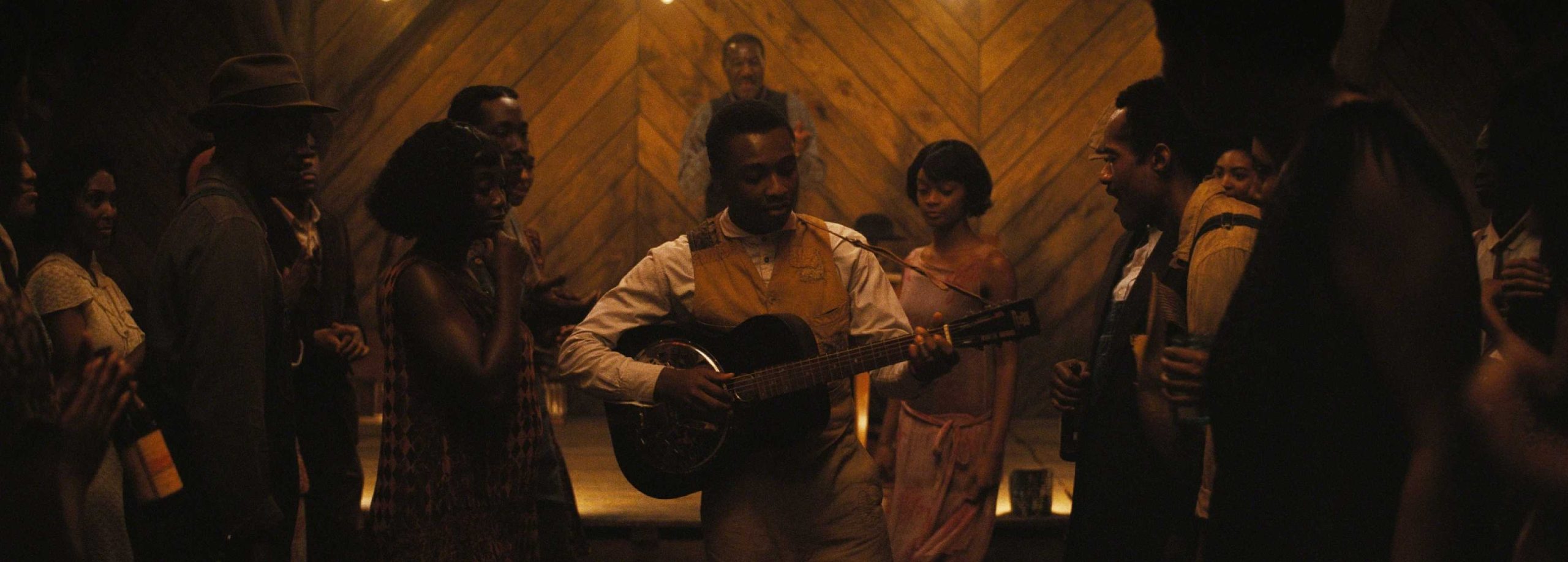
As Black History Month recently came to a close, it becomes a natural moment to reflect on both the progress made and the hurdles that still remain. Both realities come into focus when discussing the trajectory of the Best Director category at the Academy Awards. One of the five nominees this year is Ryan Coogler for his genre-bending film Sinners. As we count down the days until the March 15th ceremony, this nomination represents something deeper than what may appear on the surface.
Coogler is by no means the first director to break barriers in his genre or for his community. Yet his nomination carries a striking historical context. With this recognition, Coogler becomes only the seventh Black director ever nominated for Best Director in the Academy Awards’ nearly century-long history.
That statistic becomes even more striking when placed in the context of the Academy’s broader history. Across the Academy’s history, more than 480 films have been represented in the Best Director lineup. Of all those nominations, only 7 have been directed by Black filmmakers.
The previous Black filmmakers nominated for Best Director include:
John Singleton – Boyz n the Hood (1991)
Lee Daniels – Precious (2009)
Steve McQueen – 12 Years a Slave (2013)
Barry Jenkins – Moonlight (2016)
Jordan Peele – Get Out (2017)
Spike Lee – BlacKkKlansman (2018)
Each of these films helped move the industry forward and made it possible for a nomination like Coogler’s to exist today.
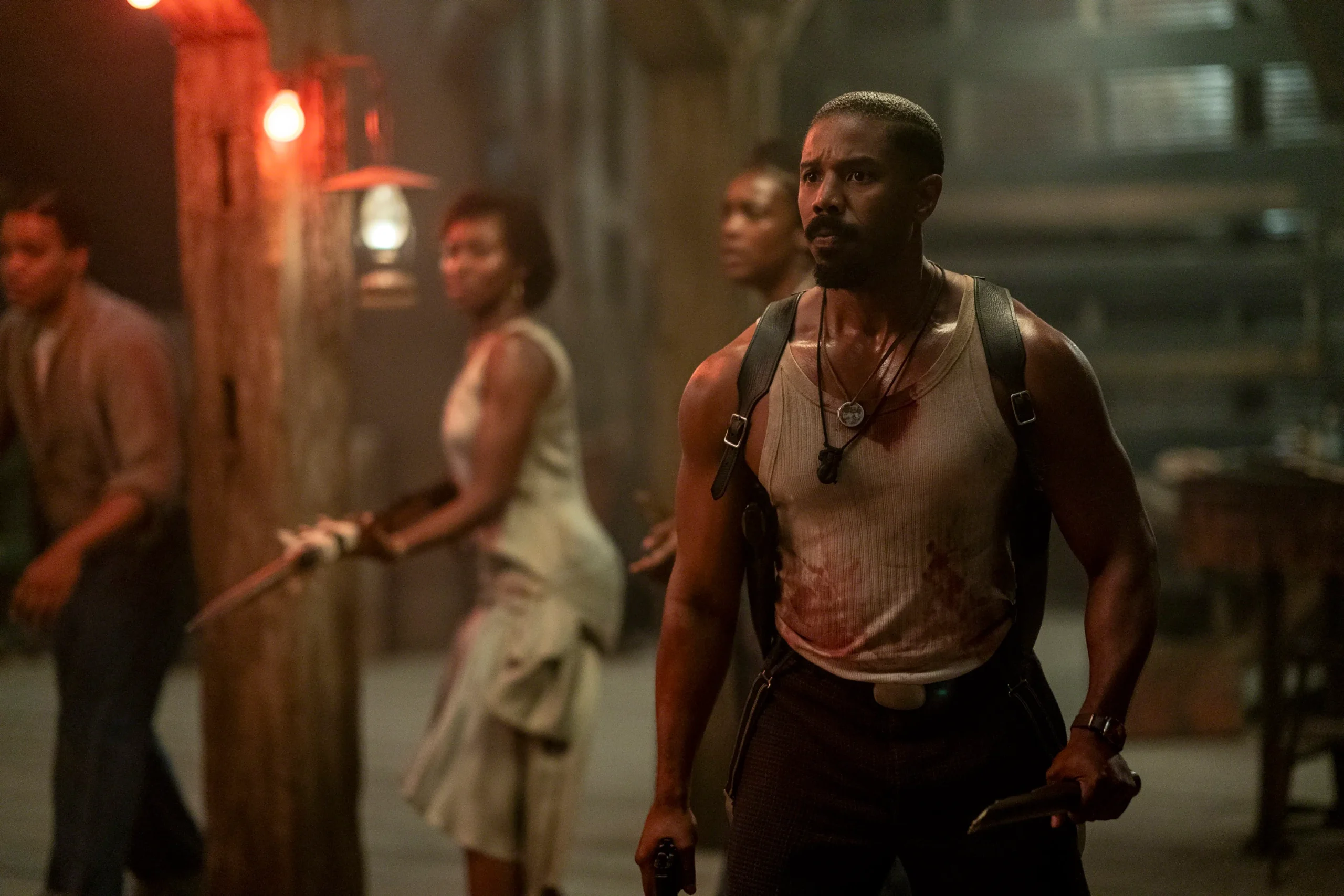
Yet, Coogler’s achievement with Sinners pushes those boundaries even further. The film is not simply a historical drama reflecting the era of segregation in the American South. Instead, it blends supernatural horror, musical expression, and action-driven storytelling while exploring themes of faith, racism, culture, and identity. The result is a bold theatrical experience that celebrates the possibilities of genre filmmaking.
The film also pushed both technical and commercial boundaries. Sinners became the highest-grossing live-action original American film in over a decade. It expanded the possibilities of large-format photography through its collaboration with cinematographer Autumn Durald Arkapaw using 70mm IMAX filmmaking. Led by a predominantly Black ensemble cast, the film demonstrated how culturally specific storytelling can also achieve massive commercial success. The Academy clearly recognized that impact. Sinners earned sixteen nominations, breaking the long-standing nomination record previously held by All About Eve (1950), Titanic (1997), and La La Land (2016). It is worth noting that all three of those films took home the award for Best Director.
The Best Director category this year includes an impressive lineup of filmmakers: Paul Thomas Anderson for One Battle After Another, Chloé Zhao for Hamnet, Josh Safdie for Marty Supreme, and Joachim Trier for Sentimental Value. It represents one of the strongest and most diverse directing lineups in recent memory.
Yet, the awards race also raises an interesting question about how the industry evaluates stories about race and social struggle. The current frontrunner appears to be Anderson for One Battle After Another, which has already secured major wins at the BAFTAs, Critics Choice Awards, Golden Globes, and the Directors Guild of America. Historically, victories in those categories often translate to an Academy Award.
Anderson’s film is widely respected, and its recognition is well earned. Drawing in part from his experience raising a biracial family, the film explores themes of immigration, systemic injustice, and political unrest. In a time when tensions are high due to the current political climate with ICE, the Black Panther Party resurgence, and post-Bad Bunny Super Bowl discourse, this feels very appropriate to acknowledge. But One Battle’s prominence in the race also reflects a familiar pattern in Oscar history.
Many celebrated films that explore racial tension or social inequality have historically done so through the perspective of white filmmakers or white protagonists. Films such as Driving Miss Daisy (1989), Crash (2005), The Help (2011), and Green Book (2018) were widely praised for tackling issues of race while primarily centering white viewpoints. This observation does not diminish the intentions or artistry of those films. But it does raise a fair question about how the industry chooses which perspectives are most often elevated in major award categories.
When a film like Sinners breaks box office records, breaks the all-time record with nominations (surpassing director winning films) pushes technical boundaries, and centers Black voices both in front of and behind the camera, it raises honest question: if a film like this still struggles to be viewed as a frontrunner or a winner: what does that suggest about how voters define excellence in the Best Director category?
Whether or not Ryan Coogler ultimately wins the Oscar, the achievement itself already represents something meaningful. His nomination signals a continued expansion of what kinds of stories, filmmakers, and creative voices can occupy the center of Hollywood’s most prestigious stage.
And sometimes, progress in Hollywood is measured not only by who wins the award, but by the doors opened for those who follow.