



Director: Morgan Neville
Stars: Paul McCartney, Ringo Starr, John Lennon
Synopsis: An intimate portrait of Paul McCartney’s journey after The Beatles, as he and wife Linda form Wings.
When The Beatles splintered in 1970, the cultural aftershock was mighty. Fans mourned, critics circled, and its four members were left to redefine themselves under an unforgiving spotlight. The one who was blamed the most: Sir Paul McCartney. Man on the Run, directed by Morgan Neville, steps into that uncertain terrain with an emotionally attentive lens. Running at 1 hour 55 minutes, the film traces Paul McCartney’s life in the immediate aftermath of the band’s dissolution, foregrounding not only the formation of Wings but the sustaining force of his partnership with Linda McCartney. It is less a conventional rock doc and more a reflective musical odyssey.
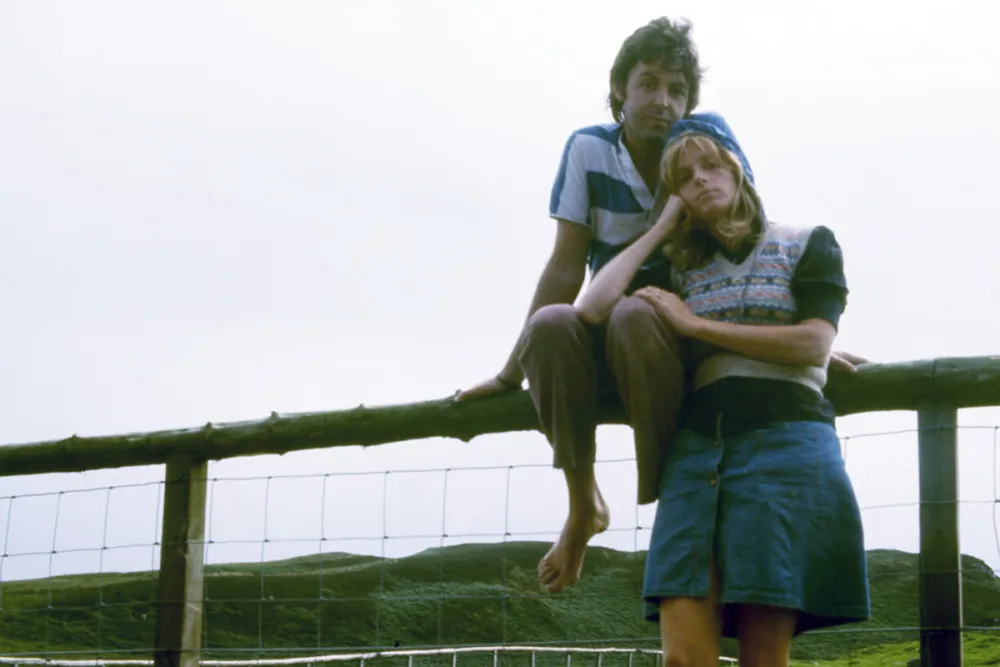
McCartney, bruised by legal disputes and the public narrative that painted him as the band’s pragmatic villain, retreats, first emotionally, then physically, to recalibrate. The film makes shrewd use of period footage: scrappy home recordings, pastoral scenes on the Mull of Kintyre, and chaotic early rehearsals. Through this documentary, McCartney is depicted as a man fumbling through uncertainty, desperate to prove he is more than one-quarter of a phenomenon.
McCartney’s voice-over is used throughout, taking audiences through his love of music, how he enjoyed experimenting, and how that led to his albums. He describes music as his freedom and magic. It would have been nice to see him and make that connection to the words stronger, as a multitude of images does become repetitive. At times, it feels like a compilation of Beatles archives that you could watch on YouTube. Other voice overs include Mary, Linda’s daughter, who speaks about her mother.
Through candid opinions and previously unseen photographs, Linda emerges as both creative collaborator and emotional crutch. The film is at its most moving when exploring how her presence countered the vitriol McCartney faced in the early 1970s. Critics derided his domestic turn; audiences questioned his seriousness. Yet Man on the Run argues persuasively that this retreat into family life was not an abdication of ambition, but a redefinition of it. There are images of Linda’s photography and an insight into how she felt during this time, and the scrutiny she was also under.
There is also a tonal tightrope that Man on the Run occasionally struggles to walk. Neville’s affection for his subject is palpable. While the film acknowledges the lawsuits, the critical maulings, and the perception of McCartney as overly sentimental, it rarely lets audiences sit in the true darkness. The edges are softened. Rivalries are contextualized rather than interrogated. For some viewers, this will feel like a refreshing corrective to decades of caricature; for others, it may register as selective framing.
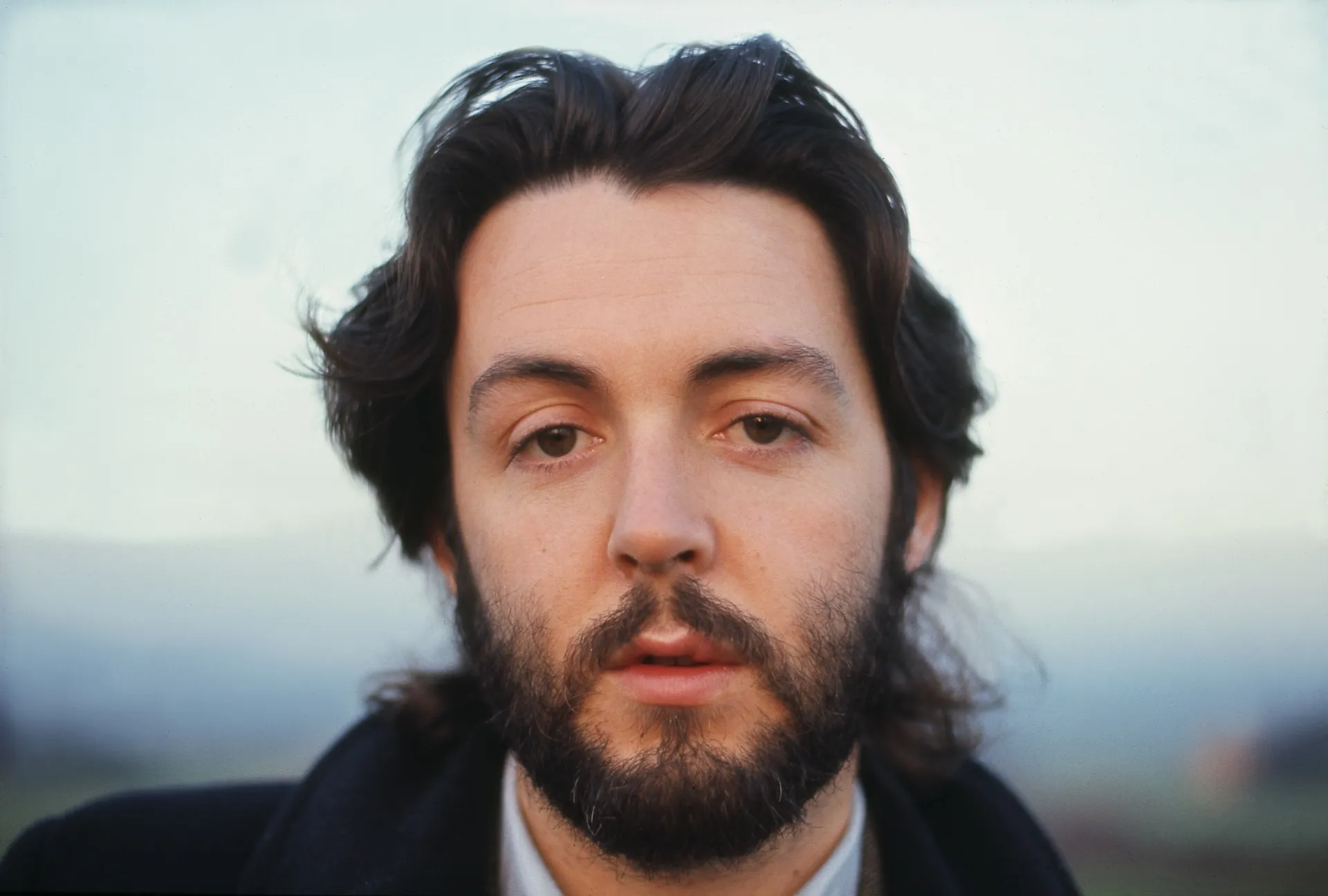
Man on the Run wants to be more than a standard post-Beatles chronicle by its insistence on showing the psychology of starting again. And while McCartney was able to salvage a career and build a life, this documentary lacks depth and face-to-camera interviews to feel like anything more than a nostalgia trip. There are times when they occasionally feel indulgent. Certain sequences could have been tightened, and a sharper editorial hand might have drawn clearer contrasts between public perception and private reality. And a little more insight into the lives of the McCartney family – some home tours, some close-ups of guitars, something from the present for audiences to chew on. So, unfortunately, whilst this documentary film is entertaining and interesting, it’s also one you can easily turn off.
Ultimately, Man on the Run is a tender portrait of resilience. It reframes a turbulent chapter not as a fall from grace, but as a recalibration powered by partnership. By centering the love between Paul and Linda, Neville offers a quietly radical thesis: that survival in the glare of fame may depend less on ego than on intimacy. The film does not dismantle the mythology surrounding McCartney, but it does complicate it. Instead, it reveals a man who ran not from his past, but toward a different future. This documentary will be a nice watch for fans of music and McCartney.