Home Blog Page 38

Op-Ed: ‘Mallrats’ 30 Years Later

Looking at the scope of comedies from 1995 to 2025, things are really bleak. The comedy genre is in disarray due to the world constantly changing. People canโ€™t say a lot of things that were said 30 years ago. Good writers and directors can make their way through these transformative times. Bad writers and directors will complain and say that, โ€œeveryone is soft and people are offended by too much.โ€ Kevin Smith is a writer and director that can give you a mix of raunchy comedy and comedy with a good heart. And thatโ€™s exactly what his second film, Mallrats, delivered to audiences in 1995.

Kevin Smith was riding high off of his debut feature film Clerks which debuted at Sundance Film Festival in 1994. It was picked up by Miramax Pictures soon after its debut. Smith and his producing partner Scott Mosier couldnโ€™t imagine their little black and white comedy making the impact that it did. The movie made four million dollars at the box office on a $24,000 budget. Surprisingly, a Universal Studios rep attended a Clerks screening and spoke to Smith and Mosier to see if they wanted to make their next movie at Universal. They accepted the offer and started pre-production on Mallrats

Mallrats was a bigger production than Clerks in every way. They hired a full camera crew, sound technicians, and more. Smith and Mosier were intimidated by the bells and whistles of a full production crew but the actors that were hired and the script narrowed their focus. Unlike his first film, Smith wrote in more than two locations for the film, and supporting characters of Clerks (Jay and Silent Bob) were also back for this new installment in what would become known as the View Askewniverse. Producers wanted to find another actor to portray Jason Mewesโ€™s Jay but Kevin Smith told them that thereโ€™s no way that he would recast that role. They didnโ€™t want to lose the film, so Jason Mewes was kept on as Jay. The chemistry of the actors in the movie is obviously very strong. But there are many reasons why itโ€™s beloved and turned into a cult classic many years later. I mean this movie is the very first movie to feature a cameo from the legend Stan Lee!

Iโ€™ve been watching Kevin Smithโ€™s movies since I was in middle school. His humor has always been a great source of entertainment for me. The dialogue in Mallrats is definitely similar to Clerks but itโ€™s more refined. He has more characters and locations to work with. The topics in Mallrats range from being dissatisfied with your job, frustration with parents, following your heart and doing whatโ€™s best for you, comic books, and music. Kevinโ€™s writing is like if Tarantino wrote pure comedies. His characters have interesting conversations, theyโ€™re witty, and he has multiple landmarks that appear in various movies in the View Askewniverse. Itโ€™s a good thing to have characters and places that intertwine with each other in your own work. The character of Brodie Bruce (Jason Lee) is the Randall of this movie. He collects comic books, has trouble fully committing to his girlfriend Rene (Shannen Doherty), and he has the gift of gab. While T.S. (Jeremy London) is the lead in this film, itโ€™s Jason Leeโ€™s performance as Brodie that is the absolute stand out. His charisma and his big smile are two things that set him apart from Clerksโ€™ Randall. 

The first week box office numbers for Mallrats werenโ€™t what they expected at all. Critics dragged the movie through the mud. According to Erection of an Epid: The Making of Mallrats, Kevin was extremely bummed out that this happened. He wanted a follow up to his debut smash hit to be as successful as the first. Kevin even contemplated giving up writing and directing all together, until the home video numbers came in. You wouldโ€™ve thought there were joints attached to the Mallrats VHS box with the way that fans were buying them. Teens told  producer Mosier that they loved the movie and that they didnโ€™t know that it was in theaters. A lot of the audience for this movie was too young to go see rated R movies. Ironically, for the rest of Kevin Smithโ€™s directing and writing career, the home video market would be the thing that kept View Askew productions lights on. 

In my opinion, this movie is one of the defining comedies of the โ€˜90s. It features characters that are yearning for love, causing chaos, and seeking knowledge and refuge at their local shopping mall. Malls used to be a safe haven for kids and young adults in the past. You could go to work there, see a movie, shop at your favorite store, meet a person youโ€™d take a liking to, kick it with your friends. We could spend a whole day at the mall and go back home with stories that your parents would play like they donโ€™t understand. Nowadays, the youth donโ€™t have a lot of places to go. Malls are dying due to online shopping and community centers are closing. I try to have hope that things can turn around for our youth. They need positivity in their lives. I know that by providing them with new and entertaining places to go that maybe one of these kids will want to make their own movies with their friends. Every filmmaker starts out by experimenting and doing it for the love of cinema.

Women InSession: Women in Horror

This week on Women InSession, we discuss our favorite mothers in horror film and why there’s a rich history of exploring the various aspects of motherhood in the genre! From Aliens to Rosemary’s Baby to The Babadook, and dozens of other great horror films, there was so much to discuss here that we barely scratched the surface. But we had a lot of fun with this one.

Panel: Kristin Battestella, Jaylan Salah, Megan Kearns

On that note, check out this week’s show and let us know what you think in the comment section. Thanks for listening and for supporting the InSession Film Podcast!

Subscribe to our Podcasts RSS
Subscribe to our Podcasts on iTunes
Listen on Spotify
Listen on Stitcher
Women InSession – Women in Horror

Podcast VIP: Ocean’s Fourteen / Is Ripley Coming Back?

On this episode, we talk about the possibility of an Ocean’s Fourteen without Steven Soderbergh at the helm, Sigourney Weaver meeting with Disney to consider reprising Ripley in a new Alien film, the new trailer for Sam Raimi’s Send Help and Warner Bros. rejecting Paramount (for now)!

Listen on Patreon
Listen with Apple Podcast Subscription
Watch with YouTube Membership

Movie Review: ‘John Candy: I Like Me’ is a Revealing and Intimate Portrait


Director: Colin Hanks
Stars: John Candy, Bill Murray, Chris Candy

Synopsis: Explores the life and legacy of the iconic funnyman John Candy, who died of a heart attack in 1994, at the age of 43.


Iโ€™ll break the third wall of film criticism before referring to myselfโ€”self-involved as I already amโ€”because watching Prime Videoโ€™s John Candy: I Like Me brought back a flood of nostalgia. My father was a huge Candy fan, growing up in Buffalo just outside the Canadian border, watching that lovable comedian with the thousand-watt smile dance across the screen like a sun-kissed, blonde bear. Candy brought joy to millions, with zany comedic characters, full of warmth and heart, that made a lasting impression on everyone who came in contact with him. 

From producer Ryan Reynolds and director Colin Hanks, John Candy: I Like Me pulls back the curtain on a man who lived his life to the fullest; smoking, drinking, and eating, always trying to live up to the expectations of those around him, especially for the ones, his fans, who hardly know him. Candy never turned down a role, primarily to help a friend, nor would he ever turn down a meal, trying to fill the void of his father dying of a heart attack on his fifth birthday. 

Not to mention, he was always too afraid to trim the excess baggageโ€”lest he lose a career built on the foundation of the most boyishly funny and joyous double chin that could light up a room. It was an unmistakable blend of comedy and kindness, the signature of a performer whose waggish warmth made him an icon of his era.

Yet Hanks does an excellent job of capturing the emotion of those who loved him. This isnโ€™t a puff piece where everyone simply goes through the motions of telling funny stories, like at a eulogy. Noโ€”Martin Short, Steve Martin, Dave Thomas, Tom Hanks, Andrea Martin, and Catherine Oโ€™Hara all beam with pride for Candy, both as a talent and as a human being, while also being overwhelmed with sadness over his passing. Their voices crack, eyes well up, and memories spill outโ€”three decades after Candyโ€™s fatal heart attack on the set of Wagons East.

John Candy: I Like Meโ€”its title referencing the famous moment when Candyโ€™s Del Griffith tells Steve Martinโ€™s Neal Page, โ€œI like me,โ€ after being cruelly berated in the comedy classic Planes, Trains and Automobilesโ€”draws a striking parallel between Candy and the media. There are countless interviews where reporters use praise as a beard for fat-shaming, framing his weight as his very identity. Candy would politely nod, brush it off, and never take offense on camera. Yet these interviews reveal a man crippled with anxiety, haunted by the fear that he was traveling the same road to an early death as his father. 

Thatโ€™s the power of Hanksโ€™s framingโ€”through interviews with Candyโ€™s grown children, his widow, and his friends, it becomes a heartbreaking portrait of the human condition. In particular, it highlights his capacity for love, such as when Macaulay Culkin recalls Candy stepping in after witnessing the younger actorโ€™s fatherโ€™s behavior on Uncle Buck. His insecurities, hope, and joy, all channeled through humor, reflect a man searching for a connection to fill a void he could never quite satisfy.

The final cut, John Candy: I Like Me, is a funny, moving, and enlightening portrait of the cost of fame, of living up to the preconceived notions and labels imposed by others. So the next time you watch Del tell Neal his hand is between two pillows, see Barf the Mog proudly declare heโ€™s his own best friend, or hear the cop trying to buy his fellow officers an โ€œorange whip,โ€ appreciate the man who lived to make others laugh while leading a life of kindnessโ€”though it came at a cost.


You can stream John Candy: I Like Me exclusively on Prime Video now!

Grade: B+

Movie Review (TIFF 2025): ‘Ballad of a Small Player’ is Nearly a Bust


Director: Edward Berger
Writers: Rowan Joffe, Lawrence Osborne
Stars: Colin Farrell, Chik-Ka Lai, Alan K. Chang

Synopsis: When his past and his debts start to catch up with him, a high-stakes gambler laying low in Macau encounters a kindred spirit who might just hold the key to his salvation.


The gambling life isnโ€™t for everyone. When thereโ€™s a win, itโ€™s a moment to celebrate a die being rolled in just the direction you want or a card being pulled that leads to a pair of aces instead of just one. On the flip side, when thereโ€™s a loss, itโ€™s a moment of desperation that is dialed up more and more knowing money is just within reach and yet unattainable. It can sometimes spiral into an addiction and belief that sooner or later, there will be a win later. Hopefully. Such is the premise for Ballad of a Small Player, director Edward Bergerโ€™s latest effort after All Quiet on the Western Front and Conclave

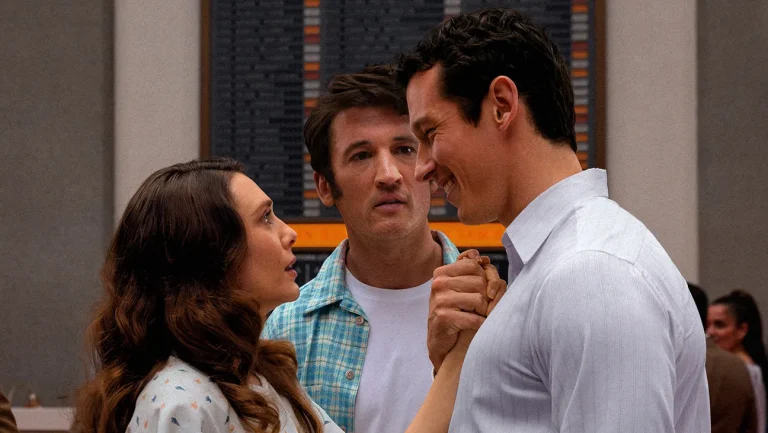
Lord Doyle (Colin Farrell) is a gambler living large in Macau, though only in appearance. The cards have not been in his favor as of late, and he is beginning to pile on more and more debts. As the days progress, his only shot at making it out being the hope that he might win big again soon. As his past decisions and mistakes begin to catch up with him, from the lack of bills paid and money borrowed being owed, to the appearance of a private investigator (Tilda Swinton) looking into his past dealings and demanding restitution, Doyleโ€™s situation becomes more and more desperate, and he hopes for that miracle that may not happen.

From the get-go, Ballad of a Small Player establishes Macau as the dazzling, vibrant gambling playground it appears to be, with James Friendโ€™s outstanding cinematography and Bergerโ€™s frequent collaborator Volker Bertelmannโ€™s thunderous score booming over one hand played after another on the casino floors. Lord Doyle moves from one place to another, trying to play wherever he can, even when his reputation increasingly begins to come into question with the successive losses he begins to take. Farrell is fantastic in the role, playing a deteriorating man whose facade is beginning to crack in more ways than one, his powerful persona becoming more fragile with every conversation and every hand lost. Things shift a little when he meets Dao Ming (Fala Chen), a woman working at the casino, whose own life seems to be on the fringes while also connected in many ways to what is unfolding with Doyle. Chen is solid in the role, adding a few emotional anecdotes through the runtime, and Tilda Swinton as the investigator Cynthia Blythe is both bizarre and even funny in moments, while making sure sheโ€™s right on Doyleโ€™s heels.

Friendโ€™s cinematography also helps in those gambling sequences, provoking an immense level of anxiety as each hand is played by the other players at the table, in a manner that evokes the tension in movies like Uncut Gems, a comparison that might be made by many given both movies deal with someone who keeps wanting to bet big and raise the stakes especially if it making some more money in the short term. That anxiety also results in a fast-paced movie that moves at a relentless paceโ€ฆuntil it doesnโ€™t. Unfortunately, the movie runs aground in its second half, bringing the momentum to a grinding halt and, beyond its established characteristics, doesnโ€™t develop its story any further. As a result, Ballad of a Small Player ends up being an exercise in style over substance more often than not, mainly relying on those gorgeous visuals and its terrific lead performance to carry it through to the end.

Many moments in the movie showcase the glitz and glamor of Macau and its casinos quite often, but the narrative also hints at its darker underbelly, with much of what Doyle is doing amplifying many of those negative tendencies and even affecting him later, but it never quite goes as in-depth as it can. This is further personified by Dao Ming, whose story also showcases similar moments of desperation, but then takes a far more predictable turn that takes away from the impact of the movie that preceded it, particularly with Doyleโ€™s arc. By the end of the movie, Tilda Swintonโ€™s private investigator also doesnโ€™t end up contributing much to the story, despite her incredibly fun performance.

The thudding lack of momentum in that back half also drastically affects the movieโ€™s pacing, which begins to drag despite only a 101-minute runtime (including credits) and making the movie feel considerably longer in the process, and robs it of much of its initial tense set-up. By the end, Ballad of a Small Player feels less like the operatic saga of a gambler that it initially sets out to be, and instead results in a movie that may be a visual spectacle through and through, but has with very little to look back on as far as a poignant, thrilling story about addiction and gambling goes. The movie just about manages to stay afloat still thanks to Farrellโ€™s fantastic work, who elevates it even in its lowest moments, and creates an experience that makes the ride worth taking, even when it runs out of gas by the finishing line.

Grade: C+

Episode 658: Best Performances By Comedians

This weekโ€™s episode is brought to you by Mission: Impossible – The Final Reckoning. Follow us on social media for your chance to win a FREE blu-ray!

This week on the InSession Film Podcast, in anticipation of Good Fortune, we discuss our Top 5 performances by comedians! We also discuss the box office for Tron: Ares, talk about why Indy deserves an Oscar nomination and pay tribute to the late-great Diane Keaton.

Check out this weekโ€™s show and let us know what you think in the comment section. Thanks for listening and for supporting the InSession Film Podcast!

– Opening Banter / Tron: Ares Box Office (0:31)
We begin this week by discussing the box office to Tron: Ares and why it’s disappointing, even if we aren’t the biggest fans of the film itself. Ares was probably always an uphill battle, but it’s underwhelming results was likely preventable if they had consider Tron: Legacy more given its cult following.ย 

– Indy & the Oscars / Diane Keaton (27:14)
We have a deep love/hate relationship with the Oscars. While we recognize its importance to culture and those who win, the whole affair is kind of absurd. It’s especially crazy when the best actors can’t even be considered. Which is the rant this week because we want Indy to be nominated for Good Boy. We then close the segment by honoring the late-great Diane Keaton and her remarkable legacy.


RELATED: Listen to Episode 610 of the InSession Film Podcast where we discussed our Top 10 Movies of 2024!


– Top 5 Performances by Comedians (53:53)
This is an incredibly rich topic. There are many great performances by comedians over the decades that have surprised and thrilled us in some way. Sifting through all of these great performances to narrow down a list was quite challenging, but a ton of fun. Many of these are quintessentially why we have Best Surprise Performance at the InSession Film Awards each year. With that said, what would be your top 5 performances by comedians?

Subscribe to our Podcasts RSS
Subscribe to our Podcasts on iTunes
Listen on Spotify
Listen on Stitcher
InSession Film Podcast – Episode 658

Next week on the show:

Springsteen: Deliver Me From Nowhere

Springsteen Deliver Me from Nowhere. Courtesy of 20th Century Studios.

Help Support The InSession Film Podcast

If you want to help support us, there are several ways you can help us and we’d absolutely appreciate it. Every penny goes directly back into supporting the show and we are truly honored and grateful. Thanks for your support and for listening to the InSession Film Podcast!

VISIT OUR DONATE PAGE HERE

Movie Review: ‘Bone Lake’ is a Diamond in the Rough


Director: Mercedes Bryce Morgan
Writer: Joshua Friedlander
Stars: Alex Roe, Maddie Hasson, Marco Pigossi

Synopsis: A couple’s vacation at a secluded estate is upended when they’re forced to share the mansion with a mysterious couple. A dream getaway spirals into a nightmarish maze of sex, lies, and manipulation, triggering a battle for survival.


Rarely has there been a film whose title is more on the nose than that of Mercedes Bryce Morganโ€™s Bone Lake. All of its marketing material is suggestive, leading you to believe it’s just a horny, unserious horror movie being dumped at the outset of spooky season. Hell, even the poster puts the R rating logo right next to the titleโ€™s first word. Some may say it was an accident, but they knew what they were doing. Itโ€™s a smart tactic. You know what they say, โ€œSex sells!โ€ 

The marketing is stellar, and it is the perfect way to get butts in seats. Unfortunately for them, a certain speed-themed pop star decided to release her โ€œfilmโ€ on the same weekend, taking up damn near every screen at many cinemas across the country. 

Bone Lake follows Sage (Maddie Hasson) and Diego (Marco Pigossi) as a couple on a romantic getaway at the titular lake. Soon after they arrive, another couple, Will (Alex Roe) and Cin (Andra Nechita), show up claiming to be booked for the same house. After some back-and-forth, they decide to all stay there together, knowing a refund is in their future. It doesnโ€™t take long for Will and Cin to start acting strangely and causing rifts between the other couple as the weekend chugs along. 

The movieโ€™s marketing signals a sleazier, sexier movie than the one we actually get. For some, that may be a bummer, but for many, this wrongfooting is likely to be a pleasant surprise. The story contains a lot more depth and innovative action than youโ€™d expect based on the trailer. Thereโ€™s also significantly less โ€œspicy contentโ€ than advertised, but thatโ€™s not necessarily a bad thing. This gives more time for the characters to interact and develop rather than forcing in a sex scene every 15-20 minutes.

Roe and Nechita certainly have the meatier roles, but they absolutely devour every scene theyโ€™re involved in. Their chemistry together is almost too much, bordering on insufferable. Itโ€™s the nature of their characters, but they are too good at leaning into Will and Cinโ€™s unendurable qualities. Despite their grating personalities, they are quite captivating characters, and it makes sense why they suck Diego and Sage into their orbit so quickly. 

Morgan, in tandem with cinematographer Nick Matthews, displays some impressive filmmaking, particularly incredible camera tricks and movements that elevate what could be a boring-looking horror film. The camera doesnโ€™t just sit still in several key scenes that lead to some dazzling images. 

The lighting and production design are also highlights of Bone Lake. The mansionโ€™s setup and layout are used expertly to both distance the couples at times, while also finding ways to keep them in close quarters at others. The setting turns the โ€œcabin in the woodsโ€ horror trope on its head while maintaining its best qualities. When will people learn that itโ€™s not always the safest thing to go hang out in a secluded area, no matter how nice the house is?

Bone Lakeโ€™s weaker points come through in overwritten dialogue and early scenes telegraphing where the story is going. For couples that have been together for years and years, they sure do a lot of expositional monologues to each other. Thereโ€™s no shorthand or level of understanding that youโ€™d expect of people who know each other so well. The cold open reveals too much, making it seem like the team behind the movie thought the audience wouldnโ€™t understand whatโ€™s happening later on without its inclusion. Itโ€™s an exciting scene, but a little on the nose given how things end up.ย 


Mercedes Bryce Morgan has crafted a small diamond in the rough in Bone Lake, taking well-known horror tropes and sexy marketing and subverting those expectations. Sadly for the team, this diamond is being buried so deeply that it may be hard for people to find. After positive reviews out of 2024โ€™s Fantastic Fest, Bone Lake looks like it will need to find a second life on streaming to find its audience after a crowded few weeks at the theater.

Grade: B

Podcast Review: Roofman

On this episode, JD and Brendan discuss the latest film from Derek Cianfrance in Roofman, starring the great Channing Tatum! It’s been awhile since the last feature from Cianfrance, but we are big fans of his previous work, in particular Blue Valentine and The Place Beyond the Pines. Roofman is quite the departure from those aforementioned films tonally, however what’s fascinating about the film is how he threads the needle between humor and the tender complexities that he brings to his characters.

Review: Roofman (4:00)
Director: Derek Cianfrance
Writers: Derek Cianfrance, Kirt Gunn
Stars: Channing Tatum, Kirsten Dunst, Ben Mendelsohn, Peter Dinklage

Subscribe to our Podcasts RSS
Subscribe to our Podcasts on iTunes
Listen on Spotify
Listen on Stitcher
InSession Film Podcast – Roofman

Movie Review: ‘Fairyland’ Grows Into Itself


Director: Andrew Durham
Writer: Andrew Durham
Stars: Emilia Jones, Scoot McNairy, Geena Davis

Synopsis: A young girl recounts growing up in San Francisco in the ’70s and ’80s with her gay dad.


Humans make parenting complicated. Weโ€™ve figured out all of these different methods, styles, and mantras to try and bring up a child to be better than ourselves, or to at least do better than what we could. A single parent has it the worst because all the people that may challenge the way they would do something are entirely outside of the situation. The child might notice something off, but to articulate it would be to cause chaos. Itโ€™s even stranger to be the child of a single parent when that parent has the opportunity to finally live the life they had always hoped for themselves.

Fairyland is based on a memoir of the same name by Alysia Abbott. It’s about her growing up and learning that while her father loved her mother, he was also keeping his sexuality a secret. As a film we only see what the filmmakers adapt. We donโ€™t always get the nuances that adult Alysia Abbott looking back on her life can imbue onto the page. Andrew Durhamโ€™s script does a good job of parsing through the memories, though. The scriptโ€™s focus first on young Alysiaโ€™s (Nessa Dougherty) innocent curiosity and then on teens and twenties Alysiaโ€™s (Emilia Jones) angsty frustrations evolves our understanding of how her relationship with her father shaped her sense of self.

The sharp focus on Alysia is also what makes the film drag a little. It isn’t obvious at first that this is the intention of the filmmakers and if you hadn’t read the source material, it may take a few scenes to really catch on. It’s easy to see Steve (Scoot McNairy) is attracted to men, but it takes a while before we understand what the deeper situation is. It’s easier to understand this with a narrator, but there isn’t one until the very end. As much as it is frustrating, not knowing everything up front makes the full emotional journey more fulfilling.

Director Andrew Durham puts this personal story into a larger context of LGBTQ+ history in San Francisco. Durham and editors Peter Canada Hagen and Lawrence Klein weave in footage of what was first Gay Freedom Day and became Gay Pride. It brings the film into the past without the need for a larger budget to transform city streets or hire thousands of period appropriate background actors. Set decorators Kiowa Le Clec’h and Mariana Urban also populated the sets with the perfect accoutrements including campaign signs for pioneering gay San Francisco politician Harvey Milk.

Fairyland also acknowledges that it’s hard to understand the larger context of the events around one’s life while you live it. There’s this scene in the film where Alysia comes home for winter break and she sees a note from Steve to meet him at an address. She has a pleasant conversation with Sue (Atim Udoffia) on the porch and the word hospice is casually thrown in, but it’s obvious this word doesn’t penetrate Alysia’s psyche. She finds Steve at the bedside of JD (Cabe Thompson) and it’s obvious to those of us who are putting some things together based on hospice and the time period that JD is suffering from AIDS. It takes Steve outright telling Alysia what a hospice is in order for her to understand the volunteering Steve is doing and why he feels he must do it.

As much as Steve comes across as the bad parent, it’s thanks to Scoot McNairy’s honest portrayal that we forgive him. McNairy is a fierce powder keg of emotion, but he understands how to reign it in. His big scenes at the end aren’t played with crazy tears and emotion, but with a tremendous restraint. He’s an actor that rarely gets to be as expressive or emotive with his face and it’s intriguing to see him do so. In a nearly wordless scene as Steve begins to fall for Eddie (Cody Fern) we see him gesture and look in a way that conveys beautifully how Steve is feeling. It’s a very good performance.


Fairyland is a film that grows into itself. It’s a coming of age story that we see evolve as Alysia grows into it. Her adolescent angst and Steve’s constant reinvention develop side by side. It’s a good story if a bit slow paced at times. It’s a film that examines the single parent and child relationship in a very unique circumstance, but can speak to all of us that have had to reassess our parents as adults.

Grade: B

Film Review: โ€˜Good Fortuneโ€™ is a Decent Directorial Debut from Aziz Ansari


Director: Aziz Ansari
Writer: Aziz Ansari
Stars: Aziz Ansari, Seth Rogen, Keanu Reeves

Synopsis: A well-meaning but rather inept angel named Gabriel meddles in the lives of a struggling gig worker and a wealthy venture capitalist.
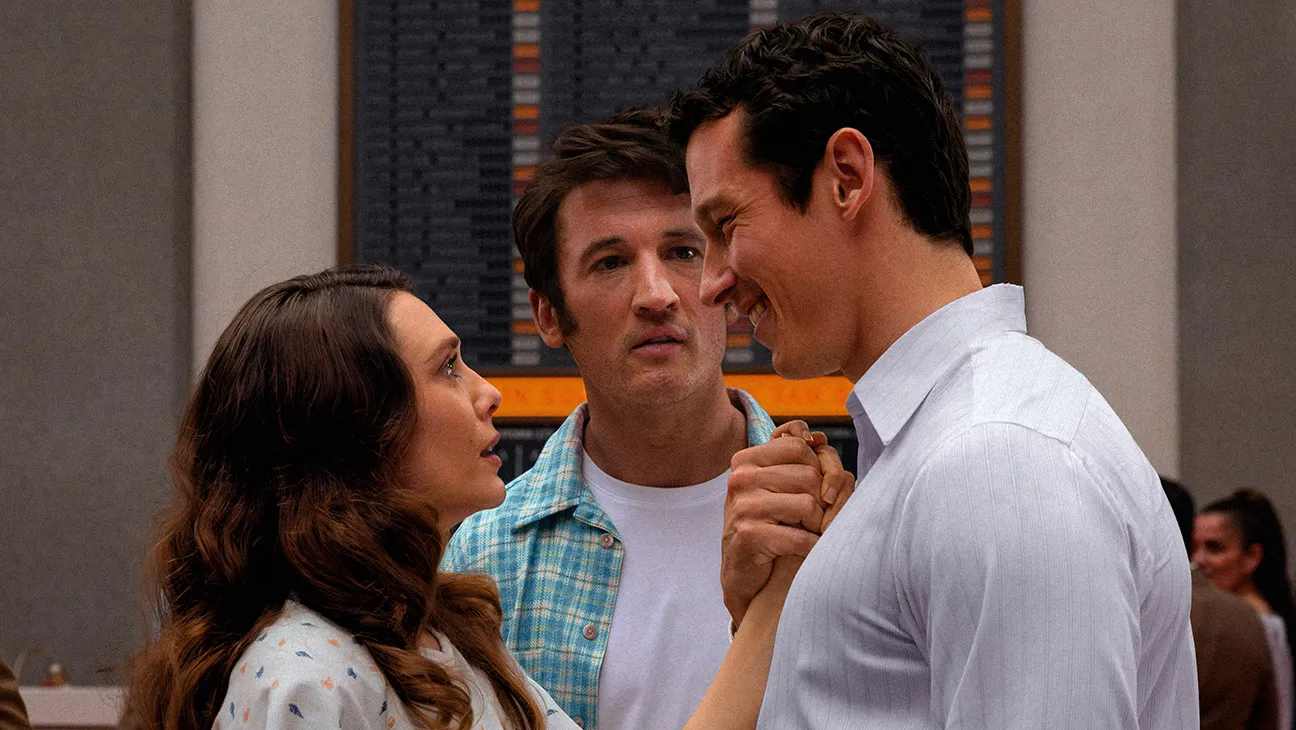

After many years of trying to get a feature directorial debut on our screens, Aziz Ansariโ€™s Good Fortune arrives in cinemas. People who follow movie news may recall that this was not Ansariโ€™s first attempt at directing a movie. In 2022, production on Being Mortal, which was set to be his debut, was suspended after Searchlight Pictures received a complaint against actor Bill Murray, who made inappropriate gestures towards a crew member during filming. The studio ultimately decided not to resume filming, which led Ansari to move forward with Good Fortune. He retained actors Keke Palmer and Seth Rogen from his first attempt for this second go-around, which recently premiered at the Toronto International Film Festival to fairly strong reviews.ย 

Having now seen the movie, I can confirm that Good Fortune is indeed a decent time, though one wonders exactly what the future holds for Ansari in filmmaking. The movie doesnโ€™t try to reinvent the wheel, nor subvert audience expectations. It delivers precisely what its trailer promises: a classic body-swap story focusing on Arj, a struggling gig worker (played by Ansari) switching places with Jeff (Seth Rogen), a rich venture capitalist who lives the good life. Arj previously worked for Jeff as his assistant. However, after making a shortsighted decision that, although not catastrophic, led to his dismissal, he aspires to achieve the same level of success Jeff has.


Arj has been struggling to make ends meet, to the point of sleeping in his car to avoid paying for rent or even a motel room. Itโ€™s at the lowest point in his life where he meets a guardian angel named Gabriel (Keanu Reeves), who tells him thereโ€™s so much more he can look forward to in his life if he keeps going, showing him a vision of a future Arj working a minimum wage mail delivery job that forces him to pee in a bottle, moving into the house of his partner, Elena (Keke Palmer), which includes several relatives clashing over the most frivolous things, and euthanize the future dog heโ€™ll eventually buy. Yeah, that sounds like some life!
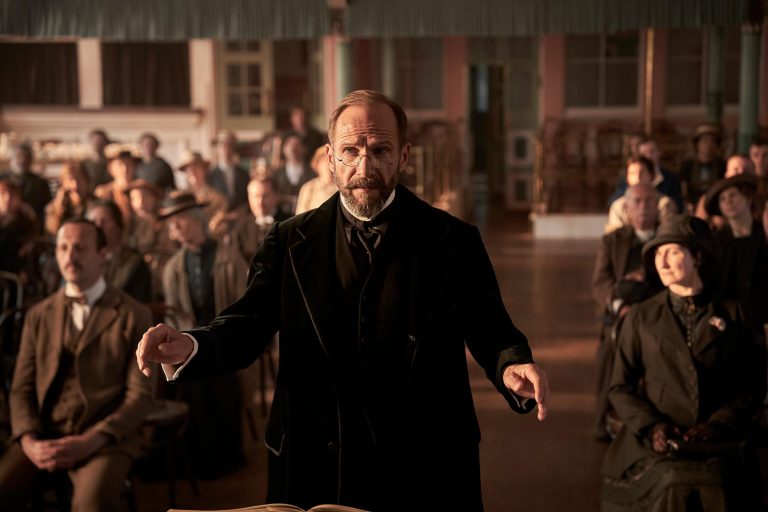
No wonder he wants what Jeff has, which Gabriel believes is nothing more than materialistic elements that wonโ€™t bring him the joy and fulfillment he wants out of life. Thatโ€™s why the angel thinks that switching places with Jeff will make him realize what matters most. Yet, most of Arjโ€™s problems are solved through becoming the ultra-rich venture capitalist who lives a life of excess, enjoys driving his Tesla around the streets of Los Angeles, and throws parties at his expense, without worrying whether heโ€™ll have money to get by for the next month.

Jeff, on the other hand, is living Arjโ€™s day-to-day struggles of gaining money, while Gabriel, going against his duty as an angel, has his wings taken by Martha (Sandra Oh) and becomes human. Throughout this story, the three will learn fundamental experiences they will, of course, carry with them for the rest of their lives, which is the ultimate lesson the movie wants to bring out to the audience. However, Ansari gets to this emotional conclusion rather haphazardly. Instead of making this โ€œheartโ€ the beating soul of Good Fortune, it seems to take a backseat in favor of mostly entertaining, yet oddly lukewarm comedic scenes that, out of context, are funny, but donโ€™t necessarily bring about much enjoyment in the grand scheme of the movie. 

Some of the jokes get repetitive relatively fast, and itโ€™s also a problem when the movie itself is built on the cyclical situations that a body (or, in this case, life) swap picture brings. How many times do we see the contrast between Arj living the good life and Jeff getting a taste of what โ€œthe grindโ€ truly is? Ansari also tries to insert a pro-union commentary in Elenaโ€™s storyline that is obviously welcomed, but feels like such an afterthought that it barely has any impact on the emotional progression of the characters, if only to highlight how much of an asshole Arj has become after having all the money in the world.

Thatโ€™s an obviously telegraphed beat that couldโ€™ve been played better, but Ansari effectively compensates with one of the best โ€œlate-stageโ€ turns Iโ€™ve seen in a long time from Keanu Reeves. Iโ€™ll admit not being the biggest fan of his comedic work, compared to his action movie roles in Point Break, Speed, The Matrix, and John Wick, but when Gabriel becomes human, his turn is so sincere that it feels hard to dismiss it entirely. The human experience of tasting a good olโ€™ American burger, chicken nuggets, chocolate milkshakes or even smoking cigarettes feels like an epiphany for an angel whose sole purpose seems completely futile in the grand scheme of his order, and Reeves completely sinks into the role that we ultimately wish he were our guardian angel. 

Itโ€™s hard to portray a divine figure and illustrate its most human aspects, yet, in becoming human and learning to appreciate the value of life, Gabriel begins to understand why Arj wants what Jeff has, and why Jeff wants his world back. Reeves is profoundly moving as an angel who learns what he should strive to do when he eventually gets his wings back, despite the schmaltzy nature of segments like these. It does bring about a few poignant sections with the three, especially Rogen, who has fun bathing in the absurdity of an age-old situation weโ€™ve seen countless times before. Ansari, on the other hand, doesnโ€™t have the same sense of wit and comedic timing that made him such a household name in stand-up and on his Netflix show Master of None, despite giving a pretty solid turn as Arj. 

As a director, he handles himself well, though one hoped his film would be more visually polished than looking like an unaired TV pilot. Ansari is lucky to have a great cast surrounding him โ€“ he doesnโ€™t need to do much to elevate their performances. Keke Palmer is a compelling screen presence on her own! The same can be said for both Reeves and Rogen, who have consistently demonstrated why audiences gravitate towards their work.
Even with an aggressively paint-by-numbers screenplay, Ansari knows heโ€™ll be getting something entertaining with such a well-mounted cast, and he mostly succeeds. Regardless of Good Fortuneโ€™s glaring shortcomings, it wonโ€™t be hard for you to leave the cinema with a smile on your face, and hope instilled in wanting to make the most out of your life before itโ€™s too late. After all, if we donโ€™t step into an uncomfortable zone and make decisions that could alter our lives forever, how will we know if it gets any better?

Grade: B

Movie Review (NYFF 2025): โ€˜Father Mother Sister Brotherโ€™ Is Jim Jarmuschโ€™s Charming, Minor Return To His Roots


Director: Jim Jarmusch
Writer: Jim Jarmusch
Stars: Tom Waits, Adam Driver, Mayim Bialik, Charlotte Rampling, Cate Blanchett

Synopsis: Three stories concerning the relationships between adult children, their somewhat distant parent (or parents), and each other: a reclusive father visited by his grown children in the US, sisters visiting their novelist mother in Dublin, and adult twins called back to their Paris apartment to address a family tragedy.


There are a few constants that trickle down from one section to the next in Jim Jarmuschโ€™s slight delight of  a triptych, Father Mother Sister Brother โ€“ this yearโ€™s Centerpiece selection at the New York Film Festival โ€“ but the one that sticks out is the repeatedly-uttered phrase, โ€œAnd Bobโ€™s your uncle.โ€ We all, more or less, know what it means: Itโ€™s a clever-ish way of saying, โ€œAnd there you have it!โ€ or denoting that something is simply put. But as Jarmuschโ€™s 14th feature โ€“ his first since 2019โ€™s The Dead Donโ€™t Die โ€“ unfolded, I found myself wondering about its origins. Some half-assed internet research returned a few possible answers. The phrase was first attributed to the former British Prime Minister Robert Cecil, who made his nephew the Chief Secretary for Ireland in 1887. (โ€œWhat makes him so qualified to serve in that role?โ€ โ€œWell, Bobโ€™s his uncle.โ€) Another theory connects it to 18th-Century slang, when the term โ€œall is bob,โ€ or โ€œall is well,โ€ was common. Wherever it came from, and why ever Jarmusch felt it apt to make it something that is uttered in each of his filmโ€™s three segments, matters less than how perfectly it fits with the film itself, though we might do well to alter the definition a touch. โ€œItโ€™s simpleโ€ might be more fitting; โ€œIt is what it isโ€ could work, too.

Any of these interpretations of a saying few use anymore and less know the true meaning of would apply finely to Jarmuschโ€™s new film, a tale of three families in various curious stages of their lives โ€“ both as a unit and as individuals โ€“ who are all, more or less, hoping that what theyโ€™re seeing, hearing, and experiencing is as plain as meets the eye. The โ€œFatherโ€ portion, which features Tom Waits in the titular role and Adam Driver and Mayim Bialik as his children, sees a semi-estranged dad having his kids over for an afternoon visit at his rundown-ish house in what simply has to be Upstate New York; Bialikโ€™s Emily is the more distant of the two children, while Driverโ€™s Jeff gets in touch more often (though still infrequently), regularly sends his dad money for โ€œrepairs,โ€ and brings a box of food. Life, as Waitsโ€™ character relays, has been difficult since the mother of his children died, and his remote existence has had a strange impact on the relationship he maintains with his children. 

But something is off: Not only does he intentionally rough up the appearance of his home by cluttering tables and sinks and tossing books about, aiming to depict his domain as disorderly when itโ€™s actually quite well-kept, but heโ€™s wearing a stunning Rolex on his left wrist โ€“ another recurring sight gag in the picture, not least because itโ€™s this festivalโ€™s presenting sponsor โ€“ one that he says is a knock-off while Emily is certain that itโ€™s the real thing. Bialik, a curious casting choice, is a bit too down the middle here for her character to be interesting, but Waits and Driver more than make up for it with Waitsโ€™ gravelly indifference throwing off the siblings with every mumble and Driverโ€™s willful ignorance to Popโ€™s true colors making for an easy laugh following every quizzical glance and/or stammer.

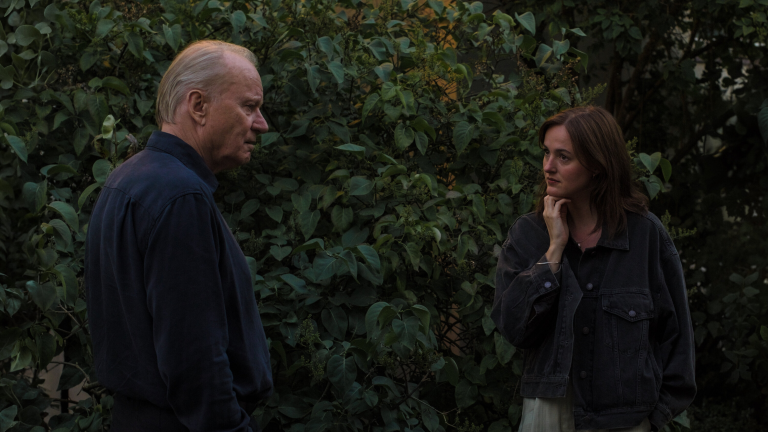
Father Mother Sister Brother. ยฉ Vague Notion / MUBI โ€“ photo credit: Frederick Elmes

Next comes โ€œMother,โ€ in which Charlotte Rampling portrays a tidy, upper-class Dublinite who decorates her residence like a castle as opposed to a soon-to-be casket. She sets up one hell of a spread for tea time with her daughters, Timothea (Cate Blanchett) and Lilith (Vicky Krieps), the former of whom dons glasses and knee-high socks while the latter sports pink hair and pretends to be more successful than she is. (Though Blanchett is chameleonic, this appears to be a fair characterization for Kriepsโ€™ character, a free spirit embodied by a performer who spent the entirety of the filmโ€™s post-press screening press conference darting around the stage to take flash photos of her director and castmates from a number of angles.) Ramplingโ€™s โ€œMotherโ€ is a novelist who likes to keep her work private, and seems to be fond of the fact that this high tea is a once-a-year event; her time is very much her time, daughters be damned. That all three seem to be completely full of it to varying degrees is both a delightful misdirection from Jarmusch, and also a uniquely honest depiction of many families, those who remain connected but at a distance they deem necessary; as Harper Lee wrote, โ€œYou shoโ€™ can’t choose your family, anโ€™ theyโ€™re still kin to you no matter whether you acknowledge โ€˜em or not, and it makes you look right silly when you donโ€™t.โ€

The third and final chapter, โ€œSister Brother,โ€ is easily the most moving of the three, but thereโ€™s an intention to the way Jarmusch concludes his film with the grieving twins Skye and Billy (Indya Moore and Luka Sabbat, both sublime) who return to their recently-passed parentsโ€™ apartment in Paris for one last visit before the residence is put back on the market. The duo of Moore and Sabbat spend most of their screentime reminiscing about childhood and discussing their present adulthoods, a lovely juxtaposition that ties the film together in how it reconnects with the past while still placing an emphasis on what has yet to happen to either of them. While so much of what occurs in Jarmuschโ€™s first two sections (especially โ€œMotherโ€) is sure to leave the audience with the uncertain feeling of what lies down the line for the characters involved, itโ€™s fascinating to see how he views the two youngest participants in the film โ€“ applicable to the actors and their roles โ€“ as not just the freest of his many creations here, but as the most sure of themselves and their respective directions. Perhaps thatโ€™s his view of their generation, that of youth and free-flowing lifestyles where itโ€™s not unusual for people to discuss what kind of drug they tried last; or maybe itโ€™s as simple as Skye and Billy now being parentless at a still young age, thus no longer beholden to anyone but themselves and each other. 

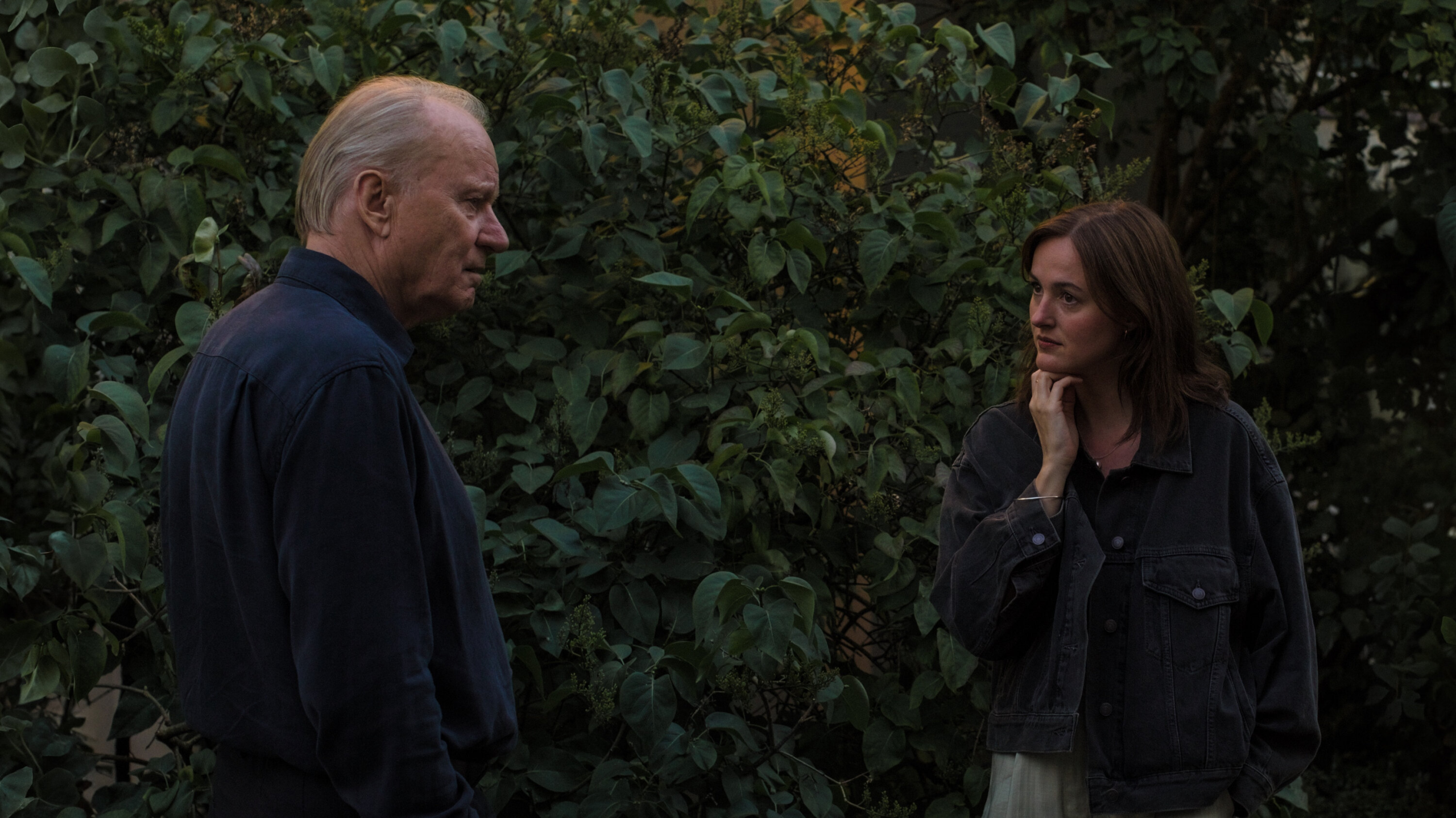
Father Mother Sister Brother. ยฉ Vague Notion / MUBI โ€“ photo credit: Carole Bethuel

In all likelihood, both are the case, especially when you consider another one of Father Mother Sister Brotherโ€™s recurring bits, this being the most romantic of them all: In all three parts, the cinematography team of Frederick Elmes and Yorick Le Saux (both among Jarmuschโ€™s go-to DPs) capture a group of skateboarders gliding through the frame in slow motion, as the filmโ€™s delicate score โ€“ which Jarmusch co-composed with Anika, the musician and poet โ€“ glides atop the scenes, serving not quite as cloud coverage but as a comforting breeze. These sequences are pointed depictions of freedom, as if Jarmusch is redirecting the gazes of the players he needs to see them most and saying, โ€œDonโ€™t you see how easy it can be?โ€ 

In another film, these brief snapshots of life away from the edge might seem cloying, like a desperate attempt to elicit the โ€œoosโ€ and โ€œahsโ€ reserved for the dumbest of slo-mo shots in projects that know not how to deploy them. But Jarmusch is a filmmaker who has made his name on his innate understanding of people โ€“ the more peculiar, the better โ€“ and their responses to things that could either be seen as obstacles or gifts. Itโ€™s no coincidence that Driver and Bialikโ€™s โ€œFatherโ€ siblings turn their nose up at these skaters being in the middle of the road, while for Moore and Sabbatโ€™s Skye and Billy, theyโ€™re just people participating in an impassioned activity. Itโ€™s telling, though, that Jarmuschโ€™s style when filming them doesnโ€™t change, no matter who is watching. His approach remains at a quiet hum, fitting given that this is the film heโ€™s called his โ€œquietโ€ work. Thatโ€™s to be taken with a grain of salt, however: This is the man who made Paterson not quite 10 years ago. And, as was true of that gem and is of this one now, not everything needs to be shouted from the rooftops in order for it to be felt at a singular depth.


Father Mother Sister Brother celebrated its North American Premiere as the Centerpiece selection at the 63rd New York Film Festival. Mubi will release the film in theaters on December 24.

Grade: B

Podcast Review: Tron: Ares

On this episode, JD and Brendan are joined by the great Megan Loucks to discuss the latest from Disney in Tron: Ares! We get quite passionate in this conversation. We are pretty fans of this franchise, and had some high hopes despite a few reservation, and good lord did this film let us down in a big way. Tron: Ares is a corporate film made by corporate types who were completely clueless regarding the cult following of Tron: Legacy and why people love that movie.

Review: Tron: Ares (4:00)
Director: Joachim Rรธnning
Writers: Jesse Wigutow
Stars: Jared Leto, Greta Lee, Evan Peters, Jodie Turner-Smith

Subscribe to our Podcasts RSS
Subscribe to our Podcasts on iTunes
Listen on Spotify
Listen on Stitcher
InSession Film Podcast – Tron: Ares

Chasing The Gold: Jennifer Lopez Deserves To Dance Her Way to a Best Supporting Actress Nomination

Kiss of the Spider Woman is one of my favorite films of the year. Itโ€™s a testament to the power of art, imagination, non-normative gender expression, and femininity to seek freedom. The entire cast is incredible but Tonatiuh and Jennifer Lopez specifically shine. Their chemistry is electric, and they both portray different aspects of what a stunning movie character should be.

While Tonatiuhโ€™s Louis Molina carries the emotional weight of the story, Lopez portrays the dream of the glamorous movie star Ingrid Luna or La Luna. She is the embodiment of beauty, sexuality, and otherness that has been associated with movie stars in the past. Those distant heroes that seem untouchable, molded into a dough that separates them from the rest of humanity. As she dances, sings, and acts, Lopez nails her portrayal of the dazzling character. She shines unlike any other time sheโ€™s been on the big screen, although as a mega successful pop star, Lopez already has a respectable history of memorable movie performances.

Sheโ€™s been the tapestry for creativity in The Cell, a survivor of domestic abuse in Enough, the Queen Bee matriarch of the strip club in Hustlers, and the biopic legend in Selena. She set screens on fire with her galvanizing aura acting opposite George Clooney in Out of Sight and supported Jharrel Jerome in Unstoppable with such subdued rendition of the real life Judy Robles, allowing Jerome to shine in a rare moment of selflessness on Lopezโ€™s part.

As La Luna, Lopez is on another level of mastery of her craft. Her diva-like, real-life status as a celebrity is well in command in this musical. La Luna is a larger than life figure with skin like porcelain and a face carved in marble, by a careful Renaissance sculptor. She should seem both approachable like the icon of a Madonna during dark times, but also ever distant like a northern star. Lopez perfectly captures that and more, using her background in dance and music to elevate the role. In one sequence, she gives a Bob Fosse-inspired musical number wearing a white fedora and a blazer mini-dress. Itโ€™s a physical work that doesnโ€™t spare any detail, and makes perfect use of Lopezโ€™s stunning, long legs, all the while delivering the perfect escapism to the imprisoned, haunted Molina who finds a Biblical-like refuge in La Luna.

Although this article is a celebration of Lopezโ€™s performance and a tiny hope that she will get her due, worthy award recognition, thereโ€™s also a great admiration for Tonatiuh. They outact William Hurt in the original. Their portrayal is more sensitive and more authentically representative of the genderqueer character in the film. Despite Hurtโ€™s veteran, award-achieving actor status, Tonatiuh begs to differ as a more subtle, fragile, and nuanced portrayal of Molinaโ€™s struggles and inner conflict. It should put them on the spot as a force of acting not to be dismissed.

How rare for a remake to surpass the original or -for those who may think I am exaggerating- be on an equal level. But Bill Condonโ€™s remake is excellent and raw, seeps under the skin, and stays there for a while. Kiss of the Spider Woman is a visual and intellectual feast, a celebration of freedom and art. It also exploits how totalitarian systems exploit peopleโ€™s weaknesses and non-conforming desires to turn them against each other, leveraging poverty and hardships as key points to control and hurt those unprotected by a higher authority. If this is a difficult truth to swallow, cameras, scripts, and directors turn it into a picture that dances in front of our eyes to revive our fighting spirit. Even if she -sadly- doesnโ€™t get her rightful Best Supporting nomination, Lopezโ€™s performance will live in the history of cinema forever.

Movie Review (NYFF 2025): Mamoru Hosodaโ€™s Visual Wonder Canโ€™t Save a Shallow Script in โ€˜Scarletโ€™


Director: Mamoru Hosoda
Writer: Mamoru Hosoda
Stars: Mana Ashida, Masaki Osada, Masachika Ichimura

Synopsis: A murdered princess awakens in a realm between life and death. Racing against time in a world of chaos, she must defeat her father’s killer and reach a mythical sanctuary before her soul vanishes forever.


Mamoru Hosoda may not be the most acclaimed Japanese animation filmmaker, but he is definitely one of the most creative. Hosoda most often uses sci-fi concepts to create stories about coming of age, loneliness, and human connection. These are truly awe-inspiring creations; Hosoda is more detailed in his imagery than in any other element of his filmmaking. From The Girl Who Leapt Through Time (my favorite of his) to Belle, Hosoda ensures that his films are filled with tons of heart and relatability, even through stories filled with wonder, guiding the viewer through the uncertainties and doubts people have in life via a pleasing-to-the-eye canvas full of vibrant splashes of color and mystical worlds.ย 

Sometimes he is too simple in his writing and it frustrates the viewer, a criticism that many critics and theater-goers have pointed out, particularly in his last couple of films. The intention is for the film to appeal to a younger audience. In that sense, it has worked for him, as many kids around the world have connected with his work. However, it comes to a point where Hosoda risks diluting the emotional depth that defines his storytelling. Unfortunately, his latest work, Scarlet (screening at the 2025 New York Film Festival in the Spotlight section), has these same issues, yet even more pronounced than before. In Scarlet, the Japanese filmmaker adapts the famous text of โ€˜Hamlet.โ€™ This tale of revenge has been covered many times before, mainly through the exact boring retelling and theatricalityโ€”sticking to the source material without reinventing or changing any part of it. 

Thatโ€™s how this film begins, with a monotonous approach. Hosoda doesnโ€™t want to stick to that for long; he moves past it after a while and hits you with an alternate ending to โ€˜Hamlet,โ€™ where his creativity can flow efficiently without the reins of its source material being too tight on his film. But he plays it way too safe in his alternate expedition, so Scarlet never scratches the surface of his ideas and imagery. Hosoda gender-switches the protagonist from a young prince to a princess named Scarlet. This princess has passed at her uncle Claudiusโ€™ hand, and heads to an afterlife riddled with war and despondency. This afterlife is called the โ€œOtherworldโ€; every person in history who dies in the real world must traverse this limbo. 

The decision on what to do while in the Otherworld is the peopleโ€™s to make. Some settle down and survive the war-torn landscapes; others try to venture forth to find โ€œEternity,โ€ a paradise. Scarlet is now stuck here, after failing to avenge her fatherโ€™s death, with Claudius claiming the throne for himself and governing the kingdom through tyranny. But even in death, Scarlet wants to take revenge against her uncle. Scarlet spent years of her life training for the day her sword got a taste of his blood, and she isnโ€™t going to give up in the afterlife if she has the chance to do so. This is an endless journey that Scarlet is committed to; in a vast hellscape, she seeks a way to restore hope that has been lost. 

In this fantasy world, we get to see Hosodaโ€™s strengths in worldbuilding and animating some of the most beautiful creations possible, concocting dreamlike and vivid characters and landscapes for us to traverse. Even though you have imagery that resembles previous adaptations of โ€˜Hamletโ€™, he still takes liberties to create new things from material many deem tiresome. Wondrous images pile up to form a visually stunning mosaic that encapsulates Hosodaโ€™s creative mind. He is very detail-oriented with his designs. From the garments the character wears to their specific hairstyles, you can easily see that Hosoda dedicated much of his time to carefully animating and bringing this world to life. But outside of the animation being top-tier, as expected from Hosoda, the rest of Scarlet just doesnโ€™t feel as vivid and lacks the nuance of his creativity. 

The existential angle of โ€˜Hamletโ€™ is cut to add sentimentality through a more universal theme, which tethers between genuine and syrupy naivety. Hosoda isnโ€™t one to dwell on dark themes too much, always with a sugary coating. Considering the material and the love he has for it, as stated in interviews and Q&As, youโ€™d think that he might switch it up just this once. He doesnโ€™t. And even through the reinvention in the imagery, he canโ€™t seem to get out of his comfort zone. The source material is dense because each character is expanded upon, and their grievances are explored carefully. Meanwhile, Scarlet rushes through character work, except for its lead, to make space for visual splendor. During this thematic rush, Hosoda repeats his message across many points in the film via over-expository and lengthy discussions. 


The anti-war message is appreciated, and he has spoken very candidly about why he made his adaptation now, as war is plaguing every corner of the world. However, there is no trust in the audience to piece together what Scarlet is talking about. That is something that bothers me with modern cinema. Many directors feel the need to over-explain simple ideas to the viewer multiple times in the film. There is no need to say โ€œwar is badโ€ repeatedly when the message is easy to decipher through the visuals alone. This over-explanation weakens the emotional potency of the story; itโ€™s as if Hosoda fears the message will be lost unless itโ€™s spelled out. Through distrust and simplicity lies Scarlet, which has many things on its side, yet falters from its lack of commitment.

Grade: C-

Movie Review: โ€˜Kiss of the Spider Womanโ€™ is a Beautiful Fantasy and an Eerie Warning


Director: Bill Condon
Writers: Bill Condon, Terrence McNally, Manuel Puig
Stars: Diego Luna, Tonatiuh, Jennifer Lopez

Synopsis: Valentรญn, a political prisoner, shares a cell with Molina, convicted for public indecency. An unlikely bond forms as Molina recounts a Hollywood musical plot starring Ingrid Luna.


Film is many things to many people. This is something that we, who adore the art form, sometimes forget. We may catch ourselves judging others for the media that they spend time with, or even how they engage with it. One of the many things that film can be, is an escape. We travel to our local movie theater, sit in a dark room with a flickering light, surrounded by strangers. And through that special magic, we are transported somewhere else, to experience something completely different. Sometimes, we get an eyeful of a difficult life that we hopefully will never experience. There is a joy in that, but I am not sure anything surpasses the pure light of a fantasy. Within that fantasy, there can even be an understanding that what we are watching has faults. But if we are open to the opportunity in front of our eyes, we can evade the pure logical analytics and just be present. 

Kiss of the Spider Woman, in any of its iterations, is both an escape and a truth that we are forced to look upon. It tells the story of Valentin (Diego Luna) who is a prisoner in Argentina due to his political beliefs and activities. One day, he is introduced to a new cellmate, Molina (Tonatiuh), who has been imprisoned for public indecency. Of course, this โ€œindecencyโ€ has more to do with their queer identity, rather than any one particular behavior. As Molina makes their entrance, it immediately becomes clear that Tonatiuh is about to give one of the great performances of the year. Luckily, after the runtime is extinguished, they remove all doubt. In a film filled with distractions, technicolor, and singing and dancing, what shines through is the human relationships and pure love, led by Tonatiuh.

The escape within the film is the story of Molinaโ€™s favorite old Hollywood musical, โ€˜Kiss of the Spider Woman,โ€™ and his favorite actress, Ingrid Luna (Jennifer Lopez). Director Bill Condon holds clear control over a difficult text, not only filled to the brim with musical numbers, but also the two plots, constantly overlapping. This is no easy task, but one that was made easier by impeccable casting. Lopez, who has certainly had her ups and downs on film, gives a stunning performance that creates a perfect fantasy for Molina and Valentin. She is the picture of femininity, in all of its power, struggle, and seeming contradictions in form. Her musical and movement talent, never under much question, are on full display. Despite the wonderfully choreographed numbers moving with her and behind her, she is never out of her depth and manages to hold the screen in a quite different style than we are accustomed to in her previous roles. Additionally, the film allows a growth in her performance, culminating in the title track, in which Lopez unleashes her surprising vocal power, along with perfect physicality. This creates a moment that will send chills down the spine of any fan of the form.  

Condon, clearly influenced by classic Hollywood musicals, darts between these storylines deftly and expertly. There is little to no concern with making the colorful numbers fit within the world of the prison. He understands that this is a fantasy with a capital F, and the contrast is needed. If only all directors of modern musicals were this unafraid to dive into color, light, and movement! Everything from the soft lighting to the wondrous costumes (from Colleen Atwood) screams beauty, love, and escape. We fully understand why Valentin and Molina would want to run from the truth of their situation, but the script manages to make all of the right choices with their relationship, as well.

The writing allows both Tonatiuh and Luna to explore their characters’ differences and similarities slowly and effectively. There are no moments between the two that do not feel wholly genuine. Tonatiuh certainly has the showier, funnier part and they take wonderful advantage of every opportunity. Luna, on the other hand, is resolute in his values and so must slowly allow himself to be cared for. Both give performances that match exactly who their characters are and should be commended. The care and consideration built through their conversations, physical connection, and shared space allows for discussions of storytelling, friendship, romance, and even revolution. The patience shown, by not only the film as a whole, but by the performers, allows love to bloom in the most dark, dingy, and unlikely of places. 

Is Kiss of the Spider Woman a fantasy? Yes and no. It is hard not to be struck by the timing of the filmโ€™s release. Living in America, where there are people being taken off the streets forcibly because of what they look like, the reality of the prison plotline here hits dangerously close to home. Are things as bad as in Argentina in the 1980s? Probably not, at least not yet. But this all depends on your perspective and experience. Can we tell people losing their homes, jobs, livelihoods, and in some cases, their freedom, that things could always be worse? 

Kiss of the Spider Woman, like film, is many things. It is a beautiful, colorful love story. It is also a warning. Different viewpoints, sexualities, and genders have a history of being attacked by governments at large. But diversity is not our weakness, it is our strength. By the time the credits roll, no matter what ends come to our characters, we understand who and what is right. No longer can we stand by and simply hope that our better angels will prevail. There is nothing wrong with escape, in the right moments, but some things are worth fighting for, in the real world. Kiss of the Spider Woman shows us that, in the end, love is one of those very things that is worth fighting for, no matter what must be sacrificed for it. 

Grade: A-

Movie Review (NYFF 2025): โ€˜Is This Thing On?โ€™ Is A Hilarious And Moving Testament To Stepping Outside Of Your Comfort Zone


Director: Bradley Cooper
Writers: Bradley Cooper, Will Arnett, Mark Chappell
Stars: Will Arnett, Laura Dern, Andra Day, Bradley Cooper

Synopsis: As their marriage quietly unravels, Alex faces middle age and an impending divorce, seeking new purpose in the New York comedy scene while Tess confronts the sacrifices she made for their familyโ€”forcing them to navigate co-parenting, identity, and whether love can take a new form.


The Novaks have found themselves at a crossroads, though perhaps a more fitting phrase would be that theyโ€™ve reached the end of their line. Alex (Will Arnett) and Tess (Laura Dern) have been together for 20-some-odd years, and have a 10-year-old set of โ€œIrish twinsโ€ to show for their efforts, but the verve that once existed within their union is gone. Tess is tired of Alexโ€™s detached emptiness; Alex is tired of Tess being tired. There is love here, to be sure, something that is especially clear when the two wait for the formerโ€™s train back to the (probably) Westchester home in which theyโ€™ve raised their boys (and dogs) on an MTA platform, splitting an edible to pass the time and ease the tension. They board the train together, only realizing amidst a fit of laughter that Alex isnโ€™t meant to be joining her; heโ€™s headed back to the apartment heโ€™s renting in the city as the two navigate their separation, and though he knowingly sprints off of the subway car, Tess wants to make sure heโ€™s in a good headspace. โ€œAre you going to be okay?โ€ she asks through the glass. Alex stays silent, if just for a moment. โ€œIโ€™m gonna be okay,โ€ he shouts back through a forced smile and a voice crack. โ€œIโ€™ll be okay.โ€

The naked eye will be able to spot that Alex is performing for the sake of his now-ex-ish wife, the mother of his children, the woman with whom he imagined heโ€™d grow old. Not only is that a very natural response for a depressed human being โ€“ to hide their true feelings for the sake of anotherโ€™s โ€“ itโ€™s also an appropriate thing for a main character in a Bradley Cooper film to be doing. The act of performance is a central tenet of the filmmakerโ€™s oeuvre; the exploration of presentation, i.e. whether or not the presenter is wearing a mask, putting on a brave face, or merely playing a character. In the case of Alex Novak, his act is a bit of all three. It also takes place on a terrain that he knows nothing about, least of all how to find his footing on its bumpy edges.

So sets the basic stand-up-comedy-set stage for Cooperโ€™s third effort as a writer-director, the exceptionally funny and soulful Is This Thing On?, where said stage serves as both a therapeutic realm and a terrifying one. Itโ€™s not a trade Alex โ€“ a mid to late-40s guy who works in finance, if weโ€™re to believe him from the one time he ever references it in the film โ€“ has ever thought to try until needing a drink and not wanting to pay the nearby barโ€™s $15 cover. (Who would?) When the bouncer informs Alex that he can avoid being gouged for the price of two decent bodega B.E.C.s by putting his name down for open mic night, he jumps at the chance and unknowingly finds a safe haven, one that dulls all of the outside noise heโ€™s been battling while never staying all that quietโ€ฆ unless he bombs, of course.

Will Arnett in IS THIS THING ON? Photo by Searchlight Pictures/Jason McDonald, Courtesy of Searchlight Pictures. ยฉ 2025 Searchlight Pictures All Rights Reserved.

And while heโ€™s hardly worth writing home about the first time around, heโ€™s not half-bad, either, which leads to him coming back again for more. The casting of Arnett in this part would require a viewer to suspend their disbelief if not for his career-best performance, one that is equal parts convincing, frequently heartbreaking, and genuinely funny, both despite Alexโ€™s best efforts and because of them. Described by a friend as someone who โ€œwas always the funniest guy in the roomโ€ adds up with what we see from Alex routine-wise, because we have all had our own funniest guys in the room yet would likely never encourage them to beg for a slot at the Comedy Cellar. Alex โ€“ a character Cooper, Arnett, and Mark Chappell based on the true story of the English comedian John Bishop, who gets a story-by credit here โ€“ operates on a different wavelength, though, one that works in his favor though would feasibly curse someone elseโ€™s. His painful honesty passes for humor in the beginning; by the time he eventually hits his stride, his truth has become his most reliable tool.  

That Alex doesnโ€™t initially tell anyone about his new hobby complicates matters a touch, regardless of the fact that, once he does share the news of his newfound passion with others, he assures them that itโ€™s not a professional pursuit. That he tells everyone except for Tess โ€“ including his kids, his parents (Christine Ebersole and Ciarรกn Hinds), and his best friend (Cooper) โ€“ is the real quagmire, a gamble that could either pay off in grand fashion or blow up mere inches from his face. The authenticity and improvisational quality that persists throughout Cooper, Arnett, and Chappellโ€™s script allows for a sense of sustained unpredictability to exist inside a film that could have very easily been telegraphed and sentimental for the sake of a few sniffles. It helps that Arnett and Dern are both terrific here, not just as ex-lovers but as frustrated co-parents and confused not-quite-divorcees. Perhaps Cooper โ€“ who is three-for-three in this criticโ€™s book, for the record โ€“ was always meant to be making others do the work rather than placing the heaviest performatory burden on his own shoulders. 

Then again, itโ€™s no coincidence that Cooper takes a step back from the centerfold and acts as a supporting character in this film, an apt choice for the path the story takes, but also for a filmmaker who has been synonymous with and defined by the showiness of his previous efforts both in direction and performance. In A Star Is Born, he played the alcoholic/addict rocker Jackson Maine, a dying star himself who tends to destroy everything in his way, from urine-stained public appearances to relationships with his paramour (Lady Gaga) and his manager/half-brother (Sam Elliott). His turn as Leonard Bernstein in Maestro โ€” the worst film ever made according to Film Twitter but a triumph in the real world โ€” spoke for itself, and not just because of the voice and the nose. His part here is perhaps the filmโ€™s funniest in a very pointed sense, but itโ€™s quite nice to see him loosen up enough to play a guy who is literally only ever referred to as โ€œBalls.โ€ Heโ€™s also the first to express disappointment at Alexโ€™s enjoyment of performing, given that โ€œBallsโ€ is an actor and appreciated Alexโ€™s tendency to be the friend groupโ€™s โ€œsettler,โ€ a funny nod if you really want to read into Cooperโ€™s decision to play director here more than star. 

Will Arnett and Laura Dern in IS THIS THING ON? Photo by Searchlight Pictures/Jason McDonald, Courtesy of Searchlight Pictures. ยฉ 2025 Searchlight Pictures All Rights Reserved.

Fittingly, Is This Thing On? is a film Cooper would sooner characterize as being about a โ€œmid-life catharsisโ€ than a โ€œmid-life crisis,โ€ and though both work well as descriptors, the former takes the cake, as watching Alex perform his way through Manhattanโ€™s underground comedy scene never feels like gazing upon a rat inside a maze. His predicament is a discomforting one, but Alex doesnโ€™t ever seem all that out of place in these clubs, on stage or off. The only time the film ever (regrettably) veers into  a territory that one would consider โ€œobviousโ€ and/or โ€œexpositoryโ€ is in a late-film sequence that shouldnโ€™t be spoiled, yet it both offers Arnett a key emotional showcase and deploys Matthew Libatiqueโ€™s cinematographic style so beautifully โ€“ a constant throughout, captured in a picture-perfect 1.66:1 aspect ratio so as to maintain proximity to his performerโ€™s faces rather than the audience watching them โ€“ that itโ€™s hard to care that it seems to have been pulled from an entirely different movie altogether.

Then again, itโ€™s worth remembering that we should all be afforded the opportunity to explode every once and a while, and Is This Thing On? is sure to tap the mic on that front while exploring emotional exorcism through a unique and lived-in vein that we donโ€™t often see in films that arenโ€™t comedy specials disguised as movies. It depicts the stage as a portal to rediscovery, a way for the dying soul of a man to come back to life with every ounce of laughter; it is the best medicine, after all. More than that, itโ€™s the kind of film that Cooper has already been making โ€“ stories about adults who lose their way and must deal with trials of varying severity in an effort to find it again โ€“ but pared back a touch, and thus into a more intimate register. Such restraint allows the film to examine oneโ€™s discomfort not with performance, but with how love โ€“ as Queen and David Bowie sang โ€“ โ€œdares you to change our way of caring about ourselves.โ€ In many ways, that has also been a tenet of the Bradley Cooper directorial experiment all along. No wonder his sweetest, smartest movie yet is the one to drop the mic on the subject.


Is This Thing On? world premiered as the Closing Night selection at the 63rd New York Film Festival. Searchlight Pictures will release the film in theaters on December 19.

Grade: B+

Women InSession: Cassandra Peterson & Elvira

This week on Women InSession, we discuss the iconic Cassandra Peterson and her legendary role of Elvira: Mistress of the Dark! Peterson turned camp and horror into a different kind of art form with her quick-witted, goth-glam hostess. With her mix of humor, sexuality and self-awareness, Elvira became a symbol of empowerment and spooky fun that holds up gloriously all these decades later.

Panel: Kristin Battestella, Jaylan Salah, Zach Youngs

On that note, check out this week’s show and let us know what you think in the comment section. Thanks for listening and for supporting the InSession Film Podcast!

Subscribe to our Podcasts RSS
Subscribe to our Podcasts on iTunes
Listen on Spotify
Listen on Stitcher
Women InSession – Cassandra Peterson & Elvira

Chasing The Gold: Best Casting: Is This New Award Impossible To Predict?

For the first time since the 2002 ceremony, where the Best Animated Feature category made its debut, there is a new category to be presented at the 2026 Academy Awards. Best Casting, or more officially, Achievement in Casting, will honor the work of casting directors who populate films with performers in both the foreground and background. It’s a nice little treat to get an additional category as the categories are more often reduced rather than expanded. We hardly knew you, Best Original Comedy Score (1996-1999). Yet, for those in the position of predicting, thinking about trends, and finding a theme, it’s anxiety producing. There’s no past data to fall back on.

As we begin to see the broader awards season taking shape we all have to start to ponder, what is good casting? Casting happens long before the film begins shooting. It’s a process that is also evolved as the film takes shape. Acting is a job. People can get fired or quit, so how much does that come into play?

Just as an example, casting director Carmen Cuba could have been considered for a nomination for the film All the Money in the World. Though, that’s a bit complicated. Would her peers be applauding her original casting of Kevin Spacey, an actor who was removed from the final film due to accusations of sexual misconduct, or her last minute save of securing Christopher Plummer to be inserted into those scenes? This also goes into a confusing conundrum of what this award really encompasses. 

The complicated nature of casting is that the lead actors are sometimes a part of the package before a casting director gets involved. Many powerful A-list actors have also created their own production companies to develop projects for themselves. There are also long standing creative partnerships or friendships that supersede the need to involve a casting person. The same with small, but key supporting parts. These can be long standing relationships between filmmakers and actors.

What the heart of this award will boil down to is the non-marquee ensemble players. It’s about which casting director can nab the best character actors, supporting players, and discoveries who are found for large supporting or co-lead parts. If this is the case, then larger films will have the advantage. It may be a way for something like Fantastic Four: First Steps and Superman to break out of the doldrums of Best Visual Effects. It may be a way for animated features like Zootopia 2 and KPop Demon Hunters to bring voice acting into a larger conversation about acting.

What we really know is that like most technical awards, the casting directors branch executives will come up with a shortlist of ten features. It’s from those ten features the branch as a whole will vote for their favorites and the list is narrowed to five. It’s those five that will be the nominees.

It’s likely that this will be a populist category. It will likely be a battle of studio films, which isn’t a bad thing, but it’s going to push out films that may have been perfectly cast if a little smaller. Films like Black Bag or Highest 2 Lowest will most likely be forgotten like they will likely be forgotten in other categories. This is where the smaller Best Picture nominees will lose steam.
This year’s inaugural class of nominees will establish a base line. It will include the Best Picture frontrunners and likely a wild card or two just to shake things up. We’ll have to wait five or six years to see if a pattern emerges that people can analyze and decide if the category can be predicted to a high probability. We’ll probably start to see a trend where a broad statement that no film not nominated for Best Casting has a shot at Best Picture. For now, though, based on audience and critical reactions and early prognostications, 2026’s Best Casting award will be One Battle After Another‘s Cassandra Kulukundis’ to lose.

Movie Review: ‘Tron: Ares’ is a Tedious Journey To Nowhere


Director: Joachim Rรธnning
Writers: Jesse Wigutow, David DiGilio, Steven Lisberger
Stars: Jared Leto, Greta Lee, Jeff Bridges

Synopsis: A highly sophisticated Program, Ares, is sent from the digital world into the real world on a dangerous mission.


Tron: Ares may be the first film to deserve a pull quote of demanding โ€œto be seen on the biggest screen possible,โ€ but is meant to be dripping with sarcasm as an insult. Movies made for IMAX should enhance a filmmakerโ€™s vision and audience enjoyment, not weaponize the cinema experience to disguise hollow storytelling and empty spectacle. That is the feeling you will walk away from with Joachim Rรธnning’s latest failure to reboot this stale science-fiction franchise. 

Jared Leto as Ares in Disneyโ€™sย TRON: Ares

Of course, what would you expect from a filmmaker who specializes in this kind of cinematic confidence gameโ€”the fifth installment of Pirates of the Caribbean and Angelina Jolieโ€™s Maleficent: Mistress of Evilโ€”films that prioritize commercial intent over any brave artistic vision. The only silver lining is that with each failure of a legacy sequel, we appreciate the 1982 cult classic, which looks better with every passing attempt. 

The movie follows Julian Dillinger (X-Menโ€™s Evan Peters), a brash CEO of Dillinger Systems. Nearly half a century after Kevin Flynn developed digital โ€œGridโ€ technology, Dillinger seeks to extract the platformโ€™s resources into the real world. His ultimate goal appears to be dragging into realityโ€”kicking and screamingโ€”Ares (Academy Award winner Jared Leto, being very, uh, Leto-like here). Ares is an artificial intelligence and super-soldier, programmed always to obey his creatorโ€™s commands. 

The only issue is that anything taken from the GRID can be taken away, like a pizza, in thirty minutes or less. Any AI will evaporate like it wasnโ€™t even there, causing a battle between Dillinger and a rival scientist, Eve Kim (Past Livesโ€™ Greta Lee), CEO of ENCOM. However, Eve hypothesizes that Kevin Flynn solved the issue decades prior but kept the secret to himself. Obviously, before dying off in Tron: Legacyโ€™s digital realm. 

Greta Lee as Eve Kim in Disneyโ€™sย TRON: Ares

As Eve searches for what she calls the โ€œpermanence code,โ€ she is hunted by Ares and Athena (The Neon Demonโ€™s Jodie Turner-Smith) under Dillingerโ€™s command, in whatโ€™s billed as a digital cold war unlike anything weโ€™ve seen before. Except, well, we haveโ€”through countless Tron sequels, prequels, legacy chapters, and knock-offsโ€”making Tron: Ares one of the more vapid science-fiction epics in recent memory.

Yes, movies are a visual medium. From an aesthetic point of view, Tron: Ares is a feast for the eyes with its spectacular special effects. (The โ€œLight Skimmerโ€ chase scene is by far the filmโ€™s highlight.) The pulsating score from Nine Inch Nails is visceral and deeply felt, like an all-consuming mental maelstrom on the senses. Yet the techniques evoke sensory bombardment tortureโ€”blurring the thin cinematic line between movie spectacle and enhanced interrogation.

Thatโ€™s because the script by Jesse Wigutow (Daredevil: Born Again) is painfully predictableโ€”nothing in this movie isnโ€™t telegraphed well in advance. Staying alert while being bored out of your mind only makes the quip about enhanced interrogation techniques perfectly clear. The filmโ€™s points about artificial intelligence and its dangers have been made thousands of times before. And just because the original Tron had something to say on the issue doesnโ€™t mean this installment deserves a pass when it offers nothing new or fresh on the subject.

Jodie Turner-Smith as Athena in Disneyโ€™sย TRON: Ares

Instead, the audience is dragged through a labyrinth of Tron: Ares plotlinesโ€”a tedious journey to nowhere. The result feels sanitized and sterile, lacking the emotion or stakes needed to draw viewers in. Whatโ€™s left is a soulless expeditionโ€”shocking, given that the heart of the original filmโ€™s conflict was a tug-of-war over our humanity. Tron: Ares isnโ€™t a movie of the moment so much as a recycling of old plot points, as if studio heads are simply mining IPs they think might resonate with todayโ€™s world, rather than exploring themes and subtext through fresh eyes and ideas.

You can watch Tron: Ares only in theaters starting October 10th!

Grade: D+

Chasing the Gold: Above-the-Line Categories

On this episode of Chasing the Gold, Shadan is joined by Jacob Throneberry to discuss all the above-the-line categories, including Screenplay, Director Acting and Best Picture! While we love the craft categories, there’s no denying that these categories carrying a lot of the awards juice. Whether it be the great performances in a given year, the director’s we love and cherish or the very best films we see, there’s a lot to talk about here and boy do we get into it all.

Check out this week’s show and let us know what you think in the comment section. Thanks for listening and for supporting the InSession Film Podcast!

Subscribe to our Podcasts RSS
Subscribe to our Podcasts on iTunes
Listen on Spotify
Listen on Stitcher
Chasing the Gold – Above-the-Line Categories