



Director: Rachel Feldman
Writers: Rachel Feldman, Adam Prince
Stars: Patricia Clarkson, Thomas Sadoski, John Benjamin Hickey
Synopsis: About a courageous factory worker who fights for justice when cheated and mistreated by her company. Based on the life of Lilly Ledbetter.
Rachel Feldman’s Lilly enters the arena of biographical dramas with a sense of purpose, telling the story of Lilly Ledbetter, an Alabama factory worker whose fight for equal pay became a turning point in American labor rights. Unlike many biopics that inflate their subjects into mythic figures, this film chooses a softer, more intimate approach. It locates its power not in grand speeches but in the slow, painful accumulation of everyday injustice, and in the woman who finally decides she has had enough.
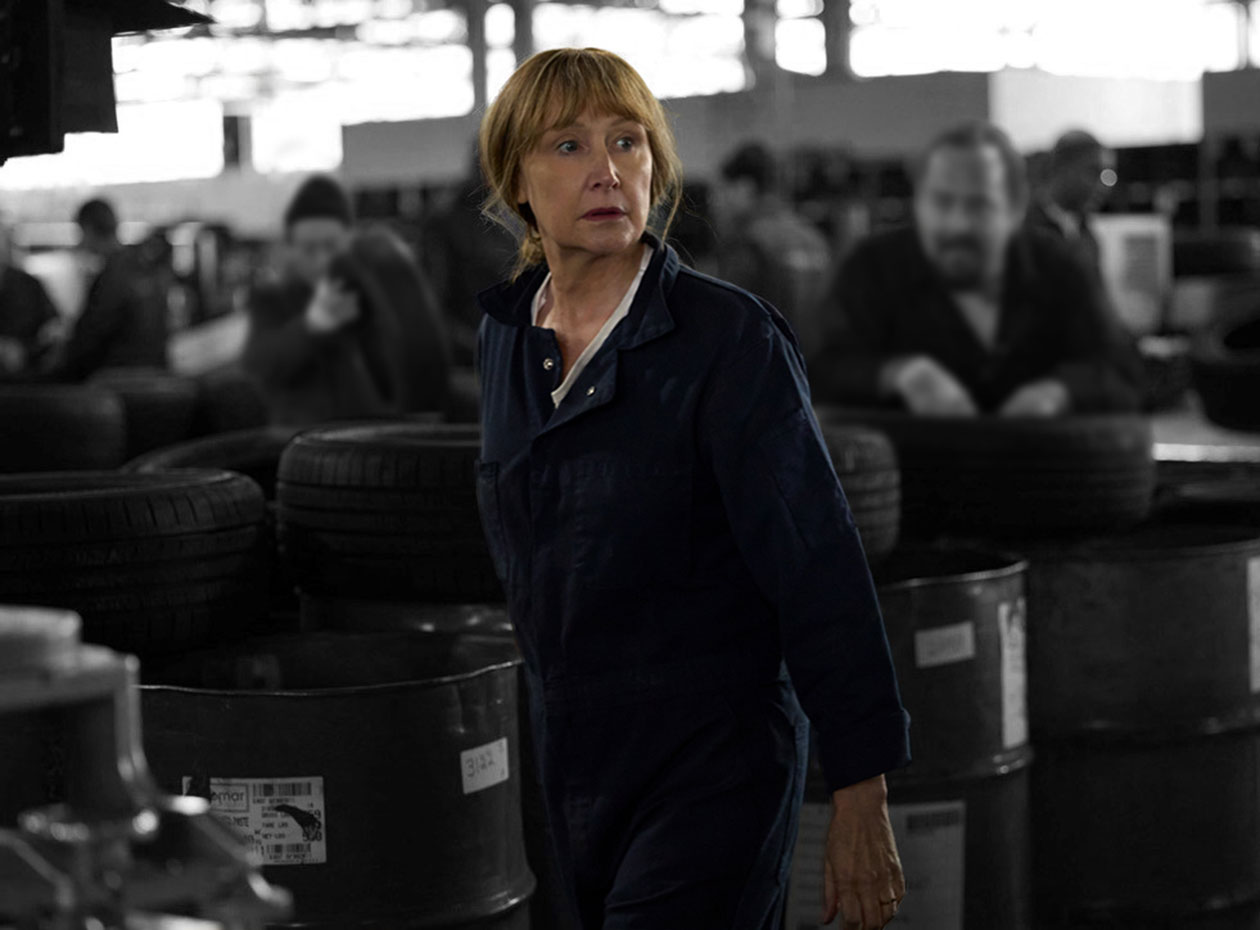
Lilly follows its protagonist through the years she spent working at a tire plant, where she was underpaid, undervalued, and systematically overlooked. Patricia Clarkson has always excelled at characters with emotional steel hidden beneath quiet exteriors, and here she builds a woman not born a crusader but who becomes one through sheer necessity. Her performance is compelling, thoughtful, and shaped by a life of factory shifts, family obligations, and the exhausting bureaucracy of seeking justice. Clarkson’s subtle performance elevates every beat, giving Lilly a quiet emotional potency that many viewers should be able to identify and resonate with.
The film and Clarkson acknowledge that Ledbetter is neither fearless nor flawless; she is simply someone who refuses to be dismissed one more time. This grounding keeps the story accessible even to viewers unfamiliar with the real-life court battle that eventually led to the Lilly Ledbetter Fair Pay Act of 2009.
John Benjamin Hickey, playing Lilly’s husband, plays a role of unwavering support. Sometimes frustrated, sometimes quietly heroic in its ordinariness. Their chemistry as a couple is warm and feels real. Thomas Sadoski, as the corporate figure representing the company’s more hostile indifference, provides a chilling reminder that discrimination is often behind the scenes and not confrontational: found in paperwork, whispered judgments, and closed-door decisions.
The cinematography is lovely, as the film opts for darker palettes and keeps Lilly in some color rather than black and white to showcase the past, which is clever and a way to avoid using the generic tool that all other films do. The music is expressive, from the first song “The Daughters,” viewers are thrown into this feminist, expressive film. There is also the use of archive photos and footage of Ruth Bader Ginsburg speaking about Lilly’s job, life, and the wider issues surrounding discrimination against women in the workplace. It’s subtle, not overbearing, and gives the film an edge. This documentary aspect helps viewers understand the realism and truth behind this film’s story. There is also footage from presidents such as Obama and other political powerhouses like Hillary Clinton, arguing for the rights of women. The footage of the bill passing is quietly powerful.
The screenplay, co-written by Feldman and Adam Prince, walks a delicate line between education and character study. It certainly wants to inform about wage discrimination, legal barriers, and the systemic disadvantages faced by women in male-dominated jobs. The film filters political urgency through personal stakes. Lilly’s fight is not abstract; it is about her mortgage, her children, her dignity. Lilly makes clear that she doesn’t want to be a symbol; she just wants the company to acknowledge her worth. And while there are moments of empowerment, there are many more stumbling blocks and setbacks than you’d expect.
Lilly tends towards overly neat dialogue at moments when messiness might have felt more truthful. There are scenes where emotional revelations arrive a bit too tidily, smoothing over the jagged complexities of a year-long struggle. Some viewers may also crave more exploration of the broader workplace culture that enabled Lilly’s mistreatment, rather than focusing so tightly on her individual perspective.
Still, Lilly remains compelling because it understands that change often begins not with dramatic movements but with one person’s refusal to stay silent. Feldman’s commitment to authenticity has created a biographical drama that is both timely and timeless.
In a world where 148 economic countries have gender pay gaps, and women earn less for doing the same job as a man (for every dollar earned by a man in the USA, a woman makes 78 cents), this film is an important reminder to not be complacent and to stand up for what you deserve.