



Director: Sepideh Farsi
Stars: Fatima Hassona, Sepideh Farsi
Synopsis: Director Sepideh Farsi chronicles Israel’s ongoing military campaign in Gaza through a series of FaceTime calls with Palestinian photojournalist Fatima Hassona, as she and her family continue to search for hope in an increasingly hopeless environment.
Some films are difficult to discuss without revealing the ending, specifically those detailing real-life events. Danny Boyle’s 127 Hours is a tour-de-force of filmmaking, acting as a one-man show for James Franco’s portrayal of avid mountaineer Aron Ralston, whose hike into Utah’s Canyonlands National Park turns dire after an 800-pound boulder crushes his arm, trapping him in an isolated canyon for five days. Those unfamiliar with Ralston’s brush with death going into the film as a true story will be moved by his journey, but the film itself was sold on how Ralston got himself out of the canyon, thus “spoiling” the reveal and reason the film was made. However, like any film based on true events, the purpose of their existence is less the destination and more about the journey surrounding its characters overcoming insurmountable odds.
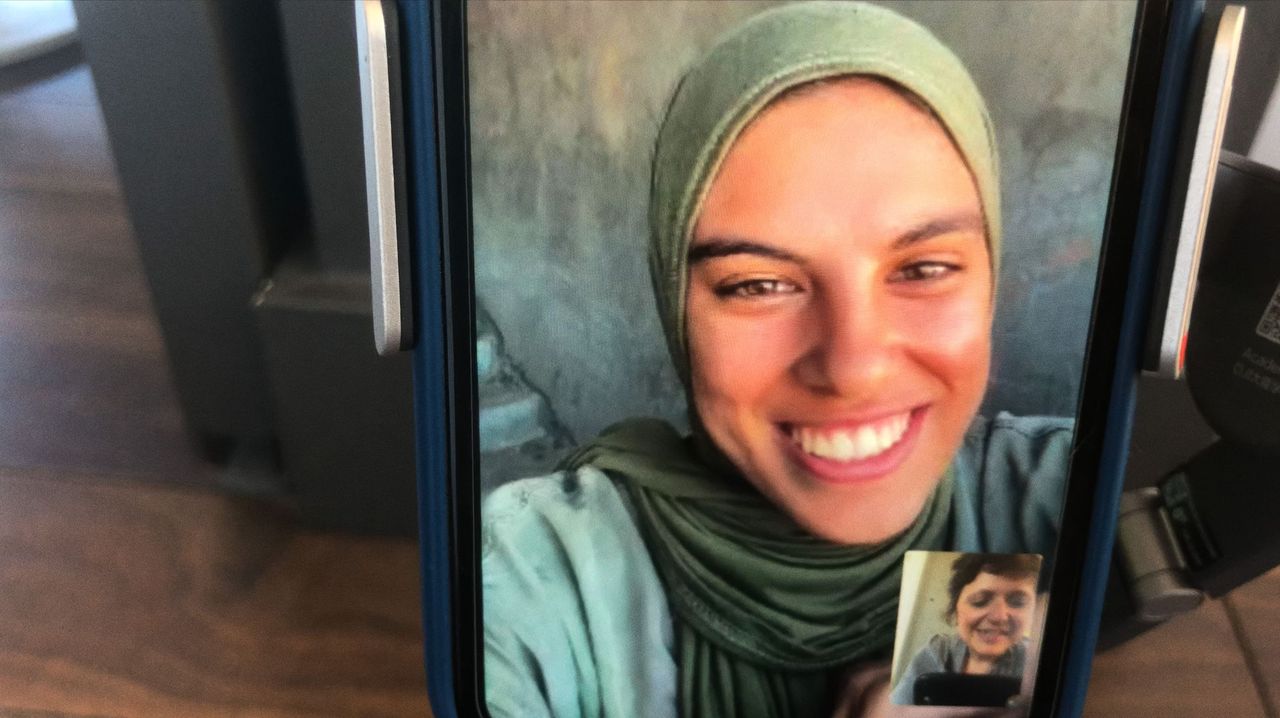
However, some true stories force us to come to grips with devastating reality, none more relevant than Sepideh Farsi’s astonishing documentary Put Your Soul on Your Hand and Walk, chronicling Israel’s ongoing genocide in Gaza over the course of a year, following the events of October 7. In the wake of No Other Land, the brilliant Oscar-winning documentary cataloging four years of the Israel army’s aggressive demolition of Palestinian homes ultimately ending with the events of October 7, Farsi has crafted a disheartening, but necessary companion piece. As a real-time exposé of Israel’s destruction of Gaza, Farsi succeeds in cataloging both the continuous suffering of Palestinians as well as the disillusionment of those helpless to end it. However, the film is even better as a testament to the power of the human spirit in terrifying times, as seen through the eyes of photojournalist Fatima Hassona’s testimonial.
Farsi’s approach to crafting Put Your Soul on Your Hand and Walk, while simple and often experimental, is gripping to behold. Most of the film is constructed through a first-person perspective as Farsi films her FaceTime conversations with Hassona, checking in for regular updates on how she and her family are navigating Israel’s increased military presence. However, Houssana’s demeanor on the calls, in the midst of increasingly bleak circumstances, is nothing short of joyous. She often laments the hardships her family and the rest of Gaza’s residents are experiencing, being cut off from essential food staples with bombs being dropped on buildings from all angles, yet she persists. She describes her position and insistence on staying in Gaza amidst Israel’s occupation as a point of pride, her infectious optimism shining through with an ear-to-ear smile. As unceremonious as times are, all that she can do is continue to survive, describing the film’s title as an act that the people of Gaza are forced to live through every day.
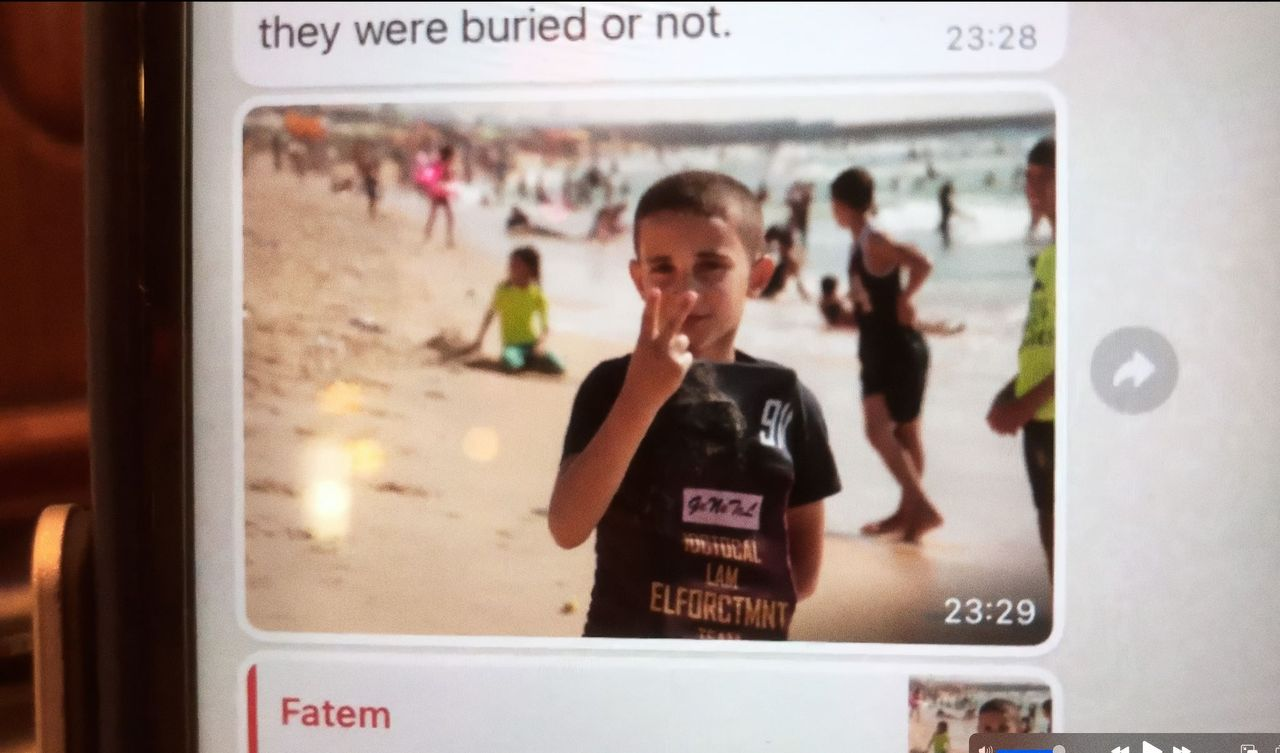
Farsi stitches her discussions with Houssana using cornerstone events after October 7th, 2023, providing context for each of their conversations. The perspectives of both facets of Put Your Soul on Your Hand and Walk helps cut through the red tape of much of western media’s centrist coverage of Israel’s treatment of Palestine. Admittedly, there are sequences when the experimental style that Farsi employs doesn’t fully support the film. While some details embedded into the conversations between Farsi and Houssouna help to amplify the latter’s circumstances such as frequent dropped calls caused by shoddy reception, some details were better left on the cutting room floor, such as Farsi taking breaks to let her cats inside her home. However, it’s not that these details don’t add character, because Put Your Soul on Your Hand and Walk exudes character from every frame, just from its frank depiction of what it’s like to live through an atrocity. Through communication and empathy, Farsi has opened the world of documentary filmmaking with an execution all her own, showing how a series of conversations can enlighten new audiences. While the ending of Put Your Soul on Your Hand and Walk may be permanent, her conversations and spirit are etched into eternity as a defining moment in Palestinian cinema.