



Directors: Hélène Cattet, Bruno Forzani
Writers: Hélène Cattet, Bruno Forzani
Stars: Fabio Testi, Manon Beuchot, Yannick Renier
Synopsis: A retired spy suspects his former adversaries have resurfaced when his intriguing neighbor vanishes.
I would be lying if I said I understood everything about Hélène Cattet and Bruno Forzani’s Reflection in a Dead Diamond. In fact, everyone outside of the filmmakers probably would be. As confusing the narrative may be, it doesn’t take away from the style and substance the film delivers.
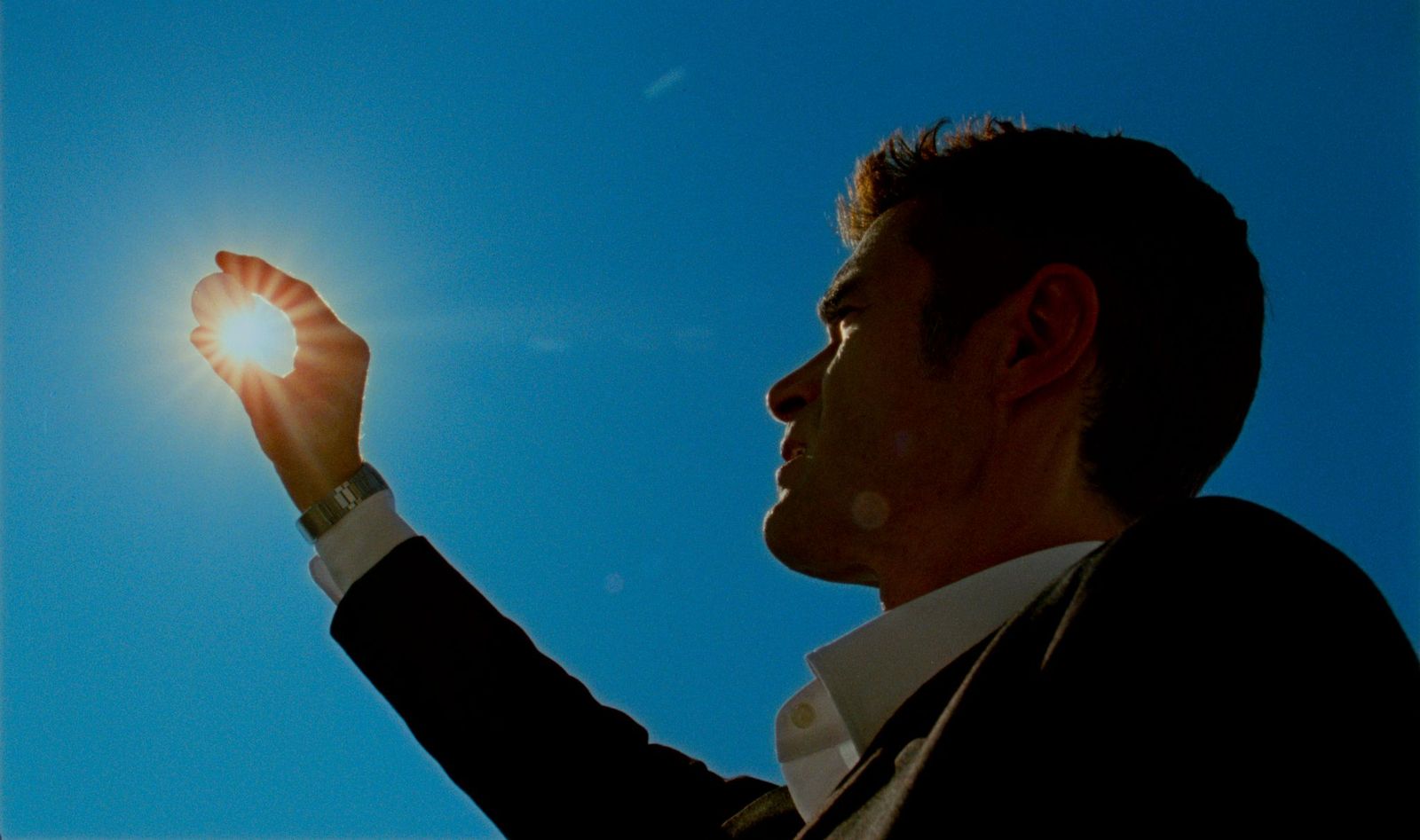
Fabio Testi stars as John Diman, a retired spy living in luxury on the French Riviera. Seeing his beautiful neighbor, John’s memories of his spy life in the ‘60s are rekindled. Young John (Yannick Renier) is tasked with protecting Markus Strand (Koen De Bouw) from a killer alongside his partner, Cantatrice (Kézia Quental). When Cantatrice disappears, John must piece together what happened while evading a killer named Serpentik.
Without giving too much away, there is much more to it than that. The story begins as a Bond tribute of a man looking back on the failings of his past, only for shocking bits of ultraviolence and reveals to twist the narrative into something completely different. At one point, you aren’t even sure John was a spy, but maybe was actually a movie star in a Bond-like franchise. Then again, maybe he was and this is the work of a more nefarious agent. When the film ends, there are certainly no definitive answers.
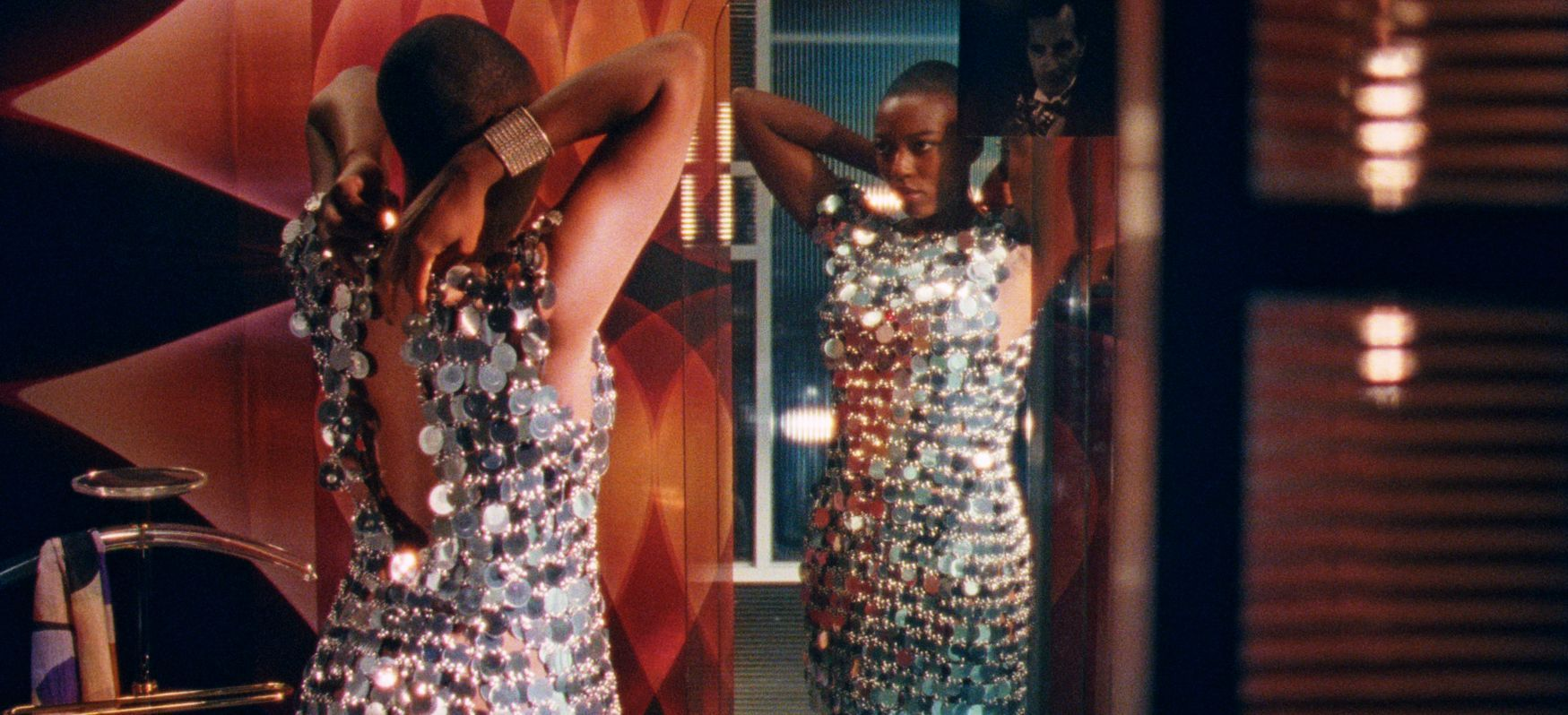
Instead, the film disorients while entertaining. Flashes of madmen in madness, memory-infused sequin dresses, layers upon layers of rubber masks, and dozens of other memorable images assault the senses. Even the action scenes invoke a sense of misunderstandings and bait-and-switches, mixed with an occasionally shocking amount of ultraviolence. At times, the audience is unaware what is a memory, a film scene, a hallucination, a dream, or a fantasy.
But understanding isn’t as important as experiencing. It’s completely possible (though, I believe unlikely), the filmmakers don’t actually care to present a coherent throughline and story and want to keep you guessing. This is certainly the type of film to become a candidate for cult classic status, only to be dissected and analyzed for years to come. But, don’t let the confusion turn you away. The Bond reference (and reverence) is enough to set you on the path to enjoying yourself. While the film does not have direct correlation to any spy genre, it pays homage and parodies all of those films.
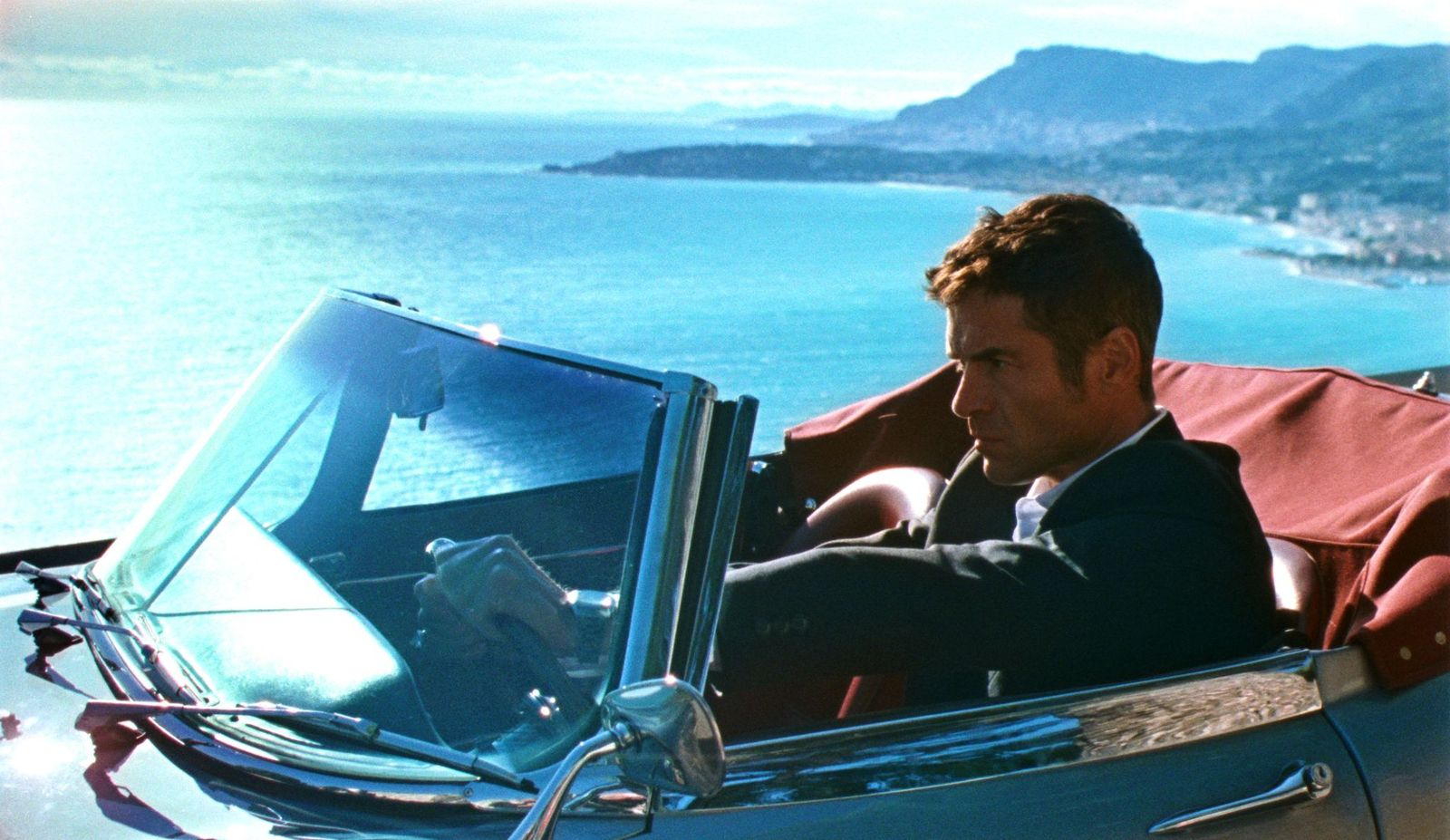
While not playing the character in the present, Renier is the runaway star of the film. Balancing the debonair spy attitude with dashing good looks, but also a streak of insanity, the Belgian actor looks, acts, and lives the role. As a testament to his devotion, Renier never blinks at the insanity the filmmakers ask of him. This film marks his highest profile film in the United States, he stands a good chance of becoming the next international breakout star. In a supporting role, De Bouw paints a devilish picture as the erstwhile villain while Quental paints an indelible picture of the doomed female spy equivalent to John.
Testi does a fine job as the elder John, languishing in memories and possible psychosis in his modern-day luxury. Maria de Medeiros is the most famous face to American audiences, showing up to deliver a scene-stealing late-film performance. Every actor is equally committed to their roles and each excel. Reflection in a Dead Diamond might be confusing and alienating, but if you let the iconography and intrigue take you in, you might find yourself overwhelmed and enhanced by the experience.