For a long time we have held onto the concept of the “Oscar Movie.” It’s a film that checks off boxes that previous successful Oscar films have had. Most often the phrase is used as a way to hedge the chances of other films that might not fit this mold. These are the films you see on lists on nomination day as the ones we think should have been nominated, but weren’t. This narrative of what is and isn’t an “Oscar Movie” plays out in prognosticators’ columns for months, but it’s completely useless in today’s discussions of what films can and will be nominated for Oscars.
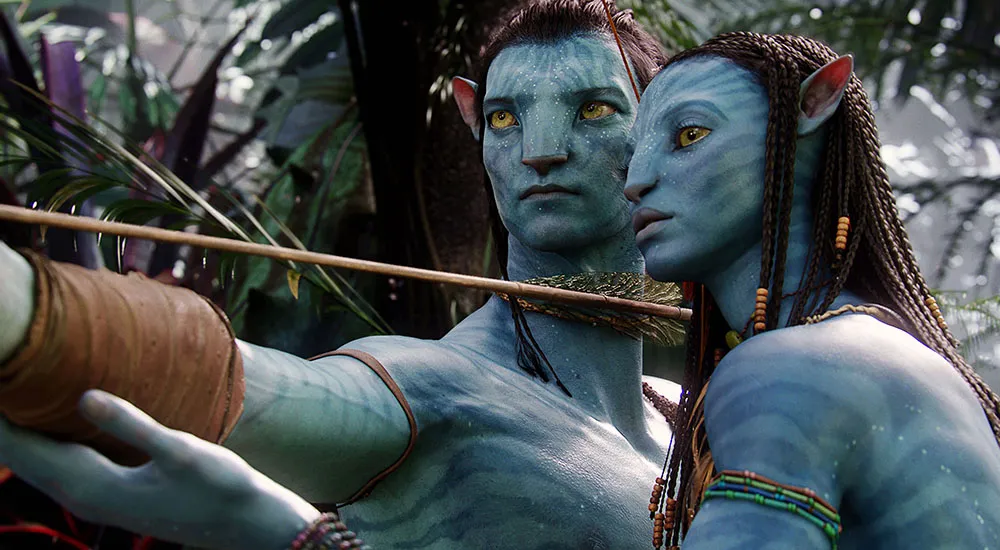
It’s not just since the upheavals in the makeup of the Oscar voting body within the last several years, but it goes back to the rule change for the 2010 ceremony, which allowed ten Best Picture nominees. If you were to call District 9 an “Oscar Movie,” even just the year before, people would have looked at you strangely. The same could be said of Avatar, a genre film through and through, or Up, which was then only the second animated film to be nominated in Best Picture.
For a decade and a half, the Academy has been redefining itself and yet we cling to this idea that only certain types of movies can make an impact. This idea of an “Oscar Movie” is still prevalent, but it seems to make little difference. If you look at the most talked about films this year, these are unconventional and very few could truly be considered an “Oscar Movie.”
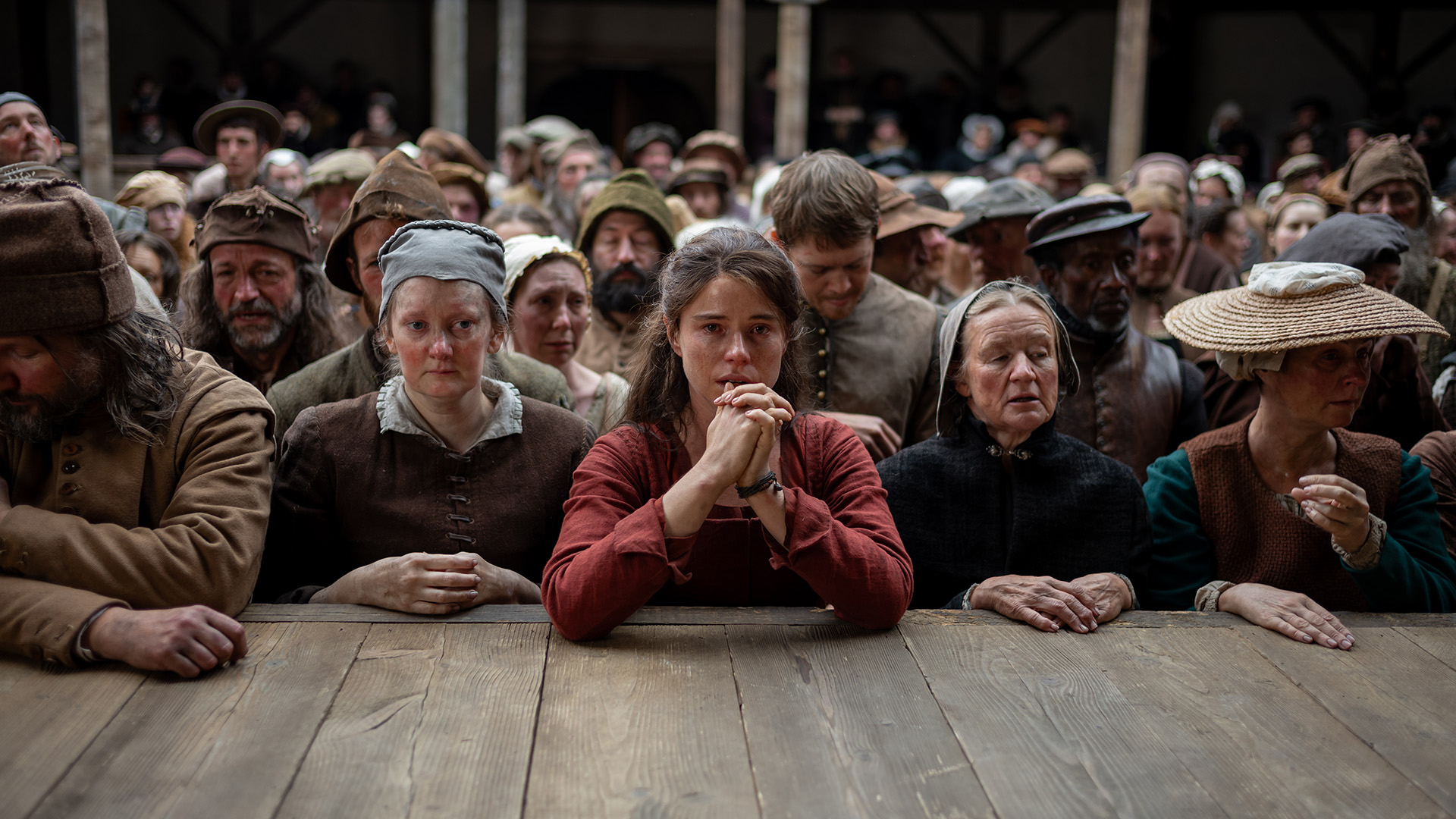
On paper, Hamnet is the perfect “Oscar Movie.” It’s a period piece, includes Shakespeare, focuses on actors honing their craft, has showy performances by past nominees, and has a pedigreed director who made history last time she won. It fits the bill. The same goes for Jay Kelly, which is about Oscar’s favorite subjects, movie stars and how they’re misunderstood. Wicked: For Good is an adaptation of a smash Broadway hit.
Yet, with the past several precursor awards nominations and critics circle wins this year already, it’s clear that the “Oscar Movie” no longer has the sway it used to. Genre films like Frankenstein, Weapons, and especially Sinners are breaking through. Not only that, but films not in English have become not merely outside chances, but true players. After the announcement of the Golden Globes, whose voting body changed their rules to allow films not in the English language into their Best Motion Picture categories, the tides have thoroughly shifted. Five of the twelve (3 in Drama, 2in Comedy) Best Picture nominees are largely in languages other than English, which pushed out early season heavy favorites like Jay Kelly and Wicked: For Good.
So what’s to be done with prognosticators, taste makers, and armchair pundits who continue to ignore the wider variety of films in their early predictions? What will it take to shift focus from the old guard to the new wave? Is it possible to change our thinking and effect a better understanding of the cultural shift that the Oscars has undergone?
I think writer and critic Mark Harris’ book “Pictures at a Revolution” is a good blueprint for how we move on from our stodgy old ideas of what “can” win an Oscar. Harris posits that the youthful cultural shift of the late 1960s and the evolving nature of film ratings, brought an eye to different forms of artistic expression and injected a new perspective on film into the Oscars voting body. The boom of American independent cinema of the late 1980s and early 1990s, detailed in Peter Biskind’s book “Down and Dirty Pictures,” shifted the needle again to make it more of a challenge for studios to come up with a slate that could compete while the Academy invited in this new class of filmmakers. In the 2010s it was the streaming revolution that pushed back against the traditional models of production and acquisition scooping up filmmakers tired of the oversight. In the 2020s it’s clear that younger people who are more diverse in culture and nationality are shifting these, as filmmaker Bong Joon-ho put it, “very local” film awards into the wider world of cinema.
The “Oscar Movie” as it was is now moot. Films that we see that harken back to that era are often dismissed as bait. People and voters are more savvy and more wanting of substance over sheen. Whatever is nominated for the Academy Awards this year, those films will look nothing like the films of twenty years ago, so we should stop trying to compare and start looking for and championing the unique and special over the same old same old.