



Director: Kaouther Ben Hania
Writer: Kaouther Ben Hania
Stars: Motaz Malhees, Saja Kilani, Amer Hlehel, Clara Khoury, Nesbat Serhan
Synopsis: On January 29, 2024, Red Crescent volunteers in West Bank, Palestine receive an emergency call that a 6-year old girl is trapped in a car under fire, pleading to be rescued. While trying to keep her on the line, they do everything they can to get an ambulance to her.
Cinema has the power to elicit strong emotional reactions from its audience. Some filmgoing experiences are remembered forever for the immeasurable joy they bring to their audience, while others are defined by collective discomfort, for better or worse. The gamut of emotions runs deep when watching a film, and all of my favorite films that I’ve seen in theaters have the same thing in common: they gave me an experience unlike anything I’ve seen before. Kaouther Ben Hania’s The Voice of Hind Rajab deserves to be in a class all its own when it comes to unforgettable theater-going experiences. The reaction the film elicited to its sold out crowd during the opening weekend of the Chicago International Film Festival was one of stunned silence by the time the credits rolled. The Voice of Hind Rajab was the only film of the 15 I saw that weekend to not receive applause after it was over – not due to the film’s lack of quality, but out of respect for the craft, consideration, and representation of such a bleak reality. Compared to the 23 minute standing ovation the film received at its premiere at the Venice International Film Festival, the reactions have elicited a wide array of responses.
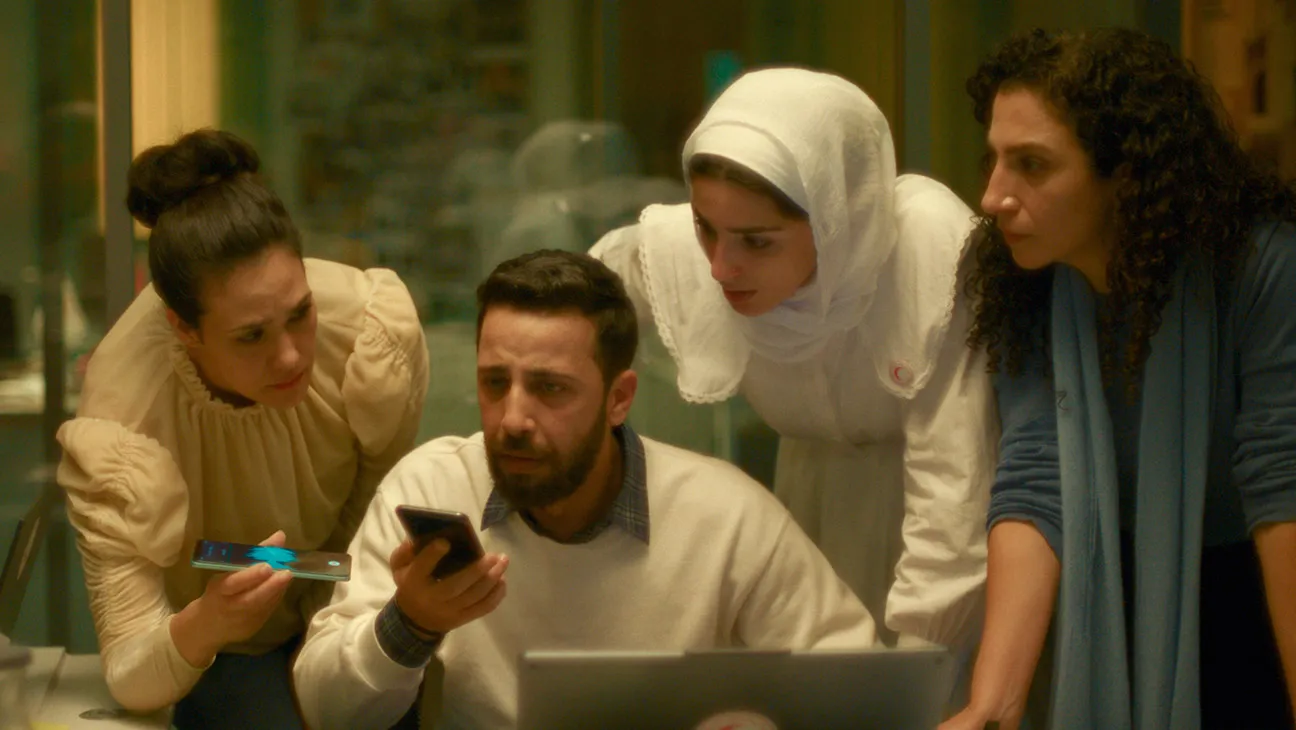
The Voice of Hind Rajab, Kaouther Ben Hania’s dramatization of a group of Red Crescent volunteers and their efforts to rescue the titular 6-year old girl from a car under fire in Palestine is another harrowing installment in the recent series of films attempting to streamline the impact of Israel’s ongoing genocide of Gaza. Unlike No Other Land and Put Your Soul on Your Hand and Walk, two documentaries whose efforts precede and actively capture Israel’s occupation prior to October 7, The Voice of Hind Rajab uses a docufictional lens to tell its story. The film’s white hot intensity in simultaneously displaying the frustration of organizational red tape, along with the indomitable spirit in believing their efforts will make a small difference, helps propel the film along its furious 90-minute runtime. Even without the true story attached to its production credits, The Voice of Hind Rajab still captivates as a thriller on its own merits, allowing its audience a glimpse into the helpless environment that frontline volunteers are placed in, yet holding out hope that their efforts will enact some iota of change.
The story centers on four volunteers in particular, two of whom have direct contact with Rajab as she pleads to be rescued. Though all volunteers want nothing more than for her rescue, the four clash on how to best handle the situation. The most pertinent of disagreements occur between Omar (Motaz Malhees) and Mahdi (Amer Hlehel). Omar has difficulty separating his emotions from the situation, wanting to immediately secure her rescue, while Mahdi’s role as a supervisor forbids him from dispatching an ambulance until they’ve received proper clearance to ensure the protection of emergency workers. The pair’s constant disagreement increases the tension within the room as the team spends hours doing their best to keep Rajab calm, with fellow volunteers Rana (Saja Kilani) and Nisreen (Clara Khoury) keeping in contact and assessing the situation behind the scenes. As escalatory as the situation becomes, Hania’s script and direction does an excellent job of balancing the tension by allowing both perspectives to have a voice in the room. The claustrophobic environment, all taking place in a single-location setting, amplifies the feeling of isolation and hopelessness of feeling so close to the situation, yet so far from providing relief. Hania’s instincts as a filmmaker in being forthright and immediate serve The Voice of Hind Rajab incredibly well, even as the unfortunate reality sets in.
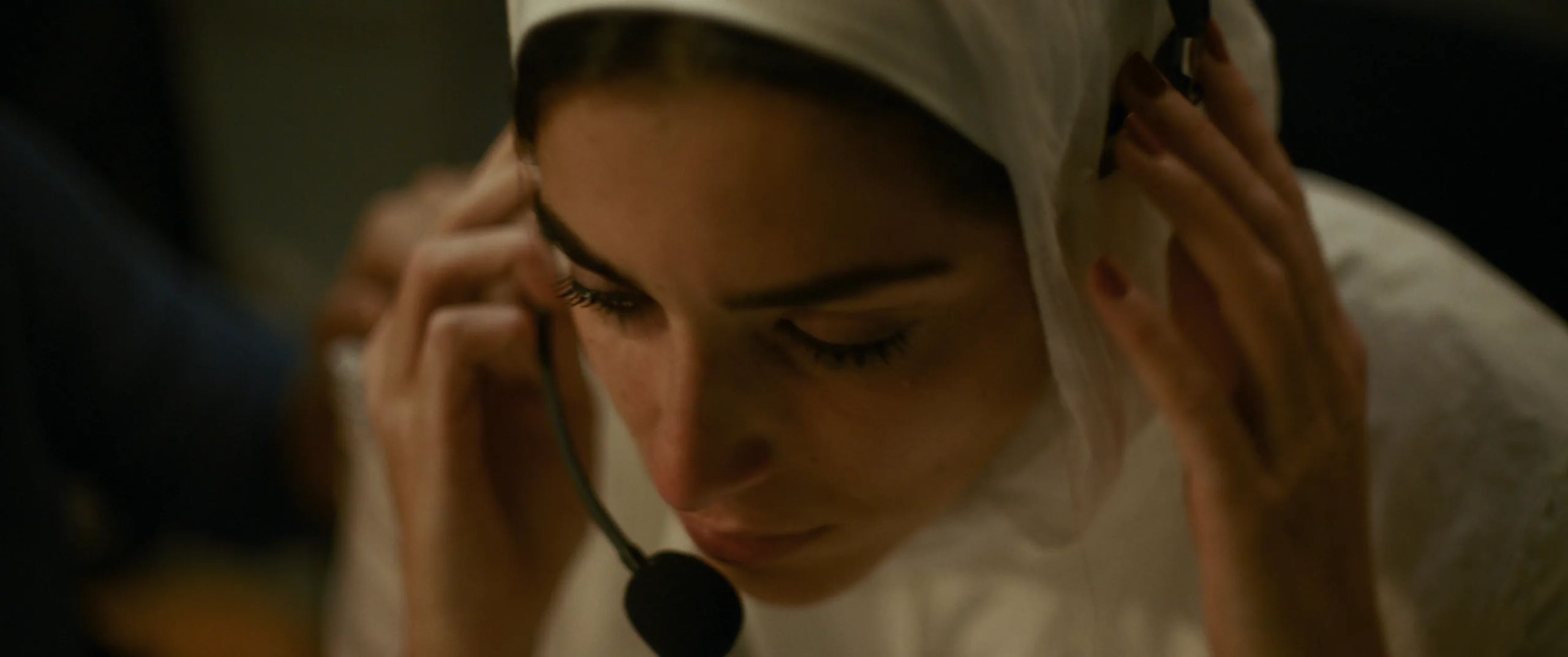
Among the most worthwhile of production additions is the use of Rajab’s audio recording from her 911 call, used with the permission of her family. Such a small detail provides a layer of authenticity that could easily be seen as exploitative if used improperly. However, Hania never missteps in honoring Rajab’s legacy and, by proxy, the 70,000 Palestinians murdered in the ongoing Israeli offensive. Just six weeks ago, when I reviewed Put Your Soul on Your Hand and Walk, I calculated that if every Palestinian who was killed in Israel’s genocide had a 90-minute movie made about them, it would take over 10 straight years to watch them all. Fast forward to mid-December, and it would now take nearly 12 years. In its mission to increase visibility of an ongoing atrocity, The Voice of Hind Rajab succeeds as a plea for humanity in increasingly dark times.