This week on the InSession Film Podcast: Extra Film segment, Ryan and Jay discuss a pair of provocative films that have garnered very polarizing responses.
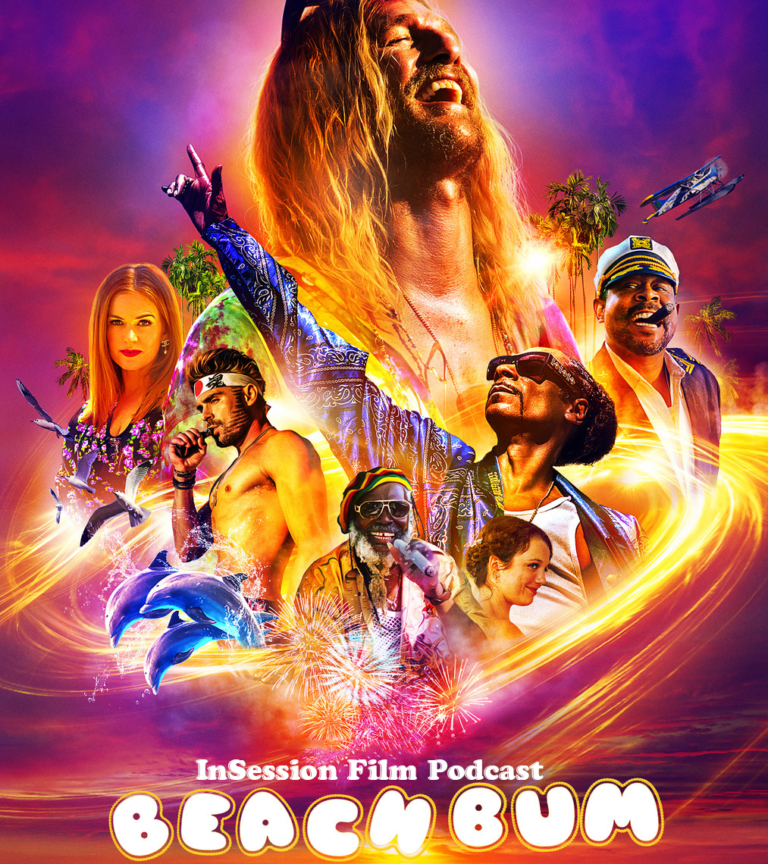
First, the guys discuss the latest film from Harmony Korine, The Beach Bum. The film stars Matthew McConaughey as, well, a beach bum. McCounaghey plays Moondog, a hard-partying poet with a pension for weed and PBR. The zany comedy is surprisingly straightforward on the surface but Jay and Ryan break down the darker underbelly of the film throughout their conversation.
Then, the talk shifts to S. Craig Zahler’s Dragged Across Concrete, a film drowning in controversial decisions. Mel Gibson and Vince Vaughn star as problematic cops. Is it controversy for controversy’s sake, or is it a worthwhile exploration of the state of America? Ryan and Jay have differences of opinion, which makes for a great segment.
On that note, have fun with this week’s Extra Film segment and let us know what you think in the comment section below. Thanks for listening!
– Movie Review: The Beach Bum (8:14) Director: SHarmony Korine Writer: Harmony Korine Stars: Matthew McConaughey, Snoop Dogg, Isla FIsher
– Movie Review: Dragged Across Concrete (42:12) Director: S. Craig Zahler Writer: S. Craig Zahler Stars: Mel Gibson, Vince Vaughn, Tory Kittles
We try to make this the best movie podcast we possibly can and we hope you enjoy them. Subscribe today on iTunes, Spotfiy or Stitcher, and please leave us a review on iTunes. You can also find us on Soundcloud, PlayerFM and TuneIn Radio as well. We really appreciate all your support of the InSession Film Podcast.
To hear this Extra Film episode and everything else we do, download our apps on the Amazon Market for Android and the Podcast Box app on IOS devices. The mobile app covers all of our main shows, bonus podcast’s and everything else relating to the InSession Film Podcast. Thanks for your wonderful support and listening to our show. It means the world to us!
Francois Truffaut and Jean-Luc Godard are the two most common names out of the French New Wave subject but there were a few others who did not feature the same radical style as them. The famous Cahiers du Cinema emerged from the right side of the Seine River while other directors emerged from the other side, hence the Left Bank. These directors were not heavy on cinema and were a bit older. Their work was also more on the radical side in style but was still reading up on traditional literature and art. Still, the Right Bank championed their work and drew out some notable directors who created impressive works.
Alain Resnais
Resnais began with short films and made a strong statement in his 30-minute Holocaust documentary Night And Fog. Instead of traditional documentary work, Resnais intercutting of historical evidence of the concentration camps with colored tracking shots of the actual sites stunned many and received universal acclaim. The same year Truffaut’s 400 Blows was released, Resnais came out with his first feature film Hiroshima Mon Amour, a story about an affair between a Japanese businessman and a French woman, played by Emmanuelle Riva. His next film, Last Year At Marienbad, dealt with a past affair in which the man asks the woman if she remembers their encounter if she is the right woman, that is. Resnais tales of memory is hypnotic and confounding, but some were baffled upon release. Resnais took the political route deeper into the 1960s before returning to dramas drawn upon in musicals, theatre, and pop culture in general.
Jacques Demy
Demy was a lover of the fairy tale and the Hollywood musical. Bay of Angels, The Umbrellas of Cherbourg, The Young Girls of Rochefort, and Donkey Skin featured the themes of fate, coincidence, and romance that would either succeed or fail. His works of musicals and melodramas will full of color as if the beach settings were a fantasy land, and his collaboration with musician Michel Legrand stirs the soul of each picture. Cherbourg was Demy original sung-through musical of a love affair doomed while Rochefort, which brought on song-and-dance legend Gene Kelly in a supporting role, featured two young sisters who cross paths with men of interest in the town square. Towards the last several years of his life (he died of AIDS in 1989), Demy made the darker toned, politically inclined sung-through musical A Room In Town. Demy was about making the magic come to life and keeping is in the vivid and sunshine singing or dancing. It should also be noted that he was married to the next director below.
Agnes Verda
Verda was married to Jacques Demy until his death in 1989. The two sides did not cross over in each other’s work, showing Verda’s incredible independence as a film director which went through until recently with her Oscar-nominated Faces Places. She made a splash with Cleo From 5 to 7, a story about a woman who wonders for two hours waiting for the results of a test. Cleo is a beautiful woman, two young to be dying, but she ponders about the possibility of a sudden death and goes to different places while examining the standing of women in society. More than twenty years later, Verda made a splash again with Vagabond, where a female drifter’s last days before dying in a field is told in flashbacks, revealing another portrait of an independent woman who fights to the last moment to be on her own. Verda’s recent passing one day short of her 91st birthday is the fall of among the last icons of this era; only Godard is alive.
Chris Marker
He was an all-in-one filmmaker: writer, director, editor, photographer, and so-on. In the fifties and early sixties, Marker started by making documentaries that were experimental and filmed in Russia, Israel, and Cuba, his own type of travelogue. Two films of his stand out La Jette and Sans Soleil. Marker’s La Jetée is a short film but a brilliant one about time travel told in still images – just photographs and no moving shots – of a world where the fears of a war take over and the desire to go back into the past to fix the wrongs turns into an illusion. This would be the basis of Terry Gilliam’s sci-fi film 12 Monkeys. Sans Soleil was released twenty years later and moved into color, where Marker takes us to Japan and Africa in a cinematic essay rather than a documentary mixing original and documentary footage with no sync sound.
Other writers and directors such as Henri Colpi, Marguerite Duras, and Jean-Pierre Melville were also associated with the Left Bank. It is a different style, one less Bohemian, compared to the flying, youthful group of storytellers across the Seine. At the center of the French New Wave is being inexpensive but showing high production value. The Left Bank stood out with its own formality and experimentation that was slightly less seen than the heavy hitters of Truffaut, Godard, and Claude Chabrol. However, they are extremely fascinating pieces that only diversify the creation poured into the 50s, 60s, and beyond that came from France and remain in the canon of cinema history.
Synopsis: Things go badly for a hack director and film crew shooting a low budget zombie movie in an abandoned WWII Japanese facility, when they are attacked by real zombies.
[/info]
One Cut of the Dead is a Japanese film (in Japanese with English subtitles) that is part horror, part comedy. The plot is fun to describe, it’s about a live streamed tv zombie apocalypse movie, who’s film crew runs into real zombies while filming. The movie can be split into three parts- First, the entirety of the low-budget One Cut of the Dead film (which is done as one 37-minute continuous shot). Then, the film zooms back a month prior to filming and shows you how this movie came to be and gives you background on the characters. Finally, the movie wraps with the hilarious “behind the scenes” look at the live tv broadcast and all the craziness that happened while making the movie. It’s a movie inside of a movie inside of a movie. It’s weird to describe but go watch it and it will make sense.
I cannot express how much I love this movie. I am so grateful I got to see it on the big screen and that I went in mostly blind as to what I was going to be watching. All I knew is that it was Japanese zombie movie that my friend highly recommended. This film is the perfect balance of cheesy zombie gore and camp that keeps you eager to see more. Once the film got going, I did not stop laughing, I’ve never seen anything quite like it. They managed to fill the movie with jokes and mayhem, while also giving you a good background on the characters. Takayuki Hamatsu, who plays the film’s director Higurashi, was a stand out for me. His energy, facial expressions and comedic timing were just as good (if not better) than any well-known comedic actor working today. My other favorite was Harumi Shuhama who plays the director’s wife, Nao. She added some great comedic bits to the film. I love the format of the film, how they kind of unofficially split it into three sections, it was something different for me. The music also stood out and was a great feature of the film.
One Cut of the Dead hasn’t had a wide release yet. It has been making its way around film festivals, primarily in Asia, since November of 2017. It’s been well received at its screenings and has been racking up great reviews and ratings for two years. I know it was one of the fan favorites at the film festival, Winchester Film Club’s Lost Weekend XI, where I was lucky enough to see it. I heard stories about a pirated copy appearing on Amazon and it causing problems with the films distribution. I hope these are resolved in the future and people can see this film. I know an American/English remake is in the works, but I am confident it will not have the charm the original holds.
One Cut of the Dead has definitely made its way onto my “Favorite Movies of All Time” list. It has re-sparked my interest in Japanese films, so I will need to go out and discover more to enjoy. A prominent feature of this film is its 37-minute continuous shot, as well as its masterful balance of zombie gore and humor. I highly recommend this movie to anyone who has the chance to see it.
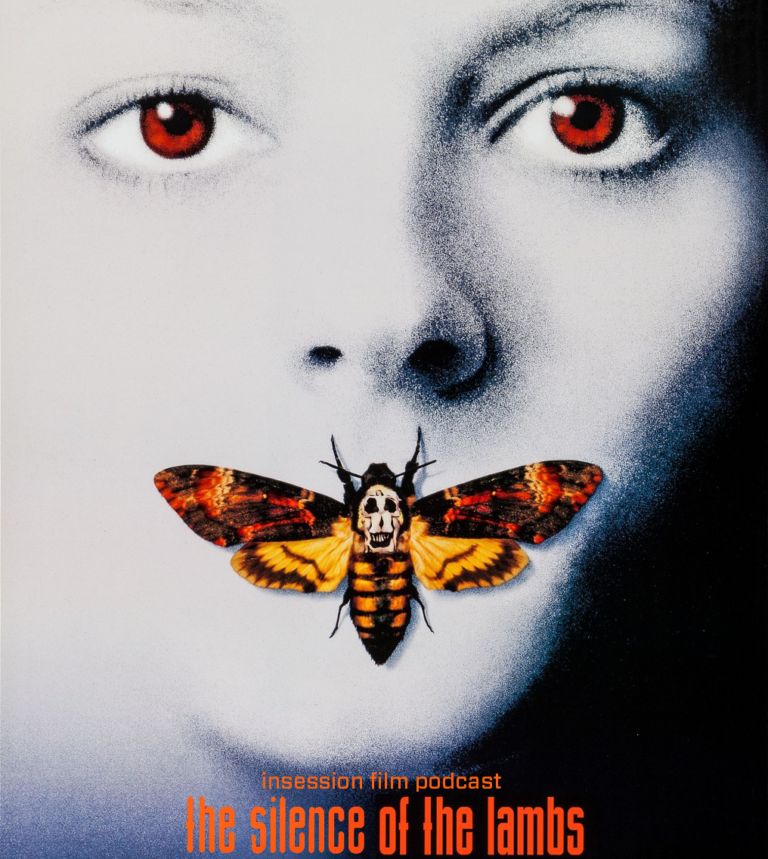
For our Episode 319 Bonus Content, we continue our Patreon Series with a suggestion via Joshua Connolley where we discuss the 1991 Oscar-winning film The Silence of the Lambs!
*Note: While this review originates from a Patreon subscriber, it is available to the public on our main show feeds.
[divider]
HELP SUPPORT THE SHOW
To hear our bonus content episodes early, subscribe now on Patreon. In many cases, though, we offer our bonus content for free after a certain period of time and we do encourage (and very much appreciate) a small donation of $0.99 as a way to help support the show if signing up on Patreon isn’t for you. Click on the PayPal button below to donate and thanks so much for your support. You can also hear much of our Bonus Content via our mobile apps. See the information at the bottom of the post for more details.
[divider]
Mobile Apps!
Listen to all of our bonus content on our apps for just a one-time fee! Whether you have an iPhone, Android or Windows phone, our apps are available in many different ways that is convenient for you. With our mobile app, not only can you listen to all of our bonus content, but our main shows and our Extra Film podcasts as well. Click here for more info!
If you don’t want to purchase our bonus content, but still want to support us, there are other you can help us out. Click here for more info.
Shazam! That will be the film we discuss this weekend on Episode 320, which is an interesting departure tonally from the likes of Man of Steel or Batman vs Superman. There will be a lot to talk about and it should hopefully make for an energetic and vibrant show. Using Shazam! as inspiration for our poll this week, we are simply asking; what is your favorite film in the DCEU thus far?
Director: John Lee Hancock Writers: John Fusco Stars: Kevin Costner, Woody Harrelson, Kathy Bates
Synopsis: A pair of Texas Rangers come out of retirement to catch the infamous outlaws Bonnie and Clyde.
[/info]
As I watched The Highwaymen, Netflix’s new film directed by John Lee Hancock, my mind often drifted to Colonel Nathan R. Jessup, the character played by Jack Nicholson in A Few Good Men. He’s largely known for uttering one of the most iconic lines in movie history, but that’s not necessarily what brought him to my mind here. What makes him such a great character is that Aaron Sorkin wrote him as a man who believed firmly in something most of us would not. Colonel Jessup believed that since the enemy has no problem breaking the rules, you need men on the front lines who would break the rules too – no matter who might get hurt in the process.
That notion of fighting the enemy on their terms is the beating heart of The Highwaymen. Here is a story of the men who brought down Bonnie & Clyde. There are other narratives going on at the same time, but the film’s main plot centers around the hunt for that famous criminal couple.
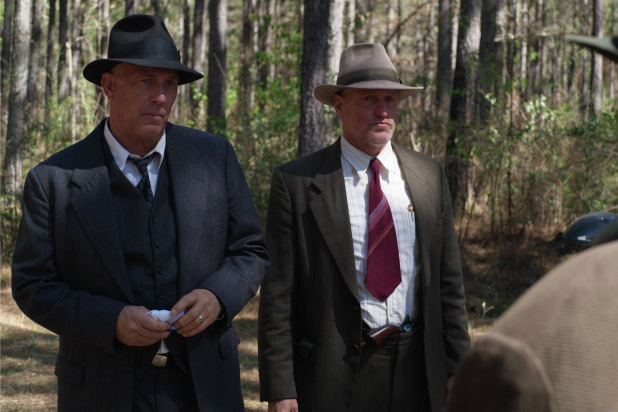
The men doing the hunting are Frank Hamer (Kevin Costner) and Maney Gault (Woody Harrelson). This is the true story of how these former Texas Rangers hunted down the famed Bonnie & Clyde. The historical aspect of the film is fascinating, both from an American history perspective and from that of cinematic history. Bonnie Parker and Clyde Barrow are shown here to be a historical flashpoint. The times began to change when we exalted violent criminals. Of course, the famous 1967 film Bonnie and Clyde is one of the most influential films of all-time for the ways it carried the French New Wave into American cinema, particularly in the way it handled its lead characters.
One choice I thought was a good one in The Highwaymen was that Bonnie & Clyde are mostly relegated to the margins of this film. We see their movements and some of their crimes, but it is mostly their trail and their influence that are important to this story. There are various points in the film when the masses laud Bonnie & Clyde while Hamer & Gault look on in disgust. These Texas Rangers had seen the times change before their eyes, and they are now attempting to hold on to the last vestiges of justice.
In that sense, this film pays homage to another great film – No Country for Old Men. In that film as in this one, you have law enforcement coming to terms with the new way of the world. However, where No Country had an incredible respect for its audience’s ability to piece things together themselves, this film chooses instead to underline moments of importance. It may be a minor quibble, but it holds this film back from being as good as it could have been.
The reason you can see glimmers of greatness here are surely due to the quality of the cast. Costner and Harrelson are both fine in the lead roles playing parts for which they seem tailor-made. But the supporting cast is filled out nicely by Kathy Bates, John Carroll Lynch (a personal favorite of mine), Kim Dickens, and William Sadler, among others. Given the historical importance of these characters, it would be easy to cross the line into larger-than-life caricature. But all the roles felt lived-in, and the acting talent is surely to thank for that.
This film also wants to be a buddy cop film – but this is probably where I felt the film fell short the most. It skimps on that part of the story. Without giving away any spoilers (though this story is so well-known that it may be spoiler-proof), the ending looks to leave us with a focus on the relationship between our two main characters. That relationship between the two highwaymen (though that is the title of the film) is really not that big a part of the story. It is sprinkled in at key moments, but I would have liked to see more of it. Most of the film is focused on the chase. While someone might push back on me and say that their relationship is revealed through that chase, I felt there was more that could have been unearthed. Most of this film plays like a straight crime chase film, and I think the buddy cop element could have given it more emotional resonance.
Still, I am a sucker for historical stories, and I was definitely entertained by this film. It is a thrilling tale, and the film went the added step of giving some consideration to the philosophical questions that its story might bring up. If there really are soulless violent, criminals out there, do we need those protecting us to get down on their level and break the rules in order to stop them? After watching this film, I’m pretty sure of how the main characters would answer that question. But the power of The Highwaymen is that it allows room for the viewer to draw their own conclusions too.
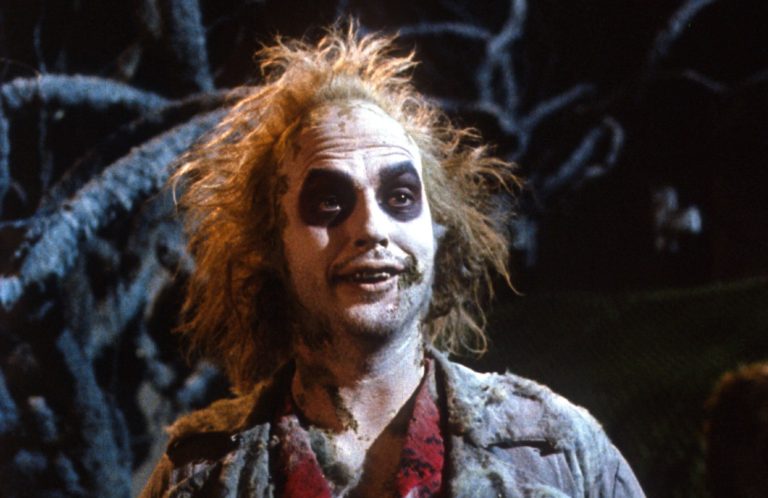
This week on Episode 319 of the InSession Film Podcast, inspired by Disney’s latest live-action remake in Dumbo, we thought it would be fun to talk about the best Tim Burton scenes. Burton’s career lately has been disappointing, but what we did in the late 80’s and in the 90’s is quite great and still very entertaining. Between Beetlejuice, Edward Scissorhands, Batman, Batman Returns, Ed Wood, Big Fish and few others, there are many great scenes to consider for this exercise. JD in particular did a lot of homework in preparation, and the payoff was somewhat cathartic. The lists that both JD and Brendan came up with is also very interesting for reasons you’ll hear at the end of the segment (and see below). That said, here are our lists:
(Note: Please keep in mind that we each had different criteria for our selections)
JD
1) Will Finishes Ed’s Story – Big Fish
2) The Making of Glen or Glenda / Bride of the Monster / Plan 9 from Outer Space – Ed Wood
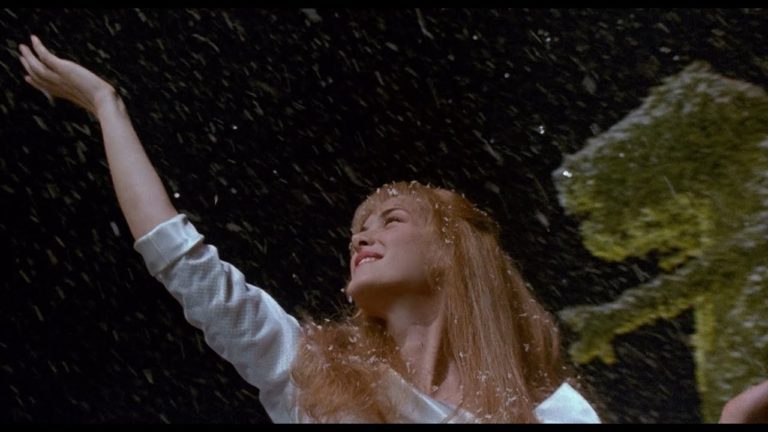
3) Kim’s Ice Dance – Edward Scissorhands
Brendan
1) Kim Finishes Her Story – Edward Scissorhands
2) Ed Bloom’s Funeral – Big Fish
3) The Making of Bride of the Monster – Ed Wood
Honorable Mentions (Combined)
Various other scenes in Batman, Batman Returns, Edward Scissorhands, Ed Wood, Big Fish, Sweeney Todd, Pee-wee’s Big Adventure, Big Eyes, Beetlejuice, Mars Attacks!, Sleepy Hollow, Charlie and the Chocolate Factory
Hopefully you guys enjoyed our lists and if you agree or disagree with us, let us know in the comment section below. As noted above, there are a many great scenes from Burton’s career that are eligible for this list, and perhaps we missed some that would be on yours. That being said, what would be your Top 3? Leave a comment in the comment section or email us at [email protected].
This week on the InSession Film Podcast, we discuss Disney’s latest live-action film in Dumbo and our Top 3 Tim Burton scenes. We also give some brief thoughts on the Gasper Noé film Climax as well Sebastián Lelio’s Gloria Bell.
Dumbo may not have been the film we wanted it to be, but as you’ll hear on the show, we had a lot of fun doing homework this week in prep for our Tim Burton scenes conversation. His career may have fizzled out in the latter half, but the first half of his career is great and we wanted to celebrate that.
That said, check out this week’s show and let us know what you think in the comment section. Thanks for listening and for supporting the InSession Film Podcast!
– Movie Review: Dumbo (4:43) Director: Tim Burton Writers: Ehren Kruger Stars: Colin Farrell, Michael Keaton, Danny DeVito
– Notes / Climax / Gloria Bell (39:46)
As mentioned above, JD and Brendan both got a chance to see Climax and Gloria Bell, and wanted to offer up some brief thoughts on those two films. We also honor the late-great Agnes Varda who recently passed away.
– Top 3 Tim Burton Scenes (1:07:17)
Tim Burton’s career lately has been disappointing, but what we did in the late 80’s and in the 90’s is quite great and still very entertaining. Between Beetlejuice, Edward Scissorhands, Batman, Batman Returns, Ed Wood, Big Fish and few others, there are many great scenes to consider for this exercise. JD in particular did a lot of homework in preparation, and the payoff was somewhat cathartic. The lists that both JD and Brendan came up with is also very interesting for reasons you’ll hear at the end of the segment. That said, what would be your Top 3?
If you want to help support us, there are several ways you can help us and we’d absolutely appreciate it. Every penny goes directly back into supporting the show and we are truly honored and grateful. Thanks for your support and for listening to the InSession Film Podcast!
Director: Tim Burton Writers: Helen Aberson (novel), Ehren Kruger (screenplay) Stars: Colin Farrell, Michael Keaton, Danny DeVito
Synopsis: A young elephant, whose oversized ears enable him to fly, helps save a struggling circus, but when the circus plans a new venture, Dumbo and his friends discover dark secrets beneath its shiny veneer.
[/info]
While the messages of friendship, heartbreak, and overcoming adversity resonate throughout Tim Burton’s Dumbo, the delivery system of such messages is cumbersome, ineffective, and to no one’s surprise, pointless. This is to be our new norm. Disney will keep pumping out live-action remakes of their beloved animated classics until the box office dries up. 2019 alone has three such releases (four if you count the sequel to 2014’s Maleficent). As Disney racks up talented directors to tackle these pictures, the hope is that the quality of the remakes will increase, therefore driving box office numbers. Unfortunately, that correlation has not come to fruition. Tim Burton’s Dumbo is just another mediocre interpretation of previously tread material.
Dumbo, based on the 1941 animated film of the same name, maintains the same basic premise as its seventy-eight-year-old cousin. A baby elephant born with enormous ears discovers he can fly, thus saving the circus and his mother. In some cases, the original animated film is about as long as that previous sentence. Clocking in at sixty-three minutes, the original Dumbo doesn’t even tackle the topic of flight until around minute fifty-three. The build up of the film reaches its climax with the discovery of his ability to fly, thus saving the things here ostensibly cares about (we don’t know, because Dumbo doesn’t talk). The episodic nature of the animated film made it feel whimsical and fun (all racist allusions aside). However, Tim Burton’s Dumbo feels like a five-hundred-pound elephant in the room that sits firm and never moves forward.
One key difference of the film vs. the original is that Burton uses the point of view of humans to tell Dumbo’s story. Cleverly, the 1941 film used the animals themselves to drive the story. Through the eyes of Dumbo and Timothy Q. Mouse, we witness the innerworkings of the circus through the translucent sides of a tent. In this way, Dumbo is separated from the humans, living in his own world with his own stakes. In the 2019 version, the story is mishandled by a group of characters that seem to be hyperbolic variations of the characters they are meant to play. Through these inefficient characters, Dumbo’s communications are announced to the point of exhaustion. Nothing is subtle with these interactions. Dumbo’s thoughts and feelings, though easily understood through context, are bludgeoned into the audience, even with the understanding that this is a children’s film. This insult of intelligence is unreconcilable. With that being said, there are many other faults that haunt this film.
The characters that inhabit this decidedly Burtonesque realm seem forced and each has an inexplicably terrible accent, which is all the more frustrating once one thinks of the career that Tim Burton has had directing some of the best actors in generations. Michael Keaton’s pseudo-Disney is weak as a villain and his constantly changing accent is frustrating to say the least. Eva Green is magical but seems wedged into a story that doesn’t require her. Danny DeVito is a saving grace, but his comedic breaks are few and far between. Colin Farrell’s Holt Farrier is sad but unassuming and brings zero charm where there needs to be. The effects and sets of the film are subdued when compared to other Burton films. Although there is beauty in the set design, it still feels heavy and constructed and in no way ever seems to fit with the story.
As stated earlier, the story shares messages with the original, but is extremely incohesive and tries to do way too much with the material. There are too many character arcs that need resolution. Dumbo is the star; let his story take the lead. However, the plot gets muddled down with human greed, loss, and arrogance. If Dumbo’s story was allowed to flourish, this version of Dumbo would have soared. Unfortunately, the filmmakers cannot seem to get out of their own way and Dumbo crashes before it takes flight (which is about minute ten by the way). In this way, all the wonder is lost and the magic is spent.
Overall Grade: D+
[divider]
Hear our podcast review on Episode 319, coming soon!
Director: David F. Sandberg Writers: Henry Gayden, Darren Lemke Stars: Zachary Levi, Mark Strong, Jack Dylan Grazer, Asher Angel, Djimon Hounsou
Synopsis: We all have a superhero inside us, it just takes a bit of magic to bring it out. In Billy Batson’s case, by shouting out one word – SHAZAM! – this streetwise fourteen-year-old foster kid can turn into the adult superhero Shazam.
[/info]
Shazam! introduces us to another superhero and supporting characters from the DC universe. It’s both an origin story and a great coming-of-age film. While most DC films have been darker in nature, Shazam! is a fun and mostly kid appropriate movie. This change of style works for this character, but I’m not sure how he will fit in the bigger DC picture, or if they are even planning to do that in the future.
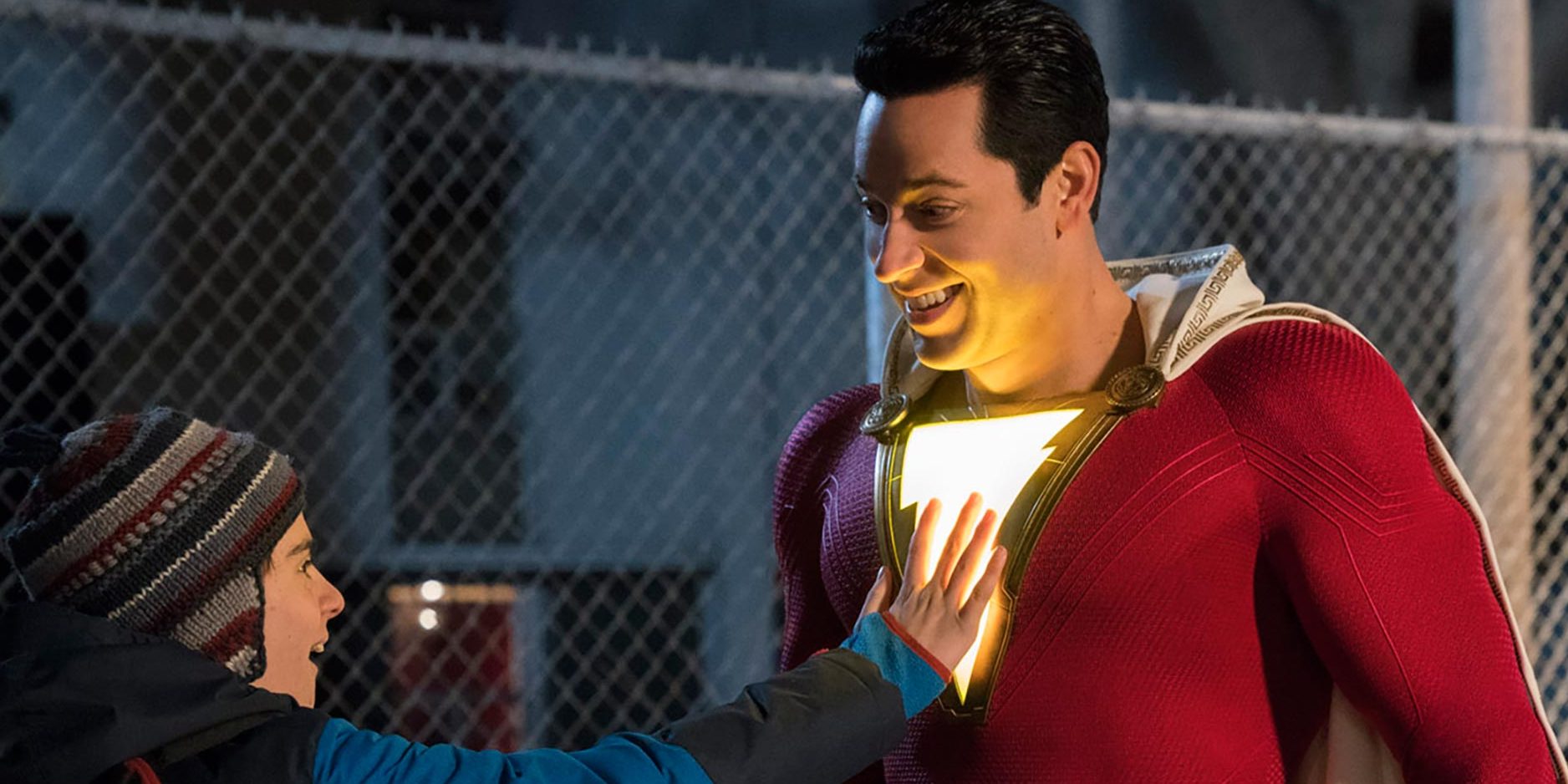
Shazam! tells the story of Billy Batson (Asher Angel); a teenage orphan with a habit for running away from foster families to search for his birth mother. Eventually he is placed with the idyllic Vazquez family and their other five foster kids- Freddy, Darla, Mary, Eugene, and Pedro. One day after an escape attempt, Billy ends up on the subway and is magically transported to a different realm. There he finds a wizard (Djimon Hounsou) who tells Billy he is the “chosen one” and needs his help to save the world from the evil Dr. Thaddeus Sivana (Mark Strong) and the seven deadly sins. The wizard transfers his powers to Billy, so now when he says the wizard’s name -Shazam!- he transforms into the buff, adult, red-costumed superhero (Zachary Levi).
My favorite thing about this movie is the relationship between Billy and his foster brother Freddy (played by the scene stealing Jack Dylan Grazer). At the beginning of the film Billy has trust issues and no desire to belong to a foster family. Freddy slowly wins him over with his crazy amount superhero knowledge, his loyalty, and his” never give up” attitude. Freddy is easily one of my favorite characters in the film. He stands out, even when sharing the screen with Zachary Levi and Mark Strong. He serves as a sort of wisecracking mentor to adult superhero Billy while he’s learning the extent of his powers and choosing a superhero name. I look forward to seeing him in more films. The other foster siblings are also good in their limited roles; I especially liked the video game obsessed Eugene, and the adorable little sister Darla.
Mark Strong is always good when cast in an antagonist role. I know he likes being the bad guy and always does the best with what he’s given. I wasn’t a huge fan of the other villains in this movie, The Seven Deadly Enemies of Man (Seven Deadly Sins), I feel like they weren’t represented well. Usually you can easily pick out which one is which sin, but in this case only Gluttony was obvious. In the comics they’re much easier to identify, so I’m not sure why they got this gargoyle-like redesign for the film.
Along with the fun origin story for our hero, we also get a great message about family. The film shows us that family isn’t necessarily what we’re born into, it’s who we choose to be with and who embraces us. It’s a great coming-of-age story for Billy as he grows up (emotionally and physically) as Shazam.
Overall, Shazam! is a fun movie with mature themes sprinkled in. It embraces the camp and humor this character needs to succeed on the big screen, even poking fun at previous DC heroes and films. There are great lead and supporting characters, some cameos, and even a funny scene stealing Santa. I’m not sure where Shazam will fit into the DCU, but I’m looking forward to more films. There are two post credits scenes so make sure to stay until the very end.
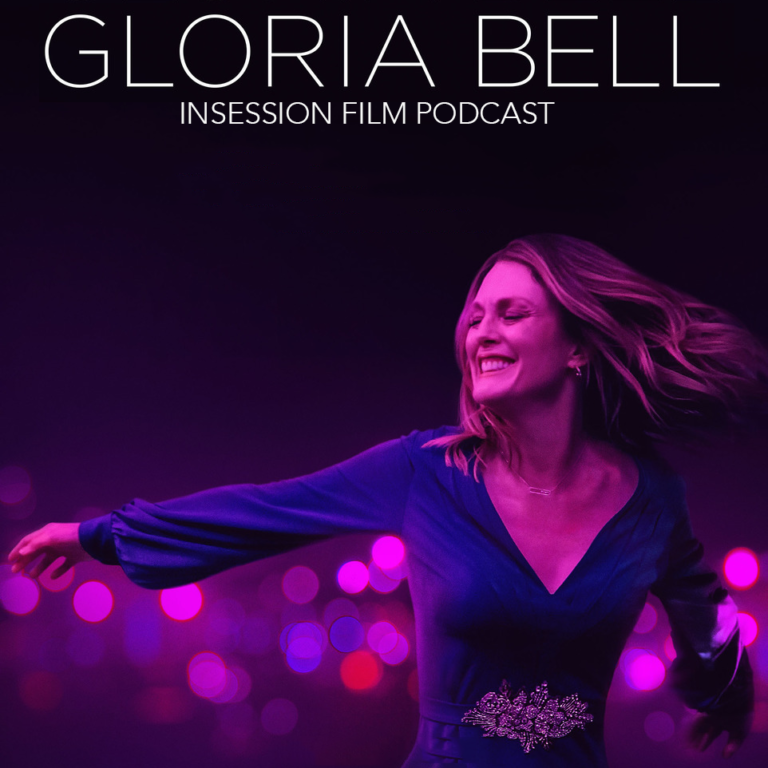
This week on the InSession Film Podcast: Extra Film segment, Ryan and Jay discuss Gloria Bell starring Julianne Moore and the Mötley Crüe biopic on Netflix The Dirt!
Gloria Bell may be a remake of a foreign language film that came out in 2013, but it’s arguably one of the better remakes of that sort from the last five years or so. It helps that it was made by the same director in Sebastián Lelio. The Dirt on the other hand, as Ryan and Jay get into, continues to showcase the downfall of the music biopic.
On that note, have fun with this week’s Extra Film segment and let us know what you think in the comment section below. Thanks for listening!
– Movie Review: Gloria Bell (12:22) Director: Sebastián Lelio Writer: Alice Johnson Boher (adapted screenplay), Sebastián Lelio Stars: Julianne Moore, John Turturro, Michael Cera
– Movie Review: The Dirt (46:12) Director: Jeff Tremaine Writer: Amanda Adelson (screenplay), Tommy Lee (book) Stars: Douglas Booth, Iwan Rheon, Daniel Webber
We try to make this the best movie podcast we possibly can and we hope you enjoy them. Subscribe today on iTunes, Spotfiy or Stitcher, and please leave us a review on iTunes. You can also find us on Soundcloud, PlayerFM and TuneIn Radio as well. We really appreciate all your support of the InSession Film Podcast.
To hear this Extra Film episode and everything else we do, download our apps on the Amazon Market for Android and the Podcast Box app on IOS devices. The mobile app covers all of our main shows, bonus podcast’s and everything else relating to the InSession Film Podcast. Thanks for your wonderful support and listening to our show. It means the world to us!
Synopsis: A pair of teenagers with life-threatening illnesses meet in a hospital and fall in love.
[/info]
I have to admit, I went into Five Feet Apart expecting to roll my eyes at the usual sick-lit teen romance tropes. And, for the most part, this is a pretty standard entry in the genre. But, what I appreciated about this take was the believability of the premise, the likeability of the characters, and the way it was able to subvert expectations, at least at times, without seeming too self-aware of the tropes or winking at the audience too much.
There is certainly a suspension of disbelief that comes, at times, with this movie. I often found myself wondering how certain hospital staff members retained their employment when they constantly lost track of their pediatric patients, for example. But the basic premise – two teenagers, both with cystic fibrosis, fall in love despite not being able to touch – gives a unique and realistic Romeo and Juliet twist to the genre. I also thought the script handled the exposition behind the illness extremely well. The main character, Stella, has a YouTube channel in which she shares information about cystic fibrosis and her experiences with the illness, and the script’s use of these videos to share information the characters otherwise wouldn’t need to explain felt extremely organic.
My biggest complaints about this movie come with the dialogue and the pace. The dialogue was a bit stiff, at times, and both the first and last acts felt loose and rushed in a way that made it obvious that it was adapted from a novel. However, both Haley Lu Richardson as Stella and Cole Sprouse as Will have the charisma and the acting chops to carry the story despite these weaker elements of the script. By the second act break, I was totally sold on their relationship and genuinely liked both characters despite their more awkward, tropey interactions in the first act.
When it comes to the sick-lit genre, it is very easy to come across as either exploitative of the illness in question or romanticizing dying teenagers, neither of which are particularly awesome approaches. But Five Feet Apart, like other more recent entries in the genre, felt like a teen romance that happened to involve terminal illness rather than a movie about terminal illness that happened to involve teenage romance. This focus on character over premise allowed the script to divert some of the more obvious tropes of the genre while exploring other tropes from a slightly different angle (in the interest of remaining spoiler-free, I’ll leave it at that).
I didn’t expect much from Five Feet Apart, but I can say that I walked out of the theater glad I watched it. The script, though rushed and sloppy at times, was engaging, and I found myself invested in these characters and their story in a way I didn’t expect based on the trailers alone. If you have even the slightest interest in seeing this movie, I recommend that you do. But you pretty much know what you’re getting into – if you’re not interested for reasons other than fearing it’s a blatant The Fault in Our Stars knockoff, don’t waste your time.
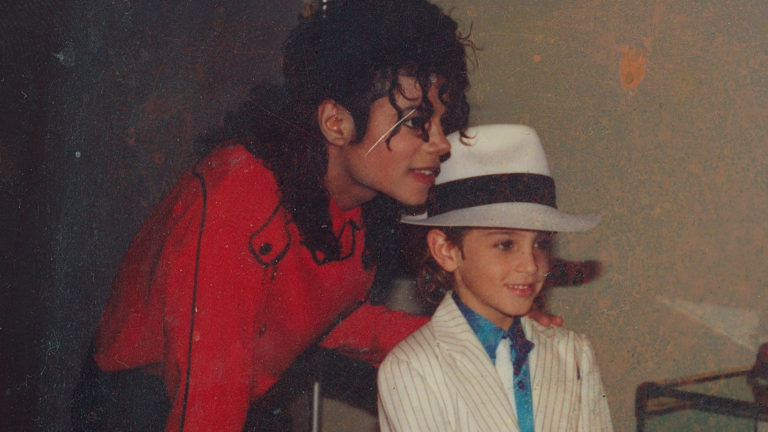
Director: Dan Reed Stars: Michael Jackson, Wade Robson, James Safechuck
Synopsis: At the height of his stardom, the world’s biggest pop star, Michael Jackson, began long-running relationships with two boys, aged seven and ten, and their families. They now allege that he sexually abused them.
[/info]
Off the Wall, released in 1979, paved the way for Michael Jackson to officially BECOME Michael Jackson. It is perhaps the greatest disco album of all time, and arguably the disco album to end all disco albums; without it there would never have been world’s greatest-selling Thriller (1982), the synth-driven maturity of Bad (1987), or the New Jack Swing of Dangerous (1991). It is also one of my top 5 favorite albums of all time, a musical nerd-ism I used to take pride in saying. Now, I may need to take a step back and consider that response; but should I even half to?
We all should not only be aware of Michael Jackson the artist, but Michael Jackson the man, and his most arduous lifestyle. Michael was nicknamed “Wacko Jacko” by no mere coincidence, as his lifestyle straddled the line between the bizarre and, according to the new documentary Leaving Neverland, the downright unforgivable. Accusations of child sexual abuse against Michael have been going on since 1993, but it’s Wade Robson and James Safechuck who have now come along to recontextualize what we as fans have been wrestling with for over two decades; was it all true?
Leaving Neverland focuses on Wade and James’ respective stories, strictly from their points of view; this much I expected. What I did not expect was a documentary that questions (and sometimes even contradicts) itself. It’s a movie that begins and ends with both love and hate for Michael, viewing the accused with some sense of open-mindedness, from a man who did the worst of things but also never had a proper childhood of his own, something that Wade and James, as well as their families, emphasize throughout the documentary. And in the case of Michael Jackson, this perhaps inadvertently tackles the notion we as critics and fans of art (and even sports) continue to grapple with all the time; is it possible to separate the man from the art? Leaving Neverland seems to make both arguments simultaneously.
Perhaps this is a contributing factor as to why the film has garnered so much controversy, as director Dan Reed still retains some pity for a man that abused his power as a celebrity. There’s no arguing the cruelty in Michael’s actions, if we choose to believe in Wade and James’ stories (and for the record, I do believe them), and Reed does not shy away from the gratuitousness in what Michael did to Wade and James (forewarning, this film is a tough watch for those who cannot handle such graphic testimonials). The film also does not include statements from those closer to Michael (such as his family), and with Michael Jackson now dead, he is no longer here to defend himself. Many fans and friends of Michael have already voiced their frustrations, but these are all deliberate choices from Dan Reed, as it is clear from the onset that he is making a film that serves as both a warning and an awakening for all victims of child abuse, no matter the ramifications. It may be from a one-sided perspective, but it is not one-dimensional.
Despite Michael no longer being around, Reed hopes to grant us the ability to open up about past traumas regardless of the potential backlash, emphasizing how it is psychologically beneficial to do so. A common defense, and key thematic notion here, is blame; blame toward others or against yourself. This is depicted by Wade and James’ mothers, who constantly question what they themselves could and should have done differently, something we as viewers question do too, given the fact that these parents openly let their children stay in the same bed as an older man without considering the awful consequences. But Reed isn’t interested in pointing fingers, and wants us as viewers to be mindful of that. Leaving Neverland is a story about admittance and opening up, and how poignantly ironic it is that Wade and James choose to open up after becoming fathers themselves, when each of their respective father figures were barely in the picture (just as it was for Michael Jackson himself). While its focus is on the Robson’s and the Safechuck’s, Leaving Neverland is a calling to all of those speaking out about their abusive pasts. But it extends even further than that, as it is also an invitation for us as fans of Michael Jackson and his music.
Perhaps this is where I need to get a little musically selfish, because I cannot talk about Leaving Neverland without looking at it through a pop culture window as well, especially when the very notion of artistic integrity is put under the celebrity microscope. As viewers, we are left with lingering questions regarding Michael as both a man and the King of Pop. Is it possible to still enjoy his music, given his actions as a man? Were his actions deliberately manipulative or rooted in childhood innocence? Or both? To take it a step further, is it possible that the success of his music was fueled by his inappropriate behavior, and his cruel actions served as his form of artistic inspiration?
Whether it be intentional or not, Leaving Neverland urges us as fans of art to consider the grey areas around the integrity of the artist versus the integrity of the man; can they be separated, or are they mutually exclusive? Dan Reed has a lot on his mind; he believes in Wade and James’ story enough to emphasize the damaging effects of sexual abuse on children and their families, hoping to help others in the process. But he’s not out to convince you of Michael’s villainy, and is instead asking you to consider the ambiguities; even Wade and James themselves, willing to admit that Michael was not a good person, still cannot help but acknowledge the love they had for him, and the influence Michael had on their respective careers (Wade especially, who would go on to become *NSYNC and Britney Spears’ choreographer). Reed wants us as fans of Michael Jackson to consider the relationship we have with the artist; we should not let our fandom cloud our judgment, nor should we simply brush these issues aside because it’s easier to ignore or refuse to believe. Reed never discredits Michael Jackson as an artist, suggesting that being able to continue separating the art from the man is just human nature. Just like the documentary, we too should keep an open mind, and despite the coincidental name of a classic Michael Jackson song, sometimes these situations aren’t so “black or white”.
I have chosen to keep that open mind as well. Having spent four hours with Wade and James, I do believe in their story. And as a big Michael Jackson fan it pains me to admit that, and yet I still choose to remain a fan of his music; as a musician, my playing and writing style will always be influenced by Michael, and that will never change. Just as much as Dan Reed is emphasizing the humanity in this story and the power of opening up, he is also arguing in support of artistic perspective. Perhaps the integrity of the artist has been compromised, but maybe the art itself doesn’t have to be; I like knowing that that’s up to us as fans of art to decide. In the middle of this story is one of innocence lost, even when it comes at the cost of musical and artistic discovery. Having now left Neverland, hopefully Wade and James can finally grow up.
Director: Sebastián Lelio Writers: Alice Johnson Boher (adapted screenplay), Sebastián Lelio Stars: Julianne Moore, John Turturro, Alanna Ubach, Michael Cera
Synopsis: A free-spirited woman in her 50s seeks out love at L.A. dance clubs.
[/info]
Humans are not meant to be alone, that’s at least what I believe. Whether it is a pet or another person, I think that we need something to keep us from going to a downward spiral of sadness. So while I was watching the events of Sebastián Lelio’s Gloria Bell, I couldn’t help but feel true sorrow for the title character of the film as she is going through so much bad luck in her life, trying to find her happiness when everyone else in her life seems to be in a pretty even space.
The film follows Gloria (Julianne Moore), a divorced real estate agent with two grown up kids and has been living on her own for more than a decade. Her life is pretty easy going. She goes to work, then sees one of her kids, hangs out with her friends, and then when she is free, she goes dancing at a singles bar in downtown Los Angeles. Some nights she goes home with someone, some nights she goes home alone to her home with a cat that keeps breaking into her home and sleeping in her kitchen. One night at the bar, while dancing with another man, she locks eyes with Arnold (John Turturro), and the romance between the two begins. Gloria and Arnold’s chemistry is instant and the relationship blossoms over the course of a couple of months. But just like in any relationship, there are hurdles and obstacles that shape and test the relationship, leading to Gloria having to come to some harsh decisions about her life.
While the story of Gloria Bell sounds good on paper and when describing it within this review, it was a really hard film to attach to considering the pacing that Lelio brings within his direction and script, which is an American remake of his own film Gloria from 2013. He takes his time slowly setting up Gloria, with character moments that show you her life and how the people in her life treat her. The strangers in the bars that she dances with treat her better than her own kids, who treat her like garbage when she has done nothing wrong. The film meanders through the first twenty minutes of this movie till Arnold shows up and gives Gloria someone that actually likes her and treats her with the amount of love and respect that she deserves.
Then the next twenty minutes of the film play off like something out of Richard Linklater’s Boyhood. We get snap shots of Gloria and Arnold’s relationship, leaving us as an audience wanting more out of those scenes because they are the best parts of the movie because it is the right amount of joy and mystery within a first time relationship. While there is joy in the scenes because the actors are so good together in the film, they are incomplete for me. Thus when the big turn in the middle of the films comes, it kind of felt weird and out of place for me and then remaining hour of the film, I felt like I was on a roller-coaster trying to connect back to Gloria and by the end, I just couldn’t get back into her story one hundred percent.
The performances by Moore and Turturro are pretty solid for two actors that I would love to see work together in another film that uses them better. The supporting cast of Michael Cera, Brad Garrett, Caren Pistorius and Sean Astin are mostly nothing but mean characters that felt like they should have been in another movie hating on someone that is a bad character instead of Moore’s Gloria who is generally a nice person. The only person that gives a good performance from the supporting cast, and isn’t written out of spite, is Holland Taylor, who plays Gloria’s mother and takes care of her through all the rough things going on to Gloria through the run time of the film.
The production design, editing and cinematography feel like they are made for a much happier film. You must think that I don’t think romantic films can be sad, that’s not true, they can be sad, they just don’t have to be mean. From viewing this trailer in front of every film I saw for the last four months, I thought this movie would be a delight and departure for Lelio, who gave us Disobedience last year and A Fantastic Woman in 2017. I thought the lighter side of him would come out, and it does for twenty to thirty minutes, but the rest of the film feels out of touch with those bits and thus why I was disappointed by the end result. Humans shouldn’t be alone and deserve all the happiness in the world, and Gloria Bell deserved much more happiness behind the camera and on the page to make this something truly worth dancing for.
Overall Grade: C-
[divider]
Hear our podcast review on Extra Film, coming soon!
For our Episode 318 Bonus Content, we continue our Patreon Series with a suggestion via Jacob Neff where we discuss the 2003 Billy Ray film, Shattered Glass!
*Note: While this review originates from a Patreon subscriber, it is available to the public on our main show feeds.
[divider]
HELP SUPPORT THE SHOW
To hear our bonus content episodes early, subscribe now on Patreon. In many cases, though, we offer our bonus content for free after a certain period of time and we do encourage (and very much appreciate) a small donation of $0.99 as a way to help support the show if signing up on Patreon isn’t for you. Click on the PayPal button below to donate and thanks so much for your support. You can also hear much of our Bonus Content via our mobile apps. See the information at the bottom of the post for more details.
[divider]
Mobile Apps!
Listen to all of our bonus content on our apps for just a one-time fee! Whether you have an iPhone, Android or Windows phone, our apps are available in many different ways that is convenient for you. With our mobile app, not only can you listen to all of our bonus content, but our main shows and our Extra Film podcasts as well. Click here for more info!
If you don’t want to purchase our bonus content, but still want to support us, there are other you can help us out. Click here for more info.
With the release of Dumbo in theaters this weekend, we thought it would be appropriate to feature a poll about its director, Tim Burton. Burton’s career has had its up and downs, but there’s no denying that he’s capable of making some really interesting films. Perhaps his best work came earlier in his career, but a film such as Big Eyes maybe deserves more credit than it received. Regardless of which era of his you prefer, there is no doubt a few great options here.
That said, what is your favorite Time Burton film?
Director: Rupert Wyatt Writers: Erica Beeney, Rupert Wyatt Stars: John Goodman, Ashton Sanders, Jonathan Majors
Synopsis: Set in a Chicago neighborhood nearly a decade after an occupation by an extra-terrestrial force, Captive State explores the lives on both sides of the conflict – the collaborators and dissidents.
[/info]
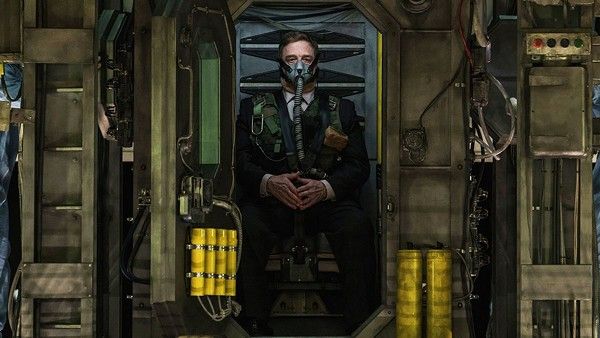
What you won’t find in Rupert Wyatt’s new Sci-fi thriller is intergalactic land to air combat with an alien presence and you won’t find large-scale gunfights in deserted cities. Take everything you’ve learned about alien invasion and toss it, Captive State isn’t and doesn’t want to be Independence Day. It isn’t concerned with humanity taking a closer look at ourselves collectively and seeing what we can accomplish if we disregard our differences and recognize our similarities. It isn’t about us versus them. Captive State is about defiance and believing in the greater good. It is about the lengths people will go and sacrifices they will make to ensure a future that contains hope and possibility. It is a masterfully woven story that plays out more like an espionage or spy thriller as opposed to an action sci-fi romp and is surprisingly clever in its execution. However, it will also likely be a film that will be slept on which is unfortunate considering Captive State truly caught me off-guard and that hasn’t happened to me for some time.
First off anyone familiar with Arthur C. Clarks 1953 science fiction novel “Childhood’s End” will find some similarities in this film. They are overall different stories with different messages but some parts of the relationship between humanity and the invading intelligence and how they rule over us are comparable. I found it easy to accept and settle in mentally to this new world due to having read the book. The film places us years after the invasion. Humanity has lost the war leaving Earth now under alien governance. The film narrows its focus down to the city of Chicago where our leaders and law enforcement now act as administrators policing and enforcing the new laws under indirect alien supervision. In this way the aliens in the film are rarely viewed, I would estimate they are on-screen less than 10 minutes of the 109-minute run-time. Their influence, however, is felt very clearly with humanity kept in check by means of technology and social order and this is the films main theme, the means by which people are collectively kept in order. Whether it be through fear, duty or greed it all serves as a way to pacify and control. This is what makes Captive State such an interesting film, it strays far from what we are used to seeing from this genre. If I had to draw comparisons it wouldn’t be Battlefield Los Angeles or Skyline, it would be 2008’s Valkyrie or Chūshingura. Unfortunately, this may draw some viewers away who were looking for action and excitement which the film isn’t totally lacking. But it is a much more cerebral production meant to play out more like a game of chess versus Call of Duty.
While not one particular performance really stands out the overall delivery from the cast is magnificent. Standout roles from John Goodman (William Mulligart), Jonathan Majors (Rafe Drummond) and Vera Farmiga (Jane Doe) give the film life and authenticity and they make it is very easy to imagine each individuals journey that led them to their new roles in this drastically altered society. The only exception would be Ashton Sanders, as Rafe’s younger brother Gabriel Drummond, who I have only seen in one other film, Equalizer 2. His delivery is very similar in both roles which aren’t an issue however I do worry about Sanders being typecast, something I hope he avoids. My concern is in Captive State, Gabriel’s disposition sometimes lacks consistency. In some scenes Gabriel is a defiant kid but still submissive in his body language; avoiding eye contact, slumped head and shoulders and holding his tongue when told to. But other moments in the film he is more outspoken and bold, almost confident. This would make sense if it was showing his progression and growth but soon after one of these moments he reverts right back to the timid kid, unsure and yielding. His performance isn’t bad but more confusing and had me questioning some of Gabriel’s actions. And this is even more evident when placed in contrast to the performance of a veteran actor like Goodman who is steady on-screen and wears Mulligart like a well-tailored suit.
The film’s pacing is its main shortcoming, if I am being honest there were moment’s early on where I found my thoughts drifting off. Not so much because the film is boring but it feeds you bits and pieces of the overall story slowly, sometimes painfully slow. Additionally, Captive State treats its audience with respect, it isn’t too forthcoming or obvious with certain details and world building. It offers pieces of the puzzle but forces you to find out where they fit. For some, this might be frustrating but I found it intriguing and satisfying especially during “Aha!” moments. About 20 minutes in I realized the type of film Captive State is and I stopped waiting around for the action and became more absorbed in the intrigue. Once you get past your own expectations and accept the film for what it is, it’s easy to become engrossed in the plot. The film may at times feel all over the place but there is a method to the madness and the end result is satisfying.
This new take on alien invasion took a moment for me to accept but in the end, Captive State is a brilliant film. It left me speechless and when I left the theater I wasn’t exactly sure what I thought but I definitely knew I enjoyed it. It is a film that may require an additional viewing to fully digest and I intend on catching it another time before it leaves theaters and would recommend the film for anyone wanting a fresh take on a story that has been told many times. Just remember to give the film some time to settle and don’t rush to judgment. If you sit back and let the film take you where it will, you’ll find a terrific story that will surprise you and maybe even leave you a bit inspired.
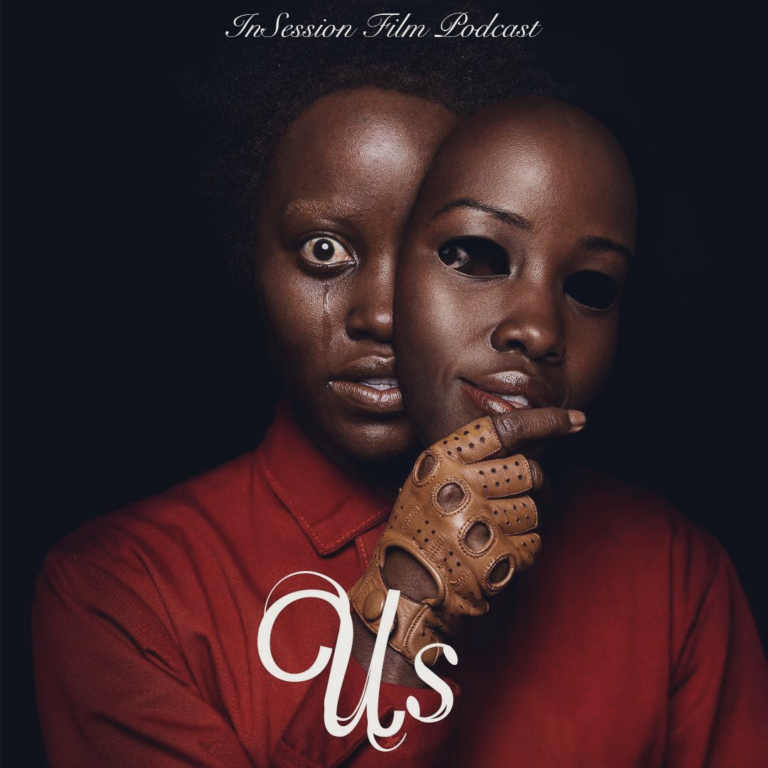
This week on Episode 318 of the InSession Film Podcast, inspired by Jordan Peele’s Us, we thought it would be fun to dive into our favorite doppelganger or dual performances in film. Whether you’re talking about doppelganger’s explicitly or twins or clones or doubles, there are many examples of one actor playing dual characters in film. It can be tricky, but cinematically it’s usually a treat to see how distinct these varying characters can be despite the visual symmetry. So, it was fun to dive into this topic and talk about these great performances. That said, here are our lists:
(Note: Please keep in mind that we each had different criteria for our selections)
JD
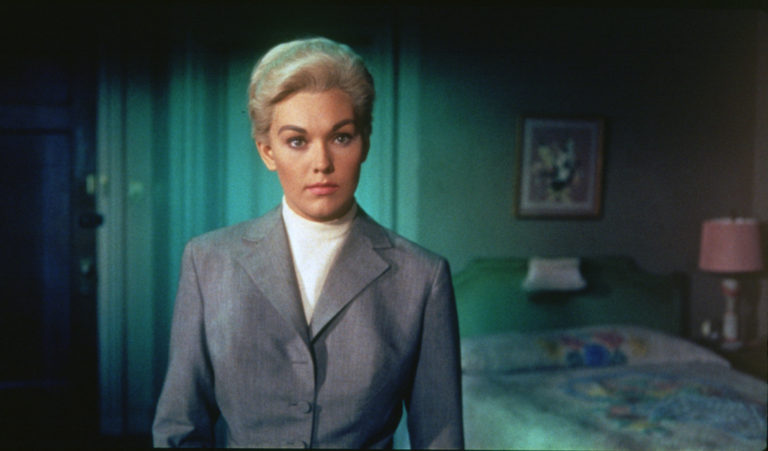
1) Kim Novak – Vertigo
2) Jake Gyllenhaal – Enemy
3) Sam Rockwell – Moon
Brendan
1) Sam Rockwell – Moon
2) Jeremy Irons – Dead Ringers
3) Lindsay Lohan – The Parent Trap
Richard
1) Jeremy Irons – Dead Ringers
2) Natalie Portman / Mila Kunis – Black Swan
3) Kim Novak – Vertigo
Honorable Mentions (Combined)
Performances in Us, Adaptation, The Prestige, The Double Life of Veronique, The Social Network, The Double, The Great Dictator, Invasion of the Body Snatchers, Solaris, Kagemusha, Dr. Strangelove, Spider-Man, Face/Off, The One I Love, Legend, Logan, Split, Glass, Cam, Being John Malkovich
Hopefully you guys enjoyed our lists and if you agree or disagree with us, let us know in the comment section below. As noted above, there are a many great options for this list and there’s a good chance that we didn’t get to mention a film that you like. That being said, what would be your Top 3? Leave a comment in the comment section or email us at [email protected].
This week on the InSession Film Podcast, Richard Newby from The Hollywood Reporter joins us to discuss Jordan Peele’s Us and our Top 3 doppelgänger or dual performances in film. Fair warning, our review for for Us goes deep and into heavy spoiler territory. Hopefully, though, you enjoy dissecting it as we do.
Big thanks to Richard for joining us once again. Every time he’s on the show, the conversation gets richer and richer, and it was no different this time around. Part of that is because there is so much to talk about when it comes to Us, but also because Richard’s analysis helped amplify the conversation. Regardless of how you feel about the film, we do hope that you enjoy the lengthy review and the interpretations we bring inside of it.
That said, check out this week’s show and let us know what you think in the comment section. Thanks for listening and for supporting the InSession Film Podcast!
– Movie Review: Us (6:01) Director: Jordan Peele Writers: Jordan Peele Stars: Lupita Nyong’o, Winston Duke, Elisabeth Moss
– Top 3 Dual Performances (1:11:36)
Using Us as inspiration, we thought it would be fun to dive into our favorite doppelganger or dual performances in film. Whether you’re talking about doppelganger’s explicitly or twins or clones or doubles, there are many examples of one actor playing dual characters in film. It can be tricky, but cinematically it’s usually a treat to see how distinct these varying characters can be despite the visual symmetry. So, it was fun to dive into this topic and talk about these great performances. That said, what would be your Top 3?
– Notes (1:48:26)
Not many notes this week due to the length of our Us review and Top 3 segment. Keep Episode 322 on your radar as we’ll be doing a 2014 Retrospective and re-visiting our Top 20 movies from that year. We have some major regrets that we feel we need to remedy.
If you want to help support us, there are several ways you can help us and we’d absolutely appreciate it. Every penny goes directly back into supporting the show and we are truly honored and grateful. Thanks for your support and for listening to the InSession Film Podcast!
Synopsis: After he’s attacked on the street at night by a roving motorcycle gang, Casey joins a neighborhood karate studio to learn how to protect himself.
[/info]
If you would’ve told me the The Art of Self-Defense came out in the mid 2000s, I wouldn’t argue with you. The result of that statement refers back to the commodity of dry humor that Riley Stearns is so reliant on in his sophomore outing. It’s a kind of venture that’s wickedly humorous yet even a bit light-hearted in its outlandish integrants; but ultimately it makes for a darker, melancholic social tale of human change. It broadly ties into the ideology of a person having to dive into their head to unlock their full potential, even if that means having to be their own worst enemy.
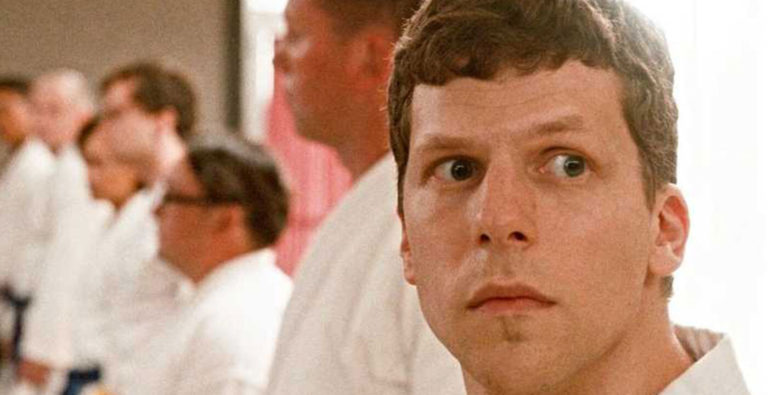
Jesse Eisenberg plays the high-strung Casey, someone in which Alessandro Nivola’s character refers to as “awkwardly feminine”. We’re used to seeing Eisenberg portray similar characters with an offbeat sense of logic along with varying dispositions through each role. Here he commands our protagonist with an extravagant level of timidity. It provides him more of an empathetic arc and is even at times a strangely relatable character. He depicts the nature of his conflicts and current predicaments with dispassionate humor yet also through tendencies and circumstances that are mildly heartbreaking. As an ensemble everyone prevails in the dominant portions of comedy during the film. Alessandro Nivola is with ease the biggest standout. His sociopathic character contains a persona so unintentionally amusing but also imprudently grim and cynical. He openly lacks sensibility and lives his life unapologetically, with not a shred of care of who or what he harms along the way. The rest of cast is compiled of a lot of lesser-known talent but are all mutually capable and skilled in the creation of their characters select idiosyncrasies. They’re all purposefully blended carefully and effectively with each other, which evidently was a superior preference. Especially since Eisenberg’s character remains as the epicenter throughout everything, with occasional supporting character inclusions and backgrounds.
Although I was unfamiliar with Stearns’ prior debut, I can only imagine how it must be with the aftermath of watching this. The film rides a fine line of dramedy which sprouts from a hypnotic script from Stearns. The whole movie almost transpires inside this inconsequential universe where our protagonists and antagonists face no other ample threat besides one another. It allows for an eclectic variety of our characters tendencies and the events they later partake in. A project that’s so subtly amusing balances a contrast of some of the most depressing motifs and imagery thus far in 2019–which is largely ironic. It revolves around the societal (yet in this case more communal) ideology of acceptance. Not just with one’s self but with the authoritative presence of Nivola’s character and his karate dogma. It pins an emotional weight on everyone’s shoulders and paints his character as this corrupt-like figure that others shouldn’t look up to, but woefully do.
Not just applicable to his screenplay but also to his direction, Stearns achieves great heights at not only directing the story progression but also with each character’s direction. It’s inherently organic and feels sharply cohesive in its attempt at a newfangled approach. It’s warmly reminiscent of old 2000s sleeper hits with the impassive segments of humor and something I can see developing a cult following as the years go by. Stearns is surely one of the more adept and fresh faces in this growing list of individualistic filmmakers.
While the audacity of The Art of Self-Defense is commendable with its rather unflinching style, personally the periodic episodes of erratic character motives makes it harder to stay in to. That certain extent of unconventionality that advances you in, could quite possibly be a determining factor to drive you away. It’s not even on behalf of the footing of the film’s inaccessibility per se, just the irregularity of the circumstances that it constantly continues to outdo each time. A couple of the story decisions towards the unraveling of the third act remain insipid in their subsequent connection to the plot. It’s nothing that’s attempting to be obnoxiously esoteric and in the grand scheme of it all, it’s never anything unbearable or massively distracting.
The Art of Self-Defense is surprisingly bold. It serves as a sedated, unorthodox comedy that maintains a brilliant perception of itself while assimilating undertones of personal standards and self-esteem. It makes for a tragic piece of storytelling and an ingenious alternative route of filmmaking. It’s quite unusual, so what? For a movie like this the weirder it is, the better.