


Director: Sasha Waters
Stars: Helena Bonham Carter, Steve Buscemi, Stephen Colbert
Synopsis: Pulitzer Prize-winning poet Mary Oliver, a quiet queer icon, captivated readers everywhere with her accessible celebration of nature, dogs, and life itself.
Poetry is the most impenetrable of literary genres. It’s a form that requires the reader to be open to the truth about oneself and the state of the world. It requires us to see the truth in the most complex and complicated way possible. Poetry holds many of us at arms length, but there are poets who have the ability to use the form to transcend beyond the boundaries of language to a deeper understanding of what it is to be human. It’s clear from the film Mary Oliver: Saved by the Beauty of the World that Mary Oliver was such a poet.
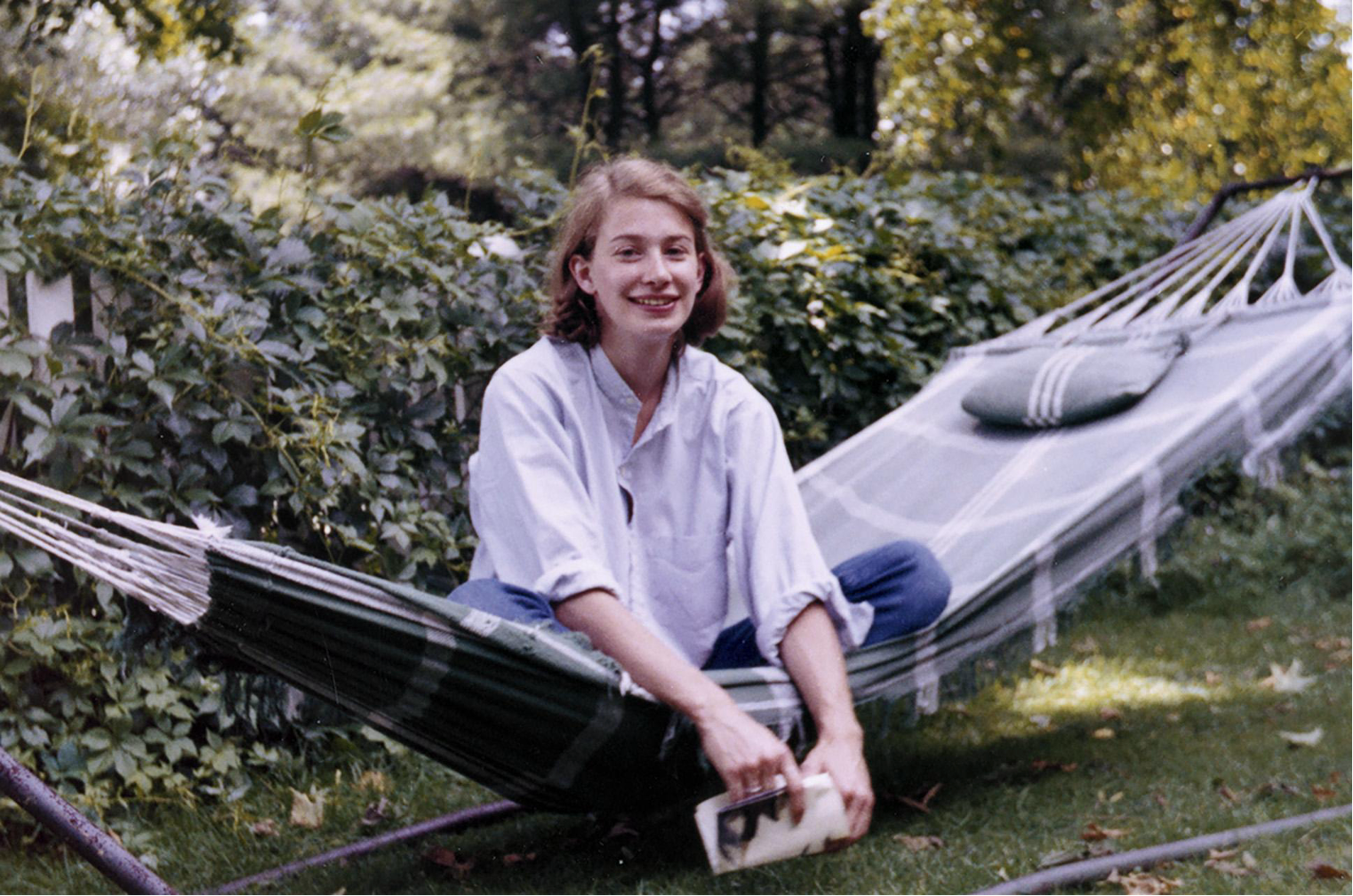
It’s unique to have not only her work, but Mary Oliver’s own words preserved so well. Much of the film uses archive footage of Oliver as she gives readings, lectures, and talks. Some audio files of her radio, television, and print interviews also make it into the film. We often think of poetry and poets as sort of a sepia-toned, analog idea so it is gratifying to see Oliver speak directly to her life and work. These good and interesting clips can get bogged down in some stock footage that is meant to enhance, but can take away from the person that is keeping our attention.
It’s also refreshing that the majority of talking heads within the film aren’t stuffy historians and theorists. While most of them are poets, writers, and artists, many of them knew Oliver and can speak to her state of being better than any academic could. Some that knew her best have some of the best anecdotes. Filmmaker John Waters, for example, a long time friend of Oliver’s, is a real treat. Though, a kind of irksome addition are the celebrity readers and fans. While their presence isn’t completely outlandish, it does still feel like a way to get people interested in a film about a poet.
That is mostly just at first, though. When Stephen Colbert begins to read one of his favorite poems, he gets noticeably emotional. Later in the film when he attempts another reading, he can’t finish because he is so choked up. When he talks about the poem and other Oliver poems he cherishes, it is from a genuine place. It may feel kind of intrusive to have famous faces who didn’t know the subject in a film like this, but it also feels right to have people who have an emotional connection to the work speak about it.
That is the best reason to watch Mary Oliver: Saved by the Beauty of the World is that it so heavily features Oliver’s poems. We get to hear the poems in full and sometimes with the words as written to accompany. A poem on paper doesn’t sing like a poem read. When you hear the proper cadence, the meter, and scheme of the work it enhances the emotion and depth behind the words.
The second best part of the film is that it does away with the hearsay and personal interpretations of Mary Oliver, the person. Much of what director Sasha Waters wants us to understand is that Mary Oliver was wholly herself. To many she’s a queer icon, a feminist, and a pop figure, but what we find through the narrative of the film is that she was only ever beholden to her own truth. She made no apologies and told no one what to think. As complicated as it seems, she didn’t find herself at the center of any movements and sought no recognition of status. She simply lived as she wanted with whom she wanted in order to write what she wanted. In a way that’s just as powerful.
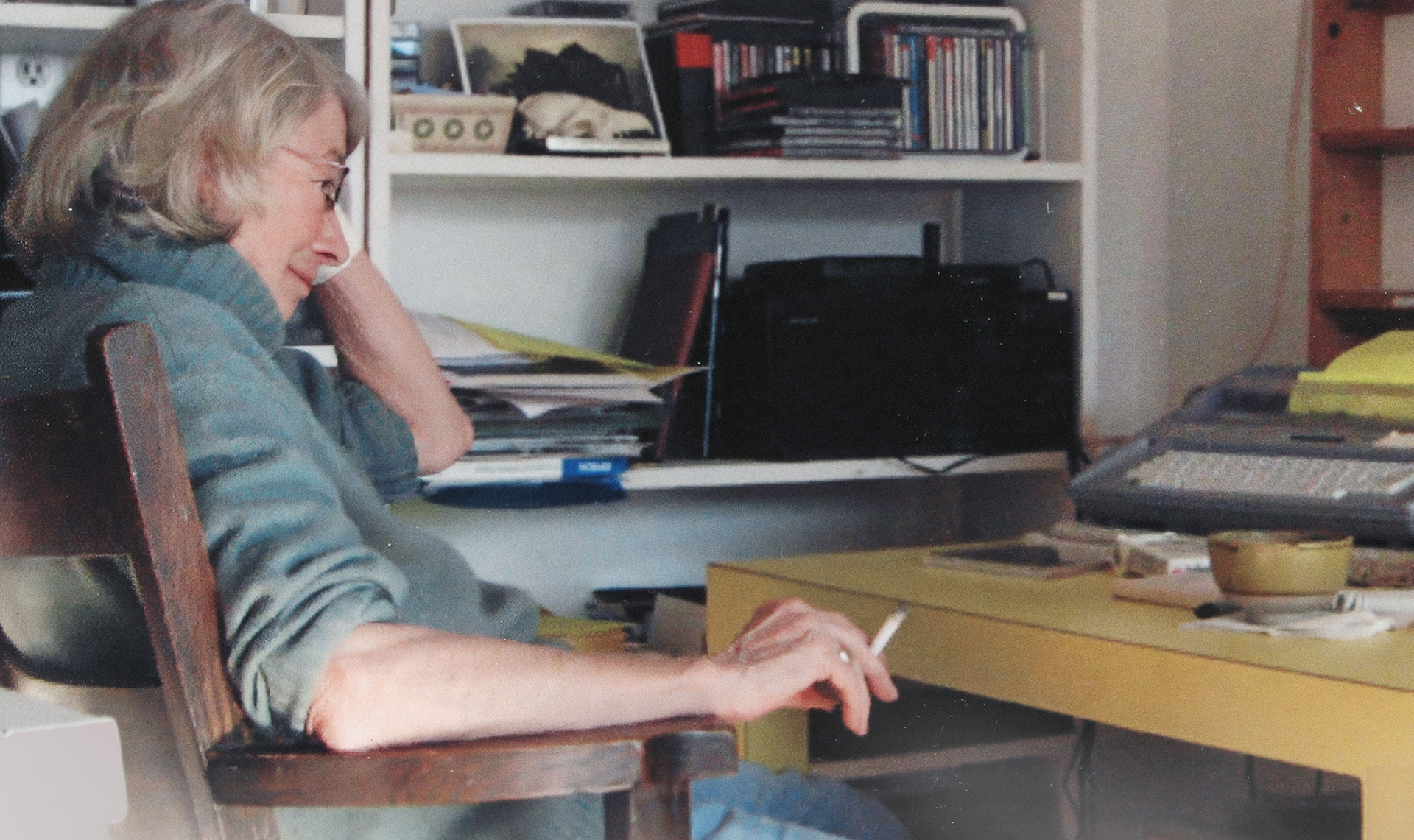
It’s rare to get such a nuanced portrait of an artist. Often the narrative features, biopics, that depict an artist are interpreted through so many lenses that every aspect of truth is compounded into the cleanest or most palatable version of that person. Documentaries have a point-of-view that’s true, but they also focus on the objective truth, as unvarnished as it may be. Mary Oliver: Saved by the Beauty of the World is a documentary that gives us a window into an artist that became singular in her field without ever compromising who she was as a person.