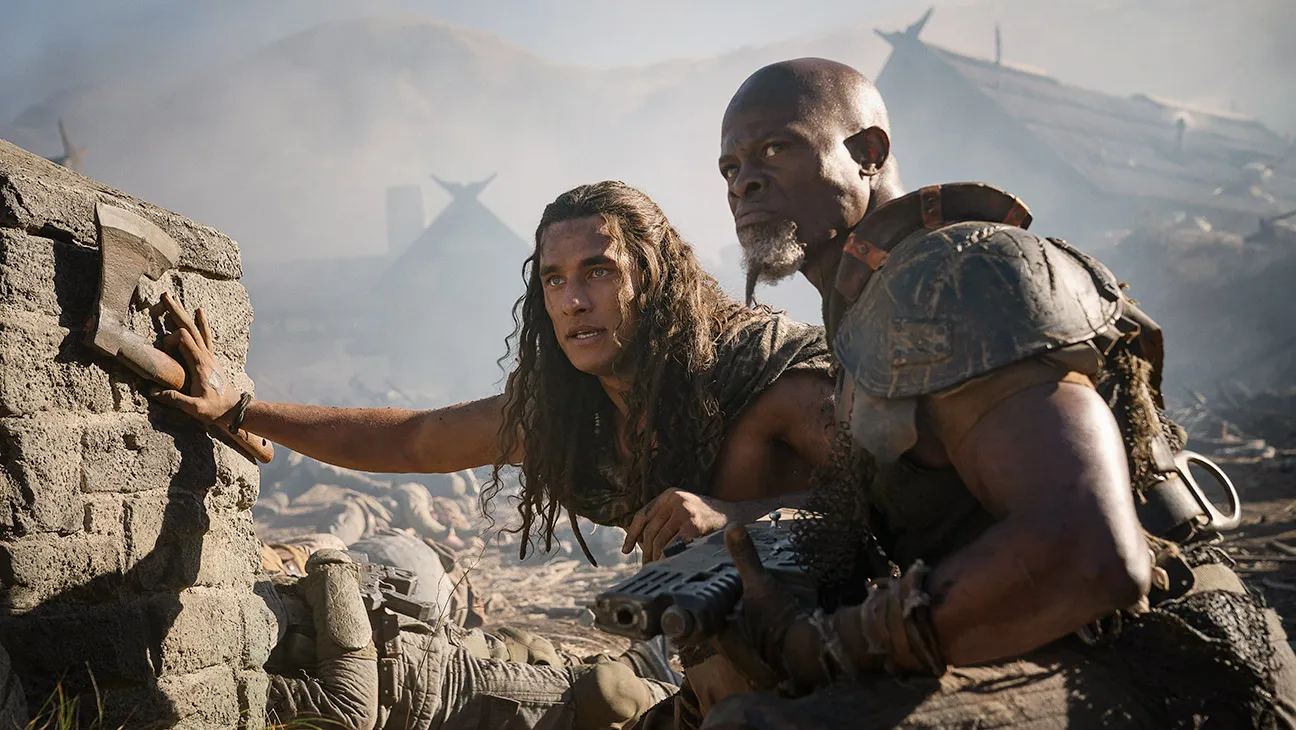
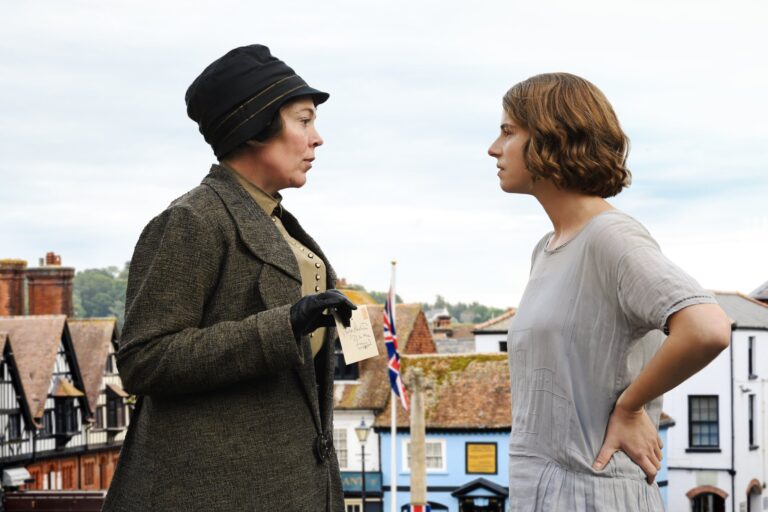
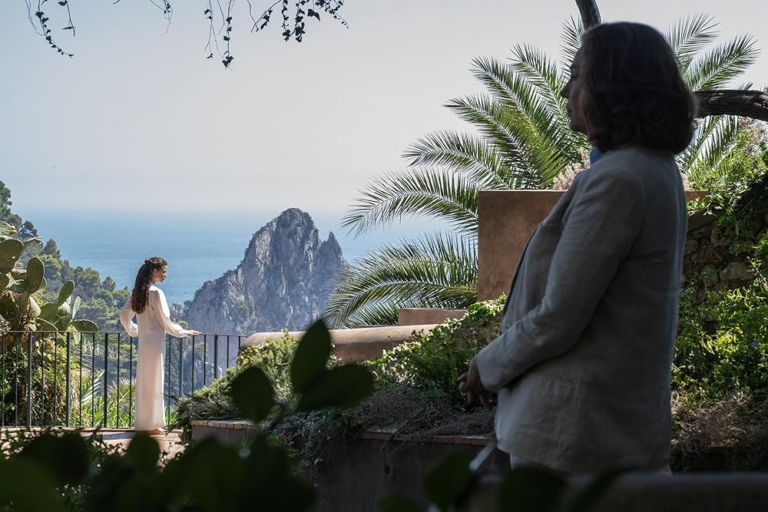
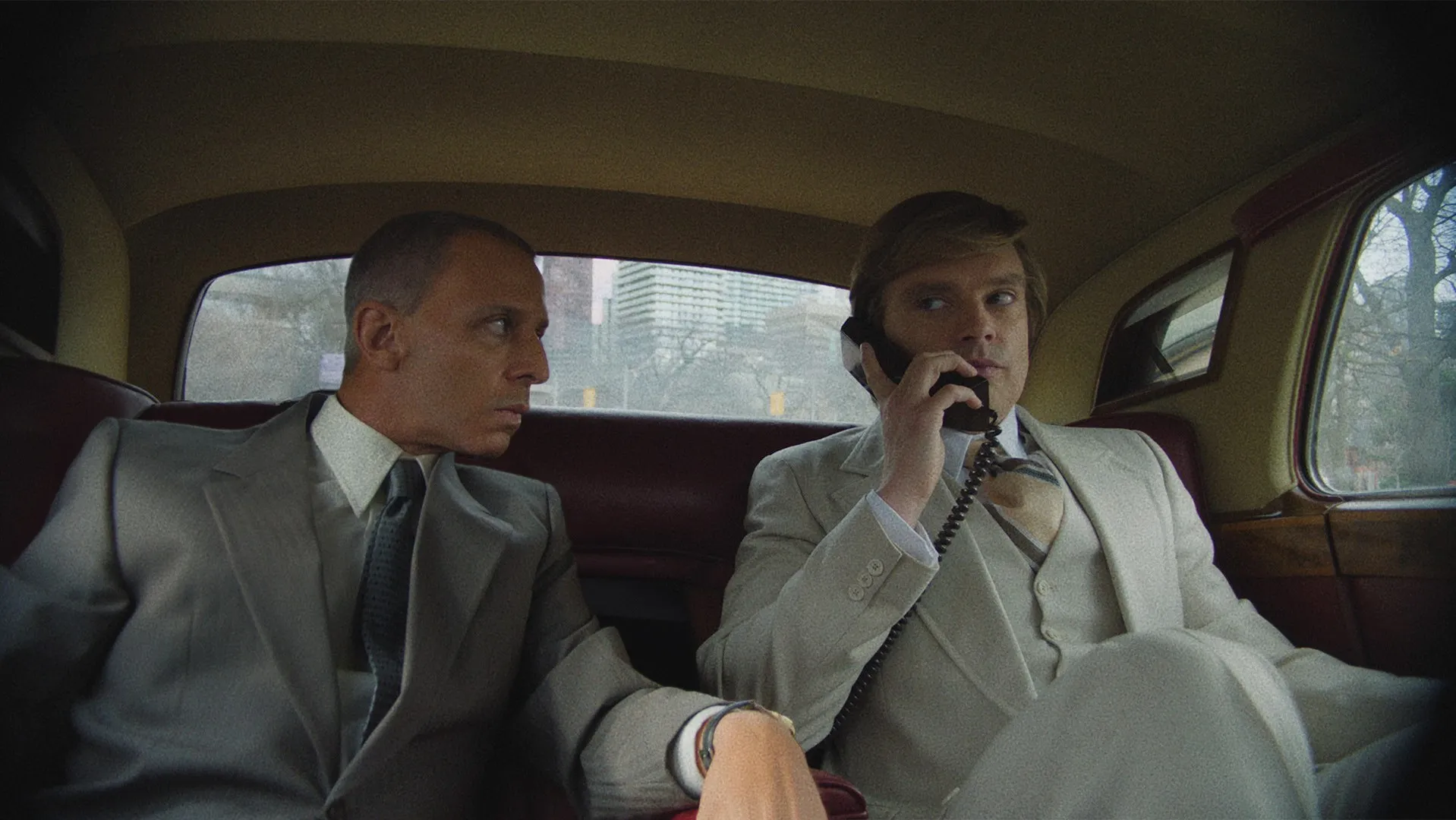
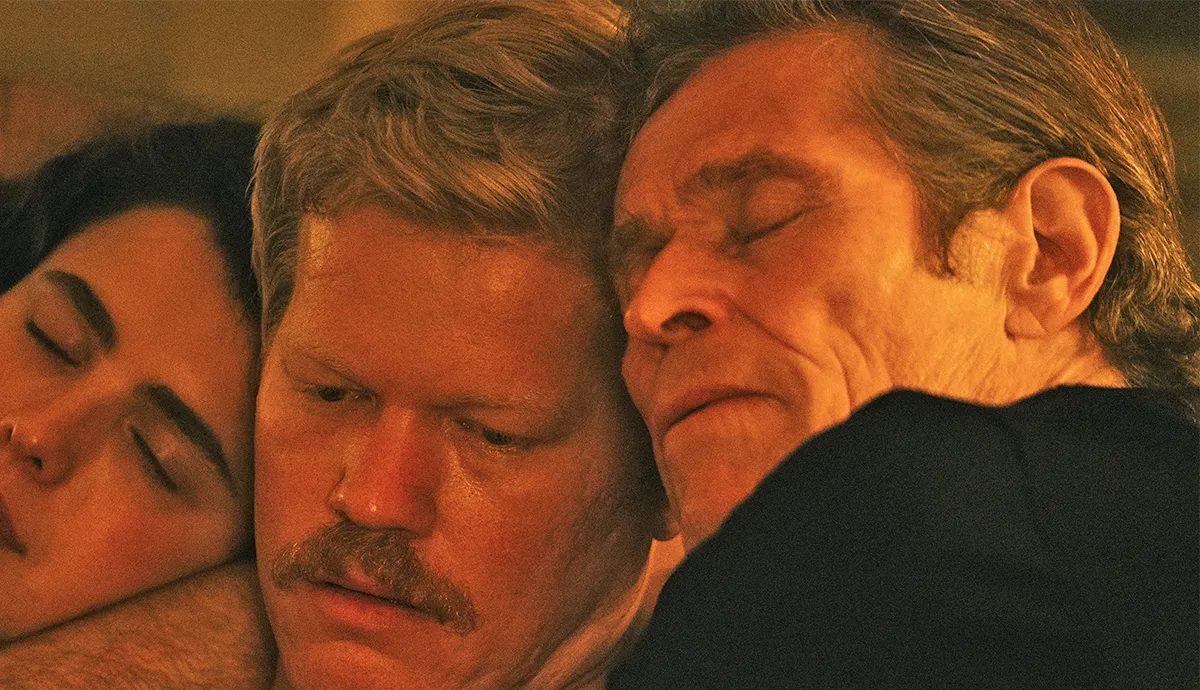
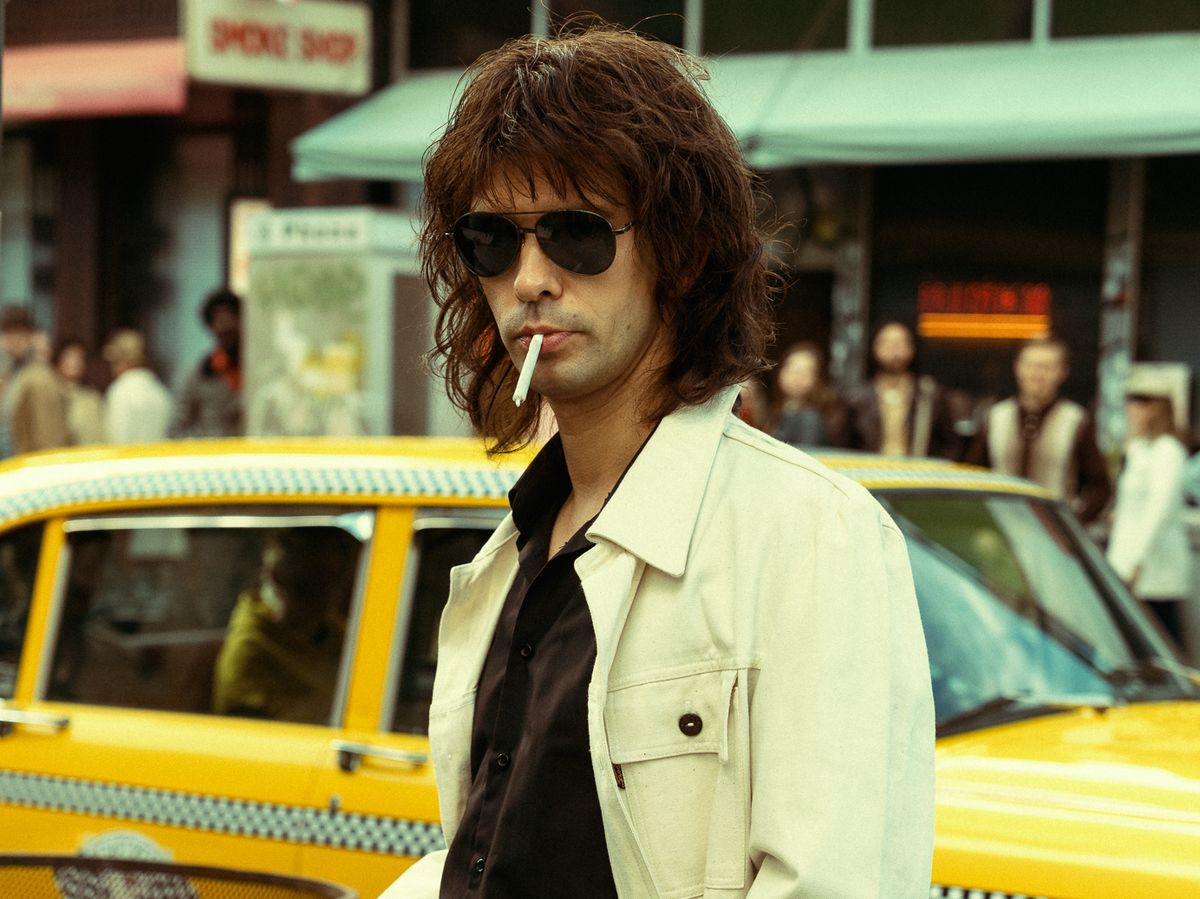
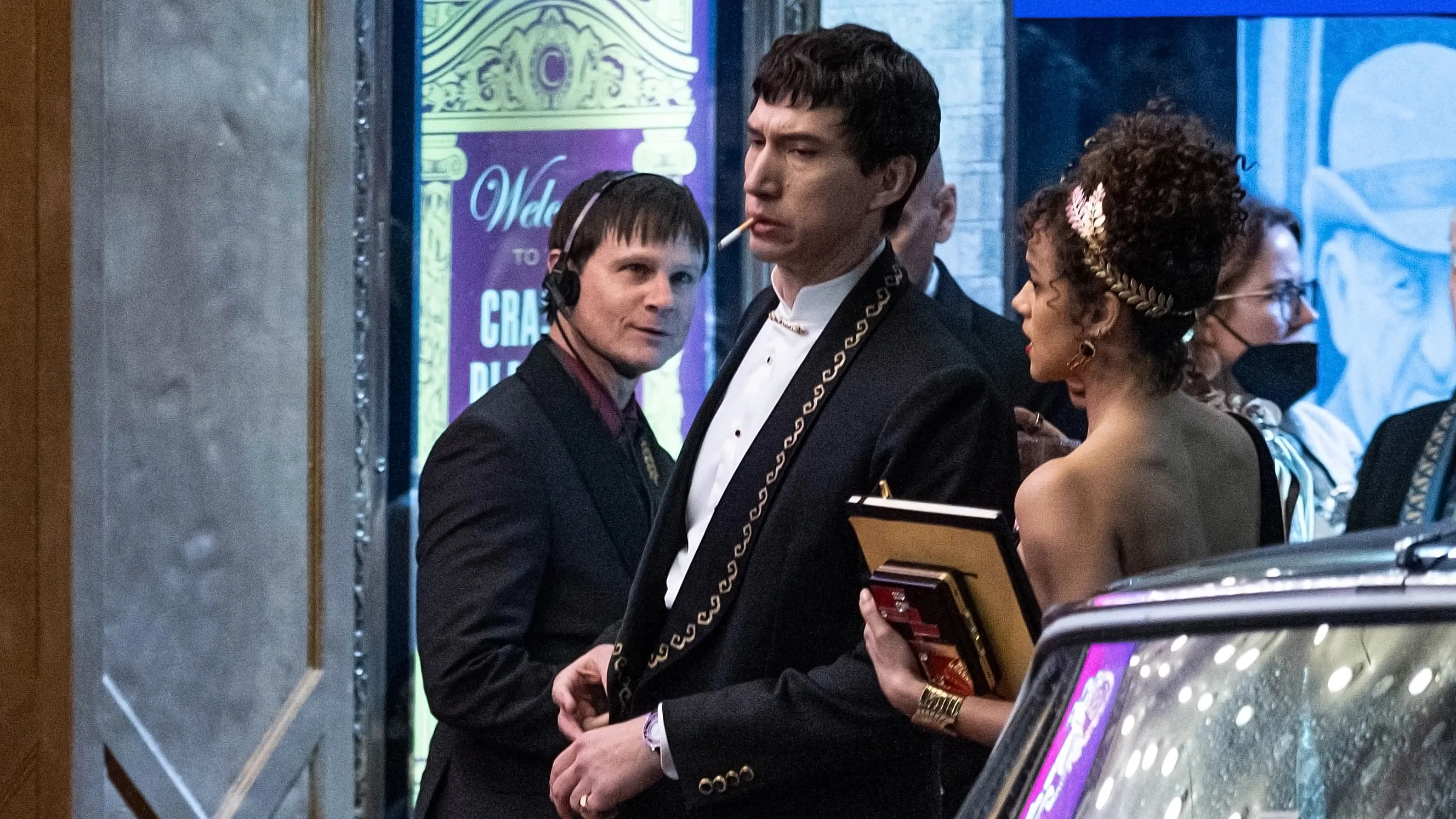
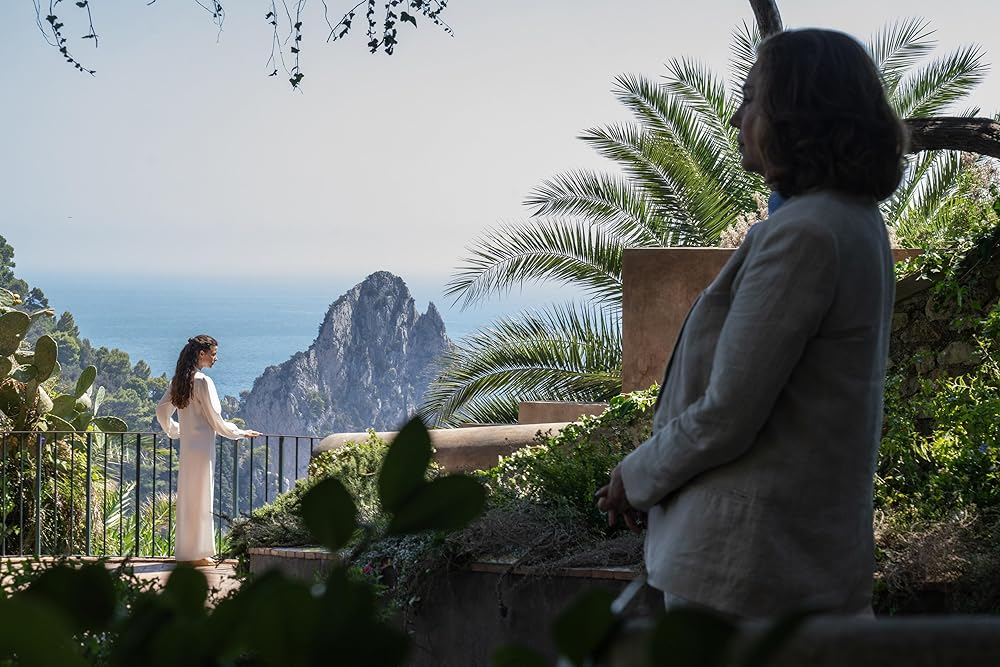
The 2024 Tribeca Festival is nearly upon us, but before that glorious week where cinema takes over lower Manhattan, the festival has released their exciting Film lineup. Running from June 5–16, the lineup this year offers a wide variety of films from 48 countries, 30 first-time filmmakers, and 86 world premieres. Part of what makes Tribeca Festival’s Film lineup so enticing for me is the palpable hunger you can feel come off the screen with every new filmmaker. With so many debut films, walking into each screening feels like there’s potential to discover the next great up-and-coming writer/director/actor/etc. But of course, there’s also plenty of legends that attend the festival as well.
There’s names like Elsie Fisher, Julio Torres, and Sarah Sherman attached to animated feature Boys Go to Jupiter or Michael Cera, Michael Angarano, Maya Erskine and Kristen Stewart in Sacramento. Even the legendary power-couple of Amal and George Clooney will be attending in celebration of the documentary, The Cranes Call. From there, the names just keep on going: Oscar-nominated Lily Gladstone (Jazzy), Dakota Johnson and Sean Penn (Daddio), Neil Patrick Harris, Mike Birbiglia, and Tig Notaro (Group Therapy), Demi Moore, Ally Sheedy, Rob Lowe, Molly Ringwald, and Lea Thompson (BRATS), and so much more. And to kick things off, the world premiere of Diane von Furstenberg: Woman in Charge features appearances from Oprah Winfrey, Marc Jacobs, Hillary Rodham Clinton, and countless fashion icons. When discussing the lineup, Tribeca Festival Director and SVP of Programming Cara Cusumano stated “our incredible filmmaking community delivered again with some of the most surprising, inspiring, hilarious, galvanizing, boundary-breaking, and downright entertaining work we’ve had the privilege to feature at the festival.” In short, this is a lineup of 103 films to absolutely keep your eyes on as the festival rapidly approaches. And to make it easier for our readers, you can see the full lineup below. All synopses have been provided by the festival.
U.S. NARRATIVE COMPETITION
Discover breakout independent voices from around the country as these extraordinary world premieres compete for honors in Tribeca’s U.S. Narrative Competition.
Adult Best Friends (United States) – World Premiere. Inseparable since childhood, levelheaded Katie takes her codependent best friend Delaney on a girls’ trip to break the news that she is getting married. Things do not go as planned. Directed by Delaney Buffett. Written by Katie Corwin, Delaney Buffett. Produced by Marie Nikolova, Delaney Buffett. With Katie Corwin, Delaney Buffett, Zachary Quinto, Cazzie David.
Bitterroot, (United States) – World Premiere. Reeling from a failed marriage and in need of comfort and a new perspective, a middle aged man returns home to take care of his aging mother within the deceptively tranquil landscape of rural Montana. Directed and written by Vera Brunner-Sung. Produced by Ki Jin Kim, Kazua Melissa Vang, Yeej. With Wa Yang, Qu Kue, April Charlo, Gia Vang.
The French Italian, (United States) – World Premiere. A prank on an annoying neighbor escalates to ridiculous heights in this quietly absurd comedy set in the dog-eat-dog world of New York City apartment politics. Directed and written by Rachel Wolther. Produced by Miranda Kahn. With Catherine Cohen, Aristotle Athari, Chloe Cherry, Ruby McCollister.
Griffin in Summer, (United States) – World Premiere. In this coming-of-age comedy, a fourteen-year-old wannabe playwright becomes enamored with a local handyman over the course of summer vacation. Directed and written by Nicholas Colia. Produced by Juliet Berman, Camila Mendes, Rachel Matthews. With Everett Blunck, Melanie Lynskey, Owen Teague, Kathryn Newton.
Jazzy, (United States) – World Premiere. In the follow up to her award-winning film The Unknown Country, filmmaker Morrisa Maltz captures the joys and heartbreaks of childhood friendship as young Jazzy navigates the challenges of growing up on the Oglala Lakota reservation in South Dakota. Directed by Morrisa Maltz. Written by Morrisa Maltz, Vanara Taing, Lainey Bearkiller Shangreaux, Andrew Hajek. Produced by Miranda Bailey, John Way, Natalie Whalen. With Jasmine Bearkiller Shangreaux, Syriah Fool Head Means, Raymond Lee, Lily Gladstone.
The Knife, (United States) – World Premiere. After the mysterious appearance of a stranger in their home, a young Black family must deal with the fallout of their choices, big and small, as a steadfast detective tries to crack the case over the course of one fateful night. Directed by Nnamdi Asomugha. Written by Nnamdi Asomugha, Mark Duplass. Produced by Nnamdi Asomugha, Mark Duplass, Jonathan Baker. With Nnamdi Asomugha, Melissa Leo, Aja Naomi King, Manny Jacinto.
The Other, Gold, (United States) – World Premiere. At the end of the day, sometimes an old friend and a bowl of ramen are as good as gold. For one Black TV writer, this is just the beginning as she battles grief and ‘pandemic’ isolation in Little Tokyo while seeking to rekindle her bond with a former BFF. Directed by Sharaé Nikai, David Lassiter. Written and produced by Sharaé Nikai. With Sharaé Nikai, Krista Marie Yu, Amin Joseph, Crystal Lee Brown.
Rent Free, (United States) – World Premiere. This freewheeling comedy follows down-on-their-luck Gen Z best friends Ben and Jordan as they mooch off of their friends’ and acquaintances’ hospitality, all while grappling with love, heartbreak and awkward flings. The film’s effortless humor brings forth a fresh exploration on queer male friendship. Directed by Fernando Andrés. Written by Fernando Andrés, Tyler Rugh. Produced by Fernando Andrés, Jacob Roberts, Temple Baker. With Jacob Roberts, David Treviño, Molly Edelman, Neal Mulani.
Sacramento, (United States) – World Premiere. When free-spirited Ricky suddenly reappears in father-to-be Glenn’s life, the two former best friends embark on a spontaneous road trip from LA to Sacramento in Michael Angarano’s original take on the buddy comedy. Directed by Michael Angarano. Written and produced by Chris Smith, Michael Angarano. Produced by Stephen Braun, Chris Abernathy, Eric Fleischman. With Michael Cera, Michael Angarano, Maya Erskine, Kristen Stewart.
Vulcanizadora, (United States) – World Premiere. In this intense tale from provocateur Joel Potrykus, two friends embark on a disturbing mission in the Michigan woods. When their plan unravels, one must face the surreal and unsettling consequences back home. Directed and written by Joel Potrykus. Produced by Ashley Potrykus, Hannah Dweck, Matt Grady. With Joshua Burge, Joel Potrykus, Bill Vincent, Solo Potrykus.
DOCUMENTARY COMPETITION
Experience the cinema of reality with these remarkable non-fiction premieres sure to make waves in the coming year.
Antidote (UK) – World Premiere. With extraordinary access and urgent storytelling, Antidote anchors its timely narrative on whistleblowers and activists who have worked to uncover Vladimir Putin’s deadly regime — and are now facing dangerous and fatal consequences for their courageous actions. Directed and produced by James Jones.
Bad Actor: A Hollywood Ponzi Scheme (United States) – World Premiere. Wannabe actor Zachary Horwitz was desperate to make it big as a movie star. The only thing stopping him was talent. Bad Actor: A Hollywood Ponzi Scheme is a juicy true story about deception, denial, and the seductive promise of fame and fortune. Directed by Joslyn Jensen. Produced by Ted Speaker, Dan O’Meara, Matthew Cherchio.
Checkpoint Zoo (Ukraine, United States) – World Premiere. After the Russian invasion, thousands of animals were trapped behind enemy lines at the zoo in Kharkiv, Ukraine. Running out of food and water while facing constant peril from Russian bombs, a heroic team of zookeepers and volunteers undertake a daring rescue. Directed and produced by Joshua Zeman. Produced by Zachary Mortensen, Ian Davies, Torquil Jones.
The Debutantes (United States) – World Premiere. Focusing on the first group of Black debutantes in Canton, Ohio in over a decade, this documentary follows the young women as they unpack the ball’s troubled legacy and chart their path forward, both for tradition and themselves. Directed and produced by Contessa Gayles. Produced by Alyse Shorland, Jannat Gargi, Molly O’Brien.
DRIVER (United States) – World Premiere. DRIVER is a soulful exploration of resolute female long-haul truck drivers pursuing validation for their hard-earned work as they navigate the oppressive forces in their industry. Employing an intimate lens, Nesa Azimi’s first feature brings the audience into a community of solidarity and self-determination. Directed by Nesa Azimi. Produced by Nesa Azimi, Ines Hofmann Kanna, Nicolas Borel.
Hacking Hate (Sweden, Denmark, Norway) – World Premiere. Simon Klose’s kinetic and socially-pressing documentary follows award-winning Swedish journalist My Vingren as she goes undercover online as a white supremacist in order to expose a network of neo-Nazis and far-right organizations that are viciously fostering hate speech and extremism on a global scale. Directed by Simon Klose. Produced by Elin Kamlert.
Made in Ethiopia (United States, Ethiopia, Denmark, UK, Canada, South Korea) – World Premiere. Made in Ethiopia examines China’s increasing impact on Africa through the story of charismatic businesswomen Motto, who is tasked with launching the biggest Chinese industrial zone in Ethiopia. Directed by Xinyan Yu, Max Duncan. Produced by Tamara Dawit, Max Duncan, Xinyan Yu.
New Wave (United States) – World Premiere. With depth and emotional resonance, Elizabeth Ai’s lively first feature is both an endearingly nostalgic exploration of the defiant Vietnamese new wave music scene, as well as a vulnerable and personal look at the filmmaker and her community’s revisiting of their unexamined past. Directed by Elizabeth Ai. Produced by Elizabeth Ai, Rachel Sine.
Pirópolis (Chile) – World Premiere. Nicolás Molina’s visually astounding Pirópolis drops the viewer in the fiery port city of Valparaíso, Chile and observes a pack of determined volunteer firefighters as they band together to combat turbulent wildfires ravaging the city. Directed by Nicolás Molina. Produced by Joséphine Schroeder, Francisca Barraza.
Quad Gods (United States) – World Premiere. As the world’s first all quadriplegic esports gaming team, the Quad Gods are fierce competitors in this captivating story that challenges assumptions about disability, and spotlights the restorative power of resilience, passion and found community. Directed by Jess Jacklin. Produced by Johnny Fego, Jess Jacklin.
Sabbath Queen (United States) – World Premiere. Sabbath Queen is a remarkable 20 year journey in the life of Rabbi Amichai Lau-Lavie, a 39th generation Orthodox rabbi — and drag queen. Directed and produced by Sandi DuBowski.
Shelf Life (United States) – World Premiere. Quirky and contemplative, this delectable documentary takes us on a surprising global odyssey into the world of cheese, drawing unexpected parallels between the aging of cheese and the human experience of growing old. Directed by Ian Cheney. Produced by Robyn Metcalfe.
INTERNATIONAL NARRATIVE COMPETITION
The New-York based Festival breaks its geographical boundaries with the International Narrative Competition, welcoming filmmakers from abroad to join a global platform for contemporary world cinema.
Bikechess (Kazakhstan) – World Premiere. As Dina, a Kazakh journalist, finds herself disenchanted with reporting inane government initiatives, she balances supporting her activist lesbian sister while navigating a relationship with her married cameraman. Directed and written by Assel Aushakimova. Produced by Antoine Simkine, Almagul Tleukhanova, Christian Fredrik Martin. With Saltanat Nauruz, Assel Abdimavlenova, Shyngys Beibituly, Duisenbek Sydykbekov.
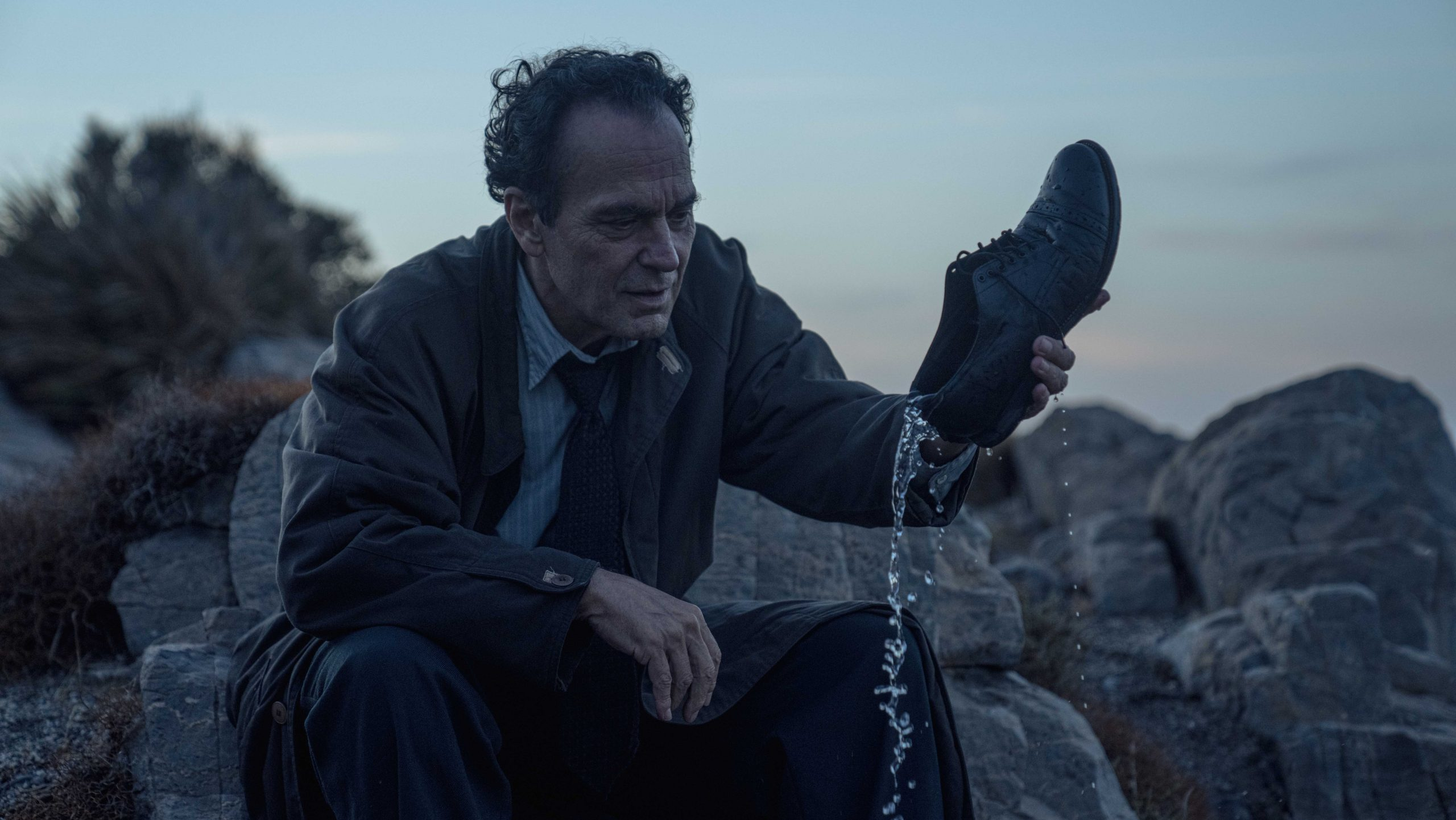
The Dog Thief (Bolivia, Chile, Mexico, Ecuador, France, Italy) – World Premiere. Martín, an orphan who works as a shoeshine boy, decides to steal the dog of his best client, a lonely tailor he has begun to imagine is his father. Directed and written by Vinko Tomičić Salinas. Produced by Álvaro Manzano Zambrana. With Alfredo Castro, Franklin Aro, Teresa Ruiz, María Luque.
Don’t You Let Me Go (Uruguay) – World Premiere. Adela has just lost her best friend, Elena, so she boards a magic bus back in time to spend one last beautiful weekend with Elena in a house by the beach. Directed and written by Ana Guevara, Leticia Jorge. Produced by Agustina Chiarino. With Chiara Hourcade, Victoria Jorge, Eva Dans.
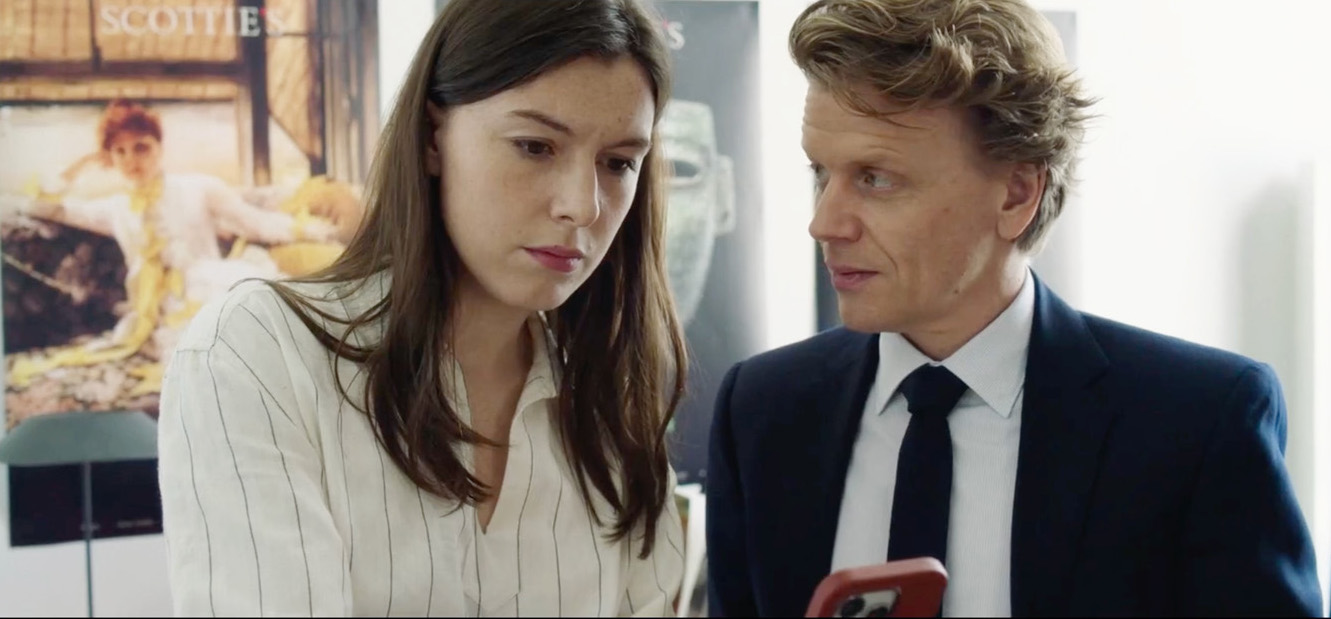
Eternal Playground (France) – World Premiere. It’s the last day of school in Paris and most of first-year music teacher Gaspard’s colleagues are thinking about vacation. But, Gaspard is surreptitiously planning a weekend sleepover in the school with his childhood crew to honor his recently departed twin sister. Directed and written by Pablo Cotten, Joseph Rozé. Produced by Antoine Playoust, Martin Playoust, Nicolas Tzipine. With Andranic Manet, Alassane Diong, Carla Audebaud, Alba-Gaïa Bellugi.
Family Therapy (Slovenia, Italy, Norway, Croatia, Serbia) – World Premiere. A nouveau riche family finds their life of detached superiority upended when the patriarch’s son from another relationship arrives at the family home, revealing cracks in their staid façade. Directed and written by Sonja Prosenc. Produced by Rok Sečen. With Mila Bezjak, Aliocha Schneider, Marko Mandić, Katarina Stegnar.
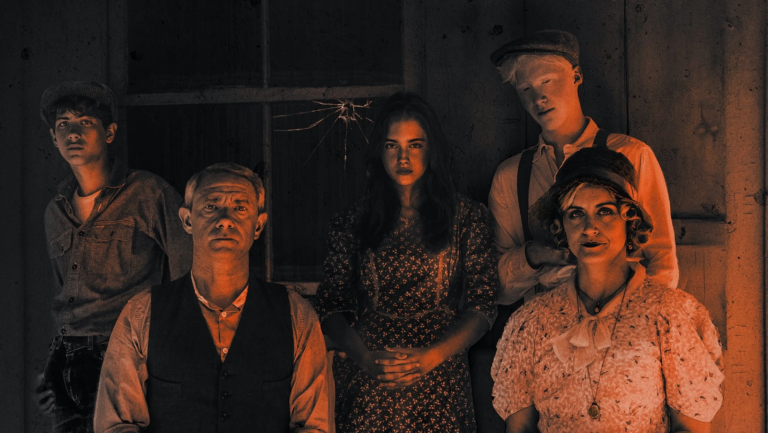
Hunters on a White Field (Sweden) – International Premiere. Three men go on a hunting trip deep in the Swedish forest. Things start well, but one day all the animals vanish and the forest turns eerily quiet, leaving the men alone as they insist the hunt must continue. Directed and written by Sarah Gyllenstierna. Produced by Maria Larsson Guerpillon, Charlotte Most. With Ardalan Esmaili, Magnus Krepper, Jens Hultén.
Samia (Germany) – World Premiere. Raised in a Somalia torn asunder by civil war and extremists increasingly gaining a foothold, Samia Yusuf Omar, an assertive, independent young woman, fights to realize her dream of becoming an Olympic athlete. Directed by Yasemin Şamdereli. Written by Yasemin Şamdereli, Nesrin Şamdereli, Giuseppe Catozzella. Produced by Simone Catania, Dietmar Güntsche, Anja Karina Richter. With llham Mohamed Osman, Fathia Mohamed Absie, Fatah Ghedi, Elmi Rashid Elmi.
Some Rain Must Fall (Singapore) – North American Premiere. Mother and housewife Cai thought having a family was everything, but when she inadvertently injures the grandmother of one of her daughter’s less privileged teammates, her supposedly perfect life descends into chaos. Directed and written by Qiu Yang. Produced by Edmond Yang. With Yu Aier, Di Shike, Wei Yibo, Xu Tianyi.
Swimming Home (UK, Greece, Netherlands, Brazil) – North American Premiere. The presence of a mysterious houseguest exposes subtle fractures in the marriage between a poet and a war correspondent in this sexy, languid drama set on the stunning, sun-baked Mediterranean coast. Directed and written by Justin Anderson. Produced by Emily Morgan, Andy Starke, Giorgos Karnavas. With Christopher Abbott, Mackenzie Davis, Ariane Labed, Nadine Labaki.
Under the Grey Sky (Poland) – North American Premiere. Based on true events, a Belarusian journalist is arrested after covertly livestreaming brutal government crackdowns on peaceful demonstrators following rigged elections. Her husband, refusing to leave her, also faces recriminations from a regime determined to break them both. Directed and written by Mara Tamkovich. Produced by Katarzyna Ocioszynska. With Aliaksandra Vaitsekhovich, Valentin Novopolskij.
SPOTLIGHT+
Tribeca’s unique Spotlight+ events bring the film experience off the screen with live events, performances, and conversations after each screening.
Bam Bam: The Sister Nancy Story (Canada) – World Premiere. For decades the iconic track “Bam Bam” has been a sampled darling within the music industry, creating many new stars along the way. But what do we know of its legendary creator? From Kingston to the world, witness the transcendent stylings and legacy of Sister Nancy. Directed by Alison Duke. Produced by Alison Duke, Ngardy Conteh George.
After the Movie: Special performance by Sister Nancy with DJ Gravy.
BRATS (United States) – World Premiere. Actor/director/writer Andrew McCarthy crisscrosses the country reconnecting with fellow Brat-Packers like Rob Lowe, Demi Moore, Ally Sheedy, Emilio Estevez, and more to reflect on what it meant to be in the Brat Pack and how the label impacted their lives, personally and professionally. Directed by Andrew McCarthy. Produced by Adrian Buitenhuis, Derik Murray. An ABC News Studios Release.
After the Movie: Panel to follow featuring director Andrew McCarthy, other members of the cast, and surprise guests.
Desire: The Carl Craig Story (Switzerland, UK) – World Premiere. At once a portrait of techno producer Carl Craig and a love letter to his city of Detroit, Desire: The Carl Craig Story lays out the vast backdrop of artists and venues who played a part in the rise of Craig’s massive, genre-defying career. Directed by Jean-Cosme Delaloye. Produced by Dan Wechsler, Andreas Roald.
After the Movie: Post premiere musical selection by Carl Craig.
Following Harry (United States) – World Premiere. Featuring Harry Belafonte, Aja Monet, Aloe Blacc, and Jesse Williams, Following Harry explores the life and legacy of cultural and civil rights icon Harry Belafonte through the stories of those artists and activists carrying on his life’s work dedicated to social justice. Directed by Susanne Rostock. Produced by Frankie Nasso, Edward Zeng, Susanne Rostock.
After the Movie: The presentation of the Harry Belafonte Voices for Social Justice Award with special guests.
Group Therapy (United States) – World Premiere. Neil Berkeley’s latest is a thoughtful and humorous navigation of personal conversations on mental health. Produced by Kevin Hart, this unique documentary takes the form of a group therapy session led by some of today’s funniest comedians and comic performers. Directed by Neil Berkeley. Produced by Kevin Healey, Luke Kelly-Clyne, Bryan Smiley.
After the Movie: A conversation with film subjects Tig Notaro, Neil Patrick Harris, Mike Birbiglia, London Hughes, Gary Gulman and Atsuko Okatsuka.
Linda Perry: Let It Die Here (United States) – World Premiere. Award-winning filmmaker Don Hardy explores the life of pioneering songwriter and producer Linda Perry in this intimate and revealing journey. It’s a story of the strength and resilience of a gifted artist, daughter and mother who is finally able to embark on a search to find her own voice. Directed by Don Hardy. Produced by Don Hardy, Shawn Dailey.
After the Movie: Special performance by Linda Perry.
Outstanding: A Comedy Revolution (United States) – World Premiere. This rapturous documentary steps into the dynamic world of queer stand-up and examines the powerful cultural influence it has had on social change in America. The film combines rare archival materials, stand up performances, and interviews with a show-stopping lineup including Lily Tomlin, Fortune Feimster, Eddie Izzard, and Rosie O’Donnell, to present a definitive history of queer comedy. Directed by Page Hurwitz. Produced by Katherine LeBlond, Page Hurwitz, Wanda Sykes. A Netflix Release.
Before the Movie: A standup performance featuring stars of the film.
Rebel Country (UK, United States) – World Premiere. Country music is changing — or maybe it’s returning to its roots. This musical documentary traces the troubled history and inclusive future of the genre with performances from today’s most talented iconoclasts, including Blanco Brown, Jelly Roll, Lainey Wilson, and BRELAND. Directed and produced by Francis Whately.
After the Movie: A special appearance by platinum selling country music artist BRELAND.
Satisfied (United States) – World Premiere. An intimate look at the actress Renée Elise Goldsberry; a woman’s struggle to have a family and balance a career, against the backdrop of the hit musical Hamilton. Directed by Chris Bolan, Melissa Haizlip. Produced by Steven Cantor, Jamie Schutz, Chris Bolan.
After the Movie: A performance by Renée Elise Goldsberry and special guests.
State of Silence (Mexico) – World Premiere. A compelling look at the dangerous, continuing risks committed journalists face in Mexico, where reporting on their country’s corruption and “narco politics” has led to the silencing and killing of some of their peers. Directed by Santiago Maza. Produced by Joris Debeij, Abril López Carrillo.
After the Movie: A conversation with Mexican journalists Marcos Vizcarra and Maria de Jesus Peters, director Santiago Maza and executive producers Diego Luna and Gael García Bernal.
SPOTLIGHT NARRATIVE
A launching pad for the most buzzworthy new films, Tribeca’s Spotlight section brings audiences anticipated premieres from acclaimed filmmakers and star performers.
All That We Love (United States) – World Premiere. After losing her beloved dog, Emma Gwon embarks on a heartwarming journey of self-discovery and reconnection with loved ones in Yen Tan’s touching dramedy that celebrates second chances and the power of family bonds. Directed by Yen Tan. Written by Yen Tan, Clay Liford. Produced by Kelly Williams, Rebecca Green, Theresa Steele Page. With Margaret Cho, Jesse Tyler Ferguson, Kenneth Choi, Alice Lee.
Bad Shabbos (United States) – World Premiere. Over the course of one night during an anything-but-typical New York City shabbos, a family get-together takes a turn for the worse in Daniel Robbins’ unique take on the dinner party farce. Directed by Daniel Robbins. Written by Zack Weiner, Daniel Robbins. Produced by Adam Mitchell. With Jon Bass, Kyra Sedgwick, Method Man, Milana Vayntrub.
Bang Bang (United States) – World Premiere. Tim Blake Nelson stars as “Bang Bang” Rozyski, an eccentric retired pugilist obsessed with rectifying the sins of his past. Directed by Vincent Grashaw. Written by Will Janowitz. Produced by Ran Namerode, Angelia Adzic, Cole Payne. With Tim Blake Nelson, Glenn Plummer, Kevin Corrigan, Andrew Liner.
Between the Temples (United States) – New York Premiere. Ben, a young widower and cantor at the local synagogue, finds a sense of purpose and unexpected connection when Carla, his septuagenarian elementary school music teacher who yearns to become a bat mitzvah, re-enters his life. Directed by Nathan Silver. Written by Nathan Silver, C. Mason Wells. Produced by Tim Headington, Theresa Steele Page, Nate Kamiya. With Jason Schwartzman, Carol Kane, Dolly De Leon, Madeline Weinstein. A Sony Pictures Classics Release.
Crossing (Sweden, Denmark, Georgia, Turkey, France) – North American Premiere. Lia, a retired teacher, has promised to find her long-lost niece, Tekla. Her search takes her to Istanbul where she meets Evrim, a lawyer fighting for trans rights and becomes embraced in the local trans community. Directed and written by Levan Akin. Produced by Mathilde Dedye. With Mzia Arabuli, Lucas Kankava, Deniz Dumanli. A MUBI Release.
Daddio (United States) – New York Premiere. New York City. JFK airport. A young woman jumps into the backseat of a yellow taxi toward Manhattan. The cabbie strikes up a conversation, resulting in an epic and remarkable journey. Directed and written by Christy Hall. Produced by Dakota Johnson, Ro Donnelly, Emma Tillinger Koskoff. With Dakota Johnson, Sean Penn. A Sony Pictures Classics Release.
The Damned (UK, Iceland, Ireland, Belgium) – World Premiere. When a ship sinks near her isolated fishing post, Eva must choose: rescue the shipwrecked or survive winter. Guilt ridden, the fishermen believe they are being punished for their choices. Directed by Thordur Palsson. Written by Jamie Hannigan. Produced by Emilie Jouffroy, Kamilla Kristiane Hodøl, John Keville. With Odessa Young, Joe Cole, Rory McCann, Siobhan Finneran.
The Everything Pot (United States) – World Premiere. A comedy of errors unfolds upon the delivery of The Everything Pot, a wedding gift that inadvertently becomes a Pandora’s box, forcing two couples to reevaluate their respective relationships. Directed, produced and written by Sherise Dorf. Produced by Callie Bloem, Christopher J. Ewing, Sean Patrick Kelly. With Lisa Edelstein, Erik Griffin, James Wolk, Delaney Rowe.
Firebrand (UK, United States) – North American Premiere. In Tudor England, where court intrigue and the king’s paranoia threaten her survival, Katherine Parr navigates a perilous marriage to the volatile Henry VIII. Directed by Karim Aïnouz. Written by Henrietta Ashworth, Jessica Ashworth. Produced by Gabrielle Tana, Carolyn Marks Blackwood. With Alicia Vikander, Jude Law, Eddie Marsan, Sam Riley. A Roadside Attractions Release.
In the Summers (United States) – New York Premiere. In this poignant debut film, embark on a journey with two sisters as they grapple with their relationship to their well-meaning but troubled father during their childhood summers. Directed and written by Alessandra Lacorazza Samudio. Produced by Alexander Dinelaris, Rob Quadrino, Nando Vila. With Rene Perez Joglar, Sasha Calle, Lio Mehiel, Leslie Grace.
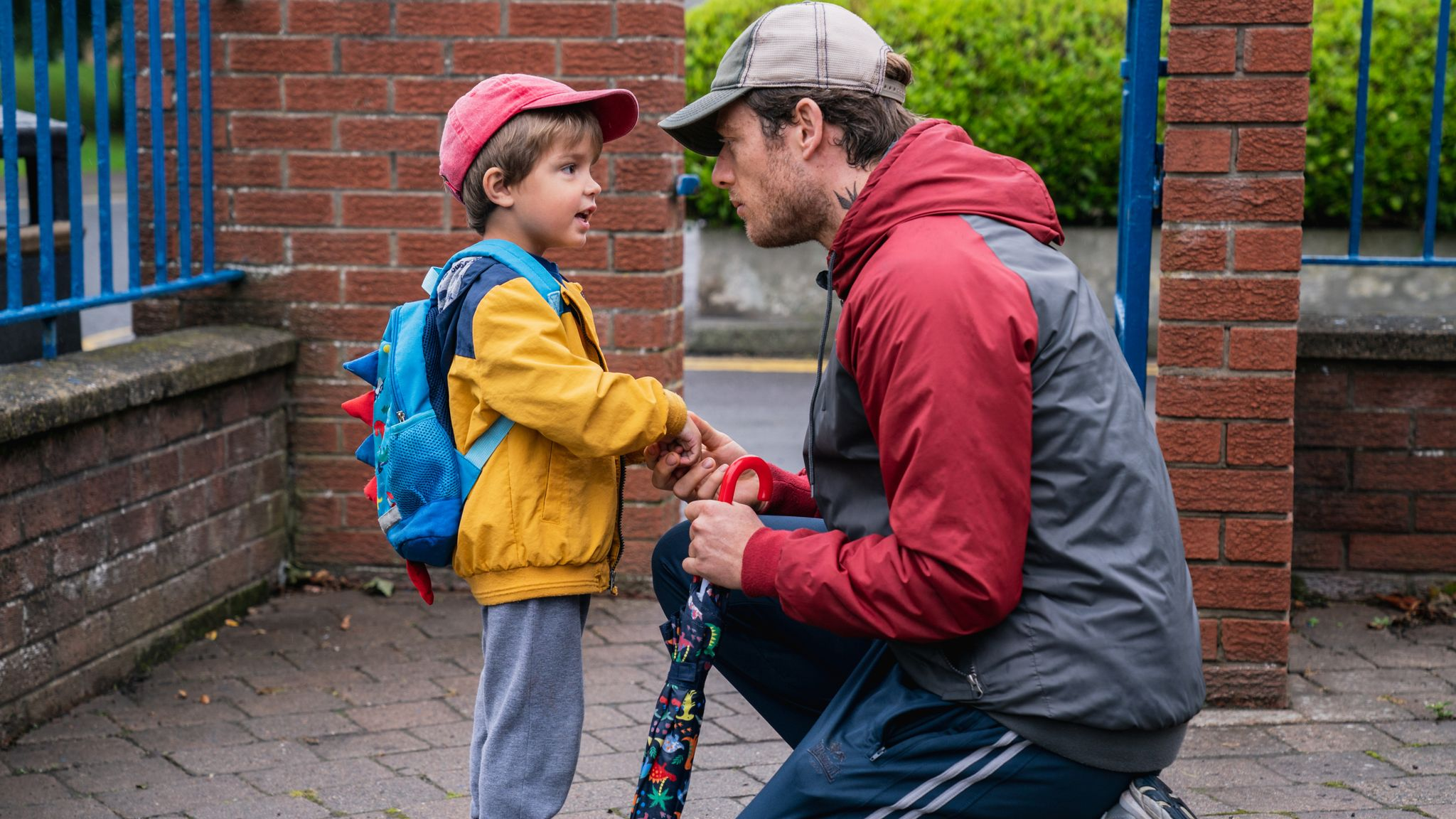
Kneecap (Ireland) – New York Premiere. The band themselves, Kneecap, star in this raucous, sly award-winning musical set in post-Troubles Belfast when the rap trio erupted as a defiant champion of the Irish language and potent symbol of Ireland’s disenfranchised youth. Directed and written by Rich Peppiatt. Produced by Trevor Birney, Jack Tarling. With Naoise Ó Cairealláin, Liam Óg Ó Hannaidh, Jj Ó Dochartaigh, Michael Fassbender. A Sony Pictures Classics Release.
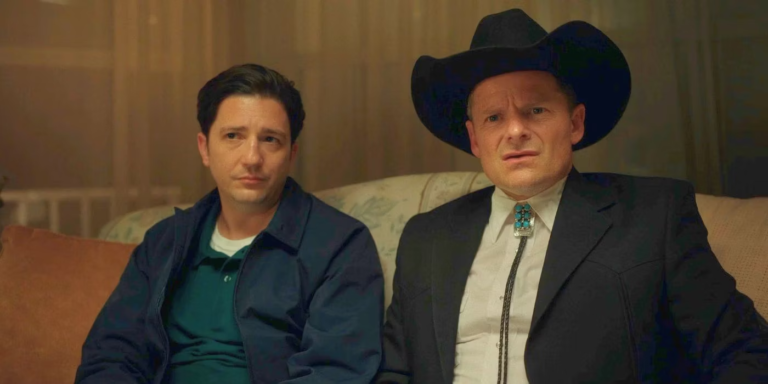
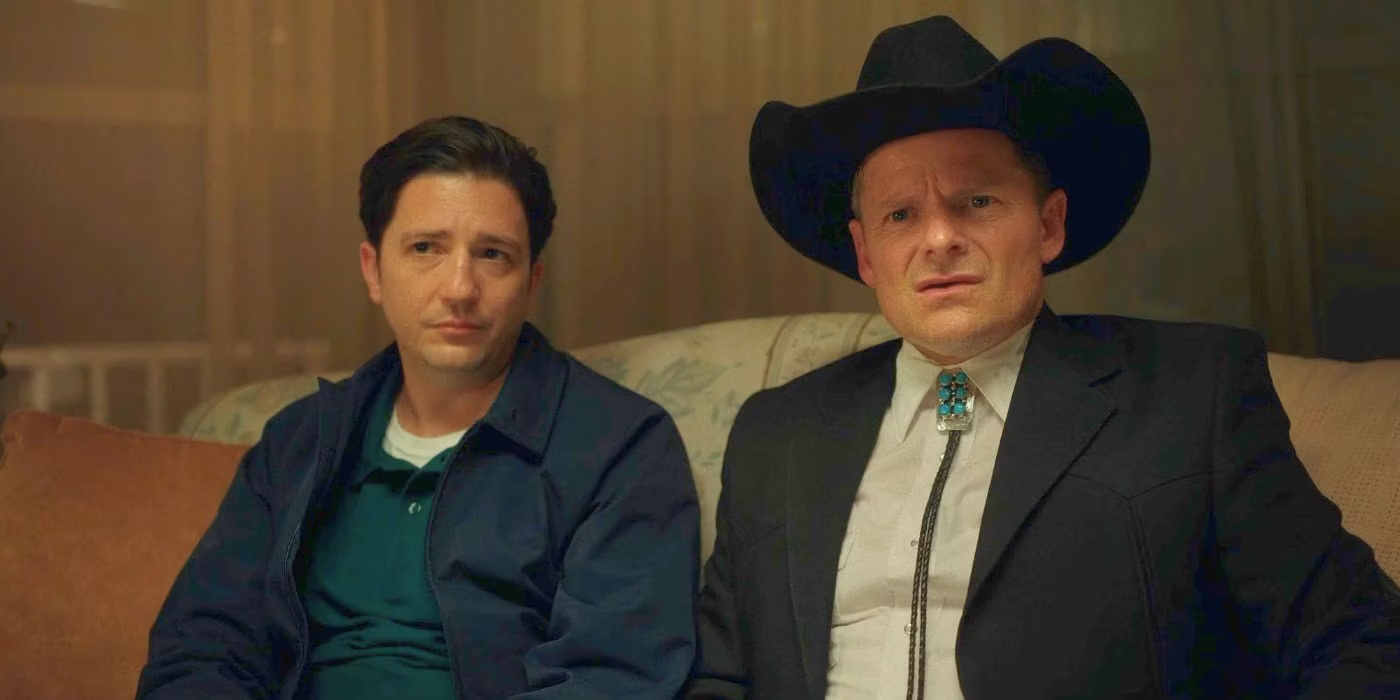
Lake George (United States) – World Premiere. A pair of misfit oddballs strike a deal too big to pass up — and maybe too good to be true — as they set out on a road trip and redemption story in this dark comedy neo-noir. Directed and written by Jeffrey Reiner. Produced by Jeffrey Reiner, Joey Oglesby, Cleta Ellington. With Shea Whigham, Carrie Coon, Glenn Fleshler, Max Casella.
McVeigh (United States) – World Premiere. After the Waco siege, an unthinkable plan brews in the mind of army veteran Timothy McVeigh. A psychological thriller based on the harrowing real life events of the deadliest act of domestic terrorism in U.S. history. Directed by Mike Ott. Written by Mike Ott, Alex Gioulakis. Produced by Miles Alva, Nicolaas Bertelsen, Monte Zajicek. With Alfie Allen, Brett Gelman, Ashley Benson, Anthony Carrigan.
Memes & Nightmares (United States) – World Premiere. If one of the most popular memes goes missing from Twitter, would anyone notice? Executive Produced by LeBron James and Maverick Carter, NBA Twitter King Josiah Johnson seeks an answer, where his journey explores our relationship with ephemeral media, and each other in the digital age. Directed by Charles Todd, Matt Mitchener. Written by Matt Mitchener. Produced by Sheira Rees-Davies, Brock Williams, Benjamin Wiessner. With Josiah Johnson, Jamel Johnson, Mero, Darius Miles.
A Mistake (New Zealand) – World Premiere. Dr. Beth Taylor is a surgeon at the top of her field, where split-second decisions and millimeter movements can mean the difference between life and death. Christine Jeffs’ edge-of-your-seat medical thriller unpacks the perilous aftermath of a single human error. Directed and written by Christine Jeffs. Produced by Matthew Metcalfe, Christine Jeffs. With Elizabeth Banks, Simon McBurney, Mickey Sumner, Rena Owen.
The Shallow Tale of a Writer Who Decided to Write About a Serial Killer (United States) – World Premiere. In this darkly comedic tale, a struggling writer’s life turns bizarre when he befriends a retired serial killer who becomes his unlikely marriage counselor and muse. Directed and written by Tolga Karacelik. Produced by Scott Aharoni, Sinan Eczasibasi, Wren Arthur. With Steve Buscemi, John Magaro, Britt Lower.
Treasure (Germany, France) – International Premiere. Ruth, a neurotic businesswoman from New York, takes her charmingly stubborn Holocaust survivor father on a journey to Poland to make sense of their family’s past. Directed by Julia von Heinz. Written by Julia von Heinz, John Quester. Produced by Fabian Gasmia, Julia Von Heinz, Lena Dunham. With Lena Dunham, Stephen Fry, Zbigniew Zamachowski. A FilmNation Entertainment and Bleecker Street Release.
The Wasp (UK) – World Premiere. In this tense, twist-filled psychological thriller, Naomie Harris and Natalie Dormer deliver captivating performances as two estranged friends who reunite over tea, only to unveil a dangerous and deceptive plot that will irrevocably alter their lives. Directed by Guillem Morales. Written by Morgan Lloyd Malcolm. Produced by Maxime Cottray, Nate Bolotin, Sean Sorensen. With Naomie Harris, Natalie Dormer, Dominic Allburn. A Shout! Studios Release.
Winter Spring Summer or Fall (United States) – World Premiere. Jenna Ortega and Percy Hynes White star in this sweet teen love story about a Harvard-bound girl genius and a laid-back guy who find each other in their final year of high school. Directed by Tiffany Paulsen. Written by Dan Schoffer. Produced by Brad Krevoy, Josh Shader, David Wulf. With Jenna Ortega, Percy Hynes-White, Marisol Nichols, Adam Rodriguez.
SPOTLIGHT DOCUMENTARY
Both onscreen and behind the camera, Spotlight Documentary films represent the most noteworthy names in nonfiction premiering high profile new work.
1-800-ON-HER-OWN (United States) – World Premiere. Ani DiFranco was an unmistakable talent that shook the ‘90s alternative music scene. In this vulnerable look at her life today, she struggles to balance artistry with the demands of family. Directed by Dana Flor. Produced by Amy Hobby.
America’s Burning (United States) – World Premiere. Narrated by Michael Douglas, America’s Burning calls on a remarkable range of expert perspectives from James Carville to Leon Panetta to Amy Chua as macroeconomist David Smick embarks on a searing dive into the precarious state of America’s seemingly unbridgeable economic divide — with a surprisingly optimistic outlook on its future. Directed by David Smick. Produced by Ian Michaels.
Avicii – I’m Tim (Sweden, United States) – World Premiere. Before there was Avicii, there was just Tim. For the first time through his own words, witness the journey of a shy but prodigious musical talent who would soon become one of the defining artists of his generation. Directed by Henrik Burman. Produced by Björn Tjärnberg.
Black Table (United States) – World Premiere. In the wake of the Supreme Court’s decision to abolish affirmative action, this film thoughtfully looks back at the largest class of Black students at Yale in the 1990s, the dining table that bonded them, and how their story informs our future. Directed by John Antonio James, Bill Mack. Produced by Katie Taber, John Antonio James, Bill Mack.
The Cranes Call (France, Germany, Netherlands, UK, Ukraine, United States) – World Premiere. Working with their team at the Clooney Foundation for Justice, Anya Neistat, a brilliant war crimes investigator, joins forces with Solomiia Stasiv, a young Ukrainian woman just entering the field. Together they document atrocities in the fight to bring Russian generals to trial and justice to the Ukrainian people. Directed by Laura Warner. Produced by Evan Williams.
Emergent City (United States) – World Premiere. When global developers purchase Industry City — a series of connected industrial buildings within a primarily immigrant, working class community in Brooklyn — conflicting views draw battlelines between residents, city officials and master planners as the fate of the city and contemporary urban development hangs in the balance. Directed by Kelly Anderson, Jay Arthur Sterrenberg. Produced by Kelly Anderson, Brenda Avila-Hanna.
I’m Your Venus (United States) – World Premiere. A moving and timely documentary following the unsolved murder of Venus Xtravaganza, star of the legendary Paris Is Burning as Venus’ two families — biological and ballroom — come together to seek answers and celebrate her legacy. Directed by Kimberly Reed. Produced by Jamie Schutz, Steven Cantor, Mike Stafford.
It Was All a Dream (United States) – World Premiere. From the personal archives of journalist and filmmaker dream hampton, this visual ode to the golden era of hip-hop provides intimate access to some of rap’s greatest minds, including dream herself. Directed by dream hampton. Produced by Josh Begley, Morgan Willis, Emir Lewis.
Jago: Into the White (Italy) – World Premiere. A portrait of the artist as a young man — Jago, a sculptor in Naples, works through the days and nights chipping away at his next marble masterpiece: a recreation of one of Michelangelo’s iconic subjects. Directed by Luigi Pingitore. Produced by Stefano Cardillo.
LIZA: A Truly Terrific Absolutely True Story (United States) – World Premiere. Rich with archival gems and Liza Minnelli’s own point of view, Bruce David Klein’s luminous documentary celebrates a young entertainer full of boundless raw talent and the deep, creative relationships with her mentors and influences. Directed by Bruce David Klein. Produced by Bruce David Klein, Alexander J. Goldstein, Robert Rich.
Luther: Never Too Much (United States) – New York Premiere. Dawn Porter offers an in-depth look into the life and career of Luther Vandross as he overcomes personal and professional challenges to become one of the greatest vocalists of all time. Directed by Dawn Porter.
Made in England: The Films of Powell & Pressburger (UK) – New York Premiere. Martin Scorsese’s personal journey through the films of Powell and Pressburger, the visionary British filmmakers behind classics like The Red Shoes and Black Narcissus, offers a captivating exploration of their genius and enduring influence on cinema. Directed by David Hinton. Produced by Nick Varley, Matt Wells. A Cohen Media Group Release.
Pandora’s Code (United States) – World Premiere. Kyle Vorbach’s documentary, based on his latest novel, delves into the mesmerizing ascent of artificial intelligence, balancing its remarkable capabilities and dark ethical concerns, making for an engaging, thought-provoking exploration of AI’s double-edged sword. Directed and produced by Kyle Vorbach.
Rebel Nun (United States, UK) – World Premiere. Rebel Nun follows the story of Catholic nun and leading death penalty abolitionist Sister Helen Prejean, whose story was first captured in the 1995 film Dead Man Walking. Now, almost 30 years later, filmmaker Dominic Sivyer takes a look at six decades of the life and work of Sister Helen as she continues to be an inspirational force for justice. Directed and produced by Dominic Sivyer. A Universal Pictures Content Group Release.
Untitled Casa Bonita Documentary (United States) – World Premiere. South Park creators Trey Parker and Matt Stone launch a hands-on attempt to restore the iconic Colorado “eatertainment” mecca Casa Bonita to its former glory. Directed by Arthur Bradford. Produced by Jennifer Ollman.
S/He Is Still Her/e – The Official Genesis P-Orridge Doc (United States) – World Premiere. An introduction, conversation and perhaps goodbye to Genesis P-Orridge, who left an astounding and provocative legacy on the worlds of music, art, performance, religion and the occult. A larger-than-life personality that must be experienced to be grasped, Genesis opens up portals to a way of living that transforms and transcends. Directed by David Charles Rodrigues. Produced by David Charles Rodrigues, Bud Johnston.
Skywalkers: A Love Story (China, Hong Kong, France, Malaysia, Russia, Thailand) – New York Premiere. Battling a global pandemic and a fraying relationship, rooftopping sensations Angela Nikolau and Vanya Beerkus face the ultimate test of their love when scaling the world’s newest super-skyscraper in this visually stunning testament to facing fear and letting go. Directed and produced by Jeff Zimbalist. Produced by Maria Bukhonina, Tamir Ardon, Chris Smith. A Netflix Release.
Slave Play. Not a Movie. A Play. (United States) – World Premiere. A playful and illuminating self-portrait of writer Jeremy O. Harris as he workshops and mines Slave Play, the provocative play that thrust him into the spotlight, with a new cast of young actors from New York’s William Esper Studio. Directed by Jeremy O. Harris. Produced by Chris Moukarbel. An HBO Documentary Films Release.
Stevie Van Zandt: Disciple (United States) – World Premiere. Stevie Van Zandt: Disciple traces Van Zandt’s career as a musician, activist and actor from the clubs of Asbury Park, NJ, to stadiums around the world, to the Bada Bing Club. Directed by Bill Teck. Produced by David Fisher, Robert Cotto, Bill Teck. An HBO Documentary Films Release.
They All Came Out to Montreux (UK) – World Premiere. Utilizing a wealth of archival footage featuring Prince, Aretha Franklin, Miles Davis and more, They All Came Out to Montreux is an affectionate story about how Claude Nobs turned his Swiss town into the home for one of the world’s biggest jazz festivals. Directed by Oliver Murray. Produced by Bill Lord.
The Thinking Game (United States) – World Premiere. The Thinking Game chronicles the extraordinary life of visionary scientist Demis Hassabis and his relentless quest to solve the enigma of artificial general intelligence. Directed by Greg Kohs. Produced by Gary Krieg.
VIEWPOINTS
Tribeca’s home for distinct points of view and bold directorial visions, Viewpoints discovers the most boundary-pushing, rule-breaking new voices in independent film. For the first time, Viewpoints selections will be presented in competition.
Alien Weaponry: Kua Tupu Te Ara (New Zealand) – World Premiere. Meet Alien Weaponry, a thrash metal band that sings in the Maori language, as they figure out how to navigate the music industry, culture, family, tour, and each other. Directed by Kent Belcher. Produced by Nigel McCulloch.
Arzé (Lebanon, Egypt, Saudi Arabia) – North American Premiere. When the scooter that struggling mother Arzé buys for her son to deliver her homemade pies is stolen, the two take a desperate, kaleidoscopic journey through Beirut in pursuit of the purloined moped. Directed by Mira Shaib. Written by Louay Khraish, Faissal Sam Shaib. Produced by Louay Khraish, Faissal Sam Shaib, Ali Elarabi. With Diamand Abou Abboud, Betty Taoutel, Bilal Al Hamwi.
Boys Go to Jupiter (United States) – World Premiere. Suburban Florida is transformed into a 3D animated wonderland in this charming deadpan musical comedy from the creator of Art Sqool, featuring a voice cast of alt-comedy all stars. Directed and written by Julian Glander. Produced by Peisin Yang Lazo. With Jack Corbett, Elsie Fisher, Tavi Gevinson, Julio Torres.
Champions of the Golden Valley (United States, Afghanistan, Germany) – World Premiere. Former Afghan Olympic hopeful Alishah Farhang establishes Afghanistan’s first ever ski club and the annual Afghan Ski Challenge competition in the ancient mountain town of Bamyan, bringing people together in an unlikely but joyful pastime. Directed by Ben Sturgulewski. Produced by Katie Stjernholm, Baktash Ahadi.
Color Book (United States) – World Premiere. Following the passing of his wife, a devoted father is learning to raise his son with Down Syndrome as a single parent. While adjusting to their new reality, the two embark on a journey through Metro Atlanta to attend their first baseball game. Directed and written by David Fortune. Produced by Kristen Uno, Kiah Clingman, Autumn Bailey-Ford. With William Catlett, Brandee Evans, Terri J. Vaughn, Jeremiah Daniels.
Darkest Miriam (Canada) – World Premiere. The fog of grief shrouding Miriam, a branch librarian, begins to lift when she starts a love affair with cab driver Janko. But what’s the deal with the vaguely threatening letters she keeps finding? Directed and written by Naomi Jaye. Produced by Julie Baldassi, Brian Robertson. With Britt Lower, Tom Mercier, Sook-Yin Lee, Jean Yoon.
Era Oculta – Hidden Era (Mozambique, Germany, Colombia) – World Premiere. In the vibrant city of Maputo, Mozambique, Rastafari artist Phambi works to support his young son’s education while resiliently navigating the complexities of living an artistic life in a dynamic city. Directed and produced by Carlos Vargas. Written by Carlos Vargas, Franziska Ruess. With Paula Matlombe, Ednora Matlombe, Isac Tivane “Phambi”, Ixon Tivane.
Restless (UK) – World Premiere. The banal life of a middle-aged empty nester is violently shaken in the blink of an eye when hard-partying — and potentially dangerous — new neighbors move in next door. Directed and written by Jed Hart. Produced by Benedict Turnbull, Iain Simpson, Jens Nielsen. With Lyndsey Marshal, Aston McAuley, Barry Ward, Kate Robbins.
Searching for Amani (Kenya, United States) – World Premiere. A 13-year-old aspiring journalist investigates his father’s mysterious murder within the boundaries of one of Kenya’s largest wildlife conservancies. As a ravaging drought encroaches, his quest to find the killer shifts as the collateral damage of a warming world is revealed. Directed by Nicole Gormley, Debra Aroko. Produced by Peter Goetz, Mungai Kiroga, Nicole Gormley.
They’re Here (United States) – World Premiere. The playful and inventive They’re Here places the viewer within a community of New Yorkers who have had close encounters with UFOs and reexamined their lifestyles as a result. Directed and produced by Daniel Claridge, Pacho Velez.
Witches (UK) – World Premiere. Elizabeth Sankey’s deeply personal documentary examines the relationship between the cinematic portrayals of witches and the all-too-real experiences of postpartum depression by utilizing footage that spans the entirety of film history alongside heartrending personal testimony. Directed by Elizabeth Sankey. Produced by Manon Ardisson, Chiara Ventura, Jeremy Warmsley.
MIDNIGHT
Surprising, shocking, frightening, and thrilling, Tribeca Midnight is the destination for the best in horror and more for late night audiences.
The A-Frame (United States) – World Premiere. A quantum physicist’s machine opens a portal to a subatomic universe, accidentally discovering a radical cancer treatment. As human trials begin, the stakes rise in this Cronenbergian sci-fi comedy. Directed and written by Calvin Lee Reeder. Produced by Ran Namerode, Angelia Adzic, Cole Payne. With Johnny Whitworth, Dana Namerode, Nik Dodani, Laketa Caston.
Beacon (United States) – World Premiere. After an ambitious solo trip leaves her shipwrecked on a remote island, a young sailor is rescued by its lone inhabitant: a lighthouse keeper. As the walls of reality begin to vanish and the trust between them unravels, survival becomes a test of grueling proportions. Directed by Roxy Shih. Written by Julio Rojas. Produced by Neil Elman. With Demián Bichir, Julia Goldani Telles.
A Desert (United States) – World Premiere. While on a road trip, a photographer befriends a young couple whose reckless ways turn his world upside down and into a nightmare in this unpredictable and horror-tinged neo-noir knockout. Directed by Joshua Erkman. Written by Joshua Erkman, Bossi Baker. Produced by Hugues Barbier, Joshua Erkman. With David Yow, Kai Lennox, Sarah Lind, Zachary Ray Sherman.
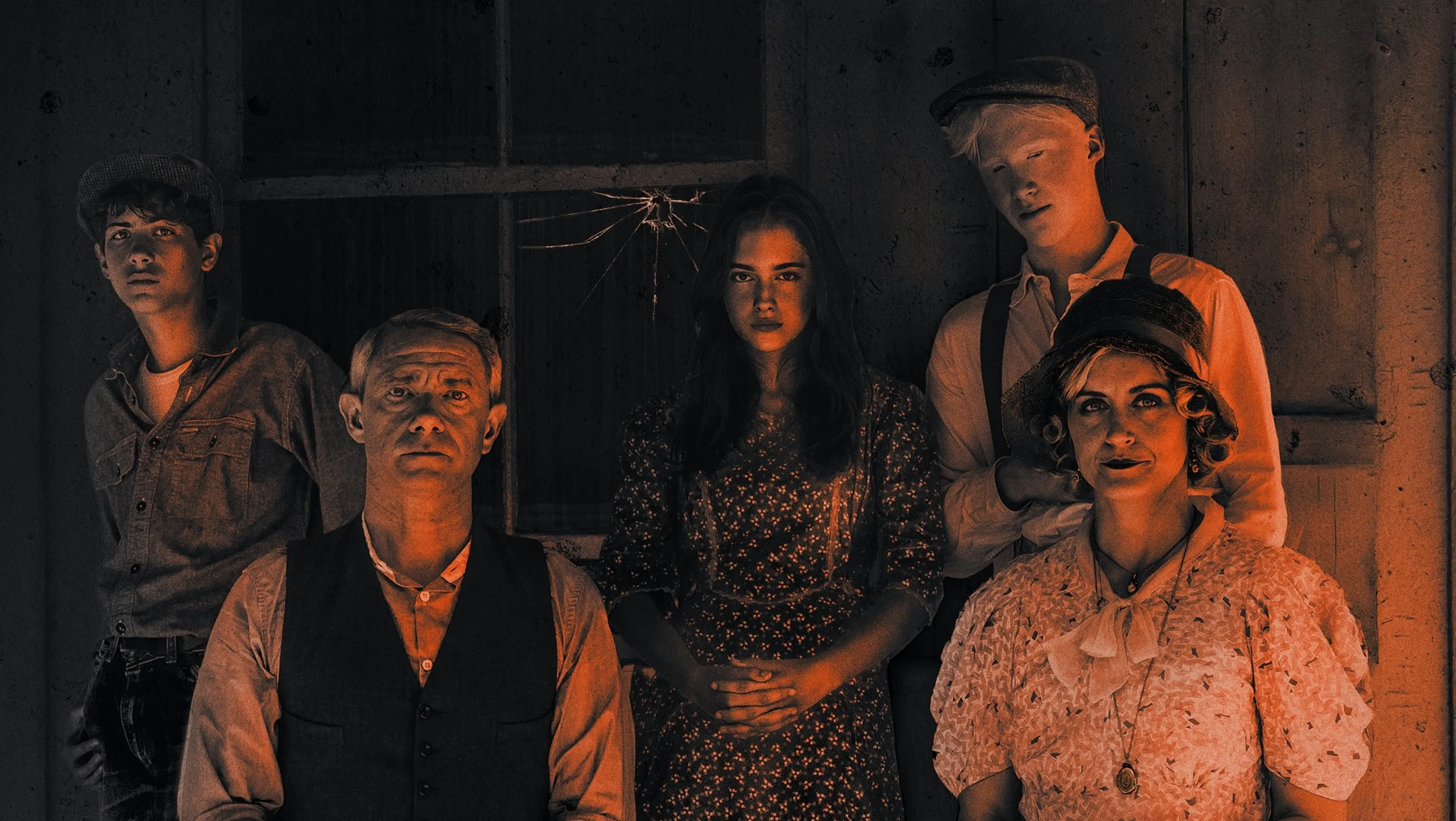
The Devil’s Bath (Austria, Germany) – International Premiere. In 18th century Austria, an executed woman has been displayed for all to see. Deeply religious, newlywed Agnes looks upon the woman with pity, but also longing, as her own evil thoughts have begun to arise. Directed and written by Severin Fiala, Veronika Franz. Produced by Georg Aschauer, Ulrich Seidl. With Anja Plaschg, Maria Hofstätter, David Scheid. A Shudder Release.
Mars (United States) – World Premiere. In this outrageous animated comedy, a ragtag group of misfits embark on a wild space adventure to Mars, only to discover they’ve been bamboozled by a billionaire. Directed and produced by Sevan Najarian. Written and produced by Timmy Williams, Zach Cregger, Sam Brown. Produced by Kara Welker, James Bristow, Darren Trumeter. With Trevor Moore, Zach Cregger, Sam Brown, Darren Trumeter.
The Weekend (Nigeria) – World Premiere. This gripping Nigerian thriller will keep you guessing until the very last moment with its unique take on the age-old question: what’s wrong with the in-laws? Directed by Daniel Emeke Oriahi. Written by Egbemawei Dimiyei Sammy, Vanessa Kanu, Freddie O. Anyaegbunam Jr. Produced by Uche Okocha. With Uzoamaka Aniunoh, Bucci Franklin, Meg Otanwa, Keppy Ekpeyong Bassey.
ESCAPE FROM TRIBECA
Mind-bending premieres, spine-chilling classics, and Godzilla-sized dance parties make for an unforgettable escape tailor-made for adventurous movie lovers craving the extraordinary.
AMFAD: All My Friends Are Dead (United States) – World Premiere. Slasher cinema gets a candy-coated and raucous new spin as a group of young friends staying at an Airbnb are picked off one by one by a killer whose elaborate murder set pieces are inspired by the seven deadly sins. Directed by Marcus Dunstan. Written by Josh Sims, Jessica Sarah Flaum. Produced by John Baldecci, Sarah Donnelly, Kirk Shaw. With Jade Pettyjohn, Jojo Siwa, Jennifer Ens, Ali Fumiko Whitney. A Cineverse Release.
Kill (India) – New York Premiere. A passenger train bound for New Delhi becomes a battleground of close-quarters combat as a pair of commandos square off against 40 invading bandits. Relentless and wildly entertaining, Nikhil Nagesh Bhat’s action thriller is the most brutal fight film in years. Directed and written by Nikhil Nagesh Bhat. Produced by Hiroo Yash Johar, Guneet Monga Kapoor, Achin Jain. With Lakshya, Raghav Juyal, Tanya Maniktala. A Roadside Attractions Release.
She Loved Blossoms More (Greece, France) – World Premiere. Hoping to bring their dead mother back to life, three brothers build a time machine in this visually decadent, bizarre and altogether mesmerizing head-trip. Directed by Yannis Veslemes. Written by Yannis Veslemes, Dimitris Emmanouilidis. Produced by Fenia Cossovitsa, Christos V. Konstantakopoulos. With Panos Papadopoulos, Dominique Pinon.
Stay tuned at InSession Film for complete Tribeca Festival coverage, including written reviews, transcribed interviews, and more!