


Home Blog Page 133

Kick Ass Women’s Comedies

These eighties and nineties ladies knew how to take names and bring the laughter in these pleasing, palate cleansing, nostalgic comedies.


The Beautician and The Beast

James Bond himself, Timothy Dalton (License to Kill) dons a mustache as the faux Eastern European dictator to The Nanny’s Fran Drescher in this 1997 New York hairdresser turned government saving governess comedy. Cultural stereotypes and cliches from both sides of the pond pepper the typical, preposterous premise. Every romantic movie staple is here, too – from her shaving and feeding him to dressing like a princess for the big, all revealing final ball. Though pretty, the castle-esque Prague scenery is surprisingly small in scale, dressings, and stature. Deeper social commentaries and political debates don’t get enough attention and seem out of place amid some of forced, on the nose scenes between the leads. Obviously, Drescher is ultimately playing her Fran Fine character, and audiences will either love her nasal accent and tacky, over the top style or hate the canned humor. Having said all that, thankfully, there are some great wisecracks and charming circumstances to carry the viewer over the thin, rough spots. Dalton is so bad it’s good in the button up stuffiness that’s supposed to be poking fun at that stiff upper lip. The awkward misunderstandings and crisscrossed romance has a goofy, so annoying it’s charming endearment that remains kitschy for fans of the cast.


Big Business

“What’s a cow flop, Mommy?” Bette Midler (Beaches) and Lily Tomlin (Grace and Frankie) double the fun as two sets of mismatched twins in this 1988 romp from director Jim Abrahams (The Naked Gun) with everything from Benny Goodman tunes and Bette Midler yodeling to a superb ensemble and eighties New York pastiche. Those of a certain age will pick up on the now tame innuendo and dated Dynasty references, but the Plaza Hotel time capsule setting adds to mistaken plots, twin twists, and country versus city situational farce. The split screen and dual effects are apparent today; however the shoulder pads, pink polka dot dresses, big hats, and tiaras do more for the multiple performances. Midler and Tomlin master four separate characterizations with zingers, press on nails, mint juleps, and sass to match. Despite the twofer predictability, under-cooked romances, and of the time flaws, multiple viewings are a must, because “Is a frog’s ass watertight?”


Serial Mom

Kathleen Turner (Romancing the Stone) stars in writer and director John Waters’ (Hairspray) 1994 Susie Homemaker satire with based on a true story winks, angelic credits, idyllic kitchens, and golly gee family. A fly in the butter and its bloody splat, however, forebode the tightly wound sadistic contrasting the floral wallpaper, sunshine, and sewing baskets. Retro button up styles, corded telephones, and cassettes add eighties nostalgia to match the 9:37 a.m. foul mouthed split screen prank call to the local parking spot stealer. After baking cookies, it’s time to sing along in the station wagon and run over the school teacher before a trip to the car wash. Ruined bird watching leads to killer scissors and a filthy neighbor who doesn’t recycle amid pearl clutching over films being a bad influence and vintage porn. Eating sweets and swapping price tags layer the life’s little naughtiness parody when not stabbing a philander with a fire poker or bludgeoning an old lady with a burned rack of lamb. Bloody weapons, fingerprints, killer scrapbooks, witnesses – if you don’t rewind, there will be consequences! The murderous pursuits are filmed in full horror suspense, yet debates on whether the Mrs. needs a lawyer or an agent and selling t-shirts at the courthouse invoke a bemusing sensationalism. Her TV Movie rights are sold to Suzanne Summers, Patty Hearst is one of the jurors, and you must not wear white shoes after Labor Day. The dark wit, social exposé, and cheeky performances remain a relevant reflection of our humorously horrible celebrity obsessions.


She-Devil

Roseanne Barr’s ugly and unloved housewife Ruth reads romance novels and dreams of making herself as beautiful as enchanting author Meryl Streep (Doubt) in this witty 1989 revenge tale. When Streep’s perfectly pink Mary Fisher has an affair with Ruth’s sleazy husband Ed Begley, Jr. (St. Elsewhere), Ruth takes matters into her own hands – vowing to destroy his home, family, career, and freedom. Director Susan Seidelman (Desperately Seeking Susan) provides a sarcastically quotable and multilayered story with suggestive dialogue and well balanced physical comedy matching the on form cast’s deadpan delivery. Whether she’s smooth talking marshmallows with her publisher or cursing out the kids, Mary means business. Streep has a good time as the straight woman socialite desperate to salvage her lux lifestyle amid degrading slapstick and turnabout fair play. Frumpy Ruth’s vengeance is not undeserved but she goes to humorous extremes with a charming ensemble along for the ride. Ruth grows confident, stylish, and likable – we delight in her understandable rage as the dismissed homemaker. Though largely a story for women, the humor here can be enjoyed by all audiences and grows better with age.


Straight Talk

“Get down off the cross honey, somebody needs the wood!” and “I’m busier than a one legged man in a butt kicking contest!” quips and Dollyisms cement this 1992 Dolly Parton (9 to 5) sleeper. Sure, Dolly is largely just being her lovable self amid the mistaken circumstances and country bumpkin rags to riches feel good. However her evolution from dumb blonde dancer to fun airwaves advice doctor feels refreshingly genuine despite the commonplace fish out of water cum radio doctor swindle. James Woods (Casino) as a washed up journalist antagonist turned romantic foil leads the pleasant supporting cast, and a few good tangos with original music from Dolly accent the morality, heart, and truthfulness. Quiet bemusements and mature moments raise the story above formulaic romantic comedy expectations without resorting to the usual foul or saucy. There are, however, six separate montages and a dated job search sagging the middle – leaving the reasonable ninety minutes seeming short or poorly paced with a material missing feeling. Despite the enjoyable Chicago scenery, the on air confessions, break ups, make ups, and horns honking finale are seriously predictable, but thankfully, this remains a cute charmer with a little something to put a smile on anyone’s face. 
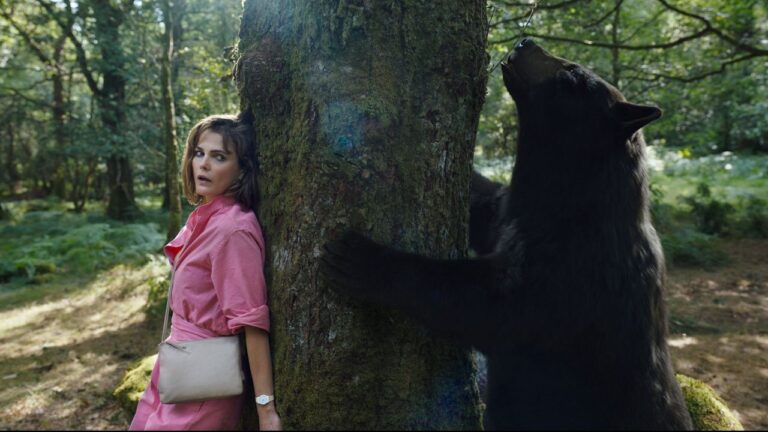
 

Movie Review: ‘Cocaine Bear’ Has High Thrills, But Its Screenplay is a Mess


Director: Elizabeth Banks

Writer: Jimmy Warden

Stars: Kerri Russell, Alden Ehrenreich, O’Shea Jackson Jr., Ray Liotta

Synopsis: An oddball group of cops, criminals, tourists, and teens converge on a Georgia forest where a huge black bear goes on a murderous rampage after unintentionally ingesting cocaine.


How can you screw up something so basic like Cocaine Bear? That was the question I asked myself while sitting through Elizabeth Banks’ insanely promising, yet terribly unfunny movie that lacked both fun and cathartic slapstick humor and massive amounts of gore. The film is based on the true story of a Black Bear who shortly died after ingesting a duffel bag full of cocaine in 1985. However, it revises the part where the bear died and instead goes on a killing spree while looking for more cocaine to snort. Doesn’t that sound incredible? Doesn’t that sound like the return of cinema? Music to my ears! Finally, this could be Hollywood’s answer to Quentin Dupieux’s Rubber, and yet…

There are some sequences that do work in this movie, and spoiling them would rob you of the pleasure of discovering them for yourself. All of them involve Margo Martindale’s Ranger Liz, who oversees the national park in which the Bear is located. Martindale’s comedic timing is perfect, teetering the line between absurdly self-aware and just frightened enough that when the Bear charges, you believe in her willingness to protect visitors at all costs. She’s the best part of the film (she has every funny line and best action setpieces to herself), alongside Alden Ehrenreich whose delivery of “The bear! It f—ing did cocaine!” is exactly why he was cast in the role in the first place. 

Ehrenreich has decent enough chemistry with O’Shea Jackson Jr. who plays his drug dealing partner, but Jackson can’t match the same level of comedic skills that Ehrenreich, Martindale, or even Isiah Whitlock Jr. (who plays a police detective whose deadpan line deliveries are legendary) bring to the table. It’s unfortunate that every other actor in this incredible ensemble are nowhere near as good as the ones mentioned above. Even the late Ray Liotta, in one of his final film roles, looks completely bored playing Syd, the drug dealer on top of the operation to retrieve the cocaine-filled duffel bags. He’s barely in the film, and when he’s in it, his performance is a total sleepwalk. What a shame, since this will be one of the last times audiences will see Liotta on screen. 

And while there are many cathartic sequences in Cocaine Bear, most of its insanity lacks a severe amount of gore. The CGI Bear doesn’t look convincing, nor scary. It makes a weird guttural sound every time he’s close to cocaine, which doesn’t make it feel like a menacing creature, and the same can be said for how the film edits the bear’s drug trips. At one point, a character mentions “it’s Christmas with cocaine,” and Christmas bells are heard to signal that, hey, this is snow for the bear! Boring. 

The action is also quite haphazardly shot. There’s an incredible ambulance chase that happens almost halfway through the movie, but it’s the only sequence where the bear feels like a menacing threat to the characters. It’s also the only time in which Banks and cinematographer John Guleserian craft something visually exciting and push the gore to the extreme. One shot of a hand barely hanging on a character’s arm is powerful enough to provoke a strong reaction. The film’s climax is so poorly shot and set in the laziest setting possible (a dark cave!) that all momentum it tries to create is lost in a sea of murky cinematography, poorly conceived CGI, and shoddily written dialogue. 

As such, the insanity that is Cocaine Bear is only reserved for its trailer, which promises an insane ride at the movies, only for the movie to be a total whimper. It never doubles down on its premise enough to make it feel like a blast. Aside from a few great performances and select fun action scenes, most of Cocaine Bear’s impact falls flat. This could’ve been the movie to save all self-referential movies. However, it’s the single biggest disappointment of a film made in the 2020’s so far. That’s not good. 

Grade: D+


Training Day Revisited on 4K

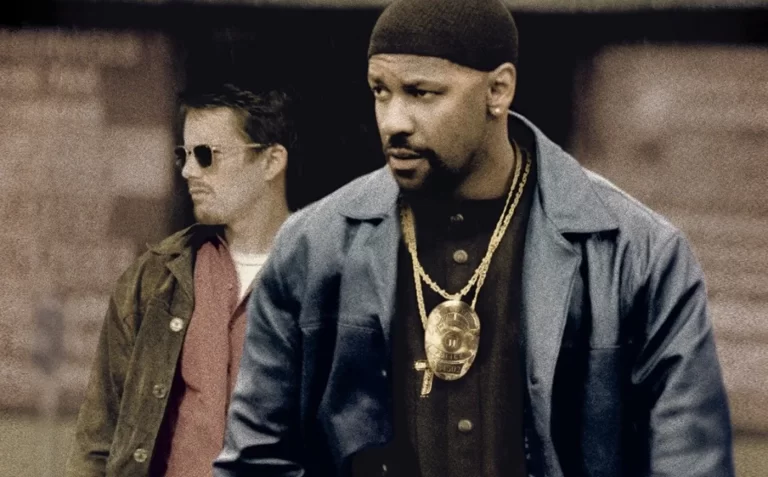
Antoine Fuqua’s 2001 film Training Day takes place over the course of a single day, and for the first time, that fateful day in which Jake Hoyt (Ethan Hawke) and Alonzo Harris (Denzel Washington) meet, is available on 4K right at home. From the dazzling opening sunrise robotically waking up Hoyt at 5 in the morning, it’s a film that handles characterization moreso through action than anything else. The body language of Hoyt is of a man clearly anxious to impress on his first day alongside the veteran narcotics officer Harris, who plays by his own rules (meaning many other rules get broken). Even before the two meet, the phone call they share dictates the clear power dynamic that will be at play throughout the rest of the film. At a lean 122 minutes, this film is a taut thriller that plays hard and fast, serving as the perfect vehicle for one of the all-time great Oscar-winning lead performances from Denzel Washington.

As Hoyt sits down across from Harris at a diner early in the morning, his superior all but disregards his very existence. “Looking for entertainment”, as he likes to put it, one might think that Harris acts the way he does merely to keep his company on their toes. But on the contrary, the more startling revelation is that Harris appears to act this way less out of boredom and more out of habit. He’s a man that does not see a blurred line between the law and street justice, but rather, one that is forcefully bent to his very will. It’s a performance that could either be played very run-of-the-mill, or fall into downright parody. “A bad boy cop who doesn’t play by the rules” is a cliched role that’s as old as the noir genre itself. Yet, in the hands of Washington, he commands the performance in an unparalleled manner. It’s such a great performance that some could argue undercuts the very essence of the movie. It’s dazzling in every which way, making each tense moment feel amplified to the utmost degree due to the genuine sense of not knowing what really might be going on behind those piercing, menacing eyes of his.

Make no mistake, Fuqua’s Training Day is one of the finer films to take place over the course of a single day. As the moral boundaries of a man are tested, Fuqua and writer David Ayer shine a light on just how effective, or not, both policemen can be following their respective codes. It’s an introspective layer that lends itself very well to the massively entertaining film. Alongside the film are a handful of fun and interesting special features. Including an alternate ending, additional scenes, and a commentary from Fuqua; There’s also some music videos from Nelly and Pharoahe Monche. With films like these, celebrating 100 years of Warner Bros. is surely going to be a fun, thrilling, and perhaps most importantly, wildly entertaining experience.

Movie Review (Berlinale 2023): ‘The Klezmer Project’ Explores the Erasure of Culture


Directors: Leandro Koch and Paloma Schachmann

Writers: Leandro Koch and Paloma Schachmann

Stars: Rebecca Hanover, Leandro Koch, Cesar Lerner

Synopsis: A sense of humour to flourish and gives rise to a powerful groundswell of emotions that carries us away in music.


The Klezmer Project (‘Adentro mío estoy bailando’) is both a love story and a documentary about lost traditions at the same time, as Leandro Koch and co-director Paloma Schachmann concoct a fascinating, albeit messy (in parts), project that interweaves fictionalized narratives and history of klezmer melodies to heighten the audience’s curiosity. 

Before the Holocaust, Klezmer music dominated the Yiddish-speaking world’s musical expressions, primarily the eastern regions. This traditional folk-like music borrows inspiration from various genres and styles, like classical and synagogue – the title comes from the contraction of two Hebrew words: instrument (kley) and song (zemer). In his documentary debut, The Klezmer Project, Argentinian filmmaker Leandro Koch and co-director Paloma Schachmann try to explore the last glances of this slowly disappearing iconic instrumental tradition. At the beginning of the film, the narrator, whom we later discover is Koch’s grandmother, quotes: “Culture and language never die; it’s not natural. They were assassinated.” That remark is the basis for the documentary’s exploration of culture and rite’s importance in people’s lives through the traces of customary klezmer music. 

There have been many documentaries in which its creators take a more in-depth look at their respective cultures to reflect on the past and how it has influenced them. However, this documentary has many intriguing twists and turns, slowly intertwining fiction and reality. Koch is an Argentinian from a Jewish background, and he’s playing another version of himself. In The Klezmer Project (which recently won the GWFF Best First Feature Award at this year’s Berlin Film Festival), Koch is a frustrated wedding cameraman that isn’t entirely interested in his family’s religion and cultural aspects. But, like all artists, he wants to create something worthwhile, a picture that takes his name into the spotlight. But, when he immediately falls in love with a klezmer music-playing clarinetist named Paloma, Koch starts fabricating a documentary. 

Simply to impress her (and spend some time with her), Koch tells her that the project he is working on is based on his musical heritage, which happens to be the music Paloma loves playing, hence revealing one of the many meanings of its title. Koch and Schachmann take the sensibilities of documentary filmmaking and take us on a journey from Buenos Aires (Argentina) to Eastern Europe in search of identity, passion, and the lost klezmer melodies safeguarded by the Romani before the Second World War. The viewer hears Koch’s story about falling in love via voice-over. But, we never know if all of this actually happened in real life or if it is just a figment of their imagination, just to add to the distortion between fantasy and truth. There’s an element of curiosity pouring out of the screen, both from the leading players in the documentary and us watching. 

Because there are minor details in the overall storyline of its imaginary parts, the audience remains curious about every cinematic turn The Klezmer Project takes. The film interlocks Koch’s personal story about finding his identity by searching for local bands in both South America and Europe. Just by these self-referential descriptions of The Klezmer Project, you should know that this documentary is not, in the least, a straightforward documentary about klezmer music or the musicians behind it. Instead, it is an occasionally confusing, but still amusing and humorous, piece of work forged by two intertwining love stories and the exploration of a lost tradition. This isn’t your regular “run-of-the-mill” presentation and strategy for documentaries. Still, Koch and crew manage to mostly pull it off, taking the viewer on a journey filled with scrutiny and intrigue on a topic most of us know little to nothing about. 

Of course, with all these narrative and storytelling elements, some aspects of The Klezmer Project might seem messy or disorganized. However, whether purposefully or not, the cluttered characteristic adds a creative underlining to the story Koch wants to tell. What the directing duo creates, in the end, is a funny and personal work that slowly unravels itself into a tale about the cross-generational erasure of culture and individualism. And in addition to those personal notes, it is a documentary about making art, in which Koch and Schachmann use The Klezmer Project as a piece of self-reflection regarding their pasts, presents, and futures. This may not be the best documentary I saw at this year’s Berlinale, but I am interested in seeing what the duo does next in their young careers. 

Grade: B

Podcast Review: Cocaine Bear

On this episode, Brendan and JD review the latest from Elizabeth Banks in the schlocky comedy-horror film Cocaine Bear! It’s obviously going for fun and came, but does the the film succeed in what it’s attempting to be? We debate.

Review: Cocaine Bear (8:30)
Director: Elizabeth Banks
Writers: Jimmy Warden
Stars: Keri Russell, O’Shea Jackson Jr., Christian Convery, Alden Ehrenreich, Brooklynn Prince

Subscribe to our Podcasts RSS
Subscribe to our Podcasts on iTunes
Listen on Spotify
Listen on Stitcher
InSession Film Podcast – Cocaine Bear

Movie Review: ‘We Have a Ghost’ is a Tonally Awkward Misfire 


Director: Christopher Landon

Writer: Christopher Landon

Stars: Jahi Di’Allo Winston, David Harbour, Anthony Mackie, Jennifer Coolidge  

Synopsis: Finding a ghost named Ernest haunting their new home turns Kevin’s family into overnight social media sensations. But when Kevin and Ernest investigate the mystery of Ernest’s past, they become a target of the CIA.


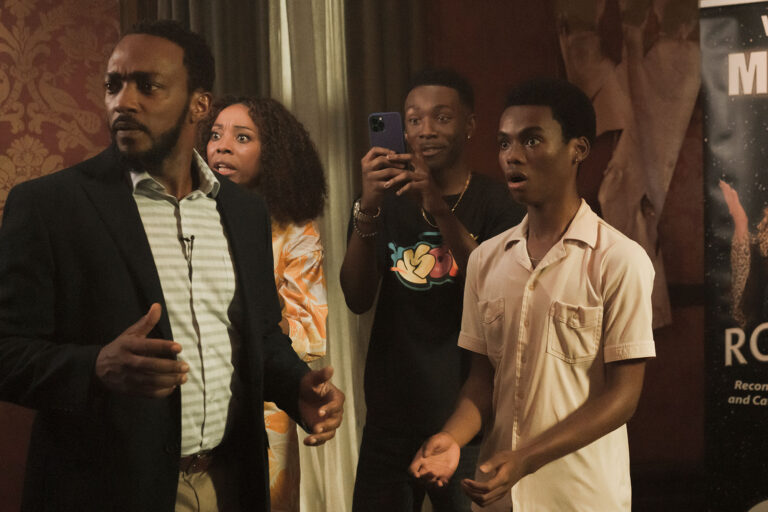
Recently, I engaged in a strange double feature of Ingmar Bergman’s Oscar-winning 1973 drama Cries and Whispers and Christopher Landon’s newest horror comedy We Have a Ghost, the latter now available on Netflix. The two films surprisingly have a couple of things in common, namely the central ideas of death and grief, but something the films don’t share is the same running time. Cries and Whispers is a finely observed and richly detailed narrative that packs a lot into its brief ninety minutes, director Bergman not wasting a single minute to moments that don’t matter. We Have a Ghost, on the other hand, should’ve been the same length, and yet the movie drags on to an outrageous two hours and seven minutes. The one I wanted to go longer was Cries and Whispers. The one that could’ve ended by the hour-mark? The very bad and empty We Have a Ghost

One of the pains of watching a terrible movie like We Have a Ghost is knowing it was written and directed by an incredibly talented person. Christopher Landon has been a quiet master at the comedy horror genre, the two Happy Death Day movies being blissfully entertaining, and his 2020 genre entry Freaky a delight, and his best work yet. This is a guy who knows how to pace a horror film, where to put the comedic bits, how to use a gifted cast, and where to dump the buckets of blood. Therefore, I found myself scratching my head a lot as I took in We Have a Ghost, which never knows what kind of movie it wants to be and which has a slow, often sloppy pace that’s made even worse with its sinfully long running time.

The movie begins like a standard haunted house movie, Kevin (Jahi Di’Allo Winston) and his family, including his dad Frank (Anthony Mackie) and his mom Melanie (Erica Ash), coming to realize there’s an adult male ghost living in the attic—a man with a bad comb-over named Ernest (David Harbour). For about a half-hour, We Have a Ghost explores an interesting concept—what if instead of being scared by the ghost in our house, we tried to profit off it and become social media superstars by sharing the ghost’s images and videos online—and it’s this segment of the story that works the best, one that brings in Jennifer Coolidge as an egotistical psychic. But then the film drops that idea and starts veering all over the place, getting Ernest out of the house, sharing how he came to die, and giving us about seven different endings that are mostly serious, in a film that comes across as nothing more than a silly horror comedy.

Classic horror comedies like Beetlejuice know what they’re trying to be, and they don’t apologize for it. If you want to be a scary haunted house movie, fine, commit to it. If you want to be a horror comedy like Ghostbusters and Beetlejuice, then commit to that. The biggest problem with We Have a Ghost is that it never knows what it is, the tone is all over the place, so it’s hard to ever become invested in the story and characters. Ultimately the film fails at pretty much everything it’s trying to do. In a film like this, tone is everything, it’s even more important I’d argue than pacing and raising the stakes, and with three or four movies essentially battling it out, the viewer is left closing their hand, and grasping only air.

There is a moment at the end of We Have a Ghost, for example, in which I believe the director wants us to be welling up with tears. But the film hasn’t earned those tears. Ernest for the longest time is a goofy-looking jokester ghost who makes dumb boo noises while floating through the air and tearing CGI flesh away from his face. We’re supposed to then feel sympathy for him later when the film turns serious? Imagine if at the end of Beetlejuice, Tim Burton gave us a five-minute scene of Geena Davis and Alec Baldwin reuniting with their living loved ones, sans irony or humor. It would come off as odd, right? 

The cast in We Have a Ghost try, but they’re all playing their roles as if they’re in different movies, Anthony Mackie playing things for real, David Harbour trying to emulate Slimer from Ghostbusters, Jennifer Coolidge playing her role like an SNL sketch. And then there’s the villain of the film, which I won’t give away here, but he’s playing his role as if he’s in a terrifying follow-up to The Conjuring. Nobody seems to know what kind of movie this is supposed to be, including its own writer-director. The mix of tones reminded me a bit of Peter Jackson’s 1996 box office bomb The Frighteners, which has elements of horror and comedy and then turns serious in the final half-hour. But no matter the flaws, The Frighteners is always entertaining and filled with creativity and imagination. We Have a Ghost just leaves you feeling nothing.

Christopher Landon is a talented filmmaker, and I want to think this is a mere hiccup in what will continue to be an inspired career as a genre director. Part of me wonders if some of the fault goes to Netflix, a company that likes to throw money at big stars and name directors but then often doesn’t focus on the quality of the storytelling. I’m thinking of films like The Grey Man and Your Place or Mine, which with tighter scripts could’ve been solid entertainments but instead drone on and on with no end in sight. We Have a Ghost is sadly another entry in that group. Skip this tired, overlong misfire, and give the excellent Freaky a watch instead. Now that’s a Christopher Landon movie worth your time. 

GRADE: D


Movie Review: ‘Black Country, New Road: Live at Bush Hall’ Explores the Next Stage of Modern Musical Talents


Director: Greg Barnes

Stars: Tyler Hyde, May Kershaw, Lewis Evans

Synopsis: In place of a third studio album, the band  shares the music they’ve been playing live for the past year.


Black Country, New Road: Live at Bush Hall alluringly explores the next stage of one of the best modern bands out there. Their latest material contains their usual personal and expressionistic lyrics, despair, and bliss being ever-present, yet with a sharper melancholic undertone that goes back to the departure of their former frontman, Isaac Wood. 

What else can be said of the English rock band from Cambridgeshire, Black Country, New Road? For starters, I think they are one of the best groups working today, even though they have only released two records – ‘For the First Time’ in 2021 and ‘Ants from Up There’ in 2022. Every music publication has written about them and their young masterful artistry, raving about their newly-forged discography, multi-instrumental variations, and genre-crossing records. It’s a thing of beauty; at a time when the majority of mainstream music (and art, in general) is filled with mediocrity and lackluster emotionless dribble, Black Country, New Road is creating some of the most exciting, unique, and outright ravishing pieces of work I have seen in quite some time by a recent act. Their records speak to many listeners, even though the lyrics are written from a deep emotional space inside the minds of their respective writers. The music editor of Now Then Magazine, Sam Gregory, even called their last record “the best album of my adult lifetime” in a loving piece dedicated to sincerity and romanticism in it. 

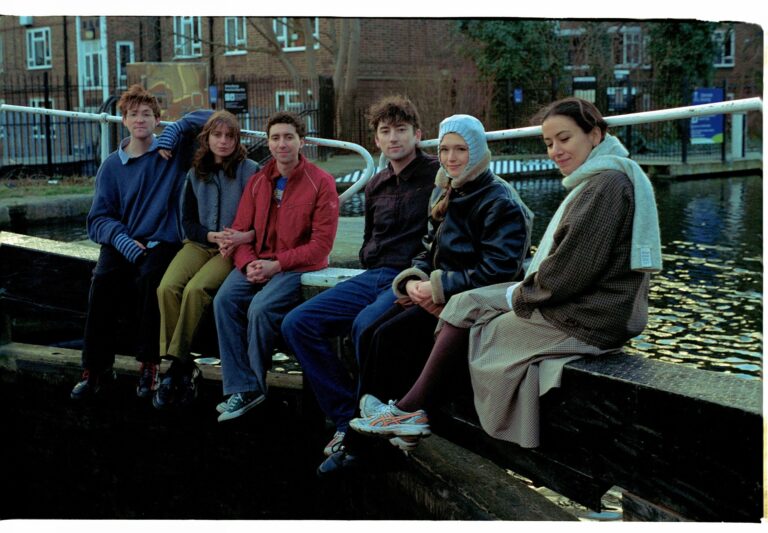
Four days before the release of their second album, BC,NR’s frontman, Isaac Wood, announced his affable, yet unforeseen, departure from the band due to his struggles with his mental well-being. Everything felt like it was crashing down; everyone started worrying about their future. I thought they would break up entirely and become another group with immense talent that stayed together for less than a handful of years. However, the members (Georgia Ellery, Tyler Hyde, Charlie Wayne, Luke Mark, May Kershaw, and Lewis Evans) voiced their support for Wood’s decision to leave. Because of that, they abandoned their plans to tour with material from that record. Instead, they started from scratch with their new six-piece composition, sharing vocal roles and implementing new techniques to appear like that band we all love, albeit in a new direction and perspective. Whatever they do next would be a bold choice, as they had to see where their sound would be after their lead’s withdrawal. 

They thought out their next steps, thinking and curating carefully, and concluded with a post-Isaac Wood “reintroduction” tour showcasing new tracks. During that tour, Black Country, New Road did three shows in December at London’s classic venue, Bush Hall. The group decided to record the performances there instead of doing another studio album with that new material, hence creating the concert film (and documentary, narrowly) Black Country, New Road: Live at Bush Hall, directed by Greg Barnes and mixed by the legendary John Parish. Each of those shows has a different visual theme inspired by high-school theatrical productions – When the Whistle Thins (pastoral settings), The Taming of the School (80s-themed prom night), and I Ain’t Alfredo No Ghost (which is an eye-rolling, yet funny title) – that the band members wrote minor lore off. As a result, each stage looks purposefully corny, and the bandmates know it (as they dress for the part); the audience is also in on the gag. 

The group invites them to join the special event in style, and indeed they do, going all out, particularly from the prom-night-inspired show. These preparations and costume-filled festivities encapsulate Black Country, New Road’s ingenuity and dedication to reinvention. The first few seconds of the film focus on why people care about the band and what their music means to them. But, this is cut off immediately because the introductory song for the shows at Bush Hall, titled ‘Up Song’, captures those feelings from the perspective of the band and their appreciation toward Isaac Wood, singing: “Look at what we did together, BC,NR friends forever”. For this song, cinematographer Jack Maddison gives us glimpses of the audience welcoming the lyrics – dancing and singing along – all with an emotional tie to their love for them. There are also audience members who are recording the show with classic VHS cameras, whose footage is added onto the concert film so the viewer (us watching at home) can feel immersed in the show and make the fans feel special.

The editing team, consisting of director Greg Barnes and Kev Corry, is savvy in seamlessly intercutting the different performances. They consider the lyrics when playing with the footage shot at Bush Hall, making sure that the lighting also ties to them as well. However, one brilliant element manages to jump right off the screen. Throughout the short fifty-two-minute runtime of Live at Bush Hall, Greg Barnes concocts not only a unique experience that showcases the following stages of modern musical talents but an intimate one. It feels like a reunion of close-knit friends, all joining hands, embracing the expressive and stirring wonders of young masterful artistry. The quick glances of the audience’s faces mirror ours, watching at home. And after each song ends, the rupture of cheers from them brings a smile to the band member’s faces. 

Black Country, New Road’s new material featured at the Bush Hall concerts is just astonishing and spell-binding, to the point where you can’t just stick it into one specific genre. Pop punk, art rock, post-rock, and jazz influences are all scattered from track to track, often implementing most (if not all) of them in the same track. Black Country, New Road just delivers one beautiful song after the other, all covered in melancholy and bliss, adjoined by ‘A Moon Shaped Pool’-like instrumental breakdowns that add to those emotions in their tracks. However, a specific song would make any fan shed a tear due to the intimate and personal notes adjoined by May Kershaw’s smooth voice: ‘Turbines’. May repeatedly sings, “Don’t waste your pearls on me; I’m only a pig”, rewording the English phrase “pearls before swine”, meaning offering something valuable to someone who does not comprehend its worth. 

Although May’s interpretation of the lyrics remains unexplained, we might attach it to many things that have caused emotional wounds. Since the release of this concert film, I have been listening to their new material repeatedly. And each time, I get something new from it – a different feeling, a different emotion. There are layers in their personal and deft writing, as well as in May and Tyler’s haunting vocalizations backed by somber piano notes. If Live at Bush Hall is the next stage, or a glimpse of what’s to come, for one of the best bands in the world right now, then we are in for a magical and awe-inspiring journey. It may not be technically the best concert film out there. But, Live at Bush Hall definitely leaves a big emotional impression on every person who watches, whether you are a fan of BC,NR or not. 

Grade: A+

Criterion Collection: March 2023

March only has four films for release this month; one is a classic from the film noir era, along with three new entries. Two of them, coincidently, came out the same year; one is a starting point for a Hong Kong directing legend, the other an almost-forgotten Hollywood rom-com. The last film comes from the legend that is David Lynch with his most unconventional production that the diehard fans of his ate up from the beginning.  


Mildred Pierce (1945)

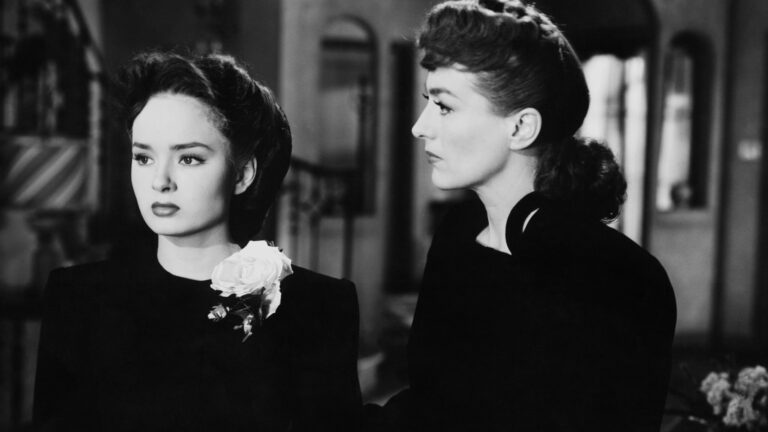
The only re-issue from the collection, Michael Curtiz’s soap opera noir features Joan Crawford in an Oscar-winning performance playing the titular character, a single mother struggling to make life better for her children. However, bad luck intervenes every time and creates a shocking revelation after a man is shot dead in her home. Melodrama hits its high note in James Cain’s novel, portraying the hard-working woman in a world lacking gentlemen (this was set during WWII) and making Joan Crawford the ultimate solo woman fighting for her slice of the American dream. 


Chilly Scenes of Winter (1979)

One of five women to direct a feature for Hollywood in the 1970s, Joan Micklin Silver dives into a comedy about the difficulties of finding and keeping love for one man. A civil servant falls for a woman who then leaves him to go back to her husband, only to learn later she’s single again. Desperate, he tries to get her back. John Heard, Mary Beth Hurt, Peter Riegert, and Gloria Grahame star in an underrated romantic comedy about the obsessive, love-smitten loner who just wants to find happiness.


Last Hurrah For Chivalry (1979)

Legendary Hong Kong director John Woo made a hit with one of his first features, a martial arts story about two swordsmen who help a man seek revenge. However, the journey turns into one about deception and the truth about who is really honorable. It finished up a decade of highly successful wuxia films that flourished in Hong Kong at this time with similar themes and Woo paid tribute to his mentor Chang Cheh, one of the biggest innovators of the martial arts theme at the time.


Inland Empire (2006)

David Lynch’s last full-length feature to date is one of the strangest he’s ever done, yet one of the best. Shot by himself with his then-wife and editor, Mary Sweeney, this was done with a digital camera, low resolution, and made on-the-fly with a day’s script being written on the spot. This was a very experimental project, but the Lynchian qualities are unmistakably present. Laura Dern, “a woman in trouble,” as the tagline states, is an actress who finds her role in a movie cursed due to past events around a previous production of the story. In true Lynchian form, you have to just sit back and take in a whole new experience. 


Follow me on Twitter: @brian_cine (Cine-A-Man)

Chasing The Gold: Let the Blockbuster Win

Streaming has killed television. Even before streaming, basic cable’s revolution in scripted series killed television. Even before that, premium cable channels outstripped anything on the big four networks. Television, as it once was, is dead and yet the largest, most revered film award show is desperate for people to watch its telecast on network television, in prime time.

Every year there are at least half a dozen articles before the Academy Awards that criticize and praise the ideas the newest batch of producers have to make the event a must watch broadcast. Every year, after the telecast, we all realize that the show wasn’t any shorter, the awfulness of the host wasn’t any less predictable, the montages were still ham-fisted, and actors should absolutely have a cutoff to their speeches.

We like the pageantry, the drama, the scale, the overwrought reverence for movies, and we tolerate the predictability that most of awards season has become. It’s so rare that we get to the final event of the film awards season and we don’t know with strong mathematical evidence which way each major category will go. It’s sort of boring when you really get to the nuts and bolts of it. The only people who are surprised are the people who have seen maybe one or two of the Best Picture nominees.

There’s nothing that depresses me more than a colleague, a stranger, or even a close friend bemoaning that nothing they’ve seen this year is up for anything major. They laugh out that, “What even are these movies? Did anyone even see them?” They complain that the Academy is elitist, snobby, and beholden to independent cinema. These same people skip anything that’s not familiar at the box office. The reason they didn’t see these films is because they chose not to, in many cases. In other cases, it’s because theater chains won’t take too much of a risk on one of their precious screens. Screens that are covered in the studio’s latest IP acquisition or reboot/remake/legacy sequel.

So toss it all out. Toss out the idea of an Oscar movie and focus on getting the viewers the Academy needs to keep their sponsors happy. The viewing public who, every week, is either destroying or saving movie theaters want their interests represented. The Academy wants those viewers and their respect.

Forget Everything Everywhere All At Once. Forget The Banshees of Inisherin, Tár, Triangle of Sadness, or even The Fabelmans. Give the people what they want. Award Top Gun: Maverick Best Picture.

The film is a proven winner as a box office powerhouse, an audience pleaser, and a surprising critical darling. Of the other blockbusters nominated, it’s got all the alchemy and charm where Elvis or Avatar: The Way of Water are missing one thing or the other. Top Gun: Maverick is a technical marvel and in a sea of legacy sequels. It’s a charmer, hitting notes that only a grizzled, more assured sequel story could. It’s not an impossible, improbable, or enraging thing to happen.

This is what the Academy needs to ensure their continued existence and to get the most people possible watching their telecast. They don’t need us. You and I, who seek out new movies by interesting filmmakers, who week after week find new original stories that are unnecessary to the governing body of the Academy Awards. You and I who see more than five movies in a movie theater, who go to film festivals, who support independent theaters, and buy physical media; we aren’t the majority. Our eyes only get the Academy so far and they don’t do what we need them to do anyway. We need them to pick the “right” movie and it so rarely happens that it may be time to let them slip off the door into the frozen waters of the North Atlantic. It may be time to let the Academy watch from the hallway as we close the door on them to plan the future of our family business. It may be time to say, screw your sad movie about a capitalist mogul, we want social change to come to our small, Welsh mining town!

So give Best Picture to Top Gun: Maverick. It is the correct, objective choice in the grand scheme of things. It will guarantee future viewers if they know that the era of the foreign film, that is a film that goes against the grain and tastes of broad audiences, is over. They’ll watch their stars again if they know that nothing unpleasant, challenging, or atypical has a chance of soiling the telecast. The five movies they saw in a theater that year will be well represented. The rest of us will continue to debate the true best picture with reverence, love, vitriol, and bile. Cinema has changed and what is old is always new again.

Podcast: Favorite Movies That Are Absolute Trash – Episode 523

This week’s episode is brought to you by Koffee Kult. Buy today and get 15% OFF with the code: ISF

This week on the InSession Film Podcast, inspired by Cocaine Bear, we discussed our favorite movies that are delicious dumpster whoppers! When we say “trash” we mean that with deep reverence. They may not be great, but we love them deeply. We also have a brief Q&A talking about the Oscars.

On that note, check out this week’s show and let us know what you think in the comment section. Thanks for listening and for supporting the InSession Film Podcast!

– Favorite Movies That Are Absolute Trash (1:35)

This is a fascinating topic because much of it will come down to how you define “trashy” movies and where on the spectrum it succeeds at being great garbage. There’s surprisingly a few nuances at play here, and we had a great time philosophizing on what a “trashy” movie is and why we love them. Again, to reiterate, we go into this conversation with nothing but love for these films.

[divider]

RELATED: Listen to Episode 516 of the InSession Film Podcast where we discussed our Top 10 Movies of 2022!

[divider]

– Oscar Talk (1:27:16)

With the 2023 Oscars looming, we have a brief discussion about some winners that surprised us, and we do our best to project how this year’s crop of nominees will hold up down the road.

Show Sponsor: First Time Watchers Podcast

– Music

Arrival to Earth – Steve Jablonsky
This is Your Land – Woody Guthrie
The Return of the Eagle – Atli Örvarsson

Subscribe to our Podcasts RSS
Subscribe to our Podcasts on iTunes
Listen on Spotify
Listen on Stitcher
InSession Film Podcast – Episode 523

[divider]

Next week on the show:

Boxing / Sports Movies

[divider]

Help Support The InSession Film Podcast

If you want to help support us, there are several ways you can help us and we’d absolutely appreciate it. Every penny goes directly back into supporting the show and we are truly honored and grateful. Thanks for your support and for listening to the InSession Film Podcast!

VISIT OUR DONATE PAGE HERE

Movie Review (Berlinale 2023): ‘Tótem’ is a Touching Exploration of the Dualities of Life and Death 


Director: Lila Avilés

Writer: Lila Avilés

Stars: Naíma Sentíes, Montserrat Maranon, Marisol Gase

Synopsis: Seven-year-old Sol spends the day at her grandfather’s home, helping with the preparations for a surprise party for her father. Throughout the day, chaos slowly takes over, fracturing the family’s foundations. Sol will embrace the essence of letting go as a release for existence.


Lila Avilés’ sophomore feature, Tótem, has the actress-turned-filmmaker delivering a personal and warm family drama about the intricacy of human relationships and their experiences with mortality. The Mexican filmmaker’s latest intertwines deep-seeded sadness with tenderness and levity to keep the film from indulging in overly-sentimental and histrionic mechanisms. 

Lila Avilés is a talented force to be reckoned with. Although she has less than a handful of features in her young filmography, her filmmaking has a firm grip on powerful dramatic sensibilities that feel equally personal, passionate, and emotional. From the moment I finished her directorial debut, The Chambermaid (2018), I knew that Avilés told her stories from the heart – curating rich stories that her country, and cinephiles across the world, would be proud of and enjoy. She seemed to have struck a chord quickly with her cinematic prowess. Five years have passed since the release of The Chambermaid, and since then, we have been waiting anxiously to see what story she delivers next. But now, the time has finally arrived. Her sophomore feature, Tótem, premiered at this year’s Berlin Film Festival in its competition selection, and it was oh-so worth it. In comparison to her directorial debut and shorts, Avilés’ directorial touch is more delicate and intimate here as she reflects on the complexity of human relationships and the different ways in which people view mortality. 

Lila Avilés’ Tótem takes place over the course of one fierce and draining day, which, for many, will serve as an introduction to the sadness that shapes life as we know it and, for others, an exploration to keep what’s left of your kin and relatives together. Avilés puts aside the crammed hotel rooms of The Chambermaid’s setting for a large house, where some festivities are about to take place. It begins with a contradiction between celebration and farewell, wishfulness and sorrow, as a seven-year-old girl, Sol (Naíma Sentíes), wishes that her father won’t die while the car is filled with balloons. This creates a weird sensation for the person watching, as some elements develop a notion of festivities, but that line foreruns that there’s suffering lingering within its attendants. A dual ritual is going to take place in her grandfather’s (Alberto Amador) house: the surprise birthday party of a young father and painter, Tona (Mateo García Elizondo), and a farewell ceremony to him as well – his latest one might be his last, due to his late-stage cancer. 

For some part of the story, Sol helps her aunts, Nuri (Montserrat Maranon) and Alejandra (Marisol Gase), along with their children of different ages, prepare the house for the reception. However, the only thing Sol wants to do is see her father. She wants to spend time with him before everything is too late. And her reaction is expected, as at a young age, you don’t expect her to have a worldly comprehension of the ups and downs in life. This might sound like an over-sentimental feast, but Avilés knows well enough not to put this story into those treacherous waters. Instead, she injects vigor and wit into the melancholic haze of its subject matter, occasionally reminding me of the works of Edward Yang (Yi Yi) and Carlos Saura (Cría cuervos…). It reminds me of these ravishing and masterful films because of the innocence behind the tragedy and the aspect of holding onto our most profound bonds with all we’ve got, notably family. 

Familiar tension arises from the frustration behind something you can’t control. To combat those sequences, Avilés juxtaposes them with calm moments to breathe and contemplate loss and the alacrity and delicacy of human relationships. I love films about death and how different people perceive it because it helps us come to terms with it ourselves in some form or fashion. Films like Lila Avilés’ Tótem allow people to open up about their fears about mortality and expiration on a more personal level. It may not be the highest degree imaginable due to it being the most significant mystery (and fear) that life is forged around. But these types of films help us reflect on our different perspectives on death as we age. However, at the same time, there’s a constant sign of life, even when the narrative mostly dwells on loss. Tótem is a celebration of life and the tragic beauty that comes with the longest goodbye. 

Plenty of shots focus on animals (including a cat named Monsi, a couple of dogs, a parrot, and a goldfish), plants, and the yearning for everything to be alright in the end. Slowly but surely, Sol welcomes the essence of letting go. Her process might take more than a day to comprehend, and her journey showered by loss isn’t over. Yet, Avilés’ film captures that feeling with a personal and tender note that one can’t help but be mesmerized by it – reminding you of the various farewells and eternal goodbyes during your childhood when you could not grasp everything that it meant. It isn’t all about the innocent getting their first glimpses of death and grief; the film also captures how even as an adult, it impacts you in every way imaginable. Avilés handles this roundabout of generational grief with a sense of warmth and consolation. 

The adults might comfort the children, but it also happens the other way around; the kids’ innocence helps the older members of the family come to a realization of unity, bringing another layer of spirited potency to this already delightful and careful feature. Tótem is a poignant and beautiful picture that shines a light on the most heartbreaking topics with a warm grasp on the cinematic language of dualities.

Grade: A-

Women InSession: Contemporary Romantic Comedies – Episode 27

This week on Women InSession, we continue the spirit of Valentines Day as we talk about our favorite contemporary romantic comedies!

Panel: Kirstin Battestella, Zita Short, Erica Richards

On that note, check out this week’s show and let us know what you think in the comment section. Thanks for listening and for supporting the InSession Film Podcast!

– Music

The Return of the Eagle – Atli Örvarsson

Subscribe to our Podcasts RSS
Subscribe to our Podcasts on iTunes
Listen on Spotify
Listen on Stitcher
Women InSession – Classic Romantic Comedies

[divider]

To hear this Extra Film episode and everything else we do, download our apps on the Amazon Market for Android and the Podcast Source app on IOS devices. The mobile app covers all of our main shows, bonus podcasts and everything else relating to the InSession Film Podcast. Thanks for your wonderful support and for listening to our show. It means the world to us.

Movie Review (Berlinale 2023): ‘Living Bad’ is a Poignant Complimentary Piece of João Canijo’s Bad Living


Director: João Canijo

Writer: João Canijo

Stars: Nuno Lopes, Filipa Areosa, Leonor Silveira

Synopsis: The film portrays story of a family of several women from different generations, whose relationships with each other have grown poisoned by bitterness.


The second film in João Canijo’s Berlinale-bound dual-project, Living Bad (Viver Mal), plays like a melancholic and melodramatic version of The White Lotus. The hotel guests’ lust, lies, and angst intertwine to forge an enticing complimentary piece to Bad Living (Mal Viver) that completes the puzzle of the hotel’s mysteries.

Because of the pandemic’s containment and isolation, João Canijo finally got the chance to create his ambitious dual-perspective project and premiere both films at this year’s Berlin Film Festival in different sections: Bad Living (Mal Viver) and Living Bad (Viver Mal). These two films are set in a decaying Portuguese hotel that’s slowly nearing its untimely end due to financial reasons and ruptures in the relationship of its staff, which are coincidentally related to one another. Bad Living, the first (and foremost) half of this narrative, focuses on the women working in the hotel and explores the various dynamics of their up-and-down lives – melancholy slowly drenching their essences. It was a mesmerizing experience, as Canijo used elements from masters at the craft (Bergman and Rivette) to curate the film’s procedure. These women’s troubled past and broken present can’t be mended by staying in the hotel. But, since their entire lives and reason to live are tied to that place, they might as well go down with the ship. That vacation location, meant to represent a place for bliss and enjoyment, turns into pessimistic hell. 

Throughout the entirety of Bad Living, we get glimpses of the guests staying at the hotel, and we also hear some of their conversations through echoes (as if we are trespassing). Yet, we don’t actually interact with or know anything about them. That’s where Living Bad (Viver Mal) comes into play. The missing pieces of the puzzle are now placed together to create a beautifully tragic exploration of desire, lies, betrayal, and the reluctance of acceptance. The film is set during a weekend, where three groups of guests arrive to eat some fancy food, drink expensive wine, enjoy some time by the pool, and be together in unison. However, as Bad Living demonstrated, things will not go according to plan. The hotel again reprises its role as this “haunted house” where your mental state will not be the same once you have arrived. The past haunts these guests, and they must face how it shapes their present lives whether they like it or not. 

Living Bad is a film about mothers and the space they take in relationships, told in three chapters. There’s a man torn between being there for his wife (and her successes) and the space that his mother consumes between them. A mother is urging her daughter to marry a man so that she can continue her own love affair with him. Another mother is preventing her daughter from making her own decisions by scolding her girlfriend and their fervent devotion. These are three stories of unwillingness to accept people for who they are, intertwined by their individual lusts, little white lies, obsessions, and angst. All of them had problems before getting to the hotel, but upon arriving, their issues worsened. Everything goes downhill as they spend more time there. And once they leave, their respective problems have reached a state of no return; the guests have spent a weekend in purgatory. 

João Canijo describes Living Bad as “the reverse shot of Bad Living, ” which mirrors the aforementioned film. The family working in the hotel are now fragments in the backside of this film, like spirits walking across the halls. Meanwhile, the guests are now at the forefront. Since we already know everything that has happened with the family (you need to see Bad Living first before indulging in the second perspective), there’s an interesting element of trying to connect one situation with the other – a nuisance that the family has with one of the guests’ dilemmas. Living Bad (Viver Mal) often plays like a melodramatic and melancholic version of the HBO Max-critically acclaimed series, The White Lotus, in which a group of uber-rich people unleashes their worst, most privileged impulses and with each passing day, a darker complexity emerges in the picture-perfect idyllic locale. However, it doesn’t have the comedic tone the series has; instead, it doubles down on the intertwining between desire and betrayal. 

These three groups of guests don’t have interconnected storylines, but they are going through the same highs and lows upon arrival. They provide exciting dynamics onto the table, most of which are grounded. At the same time, the rest dwell within the melodramatic sensibility Canijo wants to embrace to give the film a somewhat ghostly tone. Some of the storylines aren’t as gripping as the ones previously in Bad Living. And I wish some of them had been explored more, as you can see the potential of a feature-length film with – at least two of them, particularly the last chapter, where Carolina Amaral and Leonor Vasconcelos deliver fascinating performances and have great chemistry together. Nevertheless, Living Bad (Viver Mal) gives us that necessary glimpse to complete the full dreamscape-like vision that João Canijo has wanted to deliver since Blood of My Blood. Having watched both films now, I do think that the way to have tackled this type of story was through a dual-perspective two-piece project because if it were all crammed up into one feature, most facets would lose their gloomy and haunting sensation. 

When divided into two features, Canijo explores, with ease, the complex dynamics each person involved in this narrative has with one another. And it is fascinating to see such ambitious work end up in the filmmaker’s favor. I hope this film shines a light on Canijo’s filmography and that more people get into his work. 

Grade: A-

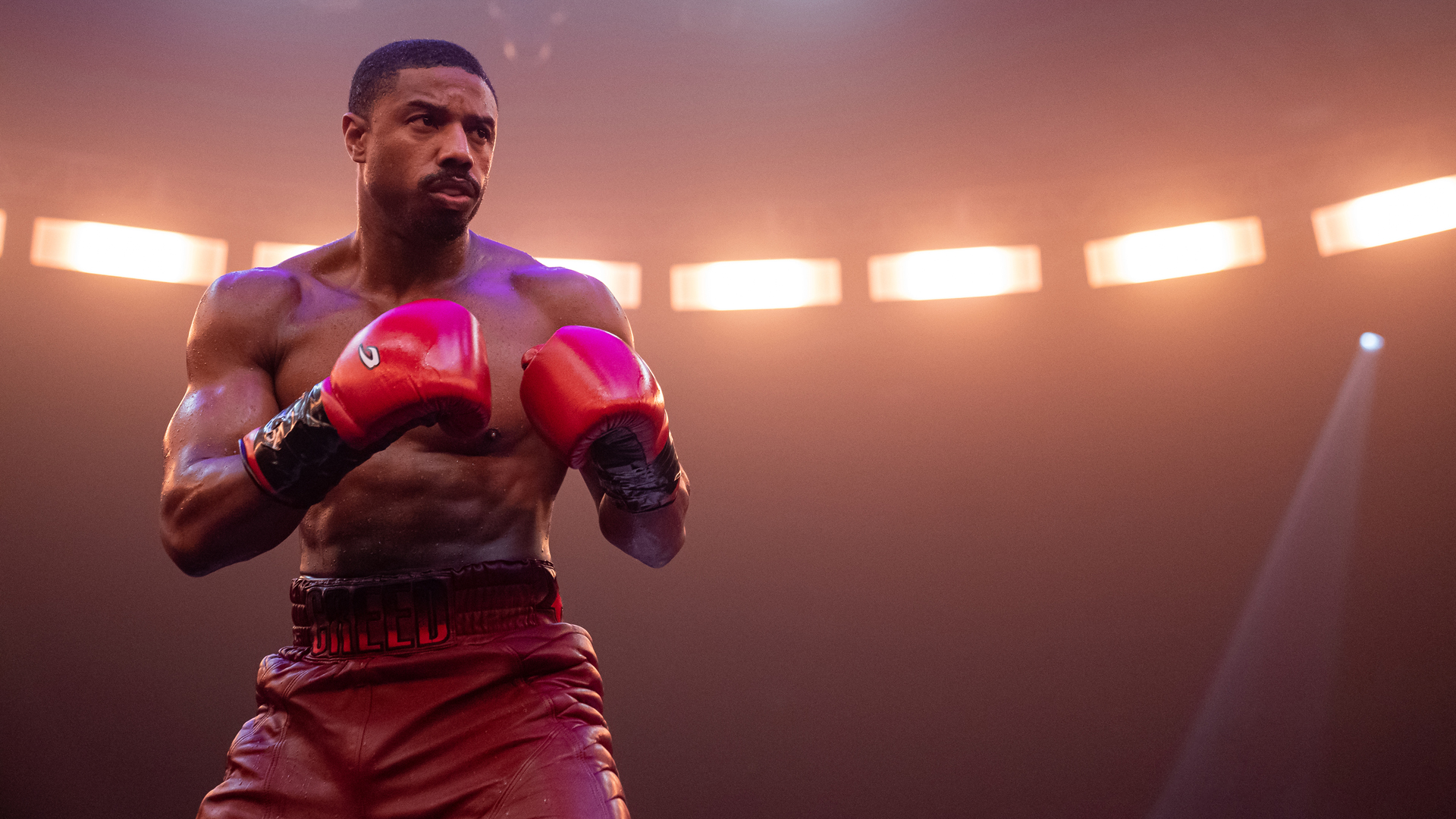
Movie Review: ‘Creed III’ Unleashes Massive Directing Talent


Director: Michael B. Jordan

Writer: Keenan Coogler and Zach Baylin

Stars: Michael B. Jordan, Jonathan Majors, Tessa Thompson

Synopsis: Adonis has been thriving in both his career and family life, but when a childhood friend and former boxing prodigy resurfaces, the face-off is more than just a fight.


The original Rocky film will always be what this franchise, and any boxing movie truthfully, will spend its time chasing. Not only a commercial success but a multi-Oscar winning tale about a fighter doing the one thing he knows more about than anything. When Creed was initially announced, the story of Rocky had regressed astronomically and was only partly saved by the sixth installment of the series, Rocky Balboa. Creed was already fighting an uphill battle and managed to not only provide a compelling “Rocky” movie, but it instantly became one of the best of the franchise. For the first time since the original in 1976, a film in the saga was able to evoke the same emotions and feelings that made Rocky such a classic. Followed up by Creed II, which was another stellar outing, this spin-off series proved it had staying power and was even in a position to overtake the champ.

Now in the third installment, Creed III starts with a young Adonis (Thaddeus J. Mixson) sneaking out and going to watch his best friend Damian Anderson (Spence Moore II) box in an underground ring. After winning the fight, and the bet Damian placed on himself, the two head to a liquor store which leads to Adonis and Damian getting into an altercation that would alter their relationship forever. Flash forward 15 years, and current Adonis (Michael B. Jordan) is finally getting his rematch against “Pretty” Ricky Conlan (Tony Bellew). This isn’t a normal fight, however, as this is the last fight of Adonis’s career after announcing his plans to retire following the fight, no matter the outcome. Luckily for him, he manages to keep his title belt and leave boxing as a champion.

His life after boxing consists of raising his daughter Amara (Mila Davis-Kent) as well as running the Delphi Gym and promoting the newest champion Felix Chavez (Jose Benavidez). That is until Damian is released from prison and he, as well as the past that Adonis has been running from, resurface. He lets Damian train at the gym and spar with Chavez to get his feet back on the ground, but when Chavez’s upcoming opponent Viktor Drago (Florian Munteanu) can’t fight, Damian gets the chance to finally become the world champ he thought he would be from a young age. This fight puts Damian on the map as he begins to antagonize Adonis for living the life he felt he always deserved. After three years of retirement, Adonis decides that he can’t keep running from his past and needs to meet it head-on in a fight between who he was and who he became.

Shockingly, the story itself was one of the weakest parts of the entire film. Screenwriters Keenan Coogler (the brother of Ryan Coogler) and recent Oscar nominee Zach Baylin (King Richard) manage to evoke some emotional moments throughout whether it be Adonis’s aging mother or the relationship he shares with his daughter, but the underdeveloped script gives off a feeling of a behind-the-scenes look rather than a narrative feature. There definitely was some reclamation that had to be done as this was the first film to not feature Sylvester Stallone’s Rocky; while some of the charm was lost, it did allow Adonis to stand on his own feet as the focal point of this story.

In this film standing opposite Jonathan Majors was never going to be an easy task. Majors delivers an antagonist whose brutality and tenacity, mixed with his determination and tragedy, provides a good medium for the audience as someone they can root for and against at the same time. The Rocky series in particular always had an issue when it came to the antagonists being one-note villains whose only goal is to inflict pain on the protagonist. That is Majors’s goal with Dame, but it comes from a place of pain and resentment not for what Adonis did when they were younger, but for forgetting about him at his lowest. He also conveys Dame with empathy, and in what is easily the most physically demanding role of his career, he still displays the quiet nature that not only helped him breakout in 2019’s The Last Black Man in San Francisco but proves himself as one of the most captivating and compelling actors in Hollywood.

Where Creed III shines brightest of all is in the directorial debut of Michael B. Jordan. Jordan taking over as director isn’t surprising given that Sylvester Stallone directed quite a bit of this franchise with Rocky II, Rocky III, Rocky IV, and Rocky Balboa, but while Stallone was better on paper than he was behind the camera, in just one film, Jordan has proven himself to be an audacious visual storyteller. How he manages to tell the story through the camera can make up for the lack of story in the script itself, and the fight scenes are truly where he shines. Early on, Jordan talked about how he wanted to incorporate anime fight scenes in a live-action way, and while these sorts of fights could have been gimmicky, he and cinematographer Kramer Morgenthau are able to work the scene beautifully crafting some of the most intense and visually appealing fight scenes in quite some time.

His ambition didn’t stop there, however, as he magnificently used the final fight to tell the real story of the film. Fighting in the Rocky/Creed franchise has never been about being the best, there has always been a bigger picture to the battles being shown and how Jordan frames and tells the story of the final fight through the visuals and the choreography, stripping away all of the noise and displaying two people who are fighting for much more than a title. It was a truly risky but worthwhile move that reminds you what these movies have always been about, picking yourself up even after you’ve been knocked down.

While Creed III might be the lowest of the trilogy due to a thin story, it is a dazzling directorial debut from Michael B. Jordan and another prominent turn from Jonathan Majors that makes this film an entertaining addition to the Creed saga. The original Rocky is and always will be the gold standard for films of this franchise, but now three films in, it is clear that the reins have been passed and this franchise belongs to Adonis Creed.

Grade: B

Movie Review (Berlinale 2023): ‘Silver Haze’ Has Too Many Moving Parts to Leave An Impact


Director: Sacha Polak

Writer: Sacha Polak

Stars: Vicky Knight, Esme Creed-Miles, Charlotte Knight

Synopsis: Fifteen years after she got burnt when the pub where she slept as a child caught fire, Franky (23) seeks revenge because she still hasn’t found any answers.


Silver Haze has two intriguing performances in its leading duo of Vicky Knight and Esme Creed-Miles. But, unfortunately, Sacha Polak’s kitchen-sink procedure for her melodramatic coming-of-age stories doesn’t work entirely this time around because of its unconvincing screenplay and subplot-heavy focus. 

During her years as a filmmaker, Dutch director Sacha Polak has concentrated on coming-of-age stories that center around people wounded by the past as they are “exiled” by society. Their structure throws everything into the mix, with disparate elements from various genres being put together in a melodramatic setting. Yet, through her direction regarding the performances, Polak expresses some grounded emotions in that hodgepodge concoction. Her filmography, particularly the films Hemel (2012) and Dirty God (2019), demonstrate this cinematic approach the most while implementing the directorial style of her contemporaries, like Andrea Arnold (Fish Tank, American Honey) and Clio Barnard (The Arbor, The Selfish Giant). However, unlike the aforementioned filmmakers, there’s a self-destructive and cathartic sensation in her films that help lift the melodramatic formula Polak prefers. It doesn’t amount to significant pieces of work, but they are intriguing and oddly fascinating. While her latest work, Silver Haze, isn’t as interesting as Hemel, which had a provocative undertone, or as thought-provoking as Dirty God, the film is a showcase for its leading duo’s talents, Vicky Knight and Esme Creed-Miles.

Silver Haze follows Franky (Knight), a twenty-three-year-old nurse with a troubled past in East London. In her youth, she survived a deadly fire that left literal and figurative scars on her; the circumstances of said fire were very questionable – Franky’s suspicions about it still affect her daily living. She thinks the person who did it was the woman who ended up marrying her father, who cut ties with them ultimately to commence a new life. Franky’s internal angst is fueled by her father’s betrayal when she was a child and the suspicions that his partner initiated this tragic chain of events that ruined her family’s life. The only reason Franky is alive is because her brother saved her. He broke through the barricaded doors and pulled her out of the burning pub but tragically died in the incident. Years later, everything seems to be going fine; although there is still suffering from what has happened, Franky and her family still hold their heads high. 

Franky’s torment is renewed when she meets a suicidal patient named Florence (Creed-Miles). The two immediately connect, and their fondness grows amidst the displeasure of Franky’s family, which threatens their affinity. Their inner demons want to come out and face the pains of their respective pasts. The first half of Sacha Polak’s Silver Haze feels like an Andrea Arnold picture without the 4:3 aspect ratio she’s accustomed to using. Everything feels like a mystery, as the rural environs and landscapes of East London create a sun-lit blurry fog that immediately hooks us to the screen – the setting is a character of its own. And when we are quickly introduced to Franky’s companion for the rest of the story in Florence, Polak begins to display the best of her abilities, which is directing her actors to deliver intriguing performances and blending naturalism with melodramatic sensibilities. As Franky and Florence explore their sexuality, their respective pasts get a hold of them. 

At least now, because they have each other, they have someone to hold when all of the chips are down. Florence’s self-destruction is intertwined with Franky’s yearning for the truth. And as the two of them suffer from this constant swinging between angst and love, it creates a fascinating dynamic we would want to see more of. Unfortunately, Polak’s kitchen-sink approach adds a revenge plot element that doesn’t serve the film’s sharp first half and ruins the experience by dwelling on excessive melodrama while ditching naturalism. Polak’s screenplay is unconvincing, shifting its emphasis at a constant ratio and the improvisations of the actual events that inspired this story. This might have to do with the loose recreation of Knight’s own improvisations and remembering what happened to her when she was little. Like the character, Knight survived a deadly fire when little, and Polak recreated some moments from her past to pave the way for Silver Haze’s narrative. 

The combination of a coming-of-age romance with some thriller elements to spice things up derails the entire movie from its primary purpose of telling a story about troubled young women healing the wounds of the past and how their angst consumes them. It’s disappointing that the trajectory it’s taking isn’t as gripping or emotionally moving as one would expect. Although the cast delivers excellent work, their performances aren’t strong enough to uplift the slightly mediocre lines of Polak’s screenplay. That seems to be her drawback throughout her filmography. She manages to capture the beauty and gloom of its setting and atmosphere, yet Polack struggles with finding the right words to connect us with her characters. You feel the eternal rage that both Franky and Florence are going through, but the film doesn’t do much with it; the cast elevates those emotions. At the very least, Silver Haze will shine a light on Vicky Knight and Esme Creed-Miles, who deserve more profound roles in independent films. 

Grade: C

Outside Looking In: Countries Who Still Await Their Own Oscar Nominee

While I was looking up the stats for my article “One Shining Moment,” I noticed a list of major countries that have consistently submitted their choice for consideration, only to come up short time and time again. These countries aren’t necessarily small nations that have just started submitting films or have gained independence recently. While Bhutan got in just recently for Luana: A Yak In The Classroom and Jordan with Theeb, other nations whose submissions go back to the 1950s have just failed to catch on. Got to be frustrating when neighboring nations with only a few submissions get one through. Here are a few of these nations and the film they submitted that should’ve been nominated.


Voyage To The Beginning Of The World, Portugal

With 39 submissions to its name, Portugal has missed the most in trying to get nominated. Even worse, not one film has even been shortlisted since they began submitting films in 1980. Eight of those submissions came from director Manoel de Oliviera, arguably the country’s greatest filmmaker who directed movies until his death in 2015, at age 106. One of his best works was this drama which was the final film released posthumously starring Marcello Mastroianni, who plays an aging director going back with his leading actor to their childhood village. It was a success right out of Cannes but never came close to getting an elusive Oscar nomination. 


The Night Of Counting The Years, Egypt

The second most submissions (36) without a nominee, also without a single film being shortlisted, Egypt is the leading country in terms of film production in the Arab world. Writer/director Shadi Abdel Salam was influenced by Italian neo-realism, so it’s no surprise that Roberto Rossellini, the father of neo-realism, helped Salam get the film made. It is also a historical film, set in the 1880s when Egypt was still controlled by the Ottoman Empire and Egypt’s culture was being ransacked by outsiders, and how even the locals get corrupted by foreign influences.


The World is Big And Salvation Lurks Around the Corner – Bulgaria

After Portugal and Egypt in terms of submissions without a nomination is this Balkan nation which does have one shortlisted film to its name. This 2008 road drama by Stephan Komandarev follows a young Bulgarian-born man who returns to his home nation from Germany with his grandfather by bicycle to reconnect with his native land. Based on a true story, it deals with the themes of reunification having escaped from the Communist regime and now coming back all these years later to a strange land, even though he is a full-blooded native.  


Genghis Khan – Philippines

The film was released in 1950 but was eligible for Best International Film consideration two years later when the category was still an honorary award rather than a competition. The earliest movie depiction of the life of the Mongolian emperor (and a whole lot better than the Hollywood version starring John Wayne), it was critically acclaimed upon release at the Venice Film Festival. Even with its limited budget and short running time, the movie is still upheld as the best of the Genghis Khan biopics. Thirty-three submissions later, the Philippines are still waiting for their nominee to break through.   


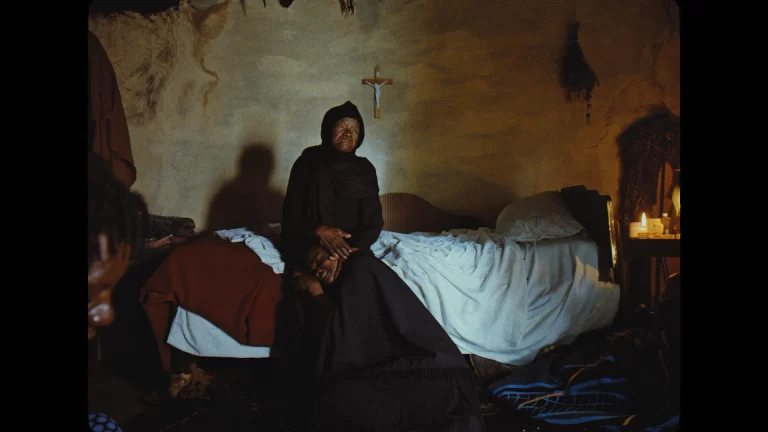
This Is Not A Burial, It’s A Resurrection – Lesotho

One submission from Lesotho, but wow, it was such a worthy nominee and it is a shame that it didn’t get shortlisted. Having gotten a well-deserved Criterion release, Lemohang Jeremiah Mosese’s story about a widow who defies the call for her village to be resettled in the name of progress is such a poetic statement on keeping with tradition. Plus, it comes in a country landlocked in South Africa, thereby being virtually forgotten and mistaken to be part of another nation. Mosese, a visual artist, uses his creative force to set up striking frames in this tale of fighting against unnatural nature.


Follow me on Twitter: @brian_cine (Cine-A-Man) 

Movie Review (Berlinale 2023): ‘Bad Living’ is a Splendid Ghostly Portrayal of Family Dysfunction


Director: João Canijo 

Writer: João Canijo 

Stars: Anabela Moreira, Rita Blanco, Madalena Almeida

Synopsis: Follows five women who fight for the stability of an hotel they inherited, living an “old and irresolvable conflict”, with many conversations that have been postponed and much that remains to be said within a family.


The first of two intertwining Bergman-like films by Portuguese filmmaker João Canijo playing at this year’s Berlin Film Festival, Bad Living (Mal Viver), is a magnificent ghostly depiction of family dysfunction and depression, as the women at the center of this story grapple with secrets and sins induced by grief.

One director I wish people recognized more is João Canijo, the Portuguese filmmaker who began his career by working as an assistant director to Manoel de Oliveira (Francisca, 1981), Alain Tanner (In the White City, 1983), Werner Schroeter (The Rose King, 1986), and Wim Wenders (The State of Things, 1982). I think he is one of the most exciting filmmakers coming from Portugal. With each feature, he demonstrates the various forms of dysfunction within different relationships and bonds. Not all of his films are excellent, but, for the most part, they are interesting and rich in thematic layers that talk about the respective films’ settings. His most renowned work is Blood of My Blood, which explores the recently disrupted lives of a family living on the outskirts of Lisbon. Initially, that film was supposed to consist of two films, both focusing on the family members’ different points of view. But, he never managed to get his entire vision to fruition. 

This aforementioned concept of the original Blood of My Blood idea serves as the genesis for Canijo’s latest pieces of work. He goes back to his most engrossing ideas with his ambitious pair of connected films, both of which are playing at this year’s Berlin Film Festival in different sections: Bad Living (Mal Viver) and Living Bad (Viver Mal). These two films are set in an old Portuguese hotel; the former focuses on the women working in the hotel, the latter centers around the guests. This fascinating and ambitious dual project works in its favor. Canijo explores complex relationships amidst secrets, sins, and loss, all within a setting that works as a haunted house – slowly turning into a sun-lit and beautifully shot ghost story. Both workers and guests begin to feel how this place, which is meant to be a vacation location, shifts into a lodging of no return, at least mentally. 

The first one out of the two is the Competition selection Bad Living. The film follows five women from various generations trying to save an old hotel from inevitable decay. However, as they are trying to figure out their next plans to keep the hotel afloat, their conflicts with one another weighs them down. A mother, Sara (Rita Blanco), is unable to love their daughters, Piedade (Anabela Moreira) and Raquel (Cleia Almeida). And, in turn, they cannot be great mothers to their daughters because of that lack of attachment from their childhood to the present day. However, when the young Salomé (Madalena Almeida), Piedade’s daughter, arrives at the hotel after her father’s passing, old wounds are reopened– their emotional stability is on tenterhooks. A melancholic atmosphere immediately possesses the sun-bathed and brightly-lit hotel, which, through the course of the film’s runtime, creates a haunting presence amidst its melodramatic affairs fed by tragedy. 

Bad Living explores what happens when the past looms and the present doesn’toffer answers to your previous and newly formed struggles. It is the term “sinking into the abyss” in a humanistic cinematic format. Salomé notices the detachment her mother has from the loss of her father. And as she tries to figure out the reason why, Piedade sinks into a mental state of misery and torment, one that operates like a plague, drowning the souls of everyone in the decaying hotel. There are less than a handful of moments that contain bliss; the majority of the film is full of woe that explores how these women handle their respective fights caused by their broken relationships. He takes inspiration from filmmakers like Ingmar Bergman and Jacques Rivette, particularly the former in its realistic illusions of light and darkness, particularly in his films Autumn Sonata and Cries and Whispers

In addition, Canijo uses some of the techniques from playwright August Strindberg, his expressionism and departure from conventional dramatic sensibilities. João Canijo plays with the setting to conquer the characters’ states of mind, curating dark images with twilight colorings that intertwine with the complex nature of their relationships, demonstrating sheer beauty amidst despair and impending cataclysm – the hotel becoming a character of its own. There are echoes of the various conversations the guests are having, which creates a weird yet hypnotizing sensation. You can’t hear them quite clearly because those puzzle pieces aren’t meant to be put into place yet; we will have to wait until Living Bad to clear those things up. Canijo himself described that aspect of the film as “being in a coffee shop and choosing the conversations you want to listen to from table to table”. And that feeling can disorient some viewers, but I found it completely mesmerizing. 

Bad Living (Mal Viver) might be the first half of João Canijo’s complete vision inside the “ghostly” hotel-set melodrama. Still, it offers an engrossing and haunting look at female cruelty and family dysfunction. It comprises framed static shots and a lingering camera that gives space for the characters to conceive their emotions unhurriedly, beautifully shot by cinematographer Leonor Teles and sharply edited by frequent Canijo collaborator João Braz. So let’s see what the second half of this story has in store for us after this mesmerizingly gloomy and depressive (in a good way) delight. 

Grade: A


Poll: What is your favorite animal-attack movie that isn’t Jaws?

They’re not always cute and cuddly. Whether it be due to a disrupt in nature, scientific experimentation, or (in the case of this weekend) literal cocaine, wild animals can become the most fearful creatures on the planet, both on land and at sea. If we were to determine the best animal-attack movies of all time, clearly Steven Spielberg’s Jaws would top most (if not all) lists. But what if we pin the rest against each other? Are their teeth sharp enough to bite down competitively?

You decide. What is your favorite animal-attack movie that isn’t Jaws (because let’s face it, it’s the best)?


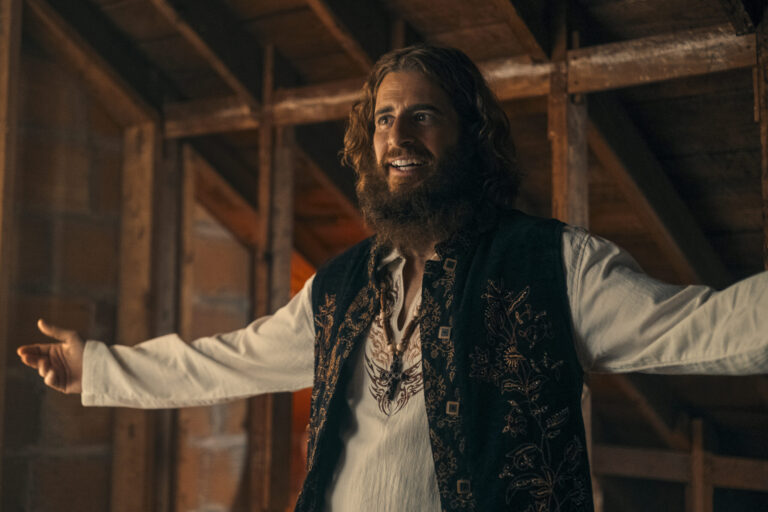
Movie Review: ‘Jesus Revolution’ Preaches To The Back Row


Directors: Jon Erwin and Brent McCorkle

Writers: Jon Erwin and Jon Gunn

Stars: Jonathan Roumie, Nicholas Cirillo, Kelsey Grammer

Synopsis: The true story of a national spiritual awakening in the early 1970’s and its origins within a community of teenage hippies in Southern California.


Filmmakers Jon Erwin and Andrew Erwin are known for their spiritual films focused on Christian stories. In Jesus Revolution, Andrew offers his place as co-director to Brent McCorkle, while Jon Gunn helps the other Jon with the screenplay that tells the origins of the Jesus Movement, an evangelical Christian movement that began in the late 1960s to early 1970s. The movie’s target audience is pretty clear, but does it also work for people totally disconnected from any religion, God, or anything that transcends science?

Personally, I believe that a review should make clear the author’s position concerning the main theme of the film. If I’m not part of the target audience, I must be honest and pass on this information somehow; otherwise, readers may be misled into believing that the movie isn’t for them. Roger Ebert said it best, “a good review is one that manages to get the reader to realize they would probably enjoy the film even if the author is of the opposite opinion”. That said, Jesus Revolution is clearly intended for Christian viewers and/or people with a strong connection to any religion.

Despite being born into a Christian family, I don’t believe in any God nor am I religious. In fact, I couldn’t be further from that. So how can a movie like Jesus Revolution be interesting to someone like me? If there’s one thing Erwin and McCorkle get right, it’s the separation of faith and spirituality from religion. Everyone possesses the first two attributes, whereas religion is necessarily linked to some kind of entity or organization – so much so that some are described as cults.

Therefore, as a viewer outside the spectrum for which the film was made, Jesus Revolution is at its best when it focuses on recounting the true events that gave rise to the respective movement, as well as offering a more positive perspective on the hippie community. The mere idea of thousands of young people leaving everything behind to follow Jesus Christ in the incredibly dedicated form of decades ago is impressive in itself. These days, with so much technology in our hands, it’s hard to imagine that such an awakening could happen again in the same manner.

Jesus Revolution takes advantage of the extraordinary performances of the cast – Kelsey Grammer is mesmerizing as Chuck Smith – and one of those ideal scores for relaxation and meditation to elevate a story that, unfortunately, cannot escape a repetitive narrative structure that, on many occasions, sounds too, well, preachy. Deeply inspiring dialogue should happen spontaneously, but the movie relentlessly pursues conversation after conversation with key expressions, popular sayings, and “sweet words” that come off as forced and sanctimonious.

In addition to that, Lonnie Frisbee (Jonathan Roumie) is a character that raises tons of questions. During the first half of Jesus Revolution, Lonnie holds a unique, personal connection with God, demonstrating an unparalleled devotion to the divine and being a tremendously positive influence on everyone around him. However, as the narrative unfolds, Lonnie becomes extremely self-centered and hypocritical, caring more about the attention and fame he receives for performing theatrical miracles than about his initial mission of unity, peace, and love.

The film concludes, and the truth is that I don’t comprehend the character’s genuine intent. Jesus Revolution also diminishes the impact of drug consumption in the community and even tries to have fun with it, which I don’t particularly appreciate. Ultimately, Greg Laurie (Joel Courtney) and Cathe’s (Anna Grace Barlow) self-discovery arcs, as well as their love relationship, turn out to be the most compelling storylines.

I recommend the movie for devout viewers with a strong connection to Christianity, but for those without religious ties, Jesus Revolution won’t convert you.

Grade: C

Movie Review: ‘Ant-Man and The Wasp: Quantumania’ is an Empty Exercise in Special Effects


Director: Peyton Reed

Writers: Jeff Loveness and Jack Kirby

Stars: Paul Rudd, Evangeline Lilly, Michael Douglas

Synopsis: Scott Lang and Hope Van Dyne, along with Hank Pym and Janet Van Dyne, explore the Quantum Realm, where they interact with strange creatures and embark on an adventure that goes beyond the limits of what they thought was possible.


It has been a hot minute since the last Marvel Film blew me away. Phase 4 movedright by, and of the 7 films and 8 television shows, only 4 struck a chord with me. Marvel is in a post-Thanos slump, and I personally hoped that Ant-Man and the Wasp: Quantumania would signal the end of its morning period. Ant-Man has typically been the small stakes Avenger, and Marvel could use a return to those smaller stakes and strong emotional core that defined phases 1-3. To that end, Ant-Man and the Wasp: Quantumania is not just a disappointment. It is a massive misfire from Marvel Studios.  

 Ant-Man and the Wasp: Quantumania is an amalgamation of so many disappointing films, and I could point to the various reductive elements within. I fully intend to explore and explain why these elements both seem reductive and feel out of place. But fundamentally, Quantumania suffers from what the rest of phase four has suffered from: writing problems. Apart from Shang-Chi and the Legend of the Ten Rings, every phase four project has been plagued with poor writing. Spider-Man: No Way Home had a plot that felt more like fanfiction than real life, both in its concept (all the Spider-Men teaming up together) and in its explanation for that topic (post-Secondary acceptance is the motivator I expect in a soap opera). Doctor Strange and the Multiverse of Madness changes Wanda’s character completely to what had been seen in every other MCU film prior and ignores the emotional arc Wanda took in WandaVision. WandaVision is not blameless either, with a modern-day plot that takes away from the rest of the series. The quality of writing in phase four has been worse than what preceded it, though the consequence of the writing is specific to each project.  

 The writing failures in Ant-Man and the Wasp: Quantumania does not end with unfunny jokes. Below its failures to work as a comedy, Quantumania’s biggest flaw is its lack of character, and character growth. While there are a plethora of new characters introduced, none of them feel truly integral to the story. M.O.D.O.K (Corey Stoll), Jentorra (Katy O’Brian), Quaz (William Jackson Harper), Veb (David Dastmalchian), & Lord Krylar (Bill Murray) are all new additions to the MCU, but they have so little to do with this film that it’s laughable. While each of these characters play a key part in the plot events of Quantumania, outside of Jentorra, they have nothing to do with our core characters’ growth as individuals and heroes. And even then, Jentorra interacts solely with Cassie, who already was a revolutionary. This massive mismanagement of characters and plot lead to the big problem in Ant-Man and the Wasp Quantumania: There are no character arcs or growth for Scott Lang, Cassie, Hope, Hank, or Janet. These events occur, and nothing changes for these characters personally. Sure, Kang (Jonathan Majors) has now been introduced to the MCU as the next Thanos, but this was already established in LOKI which managed to tell a story with character arcs.  

It’s not that these arcs are outside the scope of Quantumania either. There are a lot of promising threads to follow; Scott and Cassie are arguing about the role of using a suit against police officers who tear gassed a crowd of peaceful protestors; Janet is keeping her time in the quantum realm close to her chest, isolating Hank and Hope; and Yellow Jacket (Corey Stoll) has returned as the fearsome M.O.D.O.K. But of these arcs, only two are actively followed throughout the film, and one of these is M.O.D.O.K. trying not to be a dick – treated as a golden gag. The other active arc is with Janet, but so much of the film follows her doing things and relying on others to trust her blindly that the audience has no clue what’s happening. The script sets up a lot of interesting ideas, but never allows the payoff to exist for more than a moment, and it’s not engaging storytelling. And of course, our protagonist, Scott, has an arc that doesn’t feel earned, because it’s undercut by every beat of the story. Jeff Loveness has failed to make a compelling screenplay, and how these major problems didn’t get noticed in a second draft is beyond me.  

Aside from major screenwriting failures, the visuals are the next major letdown of Quantumania. Director of Photography Bill Pope really feels constrained in these full CG environments, and unlike his work on Shang-Chi and the Legend of the Ten Rings, the action sequences in Quantumania are clumsy and lack clarity. A lot of this stems from scenes feeling underlit, with quick editing that does not sell any of the action. Worse yet, there is such a wide array of characters with unique weapons, and yet the action seems completely uninterested in establishing what they can do, unless it works towards a joke. This goes from the smaller roles to Kang and M.O.D.O.K, and it really fails to sell the stakes in the third act. Kang’s move set is a combination of the force, Iron Man’s laser beams, and time manipulation, but none of these are adequately explored or explained enough to allow the audience to understand the danger posed to our heroes in the third act. The disappointing action adds to the major failures of Ant-Man and the Wasp: Quantumania, because it fails to be engaging as a drama, comedy, and its superhero action is mediocre. This is not to say that Quantumania does not have some stirring visuals; there are some stellar establishing and wide shots that feel made for a windows background. But when most of the film is made up of mid-close ups in CG environments, those few moments of beauty are washed out entirely. 

For all its flaws, Quantumania is not all bad. Firstly, the CG environments are as striking as the Star Wars prequels. The quantum realm truly feels like an alien landscape, and its world design, creature design and production design work perfectly. The miniature cultures and cultural norms sell this new world perfectly and create visual genres for each chapter of the film. This is furthered by the stellar costume design and should not be conflated with suit design. Quantumania’s costumes add layers to this world; at times it’s a space western, at others it’s a post-apocalypse. Kang’s kingdom feels like a kingdom because its costumes denote separate places so well, and it is worthy of applause.

  And speaking of Kang, Jonathon Majors has really stepped into this role perfectly. Ant-Man and the Wasp: Quantumania is a display of what Majors can do as an actor. He takes a character that has been exiled into the quantum realm by others and turns that emotion into devastating desperation. Every movement and word spoken drips with sorrow and closeted anger. It is captivating, and Majors alone injects life into this dying film. By comparison, the rest of the cast really does not do a whole lot. Paul Rudd is the same loveable Scott Lang we have seen before. Michael Douglas leans into Hank’s curiosity about the quantum realm. These are fine performances, but they are still hemmed in by the clichéd nature of the role. The only performance that left me intrigued in their character was Kathryn Newton, who manages to capture the youthful, unjaded spirit of Cassie well, though she really did not have a lot to do in this film.  

As I alluded to earlier, the suit design of Quantumania is pretty uninspired. Ant-Man, Wasp, and Cassie have fully CG suits, and it is obvious. Nanotech is the Infinity War’s biggest sin, and Quantumania is a notable example of why: The suits do not feel human. There is no fear of shrinking without a helmet because the helmet is always a render away. Characters always have the suit, so you do not fear them being powerless. The suits never break down, so the stakes fall drastically in a third act. And the final major problem is that these all feel the same. Compared to the varying costumes and character design around the quantum realm, the Ant family suits, the M.O.D.O.K., and Kang’s suit all feel the same. There isn’t anything tactile to these suits, they seem more akin to action figures and plastic toys. It is at best cheap, and at worst, confusing.  

 The last flaw of Quantumania is with its premise: the quantum realm is not an interesting place to explore Ant-Man’s core abilities. For all the problems in Ant-Man and The Wasp, the film managed to still use the shrinking/enlarging abilities well. Whether it is to lift a ferry, to skateboard with a truck, or to commit a heist, the core abilities of Ant-Man and Wasp feel fundamental to that story. Now, in Quantumania, the ability to enlarge and shrink feels relegated to the third act, and not natural to this story. The quantum realm may require shrinking to enter, but after that, it could be any superheroes world. And our heroes’ abilities just do not interact with it in interesting ways. No longer is there a toy train that can transform a battle scene, there is only a whole other world that we view solely from the ground. It is a massive, missed opportunity, and it is not aided by the film’s quick, out of left field, resolutions to problems that feel removed from our heroes’ actions. There are two deus ex machina moments in the third act alone, and it really makes the finale feel… empty. 

 Empty may be the best way to describe Ant-Man and the Wasp: Quantumania. The elements that break free of its lighting, framing, editing and CG suit problems are taken down by its writing. Personally, I preferred when the quantum realm was a kaleidoscopic empty void outside of time in Ant-Man. Because then, it had stakes and I felt connected to our characters’ fight to see his daughter again. Instead, the quantum realm is a fully realized, gorgeously rendered science fantasy world, but the characters feel empty and void now. 

 Grade: D+