

Home Blog Page 134

Movie Review: ‘Marlowe’ Cannot Even Be Saved By a Liam Neeson and Neil Jordan Reunion


Director: Neil Jordan

Writer: William Monahan

Stars: Liam Neeson, Jessica Lange, Diane Kruger, Adewale Akinnuoye-Agbaje

Synopsis: In late 1930s Bay City, a brooding, down on his luck detective is hired to find the ex-lover of a glamorous heiress.


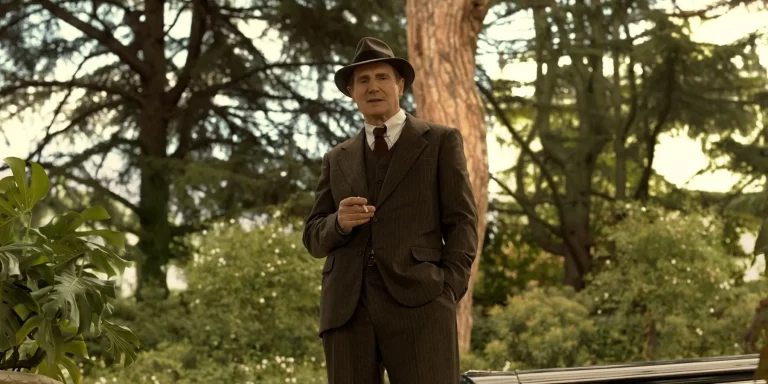
When will Liam Neeson ever make a good movie again? I had hoped that it would be the case with Neil Jordan’s Marlowe, as Neeson reunites with the director who crafted one of the best films (and performances) of his career in- Michael Collins. The severely underseen Golden Lion winner contains stellar performances from Neeson, Alan Rickman, and Brendan Gleeson and needs to be seen by anyone who is a fan of the three actors named above. Reuniting with Jordan seemed like a step in the right direction for Neeson to move away from his “particular set of skills” action pictures that I frequently dubbed as our generation’s Charles Bronson in his Cannon Group era. Disposable plot, horribly shot and edited action, and a sleepwalking performance from Neeson who sees the paycheck at the end of the tunnel. 

However, Marlowe is yet another “particular set of skills” movie, only set in 1930s Hollywood with Neeson frequently reminding audiences that he’s too old for this. There’s the old “light slapping” he gives to henchmen who deserve his “particular set of skills” after a rather simple case overcomplicates itself in tedious ways. Neeson plays Philip Marlowe, who, after receiving a visit from Clare Cavendish (Diane Kruger), investigates the whereabouts of Nico Peterson (François Arnaud), who is rumored to be alive, even if he has been pronounced dead. Was the wrong man pronounced dead? If so, who’s in on the conspiracy? What happened to Nico’s sister, Lynn Peterson (Daniela Melchior)? Who knows? 

Running at 109 minutes, Marlowe is both amazingly breezy in going from one place to the next without placing the cards on the table and terribly languishing in pace. There’s not a single scene that contains an ounce of riveting dialogue. They’re all haphazardly delivered by A-list actors, such as Jessica Lange, Adewale Akinnuoye-Agbaje, Danny Huston, Colm Meaney and Alan Cumming. Only Adewale seems to care about the material, and has a few scenes ,where his chemistry with Neeson shines ever-so-slightly, but does Jordan’s direction have to be so lifeless?

Any noir detective thriller should theoretically start out small and progressively reveal something bigger at play. Marlowe starts out small, but quickly goes “big” and introduces a wide array of characters who don’t have much importance to the main plot of the movie. It quickly starts to lose audiences by the ten minute mark, and never once recovers. The case (and screenwriting) is not interesting enough to hold people’s attention. And once the “big reveal” occurs (although there is a smart move from Neeson during that moment which made his performance slightly memorable), it’s the least surprising reveal of all time. As soon as this particular character enters the frame, you immediately know he’s the main villain by how he dresses. They never once try to hide it, which makes Marlowe’s circling to Clare’s mother (Lange) and other minor side characters feel utterly pointless. 

The movie also doesn’t even have a sense of atmosphere. Cinematographer Xavi Giménez tries to make every shot look interesting (there are a few neon-colored splashes that are fun to see on the big screen), but Jordan’s direction is so bereft of any energy that it has no emotional impact whatsoever. What’s more, tight action scenes are hampered by the most ridiculous elevator music possible. Neeson fighting two henchmen in a claustrophobic setting? Why don’t we put some smooth jazz during that scene. Or how about the sound of birds tweeting you’d hear in Looney Tunes cartoons after a character gets hit in the head with a hammer and is dizzy, but this time used when a character gets Tommy gunned to death? Yeah, it’s very bad. 

At this point, I don’t ever think that Liam Neeson will make a good movie again, even with a director like Jordan at the helm. The scripts he picks are easy roles for a paycheck, but they’re so tedious to watch you wonder why he even bothers making those films. He’s unfortunately been typecast in these basic action films, but he needs to get away from them. Marlowe could’ve been his way out, but he and Jordan retread the same elements from his dull action pictures. I guess we’ll never see Neeson make another good movie again. 

Grade: D-
 

Podcast Review: ‘Ant-Man & The Wasp: Quantumania’

On this episode, JD and Brendan discuss the latest from Marvel in Ant-Man & The Wasp: Quantumania! We also discuss the larger discourse surrounding the MCU and why Phase 4 had more than its given credit for.

Review: Ant-Man & The Wasp: Quantumania (8:30)
Director: Peyton Reed
Writers: Jeff Loveness
Stars: Paul Rudd, Evangeline Lilly, Jonathan Majors, Kathryn Newton

Subscribe to our Podcasts RSS
Subscribe to our Podcasts on iTunes
Listen on Spotify
Listen on Stitcher
InSession Film Podcast – Ant-Man & The Wasp: Quantumania

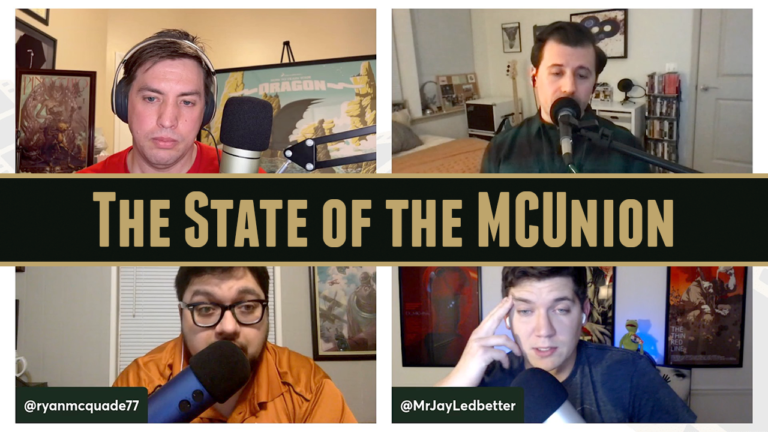
Podcast: The State of the MCUnion – Episode 522

This week’s episode is brought to you by Libsyn. Sign up today and get two months FREE with the code: ISF

This week on the InSession Film Podcast, we debate the state of the MCU and where things fall after Phase 4 and entering Phase 5 with Ant-Man & the Wasp: Quantumnia! We also talk about the future of cinema and the increasing lack of originality among the major studios.

On that note, check out this week’s show and let us know what you think in the comment section. Thanks for listening and for supporting the InSession Film Podcast!

– The Stat of the MCUnion (3:35)

Phase 4 of the MCU was divisive, but was it as bad as many are making it out to be? We debate the good and the bad, and talk about some changes needed for Marvel to find its peak once again.

[divider]

RELATED: Listen to Episode 516 of the InSession Film Podcast where we discussed our Top 10 Movies of 2022!

[divider]

– The Future of Cinema (1:13:37)

This last week alone, we heard announcements for a sequel to I am Legend, a live-action adaption of How to Train Your Dragon, reboots for Starsky & Hutch and Hellboy, and Disney dipping back into the wells of Frozen, Toy Story and Zootopia. Outside of horror, originality is dying and should we be concerned about the major studios’ reliance on IP? We discuss.

Show Sponsor: First Time Watchers Podcast

– Music

Eternals – Ramin Djawadi
Forbidden Friendship – John Powell
The Return of the Eagle – Atli Örvarsson

Subscribe to our Podcasts RSS
Subscribe to our Podcasts on iTunes
Listen on Spotify
Listen on Stitcher
InSession Film Podcast – Episode 522

[divider]

Next week on the show:

Movies We Love That Are Absolute Trash

[divider]

Help Support The InSession Film Podcast

If you want to help support us, there are several ways you can help us and we’d absolutely appreciate it. Every penny goes directly back into supporting the show and we are truly honored and grateful. Thanks for your support and for listening to the InSession Film Podcast!

VISIT OUR DONATE PAGE HERE

Movie Review (Berlinale 2023): ‘The Eternal Memory’ Renders Vast Empathy and Humanity


Director:  Maite Alberdi

Writer:  Maite Alberdi

Synopsis: Augusto and Paulina have been together for 25 years. Eight years ago, he was diagnosed with Alzheimer’s disease. Both fear the day he no longer recognizes her. World Premiere. Available online.


Although it may not contain many layers within its tragic subject matter, Maite Alberdi’s latest documentary, The Eternal Memory, renders vast empathy and humanity – reminding the spectator of the beauty of unique personal connection in times of hopelessness and grief. 

Alzheimer’s is a heartbreaking disease that slowly deteriorates a person’s recollections and cognitive functions. Unfortunately, it’s a condition without a cure. Because of it, everyone’s afraid of aging; we’re scared to face a constant confrontation with retaining our memories since we lose our own selves without them. Our personalities are forged by the passing of time and the experiences we undergo. Every time this disease or other ones like dementia are depicted on film, it arrives with a melancholic and saddening aftertaste, as it’s grueling to see people suffering from something so woeful. Sarah Polley’s Away From Her (2007) and Michael Haneke’s Amour (2012) inspired many filmmakers to take on stories about the complex subject with each making a different approach, whether it is Gaspar Noé with Vortex or Natalie Erika James’ Relic. Now, after her acclaimed work The Mole Agent (El Agente Topo), documentarian Maite Alberdi delivers The Eternal Memory, a love story amidst melancholy induced by Alzheimer’s. 

The subjects of The Eternal Memory are Augusto Góngorra, former TV journalist and cultural commentator, and his wife, Paulina “Pauli” Urrutia, an actress and former minister of the national council of culture and the arts of Chile. They have been together, madly in love with one another, for twenty-five years. And it is evident their devotion to each other hasn’t diminished a single bit, as we get glimpses of their past via photos and videos, thanks to acute editing by Carolina Siraqyan. We see charming moments of them enjoying a vacation across the seas, some of Augusto’s work in television, their marriage in 2016, and spending time with their children. In the archive footage, everything seems to be fine; nothing can hurt or break them apart. However, a small crack in their lives haunts Augusto, as he’s diagnosed with Alzheimer’s. Maite Alberdi blends the footage of the past with the present pandemic day to reflect love and illness – the effect each has over time. 

We are all familiar with the toll Alzheimer’s takes on people, but what Alberdi does is not shower the screen with excessive dread, even though pre-determined dashes of sadness come in hand with the topic. Instead, Alberdi wants to show how people care for each other in whatever state their partner is in – one might not believe in it, but it’s true love, people destined for each other. As his condition worsens, you’d think it affects their love, but what happens with Augusto and Pauli through The Eternal Memory’s runtime is the opposite. Pauli, now taking on the mantle of caretaker and memory preserver, still loves Augusto significantly. Even with the tragedy of memory loss at the center of their relationship, there’s an enduring love – a fire that hasn’t been extinguished and burns brighter as the years go by. It’s absolutely touching, rendering great amounts of compassion and tenderness as these two souls interact in the most lovely way imaginable. It’s palpable; you feel their love for each other bursting out of the screen and moving you. 

As I mentioned before, heartache arrives with the topic at hand, though its moments of bliss, particularly when Pauli is caring for Augusto and recalling some memories, are the ones that stayed with me the most. Pablo Valdés’ cinematographic eye beautifully captures those scenes. On one occasion, when Augusto sees Pauli perform on stage in a local stage play, the camera mainly focuses on him. We see him enjoying himself and the performance. Yet, primarily, there’s something else happening. It feels like he’s falling in love again with Pauli. Augusto might not recognize Pauli from the get-go; however, when he finally does, there’s a bright light in his eyes. He remembers their twenty-five years together. He may not recollect them in their entirety, but in beautiful pieces that showcase how the heart can store some memories of its own through good and bad situations. Scenes like these in The Eternal Memory remind us that sometimes, you can’t beat the real thing. 

Although this is a documentary, it is a love story at its core – a tale of romance amidst the troubles of an incurable illness. Documentaries can belong to different genres and not only focus on the journalistic aspects of its own trappings. Maite Alberdi’s latest work is a testament to the space love holds in our memories. The Eternal Memory is an intimate and heartbreaking passage into the lives of Paulina and Augusto. Sometimes, it feels like we’re trespassing and don’t want to interrupt them as they deal with these harsh situations. Yet, Alberdi and the two lovers welcome us into their homes because they want to demonstrate that what we see is not forged by tragedy but by devotion. 

Score: B+

Movie Review: ‘At Midnight’ Is Another Movie We’ve Seen Before


Director: Jonah Feingold

Writers: Jonah Feingold, Maria Hinojos, Giovanni M. Porta

Stars: Monica Barbaro, Diego Boneta, Anders Holm

Synopsis: At Midnight is a romantic comedy about two people who have made the “safe” choice not to fall in love.


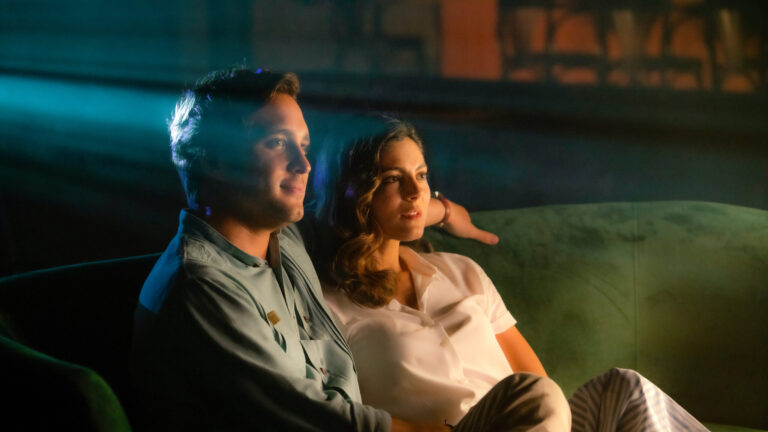
Jonah Feingold’s At Midnight has been done time and again in Hollywood, and it’s time for studios to stop greenlighting the same variation on the same theme. A popular (but typecast) Hollywood star (Monica Barbaro) in love with another bigshot star (Anders Holm) break up after Sophie (Barbaro) sees Adam (Holm) kissing an assistant in his trailer. However, the two have to go to Mexico to finish shooting their film. 

There, she meets the nicest boy in town, junior hotel manager Alejandro (Diego Boneta). After Alejandro accidentally finds her naked in the bathroom while arriving with towels, he apologizes and makes it up to her during the evening by cooking a meal for her. It’s there that they will fall in love, and a predictable structure ensues. From there, you pretty much know what’s going to happen. They fall in love, they go through many romantic escapades, there’s going to be a falling out, until one of them confesses deeply of their love for the movie to end on a happy note. It would’ve been fine if the script wasn’t so boring and didn’t retread tired clichés from every other romcom out there, but alas. 

The only reason why the film is worth watching is for Barbaro’s lead performance. As Sophie, she infuses enough charm for you to care about her journey with Alejandro, even if Boneta delivers his lines in the most stilted, unnatural way possible. Barbaro arrives fresh off of Joseph Kosinski’s Top Gun: Maverick, which was nominated for six Oscars, including Best Picture. At Midnight seems like a stepdown for Barbaro, especially with how talented she was in Kosinski’s film. But she remains the best part of the movie, as she seemingly is the only one who seems to care about the whole thing. Holm is also pretty decent as Adam, but he’s always been good at playing antagonistic characters, for some reason. He’s quite comfortable playing someone who we love to hate and want Sophie to get as far away from as she possibly can. It’s as if he does it in his sleep.. 

However, Boneta isn’t charming. His performance is too glossy for its chemistry to feel natural between the two stars. Since the dialogue is so clichéd, it doesn’t necessarily matter if they have good chemistry, because you know exactly where this thing is heading. They’re going to fall in love, have some adventure together, and then fall out, quickly break up until they realize they won’t be able to live apart. It’s written on the wall as soon as they meet. 

At Midnight also tries to spice things up through its script by offering a commentary on our superhero movie-obsessed culture, which doesn’t work. A haphazard line that superhero movies are “according to Scorsese, not cinema” after commenting on a cascade of content from both Marvel and DC (though, good news, they appear to be slowing down) and a jumpscare of a cameo from Supes (yes, that Supes) barely allows At Midnight to craft something tangible that makes us care about the romance and what it has to stay on the endless barrage of superhero films and television series audiences are getting. 

Because of this, the movie fails to deliver a genuinely heartfelt romance anchored by two great stars. Barbaro is a star, and her performance is the best part of the whole affair. She seems to be excited at the prospect of starring in more movies after Top Gun: Maverick, and justifiably so. However, she should star in roles that better take advantage of her talent than inside a soulless, Hallmark-lite romance with a lead who has barely any chemistry with her. Her on-screen pairing with Boneta is so dull that you’ll quickly wish the movie was over. Thankfully, the runtime flies by fast, but at what cost? You’re better off watching Magic Mike’s Last Dance in cinemas, the best romance of 2023. 

Grade: D-


Movie Review: ‘Sharper’ is a Case of Spoiled Potential


Director: Benjamin Caron

Writers: Brian Gatewood and Alessandro Tanaka

Stars: Julianne Moore, Sebastian Stan, Briana Middleton

Synopsis: Motivations are suspect, and expectations are turned chaos, as a con artist takes on Manhattan billionaires.


Leaving aside the subjective factor of quality, Apple TV+ is, by some margin,- one of the less popular streaming services. All the others have well-known franchises with large fan bases, so, naturally, these have more subscribers and, consequently, more buzz around them. That said, Apple TV+ strives to focus more on quality than quantity, a mindset that has proven to be right given the success of its original films and series. Sharper is their latest movie and holds numerous reasons to catch the attention of viewers even before they press the button.

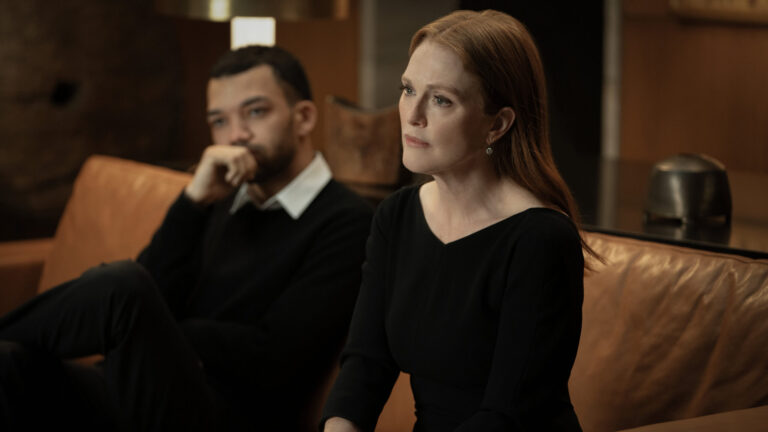
Julianne Moore and Sebastian Stan stand out from the cast, but Justice Smith and Briana Middleton are the ones who impress the most. Leaving the performances for later, the truth is that what made me gain tremendous interest in the film was the director, Benjamin Caron. It might be his feature film debut, but Caron is responsible for some of the best episodes in series like Andor, Sherlock, and The Crown.

And in Sharper, Caron demonstrates all his talent behind the camera. In a character-driven screenplay – written by Brian Gatewood and Alessandro Tanaka – Caron creates a unique atmosphere for each of them, arranging stunning shots for virtually every scene and offering the spectators an extra reason to feel captivated. The narrative is divided into chapters explicitly marked with title cards with the names of each character: Tom (Smith), Sandra (Middleton), Max (Stan), and Madeline (Moore).

However, unlike other films that use this storytelling method to repeat the same events through distinct perspectives, each section of Sharper depicts a different part of the narrative, either advancing the main storyline or exploring the characters’ past. Such a change to the common formula allows, in theory, to add unpredictability to each chapter, as the public no longer holds prior knowledge about the respective conclusions. Caron manages to move from theory to practice with some success during the first half of the movie, but even before this point, the biggest problem with the screenplay arises.

Sharper is a slick film loaded with multiple twists that supposedly should increase the levels of enthusiasm as well as bring shock value to the narrative. Unfortunately, viewers quickly find themselves one or more steps ahead of all the characters, removing any surprise factor in moments that rely immensely on that very thing. Obviously, knowing what’s going to happen in advance doesn’t mean it’s not possible to enjoy the execution of such developments and appreciate the respective entertainment value.

And this is where the performances contribute tremendously to Sharper. Moore and Stan use their experience to interpret mysterious characters, which are difficult to trust, with the latter demonstrating a certain aptitude for this type of role. Surprisingly, Smith, and especially Middleton, are the ones who steal the spotlight by delivering phenomenal performances. The actor has the opportunity to finally show a more convincing dramatic side than his earlier roles, while the actress left me blown away by her expressiveness and emotional range.

Sharper doesn’t deepen the various themes related to social classes, commodities gained from wealth, or the redemption arcs present in the film, ending with an abrupt sequence of events distant from the grounded narrative developed until then. Particular character decisions generate doubt about their true intentions, which can cause some contradictory sensations for viewers, as the movie itself doesn’t completely justify these same actions.

In the end, it’s a psychological thriller full of twists that I recommend to fans of the genre, but let it be known that the ending holds enough potential to somehow spoil the overall experience if it doesn’t work for you.

Grade: C+


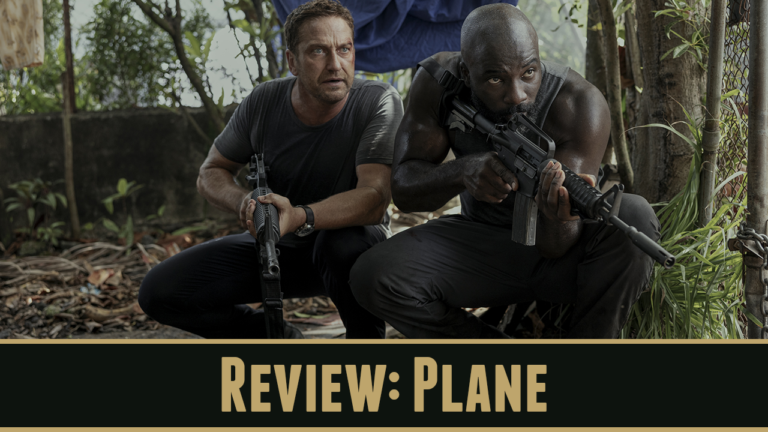
Podcast Review: ‘Plane’

On this episode, Tim Costa of the First Time Watchers joins JD to discuss the Gerard Butler movie Plane!

Review: Plane (3:00)
Director: Jean-François Richet
Writers: Charles Cumming, J. P. Davis
Stars: Gerard Butler, Mike Colter, Tony Goldwyn

Subscribe to our Podcasts RSS
Subscribe to our Podcasts on iTunes
Listen on Spotify
Listen on Stitcher
InSession Film Podcast – Plane

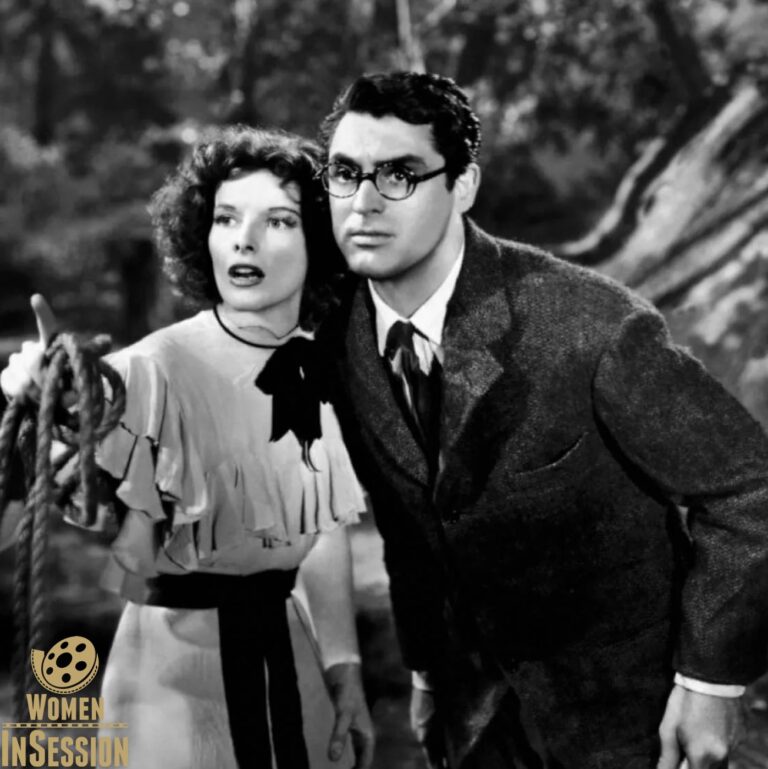
Women InSession: Classic Romantic Comedies – Episode 26

This week on Women InSession, in the spirit of Valentines Day, we discussed our favorite classic romantic comedies!

Panel: Kristin Battestella, Zita Short, Amy Thomason

On that note, check out this week’s show and let us know what you think in the comment section. Thanks for listening and for supporting the InSession Film Podcast!

– Music

The Return of the Eagle – Atli Örvarsson

Subscribe to our Podcasts RSS
Subscribe to our Podcasts on iTunes
Listen on Spotify
Listen on Stitcher
Women InSession – Classic Romantic Comedies

[divider]

To hear this Extra Film episode and everything else we do, download our apps on the Amazon Market for Android and the Podcast Source app on IOS devices. The mobile app covers all of our main shows, bonus podcasts and everything else relating to the InSession Film Podcast. Thanks for your wonderful support and for listening to our show. It means the world to us.

One Shining Moment: Countries With One Oscar Nomination To Its Name

For Best International Feature, the powerhouses that come to mind are Italy (14 wins, 32 nods), France (12 wins, 40 nods), Japan (5 wins, 17 nods), Germany (3 wins, 20 nods), and Spain (4 wins, 20 nods). These are the countries, among others with a rich film industry that crank out multiple acclaimed films around the world. Even if their country doesn’t pick them as their representative, the Oscars can still nominate them and have them in other categories. Some countries do have just one win (Chile, Taiwan, South Africa), others just the one sole nomination. Even then, that one nomination still means a lot to that country on such an international stage. 

24 nations have just a single nomination to their credit, including the now-nominated The Quiet Girl from Ireland. South Korea’s Parasite pulled the biggest win of all as the first International film to also win Best Picture. Uruguay’s sole nomination (A Place In The World, 1992) was disqualified when more production information revealed it to be mostly an Argentina-backed film. Until 2011, Puerto Rico was considered eligible to have their film nominated and did so with 1989’s What Happened To Santiago. And, in 1976, East Germany’s only nomination before reunification with the West was Jacob The Liar. Here are other notable singular nominees for their home nation.


Black And White In Color (1977, Ivory Coast)

South Korea isn’t the only country to be 1-for-1 with Best International Feature. This film submitted by the Académie de Côte d’Ivoire, their first, turned out to be a real winner. Set in Africa during the First World War, this dark comedy satirizes the colonialism of both France and Germany during that period and is critical of militarism on which powerful nations build their strength. It was the debut feature from director Jean-Jacques Annaud, who later gained acclaim for Quest For Fire and The Name Of The Rose. 


Alsino And The Condor (1982, Nicaragua)

It is the only country with a film nominated from Central America besides Mexico. Still building itself after the Nicaraguan Revolution of 1979, Alsino tells the story of a boy who gets caught up in the battle between the government and the leftist rebels. He meets an American military advisor (Dean Stockwell) who gives the boy his first flight on his helicopter but cannot stop him from seeing the violence inflicted upon those suspected of supporting the rebels. Considering the political climate at the time in the United States, it is surprising that this film, which was also co-produced by Cuba, made it to the final five.


Strawberry And Chocolate (1994, Cuba)

Despite the strange love-hate relationship with the government 90 miles from Key West, they made it to the Oscars stage with this delightful comedy of a surprising friendship between a straight man and a flamboyant gay man in the 1970s. It’s a story that deals with homophobia in Latin America and how gay people struggled under the government’s repression of such feminine behavior from men. It was co-directed by Tomas Guiterrez Alea in his penultimate film, having established himself as Cuba’s greatest film director with classics like Memories Of Underdevelopment.


The Man Without A Past (2002, Finland)

Writer-director Aki Kaurismäki could easily have multiple nominations for his work, but his dislike of film competitions and protest of the Iraq War has caused him to withdraw his films from consideration. His films Drifting Clouds and Lights In The Dusk got the chop because of this. One film he did allow to go through was his comedy of a man who is assaulted and suffers from amnesia due to head injuries. With no recollection of who he is and where he came from, the man restarts his life from scratch. This film was the second of his Finland Trilogy which includes the two previously mentioned films. Because the Iraq War started just days before the ceremony, he boycotted it. 


Timbuktu (2014, Mauritania)

It is still the only film ever submitted for consideration by the West African nation and it hit the mark by being nominated. Based on true events, it centers on the titular city of Mali during its brief rule under a jihadist group and centers around a man who kills his neighbor over the death of a cow, resulting in harsh repercussions. It is a story about the rule of such terror while also showing the jihadists, who demand a total following of Islamic law, contradicting their own views. Even if Mali and Mauritania are Muslim-majority countries, the ways that they used to live in are completely disrupted and forced upon them in certain cruel circumstances. 


Follow me on Twitter: @brian_cine (Cine-A-Man)

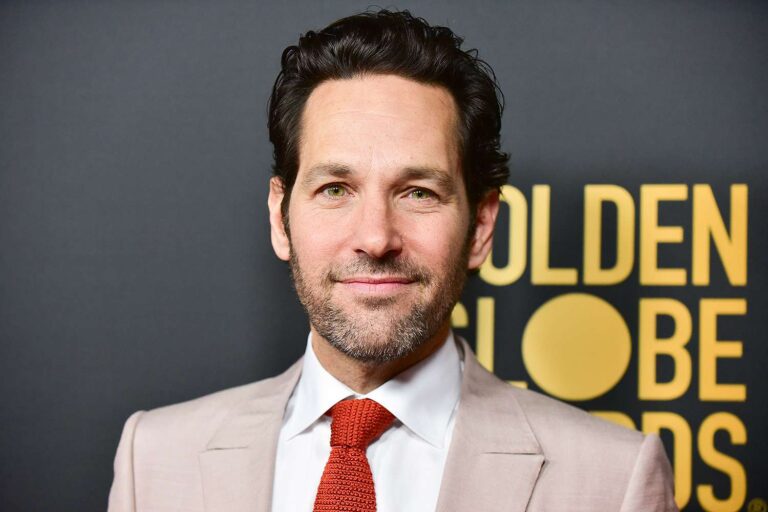
Poll: What is your favorite non-MCU Paul Rudd performance?

Can Paul Rudd just age already? Even a little bit? More importantly, can he also stop being the most charming funnyman in Hollywood? We may associate Paul Rudd with the Marvel Cinematic Universe now, but before that he was one of our funniest everymen, equal parts charm and awkward. He brings that same energy to Scott Lang in the MCU, but because that energy dates back to the mid-90s, let’s look at his best and most memorable work over the years.

What is your favorite non-MCU Paul Rudd performance?


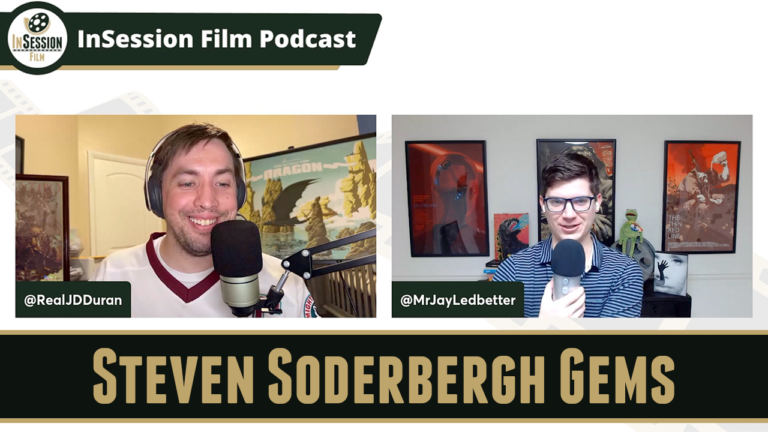
Podcast: Steven Soderbergh Gems – Episode 521

This week’s episode is brought to you by Koffee Kult. Get 15% OFF with the code: ISF

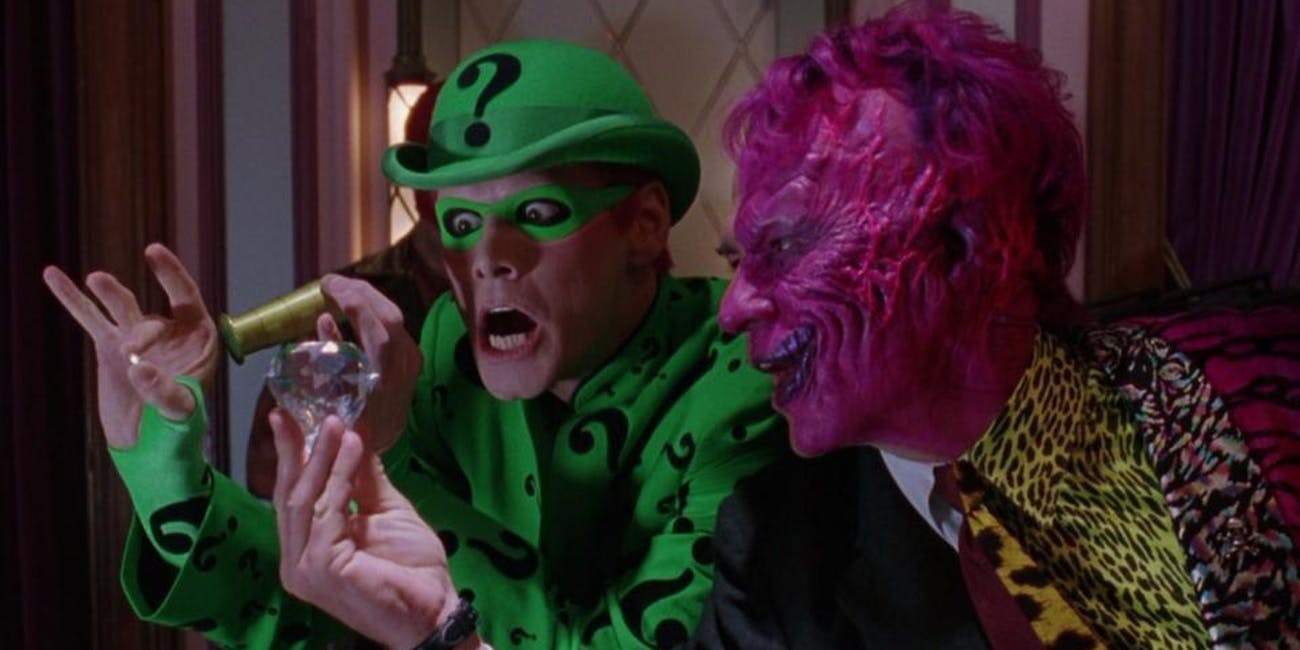
This week on the InSession Film Podcast, using Magic Mike’s Last Dance as inspiration, JD and Jay discuss their favorite Steven Soderbergh gems and why he’s such a captivating filmmaker. We also answer a few listener questions and talk about the new trailer for The Flash!

On that note, check out this week’s show and let us know what you think in the comment section. Thanks for listening and for supporting the InSession Film Podcast!

– Discussing Steven Soderbergh (3:00)

Some of the films discussed: Solaris, The Limey, Let Them All Talk, Unsane, King of the Hill, The Good German, Bubble, Side Effects

[divider]

RELATED: Listen to Episode 516 of the InSession Film Podcast where we discussed our Top 10 Movies of 2022!

[divider]

– Listener Q&A (1:05:35)

We answer a few questions about the Oscars, some performances we’ve loved recently and the new trailer for The Flash!

Show Sponsor: First Time Watchers Podcast

– Music

Is That What Everybody Wants? – Cliff Martinez
The Batman Theme – Danny Elfman
The Return of the Eagle – Atli Örvarsson

Subscribe to our Podcasts RSS
Subscribe to our Podcasts on iTunes
Listen on Spotify
Listen on Stitcher
InSession Film Podcast – Episode 521

[divider]

Next week on the show:

Marvel State of the Union

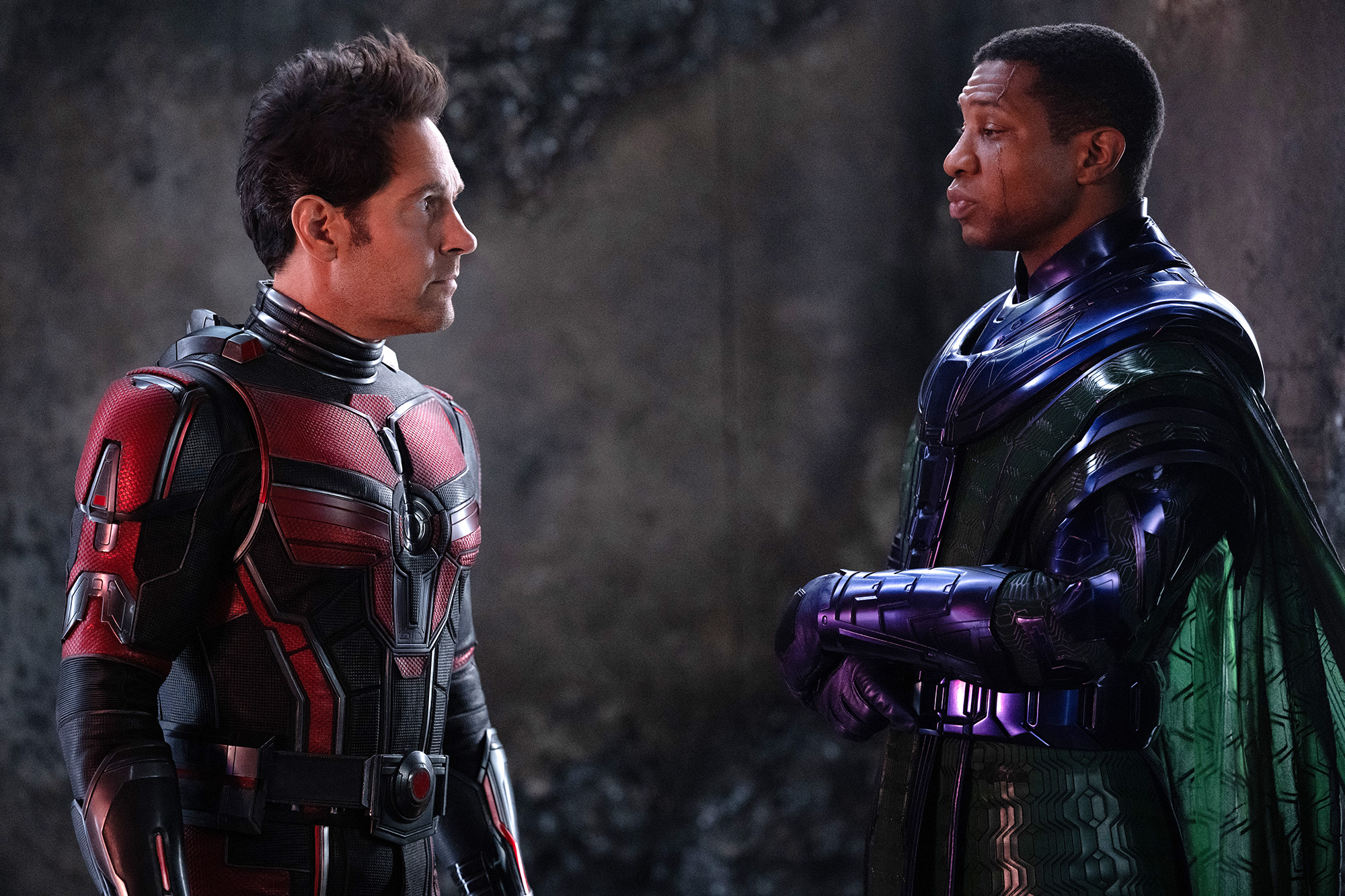
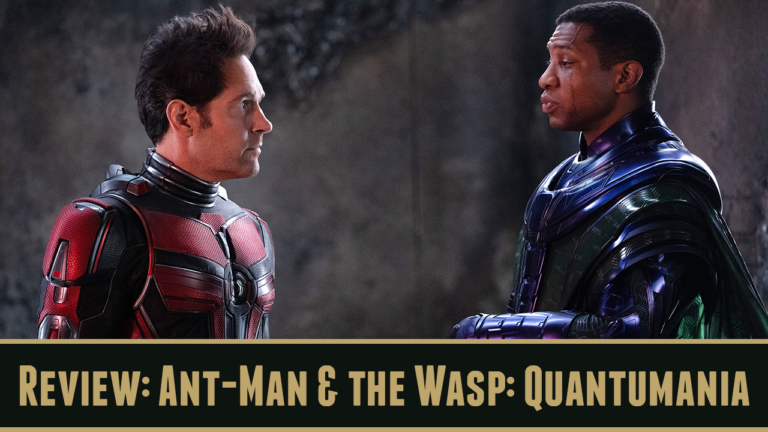
Paul Rudd as Scott Lang/Ant-Man and Jonathan Majors as Kang the Conqueror in Marvel Studios’ ANT-MAN AND THE WASP: QUANTUMANIA. Photo by Jay Maidment. © 2022 MARVEL.

[divider]

Help Support The InSession Film Podcast

If you want to help support us, there are several ways you can help us and we’d absolutely appreciate it. Every penny goes directly back into supporting the show and we are truly honored and grateful. Thanks for your support and for listening to the InSession Film Podcast!

VISIT OUR DONATE PAGE HERE

Movie Review: ‘The Outwaters’ Slowly Ramps Up To A Great Finale


Director: Robbie Banfitch

Writer: Robbie Banfitch

Stars: Robbie Banfitch, Angela Basolis, Scott Schamell

Synopsis: Four travelers encounter menacing phenomena while camping in a remote stretch of the Mojave Desert


Embracing the found-footage horror subgenre tropes and nodding to its predecessors (primarily Cannibal Holocaust, The Blair Witch Project, and As Above, So Below), Robbie Banfitch’s The Outwaters has a slow start that follows a familiar layout and tests your patience, but it is all worth it once the disorienting grisly finale, with an exploitation twist, arrives. 

The found footage horror subgenre has haunted the big screen with its stylized POV cinematography since the early days of exploitation and grindhouse cinema. Ruggero Deodato shocked the world in the 80s with his film Cannibal Holocaust, where a professor stumbles across a lost film shot by a missing documentary crew that “studied” the Amazon Rainforest’s indigenous cannibalistic tribes. People were so stunned by the movie that Deodato had to go to trial and prove in court that the actors didn’t get killed during the shooting. Although its main point was to get a reaction from the crowd via its depraved and exploitative nature, Cannibal Holocaust meant to scare the audience watching in a unique way, switching their expectations as the runtime flows and the gruesome violence rises. The film was a trendsetter whether you liked it or not. It made people believe that the people in the movie were actually seeing these events transpiring. 

A year later, Umberto Lenzi released Cannibal Ferox, which is slightly better than Deodato’s picture but is, in essence, almost the same film. Nevertheless, it paved the way for Daniel Myrick and Eduardo Sanchez’s The Blair Witch Project, which popularized the subgenre to the point where everybody wanted to replicate it. The problem with this subgenre is that it is not easy to get a hold of it, and things can go bad rapidly filmmaking-wise. Out of the subgenre’s eclectic selection, only a few are effective – Jaume Balagueró, Paco Plaza’s REC (and REC 2), Man Bites Dog, and Host, just to name a few. Now, you can add Robbie Banfitch’s latest film, The Outwaters, to that short list of compelling and thrilling found-footage horror films. While Banfitch takes inspiration from the aforementioned films (and others), he forges his vision; he delivers a story we have seen before by welcoming the subgenre’s cliches, later to make a descent disorienting and nightmarish hell with a finale to remember. 

The Outwaters begins with a distressing 911 phone call, in which there are people in the background screaming for their lives, and the phone operator tries to calm them down and repeats her questions to help them out. But it is too late; nothing can be done to help them at this point. The film later switches to showing some footage, which was said to be found in the middle of the Mojave desert, of an expedition a couple of friends made to make a music video for an indie folk singer. It is divided by the found camera’s three memory cards, using a three-chapter arc to split its descent into madness. The first card is focused on introducing the characters, so we get to know them before tragedy strikes and understand their reasoning for why they are going into the desert. But, in classic found footage fashion, this attempt to do some character development doesn’t work as, in the end, you don’t actually care what happens to them (which is one of the faults this film has). 

There are a few moments in which you feel that the characters care for each other due to the cast’s chemistry. Yet, when tragedy strikes, you are not emotionally impacted by their loss, unlike REC and some of the characters in The Blair Witch Project, where you are aching to see them get away from those situations as they escalate. The second memory card is focused on the exploration of the deserted plains. This is where Banfitch begins implementing horror elements and the subgenre’s tropes into the narrative. He plays mostly with sound to heighten its atmosphere, making us think something weird about their locations, and a creature slowly follows them around. The viewer begins to feel involved during this second act after The Outwaters’ unhurried commencement. It takes time to prompt shocks and frights, which might feel tedious due to the slightly off-writing and lack of engagement with the characters. However, when the third memory card (aka, the movie’s third act) arrives, that’s when things descend into unhinged freaky hell in the best way possible. 

This is where The Outwaters succeeds; the last couple of minutes are a full-tilt into inescapable gonzo horror, in which Banfitch picks and chooses elements from different subgenres – tentacles to embrace the cosmic side of the genre, guts being ripped out to deliver body-horror provocation, disorienting cinematography with constant flashes to enter in the psychological realm, amongst others. Many might tune off because all of this arrives without much explanation. The film never explains what is happening; the only thing the viewer can do is form theories about it. Much like the lead holding the camera, we are perplexed. However, it adds to the hellish experience because it is outright polarizing and constantly striking. Banfitch focuses on crafting a unique and experimental experience rather than drowning the film in scenes whose purpose is to deliver plot expositions. While The Outwaters might not be the best found-footage horror film out there, its background is very impressive. 

Not only did Banfitch star, write, direct, and produce the film, but he also did the cinematography and helped craft the special effects and sound design. It is fascinating that he managed to pour his entire vision on-screen, on his own terms, and have a hand at all of those filmmaking facets – a horror version of Steven Soderbergh almost. Sure, the film’s first half meanders way too much for its own good as the characters wander through the desert doing, for the most part, nothing. During those first two acts, a couple of minutes could have been trimmed to make The Outwaters “cut to the chase” and not feel bloated. Regardless, it is all worth it, thanks to that grisly unsettling finale where blood is splattered, and you don’t even know where it is coming from. I hope to see more of Banfitch in the future. 

Grade: B-


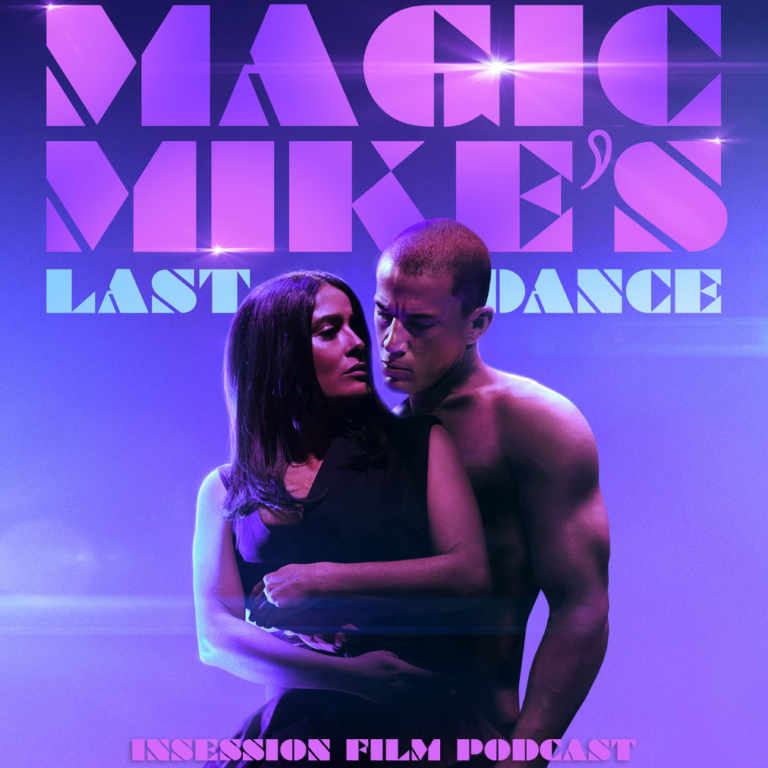
Podcast Review: ‘Magic Mike’s Last Dance’

On this episode, JD is joined by Megan Kearns of the Spoilerpiece Theater Podcast to discuss Steven Soderbergh’s latest in Magic Mike’s Last Dance!

Review: Magic Mike’s Last Dance (3:17)
Director: Steven Soderbergh
Writers: Reid Carolin
Stars: Channing Tatum, Salma Hayek Pinault

Subscribe to our Podcasts RSS
Subscribe to our Podcasts on iTunes
Listen on Spotify
Listen on Stitcher
InSession Film Podcast – Magic Mike’s Last Dance

Movie Review: ‘Magic Mike’s Last Dance’ is All Eye Candy


Director: Steven Soderbergh

Writer: Reid Carolin

Stars: Salma Hayek, Channing Tatum, Jemelia George

Synopsis: Mike takes to the stage again, following a business deal that went bust, leaving him broke and taking bartender gigs in Florida. Mike heads to London with a wealthy socialite who lures him with an offer he can’t refuse.


It’s hard to describe what perfection looks like. It’s going to be different for each individual person. Yet, what is the same for all of those that seek it is a meticulous drive. There’s something beautiful in that process of seeing the “aha” moment and then a translation of it in the final product. Steven Soderbergh loves to delve into the minutiae of planning and into a craftsperson seeking perfection.

This makes sense because Soderbergh is a meticulous filmmaker himself. He’s so meticulous even that he’s chosen to be his own cinematographer, camera operator, and editor; all of which are credited under pseudonyms. It makes sense that such a meticulous filmmaker would be drawn to the Magic Mike story. Mike is a person who cares deeply about what he does no matter what he does. He’s measured, thoughtful, and passionate. As much as Magic Mike’s Last Dance is about tease, titillation, and a terrific… climax, it’s a story about people with vision.

And what a vision it is to see so many beautifully sculpted men. These dancers are just phenomenal. Soderbergh knows just the angles to bring out the best of each sequence. Even the rehearsal scenes and the audition scenes are beautiful to watch. Yet nothing compares to Mike himself. The opening sequence will make you fan yourself. The closing sequence might push you to the verge of tears with its beauty… and then make you fan yourself with its daring.

All the sequences of the show they put on within the film are a part of the Magic Mike stage show, but the closing sequence is a real cinematic experience. While the dance progresses, we achieve our emotional catharsis. Between hoots of the crowd, are edited scenes of the emotional arc of the film and they are made to match the intimacy and beauty of the original lap dance. It’s a superbly created sequence that shows the density of feeling throughout the film.

That emotional arc wouldn’t have worked as well as it did if not for the powerhouse presence of Salma Hayek. She breathes fire and passion into Max, imbuing her with an indomitable spirit, until she shows us Max’s vulnerability and soft side in devastating detail. Hayek brings her ferocious talent to Max and it’s invigorating to watch.

Though stripped of its bros and wolf whistles, Magic Mike’s Last Dance is just O.K. The script leaves a lot to be desired. More often than not it feels like Reid Carolin’s script was a rough outline and they rewrote everything on the fly. It makes a lot of scenes uneven and stilted. Without a constant stream of dance all we have is a very ho hum relationship drama. It’s good that Mike is a fully realized character, but it would have been better served with a more interesting story.

Soderbergh has elevated the Magic Mike franchise beyond where it ever needed to be. He’s a filmmaker who throws himself into projects and with this film he proves that to be too high minded about what you express yourself with is to miss out on something that can bring joy to another person. Magic Mike’s Last Dance is a fun time at the theater, especially if the crowd gets into it. Bring the people in your life who like the eye candy and who aren’t afraid to be teased. It’s a film not to over analyze, but to appreciate that a craftsman put everything into making it.

Grade: C


Movie Review: ‘Shotgun Wedding’ Is One Reception to Avoid


Director: Jason Moore

Writer: Mark Hammer

Stars: Jennifer Lopez, Josh Duhamel, Jennifer Coolidge, Cheech Marin, Lenny Kravitz. 

Synopsis: Darcy and Tom gather their families for the ultimate destination wedding but when the entire wedding party is taken hostage the bride and groom must save their loved ones–if they don’t kill each other first.


The red flags were on Shotgun Wedding as soon as Lionsgate sold the film to Amazon Prime Video in March of last year. And after seeing it, yeah, it’s as bad as you think a January slapstick comedy is going to be. There are a couple of entertaining moments that are bound to “break the internet,” but most of the film is a lame, tired, and cinematically unengaging comedy in which most of the plot is seen a mile away and its main drive, the stars, and the action scenes, are boring to watch. 

Jennifer Lopez has always been the one to star in comedies with a zany plot, but most of them have failed (Gigli, anyone?). While it’s not as egregious as that, Shotgun Wedding is still filled with so many clichés that it’s hard to engage yourself in anything that’s going on. But Lopez does have decent enough chemistry with Josh Duhamel, who is arguably the best part of the whole thing. The two are getting married on an Island in the Philippines. However, on the day of the wedding, Darcy (Lopez) gets cold feet. But a more pressing problem arrives when Pirates overtake the island and take the entire family hostage. 

It’s now, of course, up to Darcy and Tom (Duhamel) to repair their wedding and save the entire party. Of course, there will be some friction happening between the two before the wedding day, and the entire adventure on the island as they try to rescue the hostages will be a guise to reconcile their differences, come together to save the day, and get married. As soon as it starts, you know how it’ll wrap up. And even if there’s a plot twist that tries to spice up things near the end of the movie, it arrives too little too late and unfortunately doesn’t provide the depth it needs to make the film more fun, or at least more engaging. 

It also doesn’t help that most of the film is unfunny – there’s a lot of crass slapstick humor that’s used to make the audience laugh, but none of it works. Lopez isn’t funny, and her comedic timing does not work, alongside Duhamel who seemingly has the most fun among the bunch, even though the material he receives is poorly written. As much as audiences enjoy Jennifer Coolidge’s contributions to The White Lotus which have dubbed her an icon, she plays her character exactly the same way here, and her schtick gets tiresome extremely fast. It’s not her fault – it’s the screenplay’s fault. Everyone, as talented as they are, spew the most predictable and unengaging lines. So even if they want to give earnest performances, the material gets hampered amazingly quickly that they’re unable to hold our attention. 

The same can be said for the action scenes. In an action comedy, you want the action to balance out the comedy on display, and the action scenes to be funny in themselves. There’s one effective physical gag that I won’t spoil, but the rest of it is amazingly standard, sloppily edited, and contains poor CGI. Our suspension of disbelief isn’t there, and there’s practically no catharsis. The R-rating should allow the movie to craft some bloody and creative action (isn’t that the point of a film titled Shotgun Wedding?), but none of it is interesting, even when Coolidge grabs a machine gun and starts firing at everything everywhere. 

This year, January has been quite good to us, with films like M3GAN, Plane, Searching, and Pathaan. I thought for once that “the dumping ground of movies” no longer exists. However, it seems that the “bad” January movies will now be relegated on streaming services, as the good ones will be released in theaters. If that’s the case, that means the tide has turned, and for the better. Here’s hoping that Shotgun Wedding will not be remembered by virtually anyone in a few days from now, and be buried in Amazon Prime Video’s ever-evolving algorithm. 

Grade: D-


Movie Review: ‘House Party (2023)’ Can’t Live Up to the Exuberance of the Original


Director: Calmatic

Writers: Jamal Olori, Stephen Glover

Stars: Jacob Latimore, Tosin Cole, LeBron James, Kid Cudi

Synopsis: From New Line Cinema comes your VIP ticket into the hottest event of the year: “House Party,” the remix to the fan-favorite ’90s classic.


From the very minute Calmatic’s House Party starts, there’s a glimmer of hope. The old New Line Cinema logo appears to signal how this movie will throwback to Reginald Hudlin’s 1990 original. And while there are a few callbacks to that film, the 2023 version also impressively stands on its own as a modern reimagining of House Party. However, by doing so, the filmmakers strip the sole thing that made the original great in favor of extensive physical comedy and crass jokes that don’t work. 

The first House Party is a masterpiece. It keeps its celebration simple, while focusing on the characters that populate its world. That’s why, when Kid n’ Play (Christopher Reid and Christopher Martin) dance off against Sydney (Tisha Campbell) and Sharane (A.J. Johnson), there’s a sense of spontaneity in their dance, and in the way the sequence is shot and choreographed. It naturally feels exuberant and fun to watch, and it’s part of the reason why the film is so significant. 

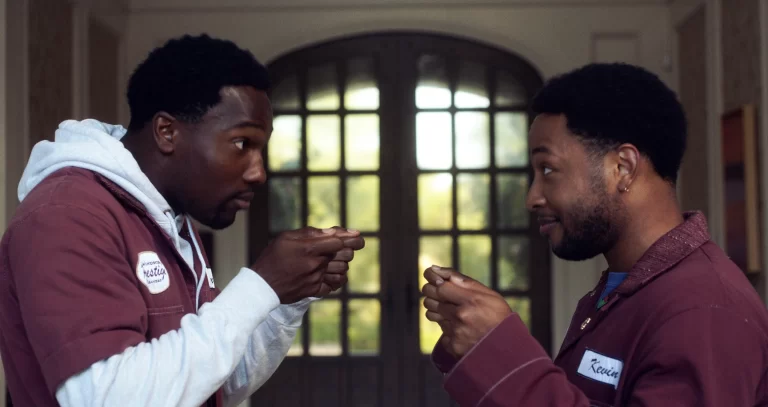
The sequels weren’t so great because they forgot to keep everything simple. It was all about “bigger” and “better,” and it wasn’t so much better. Given the signal of the original logo, you’d think that Calmatic understands that the best House Party is the one that starts out “small,” and gets more rowdy as the celebration reaches the middle of the night. But he immediately wants to make it over-the-top by having their protagonists, Kevin (Jacob Latimore) and Damon (Tosin Cole) host their party at LeBron James’ house. That means that there will surely be massive cameos from high-profile celebrities, including, of course, LeBron himself. 

LeBron’s house is, obviously, massive, which means that their party isn’t small, or simple. It needs to be as flashy and epic as possible, which hinders any attempt at reimagining what made the original great in a way that celebrates and expands upon it. 

There are too many scenes in which the focus is on the scope of the party, rather than the characters themselves. Here’s Vic (DC Young Fly) smoking weed with Lena Waithe and a puppet Koala (in this case, practical effects are far more effective than CGI), who then goes on an attack rampage when Damon gets beaten up by the film’s bullies. Calmatic retains two things from Hudlin’s original: the bullies and the dance-off, and both of them aren’t very good. First, the bullies don’t possess Full Force’s comedic skills (the writing is also pretty terrible, but that’s another problem), especially regarding physical comedy. Plus, They’re nowhere near as quick-witted as Full Force. 

Secondly, the dance-off misses the boat on why the 1990 film’s version was so special. Instead of, again, keeping it simple, Tinashe shows up and starts to dance with the protagonist. That removes any attempt at capturing the essence and exuberance of the 1990 film’s dance battle, even if that includes inserting Kid ‘n Play’s famous kick step. Speaking of Kid n’ Play, in behind the scenes videos of the movie, Calmatic explained that “You can’t have a House Party without Kid ‘n Play.” While that may be true, the way he integrates Kid ‘n Play into the story may be the most eye-rolling cameo of the year. 

In actuality, the ending of this movie comes out of nowhere. I won’t spoil it, but whoever thought it was funny should never make a film ever again. It renders the whole experience completely offensive, and strips away everything that made the first film so great in favor of gross-out jokes, shock humor, and badly delivered lines that reference our current era instead of something as smart and quick-witted as the original House Party, and, to some extent, its sequel. While imperfect, House Party 2 still managed to convey a positive message by the film’s end, compared to whatever happened in its subsequent sequels. As much as House Party (2023) wants to celebrate the House Party (1990), it’s as mean-spirited as House Party 3 and House Party 4: Down to the Last Minute. And that’s not something you want to compare your film to. 

Grade: D+

Women InSession: Amy Adams (Part 2) – Episode 25

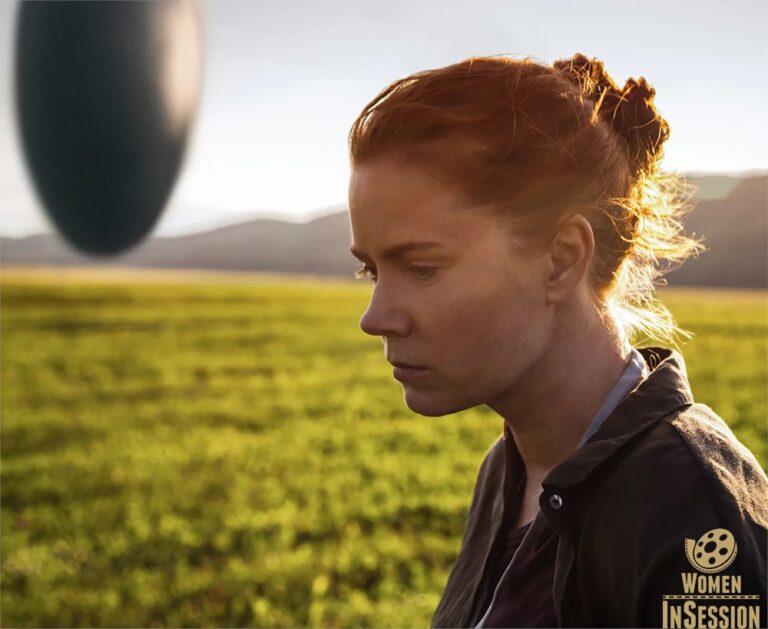
This week on Women InSession, we continue our deep dive into the great Amy Adams, this time talking more about her dramatic and awards work.

Panel: Kristin Battestella, Amy Thomason, Shadan Larki, Erica Richards

On that note, check out this week’s show and let us know what you think in the comment section. Thanks for listening and for supporting the InSession Film Podcast!

– Music

The Return of the Eagle – Atli Örvarsson

Subscribe to our Podcasts RSS
Subscribe to our Podcasts on iTunes
Listen on Spotify
Listen on Stitcher
Women InSession – Amy Adams (Part 2)

<

[divider]

To hear this Extra Film episode and everything else we do, download our apps on the Amazon Market for Android and the Podcast Source app on IOS devices. The mobile app covers all of our main shows, bonus podcasts and everything else relating to the InSession Film Podcast. Thanks for your wonderful support and for listening to our show. It means the world to us.

Movie Review: ‘Your Place Or Mine’ Thrives on Chemistry


Director: Aline Brosh McKenna

Writer: Aline Brosh McKenna

Stars: Ashton Kutcher, Reese Witherspoon, Tig Notaro

Synopsis: Two long-distance best friends change each other’s lives when she decides to pursue a lifelong dream and he volunteers to keep an eye on her teenage son.


This is a good week for fans of romantic comedies. Despite Magic Mike’s The Last Dance not exactly fitting into this genre, the target audience is similar. The film will occupy theaters, while Somebody I Used to Know (Prime Video) and Your Place or Mine (Netflix) will take care of home viewings. The latter puts Aline Brosh McKenna (writer of The Devil Wears Prada) in the director’s chair for the first time in her career, just like Ashton Kutcher (Vengeance) and Reese Witherspoon (A Wrinkle in Time) who had never worked together before.

The evolution of streaming has allowed for an increase of rom-coms, something that, like everything else in the movie industry, has its benefits and drawbacks. The constant influx of narratives of this type dampens enthusiasm for new films, giving the impression of simply rewatching the same story with different characters and actors. However, there are so many opportunities nowadays that, eventually, movies emerge that warrant all the attention in the world. Your Place or Mine doesn’t quite reach that point and doesn’t escape the predictable genre boundaries, but it manages to avoid some formulas that are often overused.

Honestly, I don’t remember a rom-com where the protagonists rarely spend time together. In Your Place or Mine, Debbie (Witherspoon) and Peter (Kutcher) don’t even share five minutes of screentime with each other… physically. The first reaction to this observation raises, as expected, a lot of questions. How can viewers care about a potential love affair between two characters who have virtually no interaction with each other in person? Is it even possible to get emotionally invested in Debbie and Peter if one never sees them together for most of the film?

Surprisingly, the answer is “yes”. McKenna presents and develops the profound friendship of the protagonists through several phone calls, which, theoretically, have every opportunity to go wrong. However, with excellent editing and camera work, Your Place or Mine splits its screen in half, showing Debbie and Peter living their individual lives in distinct places while communicating with each other, as opposed to the typical cut-line-cut in this kind of situation. In addition to being a clear sign of how close they are emotionally, that line in the middle becomes less and less visible to the viewer.

I believe the chemistry between Witherspoon and Kutcher is fantastic, but in Your Place or Mine, the actors must convince the audience that their characters are unquestionably in sync without actually acting off of each other… and they succeed. Debbie and Peter have moved on with their lives, but their 20-year friendship is marked by constant contact and concern. McKenna’s script may follow an extremely predictable path with character arcs seen a thousand times before, but her storytelling method is both smart and captivating.

The rest of the cast also stands out. Tig Notaro and Zoë Chao bring a lot of humor to more uneventful moments, but it’s the young actor Wesley Kimmel who impresses with a very mature performance. Despite McKenna’s “tricks” – she demonstrates much potential as a director – Your Place or Mine is nothing more than an “auto-pilot experience”, that is, there’s no exciting phase or a riveting moment to stun viewers. It’s a light, inoffensive viewing, but also not particularly memorable or impactful.

Furthermore, Your Place or Mine lacks a more innovative message. Formulaic narratives and generic developments are one thing, but a movie’s essential message must always have an impact. “It’s never too late to go back” or “we should enjoy every second of our lives” are phrases with their due importance, but they feel underwhelming in the context of the story, especially when Debbie is a single mother of a boy with several health issues – which, surprisingly, never have any kind of impact on the course of the film – and Peter is a man who has been with dozens of women.

Your Place or Mine is a more than satisfying rom-com. Aline Brosh McKenna manages to elevate the genre’s narrative formulas with her personal, intelligent storytelling, offering an unusual point of view for the emotional growth between two protagonists separated for practically the entire runtime. Reese Witherspoon and Ashton Kutcher deliver good performances, along with the rest of the amusing cast, taking advantage of the long takes to flex their acting muscles. Predictable and lacking memorable messages, but I couldn’t recommend it more for fans of the genre.

Grade: B-

Movie Review: ‘Full Time’ is an Endearing Portrayal of a Working-Class Woman


Director: Eric Gravel

Writer: Eric Gravel

Stars: Laure Calamy, Anne Suarez, Geneviève Mnich

Synopsis: Julie finally gets an interview for a job where she can raise her children better only to run into a national transit strike.


Almost two years after its premiere at the 2021 Venice Film Festival, Eric Gravel’s sophomore feature, Full Time (À Plein Temps, in its original French title), is finally here. The film is a moving and empathetic portrayal of slowly deteriorating working-class life. It plays like a thriller on occasion while remaining grounded in its dramatic sensibilities, anchored by a striking Laure Calamy in the lead role, who received a César nomination for her performance. 

Full Time (À Plein Temps) follows a single mother of two kids named Julie (Laure Calamy), who lives in the suburbs of Paris but comes and goes into the city for her job as a chambermaid in a five-star hotel. She’s having a hard time balancing her work and home life due to her struggles in making ends meet. Julie is waiting for her ex to pay alimony, and she doesn’t see her children, as the nanny takes care of them while she’s working. This isn’t the ideal situation in which she wants to be. Her constant sway from the suburbs to city life while dealing with other issues in her personal life has a toll on her. But she’s a warrior. Julie doesn’t give up that easily. She holds her head high and posture straight as she prepares for another hectic day. However, a double-edged sword of hopefulness arrives. 

One side comes in the form of a job opening at a marketing firm, which would suit her skills better than her current occupation, as Julie has a master’s degree in economics. The second side is the one that will hurt; a citywide transit strike is called into action, causing delays in her travels because she’s dependent on public transportation to get to work and back. This is where the thrilling aspect of the film’s narrative arrives. Director-screenwriter Eric Gravel shoots these scenes where Julie is running from her job to the interview or home like a chase movie, sometimes with a pacing that resembles the energetic Tom Tykwer’s Run Lola Run (1998). These nine days the film sets itself in are equally stress-inducing, saddening, and filled with hope. One minor disruption in Julie’s life paves the way for an eventual crash. The intensity of her crises increases, developing detrimental outcomes in both her work and personal life that she must try to bypass before everything comes crashing down. 

It reminds me of the works of Jean-Pierre and Luc Dardenne, where they authentically capture everyday life while also implementing some exhilarating facets into their stories that give them a rush or kick, seen more profoundly in their latest work, Tori and Lokita. In other films, this approach might take you out of the grounded experience because it switches its tone to create more tension in these daily life situations. Yet, in Full Time, it doesn’t; it causes the viewer stress and anxiety, eventually feeling exhausted, because you believe in the character and wish everything goes right for her. The strive for eventual success fuels her constant motion, whether she’s running from one place to another or asking for rides on the street. This happens mainly because of Laure Calamy’s terrific compassionate performance and the film’s sharp screenplay. 

Gravel captures these situations, the trials and travails of a working class citizen, with empathy and care for the character, to the point where we begin to think that it is a documentary or a film based on actual events. The events that transpire throughout Full Time’s entirety have happened to many people worldwide. It feels as if the world doesn’t want her to succeed in the end. And it actually does not. Once you start searching for better and more opportunities, people set you aside because they don’t want you to be better than them. It is impossible to live in that manner, and the film brings those struggles to life, like Julie trying to celebrate her son’s birthday party with little to no money or time or trying to get to her interview in time. The miserable life of working a draining job while trying to maintain the world around you intact without collapsing is something that many of us might have experienced in one way or another. 

Full Time is one of the few movies that captures such a sensation of haste and vigor properly, with the exact amounts of suspense and pressure we might experience if it happened to us. Like in his previous film, Crash Test Aglaé (2017), Gravel shines a light on social topics centering on working-class women. However, unlike his other movie, he elaborates on those topics in a more touching and detailed way that captures the viewer’s heart. While it may have some slight problems as everything is going downhill for Julie, the film always remains captivating and relatable. 

Grade: A-

Part-Time Love: Films Of Fleeting Passion

For Valentine’s Day, or Singles Awareness Day for those who are alone (Hi, ladies), I wanted to take a look at films where love is short-lived for various reasons. There are many films that fit the criterion for this subject; my decision was which ones should be highlighted and from different countries, something much easier said than done. I could probably come up with twenty films of this kind, including some surprising ones. Here are a few of these films with Stevie Wonder’s, “Part-Time Lover.” 


Brief Encounter (1945)

David Lean’s first great film, before his epic era, tells about a middle-class woman whose marriage is plain and finds some spark running into a physician at a train station. However, both know that beginning a new life together isn’t possible as both cannot just leave their families. Celia Johnson and Trevor Howard are both striking as would-be lovers in Lean’s adaptation of a Noel Coward play. The consciousness of the time and consequences are much too great, but even then, we feel for the woman in particular because for once there is a fantasy of rekindling her happiness in love.


The Earrings Of Madame de… (1953)

Arguably the best film from French director Max Ophlus, in this film, Louise (Danielle Darrieux) is an aristocratic woman in the 19th century who is married to a French general, but the lavish lifestyle has caused her to go into debt. Selling a pair of earrings which later causes trouble, she runs into the man who has purchased them, an Italian diplomat (Vittorio De Sica), who becomes smitten with the woman. The rabbit hole of juggling between love and the selling and re-selling of one single pair of earrings climaxes to a duel, anguishing Louise’s desire for a perfectly balanced life with her wealth. 


Nights Of Cabiria (1957)

Federico Fellini’s Oscar-winning drama features his real-life wife Giuletta Messina as a prostitute who is stricken by the love bug but always gets brought down by men who trick her for money. It’s a movie full of heart and Messina moves us as the titular character who just wants a better life and someone who loves her for who she is. Fellini is so good at this with his characters, striking the emotions that add weight to his stories. Cabiria is about the celebration of a single person who is not tied down to just being a streetwalker, but someone who wants more of life and the basic need of full-time love.  


Last Tango In Paris (1972)

Scandalous upon release, Bernardo Bertolucci gave viewers a negative use for their butter in his shockingly erotic drama of two lovers who use an apartment for their own dalliances. Marlon Brando is an American ex-pat reeling from the suicide of his wife while Maria Schnieder is a young woman engaged to a filmmaker. They remain anonymous during their carnal adventures, content that had never been seen before on the big screen. It was even under Italian prosecution for obscenity charges, which convicted Bertolucci and gave him a suspended sentence. Fifty-one years later, it still shocks. 


In The Mood For Love (2000)

I don’t think one can say enough about Wong Kar-wai’s sensational, seductive masterpiece. The layers of emotion built into this story make it his best work to date. It’s the opposite of Last Tango; the room the two jilted spouses (Tony Leung and Maggie Cheung) rent is not for sex, but to discuss each other and their feelings. The sense of connection is obvious, but the two will not go where their spouses have gone. The score and lush cinematography provide a haze of sensuality to an era, 1960s Hong Kong, which was still conservative. It is a moving story and  piece of art that could only be made by Wong Kar-wai. 


Unfaithful (2002)

Adrian Lyne had done similarly themed films in Fatal Attraction and Indecent Proposal. In this erotic thriller with Diane Lane (in an Oscar-nominated role) and Richard Gere, a woman finds herself having a passionate affair with a younger man (Olivier Martinez) while her husband begins to suspect something isn’t right. It is both carnal and steamy how Lane and Martinez get together and dare the audience to watch them make love, as Gere is the anguished husband whose moment of anger completely shatters the love triangle.


Follow me on Twitter: @brian_cine (Cine-A-Man)