Home Blog Page 99

Movie Review: โ€˜Fly Me to the Moonโ€™ Just Barely Gets Off the Launchpad


Director: Greg Berlanti
Writer: Rose Gilroy
Stars: Channing Tatum, Scarlett Johansson, Woody Harrelson

Synopsis: Sparks fly in all directions as marketing maven Kelly Jones, brought in to fix NASAโ€™s public image, wreaks havoc on Apollo 11 launch director Cole Davisโ€™ already difficult task of putting a man on the moon. When the White House deems the mission too important to fail, Jones is directed to stage a fake moon landing as backup, and the countdown truly begins.


That Greg Berlantiโ€™s Fly Me to the Moon was originally intended to be a direct-to-streaming release makes some sense, actually. A high-concept, low-stakes romantic dramedy about the Space Race and what it must have been like to work for Richard Nixon, itโ€™s the sort of project that those prone to the daily brainless scan of Netflixโ€™s library would lap up in a heartbeat. As for how it might fare on Apple TV+, where it will inevitably land once its unexpected theatrical run concludes sometime this summer, itโ€™s likely that it will fit right in. One can already imagine the โ€œOut of This Worldโ€ banner, branding the streamerโ€™s oddly-copious selection of space-related programming, from its slew of science-fiction duds to For All Mankind, and even The Morning Show. (Why they sent Reese Witherspoon to space is something I refuse to try to understand. Best you do the same.)

Despite the similarities to normal streaming fare, it rises above this. Fly Me To The Moon is better written, better staged, and starring better performers than any of those often-schlocky offerings typically bother to bring to the table. Perhaps thatโ€™s why test audiences โ€“ all of which saw it on the big screen as Berlanti and his crew showcased their work to gauge whether it could play well in a theater โ€“ loved it: Not just for its humor and its romance, but for its originality. The director and producer himself even told Variety that his testing audiences wanted to see an original movie: โ€œEven though itโ€™s obviously historical fiction, itโ€™s an original story wrapped around that,โ€ he said. โ€œThey didnโ€™t know what was going to happen in a way in the movie and that was so fresh for them.โ€

Of course, itโ€™s worth considering that this interview was 1) published in a Hollywood trade, and 2) skewed quite positive; had an audience member waltzed over to Berlanti and told him to shove his movie where the moon doesnโ€™t glow, we wouldnโ€™t read about it, least of all in Variety. But no matter how rave the reviews Berlanti received really were, Fly Me to the Moon will launch its theatrical run on July 12, despite it already having had a peculiar roll-out ahead of that official release date. On July 1, both the AMC and Regal theater chains screened the film as part of their recurring five-dollar mystery movie seriesโ€™; then, on July 5 and 6, it landed in theaters again, this time for a few โ€œearly accessโ€ screenings. It appears that Apple hopes to rake in as much cash as possible at the box office, given the gamble it took to put the movie in theaters. That is, if you can really call a movie starring Channing Tatum, Scarlett Johansson, Woody Harrelson, and others a โ€œgambleโ€. 

Really, nothing about it is very risky. It begins with an over-edited slog of a newsreel that hands us our sense of time and place on a silver platter, a far-too-standard and grossly tired habit that historical dramas tend to employ nowadays. Blink-and-youโ€™ll-miss-them snippets tell us that John F. Kennedy is the President of the United States, with Lyndon B. Johnson and Nixon following suit, and that all any of them want to do is make sure that American astronauts arrive on the moon before the Russians. Once we finally cut away from a montage that might as well have been an advertisement for the Adobe Suite, we meet Cole Davis (an exhaustingly straight-faced Tatum), an ex-pilot turned NASAโ€™s hard-working, tirelessly focused launch director for Apollo 13. If Cole hates anything more than lying and disorder, he hasnโ€™t found it yet, so itโ€™s only fitting that Kelly Jones (Johansson) should enter his life when itโ€™s at its most stressful peak. Sheโ€™s a marketing maven, one who is talented enough to sell a sports car based on its seatbelt, thus making her the ideal choice to persuade politicians and the public alike that going to the moon is worth the cost.ย 

This duoโ€™s meet-cute at the local diner gives the film one of its dueling threads, while what ensues in the aftermath of Kellyโ€™s sudden hiring provides the other. The mutual attraction between the two is evident, and itโ€™s not all that hard to believe in, given that Tatum and Johansson are the actors tasked with inhabiting these roles โ€“ though they are hard to believe as late-โ€™60s NASA employees from an aesthetic perspective. But there is a constant air of antagonistic tension; Cole prefers stability, and Kelly is a natural-born disruptor. Sheโ€™s here to โ€œsell the moon,โ€ while heโ€™s there to ensure that three men can get there and back safely. That Cole was the launch director on Apollo 1, NASAโ€™s initial attempt to get a man on the moon, doesnโ€™t help matters in regards  to Kellyโ€™s cavalier attitude; that missionโ€™s Command Module caught on fire during a launch rehearsal test and killed the three astronauts inside, a tragedy Cole blames himself for and canโ€™t move past. His best hope? Apollo 11โ€™s success.

About that: While Kelly was initially hired to nab endorsement deals that would help fund this mission and to convince the country to support it, her duties eventually evolve as the governmentโ€™s top brass grows more wary that Apollo 11 will be the success NASA seems to believe it will be. That she isnโ€™t who she says she is โ€“ a stab at character development that feels both out of place and underbaked, yet looms large nonetheless โ€“ gives Moe Berkus, a mysterious government agent played with giddy aplomb by a paycheck-hunting Woody Harrelson, enough ammo to task her with the ultimate con. โ€œProject Artemisโ€, named after Apolloโ€™s sister, is presented a little over halfway into the movie, but itโ€™s what the filmโ€™s trailers sell even more than the Cole-Kelly romance: A staged moon landing to broadcast in the event that things 240,000 miles away go awry.

Needless to say, this is not something Cole would go along with nor appreciate, so Kelly opts to hide it from him, unfortunately leading to occasional scenes where Fly Me to the Moonโ€™s two most captivating characters donโ€™t share the screen. Which would be disastrous if not for Ray Romanoโ€™s Henry Smalls, Coleโ€™s lovable right hand man whoโ€ฆ is just Ray Romano (about which Iโ€™m not complaining), and Jim Rashโ€™s Lance Vespertine, the Kubrick of commercials who Kelly hires to direct her faux moon landing. Rose Gilroyโ€™s script does its best to give the principal players their due, and thankfully, itโ€™s not all one-liners and trailer bytes. Thematically and tonally, this thing might be all over the place โ€“ its political subtext is just as forced as Kellyโ€™s secretive arc and Coleโ€™s grief, though at least the latter should give audiences something to root for, despite the face that they know about the success of the moon landing before the opening titles roll โ€“ but it does have its finger on the pulse of something fresh and original. Even if the desire to grasp originality often manifests itself in the form of corny pastiche, it makes an attempt at being unique, which is more than most theatrical offerings can say these days.

When Kelly first sets foot on NASAโ€™s Florida campus, Cole is dismissive, his opinion that sales is a trade built on deceit muddling his view of how Kellyโ€™s craft could aid operations on his side of the street, not detract from them. โ€œDonโ€™t take him personally,โ€ she is told. โ€œPilots fight gravity. Itโ€™s part of their nature.โ€ Fly Me to the Moon seems to be doing a similar thing, making a constant effort to keep the mood up among the clouds despite some of its more dour moments. Even as the lines between the characterโ€™s motives and emotions begin to blur, with everything becoming significantly more complicated in both a professional and a romantic sense, the film doesnโ€™t seem to know how to show it other than by having whoever is on screen display a long face while a downbeat score from Daniel Pemberton drones on in the background. 

Thereโ€™s a difference between a film that is never short on charm and one that relies on it to the point where itโ€™s worthy of the worldโ€™s longest eye roll. Fly Me to the Moon falls somewhere in the middle. Yes, it features quotes that would befit an inspirational poster in your seventh-grade English classroom โ€“ โ€œI donโ€™t think our sad stories are supposed to teach us how to survive the world. I think theyโ€™re supposed to teach us how to change itโ€, etc. Itโ€™s also an ungodly 132 minutes long, inappropriate for plenty of movies and especially bloated for a film that spends most of its runtime careening towards inevitable resolutions to its pair of central narratives. 

But as a project that proudly wears its M.O. on its sleeve, itโ€™s a simple crowd pleaser that aims to be nothing more, nothing less. Watching it reminded me, in a way, of The Big Picture podcast host Sean Fennesseyโ€™s recent Letterboxd review of Jaws: โ€œWatching this movie is like getting a base hit,โ€ he wrote. โ€œItโ€™s so pure, specific, and finite. But while itโ€™s happening, youโ€™ve never been happier and you never want it to be over.โ€ Now, Fly Me to the Moon is hardly Jaws, nor is it remotely as exciting as getting a base hit. But a walk โ€“ even a hit-by-pitch โ€“ still counts towards on-base percentage. If youโ€™re lucky, you might even make it home with a smile. 

Grade: C+

Podcast Review: MaXXXine

On this episode, JD and Brendan are joined by Gerald Morris of Two Peas on a Pod to discuss Ti West’s latest film MaXXXine! We are huge fans of X and Pearl, so there was a lot of excitement about MaXXXine and how it could crystalize this horror trilogy. However, for reasons mentioned, it didn’t quite hit the mark.

Review: MaXXXineย (4:00)
Director: Ti West
Writers: Ti West
Stars: Mia Goth, Elizabeth Debicki, Moses Sumney

Subscribe to our Podcasts RSS
Subscribe to our Podcasts on iTunes
Listen on Spotify
Listen on Stitcher
InSession Film Podcast – MaXXXine

Episode 593: All the King’s Men

This weekโ€™s episode is brought to you by Koffee Kult. Get 15% OFF with the code: ISF24

This week on the InSession Film Podcast, we round out the 1940s of our Best Picture Movie Series as we discuss Robert Rossen’s 1949 winner All the King’s Men! Plus, some discussion on the Miami Vice discourse and we rank the ten Best Picture winners of the 1940s.

Check out this weekโ€™s show and let us know what you think in the comment section. Thanks for listening and for supporting the InSession Film Podcast!

– Miami Vice Discourse (0:35)
Last week, as you all may know, friend of the show Brandon Streussnig sent out an earnest post (on Twitter) about watching Miami Vice with his girlfriend. Somehow, though, it turned into a wildfire with one user going crazy over the fact that someone might love that film. We, of course, had to talk about it given how much we love Michael Mann and our infamous review of Miami Vice here on the show.

– Box Office / F1 Trailer (28:43)
As we’ve been doing this summer, we continued to talk about whether the (box office) parade is on or off after the release of Despicable Me 4 and a few others. The outlook after May was bleak, but theaters have rebounded in a big way since then and we’re hopeful that Twisters can carry that momentum next week. We also wanted to talk about the F1 trailer as it looks promising, even if it is familiar to Top Gun: Maverick.


RELATED: Listen to Episode 516 of the InSession Film Podcast where we discussed our Top 10 Movies of 2023!


– Best Picture Movie Series: Ranking the 1940s (51:25)
Before we round out the 1940s in our Best Picture series, we wanted to offer up our rankings of the ten films we’ve covered thus far and quickly discuss how well The Academy did for what was a pivotal decade in U.S. history.

– Best Picture Movie Series: All the King’s Men (50:59)
We continue our Best Picture Movie Series in the 1940s with Robert Rossen’s 1949 Oscar-winning film All the King’s Men! This is a film that had the potential to be an all-timer when you consider its timeless, and still very relatable, messaging. However; it equally demonstrates why execution is important because it is a giant mess in terms of editing and storytelling. You still have to admire that The Academy went for something so deeply cynical. 

– Music
In the Air Tonight – Nonpoint
All the King’s Men – James Horner

Subscribe to our Podcasts RSS
Subscribe to our Podcasts on iTunes
Listen on Spotify
Listen on Stitcher
InSession Film Podcast – Episode 593

Next week on the show:

Something Twisters Related

Help Support The InSession Film Podcast

If you want to help support us, there are several ways you can help us and we’d absolutely appreciate it. Every penny goes directly back into supporting the show and we are truly honored and grateful. Thanks for your support and for listening to the InSession Film Podcast!

VISIT OUR DONATE PAGE HERE

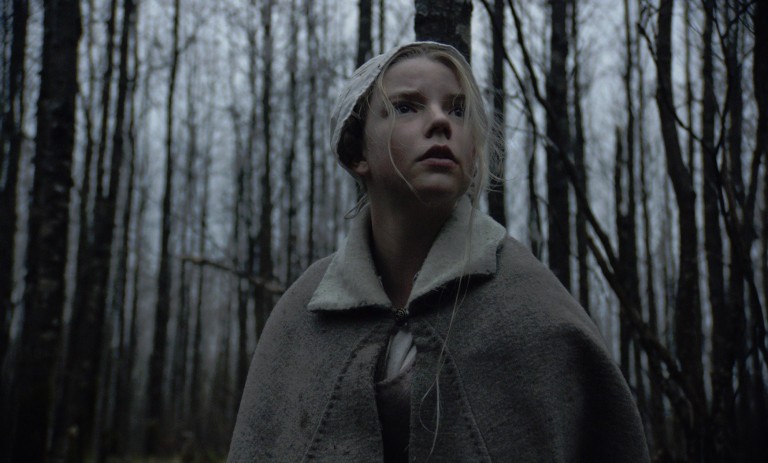
Women InSession: Anya Taylor-Joy

This week on Women InSession, we discuss the greatness of Anya Taylor-Joy and how she compares to some of her peers! She’s a great actress with an amazing resume and we’re excited for what she has in store in the future.

Panel: Kristen Battestella, Zita Short, Will Bjarnar

On that note, check out this week’s show and let us know what you think in the comment section. Thanks for listening and for supporting the InSession Film Podcast!

Subscribe to our Podcasts RSS
Subscribe to our Podcasts on iTunes
Listen on Spotify
Listen on Stitcher
Women InSession – Episode 92

Interview: ‘Longlegs’ – Osgood Perkins, Maika Monroe, Blair Underwood, Alicia Witt

Thereโ€™s been much talk about Osgood Perkinsโ€™ Longlegs in the build-up to its release. The hype placed upon the shoulders of this film has been massive, in large part thanks to the brilliant marketing campaign that has run for months. But external materials aside, who wouldnโ€™t be excited for this? It has a stellar cast, was helmed by a well-established horror writer/director, and seemed genuinely frightening. Upon seeing the film, I could only describe it as being evil. It lingered in my mind for days, and luckily, the terrifying imagery of this film was burned into my mind when given the opportunity to interview some of the people that worked on the film. Longlegs is most certainly a film that will burrow its way into your brain, but to hear the different interpretations of the film and the characters themselves proved this is a film that doesnโ€™t go down easy, and itโ€™s all the better for it.

โ€”โ€”โ€”โ€”โ€”โ€”โ€”โ€”โ€”โ€”โ€”โ€”โ€”โ€”โ€”โ€”โ€”โ€”โ€”โ€”โ€”โ€”

Alex Papaioannou 

What terrified you most about Longlegs?

Osgood Perkins 

Nothing terrifies me.

Maika Monroe 

[Laughing.] Nothing.

OP

Nothing terrifies me about Longlegs. I think Longlegs is sad. For the character himself, I think he’s sad. Human. Funny. Weird. Grotesque. I have a certain level of sympathy. I know it’s a weird thing to say. But if you’re not sympathetic to your monster, it’s a little bit of a weird dynamic. If I think the monster is just monstrous, it’s going to end up being pretty flimsy. So I tried to see past all that, and tried to find the person under all of it.

MM

Hmm. Yes, you did.

OP

I did!

AP

Maika, a lot of the film has you acting either in these very wide open, empty spaces, or claustrophobic locations. So what do you channel when performing against essentially nothing, your scene partner basically being the specter of horror?

MM

A lot of people have been talking about the cinematography, which, obviously, when I saw the film for the first time, I was absolutely blown away. The film is so beautiful. The shots of how wide it gets makes you have this eerie feeling. It does all the things! But as the actor, I never ask about it when I’m on set and about to film. I don’t need to know how close we are or how far we are. It doesn’t change my performance. I think the set design was amazing. Everything around me was all-consuming, and I just tried using all of that to my advantage.

AP

When thinking back on this film, it almost feels like it’s evil. So I’m curious, do you have any fun on-set memories to lighten the mood for audiences just coming out of it?

MM

A lot of fun on set! It was fun all the time. [Laughs.]

OP

Being on set is just a good time. I mean, you’re with people who you theoretically like. We’ve been lucky to have good crews and good casts. Nobody’s toxic and nobody thinks they’re special. And at a certain point, it’s just play, right? I’m trying to approach the creation of any of these things like that. Especially with a group of fun, young people. Because everyone’s younger than me now! It’s become a thing where everyone is now half my age. So I just have to deal with that now. But everyone just gets up in the morning to do something that they think is cool. [Smiling.] Sometimes I sort of pit departments against each other. And everybody wants their department to win. It’s not like American Gladiators! Sometimes we like to just go, “Oh, who is the best department this week?” And it always just gets everybody going a little bit.

AP

Longlegs is obviously very scary. What terrified you most about it?

Blair Underwood 

Phew! What terrified me most was, as the character, trying to figure out: How is the crime happening? We know that families are dying, but how is it happening? Is Longlegs involved? If so, how is he involved? Without giving too much away, those are the elements. Those are the questions that I was asking when reading the script initially. And it’s also what was terrifying, and itโ€™s what pulls you in from the first minute up until the end of the film. Just trying to figure it all out. 

AP

And with that sense of the unknown that you’re referring to, I’m thinking of that final scene. Without spoiling it, it’s very shocking. And it’s all there in your face. So what’s going through your mind on that day of filming? 

BU

I just wanted to make sure I struck the right tone. Because Oz put some very fun, tongue-in-cheek lines here and there. But what’s happening on-screen is very, like most of the film, horrific.

AP

As far as I can recall, I don’t think you share any specific scene with Longlegs himself. So looking at the antagonist of the film from a distance, what’s that relationship like? Either while on set, or in your character’s head when performing?

BU

It’s just a great, great mystery from the character’s point of view. But from a creative actor’s point of view, I was just excited to see what Nicolas Cage was going to bring to the role. His was a whole different approach. How the character looks, how the character sounds, how the character feels. All of that just added a whole other layer of excitement to this film, I believe.

AP

You know, your character does have these lighter moments. So how did you balance that when knowing this film goes in such dark directions?

BU

It really is just trusting in the director. Oz directed, but he also wrote the film. Nobody knows like the creator of the film knows what it’s supposed to feel and look like. I tend to give many different options. So I may do something big, and then maybe something more subtle, something small. Then he’ll decide in the editing room what he wants to use. Though I have learned to not go too big, because the craziest thing you do may end up in the film, and that may not be what you want to see committed to film for the rest of your life. [Laughs.]

AP

What terrified you most about Longlegs?

Alicia Witt 

[Thinks for a moment.] I didn’t feel terrified. I was so immersed. And to clarify, this character was so personal and intense in my channeling of her that I have not watched the film. Because I don’t feel this is mine to watch. It was mine to channel, and leave there for you to watch. But I don’t feel the need to see what I did from the outside. So the movie itself, I haven’t experienced. But reading the script, it was all about discovering Ruth. And Ruth lit me up. She lit a fire in my veins, and I longed to play her. So it was the deepest sort of inspiration to be trusted with a role like this. And to have had the privilege of working with a world-class filmmaker, like Osgood Perkins! To me, he’s in a league with David Lynch, or Cameron Crowe, or any of the extraordinary directors I’ve gotten to work with. He’s just as good as any one there is. You trust him fully and you just kind of let go. So I didn’t feel terrified. I felt a sense of deep catharsis from playing this role.

AP

And it’s a wonderful performance. You’re doing a lot of heavy lifting in that final scene. So what was going through your head on set that day?

AW

Much like with all of the scenes, I let what was inside out. And I trusted that Oz was not going to stop until he got what he wanted. In fact, that finale, when it came time to shoot my coverage, I was provided a safe space. He gave me free reign, but he also let me know every step of the way that he had me. That he wasn’t going to let a scene end until he had gotten what he needed. And he gave me six or seven diametrically opposed directions for my coverage, knowing that I could handle it. That I could provide different versions of what Ruth’s reaction might be, and using parts of all of them. We went from the most intense grief, to crying from the depths of the soul, to fury, to mischief… [Smiles.] To joy! Completely unhinged to reverent. And we did it in such quick succession that I had no time to think. There was no time to question or be left in the previous version. And that was the greatest thrill. It was the greatest tightrope I’ve ever been placed on in my whole professional career so far.

Movie Review: ‘Kinds of Kindness’ is a Giant Step Backwards For Lanthimos


Director: Yorgos Lanthimos
Writer: Yorgos Lanthimos, Efthymis Filippou
Stars: Jesse Plemons, Emma Stone, Margaret Qualley

Synopsis: A man seeks to break free from his predetermined path, a cop questions his wife’s demeanor after her return from a supposed drowning, and a woman searches for an extraordinary individual prophesied to become a renowned spiritual guide.


Yorgos Lanthimos is the director that todayโ€™s audiences point to when seeking out bizarre stories with a unique personality and feel. With each feature he offers, people seem to increase their praise and admiration for the Greek filmmaker, especially after the release of the Golden Lion-winning Poor Things, which put him under a new spotlight that nobody saw coming. I have grown to like him more throughout the years, as I deem his works pre-his collaborations with Tony McNamara to be patience testers lacking humanity. The exception is 2015โ€™s The Lobster, where Lanthimos made a film about society’s pressure on people to conform to normative relationships. The characters felt distanced as usual, yet there was a more emotional touch to them that felt quite gripping. 

McNamara reigned in Yorgos Lanthimosโ€™ absurdist ideas into truly poignant, humanistic concepts to the same degree as they are weird. This division makes the Greek filmmaker the incredible talent that he is. The Favourite and Poor Things have a sense of control and balance between McNamara and Lanthimos; the screenwriter and director came together to unite styles and visions while maintaining eachโ€™s personalities. These works are not bogged down by a necessity to disturb the viewer to the point of disgust or loathing. They provoke thought more so than elicit this kind of reaction. Lanthimosโ€™ follow-up to his โ€˜Frankensteinโ€™ meets Belle de Jour story, Kinds of Kindness, is the complete opposite of what I have described, going back to his unrestrained concepts and unfiltered canvas that diminishes the effects his themes have. 

Co-written by Yorgos Lanthimos and his past collaborator Efthymis Filippou (Dogtooth, Killing of a Scared Deer), Kinds of Kindness is a triptych about the lengths people go through to enrich their human connections. The film tells three stories that interlace thematically yet narratively do not come close to being similar. The only detail that ties them is the appearance of a man named R. M. F. (Yorgos Stefanakos) โ€“ a character treated as a running gag, getting less funny by the hour. Jesse Plemons plays the lead role in all three of them, with the rest of the cast (Emma Stone, Willem Dafoe, Margaret Qualley, and Hong Chau) playing second and third fiddle in this machiavellian orchestra of shock and no awe.

The first story, โ€œThe Death of R. M. F.โ€, centers around a businessman, Robert Fletcher (Plemons), who lives his life the way his boss and lover, Raymond (Dafoe), intends him to. The man has no choice; he must follow the demands of the puppeteer moving his strings, whether it is his dietary habits, what books to read, or the time and date he has intercourse with his partner, Sarah (Chau). The manipulation behind this relationship is more than evident, as we see Robert being forced to shape his life around the likes of a more powerful person. However, Lanthimos wants to demonstrate that this behavior is an act of love, albeit exaggerated to fit the satiric tone. 

He talks about how people sometimes go to great lengths for this kind of devotion and attention, or, in its most minuscule description, โ€œthe crazy things people do for love.โ€ This theme is explored in all three stories. Still, this first one is the most well-observed and fascinating because it focuses on the desperation and hopelessness people often feel when a powerful, passionate relationship collapses. In real life, these scenarios do not tend to play in this manner, where violence, self-harm, and denigration are most apparent. But there is a sense of trying to regain what is lost; we usually donโ€™t appreciate things until they are gone. And Lanthimos, in his usual, unconventional ways, explores that mentality.ย 

The second story, โ€œR. M. F. is Flying,โ€ is a slight reworking of Andrzej ลปuล‚awskiโ€™s Possessionโ€“in my books, one of the best films of all time. In addition, you can also tie Andrew Semansโ€™ Resurrection with this chapter of Kinds of Kindness, where love and death are intertwined with manipulation and devotion. Both films mingle love and death with manipulation and devotion as a couple tries to forge the best version of themselves through abuse and humiliation. Lanthimos and Filippou only manage to scratch the surface of the potential lingering around this story. A police officer, Daniel (Plemons), is holding onto that last brink of hope that his wife, Liz (Stone), will return after her expedition team gets lost at sea. 

Months have passed, and Danielโ€™s mental state is more than fractured. One day, he receives a call that Liz has been found and relocated to the nearest hospital for medical evaluation. Daniel should be ecstatic, totally bewildered that his partner is now back. However, his emotions sour quickly after noticing something strange in Lizโ€™s behavior. Liz eats chocolate and smokes cigarettes, which she didnโ€™t do before. Daniel believes that the person in his house is not Liz. She might be an imposter or a clone sent from another place, ร  la Invasion of the Body Snatchers. So, he questions her identity and subjects Liz to a series of acts to prove her love. It begins with an interesting premise yet rapidly transitions to an array of cheap shock and humorless gags rather than thematic exploration.

This is where Kinds of Kindness started to lose me and annoy me to the point of being exhausted by Yorgosโ€™ childish behavior. He has done some absurd and crazy things in his features involving sex and violence. Most of the time, they add something to the narrative or atmosphere. You can take all those scenes out of the movie, and it leaves plenty of room to curate a broader analysis. This insistence on having those moments feels like a babyโ€™s first attempt at shock. Indulgence and a need to create disquieting imagery are all he has in mind, and the end credit sequence of his chapter confirms such immaturity.ย 

The third (and final) story, โ€œR. M. F. Eats a Sandwichโ€, is about two members of a sex cult, Emily (Stone) and Andrew (Plemons), and their journey to find an extraordinary person who might (or might not be) the savior of the world. This messiah-like figure can bring people back from the dead. The woman they are searching for appears in Emilyโ€™s dreams. The stupor is a recurring, ineffective motif in the film that speaks about the escapist feelings dreams bring and, as a form of nihilism to the characters, the inescapability of their troubled, puzzled lives. Without much explanation, a stranger recognizes Emily and Andrew and provides them with a tip about the whereabouts of this mysterious woman. 

The events leading up to the โ€œis she or is she notโ€ reveal of the woman in Emilyโ€™s dreams as a messiah are all done in a scattered, incredibly messy manner. Each plot strand makes little to zero sense and seems crammed together to make it fit one way or another. Coherence is off the table in this third story. Lanthimos and Filippou struggle to make room for each character without the exercise becoming more laborious. There is one curious narrative thread here between Emily and the family she left behind as a means to escape a toxic relationship for one that is masquerading as healthy. The intrigue is lost when Lanthimos adds an unnecessary scene of assault, removing the little spark of brilliance the chapter had. 

Like all of Yorgos Lanthimosโ€™ works, Kinds of Kindness is ambitious and, in many ways, creative. There is a fascination with big studios giving directors like Yorgos money to do these odd creations that will not attract many viewers outside of those who know of his work. And somehow, his latest one might motivate audiences to seek out his filmography if they havenโ€™t already. Giving complete freedom to a filmmaker known for ingenious provocation has plenty of consequences. What is missing here is the blend of the sadistic and absurd with the humanistic and sensitive, which Filippou does not know how to construct through Yorgosโ€™ mad ideas. 
That is why Tony McNamara is a brilliant writer. He holds the Greek filmmaker back from his pretentious and self-gratifying excess, which allows Lanthimosโ€™ ideas, concepts, and themes to flourish while maintaining his personality. When working with Filippou, he concocts fascinating projects riddled with unnecessary, goading baggage. Kinds of Kindness is not a showcase of his abilities but a project demonstrating his worst, unfiltered tendencies.

Grade: D

Classic Movie Review: ‘Double Indemnity’ Still Brings Genre Conventions Together Perfectly


Director: Billy Wilder
Writer: Billy Wilder, Raymond Chandler, James M. Cain
Stars: Fred MacMurray, Barbara Stanwyck, Edward G. Robinson

Synopsis: A Los Angeles insurance representative lets an alluring housewife seduce him into a scheme of insurance fraud and murder that arouses the suspicion of his colleague, an insurance investigator.


In many ways, the story of early/mid-20th-century America can be told through the prism of the films that comprised the golden age of Hollywood. As America came of age and found its feet as a global superpower, its national growing pains and neuroses were reflected back to us through the lens of this new art form.

The Western represented the frontier spirit and the uncomplicated values of rugged individualism. The musical reflected the unabashed enthusiasm and optimistic spirit of a young country finding its voice. Seen through this prism, film noir gives us a more mature and cynical perspective of the underbelly of the American dream.

Double Indemnity is, for many, the quintessential noir. Celebrating its 80th anniversary this year, it possesses so many of the staples that define the genre: the blonde femme fatale, the moody voice-over of the grizzled protagonist sucked into a life of crime, and of course, the double crosses and that wonderful rat-tat dialogue.

The film follows the fortunes of Walter Neff (Fred MacMurray), an insurance agent bored with his work, who becomes entangled with the trophy wife of a client. Together, they hatch a plan to commit the perfect crime. They will use his detailed knowledge of the insurance industry to construct the murder of her husband, claim the insurance, and run off into the sunset together. However, things do not go exactly according to plan.

Double Indemnity is that rare example of a film that is undeniably a โ€˜genre movieโ€™ in that it strictly adheres to the conventions of the genre to which it belongs. It may, in fact, have the honor of codifying many of those conventions. However, unlike most โ€˜genre movies,โ€™ it is a stone-cold classic and stands up today.

Every element that we associate with film noir is present but perfectly calibrated for maximum effect. It is a film with a dark and moody palette, a score that builds suspense effectively throughout the drama, a tight, near-perfect script, and most of all, some of the most electrifying performances committed to screen.

Barbara Stanwyck as Phyllis Dietrichson, the glamorous and entirely untrustworthy wife, is pitch-perfect as a femme fatale. It is a role that requires the actor to embody the conflicting qualities of vulnerable innocence and craven cynicism, and very few have ever done it better. For the film to work, the audience has to believe that a man could fall in love and be prepared to throw his life away for her in an instant. Her performance, arguably more than MacMurrayโ€™s or Edward G. Robinsonโ€™s, anchors the film.

MacMurray brings a world-weary shrug to his role as Neff, a man who considers himself someone who knows a thing or two about a thing or two, whose world quickly unravels when he discovers that he might have overestimated his capabilities. Throughout the film, he is chased by his friend and colleague Barton Keyes, played with customary panache by Edward G. Robinson, the archetypal character actor chomping on a cigar throughout.


The joy to be found in Double Indemnity comes not from the plot, which is predictable to anyone that has seen any film noir, but in the trappings and genre elements that hang it all together. In spite of the familiarity of its conventions, this is a movie that is still worth watching in 2024.

Grade: A

Classic Film Review: ‘Forrest Gump’ Desperately Needs An Edge


Director: Robert Zemeckis
Writers: Winston Groom, Eric Roth
Stars: Tom Hanks, Gary Sinise, Robin Wright

Synopsis: The history of the United States from the 1950s to the ’70s unfolds from the perspective of an Alabama man with an IQ of 75, who yearns to be reunited with his childhood sweetheart.


In 1994, the Summer blockbuster Forrest Gump not only finished as the second-highest-grossing film of that year – only behind Disneyโ€™s The Lion King – but it also won six of its 13 Oscar nominations, including Lead Actor (Tom Hanks), Director (Robert Zemeckis), and the Academyโ€™s biggest prize, Best Picture. Beloved by audiences and enjoyed by critics, Forrest Gump has remained, for 30 years, one of the most well-known films in history, including some of the most notable characters and stories cinema has ever seen. However, there is a massive issue with not only the film itself and its lengths to be apolitical but also the memory and high praise it still manages to receive today, highlighting the most glaring problem: the sheer reliance on nostalgia.

The film takes place throughout Forrest Gumpโ€™s (Hanks) life, from his childhood to the present day of the film, somewhere in the mid-1980s. The film opens with Forrest sitting on a park bench waiting for the bus. As bystanders sit on the bench with him, he talks and tells his unbelievable life story. As one person leaves, another sits to hear how this man went from having braces on his legs restricting his ability to walk to ultimately becoming involved in almost every major American event during the โ€˜60s and โ€˜70s, including Vietnam, Watergate, Apple, the Bear Bryant Dynasty at the University of Alabama, and providing inspiration for John Lennonโ€™s โ€œImagineโ€ and Elvis Presleyโ€™s iconic dance, among many others.

The nostalgia, as mentioned earlier, makes this film a hard one to critique because today, maybe even more so than in 1994, there is a love and following for this movie that is unwavering. The people who like it LOVE it, while those who donโ€™t, fail to get the appeal. There is nostalgia with the movie itself that reminds people of their childhood, witnessing this film and hearing the never-ending number of quotes for the first time, and for that, I do have to tip my hat to Robert Zemeckis. However, the reality is that Forrest Gump is much like an unseasoned and overcooked steak loaded with enough sauce to fool people into believing they just had a high-quality meal.

Zemeckis struck lightning with what will always be his Opus with Back to the Future and then followed this massive breakout with Who Framed Roger Rabbit?, another fantastic film that blended animation and reality in a way that only Disney had been able to pull off previously. Both films had a sense of wonder and enjoyment; they could tell a good and exciting story without the audience digging too deep into the subtext. The filmmaking might have been pedestrian, but the story and excitement made up for it in the long run. When it comes to Forrest Gump, that sense of joy is lost in a sea of remembrance. There is no style to how Zemeckis shoots this film. Too many scenes are drawn out and dull, and when he attempts to get gritty in situations that could use it, it remains too pristine. I have to be honest; there is enjoyment in viewing certain recreations of historical events with Hanksโ€™ Forrest included in these moments. However, the point practically stops there as these moments become exciting things to look at but nothing to digest. Certain historical circumstances, such as Vietnam and the treatment of veterans both by the government and by the civilians, are overlooked in such a way that leads you to believe youโ€™re watching something that is supposed to skew that history for the masses. Rather than providing any genuine substance to the film, Zemeckis plays it as safely as possible, which mightโ€™ve been the correct answer in the short run. Still, it is unbelievable that in a life as overtly political as the fictional Forrest Gump is, the film manages to be as apolitical as possible.

There is a safeness here that Zemeckis and screenwriter Eric Roth, who I will not blame too much given that this was based on an already established novel, exploit. The audience is lured into this unbelievable life, witnessing all of these extraordinary events, but they arenโ€™t able to ask any questions. The themes that were apparent in the novel didnโ€™t have to be altered too far to make this a much more honest film, but again, the film protected the audience from any of the real darkness that America had seen over the past 30 years. The screenplay was designed to highlight the good and make the bad seem not so bad, such as showing that they had unlimited ice cream and ping pong at the VA hospital when it was already made apparent in the real world how poorly the veterans had it after war injuries. There also were outbursts of political disgust, but they were delivered by characters who had already raised moral questions, such as Jennyโ€™s boyfriend, who hit her. But he did so because he hates the war and the โ€œlying son of a bitch, Johnson.โ€ Itโ€™s a script that finds a way to manipulate the audience into believing that the previous 30 years mightโ€™ve had some rough patches, but everyone is okay in the end.

The performances in this film were also manipulative and problematic as well. Robin Wright as Jenny is a full-on horror show. She endures every stereotype of the โ€˜60s through the โ€˜70s, including wannabe folk singer, showgirl, freedom fighter, hippie, drug abuser, and genuinely any other character trait that could be found during this time. Iโ€™ll give Wright the grace of having to try to pull off so many different personalities, but her character changed so much, and she had no motivation or goals, so it felt like Wright was constantly having to play catch-up. Tom Hanks as Forrest was also hit or miss in terms of performance. Luckily for Hanks, he never went too far down the path of being problematic as he portrayed a character with a mental disability. Still, for the most part, all he had to do was have his character fall into these certain situations with little reaction. It isnโ€™t until the film’s third act that Hanks has a chance to act. When he does, his performance and Alan Silvestriโ€™s magnificent score (one of the sole constant positives throughout the film) become some of the film’s emotional highlights, but you have to get through 2 hours before this comes. Itโ€™s a decent performance with a few highs, but it doesnโ€™t rank anywhere near the top of Hanksโ€™ long list.

The film’s best performance comes from Gary Siniseโ€™s Lieutenant Dan. Lt. Dan is the film’s only character with an actual arc. While he isnโ€™t the main character and only shows up in spurts throughout the film, watching Sinise go through the difficulties of learning the purpose he believed his life had and that this wasnโ€™t how his life was supposed to go was heartbreaking. You see Lt. Dan at his absolute lowest and are with him as he rediscovers himself and has a new meaning for life. There could have been a version of this film that focused on Forrest and Lt. Dan in a post-Vietnam landscape that would have been touching. The friendship between the two and their care for one another is the only palpable relationship in the film. While the third act might have been Hanks’s most emotional of the film, it is in these moments with Lt. Dan that he is at his most natural, thanks mainly to Siniseโ€™s brilliant performance.


People love Forrest Gump and have loved it for 30 years and will continue to love it for the next 30 years and beyond. However, 30 years after its release, it is time for more people to be open about the issues and potential dangers of the film. When you push the nostalgia aside, you are left with an apolitical look at some of America’s most politically charged times. The direction could be more varied, and the performances rarely have time to shine. I will always understand why people like this movie, but I donโ€™t think I ever will.

Grade: D

Chasing the Gold: Best Makeup and Hairstyling

This week on Chasing the Gold, Shadan is joined by our very own Jaylan Salah to discuss the Best Makeup and Hairstyling category, which she will be covering this year at insessionfilm.com!

On that note, check out this week’s show and let us know what you think in the comment section. Thanks for listening and for supporting the InSession Film Podcast!

Subscribe to our Podcasts RSS
Subscribe to our Podcasts on iTunes
Listen on Spotify
Listen on Stitcher
Chasing the Gold – Best Makeup & Hairstyling

Help Support The InSession Film Podcast

If you want to help support us, we would greatly appreciate it! For more info, CLICK HERE.

Chasing the Gold:’Mean Girls’ Staying True to the Times and Everlasting Bombshells

One of the mesmerizing things about Hair and Makeup Design is how creating subtle, everyday looks can be equally as impactful as creating gregarious looks and spending hours in the makeup chair. The new Mean Girls is no exception to this rule. With an adept hair and makeup team, the artists have created a look that is honest to teenagers of our times while keeping the one factor that never goes out of fashion: the blonde bombshell.

They have found their new muse in Reneรฉ Rapp, the glamorous and seductive pop artist, a modern teen sensation, and a blonde who can fully embody who the contemporary version of Regina George will be. A Queen Bey of sorts comes to mind. Regina has to be the queen reigning over the high school system. Who’s a better source of inspiration than Beyoncรฉ herself to portray an air of supremacy without veering into the hot-ice queen-woman trope that is usually harmful to women? Arguably, Regina has to be an insidious version of all the torturous, beautiful girls we’ve seen, befriended, and fallen victim to in school. But, the 2024 film’s tone is more subdued and family-friendly than the original. 

It has an abrasive nature to it, mending some of the underlying racism of the original, allowing queer-coded characters like Janice (now played by Auli’i Cravalho)  to be openly queer, which is a major upgrade from the original. Conversely, it underplays how genuinely cruel girls can be toward one another. By alleviating the negative undertone of women on women meanness stereotypes, it eliminates the fact that for a film about mean girls to thrive, girls have to be mean.

But setting the context aside, the film excels aesthetically by relying on the modernity of the times. The excessiveness next to naturalism. Acne scars next to perfect press-on nails and makeup perfected after TikTok tutorials. This modern Mean Girls reimagining succeeds in transporting the modernity and vignette-specificity of young Gen-Zers as much as the original stayed true to the early aughts, what with casting Teen Queen Lindsay Lohan, with her cute but diva personality that both polarizes and creates a complexity of Cady, unlike Angourie Rice whose innocence remains and retains throughout the film.

So, what do the hair and makeup tell about the story? Regina’s Queen Bey-coded, meaning she is a diva, a queen, but never an actual mean person. That’s not what the Beyoncรฉ brand is all about. Modern beauty at the top of the hierarchy system is more Ana De Armas and Sydney Sweeney than Britney Spears and Lindsay Lohan. Women are sweet, empowered, willing to lift other women, positive, and girl power-y. Pop stars of the 2000s were more vicious and snide, more aware of their alienation from the crowd. Regina’s timeless, gorgeous, but unthreatening. She’s a beauty queen, but her look feels recreational. Something about the modern hair and makeup culture, recreating celebrity looks and aesthetics, makes this modern reimagining very culturally appropriate, one that we can reflect on ten years from now with renewed respect. 

The girls’ skins look healthier but also more time-specific. In the original, actresses have had the full makeup circle, contouring, highlighters, and matte involved. Here, it’s all about skin tint and retouch concealer. Janice is no longer goth because goth is dead, but an artist experimenting with her looks a true TikTok hair and makeup sensation, but from the other side of the tracks. Cady is very clear-skin and no-makeup makeup, a stark contrast to the original, where Lindsay Lohan had her face chalked up with highlighters and contouring to blind the viewers, although very fitting of the times when the Kim K. makeup routine of excess was on the rise. Reginaโ€™s tank top is not sabotaged (circa the 2004 original), but her makeup, giving her the TikTok trendy runny mascara and bright eyeshadow. 

Mean Girls uses hair and makeup to tell the story of a self-dependent and expressive generation, which may be too expressive for the critical eyes of millennials. Their version of Mean Girls is not a shadow of the original but a retelling of the narrative in washed-up but highly aestheticized notes. In other words, a Gen Z movie is an ode to the times, snippets, filters, and edits in check.

Movie Review: ‘Space Cadet’ Wastes Precious Time


Director: Liz W. Garcia
Writer: Liz W. Garcia
Stars: Emma Roberts, Tom Hopper, Poppy Liu

Synopsis: Rex, a Florida party girl, turns out to be the only hope for the NASA space program after a fluke puts her in training with other candidates who may have better resumรฉs, but don’t have her smarts, heart, and moxie.


Space Cadet is so tediously artificial and insincere that the rather light-hearted film becomes excruciatingly insufferable. In fact, it’s the type of film made for a “star” like Emma Roberts, and I use those quotation marks to prove a point. Without streaming, would she be able to make movies? Roberts has made some of the worst comedies that tend to lean on the romantic side in recent memory.

Let’s review her filmography. With the jaw-droppingly wrong Madame Web, Little Italy, and Holidate, she has 43 feature films under her belt, but only 11 have a positive Rotten Tomatoes rating. (I would like to add that only 14 of them have an audience approval rating, the highest being 76% for a supporting role in Weโ€™re The Millers.). Less than a third of those would be considered Emma Roberts vehicles, and most of those would not be comedies. 

This brings me to my point: can we have an intervention so Ms. Roberts can stop starring in comedies like Space Cadet? Unfortunately, with the streaming wars still raging, studios will keep bringing her scripts like Space Cadet from the bottom of the trash heap, which would never have been made if they had been tested in a theatrical release.

Space Cadet follows Tiffany Simpson (Roberts), whom her friends and family affectionately call “Rex.” Ever since she was a little girl, watching the stars with her mom, she has dreamt of going into the great void known as space. Sadly, her mother died, forcing Rex to give up lucrative opportunities to utilize her degree in engineering so she could help out at her fatherโ€™s bar.

However, even though her mother has passed, Rex still feels that mother-daughter bond that will never go away. She still dreams of working for NASA. Her best friend, Nadine (Poppy Liu), takes matters into her own hands. Nadine embellishes Rex’s application and does such a stellar job that the paper ends up on top of the pile for the governmentโ€™s uber-competitive astronaut training program.

The program director, Logan (Tom Hopper), is against her, but Pam (Top Fiveโ€™s Gabrielle Union) feels the legendary space program could use new blood and a fresh perspective. When Rex finds out that her best friend doctored her application, she is in over her head. Still, she relies on her intellect, ability to think on her feet, and an unusual amount of empathy to endear herself to her classmates and administrators.

Liz W. Garcia executive produced, directed, and wrote the script for this Prime Video film. You can hardly be surprised after watching the final results since the same filmmaker did Kristen Bell dirty with The Lifeguard. She is one of the few filmmakers with the talent to bring critics and audiences together when agreeing about movies they both hate.

This is the perfect example of a studio remaking a movie with a different story but generally the same premise. For instance, in this case, the film is Legally Blonde, except that it replaces Harvard’s law program with NASA’s space program. Here, everyone underestimates Roberts’s character, but she proves her worth with an unorthodox approach. Yes, you have many who oppose her, but she slowly wins others over. And yes, there is that romantic attraction to a handsome brainiac.

Yes, it’s that classic story of never judging a book by its cover. Except that this is all accomplished by having a bonehead and utterly implausible plot as if NASA wouldn’t fact-check a resume to begin with. Also, as if having strict rules and standards in a military organization like NASA wouldn’t be necessary? The entire script is a trite example of a romantic comedy that is too shallow and simplistic to be enjoyable, and for the genre, that’s saying something.

Then, to top it off, the movie isn’t funny on any level. Most of the humor is placed on Roberts’s shoulders, which needs to be commercially talented enough to carry a feature-length film without any support or comic relief from supporting characters. Besides the mildly amusing turn, albeit a complete character trope, by Kuhoo Verma (The Big Sick), who plays Violet, the film is virtually free of humor.

Yes, many will find Space Cadet inoffensive. No, I am sure many will embrace its light touch and relaxed vibe, which comes with little to no thought so that viewers can turn their brains off for 90 minutes. However, as Jeffrey DeMunn’s District Attorney in The Shawshank Redemption would admit, this could be understood if not condoned, but considering this genre has such a low standard and Garciaโ€™s movie cannot even meet that low-hanging fruit, you shouldn’t reward a film for wasting your time so blatantly.

After all, that is our most valuable asset.

Grade: D+

Movie Review: ‘Despicable Me 4’ Continues the Harmless Fun


Director: Chris Renaud
Writers: Mike White, Ken Daurio
Stars: Steve Carell, Kristen Wiig, Will Ferrell

Synopsis: Gru, Lucy, Margo, Edith, and Agnes welcome a new member to the family, Gru Jr., who is intent on tormenting his dad. Gru faces a new nemesis in Maxime Le Mal and his girlfriend Valentina, and the family is forced to go on the run.


I understand why some people may not like the childish antics of the Despicable Me franchise, as it has given us our most annoying animated toy sale machines in the Minions (once again brilliantly voiced by Pierre Coffin), but thereโ€™s something so joyfully exuberant about these movies that it has been impossible for me to outright hate them, even if past installments have never quite been able to reach the heights of the terrific Despicable Me 2. 

Itโ€™s clear that Despicable Me 4 only exists to capitalize off the success of the Billion-dollar franchise, with one film every few years to milk Illuminationโ€™s most popular intellectual property. But as long as they remain fun, who are we to complain? Sure, they may not be the most refined, intellectually compelling pieces of animation ever made, but they can at least tickle the imagination and blend the high-stakes environment of heists with colorful characters who are always a thrill to watch on screen. 

As such, Despicable Me 4 is no different from its previous installments, Minions: The Rise of Gru and Despicable Me 3, in terms of storytelling, but itโ€™s a noticeably funnier and more investing entry in the franchise, as Steve Carellโ€™s Felonious Gru goes toe-to-toe against Will Ferrellโ€™s Maxime Le Mal. The two have frequently partnered in their respective careers, most notably in the Anchorman movies (Brick Tamland remains the best character Carell has ever portrayed), and have made quite the terrific pair on screen. Itโ€™s only natural for Ferrell to play the fourth installmentโ€™s main antagonist, whose sole goal is to enact revenge on Gru after allegedly stealing a very popular song during the Lycรฉe Pas Bonโ€™s talent show. 

Yes, itโ€™s stupid, but so is every villain in the franchise. Le Mal is no different, though what director Chris Renaud (who also voices the Lycรฉeโ€™s principal) and writers Mike White (yes, The White Lotusโ€™ Mike White) and Ken Daurio do to him isnโ€™t as inspiring as one would hope. With such a name like Maxime Le Mal, one would think he would be Gruโ€™s most formidable foe, but he, in turn, wants the world to become cockroaches. This conceit could be funny, but itโ€™s treated in the most unimpressive possible way, especially when twists involving the character are seen coming a mile away, and the results never land. 

The same can also be said for Ferrellโ€™s portrayal of the villain, which isnโ€™t as strong as his other vocal roles. Sure, he can hold his own and shares fun chemistry with Sofia Vergara, who portrays his girlfriend, Valentina, but he canโ€™t match up to some of the villains of the past. Compared to them, Le Mal is far more one-note than, say, Jason Segelโ€™s Vector and his motivations sound very similar to some of the other foes Gru had to face up with. You can tell the franchise is running out of ideas when they recycle a character whoโ€™s basically a carbon copy of Vector but way inferior with a cockroach-laden master plan (stealing the Moon was far more inspired). 

Most of the fun in Despicable Me 4 involves Gru pretending to be an all-American dad as Silas Ramsbottom (Steve Coogan) ships him and his family to a small suburban town to hide from Le Mal. This leads directly into the filmโ€™s funniest sequences, one involving a Minion becoming a tennis umpire and the other riffing on The Terminator during a supermarket chase with Lucy (Kristen Wiig). Of course, pop culture references are par for the course with such a franchise, and theyโ€™re usually lazy or past-date (such as the floss being a recurring movement, which is so 2019). 

However, in one incredible moment of inspiration, Renaud has Poppy Prescott (Joey King) dance to Dragonforceโ€™s Through the Fire and Flames, the deepest-cut joke this franchise has ever crafted (the ones that know, know). With a moment like that, how can I possibly hate a movie that will bring so much joy to kids who may not understand all of its humor (if they didnโ€™t grow up playing Guitar Hero 3 like I did, too bad), but will find great joy in what they do understand, particularly every antic involving the Minions?

Iโ€™ll admit thereโ€™s not much new here with these characters, even when they become Super Minions and, instead of putting their newfound powers for good, end up destroying half of the city. However, their demeanor never feels worn-out or dull. Instead, Renaud, White, and Daurio always find ways to make them funnier, such as that umpire scene. The physical comedy is simple, but itโ€™s so well-timed and executed that itโ€™s hard not to laugh. Even in sequences where they get involved in the heat of the action, such as when Gru teams up with Poppy to steal Lycรฉe Pas Bonโ€™s Honey badger, the comedy never feels trite and is always in service of ultra-expressive characters like Gru and his new son, Gru Jr. (admittedly a Jack-Jack ripoff, but it still works). 

It also helps that the animation adds to that expressive feel and is particularly striking to watch on IMAX. The action sequences look massive and have great dexterity in how Renaud captures the stretching-and-squashing of Gru and his Minions as they defeat a half-anthropomorphized insect. The climax, while rushed, sees this strategy fully realized and is the most inspiring bout of action this franchise has seen in a very long time. Itโ€™s probably helpful that the franchise returned to its 1.78:1 roots after its last installments utilizing the 2.35:1 aspect ratio. 

The animation looks way more extravagant in that regard, especially when the โ€˜cartoonishโ€™ look of its settings and characters is purposeful, which many animation studios donโ€™t achieve anymore (looking at you, Pixar, with Inside Out 2). In turn, it makes the movies even more fun, even if the latest sequel isnโ€™t without its shortcomings. 

But does it really matter? Sure, kids deserve better than a simple-minded piece of โ€˜content,โ€™ but this is harmless. Itโ€™s full of lively characters (and impeccably crafted colorful worlds) that pop off the screen and bathe in the exuberance and joy of being a child. It also tickles the imagination when it propels its central heist in motion, adding a bit of thrill to the proceedings while never dialing down on the comedy. Perhaps the Despicable Me franchise is worn out, and perhaps itโ€™s time for Carell to retire as Gru. Perhaps the Minions were once great, but now theyโ€™re a fad. Maybe all of it is true. But it still hits for small children, and thatโ€™s all that matters. As long as theyโ€™re continuously swept away by the antics of Gru (and, by extension, the Minions), this franchise could go on forever.

Grade: B

Welcome To the Fantasia International Film Festival!

J’ai dรป lui faire goรปter le programme.

Bonjour, hello, bienvenue, welcome, enfants de la nuit, children of the nightโ€ฆ once again descends on all that scintillating time in Montreal โ€“ Fantasia International Film Festival โ€“ where dreams, nightmares, flights of fancy, and chills await. From genre (re)defining science fiction to ghostly apparitions and amazing animations, through to historical epics and post and pre apocalyptic visions โ€“ there is something to please those who crave the macabre, the magical, and the just messed up!

Fantasia is the defining North American festival which kickstarts the year in horror, thrillers, genre unwieldy masterpieces, and the wonderfully weird. 2024 proves once again that Quรฉbรฉcois have their fingers on the pulse of what will quicken yours. From its inception in 1996 Fantasia has opened doors for creatives as varied as Adam Wingard, Laura Moss, Mark H. Rapaport, Paris Garcilla, and was way ahead on the Nicolas Cage renaissance with a career award in the 27th Edition. Picking the best from Cannes and bringing them straight to North America. If it is good enough for Quentin Tarantino, Guillermo del Toro, John Woo, Jennifer Reeder, and Mike Flanagan itโ€™s good enough for your eyeballs and adrenal glands.

The 28th Edition is proffering tasty treats. An incredible retrospective screening from Canadian trailblazer Vincenzo Natali. Cube (1997) proved hell isnโ€™t just other people itโ€™s being stuck in a torture device with other people. James Wan and Leigh Whannel would probably be drinking flat whites in Melbourne wondering how to break into the horror market if not for Cube. Escape Room wouldnโ€™t exist. A 4K restoration will be shown with Vincenzo and actor David Hewlett โ€“ a genre legend in his own right โ€“ in attendance. 

Although there are no geographical boundaries for films shown at Fantasia (in fact it often has more Asian films than any festival outside of Asia) the festival doesnโ€™t forget the home grown Canadian and Quebecois films. 

What do Christian Slater, Liv Tyler, Tim Curry, and Kyle MacLachlan have in common? They were all directed by Allan Moyle. If you celebrate Rex Manning Day (or if you know what it is) then youโ€™ll be keen to see the Canadian directorโ€™s experimental first feature The Rubber Gun described by those who know as โ€œHuck Finn on coke.โ€ The Montreal-set docufiction stars Moyle along with Stephen Lack as they chronicle the downfall of a โ€˜familyโ€™ of counterculture drug users. Self-financed and filmed over two years in 1974 and 1975 The Rubber Gun was a critical hit with those who got the fleeting opportunity to see it. The Rubber Gun is just one of the retrospective gems chosen for Fantasia 2024 screening.

Andrรฉ Forcier brings to the festival his seventeenth feature film Ababouinรฉ, a period drama and fantasy set in the Catholic Church in the 1950s. Karl R. Hearne presents his feature The G starring Dale Dickey as a woman pushed to revenge after she is subjected to elder abuse. 

Annick Blancโ€™s Jour de chasse (Hunting Daze) part of the New Flesh Competition is a Quebec based thriller and mind-bender about a stripper Nina (Nahรฉma Ricci) who ends up at a buckโ€™s party with a bunch of privileged city-dwelling hobby hunters out to prove who has the best โ€˜Alphaโ€™ instincts. Nina enters their homosocial pack by pledging allegiance to their pack. But when the weekend revelry of booze, drugs, and competing testosterone takes a dark turn, Nina finds that her new buddies have a particular set of survival skills which might not include her. 

A surreal feminist subversion as power play and pack mentality comes with deadly consequences. One critic praised it writing: โ€œPsychopomps, animal guides, ferocity, and hot pink nail polish are Annick Blancโ€™s motifs; they create an assured vision of the perpetual damage of misogynistic and racist behaviour. Annick Blanc through Nina stares into the hearts of those who believe they own everything and despises what she finds. โ€œMother nature is the only redeemer,โ€ and she is raging.โ€ย  – that critic was me. Trust me, Hunting Daze is excoriating, disturbing and wild.ย 

Jayro Bustamante is a Guatemalan director whose work has been chosen twice to represent the country in the Academy Awards. Anyone who saw his political horror fable La Llorona (2019) will be beyond thrilled that he is presenting his new feature Rita which like La Llorona draws on real life events. A fire which claimed the lives of forty-one girls incarcerated in an orphanage and forced to endure inhumane treatment. Using the lens of fantasy and sorority as solidarity, Bustamante crafts a film of astonishing beauty about the power of young women to rise as mythical creatures to reclaim what has been taken from them with the anger of the innocent betrayed. A Bustamante film is an unmissable and precious event โ€“ just ask the Criterion Collection as they added La Llorona to their carefully curated disc releases. Bustamante might not yet have won an Oscar, but he is in hallowed halls.

One of the darkest entries from New French Horror is Julien Maury and Alexandre Bustilloโ€™s debut feature ร€ l’intรฉrieur (Inside) 2007. If Bรฉatrice Dalle as a (literally) devouring lover in Claire Denisโ€™ Trouble Every Day wasnโ€™t disturbing enough, her turn as an intruder intent on extracting the unborn child of a heavily pregnant woman in Inside pushes the increasingly logical fear that your Betty Blue poster can hurt you.

Maury and Bustillo switch genres from horror to police procedural in Mangeur d’ร‚mes (The Soul Eater) where Virginie Ledoyen and Paul Hamy play detectives, one investigating a particularly gruesome murder-suicide, the other investigating the disappearance of several children from a small town in the French mountains. The legend of a local bogeyman known as The Soul Eater is who the locals claim must be responsible for all the townโ€™s woes, but surely such an occult entity cannot exist? 

Also featuring the iconic Sandrine Bonnaire, The Soul Eater is a hybrid chiller with two of the most pitiless contemporary directors guiding the action. Whichever genre Maury and Bustillo choose to work in, they want to ensure your nightmares are vivid and unshakeable.

Everybodyโ€™s favourite spooky family directorial team is back โ€“ The Adams family. If they arenโ€™t your favourites have you been paying attention to their incredible back catalogue of DIY horror films? How many times does John Adams have to kill or be killed by one of his daughters (Zelda and Lulu)? Just how many spells does Toby have to cast? 

If you have witnessed Hellbender, The Deeper You Dig, or their recent award-winning feature Where the Devil Roams you know you are in for something special with their Serbian shot creature feature Hell Hole. Written by John, Lulu, and Toby and directed by John and Toby, Hell Hole is a gooey, transgressive, eco-horror-slash-body-horror piece of punk spontaneity and daring. If something has been hidden that deep in the earth for that long โ€“ best you donโ€™t dig it up, especially for a quick and ultimately very dirty way to get gas and fuel. 

As a bonus John and Toby present their short feature Plastic Smile which has the always reliable animated porcelain doll with an agenda! If that isnโ€™t enough to whet your appetite John and Toby will be at the festival with Toby sitting in a free panel discussion about women directed horror films presented by Heidi Honeycutt also featuring director Jenn Wexler, screenwriter and director Rioghnach Ni Ghrioghair, multi-hyphenate Kristina Klebe, horror historians extraordinaire Kier-La Janisse and Heather Buckley, plus many wonderful creatives and writers. 

Alice Lowe is a genius and if there was all the time in the world I could list the reasons why. Luckily, Alice Loweโ€™s new feature Timestalker does have all the time in the world. Unluckily, Alice playing the romantically cursed Agnes uses that time to fall head over heels in love with Alex (Aneurin Barnard) only to fall head into grave and then be reincarnated to do it all over again. While Agnes/Alice is caught up with those shenanigans, we can quickly pop over to the listing reasons Alice Lowe is a genius part of this pitch.

Point one: Alice Lowe co-wrote and starred in Ben Wheatleyโ€™s comedy/horror Sightseers and it was pretty bloody great.

Point two: Garth Marenghiโ€™s Dark Place.

Point three: She starred in and directed the stabby stabby pregnant woman documentary, sorry, comedy horror Prevenge and it was top-notch, A+, 100 percent brilliant. 

Point four: Unlike other people who have been in, or attached to, Horrible Histories she hasnโ€™t turned up in a Paddington film.

Point five: She wrote something called LifeSpam: My Baby is French. I havenโ€™t seen it, but I already appreciate it.

Timestalker is Loweโ€™s sophomore feature film and itโ€™s as close to a romantic comedy as youโ€™re going to get from a woman who decided going on holidays with Steve Oram was enough of a reason to kill people. Or that hormones and swollen ankles mean there is a demonic presence in the womb and, oh well, best do whatever baby wants. Erring on the side of it being a comedy is safe, but romance is going to be righteously skewed and skewered. Bonus points awarded for getting to dress up across the centuries with some stunning wigs and for casting Nick Frost, Jacob Anderson, and Kate Dickie in supporting roles. 

From South Korea comes The Roundup: Punishment. Getting to see Ma Dong-seok punch through a bunch of bad guys again is enough of a pitch. No more convincing than Ma Dong-seok hitting people hard is necessary. 

And this is barely even scratching the surface of what Fantasia International Film Fest 2024 has programmed. Go to the website and hit something random and it will no doubt be sizzling.

Fantasia International Film Fest is in Montreal, Quebec from July 18 to August 4, 2024.

https://fantasiafestival.com/en/

Podcast Review: A Quiet Place: Day One

On this episode, Brendan is joined by Shadan Larki to discuss Michael Sarnoski’s new film A Quiet Place: Day One! If you’re going to make a third film in a franchise, a prequel at that, you might as well bring in a director who crafted one of the best films in recent years. Say what you will about the Quiet Place series, but Sarnoski is a fascinating choice and you definitely could feel his presence at times in the film.

Review: A Quiet Place: Day One (4:00)
Director: Michael Sarnoski
Writers: Michael Sarnoski
Stars: Lupita Nyong’o, Joseph Quinn, Alex Wolff, Djimon Hounsou

Subscribe to our Podcasts RSS
Subscribe to our Podcasts on iTunes
Listen on Spotify
Listen on Stitcher
InSession Film Podcast – A Quiet Place: Day One

Movie Review: ‘Maxxxine’ May Be a Movie Star, But It’s Barely a Movie


Director: Ti West
Writer: Ti West
Stars: Mia Goth, Elizabeth Debicki, Moses Sumney, Kevin Bacon

Synopsis: In 1980s Los Angeles, adult film star and aspiring actress Maxine Minx finally gets her big break. But as a mysterious killer stalks the starlets of Hollywood, a trail of blood threatens to reveal her sinister past.


To catch lightning in a bottle is something of a curse these days, especially in Hollywood. Once you make a hit, the expectation is that you can (and will) make another. Sometimes, the most ambitious studios โ€“ filmmakers, too โ€“ find themselves wondering, โ€œHey, why not another on top of the first another?โ€, and as a result, audiences are left with a litany of โ€œanothersโ€, none of which live up to the first. As if they should have been expected to in the first place.

The problem for Ti West is that he caught lightning in a bottle twice in a single year. In March of 2022, A24 released X, Westโ€™s first feature in six years to that date, to critical adoration. Shot for a modest $1 million in New Zealand, X was a killer take on gender roles in horror films with a porno production as its backdrop. It was an early post-pandemic hit, grossing $15 million, and though it starred big-adjacent talents like Mia Goth, Jenna Ortega, Brittany Snow, Scott Mescudi, and Martin Henderson, its success was half-dependent on A24โ€™s credo as an outfit for quality horror offerings, half-dependent on word-of-mouth advertising.ย 

September of 2022 brought Westโ€™s second bolt in the form of Pearl, a prequel to X that was filmed โ€œin secretโ€, nevermind that the studio greenlit Westโ€™s franchise ahead of time (โ€œShot in secretโ€ sounds better, anyway.). Co-written with Goth, Pearl told the origin story of the old ax-wielding woman from X, whom Goth portrayed in addition to Maxine Minx, the original filmโ€™s heroine. Pearl charts the titular farm galโ€™s descent into murderous madness as her dreams of becoming a movie star crumble due to her hilarious lack of stage presence. She canโ€™t sing, nor can she really dance โ€“ even if itโ€™s funny to watch her try โ€“ but boy, could she chop a dude up in the back of a barn. She could also bring in a hair more than 10-times her $1 million budget; all the more reason for West to make another.

Enter MaXXXine, the trilogyโ€™s biggest and starriest entry, a tale of one womanโ€™s desire for fame and her relative willingness to do anything in order to get it. Its opening epigraph, courtesy of Bette Davis, reads, โ€œIn this business, until youโ€™re known as a monster, youโ€™re not a star,โ€ a theory Gothโ€™s Maxine is willing to test the limits of en route to celebrity status. MaXXXine takes place in 1980s Hollywood, and its titular leading lady is itching to make a name for herself beyond the limits of the adult film industry. She may not be considered hot stuff to Tinseltownโ€™s powers that be just yet, but if faking it until you make it were a screen test, there would be no round of callbacks; the part would be hers. 

Yet when she auditions for The Puritan II, a nun-sploitation horror sequel with the up-and-coming director Elizabeth Bender (Elizabeth Debicki) tapped as its helmer, Maxine confidently asserts that she needs no cue cards to guide her through the producerโ€™s scene of choice and subsequently nails it, shrugging off her performative anguish as if itโ€™s just another day at the office. Impressed, Bender and co. thank her for her time. Maxine then bids farewell to her audience of three, struts into the California sunshine and past a line of equally-desperate aspiring actresses towards her convertible, and beelines for her convertible, naturally marked with a vanity plate boasting her name. As if already in the spotlight, she hollers at her fellow wannabes, โ€œYโ€™all might as well go home, โ€˜cause I just fuckinโ€™ nailed that.โ€

To that end, the third go-round for Westโ€™s collaboration with Goth posits itself as a solid extension of X and Pearlโ€™s thematic ideas. But given that MaXXXine is meant to serve as this de facto seriesโ€™ big finale, it makes sure to cram in as many noticeable nods as possible into the fray, almost as if itโ€™s trying to legitimize itself as it hurtles  its way through an over-extended conceit in what, to this point, had been a straightforward and successfully invariant collection of genre pictures. Since Maxine is shooting a horror movie in Los Angeles, weโ€™re treated to a number of familiar sites as she trots around the Universal Studios backlot, with the Bates Motel receiving special treatment. These bits of horror fan-service might manage to scratch an itch if they werenโ€™t all-but immediately followed by lines that sound like, โ€œThis is where they shot the movie Psycho, which is a movie about a psycho.โ€

And because MaXXXine is set in Sin City, 1985, it feels the need to infuse the real-life tale of the Night Stalkerโ€™s murderous spree as its pinpointed milieu. West incorporates authentic newsreels from the time, not to mention his charactersโ€™ constant referencing of the very-scary serial killer that is still on the loose, so as to center his audience in a time frame it easily could have deduced from the hair, the clothes, the cars, the soundtrack, the smoking indoors, and the cityโ€™s general vibe and appearance. I, for one, would have been pleased to have played a guessing game of my own after being assaulted by the massive technicolor โ€œ1985โ€ title card that drops minutes into the movie, but beggars canโ€™t be choosers.

The issue, though, is that West doesnโ€™t choose, either. Not how many times he wants to remind us that this is L.A., and it is, indeed, the โ€˜80s, for one, but he also doesnโ€™t seem to know what movie he wants to make. What starts as a story about a starlet setting out to make her cinematic dreams come true despite horror lurking around every corner later introduces Maxineโ€™s deep-seated trauma from both her religious upbringing and the Texas porn star massacre her character narrowly survived in X. On top of that, while attempting to navigate her starring turn in what Debickiโ€™s director calls โ€œa โ€˜Bโ€™ movie with โ€˜Aโ€™ ideasโ€, Maxine must also deal with a private detective (Kevin Bacon) who has been hired by a shadowy figure to follow Maxineโ€™s every move and terrorizes her on the daily, thus impacting her ability to shoot The Puritan IIโ€™s dailies; the mysterious disappearances/deaths of multiple friends that two unrelated detectives (Michelle Monaghan and Bobby Cannavale) are convinced she has something to do with or knows something about; and the lingering possibility that she may be the Night Stalkerโ€™s next victim. Quite the week for Maxine. And itโ€™s only Wednesday.

Lost yet? Donโ€™t be. Itโ€™s not all that confusing to follow, but it is a bit distracting and unnecessary for a film that has all of its ingredients so clearly outlined on the label. MaXXXineโ€™s ambition, while admirable, results in the deterioration of a pitch-perfect recipe into a cluttered mess of mishegoss and movie stars all struggling for screen time in a film that goes to desperate lengths to reassure us that Goth is its star while hoping that everyone else whoโ€™s ever acted in Hollywood can steal the show, too. Beyond Goth, Debicki, and the smattering of other aforementioned actors who pop up throughout, MaXXXineโ€™s ensemble cast includes Moses Sumney as Leon, Maxineโ€™s best friend; Halsey as Tabby Martin, Maxineโ€™s fellow porn star pal; Lily Collins, who plays an actress from the Puritan films; and Giancarlo Esposito as Teddy Knight, Esq., Maxineโ€™s agent. Thankfully, both Esposito and Bacon seem to have been given free rein to chew on the scenery with aplomb; audiences have been clamoring for Esposito to break free of his recent straight-man-in-the-suit typecastings, and he does so to new heights here, while Bacon almost certainly showed up on set for two days, decided he was going to do an accent โ€“ think Foghorn Leghorn by way of Jake Gittes, bandaged nose and all โ€“ and had the time of his life. But everyone else, no matter how long they manage to stick around, feels disposable. Monaghan and Cannavale seem to have a fair bit of good-cop-bad-cop chemistry, but their collective presence is intermittent at best, never leaving them the opportunity to gel on screen for much more than a few chuckles.

Perhaps thatโ€™s a plus for Maxine (and Goth). As she puts it, she can handle herself. (โ€œSo said every dead girl in Hollywood,โ€ Halseyโ€™s Tabby replies in one of MaXXXineโ€™s many snippets of stale dialogue.) And in the past, such claims have been true; after all, Maxine survived X and Goth turned Pearlโ€™s Pearl into an icon. But as the scale has been upped and the budget, inflated โ€“ an exact number has yet to be reported, but one look at this cast and one listen to the soundtrack provides enough hints for any amateur P.I. to solve the case โ€“ the charm that fueled Westโ€™s first two X film seems to have gone by the wayside in favor of flimsy flair. Thereโ€™s enough pure entertainment and filmmaking gravitas on display here to inspire yet another trip back to the Maxine Minx well, but as a narrative exercise, it feels strained, like West and his studio got high on their own supply, proceeded to chuck mounds of ideas (and stars) at the wall, and didnโ€™t bother to wait to see what stuck before picking it all up and throwing it in the movie regardless of its adhesion. Maxine Minx may be a movie star, but she deserves a better movie than MaXXXine to serve as her big break.

Grade: D+

Chasing The Gold: Julia Louis-Dreyfus Deserves Her Oscar Moment

The Academy likes a performer who takes a swing. Someone who comes in and puts something unexpected into a role is much more likely to stick in votersโ€™ minds. Audiences and voters alike look for the “Oscar Moment,” the moment in certain performances where it’s clear this is what will really cement that performance’s bona fides. However, plenty of performances operate on subtlety and do not have that specific moment. They are so consistently brilliant that they can be overlooked because they’re not doing anything to draw attention to themselves, just being effortlessly stunning.

There’s at least one performance (so far) this year that I feel could be overlooked and shouldn’t be. Julia Louis-Dreyfus is so versatile and affecting in Tuesday. She’s known so distinctly for her incredible comedic television work, but she is an actress who can utterly surprise you. In Tuesday, she plays a mother who is in denial that her teenage daughter is dying. Within that scope, Louis-Dreyfus can balance her biting wit with a deep emotional resonance. She shows how raw she can be if given the right material. She runs the emotional gamut but is also genuinely funny in an emotionally difficult movie. She has the expert timing for the laughs and the tears.

A performance like this just has to make it to the right eyes, and the right eyes just have to be willing to go on a journey. Tuesday isn’t an easy film to get into. It begins on a macro level before embracing the micromusings of this small family unit. The concept of death is strange, and the film takes you to unique places. The film as a whole isn’t for everyone.

The hard thing about loving a certain performance is that it doesn’t exist in a vacuum. The performance exists within the context of something larger than itself. It doesn’t mean a nomination can’t happen for that performance. It’s happened several times in the last 25 years for first-time nominees. Diane Lane was the sole nominee for Unfaithful, as were Keisha Castle-Hughes (Whale Rider), Catalina Sandino Moreno (Maria Full of Grace), Ruth Negga(Loving), Andra Day (The United States Vs. Billie Holiday), Vanessa Kirby (Pieces of a Woman), Ana de Armas(Blonde), and Andrea Riseborough (To Leslie).

Most of these films hinge on their lead actresses. Most of them, like Tuesday, deal with some harsh reality for their protagonists. It’s easy to single out one piece of a film when that piece is as prominent as a performance. These performances are the soul of their films, like Julia Louis-Dreyfus’ performance in Tuesday. They capture our attention and keep us focused on nothing else.

There’s always hope that a small film with a terrific performance can break through. In fact, it adds to the drama of the statistics. If this performance is within the top five for a full year of films, it’s got a shot at catching people’s attention and getting some votes. In a contentious year, that singular type of performance may be the tiebreaker that takes home the trophy.

Podcast Review: Kinds of Kindness

On this episode, JD and Brendan are joined by ISF writer Max Vincent to discuss Yorgos Lanthimos’ latest film Kinds of Kindness! Say what you will about Lanthimos, but he’s a singular filmmaker who is keeping very busy these days. Just six months after Poor Things, he’s back and Kinds of Kindness is polarizing audiences once again.

Review: Kinds of Kindnessย (4:00)
Director: Yorgos Lanthimos
Writers: Yorgos Lanthimos, Efthimis Filippou
Stars: Emma Stone, Jesse Plemons, Willem Dafoe

Subscribe to our Podcasts RSS
Subscribe to our Podcasts on iTunes
Listen on Spotify
Listen on Stitcher
InSession Film Podcast – Kinds of Kindness

Episode 592: Top 5 Movies of 2024 (So Far)

This weekโ€™s episode is brought to you by Koffee Kult. Get 15% OFF with the code: ISF24

This week on the InSession Film Podcast, JD and Brendan discuss their Top 5 Movies of 2024 so far! We also discuss parades, box office momentum and our rebuttal to the lovely ladies at Women InSession over late era Brad Pitt!

Check out this weekโ€™s show and let us know what you think in the comment section. Thanks for listening and for supporting the InSession Film Podcast!

– Opening / Box Office Momentum (1:40)
To open the show this week, we talk about an actual parade that took place in South Florida over the weekend before hopping into our new segment checking in on the box office “parade”…which is still very much on with Inside Out 2 and now A Quiet Place: Day One crushing in theaters. Lots of rabbit holes in this segment, but we have a lot of fun discussing how things might be shifting slightly and giving us hope.

– Gladiator II First Look / Brad Pitt (29:30)
Recently, we got our first look at Ridley Scott’s new film Gladiator II, and based off the images, there’s lots to be excited about. We also spend a few minutes discussing our lovely friends at Women InSession, who recently did an episode on Brad Pitt in the 21st Century and are not fond of his work in this era. However; because we feel quite differently, we thought it would be fun toย  add a little rebuttal to the conversation.


RELATED: Listen to Episode 516 of the InSession Film Podcast where we discussed our Top 10 Movies of 2023!


– Top 5 Movies of 2024 So Far (1:06:53)
Crazy to think it’s that time of year already. We are half-way through 2024 and have seen some great films over the last six months. The year might have started out kind of slow, but the year picked up in recent months and we saw some heavy hitters that will likely contend at the end of the year. We talk about our Top 5 movies of 2024 so far in the discussion, but we do reveal our current Top 10 on the whole at the very end of the segment.

– Music
Norman – Steven Price
Evil Does Not Exist – Eiko Ishibashi

Subscribe to our Podcasts RSS
Subscribe to our Podcasts on iTunes
Listen on Spotify
Listen on Stitcher
InSession Film Podcast – Episode 592

Next week on the show:

Best Picture Movie Series: All the King’s Men

Help Support The InSession Film Podcast

If you want to help support us, there are several ways you can help us and we’d absolutely appreciate it. Every penny goes directly back into supporting the show and we are truly honored and grateful. Thanks for your support and for listening to the InSession Film Podcast!

VISIT OUR DONATE PAGE HERE

Favorite Films From The Criterion Channel So Far

We are almost halfway done through 2024 and about 100 movies in on the Criterion Channel, itโ€™s time to write an update. Some more good discoveries (Eight Deadly Shots, Say Amen, Somebody), some bad ones (still havenโ€™t gotten over Gigli), and some left-field picks (Born In Flames, Flesh For Frankenstein) all came across my remote during these five-plus months. Removing the rewatches that hold up for me personally (Paisan, La Poision), these first viewings continue to inspire and influence my way of thinking on movies as a whole and what can be accomplished. So, here are a few of my favorites from the CC I have seen already.ย ย 

Babylon (1980)

Forty-four years later, this piece of slice-of-life during the early years of Thatcherโ€™s Britain holds a strong grip of power in racial attitudes during a hostile time. In fact, the film was forced an X-Rating upon them because the fear was this film would stir up riots (a fear also put on Do The Right Thing), but nothing happened. Yet, it wasnโ€™t released in the U.S. until 2019. Director Franco Rossi tracks a group of Jamaican immigrants in South London as they live their lives under the threat of racial hostility and police profiling. Surrounded by a reggae soundtrack, the beat of the community puts life into these characters as they get through their day with friends and foes on all sides in the neighborhood.ย 

Breaker Morant (1980)

Bruce Bresford co-wrote and directed his breakthrough film about a real-life court-martial affecting three Australian soldiers under the commands of a British judicial system in 1900s South Africa. It is stirring and gives the view of war from the guilty perspective when they are prosecuted by those who gave them the order to fight at all costs. The use of flashback with the courtroom scenes and military politics intervening gives a fitting account that brought the story of Breaker Morant to the consciousness of Australia and as a key part of the countryโ€™s New Wave.

Farewell, My Concubine (1993)

Watching Chen Kaigeโ€™s masterpiece before it was released by the Criterion Collection gave me satisfaction because of how intoxicating the movie is and how gorgeous it looks as a whole. It is a sweeping epic set in China from the Republicโ€™s first years in the 1920s to the Communist takeover and control into the 1970s. Two actors who train in the grueling Peking Opera since childhood bond quickly as they become successful into adulthood. While one man has deep affection for his friend, the introduction of a woman in the relationship threatens to rapture the partnership and the political climate makes it even more dangerous. It co-won the Palme dโ€™Or with The Piano and remains a massive staple of Chinaโ€™s cinematic revolution in the 1990s.

Nothing But A Man (1964)

One of the finest pieces of American neorealism, director Michael Roemer and his cinematographer, Robert M. Young, put together this incredible story that feels authentic as an Italian neorealism film. Filmed in the middle of the Civil Rights Movement (but shot in New Jersey, not Mississippi), a railroad worker gets married and tries to start a new life, only to get derailed by the discrimination he constantly faces while trying to reconnect with his estranged father. The struggles of life between a system that prevents Blacks from moving up and the cynicism from others in the African-American community has such a grip on reality which holds firm to this day and only recently has been given a new lease in life.ย ย 

Sorcerer (1977)

The late-William Friedkin got a raw deal on his version of The Wages of Fear at the time of its release because it came at the same time Star Wars was released. It was a commercial failure and received mixed reviews, but in recent years, a reevaluation has proven to show the movie being a lot better than it was. A group of outcasts from different parts of the world all end in an isolated South American village where the only work is an oil company in the area. Like Henri-George-Clouzotโ€™s version, a massive fire needs to be put out with trucks of nitroglycerin being delivered, but itโ€™s extremely risky. Friedkin is able to make the story his own and distinctive from the French original.

Follow me on Twitter: @brian_cine (Cine-A-Man)

Movie Review: โ€˜Killโ€™ is Cinematically Alive


Director: Nikhil Nagesh Bhat
Writer: Nikhil Nagesh Bhat
Stars: Lakshya, Raghav Juyal, Ashish Vidyarthi

Synopsis: A passenger train bound for New Delhi becomes a bloody battleground of brutal close-quarters combat as a pair of commandos square off against a 40-strong army of invading bandits.


If Dev Patel did indeed break several toes and his hand over the course of Monkey Manโ€™s production, one can only imagine how many injuries the punch-happy ensemble of Kill procured throughout filming. The 40-plus fighters on writer-director Nikhil Nagesh Bhatโ€™s train ride from (and, perhaps, to) hell spend the majority of the action-thrillerโ€™s runtime taking hit after hit, stab upon stab, and every wound that could possibly be inflicted in between. Best of all: Itโ€™s all done in the name of our entertainment. Cinema is alive and well; sometimes, the more alive a movie is, the harder those within the film in question are trying to murder each other.

Nothing could be more true of Kill, Bhatโ€™s Hindi-language answer to the question, โ€œWhat if Die Hard, but on a train?โ€. Set on a choo-choo that appears to be traveling at Snowpiercer-like speed yet manages to make its regular stops a la your everyday Amtrak, Kill almost immediately introduces us to our main character, an army commando named Amrit (Lakshya, making his silver screen debut after a number of Indian television credits). While checking his phone upon returning from a recon mission, he finds dozens of distressed texts from his secret lover, Tulika (Tanya Maniktala), informing him that her father has arranged her marriage to another man. Responding as any hopeless romantic would, Amrit enlists his comrade, Viresh (Abhishek Chauhan), to join him on a cross-country train ride โ€“ the same one that Tulika and her family are also on โ€“ in order to properly crash the engagement party and prove his devotion to her parents. He even manages to find time during the early stages of the ride to pull her into the lavatory for an impromptu proposal, one that is far more romantic than whatever conversation she was roped into by her father and her predetermined in-laws.

Itโ€™s a prologue that, at first blush, feels clouded in forced exposition, but given what has yet to come, the emotional stakes this introduction provides are as important to Kill as its kills themselves. In short order, we are introduced to Fani (Raghav Juyal) and his crew of โ€œdacoitsโ€ โ€“ a term used to describe bandits in India โ€“ a big band of big bads who are willing to terrorize the vesselโ€™s passengers by any means necessary, as long as they get what they came for. What did they come for, exactly? Beyond some cash from wallets and noticeably expensive items that could be easily found in accessible luggage or on a passengerโ€™s person, itโ€™s not entirely clear. But the discovery that Tulikaโ€™s father, also a passenger, is the owner of Shanti Transport, a successful transit empire that could make this looting lot handsomely rich, adds fuel to Faniโ€™s fire. As this skinny twerp of a villainous leader begins to wreak havoc on those inhabiting the locomotive, the more vengeful Amrit becomes, making for a rip-roaring massacre aboard a monorail that rivals, if not trumps, any action flick weโ€™ve seen this year. 

This all sounds relatively straightforward, a hero-versus-army-of-villains tale of revenge and power littered with uber-violent kills and enough gore to whet James Wanโ€™s appetite. And if viewed through the lens of its premise and early action setpieces, Kill is a simple film, one in which our heroic commandants can be seen handily dispatching of their enemies with simultaneous kicks to the chest and nods to one another before preparing to take out their next targets. A standout gesture like this might seem cartoonish in a John Wick installment, but feels right at home in an Indian action epic backed by a studio more accustomed to the genre sensibilities associated with typical Bollywood projects; producer Karan Joharโ€™s two pre-Kill credits were Selfiee, an action comedy, and Rocky Aur Rani Kii Prem Kahaani, a romantic comedy for the whole family to enjoy.

Thatโ€™s not to say that your loved ones wonโ€™t enjoy Kill, just that it certainly features far more barbaric offings than even RRR, the most popular Indian film in recent memory โ€“ as far as American audiences are concerned โ€“ and that is a movie that sees a tiger burst from its cage to rip a British soldier to shreds during a battle scene. But to reduce Kill to what it says on the label, or to what it appears to be in its earliest stages, would be to disregard its complexities and thus its brilliance. Bhat sets his ultra-violent thriller apart by providing every character with just a little extra narrative juice to give each a reason to live, no matter if their last-seen act was bludgeoning an innocent occupant of Car A1 with a cleaver. Of course, Amritโ€™s motivations are easy enough to root for, but even Faniโ€™s bandits have redeemable arcs, so to speak. These hungry, hungry henchmen arenโ€™t simply soldiers in search of bloodshed, but an extended family of sorts; though Fani is helming the operation from inside the train, his father (Ashish Vidyarthi) is its mastermind, and many of the men within his troop are brothers, cousins, fathers, and uncles to one another. 

Itโ€™s a development that complicates matters, not merely for the characters themselves, but for viewers. Sure, we want Amrit to defeat a particularly hulkish opponent with thumbs that could crush a skull like a Cheerio, but we can understand the anguish this big lug feels when he discovers that his uncle has been viciously murdered by Killโ€™s ostensible hero. Misdirections of this ilk keep us wary, not of cheering on Amrit, but about where weโ€™re supposed to stand in regards to his adversaries. Itโ€™s only when the film reaches its shocking halfway point โ€“ which is marked by a belated title card that lands like an adrenaline shot straight to the aorta โ€“ that the opposition becomes truly irredeemable. 

From this point forward, Amritโ€™s revenge tour travels from the conductorโ€™s car to the caboose, fueled by the promise he made Tulika and her family at the filmโ€™s start: To keep them safe, no matter what. Along the way, he delivers another promise, this one to Viresh: โ€œThey are getting off this train, for sure,โ€ he says of the bandits, โ€œBut only for their funeral.โ€ Lines like these give Kill necessary moments of reprieve, for the violence it depicts truly strays into borderline stomach-churning territory, though the foot never comes off the gas for very long. A masterclass in choreography, this is a movie that manages to turn the most cramped corridors into battlegrounds, fire extinguishers into deadly weapons, and t-shirts into tourniquets, just like any good action film should, if not better. That Lakshya makes a dark horse bid for being the next James Bond with his performance as Amrit is all gravy.

It might have to be a package deal with Juyal, though; these nemeses pair almost too well to ever break up. Frankly, you might as well throw Bhat in that ring, too, but what this cast and crew have cooked up feels too singular to be placed in a Bond-like box, or any box for that matter, regardless of the fact that their thriller unfolds almost entirely within the confines of a high-speed rectangle. Kill is a film about retribution, yes, but also the Indian class system, the complications that come with having one true love in a culture where love is arranged for you based on a litany of factors, and familial politics. Itโ€™s more layered than any Wick-esque title has ever been. It also features plenty of broken bones and severed heads. However you meet Kill, its terms are etched in stone. That the stone is stained with blood is a beautiful, brutal bonus.

Grade: B+