


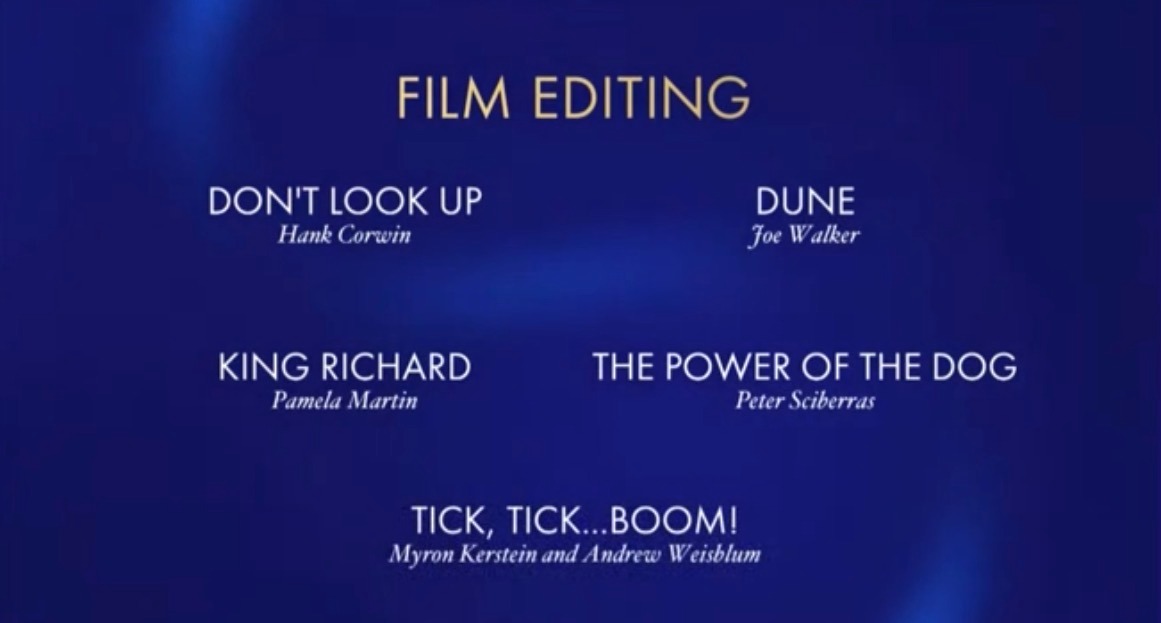
Best Film Editing has been a fascinating category to me. Not just because of what films have won the trophy over the last few years, but what ends up getting nominated for the Oscars. So, in 2021, we got an interesting crop of nominees and a fractured race that resulted in British film editor, Joe Walker, receiving his first win for Dune. At the time, people were shocked at this upset, while I knew long ago that this would be our winner. In order to solve this mystery, we first have to look at all of the nominees.
I first want to highlight that this category has been tied to the Best Picture winner. Even if the top prize champion loses this category, they tend to get a nomination here. However, this year’s winner, CODA, became the 11th film to win the top prize without getting a nomination in this category; the last Best Picture winner prior to this that missed an editing nod was Birdman. So, with CODA out of here, we have to ask how we got the winner we got.
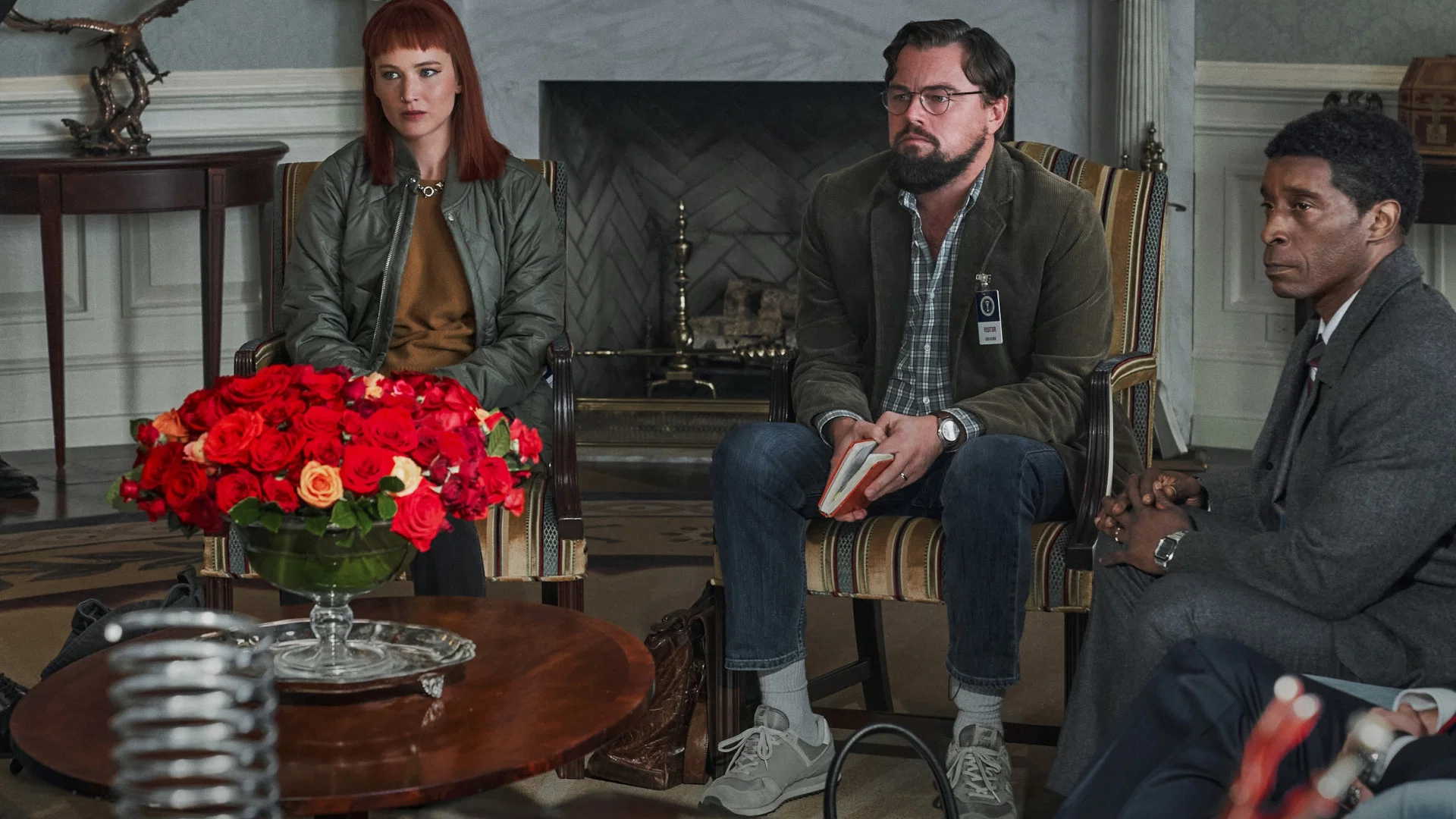
Of the nominees, Hank Corwin’s work on Don’t Look Up was likely in last place in the lineup. While Hank was on his 3rd nomination, he not only missed out on a BAFTA nod but he couldn’t even win at the ACE Eddie guild in the Comedic category. His name within the industry alongside his previous nominations, The Big Short and Vice, were just enough to beat out Úna Ní Dhonghaíle and Andy Jurgensen’s work on Belfast and Licorice Pizza, respectively. It also helped that Don’t Look Up had a fair amount of support from the industry, as it gained passionate voters for its messaging and comedic satire.
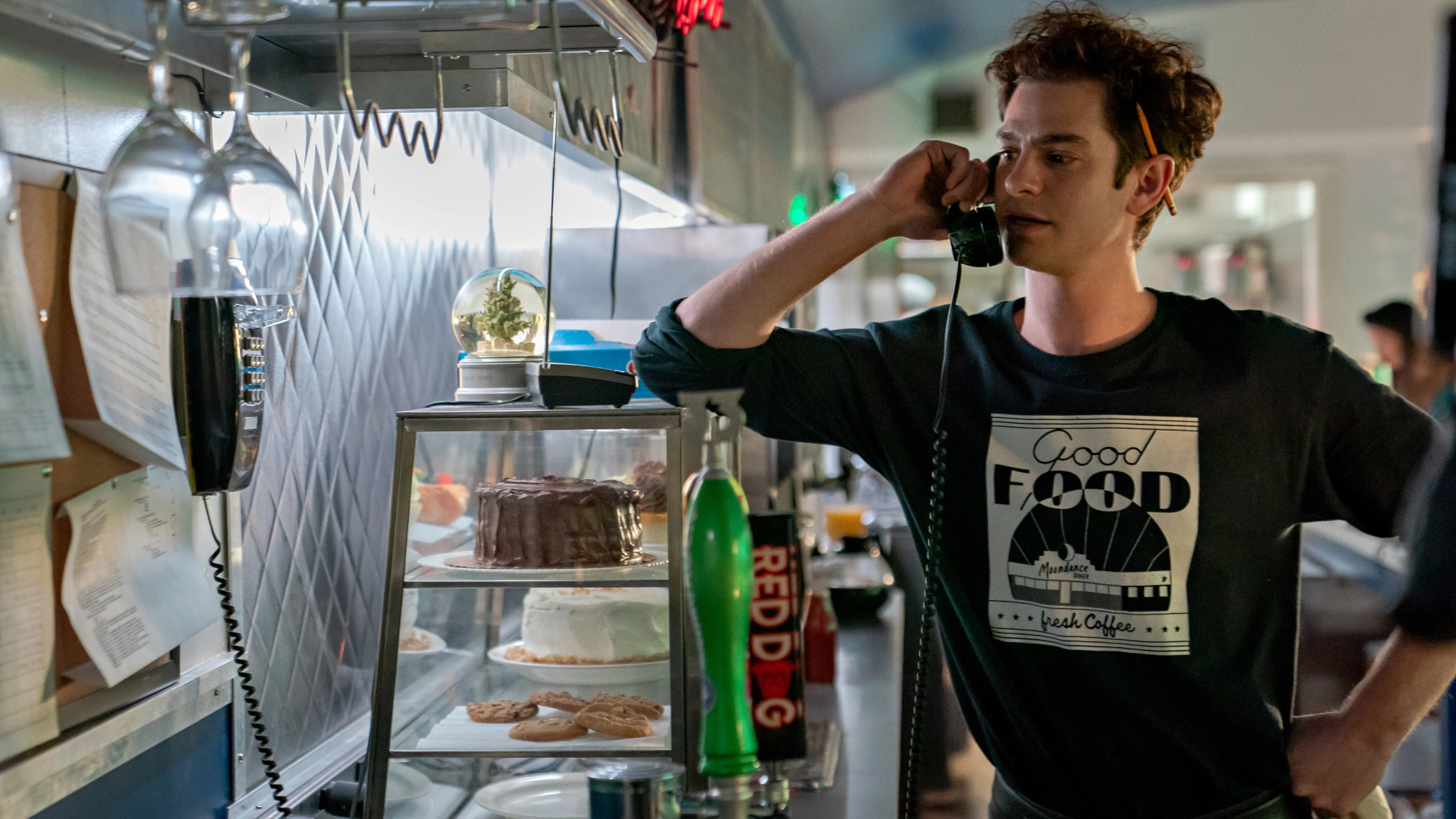
Tick, Tick…Boom! was a little surprising to me, as I recalled it had flashy editing but not enough to make me think it would stand out to the editing branch. We even got a musical nominated for Best Picture with Steven Spielberg’s West Side Story, which was co-edited by a three-time winner, Michael Kahn. So, it was an eye-opener that Myron Kerstein and Andrew Weisblum ended up nominated in the field.
If those named editors sound familiar, Myron would go on to edit Wicked and Andrew had a previous nomination for his work on Black Swan. Their win at ACE Eddie in the Comedic category was a sign of strength that would show support for the film, but because it missed out on a Best Picture nod it wouldn’t get itself a leg up in the race. In fact, you’d have to go all the way back to The Girl with the Dragon Tattoo to find a non-BP nominee winning the editing category.
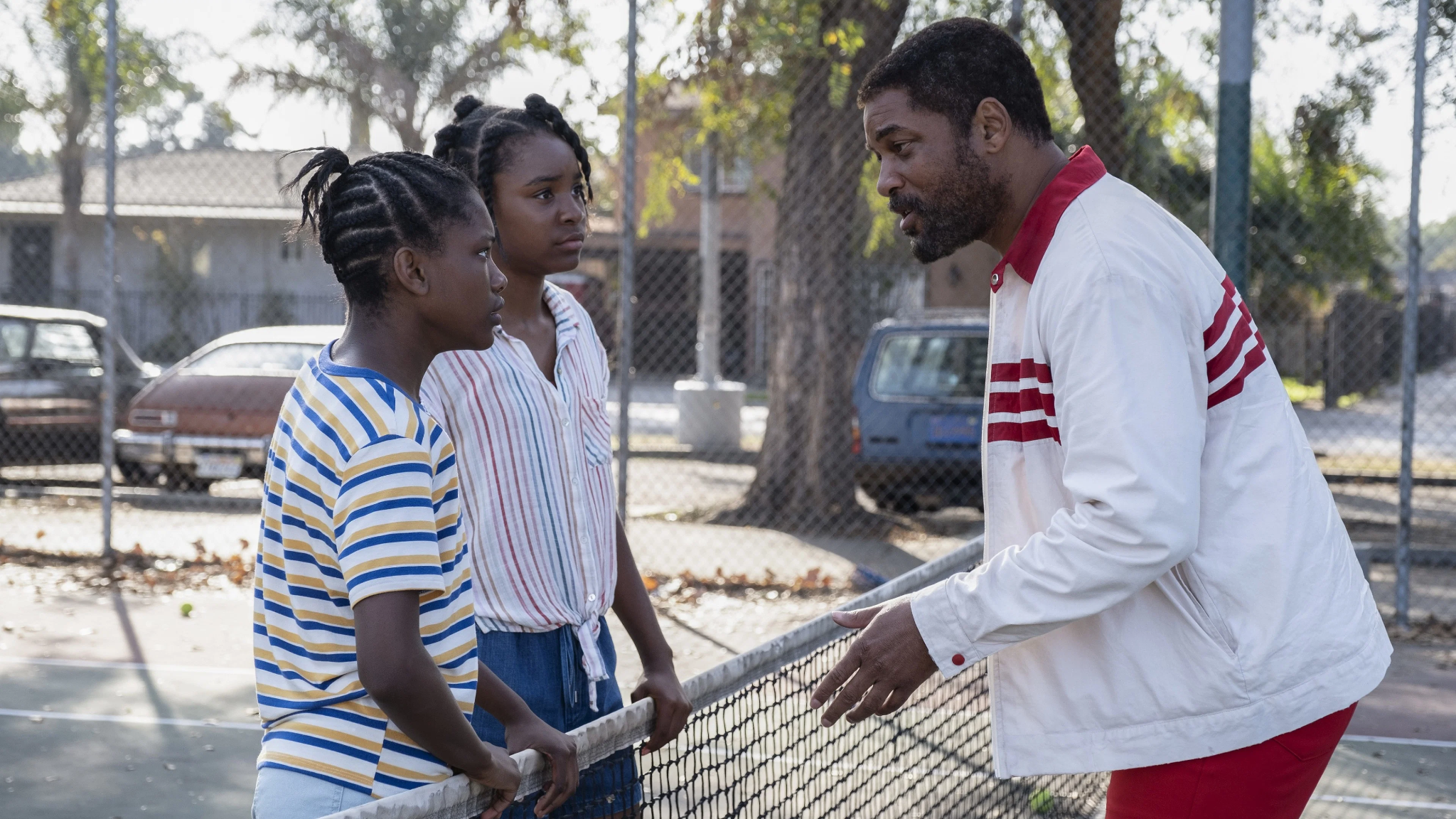
King Richard was touted as Will Smith’s path to winning his first Oscar. If the film had any other category it could’ve won alongside Best Actor, it would’ve been Best Film Editing. Pamela Martin had previously been nominated for her work on another sports biopic with The Fighter. After winning her ACE Eddie prize in the Dramatic category, it made some people think she might pull off a win on Oscar night. However, the ACE win ended up being a sign of support for the film overall, rather than increasing her chances of winning the Oscar. And we’ve even seen the guild go their own way sometimes.
- 2020/21: Sound of Metal won Oscar but lost ACE to The Trial of the Chicago 7
- 2019: Ford v Ferrari won Oscar but lost ACE to Parasite
- 2016: Hacksaw Ridge won Oscar but lost ACE to Arrival
- 2014: Whiplash won Oscar but lost ACE to Boyhood
- 2013: Gravity won Oscar but lost ACE to Captain Phillips
- 2011: The Girl with the Dragon Tattoo won Oscar but lost ACE to The Descendants
- 2000: Traffic won Oscar but lost ACE to Gladiator
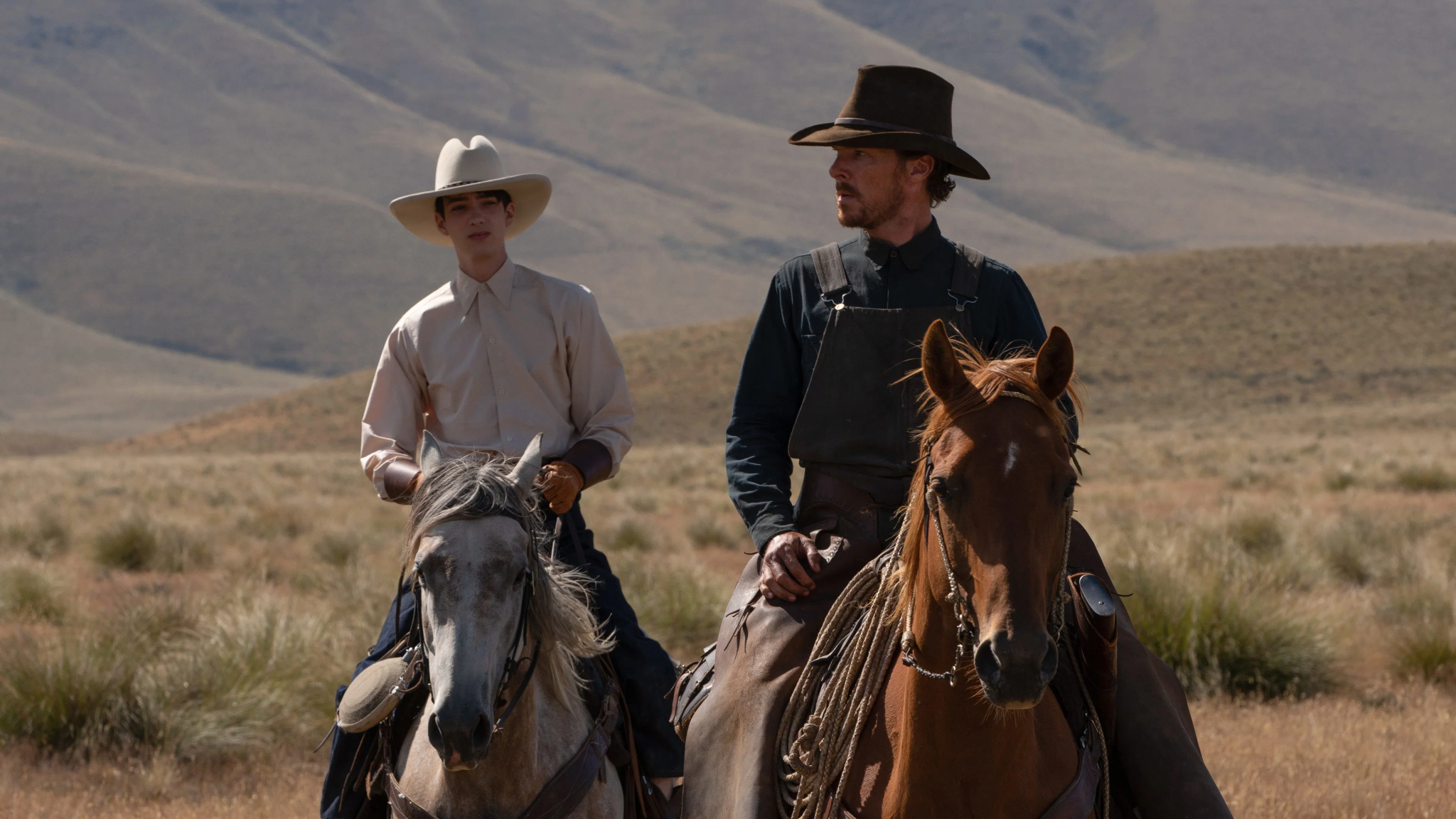
If there was one contender who might’ve come in second place was The Power of the Dog. Granted, editor Peter Sciberras, never won at Critics’ Choice or ACE Eddie Awards but the film itself managed to win a pretty crucial prize: Best Director. Typically, the film that wins Best Director is usually a Top 2 contender for the Best Picture category. And since Jane Campion was steamrolling her way through the season towards her first win in the category, nothing really stood a chance at beating the technical marvel in the directing category. It’s just that the Netflix contender from Venice had lost steam in other categories due to its competition.
It also doesn’t help that there was still a bias towards Netflix, as they weren’t in the business of supporting brick-and-mortar theaters even if they did a limited theatrical run for their films. Add in the problems older Academy members still had of mixing the Western genre with LGBT-themes and a late surge of CODA coming in for the top prize, and you got yourself a lone Best Director winner; something that hadn’t happened since The Graduate. So, had The Power of the Dog not had such strong competition it might’ve won in other categories, as it did receive 12 Oscar nominations. But as we keep seeing each year, just because you have the most nominations doesn’t mean they all translate to a clean sweep.
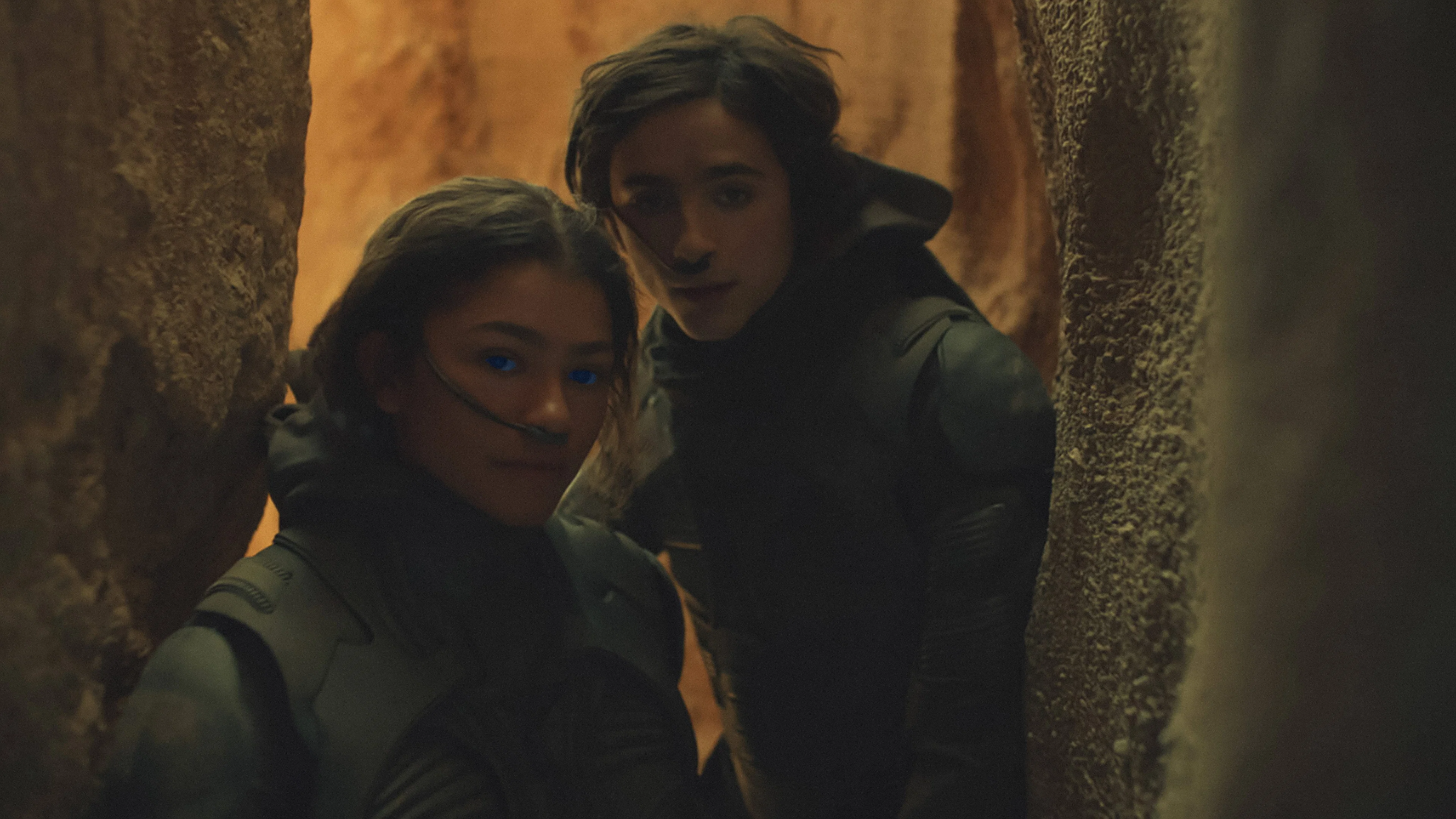
After going through the rest of the field, how exactly did Joe Walker nab the prize? First, we have to look at the category’s correlation with Best Sound. Since Gravity, every Film Editing winner managed to get their film a win in the sound categories:
- 2013: Gravity [Won Sound Editing & Mixing]
- 2014: Whiplash [Won Sound Mixing]
- 2015: Mad Max: Fury Road [Won Sound Editing & Mixing]
- 2016: Hacksaw Ridge [Won Sound Mixing]
- 2017: Dunkirk [Won Sound Editing & Mixing]
- 2018: Bohemian Rhapsody [Won Sound Editing & Mixing]
- 2019: Ford v Ferrari [Won Sound Editing]
- 2020/21: Sound of Metal [Won Sound]
Another aspect to keep in mind is that while Dune lost the prize at BAFTA, it was the only Oscar nominee to show up there. What it ended up losing to was No Time to Die, which was a BAFTA-type pick with their love for Bond and how strong that film was during the season. You’d also have to go back to The Girl with the Dragon Tattoo, in which the film that won the golden man wasn’t nominated at BAFTA for Best Editing.
We also saw a lot of passion for Dune, as it managed to score 10 nominations and win 6 Oscars in total; the other wins include Best Original Score, Visual Effects, Production Design, Cinematography, and Sound. Despite these wins being in the below-the-line categories, it was still a sign of support for the film. The film’s chances at winning Best Picture were low as the Academy’s history towards the sci-fi genre hasn’t been the greatest, but it also didn’t score any acting nominations and missed out on a directing nod for Denis Villeneuve.
Outside of the unanimous support and below-the-line craft adoration it got, how else did I know this would win the category? When it comes to these fractured races, it helps if they campaign. Not only was Joe Walker doing various interviews with award pundits and major publications, but he was discussing how difficult this film was to make. If anything, he mentioned how the pandemic helped the film out, as they were able to properly edit the first installment. Instead of rushing through the first half of the book, they used their extended time to flesh out the material in the editing room.
And despite losing every televised precursor, Joe Walker ended up as our Best Film Editing winner. Unfortunately, his speech wasn’t broadcast at the time, as ABC executives demanded that eight categories (one of which happened to be his) would be given their Oscars off-air. Joe’s speech is available to watch in full on their YouTube page if anyone is interested in seeing it or wants to watch it again.
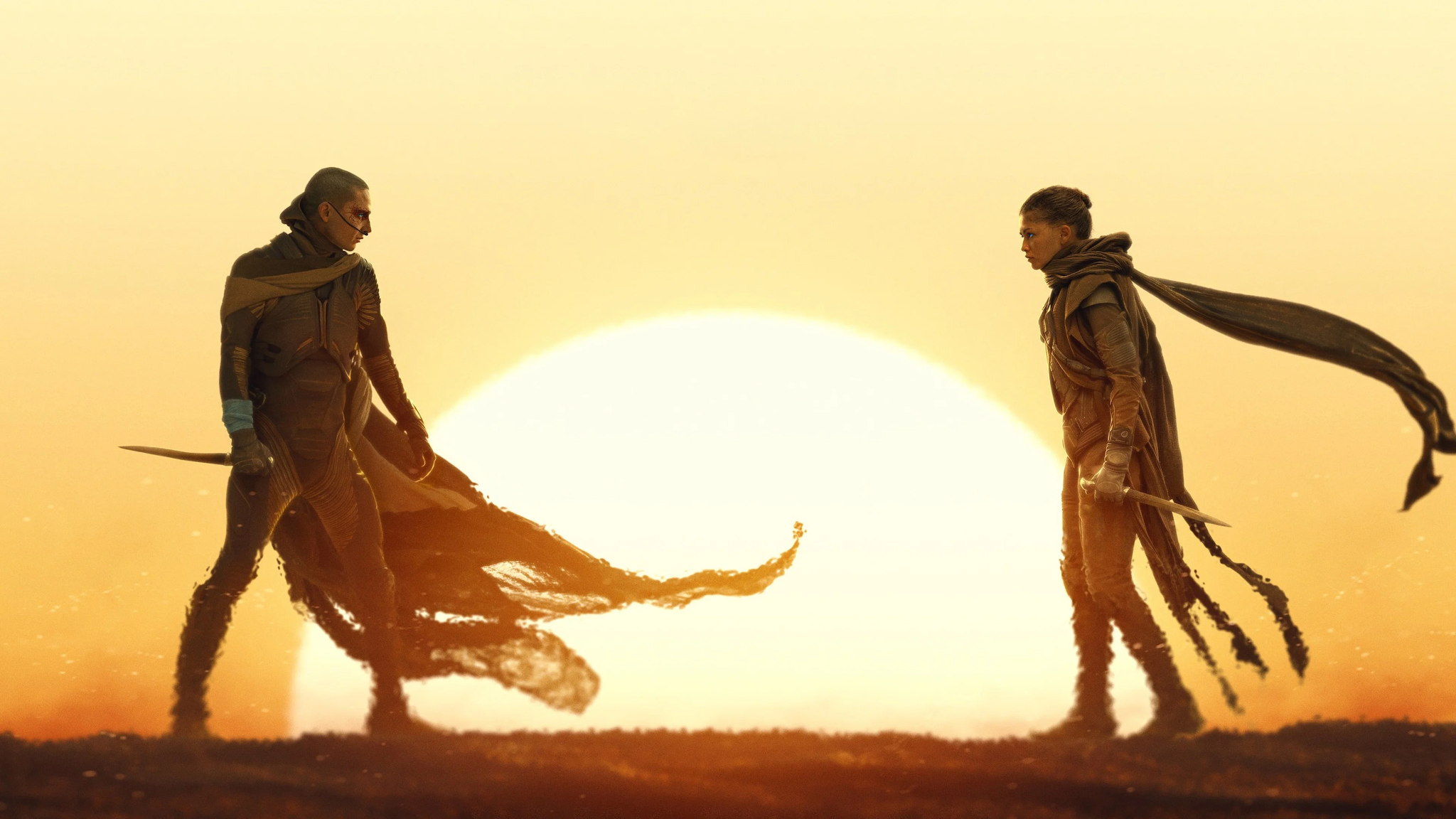
As we’re awaiting for Dune: Part Three to come out later this year, one of the many questions that remains this upcoming award season is how well can this film do with Academy voters. We did see its predecessor, Dune: Part Two, nab five Oscar nominations, which was a decrease from Part One’s ten nomination tally. It’s been quite common for sequels to films that do incredibly well to be downgraded for nomination tallies. From The Lord of the Rings, Avatar, Star Wars, to Pirates of the Caribbean, their sequels got a reducing number whether it was due to competition they were up against or fading passion from voters; the only one to overcome this hurdle was The Lord of the Rings as their final chapter, The Return of the King, as it did rebound with 11 nominations but was only 2 categories down from the first installment.
We’ll find out this December if this intellectual property will join the ranks of The Godfather and The Lord of the Rings, as being the only film trilogies to have all films nominated for Best Picture. Can Joe Walker rebound with a nomination for his editing work, after missing out on Part Two? Will the film win more than Best Visual Effects? Can this final chapter finally score an acting nod or two? Only time will tell.