Director:Zak Hilditch Writer:Zak Hilditch Stars: Daisy Ridley, Mark Coles Smith, Brenton Thwaites
Synopsis:After a catastrophic military disaster, the dead don’t just rise – they hunt. Ava searches for her missing husband, but what she finds is far more terrifying.
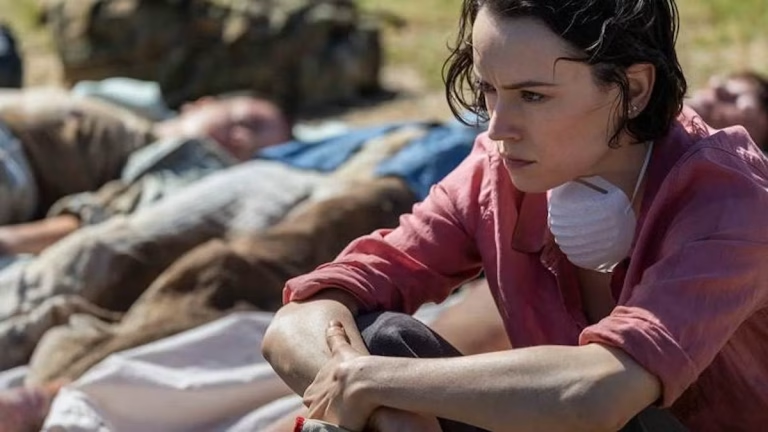
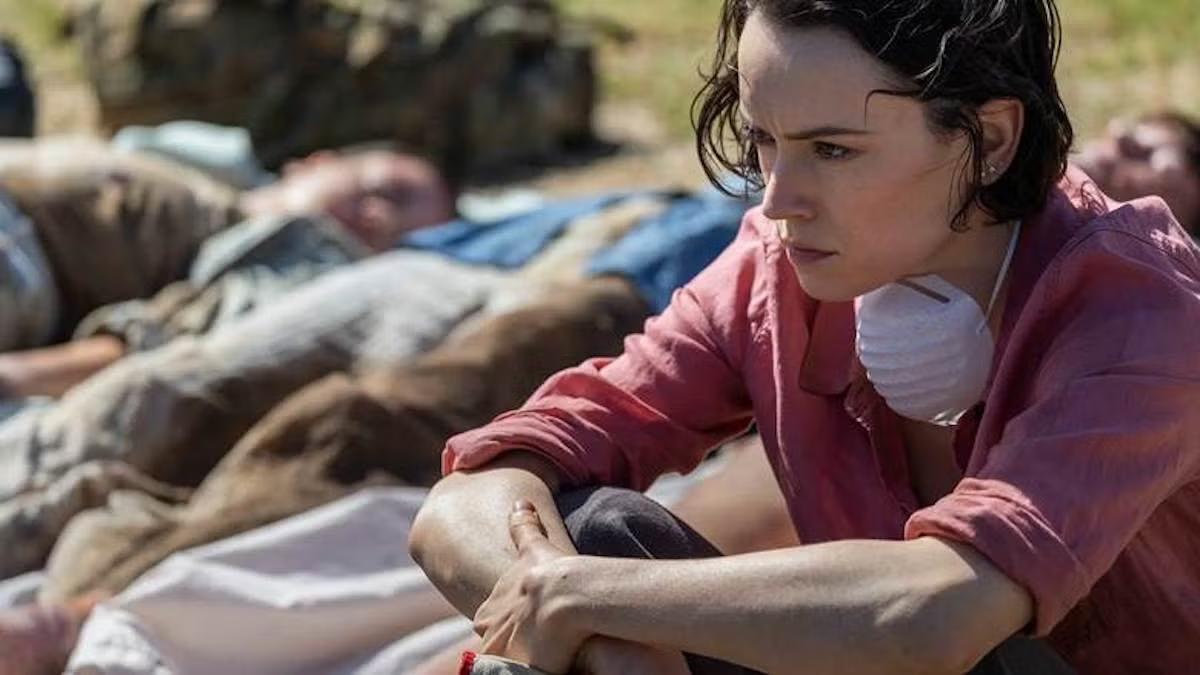
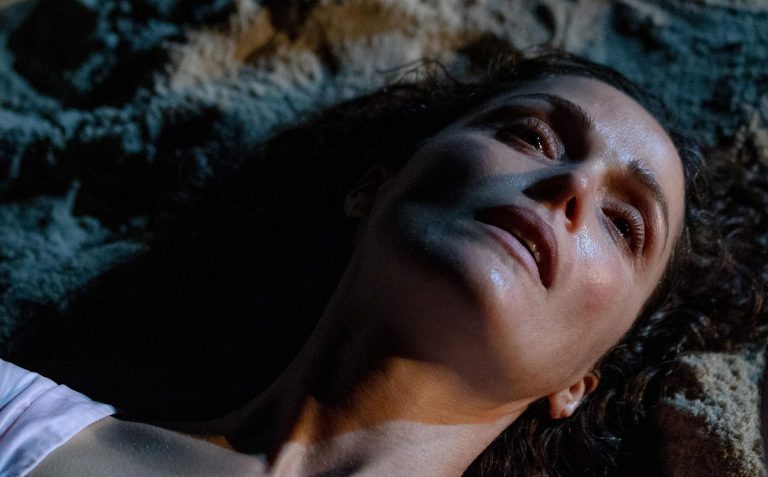
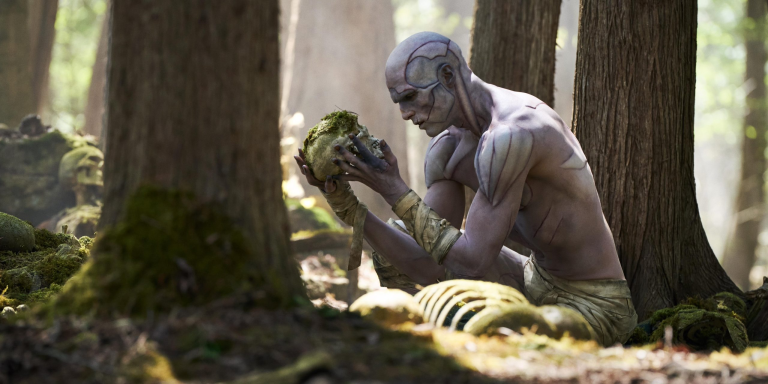
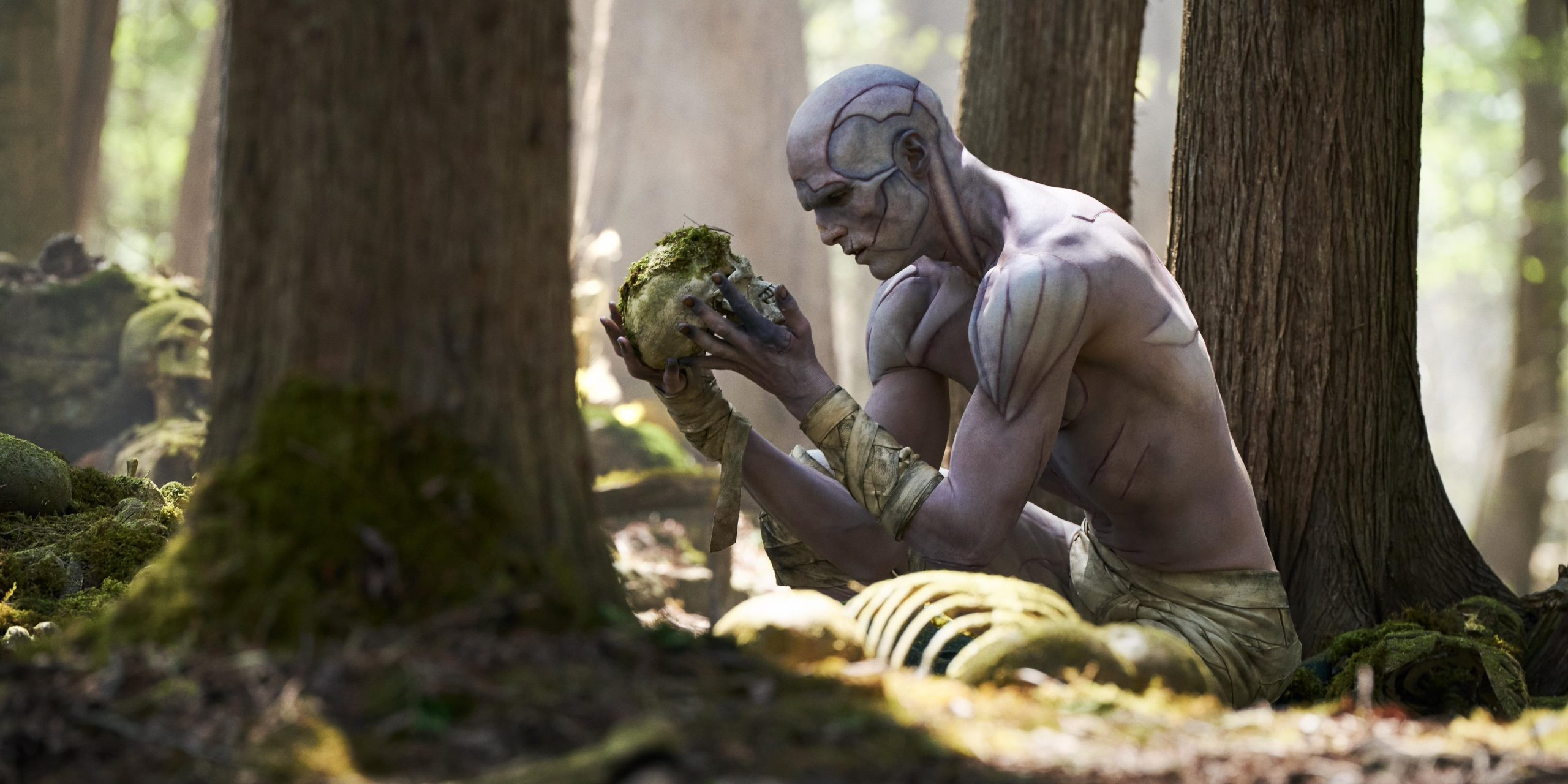
When taking a dip into the world of Zombies in all sorts of media, it’s hard to pin down what hasn’t been tackled. The fast-paced chaos of films like World War Z and the never-ending saga of The Walking Dead have felt overplayed to the point where the genre’s main interest lies in new territory of experimentation. Shaun of the Dead and Zombieland brought a new dose of comedy to the genre, while films like 28 Years Later have uprooted the core themes of what can happen in a zombie picture. Zak Hilditch’s We Bury The Dead plays between the familiar and unique aspects of the undead. There are a few jump scares and tense chases to be found, but the film opts for a more somber mood piece, building an atmosphere of still quietness amidst a desolate landscape and exploring themes of closure in life amidst the wake of a horrible tragedy. Some will be thrown off by the central focus on vibes and mood over kinetic action sequences, but We Bury The Dead brings more than enough grim theming to its filmmaking and story beats that result in one of the more creative uses of the Zombie canon in recent memory, even in the face of some cliched window dressing.
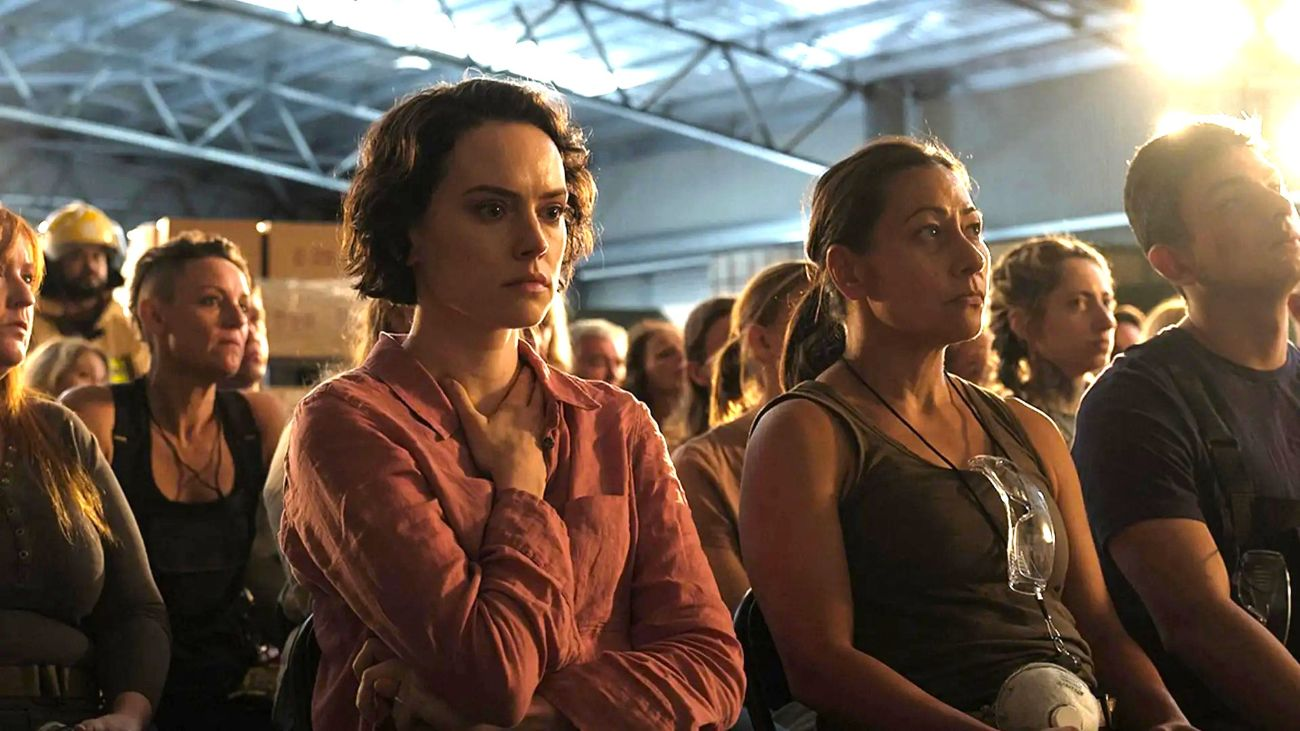
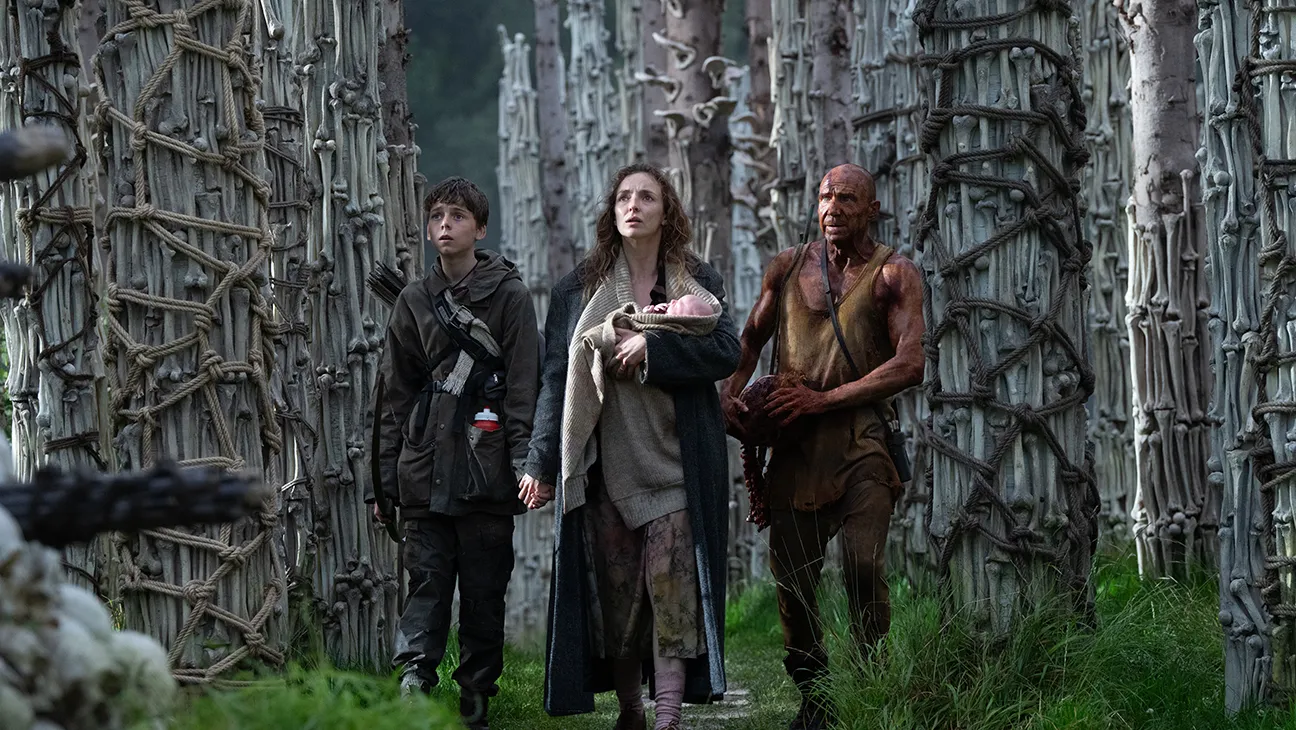
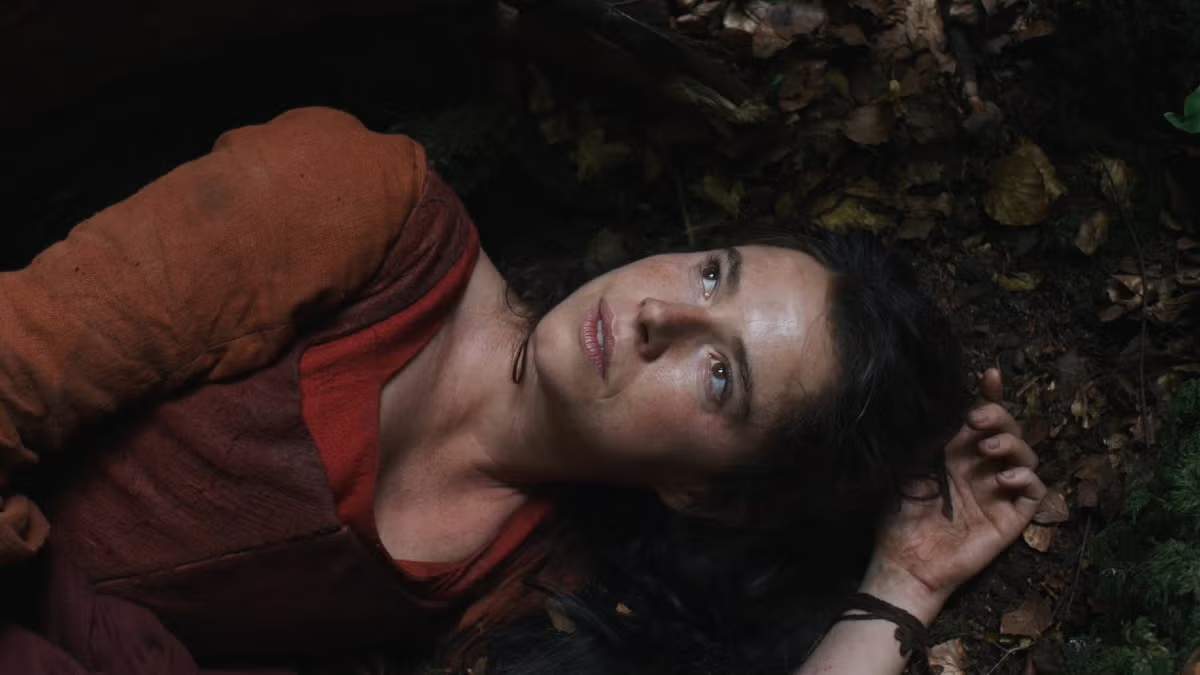
We start following Ava (Daisy Ridley), who lives a happy life with her husband Mitch (Matt Whelan). However, Ava seemingly loses her husband to a disastrous military experiment in Tasmania, where the sitting US president fired an explosive device. Some people, of course, died from the catastrophe, while others still have a bit of kick in them post the shock wave and are starting to rise from death. Hoping her husband could be one of the undead, Ava sets out to join the body retrieval unit in Tasmania and breaks off with her assigned partner, Clay (Brenton Thwaites), in the hopes of finding Mitch while avoiding the continued hostility of the undead.
Even without addressing the deeper themes at play within its scenes, Hilditch quickly cements an impactful atmosphere of foreboding darkness from the get-go. The film’s shot composition uses a large array of wide shots and pans to capture nearly every frame of emptiness amidst an abandoned landscape. The landscape of smoke, flames, and desolate bodies only makes the sudden appearances of the jittery deceased all the more frightening. The way the zombies are showcased physically is also impactful in and of itself; I love the film honing in on the eerie sounds and blankness that these undead bring to the zombie forefront while choosing to use loud and fast jump scares sparingly. By the time the credits of We Bury the Dead roll, all you’ll be hearing is the bone-chilling grinding of the undead’s teeth.
The most poignant aspect of We Bury the Dead lies in what the film has to say about the regrets that arise from things that had yet to be spoken in the midst of unexpected tragedy. Yes, countless horror films have droned on about grief and trauma-related topics within their stories, but Hilditch brings a somber realism to it that reflects our own real-life experiences strikingly. The melancholic theming is only bolstered by yet another fantastic showcase from Daisy Ridley, who is able to both convey these complex emotions and sell gory zombie beatdowns in equal measure.
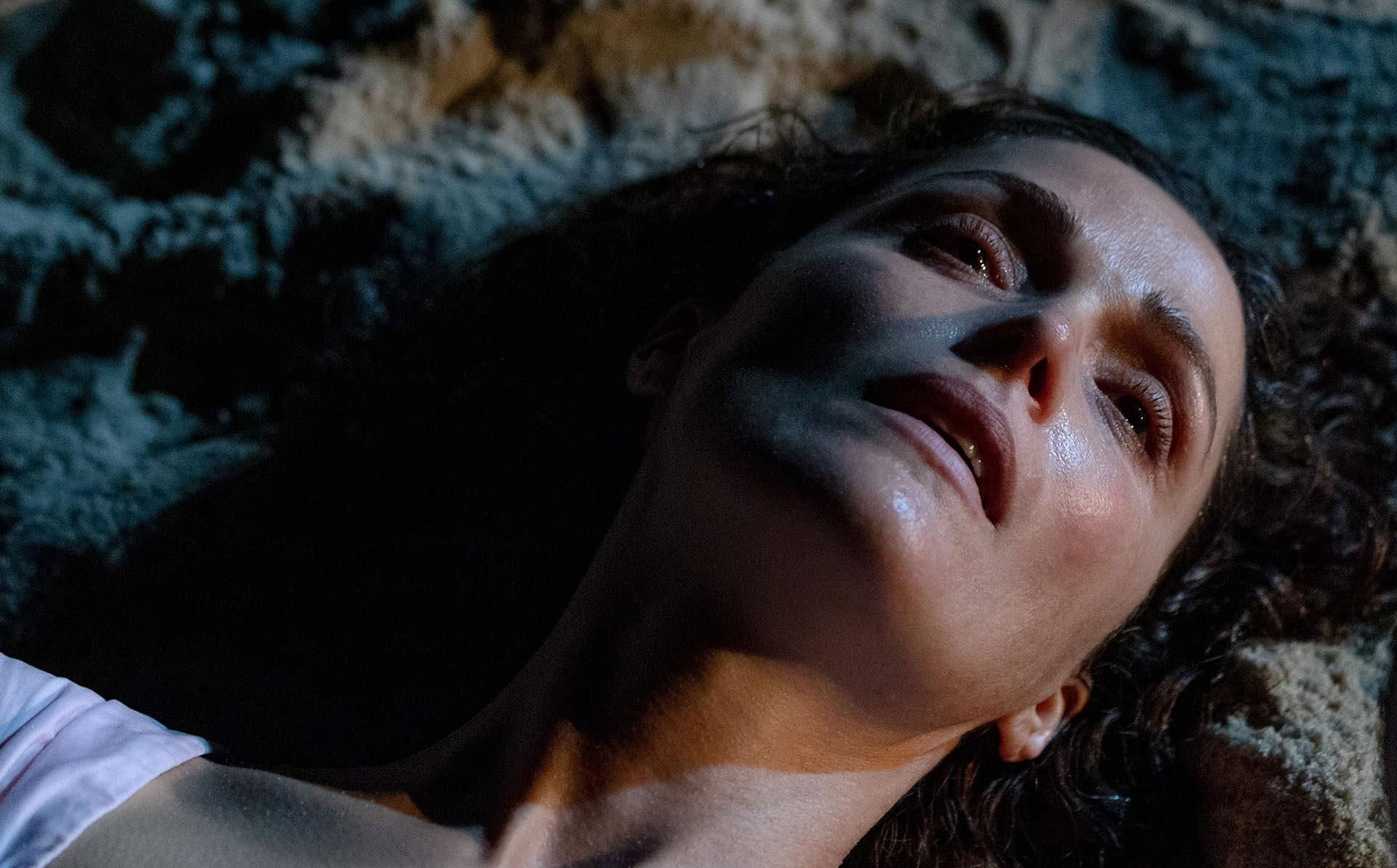
There’s plenty of great physicality to her performance here, especially as the film enters lonely walks with her amidst the desolate landscape towards its latter half, but she delivers on conveying the pain of having no closure with Mitch after the bump in their relationship that caused him to leave for Tasmania in the first place. We all have been in a similar place of longing to say something to someone we deeply miss, and this thread radiates off each major character in this film, and even the more sentient zombies themselves, in standout scenes. There isn’t anything necessarily brand new thematically that’s being brought to the forefront here, but it’s a welcome change of pace to a sub-genre that has been so worn out.
We Bury the Dead may leave some wanting more of the bloody brutality that would be expected from most other zombie flicks, but it brings an appreciated somber mood to its presence, and tackles themes of closure within global tragedy that make it one of the freshest zombie pictures in a bit. It can suffer on occasion from cliches, and not all of its dramatic swings work, but it’s a solidly executed zombie flick from Hilditch on the whole.
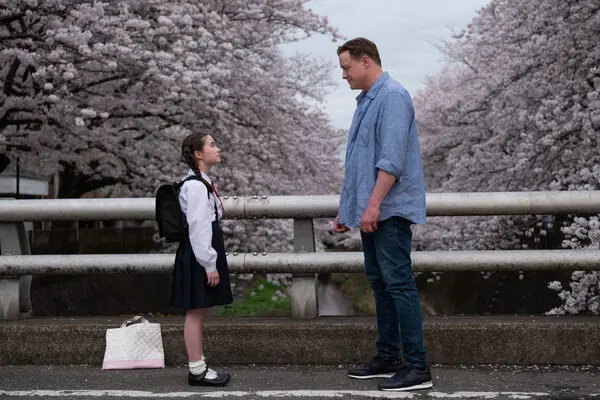
On this episode, Megan and Shadan discuss Hikari’s new film Rental Family, starring a charming Brendan Fraser! It may not be a major awards player this year, but there’s still plenty to love about this film, in particular its immensely lovable cast. It also has some inspired direction at times too.
Review:Rental Family
Director: Hikari Writers: Hikari, Stephen Blahut Stars: Brendan Fraser, Takehiro Hira, Mari Yamamoto
The 31st annual Critics Choice Awards will take place on January 4th. Hosted by Chelsea Handler, the ceremony will air live on E! and USA Network from 7-10PM EST.
Below are the predicted winners of the Critics Choice film awards from InSession Film Awards Editor Shadan Larki. Be sure to listen to the Chasing The Gold podcast for more awards analysis and also check our regularly updated Oscar predictions.
BEST PICTURE Bugonia (Focus Features) Frankenstein (Netflix) Hamnet (Focus Features) Jay Kelly (Netflix) Marty Supreme (A24) One Battle After Another (Warner Bros.) — Projected Winner Sentimental Value (Neon) Sinners (Warner Bros.) Train Dreams (Netflix) Wicked: For Good (Universal Pictures)
BEST ACTOR Timothée Chalamet – Marty Supreme (A24) — Projected Winner Leonardo DiCaprio – One Battle After Another (Warner Bros.) Joel Edgerton – Train Dreams (Netflix) Ethan Hawke – Blue Moon (Sony Pictures Classics) Michael B. Jordan – Sinners (Warner Bros.) Wagner Moura – The Secret Agent (Neon)
BEST ACTRESS Jessie Buckley – Hamnet (Focus Features) Rose Byrne – If I Had Legs I’d Kick You (A24)— Projected Winner Chase Infiniti – One Battle After Another (Warner Bros.) Renate Reinsve – Sentimental Value (Neon) Amanda Seyfried – The Testament of Ann Lee (Searchlight Pictures) Emma Stone – Bugonia (Focus Features)
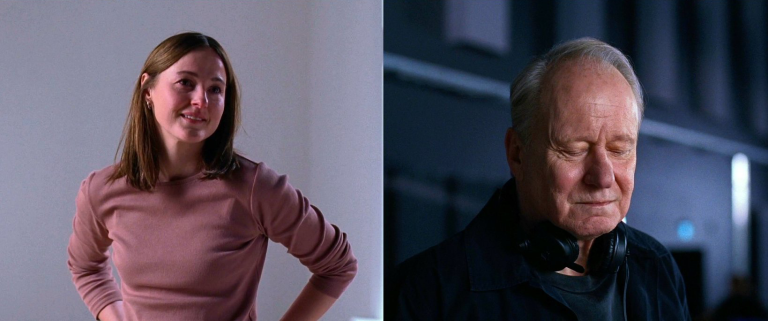
BEST SUPPORTING ACTOR Benicio del Toro – One Battle After Another (Warner Bros.)— Projected Winner Jacob Elordi – Frankenstein (Netflix) Paul Mescal – Hamnet (Focus Features) Sean Penn – One Battle After Another (Warner Bros.) Adam Sandler – Jay Kelly (Netflix) Stellan Skarsgård – Sentimental Value (Neon)
BEST SUPPORTING ACTRESS Elle Fanning – Sentimental Value (Neon) Ariana Grande – Wicked: For Good (Universal Pictures) Inga Ibsdotter Lilleaas – Sentimental Value (Neon) Amy Madigan – Weapons (Warner Bros.)— Projected Winner Wunmi Mosaku – Sinners (Warner Bros.) Teyana Taylor – One Battle After Another (Warner Bros.)
BEST YOUNG ACTOR / ACTRESS Everett Blunck – The Plague (Independent Film Company) Miles Caton – Sinners (Warner Bros.)— Projected Winner Cary Christopher – Weapons (Warner Bros.) Shannon Mahina Gorman – Rental Family (Searchlight Pictures) Jacobi Jupe – Hamnet (Focus Features) Nina Ye – Left-Handed Girl (Netflix)
BEST DIRECTOR Paul Thomas Anderson – One Battle After Another (Warner Bros.)— Projected Winner Ryan Coogler – Sinners (Warner Bros.) Guillermo del Toro – Frankenstein (Netflix) Josh Safdie – Marty Supreme (A24) Joachim Trier – Sentimental Value (Neon) Chloé Zhao – Hamnet (Focus Features)
BEST ORIGINAL SCREENPLAY Noah Baumbach, Emily Mortimer – Jay Kelly (Netflix) Ronald Bronstein, Josh Safdie – Marty Supreme (A24) Ryan Coogler – Sinners (Warner Bros.)— Projected Winner Zach Cregger – Weapons (Warner Bros.) Eva Victor – Sorry, Baby (A24) Eskil Vogt, Joachim Trier – Sentimental Value (Neon)
BEST ADAPTED SCREENPLAY Paul Thomas Anderson – One Battle After Another (Warner Bros.)— Projected Winner Clint Bentley, Greg Kwedar – Train Dreams (Netflix) Park Chan-wook, Lee Kyoung-mi, Don Mckellar, Jahye Lee – No Other Choice (Neon) Guillermo del Toro – Frankenstein (Netflix) Will Tracy – Bugonia (Focus Features) Chloé Zhao, Maggie O’Farrell – Hamnet (Focus Features)
BEST CASTING AND ENSEMBLE Nina Gold – Hamnet (Focus Features) Douglas Aibel, Nina Gold – Jay Kelly (Netflix) Jennifer Venditti – Marty Supreme (A24) Cassandra Kulukundis – One Battle After Another (Warner Bros.) Francine Maisler – Sinners (Warner Bros.) — Projected Winner
Tiffany Little Canfield, Bernard Telsey – Wicked: For Good (Universal Pictures)
BEST CINEMATOGRAPHY Claudio Miranda – F1 (Apple Original Films) Dan Laustsen – Frankenstein (Netflix) Łukasz Żal – Hamnet (Focus Features) Michael Bauman – One Battle After Another (Warner Bros.) Autumn Durald Arkapaw – Sinners (Warner Bros.) — Projected Winner Adolpho Veloso – Train Dreams (Netflix)
BEST PRODUCTION DESIGN Kasra Farahani, Jille Azis – The Fantastic Four: First Steps (Marvel Studios) Tamara Deverell, Shane Vieau – Frankenstein (Netflix) — Projected Winner Fiona Crombie, Alice Felton – Hamnet (Focus Features) Jack Fisk, Adam Willis – Marty Supreme (A24) Hannah Beachler, Monique Champagne – Sinners (Warner Bros.) Nathan Crowley, Lee Sandales – Wicked: For Good (Universal Pictures)
BEST EDITING Kirk Baxter – A House of Dynamite (Netflix) Stephen Mirrione – F1 (Apple Original Films) Ronald Bronstein, Josh Safdie – Marty Supreme (A24) Andy Jurgensen – One Battle After Another (Warner Bros.) — Projected Winner Viridiana Lieberman – The Perfect Neighbor (Netflix) Michael P. Shawver – Sinners (Warner Bros.)
BEST COSTUME DESIGN Kate Hawley – Frankenstein (Netflix) — Projected Winner Malgosia Turzanska – Hamnet (Focus Features) Lindsay Pugh – Hedda (Amazon MGM Studios) Colleen Atwood, Christine Cantella – Kiss of the Spider Woman (Lionsgate/Roadside Attractions) Ruth E. Carter – Sinners (Warner Bros.) Paul Tazewell – Wicked: For Good (Universal Pictures)
BEST HAIR AND MAKEUP Flora Moody, John Nolan – 28 Years Later (Sony Pictures) Mike Hill, Jordan Samuel, Cliona Furey – Frankenstein (Netflix) Siân Richards, Ken Diaz, Mike Fontaine, Shunika Terry – Sinners (Warner Bros.) Kazu Hiro, Felix Fox, Mia Neal – The Smashing Machine (A24) Leo Satkovich, Melizah Wheat, Jason Collins – Weapons (Warner Bros.) — Projected Winner Frances Hannon, Mark Coulier, Laura Blount – Wicked: For Good (Universal Pictures)
BEST VISUAL EFFECTS Joe Letteri, Richard Baneham, Eric Saindon, Daniel Barrett – Avatar: Fire and Ash (20th Century Studios)— Projected Winner Ryan Tudhope, Nikeah Forde, Robert Harrington, Nicolas Chevallier, Eric Leven, Edward Price, Keith Dawson –F1 (Apple Original Films) Dennis Berardi, Ayo Burgess, Ivan Busquets, José Granell – Frankenstein (Netflix) Alex Wuttke, Ian Lowe, Jeff Sutherland, Kirstin Hall – Mission: Impossible – The Final Reckoning (Paramount Pictures) Michael Ralla, Espen Nordahl, Guido Wolter, Donnie Dean – Sinners (Warner Bros.) Stephane Ceretti, Enrico Damm, Stéphane Nazé, Guy Williams – Superman (Warner Bros.)
BEST STUNT DESIGN Stephen Dunlevy, Kyle Gardiner, Jackson Spidell, Jeremy Marinas, Jan Petřina, Domonkos Párdányi, Kinga Kósa-Gavalda – Ballerina (Lionsgate) Gary Powell, Luciano Bacheta, Craig Dolby – F1 (Apple Original Films) Wade Eastwood – Mission: Impossible – The Final Reckoning (Paramount Pictures) — Projected Winner Brian Machleit – One Battle After Another (Warner Bros.) Andy Gill – Sinners (Warner Bros.) Giedrius Nagys – Warfare (A24)
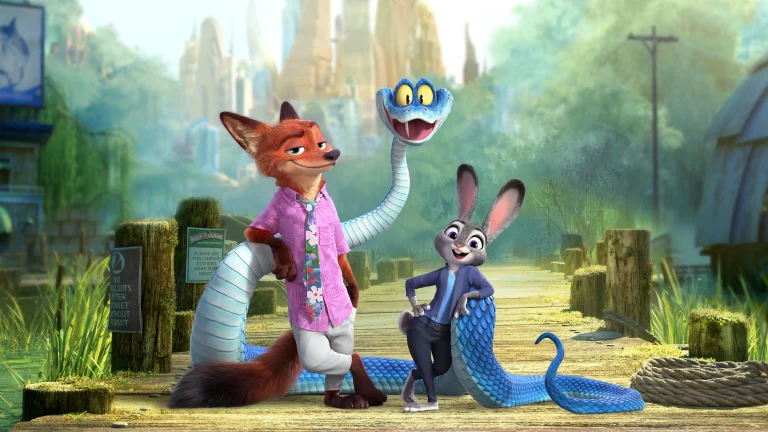
BEST ANIMATED FEATURE Arco (Neon) Elio (Pixar Animation Studios) In Your Dreams (Netflix) KPop Demon Hunters (Netflix) — Projected Winner Little Amélie or the Character of Rain (GKIDS) Zootopia 2 (Walt Disney Animation Studios)
BEST COMEDY The Ballad of Wallis Island (Focus Features) Eternity (A24) Friendship (A24) The Naked Gun (Paramount) — Projected Winner The Phoenician Scheme (Focus Features) Splitsville (Neon)
BEST FOREIGN LANGUAGE FILM It Was Just an Accident (Neon)— Projected Winner Left-Handed Girl (Netflix) No Other Choice (Neon) The Secret Agent (Neon) Sirāt (Neon) Belén (Amazon MGM Studios)
BEST SONG “Drive” – Ed Sheeran, John Mayer, Blake Slatkin – F1 (Apple Original Films) “Golden” – Ejae, Mark Sonnenblick, Ido, 24, Teddy – KPop Demon Hunters (Netflix) “I Lied to You” – Raphael Saadiq, Ludwig Göransson – Sinners (Warner Bros.) — Projected Winner “Clothed by the Sun” – Daniel Blumberg – The Testament of Ann Lee (Searchlight Pictures) “Train Dreams” – Nick Cave, Bryce Dessner – Train Dreams (Netflix) “The Girl in the Bubble” – Stephen Schwartz – Wicked: For Good (Universal Pictures)
BEST SCORE Hans Zimmer – F1 (Apple Original Films) Alexandre Desplat – Frankenstein (Netflix) Max Richter – Hamnet (Focus Features) Daniel Lopatin – Marty Supreme (A24) Jonny Greenwood – One Battle After Another (Warner Bros.) Ludwig Göransson – Sinners (Warner Bros.) — Projected Winner
BEST SOUND Al Nelson, Gwendolyn Yates Whittle, Gary A. Rizzo, Juan Peralta, Gareth John – F1 (Apple Original Films) Nathan Robitaille, Nelson Ferreira, Christian Cooke, Brad Zoern, Greg Chapman – Frankenstein (Netflix) Jose Antonio Garcia, Christopher Scarabosio, Tony Villaflor – One Battle After Another (Warner Bros.) Chris Welcker, Benny Burtt, Brandon Proctor, Steve Boeddeker, Felipe Pacheco, David V. Butler – Sinners (Warner Bros.)— Projected Winner Laia Casanovas – Sirāt (Neon) Mitch Low, Glenn Freemantle, Ben Barker, Howard Bargroff, Richard Spooner – Warfare (A24)
This week on the InSession Film Podcast, we discuss part 1 of our Top 10 Scenes of 2025 as we reveal our 10-6 picks! We also talk about a few more films we’ve caught up with recently, including Wicked: For Good, Sirāt, Shelby Oaks and more!
Check out this week’s show and let us know what you think in the comment section. Thanks for listening and for supporting the InSession Film Podcast!
– 2025 Catch-Up (4:05) To begin the show this week, we once again dive into our 2025 homework as Brendan gives us his thoughts on Wicked: For Good, a film that just did not click for us. We also debate the Spanish film Sirāt and its bleak twist that takes place halfway through the film. Say what you will about the film, but it very much plays into a major 2025 theme and that alone makes it interesting. Brendan then gives us his thoughts on the animated film A Magnificent Life and JD talks about Shelby Oaks, 2000 Meters to Andriivka, The Plague and The Baltimorons.
– Top 10 Scenes of 2025 (Picks 10-6) (51:45) With the exception of doing our Top 10 movies of the year, this is always the most challenging exercise we do on the show. 2025 ended up being a great year for film, and it came with a flurry of incredible scenes to parse through. There was a great mix, too, between mainstream Hollywood, awards movies, indies and the great international gems we got this last year. Whether these moments connected with us on an emotional level, a cinematic level, or simply as spectacle, there were some stunner sequences in film this year. It may have been an arduous task, but it’s always the most fun as we dive into our year-end festivities. With that said, what would be your Top 10?
If you want to help support us, there are several ways you can help us and we’d absolutely appreciate it. Every penny goes directly back into supporting the show and we are truly honored and grateful. Thanks for your support and for listening to the InSession Film Podcast!
Last year, I began by saying that 2024 followed up on 2023’s incredible runs wonderfully, and this year, history is repeating itself once again. Reflecting on this year, it’s clear that 2025 will be a year for movie lovers to look back on fondly. From original films like Sinners and Sorry, Baby to adaptations like Frankenstein and Hamnet, it’s been a treat to watch the majority of films released this year, with only a few trips not being worth the price. Needless to say, it’s always difficult to dwindle down so many choices to just 10, especially when logging well over 100 new releases. But here’s a shot at showcasing 10 of my favorite films from 2025, and here’s to an even more entertaining year next year!
Outside of the films featured here, some of those that just missed it are: One Battle After Another, Cloud, Red Sonja, Sirāt, 28 Years Later, Die My Love, and Friendship.
10. It Was Just an Accident – Jafar Panahi
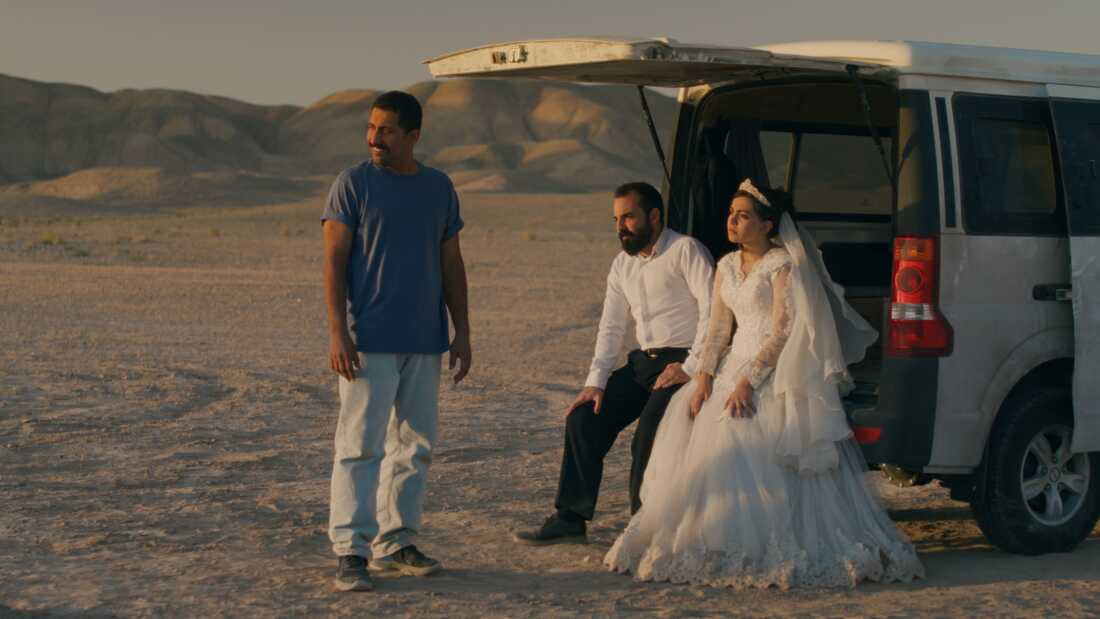
There isn’t a film this year that has a final scene as effective as It Was Just an Accident; it’s enough to make your neck hairs stand up. Admittedly, this is my first time watching a Jafar Panahi film, and I couldn’t be more moved by his work. It Was Just an Accident is a thriller that weighs the impact trauma has on victims, and how memories are awakened by sights, sounds, and smells. Panahi’s Palme d’Or–winning film centers around a man who crosses paths with someone he believes is his former abuser, until the weight of doubt sets in. Surprisingly, the film has funny moments laced throughout and carries a powerful anti-imperial message. A brave film from an equally brave filmmaker.
9. The Shrouds – David Cronenberg
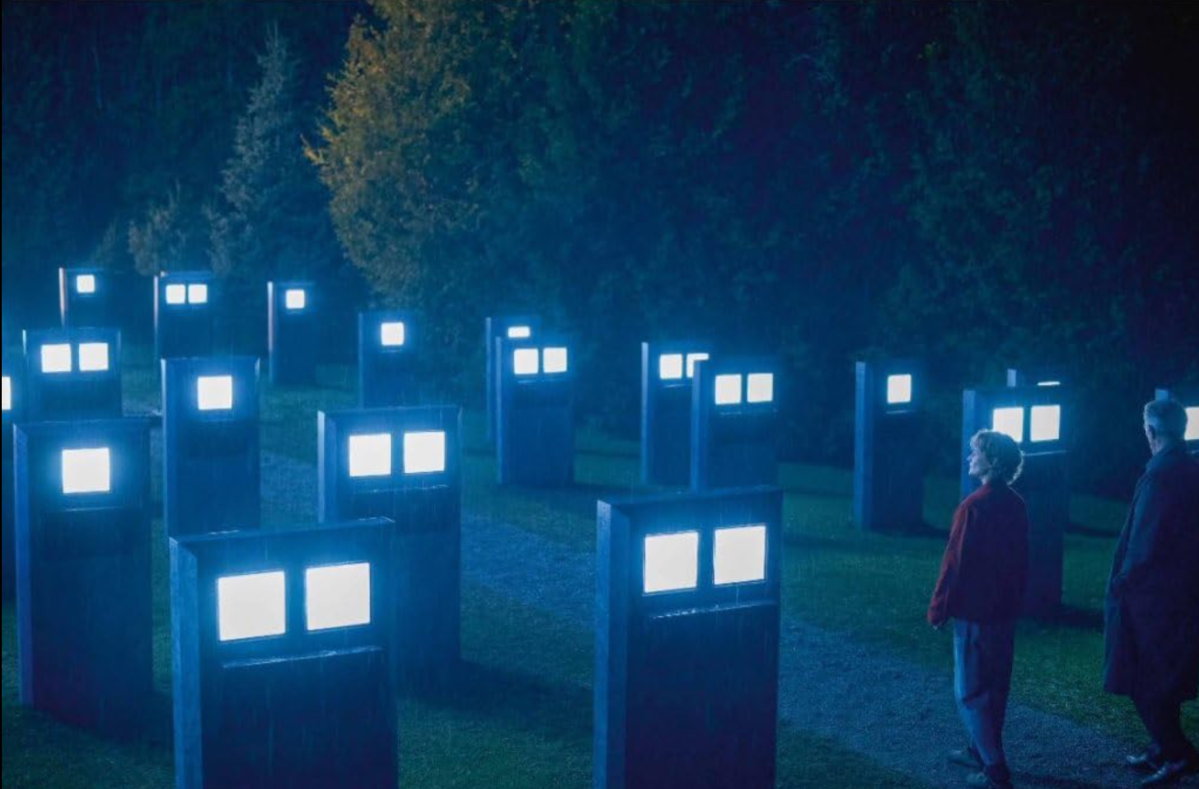
Films from the beginning of the year are usually touted as lesser by audiences, especially the months ramping up to summer blockbuster season. But David Cronenberg’s film The Shrouds has been on some variation of my top list since seeing it. A morbidly romantic piece of filmmaking, it explores how grief evolves with technology, and how it’s hard to heal with constant connection to those memories. With our current society fixated on reviving lost loved ones through AI, Cronenberg perfectly captures a possessive longing to never truly say goodbye. And not to mention Diane Kruger, who plays three separate roles—a performance that doesn’t nearly get the attention it deserves.
8. The Testament of Ann Lee – Mona Fastvold
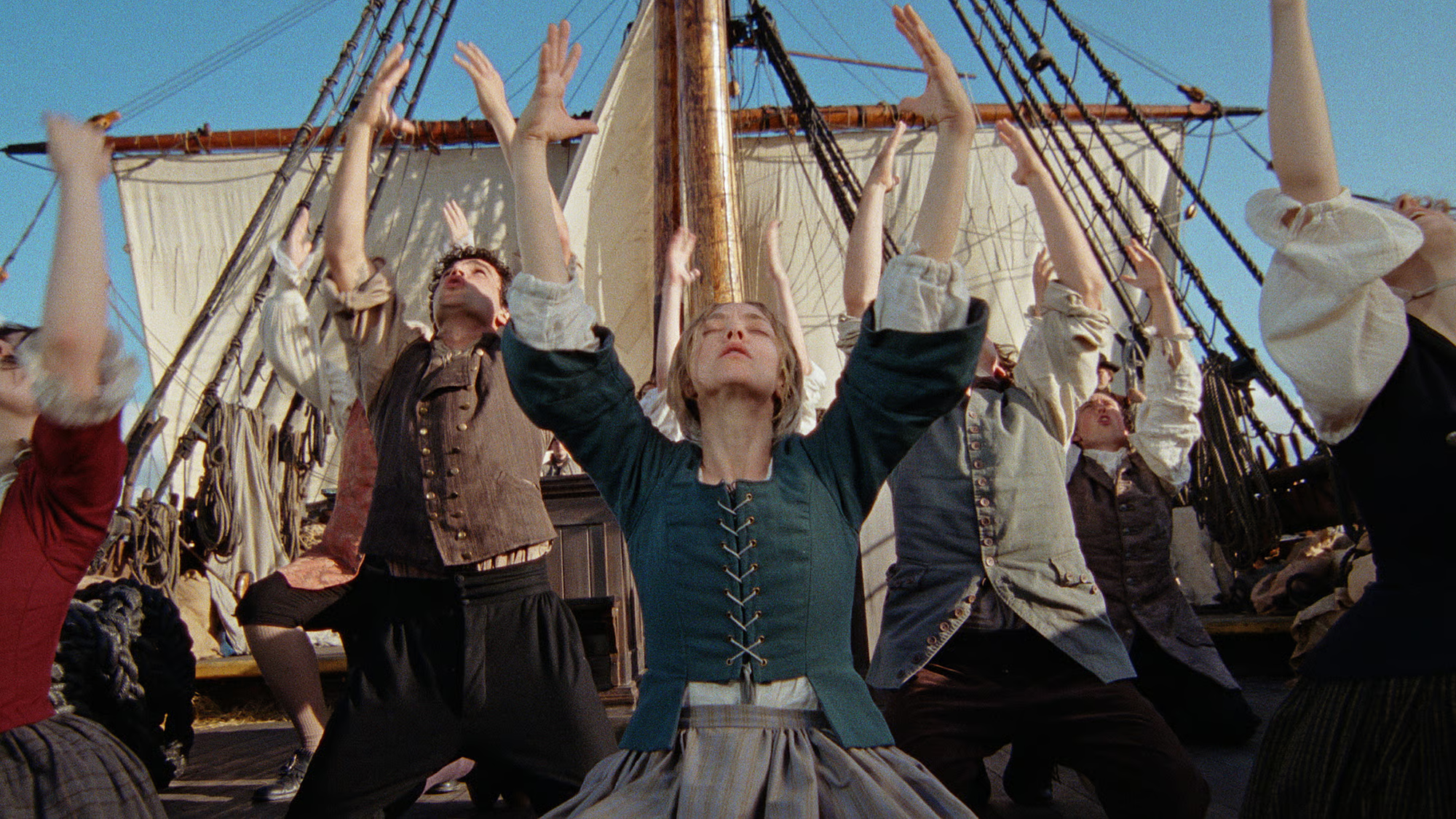
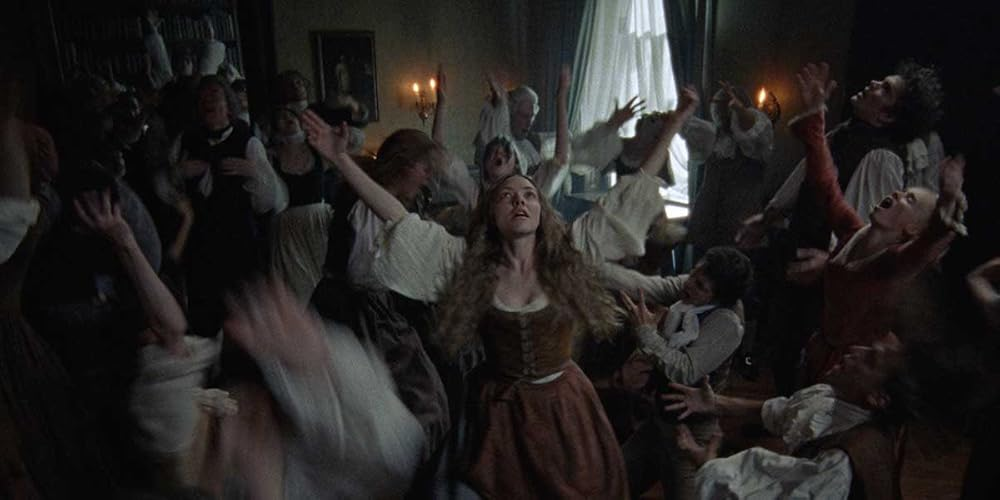
If you had told me last year that a song from a film about a group of Quakers—specifically the Shakers—would be stuck in my head, I definitely wouldn’t have believed you. But this year has been surprise after surprise, and I have been totally transfixed by Mona Fastvold’s praiseworthy film The Testament of Ann Lee. Films about religion often don’t appeal to me, but seeing this through the life of Ann Lee was fascinating. Learning about the reasoning behind her beliefs—a utopian society where those who believe sing and dance—was captivating. Seyfried delivers one of the best performances of the year, a truly dedicated portrayal of a woman using her lived experience to strive for a better world through her vision.
7. If I Had Legs I’d Kick You – Mary Bronstein
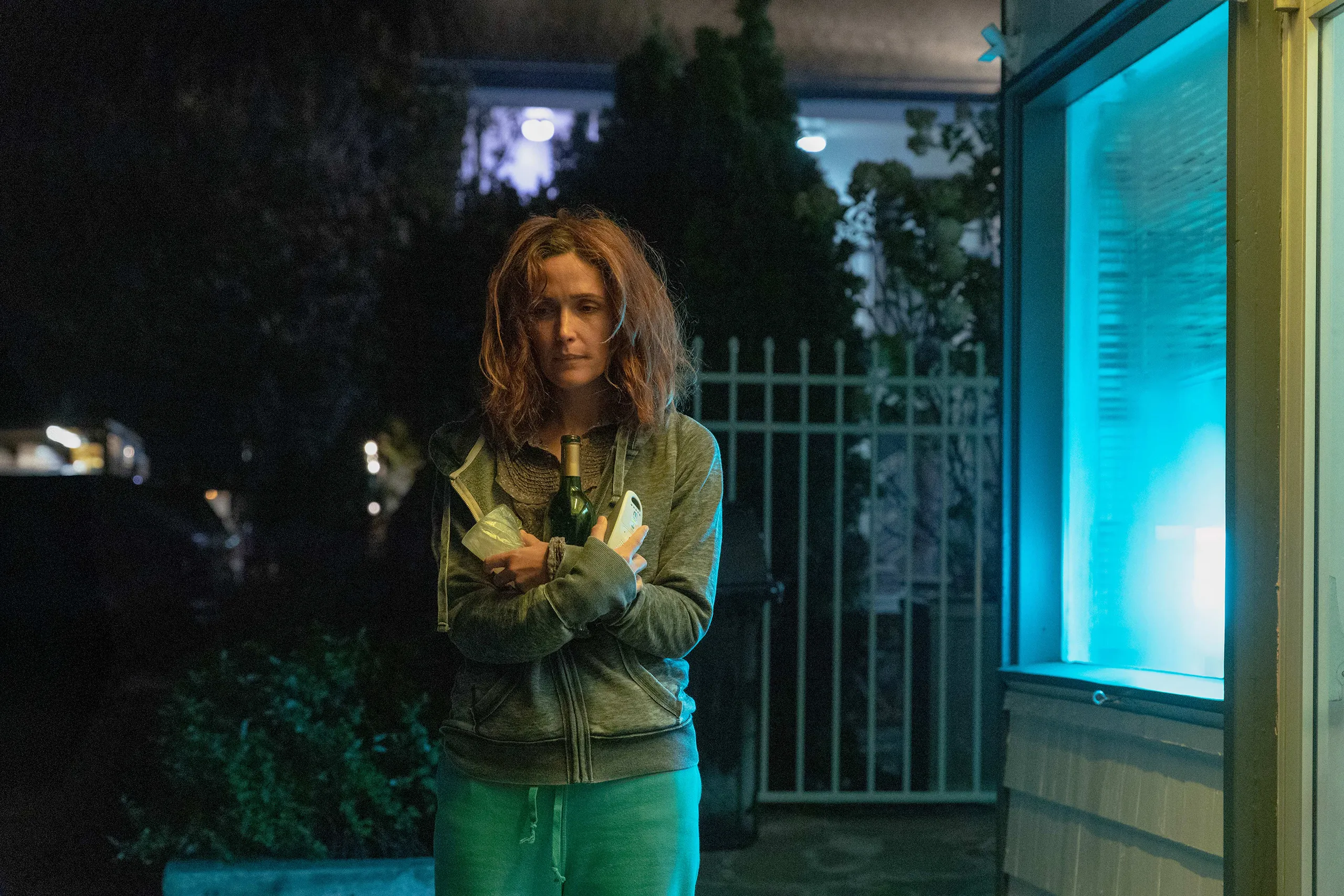
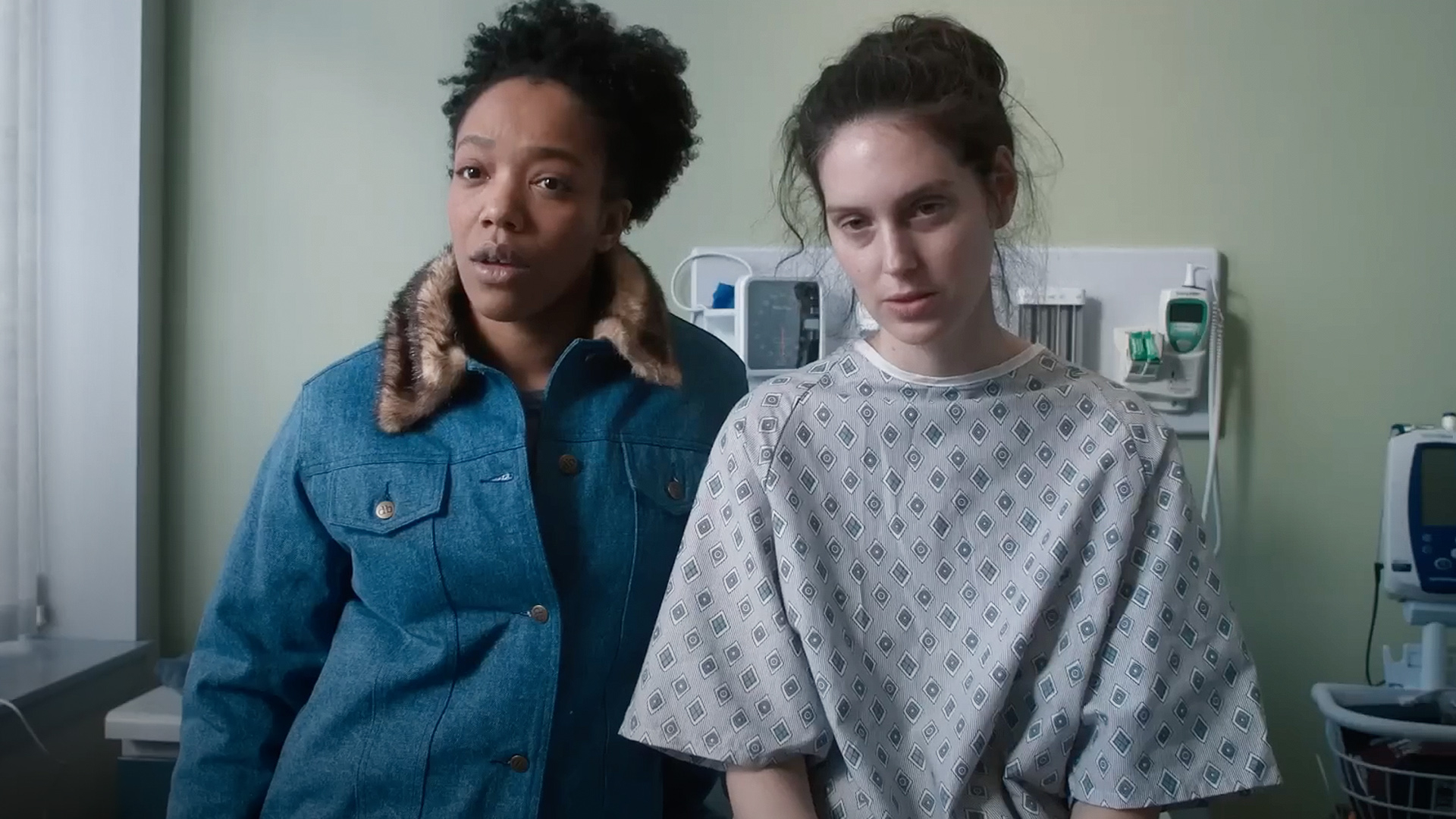
As a child, I had to watch my mother deal with having a sick child—how much of a toll it took on her, and how she never complained. It’s a unique experience to witness, but If I Had Legs I’d Kick You gives a window into the hardships mothers go through daily. It shows how moms are expected to handle everything, including sick kids, household repairs, doctors’ demands, and maintaining a career. Bronstein shows how overwhelming the world can be, and that everyone could benefit from showing mothers more kindness. Rose Byrne is undeniably talented, but her work in this film is unlike anything I’ve seen from her before, and it’s moving to witness.
6. No Other Choice – Park Chan-wook
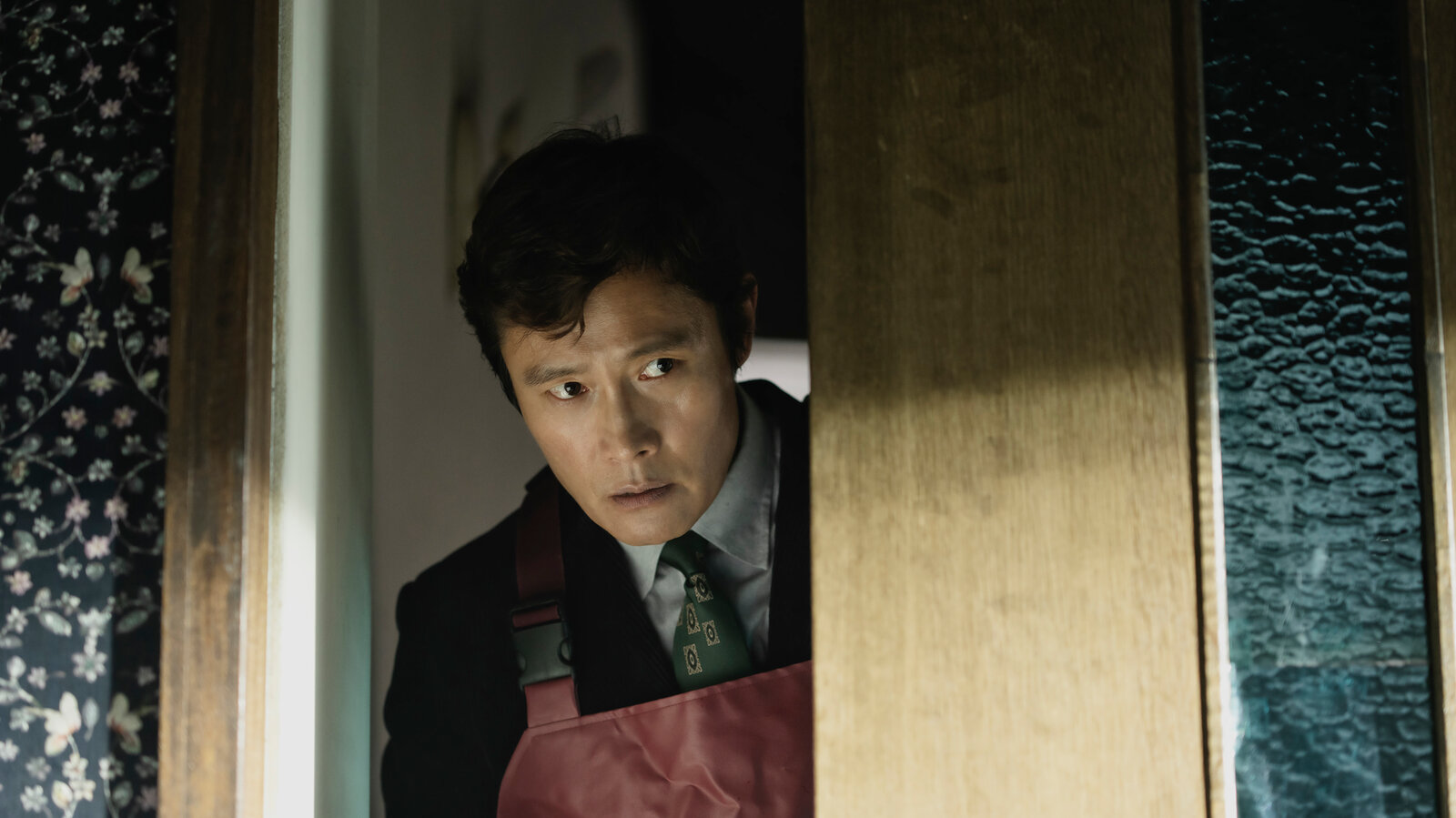
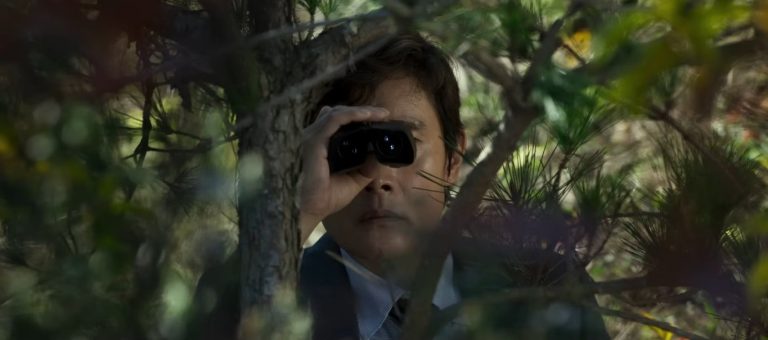
It’s safe to say that this year has brought a lot of insecurity when it comes to basically anything involving basic human needs, like having a stable job. So while watching No Other Choice from legendary filmmaker Park Chan-wook, the unease was at an all-time high. It’s a story that starts out with an unfortunately common premise: a man who has dedicated a quarter century of his life to his job is suddenly laid off. But that’s not where No Other Choice leaves Yoo Man-su (Lee Byung-hun), as he devises a plan to become the most desired candidate in his field of work. It’s best not to watch this film with a toothache—you’ll thank me later!
5. Frankenstein – Guillermo del Toro
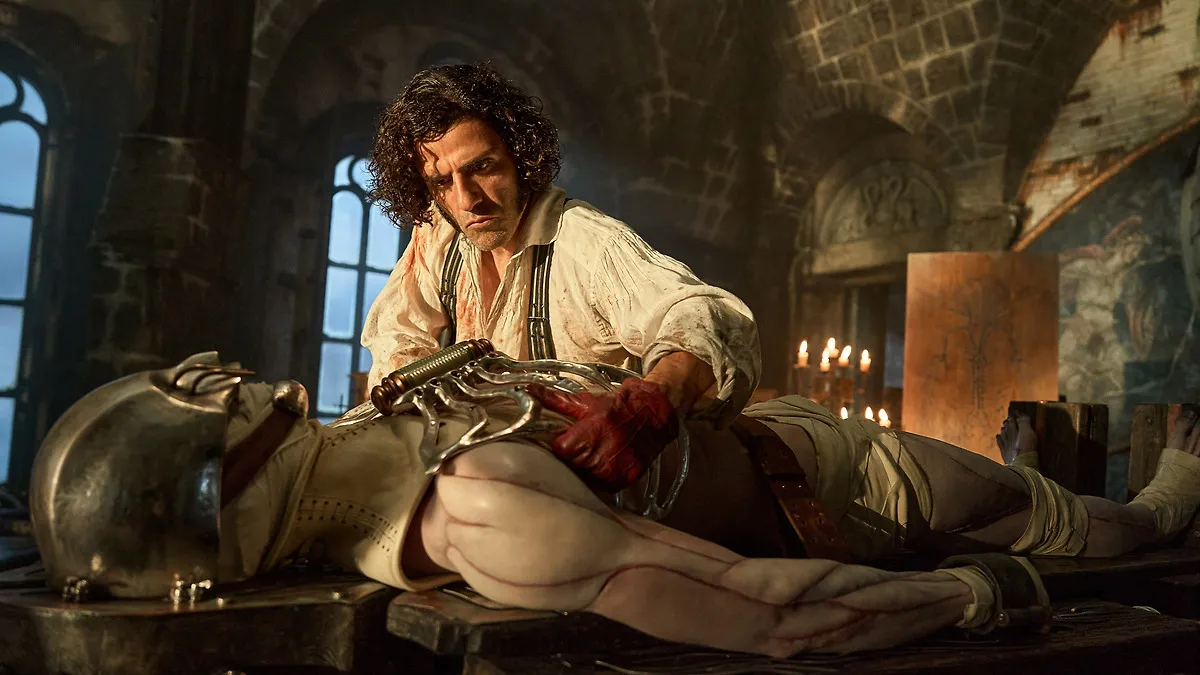
Going into 2025, Frankenstein was my most anticipated film. Whenever my mind wandered during whatever current film I was watching, I was thinking to myself, “Man, I just want to be watching Frankenstein instead.” Thankfully, Guillermo del Toro delivered a film that lived up to my expectations. Beautifully crafted in every way, with Jacob Elordi giving a career-best performance as the Creature, del Toro captures a sense of yearning for life and humanity that was needed this year. Living in a world where del Toro makes art is a treat, especially when that art is a project he was born to adapt.
4. Resurrection – Bi Gan
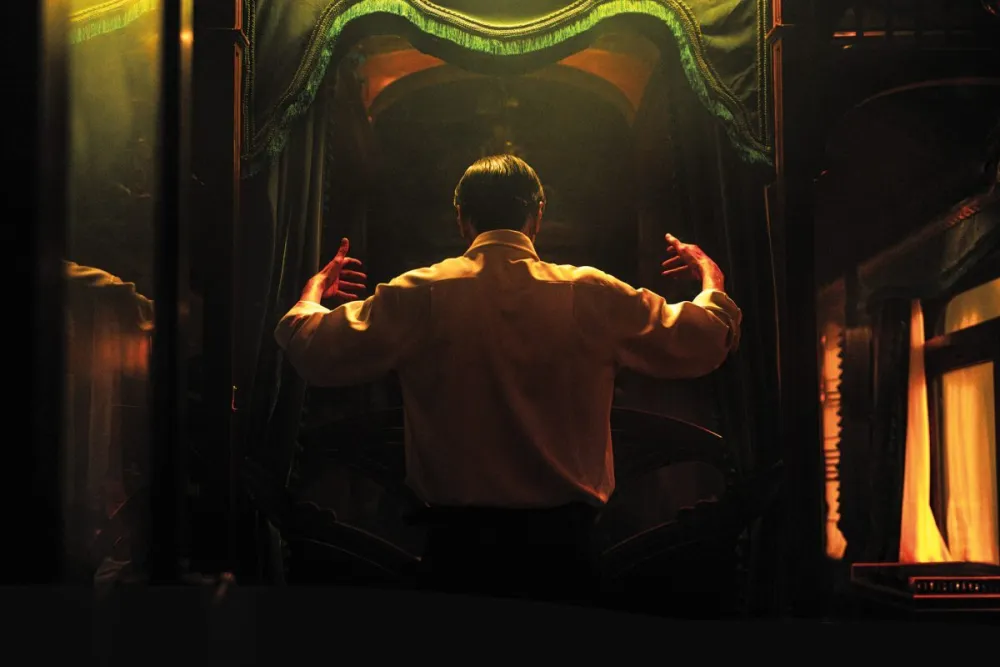
If there were ever a film this year to remind me of the utter magic that movies can be, it’s Bi Gan’s time-traveling film Resurrection. Would life be as vivid and filled with joy if we were no longer able to dream? And if we lived in a world without dreams, would it even be worth it? The film spans decades with its lavishly designed sets, silent-film opening, and extensive one-shot action moments. Those are just a sampling of what Resurrection has to offer audiences willing to get swept up in it. Bi Gan isn’t interested in telling a story that is easily consumable or has a simple pace to follow, and his love for all walks of cinema is felt in a way that makes me feel romantic about cinema.
3. Marty Supreme – Josh Safdie
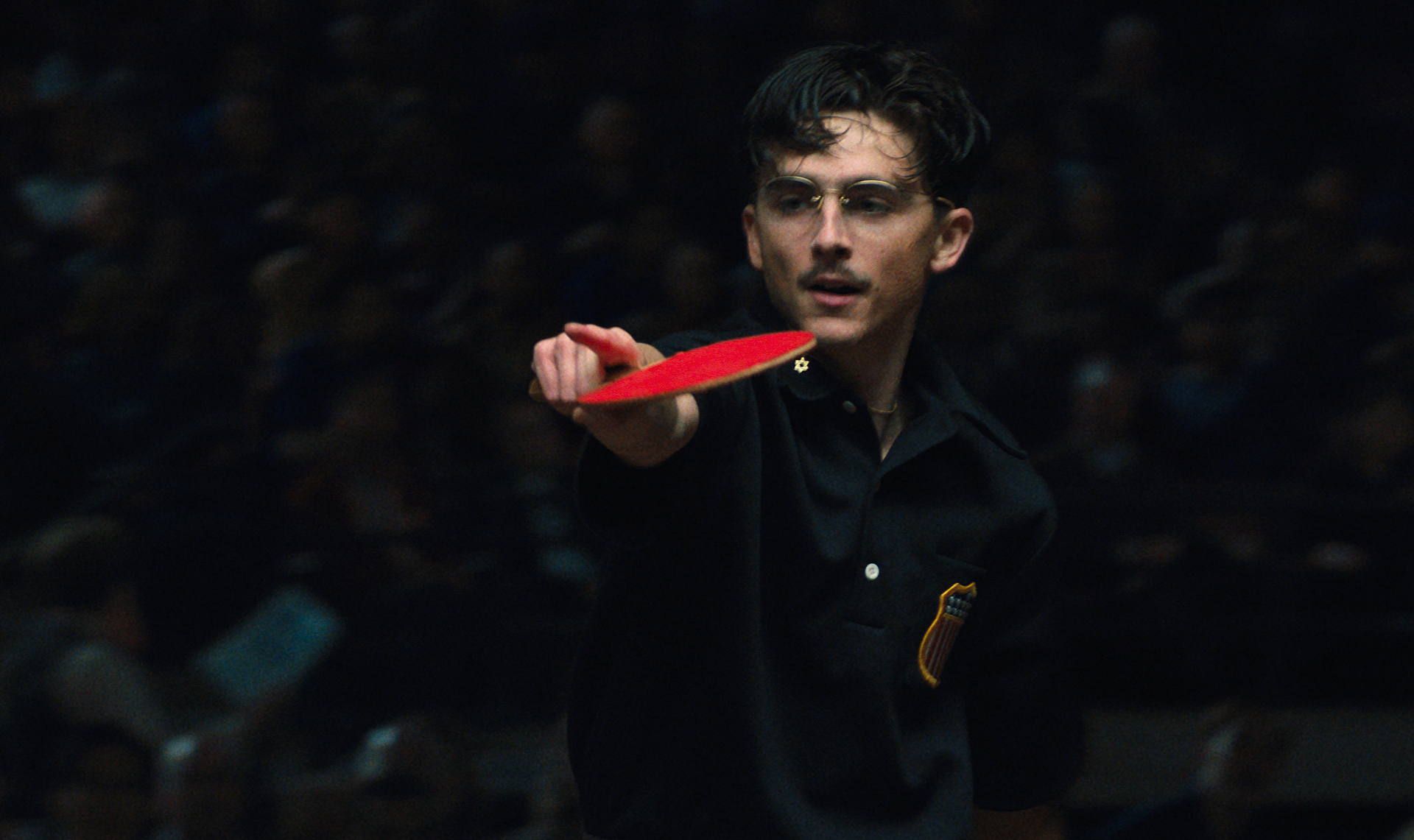
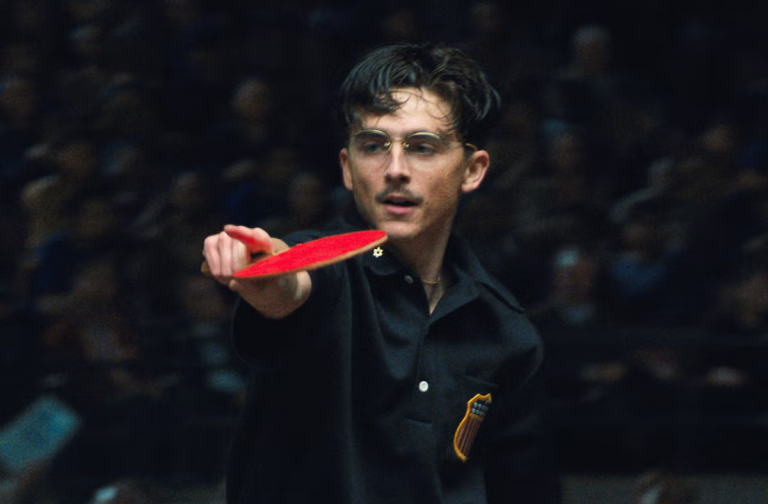
This year, two sports dramas that partially take place in Japan were released, both helmed separately by each of the Safdie brothers. But for me, Marty Supreme from Josh Safdie stands above, with the help of an all-star cast led by Timothée Chalamet. Taking place during the 1950s in a post–WWII world, it follows a young Jewish man whose dreams stretch beyond his imagination. Everyone in their life has, at one point, known a Marty Mauser—someone who will do whatever it takes to succeed, with a win-at-any-means-necessary mindset. It’s intoxicating to watch, especially the matches between Marty and Koto Endo (Koto Kawaguchi), a real-life ping-pong star. However, the women of Marty Supreme, specifically Kay Stone (Gwyneth Paltrow) and Rachel Mizler (Odessa A’zion), impressed me the most, as they both remind and introduce audiences to the talent they possess.
2. Sinners – Ryan Coogler
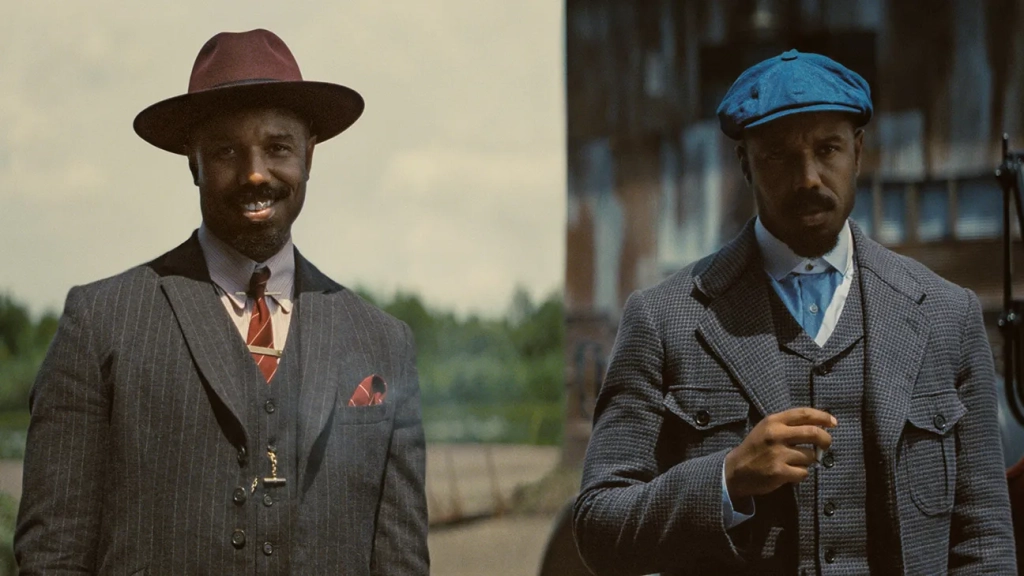
Another film that has stuck with me since watching it is Sinners, the first original film from Ryan Coogler. There’s so much to be said about this film that a single paragraph can’t capture; it’s a profoundly layered piece that explores generations of culture from around the world and the hardships endured. An impressive dual role of twins Smoke and Stack (Michael B. Jordan) guides audiences through the 1930s Jim Crow South. The music by Ludwig Göransson and cinematography by Autumn Durald Arkapaw are among the best work done in film this year. We should all be thanking Ryan Coogler for standing his ground when it comes to the making of Sinners, because it’s a masterpiece through and through.
1. Sorry, Baby – Eva Victor
It’s always refreshing when a film with such dark moments as Sorry, Baby is handled with immense care and perspective. Sexual assault is used far too often in films to give a female character some kind of story without showing how these moments impact someone in every aspect of life. Eva Victor’s directorial debut was a healing experience for me, using humor, shame, guilt, passion, and friendship to explore what it feels like to be violated in such a dehumanizing way. One of the best moments of the film reflects on how the guilt that victims feel never goes away, but evolves into something different, always there in your mind. Needless to say, after the film ended, my shirt was drenched with tears—not because I was sad, but because Victor’s film reminded me that the beauty of life continues, and it’s begging for us to join in.
On this episode of Chasing the Gold, Shadan and Erica discuss their predictions for this year’s Critics Choice Awards! It’s that time of year when the awards are finally upon us, with Critics Choice leading the charge this weekend and we’re excited to share how we think it’s going to play out. We also talk about the Oscar prospects for Marty Supreme and reveal our favorite movies of 2025.
Check out this week’s show and let us know what you think in the comment section. Thanks for listening and for supporting the InSession Film Podcast!
On this episode, JD and Brendan discuss Park Chan-wook’s latest film No Other Choice, starring Lee Byung-hun and Son Ye-jin! This was one of our most anticipated films of the year and Park did not disappoint at all. He’s simply one of the best working today and No Other Choice features the incredible craftsmanship we expect to see from him. It’s more comedic than his previous two films, but it still hits in all the ways we love.
Review:No Other Choice
Director: Park Chan-wook Writers: Park Chan-wook, Lee Kyoung-mi, Don McKellar, Lee Ja-hye Stars: Lee Byung-hun, Son Ye-jin, Park Hee-soon
On this episode, JD and Brendan discuss Mona Fastvold’s new film The Testament of Ann Lee, starring a hypnotic Amanda Seyfried! Say what you will about its storytelling, but this is one hell of a musical. The movement. The feral screaming. It’s wild. It also fits the 2025 theme of grief and parenthood, something we’ve seen quite a bit of this last year, and The Testament of Ann Lee is another great addition to that crop of films.
Welcome to the beginning of a new year! In January, I’ll be 36 years old – if anyone can give me a gift card, that will be great – and I start the year on a cruise ship in the middle of the Caribbean sea. It’ll also mean the Golden Globes will happen and we’re in the thick of awards season where the contenders and pretenders are solidified. For Criterion, this month is stacked. Eight (8!) movies AND a collection all this month, including two re-editions. An old school Hollywood swashbuckler, two ‘80s period pieces, a supernatural drama, and a contemporary Chinese drama make up the rest of the lineup. Here is what January has to offer; again, a Criterion gift card would be very much appreciated.
Captain Blood (1935)
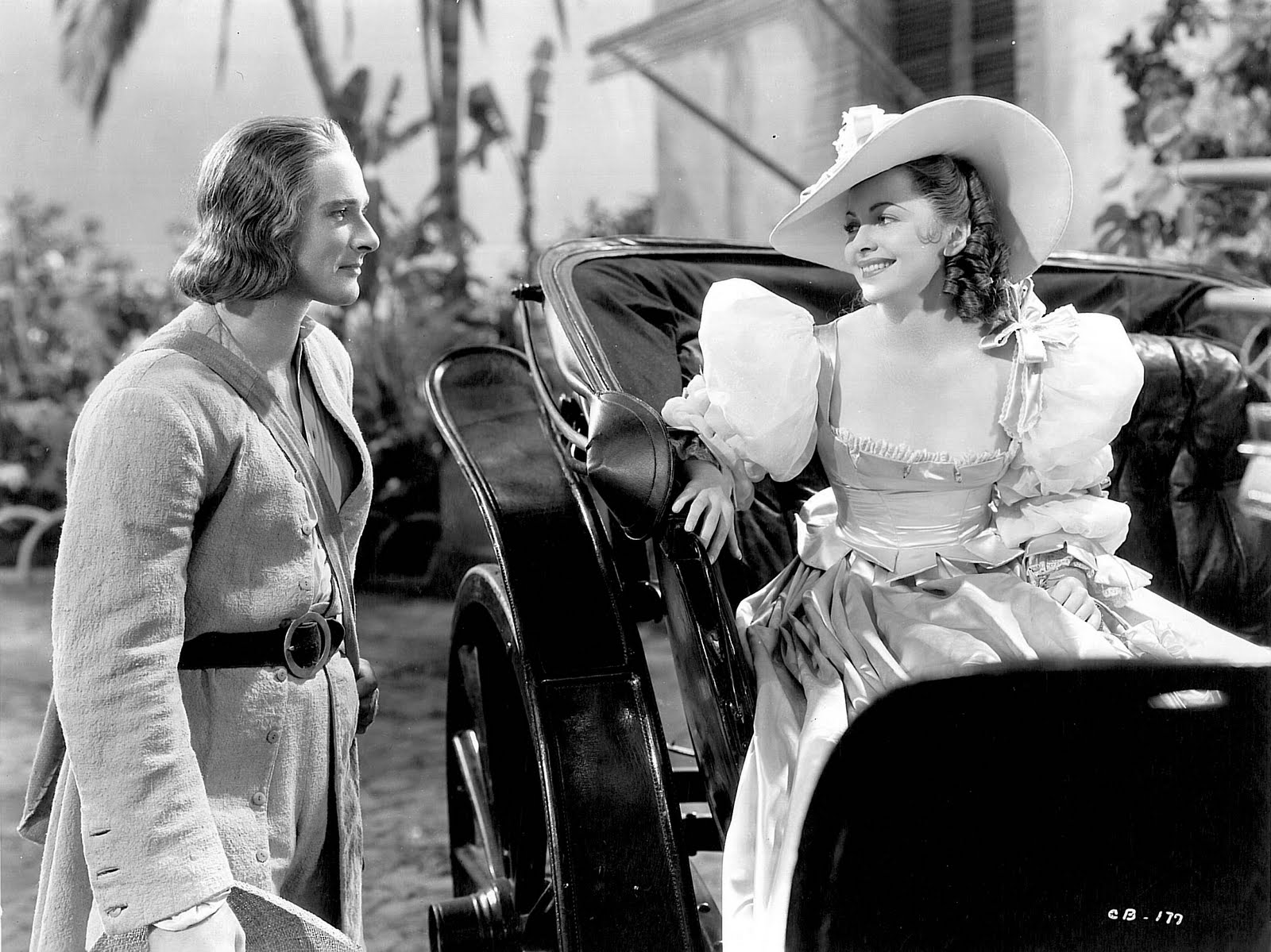
Errol Flynn became Hollywood’s swashbuckling hero in director Michael Curtiz’s adventurous drama of an Irish doctor, imprisoned and sold as slaves for treasonous activity, escapes and becomes a pirate. Curtiz’s incredible direction combines a full-on symphony with gorgeous camerawork and a naval battle for the ages that set the tone for later pirate films. Olivia de Havilland co-stars as Flynn’s love interest and her chemistry with Flynn, still unknown at the time, sparkles the screen and wooed everyone as it would be the first of eight films the two would star in together.
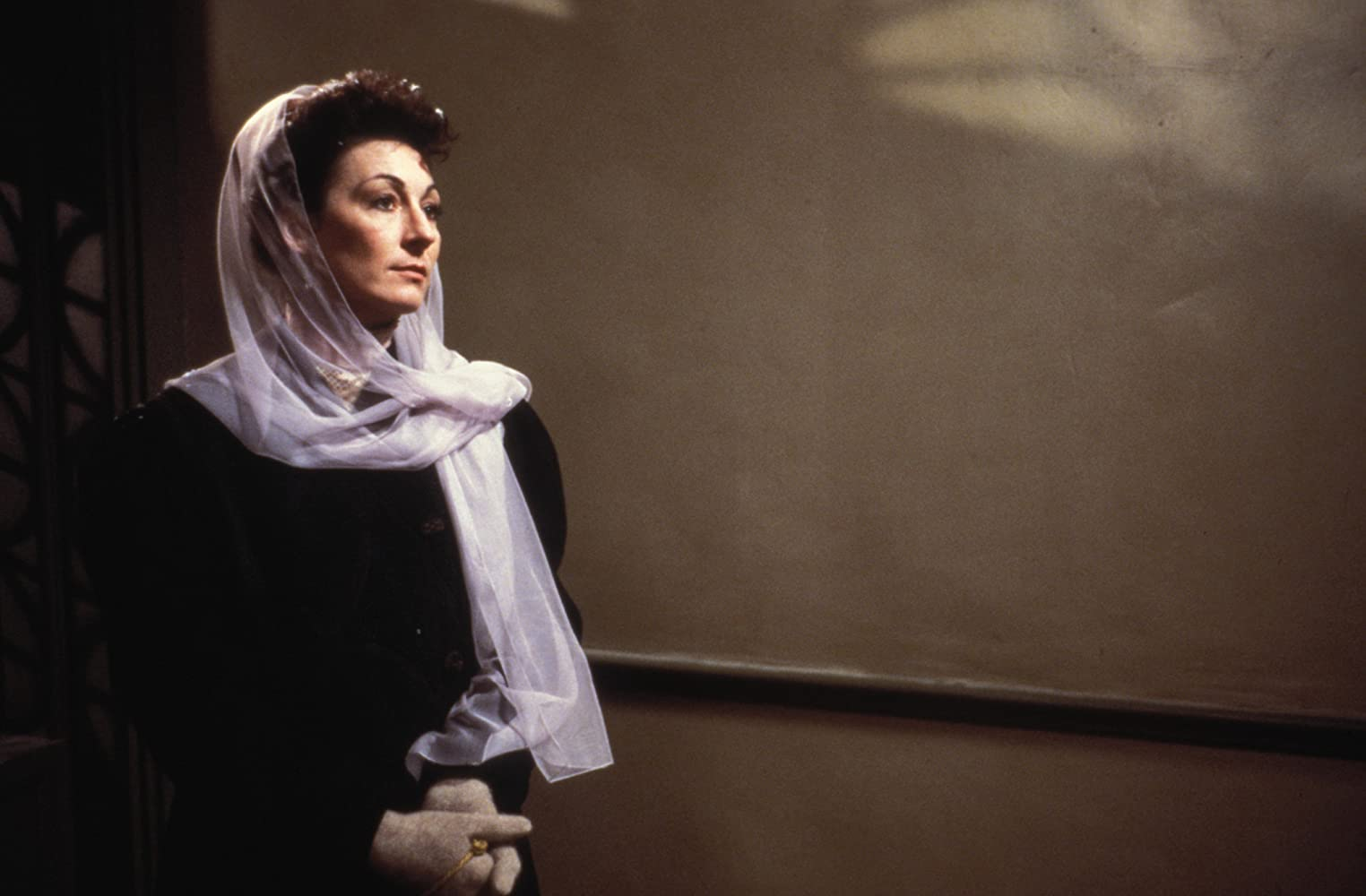
Kiss Of The Spider Woman (1985)
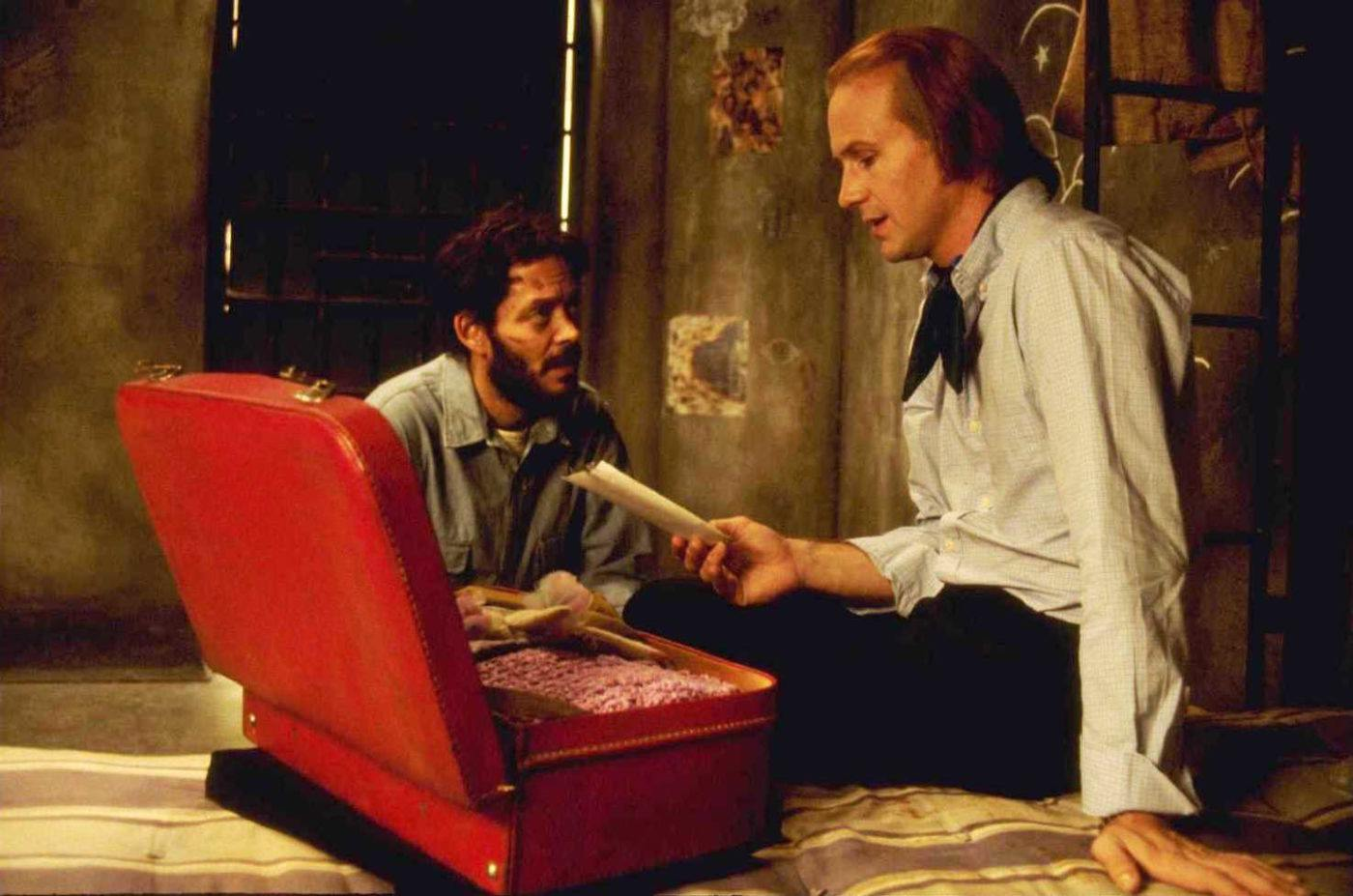
Long before the Broadway musical and its film adaptation the past year, there was Manuel Puig’s acclaimed novel and its own adaptation from Brazilian director Hector Barbenco. William Hurt won the Academy Award for Best Actor as Molina, a gay man imprisoned with a political dissident (Raul Julia) and passes the time talking to him about his love of films. In particular, there is one actress that has him going into a world far from where he is now. It’s a fantasy blended in with the harsh world of military dictatorships set in Latin America, where being free as you are was always a crime.
The Dead (1987)
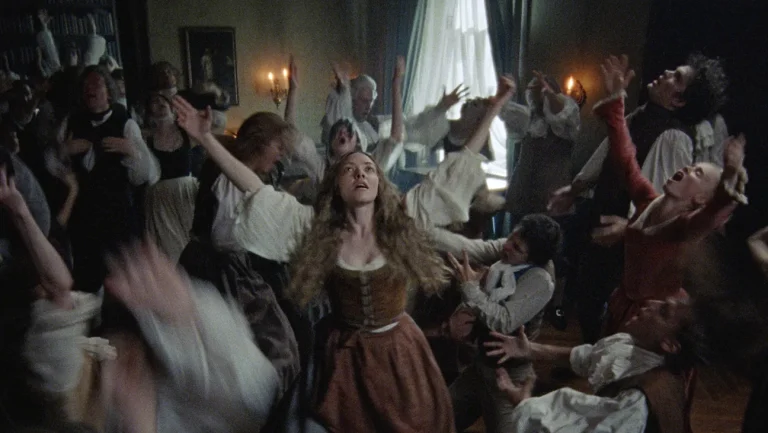
The very last film by director John Huston before his death that year is an adaptation of a story from his favorite writer, James Joyce. In Dublin around the start of the 20th century, a group of people got together for an Epiphany party. There, revelations amongst them start to stir up some unwanted feelings, notably an old affair between a married couple that blindsides the husband. Huston casted Irish actors aside from his daughter in this farewell movie about love, loss, and the meaning of being Irish prior to its revolution against Britain.
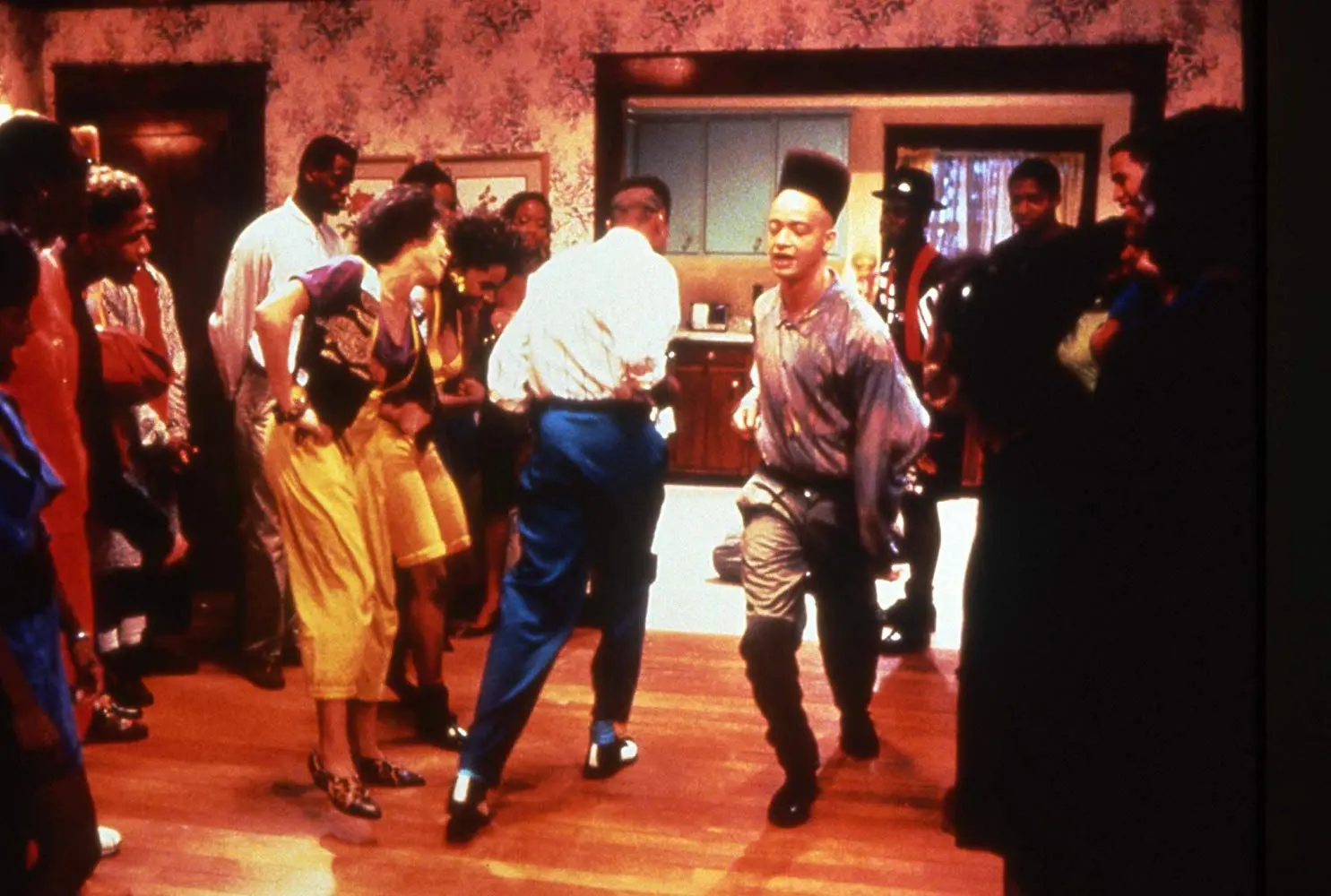
House Party (1990)
This was supposed to be a November release, but it got delayed until January. So, if you saw this exact paragraph in my November release period, my apologies. Just easier to copy and paste what I had written before.
The rap duo Kid ‘n Play were major hip-hop influences in the early ’90s before the emergence of gangsta rap. This film, in Reginald Hudlin’s debut, exemplifies the feeling with the comic touch of urban life with teenagers who just want to go out and have some innocent fun with one night getting together. Along with the rap duo, comedian Robin Harris, Tisha Campbell, and Martin Lawrence star in this teen comedy that encapsulates this short period in transitioning between the decades and the type of rap which was popular turning to a more hardcore style.
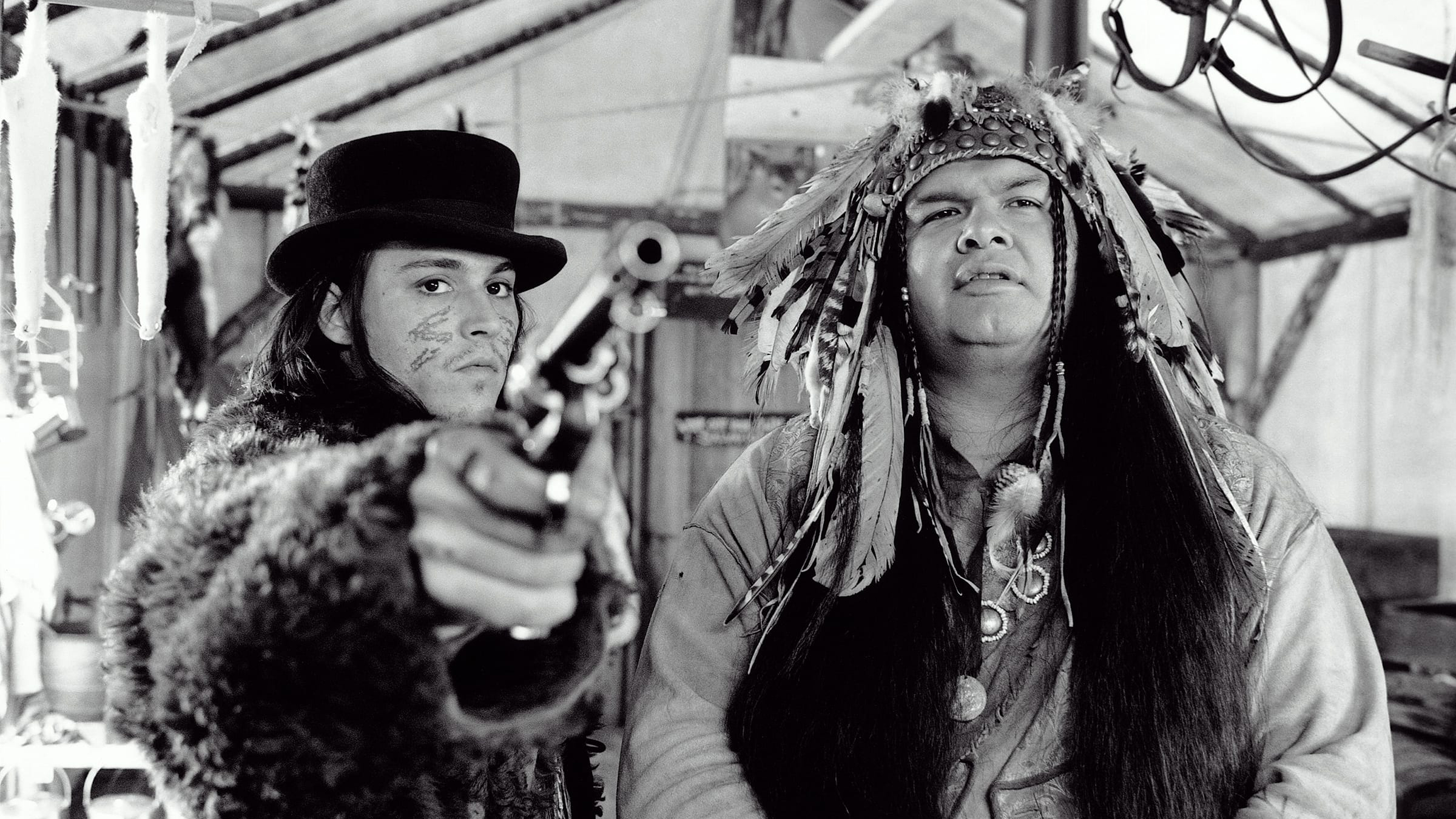
Dead Man (1995)
Jim Jarmusch is one of the most eclectic directors out there working today and his style of Western starring Johnny Depp shows that. Moving into an isolated outpost, Depp plays an accountant from the city who finds himself a wanted man for murder and meets a Native American who can help him because he sees this meek man as a reincarnation of another person. With Neil Young’s countryesque score (which was half-improvised) and monochrome cinematography, Jarmusch makes an impression of the outdoors featuring Gary Farmer, Iggy Pop, Billy Bob Thornton, John Hurt, Crispin Glover, and the legendary Robert Mitchum.
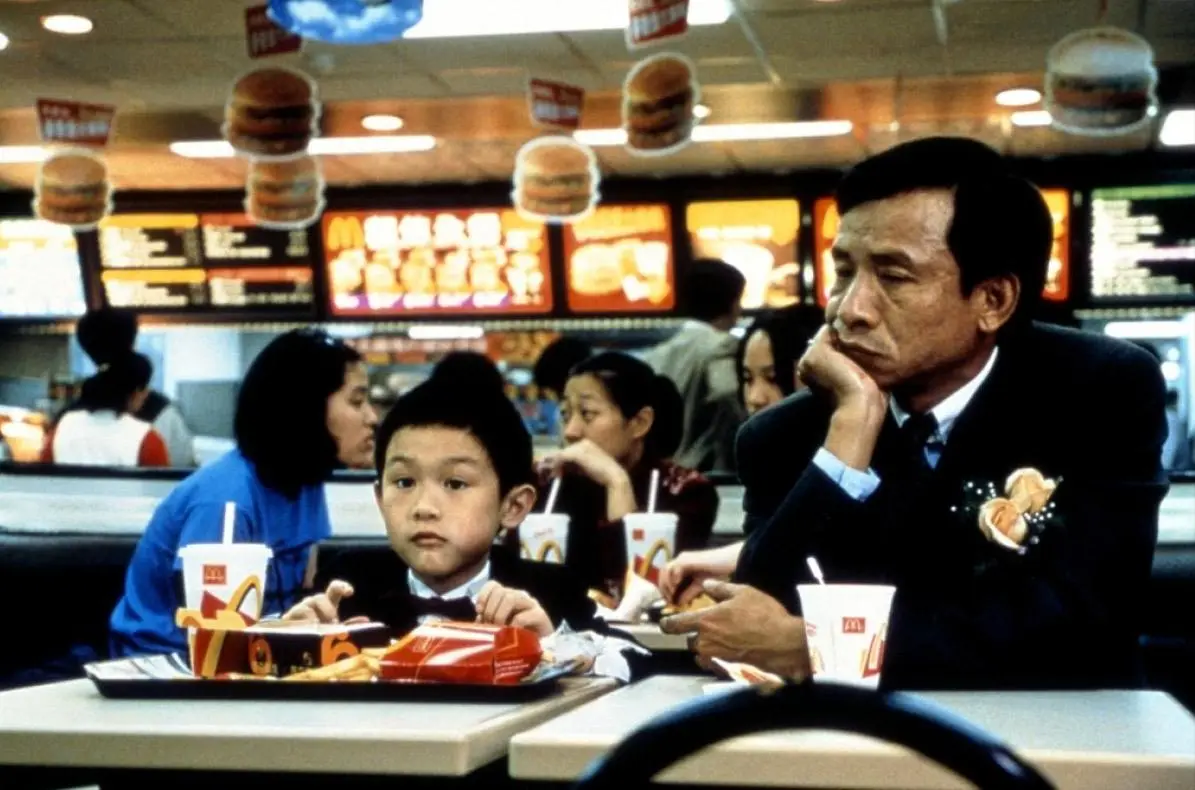
Yi Yi (2000)
An early masterpiece of the new century, Yi Yi was Edward Yang’s last film before his death. In a period of a year, the film follows a Taiwanese family in various events that range from a wedding to a funeral. The husband, the wife, the children, and others find themselves engaging in life’s different challenges and unexpected timing, something that is more about the slices of life than a slice-of-life drama. In almost three hours, Yang captures a perfect family album of things that can come at any time to anyone.
Birth (2004)
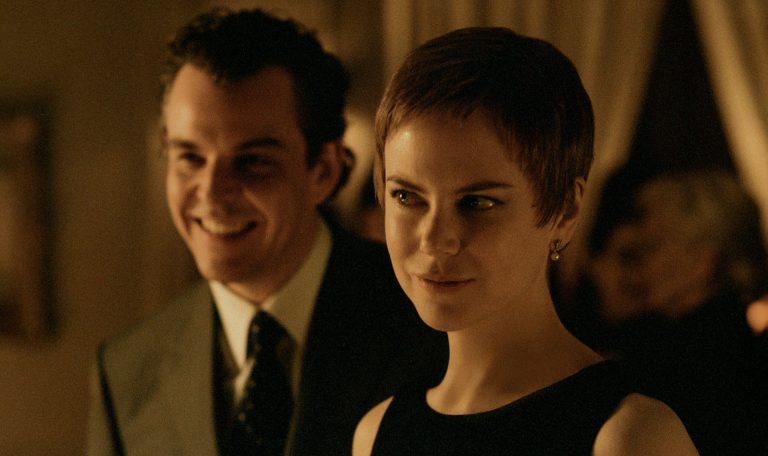
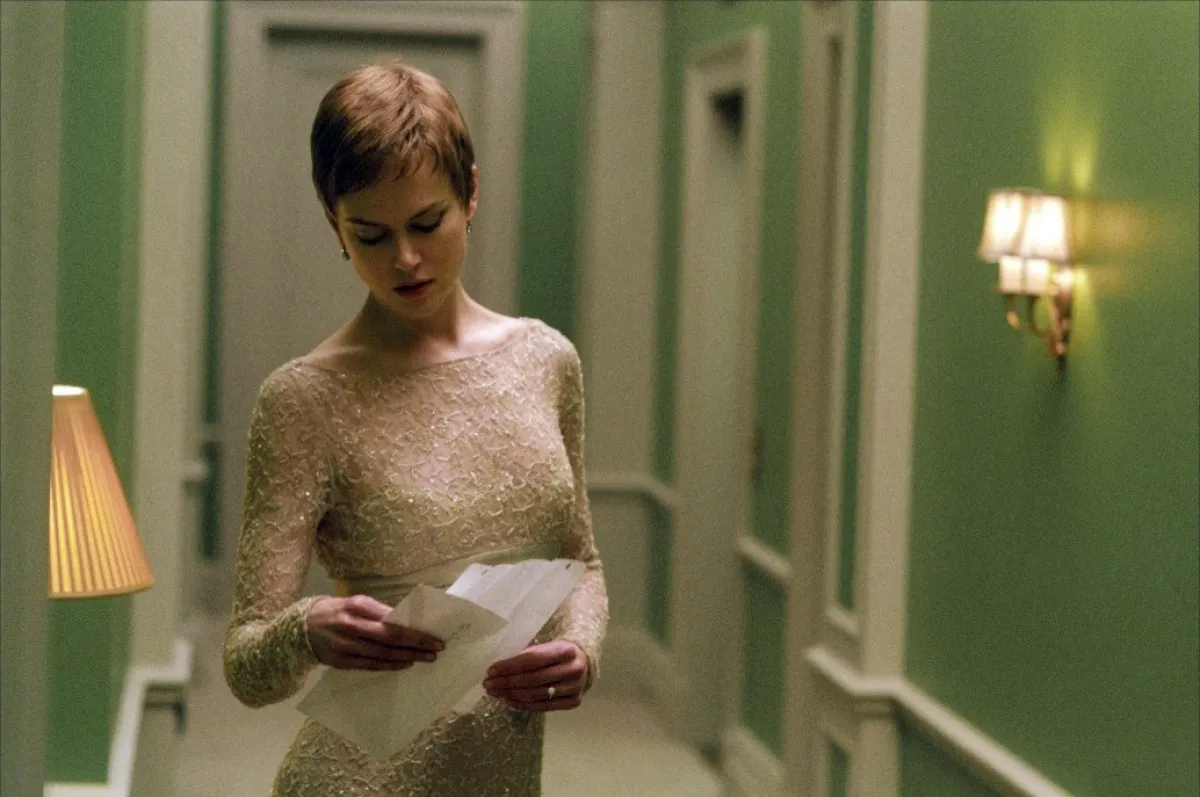
Jonathan Glazer’s sophomore film was misunderstood and confusing for plenty, but has since been seen as an undervalued gem. Nicole Kidman is a widow in New York City who is confronted by a 10-year-old boy (Cameron Bright) who claims to be a reincarnation of her dead husband. The boy tells her not to get remarried and drops hints which slowly reveal that he may be what he says. It’s a mystery which is hypnotic and carries the emotional burden from moving on with life after death and if the spirits follow us in human form.
Caught By The Tides (2024)
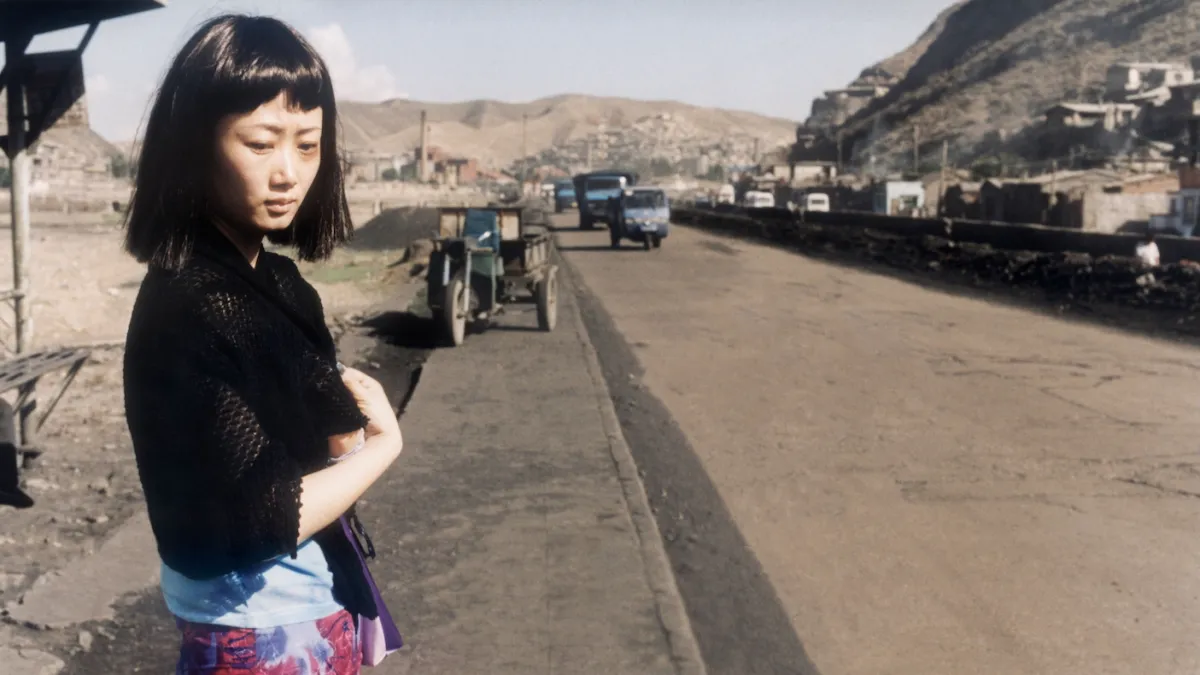
A solid piece of contemporary Chinese drama, director Jia Zhangke blends linear and non-linear, interweaving back and forth with footage Zhangke filmed over twenty years earlier with outtakes of his own past films. Twenty years after having a romantic relationship, a woman (Zhao Tao) looks for the man (Li Zhubin) she lost as the countryside they lived in transforms drastically into the modern state it is in. While both struggle in this rapidly changing world and remain separated, Zhangke inidates us with these past inserts of own work leading up to a China post-COVID as the leads have aged dramatically.
Martin Scorsese’s World Cinema Project No. 5
The fifth edition of this collection of obscure international movies coming back to life are certified gems thanks to the work of Scorsese and The Film Foundation, continuously busy restoring and finding old movies nearly lost to time. Just watch Rebecca Miller’s five-part documentary on the man, the legend that is Mr. Scorsese, and you’ll see his office full of old movie posters on the walls. These four films are hidden masterpieces getting a second view to the public and a first look to our eyes.
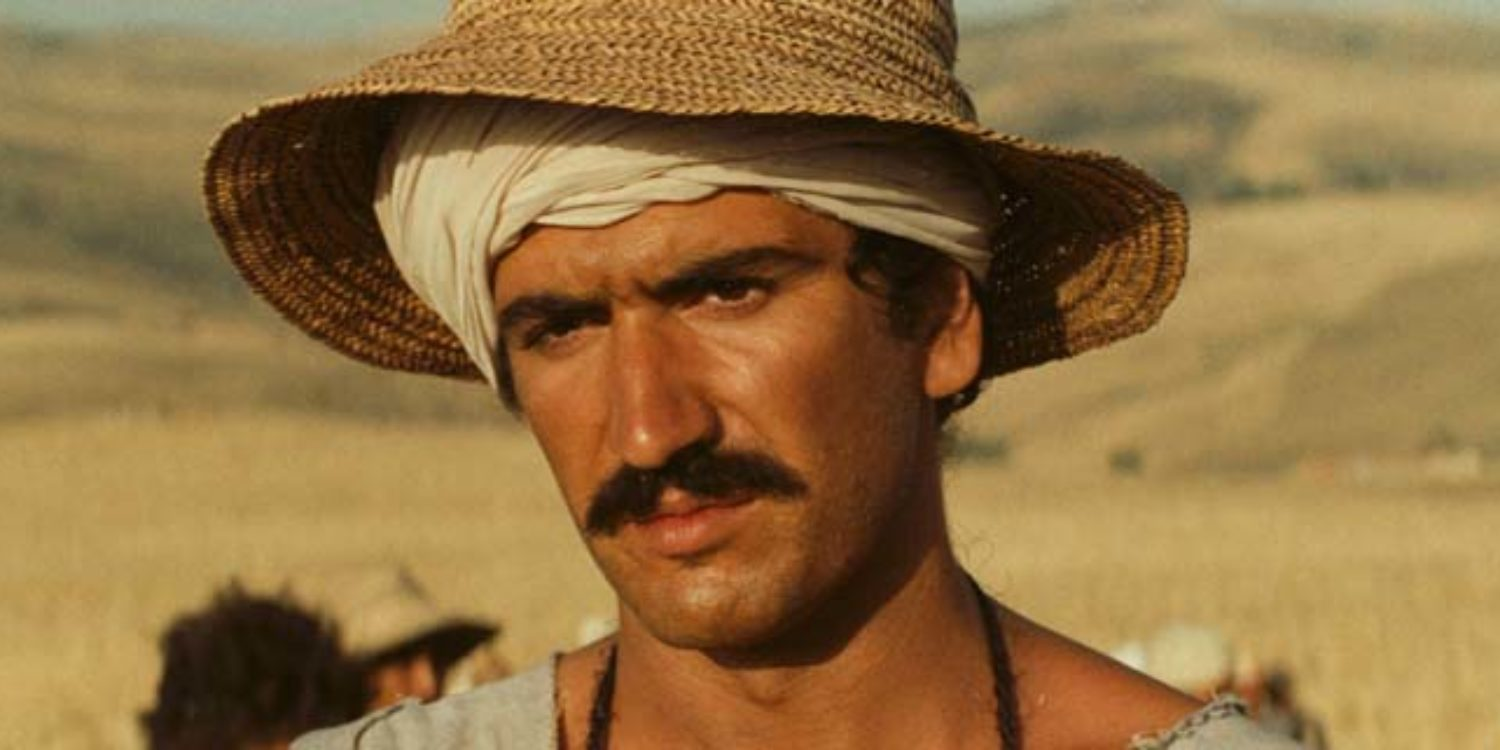
Chronicle of the Years of Fire (1975) from Algeria won the Palme d’Or, a landmark achievement by director Mohammed Lakhdar-Hamina, follows Algeria’s fight for independence as a farmer watches on having been born into the French colonial system who suddenly becomes part of the armed struggle. From Burkina Faso, Yam Daabo (1987) was the first film by the nation’s foremost director, Idrissa Ouedraogo, and follows a family’s division on either being self-reliant on their farm or moving to the city for better opportunities.
Kummatty (1979) is a spin of magic realism from “Mollywood” rather than the universally known Bollywood by director Govindan Aravindan. The story follows a group of children and the bogeyman that they are supposed to fear, but the supposed “kummatty” is someone who can only change their lives for the better. Finally, The Fall of Otrar (1991) was made during the last years of the Soviet Union and released to kick off the Kazakh New Wave as the country became independent. Director Ardak Amirkulov created this amazing epic of the city’s last years as a wealthy station on the Silk Road before the army of Genghis Khan stormed in to rummage all of it.
This week on Women InSession, we continue our critic spotlight series as we get to know Andrew Corns of the The Revisionist’s Almanac and his journey to becoming a film podcaster! He talks about his transition from a sports background into doing something new and focus on building a platform that’s diverse and passionate about film. This was a really fun conversation.
Panel: Kristin Battestella
On that note, check out this week’s show and let us know what you think in the comment section. Thanks for listening and for supporting the InSession Film Podcast!
On this episode, we talk about the possibility of an Ocean’s Fourteen without Steven Soderbergh at the helm, Sigourney Weaver meeting with Disney to consider reprising Ripley in a new Alien film, the new trailer for Sam Raimi’s Send Help and Warner Bros. rejecting Paramount (for now)!
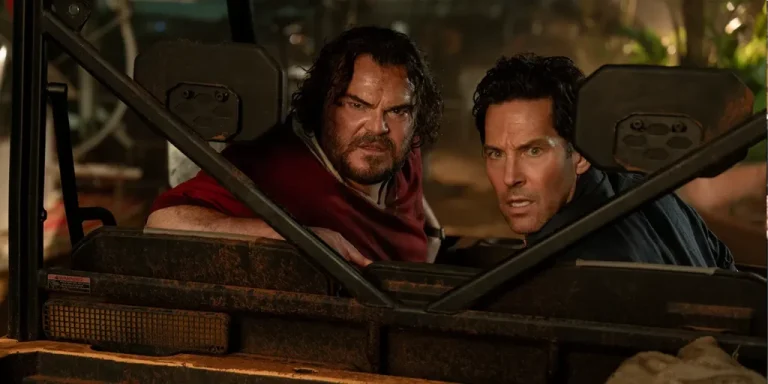
Director: Tom Gormican Writers: Tom Gormican, Kevin Etten, Hans Bauer Stars: Jack Black, Paul Rudd, Steve Zahn
Synopsis:A group of friends are going through a mid-life crisis. They decide to remake a favorite movie from their youth but encounter unexpected events when they enter the jungle.
The blockbuster comedy is a sort of lost art on the current cinematic landscape. Rarely nowadays does such a comedy exist on its own without being combined with another genre; the action comedy, the horror comedy, the “dramedy,” the list goes on and on. Yet, while Anaconda does have elements of all of these things, it feels more akin to a pure, unashamed comedy than anything else. It earns points there, at least in concept, but the film struggles to find any real footing along the way in execution.
Director Tom Gormican has now come close to making a good comedy twice. First, he flirted with quality with his Nic Cage-led The Unbearable Weight of Massive Talent, before moving onto this subsequent attempt at the exact same genre. Unfortunately for Gormican – in spite of his keen sensibilities for the genre – what didn’t work then, doesn’t work now. Namely, poor side characters and an overreliance on bits that have been thoroughly played out already.
On numerous occasions, Anaconda throws something at the audience that they’ve already seen before. For a movie that, narratively, is touting itself as a satirical champion of originality, the irony quickly opens an untreatable self-inflicted wound. Instead of playing like a straight sequel to the 1997 original of the same name, the new Anaconda supposes that movie’s existence within its own faux-realistic world.
Led by Paul Rudd and Jack Black, a group of amateur filmmakers set out to make their own version of a sequel on an incredibly low budget. That idea, especially given the motive of trying to avoid making a traditional, junky reboot, is a fun one. Again, that’s where Gormican scores most of his points. The movie just isn’t that funny, and for a comedy, no greater sin can be committed.
Now, there are a few running gags – most often spurred by the ever-electric Steve Zahn – that work well enough. It’s when the movie turns up the slapstick meter to 11 that the light finally starts to peek through a little. But, given that most of the runtime is spent prodding through flat character motivations and finding ways to conjure humor through that, the good stuff is unfortunately few and far between.
Especially for a comedy with the aforementioned duo, Rudd and Black, at the core, ‘Anaconda’ bears astonishingly little of either of their personalities. You’ll get the occasional Jack Black vocal inflection, and Rudd cuts the shoddy dialogue with silly physical humor at times, sure. More often than not though, Black is simply “Doug” and Rudd, “Griff.” The latter make a far less interesting pair than the performers who have made a career off of their own comedic sensibilities, at least to an extent.
To the film’s credit, it does look somewhat cool, sometimes. Gormican and his team light the jungle-bound setting, especially at night, in compelling ways and run enough hijinks through the trees to keep you at least relatively engaged. Anaconda isn’t a bad movie, necessarily, but it is an almost completely unnecessary and terribly unoriginal one. This holiday season, there exists very little reason to catch this comedy in theaters. Unless you’re a massive fan of the original, Ice Cube, or both, Anaconda is a safe, forgettable skip. Those waiting on the grand return of comedy to the big screen will have to wait a little longer.
On this episode of Chasing the Gold, Shadan is joined by Jaylan Saylan to discuss Die My Love, Hamnet and how these films portray the various complications of motherhood and grief! It’s been a major theme this year, and it’s been refreshing to see the raw vulnerability of motherhood on screen this year. There are a lot of great examples and we dig into the ones that meant the most to us.
Check out this week’s show and let us know what you think in the comment section. Thanks for listening and for supporting the InSession Film Podcast!
This week on the InSession Film Podcast, we keep it pretty simple and simply discuss a bunch of 2025 movies that we’ve caught up with over the last the last few week weeks that we haven’t had a chance to review on the show yet! Happy Holidays everyone!
Check out this week’s show and let us know what you think in the comment section. Thanks for listening and for supporting the InSession Film Podcast!
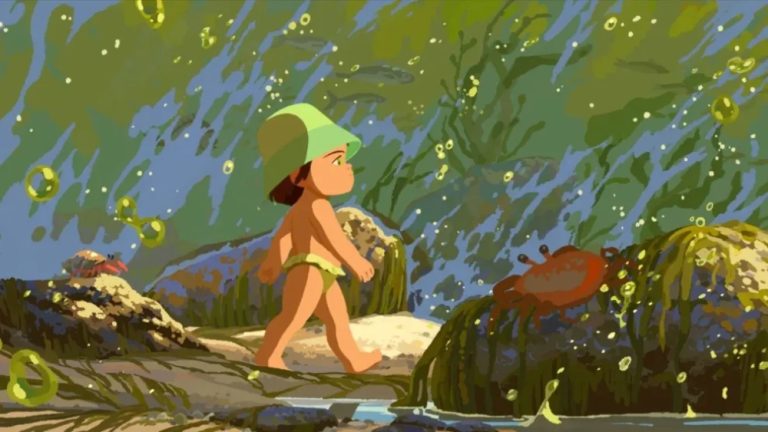
– 2025 Catch-Up (4:05) To begin the show this week we jump into some films that both Brendan and JD have seen, including the Hikari film Rental Family, the Shih-Ching Tsou film Left-Handed Girl, the documentaries Predators and John Candy: I Like Me. We then turn our attention to a couple of animated films as we dig into The Bad Guys 2 and the gorgeous French film Little Amélie or the Character of Rain, a film that really took Brendan in a big way.
– More 2025 Catch-Up (1:28:42) As we begin to wind down, Brendan then goes on talk about the little comedy The Baltimorons from Jay Duplass. JD gives us his thoughts on the German film Sound of Falling, the Chinese film Caught by the Tides, Yorgos Lanthimos’ latest in Bugonia, the French animated film Arco and Edward Berger’s new film Ballad of a Small Player.
If you want to help support us, there are several ways you can help us and we’d absolutely appreciate it. Every penny goes directly back into supporting the show and we are truly honored and grateful. Thanks for your support and for listening to the InSession Film Podcast!
On this episode, JD and Brendan are joined by the great Jay Ledbetter to discuss Josh Safdie’s new film Marty Supreme, starring a phenomenal Timothée Chalamet! Safdie has already proven himself with Good Time and Uncut Gems, but now he’s solidified himself as one of the best filmmakers working right now. Marty Supreme comes as advertised and Chalamet is maybe on his way to an Oscar.
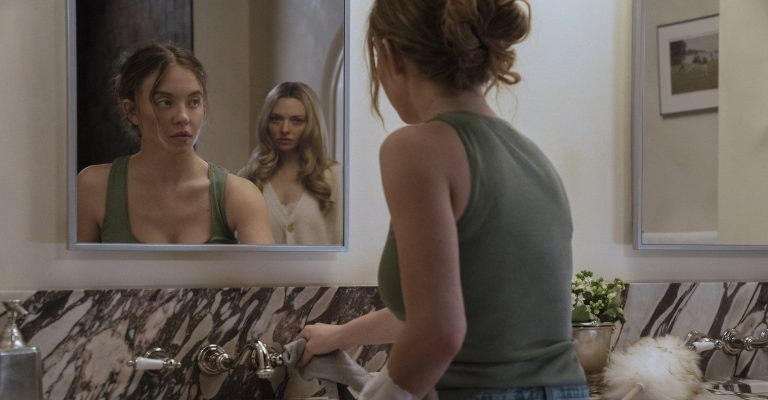
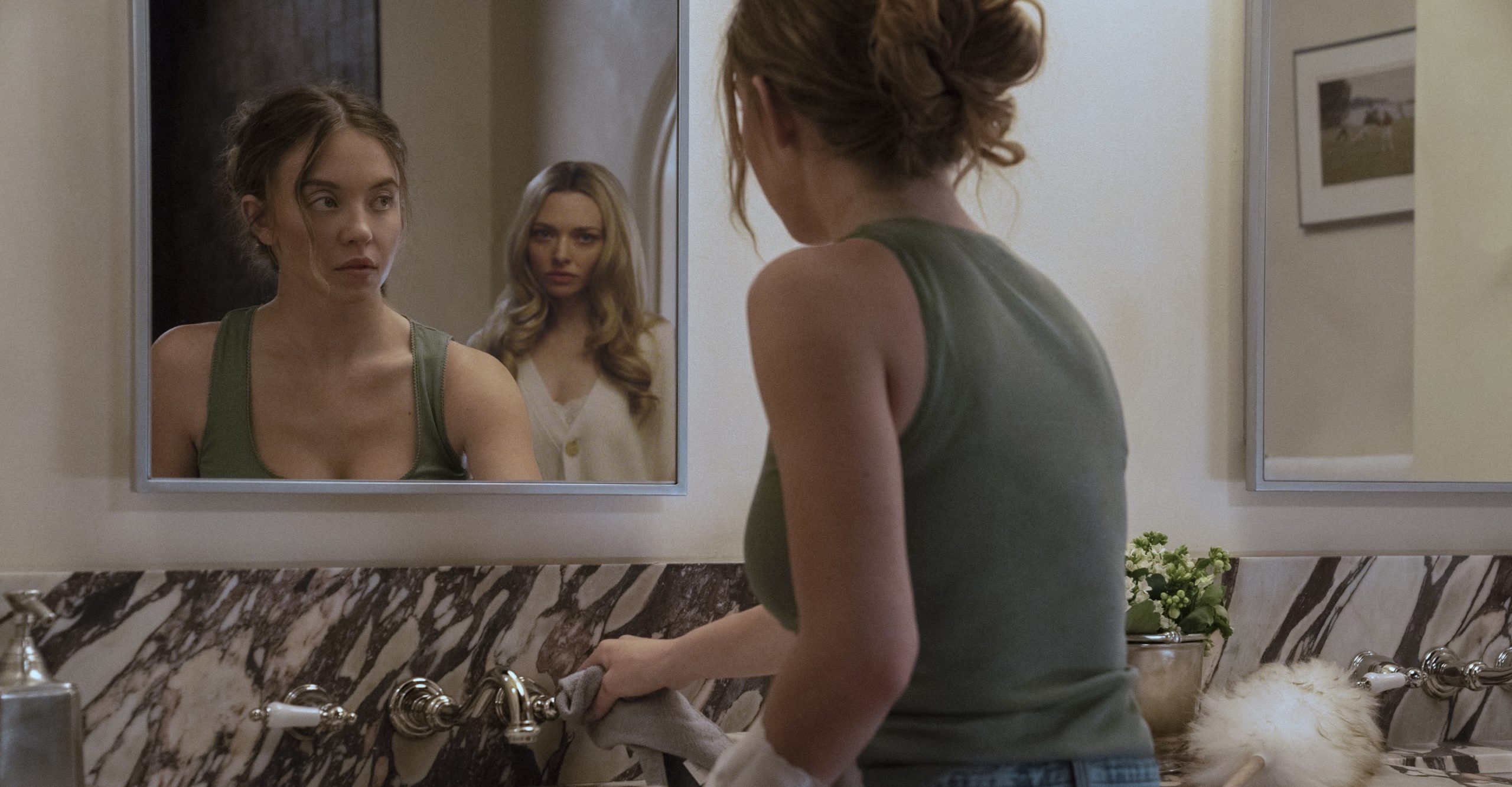
Director: Paul Feig Writers: Rebecca Sonnenshine, Freida McFadden Stars: Sydney Sweeney, Amanda Seyfried, Brandon Sklenar
Synopsis: A struggling woman is happy to start over as a housemaid for an affluent, elite couple.
If you recall Paul Feig’s straight to streaming sequel Another Simple Favor this year (and I’m hoping you don’t because it represents in my mind his nadir) you’re probably aware that “female empowerment” in his more recent work seems to be two women possibly poised to do one another damage. Because as long as the outfits, the husbands, and the houses are impressive women putting other women in danger is a girl boss move.
Paul Feig isn’t entirely to blame for the ludicrous and shabby The Housemaid as it’s an adaptation in the first of a series written by (or perhaps not entirely, but that’s a different story) Freida McFadden and originally published as an e-book in 2022. The publisher, Bookoutre, is owned by a former Harlequin and Mills & Boon marketing executive. The model is volume output which acts as a lucrative testing ground for titles to go viral and then they’re sold or licensed to paperback publishers and some also get studio options. A similar low-risk, high-payout of the Colleen Hoover self-publishing model. I’ve “read” The Housemaid and it’s twisty (if you aren’t paying attention) and mostly repellent trash that begs you to suspend disbelief somewhere so high that lack of oxygen impedes brain function; which is also where you need to be for the movie to make a lick of sense.
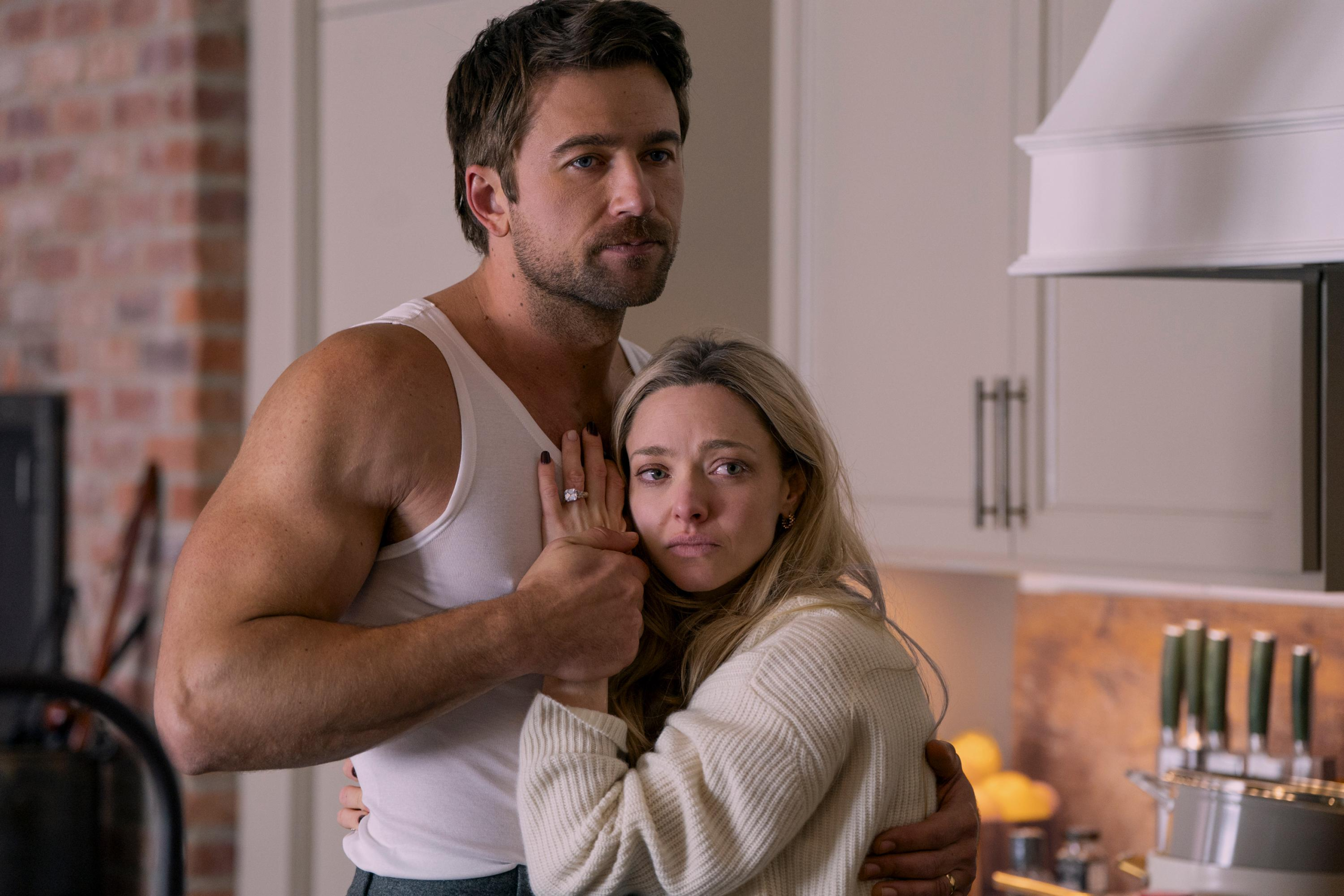
The screenplay adapted by Rebecca Sonnenshine at the very least ditches most of Millie’s (Sydney Sweeney) caustic narration and doesn’t fat and age shame Nina Winchester (played by Amanda Seyfried as thin and young) the “mad mommy” of Long Island who employs the desperate Millie as her live-in housekeeper/babysitter/cook. Nina is married to Andrew (Brendan Skelnar), a generationally wealthy tech business owner who spends a lot of time in a white singlet, just because he’s shaped like Brandon Skelnar.
Millie was living in her car and desperately needs to keep her job in the Winchester home regardless of whatever increasingly bizarre gaslighting game Nina seems to be playing and the general coldness of Cecelia (Indiana Elle), Nina’s ballet obsessed seven-year-old. Millie will put up with her tiny attic room with an outside lock and locked window. She will put up being treated like she’s another species by the PTA mommies who also don’t much care for Nina because she doesn’t “deserve” Hot Saint Andrew, who charitably and calmly puts up with Nina’s diagnosed psychotic behavior and is a great dad to a child that isn’t biologically his.
Of course, there are dark secrets on both Millie and the Winchester’s sides. Very little is as it seems which Millie finds out at a punishing (for the audience) slow pace. Nina’s behavior gets more unhinged and cruel which pushes Millie and Andrew into each other’s trés sexy arms (yes, there is Sweeney boob for those who want to know, which I guess will be the majority of the straight male audience and to even things out a little there is Sklenar butt). Millie also seems unable to follow basic “dress code” for a housekeeper as Andrew’s cold and withholding mother (Elizabeth Perkins) scolds Nina about. Evelyn Winchester also reminds her son that not wearing a tie on the weekend is not quite up to standard.
However, as three poorly reviewed movie releases proved this year, Sydney Sweeney and box office dress code includes low cut tops and peek-a-boo belly button. I’m not at all a prude and the very tame titillation The Housemaid offers is mostly objectionable because its erotic value is aggressively ordinary but somehow, it’s sold as very naughty indeed.
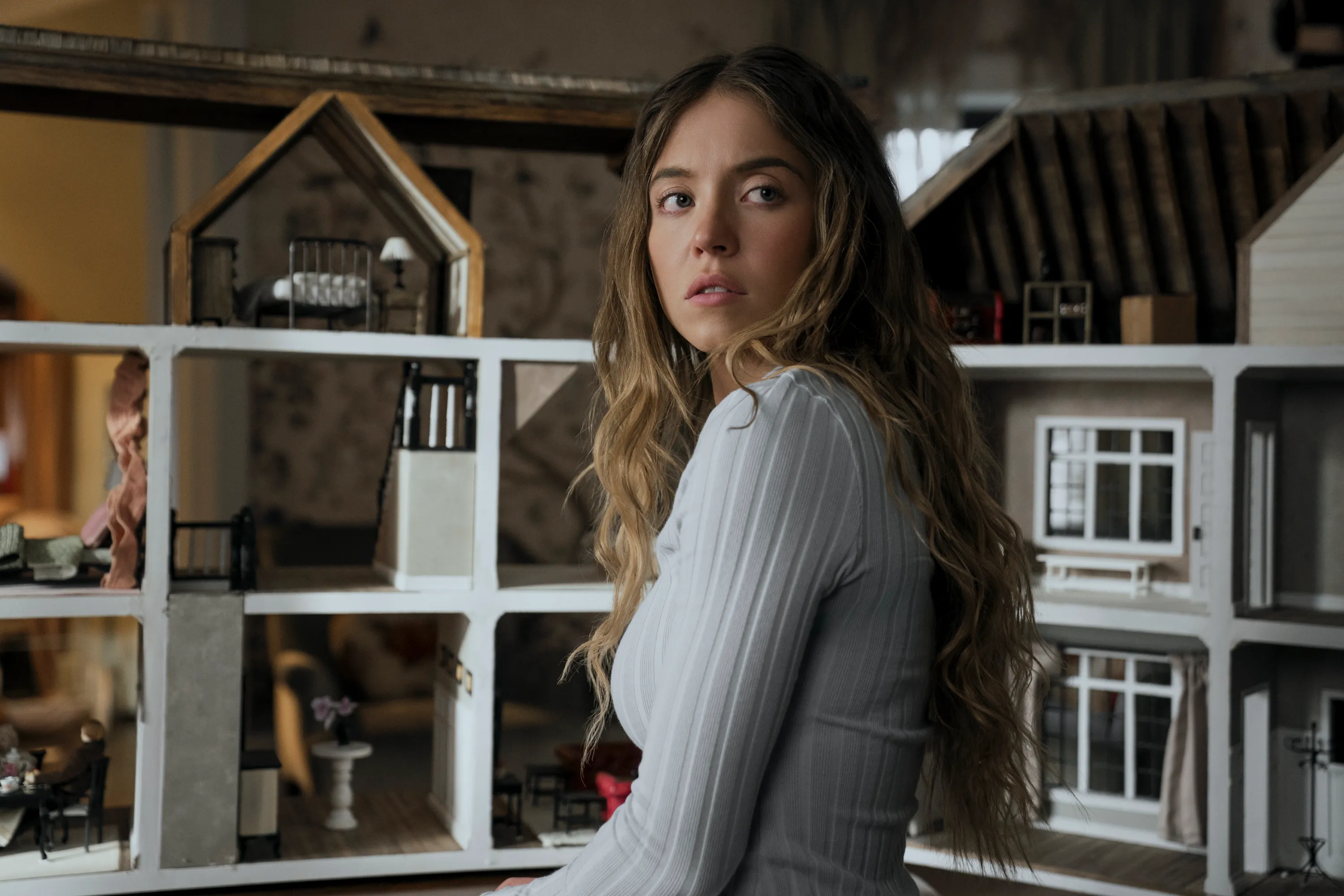
Standards are very important to the Winchester family. Standards and appearances are important to all the monied Long Islanders which is why Andrew is the perfect gentleman on all occasions, and knows what makes a tasteful house, table, wife. It’s trad-wife territory, dressed in varying shades of cream, ivory, and ironclad pre-nups. A wonderland that’s so impressive that it could be a doll’s house (not a reference to Ibsen, sadly) and Andrew has ensured it is in play size for CeCe.
The Housemaid is a throwback to a simpler time when thrillers tended to include Michael Douglas getting tangled up with some “disturbed” but sexually available woman who tended to prove that “bitches be crazy” and maybe feminism was a bad idea. Despite the movie playing the trope out in a different way, it spends far too much time using it and eventually gets to the “bitches be, and cause, crazy” conclusion despite it thinking it’s subverting it.
One aspect of the movie at least does deliver in terms of the more viscerally unsettling, and I guess there could be a cathartic experience for some audience members to get to the “good for her,” bit. For my part, by that stage, I was wondering about light fixtures clashing with wallpaper and considering that maybe what the movie was missing was a surprise twin or triplet to put the camp into a movie that decided Elizabeth Perkins’ ice toned hairstyle was an important behavioural clue.
The most positive compliment I can give The Housemaid is that it’s not designed to be a “second screen” movie. It’s heavy handed (Millie and Andrew watch old episodes of Family Feud, tickets are booked for a musical titled Showdown), and it expends too much time on the set-up, but it drops a lot of clues that come into play later down the line, despite the “that’s oddly convenient that this person is related to someone mentioned earlier and they just happen to be precisely where they need to be despite never being around for the previous four years.”
Paul Feig has made worse movies, the non-starter that was the YA novel adaptation The School for Good and Evil (I vaguely remember Cate Blanchett possibly playing a quill), last year’s action/comedy Jackpot!, my camp radar meltdown, Another Simple Favor He’s also made the classic comedy favorites fronted by women such as Bridesmaids and Spy (thank you, Rose Byrne). Housemaid proves he still gets the gist of trash-tastic, but he requires a guiding hand (and fabulous costume designer) to ensure he’s winking at the audience. Housemaid is neither serious enough, nor frivolous enough to solve its numerous issues with tone. Housemaid commits to little, but at least everyone working on the movie were committed to keeping a rogue boom mic appearing at least three times in a scene. So, big ups there, team.
It’s time for the Jay annual top performances list. It’s a habit that I am keen on preserving as years go by, even though some years are more difficult than others. In 2025, there has been a cacophony of good performances. Actors and actresses of all races, ages, cultures, backgrounds, and varying levels of fame have delivered excellent performances across the films they starred in. There has been the subtle decay of Rose Byrne in If I Had Legs I’d Kick You, Teyana Taylor’s wild energy in One Battle After Another, Joaquin Phoenix’s broken masculinity in Eddington, Emma Stone’s continuation of playing hot freaks in Bugonia, and Paul Mescal’s tormented genius in Hamnet. But it will always be my habit to pick only 10 performances that left me breathless, enamored, or aroused. My picks vary from pure acting genius to movie star rizz on the big screen, and I try to include as many overlooked performances as possible.
Josh O’Connor – History of Sound
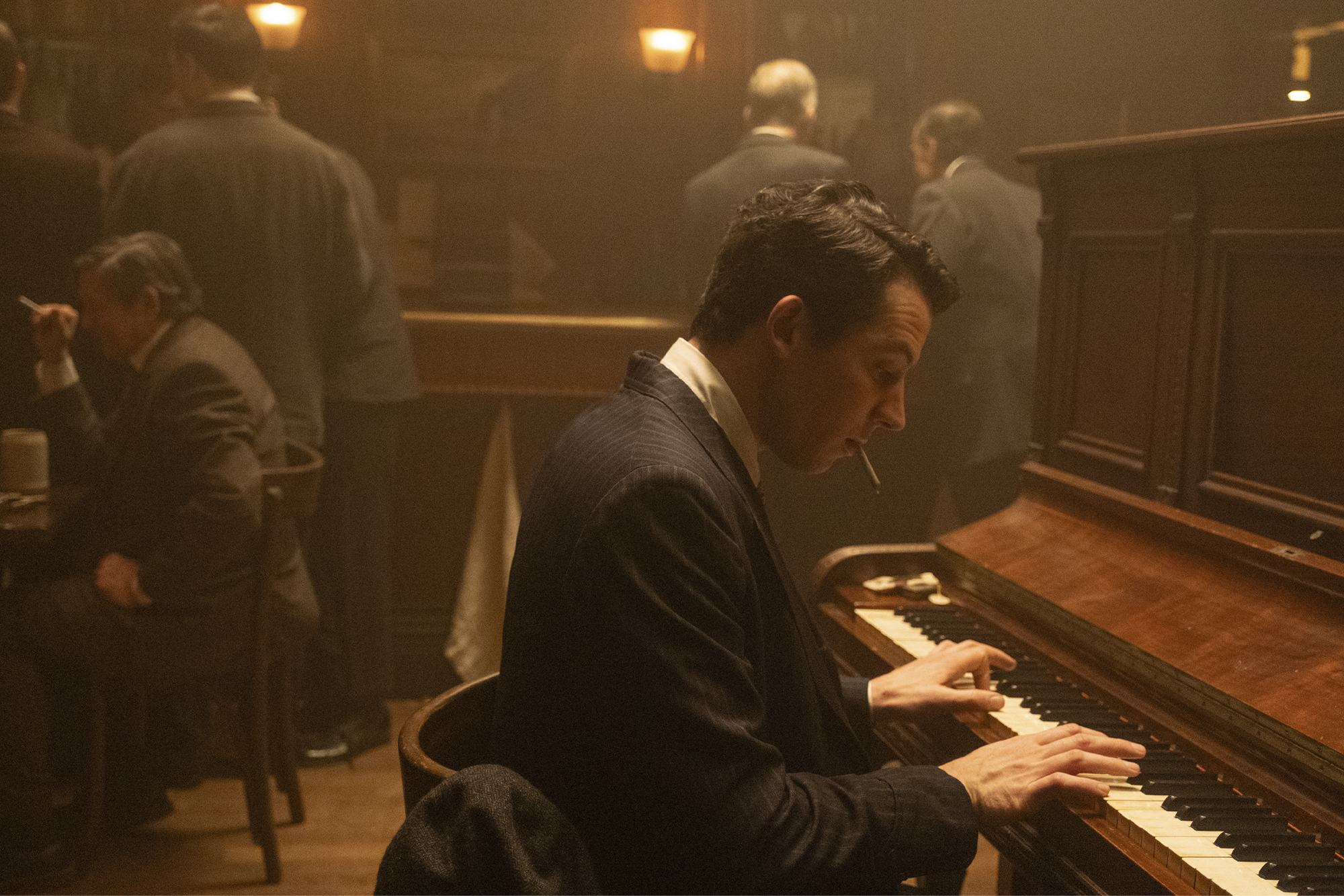
Unfortunately, this swan song of a WWI American ballad failed to attract the attention of critics and audiences, which is highly unfair. Oliver Hermanus’s yearning piece of music, masculinity, and latent desires has captured two powerful performances from two of the best actors of this generation in Hollywood, Paul Mescal and Josh O’Connor. But I don’t consider a performances list complete unless I add O’Connor in particular to it, because his acting choices are director-oriented and brave. He challenges everything, even his peers’ relentless seeking of the spotlight and the most coveted projects. And, as David, he is cocky, flirty, slightly arrogant, and harboring a deep sadness that seeps through his skin as he blows cigarette smoke in Mescal’s face. O’Connor may not be the chameleonic actor of the generation, he brings out his O’Connorness into every role he plays, but with his shy personality, and his turn as characters that are dangerously delicious and completely different from his subdued truth, he captures the attention in every role he plays.
Joel Edgerton – Train Dreams
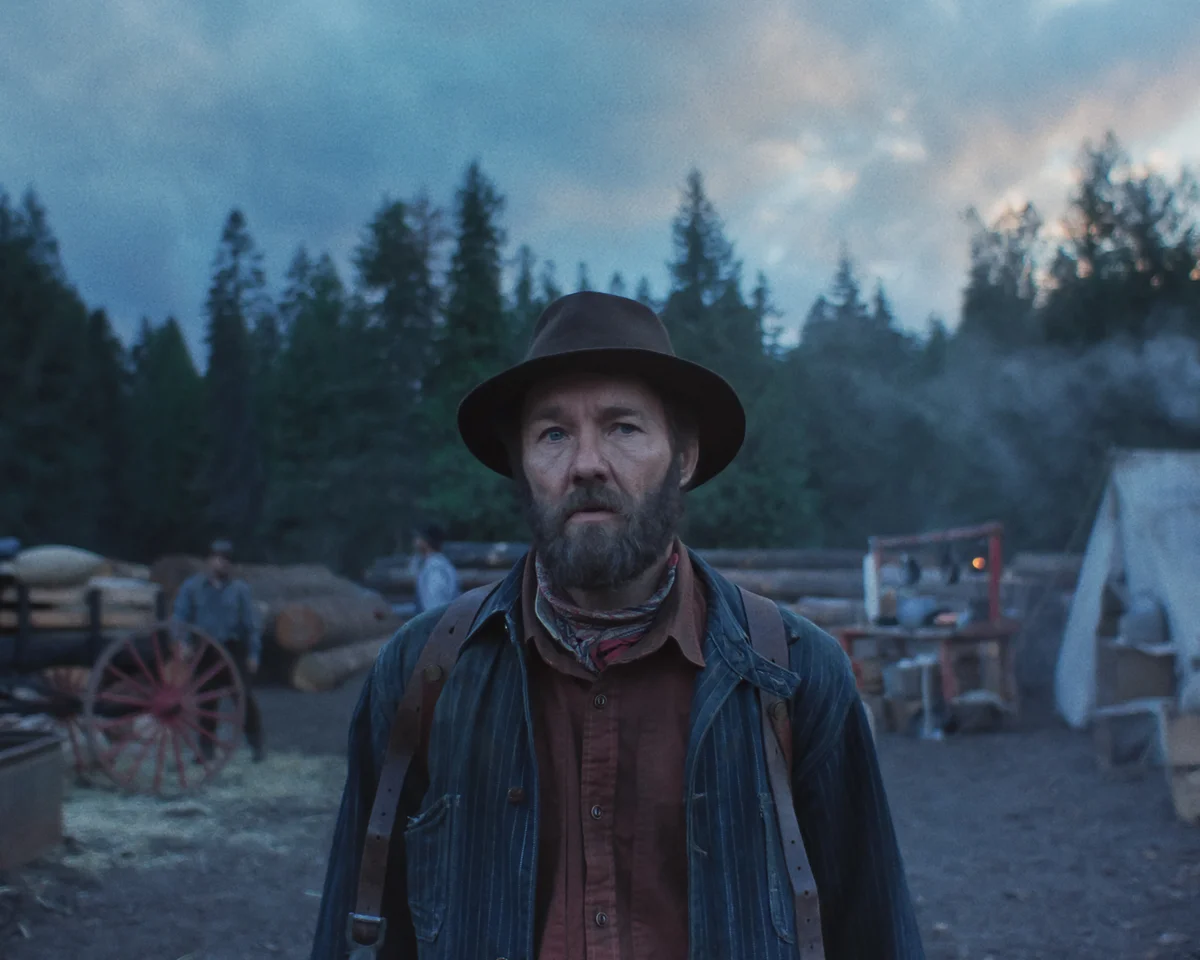
There’s something about the fractured masculinity that Joel Edgerton portrays in Train Dreams that is both sweet and heartbreaking. It’s an elegy to the façade of the American dream and the futility of the man’s burden. Edgerton plays Robert Grainier, a railroad construction worker struggling to understand the meaning of life after a personal tragedy that shakes him to his core, yet he never finds that elusive truth. Edgerton captures that existential core of a tormented character, a simple man with a head full of questions, but, expertly, director Clint Bentley and Greg Kwedar (Sing Sing will forever hold a special place in my heart) don’t offer easy answers or resolutions to his turmoil. Edgerton, as Grainier, immerses himself in the skin of a man so complex that his layers are like an onion, yet as invisible as an alien skin There’s a scene where Grainier loses hope of finding his wife and child, breaking down as every muscle, pore, and molecule inside Edgerton begins to shake with the catastrophic realization. A performance nothing short of brilliant.
Jacob Elordi – Frankenstein
Jacob Elordi is the surprise of this award season. His poetic performance as The Creature in Guillermo del Toro’s tale of absent fathers and abandoned children, a.k.a the latest Frankenstein adaptation, Elordi proves that he has mastered the craft. He separates his physicality from his inner child, creating a strange domineering figure of brokenness and fragility, a role that no one would be meant to play but him. Yes, he played a brilliant dark Elvis in Sofia Coppola’s Priscilla, and a sultry seductive rich playboy in Saltburn. But nothing could’ve prepared audiences for what he delivers here. He is a poet among his peers. A galvanizing giant of an energy receptor. His tenderness and his rage are both contained within a precise thermometer, and this is why his performance deserves all the awards and accolades that it will receive. The young Australian heartthrob is also ready to give his take on the tormented, begrudging Heathcliff in Emerald Fennell’s Wuthering Heights, and after his genius interpretation of The Creature, every role he plays will command attention and fuel anticipation.
Ana Sophia Heger – She Rides Shotgun
It is always tricky with child actors. There have been multiple great performances from children this year in film. Jacobi Jupe in Hamnet, and Nina Ye in Left-Handed Girl delivered performances that blew everyone away and deserve all kinds of award recognition. But it’s Ana Sophia Heger that delivered the best child acting in this turbulent, hectic season. And strangely it’s in a small, low-budget American thriller titled She Rides Shotgun. Nick Rowland directs this adrenaline-fueled action thriller, and while it’s not an Oscar-deserving masterpiece, the performances are top-tier. Whether Taron Egerton, Heger, or Odessa A’zion in a small but scene-stealing performance. But without Heger, and the complex array of emotions that show on her face, altogether at once, or one after the other, this movie wouldn’t have stuck in my memory the way it does. Heger plays Polly with every trick up her sleeve. Her childish haunted eyes, and her attempts to put on her big girl shoes and bury her trauma leave me heartbroken and rooting for her survival against all odds.
Jessie Buckley – Hamnet
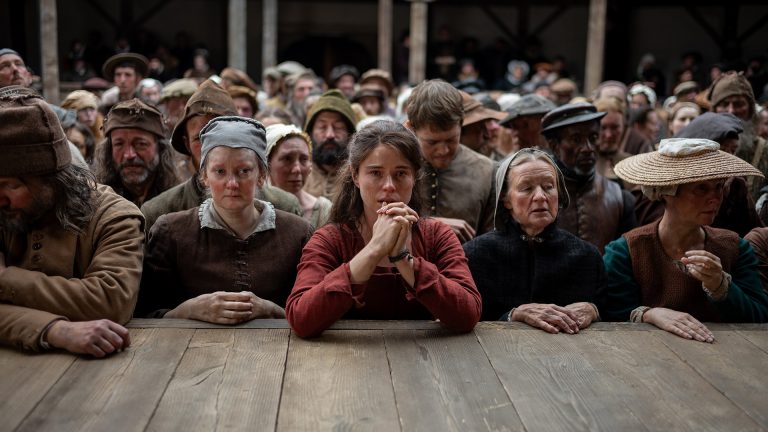
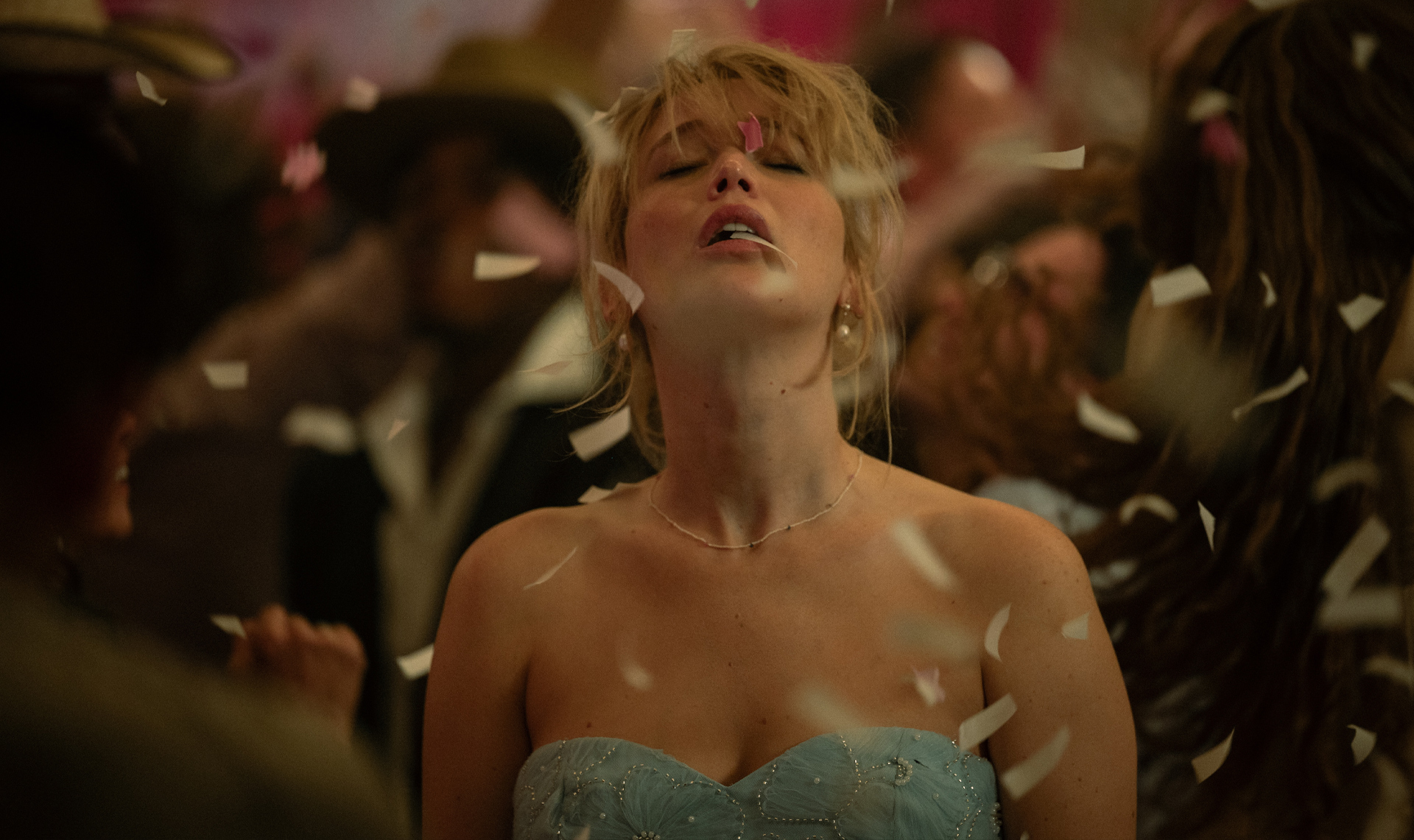
This year’s top performances list can’t be complete without the Queen of this year’s performances. Jessie Buckley portrays a complex side of femininity, the witchy kindness of the feminine spirit. The soul of the earth, the mother, the lover, and the griever. Her performance is a mosaic, a constellation of feelings. She portrays grief with the same mastery she showcases passion. The scenes when she is giving birth, or immersing her fingers in the dirt with her children, are as powerful as the scenes when she holds her babies for the first time, or going through all the monstrous stages of grief over losing a child. It is obvious that Buckley will be reaping all the awards as Agnes, and deservedly so. I have a thing for Lawrence’s wild and unhinged performance as Grace in Die My Love, but Buckley is a planet eater, she devours while Lawrence claws her way through the wall. Both are talented actresses playing complex and vibrant women, but Buckley’s Agnes is equally as kind as she is rapturous. That, in itself, is acting genius, purified.
Olivia Taylor Dudley – Abigail Before Beatrice
The most difficult performances are those with heartbreak at their core, and Olivia Taylor Dudley’s Maddie/Beatrice is fractured, sad, wounded, shaken at her core, and messy. To play a character with a stolen identity, a cult survivor in all her scary gaslit vulnerability and delusion is no easy task, even for veteran actors of the finest caliber. It’s no easy task to portray humiliation, sexual submission, and lack of sense of self on screen, Dudley perfectly portrayed a lost woman, who easily uses sex to gain approval and admiration from others after being brainwashed in a cult by a heinous predator to use herself as a fabric for others to sew and shape into whatever form they please. What’s even more interesting about this film is the tragic sapphic relationship that was born in captivity between Maddie/Beatrice and Sarah/Abigail (Riley Dandy). The scenes between both of them are magical, and they wouldn’t have worked without Dudley’s eyes shining with mad devotion and infatuation, both with Dandy and their cult leader.
Delroy Lindo – Sinners
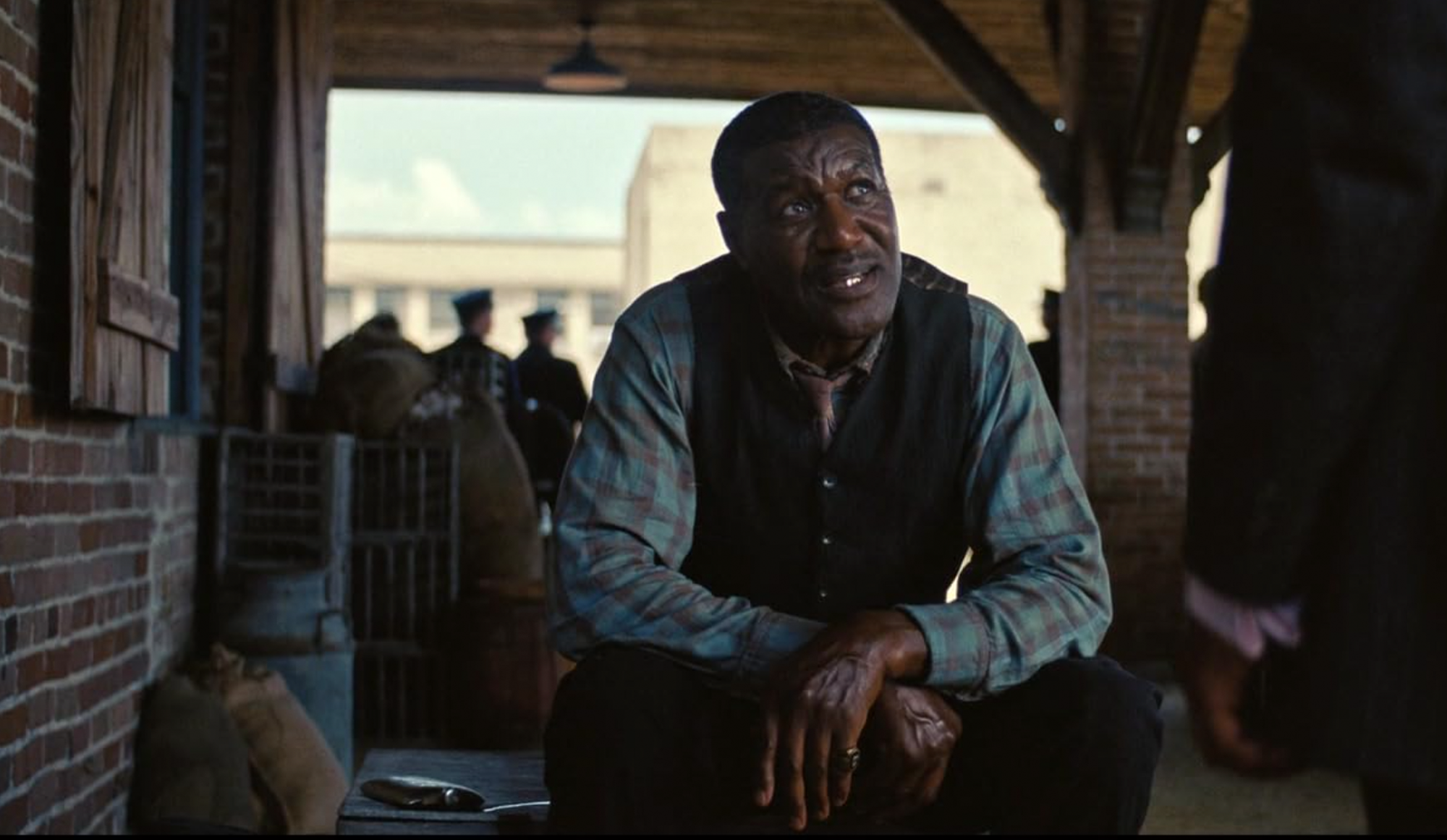
No one in the entire film industry does it like Lindo. He’s massively talented, combining bitterness, rage, and the demonic claws of addiction as he plays Delta Slim, drinking himself to exhaustion and decay, playing his harmonica and bantering with the Smokestack twins. It’s a performance that shines out in a film with a massively talented and impressive cast, and with the opulent tricks up every actor’s sleeve in this epic about music, vampirism, obsession, and survival in 1930s Clarksdale, Mississippi, it’s an impossible task to pick a favorite performance out of the wonderful characters that Michael B. Jordan, Hailee Steinfeld, Miles Caton, and Wunmi Mosaku play. Despite him getting almost zero award recognition, something inside me reveres what Lindo has done here. It’s not easy gaining sympathy when he’s a sweaty, drunkard, foul-mouthed old man who wastes his musical talent, just to get a few coins to spend on booze. But Lindo gives dimensions to the character. He is not just a thief and a drunk, but a rebel against oppressive systems and societies which are -of course- predominantly white.
Jennifer Lawrence – Die My Love
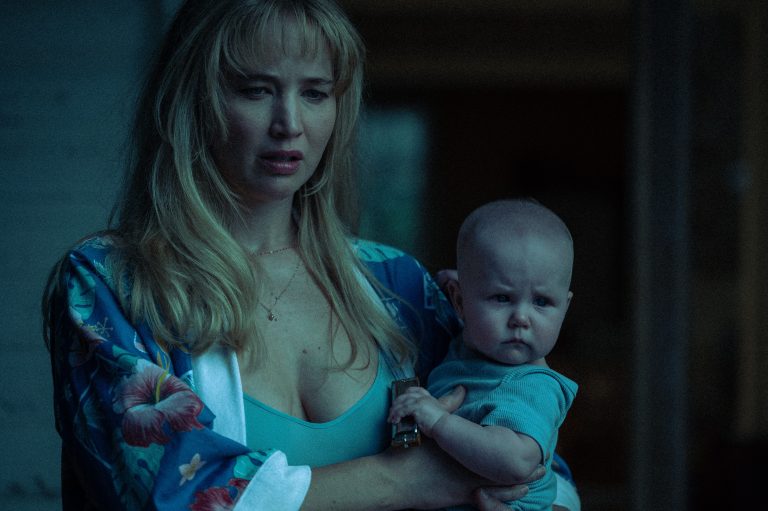
I don’t think I loved a movie as much as I loved Die My Love this year. There’s a case for crazy women unraveling onscreen that makes a movie immediately more desirable in my eyes. When it comes to crazy women, Jennifer Lawrence plays them best. She unravels like a ball of yarn, layer by layer, her deadpanned stare, her fits of rage, her outbursts of violence and self-harm, all of her wild chaotic energy revealed in one scene after the other. J-Law doesn’t slow down. She is merciless with herself and her spectators. She subjects herself and the audience to all kinds of emotional and psychological horrors, and she’s not even starring in horror movies. Her dramatic roles are chaotic, panic-striking, and self-indulgent. Lynne Ramsay’s toxic romantic drama has Lawrence playing everyone’s least favorite woman on screen. She is the moral opposite of Agnes in Hamnet, she’s not sacrificial, she’s greedy, sloppy, lacks that encompassing maternal side, and displays a lack of affection for everyone in her wake except her child, whom she loves in her wild, feral way, not what is expected of her. To be all of those traits and still beloved -at least by me- is a testament to Lawrence’s excellence as an actress.
Austin Butler – Caught Stealing
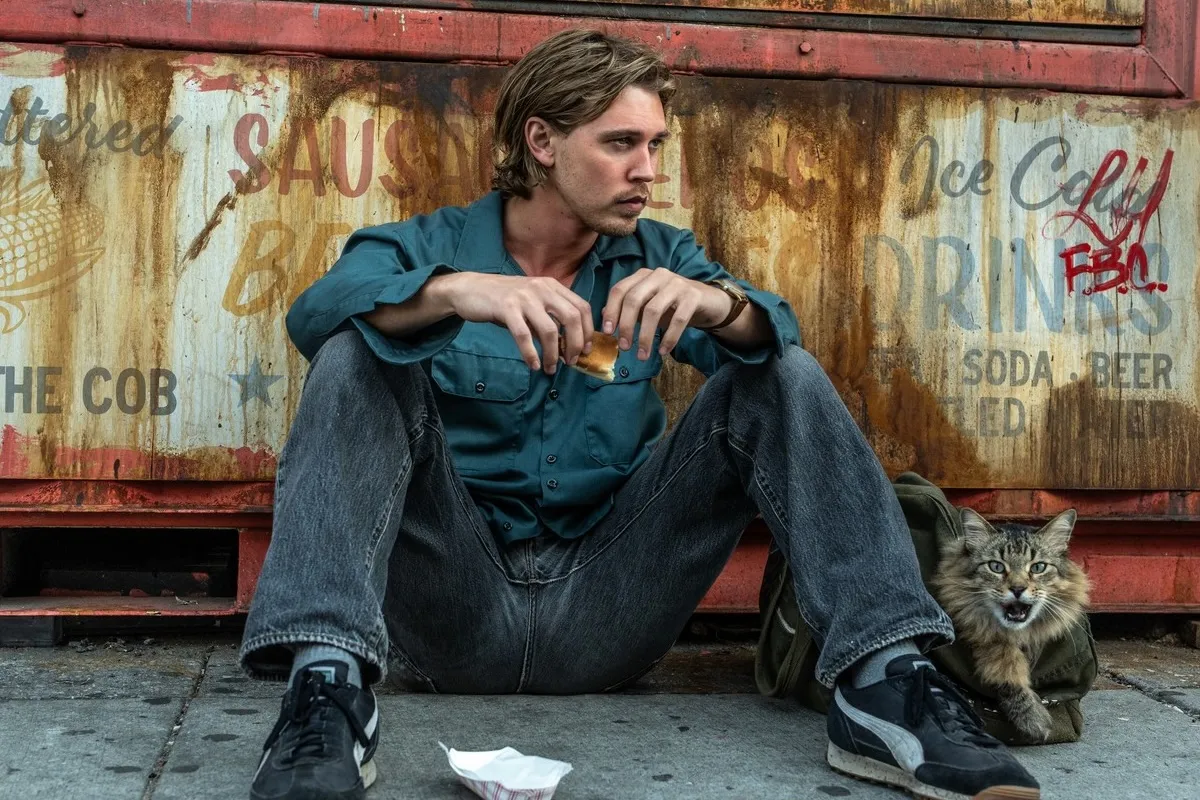
He may be the dreamiest, most handsome of the generation, but he has shown more than once that his acting is top-notch, and his choices are far from what his looks may dictate. Butler has once again proven in Caught Stealing that he was born for the Hollywood leading man game. While his career has taken a turn for the big-budget, Hollywood flashy projects with a list of upcoming action films, it is obvious that Butler is paving the road for dominating Tinseltown. On screen, he is always dangerous and smoldering. As Hank Thompson, Butler gets down and dirty, looking like he always smells of barf, booze, and unwashed hair. He perfects the performance of a vulnerable, broken, hunted man, a deer in headlights caught in the throes of murderous bloodsucking criminals of New York’s underbelly. He has another interesting portrayal this year in Ari Aster’s Eddington, a supporting role that Butler again makes unforgettable, but as Thompson, Butler gets a chance to showcase his rich emotional inventory in its full potential.
Cosmo Jarvis – Inside
Cosmo Jarvis is the rare actor that doesn’t have his public persona outshine his performances. That’s why I walk into every film he’s in blindly, expecting nothing, and he never fails to surprise me. The Charles Williams’s directed prison drama, Inside, is a claustrophobic, dramatic masterclass in acting, writing, and reenacting an oppressive environment like prisons. In it, Jarvis plays Mark Shepard, a character hard to describe. Mark is by every means awful, horrible, despicable, but heartbreakingly mad. A convicted sexual predator, he is truly kind to Mel, who is surprisingly within the context of the prison walls, the person I felt was the bad guy of the story for betraying someone who has taken him under his wing. It’s a complex situation but Jarvis is an excellent actor, and that’s why he creates that conflict within his character, making him both repulsive but also sympathetic. It’s one of those rare moments where the humanity of despicable people shows on screen, and it’s very well-made that one can’t argue with the reasoning behind a sympathetic portrayal of a detestable human being like Shepard. In his religious rants, Shepard both quotes the Bible and speaks in gibberish and the scene is both ridiculous and tragic.
Director: Craig Brewer Writer: Craig Brewer Stars: Hugh Jackman, Kate Hudson, Michael Imperioli
Synopsis:Based on a true story, two down-on-their-luck musicians form a joyous Neil Diamond tribute band, proving it’s never too late to find love and follow your dreams.
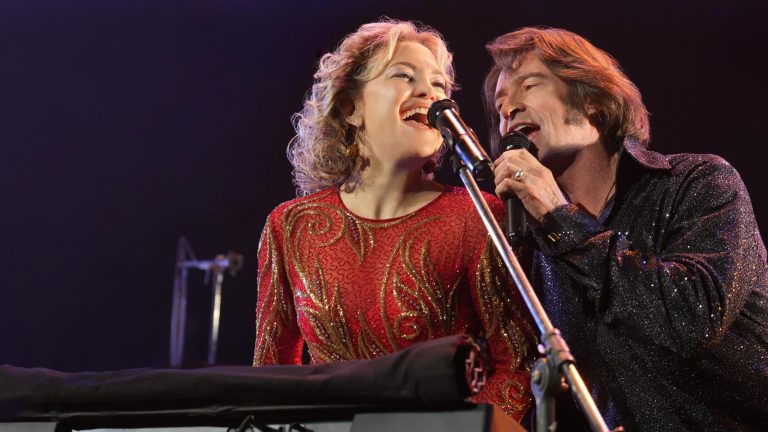
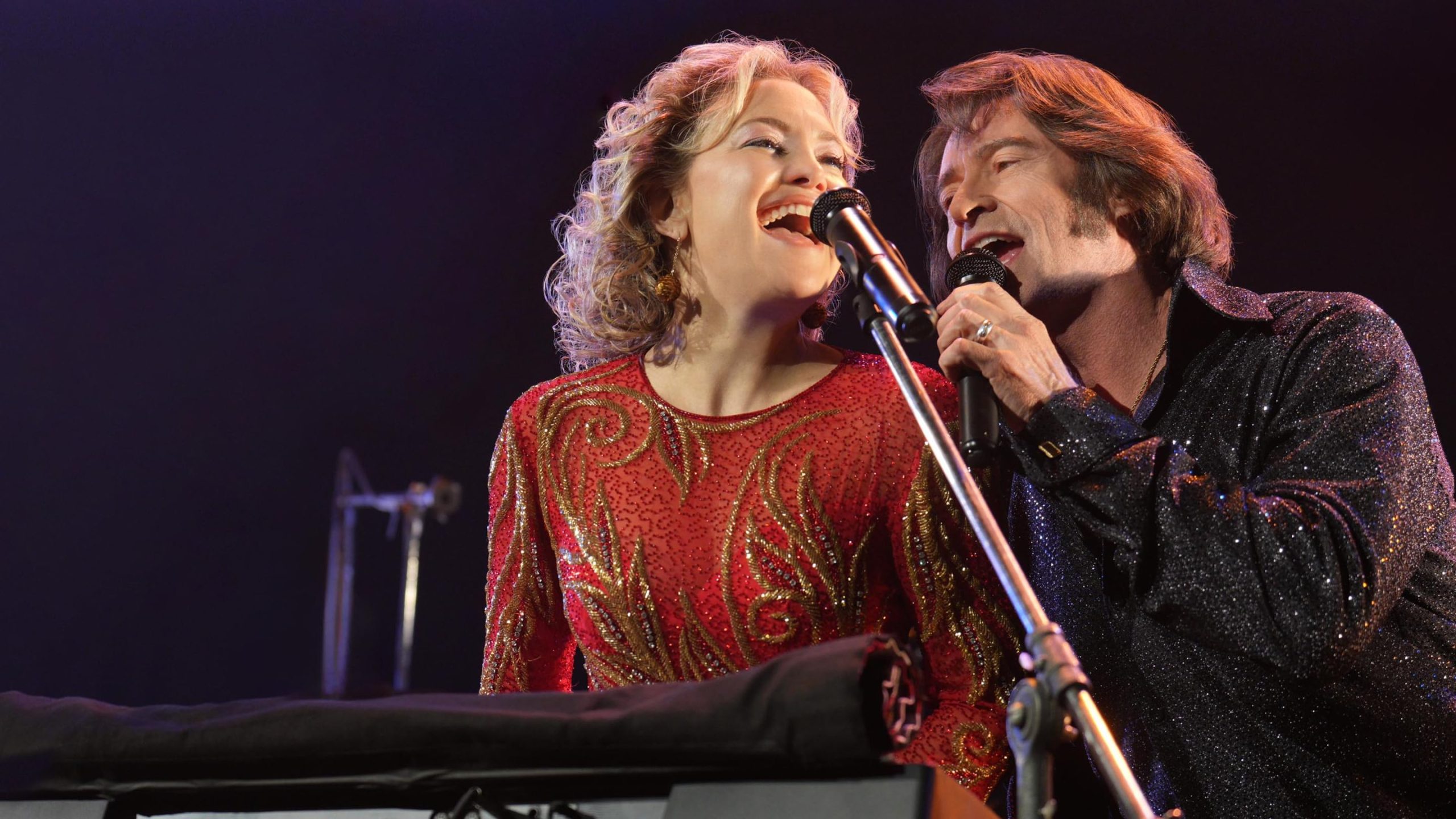
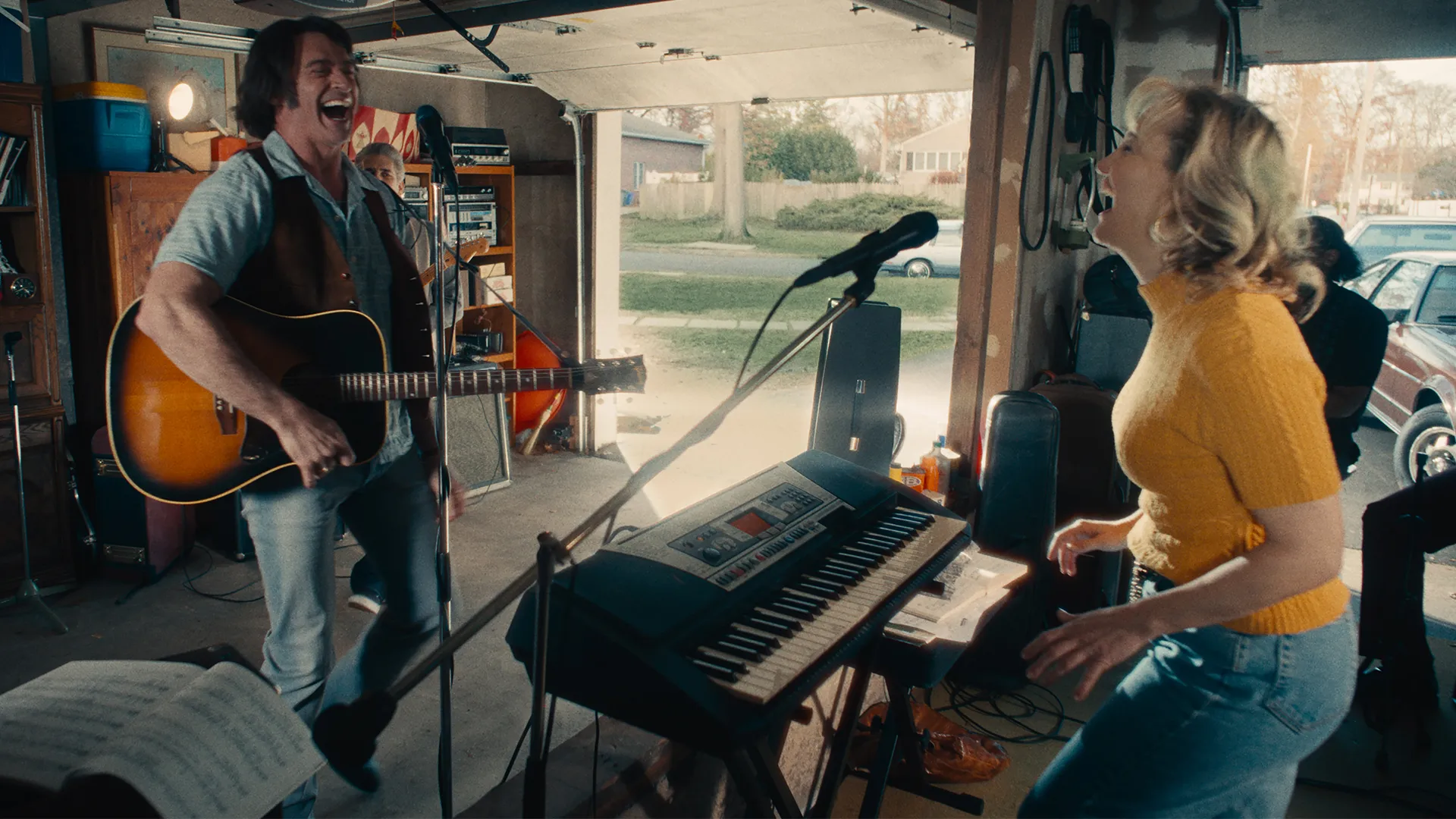
The unjustified mocking of the trailers for Craig Brewer’s Song Sung Blue revealed that audiences weren’t interested in viewing Greg Kohs’ 2008 documentary of the same name, which acts as the basis of the feature film adaptation of the life of Mike and Claire Sardina (played by Hugh Jackman and Kate Hudson), aspiring musicians with a simple desire to entertain. Kohs’ film is available to watch for free on YouTube, and hasn’t been part of the discussion surrounding this film, whose criticism honestly seemed mean-spirited when not knowing how genuinely impassioned these unknown musical figures were. Yes, both Mike and Claire Sardina were part of a Neil Diamond tribute band nicknamed “Lightning & Thunder.” Of course, it’s part of their identity as “artists,” but the documentary barely focuses on this. Instead, it draws a tragic portrait of two real characters™ who, once their entertainer façadesare peeled back, reveal their darkest truths in often harrowing ways.
In contrast, Brewer’s Song Sung Blue is never interested in the part that makes their story worth telling. Oh, sure, it recounts many of the horrific parts of both Mike and Claire’s lives, but it’s like a Wikipedia summary of their time as “Lighting & Thunder,” rather than an understanding of who these people are as flawed human beings. For instance, Brewer opens with Mike celebrating his 20th sober birthday, as an ex-alcoholic who traded the bottle for a guitar, singing Neil Diamond’s “Song Sung Blue” every year at AA meetings. If he can’t make it, he will record it so the video can be played to his group. Mike attempted to numb himself from the horrors he saw as a Vietnam veteran through alcohol, but it only brought him more pain and health issues. After giving it up, he now tries to shield that pain via the persona he wants to adopt as a Neil Diamond “interpreter,” with an insatiable desire to entertain and enthrall not just Wisconsin, but the world.
Kohs makes the associations between Vietnam and the persona of “Lightning” through a testimony from his brother (Mike refuses to talk about his experience in the war, and justifiably so), which makes us understand, more than anything, why he’s so convinced that his purpose in the world is to entertain people, alongside Claire, the love of his life. Unfortunately, Brewer is only interested in the “surface” of his details, as a former alcoholic who now wants to sing. That’s it. Vietnam is mentioned only once, through his daughter, Angelina (King Princess), as she recounts his personal struggles to Claire’s daughter, Rachel (Ella Anderson), upon their first meeting.
Our understanding of the character (and, by extension, Claire) is limited because it focuses primarily on the musical aspects of their careers, when this is the least interesting part of their lives, and the one where we don’t see the humans behind what they put in front of audiences on stage. You’ll get extended sequences where both Lighting and Thunder perform Neil Diamond tunes such as “Soolaimon,” “Cherry, Cherry,” “Holly Holy,” and, of course, “Sweet Caroline,” which is repeated more than once in this movie to, of course, further commercialize his most popular song, but features no actual moments where we sit with them and realize who they are as humans, even through their darkest period.
The endless musical numbers obviously extend what could’ve been a tight, emotionally impactful 100-minute dramedy into an overlong, dreary 131-minute slog that never knows when to end or what to extract from these people. The film paints them as empty shells who lived an occasionally uplifting (but frequently punishing) life, whilst the documentary makes us aware of “Lightning & Thunder” not as a mere Neil Diamond cover band, but as people who lived and breathed entertainment and showmanship. However, external factors (including a tragic car accident) sadly never led them to experience any form of success beyond opening for Pearl Jam and singing “Forever in Blue Jeans” with its lead singer, Eddie Vedder.
It was the biggest crowd they’d ever performed for, though at the time they didn’t know it would also be their last. I’ll give Brewer credit for wanting to make Song Sung Blue more inspirational in tracking the emotional journeys of both Mike and Claire. Yet, he does so by altering key tragic events into purely manipulative crap. While it’s understandable that details are changed when crafting a biography to fit feature-film considerations, this romanticization dilutes the story’s emotional impact. It plays with the audience’s feelings as if they can’t earn them on their own. For anyone who doesn’t know the tragic end of “Lightning & Thunder,” I’ll keep the details vague, but it’s absolutely in no way similar to what actually occurred when Neil Diamond arrived in Milwaukee to perform in front of a sold-out crowd.
The only time we’ll experience some interiority is when Brewer and cinematographer Amy Vincent put us in Claire’s mind, after the accident, experiencing what a doctor refers to as “Phantom Pain,” and losing her sense of self due to the medications she takes, but it never goes as deep as it should. It’s presented as a minor problem that will easily be fixed once Mike sends her to rehab, rather than one of many cataclysmic events that sadly ended their careers at “Lighting & Thunder” before it even had the chance to blossom.
I might have appreciated the changes, particularly near the movie’s denouement, if it had been simply a construct of Mike or Claire’s imagination, which would’ve made it feel less manipulative and more direct, with the audience realizing that their biggest dreams will sadly not be realized. It’d be a different way to discuss the most challenging part of Mike and Claire’s stories, but it would’ve fit the mandate of filmically transposing the documentary for a broad audience. That said, Brewer doesn’t do this and instead transforms this dark, but necessary story into one of ridicule, with Jackman and Hudson failing to capture what drove both of these people to never give up on their dreams, despite many painful strikes of lightning on their individual (and collective) paths.
Only Ella Anderson, King Princess, and Mustafa Shakir give this film some much-needed vigor, while director of photography Vincent (who also shot Brewer’s best movie, 2004’s Hustle & Flow) represents this story with enough lively colors and formal dynamism to at least keep audiences moderately engaged. The final number is somewhat show-stopping, but the repurposing it offers for Mike Sardina’s story leaves a more questionable taste in the mouth than an inspiring one, especially when Brewer uses Diamond’s presence as a mystical, unseen deity that no one will get to meet, and a ticking time bomb we can push buttons on.
It’s safe to say that, after the horrendous The Son and Deadpool & Wolverine, Hugh Jackman has entered his flopsweat era. He’s a great performer – and actor – but his talents are not worthy of starring in films that don’t benefit from what he can bring to the screen. There’s hope that Michael Sarnoski’s The Death of Robin Hood will bring him back to his glory days. Unfortunately, since Avengers: Reddit is right around the corner (he’s definitely in it, or in Reddit 2, coming out in 2027), his potential comeback through Sarnoski’s film may be dead on arrival. In any event, Mike and Claire Sardina deserved so much better than a film that ridicules them instead of celebrating their enduring resilience as simple human beings who only wanted to entertain and had to go through a literal and figurative Hell to simply prove themselves to the world. The saddest part is that they were never able to reap any rewards and have been largely forgotten today…
I spoke to Mary Bronstein in person after the Melbourne International Film Festival showing of If I Had Legs I’d Kick You, and her focus repeatedly returned to Rose Byrne not only as an actor but as a person who spent weeks at Mary’s kitchen table digging in to exactly what the film would be communicating. Mary mentioned that Rose had been shocked that anyone would send her a script like Mary’s because she only tends to be sent purely comedic roles; many lacking a spin on how comedy is also a weapon to explore the darker recesses of behavior.
Rose speaks about humor and her respect for, and collaboration with, Mary Bronstein.
Rose Byrne: I am naturally a person who will laugh in a dreadful situation. Not at a truly dreadful situation, but at times of tension. I mean, I’m Australian, so we definitely have a disposition of humor about crises or about struggling with moments in your life.
With the performance as Julie, I always felt from the screenplay there was such humor. Mary Bronstein has a great sense of humor. We immediately understood each other’s sense of humor. And it felt like there were opportunities within there to absolutely ride that tightrope of the humor and the darkness because if it’s one way it becomes too ridiculous and you’re not going to believe it if it’s just a purely slapstick kind of effort. To then if it becomes too maudlin and there’s no sort of air, it’s like a machine that’s going along and there’s no air kind of let out of the gas, then you get let out of the tank, you can’t breathe and you can’t. The audience won’t go with you is how Mary sort of has always explained it to people and I felt very in tune with that machine when we were shooting it.
So, it’s really a testament to us and our relationship and her tight, brilliant screenplay. Mary is not providing answers [to gendered responsibilities, mental health issues] I think it’s just questions. It’s questioning how far can you push a character and how far will an audience go with the character?
It’s not palatable. You know, people particularly don’t enjoy women doing that stuff [abnegating responsibility, open displays of anger, and regressing to rebellion against the consistently capable and present mother, wife, professional]. It’s so inherent and ingrained in people. Mary just pushing the limits with that and commenting on it in a way that’s subtle, I think, too. Mary’s not standing on a soapbox, but she is making a creative expression. Afterwards you do think about those things: which I think is what art can do when it’s most successful. We broke the character of Julie down to its bare, bare bones and kind of reverse engineered how she got here. And for me, it was the opportunity of a lifetime to bring Julie to life.
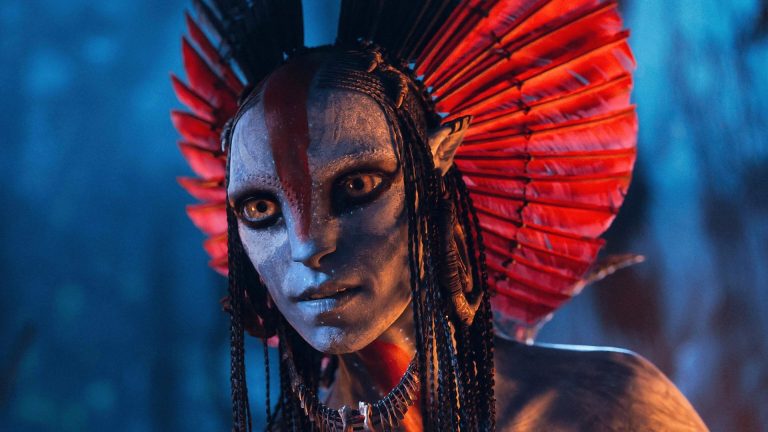
On this episode, JD and Brendan discuss James Cameron’s latest adventure in Pandora with Avatar: Fire and Ash! This is a film that we were deeply looking forward to after Cameron completely reinvigorated our interest in this franchise with Avatar: The Way of Water, a film so good that JD has even contemplated it being his favorite Cameron film. Avatar: Fire and Ash may not reach the same heights as The Way of Water, but there’s still plenty to like here.
Review:Avatar: Fire and Ash
Director: James Cameron Writers: James Cameron, Rick Jaffa, Amanda Silver Stars: Sam Worthington, Zoe Saldaña, Sigourney Weaver, Stephen Lang