


I spoke to Mary Bronstein in person after the Melbourne International Film Festival showing of If I Had Legs I’d Kick You, and her focus repeatedly returned to Rose Byrne not only as an actor but as a person who spent weeks at Mary’s kitchen table digging in to exactly what the film would be communicating. Mary mentioned that Rose had been shocked that anyone would send her a script like Mary’s because she only tends to be sent purely comedic roles; many lacking a spin on how comedy is also a weapon to explore the darker recesses of behavior.
Rose speaks about humor and her respect for, and collaboration with, Mary Bronstein.
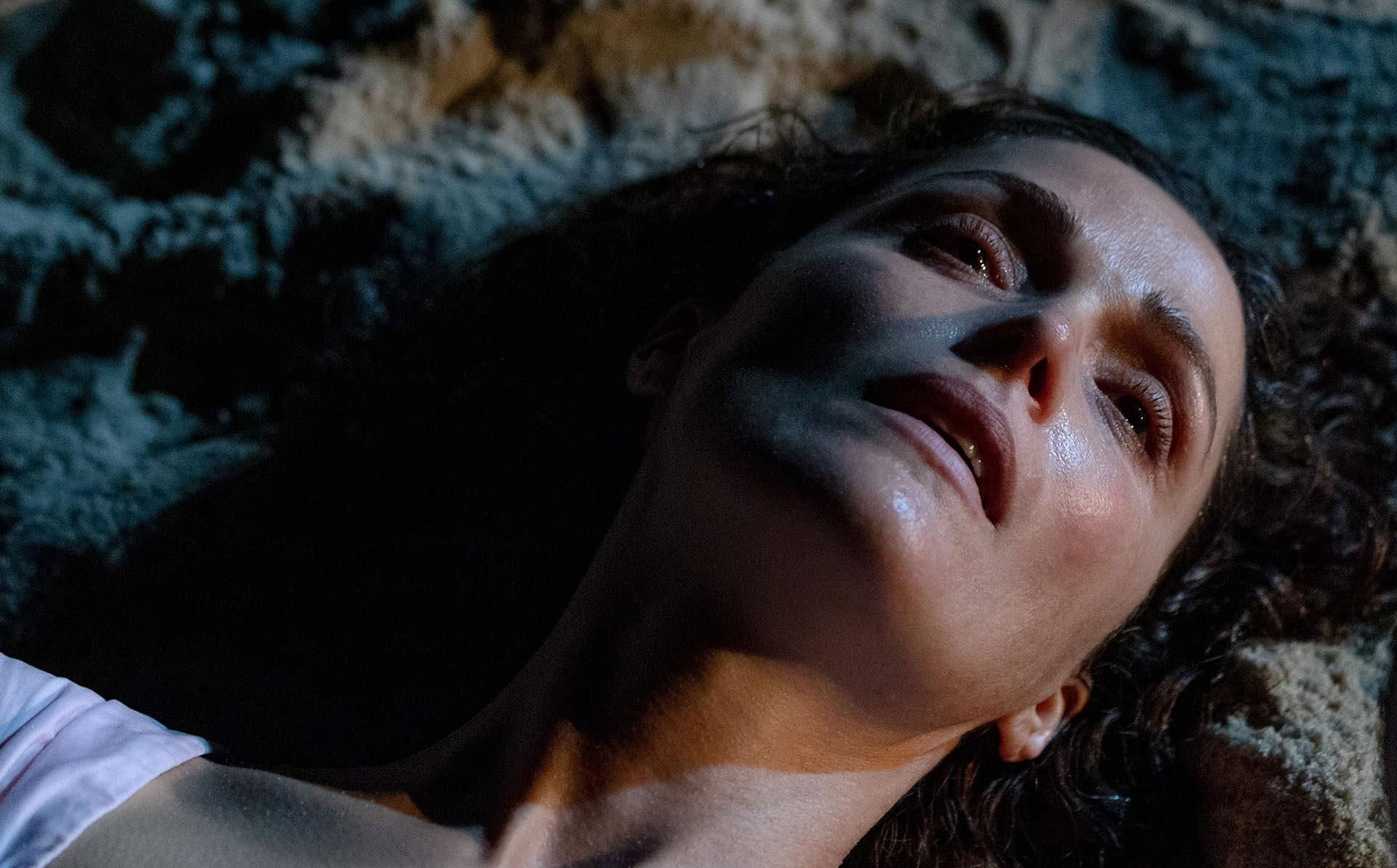
Rose Byrne: I am naturally a person who will laugh in a dreadful situation. Not at a truly dreadful situation, but at times of tension. I mean, I’m Australian, so we definitely have a disposition of humor about crises or about struggling with moments in your life.
With the performance as Julie, I always felt from the screenplay there was such humor. Mary Bronstein has a great sense of humor. We immediately understood each other’s sense of humor. And it felt like there were opportunities within there to absolutely ride that tightrope of the humor and the darkness because if it’s one way it becomes too ridiculous and you’re not going to believe it if it’s just a purely slapstick kind of effort. To then if it becomes too maudlin and there’s no sort of air, it’s like a machine that’s going along and there’s no air kind of let out of the gas, then you get let out of the tank, you can’t breathe and you can’t. The audience won’t go with you is how Mary sort of has always explained it to people and I felt very in tune with that
machine when we were shooting it.
So, it’s really a testament to us and our relationship and her tight, brilliant screenplay. Mary is not providing answers [to gendered responsibilities, mental health issues] I think it’s just questions. It’s questioning how far can you push a character and how far will an audience go with the character?
It’s not palatable. You know, people particularly don’t enjoy women doing that stuff [abnegating responsibility, open displays of anger, and regressing to rebellion against the consistently capable and present mother, wife, professional]. It’s so inherent and ingrained in people. Mary just pushing the limits with that and commenting on it in a way that’s subtle, I think, too. Mary’s not standing on a soapbox, but she is making a creative expression. Afterwards you do think about those things: which I think is what art can do when it’s most successful. We broke the character of Julie down to its bare, bare bones and kind of reverse engineered how she got here. And for me, it was the opportunity of a lifetime to bring Julie to life.