



Welcome to the beginning of a new year! In January, I’ll be 36 years old – if anyone can give me a gift card, that will be great – and I start the year on a cruise ship in the middle of the Caribbean sea. It’ll also mean the Golden Globes will happen and we’re in the thick of awards season where the contenders and pretenders are solidified. For Criterion, this month is stacked. Eight (8!) movies AND a collection all this month, including two re-editions. An old school Hollywood swashbuckler, two ‘80s period pieces, a supernatural drama, and a contemporary Chinese drama make up the rest of the lineup. Here is what January has to offer; again, a Criterion gift card would be very much appreciated.

Captain Blood (1935)
Errol Flynn became Hollywood’s swashbuckling hero in director Michael Curtiz’s adventurous drama of an Irish doctor, imprisoned and sold as slaves for treasonous activity, escapes and becomes a pirate. Curtiz’s incredible direction combines a full-on symphony with gorgeous camerawork and a naval battle for the ages that set the tone for later pirate films. Olivia de Havilland co-stars as Flynn’s love interest and her chemistry with Flynn, still unknown at the time, sparkles the screen and wooed everyone as it would be the first of eight films the two would star in together.
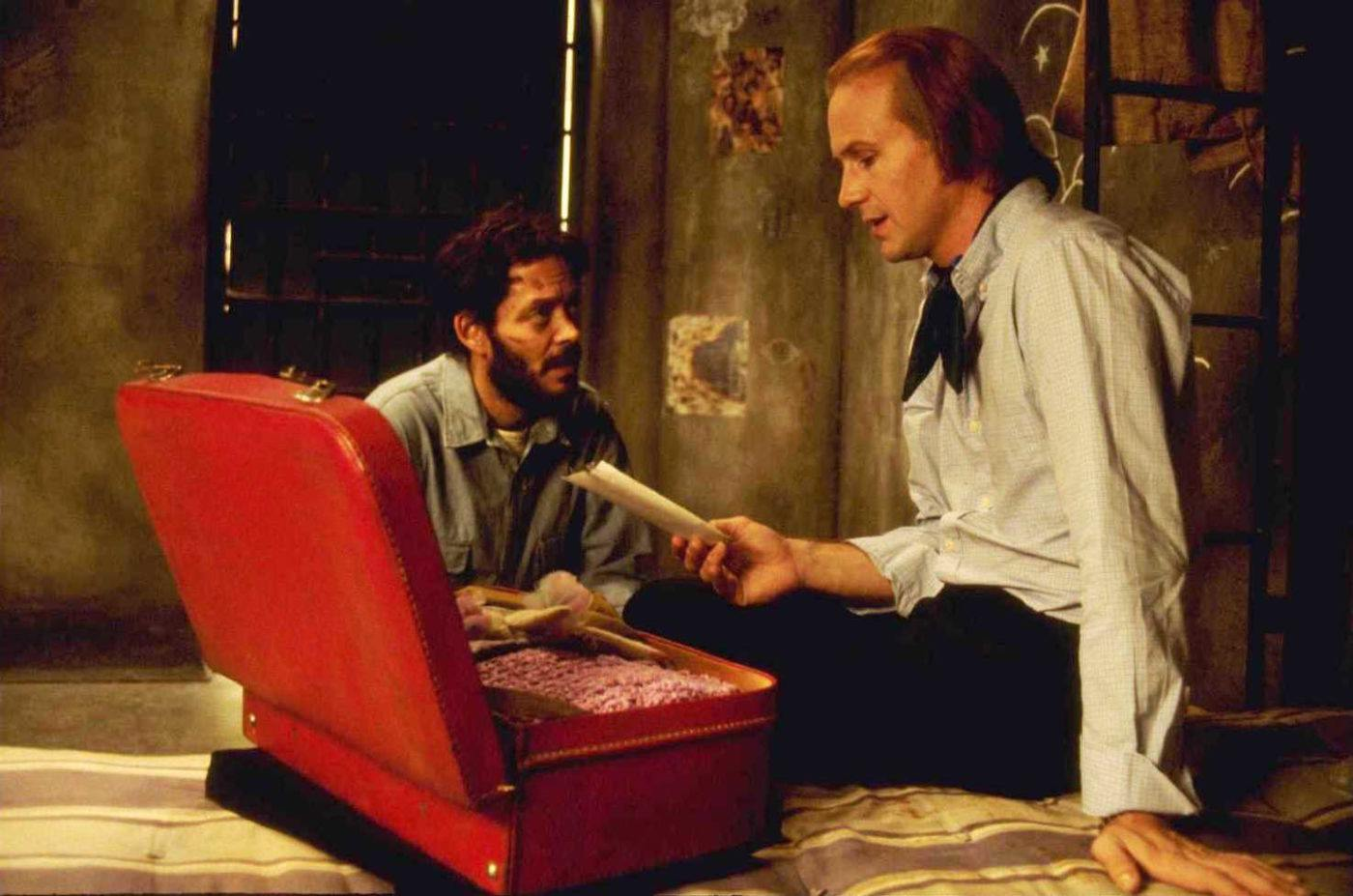
Kiss Of The Spider Woman (1985)
Long before the Broadway musical and its film adaptation the past year, there was Manuel Puig’s acclaimed novel and its own adaptation from Brazilian director Hector Barbenco. William Hurt won the Academy Award for Best Actor as Molina, a gay man imprisoned with a political dissident (Raul Julia) and passes the time talking to him about his love of films. In particular, there is one actress that has him going into a world far from where he is now. It’s a fantasy blended in with the harsh world of military dictatorships set in Latin America, where being free as you are was always a crime.
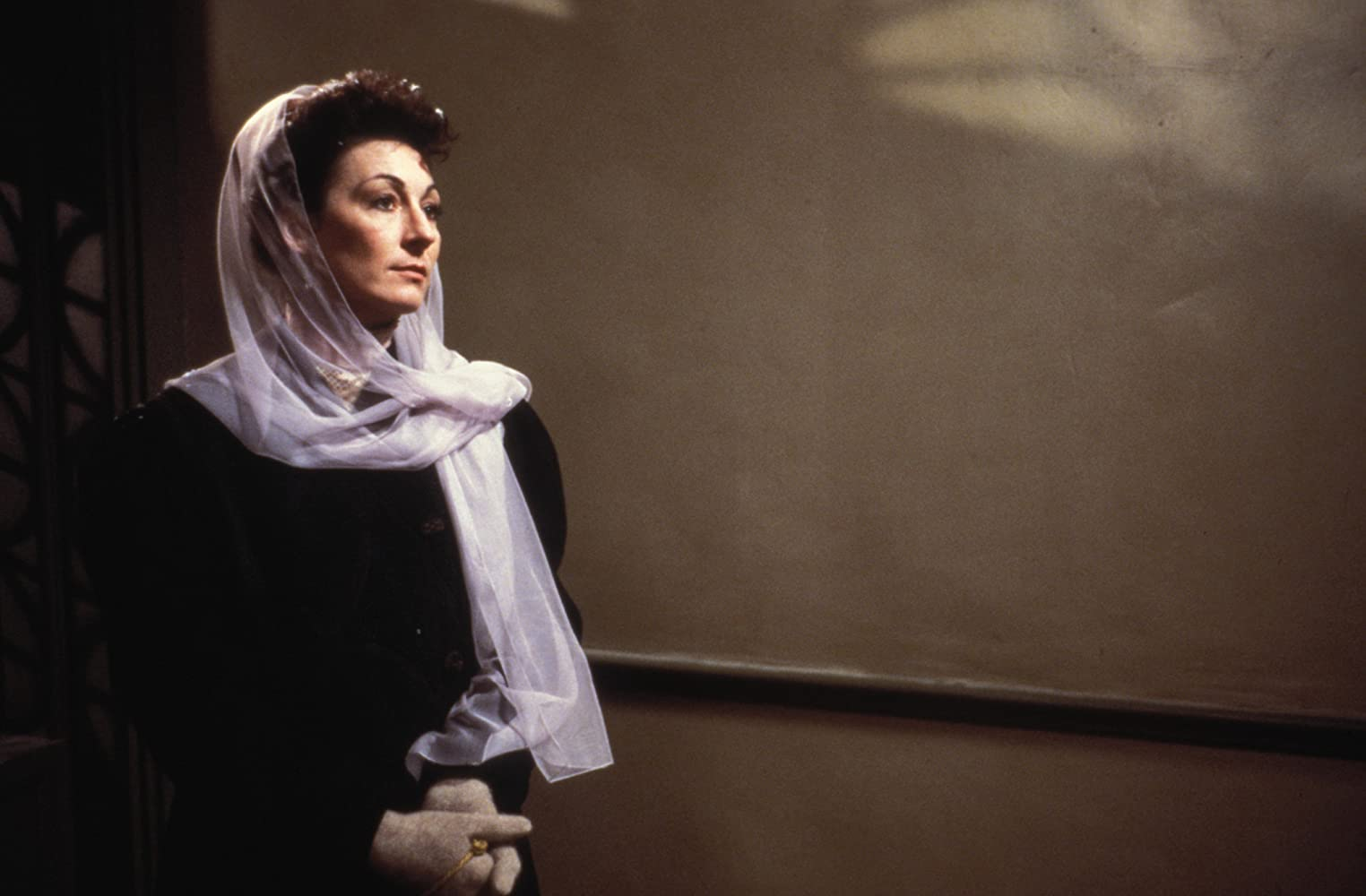
The Dead (1987)
The very last film by director John Huston before his death that year is an adaptation of a story from his favorite writer, James Joyce. In Dublin around the start of the 20th century, a group of people got together for an Epiphany party. There, revelations amongst them start to stir up some unwanted feelings, notably an old affair between a married couple that blindsides the husband. Huston casted Irish actors aside from his daughter in this farewell movie about love, loss, and the meaning of being Irish prior to its revolution against Britain.
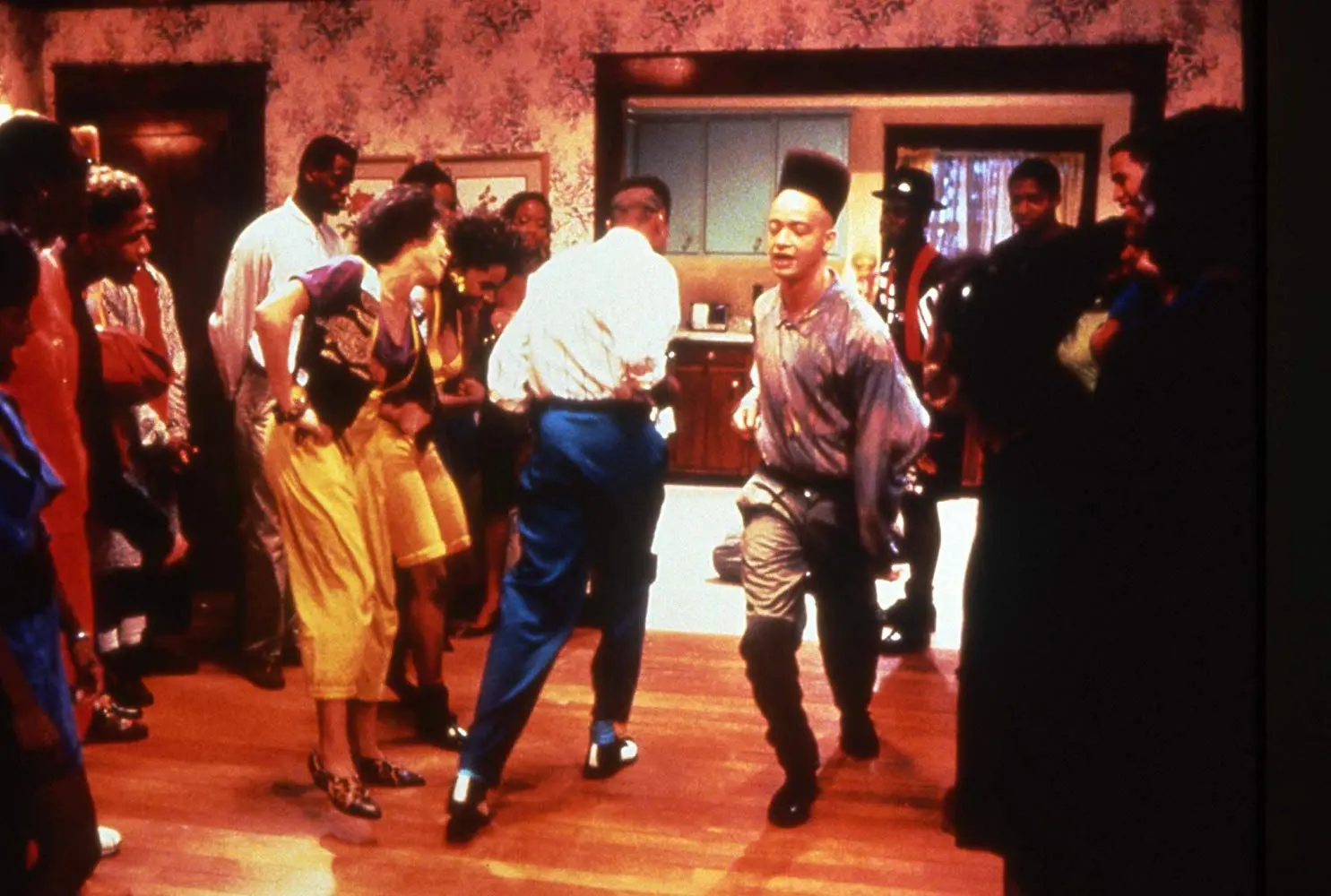
House Party (1990)
This was supposed to be a November release, but it got delayed until January. So, if you saw this exact paragraph in my November release period, my apologies. Just easier to copy and paste what I had written before.
The rap duo Kid ‘n Play were major hip-hop influences in the early ’90s before the emergence of gangsta rap. This film, in Reginald Hudlin’s debut, exemplifies the feeling with the comic touch of urban life with teenagers who just want to go out and have some innocent fun with one night getting together. Along with the rap duo, comedian Robin Harris, Tisha Campbell, and Martin Lawrence star in this teen comedy that encapsulates this short period in transitioning between the decades and the type of rap which was popular turning to a more hardcore style.
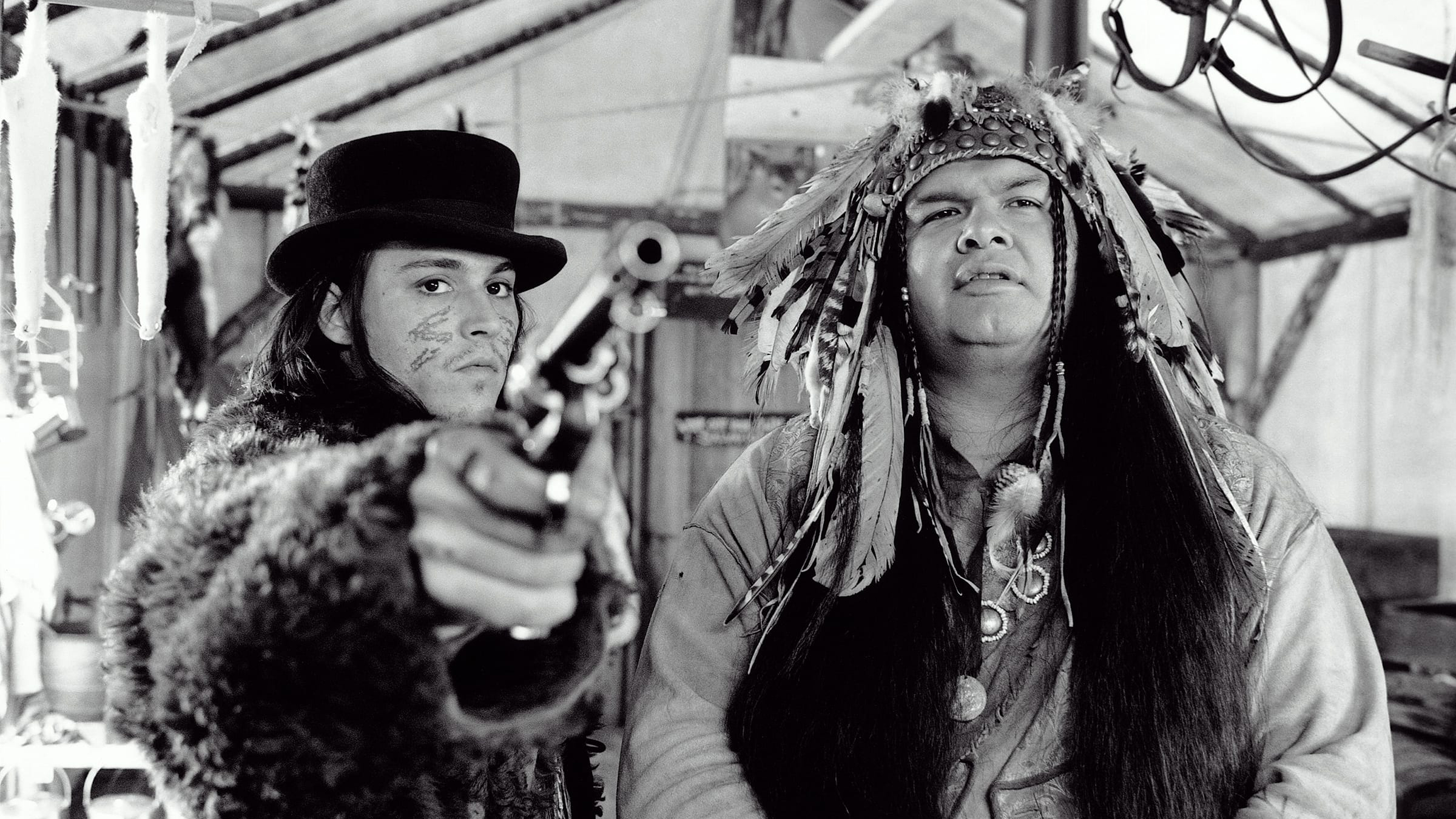
Dead Man (1995)
Jim Jarmusch is one of the most eclectic directors out there working today and his style of Western starring Johnny Depp shows that. Moving into an isolated outpost, Depp plays an accountant from the city who finds himself a wanted man for murder and meets a Native American who can help him because he sees this meek man as a reincarnation of another person. With Neil Young’s countryesque score (which was half-improvised) and monochrome cinematography, Jarmusch makes an impression of the outdoors featuring Gary Farmer, Iggy Pop, Billy Bob Thornton, John Hurt, Crispin Glover, and the legendary Robert Mitchum.
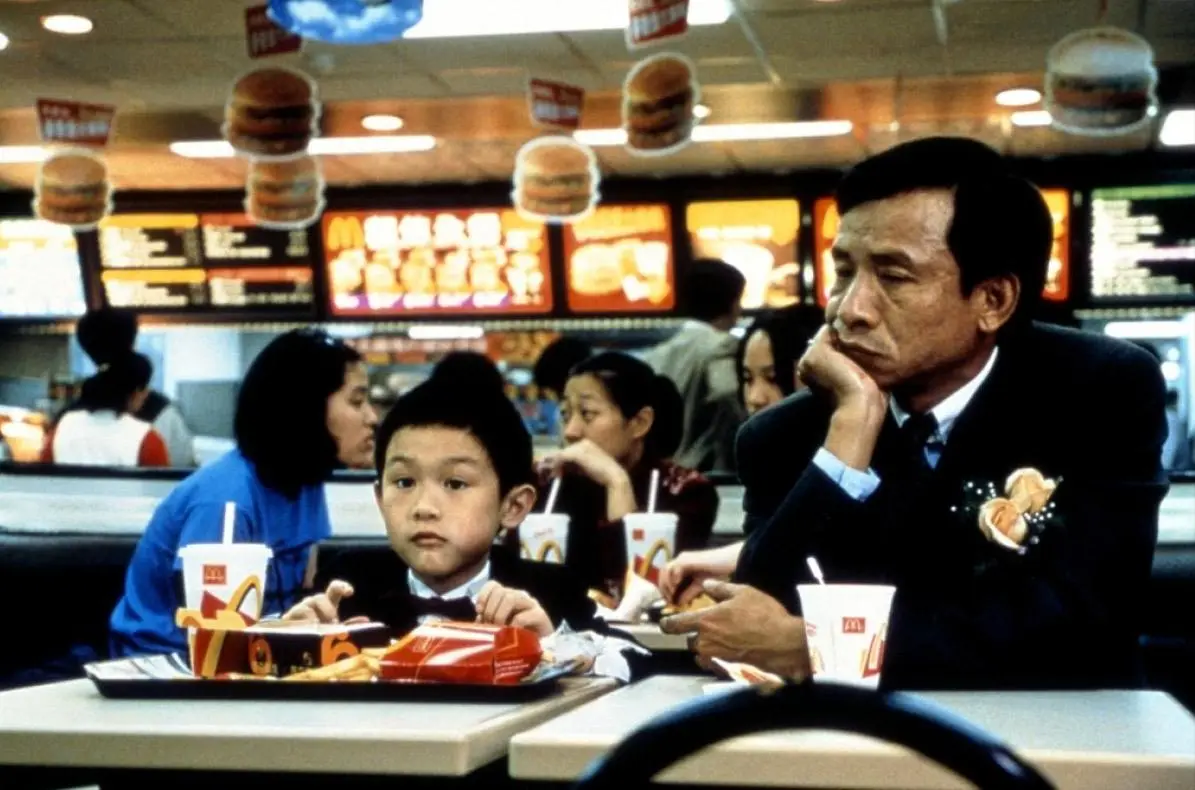
Yi Yi (2000)
An early masterpiece of the new century, Yi Yi was Edward Yang’s last film before his death. In a period of a year, the film follows a Taiwanese family in various events that range from a wedding to a funeral. The husband, the wife, the children, and others find themselves engaging in life’s different challenges and unexpected timing, something that is more about the slices of life than a slice-of-life drama. In almost three hours, Yang captures a perfect family album of things that can come at any time to anyone.
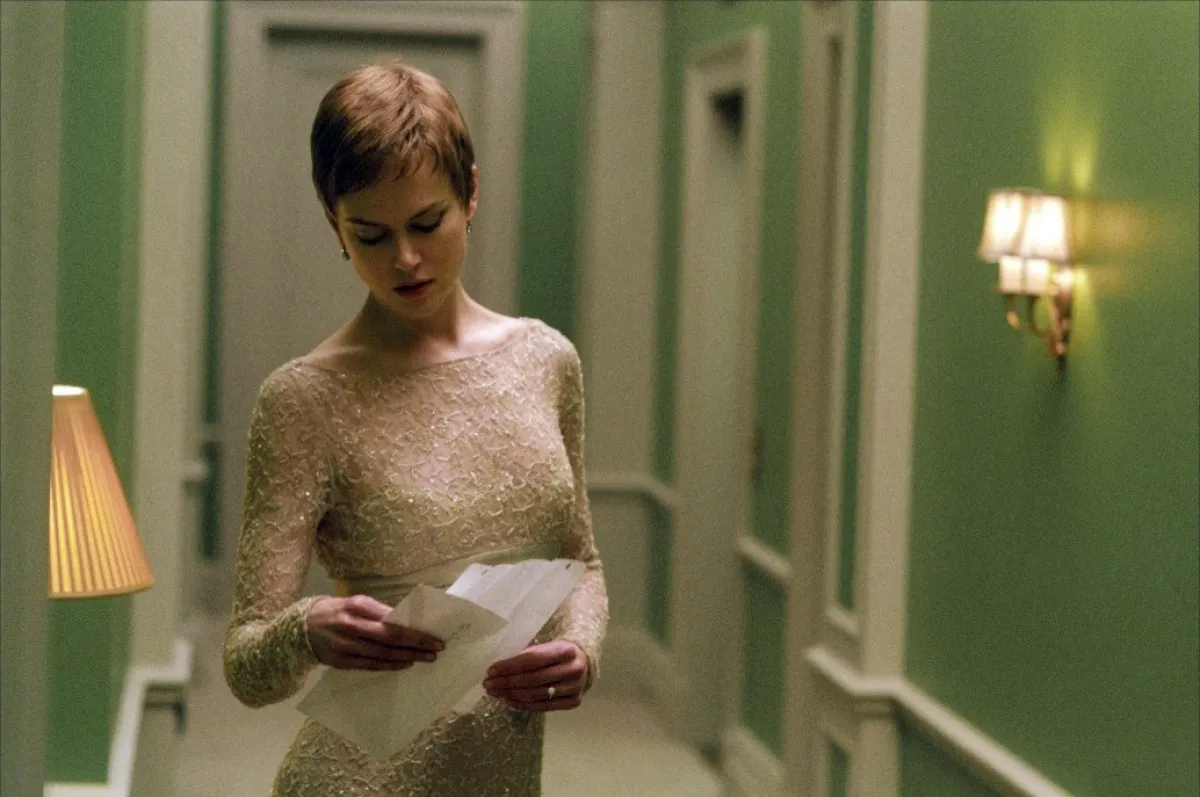
Birth (2004)
Jonathan Glazer’s sophomore film was misunderstood and confusing for plenty, but has since been seen as an undervalued gem. Nicole Kidman is a widow in New York City who is confronted by a 10-year-old boy (Cameron Bright) who claims to be a reincarnation of her dead husband. The boy tells her not to get remarried and drops hints which slowly reveal that he may be what he says. It’s a mystery which is hypnotic and carries the emotional burden from moving on with life after death and if the spirits follow us in human form.
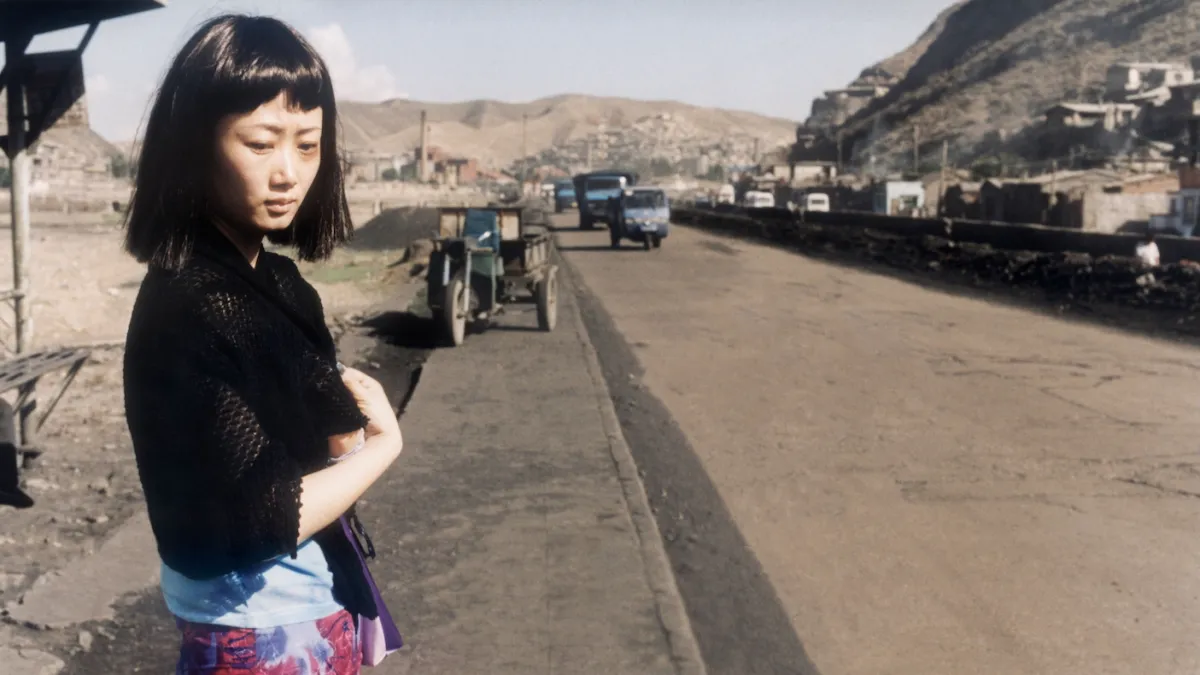
Caught By The Tides (2024)
A solid piece of contemporary Chinese drama, director Jia Zhangke blends linear and non-linear, interweaving back and forth with footage Zhangke filmed over twenty years earlier with outtakes of his own past films. Twenty years after having a romantic relationship, a woman (Zhao Tao) looks for the man (Li Zhubin) she lost as the countryside they lived in transforms drastically into the modern state it is in. While both struggle in this rapidly changing world and remain separated, Zhangke inidates us with these past inserts of own work leading up to a China post-COVID as the leads have aged dramatically.
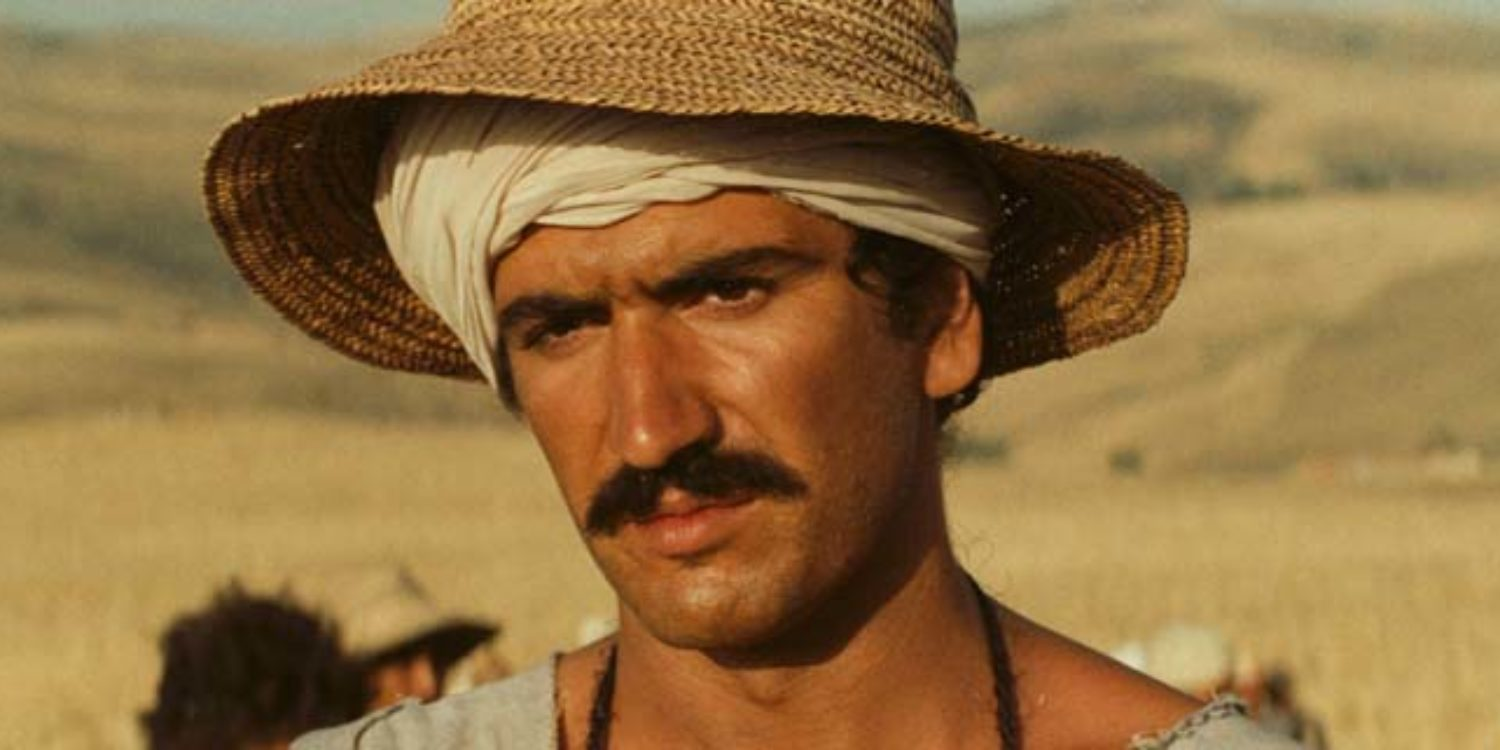
Martin Scorsese’s World Cinema Project No. 5
The fifth edition of this collection of obscure international movies coming back to life are certified gems thanks to the work of Scorsese and The Film Foundation, continuously busy restoring and finding old movies nearly lost to time. Just watch Rebecca Miller’s five-part documentary on the man, the legend that is Mr. Scorsese, and you’ll see his office full of old movie posters on the walls. These four films are hidden masterpieces getting a second view to the public and a first look to our eyes.
Chronicle of the Years of Fire (1975) from Algeria won the Palme d’Or, a landmark achievement by director Mohammed Lakhdar-Hamina, follows Algeria’s fight for independence as a farmer watches on having been born into the French colonial system who suddenly becomes part of the armed struggle. From Burkina Faso, Yam Daabo (1987) was the first film by the nation’s foremost director, Idrissa Ouedraogo, and follows a family’s division on either being self-reliant on their farm or moving to the city for better opportunities.
Kummatty (1979) is a spin of magic realism from “Mollywood” rather than the universally known Bollywood by director Govindan Aravindan. The story follows a group of children and the bogeyman that they are supposed to fear, but the supposed “kummatty” is someone who can only change their lives for the better. Finally, The Fall of Otrar (1991) was made during the last years of the Soviet Union and released to kick off the Kazakh New Wave as the country became independent. Director Ardak Amirkulov created this amazing epic of the city’s last years as a wealthy station on the Silk Road before the army of Genghis Khan stormed in to rummage all of it.
Follow me on X: @brian_cine (Cine-A-Man)