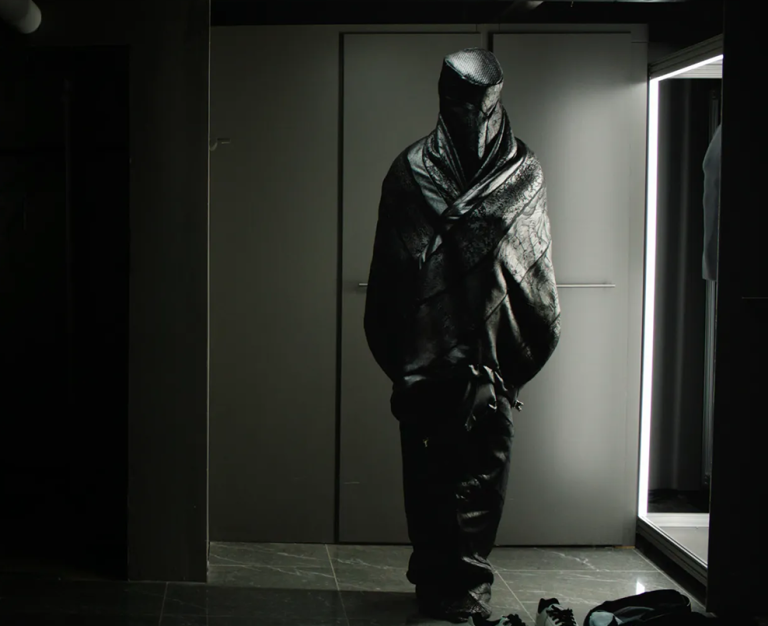
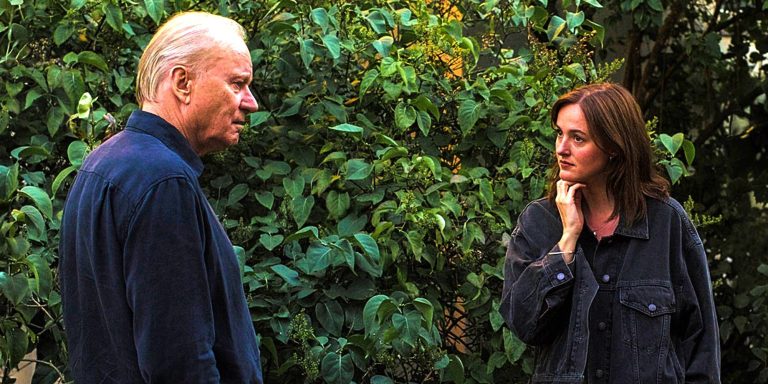
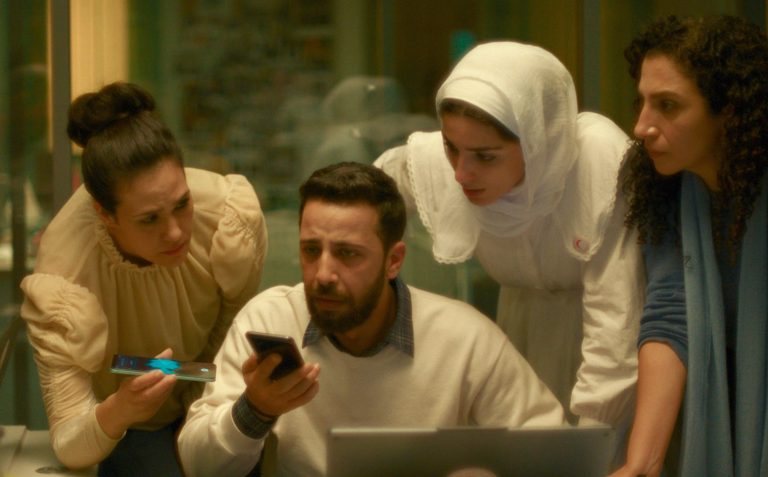
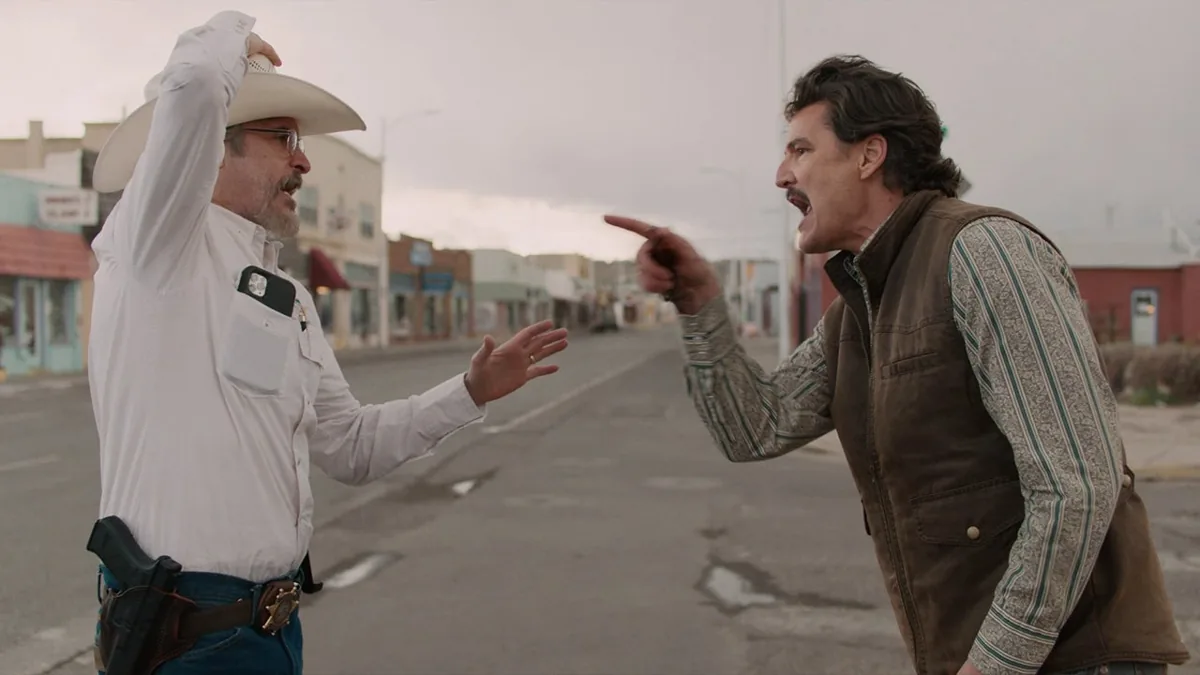
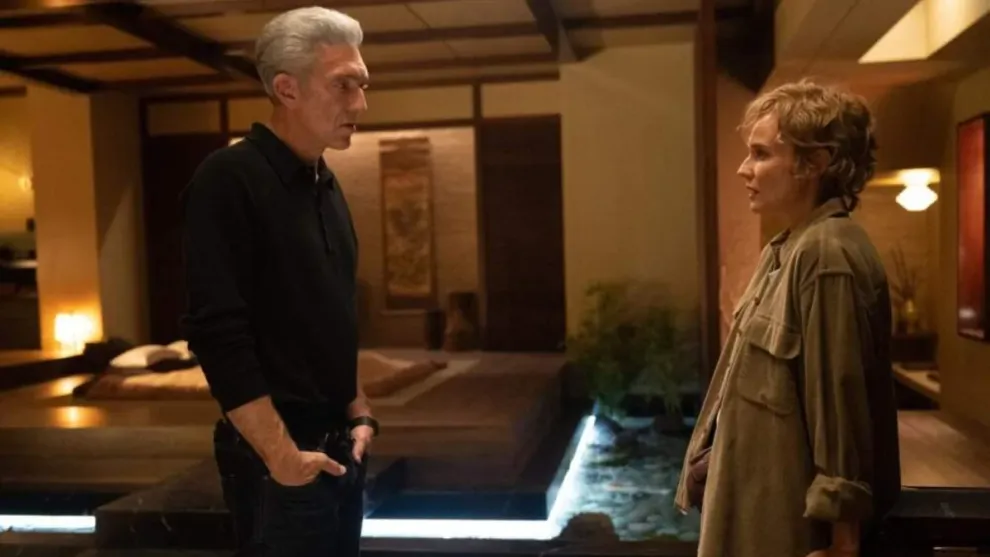
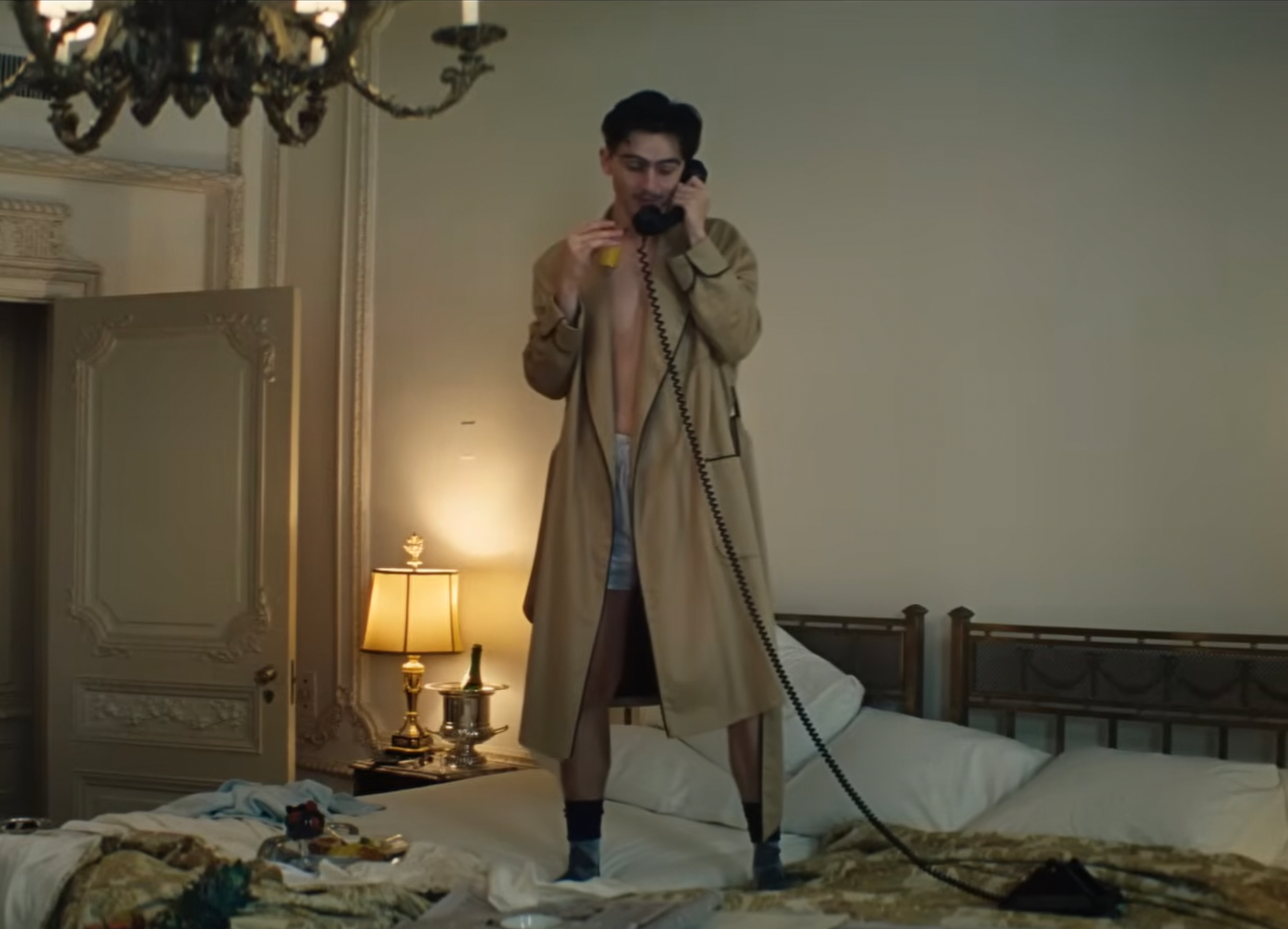
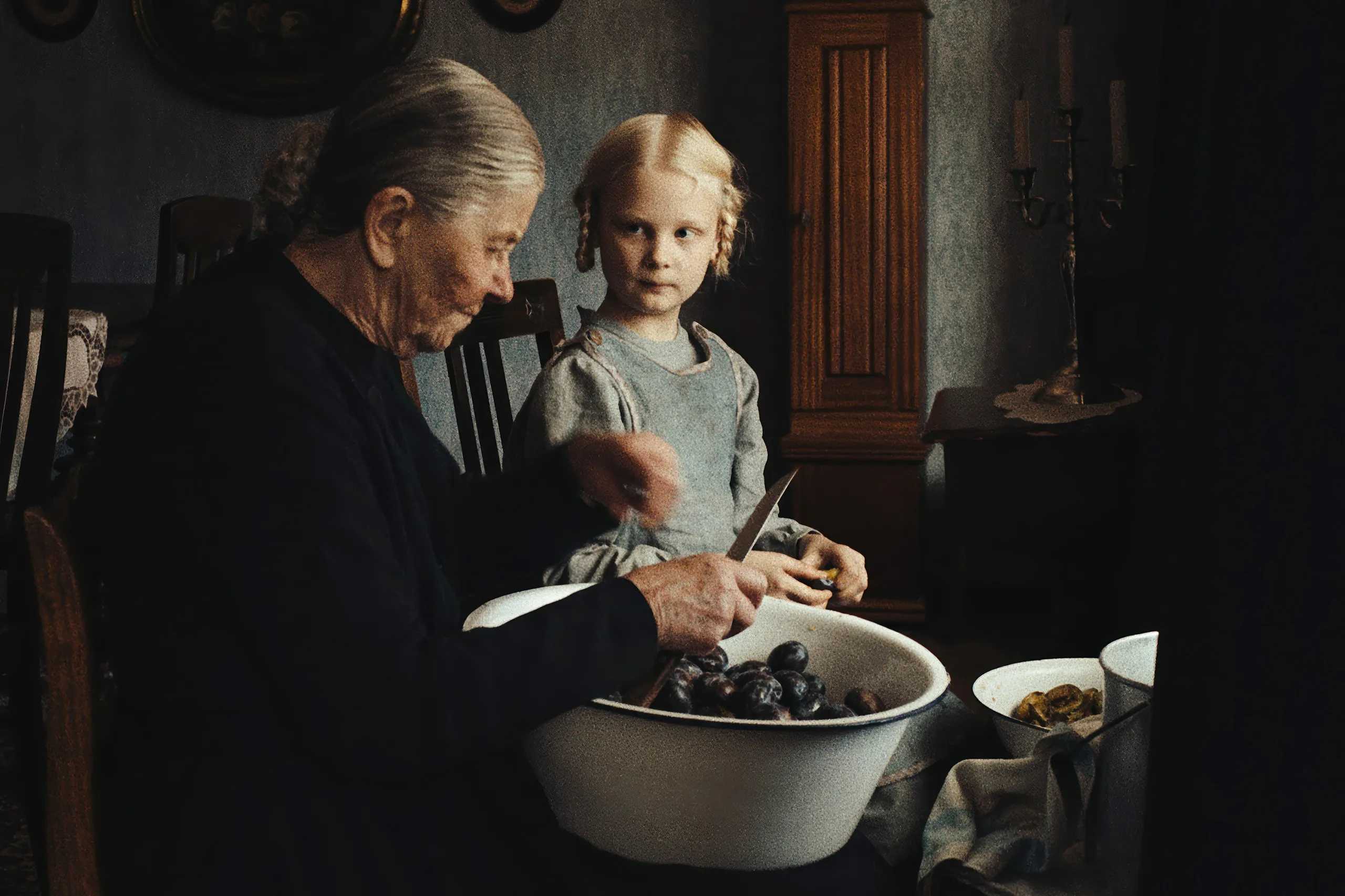
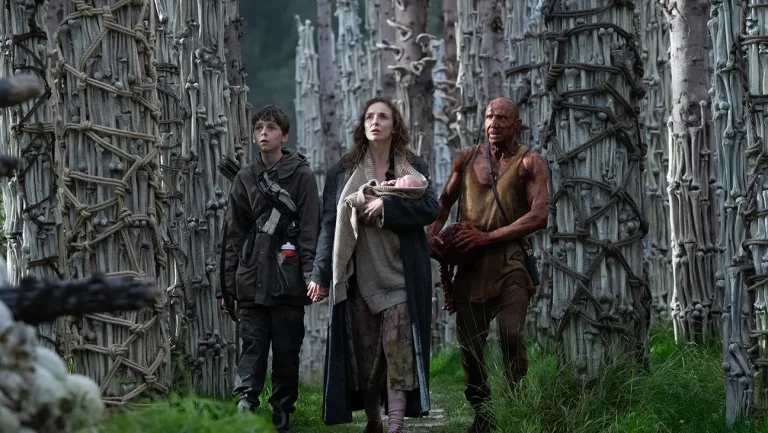
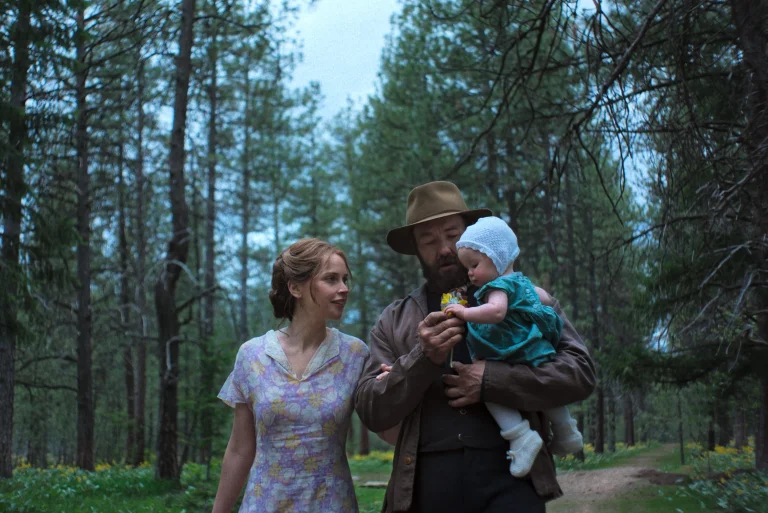
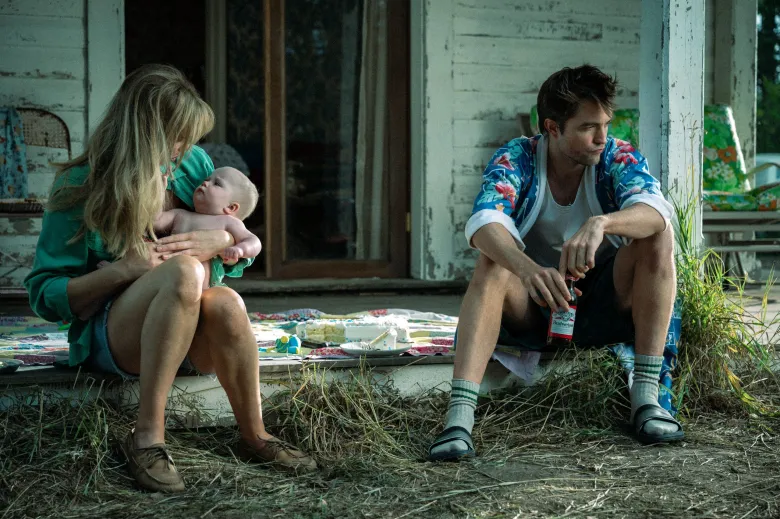
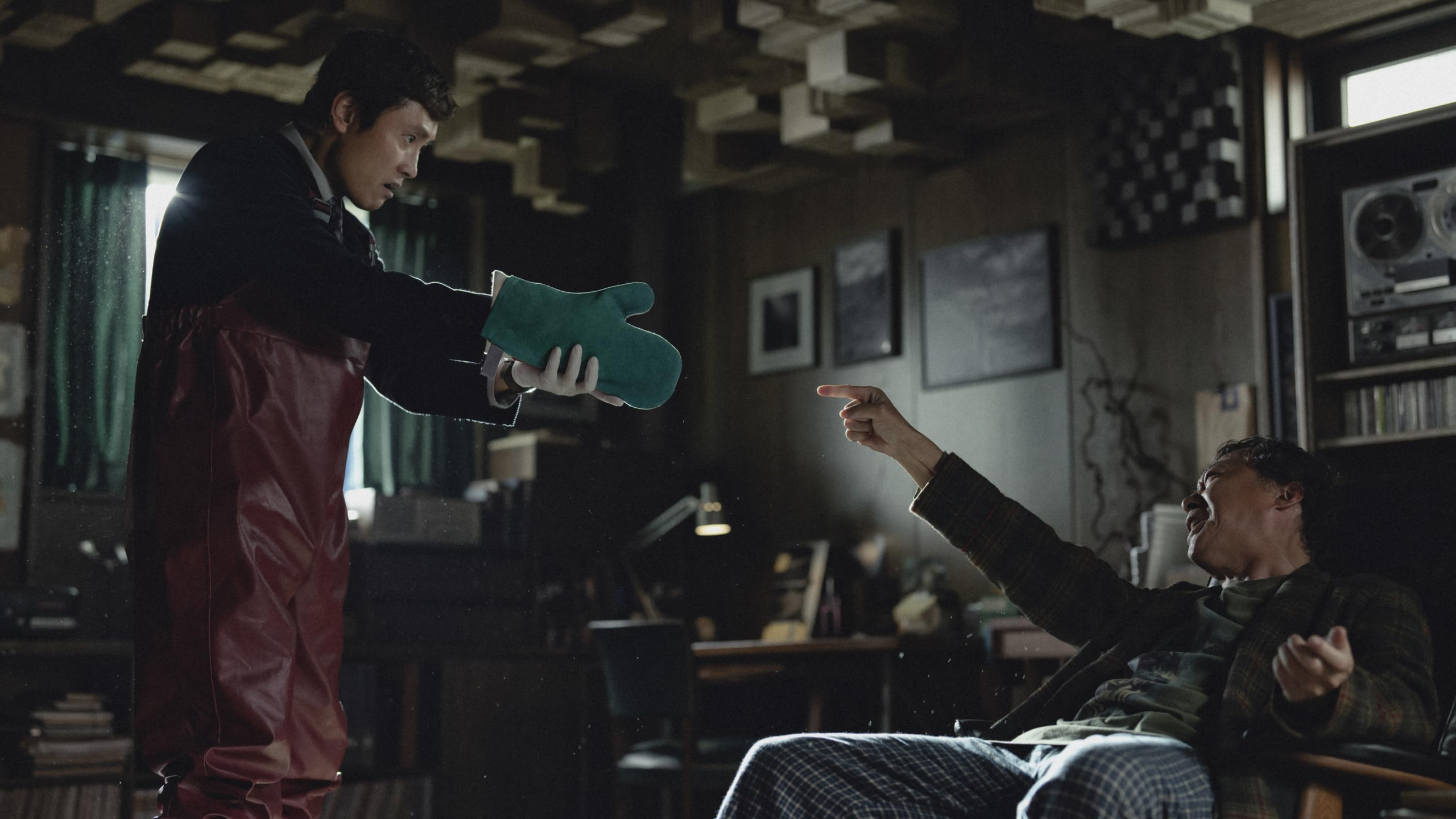
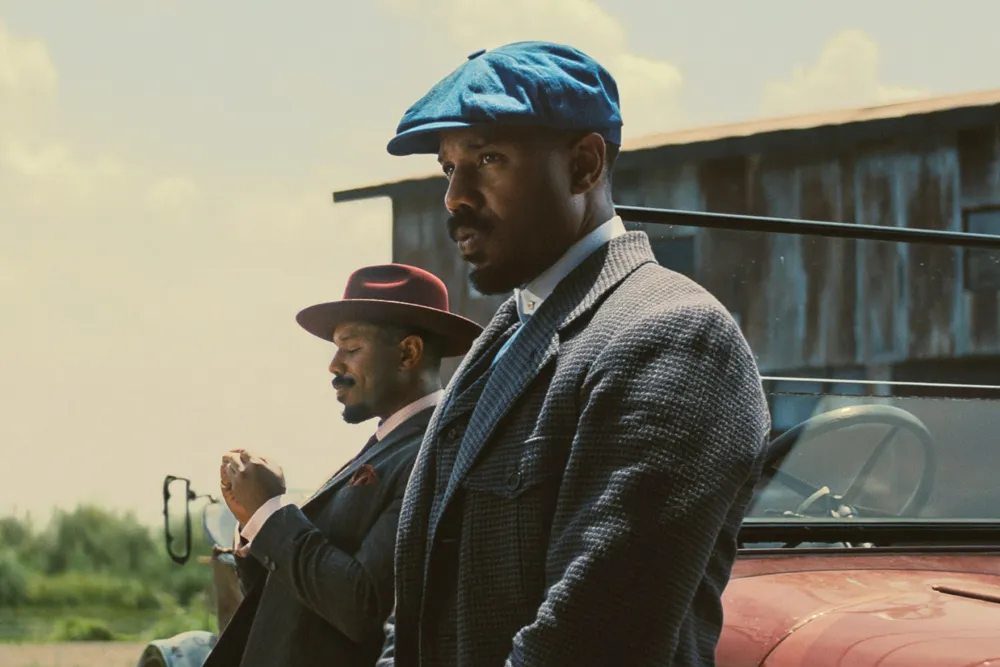
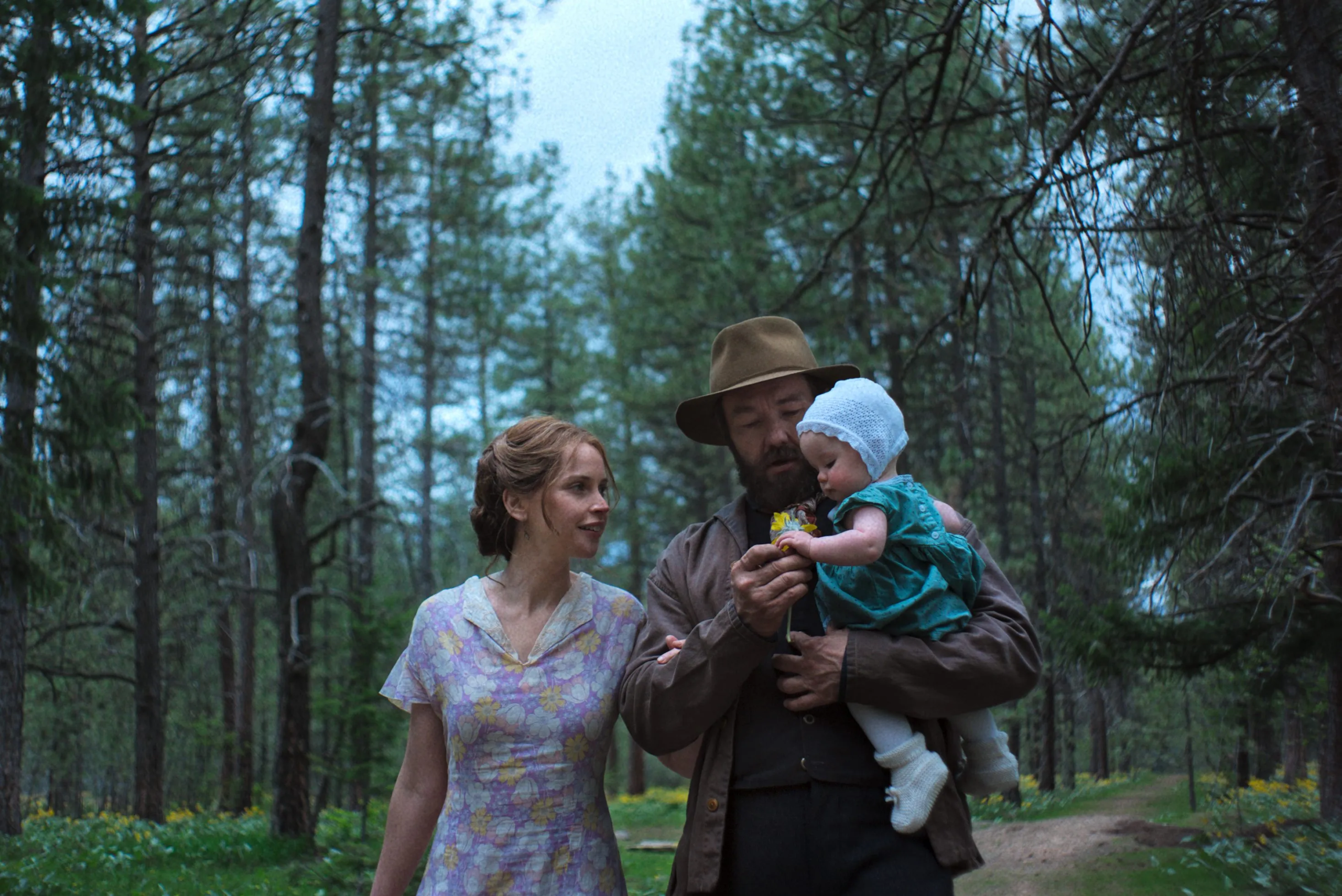
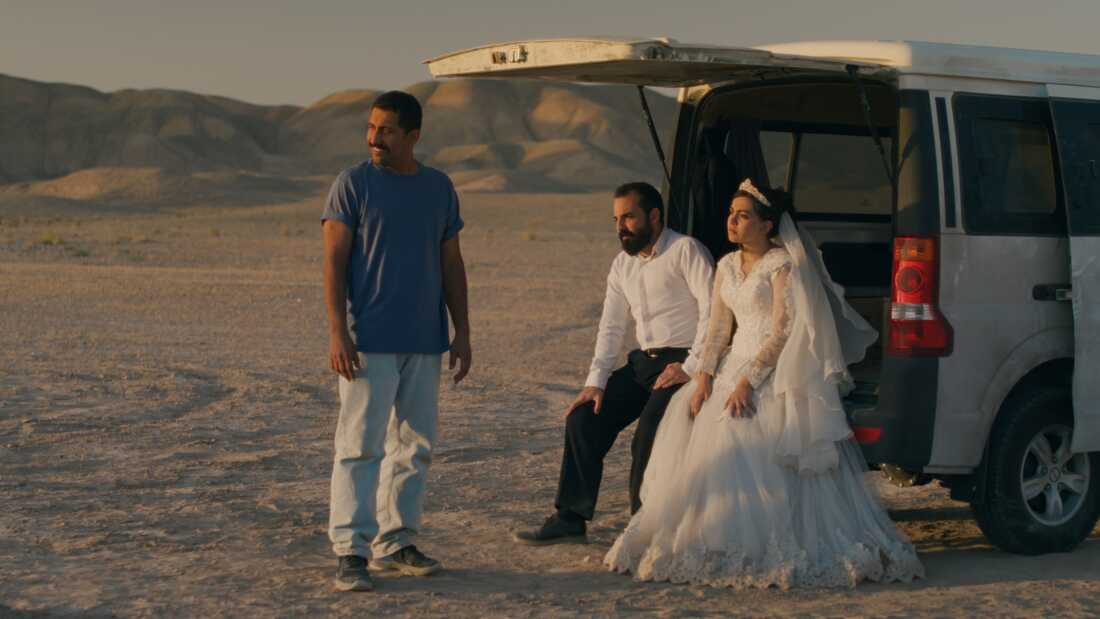
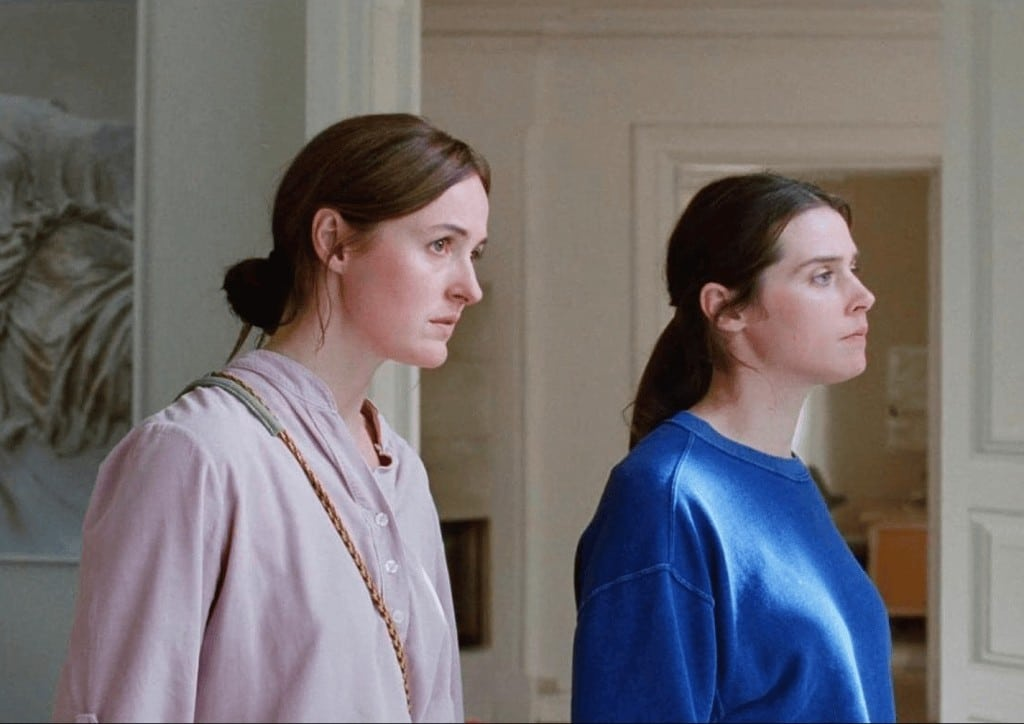
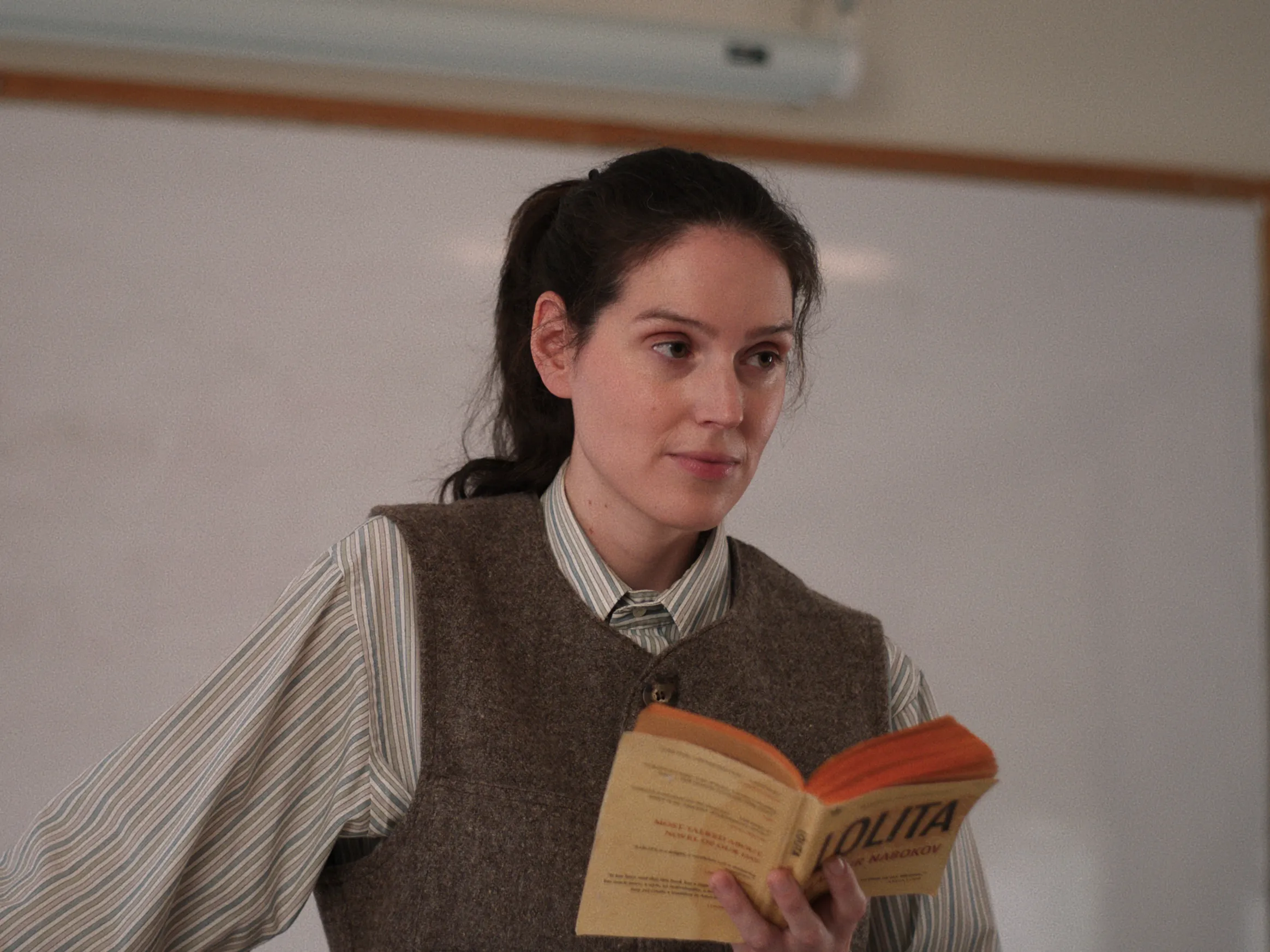
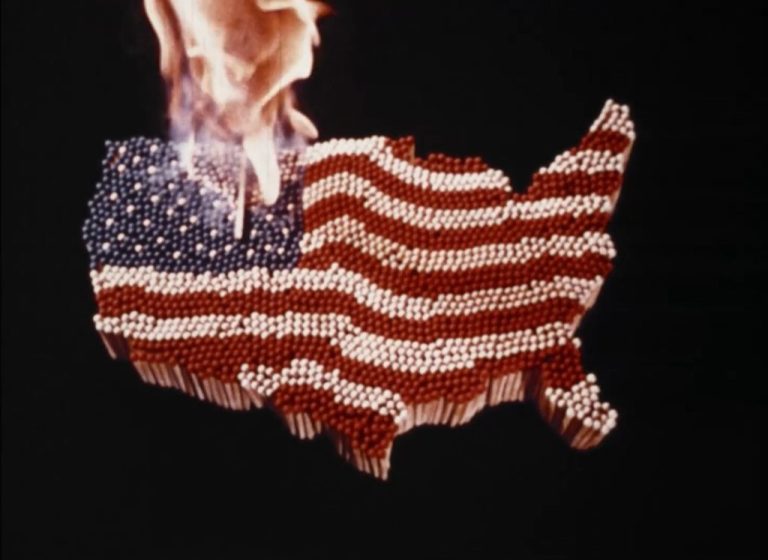
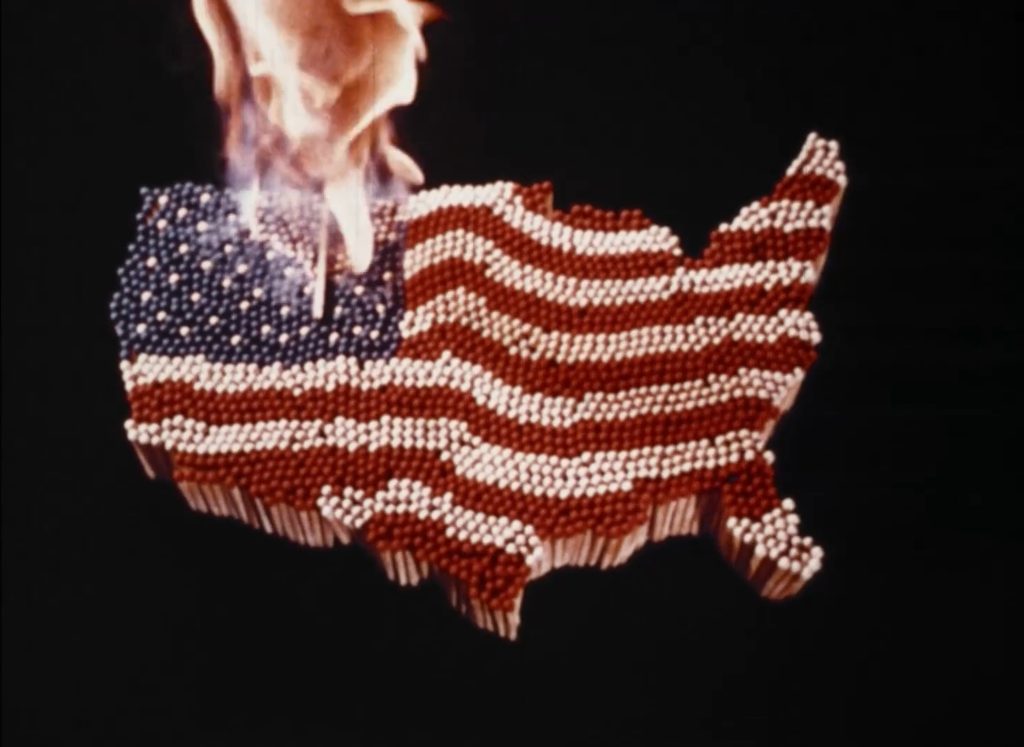
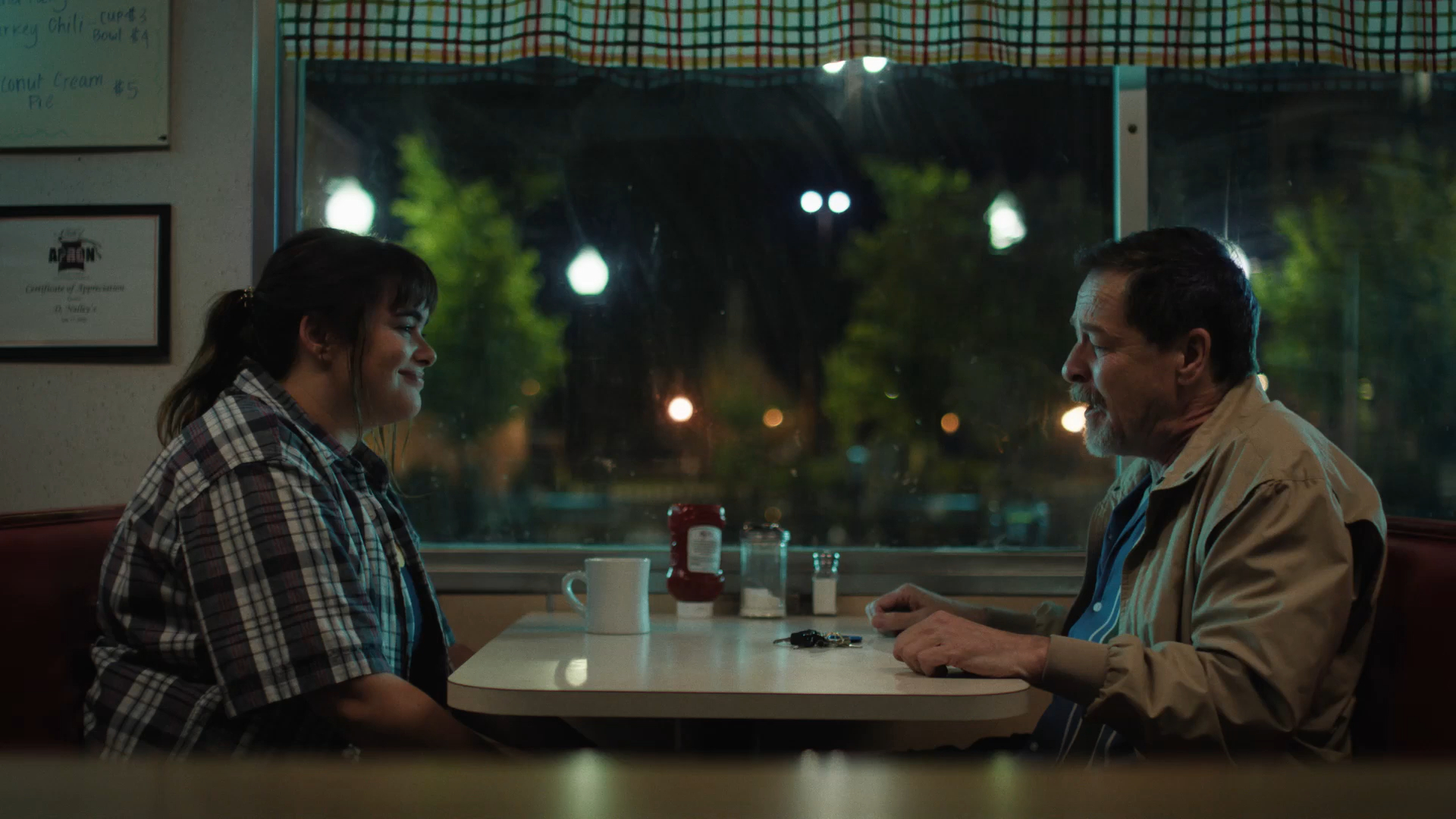
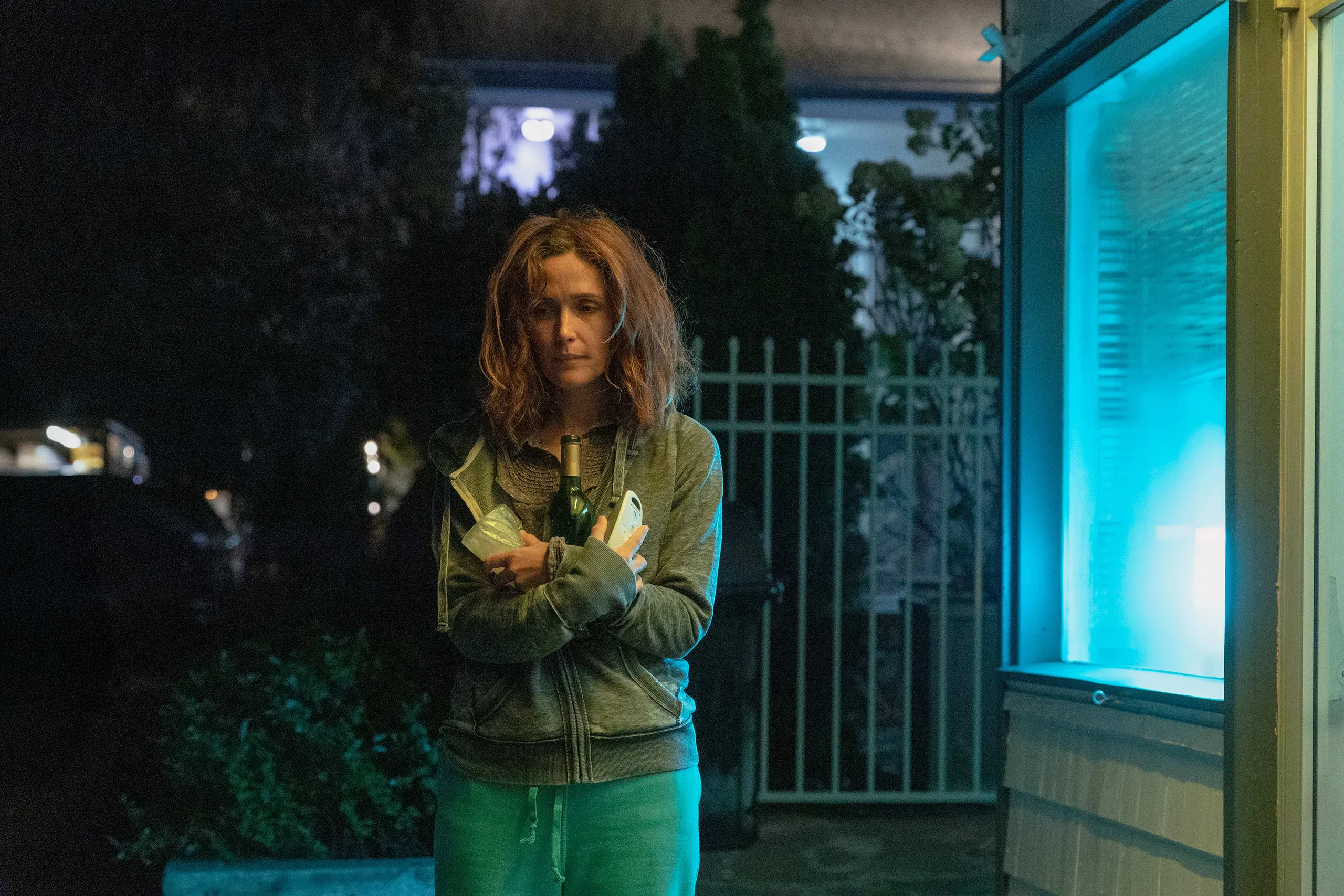
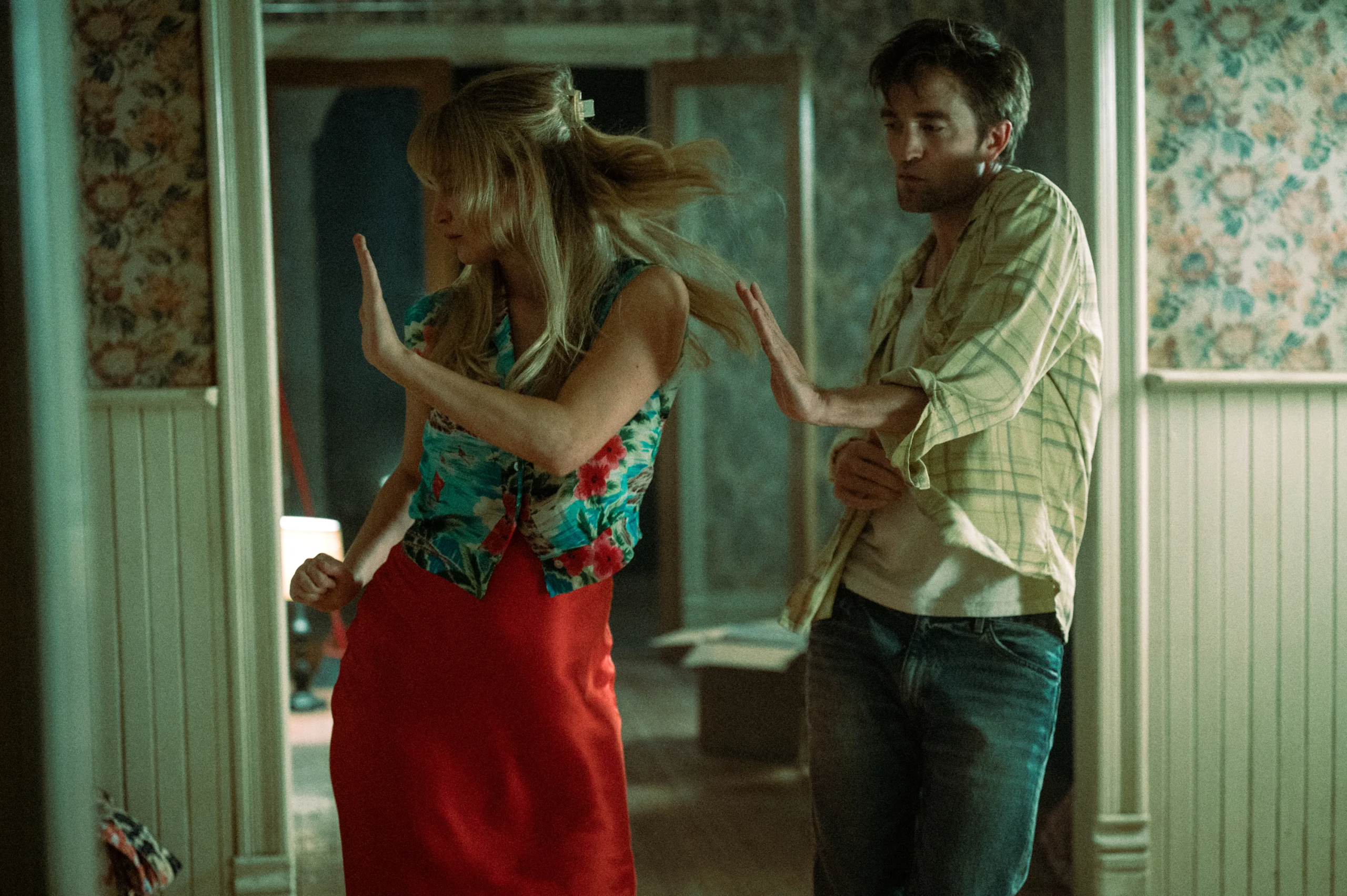
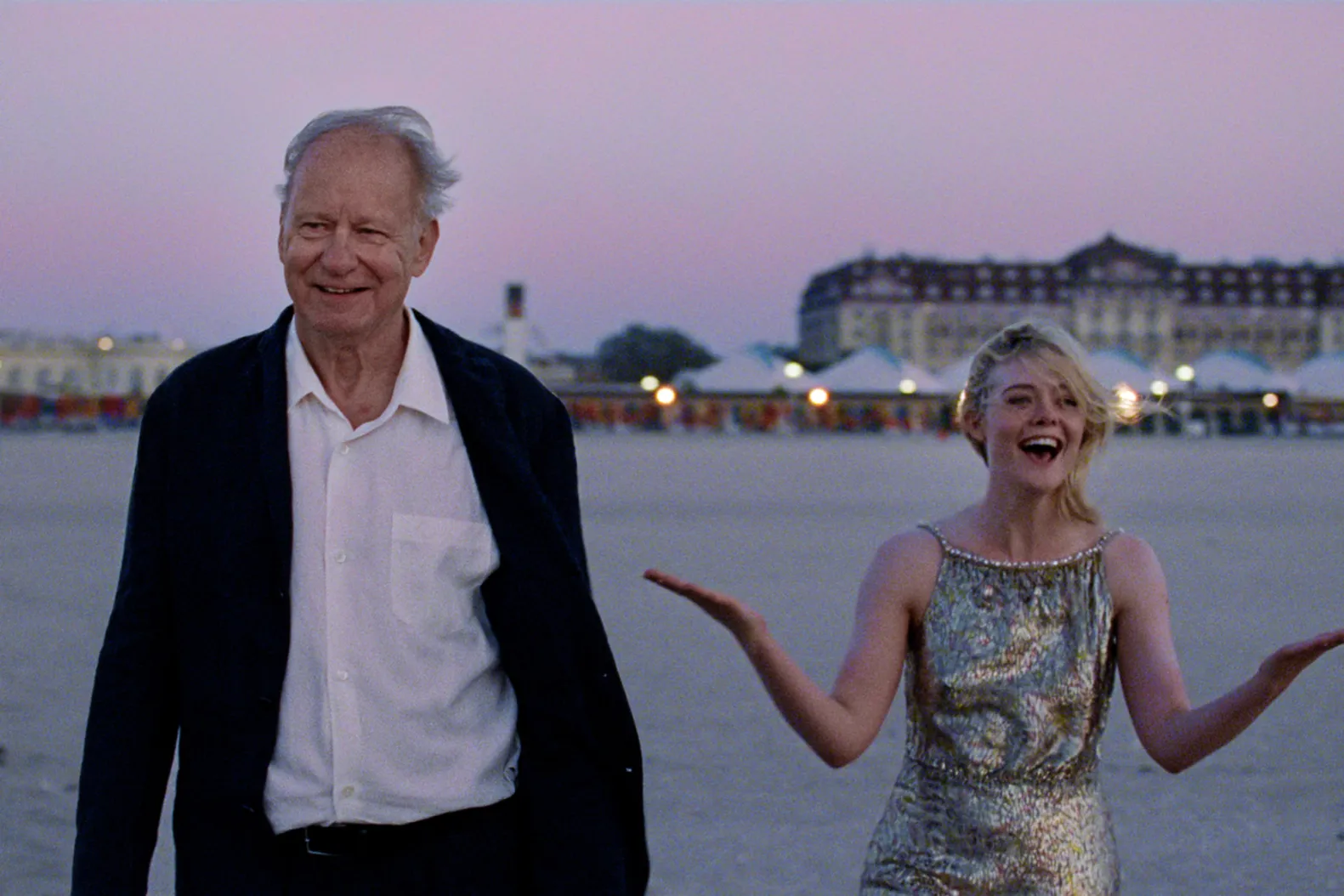
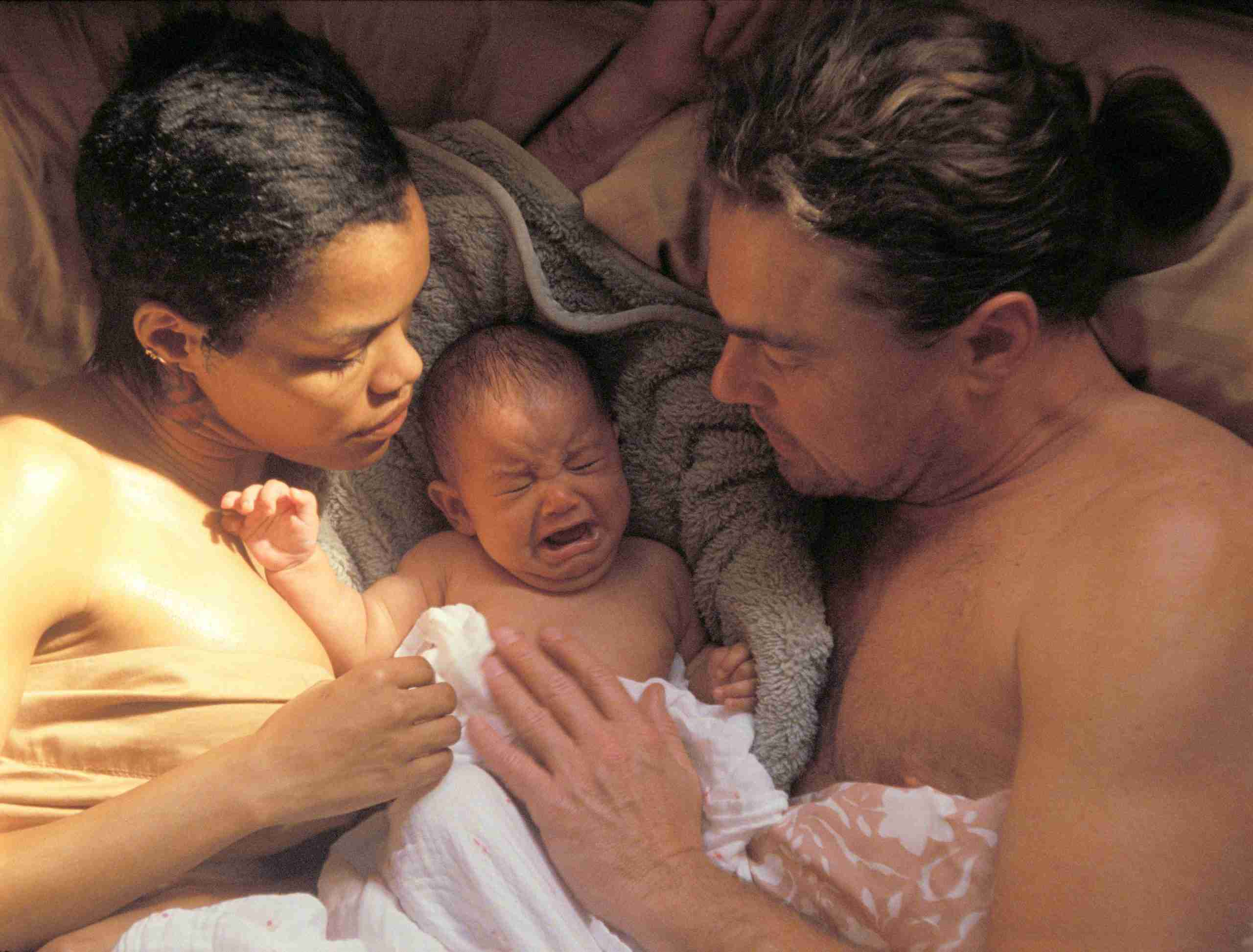
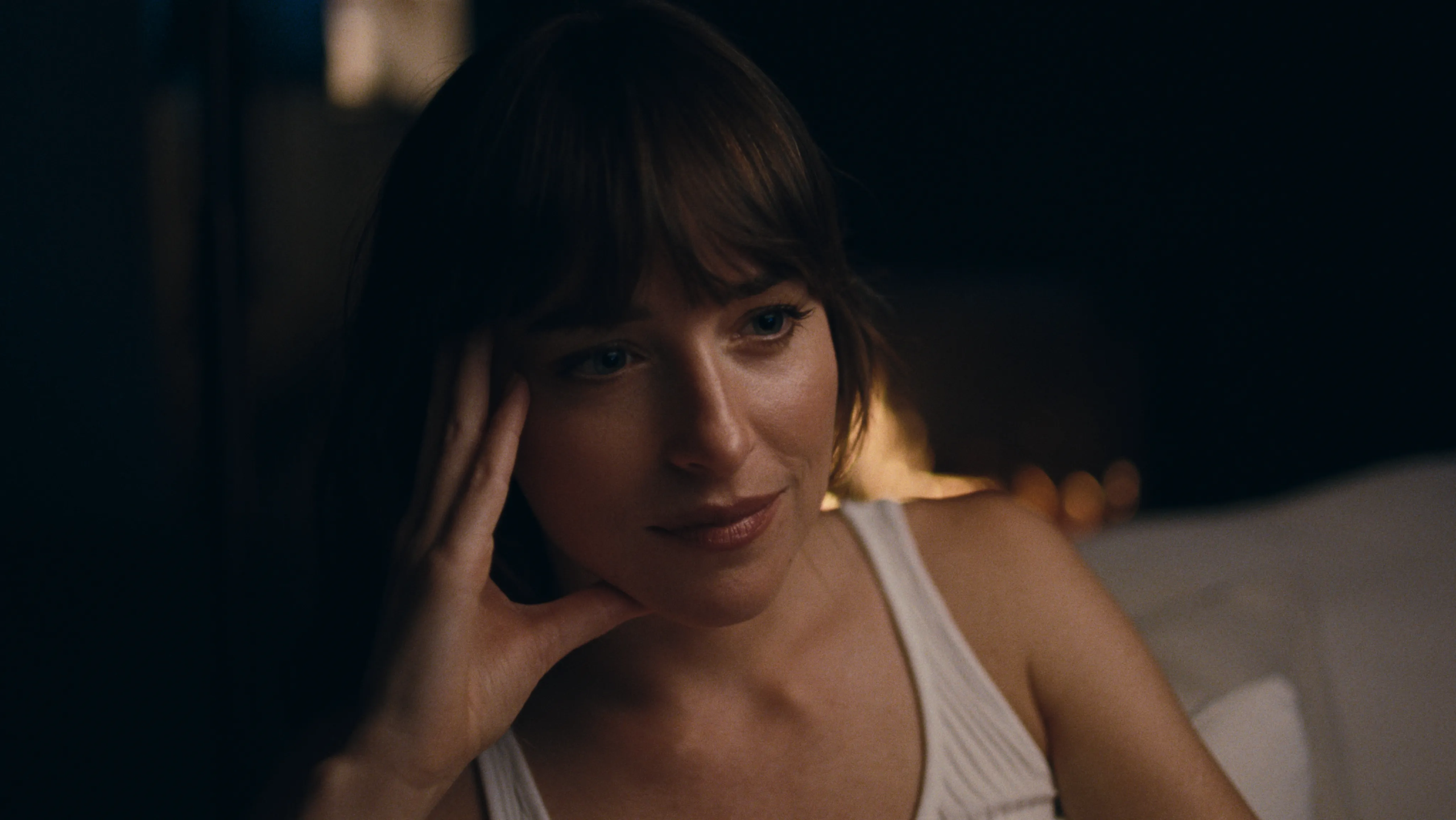
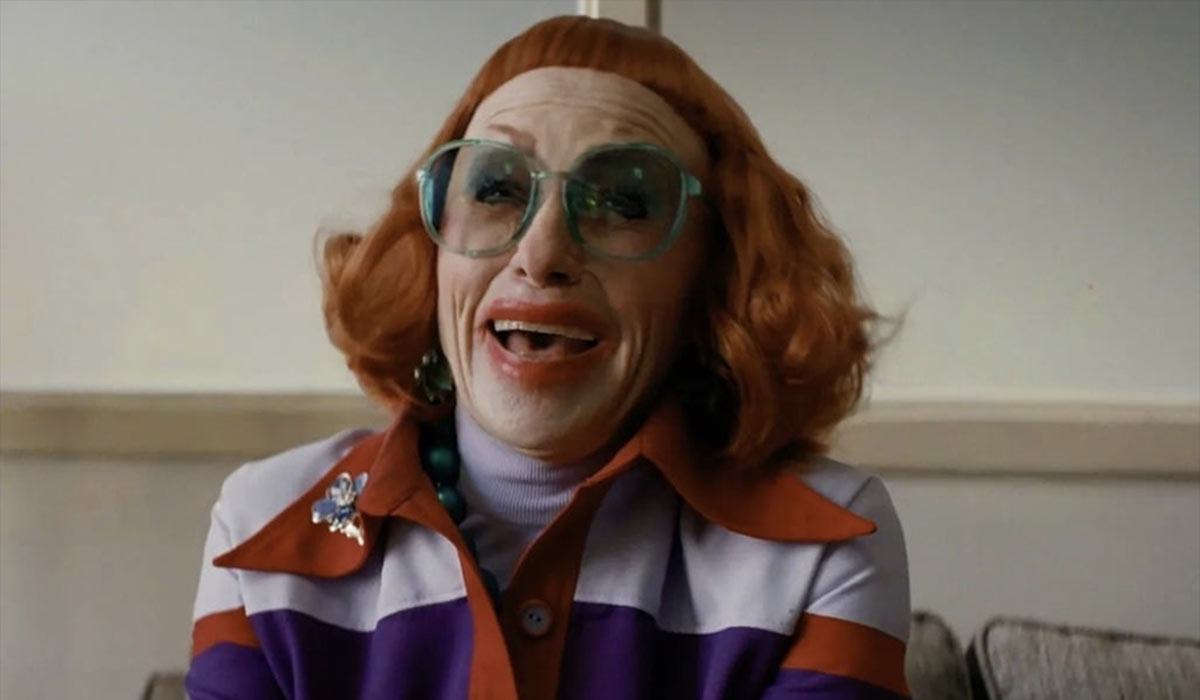
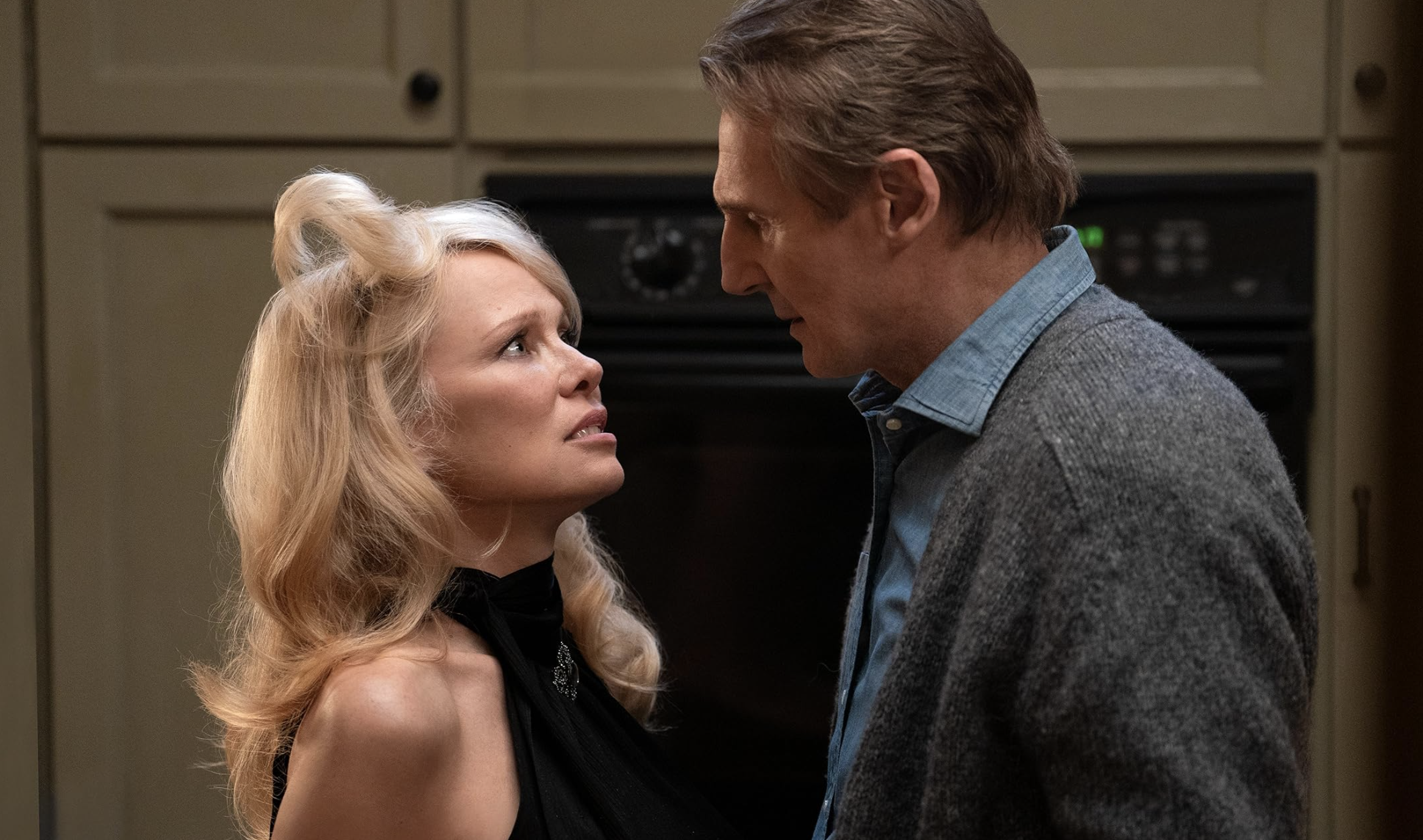
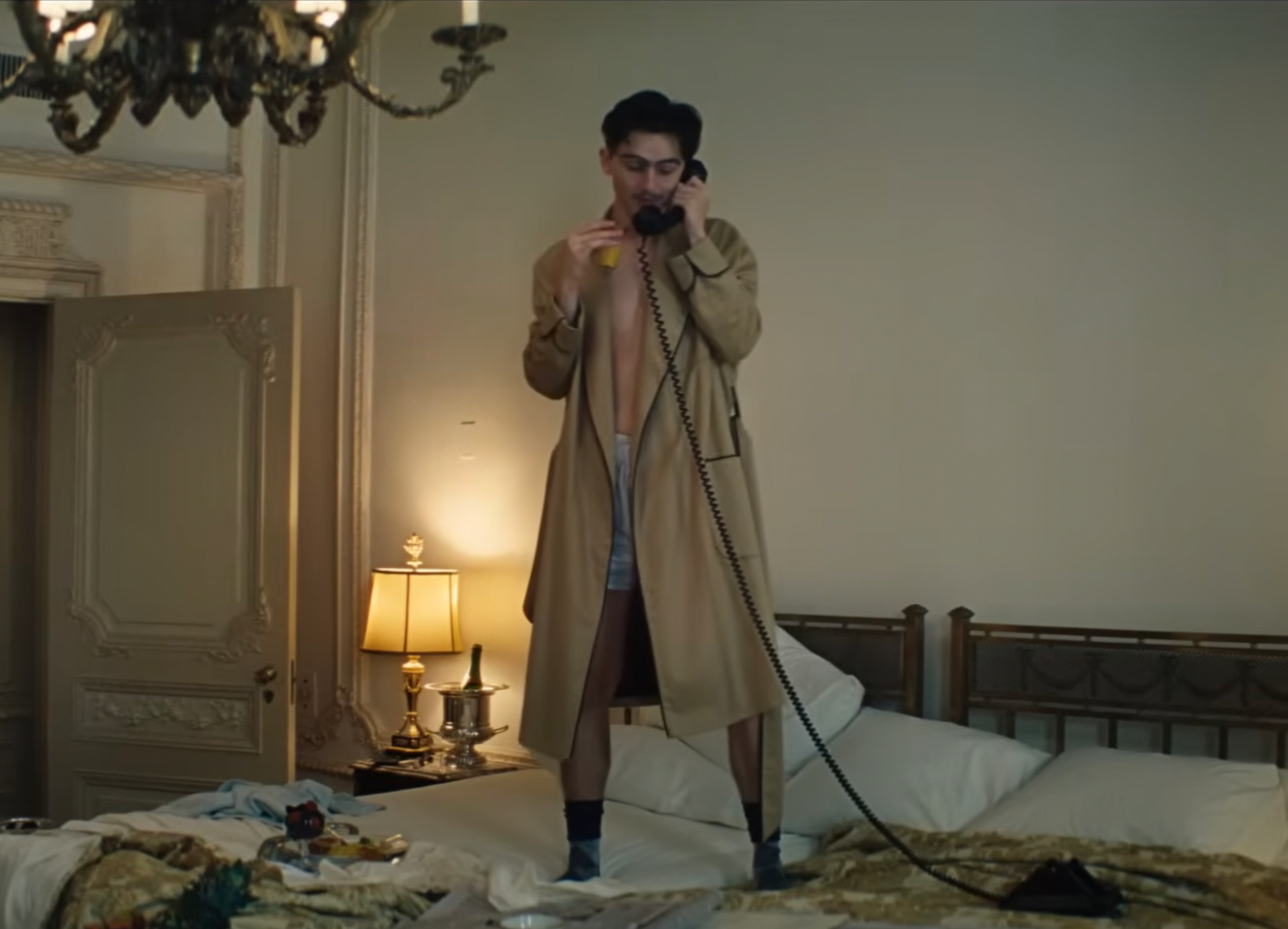
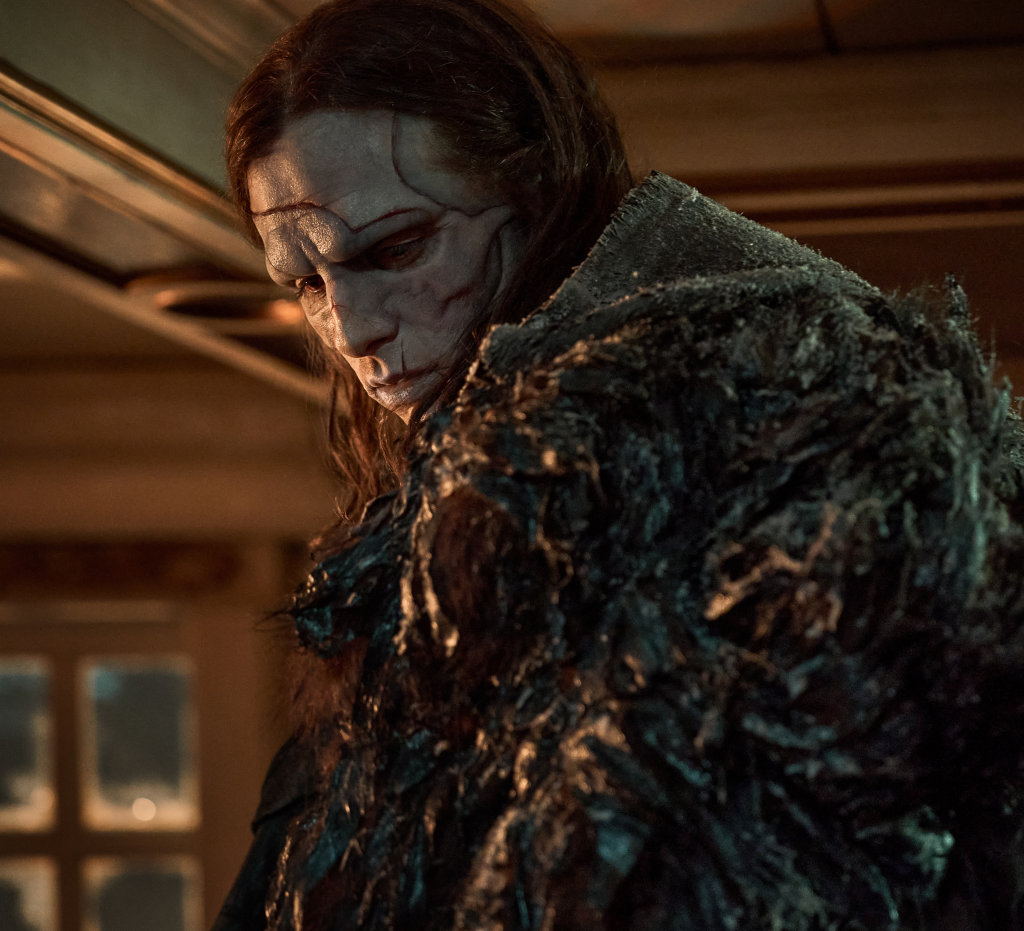
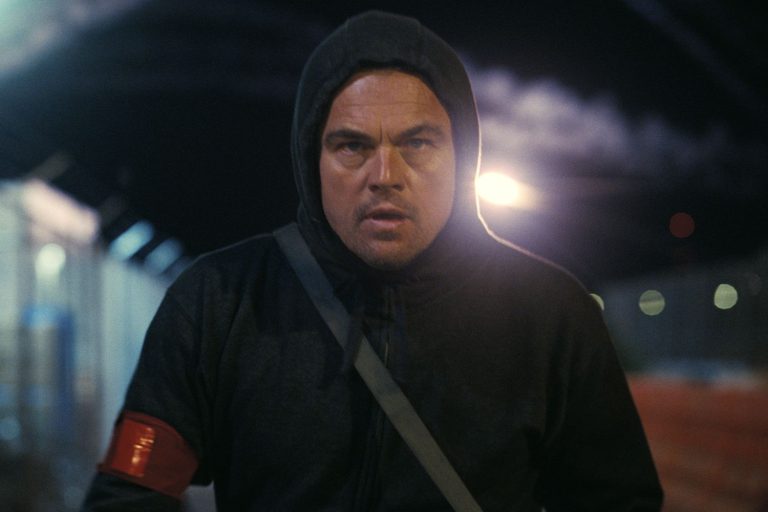
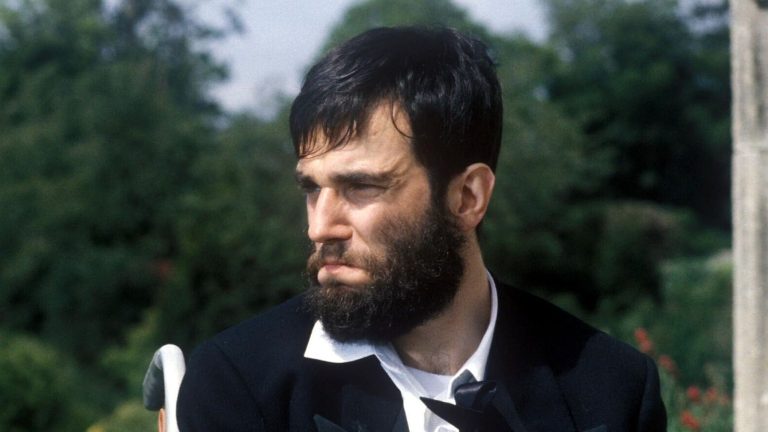
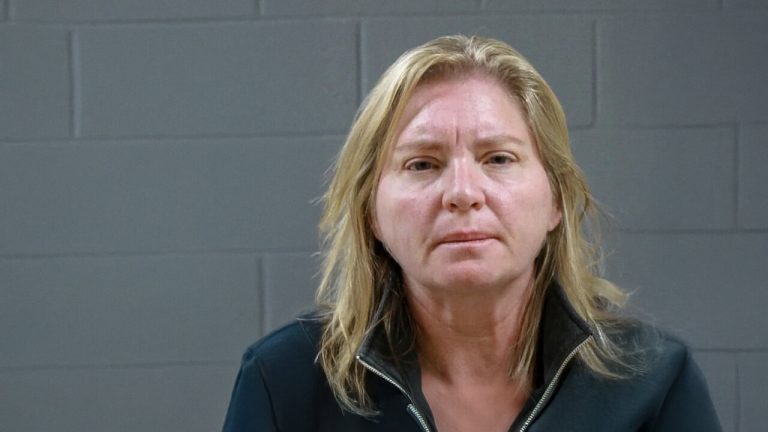
This week on Women InSession, we take a look at David Cronenberg’s 1979 film The Brood and his 2025 film The Shrouds! Both films are unique and personal to Cronenberg, and we have fun diving into why that makes them compelling. Maybe not for everyone, but the way he bleeds intrigue with the grotesque and weird is just unlike anyone else.
Panel: Kristin Battestella, Megan Kearns, Jaylan Salah
On that note, check out this week’s show and let us know what you think in the comment section. Thanks for listening and for supporting the InSession Film Podcast!
Director: Lav Diaz Writer:Lav Diaz Stars: Gael García Bernal, Angela Azevedo, Amado Arjay Babon
Synopsis: A portrayal of Ferdinand Magellan and Beatriz Barbosa’s 1517 marriage in Seville, focusing on their brief time together before his departure on the Spanish crown’s expedition.
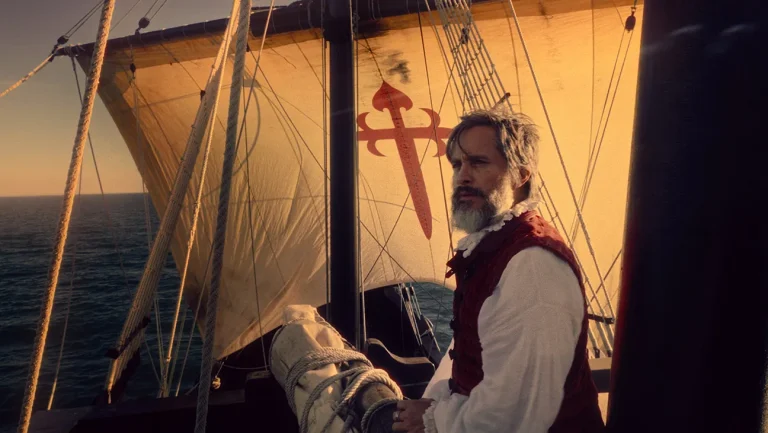
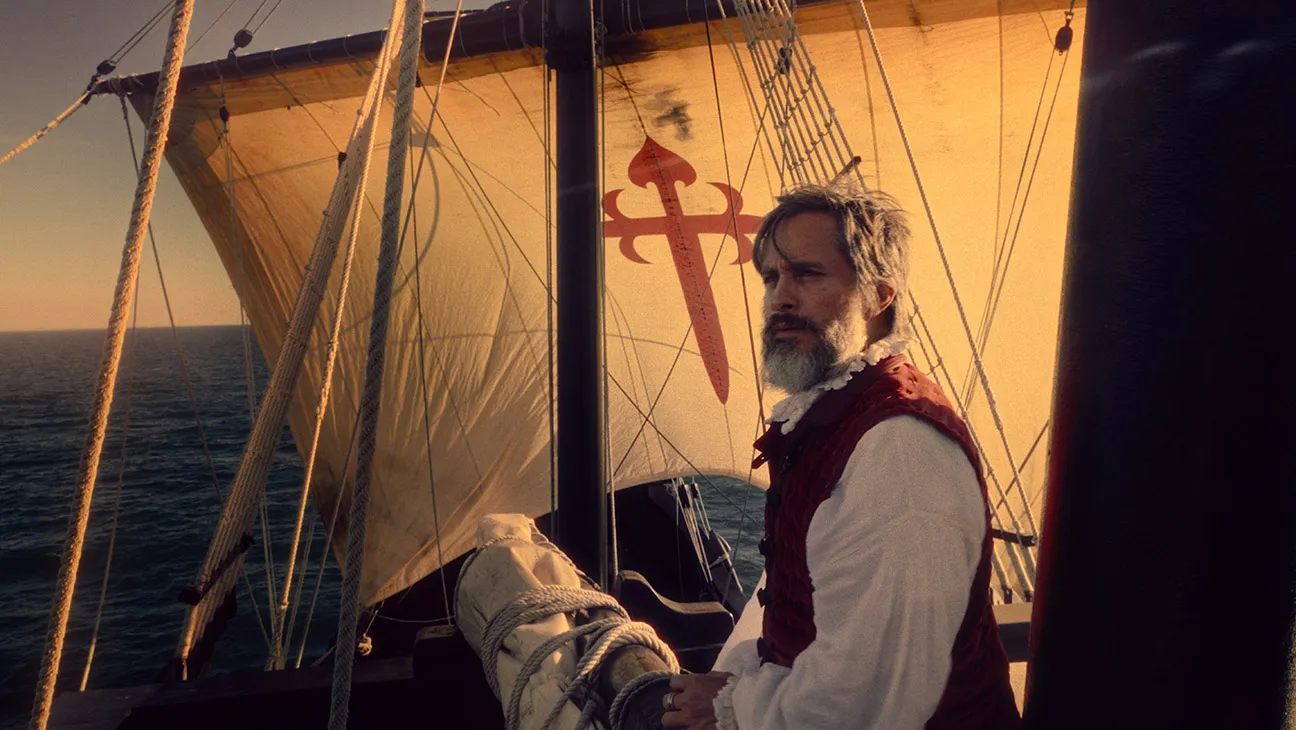
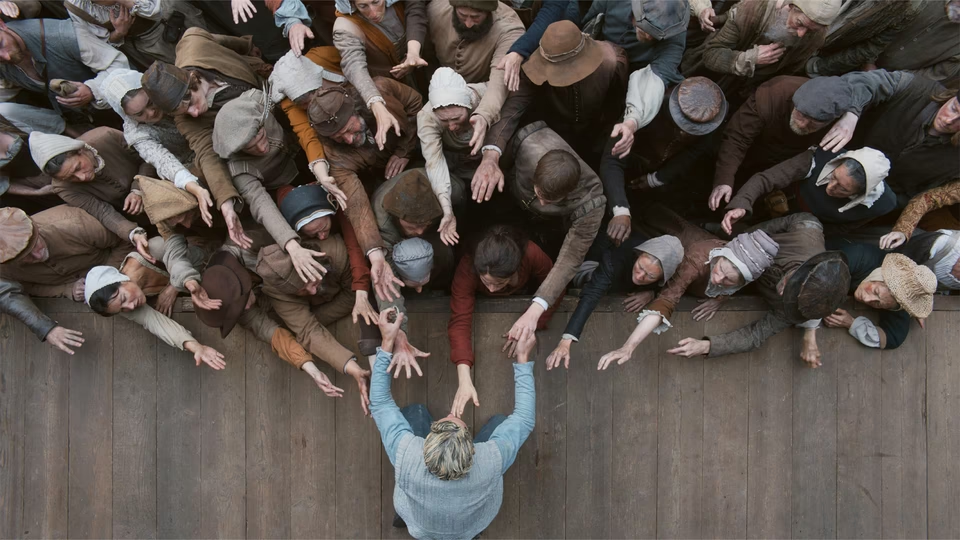
The first descriptor which may come to mind when reflecting on Lav Diaz’ Magellan is painterly. The opening frame of this film, and practically each one that follows for the entirety of its 160-minute runtime, wouldn’t look out of place hanging in a museum. But Magellan serves a far greater purpose for its audience than merely being a stunning film to look at. Because within all the beauty present throughout Diaz and co-cinematographer Artur Tort’s imagery lies the much uglier truth coursing throughout this historical epic. It’s the painful irony that such natural beauty could exist amongst the powerfully cruel forces looking to bastardize the serenity established by nature and appreciation of the mysteries around us. Throughout the DNA of Magellan, the arthouse version of both historical epic and biopic, lies a much larger examination of a world’s influence on a man rather than the titular man’s influence on the world around him. Despite leaning into narrative speculation on occasion, Diaz bathes this film in a sense of dreadful realism. In other words, this isn’t a stylized film. It’s unsensationalized, never shying away from the hard truths and realistic pain driven by the film’s narrative and literal journey. But that’s not to say it doesn’t feel like a distinct vision from a master filmmaker.
Magellan instantly dazzles you with its crystal-clear digital cinematography. With a camera that moves so infrequently, this is a wondrous example of contemporary slow cinema. Characters seem to enter and exit the frame at their own will, or at whatever pace the script deems most effective. This technique is something that should never be seen as padding out a runtime; it’s all part of serving a larger function. As an audience, we are held captive by Diaz’s composition. Through his patient hand, we become moved and haunted in equal measure. We see serene landscapes, prayer rituals, and even mundane tasks painfully invaded with no control whatsoever. In lulling the viewer into a sense of exploration through wandering eyes and minds, a complicity is built into the very fiber of Magellan. That’s particularly fitting considering so many of the conversations in this film revolve around the complicity of the man, and by extension humans and larger society, at its center.
There’s never a question as to whether or not the actions of Ferdinand Magellan (Gael García Bernal) are justifiable by any means. There’s deservedly no vindication or attempts at sympathy from Diaz’ artistic point of view. But what makes Magellan such a fascinating film is just how easily Diaz pulls from the foundational iconography of hero’s journey cinema and storytelling at large. But instead of acclaim and wild fortune for his titular figure, Diaz instead captures the lies pushing this journey forward and the truths experienced along the way. Despite such beautiful cinematography, there’s little beauty in this exploration. It’s a toiling journey full of harsh experiences, hypocritical morals and actions, and purely reprehensible evils perpetrated in the name of religious beliefs. And the journey, and what it truly stands for, never really ends; instead it festers. Bathed in nightmarish ideologies, the journey captured in Magellan is akin to a painting slowly rotting from within.
The film begins in 1511 with Magellan taking part in the Capture of Malacca. It’s an opening act that immediately feels haunted. This is something that Diaz will home in on the longer his grip remains held around his audience. It’s not long before he goes ahead and makes his intentions for the film as clear as possible. In a moment that feels akin to “the celebratory speech” scene commonly found in war films, the clearly drunken general indicates his intent on pushing forward to conquering Aden. He meanders on about the reasons for doing so, but falls into a drunken slumber midway through. Portrayed quite literally, Diaz interrogates such drunken power and how it’s simply an unquenchable force of history. There will never be a satisfying moment for these characters we have no choice but to follow on their journey. They’re constantly seeking more and more under the guise of nationalism and religious benefit, all the while isolating themselves further and further from the beauty Diaz so effortlessly captures in his compositions.
As Magellan progresses through time via harsh jump cuts, we find the titular figure at various different points in his life. The unflashy editing is one of the many manners in which Diaz crafts this stylistically understated film. Another component is indicated by just how long it takes for the audience to ever get a good look at Bernal. For a star so known for his striking looks, it’s nearly an hour into the film before Diaz ever frames him in a semi-close-up shot. And rather than being treated to a celebratory explorer thrilled with his previous conquest, we see that of a man both haunted and frustrated by his stagnancy. Suffering from a gnarly (and gruesomely realistic) leg injury, Magellan remains grounded in Lisbon with little to do. We witness what can only be described as a moment of somber reflection being shattered by the world jovially progressing forward around him. Unable to partake in another trek in the name of spreading Christianity through violent means, Magellan is repeatedly confronted by the reminders of his previous actions. He seems to be spiraling further and further without any sort of forward momentum. Whereas he seeks action and adventure and is unable to sit still, the audience will hopefully be embracing the measured rhythms of Diaz’ latest slow cinema project.
If the intent of slow cinema is to allow the mind to wander in exploration of every nook and cranny of a film’s subtext, Magellan greatly succeeds. But the characters within it, on their arduous journey across the seas, fundamentally misunderstand this true purpose of sitting in quietude. Magellan does whatever he can to end up on another journey, regardless of whether or not he fully agrees with the true reasoning behind Spain sending him off on his voyage. It’s this necessity of partaking in a hero’s journey that leads to the downfall of Magellan and his crew. Some on the journey lose their minds plain and simple. Others lose their lives or their freedoms due to unjust hatred, bigotry, and villainizing perpetrated by the church. Over the course of this film, Magellan retreats into himself, yet is never as haunted as he is in the first moment we see Bernal in close-up, save for a particularly breathtaking dream sequence. It feels like the moment that breaks him spiritually, mentally, and physically. Even still, he makes the decision to carry on with his actions. Considering this film ends on an inquisitive note regarding the complicity in our actions, it’s fitting that this journey is a nightmarish descent in cinematic form with little form of escapism. Diaz has not captured a hero’s journey where the central figure learns the flaws of his ways and comes to terms with his place in the world. Diaz instead crafts a story where the central figure removes themselves further and further from the humanity he’s claiming to be charitably sharing. Magellan may think he’s the hero at the center of this film, but Magellan consistently reaffirms he’s anything but. It’s one of the many dichotomies present in the film that make this a deeply compelling watch.
The 83rd annual Golden Globes will air on Sunday, January 11th. The Nikki Glaser-hosted event will air on CBS. Below are Golden Globe winner predictions from InSession Film Awards Editor Shadan Larki. Be sure to check out our Awards Predictions page for the most up-to-date rankings.
Best Picture — Drama
Frankenstein
Hamnet
It Was Just an Accident
The Secret Agent
Sentimental Value
Sinners — Projected Winner
Best Picture — Musical or Comedy
Blue Moon
Bugonia
Marty Supreme
No Other Choice
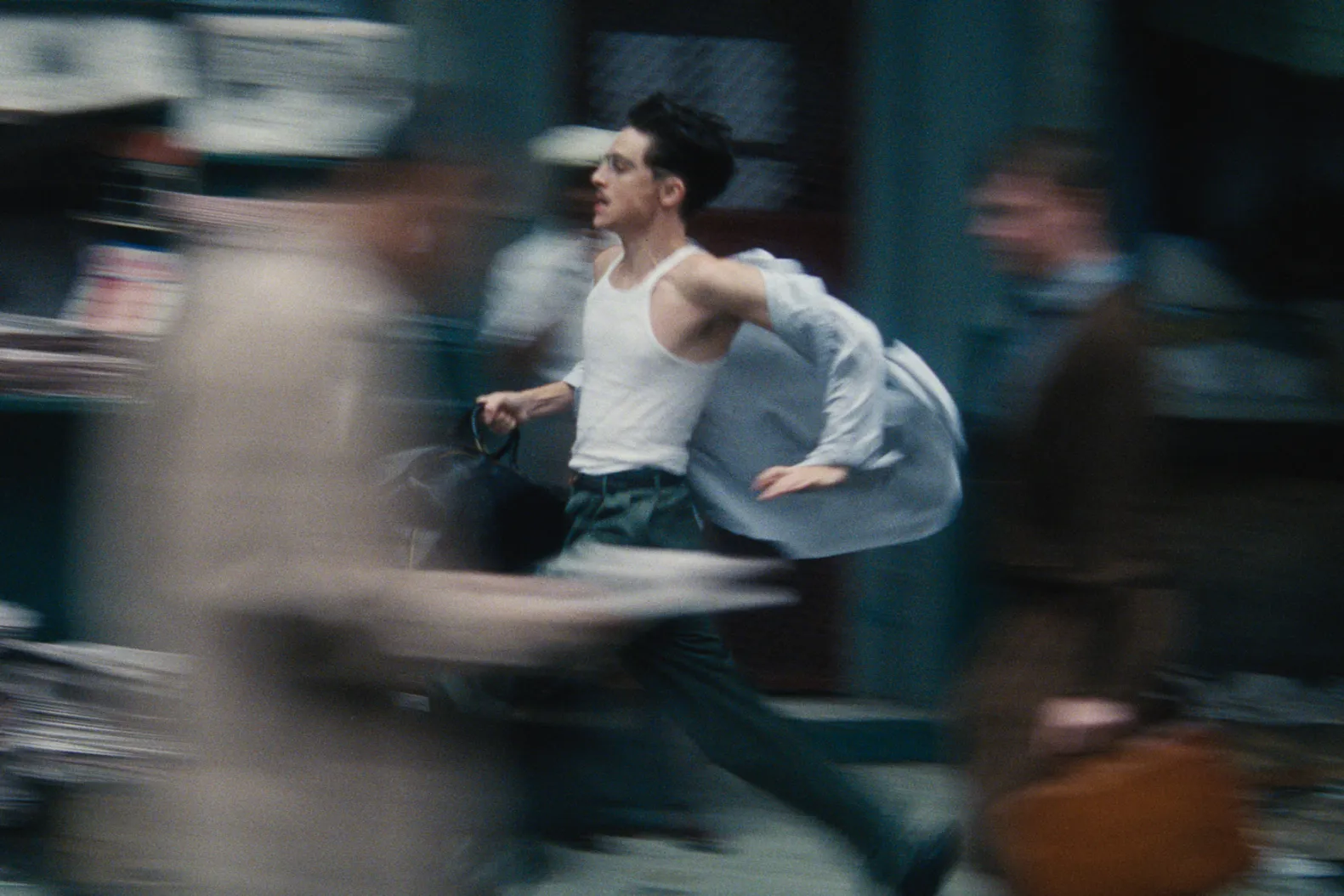
Nouvelle Vague
One Battle After Another—Projected Winner
Best Female Actor — Motion Picture — Drama
Jessie Buckley, Hamnet— Projected Winner
Jennifer Lawrence, Die My Love
Renate Reinsve, Sentimental Value
Julia Roberts, After The Hunt
Tessa Thompson, Hedda
Eva Victor, Sorry, Baby
Best Male Actor — Motion Picture — Drama
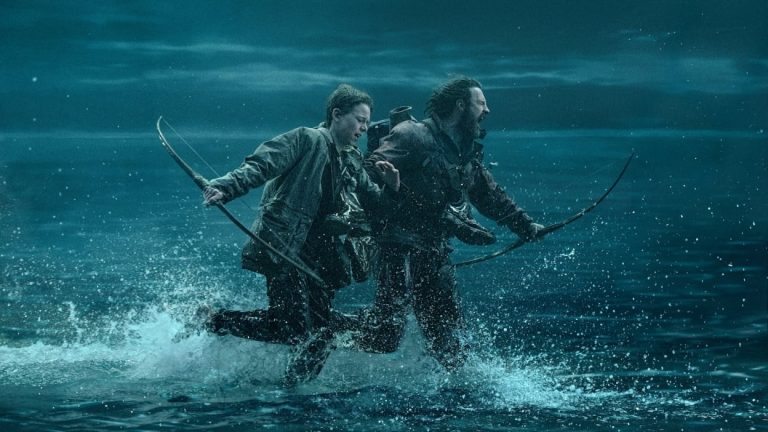
Joel Edgerton, Train Dreams
Oscar Isaac, Frankenstein
Dwayne Johnson, The Smashing Machine
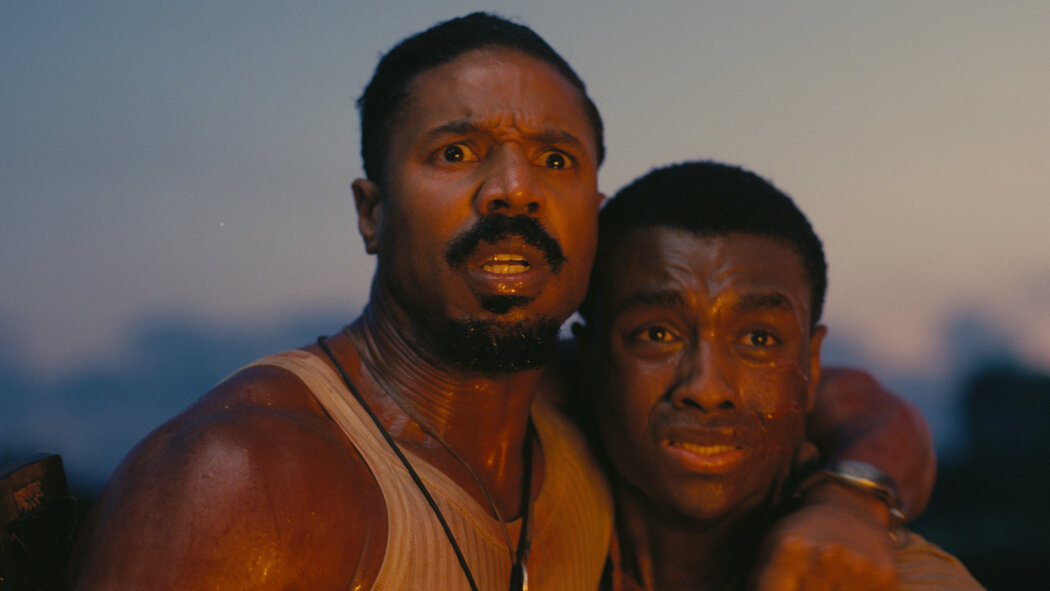
Michael B. Jordan, Sinners
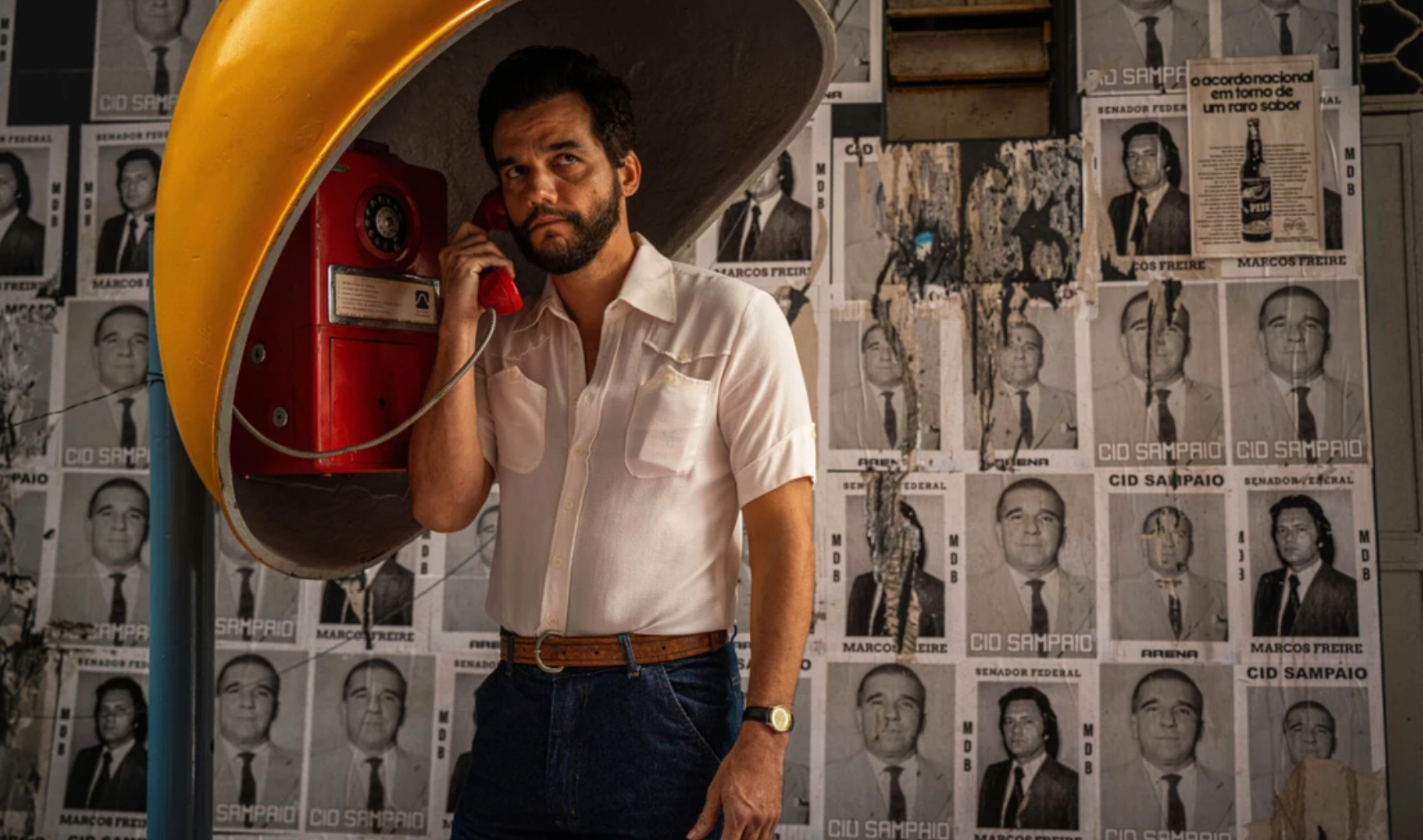
Wagner Moura, The Secret Agent—Projected Winner
Jeremy Allen White, Springsteen: Deliver Me From Nowhere
Best Female Actor — Motion Picture — Musical/Comedy
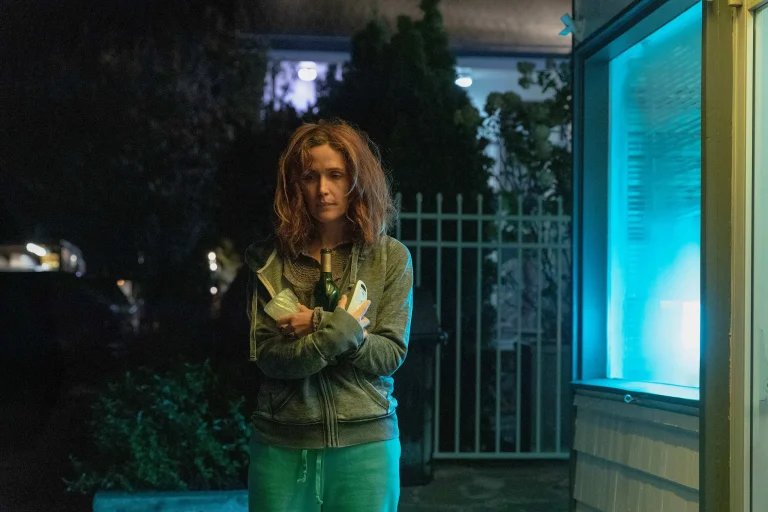
Rose Byrne, If I Had Legs I’d Kick You—Projected Winner
On this episode, JD and Brendan discuss Kaouther Ben Hania’s heartbreaking new film The Voice of Hind Rajab! This is one of the most important and heartbreaking films of the year. The filmmaking here is unique and innovative, playing into Ben Hania’s strengths as someone who thrives in the docudrama realm. Maybe not an easy watch, but it’s almost required viewing that everyone should check out.
Review:The Voice of Hind Rajab
Director: Kaouther Ben Hania Writers: Kaouther Ben Hania Stars: Saja Kilani, Motaz Malhees, Amer Hlehel
We are just a few days away from our 13th annual InSession Film Awards show as we discuss the very best that film had to offer in 2025. This is an exciting time of year and our awards show is one our favorite things we get to do. As we’ve done in previous years, for Part 1, we will have a list of categories where we each nominate five candidates and then present our winner for that category. For Part 2 of the awards ceremonies, we will reveal our Top 10 movies of 2025.
So, to help you prepare for the show, we’ve laid out below all of the categories we’ll be discussing this weekend. To play along, select five nominees and a winner for each category. Then stay tuned for Episode 670 as we discuss each category and we’ll see how your selections compare with ours. Click on the link below if you would like a print out version.
Remember, treat each category as your own. Select your own nominees and winner based on your own experience with film this last year. If you’d like, email, Facebook or tweet us your ballot. We would love to see how your awards sheet turns out!
InSession Film Awards Categories:
Individual Special Awards
– For this category, make up your own special awards that you want to give away. This can be anything from film in 2025 that isn’t related to any category below. (I.E. Best Production Design, Best Use of Inanimate Object, Best Animal Performance, etc)
Best Movie Discovery
Best Surprise Actor/Actress
Best Surprise Movie
Best Overlooked Movie
Best Opening/Closing Credits Sequence or Scene
Best Use of Song
– Any song (non-score) used in the film, either original or per-existing. Opening and Closing credits count.
Best Original Score
Best Animated Movie
Best International Movie
Best Documentary
Best Cinematography
Best Adapted Screenplay
Best Original Screenplay
Best Director
Best Supporting Actress
Best Supporting Actor
Best Actress
Best Actor
Best Picture
– This will be our Top 10 films of 2025
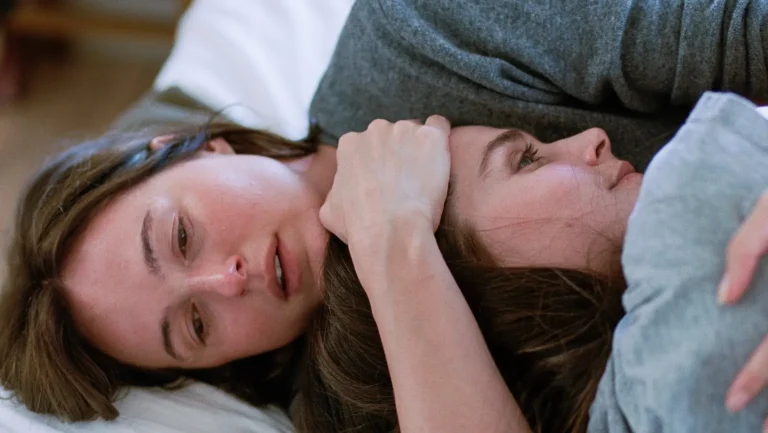
On this episode, JD and Brendan discuss Kristin Stewart’s incredible directorial debut The Chronology of Water, starring a phenomenal Imogen Poots! Given the trajectory of Stewart’s career for the last decade or so, this felt inevitable. Not only would she get behind the camera, she would approach it in this surreal, cerebral way that’s poetic in nature. Maybe not for everyone, but we quite dug this one.
Review:The Chronology of Water
Director: Kristin Stewart Writers: Kristin Stewart Stars: Imogen Poots, Thora Birch, Tom Sturridge, Jim Belushi
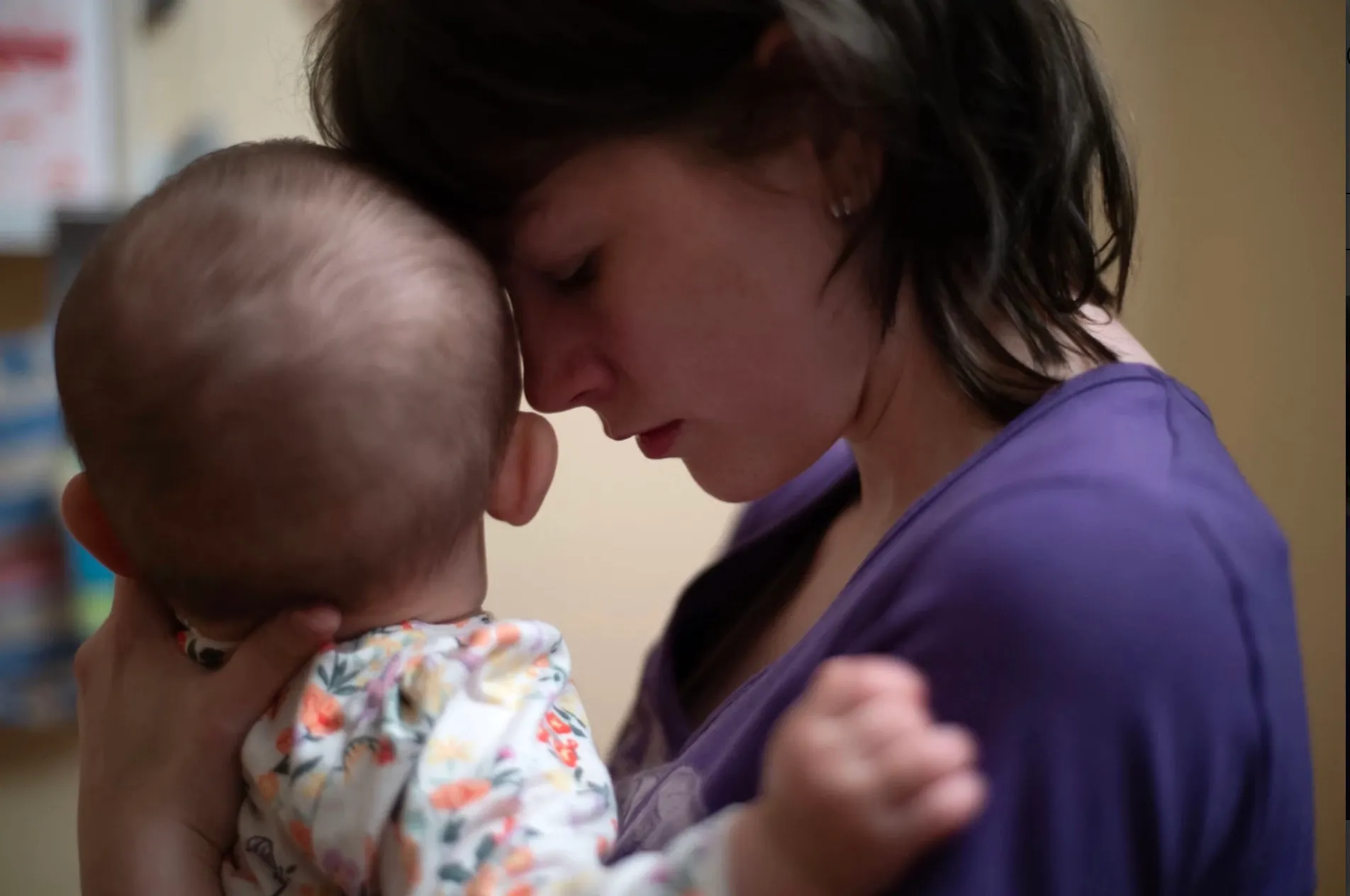
Synopsis:In a shelter in Liège, Belgium, a group of young women face the challenges and exhilaration of motherhood. Looking ahead to an uncertain future, the new mothers aspire to break free of the past and not repeat the cycles of neglect, abuse, and abandonment that have defined their young lives.
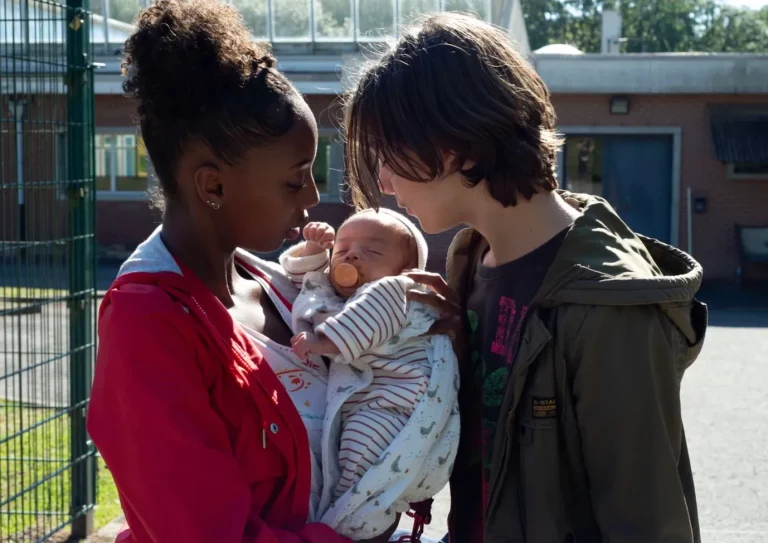
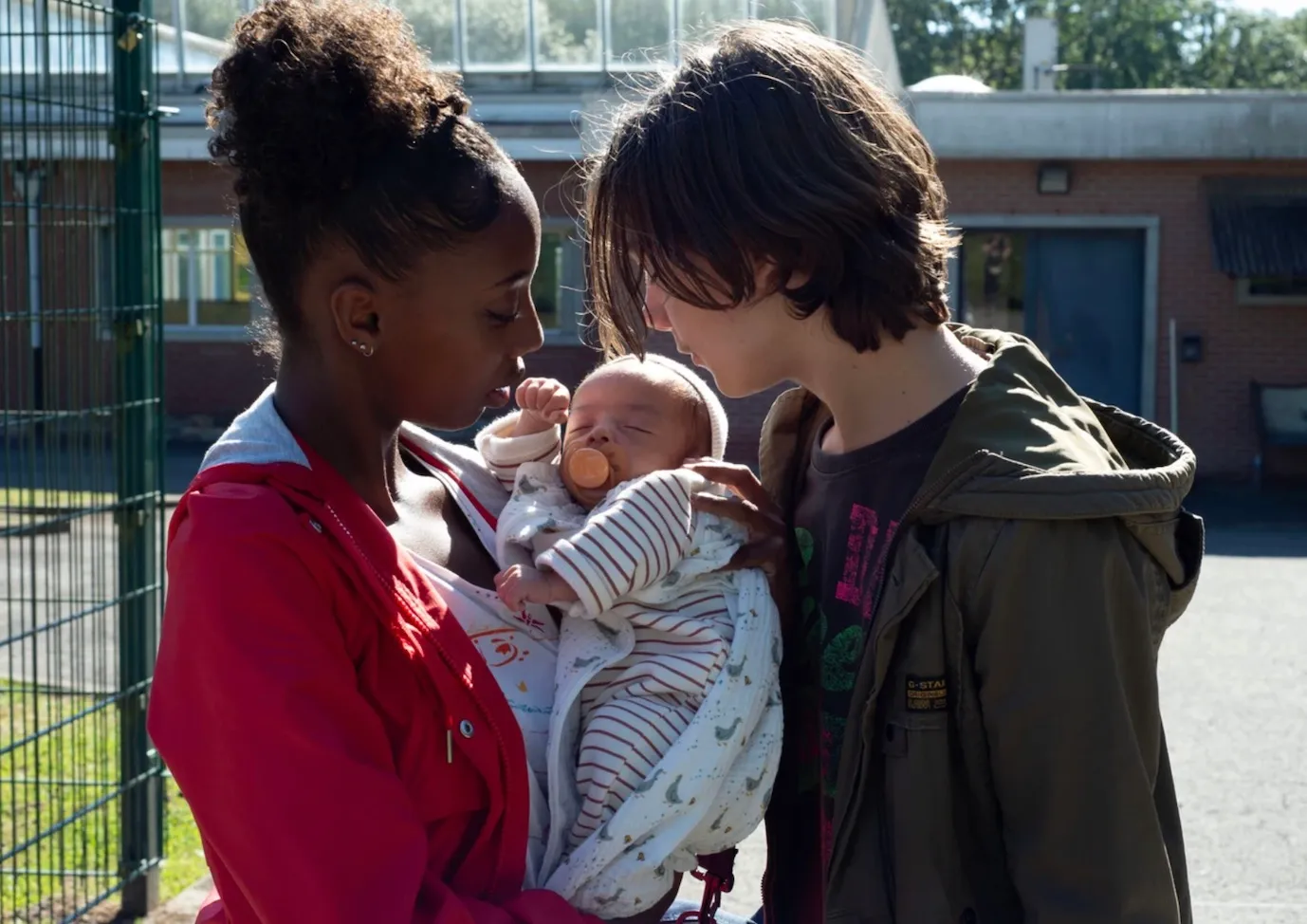
The Dardenne brothers may be far removed from their most-known – and acclaimed – film, the Palme-d’Or winning Rosetta, but they are still making deeply human and necessary pieces of work, as illustrated in their latest effort, the quasi-anthological docudrama Young Mothers. Were it not for a framing device that interlinks each of the four women’s stories together, Jean-Pierre and Luc Dardenne could’ve easily made four separate shorts focusing on each of the people we meet over the course of its 106-minute runtime. All of them live in a shelter for young mothers in Liège, and have respective challenges they try to overcome in their individual lives.
The Dardennes begin by introducing us to Jessica (Babette Verbeek), a 15-year-old who will soon give birth to a baby and would like to meet her biological mother, Morgane (India Hair), to understand why she was given up, before she welcomes a child into the world. However, their meeting doesn’t go as planned, with Morgane experiencing great resentment for her past life and prefers to keep her daughter away instead of confronting the choices she made head on. We then explore the women’s shelter, and quickly alternate between three different stories, one focused on Perla (Lucie Laruelle) wanting to build a life with her delinquent boyfriend, Robin (Günter Duret), who, after being released from juvie, wants to break up with her.
Another discusses the fractured relationship between Ariane (Janaïna Holloy Fokan) and her mother, Nathalie (Christelle Cornil), after the birth of her daughter, Lili. Ariane wants to put her in the foster system, while her mother vehemently refuses, and attempts to manipulate her daughter into thinking that her past issues with alcoholism and abusive relationships will quickly get better if Lili is in her life, which we know from her facial expressions that it isn’t true. This one is a bit more button-pushing than the others, especially when Cornil’s performance nears soap-opera-like theatrics, especially when she gets on her knees. Yet, the Dardennes always seem to compensate with a profound sense of humanism, especially in its fourth story, focusing on recovering addicts Julie (Elsa Houben) and Dylan (Jef Jacobs) attempting to get out of the shelter system and build a life they are proud of without the risk of relapsing.
In that segment, the tears flowed hard on this critic’s face, as the silences on both Julie and Dylan’s faces speak much louder than the dialogue given to the actors, as good as they may be. Moments when they sit together and are actively challenged by the temptation to use again are extremely powerful, but the most compassionate sequences are when the film shines the most. Without revealing too much, the Dardennes hold back on music until the very end, where Julie and Dylan visit their former music teacher, who has given them both valuable life lessons they are still learning from, and introduce their own child to the world of music, with Mozart’s “Rondo a la Turca” playing on the piano.
The piece has a much deeper significance than what’s shown on screen, especially if the viewer pays close attention to how Julie’s spoken poem has a different meaning when the professor plays it on the piano. Both have different interpretations and don’t convey the same message. It’s almost as if it gives permission for the character that the life she will have with Dylan and their baby will be fine, even if there will be some predictable setbacks along the way. However, if they are together, perhaps they’ll be fine and won’t go back to who they once were while using.
Bar none, though, the most devastating sequence occurs when Ariane is still unsure if Lili should be given away, but straps her baby down in the car seat, potentially seeing her face one last time. I genuinely have no idea if the baby’s acting was spontaneous or arranged, but her facial reaction, recognizing her mother, with a beaming smile on her face, is so powerful that the Dardennes don’t need to say anything else. Her decision is respectable, and completely understandable given that Ariane does not want her child to grow up in an unstable – and abusive – environment, as she’s known throughout her life, with her mother even finding ways to justify it during a tense exchange, stating “He hit me harder than he hit you.” However, saying goodbye may very well be the hardest possible part that someone may not fully recover from.
The other stories are a bit clichéd, but the naturalism of the performances lends so much dramatic power to the film’s most important scenes that it almost doesn’t matter. And apart from Ariane’s mother’s overacting, every emotion feels so natural and in tune with the harsh reality of the women’s lives that we can’t help but feel immense compassion for the stories they share. The movie’s aesthetic, shot entirely with natural light and a camera always over-the-shoulder, also enhances the sense of immersion we feel as an invisible observer inside the shelter, as we alternate between the four women’s journeys toward a better – and more hopeful – life.
Jean-Pierre and Luc don’t make it easy on their protagonists, but they manage to instill as much hope as possible for each of the characters we meet, through the figure of Naïma (Samia Hilmi), a mother who has successfully overcome the shelter system and is now building a life she’s proud of as a train conductor. She is the primary inspiration for all the other women we meet in the film. If she can do it, as hard as her life was, we, too, can aspire for something better than where we are at this moment. It won’t be effortless, but what awaits us on the other side, if we overcome the challenges we face, will be more than rewarding – it will be life-changing.
No one can dispute the fact that 2025 has been a year that has been experienced by all. It’s not exactly been my favorite year of films in recent history, but the highs were high. As 2025 closes, it’s time to look back on my personal favorites from the year.
10. Splitsville
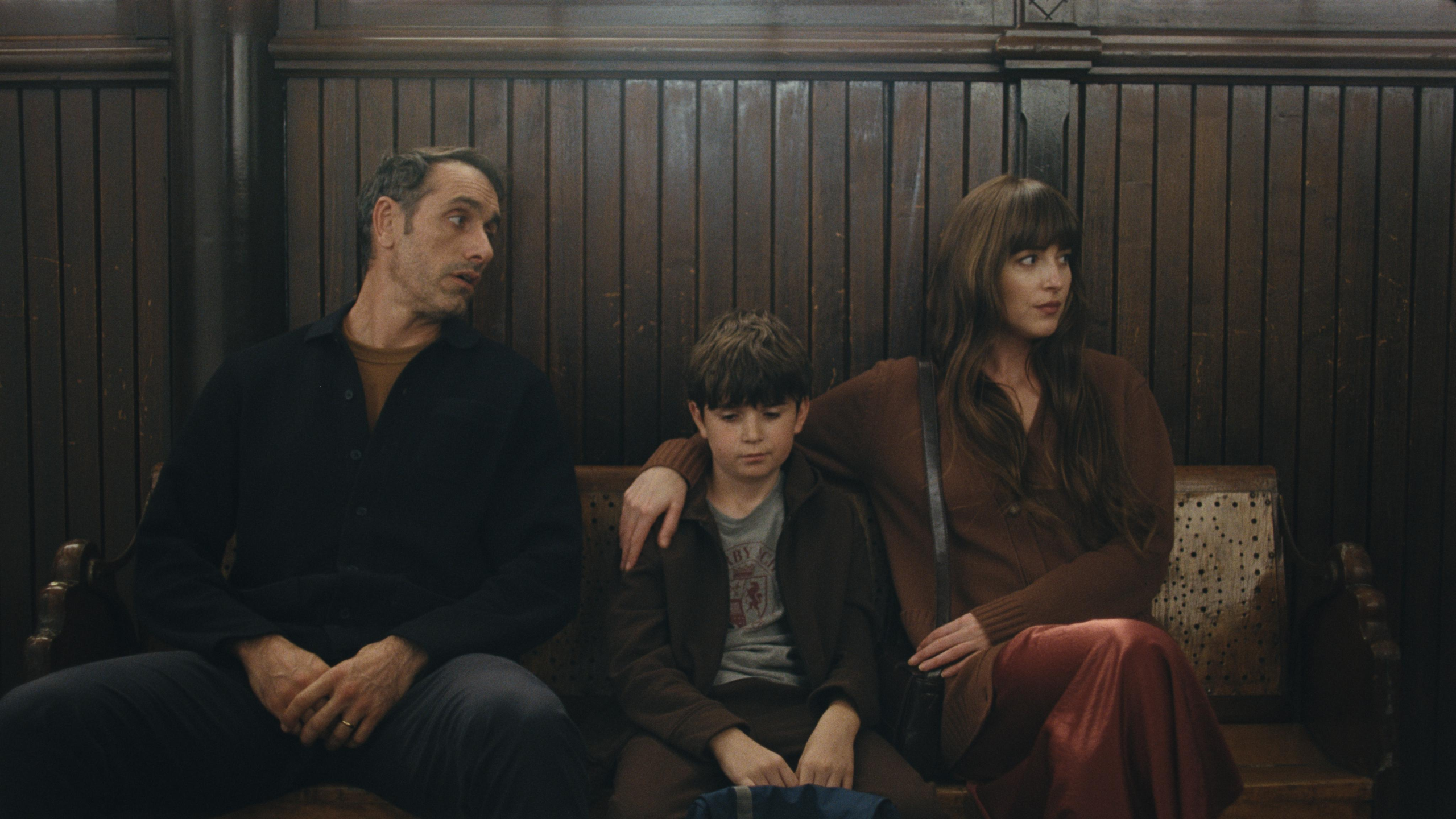
Directed by Michael Angelo Covino and starring Dakota Johnson, Kyle Marvin, and Adria Arjona, Splitsville was surprisingly as deep as it was funny. I loved the way it explored relationship dynamics as things change over time, and I also appreciate that it featured two of the loves of my life in main roles. What more could I ask for?
9. Black Bag
Of the three Steven Soderbergh films I saw in 2025, Black Bag was, by far, the best of the trio. The sleek spy thriller is incredibly fun and features a wonderful cast operating at the top of their game. It may not have resonated with audiences upon release, but I think it will find its audience in the coming years.
8. Eddington
Ari Aster’s divisive, no-holds-barred look at the recent past really clicked with me from the jump. I really love the performances that Aster pulls out of Joaquin Phoenix and hope they continue their partnership for at least one more film. While taking jabs at all sides, I found myself fascinated by completely different plotlines and themes each time I saw it.
7. The Shrouds
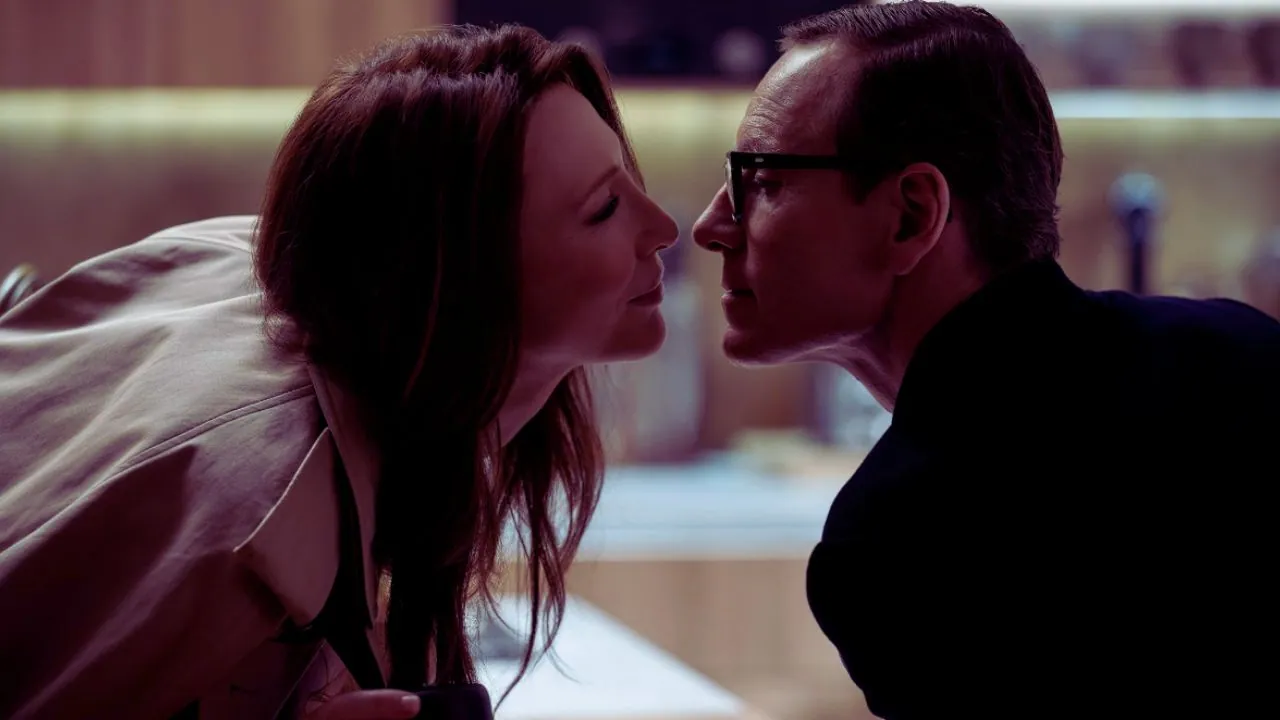
If I could give up the rest of my years on this earth and give them to David Cronenberg to keep making movies, I would do it in a heartbeat. I was floored by The Shrouds and the way it approaches grief and conspiracy, as well as Diane Kruger’s triple performance. I’ve been thinking about this one since I saw it at NYFF in 2024, and I’ll still be thinking about it for a long time.
6. Marty Supreme
Timothée Chalamet reaches another level in Josh Safdie’s globetrotting thriller, and I couldn’t be happier. Just last year he said he was chasing greatness, and I’d say he’s well on his way. I wound up seeing this one thrice in theaters, and I was taken with Chalamet’s performance, the editing, and the phenomenal score from Daniel Lopatin.
5. Sound of Falling
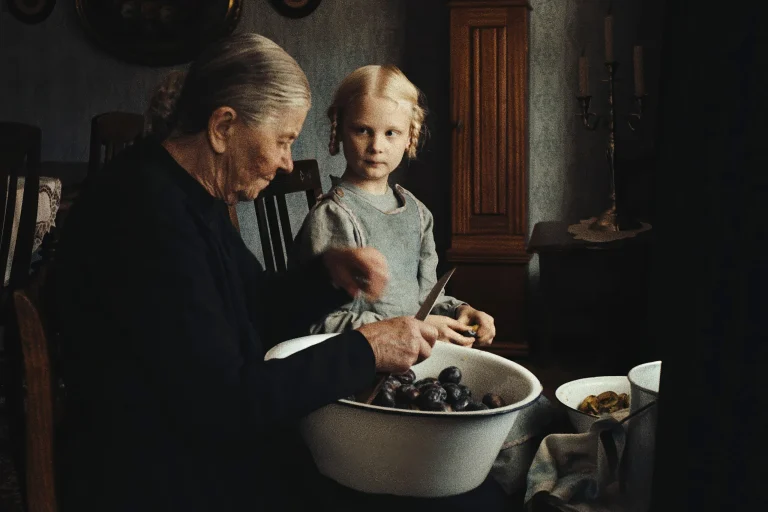
This may not be on the radar for many folks, but this was by far my favorite film I saw at NYFF 2025. Following four generations of women in the same family on the same farm, it explores the different ways that they experience womanhood and the ways they are used and exploited by the men in their lives and the world around them. Mascha Schilinski comes through with an absolute stunner with some of the most compelling editing and sound work I saw all year.
4. It Was Just an Accident
This is my introduction to Jafar Panahi, but I absolutely loved this movie. His ability to combine humor, intensity, and mystery all while commenting on the state of things in Iran is utterly baffling. Make sure you catch this one leading up to the Oscars ceremony if it comes anywhere near you.
3. Sinners
It’s been a year with two mainstays, with Ryan Coogler’s Sinners being one of them. I was expecting a fun ride at the theater but was taken by surprise at the depth and craft on display. I would genuinely watch the rest of the depression-era Southern drama that unfolds in the first half of this film. Every performance here is phenomenal, and I will stake a claim for Delroy Lindo in particular. No Supporting Actor lineup is complete or correct without him in the five.
2. One Battle After Another
What else is there to say about this film that hasn’t been said already? I saw it three times on film during my time in New York and I’ll never be as happy as I was during that week. Paul Thomas Anderson is just one of my guys, and it would take a lot for something he releases to not be in my top 3 of the year.
1. The Testament of Ann Lee
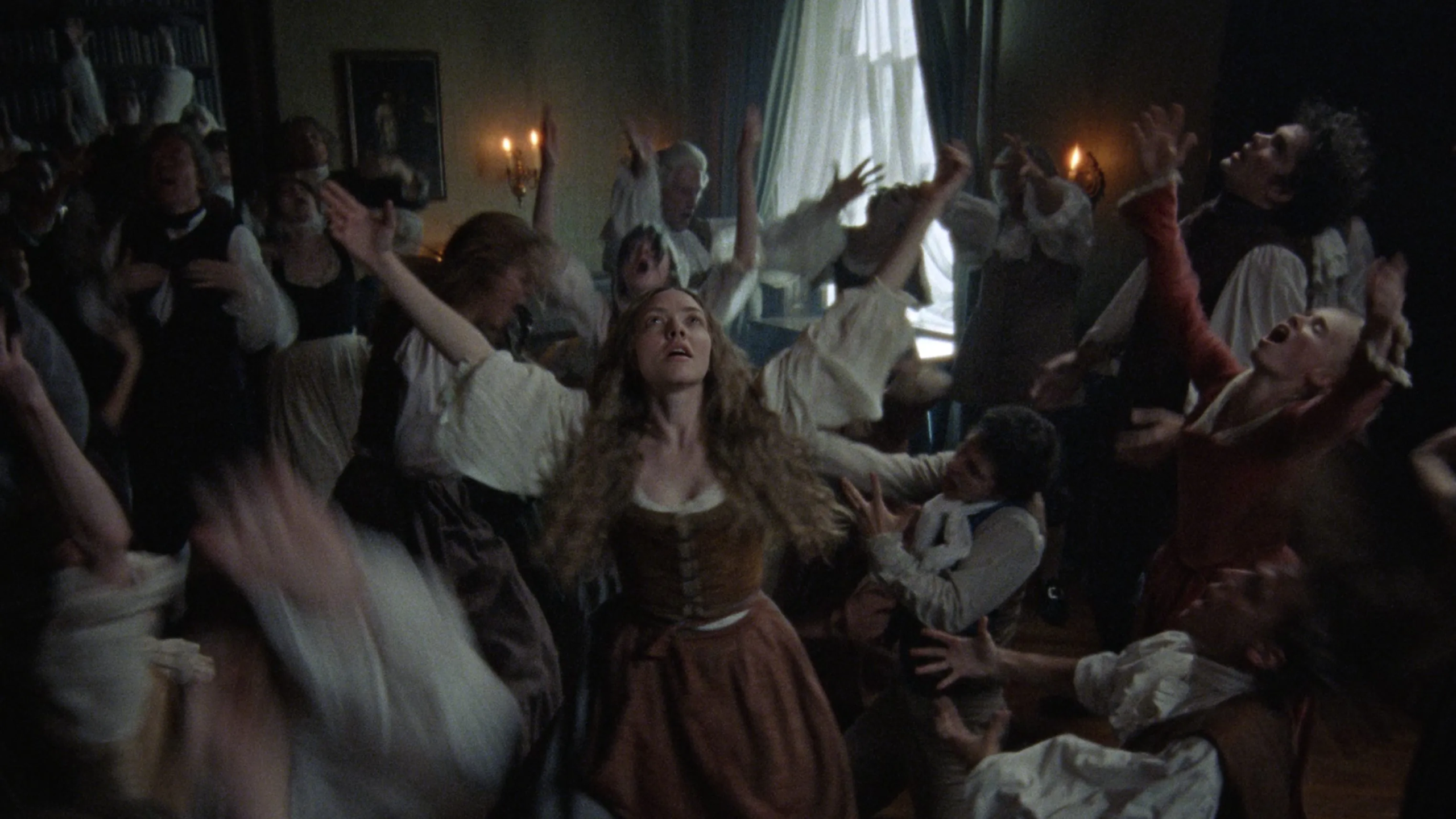
This is one of two films that made me cry this year, and it takes quite a lot for me. It’s been said I have no heart, so I’m elated to have found a movie like The Testament of Ann Lee to bring out some emotion for me. My thoughts have been previously stated here on the site, but I was in awe of Amanda Seyfried’s performance, the choreography, and the depiction of faith in a time where you have nothing else to hold on to.
This week on Episodes 668 and 669 of the InSession Film Podcast, we discussed the best movie scenes of 2025! With the exception of doing our Top 10 movies of the year, this is the most challenging exercise we do on the show. 2025 ended up being a great year for film, and it came with a flurry of incredible scenes to parse through. There was a great mix, too, between mainstream Hollywood, awards movies, indies and the great international gems we got this last year. Whether these moments connected with us on an emotional level, a cinematic level, or simply as spectacle, there were some stunner sequences in film this year. It may have been an arduous task, but it’s always the most fun as we dive into our year-end festivities. That said, here are our lists:
(Note: Please keep in mind that we each had different criteria for our selections)
JD
1) I Lied To You – Sinners
2) Skull Tower – 28 Years Later
3) Road Sequence – One Battle After Another
4) Phone Call Scene – Wake Up Dead Man
5) Ending Sequence – Hamnet
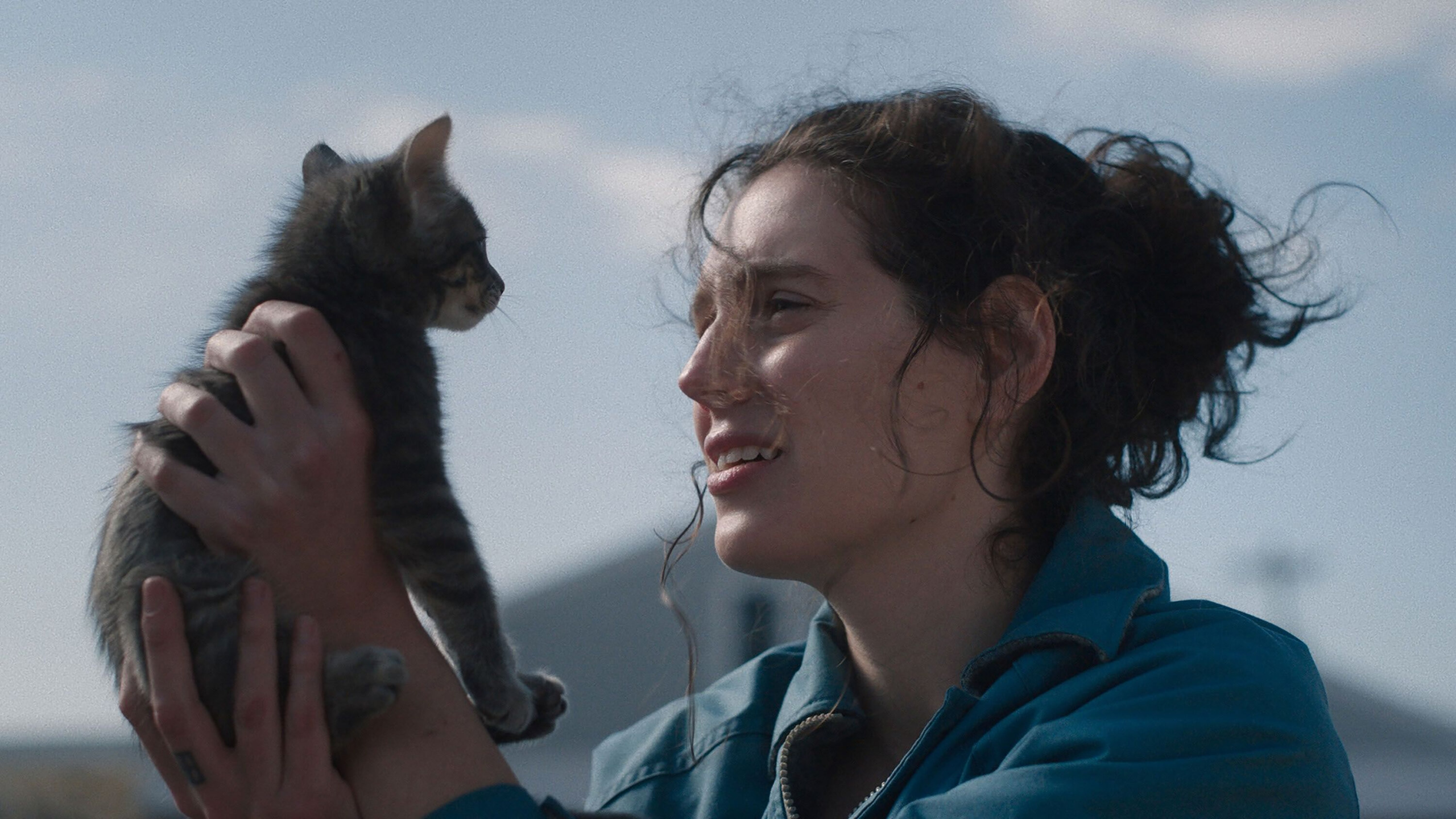
6) Ending Beach Scene – If I Had Legs I’d Kick You
7) Final Endo Match – Marty Supreme
8) Ending Sequence – Sentimental Value
9) Confronting Abuser – It Was Just An Accident
10) Jake Goes Full Abraham – Avatar: Fire and Ash
Brendan
1) Skull Tower – 28 Years Later
2) Biplane Closure – Train Dreams
3) Phone Call Scene – Wake Up Dead Man
4) Final Endo Match – Marty Supreme
5) Satellite Scene – Black Bag
6) Aunt Gladys Gets Her Comeuppance – Weapons
7) Hamster Scene – If I Had Legs I’d Kick You
8) Ending Sequence – Sentimental Value
9) I Lied To You – Sinners
10) Split Diopter Shot – The Secret Agent
Honorable Mentions (Combined)
What It Sounds Like – Kpop Demon Hunters
Your Idol – Kpop Demon Hunters
Ending Scene – If It Was Just An Accident
Submarine Sequence – Mission: Impossible – The Final Reckoning
Final Mirror Shot – Presence
Dinner Scene – Black Bag
Final Game Scene – Black Bag
Bill Lee Walks In – Eephus
Beach Scene – Little Amélie or the Character of Rain
Alex Performs With Wife In Crowd – Is This Thing On?
Putting Plan Together – No Other Choice
1st Victim Sequence – No Other Choice
Costume Party Scene – No Other Choice
Concert Sequence – No Other Choice
Performance Scene – The Baltimorons
Split Party Scene – Twinless
Ending Scene – Twinless
Hotel Scene – Twinless
Final Scene – The Shrouds
Jumps Through Glass – Die My Love
Party / Drive Home – Die My Love
Ending Scene – Die My Love
“Firework” Needle Drop – Eddington
Train Scene – Highest 2 Lowest
Trunks – Highest 2 Lowest
Snowman Love Story – The Naked Gun
Arena Scene – The Naked Gun
Con Artist Sequence – Resurrection
Vampire Sequence – Resurrection
Art Heist – The Mastermind
Ending Sequence – Caught By the Tides
Ending Coda Sequence – The Secret Agent
Hedda’s Scheming – Hedda
Scenes with Arn – Train Dreams
Laying in Rain – Train Dreams
Ending Scene – Die My Love
Judith Birth Scene – Hamnet
Ending Monologue – Sorry, Baby
Courtroom Catharsis – Sorry, Baby
Rocky Road to Dublin – Sinners
Children Running After Gladys – Weapons
Ending Goodbye – Frankenstein
Friendship Scene – Frankenstein
Charles’ Reveal – The Ballad of Wallis Island
Ending Scene – Jay Kelly
Phone Call in Woods – Jay Kelly
Wedding Scene – Materialists
Dad Tells Kids – The Perfect Neighbor
Shula / Father Scene – On Becoming A Guinea Fowl
Ending Families Confrontation – On Becoming A Guinea Fowl
Ending Sequence – Bugonia
Facing Your Demons – Thunderbolts*
Baby Saves Sue – The Fantastic Four: First Steps
“I’m Proud of You” – Superman
Ending Montage – Superman
Final Battle – Predator: Badlands
Hopefully you guys enjoyed our lists, and if you agree or disagree with us, let us know in the comment section below. There are obviously many more scenes from 2025 that we didn’t have time to mention. That is to say, your list could look very different than ours given the great films and memorable sequences we saw over the last year. That being said, what would be your Top 5? Leave a comment in the comment section or email us at [email protected].
For more lists done by the InSession Film crew and other guests, be sure see our Movie Lists page.
I consider 2025 to be a great year for film. In fact, of the films released in 2025, I watched over 130 and gave over 75 of them a 3.5 rating or higher. That’s plenty of high-quality movies.
Here are my picks for the best films of 2025!
Honorable mentions (in alphabetical order): 2000 Meters to Adriivka, The Alabama Solution, The Bad Guys 2, Black Bag, Blue Moon, Come See Me in the Good Light, Cover-Up, East of Wall, Eephus, Escape from the 21st Century, A Little Prayer, Marty Supreme, The Mastermind, Materialists, Mickey 17, The Secret Agent, Superman, Twinless, Wake Up Dead Man
10. Die My Love
The performance of the year. Jennifer Lawrence gives herself fully over to director Lynne Ramsey in a tale of what happens to you when the “happily-ever-after” life isn’t going the way you had hoped. Lawrence gives a career-best performance of feral magnetism with a complete lack of inhibition or self-consciousness. Robert Pattinson does fine work as her clueless husband, while Sissy Spacek shows she can still deliver the goods as her mother-in-law, the only person who might actually understand what she is going through. It might not be for everyone, but it was certainly for me.
9. No Other Choice
To say Park Chan-wook knows what he’s doing is an understatement. Time and time again, the veteran director takes a difficult premise filled with unlikeable characters, and turns it into one of the most entertaining and funniest films of the year. It also helps when the premise has whip-smart political and social commentary. It also helps when Lee Byung-Hung and Son Ye-jin deliver some of the best performances of the year. It might not be the most accessible of films, but it is more than rewarding in today’s society.
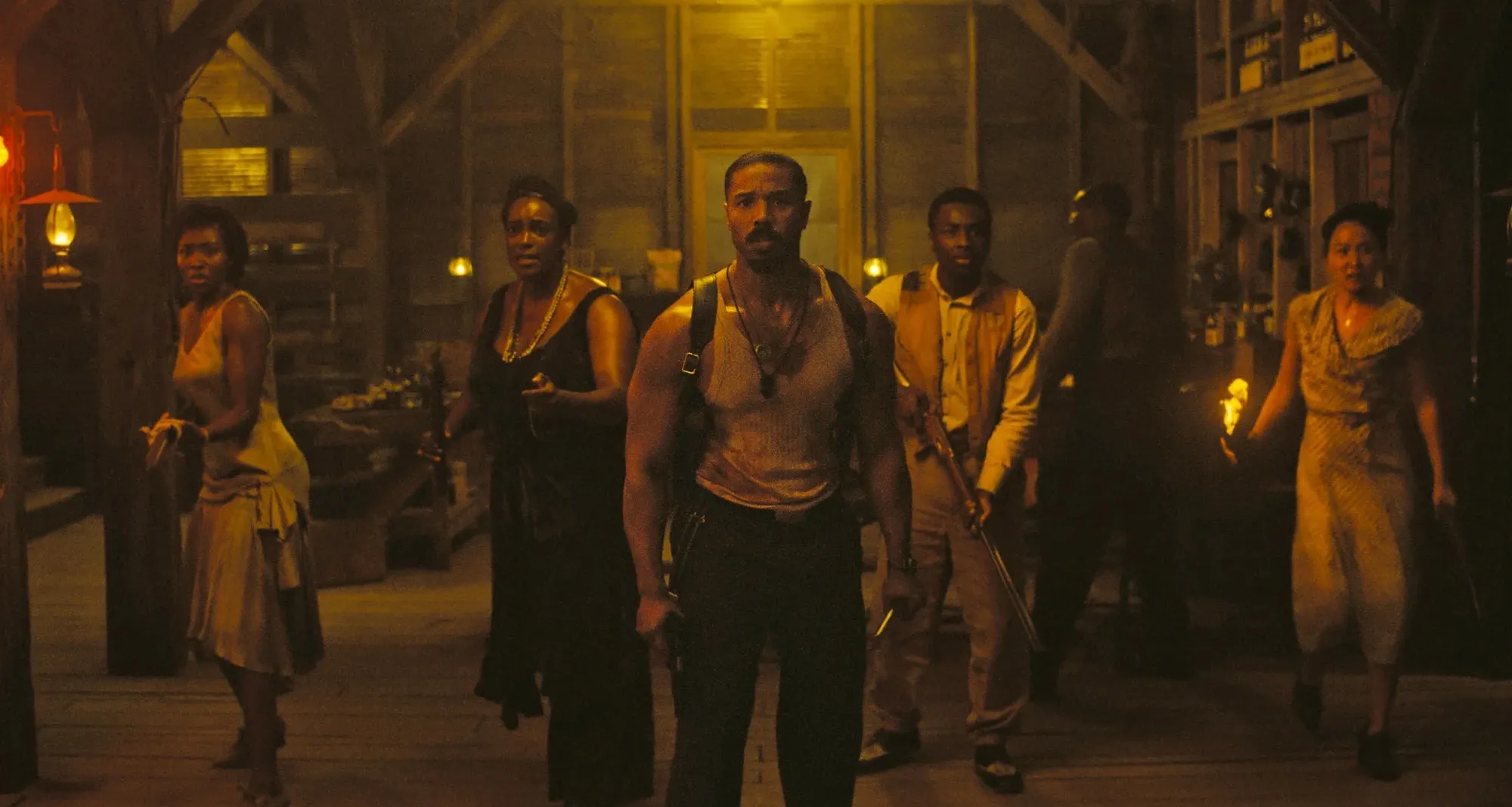
8. Sinners
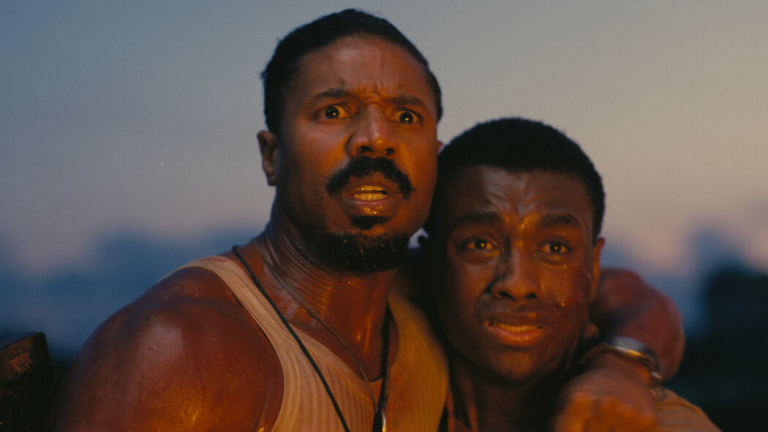
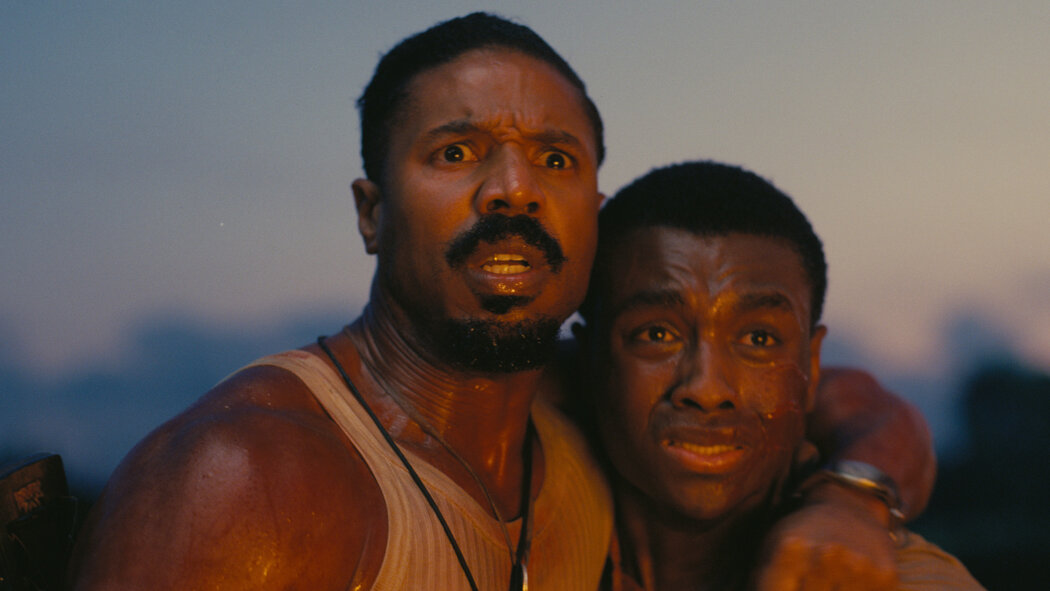
Just in case you weren’t aware, director Ryan Coogler does not miss. Whether it’s indie character dramas, legacy sequels, or big-budget comic book films, the guy has a complete handle on what the audience wants to see. Never before has it been so apparent with this film, delivering complex themes to go with top-notch craft across the board, but in a film about vampires. Michael B. Jordan once again proves to be the De Niro to Coogler’s Scorsese, delivering a monumental performance as twin brothers searching for a dream at the wrong time. Delroy Lindo, Wunmi Mosaku, Jack O’Connell, Li Jun Li, Hailee Steinfeld, and newcomer Miles Caton bring the whole thing to glorious, music-filled life. Don’t miss the mid-film performance from Caton of the song “I Lied to You” that transcends musical performance on film.
7. Train Dreams
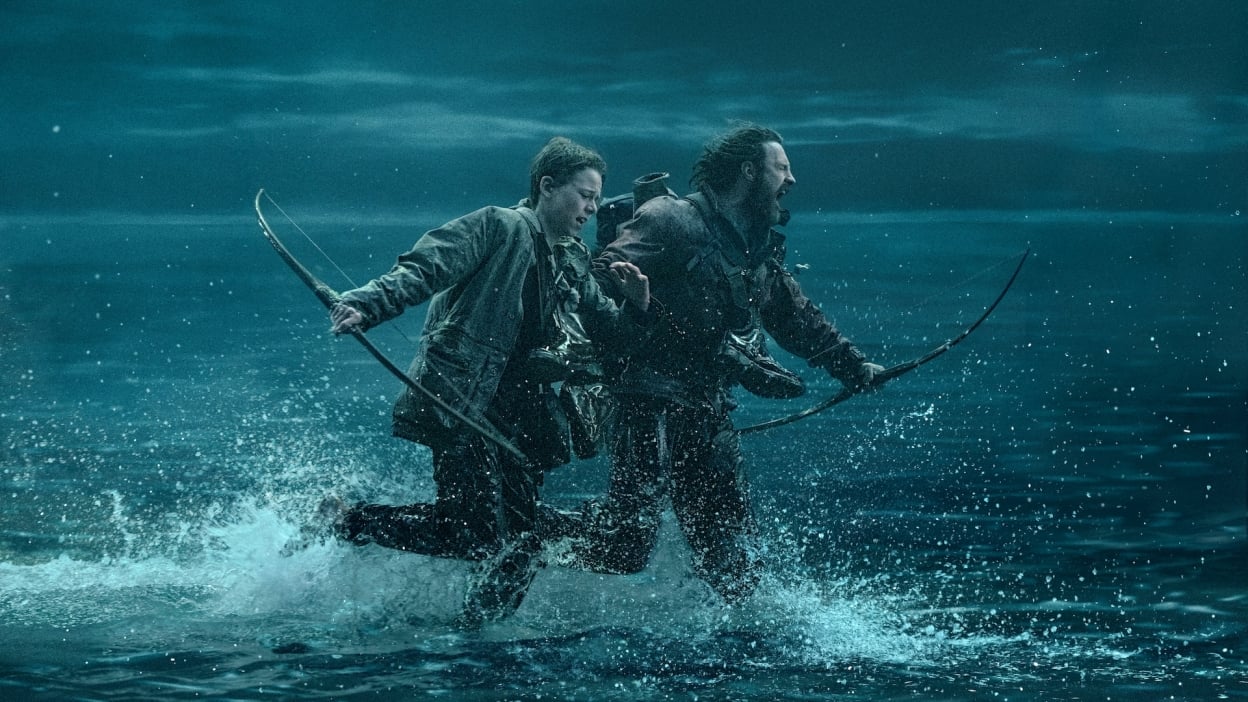
What direction do you take in life when the world never has much special use for you? Solitude is your saving grace until you realize how much you are alone. Once the world lets you in, you are shown how uncaring and unjust the world can be. It doesn’t make it any less perfect in that time you had. It’s not sad because you lost it. It’s perfect because you had it. It’s a special kind of film that can manufacture that much substance out of an incredibly sad narrative, but director Clint Bentley makes it sing with the most beautifully lensed and marvelously acted films. Joel Edgerton delivers a career-best performance with Felicity Jones, William H. Macy, Kerry Condon, and Nathaniel Arcand rounding out the pitch-perfect ensemble. It might not be the most important film, but it’s one of the best.
6. It Was Just an Accident
All the paranoia, anger, and fear of living in a country that doesn’t like you must be awful. Director Jafar Panahi directs all his criticism of the Iranian regime into his film of eternal conflicts between justice and truth. Featuring the ensemble cast of the year, there is a constant tension of consequences coinciding with humor and paranoia. It also features the absolute best ending of the year, bar none.
5. Sentimental Value
Director Joachim Trier and star Renate Reinsve teamed up for my favorite film of 2021, only to deliver another knockout for 2025. While a completely different experience from The Worst Person in the World, this film works as a good sister film, a good deadbeat-dad film, a good film about making films, a good film about being lonely, and a good film about unhealed trauma. There’s a lot to cling to, whatever it is that you can grasp. All of that comes together in suitably dramatic ways, but without the melodrama. Reinsve, Stellan Skarsgard, Elle Fanning, and especially Inga Ibsdotter Lilleaas all dial in pitch-perfect performances.
4. Sorry, Baby
First-time director and star Eva Victor decides to make their first film and manages this perfect balance between dramatics without the draining, comedy without the cringe, and poignancy without pretentiousness. How they are able to balance it all without coming across as an amateur, I’ll never know. They also deliver a stellar lead performance as a woman who can’t reconcile the worst thing in her life. An exceptional piece of art from an exceptional artist. I can’t wait to see what they do next. Make sure not to miss John Carroll Lynch in a one-scene powerhouse as a kind mind who gives Victor a sandwich.
3. Hamnet
For a film that made me cry three times, I am aware of the specific impact this film gives. Yes, I have children and the immense emotional peril of children has a tendency to set me off emotionally. But, bad films have also made me cry. Director Chloe Zhao attempts to humanize and rationalize the life and work of William Shakespeare through his witch-adjacent wife and the death of their son. The director knows how dramatic this event can be without having to overdo the impact. Jesse Buckley gives one of the performances of the year as the aforementioned wife, while Paul Mescal compliments as the often-gone Bard. Newcomer Jacobi Jupe is equally affecting as the titular character. Bring the tissues.
2. The Voice of Hind Rajab
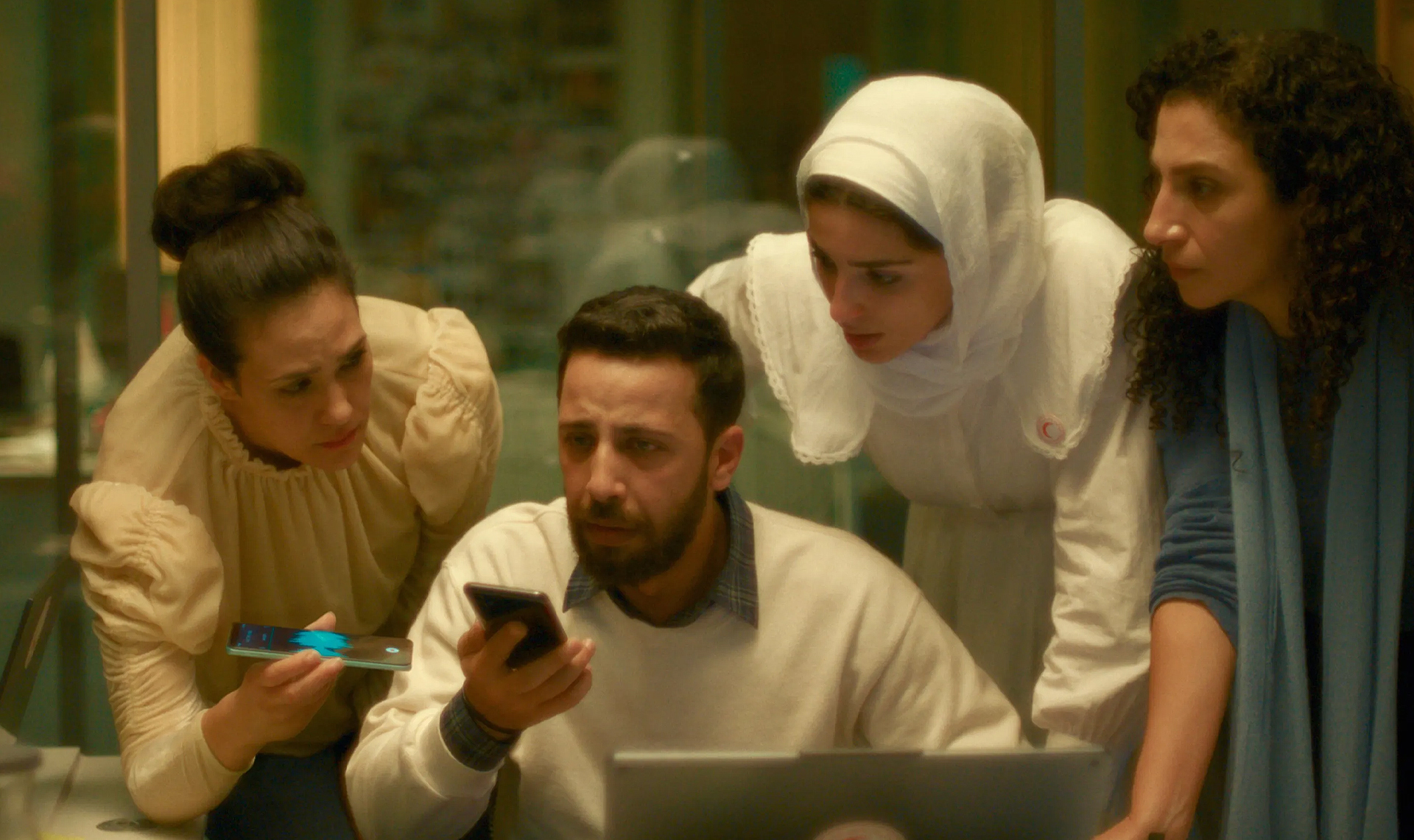
The most affecting film I’ve seen in some time. Director Kaouther Ben Hania’s recounting of the volunteers attempts at rescuing Palestinian five-year-old Hind Rajab from a destroyed car is nothing but a ball of anger, stress, and dismay. If this is the stress of listening to it in film form, I can’t imagine actually being a part of that situation. Every adult cannot fathom the lack of humanity present, and they each break down accordingly. Everyone is trying their best, but it’s just not good enough with all the bureaucracy and evil in the way. All the while, this poor girl is just trying to stay alive. It’s desperately effective filmmaking that is in no way pleasant to watch. Regardless, it’s essential viewing. And this is just one of a thousand stories just like it. A devastating story and one of the most essential films of the year.
1. One Battle After Another
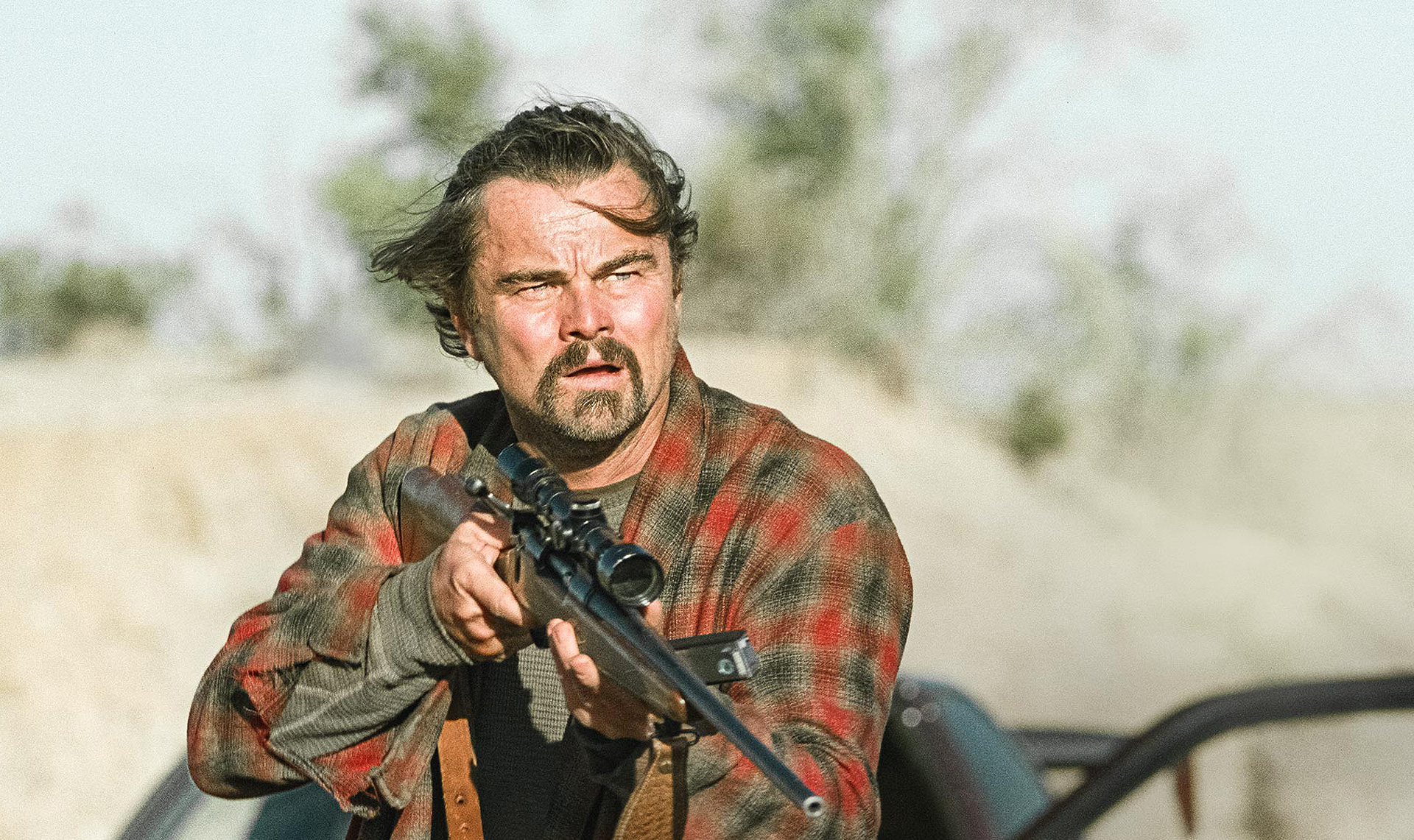
This film sat at number one for so many months, I thought nothing would unseat it. I eventually watched other films that bumped it down the list, only for a subsequent rewatch to push it back to the top spot. Everyone else might have it here too, but I have no regrets. It’s the most complete film I’ve seen in a long time. Paul Thomas Anderson takes everything he has learned from his previous masterpieces and delivers a film that works for cinephiles, agro film-bros, and for general audiences. PTA manages to get one of Leonardo DiCaprio’s best performances, resurrects Sean Penn, deploys the charisma of Benicio del Toro, Regina Hall, and Teyana Taylor, and somehow discovers Chase Infiniti to top it all off. The best film of the year might end up being one of the best of the decade.
Nope, you read that correctly, my top 2 films of the year, no hyperbole.
When I “think back” on horrible years for movies I usually only really thought of one in particular – 1963. Especially when it came to the 1963 Academy Awards when the Academy had to reward the “best of the worst” in the year of Tom Jones… an absolute embarrassing year of bad movies.
Now, about to turn 34 next month, I can say I have lived through just as bad, if not worse year for movies since 1963, and that is 2025.
Whoa, what a load of sh*t that came out this year and here we are going into the 2025 Academy Awards where they will be rewarding the “best of the worst” with the slop that came out this year. And if you want to argue or be a keyboard warrior in the comments, I truly don’t care. I have a platform here and you don’t so na-na-nah-boo boo, cry me a river. I will not be gaslit anymore this year that One Battle After Another or Sinners are good movies, they aren’t. Paul Thomas Anderson went from a masterpiece with Licorice Pizza to that and Sinners has such a giant plot hole that no one wants to address that all I can say is “ nice gowns, beautiful gowns.” Everything else feels like such “pick me’s” for awards that nothing stands out.
Except these two films which are easily the best two films of 2025.
Weapons and Friendship are easily the best two films of the year – both absolute original greats where they not only perfectly balance multiple genres in one but they are entertaining and great rewatches.
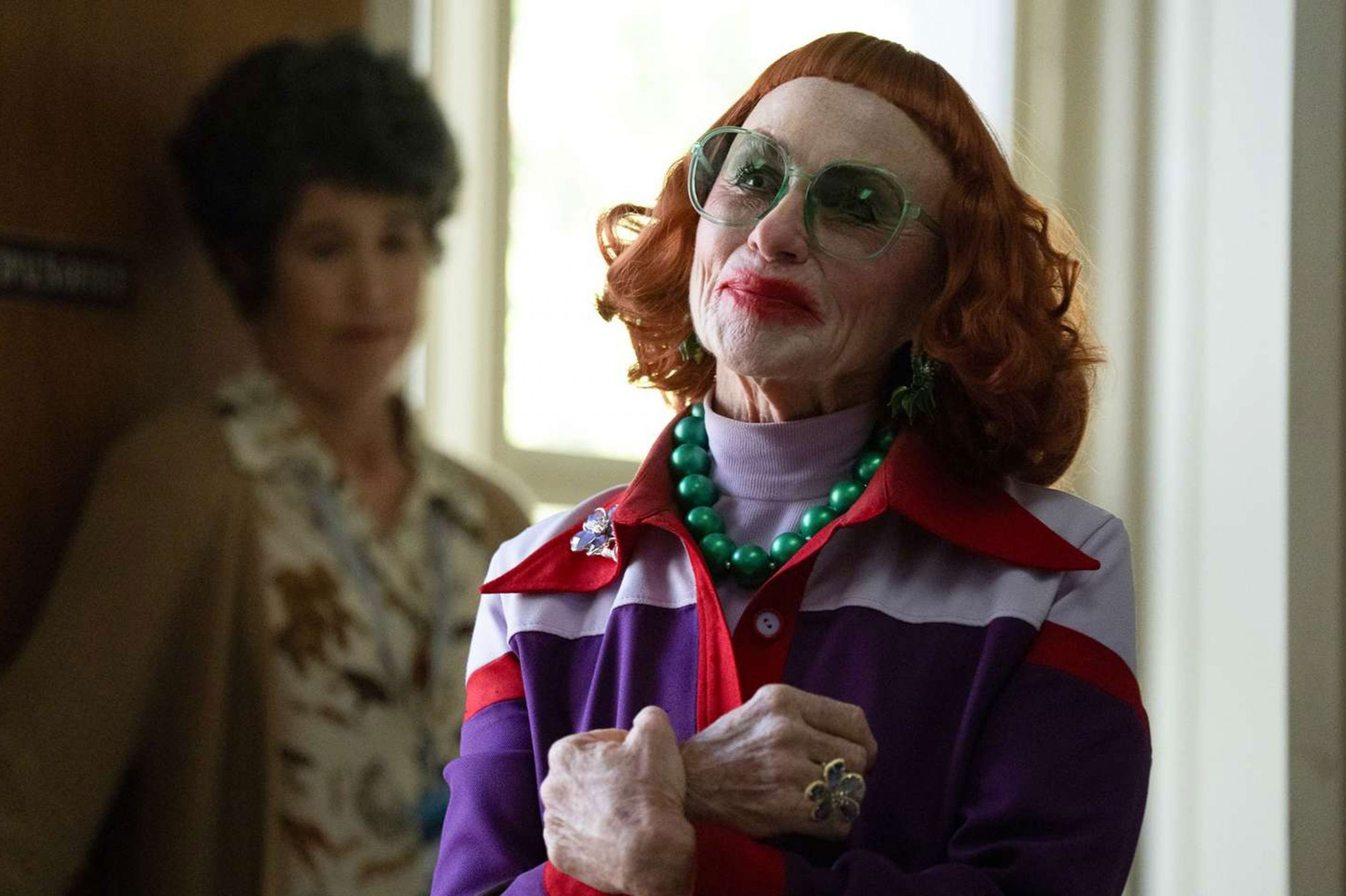
Zach Cregger coming off of Barbarian with a strong story, marketing campaign, and cast then becoming another hit for him and reintroducing the world to Academy Award Nominee Amy Madigan has been a fantastic journey. Seeing the public fall in love with a character like Aunt Gladys has been heartwarming and what a moment for Amy Madigan this has been, seeing her finally get her dues after 40 years post Oscar nomination of success that should have been. (I would like to shout out that if Karen Black had been alive to see Weapons…this role would have been hers and my God!!!)
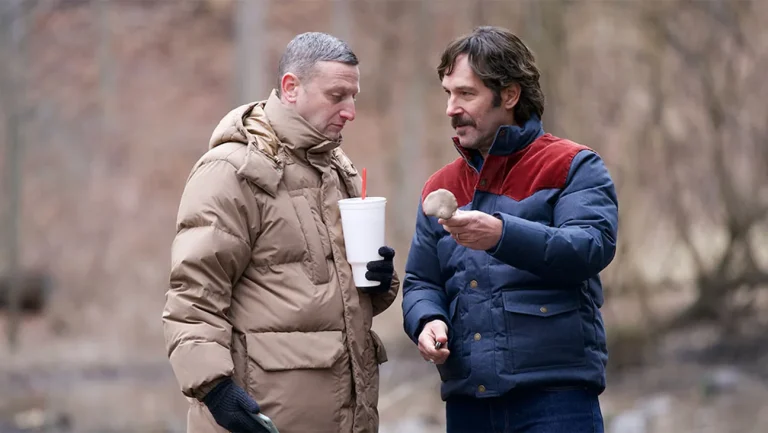
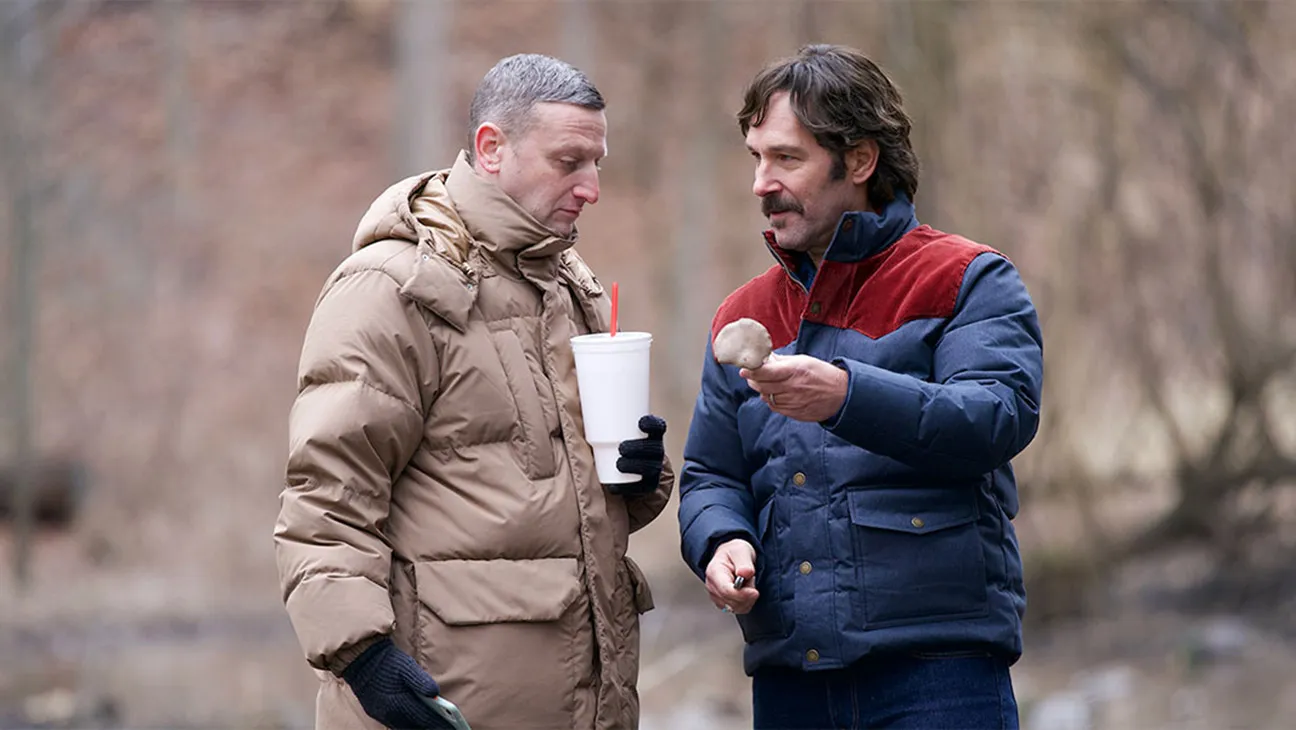
Friendship was an absolutely hilarious good time that was so up Tim Robinson’s alley that it still shocks me he didn’t write or direct it, LIKE HOW?! The smart, dead pan, dry sarcastic humor in this movie alone makes it a comedic masterpiece, then you add in the comedic performances of Tim Robinson (who should be SWEEPING the Best Actor awards race this season and yet is nowhere to be found) and Kate Mara and you had this golden film written and directed by Andrew DeYoung. All these months later and I truly need to know how DeYoung pitched this movie because it just doesn’t “work” on paper, like you needed the right actors to pull this off. HOW DID HE PITCH THIS?!
No one purposefully goes out of their way to make a bad movie, making movies is hard and I know this first hand, as my first is almost done and I know there will be people who don’t like it and that’s fine. Me saying I think these movies are bad or good is just as okay as you thinking mine will be bad or good, glad you have an opinion and glad you saw the movie.
Just like I refuse to be on the Leigh payroll saying Vivian Leigh deserved to win both of her Oscars when I believe that woman couldn’t out act a paper bag, I refuse to be on the payroll of Anderson and Coogler amongst pretty much every other payroll this year.
On this episode of Chasing the Gold, Shadan is joined by our own Maxance Vincent to discuss their predictions for the 2026 Golden Globes! Since restructuring a few years ago, the Globes have become a fascinating commodity with nominations and winners that are arguably more compelling than The Academy. This year could end up being the same thing so we have talking about how we see the ceremony playing out. We also offer up our predictions for this year’s Actor Award (formally SAG) nominations.
Check out this week’s show and let us know what you think in the comment section. Thanks for listening and for supporting the InSession Film Podcast!
SAG-AFTRA may have a new name for their awards, now called the Actor Awards, but I’m still expecting chaos when the actor-dominated guild announces their 2026 nominees on Wednesday, January 7th.
The Actor Awards will stream March 1st on Netflix.
Here are InSession Film Awards Editor Shadan Larki’s predictions. Be sure to also check our Awards Predictions page for up-to-date rankings. And for more analysis, listen to the latest episode of the Chasing the Gold podcast.
The Actor Awards – The Projected Nominees:
Best Ensemble
Hamnet Marty Supreme One Battle After Another Sinners Wicked: For Good
Other Potential Nominees: Frankenstein; Sentimental Value; Weapons
Best Actress
Rose Byrne, If I Had Legs I’d Kick You Jessie Buckley, Hamnet Cynthia Erivo, Wicked: For Good Chase Infiniti, One Battle After Another Renate Reinsve, Sentimental Value
Other Potential Nominees: Kate Hudson, Song Sung Blue; Emma Stone, Bugonia
Best Actor
Timothée Chalamet, Marty Supreme Leonardo DiCaprio, One Battle After Another Ethan Hawke, Blue Moon Dwayne Johnson, The Smashing Machine Michael B. Jordan, Sinners
Other Potential Nominees: George Clooney, Jay Kelly; Joel Edgerton, Train Dreams; Wagner Moura, The Secret Agent
Best Supporting Actress
Ariana Grande, Wicked: For Good Inga Ibsdotter Lilleaas, Sentimental Value Amy Madigan, Weapons Wunmi Mosaku, Sinners Teyana Taylor, One Battle After Another
Other Potential Nominees: Emily Blunt, The Smashing Machine; Elle Fanning, Sentimental Value
Best Supporting Actor
Benicio del Toro, One Battle After Another Jacob Elordi, Frankenstein Paul Mescal, Hamnet Sean Penn, One Battle After Another Stellan Skarsgård, Sentimental Value
Other Potential Nominees: Delroy Lindo, Sinners; Adam Sandler, Jay Kelly
Best Stunt Ensemble
Ballerina F1: The Movie Mission: Impossible – The Final Reckoning One Battle After Another Sinners
Other Potential Nominees: Avatar: Fire and Ash; Superman; Wicked: For Good
Synopsis: An essay on the year 1975, looking at the classic movies all released in that year.
Netflix’s Breakdown: 1975 takes audiences back to a year that was suspended between disillusionment and reinvention. The Vietnam War came to a humiliating end with the fall of Saigon; the aftershocks of Watergate still reverberated through American political life; economic stagnation and oil shortages fed a growing sense of national anxiety. Trust in institutions had eroded, certainty felt suspect, and the cultural mood tilted toward skepticism. It was within this atmosphere of unease that some of the most influential films in modern cinema emerged. Works that reflected a society questioning authority, heroism, and even the mechanics of storytelling itself. This film sets out to examine that moment, arguing persuasively that this single year marked a fracture point in film history.
The one hour thirty minute documentary starts with a New Years party and “Love to Love you Baby” by Donna Summer playing, as a voice-over (Jodie Foster) asks “what the f*ck was going on”? TV had killed the Western Genre, New Hollywood was thriving, Studios were letting go, and the disaster film was born. From The Poseidon Adventure to The Towering Inferno, these films were reflecting a world outside inside the warm, comforting cinema.
Rather than presenting 1975 as a nostalgic high-water mark, the documentary treats it as a collision. Old Hollywood assumptions about audience taste, narrative clarity, and commercial safety were buckling under pressure from a younger generation of filmmakers emboldened by creative freedom and political unrest. Breakdown: 1975 frames the year as a volatile crossroads where radically different visions of cinema briefly coexisted.
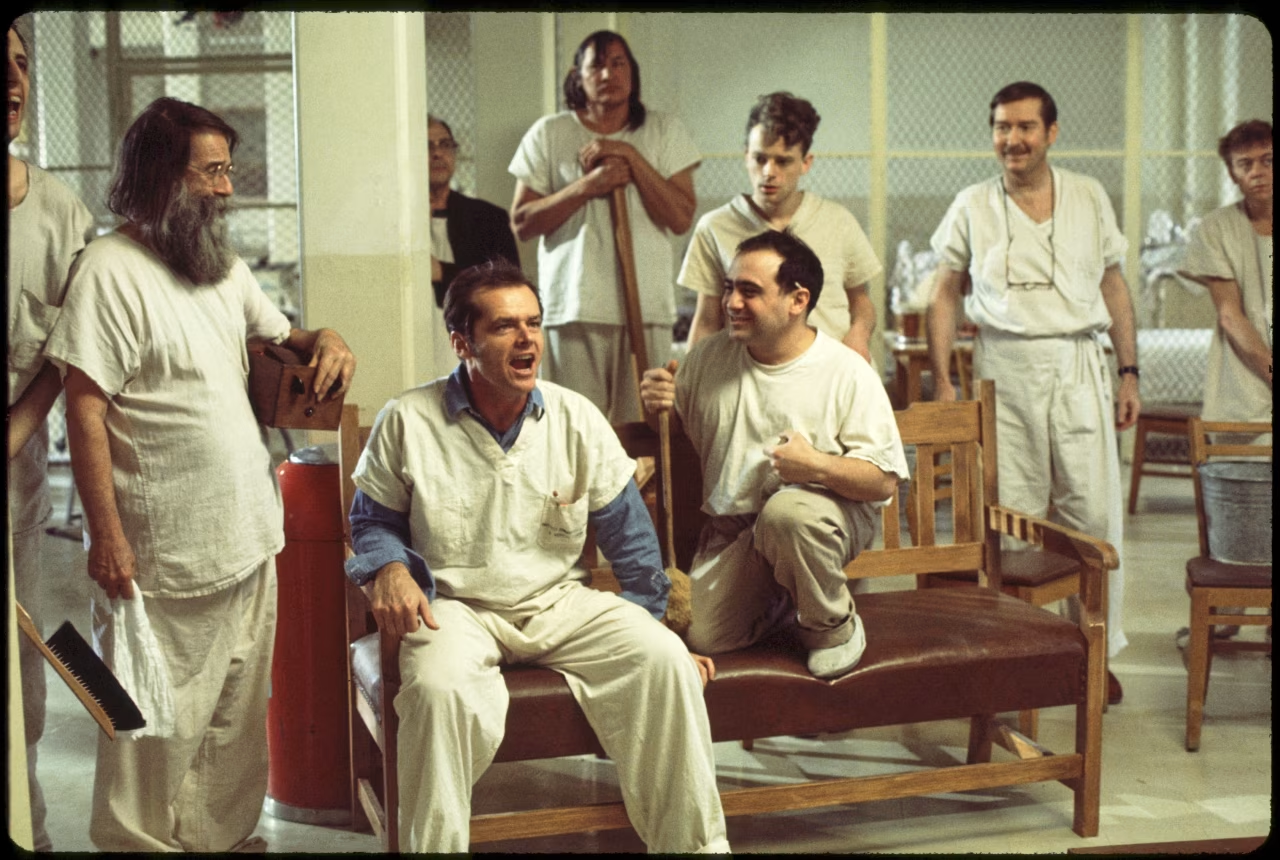
The film structures itself around discussing a handful of defining releases, including One Flew Over the Cuckoo’s Nest, Dog Day Afternoon, Chinatown, All The President’s Men, Taxi Driver, and Jaws. They’re discussed as great films, but also as ideological statements. Each represents a different response to cultural uncertainty: rebellion against institutions, empathy for marginalized figures, ironic distance, formal experimentation, and, in the case of Jaws, the rediscovery of mass entertainment as a unifying force.
There’s first-class interviews with the likes of Martin Scorsese, Patton Oswalt, Josh Brolin, Seth Rogen, Pete Bart, Todd Boyd and more, all of whom produced, directed and starred in films in 1975. They reflect on their experience fondly. Brolin first states that “movies didn’t pander to a trend” and that making movies was about “saying something” and that spark is what the modern film industry has lost. They’re honest about an industry they’ve worked in for decades, and about the state of America in 1975.
Archival footage allows scenes to unfold long enough to remind viewers how daring these films once felt. Particularly effective are moments where contemporary critics (Wesley Morris) and filmmakers (Albert Brooks) reflect on how uncertain the future seemed at the time – audiences were bored and needed more variety in films. The sense of contingency is key: these films mattered because they could have failed. The studios took chances, brought in audiences and it paid off.
Where the documentary occasionally falters is in its scope. By focusing primarily on already-canonized titles, it risks reinforcing a familiar, largely male-centered version of film history. The omission of wider genre cinema or underrepresented voices slightly narrows what is otherwise a rich analysis. Still, this is less a flaw than a limitation of focus; the documentary is making an argument, not writing an encyclopedia.
By the end, Breakdown: 1975 emerges not as a golden age, but as a stress test. A year when cinema briefly reflected a society unsure of itself and unafraid to show the cracks. Breakdown: 1975 succeeds because it understands that film history is shaped as much by instability as by innovation. By challenging contemporary filmmaking culture, the film is asking whether such risk-taking is still structurally possible in an industry dominated by franchises and algorithms. For cinephiles and casual viewers alike, Breakdown: 1975 offers a lucid, engaging reminder that the movies are often at their most alive when the world around them is falling apart. This is a must-watch documentary for anyone interested in the history of film – you might just learn something.
2025 has been a complete buffet of great cinema. In fact, while writing this list, I found myself constantly shifting choices every five minutes. Looking back, this year has been a big win for films about fractured motherhood, desperate fatherhood, the pursuit of greatness, the healing power of art, and the rebellious spark for change. Despite a rough year for animation, this awards season will struggle to accurately represent each category with only five spots. Shoutout to the rising recognition of world cinema—have we ever seen so many international films make the Best Picture lineup?
Before we get to the 10 I settled on, here are my many honorable mentions in no particular order:
The Voice of Hind Rajab, It Was Just An Accident, Hamnet, My Father’s Shadow, Black Bag, Twinless, Eddington, Bugonia, Avatar: Fire and Ash, The Perfect Neighbor, Train Dreams, No Other Choice, Nouvelle Vague, Weapons, Sirāt, Pillion, The Mastermind, The Testament of Ann Lee, Late Shift, 1000 Women in Horror, Happy Birthday, A Useful Ghost, Splitsville, Wake Up Dead Man, Bring Her Back, and Final Destination Bloodlines.
10. Bob Trevino Likes It
Sometimes your chosen family is more powerful than the family you’re given. Bob Trevino Likes It is a profound symphony of cinema’s ability to empathise. Tracey Laymon’s semi-autobiographical weepy comedy-drama is a complete delight from start to finish, conveying one of those rare stories where the internet is used for genuine human connection rather than a vapid, predatory hellscape.
There are few pairings this year that bounce off each other as perfectly as Barbie Ferreira and John Leguizamo, imbuing Lily and Bob with so much humanity, humor and heart that you quickly forget they met through a mistaken Facebook friend request. With an exceptional coda about healing, parenthood, and the simple act of kindness, the ending alone had me sprinting out of the cinema thanks to the sheer embarrassing amount of ugly crying it inspired.
9. If I Had Legs I’d Kick You
A relentless nightmare. Cinematic anxiety at its finest. Rose Byrne’s tour de force as Linda encapsulates a fractured mother who is stressed, sleep-deprived, and stretched impossibly thin. With an incredibly apropos title, Linda isn’t even permitted the strength to properly kick or scream.
I was lucky enough to listen to director Mary Bronstein in a post-screening Q&A, where she fully articulated her well-realized vision of exhaustive parenthood, surreal angst, and the regressive limits of human care. Conan O’Brien rises to the occasion, delivering a surprisingly serious performance as Linda’s therapist.
The unwinding nature of the piece may have tested many, but I was enraptured the entire time—gasping at everything from squashed hamsters and absent fathers to void-filled roofs and left-behind babies. As far as double features go, this makes for a fantastic pairing with its meaner older sister, (and also the next film on this list) Die My Love.
8. Die My Love
The most fully embodied performance of the year belongs to Jennifer Lawrence’s postpartum-riddled mother, Grace—an unbridled display of psychosis, resentment, depression, yearning, and raw, passionate discontent. Die My Love features some of the most feral moments you’ll see from a protagonist all year: clawing at walls, animalistic stalking, condoms as bubble gum, music playing at double speed—you can’t help but both laugh and cry at a mother having the ultimate crash-out.
With phenomenal support from Sissy Spacek and Nick Nolte, alongside what is likely one of Robert Pattinson’s most underappreciated roles, this film is pure cinema— all feeling, all-encompassing, and unabashedly challenging. If you’re someone who revels in Lynne Ramsay’s discombobulating direction, this is the film for you.
7. Left-Handed Girl
An extremely assured debut from Shih-Ching Tsou, Left-Handed Girl mixes intergenerational expectation, social realism, Taiwanese classism, and the bustling excess of Taipei’s urban sprawl to tell a boots-on-the-ground story about four generations of women fighting misogyny, superstition, fraud, and wealth inequality.
With Sean Baker’s deft editing touch, the humane intertwines with the hurting, shedding light on a working-class family with secrets to reveal, bills to pay, and lessons to pass down. It’s tender, it’s cheeky, it’s funny, and even profound in places. The color-grading alone is wondrous.
Whether it’s sweeping shots of mopeds weaving through overcrowded streets, a little girl’s ‘devil hand’ stealing a necklace, or the lowly image of a grandmother, mother, and daughter working together as a family, Left-Handed Girl is a reminder to never let society cement who you are—or what is expected of you.
6. Sentimental Value
A tender, intimate, and profound exercise in cinema’s most powerful capability: expressing through art what the soul struggles to communicate through the body. A film about fractured relationships, distant families, arrogant directors, corporate exploits, and softening reconciliations. The objects and places in this film carry as much memory and weight as the people who create them—Sentimental Value and I’m Still Here should face off over which family home has the more richly lived-in and troubled character.
Renate Reinsve and Elle Fanning are gorgeous here, but it is truly Stellan Skarsgård and Inga Ibsdotter Lilleaas who steal the film. Stellan’s eyes guide the audience through a smorgasbord of regrets, ideals, and emotions, burdened by the weight of so much history. Sentimental Value is a film that so expertly captures the feeling of trying to make something work that, in essence, never truly can. Life-affirming, truth-upholding, and poignantly playful cinema.
5. The Secret Agent
Covering every genre from historical drama to political thriller to absurdist neo-noir, The Secret Agent is a multifaceted marvel. From its establishing scene—where a dead body is treated as much an inconvenience as a banana peel—this is a stylistic epic in which the banality of a dictatorship becomes disturbingly normal. The police are so hopelessly corrupt that a Belgian Jew (Udo Kier, in a pitch-perfect final film role) is instantly perceived as a former Nazi soldier without hesitation.
Wagner Moura delivers one of the year’s best performances as Armando, making his journey as a former professor feel tragic, emotive, and deeply investing. Every supporting character gets their moment too—the pace and editing frequently shifts perspectives without any complaint. The production design of 1977 Recife feels as lived-in as it is astonishingly detailed. Smart, funny, incisive, and rebellious, The Secret Agent is an understated masterpiece—a reminder of how easily progressive and marginalized thought can be comically branded as law-breaking espionage.
4. Sorry, Baby
Sorry, Baby delivers profound truths through Eva Victor’s assured, distinctive debut voice. Their performance as Agnes covers so many adjectives. Dry, witty, charming, and somber, while equally emotive, damaged, scarred, and lonesome. Watching their journey unfold in non-chronological form is riveting, somehow balancing measured laughter against traumatizing heartbreak. Fantastic supporting performances across the board from Naomi Ackie, John Carroll Lynch, Hettienne Park, and Lucas Hedges.
Whether it’s the open honesty of admitting bias to a jury, smashing a mouse to death with a book, sitting in stunned awe of a flaccid penis, or simply being consoled by the most supportive friend in the world, Sorry, Baby charts the winding road to survival. Assault is never easy to live with—but as always, we laugh not only to escape, but to process our pain and forge a new path forward. Up with resilient survivors, and down with corrupt, abusive men.
3. Marty Supreme
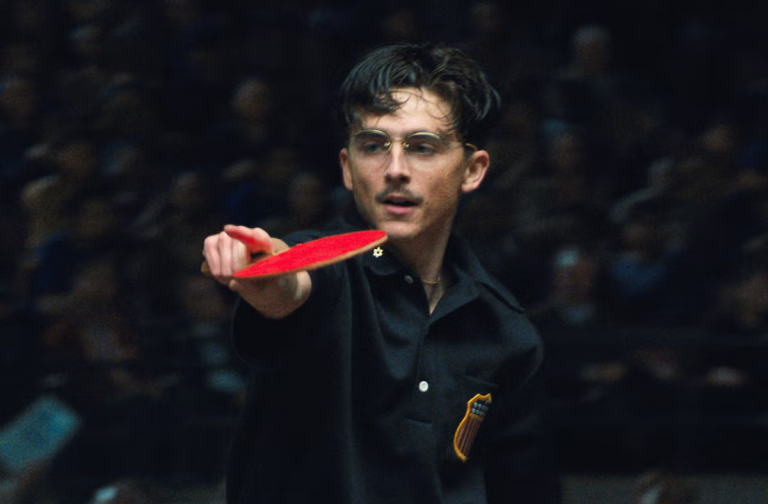
Josh Safdie almost lulls his audience into believing they’re watching a typical sports drama, only to rapidly remind you that this is from the director of Good Time and Uncut Gems. Marty Mauser’s arrogant and all-consuming quest to become the greatest table tennis player takes some of the wildest turns you’ll see in a movie theatre this year. Once Marty Supreme grabs you, there’s no option but to laugh, kick, scream and howl just to feel its grip loosen.
Anchored by Timothée Chalamet’s career-best, mile-a-minute, and wildly expressive performance—alongside Daniel Lopatin’s kinetic, overwhelming score and breakneck editing from Safdie and co-writer Ronald Bronstein—this is a three-course comedy-drama about ambition, self-destruction, humiliation, and the relentless lengths of human tenacity.
Nerve-pinching, electrifying, and enthralling cinema, Marty Supreme is one of those rare films where you want to strangle the protagonist just as much as you want to see them succeed in their hopes and extremely daring dreams. In a year where the Safdie brothers go head-to-head in sports dramas, Josh’s paddle certainly delivers the winning blow.
2. One Battle After Another
This film is a home run. Every actor knocks it out of the park—it’s funny, smart, surprisingly original, and deeply pressing for our times. It almost falls apart under the weight of just so much movie and so much narrative, but it somehow seals the deal with bewildering cinematography, slick editing, and a relentlessly eclectic yet playful score.
What a find Chase Infiniti is; she gives Willa as much emotional depth as she does brains and brawn. Sean Penn shines as a broken action hero toy. Leonardo DiCaprio is on another level entirely—I could watch him and Benicio Del Toro’s screwball antics for hours on end. Teyana Taylor’s Perfidia carries such unquenchable rage for the system, so much so her limited screen time powerfully lingers throughout the entire runtime.
Featuring an iconic car chase that is equally unwinding, sloping, and tremendously bumpy, the rolling river of hills comes to represent the state of America today. As a modern adaptation of “Vineland,” the audience is reminded that the U.S. ‘s pursuit of endless conflict in the name of jingoistic nonsense is a symptom of a country where words and debate are no longer prerequisites for action. Such counteractions, no matter how bold, still require constant, cyclical reinvention. This is a film in which the next generation is forced to clean up the previous generation’s messes—rarely succeeding, but compelled to try.
Paul Thomas Anderson’s One Battle After Another is an open book with a blood-soaked cover. It’s emblematic of an America that hasn’t written a final chapter yet, let alone a single dry page. Let’s all hope and strive to contribute to a more inspiring narrative—one that reminds us what true freedom should be.
1. Sinners
Sinners is the cinematic achievement of a director building upon his previous successes to produce something wholly singular. On paper, mixing the genres of horror, action, historical fiction, and even musical into a blockbuster with a coherent narrative is a tall order. Yet Ryan Coogler embeds such an aching love for the genre conventions he is remixing and challenging that the final product absolves the film of any sin of creative overreach.
As my favorite film of the year, it is impossible not to mention Miles Caton’s transcendent musical number, “I Lied to You.” A sequence that exceeded all expectations, its anachronistic jukebox becomes a mighty rallying cry for ancestral preservation and an outstanding feat of technical prowess. Thanks to Sammie’s harmonizing power, the beautiful melody ripples, echoes, and chimes through the America of old, new, and emerging.
With its reverence for Delta blues’ spiritual and historical power, Sinners is a triumphant reminder of the fight for truth, culture, and free will—forces that overcome the boundaries of oppression, assimilation, and systemic erasure. Featuring stellar performances, a killer score, and boundary-breaking filmmaking, the film ought to be baptized as an all-time classic.
This week on the InSession Film Podcast, we continue our Top 10 Scenes of 2025 as we reveal our 5-1 picks! We also talk about a few more films we’ve caught up with recently as we’re finishing up our year-end homework.
Check out this week’s show and let us know what you think in the comment section. Thanks for listening and for supporting the InSession Film Podcast!
– 2025 Catch-Up (4:15) To begin the show this week, for the last time in our 2025 campaign, we talk about some more homework we’ve done and the films we’ve caught up with over the last few weeks. We start with our thoughts on the horror film Good Boy (Indy rules) and then debate the Charlie Polinger psychological drama The Plague. JD then gives us his review of Bi Gan’s striking new film Resurrection, Lav Diaz’s patient epic Magellan and the very charming Sarah Friedland film Familiar Touch.
– Top 10 Scenes of 2025 (Picks 5-1) (48:51) As we noted last week, this is one of our favorite exercises that we do each year. It’s challenging, for sure, but the passion you get for talking about the best scenes in any given year is just unparalleled. And this week we are talking about our absolute favorite moments from cinema in 2025. These are the scenes that moved us to tears. That thrilled us beyond belief. That shook us in some big way. With that said, what would be your Top 10?
If you want to help support us, there are several ways you can help us and we’d absolutely appreciate it. Every penny goes directly back into supporting the show and we are truly honored and grateful. Thanks for your support and for listening to the InSession Film Podcast!
2025 was a bizarre year for my movie watching. The theatrical experience, an experience I carry much reverence for, was placed on the backburner and most of the newer movies I watched were either in the comfort of my apartment or on the Delta In-Flight movie catalog. I sought out older films and crossed off multiple blind spots that I’ve had (All the President’s Men is the greatest movie of all time), I’m hoping to catch up on the newer films I missed here soon, and I’m already up to a few new films in the year of the Horse, 2026. While I intend to watch some 2025 releases that I’m certain would shuffle some of my top 10, this is my top 10 of 2025 as the great crystal ball rang in this already bizarre (and terrifying!) new year.
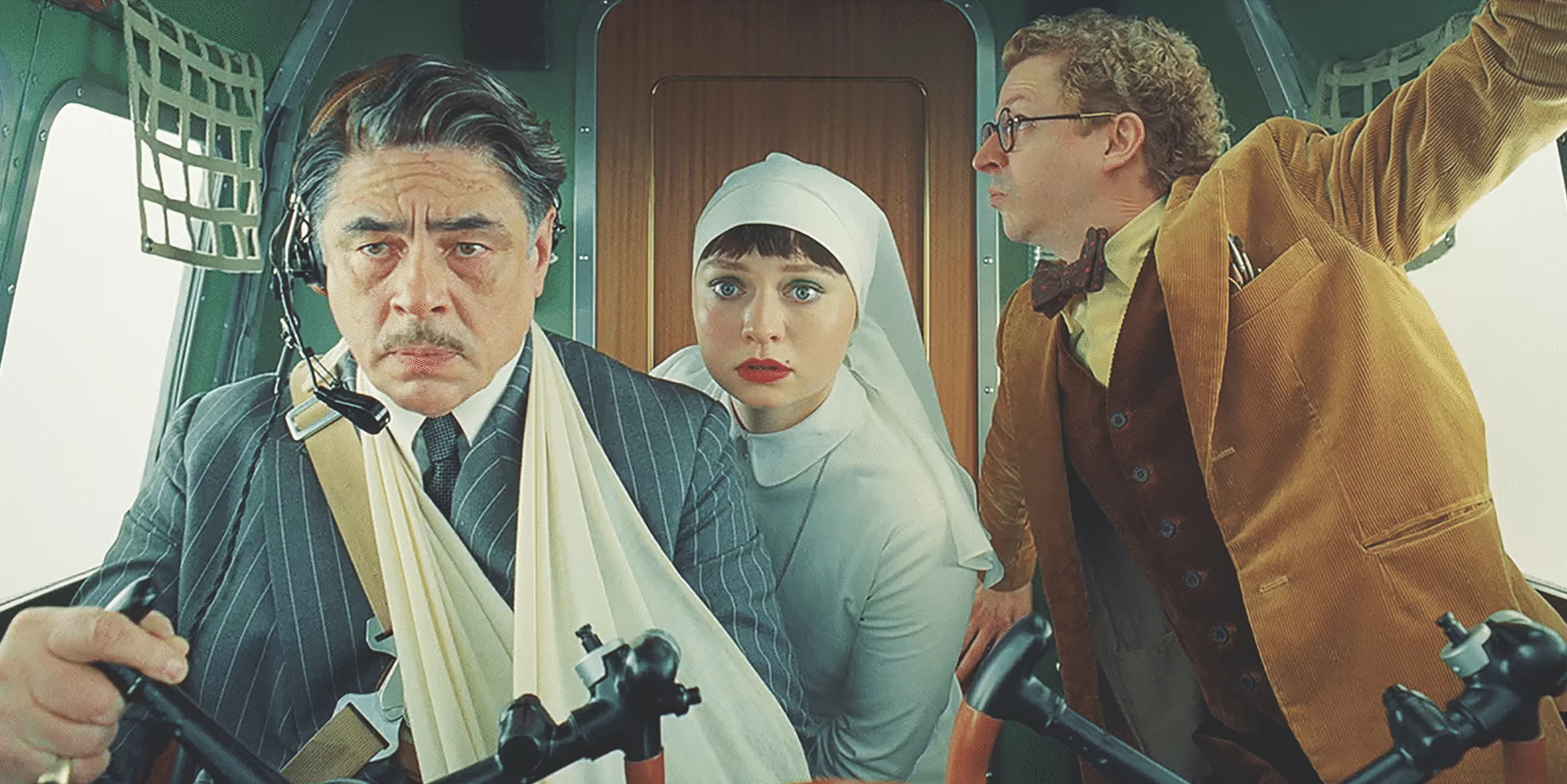
10. The Phoenician Scheme
Wes Anderson is a huge hit or miss type of filmmaker. Some people (like me) will be there, day 1, for whatever new release he has, others find his style insufferable. From the multiple viewings of Rushmore with my dad growing up, I have a huge nostalgic and personal soft spot for his surgically framed and emotionally potent films. The Phoenician Scheme is not one of my favorites out of Wes Anderson’s latest batch of films, but it still got me nonetheless. While Wes Anderson’s films mostly deal with mortality and legacy, these ideas were always on projected onto the characters in the prior films. After COVID, it seems he is in conversation with himself, and by proxy the viewer on what mortality, art, or legacy means. Granted, there were two films that he started after COVID-19 in 2020 (excluding The French Dispatch as that was in production prior to the pandemic), but both Asteroid City and now The Phoenician Scheme seem to grapple mortality and legacy much more in a personal sense rather than a loose theme in the sea of ideas or set pieces he had in his prior films.
9. Ne Zha II
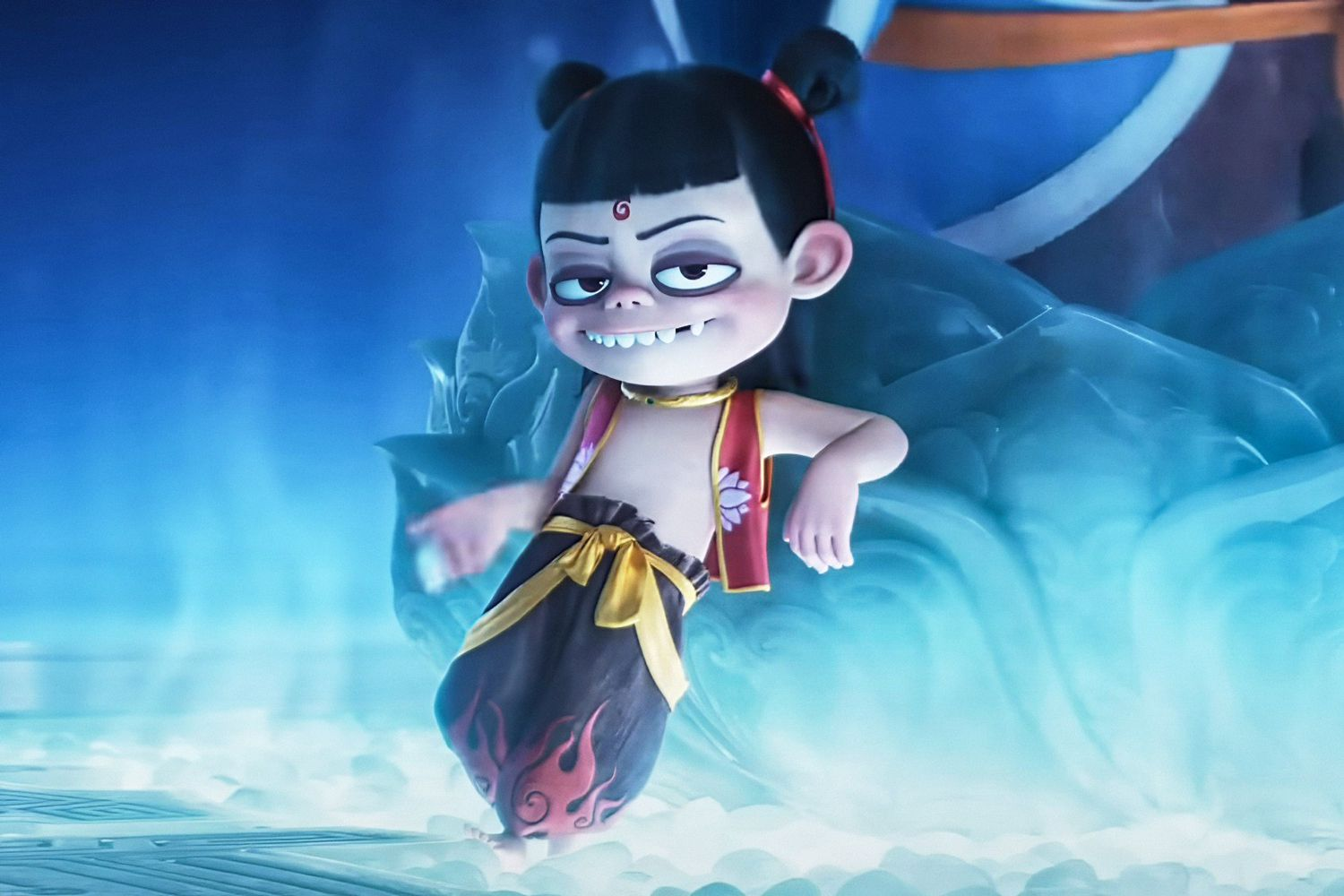
Ne Zha II was a film I was curious about for a while before I got my screening invite. By the time I caught wind of it, it had already ended its first North American theatrical run. Disappointed that I would have to watch it off of something like YouTube, it was then announced that A24 was picking it up in North America and releasing an English dub to go with it (gag). While it would’ve benefitted me to have seen the first film, the film stood entirely on its own with some loose references to the original. Ne Zha II is a spectacle on the big screen and I caught myself in awe of its scope and visual direction at times. The dub itself left a lot to be desired, but once Ne Zha II got going it kept you in its grasp until the end.
8. Splitsville
This was a movie I watched by chance. I was in Phoenix with a good friend of mine to watch Nine Inch Nails, acting amuck for a few extra days, and on the day before we were supposed to leave we saw that there was a screening of this happening next to where we were staying with a Q&A with the film’s two male stars. We said whatever, and gave it a whirl. Splitsville was a really fun time at the movies with the quirky late-80s style of comedy I’d expect from someone like Albert Brooks. It never really punched above its material but it certainly wasn’t a disappointment. A totally content experience and a really fun time overall!
7. Weapons
Zach Cregger has been a creative that I’ve adored since I was in middle school. The Whitest Kids U’Know was a staple for me, and Barbarian absolutely ruled. With Weapons, I was elated that a new labyrinth of a horror film was being made by him since the hammer drop of a twist that came in Barbarian knocked me off of my feet. The twist in Weapons wasn’t as shocking as I had anticipated, but horror Magnolia was so good of an idea I was surprised that it hadn’t been done previously. Also, the Looney Tunes style ending worked for me a little too well – I was hootin’ and hollerin’ in the theater like a fool.
6. The Naked Gun
The Naked Gun (1988) is my favorite movie of all time. I adore it to a sick degree, I show everyone I know The Naked Gun if they say they hadn’t seen it. I even have an on-set polaroid picture of Leslie Nielsen from the costume designer of The Naked Gun 33 ⅓ on my nightstand. The trailers for this new reboot of The Naked Gun looked a little annoying at times, borderline insufferable. My expectations were in the hole and I was preparing to be disappointed. Obviously, I’m teeing this all up as if you don’t see that I have the movie at #6 on my list – which is to say, The Naked Gun (2025) absolutely rocked. No other notes, fun time at the movies! The Alamo Drafthouse in Brooklyn lost their collective mind and was an all time theater experience.
5. Marty Supreme
In 2019, when Uncut Gems was on the precipice of release, I craved it in a fiendish way. The energy and excitement I had was indescribable, and once it was released I was blown away. The momentum of that film would catapult the directors, Benny and Josh Safdie, into insane star appeal. Now, fast forward to today, neither brother works together anymore, we get Josh Safdie’s return to solo direction work with Marty Supreme. In 2025, my excitement was nowhere near as intense as it was in 2019, but I also wasn’t disappointed by this film. It has its hiccups, but what we do get is one of the most interesting versions of the type of scumbag that Josh Safdie enjoys making movies about. George Gervin, Tyler the Creator, Kevin O’Leary, and Penn Jillette should not have been as good as they were but their presence make the film that much better.
4. Sinners
The tweets regarding the start of Sinner’s production still ring in my head when I think of this movie. A movie from Ryan Coogler – Hollywood’s best blockbuster-locked filmmaker – relieving himself of his superheroic obligations, starring Michael B. Jordan as twins, and it’s a horror movie about vampires. Every bit of that sounded like an ass kicker in moving picture format. Fortunately, the prospect of the film being great held up – Sinners is the best original new film I saw in 2025. Plus it being set in the American south, and having a blues heavy score/soundtrack? #YES. Sultry as all get out, salivatory cinema, Coogler and Co announcing their arrival to theaters with little regard to whatever nonsense was playing that same month (sorry Angel Studio’s The King of Kings). I could rave at length, but it was (as the kids would call it) a hit on every front so the film can clearly speak for itself.
3. Frankenstein
Guillermo del Toro is one of my absolute favorite filmmakers ever, and Frankenstein is one of the most incredible novels ever written. Once it was announced that visionary genius, the aforementioned Guillermo del Toro, was making a film adaptation of Frankenstein there was no reality where I wasn’t going to love this. Guillermo’s adaptation is less pulpy than other adaptations, and it tackles the more sensitive aspects of the novel with a tenderness I’d expect from del Toro. The interpretation of the monster between the novel and the film are severely different, but in terms of the film’s ultimate direction the differences work. We are so fortunate to see a master at work.
2. One Battle After Another
Paul Thomas Anderson making a movie about California is never going to be bad. Leonardo DiCaprio rarely stars in bad movies. I don’t think it’s the masterpiece that a lot of other writers made it out to be, but by no stretch is it a bad movie. This movie feels like a victory lap for Paul Thomas Anderson, every element of this film he has done before in previous films but never all in one go like he has it here. It is The Paul Thomas Anderson film, and could not have been made at a better time. When I watched this, it was an early showing, we were fresh into the fallout of the Charlie Kirk situation – way before the current phase of “Kirkification”. The bleak nature of the world was rearing its ugly head, so for Paul Thomas Anderson to come in at the time that he did and articulate a cinematic call for community was eerily impeccable.
1. 28 Years Later
My favorite kind of movies are like an emotional full course meal. Entrees of drama, tragedy, romance, comedy – hell, a little optimism for dessert – all goes a long way. For my money, Danny Boyle’s latest, 28 Years Later, is the best spread of emotional wealth put to film in 2025. I am a fan of the zombie genre, the original film – 28 Days Later, and Danny Boyle (minus Yesterday), so this was always going to be an easy win for me. However, I did not anticipate just how much I would feel from this film. One moment I’m in disbelief over a scene with a zombie in a train, the next I’m near tears about the fragility and importance of life. 28 Years Later: The Bone Temple is my most anticipated movie of 2026 at the moment, and the fact that press reactions alone gave Sony enough to fire up the third installment in the Years movies makes me incredibly excited to see where they go next. I didn’t expect this to be my movie of the year, but good lord this was an incredible film.
Paul Thomas Anderson’s One Battle After Another may have won the top prize at Sunday’s Critics Choice Awards, but the big surprises were wins for Frankenstein’s Jacob Elordi and Brazil’s The Secret Agent.
See the full list of winners below. And check out our Awards Predictions page for an up-to-date look at where the season stands.
Best Picture “Bugonia” “Frankenstein” “Hamnet” “Jay Kelly” “Marty Supreme” “One Battle After Another” (WINNER) “Sentimental Value” “Sinners” “Train Dreams” “Wicked: For Good”
Best Director Paul Thomas Anderson, “One Battle After Another” (WINNER) Ryan Coogler, “Sinners” Guillermo del Toro, “Frankenstein” Josh Safdie, “Marty Supreme” Joachim Trier, “Sentimental Value” Chloé Zhao, “Hamnet”
Actor Timothée Chalamet, “Marty Supreme” (WINNER) Leonardo DiCaprio, “One Battle After Another” Joel Edgerton, “Train Dreams” Ethan Hawke, “Blue Moon” Michael B. Jordan, “Sinners” Wagner Moura, “The Secret Agent”
Actress Jessie Buckley, “Hamnet” (WINNER) Rose Byrne, “If I Had Legs I’d Kick You” Chase Infiniti, “One Battle After Another” Renate Reinsve, “Sentimental Value” Amanda Seyfried, “The Testament of Ann Lee” Emma Stone, “Bugonia”
Supporting Actor Benicio del Toro, “One Battle After Another” Jacob Elordi, “Frankenstein” (WINNER) Paul Mescal, “Hamnet” Sean Penn, “One Battle After Another” Adam Sandler, “Jay Kelly” Stellan Skarsgård, “Sentimental Value”
Supporting Actress Elle Fanning, “Sentimental Value” Ariana Grande, “Wicked: For Good” Inga Ibsdotter Lilleaas, “Sentimental Value” Amy Madigan, “Weapons” (WINNER) Wunmi Mosaku, “Sinners” Teyana Taylor, “One Battle After Another”
Original Screenplay Noah Baumbach and Emily Mortimer, “Jay Kelly” Ronald Bronstein and Josh Safdie, “Marty Supreme” Ryan Coogler, “Sinners” (WINNER) Zach Cregger, “Weapons” Eva Victor, “Sorry, Baby” Eskil Vogt and Joachim Trier, “Sentimental Value”
Adapted Screenplay Paul Thomas Anderson, “One Battle After Another” (WINNER) Clint Bentley and Greg Kwedar, “Train Dreams” Park Chan-wook et al., “No Other Choice” Guillermo del Toro, “Frankenstein” Will Tracy, “Bugonia” Chloé Zhao and Maggie O’Farrell, “Hamnet”
Young Performer Everett Blunck, “The Plague” Miles Caton, “Sinners” (WINNER) Cary Christopher, “Weapons” Shannon Mahina Gorman, “Rental Family” Jacobi Jupe, “Hamnet” Nina Ye, “Left-Handed Girl”
Casting and Ensemble Nina Gold, “Hamnet” Douglas Aibel and Nina Gold, “Jay Kelly” Jennifer Venditti, “Marty Supreme” Cassandra Kulukundis, “One Battle After Another” Francine Maisler, “Sinners” (WINNER) Tiffany Little Canfield and Bernard Telsey, “Wicked: For Good”
Best Comedy “The Ballad of Wallis Island” “Eternity” “Friendship” “The Naked Gun” (WINNER) “The Phoenician Scheme” “Splitsville”
Animated Feature “Arco” “Elio” “In Your Dreams” “KPop Demon Hunters” (WINNER) “Little Amélie or the Character of Rain” “Zootopia 2”
Production Design Kasra Farahani and Jille Azis, “The Fantastic Four: First Steps” Tamara Deverell and Shane Vieau, “Frankenstein” (WINNER) Fiona Crombie and Alice Felton, “Hamnet” Jack Fisk and Adam Willis, “Marty Supreme” Hannah Beachler and Monique Champagne, “Sinners” Nathan Crowley and Lee Sandales, “Wicked: For Good”
Cinematography Claudio Miranda, “F1” Dan Laustsen, “Frankenstein” Łukasz Żal, “Hamnet” Michael Bauman, “One Battle After Another” Autumn Durald Arkapaw, “Sinners” Adolpho Veloso, “Train Dreams” (WINNER)
Costume Design Kate Hawley, “Frankenstein” (WINNER) Malgosia Turzanska, “Hamnet” Lindsay Pugh, “Hedda” Colleen Atwood and Christine Cantella, “Kiss of the Spider Woman” Ruth E. Carter, “Sinners” Paul Tazewell, “Wicked: For Good”
Editing Kirk Baxter, “A House of Dynamite” Stephen Mirrione, “F1” (WINNER) Ronald Bronstein and Josh Safdie, “Marty Supreme” Andy Jurgensen, “One Battle After Another” Viridiana Lieberman, “The Perfect Neighbor” Michael P. Shawver, “Sinners”
Hair and Makeup “28 Years Later” “Frankenstein” (WINNER) “Sinners” “The Smashing Machine” “Weapons” “Wicked: For Good”
Visual Effects “Avatar: Fire and Ash” (WINNER) “F1” “Frankenstein” “Mission: Impossible – The Final Reckoning” “Sinners” “Superman”
Score Hans Zimmer, “F1” Alexandre Desplat, “Frankenstein” Max Richter, “Hamnet” Daniel Lopatin, “Marty Supreme” Jonny Greenwood, “One Battle After Another” Ludwig Göransson, “Sinners” (WINNER)
Song “Drive,” “F1” “Golden,” “KPop Demon Hunters” (WINNER) “I Lied to You,” “Sinners” “Clothed by the Sun,” “The Testament of Ann Lee” “Train Dreams,” “Train Dreams” “The Girl in the Bubble,” “Wicked: For Good”
Foreign Language Film “Belén” “It Was Just an Accident” “Left-Handed Girl” “No Other Choice” “The Secret Agent” (WINNER) “Sirāt”
This week on Women InSession, we are joined by Kristin Lopez to talk about her new book Popcorn Disabilities: The Highs and Lows of Disabled Representation in the Movies and the movies that helped shape the direction of her latest writing!
Panel: Kristin Battestella
On that note, check out this week’s show and let us know what you think in the comment section. Thanks for listening and for supporting the InSession Film Podcast!
Director:Skye Borgman Stars: Jodi Hildebrandt, Jessica Bate, Eric Clarke
Synopsis:Unravel the case of Utah therapist Jodi Hildebrandt, whose child abuse arrest with parenting Youtuber Ruby Franke exposed a twisted tale of manipulation.
Jodi Hildebrandt was once a licensed therapist, a self-styled relationship coach, and a commanding voice within a particular corner of online self-help culture. Through counselling sessions, religiously inflected rhetoric, and, later, social media influence, she positioned herself as a moral authority on family, discipline, and “truth.” Her downfall, marked by allegations of severe child abuse and coercive control, transformed her from trusted guide to cautionary figure. Netflix’s Evil Influencer: The Jodi Hildebrandt Story sets out to examine how that transformation occurred, and how and why it went unchecked for so long.
The documentary begins with the famous doorbell footage that went viral of Hildebrandt’s business partner Ruby Franke’s son escaping and asking a neighbor for help. The video is distressing and broke many hearts across the world online. Dubbed over the video is Jodi’s voice preaching about loving children. A chilling and compelling start and quick reminder of who we are dealing with. The torture she inflicted on these children, out of “love,” is mentioned throughout the documentary as they show footage of her speaking and read from her journal.
But rather than framing Hildebrandt as an instant evil monster, the film traces the gradual construction of her authority. A clear process rooted in credentialism, certainty, and a rhetoric that conflated obedience with healing. From the outset, Evil Influencer is careful to situate her rise within broader systems: therapeutic institutions that failed to intervene, faith communities that amplified her voice, and digital platforms that rewarded absolutism with reach. It deeply looks into the Mormon religion, how this community influences people and how social media’s intrigue with that religion and culture helped build their following.
The one hour, forty minute documentary has a multitude of interviews with former clients, family members, journalists, police officers, detectives and experts. The measured pacing of these interviews is one of the documentary’s strengths. The horror of Hildebrandt’s alleged actions bleeds through the same language echoed across the different interviewees. The same techniques of shame, isolation, and moral coercion applied again and again. The effect is chilling precisely because it is systematic. The interviews are candid, and not afraid to share opinions, experiences and help shape our understanding of how Hildebrandt was the way she was.
There’s archive footage, bodycam footage, and photographs of the Franke children, to help build the story of Hildebrandt and her destructive nature. Examples of online content are cleverly used to illustrate how certainty performs well in digital spaces, especially when wrapped in moral urgency. Again reinforcing how this awful woman came to be so popular and find vindication in her actions.
One of the film’s sharpest insights lies in its exploration of language. Hildebrandt’s vocabulary is filled with terms like “truth,” “distortion,” and “accountability”, and this is analysed as an ideology and as a tool. Evil Influencer shows how therapeutic language can be weaponised, particularly when paired with spiritual authority and delivered by someone trained to command emotional vulnerability.
Where Evil Influencer occasionally falters is in its structural balance. The later sections focus on legal consequences and public reckoning and feel comparatively compressed after the painstaking build-up of Hildebrandt’s rise. While this may reflect the ongoing nature of the case, it leaves the documentary slightly weighted toward origin rather than aftermath. A deeper interrogation of institutional accountability would have strengthened the documentary.
The documentary’s most unsettling achievement is how recognizable its warning feels. Hildebrandt is presented as an extreme manifestation of a familiar cultural pattern; the elevation of self-appointed experts who promise clarity in exchange for compliance. In an era saturated with wellness influencers and life coaches, the film’s implications stretch far beyond a single case.Ultimately, Evil Influencer: The Jodi Hildebrandt Story is less about one woman than about the fragility of safeguards around care, authority, and belief. It is a sober, unsettling documentary that asks viewers to question not only who they listen to, but why. Netflix, once again, has delivered a compelling true-crime documentary that is, ironically, influentially powerful. If you want more from this story, you should watch ‘Devil in the Family: the Fall of Ruby Franke’ available on Disney+. Whilst there is much similar content, it does explore the side of Ruby Franke and her family dynamic.