Director: James Ross II Writer: James Ross II Stars: Jasmine Matthews, RJ Brown, Sally Stewart
Synopsis: After her friend vanishes, Riley must confront the demon from her night terrors that may have crossed into reality, while facing her own tragic past.
The best thing about film festivals is discovering a film from a talented director you know nothing about. It isn’t a secret that there’s a lack of Black filmmakers in the horror genre. They haven’t been able to tell the stories they want to tell, or their stories have been told by white filmmakers — with Black characters often killed first or reduced to the “magical negro” trope. Director James Ross II has two horror short films under his belt, and now he has a feature film recently acquired by Shudder to add to that.
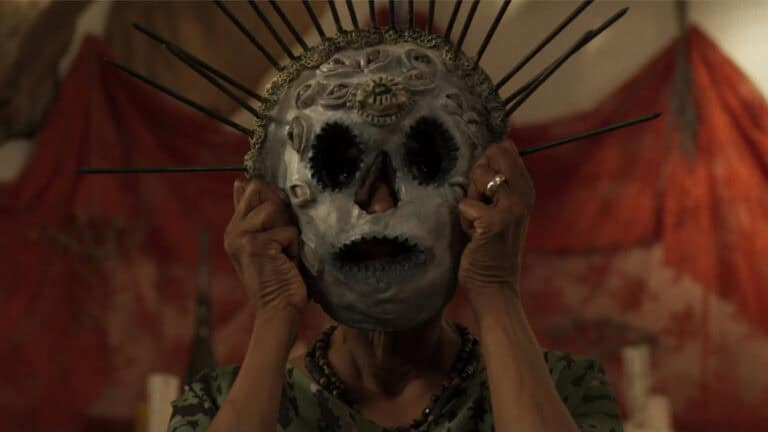
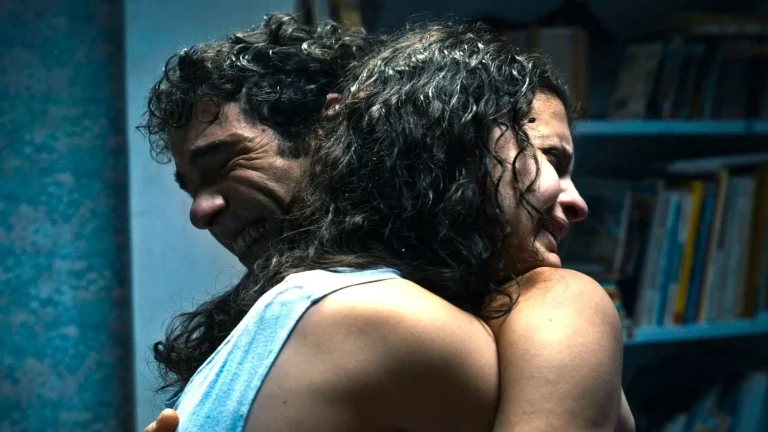
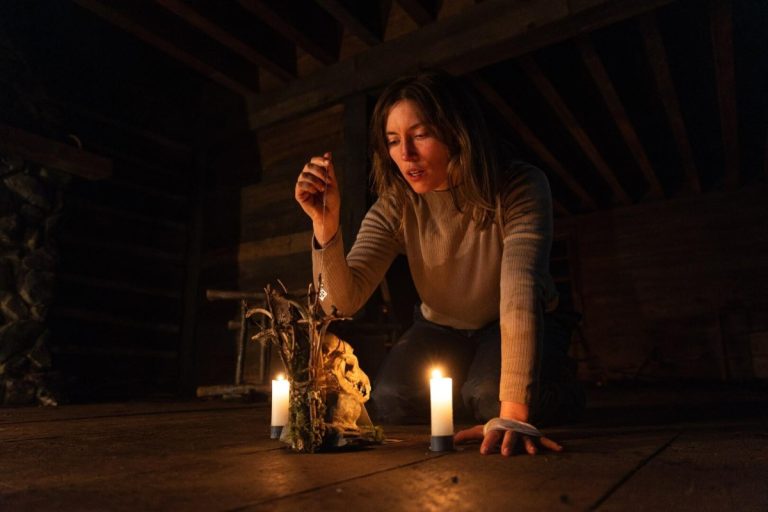
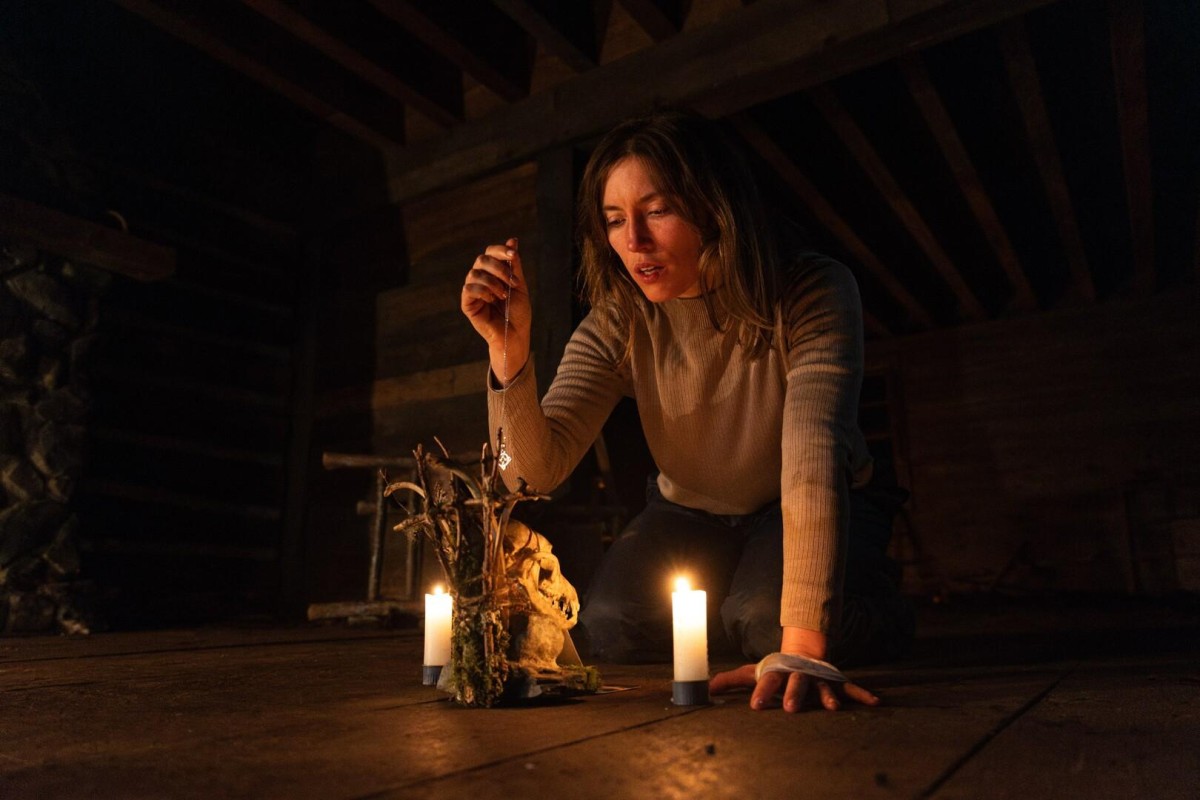
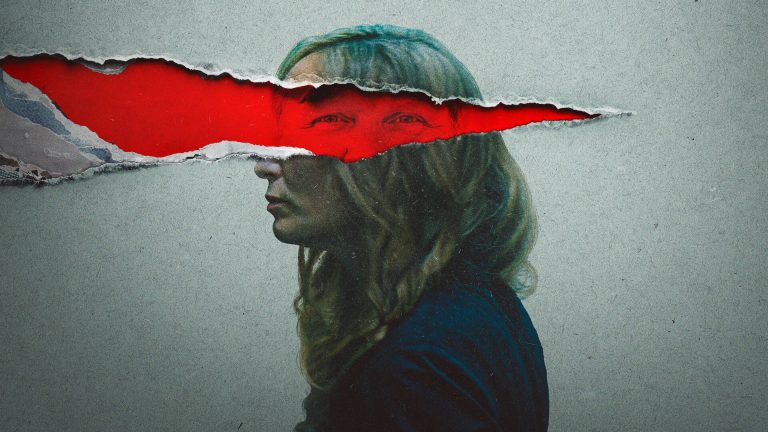
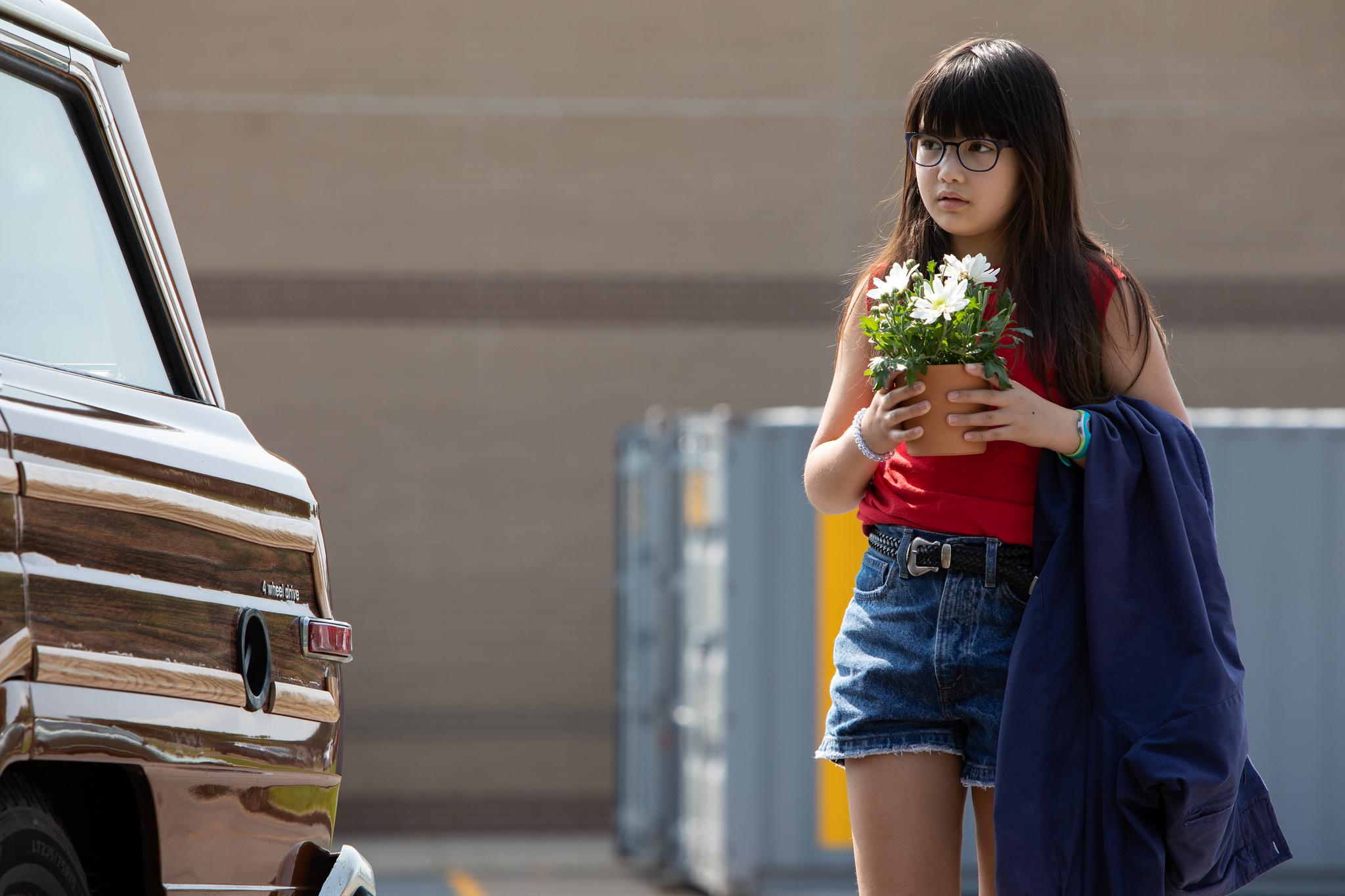
Ross’ new feature film Parasomnia was screened at Panic Fest as part of Shudder’s block of programming. He’s one of the few Black directors or writers with a project at this year’s festival, so it felt only right to step out and show my support. The movie follows a woman named Riley (Jasmine Matthews), who struggles with sleep — something many people can relate to. Her bedtime rule is that she must fall asleep after everyone else in the house, a habit rooted in a traumatizing childhood experience. This routine is a mess for her boyfriend Cam (RJ Brown), who otherwise seems like the perfect fit for her. Riley is surprised by her foster brother David (Stephen Barrington) and his girlfriend for her birthday. At the end of the night, everyone goes to sleep, and Riley begins to have dreams of being chased through an abandoned building. She then sees her father stabbing her mother in a dark cell. The night terrors she had as a child are returning with a vengeance.
I love when a filmmaker is inspired by other films, isn’t afraid to show it, and incorporates those influences into their work. Ross pays homage to several films, and he does it in ways that aren’t over the top or corny. Riley can fall asleep, enter her dreams, and uncover things about her past she didn’t previously know — a plot detail clearly inspired by A Nightmare on Elm Street. The third act introduces elements of voodoo and spellwork reminiscent of Eve’s Bayou. Riley’s first-person chase sequences echo Paranormal Activity. These breadcrumbs show that Ross knows his stuff when it comes to film history.
Parasomnia runs 1 hour and 25 minutes. I enjoy a tight runtime, but not when it takes away from the plot. The movie moves so quickly that, while taking notes, I could tell things were missing from the final cut. We don’t get any flashbacks with Riley and her foster parents; seeing all three of them alive together would’ve given us a better sense of her home life. We’re introduced to the mysterious villain, The Seer, in the third act through Cam’s mother — a voodoo priestess hell-bent on getting revenge for her husband’s death. It would’ve been more effective to receive these plot points earlier, perhaps through Riley’s research, and bring Cam’s mother into the story during the second act. These issues could’ve been improved with a script that didn’t rush through plot points or introduce major characters so late. Some visual effects weren’t executed well, and the story left a lot to be desired. These are things that can be improved upon in future projects.
Ross is a skilled filmmaker with a promising future, but this movie ultimately ends up being a Shudder release that didn’t fully work for me.
Director: Kyra Bartley Stars: Hope Day, Jeremy Irons, Liv Tyler
Synopsis: Before you read anything from searching the internet, discover the extraordinary potential of your dyslexic mind.
There’s a fine line between informative and overwhelming when it comes to documentaries tackling complex subjects, but What Is Dyslexia? manages to strike a thoughtful balance. This is a short animation film that aims to educate without lecturing, and for the most part, it succeeds, offering a clear, engaging look at a condition that is often misunderstood, oversimplified, or quietly ignored.
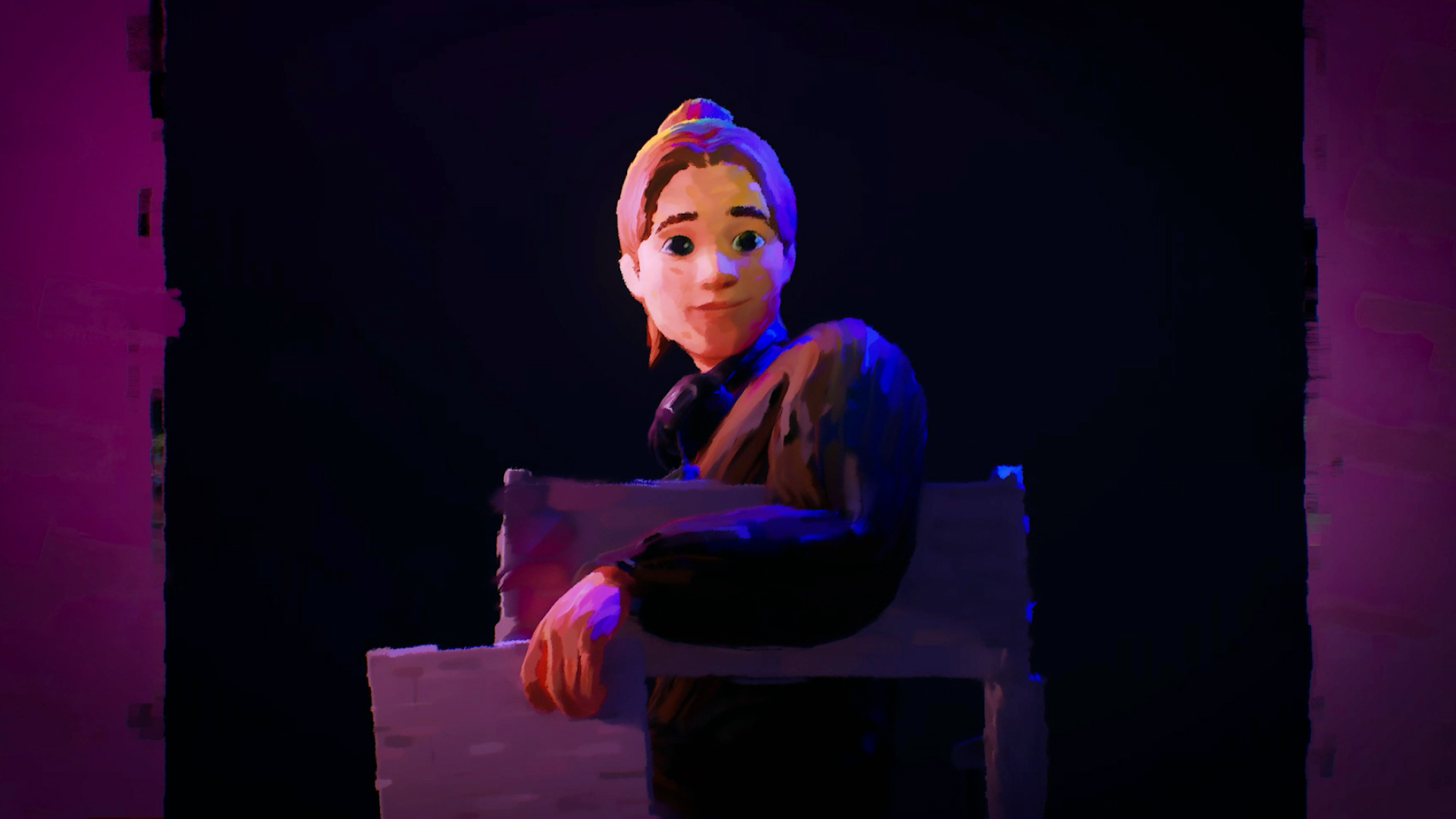
Led by Jeremy Irons and Liv Tyler, the animation uses a mix of personal stories, expert insight, and accessible explanations to unpack what dyslexia actually is, and, just as importantly, what it isn’t. From the outset, there’s a conscious effort to move away from outdated stereotypes. Dyslexia is not framed as a limitation in intelligence, but as a different way of processing information, one that can present challenges in traditional learning environments while also fostering unique strengths.
Jeremy Irons brings a measured, authoritative presence to the film, guiding viewers through the more technical aspects without making them feel dense or inaccessible. Meanwhile, Liv Tyler adds a warmth that helps keep the tone inviting. Together, they strike a balance between seriousness and approachability, which feels essential for a subject like this. There’s a young girl’s voice from Hope Day, which brings the animation back to the reality that if we help people when they’re young, their lives will be changed for the better.
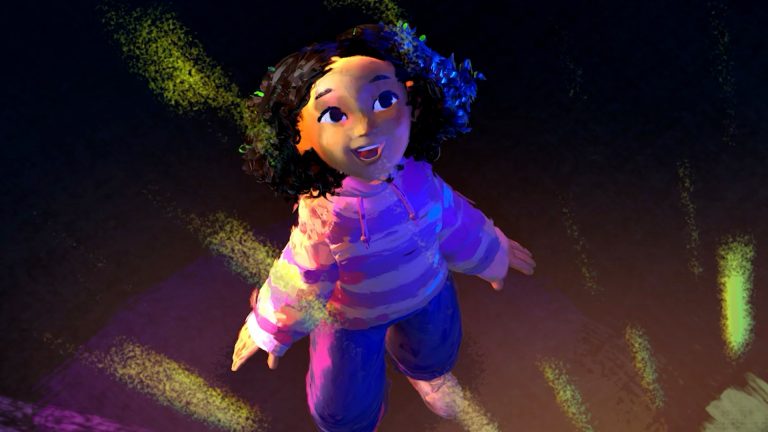
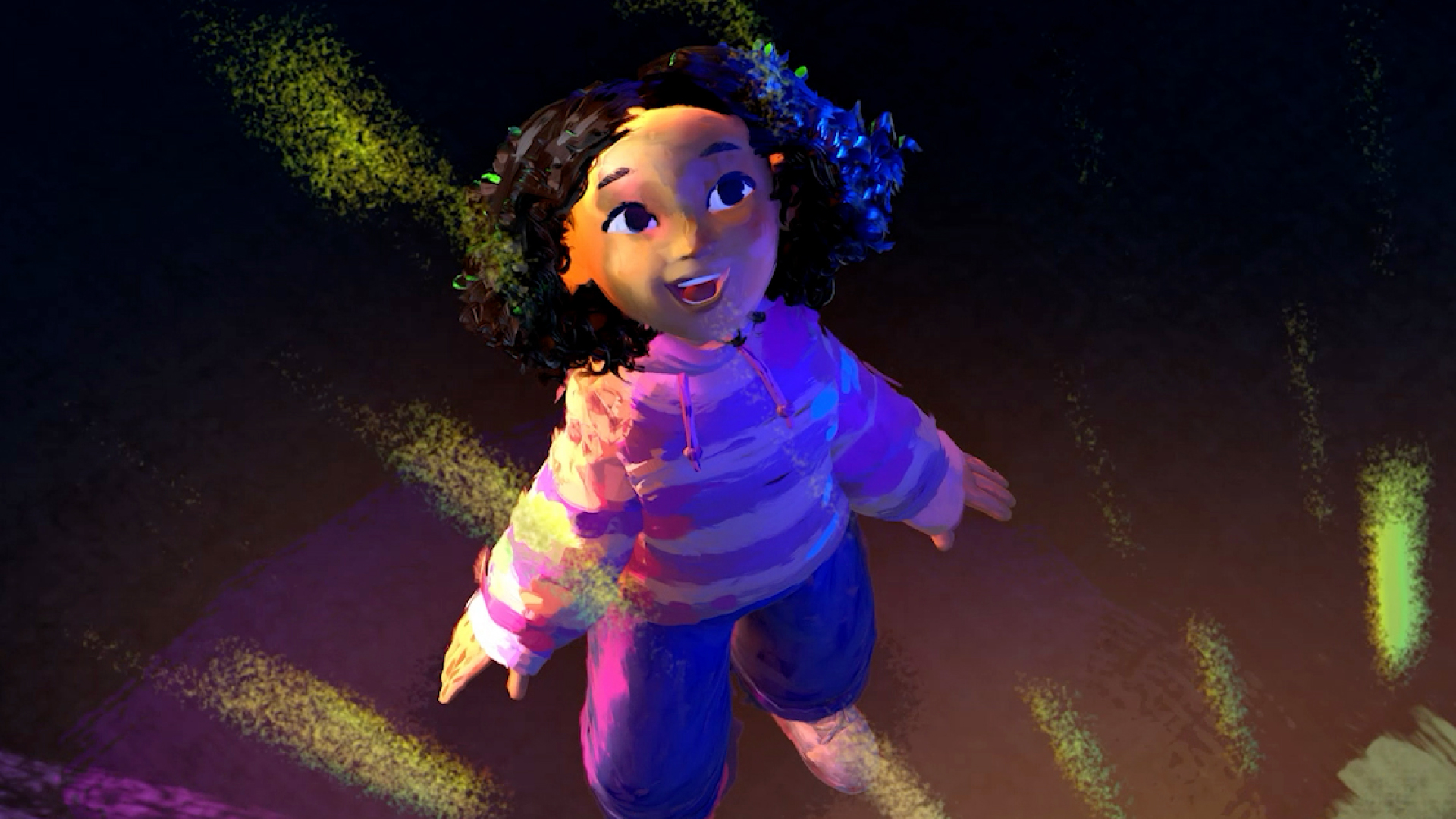
The animation used is incredibly sweet – by that I mean it’s playful, easy to understand and evokes an emotional response. We watch a young girl move through a dreamlike sequence into space. Accompanied by an original song by Ted Griggs, the lyrics are very poignant.
What I found particularly effective is how the film centers on lived experience. It gives space to individuals, young people, adults, and educators who speak candidly about navigating a world that isn’t always designed with them in mind. A lot of people involved in this short film are dyslexic thinkers, which adds to the authenticity of this piece.
Structurally, there’s a clear intention to make the information digestible, particularly for audiences encountering the topic for the first time. In that sense, it works well as an entry point. That said, this type of short animation occasionally plays it a little safe. A short film can only do so much in the time it has, and this doesn’t dig as deeply as it could into the broader issues, such as gaps in educational support or the long-term impact of late diagnosis. There’s a sense that it prioritizes accessibility over complexity, which is understandable, but it does leave some areas feeling slightly underexplored. But maybe that’s the job for a feature-length documentary.
What is most effective in What Is Dyslexia? is its tone. It’s not a film trying to alarm or overwhelm, but one that encourages understanding. There’s an emphasis on empathy, on recognizing the frustration, yes, but also the resilience and adaptability that often come with navigating dyslexia. Importantly, this short gently highlights the idea that support and awareness can make a significant difference. Small changes in teaching methods, in workplace expectations, in general attitudes, can have a lasting impact. It’s a message that feels both hopeful and practical.
What Is Dyslexia? may not be the most in-depth exploration of the subject, but it is an effective and thoughtful one. It opens the door to a conversation that still feels overdue in many spaces, and it does so with clarity, care, and a genuine desire to inform.
Director: David Lowery Writer: David Lowery Stars: Anne Hathaway, Michaela Coel, Hunter Schafer
Synopsis:Long-buried wounds rise to the surface when iconic pop star Mother Mary reunites with her estranged best friend and former costume designer, Sam Anselm, on the eve of her comeback performance.
Mother Mary couldn’t release at a better time, with Coachella just reminding us of the power that pop stars hold. Sabrina Carpenter’s Hollywood inspired set had social media mesmerized and featured duets with the “Queen of Pop” Madonna. Fans tend to put these artists up on a pedestal, completely unaware of what goes into making them who they are and what their lifestyle takes. Enter Director and writer David Lowery who dissects a pop star and shows us the impact of fame and art on the woman that has so many cheering for her.
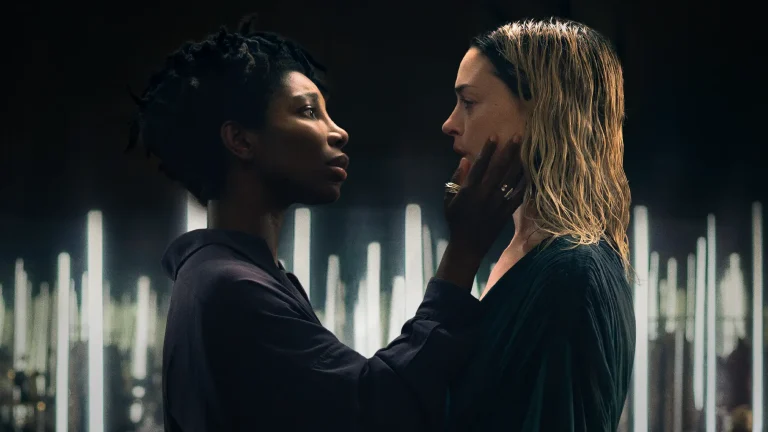
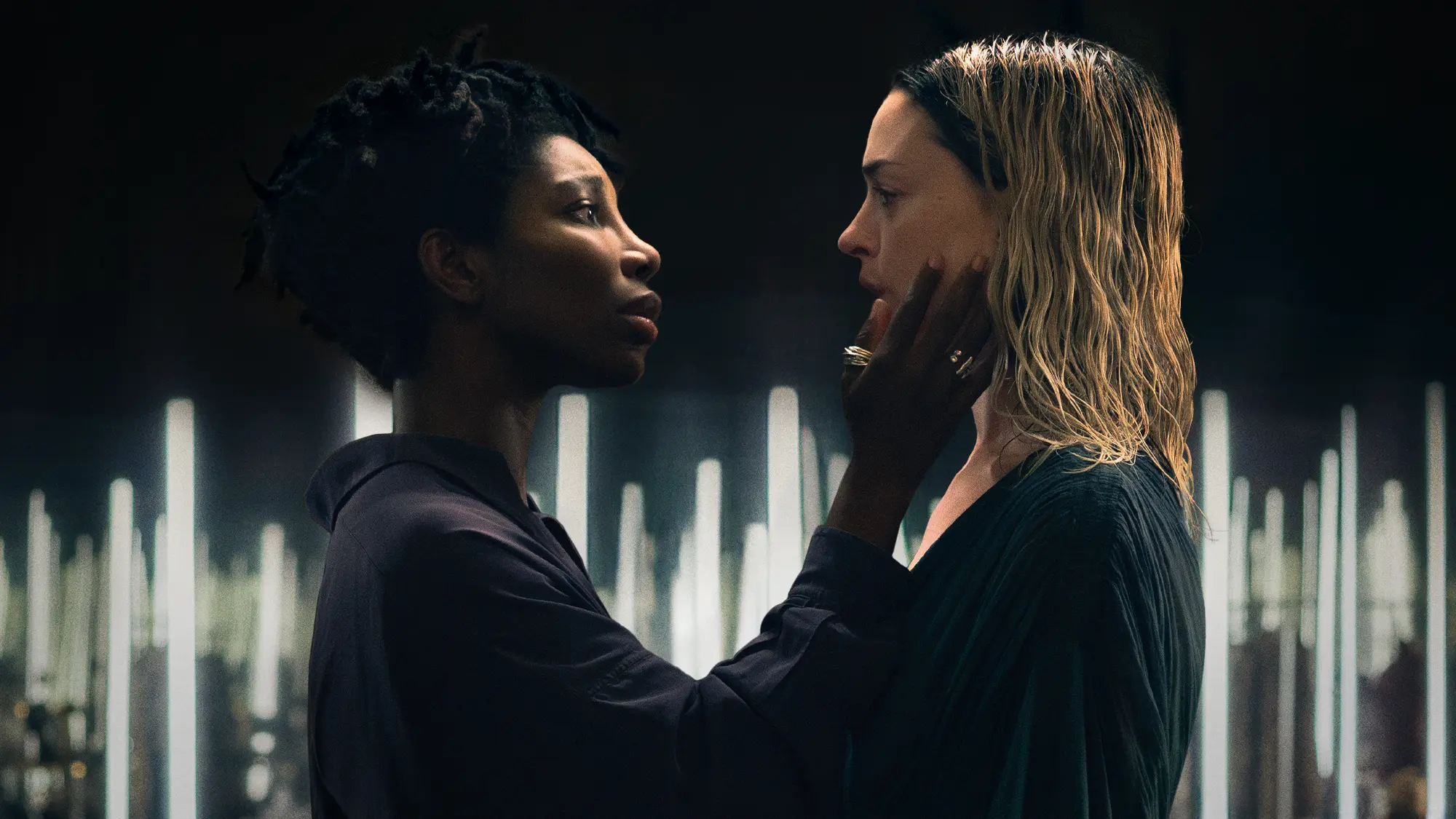
This narrative isn’t quite a ghost story or love story, but Lowery uses elements of both throughout to dig into a fictional pop star and her estranged costume designer friend. Mother Mary (Anne Hathaway) and Sam Anselm (Michaela Coel) have been burdened by tons of trauma in the name of fame. You can see it written all over their faces and bodies. It cost them the purest thing they had, their friendship, as Sam eventually found herself on the outside looking in while Mother Mary’s star rose.
What makes so many artists fascinating is their obvious singing talent and supposed authenticity. In Mother Mary, David Lowery builds a story around the titular character as she begins to wonder if her authentic self is nothing but a sham constructed by those around her. It’s such an intriguing idea that will make you think as you watch the illusion of Mother Mary be ripped apart by Sam, who finally managed to build a stable life just for her old friend to storm back in. All that’s left is the traumatized woman she knows better than anyone and that’s who this new dress is for.
You’ve never seen trauma and fame unpacked through such an intimate, captivating, chilling story that will remain in your mind long after you’ve left the theater. Mother Mary largely spends its time with Mother Mary and Sam as they take on everything haunting them which includes their fractured bond. It can be horrifying to confront your past and Lowery has found a way of making that even worse by leaning into the horror elements to convey Mother Mary and Sam’s trauma. From a viewer perspective, this just makes these moments even worse because you’ll understand where these women are coming from and see how much they’ve sacrificed and suffered in the name of art.
The only real potential drawback to this film is how much like a play it is. We spend so much time with Hathaway and Coel and there’s not always going to be a big moment. If you can look past that and really wrap yourself up in these performances, which shouldn’t be hard, you’ll really enjoy this.
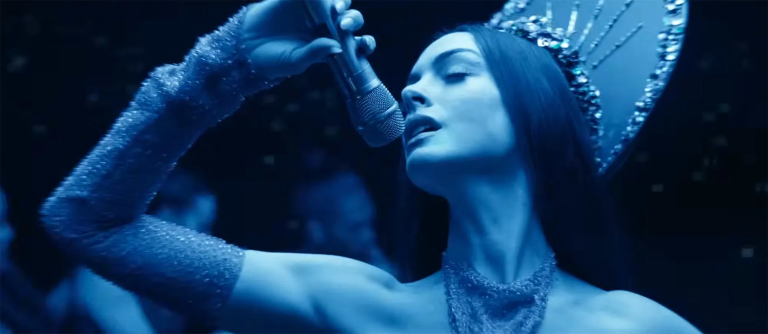
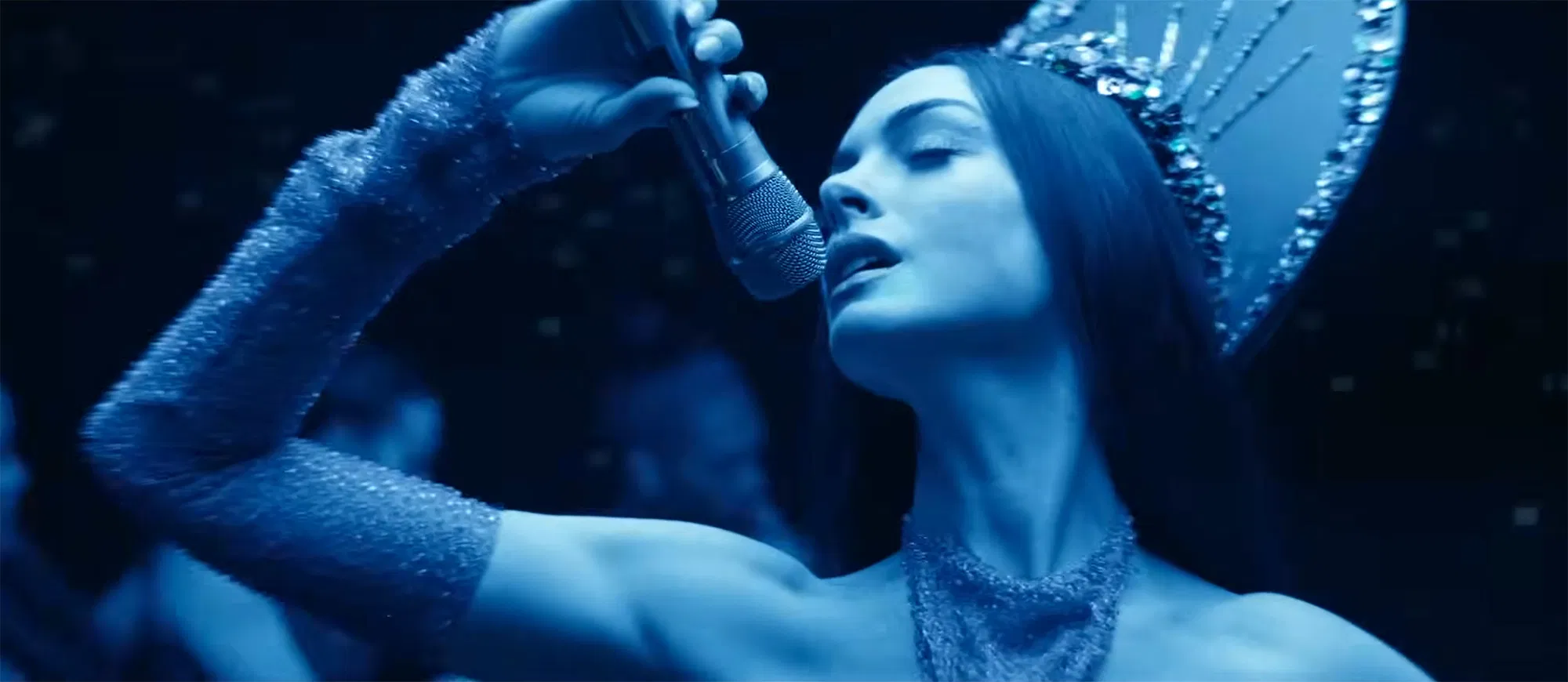
This is part of why Lowery’s decision to intercut Mother Mary and Sam’s one-on-one moments with concerts at the height of the singer’s fame is great. It lets us see why she’s such a big deal and be swept up in her music as if we’re fans while also making Mother Mary’s reality that much more of a gut punch. What audiences see on stage isn’t real, it’s a performance, but the greatest artists, like Mother Mary, have a way of projecting an image to their fans whether they want to or not. These concert sequences are incredible in every way, with stunning visuals and Hathaway owning the stage as she sings hypnotizing original songs written by Jack Antonoff, Charli xcx, and FKA Twigs.
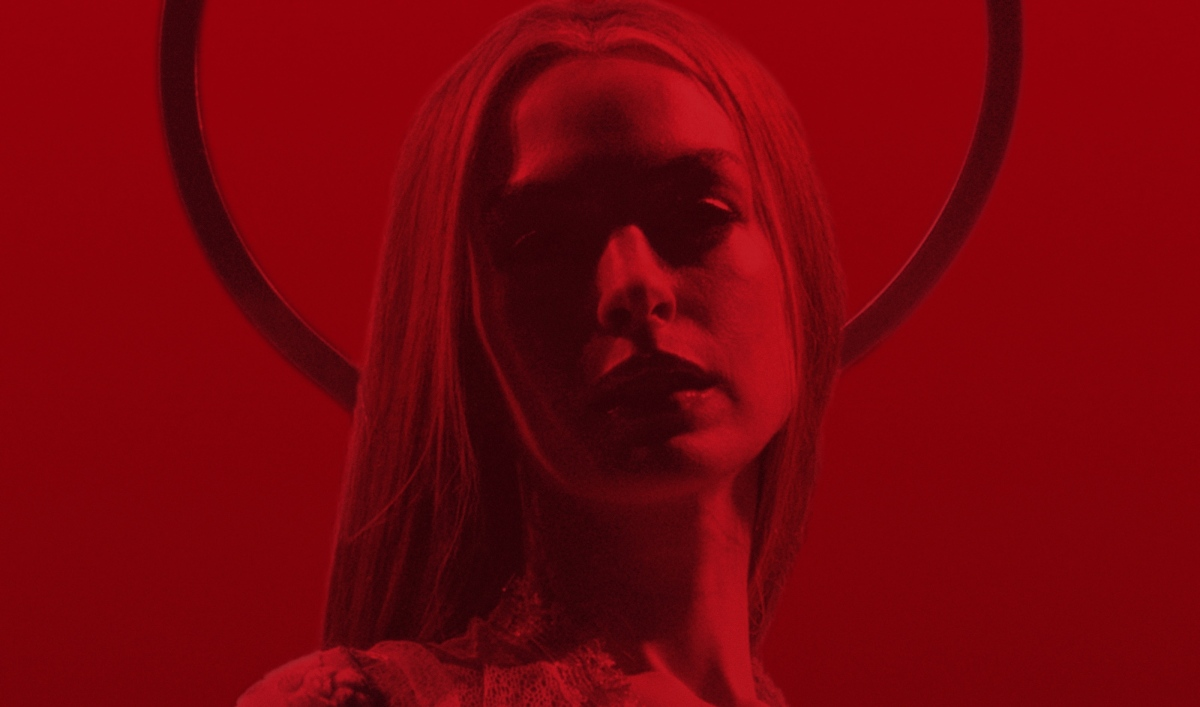
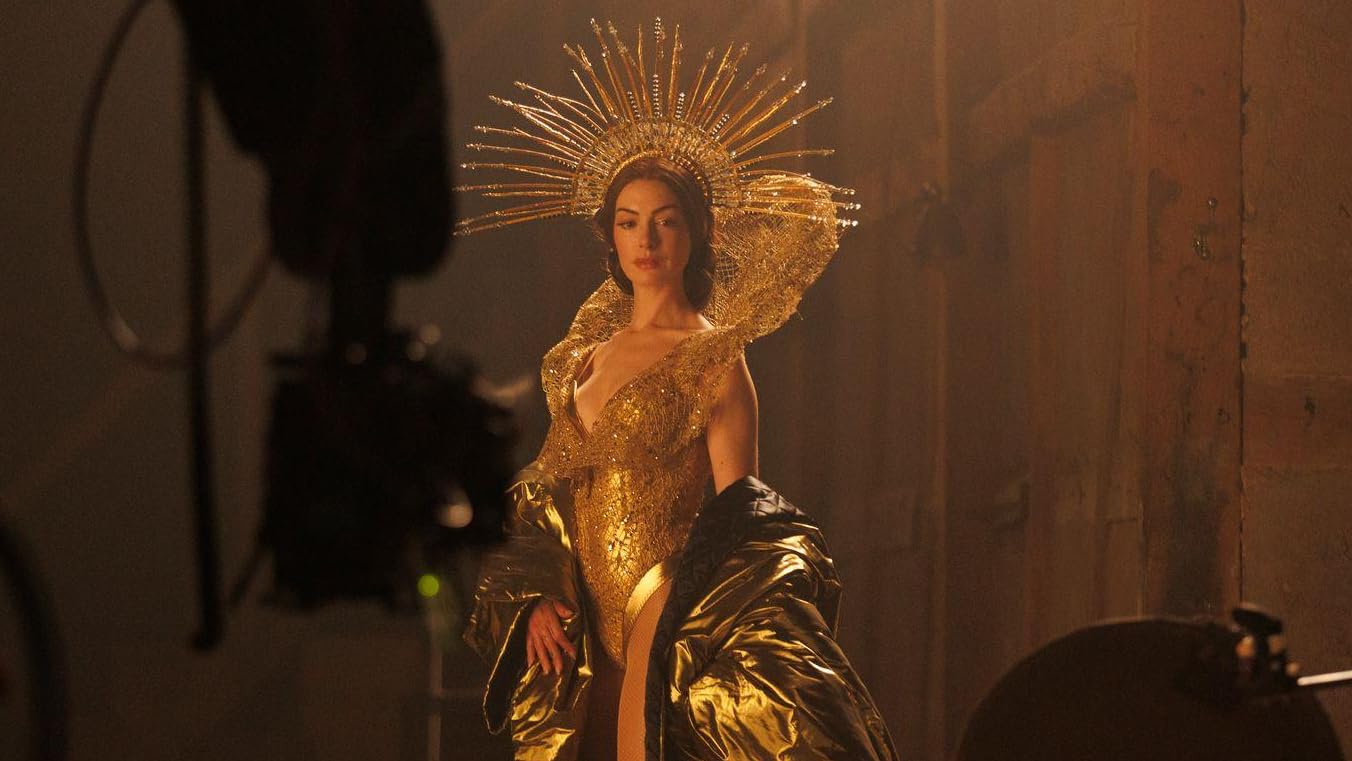
When you think about musicians and their concerts, the thing that comes to mind outside of the music and choreography is their outfits. Mother Mary puts our lead in some breathtaking looks that you won’t be able to get enough of. They could only ever be worn by this character and fit the vibe of her music perfectly. Mother Mary’s halo-shaped headpieces are iconic, regardless of how she feels about them. These outfits help tell the story, because they’re more about the image that those around her want fans to see rather than a true projection of who she is, and that’s why she visits Sam, to get something that represents her.
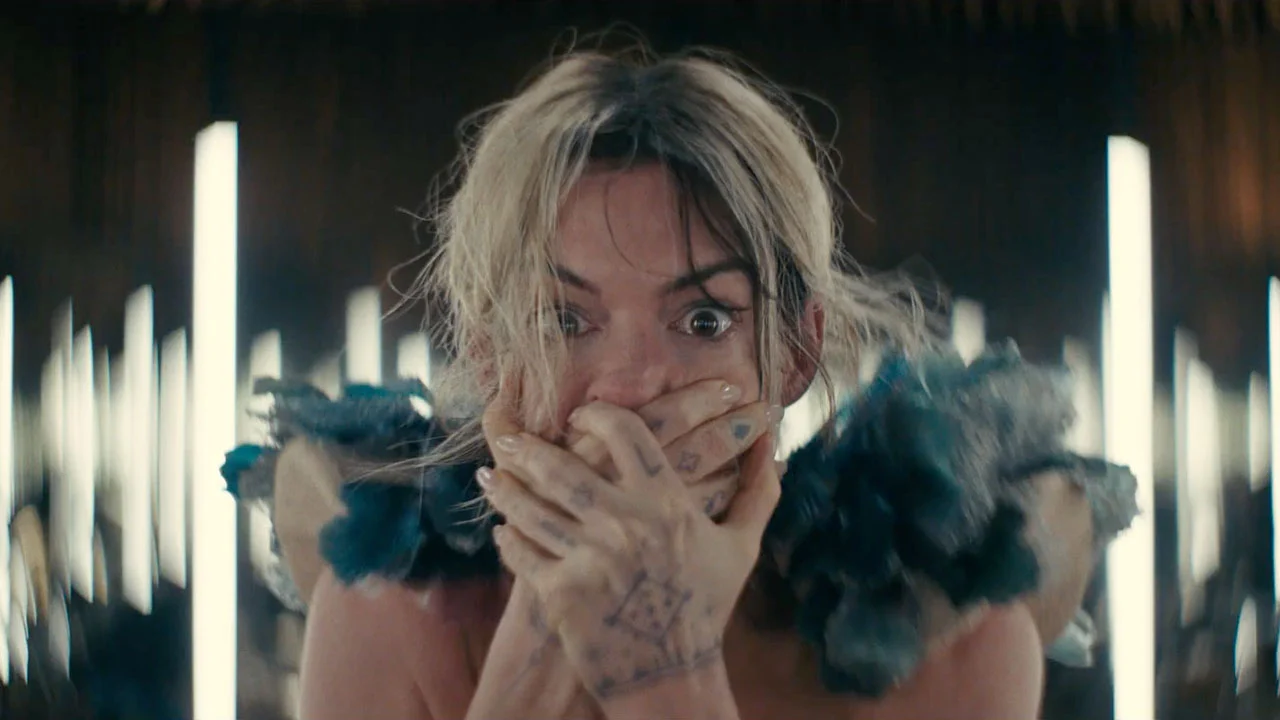
With such a complex tale, you need someone with extraordinary talent to bring the title character to life. Thankfully for David Lowery, Anne Hathaway said yes because no one could’ve played this role like her. She puts so much into it, balancing between the disconnected stage persona and the human being underneath who only emerges when she’s with Sam. It’s heartbreaking to watch this person who seems to be living her dream but in reality is struggling to go on. At first, it’s spellbinding to watch Hathaway on stage, but as the film keeps going, it turns into such a tragedy. You’re just waiting for Mother Mary to succumb to the weight of everything and once she does, it feels like your heart is being ripped out. This character is among the greatest that Hathaway has ever brought to life and it feels like it will require several watches in order to fully understand her.
A lot of the same things can be said about Michaela Coel’s Sam Anselm. Her relationship with Mother Mary is juicy and Coel has top notch chemistry with Hathaway. Sam keeps her guard up around Mother Mary, but there’s a hint of joy that she’s back hidden on Coel’s face. After all, she’s an artist, and Mother Mary was the creation that no one really gave her credit for. Why not jump at the chance to fix what you made and get some answers along the way? It’s a treat watching Coel deliver meaty monologues with ease and create this enthralling character with a complicated relationship to fame and her ex friend Mother Mary.
There are two supporting cast members who stand out and help make this story stronger. I can’t say too much without spoiling, but FKA Twigs crushes it as the mysterious Imogen. I was so engrossed by her that I didn’t even realize who she was at first. Then there’s Hunter Schafer as Sam’s assistant Hilda, who may not have a ton of screen time but still manages to leave her mark on the film. Doing memorable work and then leaving is a trademark of Schafer’s filmography at this point, save for 2024’s Cuckoo where she was given the chance to be the lead and excelled.
You won’t be able to get enough of Anne Hathaway and Michaela Coel’s performances in Mother Mary, David Lowery’s beautiful, devastating examination of a pop star. This film has so much depth to its story and characters that there are tons of ways that you could interpret it. I look forward to not only hearing other’s opinions, but seeing if my thoughts change after multiple rewatches.
Director: Baltasar Kormákur Writer: Jeremy Robbins Stars: Charlize Theron, Taron Egerton, Eric Bana
Synopsis: When an adrenaline junkie sets out to conquer a menacing river, she discovers that nature isn’t the only thing out for blood.
The new thriller Apex has the gravitas and star power that are uncommon in the genre, with Oscar-winner Charlize Theron and the oh-so-close Academy Award nominee Taron Egerton (Rocketman) leading the cast. However, like so many others, this new Netflix film also has clichés, recycled horror storylines, and thrills so cheap they feel plucked straight from a trope bargain bin.
Frankly, the ultra-cheap, no-frills Don’t Move, which came out on the streaming giant last year, is more effective. And in a decade of great horror thrillers, such as Strange Darling, Red Rooms, Longlegs, Trap, and The Babadook, Apex does what only the worst films in the genre can do. Instead of invigorating, it exhausts a class of movies that had finally begun to find a foothold in the American zeitgeist again.
There are so many words that all essentially mean the same thing, but let’s go through them so we can all learn a lesson here. Apex is dull, boring, tedious, monotonous, repetitive, tiresome, wearisome, drab, lifeless, inert, flat, stale, uninspired, listless, lackluster, stultifying, enervating, soporific, mind-numbing, plodding, predictable, formulaic, pedestrian, by-the-book, insipid, vacuous, hollow, barren, and even anemic, all of which appropriately describe this vapid thriller.
Either way, you have been forewarned: hit play (or keep reading this review) and proceed at your own risk.
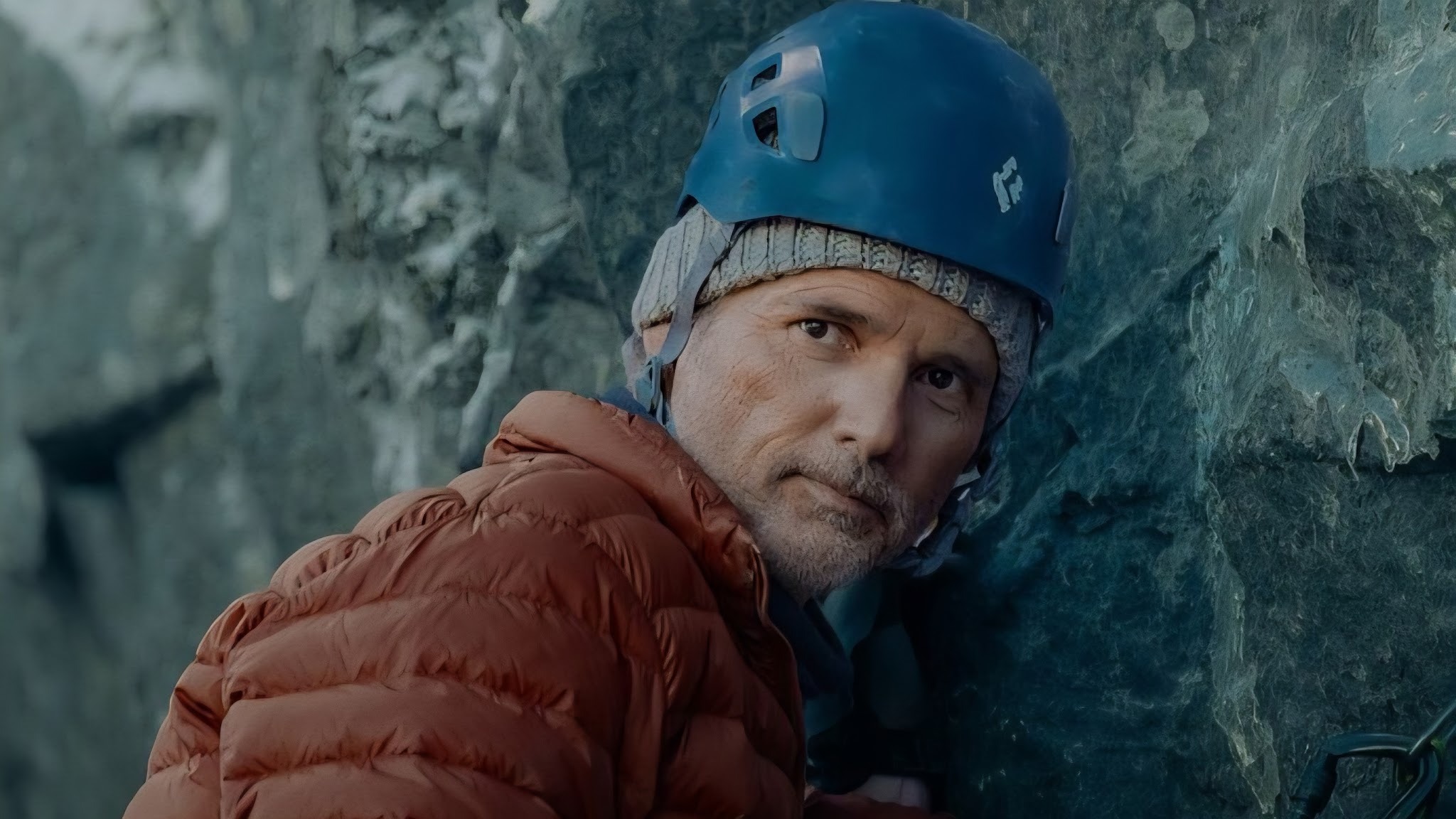
The story follows an adventurous rock-climbing couple, Sasha (Theron) and Tommy (Munich’s Eric Bana), as they wake up on the side of a mountain in their cozy portaledge. No, this is not a Folgers or Coors Light commercial; it’s just a pair of beautiful people who spend their days almost dying for fun. (This is what happens when you don’t have enough movie theaters in your hometown.) Tommy is cautious, but Sasha loves to push their limits.
They make camp for the night, and by “camp,” I mean hanging off the side of a mountain in a human birdcage, where Tommy expresses his concerns, which Sasha takes to heart and somewhat agrees with. Then, the following day, in a scene practically lifted from the Vertical Limit dud starring Chris O’Donnell, something goes terribly wrong, and Sasha has to make a choice that no one should ever have to face
The opening ten minutes are meant to do a couple of things: first, set you up for an experience where anything can happen, which is lazy storytelling. Second, give Theron’s character some emotional weight so you have something to hang your hat on. Yes, after this, she is being hunted by an “Apex” predator, Ben, played by Taron Egerton, and this turn won’t get him the Oscar he so badly campaigned for years ago.
The best part of the film is the opening, which is the only reason Apex doesn’t receive a full-blown F in my review. However, after enduring an endless 90 minutes of nothingness, there’s no reason for that scene even to exist, as it adds nothing to the character, nor does the villain use it in any meaningful psychological way. The script from Jeremy Robbins tips its hand too soon.
At the very least, it should have revealed what happened through flashbacks during the “hunt” to give Theron’s Sasha some semblance of a character arc. Icelandic director Baltasar Kormákur, whose filmography includes a string of jaw-dropping misfires, takes minimalism to a new level in character development, offering characters with zero complexity and little sense of pace or atmospheric tension, resulting in almost no slow burn.
Apex is simply not worth watching because there is so much streaming content that’s worth your time, and this isn’t one of them. The film wastes its star power on a vapid formula that mistakes eclectic behavior and recycled plot points for tension. Despite a promising opening, it collapses into a lifeless, predictable slog devoid of character or psychological stakes. By the end, Theron and Egerton’s film doesn’t just fail to engage, excite, and even entertain the viewer.
Apex, simply put, gives streaming a bad name.
You can stream Apex now exclusively on Netflix starting April 24th!
On this episode, JD and Megan discuss Julia Ducournau’s new film Alpha! After getting skewered at last year’s Cannes Film Festival, we were extremely curious to see what would cause such vitriol. Ducournau is, obviously, a polarizing filmmaker anyway, but did Alpha deserve the hate that it received? We might have seen a different movie than the Cannes critics from last year.
Review:Alpha
Director: Julia Ducournau Writers: Julia Ducournau Stars: Tahar Rahim, Golshifteh Farahani, Mélissa Boros
Director: Antoine Fuqua Writer: John Logan Stars: Jaafar Jackson, Colman Domingo, Miles Teller
Synopsis:The story of the famous musician Michael Jackson, known as the King of Pop.
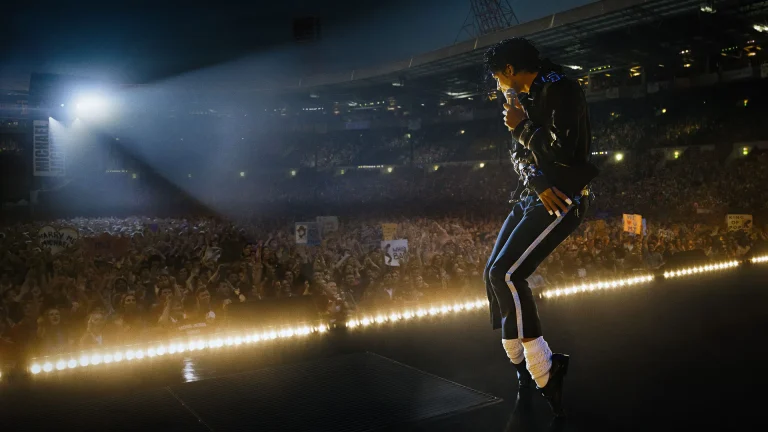
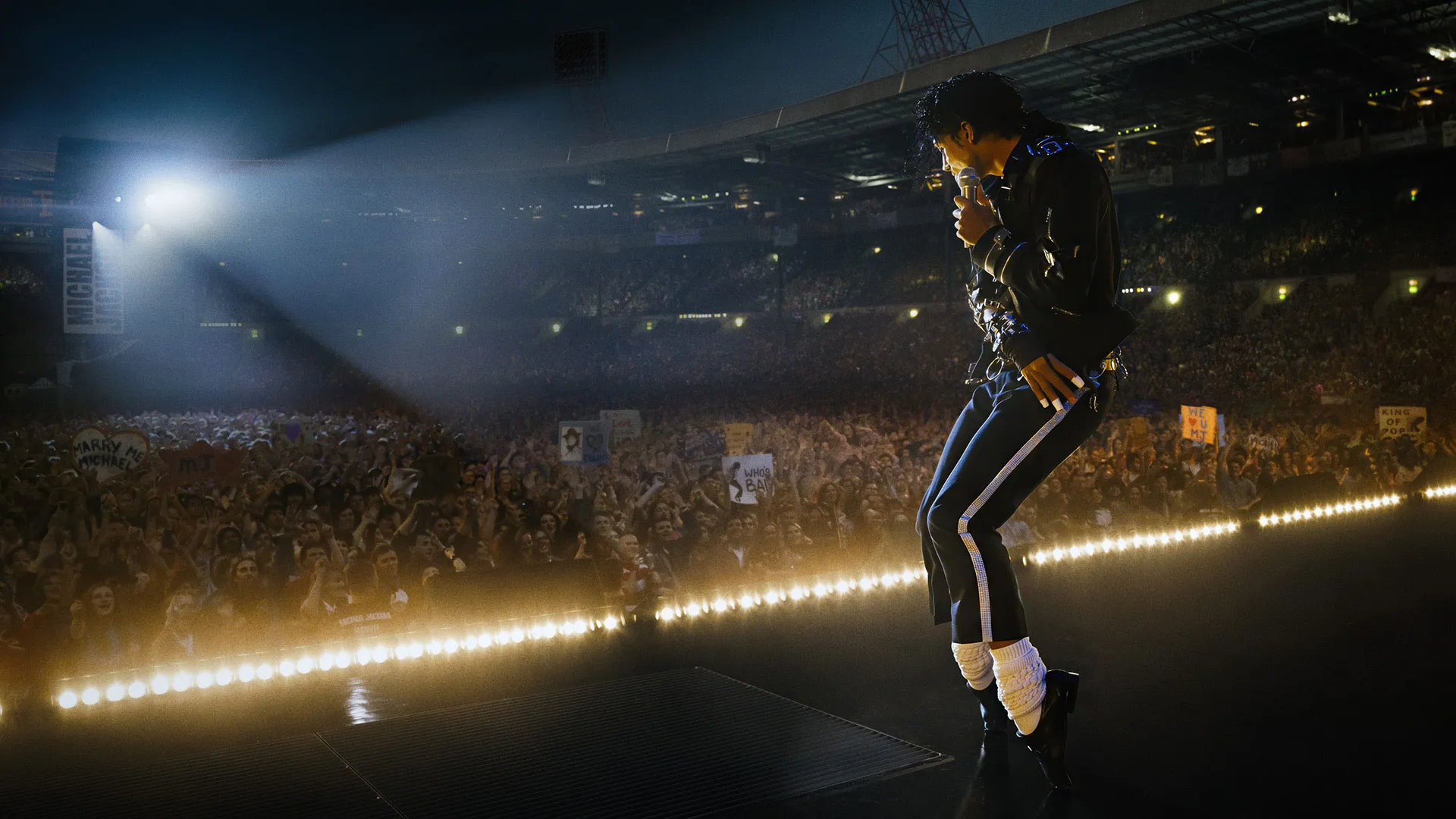
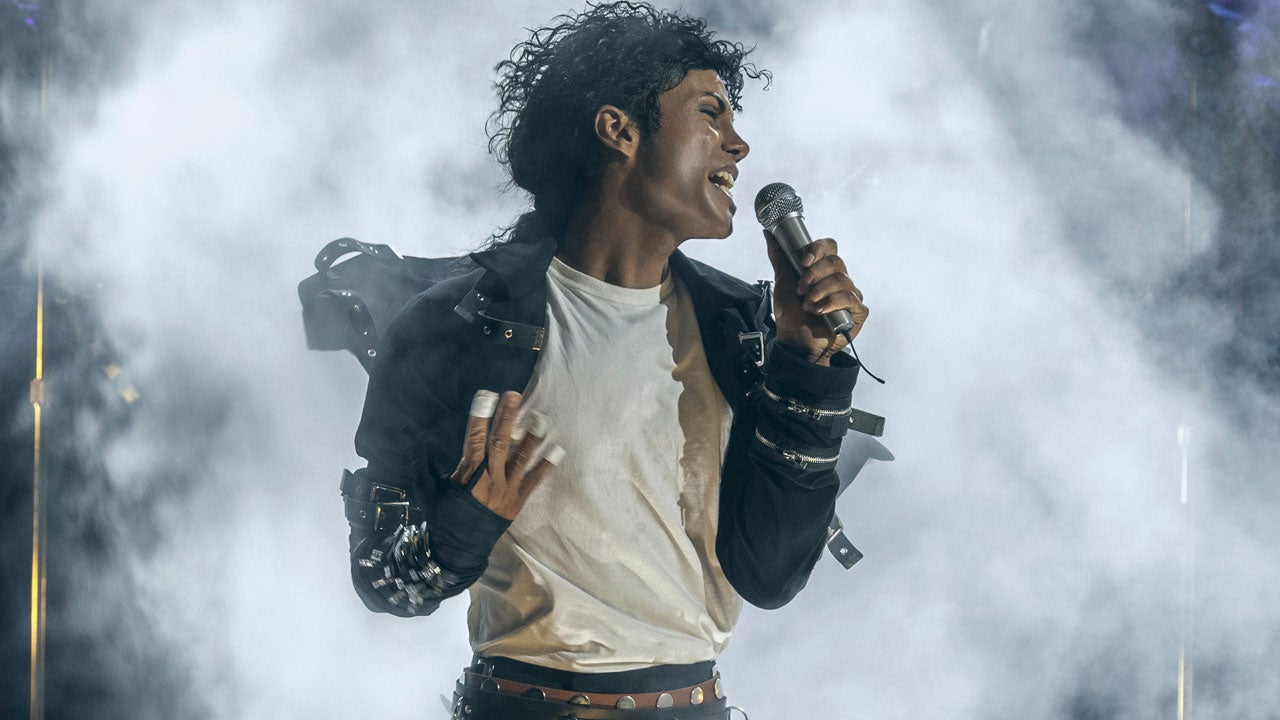
The Optimum Productions logo at the beginning of Antoine Fuqua’s Michael already reveals to the audience that this estate-approved “biopic” has nothing of value to offer to the audience, both as a piece of popcorn entertainment and as a work that examines the life of Michael Jackson, arguably the biggest artist in popular music, even seventeen years after his passing. More sanitized than The Jacksons: An American Dream, Fuqua’s transposition of the King of Pop’s early days as an artist, to his burgeoning successes with the Jackson 5, up until the release of “Bad” in 1989 is pure commercial junk that serves as fodder for the Jackson Estate to make as much money as possible off the sale of the film, and, by extension, his records.
If you lived under a rock, had no idea who Michael Jackson (Jaafar Jackson) was, and hoped this biopic would give you some clarity on his impact on popular music, you will leave Michael with the same feeling. The Estate has given Fuqua and screenwriter John Logan permission not to interrogate the man behind the myth in any way, not even merely examining what drives Jackson’s creative process, and, more importantly, how he paved the way for multiple generations of Black artists to have a place on the musical scene following the skyrocketing hit of “Thriller,” which is still the biggest selling album of all time. Rather, they’ve instead allowed the Training Day filmmaker to bask in the glory days of Michael’s greatest hits, structured like a compilation video that speedruns through his biggest hype moments.
It’s a film that’s specifically engineered to make the audience point and clap in recognition at things they know, which, in turn, acts as a celebration of Jackson’s talents, as if the creative music videos that have been foundational for many artists growing up today and the albums that still sell massively didn’t speak for themselves.
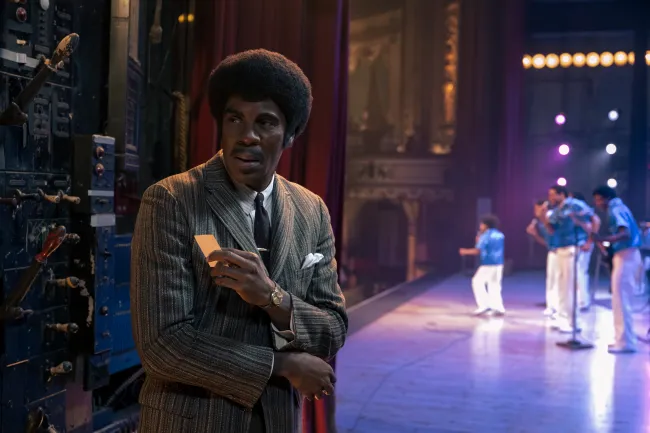
If you’re looking for having keys jingling at your face for two hours and seven minutes, Michael is the perfect movie for you. If you want your biopic to have some form of feeling behind it and say something (literally anything!) about the person it’s depicting, this won’t be the movie for you. It is especially baffling to see a film that’s so incurious about the titular protagonist that it gives more depth to Jackson’s abusive father, Joe Jackson (Colman Domingo), than to Michael himself. We even spend more time with Jackson’s personal lawyer, John Branca (horrendously portrayed by Miles Teller with a god-awful wig), than any of the Jackson siblings combined! While Domingo’s portrayal of Joe errs more on the caricatural side, especially during a garish backroom conversation with promoter Don King (Deon Cole), you get a sense of who he is behind his controlling façade in front of his children and wife, Katherine (Nia Long, pitifully underused).
Domingo doesn’t even need to do much to convey such internal anguish and inform the audience of the sheer terror he inflicted upon all of his kids, while that same profundity isn’t given to Michael. We get fleeting glimpses of a tormented artist in his early days (where he’s brilliantly played by Juliano Krue Valdi), as he forms a closer relationship with Motown president Berry Gordy (Larenz Tate) than his father, but they’re never deepened in meaningful ways. In fact, every secondary figure, with the exception of Joe, can be relegated to background characters. You wouldn’t know that Laura Harrier appears in the movie (for five minutes) as Gordy’s creative assistant, Suzanne de Passe, or that Jackson, in his later years, formed a close creative partnership with Quincy Jones (Kendrick Sampson) if these people weren’t named, because they have no impact on the narrative and on Jackson’s artistic journey.
It’s all “Look! It’s Quincy Jones! Look! It’s John Landis! Look! It’s Gladys Knight!” There’s no interiority to anything being depicted. They’re props to support Jackson’s journey to success, or blips in the movie’s structure. We never sit with any of them to form meaningful connections, nor do we understand the influence they had on Michael’s life. It’s exactly what you think an estate-approved biopic will be. Fuqua depicts Michael Jackson as a saint with no flaws, a God-given musical talent, who must escape the clutches of his evil father (metaphorized by the figure of Captain Hook) to become the artist he was born to be. How many times does he repeat the words “I’m not a kid anymore!” to hammer home the fact that, yes, he’s a grown adult who can make his own decisions.
There’s no desire in parsing who Jackson is beyond the figure he’s obtained within pop culture. You’ll never understand why “Thriller” was such a watershed moment for music as a whole if you stick to this film, because it’s only a dent in a screenplay that attempts to recount as many events as possible from Jackson’s early life with the weight of a surface-level Wikipedia summary. You’ll never understand how he got so big other than “Wow, that guy can sing!” Even when Fuqua attempts to give texture by depicting Jackson’s obsession with perfection, not just on stage, but in the way he looks, through his multiple facial surgeries and progressing vitiligo, it never goes deeper than “He had surgeries on his face and attempts to hide his autoimmune disorder.”
The entire film can be summed up in these surface-level sentences. We never know any of the people that populate the world beyond the momentary dopamine rush you’ll get when you hear the name “Quincy Jones.” It’s “Things Happen: The Movie,” without any desire to formally (and thematically) reinvent the tired structure of the biopic in the same vein as Dexter Fletcher and Baz Luhrmann did when depicting the respective lives of Elton John and Elvis Presley. Were these films not as formally daring, they’d probably not be as good as they were, because the stories they follow are as conventional as the one treated in Michael.
Fuqua, on the other hand, has managed to make something as exhilarating as the moonwalk boring and captures Jackson’s larger-than-life talent with the lethargic energy of a television film. Garish CGI apes (the movie is much funnier if you pretend Bubbles the Chimp is actually Robbie Williams from Better Man), llamas, and giraffes aside, Fuqua has no idea what to capture in any given scenes that would heighten the musical numbers and physical derring-do of Jaafar’s breakout role. You can tell the film was reshot to hell, chopped, and screwed in ways that productions of this scale rarely are. Even the concert performances lack the intensity and pulse you will find in literally any of Jackson’s real-life shows.
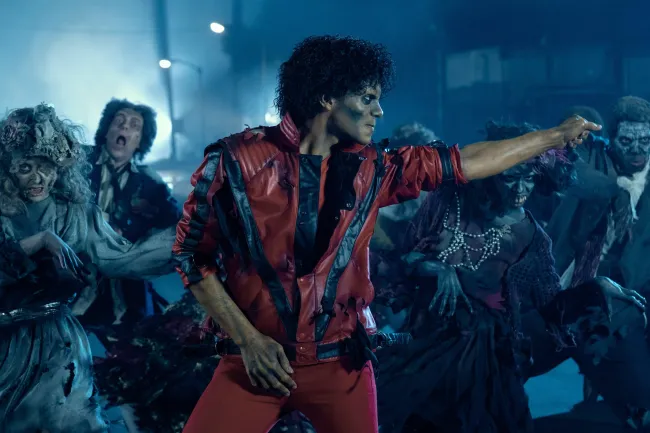
The only scene that works is a top-to-bottom recreation of John Landis’ “Thriller,” only because that clip still stands the test of time as the greatest music video ever crafted. Fuqua and cinematographer Dion Beebe attempt to capitalize on that nostalgia by replicating shots (and choreographies) down to a tee. However, once you’ve removed these scenes from the equation, which basically equates the entire product, you’re left with nothing but a commercial for MJ without any soul or artistic intent.
Of course, an estate-approved biopic would never allow Fuqua to even talk about the allegations of child sexual abuse that surrounded Michael Jackson in the 1990s (allegedly, those were shot, but ultimately scrapped, with Derek Luke reportedly cast as attorney Johnnie Cochran). However, even if you deliberately choose not to talk about this and end with the release of “Bad”(a problem in and of itself), there’s still enough material to make a pretty decent movie about Jackson’s path as an artist.
I mean, he was the face of the world when “Thriller” came out. That album is a generational masterpiece, a pop milestone that will never be replicated in our – or anyone else’s – lifetime. Strip away all of the controversies surrounding him, and you have one of the most culturally significant artists who has completely changed the landscape in ways that no one else can. This is a fact. No one can dispute this. Reducing such a music genius to a one-note character with zero interiority or tangible agency is genuinely baffling. Distilling a complex and multifaceted “HIStory” into montages of hype moments and aura, without letting the audience think about MJ’s past, present, and future, adds insult to injury.
Michael isn’t a movie. It’s a state-approved piece of agitprop by way of the Estate of Michael Jackson and the Pepsi Company. It solely exists to continue selling Michael Jackson products ad vitam aeternam. It also makes his legendary feats so hollow and trite that one even wonders how he got so big in the first place. We know, but the movie makes it look so easy that we never really get a sense of who he is or what drives him to push music into territories previously unexplored and to break all racial boundaries in the hopes of healing the world.
Michael Jackson in his prime, continually surprised audiences. He always found new ways (and dance moves) to entertain and blow our minds. “Thriller” and “Bad” are two of the greatest pop albums of all time. Antoine Fuqua’s Michael reduces this lasting cultural impact to just another pop artist who fell on hard times growing up, successfully confronted his terrible father, hit big with two massive albums, and was never seen or heard from ever again following “Bad.” It’s a good thing he decided to quit while he was ahead, and he was not involved in any controversies whatsoever, right? Right!?!?
Director: Simon Glassman Writer: Simon Glassman Stars: Kevin Singh, Ahmed Ahmed, Brandon Vanderwall
Synopsis:Echoing the Canadian comedy classic SCTV, crosscutting between original, low-budget TV ads to tell the sinister tale of two restaurants battling it out in the fictional town of Westridge County.
There’s a gaudy, artistic scrappiness to a great local business commercial. Most of us who have cut the cable cord, only to be sucked into the far more expensive streaming web, don’t get to marvel at these unique nuggets of regional advertisements anymore. They pop up every once in a while in places you don’t expect, but their ubiquity is no longer a part of our lives. Building a narrative around these strange and wonderful pieces of culture is something that could be a tough sell now as their relevance has passed, but what comes out of Buffet Infinity is nothing short of astonishing.
The plot for Buffet Infinity is something you catch in between what’s playing in front of our eyes. Written by Simon Glassman with story credits going to Allison Bench and Elisia Snyder, the plot worms its way into your consciousness through snippets of a combination of advertisements, news reports, and PSAs. You barely realize how layered the characters and the action happening outside the world of these snippets is before the depth of the piece pulls you under and cracks open your ideas of perception. Buffet Infinity could have easily been as funny and enjoyable as just a pair of rival restaurants competing for the hearts and minds of a small Canadian town, but the film becomes so much more than that.
This film will be open to interpretation. For those of us who won’t stop thinking about it after we see it, Buffet Infinity will become something of a gauge for the mood of the masses. Just beyond the surface is the idea of how a corporation, or in the case of Buffet Infinity, an entity, can manifest a novelty around itself to belie its true nature. Both with businesses and otherworldly entities to take all it can from us and then toss us away for the next consumer. The restaurant Buffet Infinity’s resources seem infinite and its ability to undercut the small, local businesses it competes with is relentless. There are dozens of parallels within our world. Add to this the ideas of religion, conformity, culture wars, nature vs. nurture, and the burden of capitalism wrapped too tightly around humanity’s neck and this strange, beautiful, horrifying conglomeration of a film moves beyond jokes and oddity into something that may reveal a truth to the viewer.
Truth is important to a film like this and the actors are central to that idea of bringing a truth to this strange story and these strange characters. Kevin Singh is absolutely perfect and deadpan as lawyer Mosley Rosin. Though, Ahmed Ahmed as Ahmed is something else entirely. His earnestness throughout the strangeness, tailoring ads for his pawn shop to the weirdest happenings, is enchanting. It isn’t until the end that the veil falls from Ahmed’s eyes, but even then he’s still attempting to sell his wares, promote his business and ignore the apocalypse. Ahmed Ahmed imbues Ahmed with the spirit of a scrappy and savvy business owner.
It will be hard for some to get to some sort of truth if they see footage or just read a synopsis of Buffet Infinity. It’s likely to be dismissed as a mere “stoner” film. There will be those who sit through the funniest bits, which morph into nightmare fuel and be turned off by what they have experienced. Yet, it’s clear that the filmmakers were thoughtful and contemplative in their dissection of culture. Buffet Infinity is not for those who can’t give it their full attention, but it is for those who are open to a mind altering phantasmagoria with a sheen of what it was once like to consume television and to think you saw something that just wasn’t quite right in those ads.
Synopsis: Two struggling mothers grapple with unfulfilled expectations and societal pressures. As they navigate their roles as wives and professionals, one woman’s unexpected affair sparks a reevaluation of their lives and priorities.
Years of misogynistic and puritanical filmmaking has beaten the idea of female marital subservience into our heads. Men can regularly engage in terrible behavior, but the wife is expected to be the long-suffering woman who deals with it. Chloé Robichaud’s Two Women dares the viewer to let women sow their oats and watch them get away with it.
But there have to be consequences, right? Women can’t be going around sleeping with other men while their partners obliviously live their lives. Well, why not? Why can’t women engage in this kind of behavior that has been depicted on-screen for decades by male characters? The question you should be asking yourself: why have we been conditioned to expect the best out of female characters and not accept them for making decisions in moments of passion?
There is a deeper discussion about patriarchal filmmaking stereotypes, but that’s a different conversation. Robichaud is working under the expectation of those stereotypes being in place, but actively attempts to subvert those expectations without calling them out directly. That’s a bold stance to take for a relatively lighthearted dramedy. That stance flies in the face of years of established relationship tropes, but it makes for a refreshing take on modern romance.
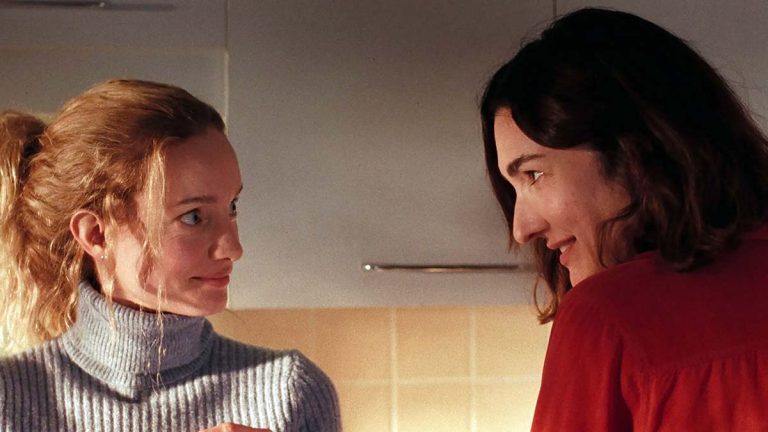
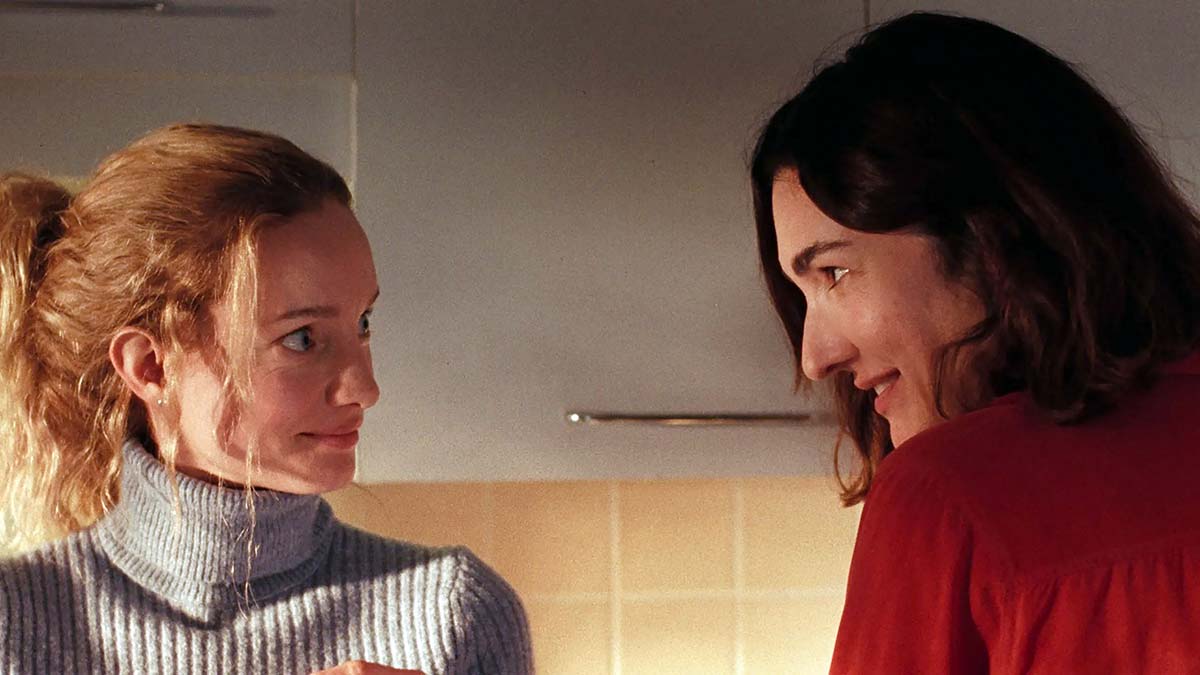
Based on the 1970 comedy of the same name, Karine Gonthier-Hyndman stars as Florence, a middle-aged woman numbed by antidepressants, living in Montreal. Her partner David (Mani Soleymanlou) doesn’t have much to do with her since her medications completely suppress her sex drive. Florence’s neighbor Violette (Laurence Leboeuf) is on maternity leave and breastfeeding her child, which also limits her sex drive. Violette’s husband is often away on business, and is having an affair with a younger woman, Eli (Juliette Gariépy).
Florence decides to get off her pills, and Violette decides to stop breastfeeding. With the renewed vigor in their life, and their partners unable or unwilling to help, Florence begins sleeping with various handymen. Soon, Violette begins doing the same. As the chaos of their lives begin to coincide, the actions of the ladies’ partners begin to have more drastic consequences.
The film’s tone maintains a level of playfulness while also dealing with real-world scenarios. Despite all the sexual shenanigans, there are no real downsides for the women’s adventures. Any darker elements or playing-with-fire attitudes are bypassed for the sake of these women expanding their own lives. It would be easy for the film to have something dire happen in order to proselytize monogamy, but the film doesn’t even attempt to touch on those elements. Instead, sex becomes a joyous piece of liberation in a world where life’s responsibilities bring you down.
The relationship between the women is one of quiet comfort instead of the usual gossip sessions and dramatic reveals. Each woman knows what the other is up to (they share bedroom walls), but no judgement is ever placed and no friend blowup ever occurs. Their relationship is based on mutual understanding and empathy instead of obvious connection. In fact, these two barely have anything in common, just a shared experience.
Gonthier-Hyndman is nothing short of brilliant in her role. Shifting ever so slightly from a numb husk of her beginnings to the sexually open and adventurous woman she grows into. Her true feelings are never fully revealed, but you can tell her complexity through her micro expressions. Leboeuf gets to be more expressive, but hides her immense sadness underneath a cheery exterior. The pair suit each other well and never upstage the other.
Soleymanlou gets to play off Gonthier-Hyndman as two ships pass in the night, but also gets the film’s largest emotional scene with a late-film monologue. Moati might seem like the least redeemable character, but the film’s recognition of his own ridiculousness gives him some unearned redemption. Nelisse has some biting comic timing at some vital points in the film, as well.
I’m sure people will be turned off by Two Women and its blase approach to sex and infidelity. But if you can shut down the part of your brain that may be outraged, you may be rewarded with an unorthodox tale of modern love.
On this episode, JD and Megan discuss Lee Cronin’s new film Lee Cronin’s The Mummy! Which is an ironic title as it’s not a mummy movie. It’s a demonic possession movie. There are some effective thrills and visuals, but with the film getting mixed results from critics, we comb through its narrative approach to discuss why it’s becoming so polarized.
Review:Lee Cronin’s The Mummy
Director: Lee Cronin Writers: Lee Cronin Stars: Jack Reynor, Laia Costa, May Calamawy
Synopsis: Two old friends are walking 600 kilometers through the Scottish highlands to reconnect with each other, nature, and parts of themselves they lost
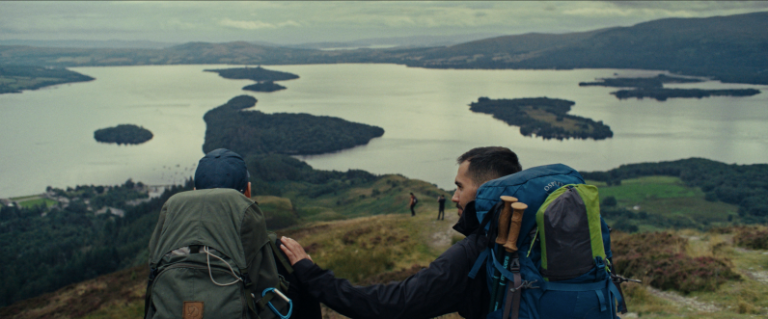
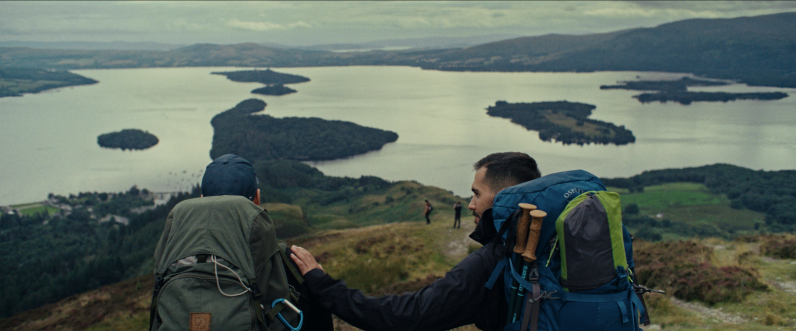
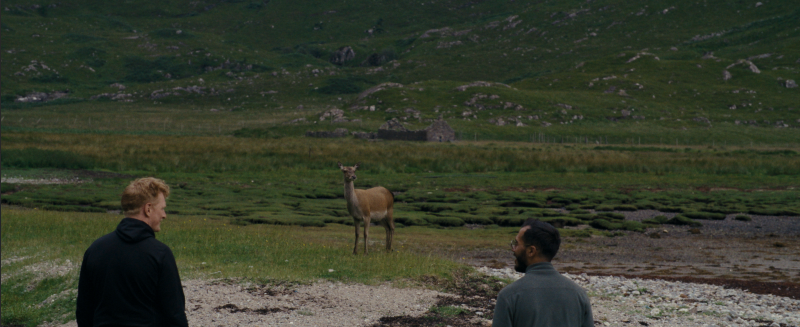
As someone who has hiked the length and breadth of the United Kingdom, I was hoping this film would showcase the beautiful landscapes and peacefulness that it offers – especially in the north. Of course, you need decent dialogue, but the scenery is what can make a film like this magical. Luckily, I was not disappointed. The North is reflective, maybe a little slow, but visually rewarding. Directed by Bart Schrijver, this is a film that takes its time, asks for your patience, and then, almost without you noticing, settles in somewhere deeper.
The premise is simple enough. Two former best friends, Chris (Bart Harder) and Lluis (Carles Pulido), reunite after ten years to hike Scotland’s West Highland Way and Cape Wrath Trail, a journey they once completed together in their youth. Now older and clearly carrying more emotional baggage, they set out to reconnect over 30 days and 350 miles of rugged terrain.
I love the opening of saying “the trail is best enjoyed without your phone” – in a world where films and TV series are written to be watched whilst someone is doom scrolling or shopping on their phone, this simple opening line is effective in reminding audiences to put their phones away.
There are no big, melodramatic confrontations right out of the gate. Instead, The North leans into the awkwardness of reunion. These are two people who used to know each other intimately, now navigating the quiet gaps that time has created. Their conversations feel halting at times, even mundane, but that’s exactly the point.
Visually, The Northis stunning! Shot entirely on location in the Scottish Highlands, and crucially and impressively in chronological order, the film has an authenticity that’s hard to fake. You can feel the exhaustion in the performances, the shifting weather, and the gradual physical and emotional wear of the journey. There’s a rawness to it that makes the landscape a participant in the story. And what a landscape it is. The Highlands are captured in all their unpredictability, beautiful, harsh, and isolating. If you’ve ever hiked, you will know that the longer you walk, the harder it becomes to avoid the things you’ve been carrying for years. Conversations happen fast, all at once, and then not for hours. It’s a reflective and intense time – which is why people love it.
What I appreciated most is how the film handles pacing. At 131 minutes, it’s not short, and I’ll admit there were moments where I felt its length. Some stretches lean heavily into silence and repetition, and that won’t work for everyone. But for me, those moments eventually became part of the rhythm. Walking, after all, is repetitive. Reflection takes time. The film trusts you to settle into that pace rather than rushing to keep you entertained. But some audiences might feel frustrated by this slow pace and disengage – this isn’t a film made for fans of drama and intensity, but those seeking a space to soak up the soggy moors and reflect.
Performance-wise, both leads are excellent in a very understated way. Bart Harder plays Chris with a kind of restless distraction; he’s physically present but mentally elsewhere, tethered to a life back home he can’t quite let go of. Carles Pulido, on the other hand, brings a quiet determination to Lluis. He’s the one pushing forward, both literally and emotionally, as if finishing the trail will prove something. There’s tension and a lingering affection that makes their friendship have a historical weight. Watching them navigate the space between friendship, resentment, and nostalgia is what kept me engaged, even in the film’s quieter moments.
If I had one criticism, it’s that the film occasionally feels a little too restrained. There are emotional beats that could have landed harder with just a bit more clarity or confrontation. At times, it skirts around its biggest revelations and opts for the quiet.
By the end, I didn’t feel like I’d watched a traditional narrative so much as experienced something alongside the characters. Almost as if I’d been watching a documentary or livestream. Distributed by Tull Stories, The North is a film that invites you to slow down, something that feels increasingly rare. It’s thoughtful, challenging, and quietly moving. It’s a film that will make you reflect and push you out of your door, away from your screens, and ready for an adventure.
Director: Markian Tarasiuk Writers: Sean Harris Oliver, Markian Tarasiuk Stars: Miranda MacDougall, Markian Tarasiuk, Ryan Alexander McDonald
Synopsis: Two decades after her brother mysteriously disappeared on Vancouver Island, a documentary filmmaker sets out to solve his missing person’s case. When a disturbing piece of evidence is revealed, she comes to believe he might still be alive.
Stories of cold cases have made for some of the most fascinating films in history. Zodiac, Memories of Murder, and Three Billboards Outside Ebbing, Missouri are just some examples from this century. There’s something about a case being solved and loved ones getting that long-deserved closure that feels so satisfying to watch. Narrative features like the ones mentioned above, combined with the rise of true crime documentaries and television shows, have certainly informed Hunting Matthew Nichols, the new horror film from Markian Tarasiuk.
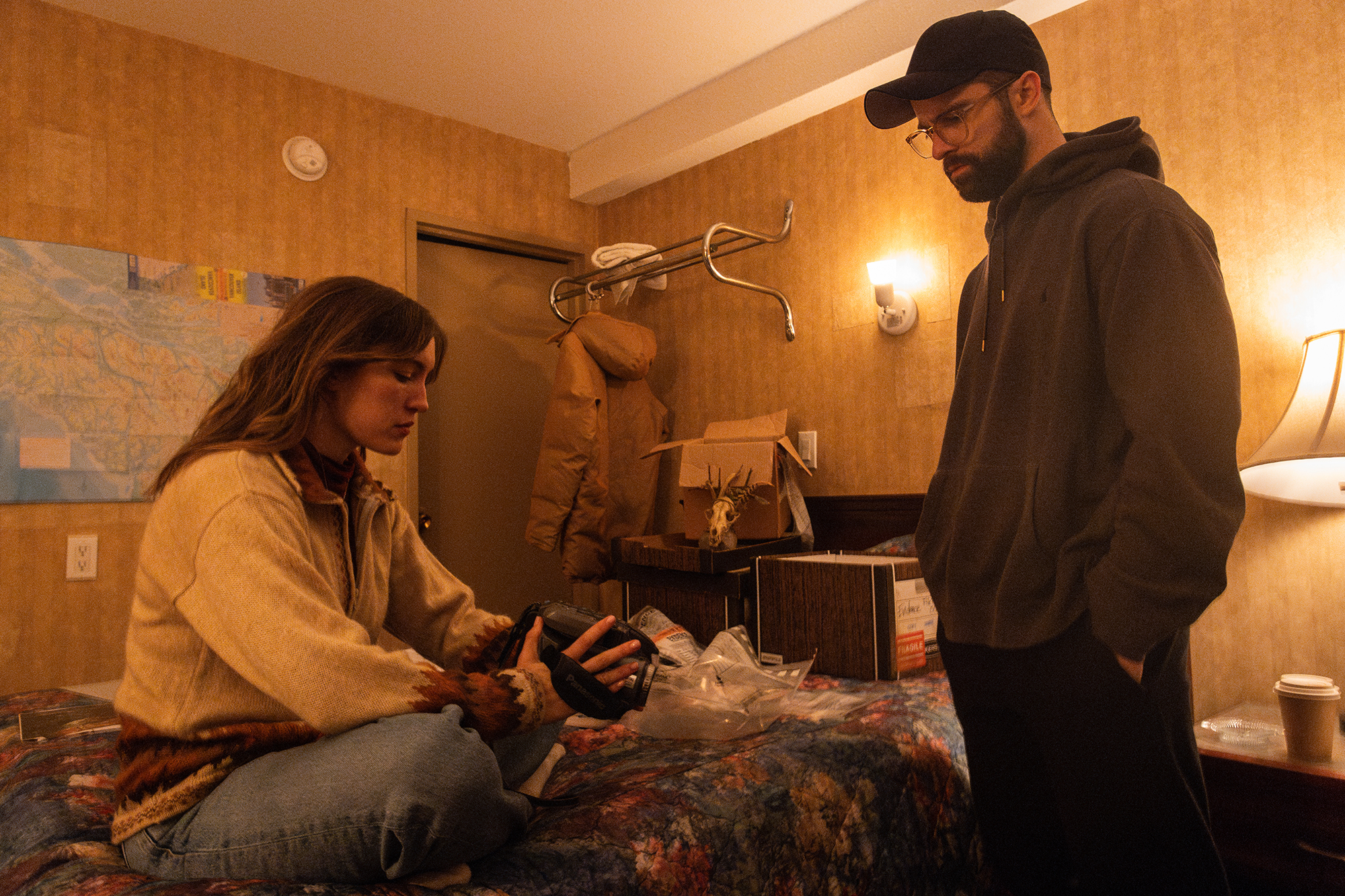
The film follows a documentarian (Tarasiuk as himself) helping a grieving sister, Tara (Miranda MacDougall), reopen the case of her brother Matthew, who went missing in 2001. Taking a page (or several chapters) from The Blair Witch Project,Hunting Matthew Nichols blends documentary style with found footage horror, causing the audience to forget if this is real or not when the movie is at its peak.
The narrative structure offers some compelling opportunities, but ultimately follows too many conventions to stand out. Too much time is spent on catching the audience up on the case’s background rather than on new breaks and leads that propel stories like this forward. The initial mystery surrounding Matthew’s disappearance just isn’t interesting enough for us to spend half the runtime hashing out. Once the first domino falls in the case, though, the story picks up a lot of steam.
MacDougall is really solid as Tara Nichols and plays into the faux documentary style well. Since she’s the main subject, the movie rests squarely on her shoulders as the driving force. At no point does it feel like she’s acting as someone in a documentary, but rather feels like a real person being documented. You can feel the anguish and grief she’s going through as she digs deeper into Matthew’s disappearance, and how it’s shaped her for the majority of her life. Without her steadiness at the center of the film, the whole thing would fall apart.
Director Tarasiuk plays a very interesting version of himself as well, leaning into the documentary filmmaker who inserts himself too much into the film. There are many scenes where he can be seen interacting with the subjects rather than staying behind the camera. As things escalate, it makes sense to see more of him as he urges Tara not to continue with the investigation.
Like most found footage films, this one hides the ball for a lot of the runtime to preserve budget and heighten suspense and curiosity for when all is revealed at the end. The found footage aspect not only includes the documentary, but also tapes recovered from Matthew’s camera after he went missing. Tara and the documentary team pore over these tapes, looking for clues as to what might have happened. The tapes are used cleverly, using great sound design to bring the audience in close to discover what’s going on alongside the documentary crew.
If you’re even a lightly seasoned fan of horror, you can pretty easily guess where Hunting Matthew Nichols is headed from the jump. For some, that may be a knock on a movie that rests a lot on the shoulders of mystery. For others, the journey may still be enjoyable enough even if you have a good idea of where it ends up. I found it incredibly frustrating and quickly became impatient with the first half of the film. It’s very possible I just have a case of “I’ve seen too many movies,” but I couldn’t get past this when thinking about the film.
Overall, Hunting Matthew Nichols is pretty uneven, with an uneventful first half and a final fifteen minutes that are good, but don’t quite justify the rest of the film. While this outing is unsuccessful, Tarsiuk has some interesting ideas at play here that could prove fruitful in future endeavors.
Director: Lee Cronin Writers: Lee Cronin Stars: Jack Reynor, Laia Casta, Mary Calamawy
Synopsis: The young daughter of a journalist disappears into the desert without a trace. Eight years later, the broken family is shocked when she is returned to them, as what should be a joyful reunion turns into a living nightmare.
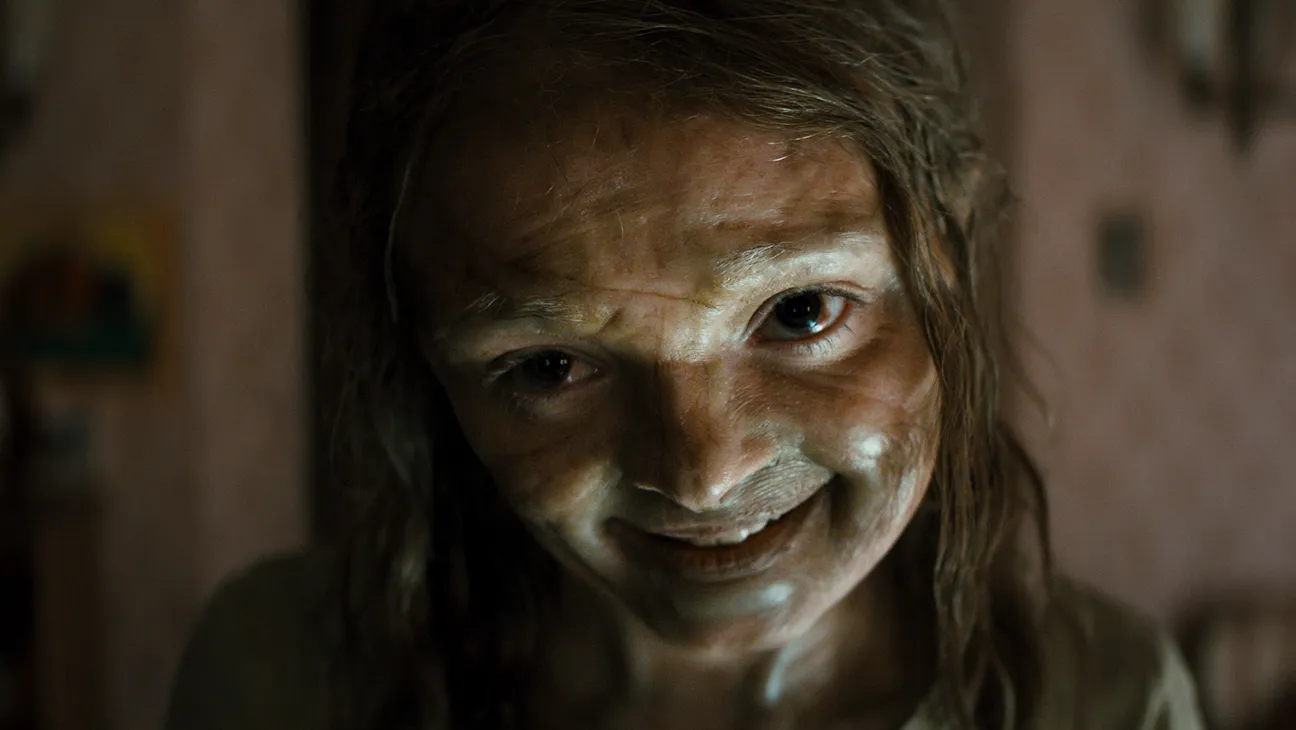
If anything, Lee Cronin’s The Mummy is one of the gnarliest films I’ve seen this year when it comes to gore, with moments involving toenails that, as I type this, are sending a shiver down my spine. While the refreshing inclusion of Egyptian history into the story and the dedicated performances are admirable, much of this film is more cruel than creative.
There’s nothing more frustrating than a film like Lee Cronin’s The Mummy, which is competently made, thanks to Cronin’s confidence with horror, but falls short of its immense potential, with inklings of greatness sprinkled throughout its over two-hour runtime. Primarily, when exploring the depths of Egyptian culture, but those elements are sadly squandered by a screenplay that would rather focus on shock value above anything else. This leads to plenty of disturbing scenes, evoking imagery that is hard to stomach, yet it all comes across as hollow as an empty sarcophagus.
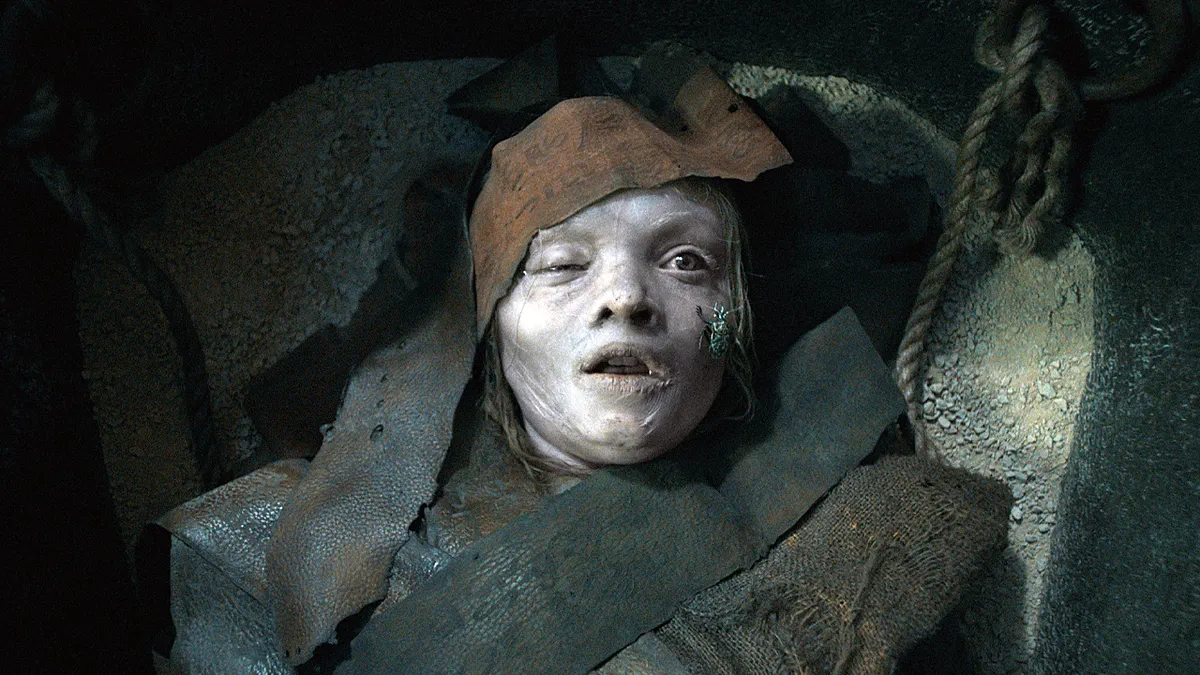
What begins as a mysterious woman and her family driving through a desert toward their home quickly turns deadly. Their residence houses a sarcophagus that is a couple of thousand years old, just below the floorboards. For the time being, it is unknown who this family is or what the origin of the mummy inside is, which is far from resting. All we are let in on is that whoever is being held within is upset by the disturbance and takes it out on those around them, which is enough to keep audiences engaged for the time being.
The film cuts to Charlie Cannon (Jack Reynor), a journalist awaiting the airtime of his broadcast. He helps his young daughter, Katie (Emily Mitchell), learn Morse code while her brother, Sebastián (Dean Allen Williams), sits nearby. It’s pretty clear from the start that Charlie is preoccupied with his career rather than his family, cutting lessons short in order to fixate on his hand movements during his aired segment. He’s not a completely absent father—physically he’s there, but he mentally checks out to focus on his job.
He has brought his family to Cairo, Egypt, for his work, but with both parents working, it’s hard for them to keep an eye on their children at all times. Katie is an independent and inquisitive young girl who is part of a Girl Scouts group. She would rather learn helpful survival skills than indulge in her father’s newest on-screen appearance. And, like any young girl, Katie is naive to the dangers of the world, making it incredibly easy for someone with ulterior motives to take advantage of her kindness.
Naturally, when Charlie finally hears the news of a promotion, he’s ecstatic, calling his pregnant wife, Larissa (Laia Costa), to share the news while she’s busy working in healthcare. For Cronin, this is where any semblance of a tone other than dread and gloom disappears. As he notices wrappers from candy that his daughter has been hiding, he tries to find her in her usual spot, out in their overgrown garden. She’s nowhere to be found, having been swept away by The Magician (Hayat Kamille), who tricks her into coming with her.
Cronin utilizes a multi-year time jump, placing audiences back into Charlie’s and his family’s lives eight years later. Their surroundings have changed, and they are now living with Larissa’s mother in Albuquerque. The hope that Katie is still out there hasn’t left. Larissa is the one who keeps hope alive most for her eldest daughter, setting up her old childhood room for her to eventually stay in. When they receive a call that Katie has been found in a sarcophagus, they have many questions but choose to take the advice of doctors and care for her at home, where their lives will never truly be the same.
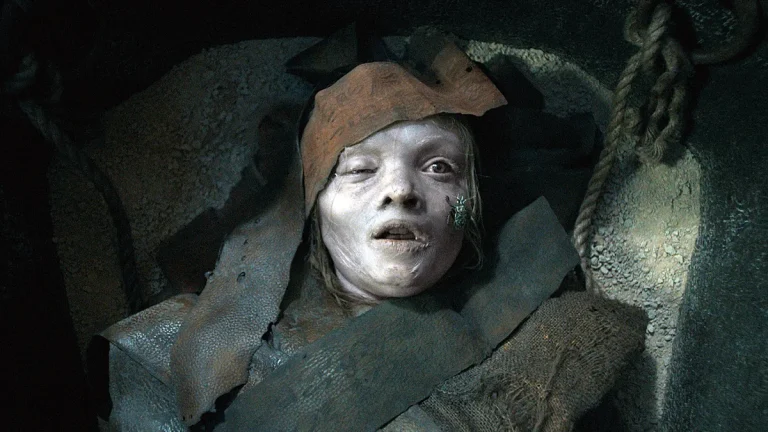
This version of the classic Mummy story is far more violent than previous iterations, but it only partially works. There are plenty of bloody moments that focus on molting skin, a twist on the traditional mummy linen wraps. Teeth are ripped out at the dinner table, and wolves consume a woman who has just fallen out of a two-story window. Lee Cronin’s The Mummy undoubtedly has some of the most stomach-turning horror this year has to offer.
Cronin uses the Egyptian language and history spanning centuries upon centuries. It’s the film’s most interesting aspect, but so much of the runtime revolves around Charlie and his family that this culture gets brushed over. The film uses the imagery of Cairo with its vast ancient surroundings, yet outside of a few moments of deciphering three-thousand-year-old language and learning about rituals passed down for several generations, there’s not much to chew on. Rather, a large amount of the film takes place in Larissa’s childhood home, making the film become repetitively dull. Even as the film comes to a close, multiple moments feel like the conclusion, yet it keeps going.
For those not interested in seeing a young girl—and later a teenage version of Katie (Natalie Grace) being put through disturbing moments, then Lee Cronin’s The Mummy won’t be for you. Both Grace and Mitchell are put in distressing situations, with the older version dealing with more of the gory moments, while the younger Katie is bound and held against her will, loudly screaming and pleading on tape. Frankly, the tape being teased earlier in the film was enough to convey her suffering; it being played in full later on is unnecessary.
Thankfully, the film is well cast, and Katie is played by two young actresses who capture the terror and tenacity her character needs. It can’t be easy to play an essentially possessed vessel, especially with the amount of makeup required at certain points. Reynor is just as unlikable here as his previous character in Midsommar; he is convincingly hot-headed, especially in his scenes with Detective Dalia Zaki (May Calaway). Cronin earns a few extra kudos for his use of Calaway; her final scene is one for the history books.
For better or worse, Lee Cronin’s The Mummy isn’t interested in being easily digested; it works until it doesn’t. With one stunning split diopter after another, it’s a well-made and acted take on a classic that flirts with greatness.
This week on the InSession Film Podcast, inspired by Mother Mary coming to the theaters this weekend and the fact that it is *her* year (with five films coming out in 2026), we thought it would be fun to do a Top 10 consensus ranking of Anne Hathaway performances! We also discuss this year’s CinemaCon and JD gives his thoughts on the horror film Undertone.
– Undertone (3:16) We open the show this week by talking about Ian Tuason’s Undertone after JD finally caught up with the film. In our podcast review, Brendan and Megan talk about the film’s themes and its anti-abortion commentary. We talk about that further and some of the various nuances that make you wonder what the film’s intent was and how execution might have muddied the waters.
– CinemaCon (26:45) This year’s CinemaCon took place over the last week or so, and there were some fascinating things to come out of the event. Sony CEO Tom Rothman had some interesting comments about advertising before movies. Paramount reiterated 30 movies a year after the merger. Is Netflix putting more movies in theaters? Warner Bros. launched a new label. And instead of talking the “L” and moving the release date, Disney launched a fake IMAX format for Avengers: Doomsday. We saw trailers and glimpses of many movies we’re looking forward to this year.
– Anne Hathaway Ranking (1:03:48) 2026 will unequivocally be the year of Anne Hathaway. She has five movies coming out this year, including Mother Mary, The Devil Wears Prada 2, The End of Oak Street, The Odyssey and Verity. So, with that in mind, we thought it would be fun to discuss her best performances and do another consensus ranking. She’s incredible in everything she does, but we found a ten that quintessentially define her career to this point. Or, at least, we think so. That said, what did you think of our Anne Hathaway ranking?
If you want to help support us, there are several ways you can help us and we’d absolutely appreciate it. Every penny goes directly back into supporting the show and we are truly honored and grateful. Thanks for your support and for listening to the InSession Film Podcast!
Synopsis: When a hopeful, naive college freshman, Devon, asks the cool and confident Celeste to be her roommate, a blossoming friendship spirals into a war of passive aggression.
If you want to say one thing about Adam Sandler, it’s that when he finds projects for his talented daughters, he produces films that are warm, touching, and always funny—yet also honest and refreshing. The new Netflix film Roommates captures youthful exuberance alongside quirky adult characters who selflessly try to guide the next generation toward making mature, positive decisions.
However, amid all those playfully immature antics, goofy, off-the-wall bits, and oddly charming juvenile humor, a film like Roommates always circles back to what matters most in life—family, connection, and finding your place in the world. Except, inexplicably by the end of the third act, the film takes a turn for the irreverent, sophomoric, and suddenly has a cold heart.
The story follows Devon (You Are So Not Invited to My Bat Mitzvah’s Sadie Sandler, wonderful here), a girl so unpopular in high school that she has never had a best friend. That prospect is so sad you immediately feel for her, especially when her little brother, Alex (1985’s Aidan Langford), tells her she does have a best friend in him. Yes, cue the Charlie Brown melancholic piano music, and you literally feel your heartstrings being pulled.
Devon is sweet, though, a contrast to a girl she meets during her pre-freshman college orientation, Celeste (A Big Bold Beautiful Journey’s Chloe East). She is a free spirit who lives life on her own terms but is also looking for her own ride-or-die. Devon immediately asks her to be her roommate, a yin to her yang. Devon is so worried about her budding friendship that she won’t let her parents (Nick Kroll and Natasha Lyonne) drop her off at school.
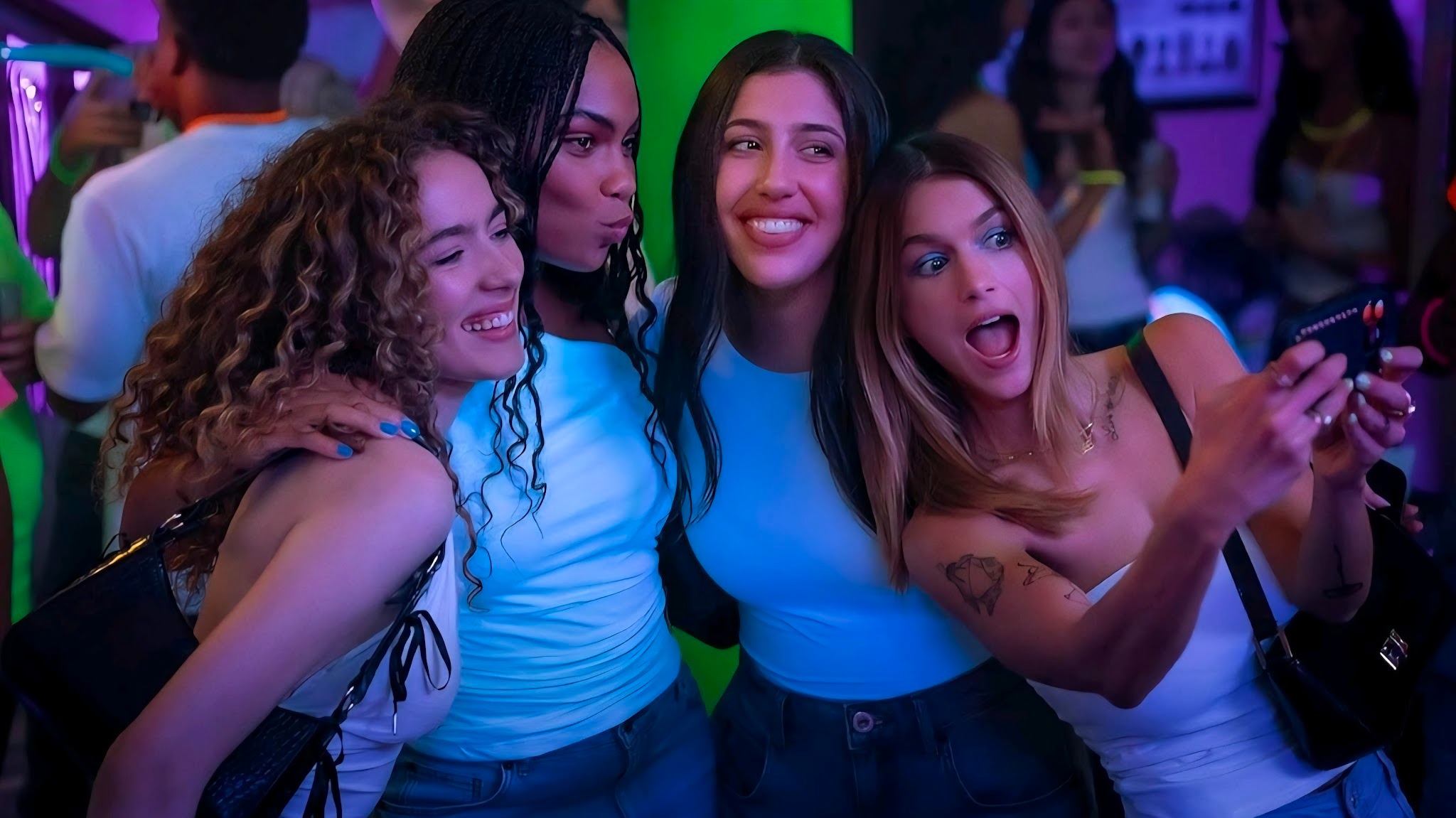
Devon and Celeste form a squad with two girls across the hall (Bella Murphy and Jaya Harper, very funny here). Celeste brings Devon out of her comfort zone, pushing her to a party where she meets a fellow architecture major, Michael (Billy Bryk), who is, for some reason, cooking a bunch of papaya in the middle of a raging kegger (a very 90s “house party,” for you Gen Zers). However, for all the good Celeste does for Devon, she violates boundaries like an Olympian.
That’s where the script from Jimmy Fowlie (English Teacher) and Ceara O’Sullivan (Saturday Night Live) begins to shine. The comedic tension builds while also revealing an incredible amount of heart. That’s a tricky high-wire act to accomplish. Director Chandler Levack (Mile End Kicks) brings out the best in the young performers, balancing comic timing and vulnerability in a way that gives you all the feels before you know it’s coming.
Roommates follows a Gen Z take on a classic comedy structure we have seen in hundreds of films before, from The Odd Couple, What About Bob?, and Planes, Trains, and Automobiles. Of course, the Netflix film does not come close to those classics, but staying power is always up to the audience. Roommates puts a modern, youthful spin on the “opposites collide” formula, blending it with an irreverent coming-of-age comedy that mostly works.
Other moments, however, seem to falter or come across as filler. The use of a narrator feels unnecessary, even though it comes from the uber-funny and talented Sarah Sherman, who plays Dr. Schilling. The return of Janeane Garofalo is a welcome addition; she plays a mentor to Devon. Funny, sharp, and biting; she brings more mature laughs, a welcome juxtaposition to Happy Madison’s sophomoric brand of humor.
Yet, it all comes falling apart in the film’s last ten minutes. Roommates was never a kitchen sink comedy, throwing too much at your streaming screen to be taken seriously, until the very end, going from well-controlled, structured, and brimming with a healthy dose of resonant heart to unapologetic, ill-advised, and then falls flat into a comedy deadspot where the moment was screaming for a familial scene about kindness that ties it all together.
While Sadie Sandler is funny and pitch-perfect as a young, awkward woman trying to find herself. She stands out beneath all that raucous, unapologetic humor lies in a film that, for most of the film, strikes a sweet spot between chaos and sincerity. Unfortunately, a lack of awareness from the creative team behind Roommates lost their way.
You can stream Roommates exclusively on Netflix starting April 16th!
Synopsis: A look at the shocking act of violence and subsequent trial that transpired between a retired Olympic equestrian and the dressage student he took on at his farm in New Jersey.
There’s something inherently unsettling about violence erupting in places designed to feel serene. UNTOLD: The Shooting at Hawthorne Hill, the latest installment in Netflix’s sports-adjacent documentary strand, is a slow, disquieting study of how pressure, ego, and suspicion can curdle into something far more dangerous.
The story begins with an almost storybook calm. A retired Olympic equestrian, living and training at an idyllic New Jersey farm, takes on a promising new student. Hawthorne Hill is presented as a place of discipline and beauty, where horse and rider move in near-silent harmony, and control is everything. But as the documentary makes clear, control is an illusion.
Wide shots of paddocks and training arenas emphasize space and stillness, creating a sense of calm that makes the eventual violence feel even more jarring. We have first-class interviews with the lead trainer, who explains the sport; the time and effort it takes, and their relationships with competitions like the Olympics. We then cut and have an interview with the student and their reasons for riding, choosing this trainer, and their experience. We have two completely different sides and it does begin to feel a petty he-said-she-said.
The tensions between mentor and student build through disagreements over training, questions of authority, and a growing sense of mistrust. Through intimate interviews, home videos, and online footage, audiences can piece together the emotional undercurrents that will later explode. It’s a lot of drama for a runtime of just over an hour and you’ll find yourself on the fence for a lot of it.
As the relationship deteriorates and the tension builds, the narrative shifts into more familiar true-crime territory. 911 calls, cryptic social media posts, and accusations of surveillance begin to surface, each adding another layer of unease. You’re waiting for the ‘big moment’, the ‘blow up’ that makes this story worth investing in. But, this ambiguity is one of the film’s strengths, though it may frustrate viewers seeking clear answers. The Shooting at Hawthorne Hill is less interested in resolving every question than in examining how such a situation could unfold.
When the shooting is brought into play, it’s quick. The trial provides structure and a degree of closure, but the emotional questions feel somewhat unanswered. The footage from the court scene is very interesting; it’s probably the most intriguing part of the documentary, as this is a he-said-she-said fight, and you get to really examine the situation as a viewer.
Some moments are ridiculous to the point where you’ll giggle. They bring up social media posts to suggest the shooting was justified, and one of the posts they’re using is a quote from The Greatest Showman. There could have been an opportunity here to explore how social media is used in other cases that have been successful and unsuccessful to inform audiences of how their words and posts can be used against them. Even if they are the victim.
There are more moments where the film could have pushed further. The insular nature of the dressage world is hinted at but not deeply explored. Issues of privilege, access, and the pressures within elite sporting communities remain largely in the background. A deeper dive here might have added additional context to the central conflict.
As part of the UNTOLD series, this installment trades the high-profile sports scandals of previous entries for something quieter, more insidious, and equally entertaining. In the end, UNTOLD: The Shooting at Hawthorne Hill is a reminder that even in the most disciplined worlds, human emotion remains unpredictable and that beneath even the most elegant performances, something far messier can be waiting to break through. With a solid pace, intimate interviews, and interesting courtroom footage, UNTOLD: The Shooting at Hawthorne Hill is a must-watch for true crime fans!
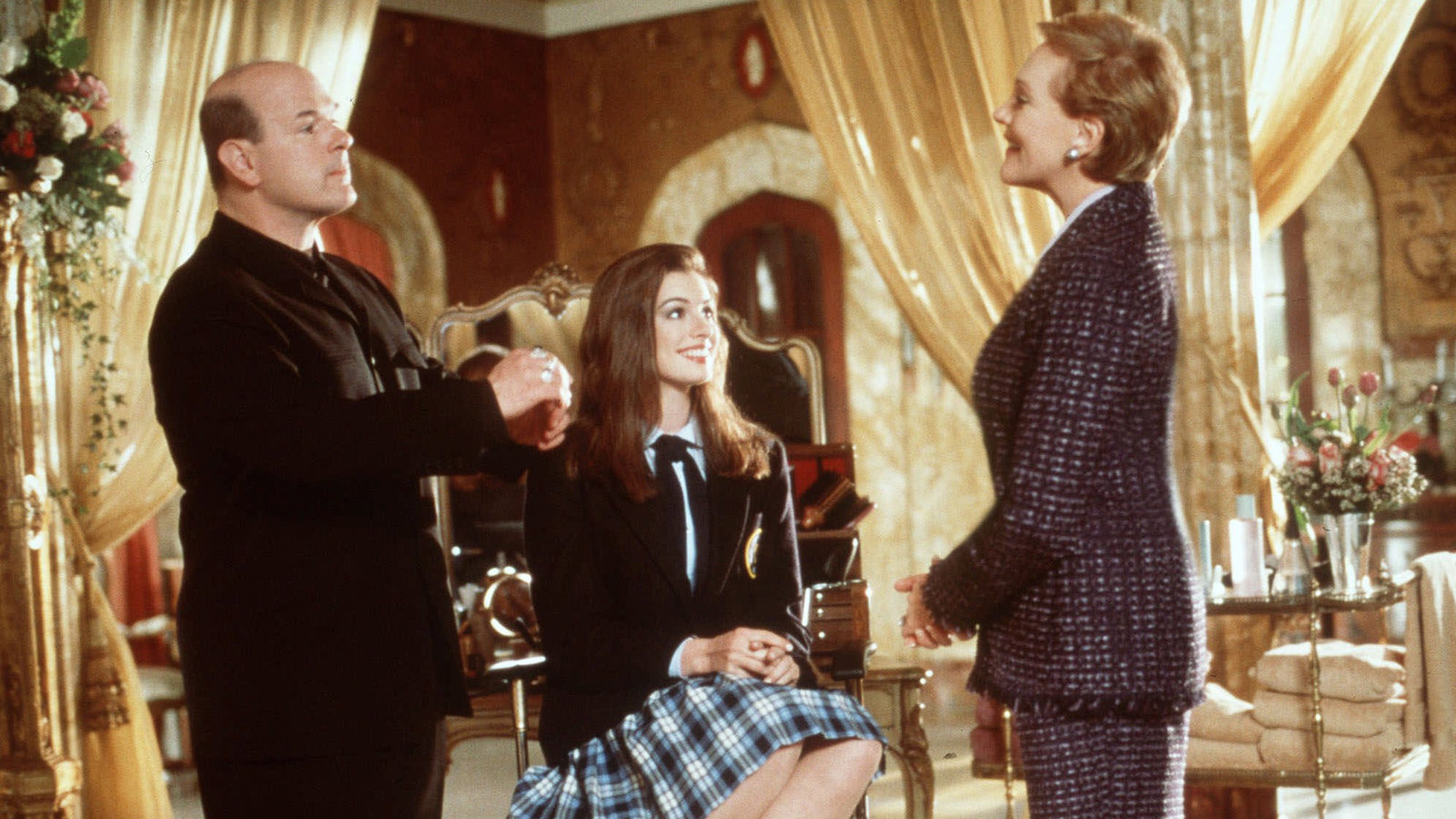
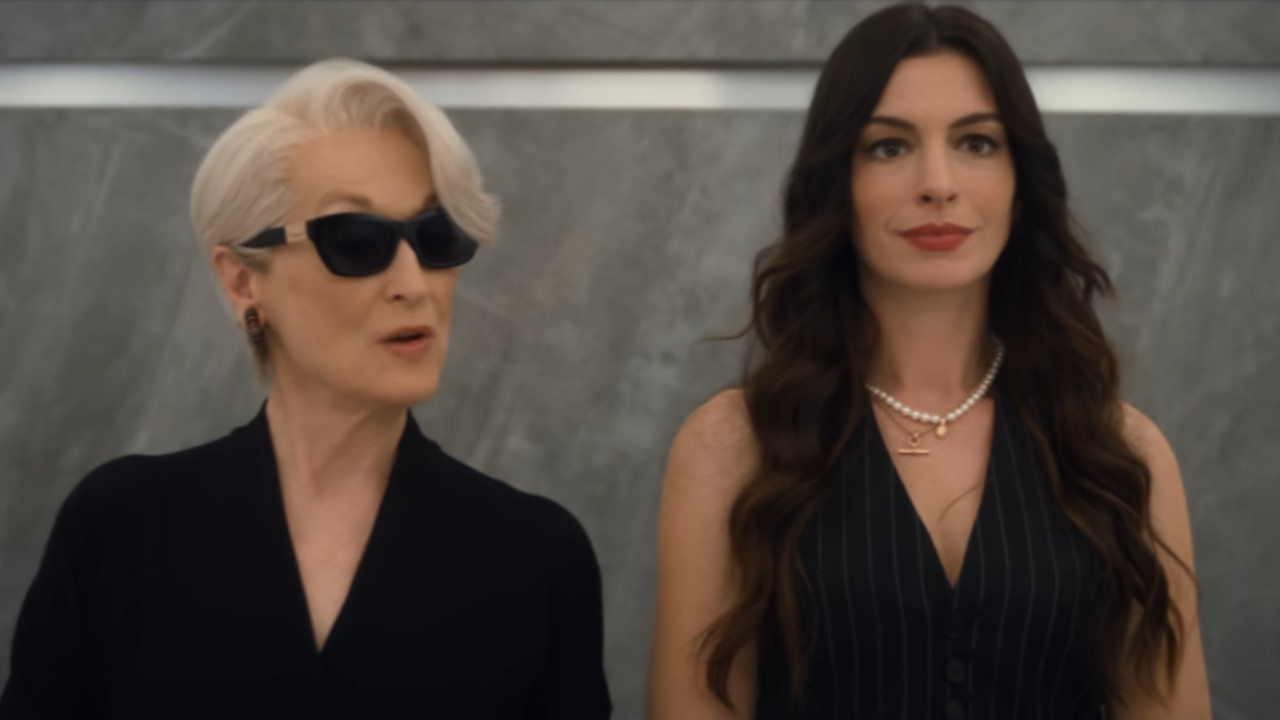
Back when The Princess Diaries came out 25 years ago, it not only had us wishing we’d one day discover we were descendants of royalty, but was a coronation of acting royalty in the form of its leading actress, Anne Hathaway. Between her affable charm, gift for physical comedy, and sly emotional resonance, it was clear from the beginning she was destined for stardom even if her ascension involved challenging viewers who mainly saw princess tiaras and Prada shoes when thinking of her talents.
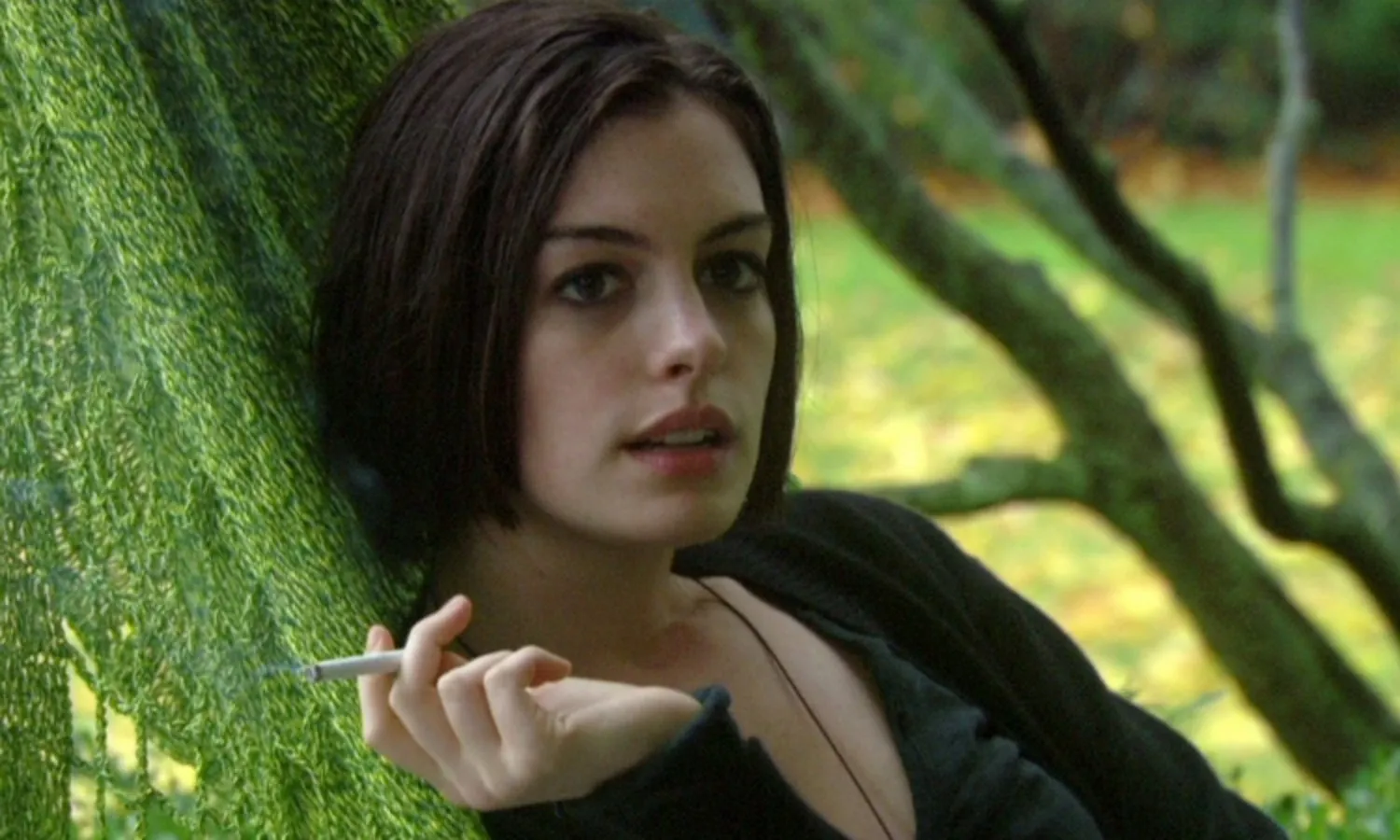
After a while of being typecast in family fare since the film’s release, Hathaway quickly surprised viewers by choosing heavier roles in films Best Picture-nominee Brokeback Mountain and especially, Rachel Getting Married. As a recovering addict returning home for her sister’s wedding, Hathaway gives a masterclass in gut-wrenching realism and earned her first career Oscar nomination for Best Actress in a Leading Role. Although the Best Actress Oscar was bound to go to the overdue Kate Winslet for The Reader, her nomination still turned a new leaf into her career.
Since the film’s release, she has remained true to her comedy roots with Bride Wars and the ensemble film, Valentine’s Day. But then came what was a career-highlighting year. In 2012, she became the latest actress to inhabit the iconic role of Catwoman in The Dark Knight Rises, which became a billion-dollar hit, and starred in the latest film adaptation of the musical, Les Miserables.
Back when Shirley MacLaine honored Anne Hathaway the year she was nominated for Rachel Getting Married, MacLaine commended her for her musical talents she showed in the ceremony’s opening, saying “Keep singing.” Clearly, Hathaway heeded her advice as she immersed herself into the role of Fantine, shattering critics and audiences alike with her rendition of “I Dreamed A Dream.” Numerous accolades would follow including the Golden Globe, the BAFTA, and ultimately, the Oscar for Best Supporting Actress.
However, what was a career-highlighting period for Hathaway also became a fraught one. With every red carpet pose or televised acceptance speech during that awards season came trolls lambasting her for coming off as “too wanting” or “rehearsed” and articles with headlines such as “Why Do So Many People Hate Anne Hathaway?.” As a result, Hathaway went on a self-imposed exile.
As egregious and frustrating as it is that she had to retreat from the spotlight for having mere image issues, the online Hatha-hate still highlighted how we’re as quick to tear down starlets as we are to uplift them. The public lashings that Timothée Chalamet is getting over Opera-gate feel like nothing compared to the vitriol that Anne Hathaway has gotten for giving theater kid energy, or Brie Larson for wanting more diversity in film criticism, or Chappell Roan for asserting strict fan boundaries, or Rachel Zegler for both saying an old animated film is dated and standing up for human rights.
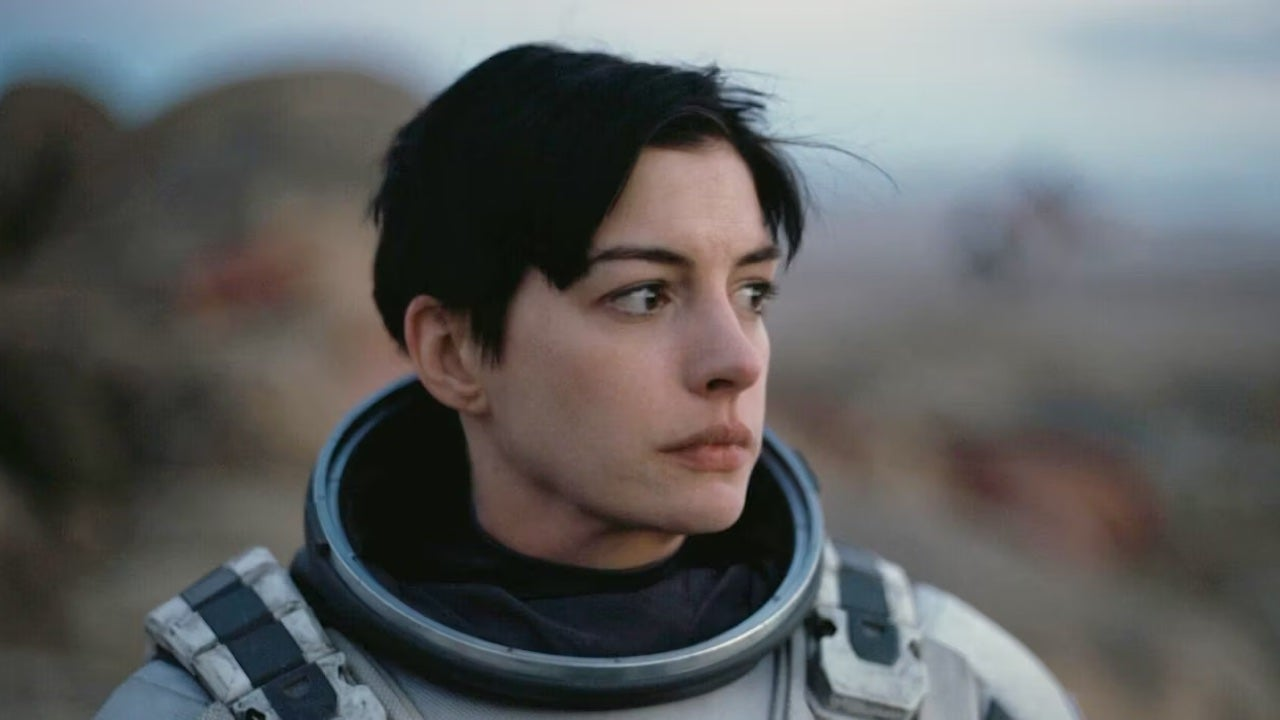
Thankfully, Christopher Nolan avoided all the Internet noise when he cast Hathaway in the 2014 blockbuster Interstellar, which got Nolan’s usual acclaim and did decent box office. Then, she followed it up with the Nancy Meyers-helmed comedy hit The Intern. Plus, there’s her portrayal of actress Daphne Kluger in the heist comedy spin-off, Ocean’s 8. With every snotty laugh and posh pose, Hathaway was able to satirize the media’s perception of her.
Like with almost every actor who has taken the coveted trophy, there remained a string of highs and lows since her Oscar win with even some of her highs going mostly unnoticed. Specifically, her turn in the sci-fi dark comedy, Colossal, and as a femme fatale psychiatrist in the ‘60s-set noir, Eileen, which is arguably her best work in years. But of course, like every performer who has so much as a slight career dry spell, there’s always room for a comeback. This year, it looks like she might have a big one.
The long-awaited musical psychodrama Mother Mary has been in the pipeline long enough to the point where this writer wondered if the film was just a figment of our imaginations. But as it turns out, it’s not only real and finally hitting theaters soon, but is coming out in what is going to be a busy year for the Oscar-winning star.
Shortly after, Hathaway will return to the role of Andrea “Andy” Sachs in The Devil Wears Prada 2 which, if the record-breaking trailer views are of any indication, is bound to be a money-maker thanks to nostalgia for the original Oscar-nominated hit, as well as the returning original cast. Then in July, she’ll play the role of Penelope in the hotly-anticipated blockbuster adaptation of The Odyssey where she re-teams with Christopher Nolan. However, it won’t be the only summer blockbuster starring Hathaway that’ll hit IMAX screens.
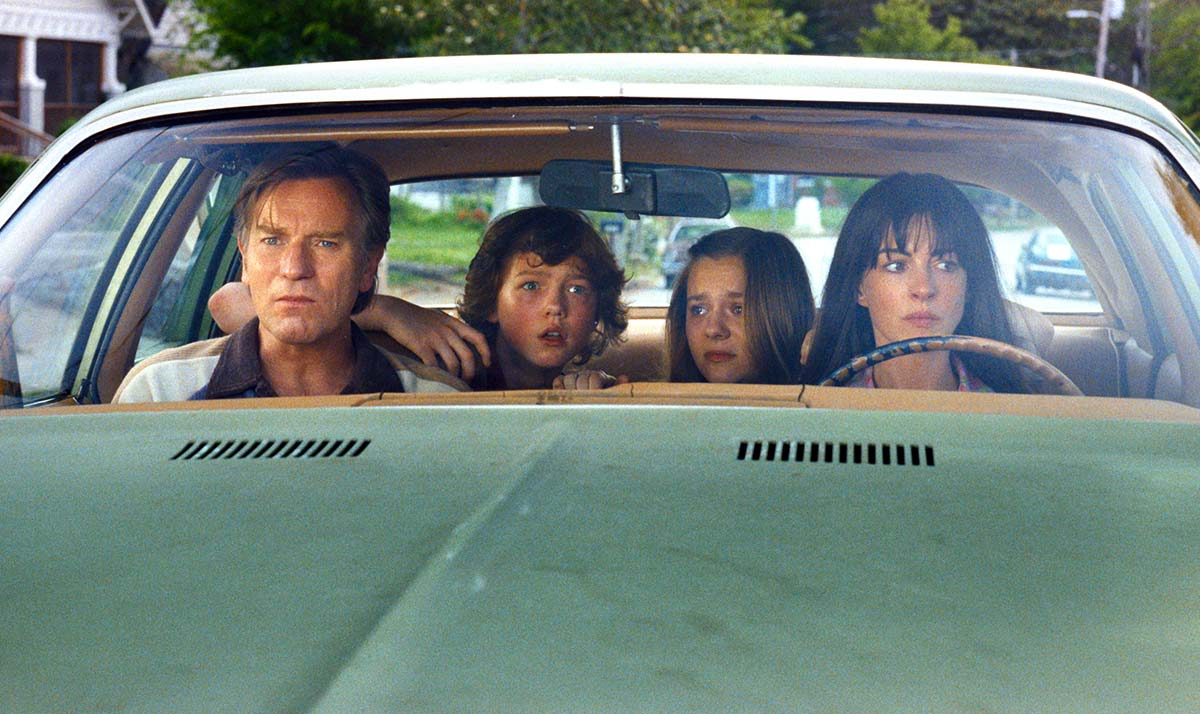
Just recently, the teaser for The End of Oak Street, the new sci-fi thriller helmed by It Follows’ David Robert Mitchell and set for release on August 14th, aired online. The story involving a family experiencing a weird phenomenon taking place in their neighborhood seems indeed mysterious. But its ambiguous premise along with acclaimed names like Anne Hathaway and the always-reliable Ewan McGregor carrying the project should be enough to invite audience intrigue.
Capping out Hathaway’s busy year is the film adaptation of the 2018 mystery novel Verity, which is currently set for an October release. A re-teaming of Hathaway and her The Idea of You director Michael Showalter, Verity follows a struggling writer (Dakota Johnson) who’s asked to complete the book series of the bedridden titular novelist (Hathaway) only for her to be drawn to Verity’s mysterious past. Although previous adaptations of Colleen Hoover’s work haven’t yielded strong critical results, they’ve still fared well financially. Given the star power in the cast ( Hathaway, Johnson, Josh Hartnett) in addition to the Colleen Hoover brand, Verity could be another box office win for Hathaway.
That being said, even if Levity doesn’t strike box office gold, it’ll surely still be a testament of her immense range that’ll be on full display this year. How she can go from comedies to thrillers to sci-fi blockbusters with ease. Similarly, if Mother Mary ends up being a critical and/or commercial misfire, it’ll still be proof that as she enjoys likely commercial success with The Odyssey and The Devil Wears Prada 2, she’s still someone willing to tackle risky, auteurist visions.
As an Anne Hathaway fan, I “dreamed a dream” that a moment like this would come for her and it came true.
Director: Tom Harper Writer: Steven Knight Stars: Cillian Murphy, Barry Keoghan, Rebecca Ferguson
Synopsis: During World War II, Tommy Shelby returns to a bombed Birmingham and becomes involved in secret wartime missions facing new threats as he reckons with his past.
Once upon a time, Tommy Shelby nearly had everything. As the man leading the Peaky Blinders and running Birmingham for years, there was almost nothing standing in his way, and any threat that reared its head in his direction was dealt with. But nearly isn’t enough, and for all the victories and power plays he succeeded at, there were plenty of close personal losses and devastating blows to him that have made him a shadow of the man he used to be. A man who lives on as death envelops others, and is haunted by the ghosts of those he once held close.
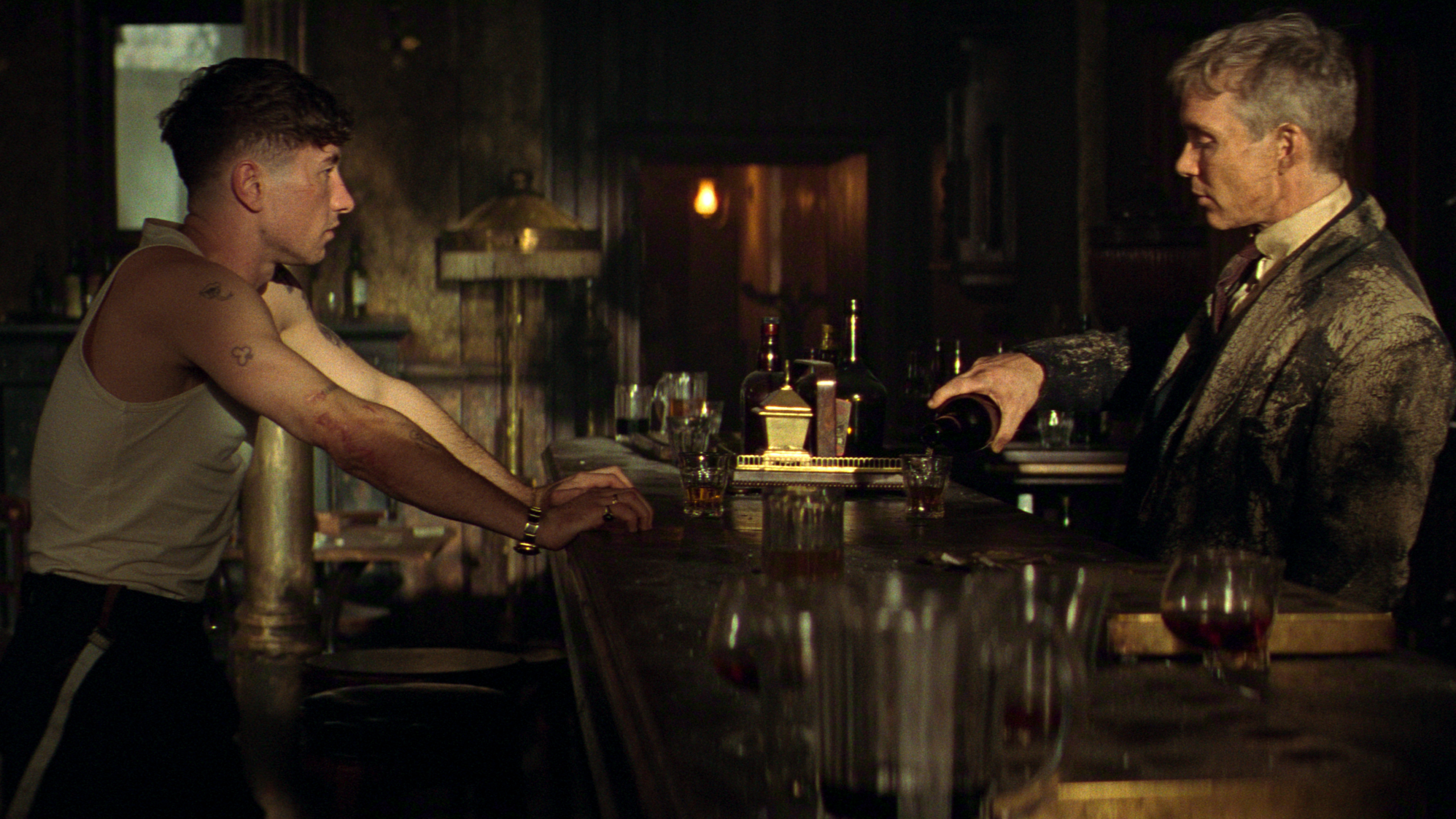
The Immortal Man, the continuation—and conclusion—to Peaky Blinders thus far puts the spotlight on Tommy (Cillian Murphy), six years after the series finale where he seemingly found peace and left behind the life of a gangster. As World War II rampages the world and bombs fall on England, he lives in isolation, leaving behind the Tommy Shelby he once was and not fighting another war, but fate has other plans. Enter Duke Shelby (Barry Keoghan), Tommy’s now adult son and the new head of the Peaky Blinders, who is about to make a dangerous deal with the Nazis through a man named Beckett (Tim Roth) and sell out the country, and the world, in the process, allowing Germany to win the war. In order to prevent this, Tommy must return to Birmingham once again to put a stop to it.
In many ways, The Immortal Man plays like an extended coda to Peaky Blinders (so far, as a sequel series is on the way), often feeling like Part 2 of the finale. The aim of the movie, however, is less to end the entire story, but to give a definitive final note to Tommy’s journey thus far. From being a soldier in the first World War whose trauma from fighting in the tunnels scarred him and his brother Arthur to his life as a Peaky Blinder, writer and show creator Steven Knight aims to see Tommy’s story through to its end. The result is a mostly satisfying conclusion for him, despite a few bumps and polarizing decisions along the way.
From the start, the visual and musical musings of Peaky Blinders are once again on full display, with George Steel’s imagery capturing the grimy and muddy Birmingham and the warzone it is becoming, as the world around tries to move through the war. Juxtaposed with that are the isolated moments in the countryside where Tommy lives alone, with only Curly (Ian Peck) as company. When the action is going down, the use of slow motion and stylized visuals that made the show’s biggest moments so iconic are once again used rather effectively. On a musical level, the electric score and songs from Antony Genn and Martin Slattery with additional work from Grian Chatten add wonderfully to the ambience and tone of the story, filling it with a sense of dread and the hint of something that was once epic, but picking up more with the return of Tommy to Birmingham.
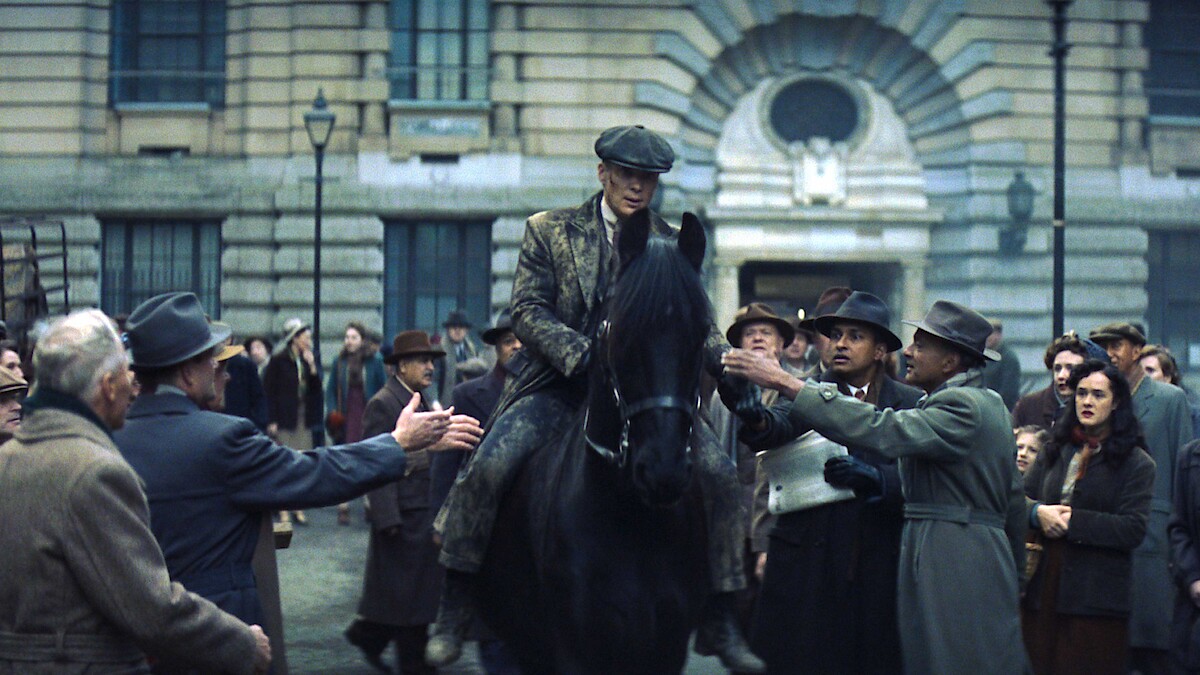
Cillian Murphy, to no one’s surprise, is once again incredible as Tommy, playing a mere shadow of the gangster he once was, and now just a man haunted by the ghosts of those who left before him, such as his daughter, Ruby, who keeps appearing in the compound around him, her scarf an eerie reminder of her passing. Murphy brings out the tragedy and humanity of Tommy brilliantly, as you see a man who just can’t seem to die as everything implodes around him, and despite not being a particularly good man, look back on his legacy and ponder on what it all meant. These more introspective moments with Tommy in that first half, then balanced out with a return to his Peaky Blinder self as he comes to Birmingham on a horse—echoing his very first scene in the series—and reminding everyone what he is capable of, make for a great extended run of the character from Murphy. Barry Keoghan as Duke matches him in excellent fashion, balancing the hardened nature of the character in violent situations with his vulnerability and even fear on display when something becomes too intense. Much like the show, the realities of life that are shown with the Peaky Blinders are what make them so endearing, and Keoghan’s performance reflects that well.
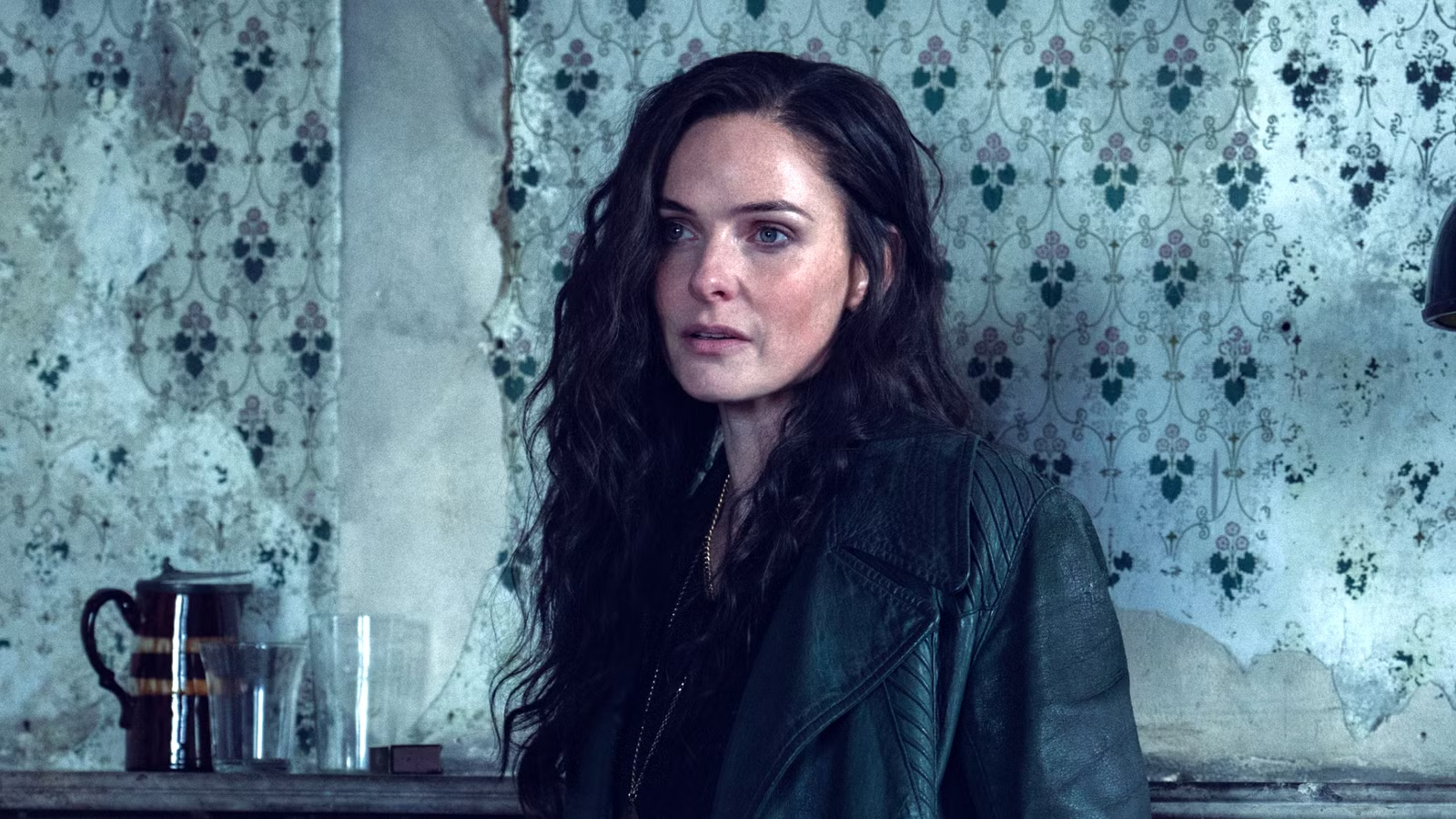
As the movie progresses, returning characters like Ada Shelby (Sophie Rundle) and Hayden Stagg (Stephen Graham) add some gravitas to the proceedings, delivering very fine work on their ends as well, and newer characters like Beckett and Kaulo Chiriklo (Rebecca Ferguson) also providing some solid performances and weight to the story. The direction from Tom Harper, who also directed the last three exceptional episodes of the first season, is also well done, with the shootout sequences and the final explosive act brought to life in vivid, grimy, and stylistically violent ways. It is also with the newer characters, however, that the movie runs into some road blocks, as beyond some of the solid work from Roth and Ferguson, their characters are not given as much depth as previous new entrants in the series. As Peaky Blinders has had a plethora of excellent villainous performances from Sam Neill to Adrien Brody and Sam Claflin, Roth’s Beckett doesn’t quite reach those heights, despite a menacing performance that elevates his scenes. Ferguson is great as per usual, but her role, and significance of her character, play like late-inning entries into the story, and feel even less developed in some ways.
Where The Immortal Man proves most potentially divisive, however, is with some of its story decisions. With a six-year gap between Season 6 and this movie, many events have taken place during that time which are only referenced in exposition, or shown in flashes. One of those significant events involving a supporting character, for example, is handled in a slightly lopsided manner, highlighting an aspect of the movie’s story and a character arc, but could have used a better build into that. While some other plotlines that were left dangling at the end of the show are still unresolved, The Immortal Man is more concerned with wrapping up Tommy’s story and providing a conclusion to his arc, as well as building a compelling dynamic between Tommy and Duke as the two work together to take down Beckett, and in those two departments, the movie is more than a success.
By the time the credits roll on Peaky Blinders: The Immortal Man, the final movie is a very satisfying and emotionally powerful conclusion to Tommy Shelby and Cillian Murphy’s extraordinary run as the character that hits many of the beats it sets out to. While it doesn’t reach some of the heights of the series, such as its final few seasons and even the series finale, it still manages to be a rather solid watch and opens the possibilities to where the story of the Peaky Blinders will go next. In the bleak midwinter…
Director: Ben Wheatley Writers: Derek Kolstad, Bob Odenkirk Stars: Bob Odenkirk, Ryan Allen, Lena Headey
Synopsis: Centers on a temporary small-town sheriff who uncovers dark mysteries after a local bank robbery.
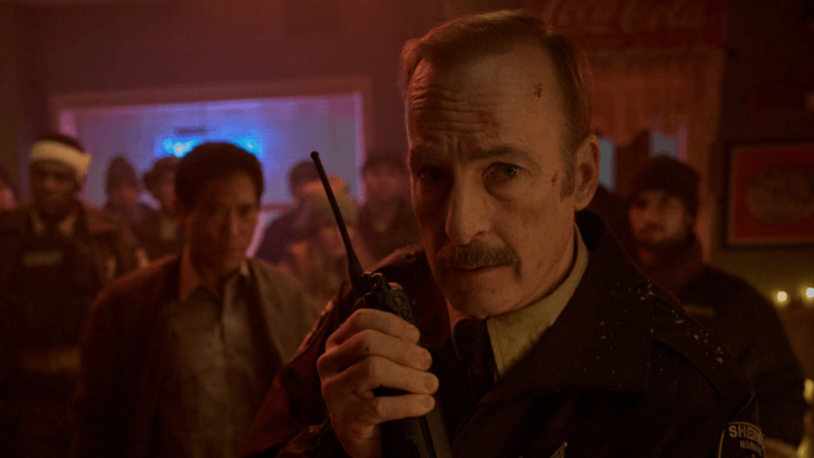
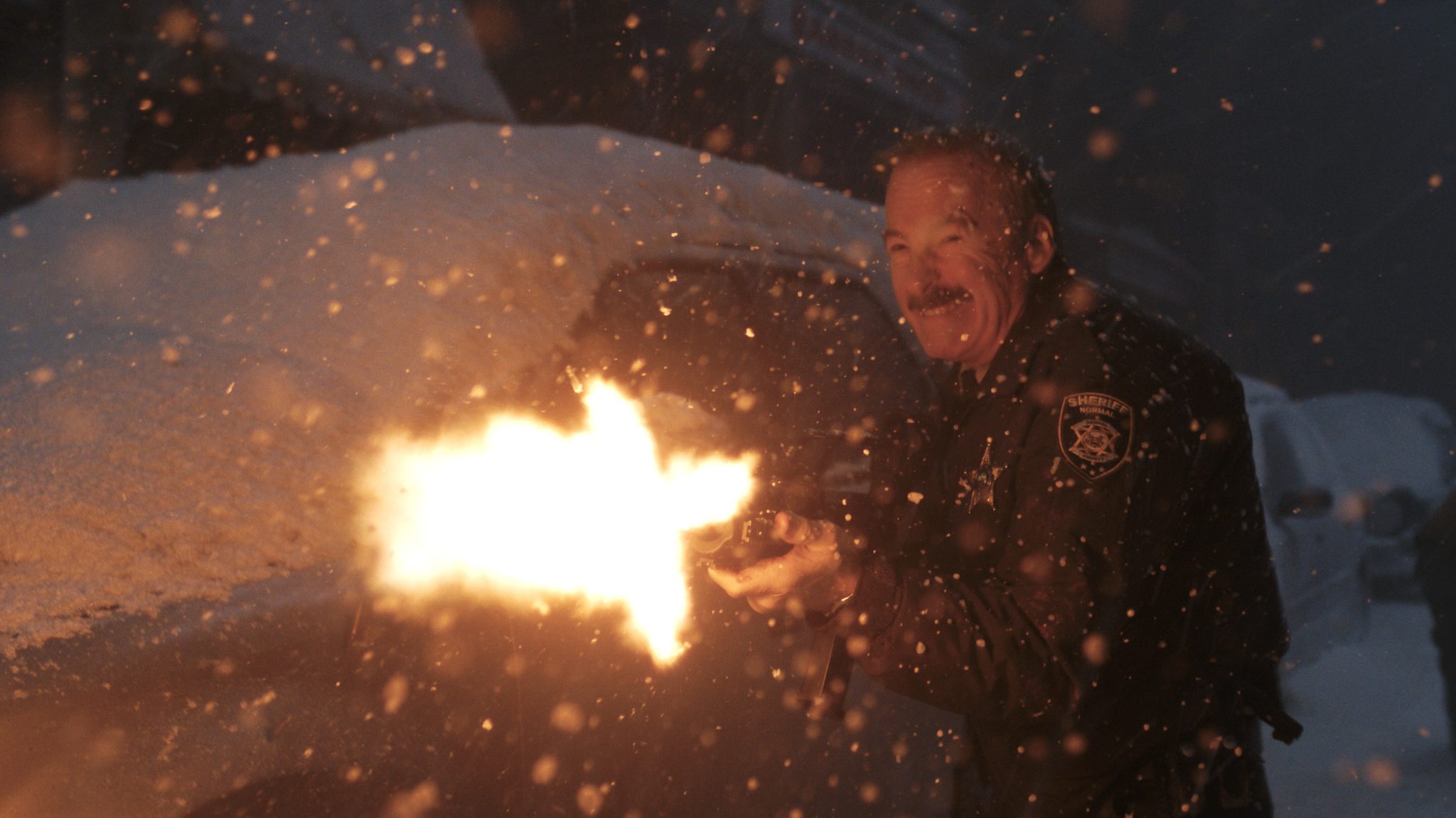
I’m sure nobody saw it coming that Bob Odenkirk, in his third balls-to-the-wall, knuckle-busting, bone-crunching, lip-splitting action film in the past five years, has become the action star we need right now with his new film, Normal. An everyman who was once best known for Mr. Show and directing the failed comedy The Brothers Solomon, before striking it big with Breaking Bad and Better Call Saul.
Generally, it is not, well, normal for a television star entering his late fifties, known for a broad mix of cerebral humor and silliness, to become our next great action star. Sure, give us your pretty boys like Glen Powell or any of the Chris’s. Yet, you, I, and the rest of America want to embrace a senior citizen with wispy hair, probably a Werther’s Original ready to go in his pocket, to bust some heads, spray some blood, and break some bones in the name of what’s right.
Yes, Bob Odenkirk in Normal delivers bruising entertainment that packs wild punches and savage laughs, with every intention of dragging the viewer across ice-cold asphalt, leaving shards of glass in their forehead. A quick ninety-minute shot of adrenaline, Odenkirk’s turn may not be award-worthy, but it is a damn good time at the movies or while holding your phone to take in six inches of action on your streaming screen.
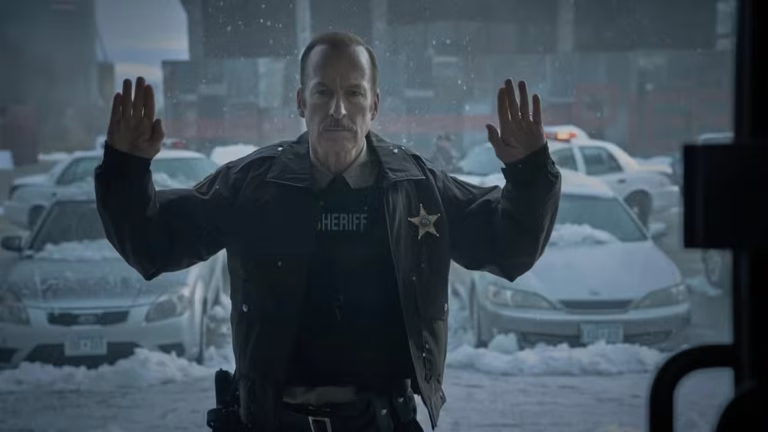
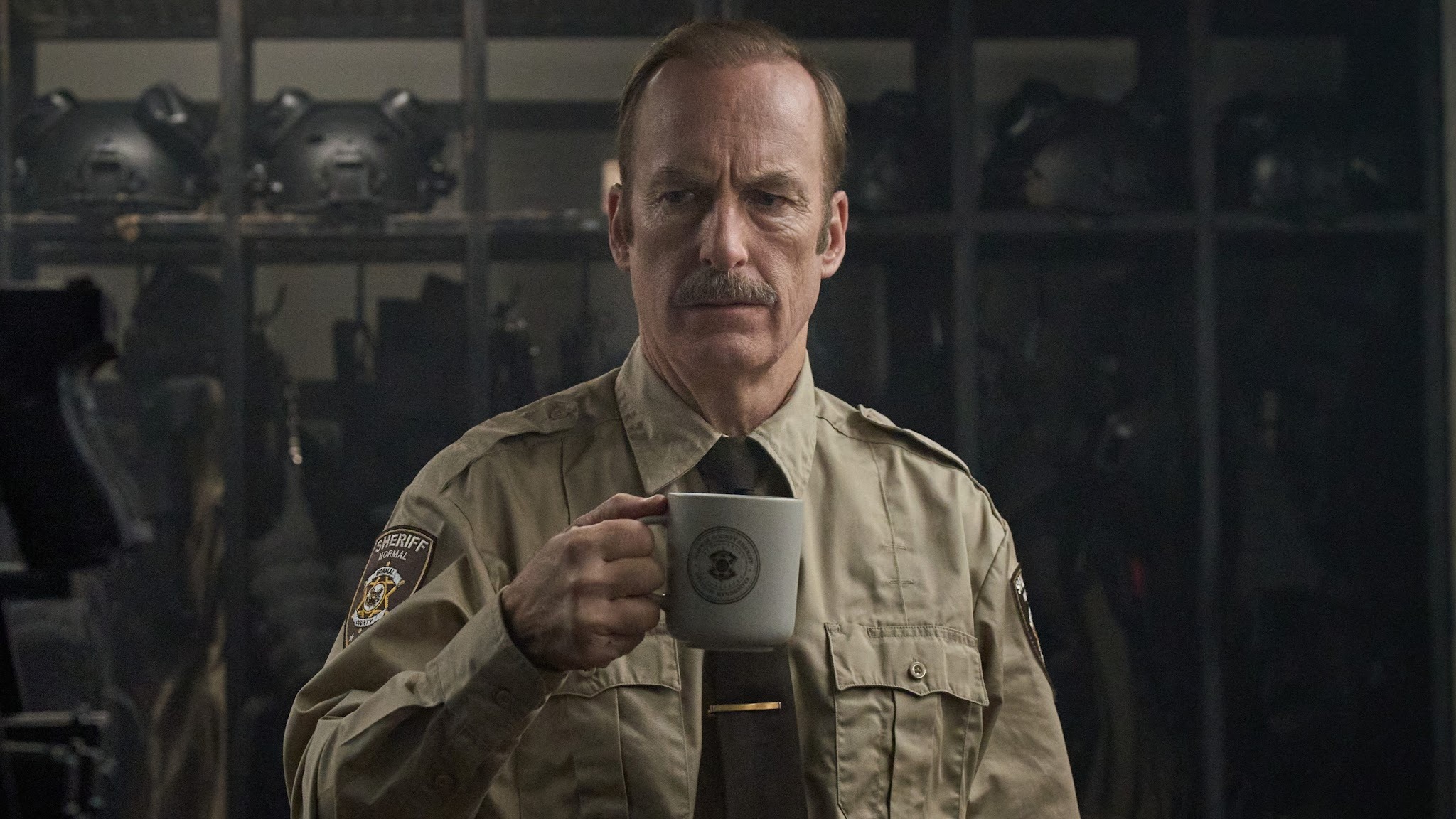
The story follows interim Sheriff Ulysses (Odenkirk), who has come to Normal, Minnesota, filling in after the town’s long-term police chief died under somewhat shady circumstances, like freezing to death while ice fishing, even though the local townspeople say he was using a fly rod. Ulysses partners with the affable Mike (Billy MacLellan), befriends a local bartender (Game of Thrones alum Lena Headey), and is offered the job full-time by the mayor (Henry Winkler).
However, Ulysses begins to suspect something is off. A small, run-down town has somehow secured millions in donations to refurbish downtown. A little old lady overorders mauve-colored items, but never seems to sell a thing. The police station is equipped with more firepower than a Los Angeles SWAT unit. Even a local hardware store owner has dozens of sticks of dynamite, oh, and there’s a bank vault filled with cash and gold bricks.
Normal has an impressive pedigree behind it. From director Ben Wheatley (Free Fire) and writer Derek Kolstad, the mind behind the John Wick franchise and Nobody (co-written with Odenkirk), the film arrives with serious action credentials. The trio creates a subtle action film that sneaks up on you, leaving your head spinning. Filled with vigorous action sequences, the script is clever enough to have Odenkirk’s Ulysses observe quirky behaviors, letting the story come to him.
Those include surprises where suddenly good people are the villains, and bad ones have moral compasses. The story is outlandish, but there are always explanations that ground it a bit, to make things somewhat believable. The third is clever, until reality sets in. Wheatley gets back to his roots, with stylized action that practically screams, “Give the people what they want!” Those are genre picture thrills, which are stuck on repeat.
Now, not everything works as well as it should. You could argue the opening, which features a five-minute scene about the Yakuza, would have played better if it didn’t reveal the villains behind the illicit activities, allowing the audience to discover it alongside the characters in Normal. Then, there is a quick cameo from Henry Winkler, who leaves the film as quickly as you can say correctamundo, which, after thinking about it, you almost have to admire.
For what it’s worth, Normal’s third act takes the time to set up the final scenes that make the movie worth watching. A battle-royale action sequence is intense, even exhilarating. Then, the script gives Odenkirk’s character subtle shades of mystery, along with a framed storytelling device that reveals his backstory and shows that nearly everyone in the film struggles with their past, present, and future. Sure, it is messy, uneven, and utterly ridiculous, but by the time the film is over, Normal proves the past doesn’t just linger, it reloads.
You can watch Normal only in theaters starting April 17th!
Director: Giulio Bertelli Writers:Giulio Bertelli, Pietro Caracciolo, Pietro Caracciolo Stars: Yile Vianello, Alice Bellandi, Michela Cescon
Synopsis:As the fictional Olympic Games of Ludoj 2024 approaches, Agon shows the stories of three athletes as they prepare and then compete in rifle shooting, fencing and judo.
In his contemplative and visually rigorous film Agon, director Giulio Bertelli strips away the high-octane artifice typically associated with the “road to the Olympics.” Set against the backdrop of the fictional Ludoj 2024 Games, the film tracks three female athletes as they prepare for and compete in rifle shooting, fencing, and judo. While these sports are professionalized and governed today by strict protocols designed to mitigate harm, Bertelli never lets the viewer forget their primal origins as modes of combat intended to inflict violence.
From its opening frames, Agon establishes a stark visual dissonance. The film’s aesthetic is unexpectedly airy and muted, filmed with a detached, chilling elegance. Rather than relying on the gritty, high-contrast visual language of the traditional sports drama, Bertelli employs a clinical, documentary-like lens. This muted palette creates a profound friction with the brutal reality of what we are observing. When they come, the sudden, intrusions of pain and failure feel both jarring because the world they inhabit is so beautifully, coldly composed, and yet they also feel inevitable; a natural consequence of pushing the limits.
Oscillating between wide shots that capture the macro-geometry of the sports and invasive, extreme close-ups detailing specific physical processes, the camera treats the human body as just another piece of apparatus. An unflinching early sequence of a knee operation sets the tone. By juxtaposing the visceral reality of surgery with the heavy industrial manufacture of bullets and fencing blades, Bertelli is telling us that flesh and bone are as specialized, and as prone to failure, as the tools they wield.
Crucially, the film almost seems to desexualize its subjects. In contemporary cinema, women’s bodies are frequently either objectified or framed as triumphant vessels of “empowerment.” Agon rejects both narratives, presenting these young women as highly tuned, ambitious instruments of sporting excellence. This visceral authenticity, however, is not merely a feat of acting; it is lived. By casting real-world athletic powerhouse such as Olympic gold medalist in Judo, Alice Bellandi, Bertelli blurs the boundary between documentary and fiction.
The repetitive muscle memory and the exhaustion etched into the micro-expressions of these athletes carries the weight of lived experience, making palpable the psychological toll and “emotional saturation” of being treated like a machine.
Yet, Bertelli purposefully allows this mechanical artifice to crack in moments of profound, solitary desperation. The facade shatters during two highly intimate scenes: when the rifle shooter, Sokolov, masturbates, and later, when an injured Bellandi resorts to a desperate bout of binge eating. Rather than observing the physical acts themselves with the clinical detachment used during their training, the camera anchors itself in long, unflinching takes fixed solely on the actresses’ faces. In these suffocatingly quiet moments, the audience is forced to reckon with the devastating emotional toll of their discipline. The bodies they have treated as mere tools finally demand a visceral, human release, revealing the psychological weight of their ambition.
Perhaps the film’s most striking formal decision is its acoustic landscape. Deprived of the public, the fictional events are staged entirely within soundstages to feature a new, overwhelming layer of audio. The validating, triumphant roars of the crowd are entirely absent. Instead, the soundtrack is a stark, tactile symphony: the metallic clash of equipment, the heavy breathing, and the guttural grunts of extreme exertion. This sonic isolation forces a profoundly intimate and often uncomfortable watch, confronting the viewer with the raw grind of elite competition without the emotional safety net of a cheering audience.
The film finds its sharpest tension in the friction between these ancient forms of combat and the digital age. In a brilliant flourish of what the director terms “techno-realism”, Bertelli shows athletes embracing video games to hone their competitive edge. This digital interface acts as a sterilising filter over the reality of combat, abstracting the flesh-and-blood competitor into pixels and blurring the line between human frailty and digital perfection.
This hyper-modern intrusion extends far beyond training, bleeding into the very real anxieties of the athletes. They must navigate the contemporary threat of “cancel culture” via social media, the parasocial nature of which further dehumanizes the competitor, flattening their experience into yet another label, “Influencer.” Furthermore, the film delivers a bitter irony through a tragic equipment malfunction. In sports that have been heavily sanitised by advanced padding and sensors to ensure safety, the catastrophic failure of this technology underscores the inescapable danger athletes face. It exposes the fallacy that modernity can entirely tame the violence of the arena.
Agon manages to be utterly compelling without ever relying on the manufactured highs and lows of the genre. It understands that the capricious nature of elite sport provides its own inherent suspense. In a world where the margin between victory and defeat is separated by a hair’s breadth, the simple, repetitive mastery of a routine does not require a stirring orchestral score. Ultimately, by stripping away the glamour and the crowds, Bertelli asks a haunting question: what remains of the human drive to compete when the external rewards are gone? He has crafted a somber, essential meditation on the banality and the grotesque beauty of the athletic grind.
Director: Nicholas Ma Writers: Joy Goodwin, Nicholas Ma Stars: Lexi Perkel, Christine Ko, Judy Greer
Synopsis: No one gets Callie, an awkward pre-teen whose one friend, Mabel, is a plant. As Callie’s obsession grows, she is put at odds with her mother and jeopardizes her first chance at a real friendship.
It’s not easy being a girl, especially one who has distinct interests. Those interests stray from the socially acceptable hobbies and fixations that change almost daily. Nicholas Ma’s quiet slice-of-life film, Mabel, focuses on an intelligent young girl during the most formative time of her life: middle school. It captures the awkwardness of not fitting in and becoming conscious of yourself from your peers’ perspectives. A sweet reminder to embrace what makes us different instead of pushing our uniqueness aside.
One of my favorite parts of getting to know someone is asking them what their main hobby or interest was as a child. For me, I was similar to Callie (Lexi Perkel), someone who has a deep love for plants and how we interact with and treat them. Mine stemmed from wanting to help my mom during summer flower planting, but hers comes from a genuine admiration. And as much as it’s clearly more than just a hobby for her, she has a hard time with life outside of her leafy friends.
As a sixth grader, Callie has moved to a new school, where it’s rare for anyone to even care for a cactus properly. She comes from a loving family, but she has a hard time communicating about anything other than botany. Instead, she spends a lot of time with her potted plant, which the film is named after. Whether having conversations or taking in the beautiful scenery, Mabel is truly the only living thing that Callie thinks understands her. Choosing to believe that plants have feelings and are much more aware than most people would think.
Jumping into a new school isn’t ideal for Callie, but her father, David (Quincy Dunn-Baker), and mother, Angela (Christine Ko), decide to move their family due to David’s job. Social circles and lab partners have been well established by the time Callie gets to her first class. After a few failed attempts to talk to her classmates, Callie gives up until she finds herself sneaking into an upperclassmen botany class. It’s like she becomes a completely new girl, filled with confidence and imagination. Finally, a class where she can be herself without judgment or the pressure of fitting in.
In Callie’s life, there are only a few people she can really be herself with, and sadly, none of them are her family. With her mother being the main parent, as her father can be gone for quite some time on work travels. She doesn’t get a lot of attention at home, and when she does, it’s rarely positive, making her loneliness that much more noticeable. But she always has her plants. When she first moves into her new home, she meets her neighbor Agnes (Lena Josephine Marano), who is much more outgoing and bubbly than she is. It takes some time for both girls to warm up fully to one another, but their friendship blooms into something truly special.
There’s also Mrs. G (Judy Greer), who teaches the botany class Callie slipped into. Callie looks up to Mrs. G and sees that she can turn her love for plants into a meaningful career path to further develop her understanding of nature. They have a mentor-mentee connection, where Mrs. G feeds the inquisitive mind of Callie with theories that, in turn, become Callie’s experiments. Allowing her to have an outlet for her energy rather than making her suppress it allows Callie to be her authentic self with no shame. They both share a matter-of-fact kind of personality that makes their interactions short but sweet, making a sizable impact on Callie.
What Mabel does with its characterization of Callie makes her equally relatable and frustrating. Anyone who has been the outcast in social circles knows how painful that can be. Callie doesn’t care much about other people’s thoughts, which makes it easy for her to come across as cold or rude. But Ma and Joy Goodwin’s screenplay, along with Perkel’s performance, shows a young girl becoming socially conscious of herself and finding that, to make friends and build connections with people, she has to meet them on their ground once in a while.
Rather than wanting only to do or talk about what she is enthralled with, she notices she needs to be open to hearing about their interests as well. These interactions are few and far between, and although they do show Callie’s willingness to open herself up to being more social, the film doesn’t show that she has changed much. Choosing not to show her social skills improving with people outside of her small circle, Mabel focuses on doing the same activities with the same people she already has relationships with.
There’s a real love felt from behind the camera with Mabel, not only with its screenplay surrounding Callie, but also with its dreamlike aesthetic. Centering nature and its beauty in the film is essential for Mabel; a lot of Callie’s intrigue with plants comes from their unique looks or their abilities. Mark Jeevaratnam’s cinematography shows us Callie’s life through vibrant green petals and dark, damp potting soil, framing shots that make audiences appreciate the real-world beauty around us with plants of all sizes littering the screen.
Mabel is a thoughtful reflection of what makes a human unique. From the moment we become socially aware, there’s pressure to conform to normalcy. Carefully written and endearingly portrayed, everyone who watches Mabel will see a little bit of themselves in her. It’s a film that challenges us to be open to making new connections without sacrificing what makes us, us.