



Director: Bart Schrijver
Writers: Bart Schrijver
Stars: Bart Harder, Carles Pulido, Olly Bassi
Synopsis: Two old friends are walking 600 kilometers through the Scottish highlands to reconnect with each other, nature, and parts of themselves they lost
As someone who has hiked the length and breadth of the United Kingdom, I was hoping this film would showcase the beautiful landscapes and peacefulness that it offers – especially in the north. Of course, you need decent dialogue, but the scenery is what can make a film like this magical. Luckily, I was not disappointed. The North is reflective, maybe a little slow, but visually rewarding. Directed by Bart Schrijver, this is a film that takes its time, asks for your patience, and then, almost without you noticing, settles in somewhere deeper.
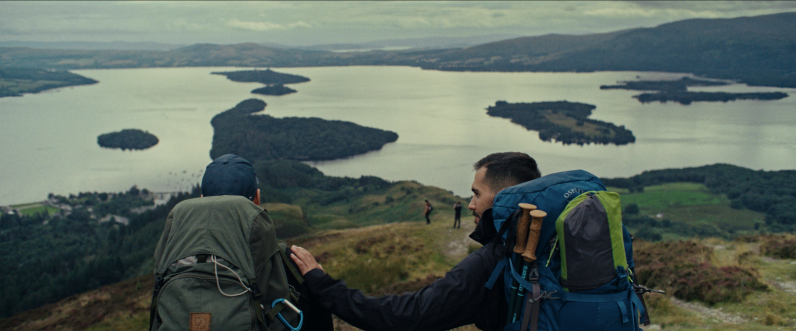
The premise is simple enough. Two former best friends, Chris (Bart Harder) and Lluis (Carles Pulido), reunite after ten years to hike Scotland’s West Highland Way and Cape Wrath Trail, a journey they once completed together in their youth. Now older and clearly carrying more emotional baggage, they set out to reconnect over 30 days and 350 miles of rugged terrain.
I love the opening of saying “the trail is best enjoyed without your phone” – in a world where films and TV series are written to be watched whilst someone is doom scrolling or shopping on their phone, this simple opening line is effective in reminding audiences to put their phones away.
There are no big, melodramatic confrontations right out of the gate. Instead, The North leans into the awkwardness of reunion. These are two people who used to know each other intimately, now navigating the quiet gaps that time has created. Their conversations feel halting at times, even mundane, but that’s exactly the point.
Visually, The North is stunning! Shot entirely on location in the Scottish Highlands, and crucially and impressively in chronological order, the film has an authenticity that’s hard to fake. You can feel the exhaustion in the performances, the shifting weather, and the gradual physical and emotional wear of the journey. There’s a rawness to it that makes the landscape a participant in the story. And what a landscape it is. The Highlands are captured in all their unpredictability, beautiful, harsh, and isolating. If you’ve ever hiked, you will know that the longer you walk, the harder it becomes to avoid the things you’ve been carrying for years. Conversations happen fast, all at once, and then not for hours. It’s a reflective and intense time – which is why people love it.
What I appreciated most is how the film handles pacing. At 131 minutes, it’s not short, and I’ll admit there were moments where I felt its length. Some stretches lean heavily into silence and repetition, and that won’t work for everyone. But for me, those moments eventually became part of the rhythm. Walking, after all, is repetitive. Reflection takes time. The film trusts you to settle into that pace rather than rushing to keep you entertained. But some audiences might feel frustrated by this slow pace and disengage – this isn’t a film made for fans of drama and intensity, but those seeking a space to soak up the soggy moors and reflect.
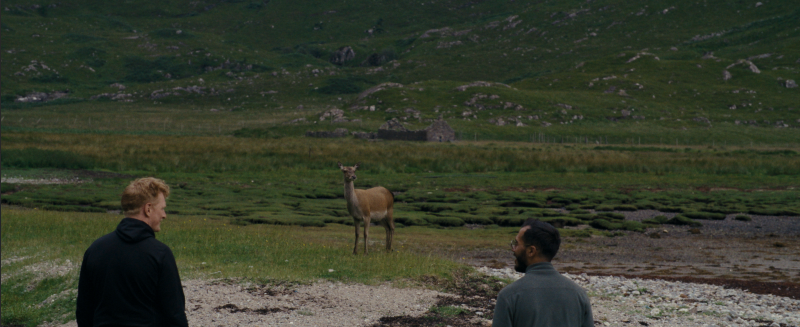
Performance-wise, both leads are excellent in a very understated way. Bart Harder plays Chris with a kind of restless distraction; he’s physically present but mentally elsewhere, tethered to a life back home he can’t quite let go of. Carles Pulido, on the other hand, brings a quiet determination to Lluis. He’s the one pushing forward, both literally and emotionally, as if finishing the trail will prove something. There’s tension and a lingering affection that makes their friendship have a historical weight. Watching them navigate the space between friendship, resentment, and nostalgia is what kept me engaged, even in the film’s quieter moments.
If I had one criticism, it’s that the film occasionally feels a little too restrained. There are emotional beats that could have landed harder with just a bit more clarity or confrontation. At times, it skirts around its biggest revelations and opts for the quiet.
By the end, I didn’t feel like I’d watched a traditional narrative so much as experienced something alongside the characters. Almost as if I’d been watching a documentary or livestream. Distributed by Tull Stories, The North is a film that invites you to slow down, something that feels increasingly rare. It’s thoughtful, challenging, and quietly moving. It’s a film that will make you reflect and push you out of your door, away from your screens, and ready for an adventure.