Home Blog Page 94

Movie Review: ‘The Strangers: Chapter 1″ is the Beginning of an Unwatchable Trilogy


Director: Renny Harlin
Writers: Alan R. Cohen, Alan Freedland
Stars: Madelaine Petsch, Froy Gutierrez, Richard Brake

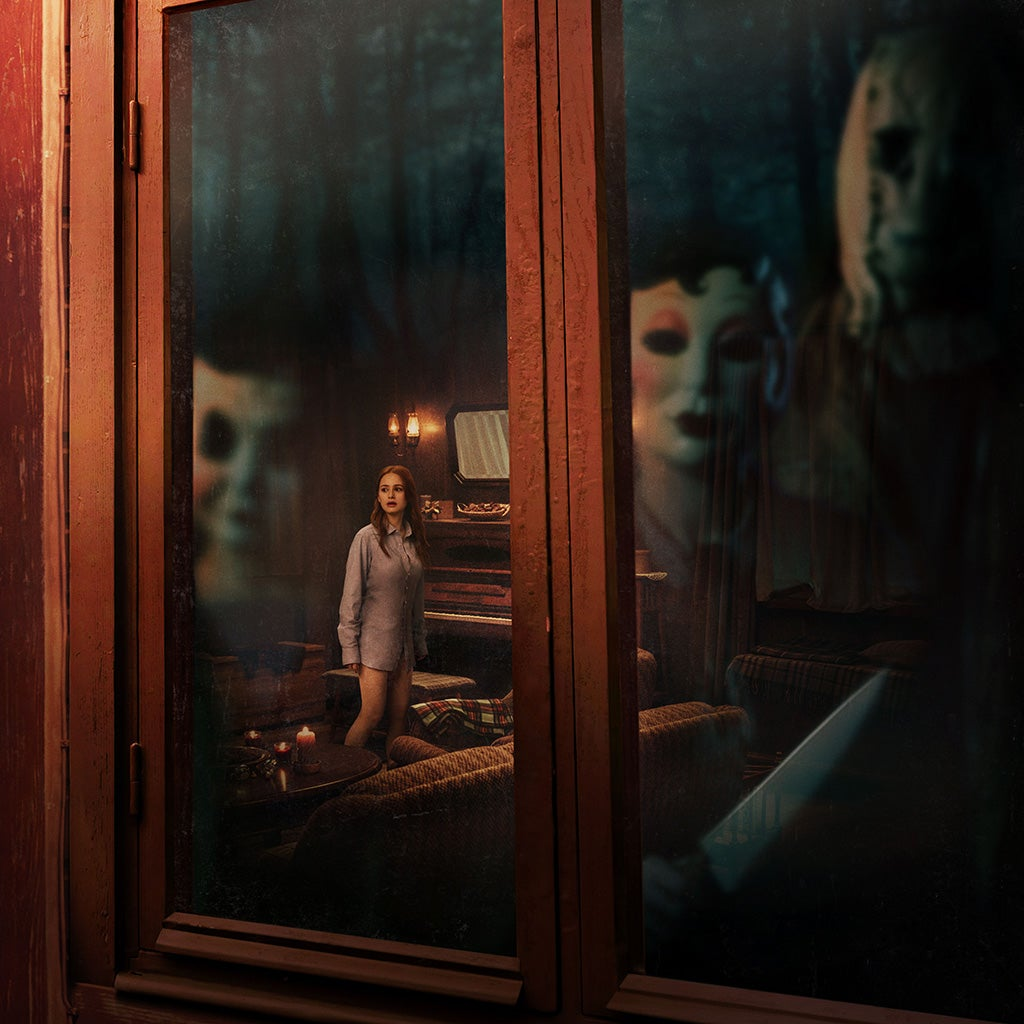
Synopsis: After their car breaks down in an eerie small town, a young couple is forced to spend the night in a remote cabin. Panic ensues as they are terrorized by three masked strangers who strike with no mercy and seemingly no motive.


This year, audiences will be treated to two ambitious projects told in โ€œchapters,โ€ with Kevin Costnerโ€™s Horizon: An American Saga and Renny Harlinโ€™s The Strangers Trilogy. Perhaps theyโ€™re not as ambitious as we think. Still, it takes guts for studio executives to greenlight a franchise of films when the reception canโ€™t be gauged compared to the plethora of superhero movies that have (mostly) been winners for cinemas.ย 

The Strangers is more of a niche property than Kevin Costnerโ€™s Western saga since none of the previous films from the franchise were particularly well received. Certainly not enough to warrant a trilogy of reboots/prequels shot back-to-back to pull back the curtain on the origins of the titular strangers. It did, however, develop a cult following, and part of the thrill of Bryan Bertinoโ€™s 2008 original and Johannes Robertsโ€™ The Strangers: Prey at Night is that the antagonists have no motivations. They stalk and kill the people they find in houses simply because they were there. That makes it even more terrifying, even if both films are horrendously written and executed, teetering on the lines of exploitative rather than actually scary, regardless of their blunt โ€“ and sadly realistic โ€“ ending. 

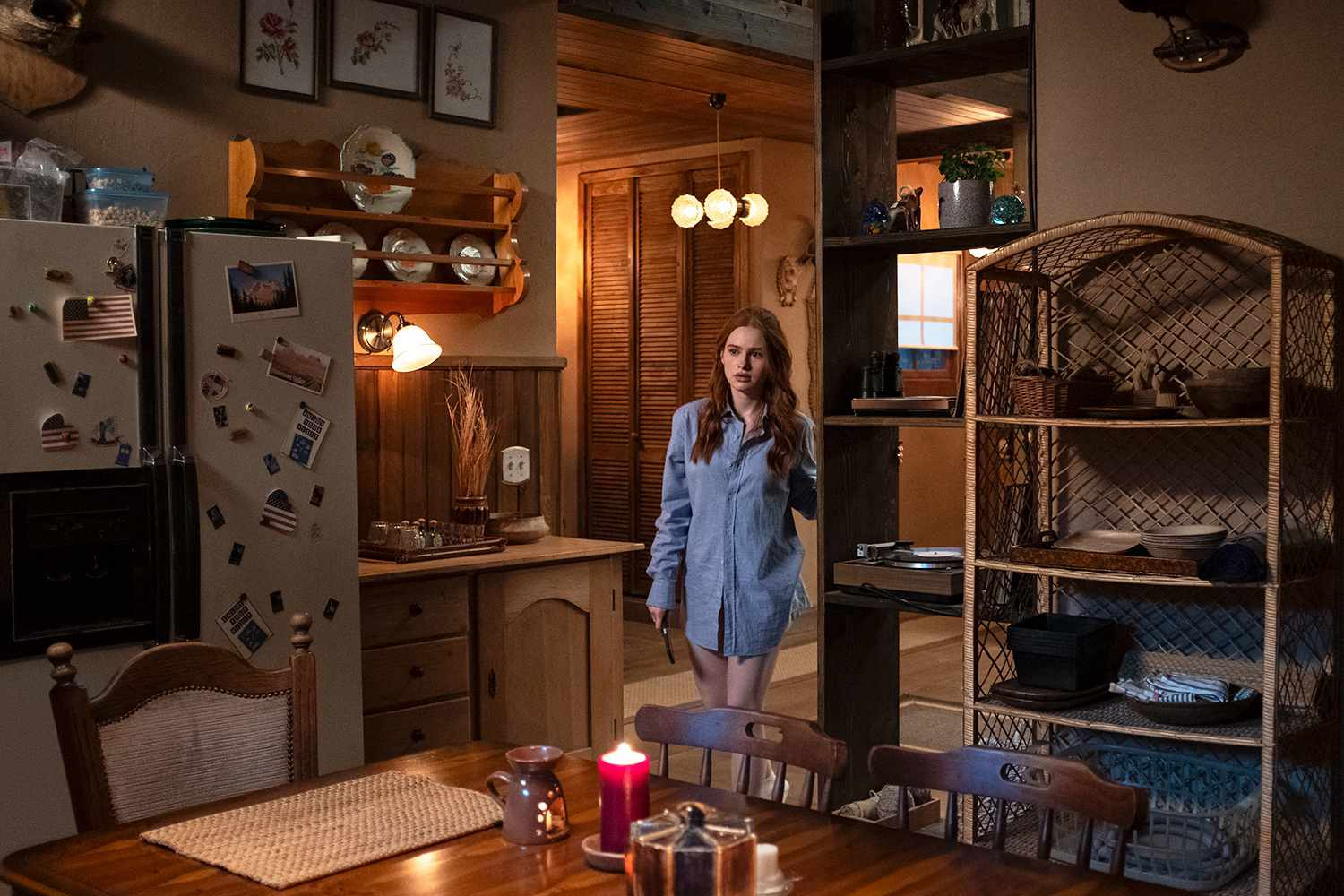
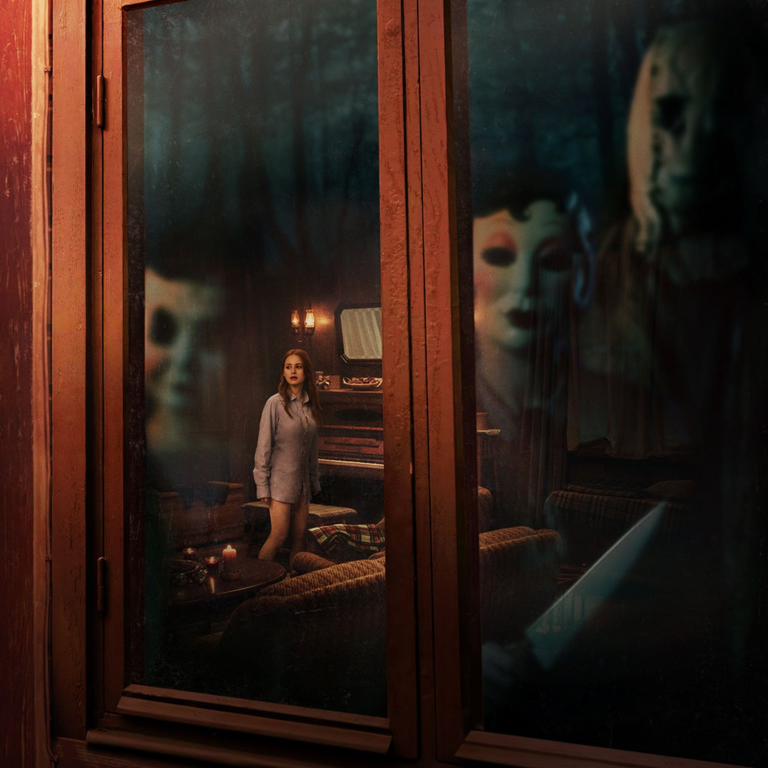
Harlinโ€™s first chapter in his trilogy opens with a text stating that โ€œseven violent crimes have happened since you started watching this movie,โ€ and proceeds toโ€ฆnot follow through with this interesting mise-en-abyme by introducing two of the most listless characters in a modern horror movie this year, with Maya (Madelaine Petsch) and Ryan (Froy Gutierrez). The two are traveling across the country and stop for a bite to eat. When Ryan attempts to start his car, itโ€™s no longer working, with the not-so-friendly and incredibly suspicious mechanic telling them itโ€™ll take a day to fix it. 

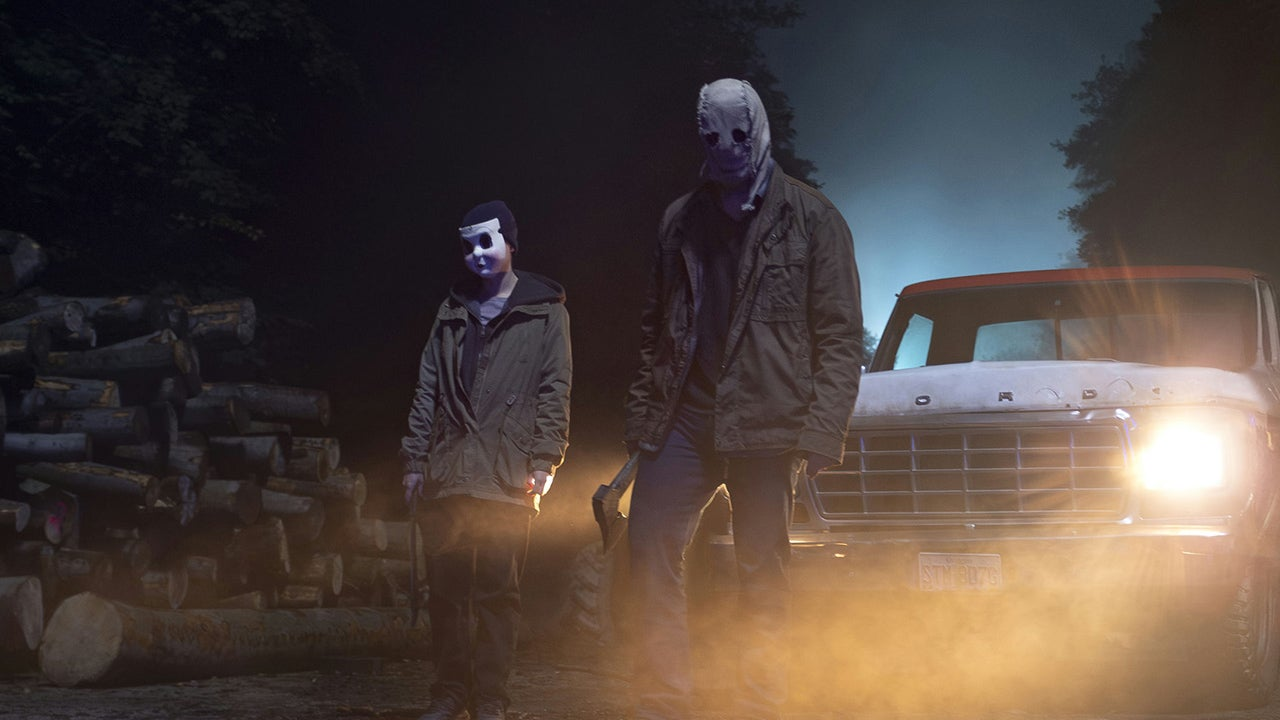
The two rest up at an Airbnb, waiting for their car to be ready, and are immediately stalked by the trio of strangers known as Scarecrow (Matรบลก Lajฤรกk), Dollface (Olivia Kreutzova), and Pin-Up Girl (Letizia Fabbri) as they break into their home and attempt to kill them. It’s a typical Strangers scenario without any of the aesthetic flair that made Robertsโ€™ sequel somewhat fun to watch.ย 

Harlin and cinematographer Josรฉ David Montero shoot each โ€˜scareโ€™ sequence, in which the strangers are in Mayaโ€™s house, with no proper blocking, with most of its visual cues seen coming a mile away (Ryan hears noises in the background, shotgun in hand, thinking itโ€™s one of the strangers. The audience doesnโ€™t see whoโ€™s making the noise, having constantly seen the strangers roam around Mayaโ€™s Airbnb throughout. Who do you think it is?). While Bertino unpredictably played with space in The Strangers, and Roberts used split diopters and crash zooms to exacerbate tension in Prey at Night unnaturally, thereโ€™s no formal exercise to be had here. 

Rather, most of the core action set pieces are poorly shot and lit, with zero sense of tension in their depth of field or a willingness for Harlin to at least give his own cinematic language to the material. The Finnish genre filmmaker has never been this lazy, almost as if heโ€™s contractually obligated to do this instead of wanting to bring his own flair to The Strangers, compared to when he succeeded at giving John McClane a fun sequel with Die Hard 2: Die Harder, or capture Sylvester Stallone in his most death-defying picture ever with Cliffhanger. Weโ€™re a long way off those two, or even The Long Kiss Goodnight, with a picture thatโ€™s never interested in its characters and aesthetic, which is likely what made the first two Strangers films gain a cult following. 

But Harlin has never had the sauce with horror, having bastardized Paul Schraderโ€™s Dominion with his reshot Exorcist: The Beginning and his follow-up, The Covenant, in 2006. Atmospheric horror does not equal action. It doesnโ€™t have the same pace and energy as a Cliffhanger (or even a Cutthroat Island). In The Strangers: Chapter 1, the pace is all out of whack โ€“ most of the scenes are comprised of characters meandering around the Airbnb until a sudden jumpscare amps up the pace for just a minute before it dials down again in complete lethargy. Rinse and repeat until the joke of a cliffhanger ending, which gives audiences the promise of more, but how can you make three films out of such a paper-thin, lackadaisical script like this? 

The thrill of The Strangers is the randomness of its antagonists, who donโ€™t explain why they do what they do, and the protagonists are unfortunately caught in the middle of it. Had they been fully formed, perhaps it would have been somewhat better. However, the two protagonists weโ€™re unfortunately stuck with continuously do the exact opposite of what they should be doing. You could practically hear me scream at the cinema screen (donโ€™t worry, I was alone in the auditorium) going TELL HER TO PUT THE KNIFE DOWN IDIOT! as Ryan holds a shotgun on the head of Pin-Up Girl without telling her to put her large-ass knife down. What do you think is going to happen there? Jesus.ย 

Or how about the scene in which they attempt to leave using the Airbnb ownerโ€™s truck but are being chased by Scarecrowโ€™s own vehicle? Ryan and Maya literally STARE AT HIS TRUCK instead of, I dunno, moving out of the way? Even in such a situation like this, where you donโ€™t have much time to think, you know that if a truck is coming straight at you, the survival reflex in your mind does not compel you to sit around and do nothing. What the hell is this? Do you seriously expect us to believe that the characters are this shortsighted and have no idea what to do when faced with such a situation?ย 


No matter, weโ€™re stuck with these people for over ninety minutes. After they inevitably discover exactly why their shortsighted decisions ultimately lead to a potential demise, the film ends and asks us to come back when Chapter 2 eventually releases, after a post-credits stinger that raises far more questions than answers. At this point, if I were reading a book, Iโ€™d throw it in the garbage bin before Iโ€™d even make it to Chapter 2. And thatโ€™s a promise.
Grade: F

Movie Review (Cannes 2024): ‘Simon of the Mountain’ Lacks Definition and Focus


Director: Luis Federico
Writers: Tomas Murphy, Federico Luis Tachella, Agustin Toscano
Stars: Lorenzo Ferro, Pehuen Pedre, Kiara Supini

Synopsis: Seeking change, 21-year-old Simon finds purpose by befriending two disabled children who teach him to embrace life’s joys. Together, they navigate a world not designed for them, inventing their own rules for love and happiness.


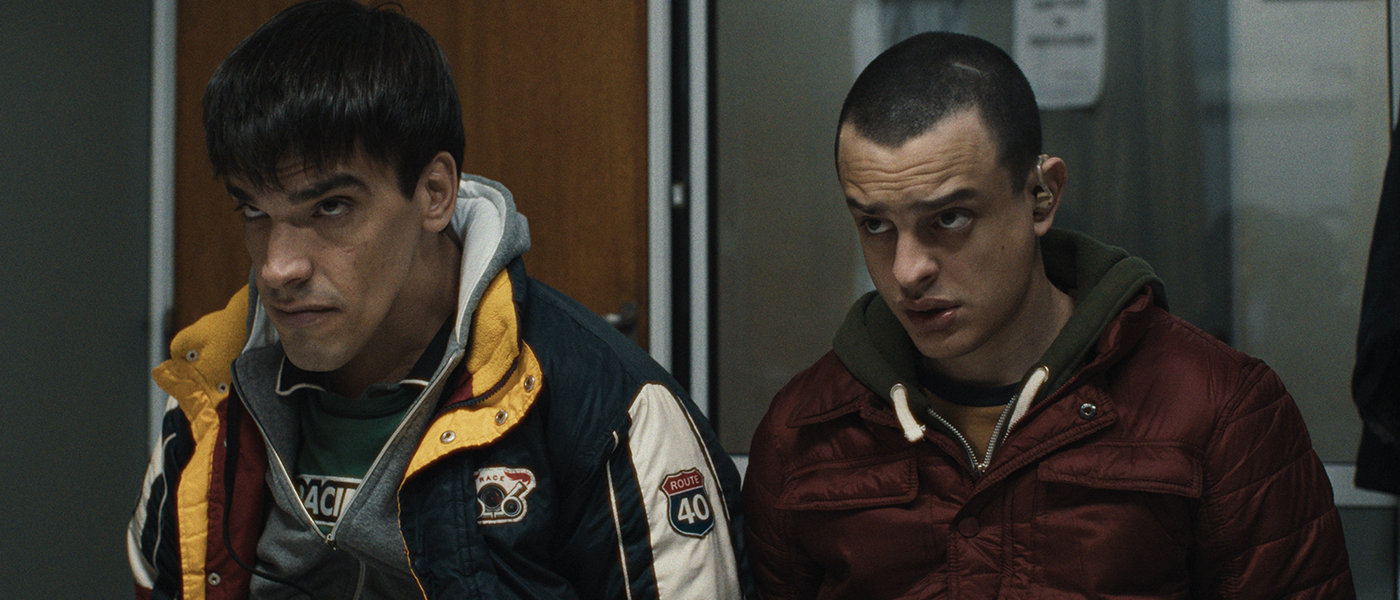
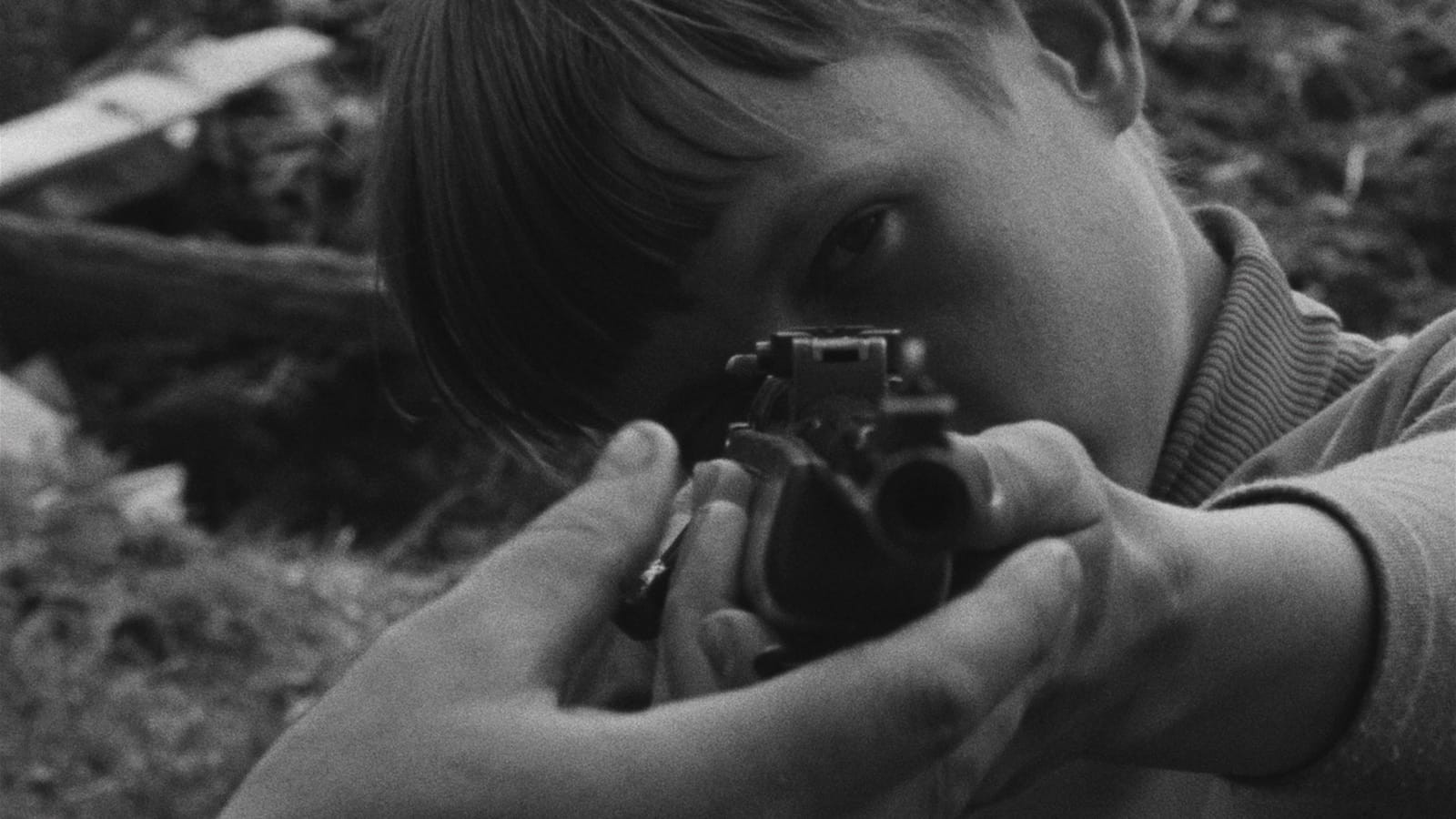
Simon of the Mountain (Simรณn de la montaรฑa), Federico Luis Tachellaโ€™s pretty frustrating picture (screening at this yearโ€™s Cannes Film Festival in the Semaine de la critique), is built like a coming-of-story that we all know โ€“ a type of narrative that we tend to see at the festival. However, Federico Luis Tachella focuses more on the aspect of trying to find a place or group in the world where he could feel special and cared for. The film is groundbreaking in its casting choices and subject matter, as we havenโ€™t seen it depict disabled people. However, even though it covers an important topic, it feels ever so distant due to some narrative decisions. 

The film begins abruptly, introducing us immediately to the twenty-one-year-old titular character, Simon (Lorenzo Ferro). He claims to be a moving assistant; he knows how to make a bed but nothing else. Simon canโ€™t cook, clean, or lift heavy objects; so the viewer hesitates to believe him during the film’s first segment. At first glance, he is a complex character to read because the director places us in the middle of an encounter between him and a stranger who asks about his past experiences. The first few minutes contain a sense of mystery; the narrative is unclear as we go through a series of vignettes that capture Simonโ€™s life after that encounter. 

Simon remains mostly silent during these scenes; he stays in the background like the viewer watching the film unfold. The only narrative tissue connecting these scenes is the love story between Pehuen (Pehuรฉn Pedie), the stranger from before, and a girl named Angelica. The two meet in secret; the hospice of the disabled where they stay prohibits sexual relations. One day, Pehuรฉn asks Simon to cover for him as he meets Angelica in the showers. But they all get caught, with Pehuรฉn and Simon being sent to the directorโ€™s office to discuss the situation. In this scene, we get some clarity within the narrative and some background to Simon as a character. 

We meet his mother, who has been worried sick as she searches for him everywhere. She starts to notice that her son is acting differently. Simon has apparently lost his ID and disability certificate, yet his mother states that he has never had the latter. At this point, multiple questions pop into the viewerโ€™s mind. Is Simon lying to this three-week-old friend about his condition? What are his intentions? Is he being genuine or mocking them? You donโ€™t exactly know, and the film doesnโ€™t make the search for these answers easy. His mother believes he doesnโ€™t have the best intentions, yet Simon remarks that he has always felt that way, just like Pehuรฉn and Angelica. 

Thatโ€™s why Pehuรฉn helps him to get the disability certificate; he does so by teaching him how to walk, talk, and react just like him. During Simon of the Mountain, the titular character goes through a couple of discussions that make him think about why he feels he belongs alongside his friends. Simon, as well as the audience watching, questions whether or not he is disabled, and if so, why would his mother reject him like that instead of seeking help. This is Simonโ€™s journey of self-discovery, hoping the people around him accept him into this place he deems special. While well-intentioned and good-hearted, the film fails to transmit the character’s emotions to the viewer. 

We watch as he immerses himself in this new life, yet the viewer is not entirely captivated by his journey. Federico Luis Tachella doesnโ€™t take much time to provide details about Simonโ€™s background. Instead, he has him in different scenarios that donโ€™t develop his character to a compelling degree. Simon of the Mountain is a fairly acted drama that leaves more questions in your mind than answering the ones established throughout the narrative. That isnโ€™t a particular issue that ruins the viewing experience. I prefer that films leave room for ambiguity rather than having an immediate answer for everything or sugarcoating the story to avoid doing so. 

However, when you donโ€™t have a fully defined character in the lead role, and he doesnโ€™t grow much during the story being told, significant problems arise. I would like to revisit the film later to see if my thoughts would change, given that I know how Simonโ€™s journey concludes. But as of now, I think the film lacks the brevity to showcase its beating heart properly.  It has been one of the most strenuous watches at the festival, not because of how Federico Luis Tachella handles the subject matter but because of the procedure he used to tell this story.
Grade: C-

Movie Review: ‘The Blue Angels’ Screams Across the Big Screen


Director: Paul Crowder
Stars: Brian Allendorfer, Bobby Speed Baldock, Bryon Beck

Synopsis: Follows the veterans and newest class of Navy and Marine Corps flight squadron as they go through intense training and into a season of heart-stopping aerial artistry.


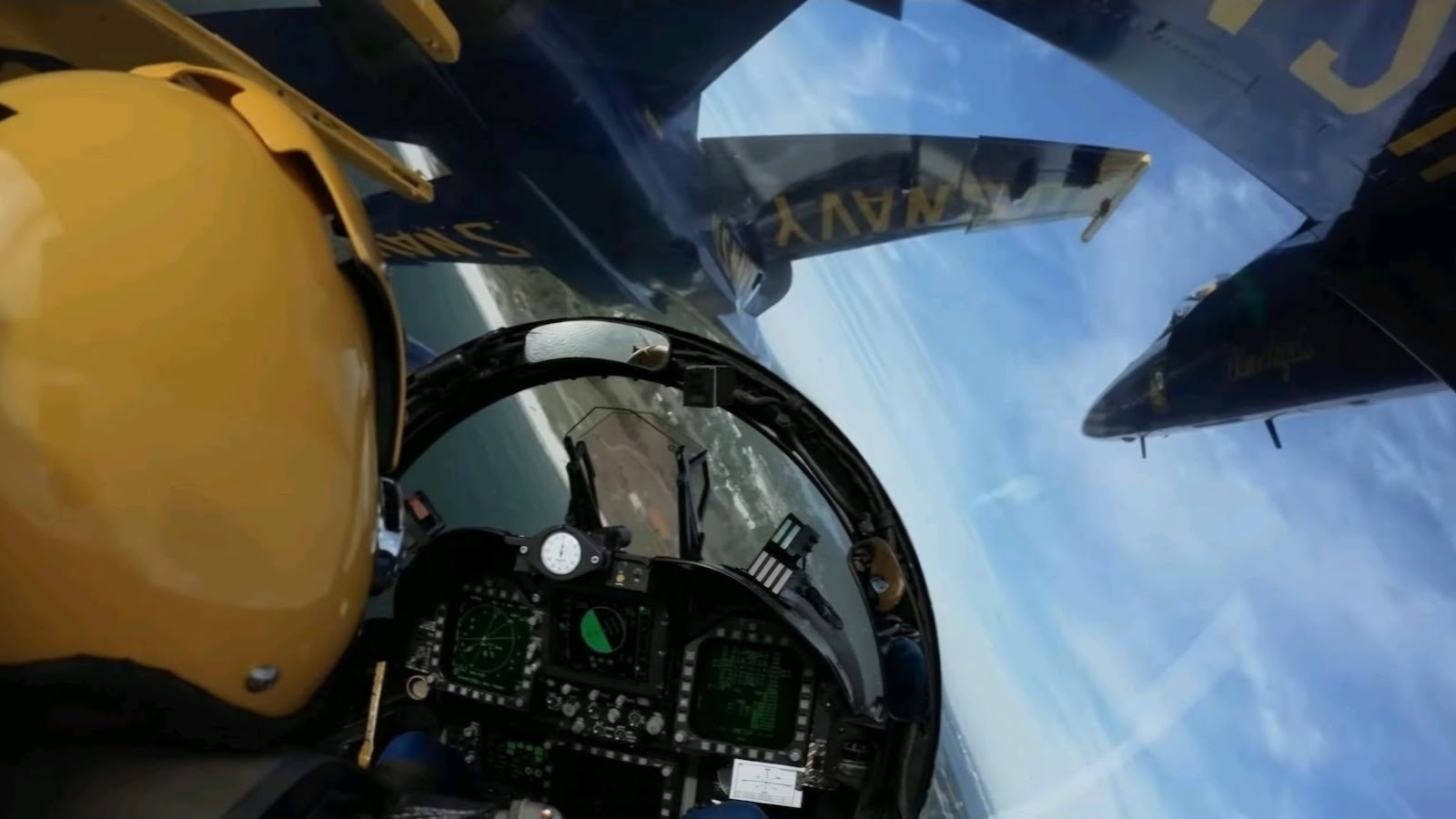
If you’ve ever felt the needโ€”you know, the need for speedโ€”then the new documentary feature, The Blue Angels, is the movie experience you’ve been clamoring for! Filled with jaw-dropping visuals and artistry, this Prime Video film is like no other on the subject you’ve ever seen before. However, perhaps what Paul Crowder’s film does best is capture the poetry of the matter when it comes to these performers’ journeys through boundless baby blue skies in the hopes of touching God and the hearts of those below.

From producer Glen Powell, director Paul Crowder, an award-winning editor of such acclaimed documentaries as Dogtown and Z-Boys, and The Beatles: Eight Days a Week: The Touring Years, take on a new challenge with The Blue Angels. This isn’t exactly familiar territory for the filmmaker, whose best work has often involved rebels, like Riding Giants, a film about a skateboarder turned surfer conquering waves the size of small buildings. As Crowder transitions from the depths of empty pools in Santa Monica and Venice Beach to the peaks of foamy waves, it’s only natural that the lens of his camera continues to reach skyward.Image from new documentary film The Blue Angels (2024) | Image via Amazon Studios

While some may view The Blue Angels as a political stunt for military recruiting, even the staunchest skeptics are likely to be captivated by the film, not to mention a live demonstration. The group has been thrilling audiences for nearly a century. This documentary follows veterans and recruits of the Navyโ€™s Elite Flight Demonstration Squadron. Where dramatized films like Top Gun: Maverick or limited series like Band of Brothers depict the grueling nature of forming such a unit, Crowder immerses the viewer in the trainees’ experiences through grueling training, protocols, and testing that are eye-opening. 

When you combine these scenes with jaw-dropping aerial stunts, The Blue Angels takes on an arm-rest-grabbing thriller quality that’s thrilling and hard to shake with its g-force grip. I was given a screener for the Prime Video documentary, but considering what I saw on television, I went to see the film in IMAX for a second viewing. The IMAX technology is a game changer for Crowder’s film. The film is simply spectacular in its elevated format. Yes, I will use the same tired clichรฉ every critic churns out in hopes of getting a quote on a poster or BluRay jacket: You need to see this film on the biggest screen possible. The experience is guaranteed to make the hair stand up on your neck.

And much of that credit should go to the cinematography team, including Lance Benson, Michael Fitz Maurice, and Jessica Young. Along with the courageous determination of the camera operators (something I have come to appreciate more after The Fall Guy, for what that is worth) gives Crowderโ€™s immersive experience its poetry in motion, lyrical, endearing feel. Along with the character study of pilots such as Brian Allendorfer, Bobby Speed Baldock, Bryon Beck, and Lance Benson, along with the hundreds of crew members on the ground, the film takes time to give you a glimpse of their hard work, make The Blue Angels a community experience and the power of teamwork.

Simply put, go for the breathtaking, spectacular, and adrenaline-pumping visuals and stay for the lessons The Blue Angels teaches cinephiles of all ages.

Grade: A-

Movie Review (Cannes 2024): ‘The Substance’ is an Uncouth Jewel


Director: Coralie Fargeat
Writer: Coralie Fargeat
Stars: Margaret Qualley, Dennis Quaid, Demi Moore

Synopsis: A fading celebrity decides to use a black market drug, a cell-replicating substance that temporarily creates a younger, better version of herself.


Body horror is the house for mad creatures to concoct their carnal visions, dreams, and nightmares. The exploration of the body is endless in this canvas. Why would filmmakers limit themselves when crossing into this subgenre when it is all about venturing into the unknown? There are many ways you can tie these bloody brigades with everything in life, not necessarily limited to the classic theme of trauma. Filmmakers like David Cronenberg and Julia Ducournau โ€“ the king and queen of body horror (and two of my favorite directors of all time) โ€“ have found fascinating, unique ways to implement these elements to a plethora of themes, whether it is the 80s obsession with violence on the media in Videodrome or finding unconditional love in Titane

The two have revolutionized what can be done with the horror genre. However, a new name is emerging that can be placed on that short list. That is Coralie Fargeat, known for her excellent debut, Revenge, in 2017. The French filmmaker had dabbled before with the subgenre, although it was just passing moments rather than complete focus on it. But in her follow-up, The Substance (screening in competition at this yearโ€™s Cannes Film Festival), she decides to go all out, to degrees that both Cronenberg and Ducournau would be proud of. As grizzly as her previous work, yet more audacious, The Substance has Fargeat not wanting to hold back.ย 

She tests the audience to see if they can stomach the brutal beast she has created. And if they canโ€™t, wellโ€ฆ good luck then! The procedure Fargeat uses is similar to how two-time Palme dโ€™Or-winner Ruben ร–stlund creates satires: having the subtlety of a sledgehammer and putting the audience through an array of loud scenarios that provoke and detach. But unlike him, Fargeat isnโ€™t blindsided by the fact that she has done this; it is a part of the aberrant painting she has covered in bodily fluids, in all of its cinematically delightful carnage that will leave gore-hounds and horror freaks enamored by its madness. 

The Substance centers around Elizabeth Sparkle (a magnificent Demi Moore who has never been better). She is a veteran actress and a top talent of her time whose name immediately hints at the sledgehammer-wielding Fargeatโ€™s unsubtle satire. Elizabeth is a star fading away from the spotlight that used to caress her face with a soothing luminescence. Even with the trophies that ensure she doesnโ€™t vanish from the ostentatious world of Hollywood โ€“ an Oscar for a movie that nobody remembers and a now cracked star in the โ€œhonoredโ€ Walk of Fame, which Fargeat shows from its installation to the stepped-on present during the filmโ€™s first-minutes โ€“ none of that is stopping the cruelty of how this society focused rejuvenation value women when they are young, leaving them to roost once they are not youthful. 

This is Fargeatโ€™s crux, seen early in the film as a more grounded (in comparison with what the rest of the film has to offer) and unsubtle critique. However, she doesnโ€™t want to stop there. You already might get the point, yet Fargeat intends to construct a carnal attraction of her own. And it is a thing of horrific beauty. The once A-lister is now turned fifty, looking for a way back into the bright lights after the TV executive, Harvey (Dennis Quaid, ever so despicable in his performance, tuning into the material perfectly) lets her go from the dance workout show she hosted, Sparkle Your Life, because he wants a young face in the poster. Elizabeth doesnโ€™t know what to do; in Hollywoodโ€™s eye, her glamor is fading. 

With a string of back luck on her side, the day gets worse. She gets into a car accident that sends her to the hospital, even though no injuries were suffered. It is here where she has an encounter with a stranger, a moment that might seem insignificant if it wasnโ€™t for the USB she has now in her possession. Arriving as a โ€œguardian angelโ€ at first, later revealed as a โ€œbe careful what you wish forโ€ devil, the hard drive has information about a procedure that will make her young again via a cloning process. As explained in the USB, the experiment involves injecting a serum called โ€œThe Substanceโ€, which will allow the user to live a new life in a young, beautiful body for seven days at a time.ย 
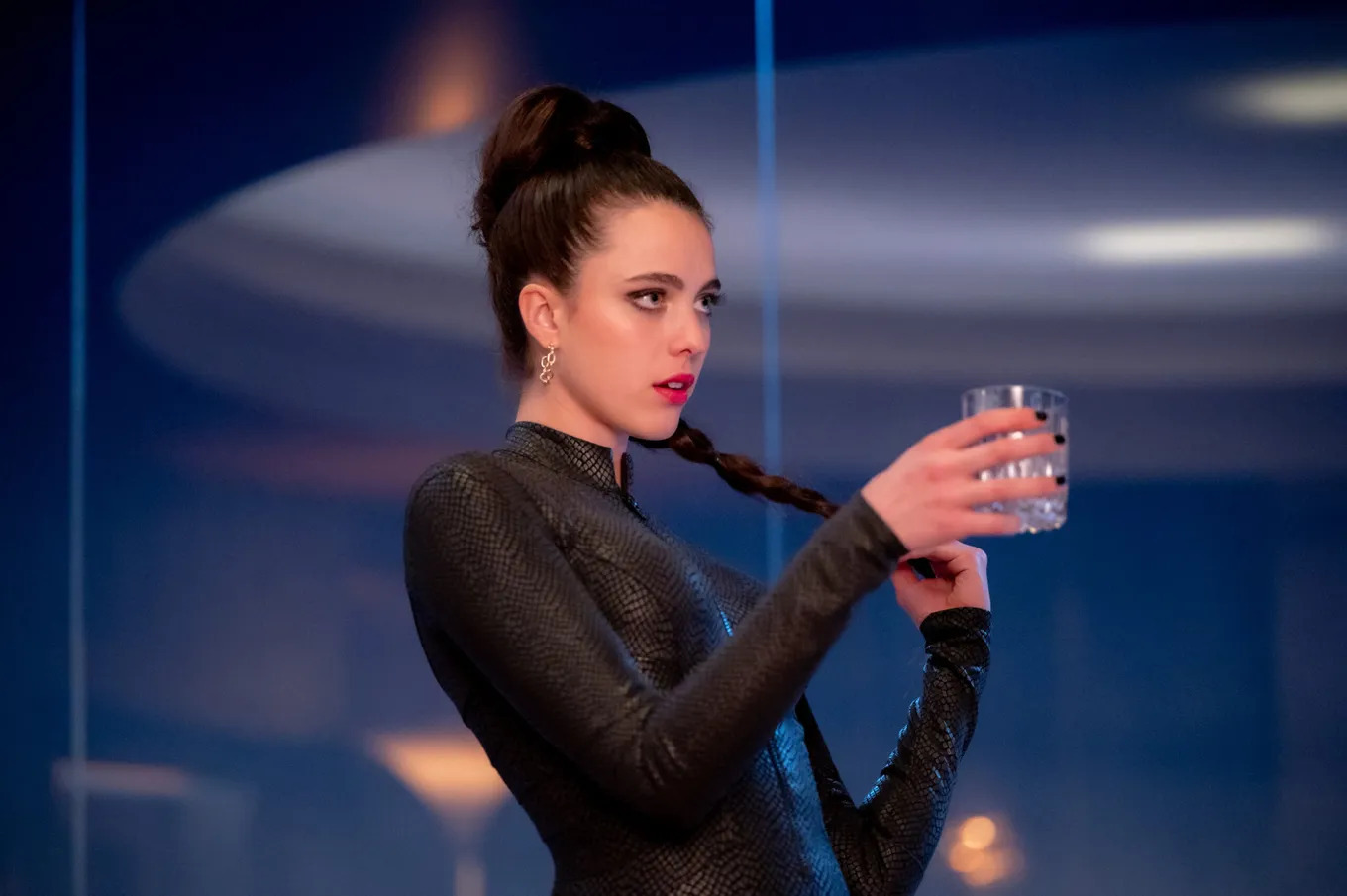
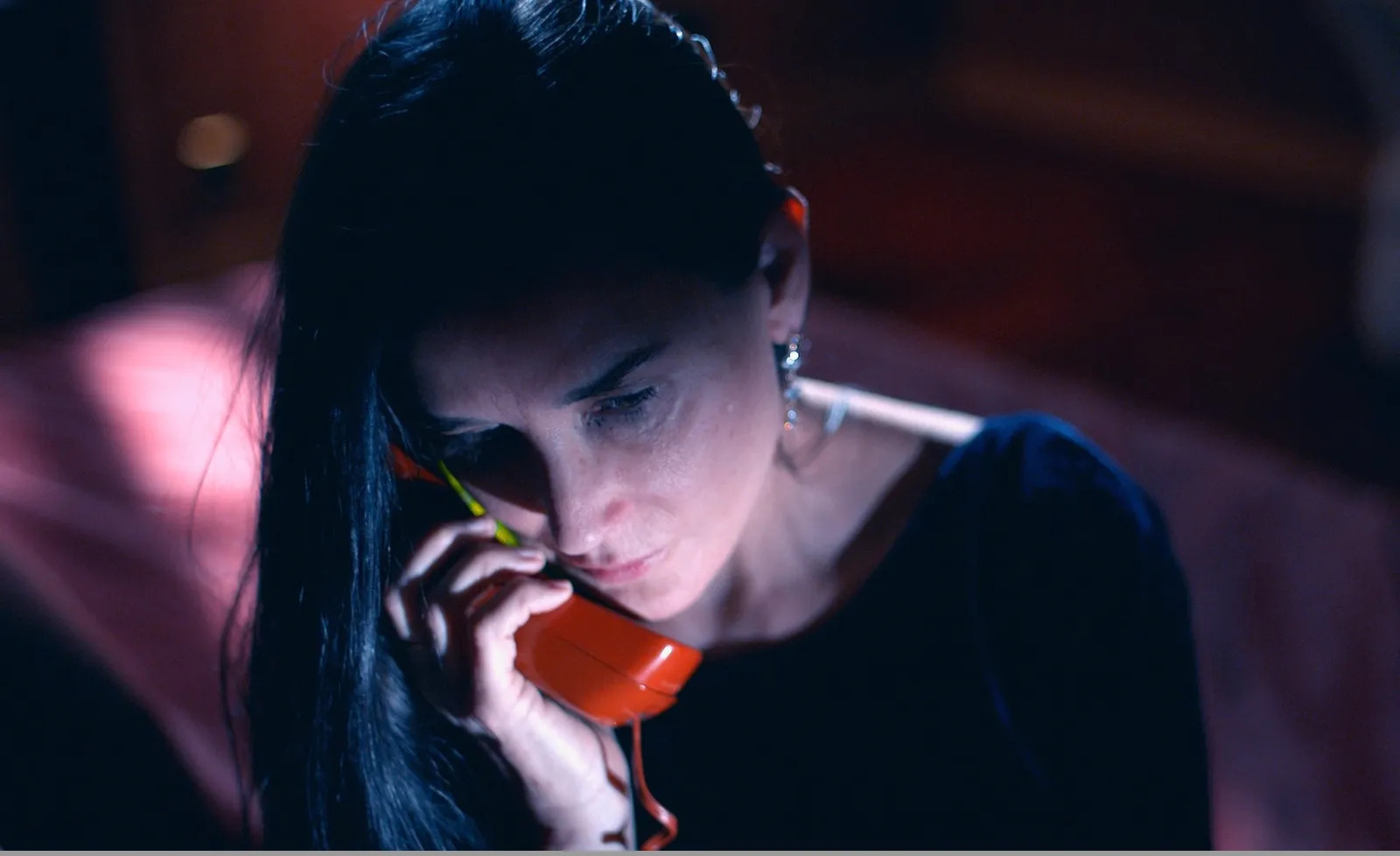
The two women canโ€™t be conscious simultaneously, as they are one person, just separated into two different bodies. Intrigued by the idea, Elizabeth decides to proceed with the unorthodox experiment since she doesn’t have another idea. Out of her spine, she hatches a younger version of herself, Sue (Margaret Qualley), in an amusing, disgusting way. She canโ€™t believe it; right before her eyes lies a new creation. โ€œThe Substanceโ€ plays a god-like role, breaking the rules and notions of the body and its capabilities. Sue then follows to audition for the role Elizabeth has lost and gains immediate stardom, the slimy Harvey rejoicing as the fresh meat earns him money. But a huge problem arises. Sue doesnโ€™t want to share her time in the world; meanwhile, Elizabeth is comatose in a private room, her life slowly draining and decaying as the starlet gains vivacity. The arrangement fractures as time passes and spinal fluid is removed.

This โ€˜Dr. Jekyll and Mr. Hydeโ€™ meets โ€˜The Picture of Dorian Gray’-like story develops into an amalgamation of gory inventions, referencing multiple cinema legends (Stanley Kubrick, David Cronenberg, Lucio Fulci) as well as some of the genreโ€™s cult classics (Society, The Stuff). You immediately notice not only how well-versed Coralie Fargeat is in cinema history but also her great confidence behind the camera. The film oozes, both literally and figuratively, in style and flash, adopting hallucinatory and gruesome techniques that make each horror set piece have a great force of cinematic prowess. Consequently, it feels like a breath of fresh air, a unique addition to a vast genre filled with many ideas and concepts that are as striking as they are thrilling.ย 

Fargeat demonstrated in Revenge how she could take a subgenre such as rape revenge-thriller and make it her own via her unique feminist methodology in her filmmaking, which lines up with what Carol J. Clover said about the victim-hero and final girl in her excellent book โ€˜Men, Women, and Chainsawsโ€™. And the French filmmaker, who might win an award at the end of the festival, does the same thing with body horror. It is a movie that is influenced, yet savvy and prolific, made within the confines of a subgenre that hasnโ€™t seen much reinvention since the aforementioned Cronenberg and Ducournau. Fargeat is in full command, never letting the boat sheโ€™s sailing go close to sinking. 

In terms of horror, The Substance is a work of sheer expertise. You are perplexed by the tastelessness in the brutality, in awe of the vision in her creations, and captivated by the approach to this damning story. When it comes to the satire, thatโ€™s where some audience members might find the most faults. The whole ordeal is more than obvious; the joke that โ€œThe Substance doesnโ€™t have much substanceโ€ will be thrown around many times in cheap one-sentence Letterboxd reviews. The mechanics of the narrative and the world the film builds revolve around that on-the-nose laughability. The comedy and horror elements are heightened due to the hollowness of the filmโ€™s casing, catching the viewer easily off guard when the director mutilates and deconstructs the body of her characters. With a blood bath that emerges later in the story, it might be possible that the Grand Auditorium Louis Lumiรจre might be strained in crimson red for a very long time. The Substance, a beast of its own, is a total uncouth jewel.
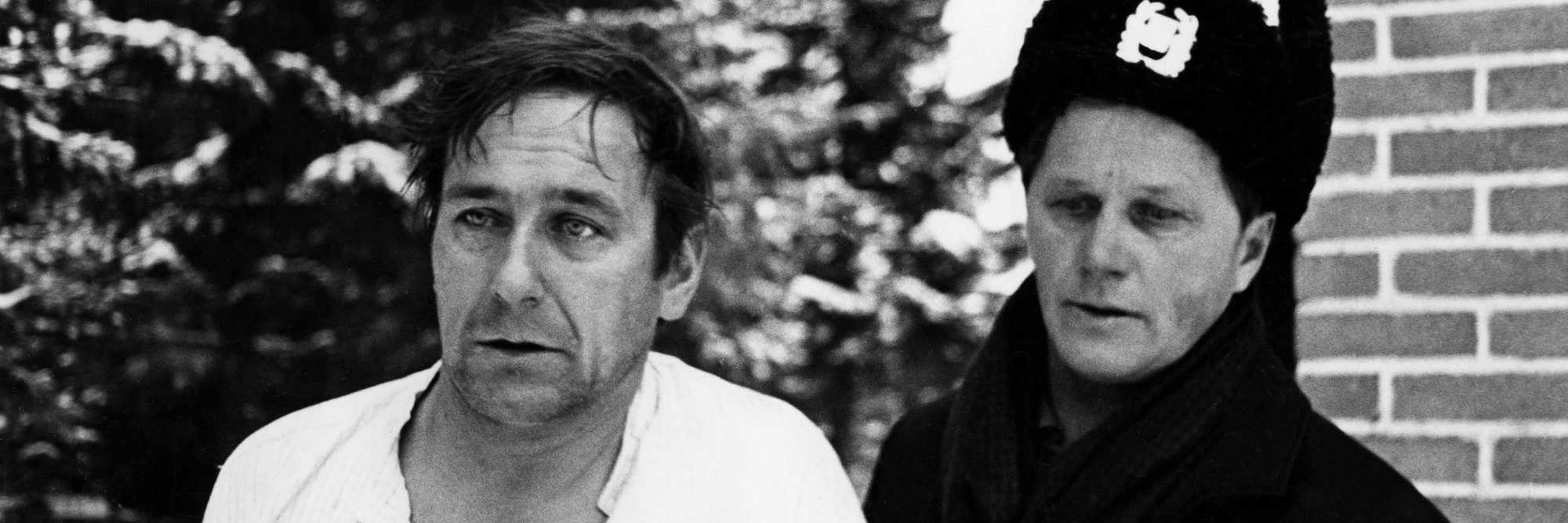
Grade: A

Podcast Review: I Saw the TV Glow

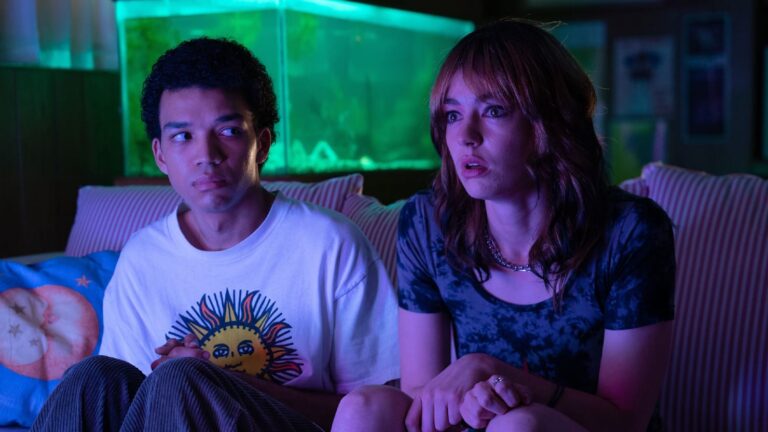
On this episode, JD is joined by Hannah Jocelyn of Pitchfork to discuss Jane Schoenbrun’s amazing new film I Saw the TV Glow! This is a film many of us have been looking forward to all year, especially off the heels of Schoenbrun’s incredible debut We’re All Going to the World’s Fair a few years ago, and it did not disappoint. We have a lot of passionate thoughts and had a great time digging into what it all means.

Review: I Saw the TV Glowย (4:00)
Director: Alice Rohrwacher
Writers: Alice Rohrwacher
Stars: Josh O’Connor, Carol Duarte, Vincenzo Nemolato

Subscribe to our Podcasts RSS
Subscribe to our Podcasts on iTunes
Listen on Spotify
Listen on Stitcher
InSession Film Podcast – I Saw the TV Glow

Movie Review: ‘Furiosa: A Mad Max Saga’ is Both Transcendent and Indulgent


Director: George Miller
Writers: George Miller, Nick Lathouris
Stars: Anya Taylor-Joy, Chris Hemsworth, Tom Burke

Synopsis: The origin story of renegade warrior Furiosa before her encounter and teamup with Mad Max.


Furiosa: A Mad Max Saga begins with the same voices which open Mad Max: Fury Road, sans Max. The audience is welcomed back to the Wasteland before seeing it. The voice over instead speaks of Imperator Furiosa โ€“ who, like Mad Max before her, has reached the status of legend. Furiosa is the story of a child of the Vuvalini of Many Mothers โ€“ daughter of Mary Jabassa (Charlee Fraser), Protector of The Green Place.

Furiosa (Alyla Browne) is reaching for a peach with young Valkyrie when she hears voices. Men from a motorcycle horde have invaded the protected oasis. Furiosa attempts to cut the gas lines of their bikes but is caught. From that moment, Furiosaโ€™s home is a paradise lost but never forgotten.

George Miller throws the gauntlet down immediately. Mary Jabassa gives chase felling Furiosaโ€™s lack witted kidnappers with the assistance of a sniperโ€™s eye, her black thumb skills (mechanic), and Furiosaโ€™s training. The physical health of the full life Vuvalini has transferred to quick thinking and problem solving. Furiosa might be small but sheโ€™s mighty. Mary is, as Furiosa recalls in time, magnificent. 

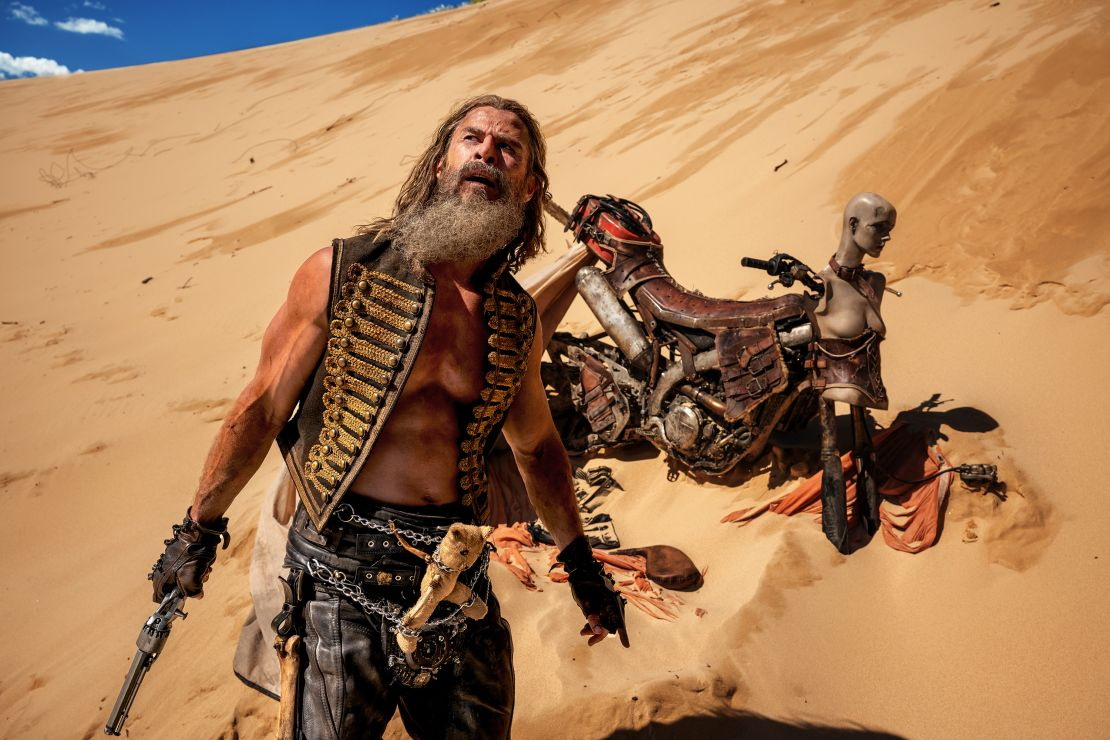
The child is taken to the scavenger warlord Dementus (Chris Hemsworth, as you have never seen him before). Dementus is a cruel grifter who uses ultra-violence to get his way. Unable to cajole the location of the place of abundance out of Furiosa, his method turns to crucifixion and motorcycle quartering. Furiosa is made to witness the death of her mother. Within three days, Furiosa is caged and muzzled, listening with rage to Dementusโ€™ idiotic ramblings and taking in lessons from the History Man with his tattooed skin and position as ersatz historian.

History and myth are as important to Miller and co-scribe Nicos Lathouris as guzzolene and V8 engines. Pageantry and symbolism rub shoulders with broken war-addled and fallout brains of the mostly male survivors. While Dementus sees himself as a politician, Immortan Joe (Lachy Hulme) sees himself as a God. A War Boy tells Dementus about The Citadel. They spy a chance for supremacy Dementus threatens Immortan Joe and his sons Rictus Erectus (Nathan James), Scrotus (Josh Helmen), and Immortan Joeโ€™s human calculator The People Eater (John Howard). Dementusโ€™ attempt to start an uprising among the wretched, treadmill rats, and other denizens of the citadel is almost immediately quelled by the zealotry of the War Boys and War Pups faithful to Immortan Joe.

To avoid an all out war which he will lose as War Boys kamikaze into his followers, Dementus is forced to give up young Furiosa to the breeding program and make a play for Gas Town using the kind of subterfuge that only works once. Furiosa, in the space of a few years, sees the very worst of Dementus and his motorcycle pulled chariot, and Immortan Joe with his sickly breeding program in which he is trying to sire a healthy heir (she narrowly avoids being raped by Rictus Erectus which leads her to cut her hair and live as a boy).

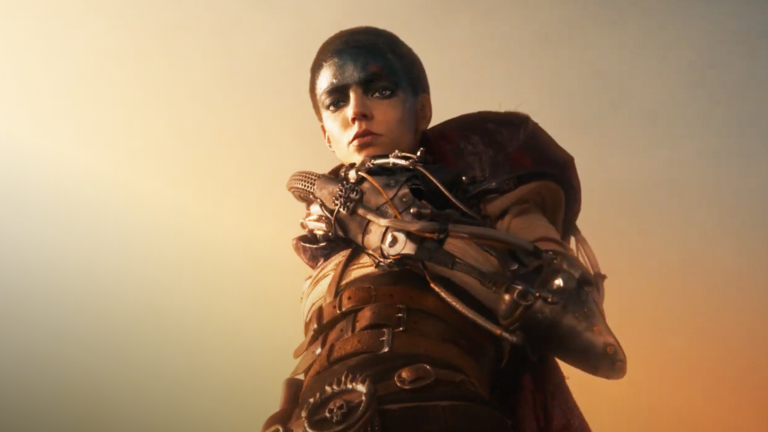
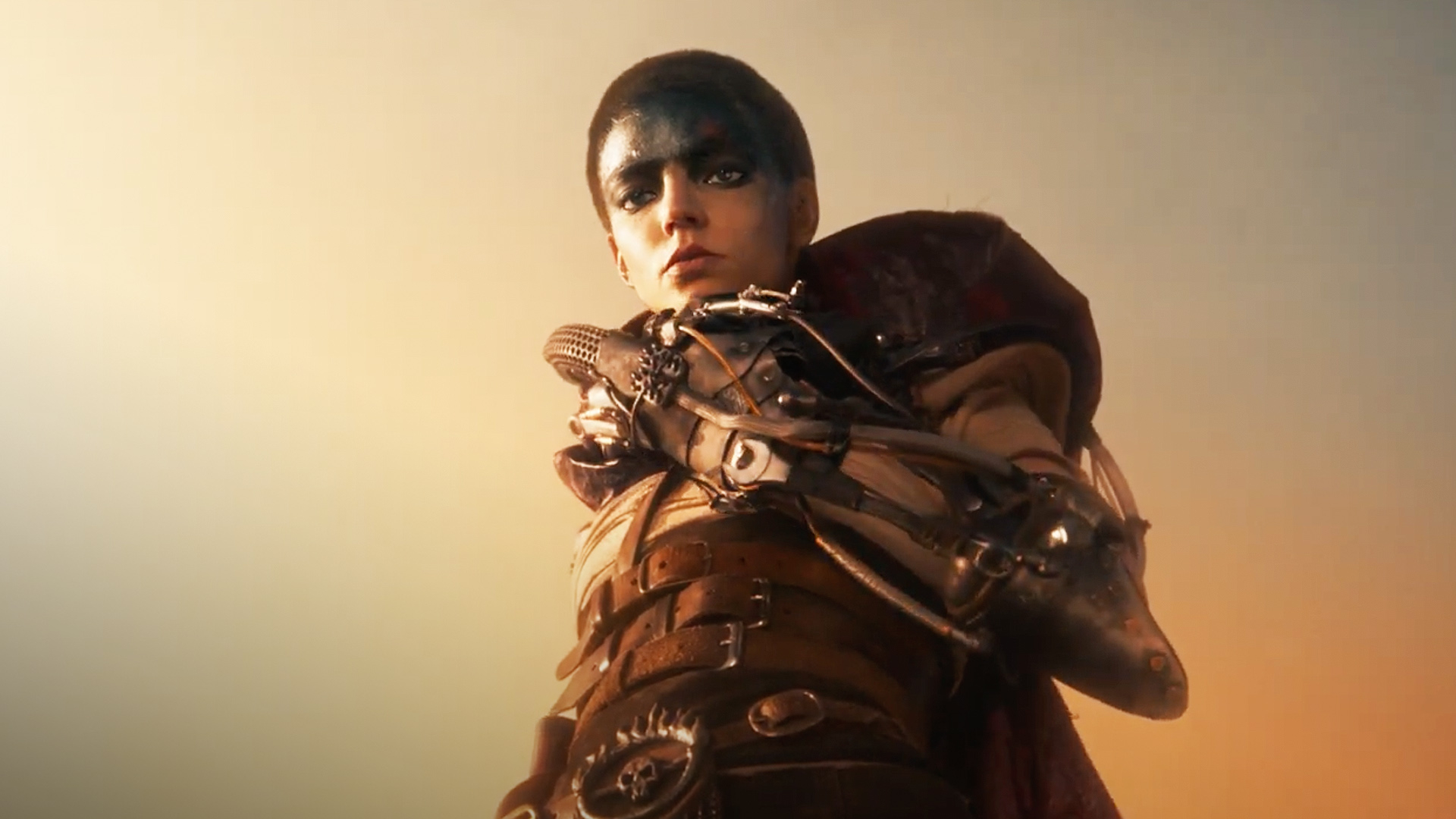
Time passes and the silent Furiosa blends in as a Black Thumb and Dogman โ€“ working her way onto the War Rig driven by Praetorian Jack (Tom Burke doing a passable Australian accent). Furiosa (now played by Anya Taylor-Joy in a near seamless transition from Browne and in an uncannily believable embodiment of the woman who will become Charlize Theron) survives a fraught road battle on a run to Gas Town where the convoy is attacked by other warlords who were double-crossed by Dementus. For the first time, we encounter a woman whose steel is forged through a mixture of hope and vengeance.

Millerโ€™s prequel moves between being some of the most powerful and potent road warrior imagery put to screen, and some of the most bloated. The Gas Town sequence on Fury Road is a distillation of the high-octane action direction of Miller at his most accomplished. Sean Dugganโ€™s camerawork and the editing by Margaret Sixel and Eliot Knapman are almost seamless here. The stunt work with parachutes, grappling, guns, gas, bombs, and metal piercing flesh is balletic. All of which highlights how uneven the rest of the film is marrying the, at times, patently ugly CGI with practical effects and action.

Chris Hemsworth is giving the performance of his lifetime. A wheedling sadist whose insanity is comparable to Wez (Vernon Wells in Mad Max 2: The Road Warrior). As Dementus he has the lionโ€™s share of the dialogue, and he relishes every second of every broad ocker line. Anya Taylor-Joy slips into the Road Warrior protagonist skin so perfectly it is astonishing. The template which works best for any Max Rockatansky or Wasteland legend (which Furiosa is) is intense silence punctuated with lines that have weight.

The runtime of almost two-and-a-half hours is indulgent and threatens to make the audience disengage. Considering the barebones nature of the plot, action is king. Yet the action becomes at times repetitive, and the visual language muddied by raggedy and uneven effects and second unit direction. Furiosa could lose half an hour and be a compact action spectacle. 


No one quite knew what to expect of Mad Max: Fury Road when it appeared in 2015 so Millerโ€™s grand risk had huge rewards. Furiosa suffers from somewhat diminishing returns in trying to up the ante. Nevertheless, Millerโ€™s spectacle is transcendent when he has the pedal to the metal and the messy seams of Furiosa donโ€™t undo the whole. Solid second gear action that could go faster to be more furious.

Grade: B-

Movie Review (Cannes 2024): ‘Oh, Canada’ is an Honest and Moving Confessional


Director: Paul Schrader
Writers: Paul Schrader, Russell Banks
Stars: Richard Gere, Jacob Elordi, Uma Thurman

Synopsis: Leonard Fife, one of sixty thousand draft evaders and deserters who fled to Canada to avoid serving in Vietnam, shares all his secrets to de-mythologize his mythologized life.


Paul Schraderโ€™s cinema has always delved into the depths of death and existentialism, with some films more overtly exploring these themes than others. The characters he crafts, whether they be taxi drivers, drug dealers, gigolos, or boxers, all grapple with a profound sense of dread. They transform their trauma into a vocational obsession, constructing a facade that conceals their past struggles and perturbations. Schraderโ€™s works, particularly those in the latter half of his career, serve as a confessional for these characters as they introspect on their lives and strive for redemption. You are invited to listen to their revelations and delve into their fractured psyche. The contemplation of broken men on a canvas has become more simplistic, yet no less intriguing to explore, even when these introspections are not entirely successful. 

This self-analysis and exploration by the characters are now prevalent in a more literal form in Schraderโ€™s latest work, Oh, Canada, an adaptation of Russell Banksโ€™ novel โ€˜Foregoneโ€™ from two years ago. After a series of tragic events for him, like the passing of his friend Russell Banks, his health scares, and caring for his wife after being diagnosed with Alzheimerโ€™s, Paul Schrader is now, more than ever, thinking and reflecting on mortality. A string of events made him ponder whatโ€™s next for him and how much time he has, both in and out of cinema. Feeling like death was near, he decided to make a movie about that same predicament: running out of time.ย 

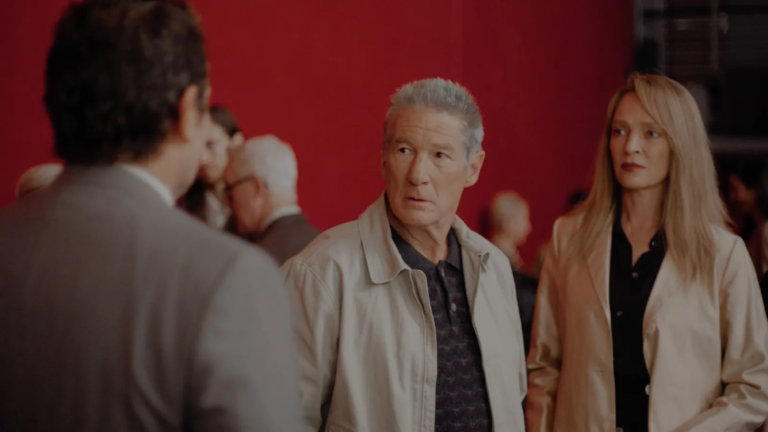
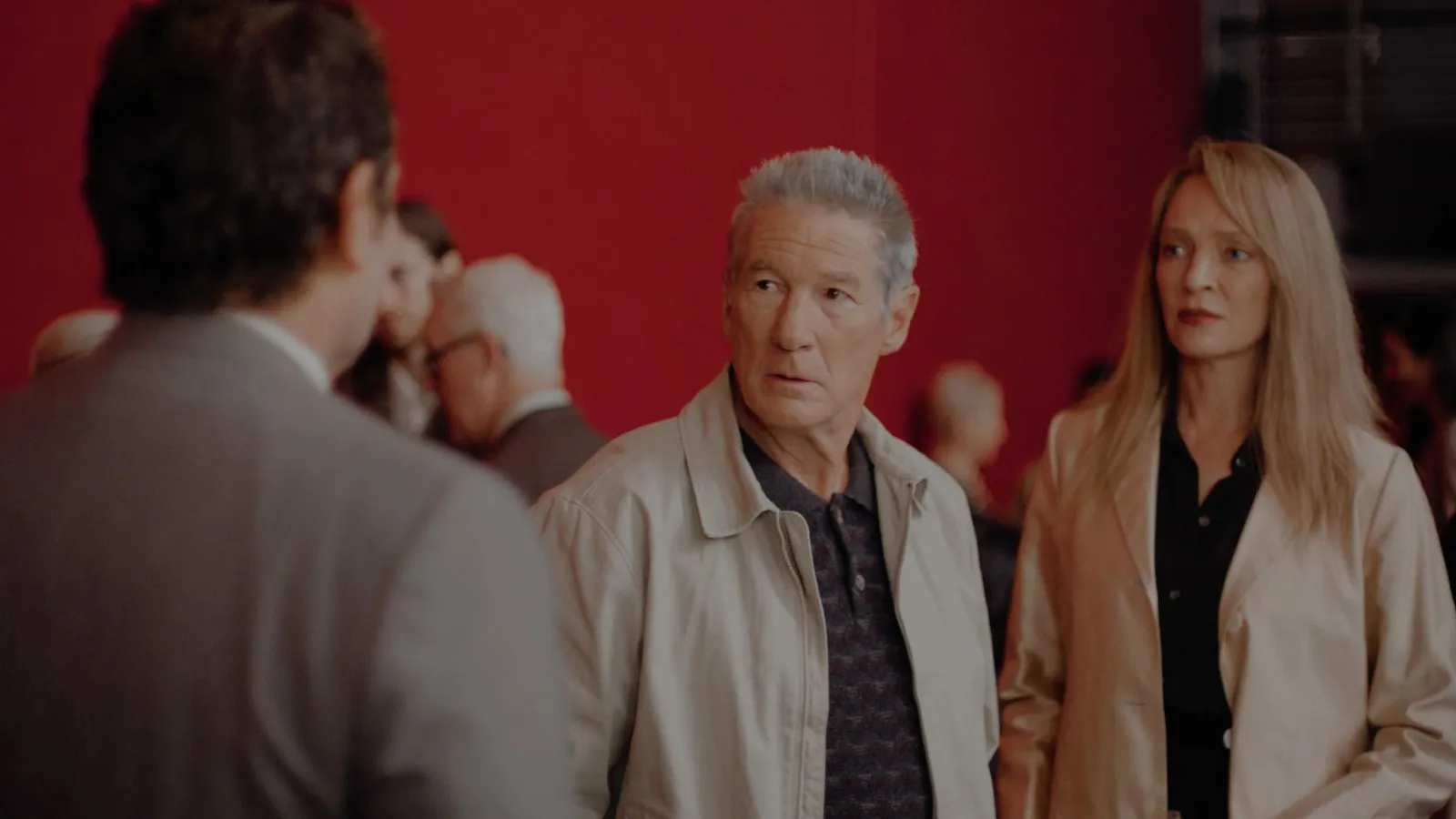
โ€œIf I want to make a film about death, Iโ€™d better hurry upโ€, said Schrader in an interview with Le Monde. This is why Oh, Canada has a sense of urgency. Even though his previous work covered prevalent and important topics, they often lacked the immediacy that adds emotional depth to a film. Schrader taps into a manner of storytelling that we havenโ€™t seen from him before; he is reflective and more personal, which amounts to a moving portrait of a flawed man looking back at his life and coming to terms with his mistakes and regrets. Oh, Canada tells the story of the fictional documentarian Leonard Fife (Richard Gere, returning to work with Schrader after 44 years, delivering his best performance in a very long time).ย 

In 1968, he dodged the draft that was going to send Leonard to the Vietnam War by fleeing to Canada, marrying one of his students, Emma (Uma Thurman), so that he could permanently stay, ridden of the atrocities that occurred at the time. To this day, he feels the pain of his choices, burdened by the effect of what happened during the war, where thousands of young men were sent out to die. And as he has aged, this feeling has increased. Leonard doesnโ€™t show that guilt outwardly; it is mostly internal. But when he agrees to do an interview with two of his old students, Malcolm (Michale Imperioli) and his partner, Diana (Victoria Hill), these emotions are given a time in the spotlight. 

What was initially considered a celebration of his work becomes a confessional. Leonard is questioned about everything that happened in his life, including the partner and child he left behind when he fled to Canada. Leonard isnโ€™t resistant to revealing his past; as a matter of fact, he is insistent on doing so. Leonard wants Emma to know what he has done and who he really is. But the man canโ€™t seem to piece together every memory of that neglected past. The crew and companions around him blame it on his cancer treatment, which has increased due to his condition worsening. This is where Schrader cuts back and forth between the present and the concealed past. The audience slowly learns about what Leonard has been hiding for decades. 

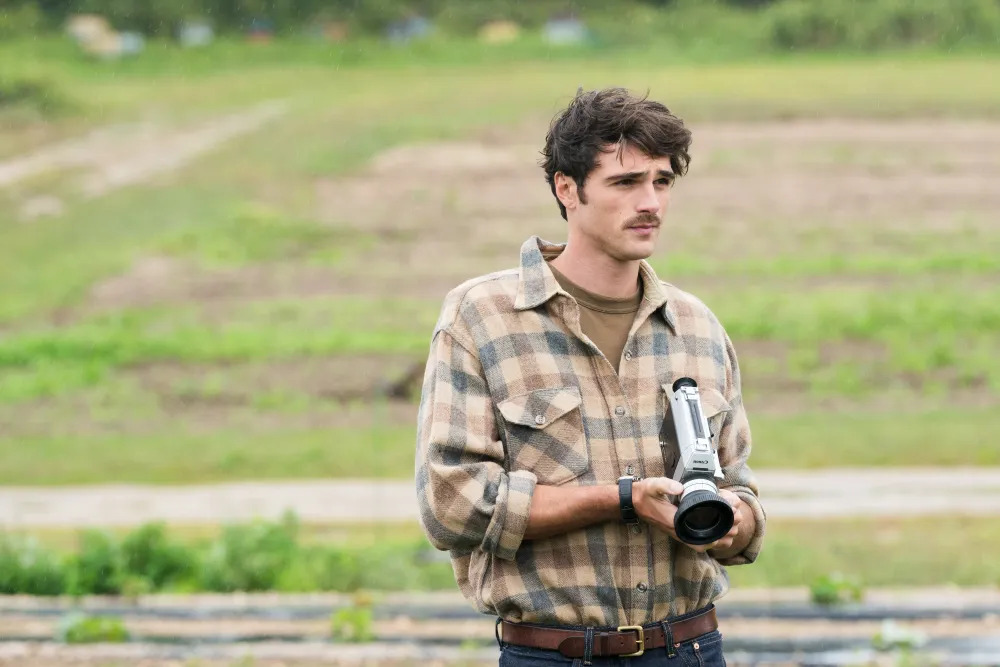
Via flashbacks, we see a young Leonard (played by Jacob Elordi) gearing up to leave his humble life in Virginia, living with a caring wife and a son, to enroll as a teacher in Vermont. In these scenes, you notice the differences in Leonardโ€™s persona. When he was young, the man was charismatic and visionary; meanwhile, he is now pompous and egotistical. He packed his bags on moral grounds and unpacked everything for the first time in public. It brings a haunting sensation of existential regret and hindrance to the film. Leonard continues to share as everyone begs him to stop confessing his hard choices โ€“ pouring his heart and soul into the camera recording him. The people in the room and the audience watching are now asked to decide whether or not to judge Leonard for all that he has admitted. 

Evidently, through the projectโ€™s backstory and narrative, Oh, Canada is Paul Schraderโ€™s most personal film to date. He takes parts of his own life to plant inside the scripture of Banksโ€™ novel as an ode to his dear friend and a way to be vulnerable with the audience. This is why we get a sense of familiarity in the company of Leonard. We see a bit of the influential American director in him, which both Gere and Elordi bring to life remarkably. Schrader reflects on his worries, offenses, and struggles to ensure the film has that genuine feeling of a confessional โ€“ a filmmaker who has been quite indulgent in doing an open testimony. Via the power of cinema, these emotions get transmitted to the viewer on multiple levels.ย 

Oh, Canada contains a sense of honesty that Schrader hasnโ€™t seen before. Like Francis Ford Coppola in Megalopolis, Schrader puts his thoughts on the passing of time and our inability to stop it on a cinematic canvasโ€”although the director of Apocalypse Now was less successful at doing so with his thematic exploration. Both veteran filmmakers who have graced the screen with masterpieces of their own in the 70s and 80s have endured many hindrances across their careers. Somehow, Oh, Canada and Megalopolis arrive not only in unison (both screening in competition at this yearโ€™s Cannes Film Festival), but at the perfect time. They are at a point in their life where they notice more of the remaining sand in the hourglass. And it is fascinating how the two intersect.ย 


Schraderโ€™s latest is thematically tragic, cinematically moving, and, most importantly, filled with hope, yearning for us who still have time on our hands to self-reflect on our lives before it is too late. As grim and anxiety-inducing as it may sound, thatโ€™s the thought that lingers in your head after watching Oh, Canada. Through the puzzle Leonard is trying to assemble, we slowly come to our own conclusions about where we are headed, at least at this point in time. It is missing a couple of pieces to complete the picture, just like Leonardโ€™s confession is just a part of it โ€“ a human element that holds onto you. Instead of gnawing and unforgiving notions about death, we get a more evocative one. Oh, Canada is more than a gateway into Schraderโ€™s psyche; it is a candid divulgence, rampant Facebook comments and all.

Grade: B+

Movie Review (Cannes 2024): ‘Bird’ Wanders Without Rhythm


Director: Andrea Arnold
Writer: Andrea Arnold
Stars: Barry Keoghan, Franz Rogowski, James Nelson-Joyce

Synopsis: Bailey lives with her brother Hunter and her father Bug, who raises them alone in a squat in northern Kent. Bug doesn’t have much time to devote to them. Bailey looks for attention and adventure elsewhere.


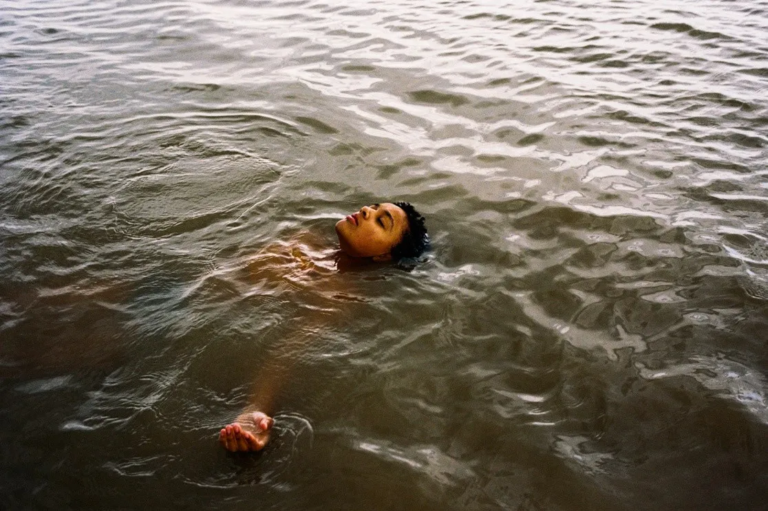
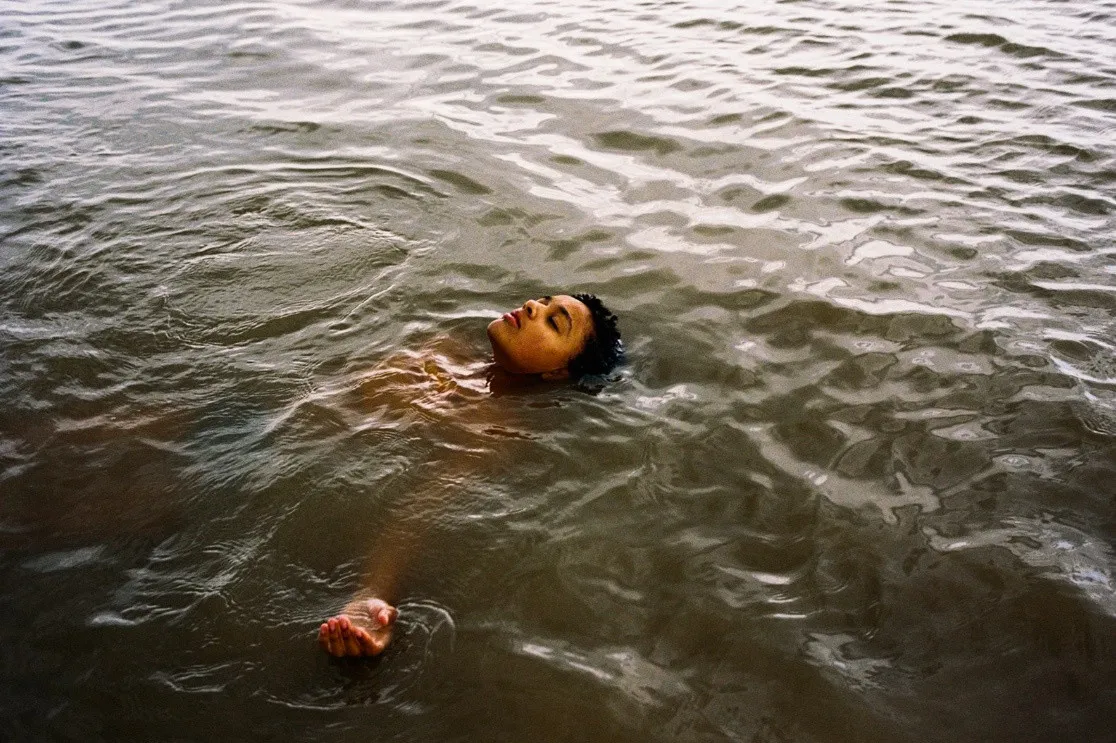
Andrea Arnold’s characters, often trapped in isolation, grappling with loneliness, and facing desperate circumstances, are not mere wanderers across their rural or coastal settings. They are souls yearning for love and acceptance, seeking open arms that will never let them go. Arnold’s direction skillfully brings out their emotional depth, evoking a profound empathy in us. Whether it’s Star in American Honey or Cathy in her mossy adaptation of Wuthering Heights, she compels us to want to protect them as they navigate their respective hardships. After premiering her documentary Cow in the 2021 Cannes Film Festival (in the Cannes Premiere section), Arnold is now back in competition with her latest work, Bird. Arnold combines these elements with a touch of anthropomorphic, magical realism, a signature feature in some of her previous works (recall the white horse in Fish Tank). 

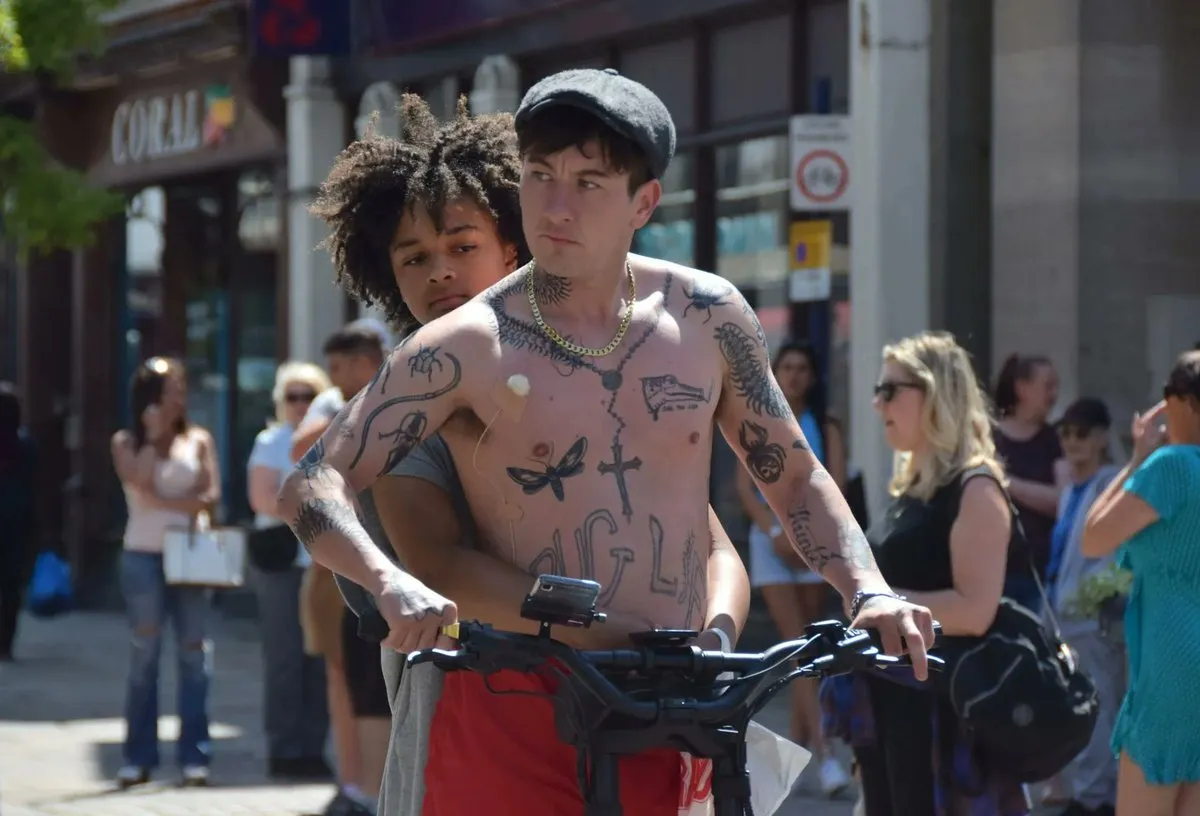
This time, these elements are more refined and prominent than ever before, adding a unique layer to the narrative. Bailey (the fascinating Nykiya Adams) is at the story’s heart, a twelve-year-old from northern Kent. She shares her home with her half-brother, Hunter (Jason Buda), and father, Bug (Barry Keoghan) who seamlessly fits with Arnoldโ€™s storytelling style). He is adorned with insect tattoos, including a scorpion, spider, beetle, and butterfly, among others. Like the exoskeletons of the animals tattooed across his body, Bug uses these marks as a shield, concealing his emotions from his penury. Meanwhile, Hunter, alongside his friends, is taking justice into their own hands. They do weekly raids where they do damage to some local abusers, filming it and putting the videos online.ย 

This family tries to hold itself together through harsh means โ€“ wishing they get out of the gutter. They live in a city that, in the captivating lens of cinematographer Robbie Ryan, reeks of hopelessness, adding to the British filmmakerโ€™s pet topic of social miserabilism. Arnold frames this city with trash strewn around each corner of the street and the walls covered with graffiti, some with uplifting messages (which feel quite trite) and others with profanities (which donโ€™t contribute to the film). And with the meticulous attention that Arnold tends to put to the setting, in Bird, it never feels that this setting is a character, less even one that is realistic. 

Bug later reveals to Bailey and Hunter that he will marry his girlfriend of three months, Kayleigh (Frankie Box), in the coming week. Bailey disapproves of this decision, even though she has no say in the matter. She doesnโ€™t think this is a good decision on his part; she sees her as an addition to his problems; rather than a salvation or a pairing that will make him happier in the long run. Thatโ€™s why Bailey decides to rebel against it. She makes her half-brotherโ€™s girlfriend cut her hair, starts wearing black eyeliner, and even joins Hunter on one of his raids. During one of these, Bailey decides to step out and wander across an open field, later laying on the grass until she falls asleep. 

Upon closing her eyes, Andrea Arnold performs a cinematic trick, showering the film with magical realism. This reminds me a bit of how Alexandre Koberidze did in What Do We See When We Look at the Sky? but with a broader stroke rather than a discreet one. When she opens her eyes, Bailey sees a strange man approaching her named Bird (Franz Rogowski), who is introduced to us by a gust of wind that blows through the plains; his name, just like Barry Keoghanโ€™s character, hints at the first glimpses of anthropomorphic story elements. His appearance seems crafted from the mind of a dreaming child; Bird looks like a drifter. Where has he come from? Scared, Baileyโ€™s first reaction is to take her phone out, grabbing it as if it were a weapon. But Bird doesnโ€™t mean any harm, going along his way after a freeform dance. 

Curious about his presence, Bailey follows him to the council blockโ€™s housing project beside her. Bailey then asks her what heโ€™s looking for. Bird says he is searching for his parents, who used to live there. Bailey wants to help him because they are two sides of the same coin; both are lost in a world deemed without aspirations, wanting a pair of open arms to go to when things are at their lowest. This reflective mirror forges a strange bond between them, one of understanding and acceptance of each otherโ€™s desolation and isolation. The only person Bailey knows who can maybe help him out is her mother, Peyton (Jasmine Johnson). 

This search for Birdโ€™s lost parents opens a closet of misgivings. The two begin to get involved in their messes, helping each other along the way and, when in deep sorrow, are there for each other. Bird plays a significant role in her life during this journey, being a guardian angel of some sort โ€“ overseeing her every move from the rooftops of the housing complexes, just like a stark or seagull. There are many attempts at magical realism here, with Franz Rogowskiโ€™s character being the main one, followed by Baileyโ€™s father, who, at a certain point in the film, sings two โ€œdrug toadโ€ songs by Blur and Coldplay to potentially extract its psychedelic slime.ย 

Arnold has played with similar elements, primarily by using animals as metaphors for the characters’ imprisonment, being stuck, and wanting to run away. Although, these are seen in ways that arenโ€™t too in your face. This is why it doesnโ€™t work this time around. These elements are used to blend within the setting, swiftly put together with plenty of brevity, which the viewer latches onto. But in Bird, they come off as strange oddities; instead of enhancing the experience and making the emotions feel grounded, the anthropomorphic elements take you out of the spell that Arnold wants to put the audience under. Somewhere along the lines of the filmโ€™s palpability lies a beating heart, which is pumped by the touching performances of the cast, notably Adams and Keoghan. Both seem to be in sync with delivering the emotional tenure in Arnoldโ€™s previous work. As for Rogowski, just like in his previous performances, he offers plenty of nuance to let us into the magic. But, rather unfortunately, the screenplay takes us away with on-the-nose dialogue and miscalculated narrative choices.ย 


This is definitively Andrea Arnold on her most playful side in a narrative sense, as visually, it remains more on her wavelength. She piles up many ideas about love, forgiveness, and friendship, yet they all come across quite like the characters โ€“ wandering until they find their place in the world. But they never find the right place to fit in the narrative. Bird comes off as a meretricious attempt at making a slightly feel-good picture due to the mishandling of the story within the confines of the magical realism that Arnold wants to place forcefully. And the audience leaves with the notion of not knowing what to get out of it all. As an Andrea Arnold fan who thinks American Honey was one of the best films of the previous decade, I am very disappointed.


Grade: C-

Movie Review (Cannes 2024): ‘The Other Way Around’ is Cinematic Therapy


Director: Jonรกs Trueba
Writer: Jonรกs Trueba
Stars: Itsaso Arana, Vito Sanz

Synopsis: After 15 years as a couple, Ale and Alex decide to throw a party to celebrate their separation, leaving their loved ones perplexed.


In his latest work, The Other Way Around (Volverรฉis), Spanish filmmaker Jonรกs Trueba delves into the emotional depths of a marriage potentially meeting its end. He navigates through some regularly seen tropes, gradually unfolding a metatextual ode to love in union and separationโ€”the beginning and end of a beautiful relationship. Trueba’s exploration of the heartwarming and cruel nature of bonds and their necessity for personal growth resonates deeply. By blending reality and fiction, as well as wishes and desires, he transforms a standard narrative into a touching feature with many intertwining details, providing the film with a beating heart that captivates from start to finish. 

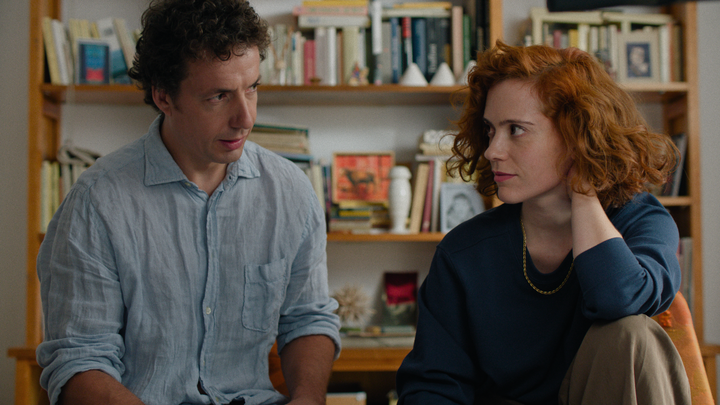
โ€œWe should do as your dad suggestedโ€ are the first words spoken in The Other Way Around. A couple โ€“ husband actor Alex (Vito Sanz) and wife filmmaker (Itasa Arana) โ€“ are now at a point in their life together where they believe thereโ€™s no return. Love has been lost from both sides or at least to some degree where they havenโ€™t decided if they should (or shouldnโ€™t) separate. This is where Aleโ€™s father and his unique perspective on love come into play. He once talked about doing a party that celebrates a coupleโ€™s separation rather than union, or as Alex refers to it, a wedding but the other way around โ€“ saying the filmโ€™s title and coincidentally, one of the many winks at the camera that Trueba places from time to time.ย 

Ale says that this โ€œcelebrationโ€ can only be done if both parties are at the same emotional point, an answer that reveals to the audience that one of them is still holding on to the love they once had. We donโ€™t know who the one out of the two who feels this particular way is, but thereโ€™s this hesitance beneath their breath when speaking about the topic. Sadness lingers as they laugh through the uncertainty and treat the party as a joke. Their minds arenโ€™t clear; they donโ€™t know what to do with their lives after all this. So, the two rush things and seek the opinions of others to see what they think of this weird scenario.

The reactions from their close friends and family range from โ€œI donโ€™t understand the conceptโ€ and โ€œDid you both agree on this?โ€ to โ€œYou will get back together eventuallyโ€. Of course, these arenโ€™t the responses they seek โ€“ leaving them even more perplexed and in doubt about the whole thing. Is repentance going through their minds? Or are they just putting their emotions aside so that they canโ€™t face their true feelings about their fifteen-year-long relationship? Their discussions may not even relate to the matter, but somehow it returns to the โ€œcelebration of separationโ€. An example of this is seen when they talk about a film they just watched. Alex and Ale differ on whether or not the film is an elegy of matrimony or a caricature of it. 

Their frustrations wiggle their way in if they should feel repentant about their current status and sights emotionally. The two actors got their teeth way too sunk in the material that it seems they were in love with one another before. Every single emotion they transmit comes off as palpable. Sanz and Arana arenโ€™t doing screaming matches or melodramatic tenures for their performances; instead, they come off as grounded portrayals of a broken bond. Even if there are moments where fiction and reality intertwine, as Aleโ€™s film continues to shoot, The Other Way Around remains true-to-life instead of relying too much on its self-referential elements regarding depicting the emotions felt by the characters. 

This makes each narrative beat feel full of vigor, with some necessary touches of gloom, as most relationships contain. The narrative so far has been pretty repetitive, with the two asking different people about the party and their thoughts. But this repetition gets a new meaning when Ale breaks the news to her father. He says that the idea of celebration separations doing good to both sides of the couple was told in passing. And that doesnโ€™t mean they have to go through it. The man who came up with the idea has now backed away from it, leaving Ale feeling an array of emotions. 

It is here when, through Aleโ€™s father, Trueba starts to meddle with the film and peel away the layers in the same way that Mia Hansen-Lรธve did in the brilliant Bergman Island.ย  The man recommends that she read a couple of books to ease her mind. One of them is โ€˜Repetitionโ€™ by Sรธren Kierkegaard. The Danish philosopher (under his pseudonym Constantine Constantius) talks about whether repetition is actually possible and the difference it has with recollection. Later in the film, a line is repeated from the book: โ€œRepetitionโ€™s love is, in truth, the only happy love.โ€ Kierkegaard mentions that what has been recollected has already been, hence the sadness that lingers upon remembrance. Meanwhile, repetition is recollected forwards.ย 

Trueba combines this line with the structure of the film. Each time Ale and Alex ask a person about the party, it is repetition. However, when they were alone, the two thought back to their early years, the โ€œgood old timesโ€, subjecting themselves to recollection โ€“ threading backward and unable to solve their anguish. It is a brilliant tie-in that makes The Other Way Around go past its by-the-numbers procedure during the first act, done on purpose so that the film blooms into something rather moving. The second book is called โ€˜El Cine, Puede Hacernos Mejor?โ€™ (translated as โ€˜Cinema, Can it Make Us Better?โ€™) by Stanley Cavell.ย 

Aleโ€™s father explains that Cavellโ€™s arguments are based on classic comedies from Hollywoodโ€™s Golden Era โ€“ like The Philadelphia Story, The Lady Eve, and His Girl Friday (my favorite of the ones mentioned) โ€“ where the couples in these films give themselves a second chance. They donโ€™t want to make the same mistakes but do things differently, better. Much like Walter Burns and Christy Colleran or Charles Pike and Jean Harrington, the man wants Ale and Alex to reconcile. The audience watching knows they are meant to be together; Ale and Alex complement each other perfectly, even more so than the characters from these screwball comedies. Trueba, just like Cavell, believes that cinema can help us be better people and heal our wounds. 

The film that Ale is making reflects her relationship with Alex. In this fictitious struggling marriage, one doesnโ€™t want to continue the relationship (the character being played by her husband) while still having doubts about his decision. And it all circles back to the initial thought of doing what Aleโ€™s father suggested. It is with this performance that Alex thinks clearly about the situation. Alexโ€™s character and him intersect for one moment; reality and fiction meet at the point where this love story reaches the point of remorse. It is like a double-sided cinematic therapy session where the film and the movie insider help uncover the crux of their problems. Trube ties every narrative beat that felt loose or disjointed before and provides a new lens through which to see them.ย 


Both Ale’s and Trueba’s works have the same purpose and are constructed in the same manner. They are broken and without a correct rhythm until the inner workings of the narrative find their place. It is a brilliant execution of self-referential techniques and fourth-wall breaks. Jonรกs Trueba has always been quite experimental with his movies. But in The Other Way Around, he is more playful than before. The Spanish filmmaker develops a premise that seems simple on paper and begins to disorganize everything in a clutter that the characters must clean for themselves. It is pretty moving once you see the complete picture, the repair of something deemed broken โ€“ a comedy-drama combination about whether or not separation should be the first (and immediate) response to a relationship slowly failing.

ย 

Grade: B+

Women InSession: John Hughes & 80s Teen Comedy

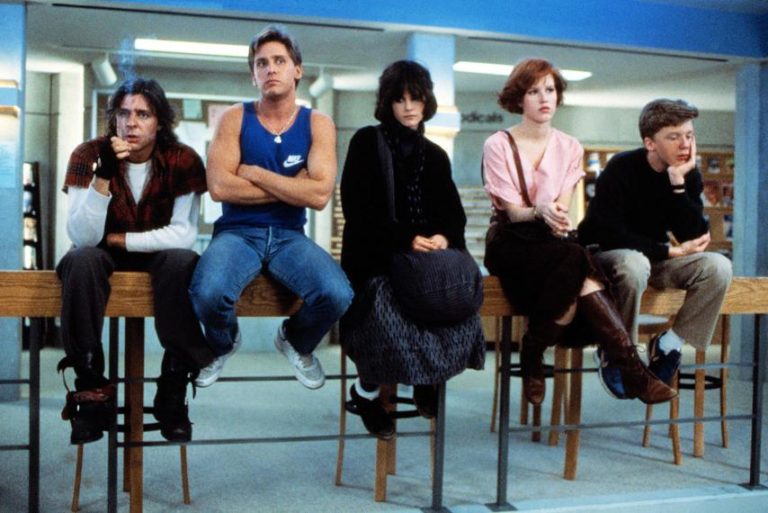
This week on Women InSession, we discuss the great John Hughes and how he completely defined the 80s the teen comedy! With films such as The Breakfast Club, Sixteen Candles, Weird Science, Ferris Bueller’s Day Off, Plans, Trains and Automobiles, among others, his legacy is untouched when it comes to the 80s and how he tapped into a generation. Not to mention his writing work, which is a whole other aspect to his career that makes him unforgettable.

Panel: Kristin Battestella, Zita Short, Jaylan Salah, Amy Thomasson

On that note, check out this week’s show and let us know what you think in the comment section. Thanks for listening and for supporting the InSession Film Podcast!

Subscribe to our Podcasts RSS
Subscribe to our Podcasts on iTunes
Listen on Spotify
Listen on Stitcher
Women InSession – Episode 85

Movie Review (Cannes 2024): โ€˜Megalopolisโ€™ is a Fascinating, Disjointed Disaster


Directors: Francis Ford Coppola
Writers: Francis Ford Coppola
Stars: Adam Driver, Giancarlo Esposito, Nathalie Emmanuel, Aubrey Plaza, Shia LaBeouf

Synopsis: An architect wants to rebuild New York City as a utopia following a devastating disaster.


Francis Ford Coppola is one of those cinema legends that, while having directed what many recognize as some of the best films of the 1970s (The Godfather Pt. I and II, Apocalypse Now, and the underrated The Conversation), is still looked at twice when producing a film. He has managed, time and time again, to get a project deemed as doomed off the ground and concoct something quite fascinating out of the turmoil. Coppola fought for his vision and stopped once the project pleased him. It is like a madman trying to salvage his creations. But unlike many who go through a similar situation, Coppola is labeled as a genius โ€“ currently past his prime yet equally visionary and without restraint. 

Fast forward to todayโ€™s age of cinema, where big studios are afraid of spending money on original pieces of work; they have a severe allergy to producing the works of auteurs from across the world, whether Martin Scorsese or Mike Leigh. So, when it comes to projects seen as audacious big swings, donโ€™t mention the idea of money benefits to them. This isnโ€™t the 1970s when it was easier to make these types of films. There are many examples of this scenario, but Coppolaโ€™s Vietnam War masterpiece is the best (and most prominent) of the bunch. Hell broke loose; the production seemed cursed with all the complications that emerged in the jungle. And thatโ€™s without counting Marlon Brandoโ€™s antics when it was his time to appear on-screen. 

Now, at eighty-five, near the end of his rocky yet awe-inspiring career, Francis Ford Coppola has placed himself in a similar situation to construct his passion project. It is a story forty years in the making, where he had to sell the majority share of his wine business to chunk up the one-hundred-and-twenty million dollars for production. But that isnโ€™t all. Near the festivalโ€™s premiere, news broke out about what happened backstage; the experience was compared to watching a trainwreck occur right before the cast and crewโ€™s eyes. Knowing all of these details โ€“ recognizing that Coppola has made chicken salad out of chicken sh*t before โ€“ does draw plenty of intrigue. 

After all this time, Coppola finally delivers the project of his dreams, Megalopolis โ€“ a big swing, if there ever was one, the curtain closer to a cinema legendโ€™s historic career. Described as multiple things at the same time โ€“ a story of doomed romance, a Roman epic, a tale of greed that downs civilization as the one-percent search for power and control โ€“ yet not necessarily being any of them at all, Megalopolis is Francis Ford Coppolaโ€™s own Southland Tales, a project so bold and ambitious that it doesnโ€™t have a coherent bone in its body due to the high amount of frenetic ideas being encapsulated. The difference between the two is that Richard Kelly isnโ€™t near the talent of Coppola. 

Sparks of brilliance are scattered across the film, with both striking and psychedelic imagery being smeared onto a canvas with an abstract painting that only he can churn some meaning out of it with some clarity. It is a piece of work that will be discussed for an extended period. I can see many viewers revising it in the future about how this is a masterpiece or a thoroughly thought-out picture in the same way it happened with Inland Empire and, most recently, Babylon. Yet, for now, I call it a disaster, although a very entrancing one. 

A fable of the longevity and decline of the American empire, Megalopolis is in the futuristic city of New Rome, a placeholder for New York City, during a time of significant change, inventions, and forthcoming revolution. While it has the outline of the city that never sleeps, this city is inspired by Ancient Rome, from its stone statues to its political denouement. This city is drowning; the poor are pooled together as the rich maintain security and wealth. Coppola sees todayโ€™s society as constantly dwindling, where injustices, maltreatment, and irregularity are some of the problems plaguing it. That is why he places the reasons why the Roman Empire fell โ€“ internal corruption, greed, the rich protecting themselves and leaving the others, tyrants, amongst others โ€“ as not only traits to make New Rome a character of its own but also the commanding people living in it. 

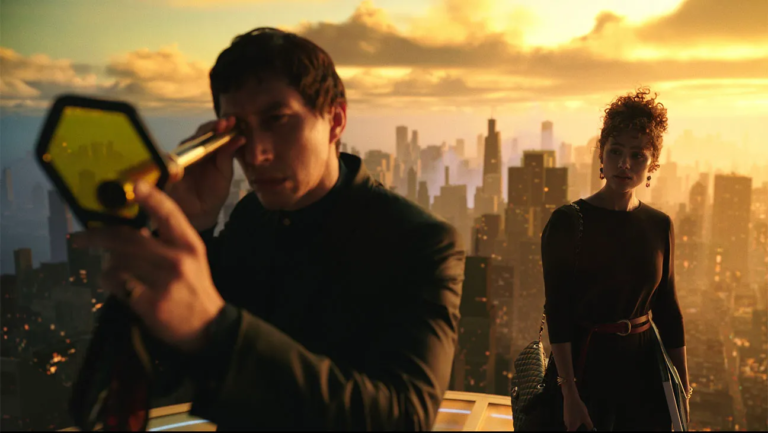
โ€œCivilization is destined to crumble and rebuild againโ€, the film quotes during its introduction. The people of New Rome hold onto that day when someone helps them. They seek a utopia amidst the inner cataclysm of the power struggle. That spark of light may come in the hands of Cesar Catalina (Adam Driver), a brooding architect (with the power to control time) who wants to reconstruct the city into that perfect place of prosperity and equality. Cesar is crafting a new material called โ€œMegalonโ€ to sustain the city for the foreseeable future. But Mayor Franklyn Cicero (Giancarlo Esposito) doesnโ€™t align with his vision for the city, nor does he think that this material is safe to use. 

Mayor Cicero wants to build more casinos and idle landmarks instead of providing the most vulnerable citizens with a better life. These are two visions for the same city; one values it more than the other. Cesar says that if New Rome continues down this road of internal malfeasance, it will collapse entirely any time soon. However, Cicero says the architectโ€™s perfect world will only lead to more chaos, creating a dystopia. Amidst their collision, things take a turn for the worse, both figuratively and literally, when Ciseroโ€™s daughter, Julie (Nathalie Emmanuel), starts to work and falls for Cesar. Many questions arise upon her arrival in Cesarโ€™s life. You donโ€™t know if she is spying on him on behalf of her father or if her emotions toward him are genuine. 

This relationship between Julie and Cesar is the best thing story-wise that Coppola has to offer in Megalopolis. This doomed romance is the heart and soul of New Rome, the only thing keeping Cesar calm to some degree. Drive and Emmanuel are incredible together; each conversation about the passing of time and running out of it feels heartfelt, although written straightforwardly. Through these scenes, you see why Coppola has dedicated this film to his wife, Eleanor, who recently passed away. In this weird world that he has created, these are the moments where everything feels more grounded. It is beauty and devotion amidst destruction. But, like most of the ideas that Coppola tackles in Megalopolis, this is put to the side in exchange for more outlandish situations and personas that all feel placed in different movies with various tones. 

The fact that Cesarโ€™s ability to stop time isnโ€™t much of a narrative gadget, as the first act hints, tells you how poorly organized everything is. While the power play between Cesar and Cisero feels like an oddball and more manic version of Succession, the rest of the film feels way different. The likes of Shia LaBeoufโ€™s mullet-wearing, politically rampant revolutionary Clodio Pulcher, Jon Voightโ€™s boner joke-saying Hamilton Crassus III, and Aubrey Plazaโ€™s zany seductress Wow Platinum (one of the most entertaining facets, with campy dialogue and self-serious facial expressions) are some of the eccentric, cartoonish characters that play significant parts in this way for the โ€œbettermentโ€ of New Rome. Not only do they paint the portrait of the political or influential figures within a failing society, but also the thematic and narrative disarray in Megalopolis

These ridiculous characters and the acts they end up doing feel distanced entirely from the central theme; ever so lightly do they end up entertaining or provoking a thought that isnโ€™t complete and utter bafflement. In some ways, these precarious scenes of uproarious scandal and glamorous indulgence fit within the confines of the film being a Roman epic. When the Roman Empire was nearing its end, the games in the Colosseum started to get even more absurd to keep the attention out of the slowly crumbling city. They flooded the Colosseum and had a live naval battle, brought out animals from across the world and had prisoners (even emperors) fight them, and mythical deaths were reenacted to their full extent. And it was all for their amusement. 

Like the emperors of the time, when Coppola loses control of the story, he throws whatever he can think of to a wall to see what sticks. Whether it is wrestlers and chariot races a la Ben Hur or toga parties and a musical performance by Grace VanderWaalโ€™s Vesta Sweetwater, none of it sticks. (Coincidentally enough, these scenes also occur in New Romeโ€™s own Colosseum-like arena.) Visually, it is experimental in ways that Coppola hasnโ€™t tapped into before. But what is it worth if the visual language doesnโ€™t amount to much? It is opulence over thematic exploration. His psychedelic visual style can only lift the film to a certain degree. Megalopolis doesnโ€™t make any sense; it doesnโ€™t try to. Yet, while trying to write a proper review of it, I found myself fascinated by it all. 

It is preposterous on a cinematic and narrative level, yet seeing such a project of this magnitude slowly fall on its face, just like the Roman Empire, is an indescribable experience. These are big swings, some done with complete confidence and others quite the opposite, without precision. And you admire Coppola for putting everything on the lie to close the curtains on his legendary career. This is a creation of its own, a strange cinematic oddity that will cause many debates and revisits as time passes. It is the cataclysmic event of a lifetime, unlike anything you have seen in the past few decades. In that sense, thereโ€™s some worth. However, deep in my heart, I would have liked him to have closed everything out with a more potent feature. 

Grade: D

Movie Review (Cannes 2024): ‘Universal Language’ is a Hidden Gem With a Big Heart


Directors: Matthew Rankin
Writers: Ila Firouzabadi, Pirouz Nemati, Matthew Rankin
Stars: Matthew Rankin, Mani Soleymanlou, Danielle Fichaud

Synopsis: Two women find frozen cash, try to retrieve it. A tour guide leads confused tourists around Winnipeg sites. A man quits his job, visits his mother. Storylines intertwine surreally as identities blur in a disorienting comedy


One of the most intriguing aspects of the Quinzaine de Cineastesโ€™ lineup is the discovery of talented filmmakers who could be the directors of tomorrow. This unique side section of the prestigious Cannes Film Festival often goes unnoticed, as the spotlight is understandably on the films competing for the Palme dโ€™Or. However, having covered this section for the past couple of years, I can attest to the wealth of surprises it holds. This year, Matthew Rankinโ€™s latest work, Universal Language (Une Langue universelle), is a shining example.ย  It is a deadpan, structurally weird, and heartful piece that beautifully explores the theme of connection.

Rankin tells a tale that ties three cities together. He captures the longing for belonging and solidarity via a poetic Matryoshka doll concoction that doesnโ€™t make sense at first but slowly blossoms into a thing of beauty. Introduced to us with a VHS tape educational video presentation meant for the youth of Winnipeg and done โ€œin the name of friendship,โ€ Universal Language begins with a scene in a classroom. Rowdy children are awaiting their teacher, who is running late after his bus broke down and had to walk through the snow to get there. Heโ€™s mad at them because of their bad behavior โ€“ disappointed that they misbehaved in his absence. The teacher later starts mocking their answers when he asks them what they want to be when they grow up.

The teacher picks on Omid (Sobhan Javadi) the most, a young kid behind in his studies due to his myopia; the youngling lost his glasses when a runaway turkey attacked him on his way home. Of course, nobody believes him, especially his teacher. So, he then decides that there will be no more education until Omid can see properly. In this scene, Rankin begins the pattern of intertwining stories and presenting hints at the sadness behind the comedic elements. You immediately point out that the teacherโ€™s rant isnโ€™t just about his string of bad luck that day; thereโ€™s more than meets the eye. These emotions are carried over from another incident.

The film then switches scenery, and we follow two of Omidโ€™s classmates, Negin (Rojina Esmaeili) and Nazgol (Saba Vahedyousefi), who find an Iranian banknote worth five hundred riels stuck on the frozen floor. Instead of thinking about themselves, the two want to help poor Omid by buying him a new pair of glasses. The two friends take off into a small venture to try and take that money out of the ice by any means possible. They seek help from strangers, ask vendors to borrow ice picks and axes, as well as get sent from one place to another to do quick favors like mini sidequests in a videogame. At the same time, two other concurrent stories take place.

A tour guide leads a group of people through Winnipeg’s monuments and historic sites. There are a couple of important spots to look at, but the city itself doesnโ€™t seem that interesting. Not even the tour guide seems to sell the monuments as grand. The other story centers around a man named Matthew (played by the director himself, Matthew Rankin), who has quit his job in Quebec and now travels to Winnipeg to visit his ailing mother. These stories might seem very different from one another, as they have different tones and pacings. But in how Rankin intertwines them, they come together in quite surprising ways. Everyone is connected. Every single character is tied to one another, even in the slightest details imaginable.

At first, it is hard to truly get into the movie due to the viewerโ€™s uncertainty about where these stories will intersect narratively and thematically. We go from the past to the present and vice-versa; time splits as the stories shift. But when you notice how beautiful and captivating the webbing is, everything is seen and perceived in a new light. Rankin purposefully entangles the narrative for two-thirds of the film to reveal his filmโ€™s proper form later. The viewer patiently waits as the two kids, the angry teacher, the man visiting his mother, and even the runaway turkey with Omidโ€™s glasses are tied together. And it is all so fascinating to watch.

Stylistically, Matthew Rankin takes inspiration from some filmmakers who use deadpan comedy in brilliant ways, giving their respective works personality and uniqueness. The works of Roy Andersson and Wes Anderson inspire Universal Language. Rankin uses the formerโ€™s blend of โ€œlaughing through the painโ€ existentialism and melancholia, as well as the muted colors in the background and locations. Meanwhile, you can see the centric shot compositions and vivacity from the performances of the latter demonstrated. Because of these two influences, Rankin gives his film multiple emotional layers that sneak into the viewerโ€™s soul as everything comes together.

Everything is odd and cluttered initially, yet it still intrigues you with how it develops. Matthew Rankin mentions in the press notesโ€”where he hilariously interviews himselfโ€”that one line from The Color of Pomegranates was crucial for this filmโ€™s creation. โ€œWe were looking for ourselves in each otherโ€. In relation to the Universal Language, Rankin reflects on how each of these characters on-screen has deep humility and compassion for them all by the end of the film. They acknowledge that they have, in some way, shape, or form, done the same actions and went through similar situations. So, a feeling of understanding is created in the process.

Somehow, that is the universal language that unites us all, holding us on tenterhooks and tranquility. Everyone goes through hardships that make each day feel like a living hell. Yet, compassion can be transmitted through that understanding via dialogue or even a quick glance. That is the beauty that emerges from the ending of Universal Language. Matthew Rankin creates a deadpan comedy that has many layers once the stories begin to meet. It is a true demonstration of the talent that lurks in the Quinzaine des Cineastes; the film is a little hidden gem that holds a big, delicate heart.

Grade: B

Chasing the Gold: The Current TV Landscape

This week on Chasing the Gold, Shadan and Erica are joined by Jordan Walker to discuss the current TV landscape and how the Emmys are shaping up! While we tend to focus primarily on films, there are some really compelling TV shows out at the moment and it felt like a good time to dive into that arena and talk about some TV we’ve been watching.

On that note, check out this week’s show and let us know what you think in the comment section. Thanks for listening and for supporting the InSession Film Podcast!

Subscribe to our Podcasts RSS
Subscribe to our Podcasts on iTunes
Listen on Spotify
Listen on Stitcher
Chasing the Gold – Current TV Landscape

Help Support The InSession Film Podcast

If you want to help support us, we would greatly appreciate it! For more info, CLICK HERE.

Movie Review: ‘Babes’ are the Best Buddies in Years


Director: Pamela Adlon
Writers: Ilana Glazer, Josh Rabinowitz
Stars: Ilana Glazer, Michelle Buteau, Hasan Minhaj

Synopsis: It tells the story of Eden who becomes pregnant from a one-night-stand and leans on her married best friend and mother of two to guide her.


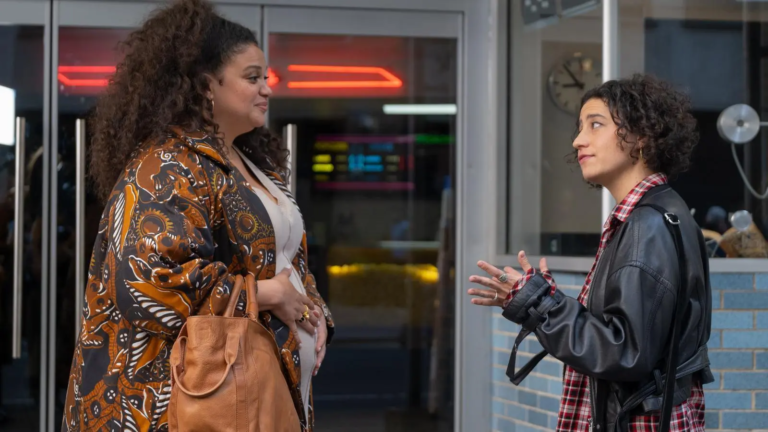
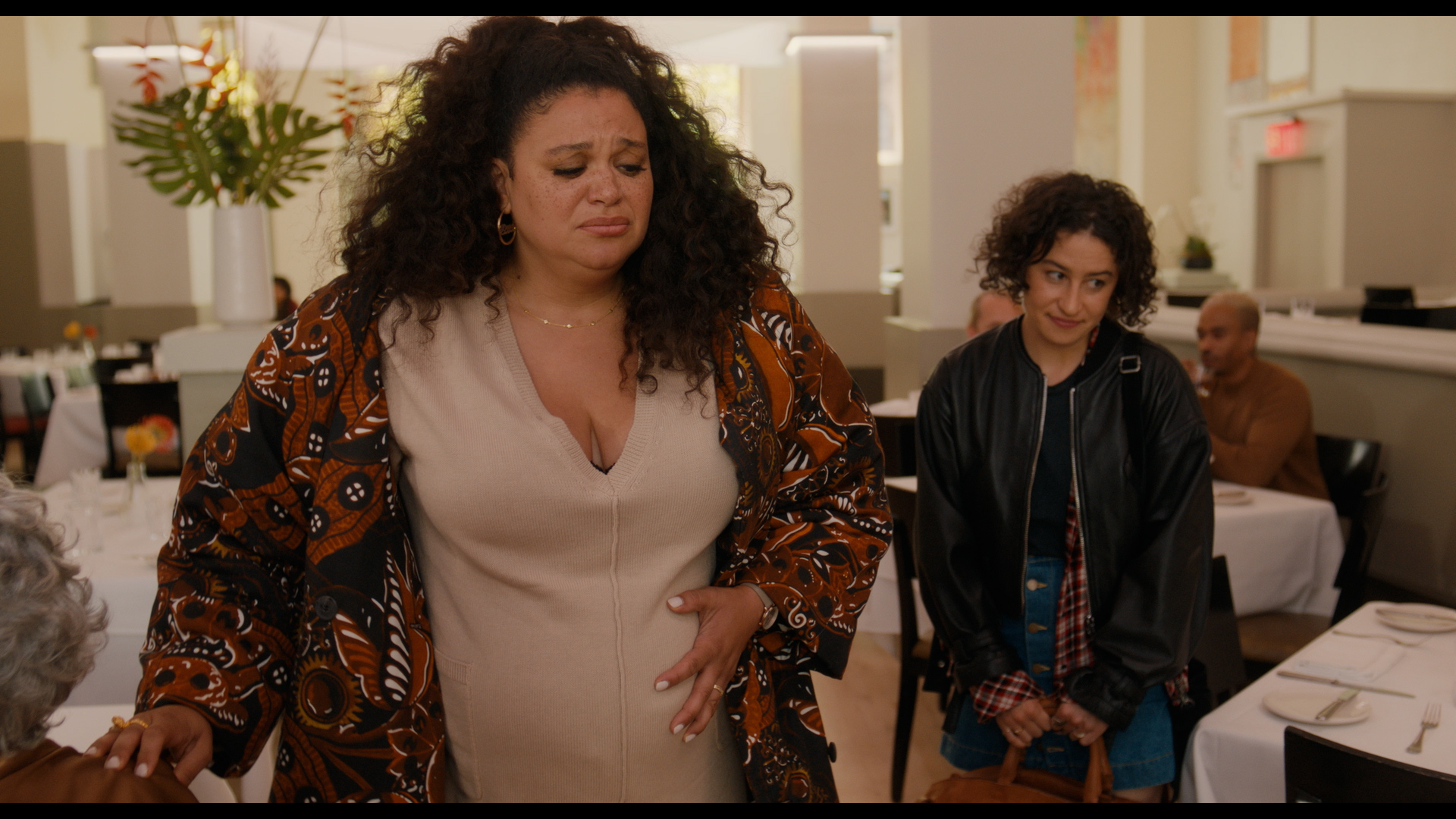
A buddy comedy is only as good as the chemistry between the two leads. They have to be in sync and play off each other’s strengths. Often that means an odd couple, but it’s even better if they have their moments of balance between wild and reserved. There is such an alchemy in the performances of Ilana Glazer and Michelle Buteau. These two take every emotion and play it out between each other so superbly. They are the best buddies the buddy comedy has had in a while.

Babes takes everything that’s changed about comedy in the last 20 years and makes it work. The film is charming, heart warming, and hilarious. Not only is it a top notch buddy comedy, but it’s also a great body comedy. There have been several comedies about pregnancy and they have the pain, the screaming, the frustration; but they rarely go farther than one note into the nitty gritty. Babes takes us all the way through and then some. We get a pregnancy comedy that not only gives us one birth, but two, and builds on what happens after the baby is out while balancing everything that happens while the baby is still in. The good, the bad, and the gross things the human body goes through.

In a grossly funny scene, Eden (Ilana Glazer) is teaching her yoga class and morning sickness strikes. She doesn’t run to the bathroom, she doesn’t stop class, she doesn’t even stop talking, she pretends like nothing is happening. Eden takes her class through the poses as she does everything to keep her stomach contents in her body. She even goes far enough to have to swallow it back down, much to the disgust of the student directly in front of her. It’s a terrific work of physical comedy.

There’s a lot of terrific physical comedy in Babes, but its comedic heart is in the story penned by Ilana Glazer and Josh Rabinowitz. The two writers do the hardest work of a comedy in making this type of story fresh. It comes in the combinations of plots that all come together seamlessly. It’s the lifelong best friends trying to figure out how to be with each other as adults. It’s the new love blossoming. It’s the married couple trying to understand how they can really do this even if they have nothing but each other. It’s in the ludicrously funny C plot of an OB/GYN, Dr. Morris (John Carroll Lynch), who just can’t figure out how best to be bald. Glazer and Rabinowitz have found a great balance within this work.

The balance of this complex, but not convoluted, story is held intact by the superb direction of Pamela Adlon. Her eye for the comedic is unmatched. There’s a series of scenes in Babes that are utterly terrific, with Adlon putting her own spin on the New York City walk and talk. She stages a sit and chat on the subway. Eden travels a long way from her apartment to visit with Dawn (Michelle Buteau). She’s got to change trains three times. After good samaritan, Claude (Stephan James), keeps her from being trapped on a line going the wrong way, the two of them strike up a conversation because it turns out they live in the same neighborhood and have the same commute to make. Their chemistry is off the charts and results in the two of them spending the night together. It’s a terrific sequence with cinematographer Jeffrey Kim giving us different passenger points of view on the pair and editors Annie Eifrig and Elizabeth Merrick cutting together the best bits of this delightful sequence in tandem with Dawn’s troubles post birth. It’s a sequence that sets up so much of the film and the layers in between everything that’s to come.

There are some very predictable moments and Babes hardly reinvents the genre. It falls a bit toward that habit of late ’00s and early ’10s comedies that think there needs to be a lot of alternate improv takes within the same sequence, dragging the story down while we watch a sort of gag reel. Yet, there’s enough freshness and boldness that we can ignore the small voices in our heads and just revel in it. Babes is a hilarious, heartwarming, and empowering film. It’s the kind of comedy you need on the big screen. It demands laughs and tears among a room full of strangers having the same experience.

Grade: A

Movie Review: ‘Thelma the Unicorn’ Adds Sparkle To Substance


Directors: Jared Hess, Lynn Wang
Writers: Jared Hess, Jerusha Hess, Aaron Blabey
Stars: Brittany Howard, Will Forte, Jon Heder

Synopsis: When a rare pink and glitter-filled moment of fate makes Thelma the Pony’s wish of being a unicorn come true, she rises to instant international pop-superstar stardom, but at an unexpected cost.


Netflix animation cartoons, the majority of the time, can be cute, but the animation lacks a certain flair and individuality. For every Klaus, you have a dozen or so Pets United or The Magician’s Assistant. However, Thelma the Unicorn has that โ€œitโ€ factor, and vibrant animation that always falls short of Pixar, Disney, and DreamWorks is finally captured. It may not quite reach those lofty standards, but the artistry finally matches the inner beauty of its wonderful characters.

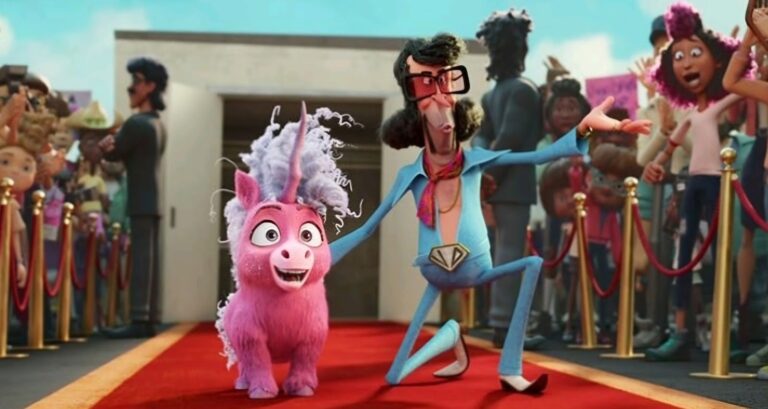
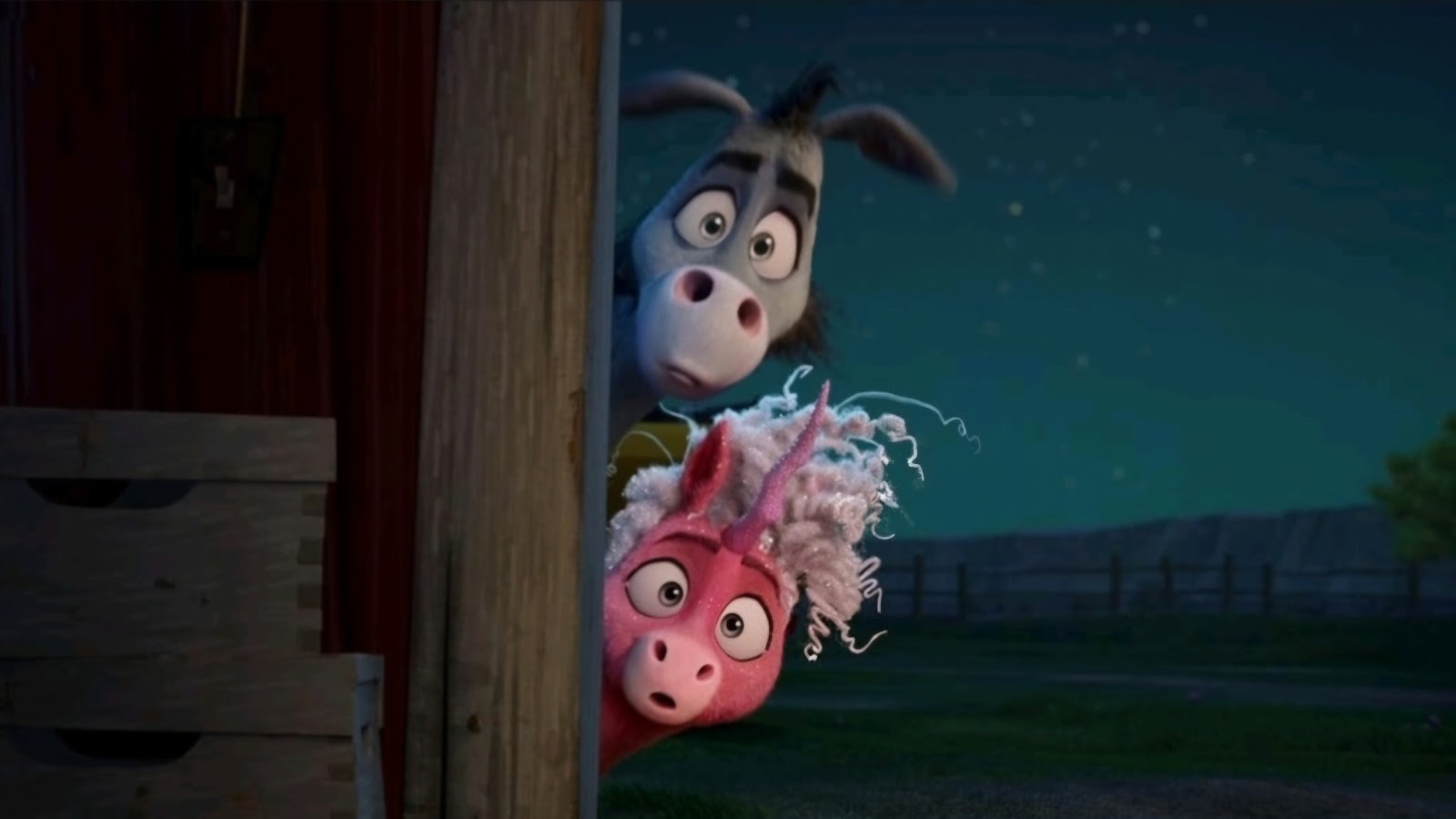
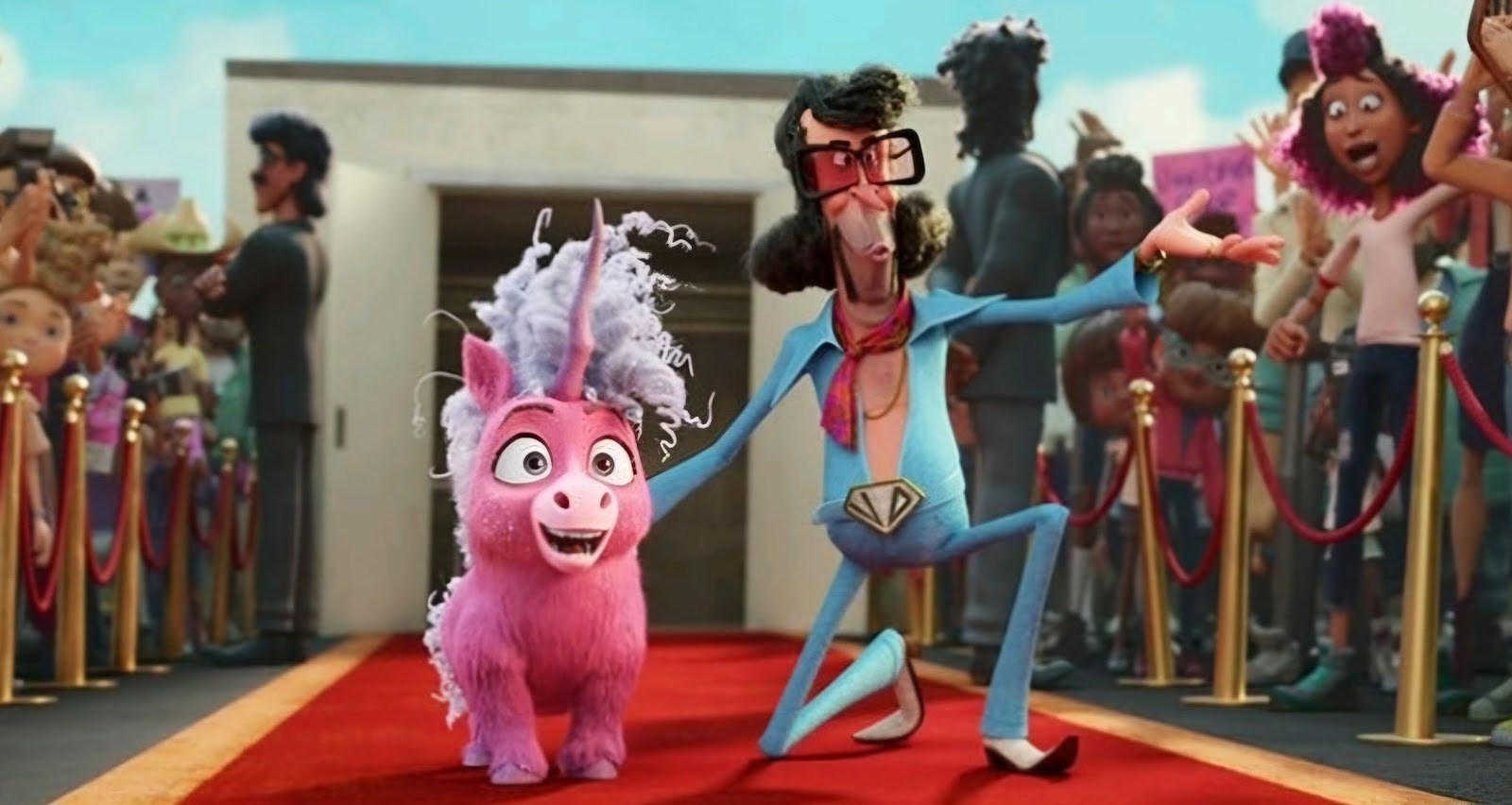
Based on Aaron Blabeyโ€™s children’s book series of the same name, Thelma the Unicorn follows Thelma (Brittany Howard of Alabama Shakes fame), a talented and adorable miniature pony who dreams of singing professionally with her friends. Thelmaโ€™s best friend, Otis (a very funny Will Forte), is a sweet donkey who amps up a mean electric guitar. Along with their affable drummer, a llama named Reggie (Napoleon Dynamiteโ€™s Jon Heder), they are The Rusty Buckets, a country-rock band destined for stardom. The only problem is that Thelma and The Rusty Buckets lack that โ€œitโ€ factor that is so popular nowadays.

That becomes all too apparent to Thelma when the band is not even allowed to perform during their farm communityโ€™s big bash, โ€œThe SparklePalooza.โ€ It happens when the three-judge panel automatically votes in a trifecta of majestic horses who are all style and have little to no substance. Itโ€™s devastating to Thelma, who we see going back to hitching a wagon to her back to move manure over the past. However, soon, that wagon, without knowing it, will be hitched to a rising star.

Thatโ€™s because while lamenting the chance that slipped through their fingers with Otis, a crusty trucker (Zach Galifianakis) with terrible driving skills and etiquette, transporting paint and glitter, takes a sharp turn and douses Thelma with a nice coat of sparkling stuff. Oh, and it just so happens that Thelma had a long, crooked carrot stuck to her forehead at the moment, making her look like a unicorn with that โ€œitโ€ factor those judges were talking about. Soon, she becomes a social media star, and Thelma gets a shot at stardom, but will she bring her friends with her?

Thelma the Unicorn is from Jared Hess, of Napolean Dynamite and Nacho Libre fame, who co-directed the film with Lynn Wang (Teen Titans Go!). They represent a new union of sorts of animation, where a live-action director teams up with an experienced creator of animation to offer a steady hand. (In this case, Don Hall and Blindspottingโ€™s Carlos Lรณpez Estrada in Raya the Last Dragon or The Week Ofโ€™s Robert Smigel pairing himself with Robert Marianetti and David Wachtenheim with Leo.) This offers a simple collaboration of specializations with comedy and artistry.ย 

Thelma the Unicorn is very funny while offering vibrant visuals and wonderful themes for parents and their children. There is a deep bench of experienced voice actors who display pitch-perfect comic timing. The trio of Edi Patterson and Jermaine Clement, who play an assistant and agent to a malicious Norwam (Ally Dixon), take turns garnering the most belly laughs as exaggerated versions of the Hollywood elite. You then have a series of ongoing gags with a group of four pool boys constantly dancing around, reminding me of Meekus and friends lighting a cigarette at a gas station in Zoolander

The message is substance over style regarding integrity, character, and inner beauty, rather than faux style and material possessions that can lead to issues of body image, self-esteem, and self-worth. The film also offers the rewards of resilience, friendship, and inner connections, as the characters will do anything to make a buck and keep their careers afloat. That’s the core of most mainstream animated family films, and Hess and Wang manage to evoke the essence of Blabey’s book series beautifully.

That said, Thelma the Unicorn is supported by a strong and dynamic voice performance, especially by singer Brittany Howard in her rousing musical numbers. Her soulful, gritty, and emotionally resonant voice and sassy comic delivery make her a remarkably versatile performer. 

While this animated film may lack the elevated artistry of the big animated studios, Thelma the Unicorn has more than enough going for it to bring humor and substance to the genre, uniting families and friends to enjoy together.

Grade: B

Podcast Review: La chimera

On this episode, JD and Brendan discuss Alice Rohrwacher’s absurdist comedy-period film La chimera, starring Josh O’Connor! Between this film and Challengers, O’Connor is having one heck of a 2024 so far, and he’s one of the biggest talking points here. There’s a lot to debate about La chimera, but his performance is not one of them.

Review: La chimeraย (4:00)
Director: Alice Rohrwacher
Writers: Alice Rohrwacher
Stars: Josh O’Connor, Carol Duarte, Vincenzo Nemolato

Subscribe to our Podcasts RSS
Subscribe to our Podcasts on iTunes
Listen on Spotify
Listen on Stitcher
InSession Film Podcast – La chimera

Movie Review (Cannes 2024): ‘The Hyperboreans’ is Filmmaking At Its Most Surreal


Directors: Joaquรญn Cociรฑa and Cristรณbal Leรณn
Writers: Joaquรญn Cociรฑa and Cristรณbal Leรณn
Stars: Antonia Giesen, Francisco Visceral Rivera, Natalia Medina

Synopsis: A woman’s storytelling and illusions bring to life the controversial figure of Miguel Serrano, a Chilean writer who propagated esoteric Neo-Nazi philosophies, prompting contemplation about his place in history.


The Quinzaine de Cineastes (Directors Fortnight) is the perfect space for the filmmakers of tomorrow, the new voices that will shape the future of cinema. Many established and influential directors have brought their films to the Cannes Film Festivalโ€™s side program, stamping their names in one of the most underrated selections in all big European festivals. The committee in charge of choosing which films to play in the Quinzaine always tends to offer a variety of pictures with fascinating and creative ideas. But they always leave a spot or two for some heavily experimental, bold, and quite weird pictures that provoke the audience while leaving them astonished by the creativity and vision of the directors attached to these projects.ย 

In the past couple of years, we have had films by Bertrand Mandico (his gender-flipped version of Conan the Barbarian, She is Conann), Alex Garland (the imagery-focused and folk horror-inspired MEN), and Panos Cosmatos (the surrealistic revenge-thriller starring Nicholas Cage, Mandy). There are many other notable examples of these types of films. But these examples alone should let you know of the artistry and boldness at play here. This year, this โ€œsacredโ€ spot belongs to what may feasibly be the most inventive and surrealistic feature to screen at this yearโ€™s Cannes Film Festival, not only in the Quinzaine. That film is the sophomore outing by the Chilean directing duo Cristรณbal Leรณn and Joaquรญn Cociรฑa, The Hyperboreans (Los Hiperbรณreos). 

Leรณn and Cociรฑa present a captivating and enigmatic exposition of modern imaginative filmmaking at its most surreal state. The directing duo, known for their excellent stop-motion nightmare, The Wolf House, now take us on a more mind-bending journey. In The Hyperboreans, you’ll find yourself questioning what is real and what is not in the story, but one thing is certain: it’s a cinematic experience unlike any other. This work solidifies them as two of the industry’s most original and innovative minds today. Explaining, or even doing a brief synopsis, The Hyperboreans is a very arduous task, as reality and imagination, dreams and nightmares, and narrative and documentary filmmaking begin to blend as the film runs its course. But I will try to make it seem cohesive so the ready can follow along. 

A hypnotherapy-like image introduces us to the film; it feels like a portal that makes the viewer travel from their seat at the cinema to Leรณn and Cociรฑaโ€™s mad minds, where everything is intertwined and impossible to separate. After the image dissipates, we advance to a film studio covered in muted-colored drapes with an array of period costumes and puppets hanging from them. An actress is wandering around the large yet equally cramped room; practicing her lines before presenting herself to us. She seems nervous about what will happen; she is dithering, indecisive about whether it is a good idea or not to go on with the show. But she holds her chin up and sets herself in front of the camera.ย 

This can be described as Aliceโ€™s first step into the rabbit hole, yet instead of finding wonders and beauty, you get concoctions from purgatory. โ€œWelcome to the set of The Hyperboreansโ€, the actress says via one of the many fourth-wall breaks and self-referential antics Leรณn and Cociรฑa pull in this project. In a brief introduction about her life, she reveals herself as, wellโ€ฆ herself, Antonia Giesen. The Chilean actress says that she is recognized for her work on the big screen, like Pablo Larrainโ€™s underrated Ema and Leo Medelโ€™s La Veronica, but most people donโ€™t know that she is a clinical psychiatrist. As she continues her introductory monologue, Giesen tells us the story of the stolen negative of a film she starred in. The project was shot on celluloid, and the print was stolen before the director could digitalize the negatives.ย 

The police couldnโ€™t find any evidence of the robbery, so the case never was solved. But the film we are watching is an opportunity to bring the lost film to life through the memories left of it. As soon as she says that, another step is taken into the rabbit hole. Giesen continues the story while changing the scenery behind her, making it look like a therapy room. It is an odd concoction that draws immediate intrigue due to reality and fiction colliding to form another story running concurrently with the one sheโ€™s telling the viewer. Giesen recalls a time when she was meeting a patient, known throughout the film as โ€œEl Metaleroโ€ (the Metalhead), who was struggling with his psychiatric treatment. 

As a last possibility to help him, she recommends that he write his thoughts down each day in a journal. During his daily scribes, he wrote a screenplay about a police officer in a sci-fi fantasy version of Chile. Intrigued by his ideas, Giesen makes the script a feature film. She turns to her filmmaker friends Cristรณbal Leรณn and Joaquรญn Cociรฑa, the directors playing more frenetic versions of themselves, to direct it, with Giesen playing the lead role. They all smile and are full of excitement to start production. But this is the point of no return; nobody is safe, not even the audience watching. If this description were two steps into the rabbit hole, only covering the first ten minutes of The Hyperboreans, then whatโ€™s next is an uncontrolled freefall into the abyss. 

Everything changes drastically; the tone, structure, stylistic approach, and atmosphere, amongst other things, alternate to a more surrealistic and experimental design. Men are turned into stop-motion puppets; bodies are transformed into different figures; there are stories within stories, psychoanalytic exploration of the effects of cinema, and a pitch-black version of a โ€˜Tale of Two Citiesโ€™. And that doesnโ€™t cut it. Leรณn and Cociรฑa create an array of weird, stirring machinations that feel tangible; you can grasp the scenery and everything around it with your fingertips, which shows the viewer how immersive this experience is on a technical side. They showed us their impressive talents in The Wolf House a few years ago. However, the expertise and attention to detail here, considering that they mix live-action with stop-motion animation and documentary filmmaking, is just an act of two cinematic magicians. There are many original films released year-round. But none of them manage to feel like this; those films donโ€™t feel nearly as inspired as this.ย 

Unorthodox storytelling procedures being able to work out is always a thing that people should champion, especially in this manner. However, the immersiveness of the story also comes from an emotional side, which is a different ride on its own. While sometimes confusing and, in others, utmost inexplicable, the viewer senses a chill down their spine as the story progresses. The Hyperboreans is about one thing at first: the curious screenplay that โ€œEl Metaleroโ€ has written and how making it helps him mentally. Yet, it rapidly switches its gears and covers more ground than before; life, death, loss, and separation mix into a Molotov cocktail of pure gloom. This amalgamation takes a toll on you, feeling every inch of the atmosphere in your mind, body, and soul. 

The damnation clouds your head. And once it gets you, it never lets go. Leรณn and Cociรฑaโ€™s latest feels like the theater-play scene in Ari Asterโ€™s Beau is Afraid, which they helped create, mixed with David Lynchโ€™s Rabbits online series (also seen in his film Inland Empire) if they were a metatextual documentary on a crazy occultist. All of this may seem like a huge red flag for many viewers. But I felt captivated by it in every way possible, even if itโ€™s hard to follow occasionally. This is some of the most creative and bold direction I have seen in a long time. I know that nothing at the festival could stand up to this in terms of cinematic innovation and despondency.

Grade: A-

The Story of ‘Eight Deadly Shots’ And Its Unintended Consequences

Thanks to the Criterion Channel and Martin Scorseseโ€™s World Cinema Project, I was exposed to a miniseries that I had never heard of and a talented writer/director/actor buried in Finlandโ€™s cultural history. It was also based on a crime that, as sad as that is, while somewhat common in the United States, was beyond comprehension in Finland in 1969. It caught the eye of one of the countryโ€™s most talented filmmakers because he had known this life and could have easily fallen into the same trap if it werenโ€™t for his passion for drama.ย 

Real Life Shots

Eight Deadly Shots is based on the tragic events of March 7, 1969, when four police officers were shot dead in a tiny village called Pihituputa. Tauno Pasanen, a farmer with a family, flew into a drunken rage, another in a string of cases that forced his family to flee for their safety and call the police. The officers went to calm Pasanen rather than arrest him, but the still-intoxicated Pasanen responded to their presence by firing his rifle from his home at each of the four officers. It lasted a minute before he told his neighbor to call the police and โ€œpick up those carcasses.โ€ Pasanen later said he had no motive or reason to shoot the police.

The crime shocked all of Finland and the four officers were buried together in a time of national mourning. Meanwhile, Pasanen was convicted and sentenced to life imprisonment for the quadruple homicide. His background was scrutinized and exposed a very horrible reality: rural poverty where Pasanen and thousands lived was rife and the use of illegal moonshine sold supplemented incomes. People like Pasanen drank their moonshine as a way to cope, leading to deadly results. Someone familiar with that life was Mikko Niskanen, who grew up in similar circumstances before attending drama school.ย 

Shooting Shots Of A Snowy Loneliness

Niskanen found success in his home country with films including The Boys (1962) and Under Your Skin (1966), winning Finlandโ€™s version of the Oscars, the Jussi, six times for Best Director. He was a major star already when he decided, against the wishes of many, to create a fictionalized version of the killings. The budget for his four-part film (it was planned to be 80 minutes) was less than what he wanted, and after almost killing his cinematographer during the recreation of the shooting, the studio was ready to end the project. Niskanen was able to convince them otherwise and finished the film on time.

In 1972, three years after the real-life tragedy, Eight Deadly Shots was released to universal acclaim. The story follows Pasi, married with a wife and kids trying to make ends meet while working on the farm, but he falls more and more into debt as crops begin failing. With his fellow neighbors, Pasi makes moonshine to sell, but is harassed by the police who disrupt their work. Taking to moonshine personally, he begins arguing with his wife on what are small issues, but causes more and more anguish before a drunken fight turns into a violent event.

The miniseries is a piece of social realism, shooting on location and using non-professional actors with some professional ones to capture a more realistic portrayal. Niskanen even followed a method acting tactic by drinking like his character and slept in similar accommodations which affected his sleep and normal functions while working. The crew was small and Niskanen would shoot some scenes alone while members of the crew made the drive up from Helsinki to a tiny town in central Finland. Sound mixing in the elements was found to be a lot harder due to continuous winds which interrupted the filming. It was, like Tauno Pasanen, made under the influence when Niskanen fired live rounds – not blanks – which almost caused production to be totally scrapped. He was forced to shoot the rest in the controlled environment in Helsinki where he could be watched.

Upon release, it was universally acclaimed in Finland. Among those who watched the film was then-President Urho Kekkonen with Niskanen at a private screening and praised the film. A copy was shown to Pasanen in prison and said of it, “This is so true that it makes me laugh and cry at times. That is how life was back there. My fate in life was so accurately portrayed that it is like ripped from my soul.โ€ Those who spoke negatively of it were families of the deceased police officers who saw it as being too sympathetic to the man who was a mass murderer.ย 

A Twist Ending

Years after the killing, Pasanen and others wrote letters of support for clemency as people began seeing the acts caused by circumstances rather than outright evil. In 1982, Pasanen was given a pardon by President Mauno Koivisto and moved to a new town to be closer to his ex-wife, who divorced him while he was imprisoned, but remained close. The home where they lived and the scene of the massacre had been demolished. Per all accounts, things were fine for Pasanen, despite strong protests by law enforcement that a multi-cop killer had been freed and neighbors of their new town were weary to have Pasanen around them.

Then, in 1996, an intoxicated Pasanen called the police to his home. After a drunken argument, Pasanen had strangled his ex-wife to death, but had no memory of the killing. Understandably, this brought back memories of his first deadly killings and anger as to why such a convict was given freedom despite the heinousness of his actions. Pasanen only served seven years for manslaughter and, as of May 2024, is still alive and living very quietly back home near his adult children. 

Follow me on Twitter: @brian_cine (Cine-A-Man)

Movie Review: ‘Aisha’ Is a Profoundly Humanistic Piece of Cinema


Directors: Frank Berry
Writers: Frank Berry
Stars: Letitia Wright, Josh O’Connor

Synopsis: While caught for years in Ireland’s immigration system Aisha Osagie develops a close friendship with former prisoner Conor Healy. This friendship soon looks to be short lived as Aisha’s future in Ireland comes under threat.


Frank Berryโ€™s Aisha opens with a group of people moving joyously to drums. Dancing and reaching โ€“ freedom of movement and expression which is soon curtailed by an argument over who has the right to be in the recreation room. Wherever the people are they are on contested ground. That place is Ireland, and they are in a temporary refugee centre. 

Aisha (Letitia Wright) is a young Nigerian woman, fragile in frame, but steeled against the consistent blockages and aggressions both small and large from the Irish immigration services. โ€œYou keep this up, and see where it gets you,โ€ she is warned. Her transgression is to ask that the centre pass on vital information to her in a timely manner, or to be given โ€œpermissionโ€ to eat food which conforms to her religious background. To be granted asylum she has to jump through not only the bureaucratic hoops set up by an antagonistic system but also weather constant dehumanisation.   

A newcomer to the Embankment Security Services, Conor (Josh Oโ€™Connor) finds Aishaโ€™s attitude curious and strikes up a tentative friendship with her. Heโ€™s not the brightest spark โ€“ in fact Aisha is far more educated than he, but heโ€™s gentle and good humored. He has a vulnerability to him which Aisha responds to. Later we find out that Conor is an ex-prisoner who is carrying scars from abuse. His honesty with Aisha leads to her feeling she can perhaps open up about what occurred in Nigeria.ย 

Berry doesnโ€™t shy away from the cruelty and ignorance which exists within Ireland. People simply donโ€™t know basic information such as the official language of Nigeria is English. Aishaโ€™s forbearance only extends so far. She doesnโ€™t dislike the general populace of Ireland โ€“ but she is made constantly aware that she is โ€œotherโ€ to them. As in life, there is no monolith โ€“ Aishaโ€™s boss at the hairdressing salon is supportive and offers her accommodation when she is randomly moved south to Glentill. The Glentill supervisor is kind to her. The varied faces in the film represent โ€œprocessโ€ more often than people.  

Aisha is seeking an international protection order which will lead to a petition to remain. What happened to her in Nigeria is horrifying and Berry takes his time revealing the full extent of what happened to Aishatu and her family (her mother being the only surviving member trapped in Lagos). Because Aisha is not only witnessed the death of her father and brother but was sexually assaulted โ€“ she is unable to remember โ€œdetailsโ€ in the manner expected from Immigration services.  

One of the most powerful scenes in the film is made up of voices speaking ostensibly to Aisha โ€“ but speaking directly to the audience. Women speak of the fear of deportation, but also of their constant re-traumatisation by immigration services. โ€œWe were tortured there, and we are punished for that hereโ€ is the consistent sentiment.  

There is more than a touch of Ken Loach in Berryโ€™s film. Social realism lost a legend with the retirement of Loach, but directors such as Frank Berry exist to keep the flame burning. To question the institutions extant in oneโ€™s own country with nuance is complex. Berry also doesnโ€™t suggest there is an easy solution โ€“ Aisha doesnโ€™t wrap up with a definitive ending.  

Letitia Wright is giving the finest performance of her career thus far. As Aishatu Osagie she expresses emotions which range from determination to dissociation. The romance that never can be with Conor (a wonderfully understated performance by Oโ€™Connor) is the closest thing she has to unconditional support in Ireland. Aishaโ€™s weariness and rage blur into a state where she is losing a sense of self. Aisha was once a daughter, a sister, a person โ€“ but through an act of heinous violence in Nigeria and four years caught in the purgatory of the immigration system she becomes none of those things.  

Aisha is a profoundly humanistic piece of cinema. Berry used experiences shared by people seeking asylum in Ireland to inform his script. By foregrounding Wright and Oโ€™Connor as the key performances, Aisha lets other voices be heard โ€“ voices of the dispossessed in Ireland and those around the world. We hear people, we see people โ€“ even if for only a few moments โ€“ and understand there is person asking they be granted safety. Aisha is social realism at its finest. 

Grade: A-

Podcast Review: Kingdom of the Planet of the Apes

On this episode, JD and Brendan dig into the religious themes of Wes Ball’s latest film Kingdom of the Planet of the Apes! We are massive fans of this franchise, and even though we were a little reserved based off its marketing, the film ended up being way better than we anticipated. It isn’t perfect, but its symbolism leaves plenty to be explored and we have a lot of fun talking through it.

Review: Kingdom of the Planet of the Apes (4:00)
Director: Wes Ball
Writers: Josh Friedman
Stars: Owen Teague, Freya Allan, Kevin Durand, Peter Macon

Subscribe to our Podcasts RSS
Subscribe to our Podcasts on iTunes
Listen on Spotify
Listen on Stitcher
InSession Film Podcast – Kingdom of the Planet of the Apes