Director: Morgan Neville
Stars: Jodie Foster, Patton Oswalt, Josh Brolin
Synopsis: An essay on the year 1975, looking at the classic movies all released in that year.
Netflix’s Breakdown: 1975 takes audiences back to a year that was suspended between disillusionment and reinvention. The Vietnam War came to a humiliating end with the fall of Saigon; the aftershocks of Watergate still reverberated through American political life; economic stagnation and oil shortages fed a growing sense of national anxiety. Trust in institutions had eroded, certainty felt suspect, and the cultural mood tilted toward skepticism. It was within this atmosphere of unease that some of the most influential films in modern cinema emerged. Works that reflected a society questioning authority, heroism, and even the mechanics of storytelling itself. This film sets out to examine that moment, arguing persuasively that this single year marked a fracture point in film history.
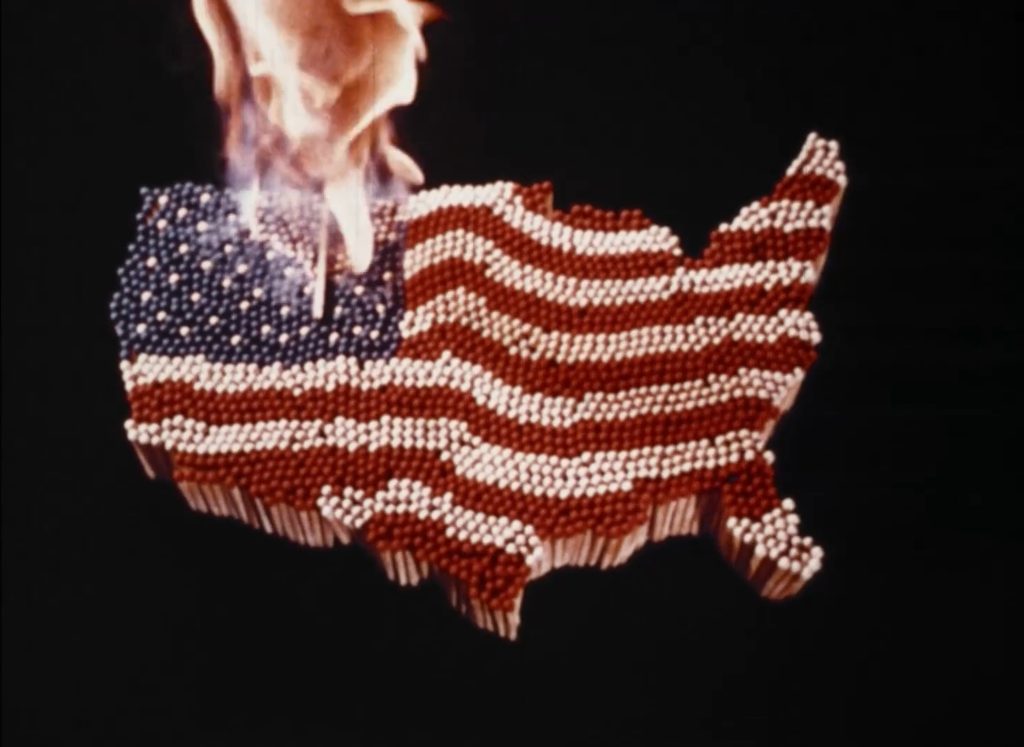
The one hour thirty minute documentary starts with a New Years party and “Love to Love you Baby” by Donna Summer playing, as a voice-over (Jodie Foster) asks “what the f*ck was going on”? TV had killed the Western Genre, New Hollywood was thriving, Studios were letting go, and the disaster film was born. From The Poseidon Adventure to The Towering Inferno, these films were reflecting a world outside inside the warm, comforting cinema.
Rather than presenting 1975 as a nostalgic high-water mark, the documentary treats it as a collision. Old Hollywood assumptions about audience taste, narrative clarity, and commercial safety were buckling under pressure from a younger generation of filmmakers emboldened by creative freedom and political unrest. Breakdown: 1975 frames the year as a volatile crossroads where radically different visions of cinema briefly coexisted.
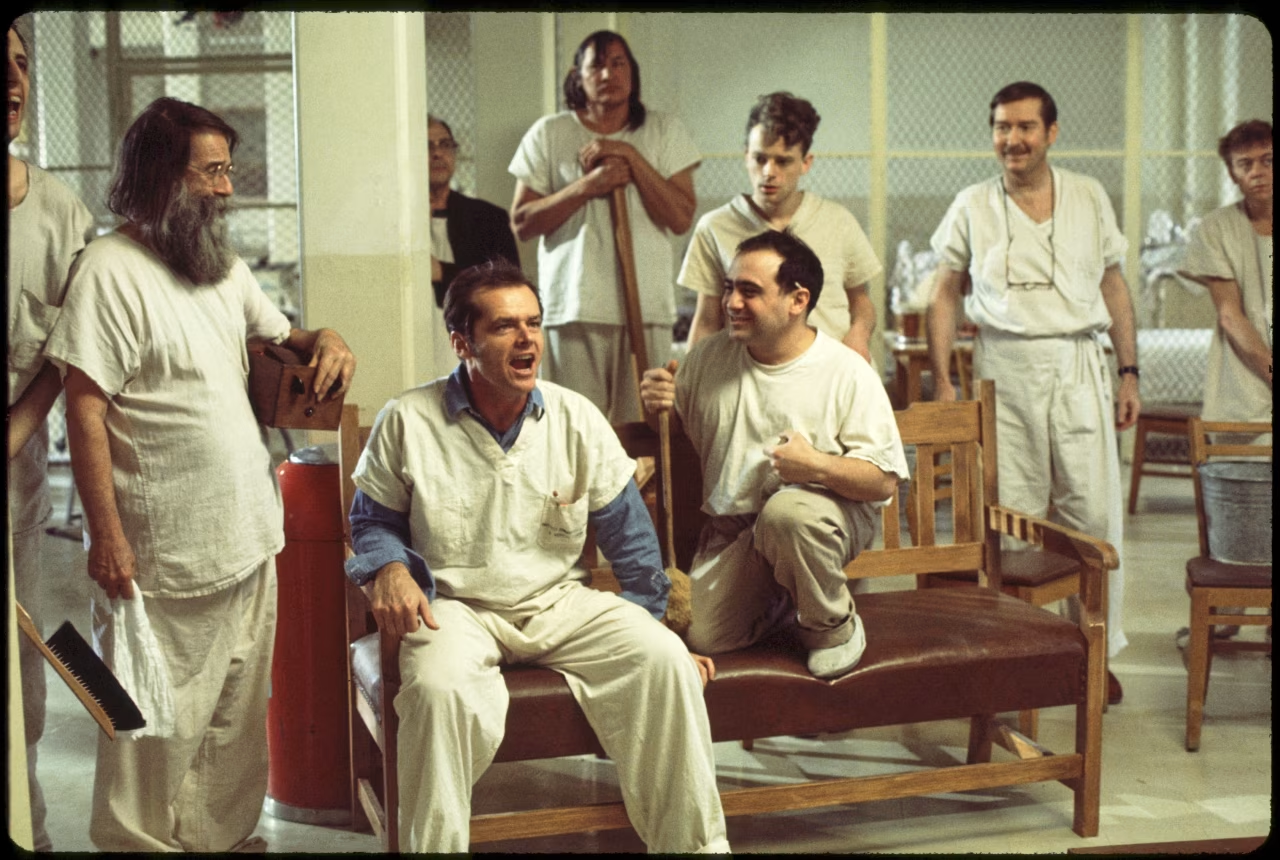
The film structures itself around discussing a handful of defining releases, including One Flew Over the Cuckoo’s Nest, Dog Day Afternoon, Chinatown, All The President’s Men, Taxi Driver, and Jaws. They’re discussed as great films, but also as ideological statements. Each represents a different response to cultural uncertainty: rebellion against institutions, empathy for marginalized figures, ironic distance, formal experimentation, and, in the case of Jaws, the rediscovery of mass entertainment as a unifying force.
There’s first-class interviews with the likes of Martin Scorsese, Patton Oswalt, Josh Brolin, Seth Rogen, Pete Bart, Todd Boyd and more, all of whom produced, directed and starred in films in 1975. They reflect on their experience fondly. Brolin first states that “movies didn’t pander to a trend” and that making movies was about “saying something” and that spark is what the modern film industry has lost. They’re honest about an industry they’ve worked in for decades, and about the state of America in 1975.
Archival footage allows scenes to unfold long enough to remind viewers how daring these films once felt. Particularly effective are moments where contemporary critics (Wesley Morris) and filmmakers (Albert Brooks) reflect on how uncertain the future seemed at the time – audiences were bored and needed more variety in films. The sense of contingency is key: these films mattered because they could have failed. The studios took chances, brought in audiences and it paid off.
Where the documentary occasionally falters is in its scope. By focusing primarily on already-canonized titles, it risks reinforcing a familiar, largely male-centered version of film history. The omission of wider genre cinema or underrepresented voices slightly narrows what is otherwise a rich analysis. Still, this is less a flaw than a limitation of focus; the documentary is making an argument, not writing an encyclopedia.
By the end, Breakdown: 1975 emerges not as a golden age, but as a stress test. A year when cinema briefly reflected a society unsure of itself and unafraid to show the cracks. Breakdown: 1975 succeeds because it understands that film history is shaped as much by instability as by innovation. By challenging contemporary filmmaking culture, the film is asking whether such risk-taking is still structurally possible in an industry dominated by franchises and algorithms. For cinephiles and casual viewers alike, Breakdown: 1975 offers a lucid, engaging reminder that the movies are often at their most alive when the world around them is falling apart. This is a must-watch documentary for anyone interested in the history of film – you might just learn something.