2025 has been a complete buffet of great cinema. In fact, while writing this list, I found myself constantly shifting choices every five minutes. Looking back, this year has been a big win for films about fractured motherhood, desperate fatherhood, the pursuit of greatness, the healing power of art, and the rebellious spark for change. Despite a rough year for animation, this awards season will struggle to accurately represent each category with only five spots. Shoutout to the rising recognition of world cinema—have we ever seen so many international films make the Best Picture lineup?
Before we get to the 10 I settled on, here are my many honorable mentions in no particular order:
The Voice of Hind Rajab, It Was Just An Accident, Hamnet, My Father’s Shadow, Black Bag, Twinless, Eddington, Bugonia, Avatar: Fire and Ash, The Perfect Neighbor, Train Dreams, No Other Choice, Nouvelle Vague, Weapons, Sirāt, Pillion, The Mastermind, The Testament of Ann Lee, Late Shift, 1000 Women in Horror, Happy Birthday, A Useful Ghost, Splitsville, Wake Up Dead Man, Bring Her Back, and Final Destination Bloodlines.
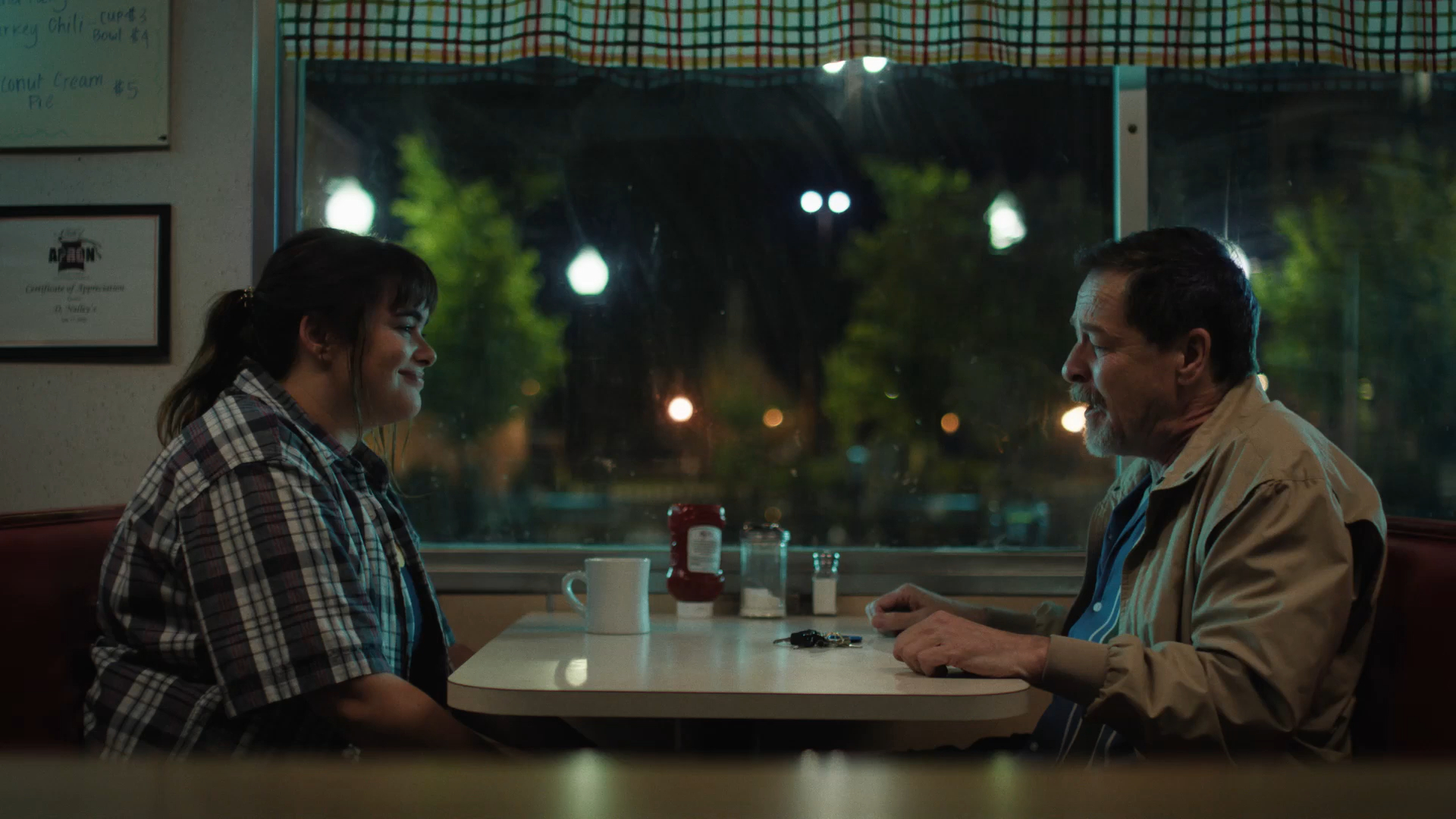
10. Bob Trevino Likes It
Sometimes your chosen family is more powerful than the family you’re given. Bob Trevino Likes It is a profound symphony of cinema’s ability to empathise. Tracey Laymon’s semi-autobiographical weepy comedy-drama is a complete delight from start to finish, conveying one of those rare stories where the internet is used for genuine human connection rather than a vapid, predatory hellscape.
There are few pairings this year that bounce off each other as perfectly as Barbie Ferreira and John Leguizamo, imbuing Lily and Bob with so much humanity, humor and heart that you quickly forget they met through a mistaken Facebook friend request. With an exceptional coda about healing, parenthood, and the simple act of kindness, the ending alone had me sprinting out of the cinema thanks to the sheer embarrassing amount of ugly crying it inspired.
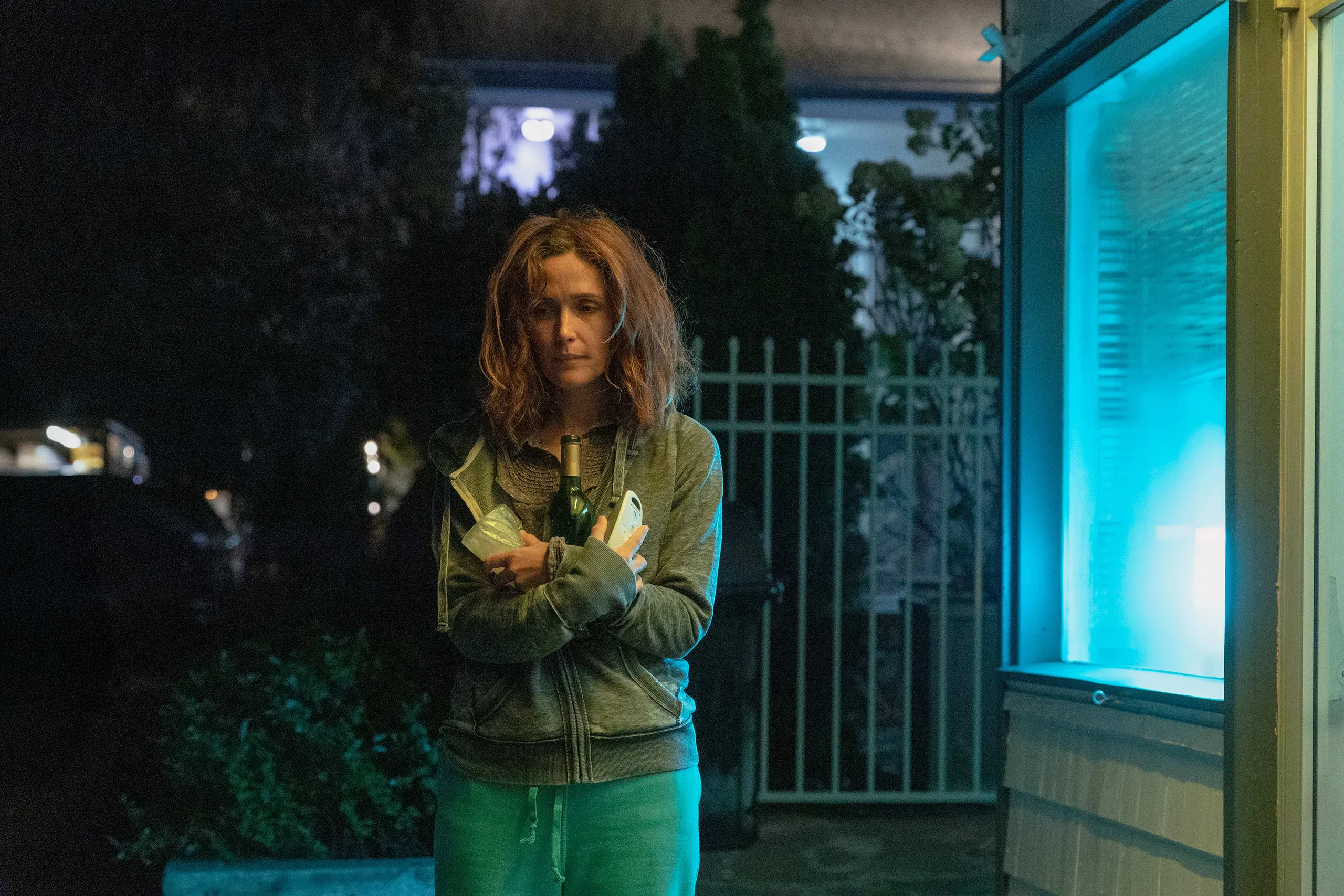
9. If I Had Legs I’d Kick You
A relentless nightmare. Cinematic anxiety at its finest. Rose Byrne’s tour de force as Linda encapsulates a fractured mother who is stressed, sleep-deprived, and stretched impossibly thin. With an incredibly apropos title, Linda isn’t even permitted the strength to properly kick or scream.
I was lucky enough to listen to director Mary Bronstein in a post-screening Q&A, where she fully articulated her well-realized vision of exhaustive parenthood, surreal angst, and the regressive limits of human care. Conan O’Brien rises to the occasion, delivering a surprisingly serious performance as Linda’s therapist.
The unwinding nature of the piece may have tested many, but I was enraptured the entire time—gasping at everything from squashed hamsters and absent fathers to void-filled roofs and left-behind babies. As far as double features go, this makes for a fantastic pairing with its meaner older sister, (and also the next film on this list) Die My Love.
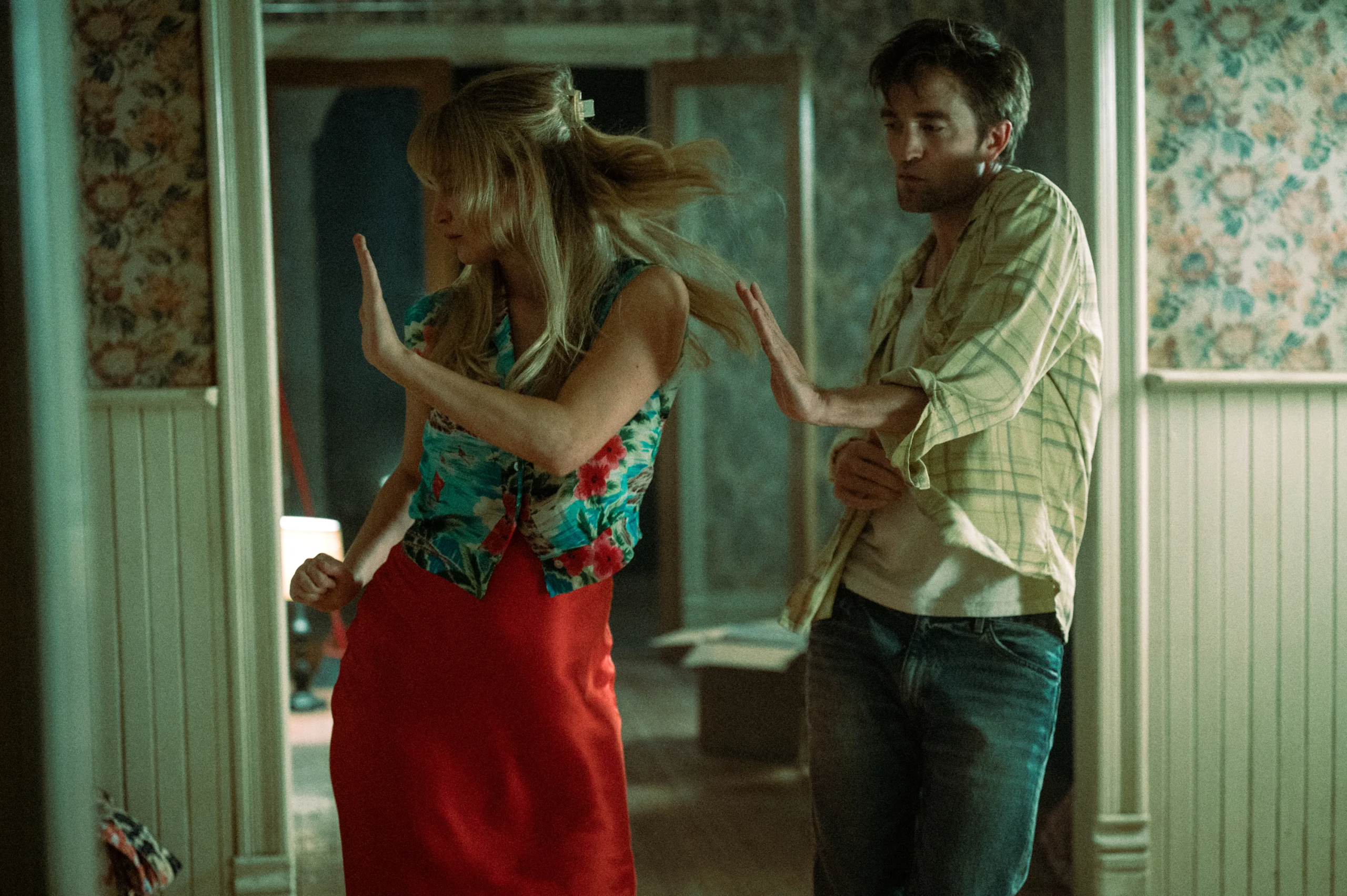
8. Die My Love
The most fully embodied performance of the year belongs to Jennifer Lawrence’s postpartum-riddled mother, Grace—an unbridled display of psychosis, resentment, depression, yearning, and raw, passionate discontent. Die My Love features some of the most feral moments you’ll see from a protagonist all year: clawing at walls, animalistic stalking, condoms as bubble gum, music playing at double speed—you can’t help but both laugh and cry at a mother having the ultimate crash-out.
With phenomenal support from Sissy Spacek and Nick Nolte, alongside what is likely one of Robert Pattinson’s most underappreciated roles, this film is pure cinema— all feeling, all-encompassing, and unabashedly challenging. If you’re someone who revels in Lynne Ramsay’s discombobulating direction, this is the film for you.

7. Left-Handed Girl
An extremely assured debut from Shih-Ching Tsou, Left-Handed Girl mixes intergenerational expectation, social realism, Taiwanese classism, and the bustling excess of Taipei’s urban sprawl to tell a boots-on-the-ground story about four generations of women fighting misogyny, superstition, fraud, and wealth inequality.
With Sean Baker’s deft editing touch, the humane intertwines with the hurting, shedding light on a working-class family with secrets to reveal, bills to pay, and lessons to pass down. It’s tender, it’s cheeky, it’s funny, and even profound in places. The color-grading alone is wondrous.
Whether it’s sweeping shots of mopeds weaving through overcrowded streets, a little girl’s ‘devil hand’ stealing a necklace, or the lowly image of a grandmother, mother, and daughter working together as a family, Left-Handed Girl is a reminder to never let society cement who you are—or what is expected of you.
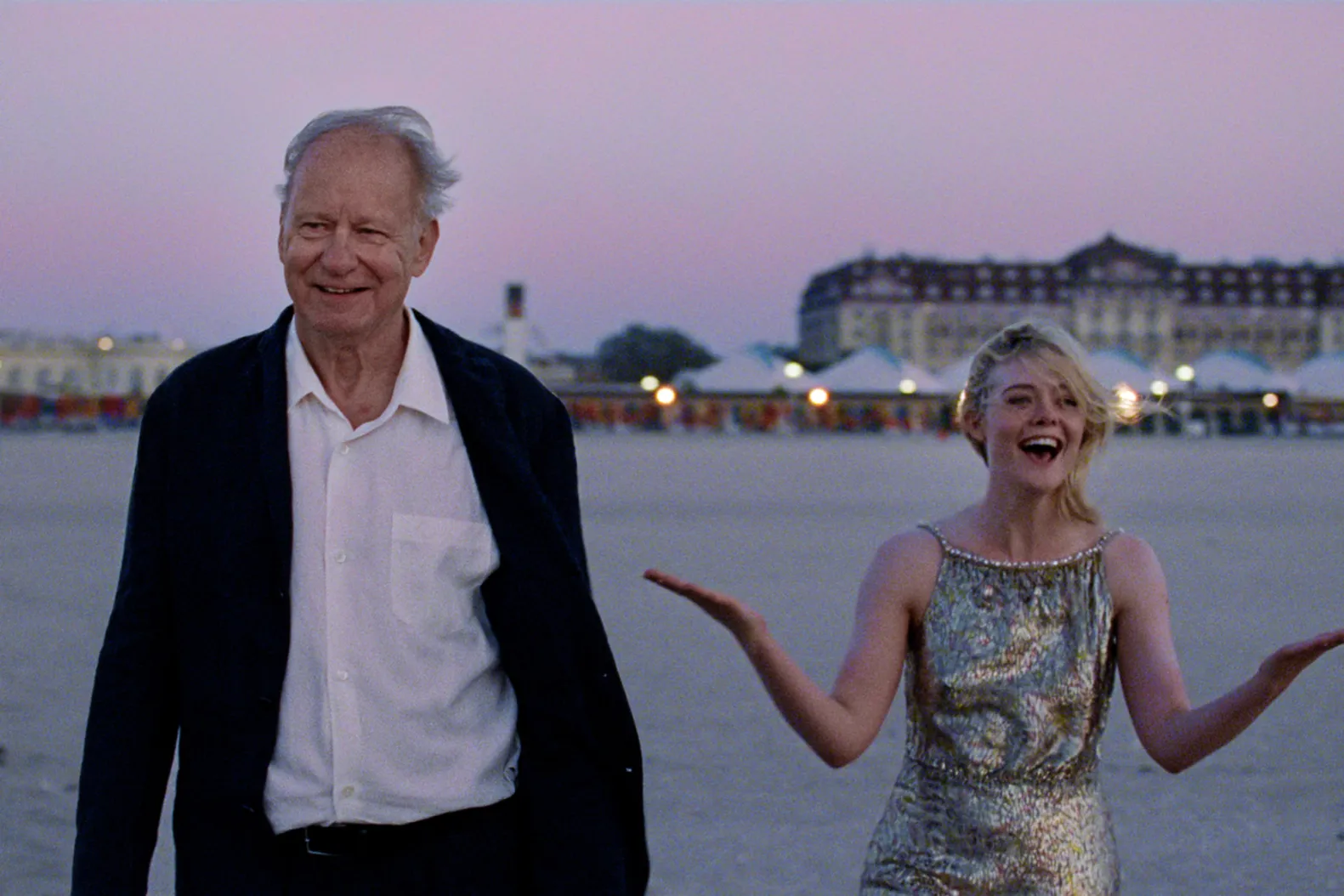
6. Sentimental Value
A tender, intimate, and profound exercise in cinema’s most powerful capability: expressing through art what the soul struggles to communicate through the body. A film about fractured relationships, distant families, arrogant directors, corporate exploits, and softening reconciliations. The objects and places in this film carry as much memory and weight as the people who create them—Sentimental Value and I’m Still Here should face off over which family home has the more richly lived-in and troubled character.
Renate Reinsve and Elle Fanning are gorgeous here, but it is truly Stellan Skarsgård and Inga Ibsdotter Lilleaas who steal the film. Stellan’s eyes guide the audience through a smorgasbord of regrets, ideals, and emotions, burdened by the weight of so much history. Sentimental Value is a film that so expertly captures the feeling of trying to make something work that, in essence, never truly can. Life-affirming, truth-upholding, and poignantly playful cinema.
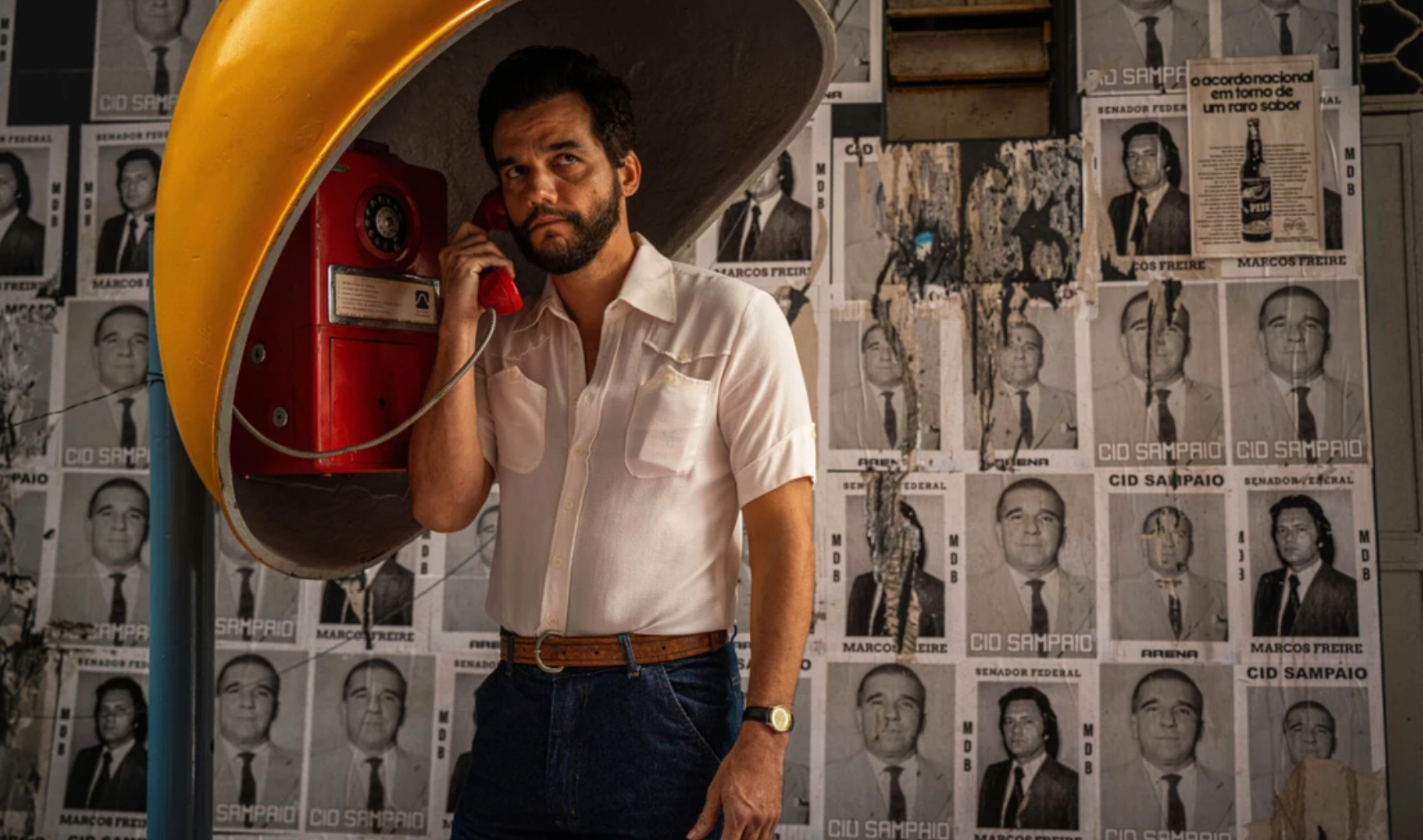
5. The Secret Agent
Covering every genre from historical drama to political thriller to absurdist neo-noir, The Secret Agent is a multifaceted marvel. From its establishing scene—where a dead body is treated as much an inconvenience as a banana peel—this is a stylistic epic in which the banality of a dictatorship becomes disturbingly normal. The police are so hopelessly corrupt that a Belgian Jew (Udo Kier, in a pitch-perfect final film role) is instantly perceived as a former Nazi soldier without hesitation.
Wagner Moura delivers one of the year’s best performances as Armando, making his journey as a former professor feel tragic, emotive, and deeply investing. Every supporting character gets their moment too—the pace and editing frequently shifts perspectives without any complaint. The production design of 1977 Recife feels as lived-in as it is astonishingly detailed. Smart, funny, incisive, and rebellious, The Secret Agent is an understated masterpiece—a reminder of how easily progressive and marginalized thought can be comically branded as law-breaking espionage.
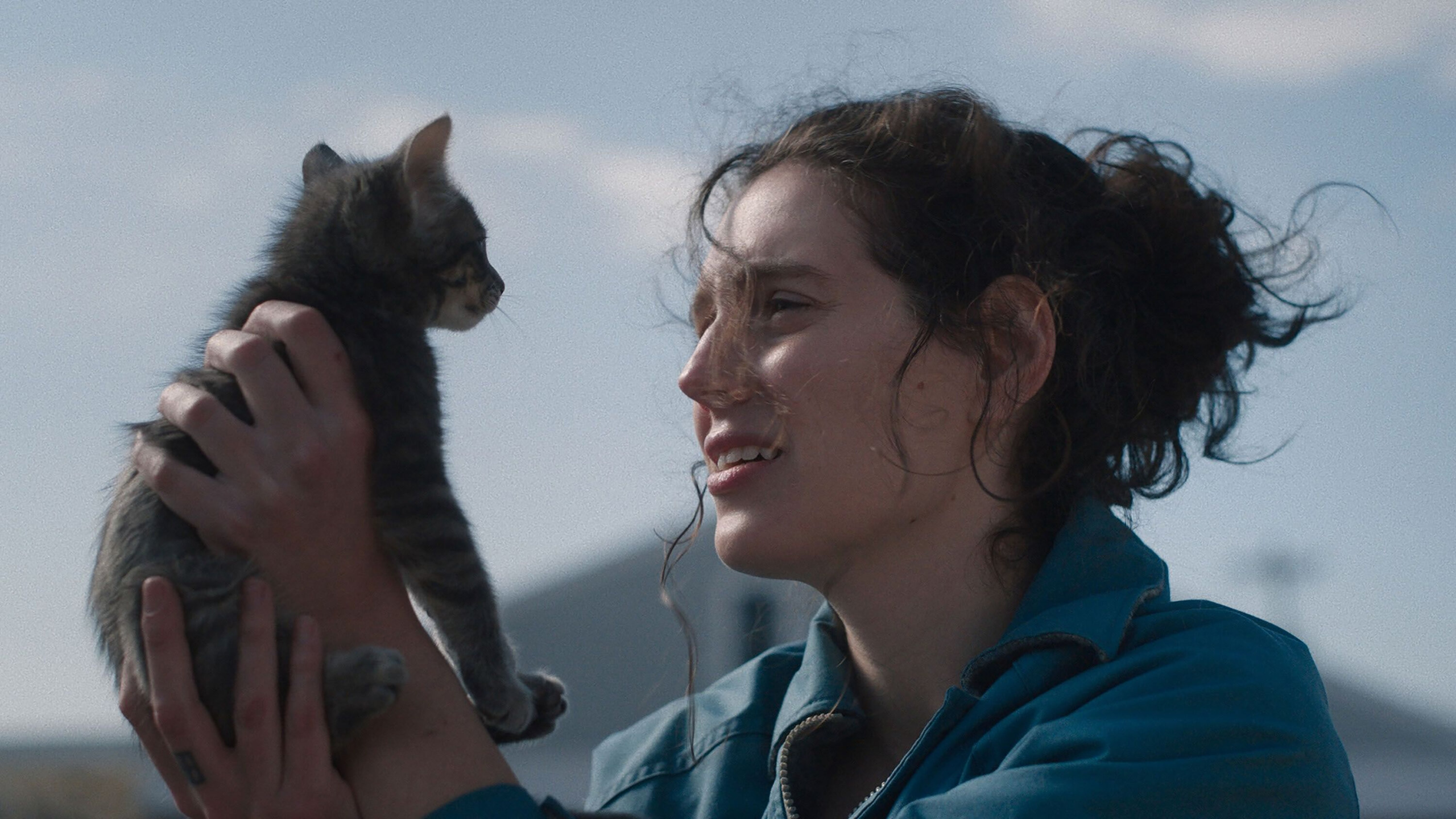
4. Sorry, Baby
Sorry, Baby delivers profound truths through Eva Victor’s assured, distinctive debut voice. Their performance as Agnes covers so many adjectives. Dry, witty, charming, and somber, while equally emotive, damaged, scarred, and lonesome. Watching their journey unfold in non-chronological form is riveting, somehow balancing measured laughter against traumatizing heartbreak. Fantastic supporting performances across the board from Naomi Ackie, John Carroll Lynch, Hettienne Park, and Lucas Hedges.
Whether it’s the open honesty of admitting bias to a jury, smashing a mouse to death with a book, sitting in stunned awe of a flaccid penis, or simply being consoled by the most supportive friend in the world, Sorry, Baby charts the winding road to survival. Assault is never easy to live with—but as always, we laugh not only to escape, but to process our pain and forge a new path forward. Up with resilient survivors, and down with corrupt, abusive men.
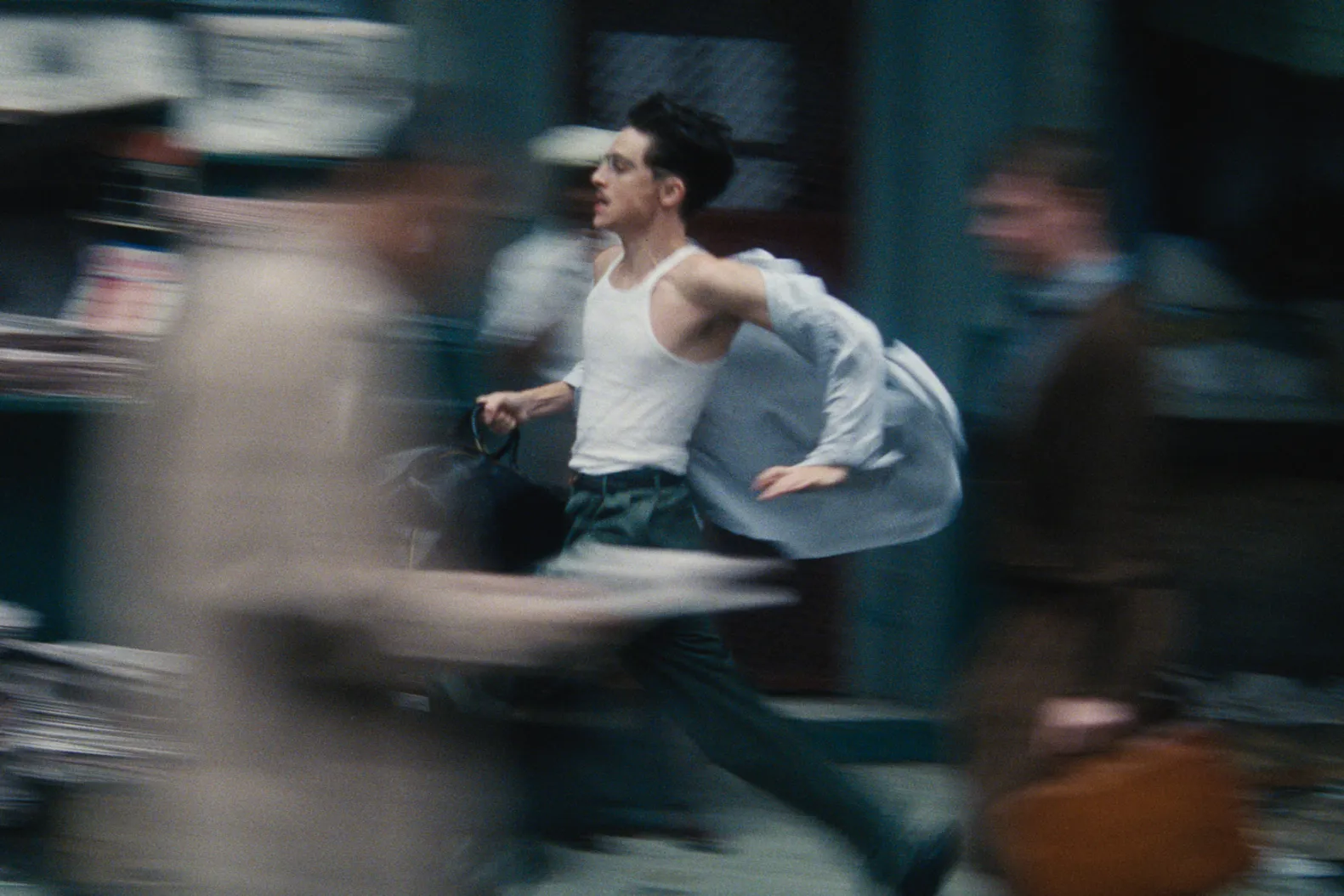
3. Marty Supreme
Josh Safdie almost lulls his audience into believing they’re watching a typical sports drama, only to rapidly remind you that this is from the director of Good Time and Uncut Gems. Marty Mauser’s arrogant and all-consuming quest to become the greatest table tennis player takes some of the wildest turns you’ll see in a movie theatre this year. Once Marty Supreme grabs you, there’s no option but to laugh, kick, scream and howl just to feel its grip loosen.
Anchored by Timothée Chalamet’s career-best, mile-a-minute, and wildly expressive performance—alongside Daniel Lopatin’s kinetic, overwhelming score and breakneck editing from Safdie and co-writer Ronald Bronstein—this is a three-course comedy-drama about ambition, self-destruction, humiliation, and the relentless lengths of human tenacity.
Nerve-pinching, electrifying, and enthralling cinema, Marty Supreme is one of those rare films where you want to strangle the protagonist just as much as you want to see them succeed in their hopes and extremely daring dreams. In a year where the Safdie brothers go head-to-head in sports dramas, Josh’s paddle certainly delivers the winning blow.
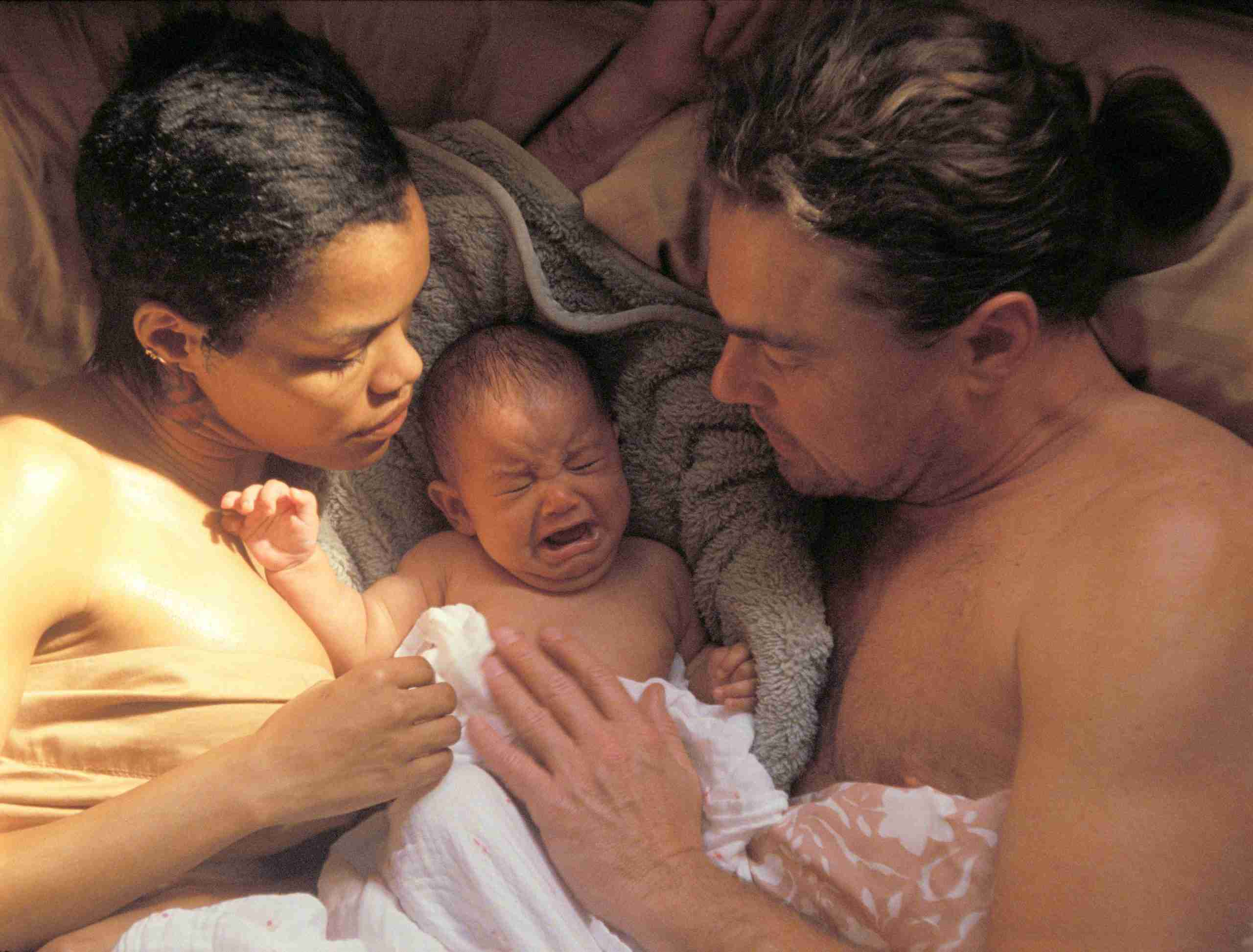
2. One Battle After Another
This film is a home run. Every actor knocks it out of the park—it’s funny, smart, surprisingly original, and deeply pressing for our times. It almost falls apart under the weight of just so much movie and so much narrative, but it somehow seals the deal with bewildering cinematography, slick editing, and a relentlessly eclectic yet playful score.
What a find Chase Infiniti is; she gives Willa as much emotional depth as she does brains and brawn. Sean Penn shines as a broken action hero toy. Leonardo DiCaprio is on another level entirely—I could watch him and Benicio Del Toro’s screwball antics for hours on end. Teyana Taylor’s Perfidia carries such unquenchable rage for the system, so much so her limited screen time powerfully lingers throughout the entire runtime.
Featuring an iconic car chase that is equally unwinding, sloping, and tremendously bumpy, the rolling river of hills comes to represent the state of America today. As a modern adaptation of “Vineland,” the audience is reminded that the U.S. ‘s pursuit of endless conflict in the name of jingoistic nonsense is a symptom of a country where words and debate are no longer prerequisites for action. Such counteractions, no matter how bold, still require constant, cyclical reinvention. This is a film in which the next generation is forced to clean up the previous generation’s messes—rarely succeeding, but compelled to try.
Paul Thomas Anderson’s One Battle After Another is an open book with a blood-soaked cover. It’s emblematic of an America that hasn’t written a final chapter yet, let alone a single dry page. Let’s all hope and strive to contribute to a more inspiring narrative—one that reminds us what true freedom should be.
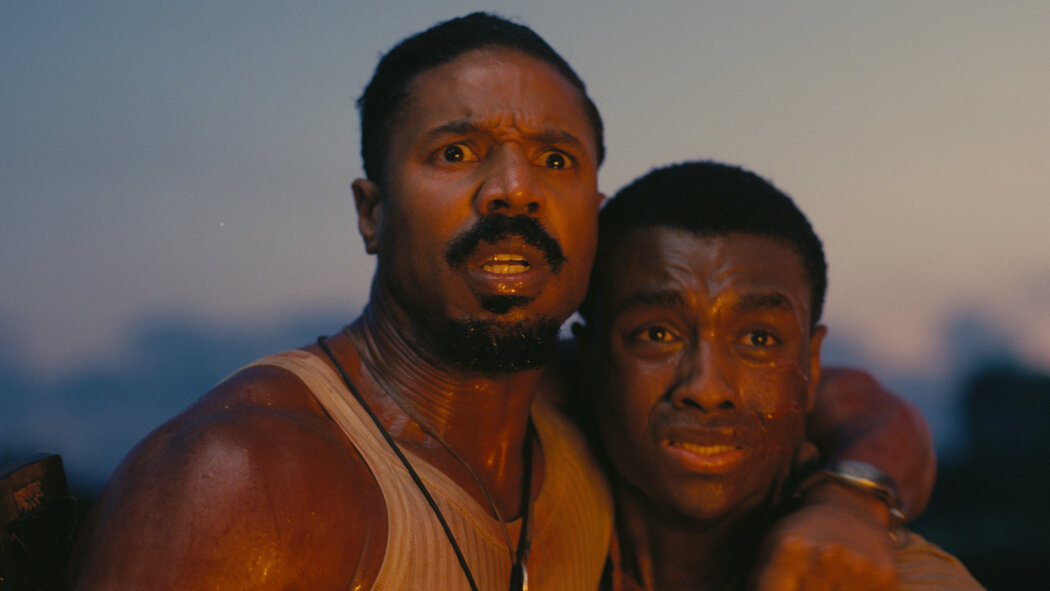
1. Sinners
Sinners is the cinematic achievement of a director building upon his previous successes to produce something wholly singular. On paper, mixing the genres of horror, action, historical fiction, and even musical into a blockbuster with a coherent narrative is a tall order. Yet Ryan Coogler embeds such an aching love for the genre conventions he is remixing and challenging that the final product absolves the film of any sin of creative overreach.
As my favorite film of the year, it is impossible not to mention Miles Caton’s transcendent musical number, “I Lied to You.” A sequence that exceeded all expectations, its anachronistic jukebox becomes a mighty rallying cry for ancestral preservation and an outstanding feat of technical prowess. Thanks to Sammie’s harmonizing power, the beautiful melody ripples, echoes, and chimes through the America of old, new, and emerging.
With its reverence for Delta blues’ spiritual and historical power, Sinners is a triumphant reminder of the fight for truth, culture, and free will—forces that overcome the boundaries of oppression, assimilation, and systemic erasure. Featuring stellar performances, a killer score, and boundary-breaking filmmaking, the film ought to be baptized as an all-time classic.