

Home Blog Page 100

Movie Review: ‘Thelma the Unicorn’ Adds Sparkle To Substance


Directors: Jared Hess, Lynn Wang
Writers: Jared Hess, Jerusha Hess, Aaron Blabey
Stars: Brittany Howard, Will Forte, Jon Heder

Synopsis: When a rare pink and glitter-filled moment of fate makes Thelma the Pony’s wish of being a unicorn come true, she rises to instant international pop-superstar stardom, but at an unexpected cost.


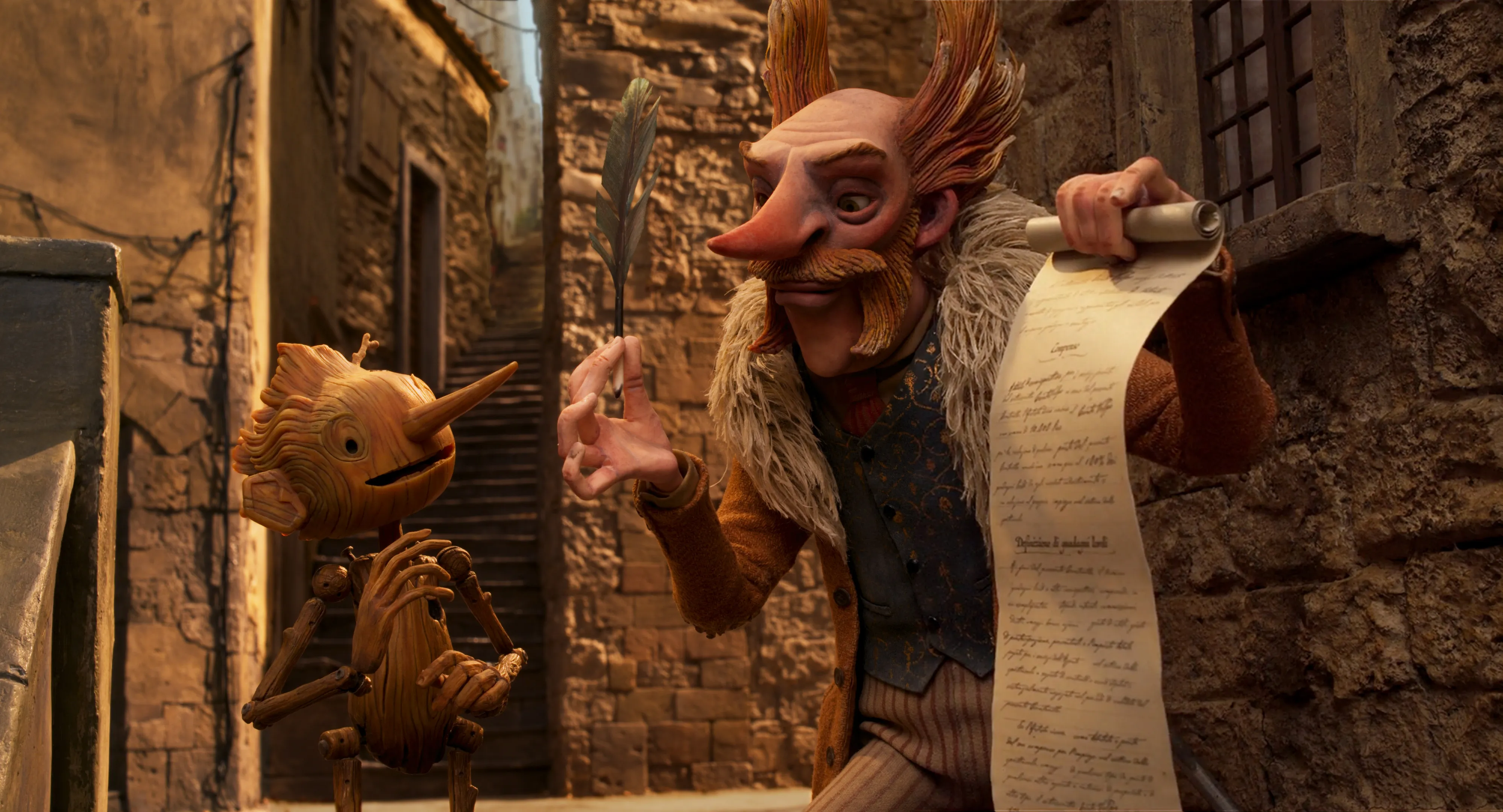
Netflix animation cartoons, the majority of the time, can be cute, but the animation lacks a certain flair and individuality. For every Klaus, you have a dozen or so Pets United or The Magician’s Assistant. However, Thelma the Unicorn has that โ€œitโ€ factor, and vibrant animation that always falls short of Pixar, Disney, and DreamWorks is finally captured. It may not quite reach those lofty standards, but the artistry finally matches the inner beauty of its wonderful characters.

Based on Aaron Blabeyโ€™s children’s book series of the same name, Thelma the Unicorn follows Thelma (Brittany Howard of Alabama Shakes fame), a talented and adorable miniature pony who dreams of singing professionally with her friends. Thelmaโ€™s best friend, Otis (a very funny Will Forte), is a sweet donkey who amps up a mean electric guitar. Along with their affable drummer, a llama named Reggie (Napoleon Dynamiteโ€™s Jon Heder), they are The Rusty Buckets, a country-rock band destined for stardom. The only problem is that Thelma and The Rusty Buckets lack that โ€œitโ€ factor that is so popular nowadays.

That becomes all too apparent to Thelma when the band is not even allowed to perform during their farm communityโ€™s big bash, โ€œThe SparklePalooza.โ€ It happens when the three-judge panel automatically votes in a trifecta of majestic horses who are all style and have little to no substance. Itโ€™s devastating to Thelma, who we see going back to hitching a wagon to her back to move manure over the past. However, soon, that wagon, without knowing it, will be hitched to a rising star.

Thatโ€™s because while lamenting the chance that slipped through their fingers with Otis, a crusty trucker (Zach Galifianakis) with terrible driving skills and etiquette, transporting paint and glitter, takes a sharp turn and douses Thelma with a nice coat of sparkling stuff. Oh, and it just so happens that Thelma had a long, crooked carrot stuck to her forehead at the moment, making her look like a unicorn with that โ€œitโ€ factor those judges were talking about. Soon, she becomes a social media star, and Thelma gets a shot at stardom, but will she bring her friends with her?

Thelma the Unicorn is from Jared Hess, of Napolean Dynamite and Nacho Libre fame, who co-directed the film with Lynn Wang (Teen Titans Go!). They represent a new union of sorts of animation, where a live-action director teams up with an experienced creator of animation to offer a steady hand. (In this case, Don Hall and Blindspottingโ€™s Carlos Lรณpez Estrada in Raya the Last Dragon or The Week Ofโ€™s Robert Smigel pairing himself with Robert Marianetti and David Wachtenheim with Leo.) This offers a simple collaboration of specializations with comedy and artistry.ย 

Thelma the Unicorn is very funny while offering vibrant visuals and wonderful themes for parents and their children. There is a deep bench of experienced voice actors who display pitch-perfect comic timing. The trio of Edi Patterson and Jermaine Clement, who play an assistant and agent to a malicious Norwam (Ally Dixon), take turns garnering the most belly laughs as exaggerated versions of the Hollywood elite. You then have a series of ongoing gags with a group of four pool boys constantly dancing around, reminding me of Meekus and friends lighting a cigarette at a gas station in Zoolander

The message is substance over style regarding integrity, character, and inner beauty, rather than faux style and material possessions that can lead to issues of body image, self-esteem, and self-worth. The film also offers the rewards of resilience, friendship, and inner connections, as the characters will do anything to make a buck and keep their careers afloat. That’s the core of most mainstream animated family films, and Hess and Wang manage to evoke the essence of Blabey’s book series beautifully.

That said, Thelma the Unicorn is supported by a strong and dynamic voice performance, especially by singer Brittany Howard in her rousing musical numbers. Her soulful, gritty, and emotionally resonant voice and sassy comic delivery make her a remarkably versatile performer. 

While this animated film may lack the elevated artistry of the big animated studios, Thelma the Unicorn has more than enough going for it to bring humor and substance to the genre, uniting families and friends to enjoy together.

Grade: B

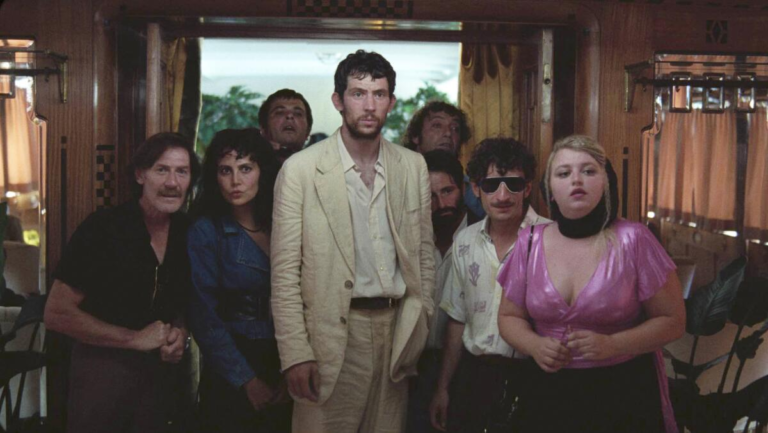
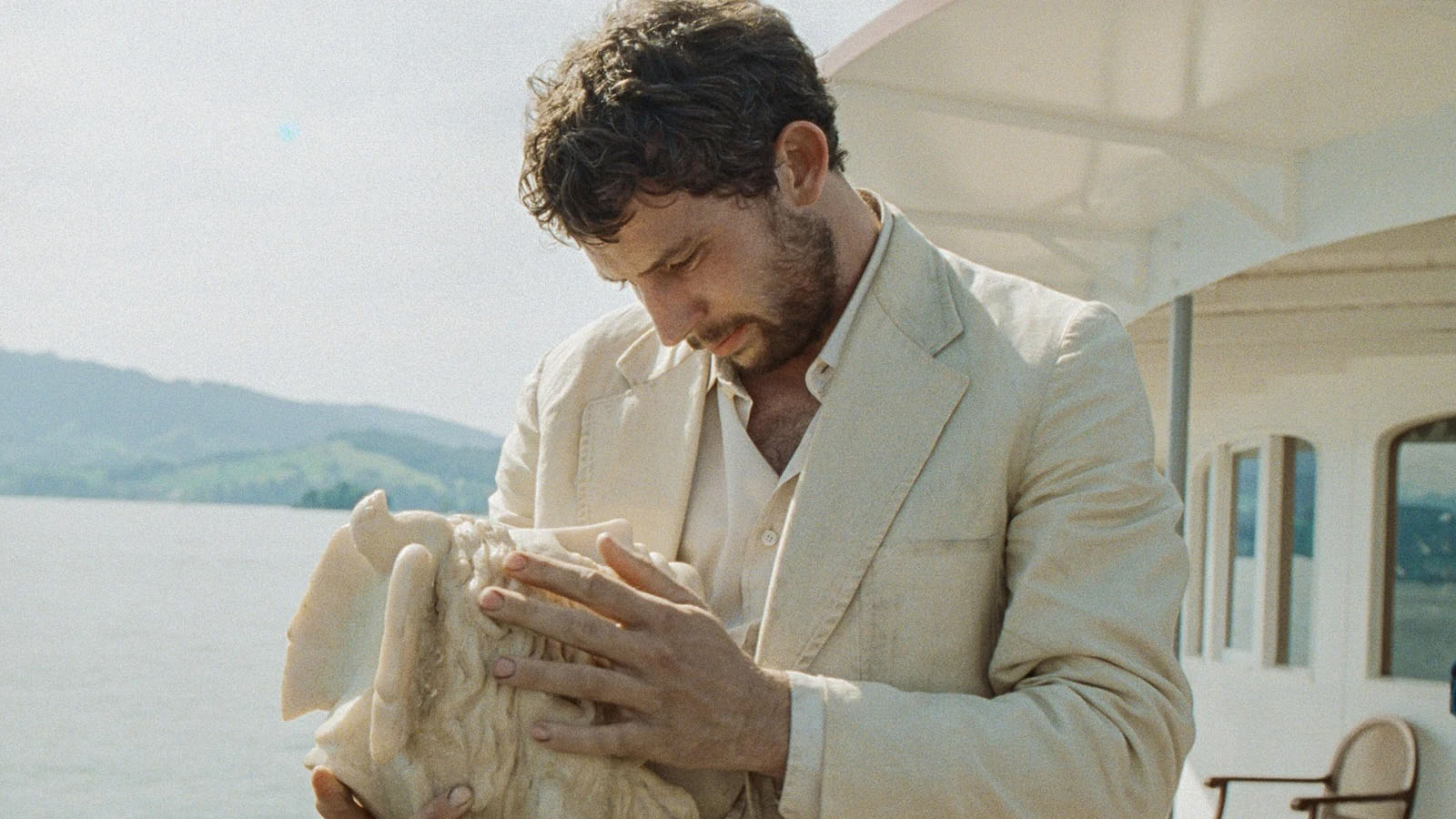
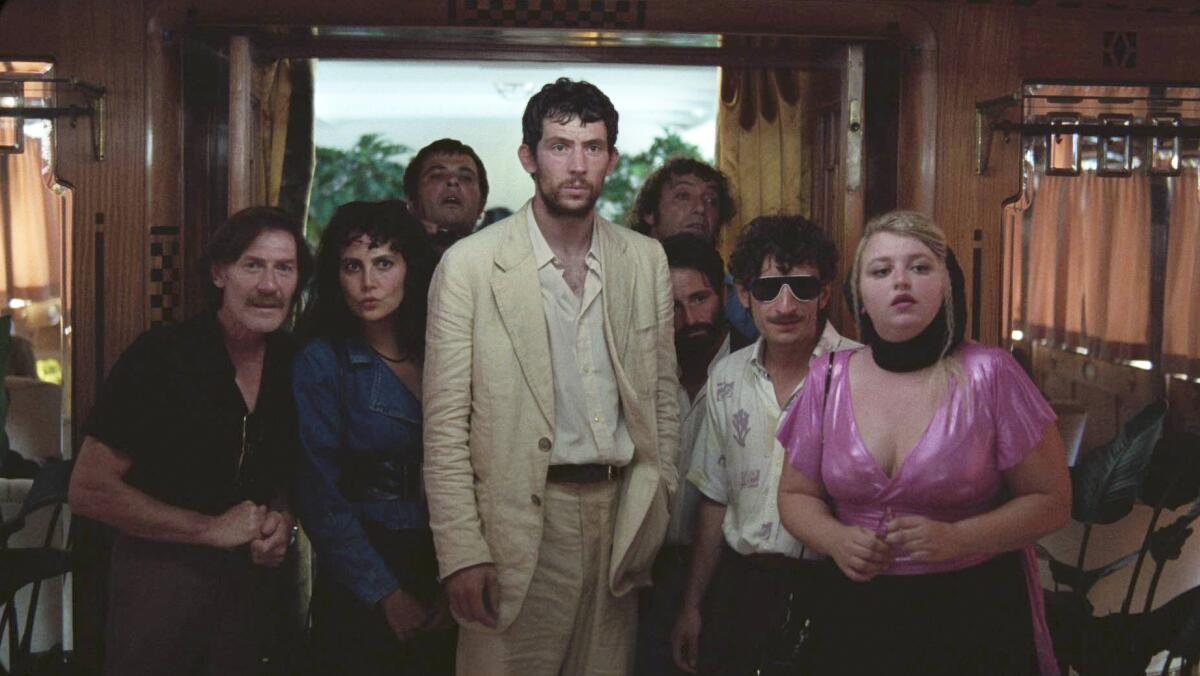
Podcast Review: La chimera

On this episode, JD and Brendan discuss Alice Rohrwacher’s absurdist comedy-period film La chimera, starring Josh O’Connor! Between this film and Challengers, O’Connor is having one heck of a 2024 so far, and he’s one of the biggest talking points here. There’s a lot to debate about La chimera, but his performance is not one of them.

Review: La chimeraย (4:00)
Director: Alice Rohrwacher
Writers: Alice Rohrwacher
Stars: Josh O’Connor, Carol Duarte, Vincenzo Nemolato

Subscribe to our Podcasts RSS
Subscribe to our Podcasts on iTunes
Listen on Spotify
Listen on Stitcher
InSession Film Podcast – La chimera

Movie Review (Cannes 2024): ‘The Hyperboreans’ is Filmmaking At Its Most Surreal


Directors: Joaquรญn Cociรฑa and Cristรณbal Leรณn
Writers: Joaquรญn Cociรฑa and Cristรณbal Leรณn
Stars: Antonia Giesen, Francisco Visceral Rivera, Natalia Medina

Synopsis: A woman’s storytelling and illusions bring to life the controversial figure of Miguel Serrano, a Chilean writer who propagated esoteric Neo-Nazi philosophies, prompting contemplation about his place in history.


The Quinzaine de Cineastes (Directors Fortnight) is the perfect space for the filmmakers of tomorrow, the new voices that will shape the future of cinema. Many established and influential directors have brought their films to the Cannes Film Festivalโ€™s side program, stamping their names in one of the most underrated selections in all big European festivals. The committee in charge of choosing which films to play in the Quinzaine always tends to offer a variety of pictures with fascinating and creative ideas. But they always leave a spot or two for some heavily experimental, bold, and quite weird pictures that provoke the audience while leaving them astonished by the creativity and vision of the directors attached to these projects.ย 

In the past couple of years, we have had films by Bertrand Mandico (his gender-flipped version of Conan the Barbarian, She is Conann), Alex Garland (the imagery-focused and folk horror-inspired MEN), and Panos Cosmatos (the surrealistic revenge-thriller starring Nicholas Cage, Mandy). There are many other notable examples of these types of films. But these examples alone should let you know of the artistry and boldness at play here. This year, this โ€œsacredโ€ spot belongs to what may feasibly be the most inventive and surrealistic feature to screen at this yearโ€™s Cannes Film Festival, not only in the Quinzaine. That film is the sophomore outing by the Chilean directing duo Cristรณbal Leรณn and Joaquรญn Cociรฑa, The Hyperboreans (Los Hiperbรณreos). 

Leรณn and Cociรฑa present a captivating and enigmatic exposition of modern imaginative filmmaking at its most surreal state. The directing duo, known for their excellent stop-motion nightmare, The Wolf House, now take us on a more mind-bending journey. In The Hyperboreans, you’ll find yourself questioning what is real and what is not in the story, but one thing is certain: it’s a cinematic experience unlike any other. This work solidifies them as two of the industry’s most original and innovative minds today. Explaining, or even doing a brief synopsis, The Hyperboreans is a very arduous task, as reality and imagination, dreams and nightmares, and narrative and documentary filmmaking begin to blend as the film runs its course. But I will try to make it seem cohesive so the ready can follow along. 

A hypnotherapy-like image introduces us to the film; it feels like a portal that makes the viewer travel from their seat at the cinema to Leรณn and Cociรฑaโ€™s mad minds, where everything is intertwined and impossible to separate. After the image dissipates, we advance to a film studio covered in muted-colored drapes with an array of period costumes and puppets hanging from them. An actress is wandering around the large yet equally cramped room; practicing her lines before presenting herself to us. She seems nervous about what will happen; she is dithering, indecisive about whether it is a good idea or not to go on with the show. But she holds her chin up and sets herself in front of the camera.ย 

This can be described as Aliceโ€™s first step into the rabbit hole, yet instead of finding wonders and beauty, you get concoctions from purgatory. โ€œWelcome to the set of The Hyperboreansโ€, the actress says via one of the many fourth-wall breaks and self-referential antics Leรณn and Cociรฑa pull in this project. In a brief introduction about her life, she reveals herself as, wellโ€ฆ herself, Antonia Giesen. The Chilean actress says that she is recognized for her work on the big screen, like Pablo Larrainโ€™s underrated Ema and Leo Medelโ€™s La Veronica, but most people donโ€™t know that she is a clinical psychiatrist. As she continues her introductory monologue, Giesen tells us the story of the stolen negative of a film she starred in. The project was shot on celluloid, and the print was stolen before the director could digitalize the negatives.ย 

The police couldnโ€™t find any evidence of the robbery, so the case never was solved. But the film we are watching is an opportunity to bring the lost film to life through the memories left of it. As soon as she says that, another step is taken into the rabbit hole. Giesen continues the story while changing the scenery behind her, making it look like a therapy room. It is an odd concoction that draws immediate intrigue due to reality and fiction colliding to form another story running concurrently with the one sheโ€™s telling the viewer. Giesen recalls a time when she was meeting a patient, known throughout the film as โ€œEl Metaleroโ€ (the Metalhead), who was struggling with his psychiatric treatment. 

As a last possibility to help him, she recommends that he write his thoughts down each day in a journal. During his daily scribes, he wrote a screenplay about a police officer in a sci-fi fantasy version of Chile. Intrigued by his ideas, Giesen makes the script a feature film. She turns to her filmmaker friends Cristรณbal Leรณn and Joaquรญn Cociรฑa, the directors playing more frenetic versions of themselves, to direct it, with Giesen playing the lead role. They all smile and are full of excitement to start production. But this is the point of no return; nobody is safe, not even the audience watching. If this description were two steps into the rabbit hole, only covering the first ten minutes of The Hyperboreans, then whatโ€™s next is an uncontrolled freefall into the abyss. 

Everything changes drastically; the tone, structure, stylistic approach, and atmosphere, amongst other things, alternate to a more surrealistic and experimental design. Men are turned into stop-motion puppets; bodies are transformed into different figures; there are stories within stories, psychoanalytic exploration of the effects of cinema, and a pitch-black version of a โ€˜Tale of Two Citiesโ€™. And that doesnโ€™t cut it. Leรณn and Cociรฑa create an array of weird, stirring machinations that feel tangible; you can grasp the scenery and everything around it with your fingertips, which shows the viewer how immersive this experience is on a technical side. They showed us their impressive talents in The Wolf House a few years ago. However, the expertise and attention to detail here, considering that they mix live-action with stop-motion animation and documentary filmmaking, is just an act of two cinematic magicians. There are many original films released year-round. But none of them manage to feel like this; those films donโ€™t feel nearly as inspired as this.ย 

Unorthodox storytelling procedures being able to work out is always a thing that people should champion, especially in this manner. However, the immersiveness of the story also comes from an emotional side, which is a different ride on its own. While sometimes confusing and, in others, utmost inexplicable, the viewer senses a chill down their spine as the story progresses. The Hyperboreans is about one thing at first: the curious screenplay that โ€œEl Metaleroโ€ has written and how making it helps him mentally. Yet, it rapidly switches its gears and covers more ground than before; life, death, loss, and separation mix into a Molotov cocktail of pure gloom. This amalgamation takes a toll on you, feeling every inch of the atmosphere in your mind, body, and soul. 

The damnation clouds your head. And once it gets you, it never lets go. Leรณn and Cociรฑaโ€™s latest feels like the theater-play scene in Ari Asterโ€™s Beau is Afraid, which they helped create, mixed with David Lynchโ€™s Rabbits online series (also seen in his film Inland Empire) if they were a metatextual documentary on a crazy occultist. All of this may seem like a huge red flag for many viewers. But I felt captivated by it in every way possible, even if itโ€™s hard to follow occasionally. This is some of the most creative and bold direction I have seen in a long time. I know that nothing at the festival could stand up to this in terms of cinematic innovation and despondency.

Grade: A-

The Story of ‘Eight Deadly Shots’ And Its Unintended Consequences

Thanks to the Criterion Channel and Martin Scorseseโ€™s World Cinema Project, I was exposed to a miniseries that I had never heard of and a talented writer/director/actor buried in Finlandโ€™s cultural history. It was also based on a crime that, as sad as that is, while somewhat common in the United States, was beyond comprehension in Finland in 1969. It caught the eye of one of the countryโ€™s most talented filmmakers because he had known this life and could have easily fallen into the same trap if it werenโ€™t for his passion for drama.ย 

Real Life Shots

Eight Deadly Shots is based on the tragic events of March 7, 1969, when four police officers were shot dead in a tiny village called Pihituputa. Tauno Pasanen, a farmer with a family, flew into a drunken rage, another in a string of cases that forced his family to flee for their safety and call the police. The officers went to calm Pasanen rather than arrest him, but the still-intoxicated Pasanen responded to their presence by firing his rifle from his home at each of the four officers. It lasted a minute before he told his neighbor to call the police and โ€œpick up those carcasses.โ€ Pasanen later said he had no motive or reason to shoot the police.

The crime shocked all of Finland and the four officers were buried together in a time of national mourning. Meanwhile, Pasanen was convicted and sentenced to life imprisonment for the quadruple homicide. His background was scrutinized and exposed a very horrible reality: rural poverty where Pasanen and thousands lived was rife and the use of illegal moonshine sold supplemented incomes. People like Pasanen drank their moonshine as a way to cope, leading to deadly results. Someone familiar with that life was Mikko Niskanen, who grew up in similar circumstances before attending drama school.ย 

Shooting Shots Of A Snowy Loneliness

Niskanen found success in his home country with films including The Boys (1962) and Under Your Skin (1966), winning Finlandโ€™s version of the Oscars, the Jussi, six times for Best Director. He was a major star already when he decided, against the wishes of many, to create a fictionalized version of the killings. The budget for his four-part film (it was planned to be 80 minutes) was less than what he wanted, and after almost killing his cinematographer during the recreation of the shooting, the studio was ready to end the project. Niskanen was able to convince them otherwise and finished the film on time.

In 1972, three years after the real-life tragedy, Eight Deadly Shots was released to universal acclaim. The story follows Pasi, married with a wife and kids trying to make ends meet while working on the farm, but he falls more and more into debt as crops begin failing. With his fellow neighbors, Pasi makes moonshine to sell, but is harassed by the police who disrupt their work. Taking to moonshine personally, he begins arguing with his wife on what are small issues, but causes more and more anguish before a drunken fight turns into a violent event.

The miniseries is a piece of social realism, shooting on location and using non-professional actors with some professional ones to capture a more realistic portrayal. Niskanen even followed a method acting tactic by drinking like his character and slept in similar accommodations which affected his sleep and normal functions while working. The crew was small and Niskanen would shoot some scenes alone while members of the crew made the drive up from Helsinki to a tiny town in central Finland. Sound mixing in the elements was found to be a lot harder due to continuous winds which interrupted the filming. It was, like Tauno Pasanen, made under the influence when Niskanen fired live rounds – not blanks – which almost caused production to be totally scrapped. He was forced to shoot the rest in the controlled environment in Helsinki where he could be watched.

Upon release, it was universally acclaimed in Finland. Among those who watched the film was then-President Urho Kekkonen with Niskanen at a private screening and praised the film. A copy was shown to Pasanen in prison and said of it, “This is so true that it makes me laugh and cry at times. That is how life was back there. My fate in life was so accurately portrayed that it is like ripped from my soul.โ€ Those who spoke negatively of it were families of the deceased police officers who saw it as being too sympathetic to the man who was a mass murderer.ย 

A Twist Ending

Years after the killing, Pasanen and others wrote letters of support for clemency as people began seeing the acts caused by circumstances rather than outright evil. In 1982, Pasanen was given a pardon by President Mauno Koivisto and moved to a new town to be closer to his ex-wife, who divorced him while he was imprisoned, but remained close. The home where they lived and the scene of the massacre had been demolished. Per all accounts, things were fine for Pasanen, despite strong protests by law enforcement that a multi-cop killer had been freed and neighbors of their new town were weary to have Pasanen around them.

Then, in 1996, an intoxicated Pasanen called the police to his home. After a drunken argument, Pasanen had strangled his ex-wife to death, but had no memory of the killing. Understandably, this brought back memories of his first deadly killings and anger as to why such a convict was given freedom despite the heinousness of his actions. Pasanen only served seven years for manslaughter and, as of May 2024, is still alive and living very quietly back home near his adult children. 

Follow me on Twitter: @brian_cine (Cine-A-Man)

Movie Review: ‘Aisha’ Is a Profoundly Humanistic Piece of Cinema


Directors: Frank Berry
Writers: Frank Berry
Stars: Letitia Wright, Josh O’Connor

Synopsis: While caught for years in Ireland’s immigration system Aisha Osagie develops a close friendship with former prisoner Conor Healy. This friendship soon looks to be short lived as Aisha’s future in Ireland comes under threat.


Frank Berryโ€™s Aisha opens with a group of people moving joyously to drums. Dancing and reaching โ€“ freedom of movement and expression which is soon curtailed by an argument over who has the right to be in the recreation room. Wherever the people are they are on contested ground. That place is Ireland, and they are in a temporary refugee centre. 

Aisha (Letitia Wright) is a young Nigerian woman, fragile in frame, but steeled against the consistent blockages and aggressions both small and large from the Irish immigration services. โ€œYou keep this up, and see where it gets you,โ€ she is warned. Her transgression is to ask that the centre pass on vital information to her in a timely manner, or to be given โ€œpermissionโ€ to eat food which conforms to her religious background. To be granted asylum she has to jump through not only the bureaucratic hoops set up by an antagonistic system but also weather constant dehumanisation.   

A newcomer to the Embankment Security Services, Conor (Josh Oโ€™Connor) finds Aishaโ€™s attitude curious and strikes up a tentative friendship with her. Heโ€™s not the brightest spark โ€“ in fact Aisha is far more educated than he, but heโ€™s gentle and good humored. He has a vulnerability to him which Aisha responds to. Later we find out that Conor is an ex-prisoner who is carrying scars from abuse. His honesty with Aisha leads to her feeling she can perhaps open up about what occurred in Nigeria.ย 

Berry doesnโ€™t shy away from the cruelty and ignorance which exists within Ireland. People simply donโ€™t know basic information such as the official language of Nigeria is English. Aishaโ€™s forbearance only extends so far. She doesnโ€™t dislike the general populace of Ireland โ€“ but she is made constantly aware that she is โ€œotherโ€ to them. As in life, there is no monolith โ€“ Aishaโ€™s boss at the hairdressing salon is supportive and offers her accommodation when she is randomly moved south to Glentill. The Glentill supervisor is kind to her. The varied faces in the film represent โ€œprocessโ€ more often than people.  

Aisha is seeking an international protection order which will lead to a petition to remain. What happened to her in Nigeria is horrifying and Berry takes his time revealing the full extent of what happened to Aishatu and her family (her mother being the only surviving member trapped in Lagos). Because Aisha is not only witnessed the death of her father and brother but was sexually assaulted โ€“ she is unable to remember โ€œdetailsโ€ in the manner expected from Immigration services.  

One of the most powerful scenes in the film is made up of voices speaking ostensibly to Aisha โ€“ but speaking directly to the audience. Women speak of the fear of deportation, but also of their constant re-traumatisation by immigration services. โ€œWe were tortured there, and we are punished for that hereโ€ is the consistent sentiment.  

There is more than a touch of Ken Loach in Berryโ€™s film. Social realism lost a legend with the retirement of Loach, but directors such as Frank Berry exist to keep the flame burning. To question the institutions extant in oneโ€™s own country with nuance is complex. Berry also doesnโ€™t suggest there is an easy solution โ€“ Aisha doesnโ€™t wrap up with a definitive ending.  

Letitia Wright is giving the finest performance of her career thus far. As Aishatu Osagie she expresses emotions which range from determination to dissociation. The romance that never can be with Conor (a wonderfully understated performance by Oโ€™Connor) is the closest thing she has to unconditional support in Ireland. Aishaโ€™s weariness and rage blur into a state where she is losing a sense of self. Aisha was once a daughter, a sister, a person โ€“ but through an act of heinous violence in Nigeria and four years caught in the purgatory of the immigration system she becomes none of those things.  

Aisha is a profoundly humanistic piece of cinema. Berry used experiences shared by people seeking asylum in Ireland to inform his script. By foregrounding Wright and Oโ€™Connor as the key performances, Aisha lets other voices be heard โ€“ voices of the dispossessed in Ireland and those around the world. We hear people, we see people โ€“ even if for only a few moments โ€“ and understand there is person asking they be granted safety. Aisha is social realism at its finest. 

Grade: A-

Podcast Review: Kingdom of the Planet of the Apes

On this episode, JD and Brendan dig into the religious themes of Wes Ball’s latest film Kingdom of the Planet of the Apes! We are massive fans of this franchise, and even though we were a little reserved based off its marketing, the film ended up being way better than we anticipated. It isn’t perfect, but its symbolism leaves plenty to be explored and we have a lot of fun talking through it.

Review: Kingdom of the Planet of the Apes (4:00)
Director: Wes Ball
Writers: Josh Friedman
Stars: Owen Teague, Freya Allan, Kevin Durand, Peter Macon

Subscribe to our Podcasts RSS
Subscribe to our Podcasts on iTunes
Listen on Spotify
Listen on Stitcher
InSession Film Podcast – Kingdom of the Planet of the Apes

Movie Review: ‘IF’ Is a Big, Warmhearted Crowd-Pleaser


Directors: John Krasinski
Writers: John Krasinski
Stars: Cailey Fleming, Ryan Reynolds, John Krasinski

Synopsis: A young girl who goes through a difficult experience begins to see everyone’s imaginary friends who have been left behind as their real-life friends have grown up.


One of my main issues with family films, or those that strive to be heartwarming and emotional, is that they often fail to fulfill the promise of the big scene the film aims for. However, if the family-friendly picture IF never squanders the big, emotional moment that provides a greater payoff for the audience, IF is a big, warmhearted, and hopeful mainstream crowd-pleaser. In other words, it’s an IF-ing great family-friendly flick, full of love and levity that you and your children wonโ€™t soon forget.

The story, derived from an original script by John Krasinski, is followed by a young girl named Bea (played by Cailey Fleming of Star Wars: The Force Awakens and Loki fame), who is currently going through an emotional roller coaster. That’s because Bea is a child in crisis. Her mother died of cancer when she was young. Now, her father (Krasinski) is in the hospital with a heart issueโ€”something so critical he has to have surgery. The script wisely stays out of the medical minutia because this is, after all, a family picture.

That means Bea is staying with her grandmother (a great Fiona Shaw) in Brooklyn, whom she hasn’t seen since childhood. Her grandmother even tries to be shown a box of drawings she made the last time they visited. There, in her grandmother’s apartment building, out of the corner of her eye, she sees an excitable (and animated) humanoid butterfly they call Blossom (Phoebe Waller-Bridge), accompanied by her human friend, Cal (a charming, as always, Ryan Reynolds).

Cal is the leader of the IFs, a group of imaginary friends for whom he is trying to help find homes. Bea follows them out at night into the streets of Brooklyn as her grandmother sleeps. Where are they going? To extract Blue (Steve Carell), a hopelessly optimistic gigantic purple furry thing who has failed to connect with the current child he has been assigned to. As they humorously try to escape the top-floor Brooklyn apartment, Reynolds catches Bea staring at him and realizes Bea has the same ability he does, seeing imaginary friends, including Blue and Blossom, who are standing behind her.

It is a new original film from John Krasinski, his fourth effort behind the camera. While initially, you may worry that this is an attempt to make a film to straighten out his R-rated directional filmography for a big payday, you slowly begin to realize the steady hand he brings to such a fun and friendly family picture. Krasinski brings notes of classic fantasy family fairs, like Big Fish, The BFG, and even Charlotte’s Web, where the main character meets a handful of crazy, eccentric, and downright adorable characters.

Krasinski’s script is more mainstream, so there are very few moments of sobering reality. That’s because a film has been crafted by him that practices the parenting skill of “the glad game,” which is almost therapeutic in a way where, in this case, Bea is being taught to look at the positive in any negative situation. You’ll notice how Krasinski’s character makes a fun game every time Bea visits him in the hospital, pretending to dance with a woman he created out of an IV stand or leaving a note for his daughter to run for it as he ties bed sheets like a rope and lays them towards the window. The message is calming, always sweetly silly, and maybe a little saccharine, but it never fails to be endearing.

IF does have its moments of sophomoric humor, which is a prerequisite for the family film genre nowadays. However, it only happens a small handful of times. Most of the humor involves Reynolds, who adds a surprising amount of straight man heart, along with the IF characters. Steve Carell is hilarious, as is Blue and Awkwafinaโ€™s Bubble. In fact, the voice cast is full of stars, including George Clooney (Space Man), Bradley Cooper (Ice Cube), Blake Lively, Emily Blunt (Unicorn), Matt Damon (Sunny the Flower), Amy Schumer (Gummy Bear), and more, including the late Louis Gossett, Jr., as Lewis the Elderly Bear in one of his final roles, which is quite poignant here.ย 

However, most of the movie is held together by the downright adorable Cailey Fleming, who never tries to act older than she is but is still able to communicate the type of anxiety with a single, stoic, and eloquent glance that gives IF the kind of grounding it desperately needs. Thatโ€™s because children create imaginary friends to create emotional regulation that is being pulled in different directions because of loneliness, which offers guidance out of solitude. That can be because Bea has no mother, stays with her grandmother, falls asleep on the couch, has little time with her father, and roams the streets of Brooklyn at night alone.ย 

When you watch enough movies like IF, the plot becomes rather apparent. Yes, the story is somewhat original, borrowing from many. You cannot help but think the setup and Blue character were easily lifted from the Pixar classic franchise, Monsters, Inc. Yet, you cannot help but be emotionally manipulated and swept into the plight of Bea and how often solitude and loneliness are felt in adulthood. That makes the story of IF universal; as Randy Newman would say, “You’ve Got a Friend in Me.โ€

Grade: B+

Episode 585: Mrs. Miniver

This weekโ€™s episode is brought to you by Koffee Kult. Get 15% OFF with the code: ISF

This week on the InSession Film Podcast, we continue our Best Picture Movie Series with the William Wyler 1942 war drama Mrs. Miniver! We also talk about the Apes franchise, the new Gollum prequel and we raise a glass to the late-great Roger Corman!

Check out this weekโ€™s show and let us know what you think in the comment section. Thanks for listening and for supporting the InSession Film Podcast!

– Franchises / Kingdom of the Planet of the Apes / Gollum Prequel (2:24)
We begin the show this week by, you guessed it, talking further about the franchising of Hollywood with the recent news of a new Gollum prequel movie that will be directed by and star Andy Serkis. We talk about why that’s an odd choice even if we love Serkis as an actor. However; the conversation spins to franchises on the whole and we once again bring up Kingdom of the Planet of the Apes as one of the best doing it right now.

– Roger Corman (32:31)
Roger Corman may not be a household name, but his influence during a pivotal era of Hollywood is unmatched, making him one of the most important figures in cinema history. We don’t get Jack Nicholson, Martin Scorsese, Peter Bogdanovich, Francis Ford Coppola, and many others without Corman. His passing is sad, however there is plenty to celebrate and we add our voices of praise to the choir. 


RELATED: Listen to Episode 516 of the InSession Film Podcast where we discussed our Top 10 Movies of 2023!


– Best Picture Movie Series: Mrs. Miniver (53:03)
We continue our Best Picture Movie Series in the 1940s with William Wyler’s Oscar-winning film Mrs Miniver. There is a fascinating conversation to be had about this film regarding its production and what we see on-screen. Given its subject matter, and the tension of WWII, the film went on to garner 12 Oscar-nominations, including five for acting, and winning a bunch of them along the way. It hit the zeitgeist in a visceral way that no other movie had in 1942. Some might see it as propaganda, but we do our best to push back against that a little bit and talk about why the film works great on its own terms, especially inside the context of what was at stake in 1942.

– Music
Gollum’s Song – Emiliana Torrini
Mrs. Miniver Main Theme – Herbert Stothart

Subscribe to our Podcasts RSS
Subscribe to our Podcasts on iTunes
Listen on Spotify
Listen on Stitcher
InSession Film Podcast – Episode 585

Next week on the show:

Best Picture Movie Series: Casablanca

Help Support The InSession Film Podcast

If you want to help support us, there are several ways you can help us and we’d absolutely appreciate it. Every penny goes directly back into supporting the show and we are truly honored and grateful. Thanks for your support and for listening to the InSession Film Podcast!

VISIT OUR DONATE PAGE HERE

Movie Review: ‘Sunrise’ is Too Many Movies In One


Director: Andrew Baird
Writer: Ronan Blaney
Stars: Alex Pettyfer, Guy Pearce, Crystal Yu

Synopsis: A man, Fallon (Alex Pettyfer) roams the land as a creature of the night as he comes to terms with tragic loss of his family at the hands of a brutal demagogue, Reynolds (Guy Pearce).


After harassment from the ruthless, racist baron Joe Reynolds (Guy Pearce), Yan (Crystal Yu) takes in the mysterious and hungry for blood Fallon (Alex Pettyfer). Years before, Fallon was also terrorized by Reynolds and his mother (Olwen Fouรฉrรฉ) and left as an offering to The Red Coat โ€“ a cryptic figure said to roam the local wilderness. Yan’s son Edward (William Gao) intends to take revenge on Reynolds, but not before Fallon has a chance for his own bloody vengeance thanks to The Red Coat.

Director Andrew Baird (Zone 414) opens the 2024 horror drama Sunrise with warnings of First Nations demons and sacrificial appeasement to the forest evils demanding blood. I appreciate that this small production means there’s no period prologue, but dang I would have liked to have seen this history. After a disturbing hate crime and strong arming a farmer into a crooked deal and ultimately worse, Sunrise jumps to three months later and continues restarting as we meet everyone amid reports of dead animals and fears that The Red Coat has returned. Some of the rowdy men cursing and daring the meek to do something is hammy, but the rah rah speeches and big man over the top feel accurate as they readily draw guns and abuse authority. Bills pile up on the table, the bullying escalates, and chickens are killed to provide fresh blood, yet the horror and the hazing remain disjointed. Early on it’s quite apparent that Sunrise is at least two stories in one and there’s not enough time for everything. Is this about the vampire rescued by the immigrant family, The Red Coat giveth and taketh undercurrent, or the real world horror commentary that could have been a straight drama without anything supernatural?

The point of view struggles between our Asian family and the bad guys whilst also showing Red Coat flashbacks from our vampire drifter โ€“ first with the bloody feedings, then intercut with โ€œten years earlierโ€ onscreen notations, which are definitely needed because everything looks the same. Unlike other independent productions that endeavor with a one and the same writer/director and no second eye, perhaps Baird and writer Ronan Blaney (Love Bite) simply needed more time to cohesively polish this framework. The individual dramas and horrors are not necessarily confusing, but the noticeable juggling makes the audience pause, clarify, and ask; why wasn’t the story just told in order? Sunrise should have opened with the supernatural Red Coat horror that allows the subsequent revenge to take place so viewers can appreciate the delirium in the woods and bloody comeuppance without deflating, contrived detours. Seemingly natural deaths force villains to remember their killer part as subtle visions of The Red Coat come back to haunt them. One’s usual drink doesn’t taste right after a bite on the neck, but why The Red Coat kills one and imbues another with his blood is not important โ€“ only the fear, anger, and just desserts.

The Loi Family is obviously struggling without their father, and Crystal Yu (Casualty) objects to the suggestion that her husband has left her. Yan has the rifle at the ready, for she isn’t afraid but knows she can’t trust the police. Teen son William Gao (Heartstopper) is bullied on the school bus, but they agree to help this drifter in their barn until he’s well. The youngest daughter brings her tea set and doctor kit to help him, adding innocence to the bittersweet conversations. Yan recounts being stigmatized since her family’s arrival in America, telling of a deceased family member written off as just another thing on the nurse’s to-do list. The Lois continue to face go back where you came from apathy, and Sunrise simply does not give them enough time when this should be their story. 

As the brooding Fallon hides in the corner as daylight slivers across the room, top billed producer Alex Pettyfer (The Infernal Machine) should have actually received the โ€œandโ€ credit. His past connection to The Red Coat is only given piecemeal to the audience; even when the bullied Edward tells Fallon he doesn’t know what it’s like and wants to take revenge on Reynolds and asks for Fallon’s help, the teen receives nothing but platitudes. Fallon inexplicably never tells anyone who he is and what has happened to him and his Black wife at the hands of Reynolds, unfairly withholding the reasons for his own vengeance from characters who could benefit from them. Setting Fallon’s story ten years prior compared to perhaps a more immediate ten months makes viewers wonder what he’s been doing for the past decade. Why is he helping on the farm, defending The Lois, keeping watch, and taking the sheriff’s gun now? If Sunrise is Fallon’s story, why didn’t we begin with him? He asks The Lois to trust him when he tells them to leave and pursues Reynolds at the church and ultimately to the forest but his vengeance only happens because the movie is over, not because Fallon took any proactive action. Sunrise has too many characters when our strong Chinese Woman or the harassed immigrant son could have teamed with The Red Coat themselves.

Ma Reynolds Olwen Fouรฉrรฉ (Zone 414) drinks her medicine in the back of their bar, admitting they aren’t peace loving, reasonable people and she’ll take action over her belief in The Red Coat. She thinks he laughs at them, lingering in the wilderness while their petty fears feed him. Her son Guy Pearce (Memento) disagrees, but he buttons up her shirt for her and kisses her a little too long on the lips โ€“ a subtle indication of how nasty and insular The Reynolds are. 

Joe says trouble is caused when people are where they aren’t supposed to be, and his good kinfolk don’t mix with โ€œyou peopleโ€ and he will make โ€œthemโ€ understand, quoting the Bible as he washes his hands. Reynolds even praises the hard working immigrants and their smartness compared to his lazy hangers-on โ€“ oozing his perceived superiority with demented slurs, vile insults, and such ingrained, deep seeded ease. He wears a seemingly suave suit but looks the hooligan, blabbing that he knows everyone’s secrets, affairs, and crimes. Joe picks and chooses chapter and verse, smiling as he threatens to cut the throat of the next person who disrespects him. He’ll look after his own, yet Sunrise under-utilizes Reynolds’ daughter, a quiet teen afraid to be touched for obviously icky reasons who’s more a plot point than a fully realized character. From the pulpit, Joe spouts his self-appointed ideology to keep people in their place because the system is broken when it benefits others freely without serving him first. Sunrise‘s best scenes are when Reynolds’ evil meets the horror as he delivers a disturbing eulogy and gory consequences. Unlike other pandemic projects where Pearce has had a smaller role but still participated in numerous virtual press interviews and podcasts, I understand why he didn’t for Sunrise, for he already said all that’s needed in this despicably effortless characterization. What’s most horrifying is you know damn well there are such backwoods people and places in America like this โ€“ probably a lot closer than we’d like to think.


The Irish production stands in well for the Pacific Northwest thanks to the misty forest and rural buildings, and it’s a pity small ninety minute films like this can’t be made unless there are fifteen a production of/in association with companies listed in the open credits. There’s thirty-two producers listed, too, which is a lot. The red imagery among the rustic greenery is a little on the nose, yet it’s also welcome amid the otherwise mellow palette thanks to blood, red trucks, the shadowed moon, neon signs, and firelight suggesting the Chinese positive red as well as our Republican negative. Radio exposition and deer heads displayed in the general store hit home the back country.ย 

However, the interior scenes are too dark and mood lighting should not call attention to itself. It’s noticeably jarring when we cutaway to sunny dream flashes, overhead meandering drives through the woods, and unnecessary incidental shots of animals. Transition shots are also slow, panning too long over coloring books when not every scene has to have an establishing shot. Repeated shots of smoking, lighters, and ashtrays likewise seem to be edgy cool foreshadowing, yet they come off as unnatural, and rapid horror flashes don’t look cool โ€“ they just remind us the picture is out of order. Herky jerky camerawork reflecting delirium prevents us from seeing the character’s struggle, and shaky cam, swirling haze during the one on one fighting feels low budget, cutting corners so we don’t see the action. Excess heavy breathing sounds and every single footstep creaking are a bit much, but fortunately, the low heartbeat we hear even with a toy stethoscope and tolling church bells provide gothic touches. Sunrise also shrewdly does not rely on gore, providing choice blood drops, neck bites, dead birds, and dipping hands in the bloody bowl.

Despite imminent danger, the pace in Sunrise is uneven, drawn out in some scenes before everything seems easily resolved with an ironic staking and fiery finish. Although The Red Coat is a minor supernatural element allowing the vengeance to happen, the narrative framework is frustrating with poor editing and not enough time to tell the whole story. Montages and piecemeal tellings don’t develop an emotional feeling the way a linear structure would build justice. Sunrise never decides which one of the good guys done wrong we should invest in โ€“ viewers know where our hate is because the real world horrors are more recognizable. The farmer seeking the American dream finds out that not only does it not exist, but it’s actually a nightmare, and he’s blamed for the violence because he didn’t leave when he was told. It’s interesting that a non-American production has that handle on all our flaws, but Sunrise doesn’t hone in on the straightforward drama nor can you expect all out horror โ€“ leaving viewers to notice mistakes in the narrative. This is certainly watchable several times for the performances and the social commentary, but Sunrise doesn’t quite put it all together, trying to do too much and rushing what could have been a chilling examination.
Grade: C

Movie Review: ‘Poolman’ is a Disaster Better Off Down The Drain


Director: Chris Pine
Writers: Chris Pine, Ian Gotler
Stars: Chris Pine, Jennifer Jason Leigh, Danny DeVito

Synopsis: Darren Barrenman is an unwavering optimist and native Angeleno who spends his days looking after the pool of the Tahitian Tiki apartment block and fighting to make his hometown a better place to live.


At the opening of Poolman, there is a sequence that lulls and cradles us into a process. The process is testing and maintaining a small pool. We watch Darren (Chris Pine) in this process and it shows dedication to a craft. The craft of filmmaking is on display here, as well, with Pine as director leading his craftspeople into a stellar sequence. Matthew Jensen as cinematographer builds the sequence capturing several points of view to help us understand the process. Editor Stacey Schroeder cuts the sequence into a beautiful flow that speeds up and slows down like the waves in the tide. It’s a tremendous shame the rest of the film doesn’t live up to this potential.

The tragedy about this comedy is that the script’s an absolute mess. Chris Pine and Ian Gotler obviously wear their influences on their sleeves with the overlapping dialogue of Robert Altman, the comedic ensemble tenor of the Coen brothers, and the convoluted, twisting plots of Robert Towne. The problem is that none of that works in concert with each other. That overlapping dialogue is nonsense and aggravating, Darren (Chris Pine) isn’t anywhere near The Dude’s charming slacker, and to have a complex convoluted plot you need to come up with your own instead of cribbing all the answers from Towne’s masterpiece, Chinatown.

It’s ridiculous that an L.A. noir pastiche would twist itself in so many knots referencing Chinatown so overtly. So overtly in fact that Darren himself begins to just tell everyone else how much like Chinatown this situation is. Poolman almost begs its audience to walk out of this film and watch a much better one instead. It’s likely because Poolman doesn’t know what it wants to be. It is a comedy, but it’s not funny in a laugh out loud kind of way. It’s funny in that way in which you recognize the comedy of a scene and can nod along noting the humor inherent there.

It’s likely that the film loses its way because its protagonist is so unlikeable. Not unlikeable like a Diablo Cody heroine, like most people in a Yorgos Lanthimos film, or a Paul Schrader diarist. He’s unlikeable because he’s a tremendous narcissist in the most uninteresting of ways. Darren masquerades as an activist, a person who cares about making Los Angeles better for people, but only wants to make Los Angeles better for his own nostalgia. He cares so little about the actual feelings of the people who surround him, is so lost in his head about everything around him, that the character actually sucks the charm out of any performance Chris Pine could give and that man has more charisma than two of the four currently famous handsome white guy Chrises combined. Which is why it’s sad that the only scene where Darren isn’t steamrolling over someone else and actually listening ends without him learning the true lesson underneath.

Yes, there is a pointedly good scene within Poolman. It comes as Stephen Toronkowski (Stephen Tobolowsky) finishes a performance of his secret passion project and Darren confronts him in the dressing room. Darren is thinking he has it all figured out. Toronkowski, Darren’s foil on the L.A. city council, sits the poolman down and has an intimate talk with him. They share a beautiful moment of honesty and humanity. It’s an actual conversation with give and take. It’s a breath of fresh air the way it is because of the genius of Tobolowsky’s performance style. Even in an out of character outfit, the actor can find a beautiful slice of character work. It’s cut way too short because Darren has to get back to his Chinatown shenanigans, but it gives a tiny glimmer of hope that the film could have had a point or something under its surface. When taken as a whole, it’s obvious Poolman is just window dressing.

Poolman is anachronistic, derivative, pointless style over substance. The most irksome affectation isn’t in the cars from the early 20th century or the fact that they use outdated physical media, but in that there are two tough guys with no lines dressed exactly like Crockett and Tubbs from the “Miami Vice” TV show. Is this a reference to police corruption? Is this a nod to a great detective show? Are these characters detectives of some kind? It’s never made explicit and the answer is probably inane. Poolman is full of tedium like this. It dives deeply into unfunny absurdity, wanting us to wade in with it, so it can drag us to the deep end and dunk us into a passionless film full of uninteresting noodles of ideas. It has so much potential, but, like its main character, it is too full of itself to actually want to succeed.

Grade: D

Movie Review: ‘The Idea of You’ is Saved By Hathaway


Director: Michael Showalter
Writer: Robinne Lee, Michael Showalter, Jennifer Westfeldt
Stars: Anne Hathaway, Nicholas Galitzine, Ella Rubin

Synopsis: Solรจne, a 40-year-old single mom, begins an unexpected romance with 24-year-old Hayes Campbell, the lead singer of August Moon, the hottest boy band on the planet.


If thereโ€™s one thing the world needs more of, itโ€™s solid, sweet films that allow big name actors and actresses to show off great chemistry and individual charm. Thatโ€™s not a facetious statement, we genuinely need more of this. So often, the middle of the road romance and rom-com lacks the kind of star power to attract a big audience. Fortunately Michael Showalterโ€™s The Idea of You, starring Anne Hathaway and Nicholas Galitzine, delivers just that. The film sees Solรจne (Hathaway) as an art gallery owner in Silver Lake have to last minute chaperone her daughter and her friends at Coachella where one of the bands is August Moon, with heartthrob Hayes Campbell as the bandโ€™s centerpiece. After a chance encounter in Hayesโ€™ trailer (featuring an all time Mr. Pibb product placement), he and Solรจne have several interactions throughout the festival and itโ€™s clear that Hayes is quite smitten with her.ย 

Much of the filmโ€™s early tension revolves around the fact that Solรจne is 16 years older than Hayes, the former having just celebrated her 40th birthday. The implications of this kind of age gap, particularly an older woman with a younger man, are seen throughout the movie. The reactions from certain people as they discover the love affair are less than positive, and, at times, outright antagonistic. This not only affects the couple themselves, but many of the people they are closest to in the world. 

The best thing The Idea of You has going for it is the chemistry between its two leads. They are incredibly believable as love interests, and you can feel the tension rise from the second they meet. Anne Hathaway is great as always, and truly blows everyone else out of the water. She has no need to give as good of a performance in this as she does, but it truly is remarkable. Nicholas Galitzineโ€™s star continues to rise as he gives a decent Harry Styles-infused popstar performance. With well received turns in the Netflix quick hit Purple Hearts and the over-the-top comedy Bottoms in recent years, Galitzine continues to show promise as both a leading man and a supporting character. While there are some side characters, this really is a two person show with not much coming from outside the leads. 

The script and direction from Jennifer Westfeldt and Michael Showalter are where the film starts to unravel. Showalter is known for his intentionally over-practical visual style, and it doesnโ€™t quite work here. Thereโ€™s a blandness that can be seen all throughout the movie, even when we are whisked away with Solรจne to New York and extravagant places in Europe. None of the locations pop off the screen or feel special or romantic in any way. In addition to this, the way the script approaches the driving conflict between Solรจne and Hayesโ€™ age gap is not really earned or even realistic. Once people in the world find out about their relationship, all kinds of derisive social media comments are shown that feel as if they were generated by a bot. They may be mean or have a similar opinion, but these just feel made up to make the conflict bigger than it actually is. The Idea of You does pose the interesting question of whether the difference in age would matter as much if the genders were swapped, but doesnโ€™t follow through on exploring that to the depth it deserves.ย 

Without Anne Hathawayโ€™s star power and incredible performance, this movie would come across as another lazy romance from a streamer that knows it will get views from a particular demographic and not much else. She elevates a below average script and helps it to far exceed its potential had there been any lesser actress in the role. While her performance is stunning, it is not enough to save the otherwise plain and contrived storytelling that unfolds as the film inches closer to its climax. Hopefully more stars like Hathaway will come to the aid of these borderline Hallmark films and turn out similarly stellar turns to make them more widely seen by bigger audiences.

Grade: C+

Chasing The Gold: This Yearโ€™s Hair and Makeup and a Multiverse of Freaks

With every awards conversation comes the inevitable question: Where will this film go? Where will film institutes and guilds place it? What is its most striking aspect?ย 

Hair and Makeup award recognition is a frustrating category. For one, you have the likes of Dune: Part Two or Sasquatch Sunset, where actors spend hours in the makeup chair, wearing a full-body suit or foam latex prosthetics to enable their movement but also enhance their performance as freaks, creatures of unearthly worlds and spaces.

Or is it Challengers? It is a film that uses the hair of its characters to make bolder statements on their age, power, and social status while manipulating sweat beads to intensify the action on the court and heighten the sexual tension. Would Abigail be a player in the game? An ancient vampire, prosthetic teeth, and contacts that bring out the scariest Evil Seed-like vampire child? The hair and makeup teams take viewers to extremes, from athletic skin and hair to bloody faces and greasy locks. In a heated year boasting thousands and thousands of bloody faces and knuckles, actors grossing people out with all kinds of fluids covering them from head to toe, how deserving is a film to enter the conversation?

Scanning past Academy Award nominees and winners, some notable wins include The Fly in 1986, and with Love Lies Bleeding entering the game, one can see how the wonderful transformation of Jena Maloneโ€™s character alone may garner award buzz. The characters in Rose Glassโ€™s lesbian erotic bloodbath go through all kinds of disfigurements, their faces and features distorted by fluids and bruises. Makeup artists enjoy having actorsโ€™ faces as their tapestry on which they place their most creative, gruesome works of art.

The Hair and Makeup category may also recognize the more traditional role of an actor transforming into multiple characters using different hairstyles and prosthetics. Among those films will be Hit Man, starring the new Hollywood square-jawed leading man Glen Powell. Here, hair and makeup work is only elevated by the actorโ€™s natural โ€˜rizzโ€™ or suave movie star aura.ย 

Some films will walk the fine line between realism and fantastical. Evaluating the Hair and Makeup work will be insane and unbelievably complex for movies on polar ends. Surely, a film like Kingdom of the Planet of the Apes is a favorable contender, but what about In a Violent Nature? How are they comparable or on a familiar scale of assessment? It seems unfair that work on a film starring everyday people can be placed on the same pedestal as a biopic or a period piece. -shudders-

Hair and makeup nominations seem like a foregone conclusion for many 2024 titles already released. But, with the exemption ofย Dune: Part Two and Love Lies Bleeding, the hair and makeup work on many of those films havenโ€™t caught my attention. I say this with apologies to the likes of Monkey Man, Atlas, Immaculate, Back to Black, and Abigail.ย The meat of this category lies in the second half of the year, when Furiosa, Nosferatu, Joker: Folie ร  Deux, The Crow, and MaXXXine will be released in cinemas. Itโ€™s a year with an obvious knack for the theatrics, and one can only expect more from films released later. But as far as an award race goes, lights are dimmed, and expectations are subdued, as that spark of a visually exciting, stunning, and sensual film is yet to be seen by hungry cinephiles and film critics alike.

‘Challengers’: The Tragedy of Cat Zimmerman

Note: This piece contains major plot spoilers for Challengers

The most widely seen shot in Luca Guadagninoโ€™s Challengers is Zendaya on a hotel room bed, flanked by her co-stars Mike Faist and Josh Oโ€™Connor. Itโ€™s the most talked about part of the movieโ€™s hype cycle, featured in many articles and social media posts for the film. Iโ€™ve seen Challengers twice in packed theaters, and you can feel the anticipation for the scene to play out, with the promise of homoeroticism being fulfilled. Yes, the scene on the bed is quite fascinating to behold in its depiction of sexual manipulation and euphoria. For me, however, itโ€™s the previous part of the sequence that holds my interest. And I wonder if itโ€™s the key to understanding the dynamic between Tashi (Zendaya), Art (Faist), and Pat (Oโ€™Connor). 

Tashi sits in a triangle on the floor with Art and Pat, probing about their obvious bromance. They play together, went to a tennis academy together, and are rooming together. She asks about their dating life, knowingly teasing out their mutual attraction to her and testing them. Tashi then asks if either of the two of them everโ€ฆ She gives a look and, at first, Art and Pat staunchly deny anything ever happened between the two of them. But Pat reveals, much to Artโ€™s embarrassment, the time Pat taught Art how to masturbate when they were pre-teens. They were both talking about a girl in their class, Cat Zimmerman. Tashi asks who got to date Cat Zimmerman after. No one, because a week later she got injured and had to quit tennis. It doesnโ€™t matter anyway, because โ€œshe sucked.โ€ And so the homoerotic tension between Art and Pat was born. Whatever happened to poor Cat Zimmerman is left a mystery, but one can assume that her tennis career ended there. 

Catโ€™s unfortunate injury is repeated years later when Tashi suffers what turns out to be a career-ending injury. Right before that fateful match, she and then-boyfriend Pat have a vicious fight. Theyโ€™re about to have sex; Tashi is talking about tennis and his game, mentioning Art in between their moans. But Pat doesnโ€™t want to talk about tennis, and resists Tashiโ€™s coaching. They stop and fight about their roles in the relationship, with house music blaring so loud you can barely hear the dialogue. Some might read this as Tashi being distracted by their fight enough to lose focus and injure herself. However, I donโ€™t think thatโ€™s the whole story. 

Right before that fight scene, you have the churro scene between Pat and Art. They discuss Art inserting himself into Tashi and Patโ€™s relationship, which he denies. Pat seems amused by the whole thing, essentially proud of Art for showing some kind of passion and self-interest. It makes his relationship hotter, Pat says, knowing that his best friend is pining over his girlfriend. Again we see Art and Pat project their bromance onto a woman they are both attracted to. Their body language is intimate: Pat using his foot to scoot over a stool for Art, or their shared churros. Again, sex is a somewhat shared experience between them, even if vicariously. And again some time later, their shared object of desire is injured on the court. Only this time that woman is Tashi, a tennis prodigy whose entire life revolves around the sport. Tashi, in turn, projects her own relationship to the sport onto the men in her life. We saw this already in that fight scene with Pat and the earlier beach scene. But with Pat rejecting her role, she and Art get closer. Art not only longs for her, he wants her coaching and her approval. 

Is this unresolved queer tension between Art and Pat some kind of curse? One can say, well, athletes injure themselves all the time and you canโ€™t blame anyone for that. Accidents happen, of course. There is something fascinating to me about Cat Zimmerman and her parallel with Tashi. Cat was used as a sexual fantasy then discarded because she couldnโ€™t play as well. Tashi, however, has the boysโ€“and the audienceโ€“completely hypnotized both on and off the court. Her injury takes her off the court, but opens her up to coaching. Tashi projects her lost career onto Art as his wife and coach.  And letโ€™s add a third woman to this theme: Anna, Tashiโ€™s opponent when we first see her play. Anna is a racist sore loser, according to Tashi. Later we hear that sheโ€™s had a successful pro career. Art and Pat barely were watching her. They had their attention squarely on Tashi. Itโ€™s an interesting little detail in the film, a bittersweet โ€œwhat ifโ€ moment. 

In the climactic final section of the movie, Art and Patโ€™s tension reaches its boiling point. But through their match, they seem to resolve their tensionโ€“finally reaching that โ€œtrue tennisโ€ zenith that Tashi was always chasing. Some have read this ending as the boys getting over their rivalry and Tashi being screwed as now Art knows about her secret dalliances with Pat throughout their marriage. And sure when Pat gives Art the โ€œsignalโ€ he used when he dated Tashi and they have their unspoken standoff, Tashi is unaware, for once, of what is happening between them. But Iโ€™m not so ready to imagine that her life comes crashing down post-credits. Guadagnino chooses to end the movie on a moment of triumph for her, releasing a guttural โ€œcome on!โ€ at their display of raw athleticism. 

Pat and Art need each other; and they need Tashi in a way they didnโ€™t need Cat Zimmerman or Anna or any other coach. These guys became pure tennis players through their fixation on and relationships with Tashi, and she needs them to realize her own vision of tennis. Tennis is a relationship, Tashi says, and through the game Tashi, Art, and Pat can overcome their unspoken jealousies, attractions, and conflict. 

Interview: ‘The Idea of You’ Production Designer Amy Williams

The Idea of You is not your typical rom-com.

I kindly ask that you not judge this movie by its admittedly soapy premiseโ€”a mom who falls for a much younger pop star. Anne Hathaway’s performance is so warm and empathetic that she immediately elevates this sweet story beyond standard streamer ‘fluff.’ Add in sizzling chemistry with co-star Nicholas Galitzine and a sharp script from director Michael Showalter and Jennifer Westfeldt, and you’ve got a fantastically fun summer romp with a lot of heart.

And that’s precisely why Amy Williams was the perfect choice to serve as The Idea of You‘s production designerโ€”she puts her heart into every project, packing each set with expertly planned craftsmanship, carefully chosen pieces, and layers of rich, character-driven details that visually elevate the spaces she transforms.

Williams used her art gallery experience to build an artist’s dream California home for Hathaway’s character, Solรจne. She also showcased pieces from local artists when staging art shows. Plus, she recreated Coachella and managed to bring St. Tropez to Savannah

Exploring Williams’ work is to better understand the art of production design in general. Read on to learn more about Williams and her approach to “dream job,” The Idea of You.

Shadan Larki: Amy, I know you were at SXSW for The Idea of You‘s world premiere. You’ve also supported the film at various screenings and events. What’s it like to see the audiences’ reactions? 

Amy Williams: The energy has been amazing! It was such a collaborative, family-like feel as far as how we prepped the film, how we all worked together, and how everything evolved. The actors and director, Michael Showalter, were involved.

Seeing people respond to that was really fun because we all poured our hearts into this movie, which felt rare. It’s been really fun to see the response. 

SL: This is how much of a nerd I am, but when I was watching The Idea of You at SXSW, and I saw Anne Hathaway’s apartment. I was like, ‘I have to ask Amy about creating this because it’s perfect, and it’s exactly what you would picture your cool, artsy older sister’s space to look like. So, how did you put that all together?

AW: We always liked to toe the line between what the book described and how you were reshaping and how Michael wanted to reshape things as far as the character is concerned.

So, they wanted her to be in Silver Lake, and we talked about how she would have this classic craftsman house she and her husband bought as a starter house. But then, because she has such impeccable taste and is charmed by the beautiful, ugly details of things, she would have embraced the house and brought it to life.

And then, because she was an art dealer. She studied art history, so we wanted to give her an eclectic mix of artwork. And we got really into it. Annie was really into it, Michael was really into it. We used all real artists. And we pulled artists. We wanted to focus on female artists, artists from Silver Lake, and local artists from Atlanta just because we were working and filming there and we had access to real artists there. The gallery’s philosophy was this nurturing, boutique art gallery where she would take these artists and work with them through their careers. For the interior of the house, we used a lot of collections, gifts, items of interest, and ceramics. 

We found an exterior house in Atlanta, all gray and white inside. It was boring. The outside looked good, so we renovated the whole interior. We worked for two months to add what looked like original detail. All the molding you see in the house, all the trim, was all white. So, we had scenic artists come in and make a faux wood grain for it. We added stained glass. We just got to build kind of the craftsman California dream home with many feelings of love, texture, and history. We just wanted to feel that history, too. 

SL: You mentioned the moldings. Are there any details or things that you were able to sprinkle in there that you’re just glad made it into the movie? Or something that, when you watch it now, just makes you smile?

AW: It’s a lot of things. There’s the mirror that she looks into when she sees the watch. 

There were a lot of risky choices that we made, sometimes the director wasn’t sure about or Anne wasn’t sure about, and that mirror was one of them. I think it was successful, and it looked really great.

We also made this stained-glass dining room lamp, which you see quite a bit in the film. We put a lot of work into adding wooden beams to the ceiling, and I just kept bugging the director and Jim Frohna, the D.P., the entire time, like, ‘Shoot wider, shoot wider. I want to see the ceilings.’ And so those barely made it in there, but they’re in.

SL: Risky choices; tell me about that. What were some risky design choices that you made?

AW: Well, I think it’s really fun to make idiotic choices. I think it’s really fun to include things that are not predictable but aren’t so insane that they draw too much attention. And especially for Solรจne’s character, because she’s friends with so many artists and she’s creative and loves beautiful things, we could stretch the limit of being very eclectic.

She has a bit of everything, and it was really fun for me because that’s how I am. I really related to the character because I was an art history major, and I had all these interests, and I didn’t know what I would do with them. I went the art gallery route, but luckily, I found filmmaking. [Laughs]. So I could relate to the fact that she loved a ’70s chair in one corner. And then maybe there’s a turn-of-the-century style, stained glass piece that’s original or a mid-century piece that she saw. Everything has meaning to her in selection. And I think that’s how the set decorator, Melisa Jusufi, and I approached selecting the pieces. Everything was a discussion, a choice, and intentional, and I love how it kind of all marries together. 

SL: With Anne Hathaway’s character, Solรจne, we see her house, her gallery, and even her artist hideaway, but then with Nicholas Galitzine’s Hayes, we don’t see personal space at all. He’s always in hotels and on the road. How did you sprinkle in some character development and personality in production design that could otherwise feel mundane?

AW: Yeah, it’s tough. Hayes talks about how he has this big, huge loft, and there’s nothing in it. And it’s very telling of where his character is at that moment in his life. He is a young man in his twenties. There were points in the script and even in the process of prepping the movie where we were going to show that he had a London flat. We were going to dress it and make it a little more character-specific, but it got cut. It became a little bit more about her world than his. His world was the big public spaces, Coachella, hotel rooms, and traveling in the private jet.

One set where we could bring in the essence of Hayes was the recording studio, which had a bit more warmth and character when he finally decided to go solo. And you see him in LA, and it’s a little bit messy and not glamorous, but it’s conducive to being creative. So, I think that was one moment we could show more of him. And I think Jacqueline Demeterio, our costume designer, did an amazing job with his costumes too, because I think the texture and the color in that was really what makes the character so charming, like that fuzzy sweater, you just want to cuddle up to him.

SL: Tell me about Coachella because that’s such an interesting thing to try to recreate. What did that mean on your end? 

AW: It was scary. It was daunting because we were in Atlanta, nowhere near Palm Springs or a desert. It was a really big, beautiful collaboration between visual effects and set design. We worked with real-stage vendors, sound mixers, and lighting designers. And we created some of the graphics for the show; my art director, Kat Rich, was where I had her most of the time. She was out at a racetrack in Georgia, about an hour away from the office. And there were a lot of big flags and art pieces and a big, huge meet-and-greet tent and trailers. It was very elaborate and really big. And I think we were always afraid that the budget couldn’t support it. I think the visual effects take it to the next level and make it feel believableโ€” just some palm trees in the background and some mountains. 

But it was so fun. It was one of those things. I’d never thought I’d be designing a stage for a boy band. [Laughs]. It turned out to be super fun. 

SL: I thought they shot those scenes on location at a music festival. 

AW: I love hearing that!

SL: You sold me. Another set I loved is the vacation house they go to in Europe because, again, it’s exactly the kind of place that you imagine a group of 20s-somethings going to. How did you approach that? I loved the juxtaposition of the coldness versus Hayes’s warmth and the light Solรจne brings.  

AW: Going on a private jet to all these places is a fantasy. And we scouted Savannah for most of our European exteriors and some of the interiors. And we filmed it all within two days. So, everything you see at the beach in St Tropez is in Savannah. You see Barcelona, you see Paris with a lot of signage and movie magic. We made that happen. Then, regarding the interiors, we found a few locations here in Atlanta that had a good vintage look.

I forget the name of the building, but it had four different rooms, and because of scheduling, we had to move from room to room. So one room was Barcelona, one room was Paris, and one room was London. Then, downstairs, we shot the music video that she watches on her laptop.

There was a scene at one point where they were at an art museum, so we created a bit of an art museum, and it was really fun. But it was crazy to think, ‘Okay, we’re going to do six different countries in two days and shoot it all.’ 

SL: What’s it like when you’re working on something that will be a part of a montage? You have to make it distinct enough, but you won’t have the screen time to develop it. It’s not like her apartment, right? We’re not spending much time there, so how do you make it pop while knowing you don’t have production time or screen time to spend on it?

AW: Yeah, I mean, you’re always working under restrictions, whether it be budget, time, access to European items, some of the things we had to create from scratch just to kind of bring in the world. We built one of those neon green pharmacy signs and just stuck it in the back, like a little hint. 

It was also really fun regarding set decoration and production design because it was supposed to be glamorous, gorgeous, and rich. So, we did very distinct color palettes for each suite, and they didn’t all make it in the movie. I don’t think the Paris suite made it in, but it was still great. The other one, I’ll say, just going back to your Hayes question because I think that was a really good one, is the hotel room where she first visited him in New York. I think it was really important that we made it a place where a rock star would stay and not necessarily a place she would pick. It had a little bit of a bite and an edge to it. 

SL: What other set pieces did you enjoy working on?

AW: I think some things that go unnoticed with production design are the green work and the landscaping we do to transform the world. The director, D.P., and I all scouted in L.A. twice because we planned to shoot there for three days to get all of the Silver Lake scenes, the reservoir, and everything authentic. Time was running short, and we made the decision, I think, in the last week of filming that we weren’t going to go to L.A.; we were going to try to pull it all off in Atlanta.

Some of that is done with the help of visual effects, but a lot of it is getting the foliage right and the outside world right. We put a lot of research and attention into that, but hopefully, no one notices it because it should feel like L.A.

SL: That’s why I love talking to you; that never would have occurred to me.

AW: Yeah. There’s so much that you just don’t want people to notice. But I’m really glad that people do notice the artwork. 

I think it’s also really important [to note] that Anne Hathaway was the producer of this. She was so all-encompassing about her commitment to the character that we had huge conversations about certain things that should be in her home. And there was a lot of back-and-forth communication. I would show her references, ideas, and colors. It was a unique experience to have with an actor who was so involved in the production design process and cared about the artwork and what was in the art gallery. 
The only other thing would be the art gallery, where we communicated with over 200 artists, obtained permission from them, and selected their artwork.

We had to create three distinct gallery shows in that gallery, all within three days. So, that was a lot of logistics, but it was really fun to return to my gallery days. I also got to curate a real show for a film, have everything authentic, and have an arc and meaning.

SL: How does The Idea of You fit into the arc of your career as a production designer? What lessons will you take away from this experience?

AW: Working with Michael Showalter was a very heightened, collaborative experience. I felt like I got to be myself as a designer. But I was also challenged by the process. And I think the growth came in collaborating with people that are geniuses like Anne Hathaway, Michael Showalter, and Jim Frohna, the DP, and having us challenge each other and accepting one another’s ideas when they’re good and shutting them down when they’re bad ideas.

When I watched this film, I saw that everybody brought their best work, and it harmonized beautifully. We’re all doing it again right now; I’m in Atlanta prepping Michael’s next movie. It was such a rich experience. 

SL: Are you allowed to tell me what it is?

AW: Yeah, it’s already been announced. It’s called Oh. What. Fun. It’s a Christmas movie with Michelle Pfeiffer.

SL: Oh, I can’t wait to see what Amy Williams Christmas production design looks like!

AW: I know, I haven’t done one yet!

It overlaps a bit, but I’m doing a really intense mini-series called Long Bright River, which is a completely different subject matter. It’s very heavy and emotionally intense, occurring in December during Christmas. The Michelle Pfeiffer-Showalter project is a Christmas movie about family. It’s about moms during the holiday season and how they’re often taken for granted.

SL: Is it hard to move from project to project? You become so intimately involved in this world that you built it. And then you have to leave it behind and go to the next one.

AW: Yeah, it’s heartbreaking. But then It’s like the dream job for me. Amazingly, I get to build all these worlds and do things I never thought I would do. I didn’t think I would do a rom-com about a boy band, and it would become one of the most favorite things I’ve ever done. What was really fun about it is that it’s a genre that doesn’t often get recognized for things like production design, cinematography, or acting. Still, I think everybody really brought great work to it and elevated what some consider ‘fluff.’ I think it resonates with people, and people can relate to it and has depth. 

SL: I love that you get to have a voice and be a part of the creative process.

AW: You feel like a filmmaker, and when you have that respect, you can really, as I say, ‘spread your wings,’ but it just comes down to the stories are also interesting. I’ve been lucky enough to do TV and film and different genres. It’s like playing, getting to be a kid, exploring all these worlds, and telling stories with a really weird mixed media.

I’m just so lucky. I’m so happy to do it. And it’s so hard, too. It’s exhausting. This past summer, I made a film called Death of a Unicorn in Budapest. That will be a really fun to talk to you about when it comes out. It’s with A24 and has a great cast. And one of my close friends, Alex Scharfman, was his first film directing. I’m excited about that one, too, because we got to make unicorn puppets! 

Women InSession: Critic Spotlight – Nadine Whitney

This week on Women InSession, we continue our critic spotlight series as we get to know Nadine Whitney and talk about how her experience in academia and freelance has helped shaped her as a critic! She’s one of our most prolific writers and it was a pleasure to finally get her in voice form talking about her passions with cinema.

Panel: Kristin Battestella, Jaylan Salah, Nadine Whitney

On that note, check out this week’s show and let us know what you think in the comment section. Thanks for listening and for supporting the InSession Film Podcast!
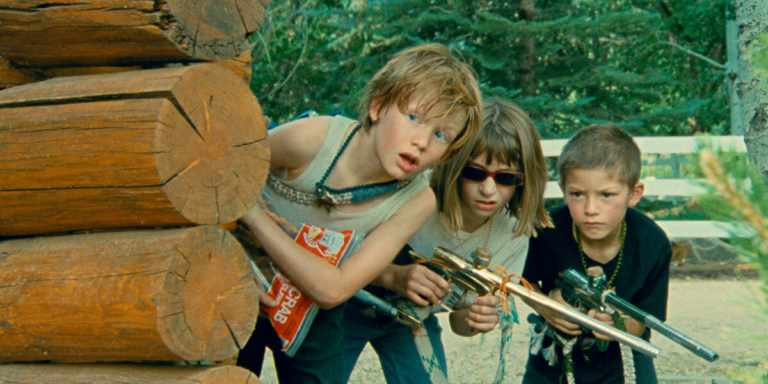
Subscribe to our Podcasts RSS
Subscribe to our Podcasts on iTunes
Listen on Spotify
Listen on Stitcher
Women InSession – Episode 84

Chasing the Gold: Best Comedies of 2024 (so far)

This week on Chasing the Gold, Shadan and Erica discuss The Fall Guy, The Idea of You and the best comedies of the year so far! When it comes to awards season, comedies don’t carry as much of an impact, particularly with the Oscars, however; they do play with some groups. Will The Fall Guy have a Barbie-like impact? Maybe not, but it inspired us to talk about these films and how they’ll play out later in the year.

On that note, check out this week’s show and let us know what you think in the comment section. Thanks for listening and for supporting the InSession Film Podcast!
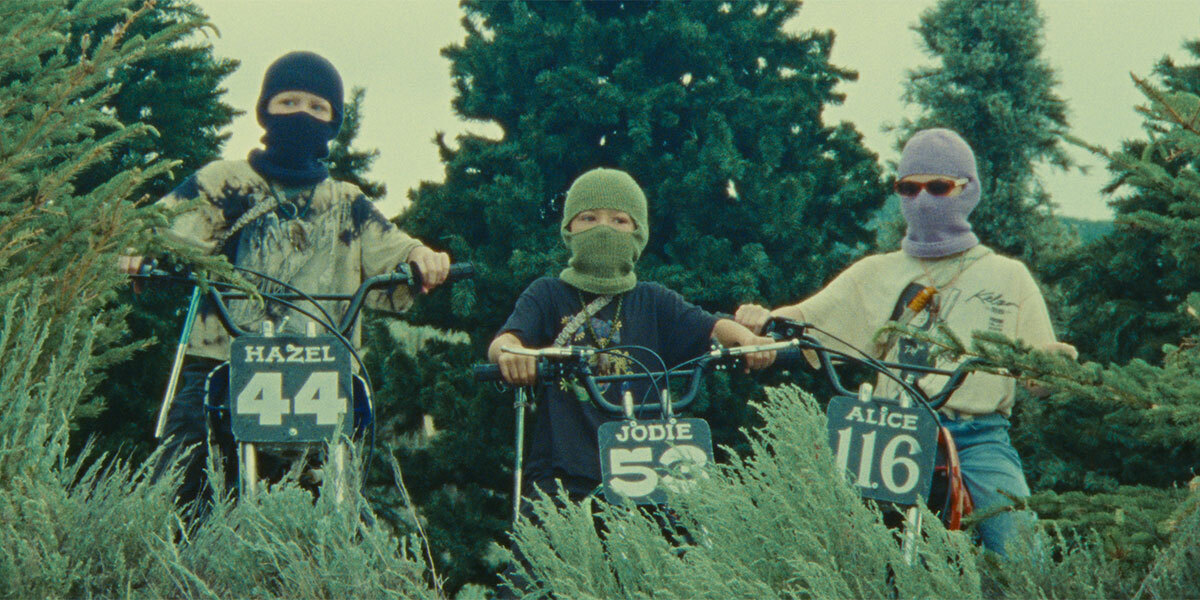
Subscribe to our Podcasts RSS
Subscribe to our Podcasts on iTunes
Listen on Spotify
Listen on Stitcher
Chasing the Gold – Best Comedies (so far)

Help Support The InSession Film Podcast

If you want to help support us, we would greatly appreciate it! For more info, CLICK HERE.

Podcast Review: The Idea of You

On this episode, JD and Brendan discuss Michael Showalter’s new romantic film The Idea of You, starring the great Anne Hathaway! It’s a film that has some interesting ideas on its mind, but we spend quite a bit of time talking about how its execution leaves something to be desired.

Review: The Idea of Youย (4:00)
Director: Michael Showalter
Writers: Michael Showalter, Jennifer Westfeldt
Stars: Anne Hathaway, Nicholas Galitzine, Reid Scott

Subscribe to our Podcasts RSS
Subscribe to our Podcasts on iTunes
Listen on Spotify
Listen on Stitcher
InSession Film Podcast – The Idea of You

Movie Review: ‘Mother of the Bride’ is Lifeless and Predictable


Director: Mark Waters
Writer: Robin Bernheim
Stars: Brooke Shields, Miranda Cosgrove, Benjamin Bratt

Synopsis: Lana’s daughter Emma returns from London and announces that she’s getting married next month. Things become more complicated when Lana learns that the man who stole Emma’s heart is the son of the man who broke hers years ago.


Mother of the Bride is not precisely what you think it’s going to be. In fact, it’s so much worse. That’s because the film is like a copy of the classic romantic comedy genre. It’s like a copyโ€”of a copy, of a copyโ€”copied so many times that the film becomes so nakedly transparent that it’s lazy. This is purely recycled material, with dozens of tropes weakly stitched together that are like watching beautiful people scrape their nails across a chalkboard.

Every basic scene is cliche and always comes with a double dip of exposition. There is absolutely zero chemistry between the cast, including the leads, and a laughable attempt to pair Brooke Shields with a former WB/CW star. Any cute or comedic moments are forced, unnatural, and lazy. I would say this is the cinematic streaming equivalent of the Milgram experimentโ€”testing the obedience of the audience, the cast, and mine.
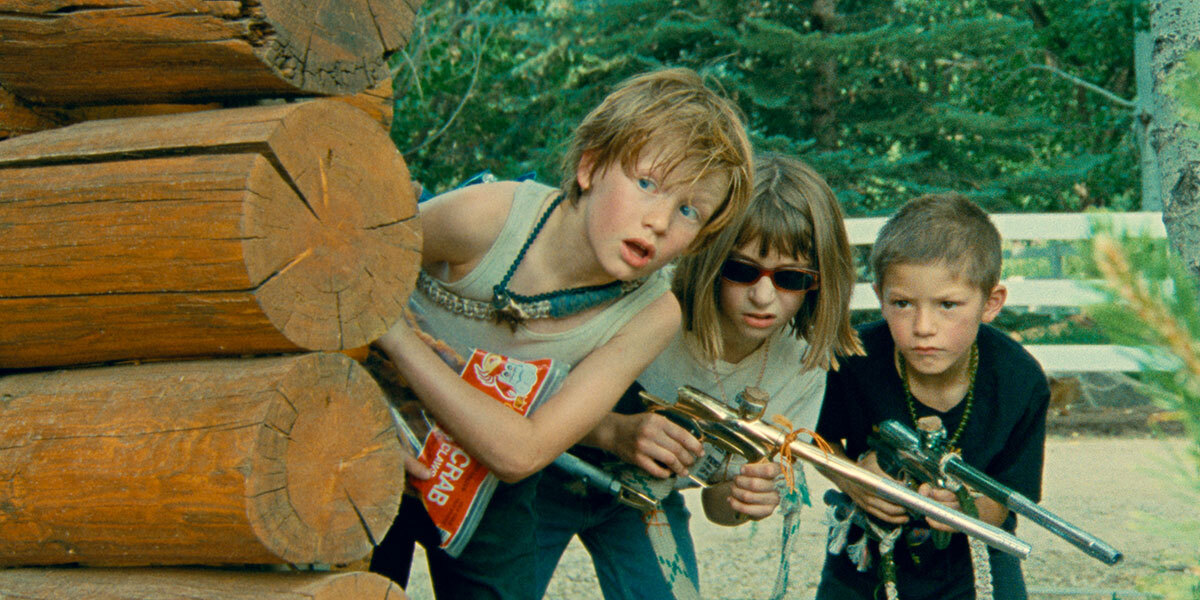
The story starts with a young couple, Emma (Miranda Cosgrove) and RJ (Sean Teale), and the latter has just asked her to marry him. Itโ€™s a grand gesture, with an entire restaurant emptied and filled with thousands of roses. Emma says yes, and they hug. The first thing Emma does is talk about how she has to tell her mom about him. Yes, Emma has not told her mother that she is in a committed relationship. The scene is flat, and there is no celebration. Again, this is a disjointed attempt to move the story forward.
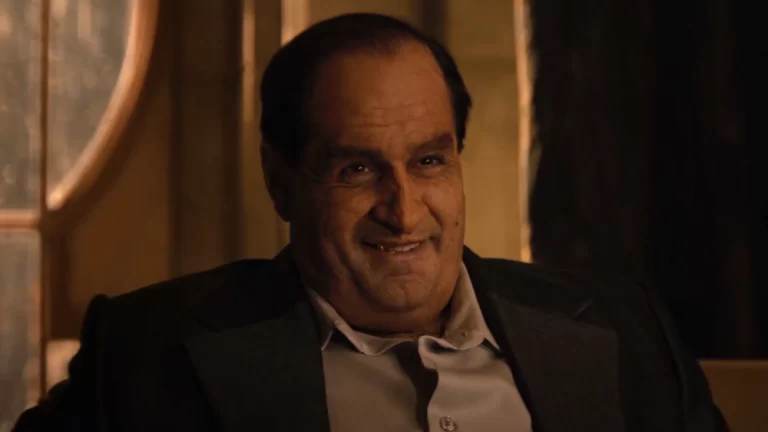

The script attempts to make the case that Emma and her mother, Lana (a stiff and lifeless Brooke Shields), are close. That is mainly because they formed a bond when Emmaโ€™s father and Lanaโ€™s husband were killed in a car accident when she was eight years old. However, from the start, I was surprised that this mother-daughter duo knew each otherโ€™s names. Lana has no idea that her daughter is in a relationship because she is so wrapped up in her work. The other issue is that Lana does not know what her daughter does for a living. Do they not have an unlimited phone plan or access to social media or WhatsApp? Do they lack the resources for postage, or is using carrier pigeons to deliver the mail illegal?

Of course, we soon find out this is all a way to create an awkward run-in of a romance that has been dormant for years. It turns out RJโ€™s father is Lanaโ€™s college boyfriend and her long-lost love, Will (Benjamin Bratt). At first, you are afraid that Will may be Emmaโ€™s father, but sadly, as the film goes on, you will wish the film took that turn to feel any emotion other than paint-by-numbers boredom. Yes, the rom-com playbook is pulled out, the dust is blown away, and the script follows the genre rules step-by-step.

Cosgrove is relegated to that role of annoying, anxious, and weak female stereotype who keeps asking inane questions after they have already been asked. For example, after it has been made clear that Will and Lana used to date, she asks Will, โ€œHow do you know my mom?โ€ Teale has virtually nothing to do as if he was told to stand there and look like Oscar Isaacโ€™s long-lost child. Likable comedic actors like Rachael Harris and MadTVโ€™s Michael MacDonald are relegated to over-the-top sidekicks who spew out one-liners out of nowhere as if they were wooden dolls, where some inexplicably pulled the string.

However, I would like to commend whatever physical trainer (or VFX special effects) was used to carve out the beach bodies of 60-year-old Benjamin Bratt and 43-year-old Chad Michael Murray that made me think if stunt coordinators are under consideration for Oscars, then the Hollywood trainer surely should be as well. Now, excuse me while I work on my third love handle.

Mother of the Bride lacks the charm and stamina to be an effective crowd-pleaser. Vapid and tiresome, this Netflix streamer is strictly for diehard fans of the genre or anyone going through a bad breakup in the hopes of finding love again.

Grade: D-

Movie Review: ‘Hit Man’ is Sharp and Sexy


Director: Richard Linklater
Writers: Richard Linklater, Glen Powell
Stars: Glen Powell, Adria Arjona, Austin Amelio

Synopsis: A professor moonlighting as a hitman of sorts for his city police department descends into dangerous, dubious territory when he finds himself attracted to a woman who enlists his services.


Thereโ€™s an age-old debate in the modern film sphere on the question of sex in movies, on whether or not itโ€™s socially acceptable to showcase sex scenes in modern cinema because thereโ€™s allegedly no โ€œpointโ€ to them. Yes, the sex scenes in Tommy Wiseauโ€™s The Room were fairly pointless and stretched the runtime of that movie to no end, but thatโ€™s one very bad example of a very bad movie. 

But when a serious movie decides to be sexy and showcase a pure liberation of the human body, either through โ€œfurious jumpingโ€ in Yorgos Lanthimosโ€™ Poor Things or through the psychosexual relationship the protagonists have with a tennis court in Luca Guadagninoโ€™s Challengers (two recent examples), most audiences prefer to shrug at its apparent โ€œendlessโ€ depiction of sex instead of engaging with what itโ€™s presenting on screen. This results in a culture thatโ€™s afraid of even talking about sex, labeling it as a taboo subject when it is indeed a natural part of life and a form of liberation for many.ย 

But why are we so afraid, or why do we care at all? Responsible adult viewers should be able to stomach the realities of life, including sex, in motion pictures, and yet talk about how โ€œchildren will be exposed to this,โ€ when none of the movies that talk about (or showcase) sex are marketed (or rated) for them. This creates a problem for the sexiest genre of all โ€“ romantic comedies, which have grown to become more sexless and glossy even when two hot people share the screen and create a decidedly passionate (and sexy) chemistry.

This is incredibly apparent in Red, White & Royal Blue, which stars two good-looking individuals with zero chemistry and erotic tension and is shot in the vein of a Hallmark picture. Itโ€™s particularly insulting when you find out that the cinematographer, Stephen Goldblatt, shot two of the greatest gay motion pictures of all time, Batman Forever and Batman & Robin, to which he was nominated for an Oscar for his work in the former, directed by a queer cinema legend, the late Joel Schumacher. 

People may be conditioned to hate those movies, but the sexually charged frames Goldblatt creates are enough to entice intense homoerotic energy through Val Kilmer/George Clooneyโ€™s Batman and Chris Oโ€™Donnellโ€™s Robin (the โ€œnot just a friend, a partnerโ€ hand-clasp in Batman Forever remains one of the most powerfully erotic images in all of comic book cinema), stuff that is no longer produced in mainstream cinema, except for when Luca Guadagnino decided to make cannibalism and tennis sexy in Bones and All and Challengers

But a new challenger has arrived in the ring with Hit Man from Richard Linklater, perhaps one of the most sauceless and overhyped filmmakers working today (I said what I said). I rarely vibe with his movies because his style is so rudimentary that it rarely has room to breathe, and his actors donโ€™t have much leeway in making their performances feel natural. Itโ€™s probably why I hated Boyhood so much and have only enjoyed a limited amount of his work, which includes School of Rock, A Scanner Darkly, Bad News Bears, Dazed and Confused, and its spiritual sequel, Everybody Wants Some!!ย 

So consider me skeptical when massive raves for Hit Man occurred when it premiered at the Venice Film Festival last year and a subsequent festival premiere at TIFF, where Netflix acquired its U.S distribution rights for $20 million, calling it one of the sexiest films of the year, and one of Linklaterโ€™s finest achievements. With such a usually flat visual aesthetic permeating most of his filmography, how could Linklater create romantic tension, even if he has two of the hottest stars leading his picture through Glen Powell and Adria Arjona?

Simply put, he lets them be hot and in charge of their tension as the story progresses. From the minute Arjona is introduced in the picture, thereโ€™s an indelible sense of a potential romance blossoming between the two, even if they may not know it yet. Madison (Arjona) shows up at a restaurant in the hopes that Gary (Powell), under the hit man alias Ron, will kill her abusive husband (Evan Holtzman), and is willing to pay a large sum for it. But she doesnโ€™t know that โ€œRonโ€ does not exist and isnโ€™t even a hitman. Gary, a professor of philosophy, has been doing part-time undercover work for the police to set up sting jobs to arrest people who demand the services of a hitman after undercover cop Jasper (Austin Amelio) was suspended for 120 days. 

It not only turns out that Gary is very good at creating faรงades and disguises to lure potential clients in, but he enjoys the thrill of appearing to give people the opportunity of hitman services before they are ultimately arrested. But when Madison appears, everything changes. He begins to see her more frequently, through his Ron faรงade, and the two build one of the sexiest on-screen romances seen in a Linklater picture, and perhaps the most interesting romantic story of his career (yes, more intriguing than Jesse and Cรฉline in the Before trilogy). 

Itโ€™s not hard for Linklater to slightly make the romance feel sexier through his lens, and he carefully calibrates his frames as their relationship evolves. Look at the way Madison is introduced as an example โ€“ a massive departure from the clinical style Linklater adopts when focusing on Gary (but in the case of this film, it makes sense because Gary is, himself, a clinical guy). Instead, he blurs the frame so that we only see her shadow until she shows up in the foreground and sits down. The tension is already palpable, but when she eats a piece of โ€œRonโ€™sโ€ pie, the energy cranks up a notch and never lets up. 

The rest of the film sees Linklater play with this hypersexual energy as the two take their relationship to a more serious level, without Madison knowing that โ€œRonโ€ isnโ€™t a hitman. This creates some impeccably timed comedy as Jasper gets back into the field and learns that things arenโ€™t what they seem between Gary and Madison, setting the plot in motion full of well-paced twists and turns that are best left to be discovered on your own.ย 

The chemistry between Powell and Arjona is the only reason why Hit Man is so deliciously entertaining, with the two fully leaning into the charactersโ€™ faรงades they want to put out to one another (Linklater tries to parallel these impulses to the work of Nietzsche, but the philosophical subtext is far less interesting than the psychosexual game the two play with each other). The two expand their faรงades as they get to โ€œknowโ€ more about their personality and, in turn, give the most romantic (and, at times, erotic) performances of their career. 

Powell is no stranger to romantic comedies after starring in 2023โ€™s Anyone but You, but he takes the persona he created in this film to a completely different level here, as heโ€™s matched with an actor of equal talent and charm with Arjona, a highly skillful actor who can perfectly modulate her emotional response to Powellโ€™s Gary, whose multiple personalities deftly showcase his versatility. You can definitely tell Arjonaโ€™s evolution as an actor in a post Six Underground, Andor, and Irma Vep environment, capturing the sexy thrills of a blossoming romance with an incredible sense of timing and rhythm. The centerpiece scene, in which Madison has to โ€˜actโ€™ for Gary, confirms her as a singular talent with a breadth of dramatic and comedic range that completely obliterates whatever Sydney Sweeney was doing in Anyone but You

If anything, Hit Man pushes the tension introduced in Anyone but You much further because itโ€™s far more potent in its eroticism without ever showing it through sex. The implicit looks and exchanges Gary and Madison give to each other have enough powerful sexual energy to make the case for more sex in movies. In such a sexless era of romantic filmmaking, hereโ€™s a movie that reminds audiences exactly why sex in movies isnโ€™t a bad thing and will actually make its romance between the two leads far more exciting than if itโ€™s filmed at a Hallmark level with no emotional attachment between the potential couple. 

Hit Man shows exactly how modern-day romantic comedies should be: incredibly funny (with a keen eye on societyโ€™s warped priorities, through sharp jokes on cancel culture and Americaโ€™s fโ€“ed up obsession with the Second Amendment) and impeccably sexy, with two impossibly beautiful leads giving the romantic tension needed for us to keep wanting to spend time with them. Yes, it helps that Powell and Arjona know how to act and modulate emotions, which makes their characters feel far more alive in the hands of Linklater than in some of his previous (failed) efforts. As a result, Hit Man is Linklaterโ€™s best movie since School of Rock, his greatest achievement. Hereโ€™s hoping his next project (including the upcoming Paul Mescal musical heโ€™s currently shooting for twenty yearsโ€ฆas if twelve wasnโ€™t enough) will be of equal measure. 

Grade: A

Chasing the Gold: The Brash and Bold Cinematography of ‘Challengers’

If you showed someone tennis for the first time and then asked them to explain the sport, the observational description would be very apt. At face value, it involves a ball being hit back and forth over a net. On the surface, most sports can be reduced to something rather trivial. But thereโ€™s obviously much more to be derived by fans of the sport, whatever sport it may be. As a disclaimer, this piece will not spoil any plot revelations in regard to Challengers but will discuss certain cinematic techniques and how they are used in the film to elicit audience reactions and emotions.

 Luca Gudagninoโ€™s Challengers revolves around tennis, a sport that doesnโ€™t often get the cinematic treatment. Some recent examples are Battle of the Sexes, King Richard, and the particularly wonderful 7 Days In Hell. So, how does one get audiences enveloped in a world that keeps many at a distance? Obviously, it helps to have three of the most exciting actors working today. But Guadagnino and cinematographer Sayombhu Mukdeeprom also inject a wildly stylized energy into this film. However, itโ€™s not utilized in a basic fashion. On the contrary, Challengersโ€™ cinematography often elevates the filmโ€™s tone and forces the viewer to truly grapple with framing. It might seem on the surface that these are two very basic components of cinematography, but the way it is used here contains more complexity.

Obviously, we are meant to reach certain conclusions and emotions based on the imagery we see and how it appears to us in the film. But we seem to be in a time when the very fundamentals of cinema are questioned or even balked at. The mere idea of criticizing basic lighting techniques or asking for more than simple shot/reverse-shot dialogue is met with hostility. Every scene, no matter how mundane it may appear, can be beautifulโ€”thatโ€™s an idea no longer shared by many. So it feels refreshing to see a film so daringly utilize point-of-view framing to bring the viewer directly into the charactersโ€™ minds. Dialogue scenes from films this decade have arguably never been as exciting or jumped off the screen more.

Often, at least in the case of bigger-budget films, it appears the camera is merely pointed at the subject. Pre-visualization, also known as pre-vis, is also heavily utilized. Itโ€™s a technology essentially utilized by studios and filmmakers as a more three-dimensional way of storyboarding. A team can show up to any given shoot where pre-vis has been used, and a computer can visualize where the camera should be placed and what it will roughly look like in any given space, and it can render any upcoming CGI. Itโ€™s a tool that can be utilized particularly well, but oftentimes, certain big-budget blockbusters appear to use it more lazily. So in a world where pre-vis rules and both performers and directors might not know where exactly a particular scene takes place, it doesnโ€™t allow much room to explore a given space. 

With Challengers,  Mukdeeprom doesnโ€™t have that problem. Thereโ€™s no idea too visually grand for this film. Spaces are envisioned to the maximum potential and capitalized upon. It all culminates in a sequence that is marvelous and bold. But Challengers takes its time building to its visual crescendo. And that isnโ€™t to say that the rest of the film isnโ€™t aesthetically exciting. The ways in which Mukdeeprom slowly sets the stage for his bombastic finale is quite brilliant. Itโ€™s the perfect example of repeatedly using certain techniques, such as whacking tennis balls directly at the camera, over the course of the film. By the end, when he begins unleashing cinematic mayhem, the audience is honed into the style heโ€™s using.

Challengers isnโ€™t interested in merely capturing the actions of its lead trio, as much as it wants to force us into their minds. And these are messy individuals. Isnโ€™t that where the most compelling cinema lies, though? In the boundaries between right and wrong? Justin Kuritzkesโ€™ screenplay clearly understands that and Guadagnino and Mukdeeprom seem to feed off the palpable volleys in which each character finds themselves entangled. Every inch of Challengers simmers with tension, and the ways in which it visually approaches this tension is fascinating. 

For example, a particularly steamy conversation between Patrick (Josh Oโ€™Connor) and Art (Mike Faist) takes place in a sauna. Aside from the tantalizing framing, Mukdeeprom chooses to capture both barely-clothed men. The way he captures the two individually highlights the internalized idea of their power dynamics regarding one another. Patrick makes a rather ominous statement rather than cut immediately to Artโ€™s reaction. We witness a moment of play within Patrickโ€™s memory before then being treated with an even greater close-up. Only then do we see Artโ€™s reaction. This is one of the many times Mukdeeprom inadvertently tricks us into accepting a first-person point-of-view shot without any gimmick to reveal it as such. The same is then done from the reverse effect. We, as the viewer, through Mukdeepromโ€™s lens, begin scowling at each character from the perspective of their scene partner. It makes objectivity and impartiality impossible. Instead, it draws us into the world of Challengersโ€” a world that is continuously collapsing in on itselfโ€” and the characters that inhabit it. And this collapse occurs not with a whimper but with a bang. Mukdeepromโ€™s use of this first-person POV only makes the more blatant use of it later on all the more exciting. It reveals the beauty of Challengersโ€™ visuals. Whether subtle or screaming in your face, cinema has a place for all of it. By the end of the film, weโ€™re immersed in the charactersโ€™ high-octane world of tennis. Under the court, in the tennis ball, directly behind their eyes. What I can only describe as a dual split-diopter catapults itself onto the screen, and any sense of standard cinematic storytelling is thrown out the window. By ways both abstract and built upon, Challengers heralds the arrival of its new form with such tenacity and vigor that you canโ€™t help but want to applaud and shout in your seat. And thatโ€™s what the movies are all about. Or is that what tennis is all about?