

Home Blog Page 137

Movie Review: ‘The Flash’ Speeds Towards Comic Book Movies’ Worst Tendencies


Director: Andy Muschietti
Writers: Christina Hodson and Joby Harold
Stars: Ezra Miller, Sasha Calle, Ben Affleck

Synopsis: Barry Allen uses his super speed to change the past, but his attempt to save his family creates a world without super heroes, forcing him to race for his life in order to save the future.


Through the years, there was plenty of talk about bringing the Scarlet Speedster called The Flash to the big screen. If you know a little about the character and some of his storylines, crafting a film centered around him would be pretty complicated. His stories mostly revolved around the characterโ€™s manipulation of time and the effects it brings upon him and the people he cares about the most. How was a director going to shoot the numerous super-speed or time-traveling sequences? The only way to do so is by pigging out on CGI; there is no other option, for better or worse โ€“ even if we know it is mainly for the latter. In 2014, it was finally announced that a film about the famous comic-book hero would be released, slowly paving the way for the DCEU (DC Extended Universe) and uniting the famed Justice League once and for all. But, as we all know, things didnโ€™t go as planned. 

Directors arrived and departed the project left and right, with no one being at the helm. And amidst all that, the DCEU was getting even more fractured with each addition into that universe. Five years later, Argentine director Andy Muschietti, known for the modern adaptation of It, joined the project. Many things happened during those years of production โ€“ script (and narrative) changes, possibilities of its lead being recast, and the pandemic holding them back. Some of us even thought it would go down the dumper due to all of these issues. However, after all this waiting, The Flash has managed to get its big-screen premiere. Was it worth the nine-year wait from its announcement until its release? Some people (aka. superfans) call it one of the best comic-book movies of all time, depicting a rendition of the titular characterโ€™s classic storyline, โ€˜Flashpointโ€™. From my perspective, I call it a complete disappointment.

Barry Allen (Ezra Miller) is working hard, although without much progress, at a forensic lab in the city. The reason why heโ€™s staying there and rolling with his co-workerโ€™s punches is to finally get justice for his dad Henry (Ron Livingston), who was wrongly arrested for murdering his wife, Nora (Maribel Verdรบ). Thereโ€™s one piece of evidence that might help his fatherโ€™s case. But, the CCTV footage Bruce Wayne (Ben Affleck) provided is unclear, as Henry doesnโ€™t look up, and his face canโ€™t be seen. As his world collapses with the potential of being without someone who loves him, Barry ponders how he can use his super-speed abilities to go back in time and save his mother. Bruce warns him that manipulating time and events will lead to tremendous consequences via the butterfly effect. Of course, Barry is blinded by this possible resolution to his problems. So, he decides to do it anyway. 

The Flash got what he wanted; his mother is now alive. But General Zod (Michael Shannon) is threatening Earth in search of a missing Kryptonian hidden on the planet. In addition, his younger immature self โ€“ also played by Miller in a Dumb and Dumber-like routine that works on some occasions and grows increasingly frustrating on others โ€“ has received the time-altering powers from the original timelineโ€™s Barry. The two Barrys must now seek help from one of the few heroes in that universe, an old and bearded Batman (Michael Keaton), whose persona on-screen seemed like he was going to quote Danny Glover in Lethal Weapon: โ€œI’m getting too old for this s***โ€. It was apparent that this casting, alongside plenty of decisions, was done just for the sake of fan service. And unlike many other films that rely on the multiverse, which is a very tired concept by now, it wasnโ€™t that annoying or eye-rolling. 

It was weird seeing Keaton back in the classic Tim Burton cowl. Yet, his action scenes were decently entertaining. Compared to Reeves or Nolanโ€™s Batman action sequences, they were nothing to brag about. But, at the very least, it didnโ€™t repeat what we have seen before with the character. Right until this point in the film, which is during its middle segments, I was surprisingly going with it. Some of the quips made me roll my eyes to the back of my head, including one where Barry saves a baby from a falling hospital by putting it in a microwave. At the same time, others made me chuckle due to their randomness. You got a quick glimpse of an emotional core in the film, an aspect that felt lacking in recent superhero pictures like Ant-Man & The Wasp: Quantumania or Shazam: Fury of the Gods. The audience began to feel the original Barryโ€™s frustration with his decision and actions. He wants to fix things yet ruins everything else in the process. 

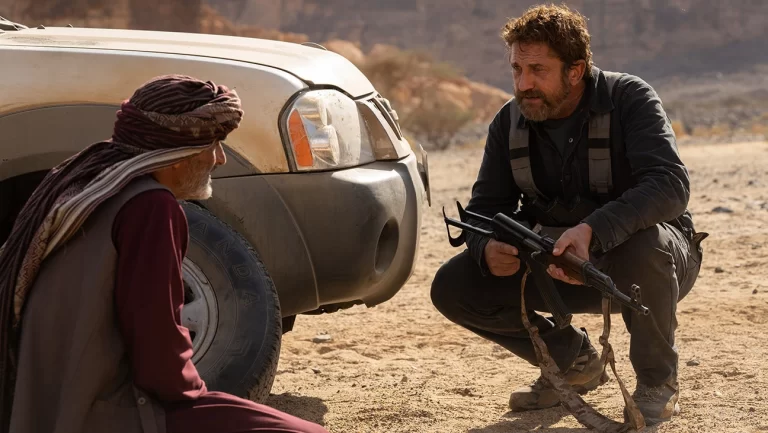
I know this narrative is present in all of the multiverse films. What The Flash wants to do isnโ€™t original or even inventive. However, it felt easy-flowing and welcoming throughout this point in the movie. Right after the crew of two Barrys and Batman rescue Superman from this world, Kara Zor-El (a poorly used Sasha Calle), things get into very rocky territory. Andy Muschietti puts the film in a hole it canโ€™t get out of, drowning it in its mediocre direction and messy structure. The Flashโ€™s climax is a repetition of what we saw in Zack Snyderโ€™s Man of Steel, although without the sense of logic or stylistic distinctiveness. The final explosive battle sets itself in a desert โ€“ one of the most boring locations for a grand finale โ€“ where Zod faces the Barry duo, Supergirl, and Batman. 

Things donโ€™t go as planned, so they retread their steps and try another way. And they try againโ€ฆ and againโ€ฆ and again once more, only to bore the audience into oblivion with a scratched record manufacture of horrid CGI, no surprise factor, or texture. After watching this fight sequence almost eight times, we are treated to one of the worst conclusions in recent superhero flicks. If you thought the visual effects and cameo spoilage were frustrating, it gets more shoddy by the minute. Think the Scorpion King in The Mummy Returns and Henry Cavillโ€™s digitally erased mustache in The Justice League-level bad. It is unacceptable that the film tries to blind the audience from its cop-out conclusion by manipulating them with cameos and appearances. This level of serving the fandom has reached a new low with The Flash. The heart that the first and half of the second one had was left aside to give audiences โ€œwhat they wantedโ€. 

Andy Muschietti has made a film showcasing comic-book movies’ worst tendencies. Glimpses of this were seen throughout its entire runtime, albeit exaggerating it on its curtain closer โ€“ personifying the feeling of a mega fan standing in a theater and pointing at the screen. I left the film disappointed and exhausted. The former is because of what the film began plotting and what it ended up being; the lifeless curation of superhero movies causes the latter. The Flash is not the worst of its kind, although it definitely is one of the most vacuous expeditions into the multiverse. 

Grade: D

Women InSession: Billy Wilder and Some Like It Hot

This week on Women InSession, we discuss the greatness of Billy Wilder and his 1959 classic Some Like It Hot. Wilder is one of the greatest filmmakers to ever do it and this is one of his very best films. So there was plenty to discuss and we had a great time.

Panel: Kristin Battestella, Zita Short, Amy Thomasson

On that note, check out this week’s show and let us know what you think in the comment section. Thanks for listening and for supporting the InSession Film Podcast!

– Music
The Return of the Eagle – Atli รƒโ€“rvarsson

Subscribe to our Podcasts RSS
Subscribe to our Podcasts on iTunes
Listen on Spotify
Listen on Stitcher
Women InSession – Episode 42

To hear this Extra Film episode and everything else we do, download our apps on the Amazon Market for Android and the Podcast Source app on IOS devices. The mobile app covers all of our main shows, bonus podcasts and everything else relating to the InSession Film Podcast. Thanks for your wonderful support and for listening to our show. It means the world to us.

Movie Review: ‘Transformers: Rise of the Beasts’ Never Fulfills Its Promise


Directors: Steven Caple, Jr.
Writers: Joby Harold, Darnell Metayer, Josh Peters
Stars: Anthony Ramos, Dominique Fishback, Luna Lauren Velez

Synopsis: During the ’90s, a new faction of Transformers – the Maximals – join the Autobots as allies in the battle for Earth.


Can you fault a franchise that wants to ensure its audience gets their money’s worth? Of course, you can, but you can certainly respect the effort. That’s what the previous incarnations of Transformers fell into: the Bayhem experience. Not so much saturating but immersing the viewer with an onslaught of digital special effects and a bombardment of sound that even Armageddon told the series’ films in the science fiction franchise to quiet down. This version is now one Michael Bay short, and Transformers: Rise of the Beasts is the definition of “less is more,” learning from the one bearable film in the franchise, Bumblebee. However, the latest version of the Transformers franchise remains a cinematic action diversion we used to take for granted but still cannot quite recommend.

The year is 1994. There was no such thing as a smartphone. Friends was all the rage. O.J. Simpson was on television for eye-opening reasons, and social media outlets like Facebook, Twitter, and TikTok were flashes of genius not yet conceived. Hardly anyone had their own cell phone (look it up, kids). That’s why Noah (In the Heights’ Anthony Ramos) communicates with his little brother, Kris (Dean Scott Vazquez), via walkie-talkie. Noah is a decorated former military man and electronics expert trying to secure a job to help pay medical bills for Kris’s sickle cell anemia. After Noah was rejected for a job for not being a team player, he turns to crime by helping steal cars when the hospital refused to see his brother after being three months behind on bills.

When Noah tries to lift a historic Porsche 911 Carrera RS โ€“ I had to look that up โ€“ the car turns out to be a rebellious transformer named Mirage (Pete Davidson) who takes Noah with him because he answers the call of Optimus Prime (Peter Cullen) who is alerted to a signal that there may be a way home to Cybertron. That’s because Elena Wallace (Dominique Fishback), a research intern at a local museum, finds a key hidden in an ancient artifact that sends a signal in the sky, alerting not only the Transformers but also a group of deadly Terrorcons who want to liberate Earth of all its natural resources. To defeat the deadly robotic race, the Autobots work with the Transformer faction, the Maximals, Noah, and Elena to defeat the Terrorcons and return home.

Under the new direction of Steven Caple Jr. and with so many writers that you can form a basketball team (five in total), Transformers: Rise of the Beasts is a considerable improvement in the franchise. It’s a somewhat self-contained story that benefits from using a straightforward MacGuffin of finding, locating, and trying to keep the key(s) safe. However, that’s a double-edged sword since if you have ever watched the numerous other Transformer films, and this one is set in the past, Optimus Prime and his friends won’t be leaving Earth anytime soon, leaving much of the suspense at the concession stands for fans. Iโ€™ll add quickly the โ€œBeastsโ€ in the film, consisting of the Maximals, should be front and center but take a back seat here.

The script relies heavily on the connection between the lead character and a supporting Transformer, a staple dating back to Shia LaBeouf and HaileeSteinfeld’s association with the series’ most likable character, Bumblebee. However, here it relies too much on the audience’s enjoyment of Pete Davidson’s Mirage, who never forms a connection with Ramos’s Noah in the way the script needs to establish the emotional relationship it leads up to. Additionally, there is the subplot involving Noah and his family, with his mother strangely absent after a brief appearance. Furthermore, the sibling relationship is cute and heartwarming, but is it different from what we have seen in other action films? These are all standard tropes that remain unchanged regardless of resets or reboots.

Then there’s the script itself, which produces dialogue as if it’s being plagiarized, stealing one-liners from a Transformers doll equipped with pull-string dialogue. The lines include words about honor, fighting back, making someone pay, and an Autobot announcing who they are. It all feels clunky and grating and does not enhance any action or the excellent special effects. This includes almost every time Optimus Prime speaks. The script has developed a nasty habit of turning him into a false leader and demagogue. It’s noticeable that every time one of the Maximals comes up with a plan and shows genuine leadership, Prime jumps in and says, “And we take the fight to them!” as if he came up with the idea in the first place. There should be edited scenes showing the characters talking behind their back and complaining throughout the film.

While venting my frustrations, I must say that I do like the cast, which is primarily made up of diverse actors, including Ramos and Fishback, who has been a serious talent since breaking out on the scene in the independent film Night Comes On. While Transformers: Rise of the Beasts has a furious finish that almost saves the moviegoing experience, Bumblebee’s return after being absent for most of the runtime and the endingโ€™s head-scratching tease is enjoyable. Caple’s update remains an empty promise with plenty of potential for future installments.

Grade: C-

Podcast Review: Transformers: Rise of the Beasts

On this episode, JD is joined by Brandon Wettig of BrandoCritic to discuss Steven Caple Jr’s latest film Transformers: Rise of the Beasts! This is a film that JD has been looking forward to for quite some time as a Transformers nerd, and we had a great time talking about this new reboot is promising.

Review: Transformers: Rise of the Beasts (3:00)
Director: Steven Caple Jr.
Writers: Joby Harold, Darnell Metayer, Josh Peters, Erich Hoeber, Jon Hoeber
Stars: Anthony Ramos, Dominique Fishback, Peter Cullen, Pete Davidson

Subscribe to our Podcasts RSS
Subscribe to our Podcasts on iTunes
Listen on Spotify
Listen on Stitcher
InSession Film Podcast – Transformers: Rise of the Beasts

Let’s Talk About Steve Jablonsky’s ‘Transformers’ Scores

First of all, as we begin, let me emphasize that I’m no music expert. I have no background in music. I can’t speak to any technicalities regarding chords, melodies, or music theory. I’m just someone who deeply loves musical scores from film and listens to them like it’s their job. If you’ve ever listened to the podcast, you’ll know that it’s something that I talk about regularly. So, with that in mind, it’s time we recognize Steve Jablonsky’s Transformers scores as some of the best we’ve heard from any major blockbuster in the last thirty years.

Perhaps they’re not widely talked about because Michael Bay’s Transformers are not highly touted in any way, shape, or form. They made a lot of money, sure, but not many are claiming them to be among the better franchises we’ve seen over the last 15 years. So it’s understandable that certain aspects of those films will be overlooked. However, I’m going to make my case for why Jablonsky has earned his spot among the top tier of blockbuster scores. And it all starts here with ‘Arrival to Earth’ from the first Transformers.

This piece of music is nothing short of excellent. It’s interesting too because, on its own, it doesn’t invoke anything Transformers. There’s nothing bombastic or urgent about it. In fact, it’s quite the opposite with its majestic and sublime qualities. The strings reverberate a feeling of imposing elegance, especially when accompanied by the chorus of angels behind them. As it crescendos it only gets better and better, with an elevated glimmer at the half-way mark, before letting the vocals take over for a moment. Then there’s the horns. Just pure bliss. It’s truly an evocative piece of music. Similarly the ‘Optimus’ and ‘Bumblebee’ tracks are distinguished by the same tones and heroic melodies.

However, on the flipside of that coin, tracks such as ‘Downtown Battle’ and ‘Soccent Attack’ offer up that loud bombast you’d expect from a movie like that. The horns are prominent and the Hans Zimmer-esque drums do much of the heavy lifting. These tracks aren’t anything transcendent, but are still effective and work seamlessly with Jablonsky’s main themes.

Which leads to my last point regarding Transformers, I love how ‘No Sacrifice, No Victory’ is kind of a meshing of the main theme and film’s more gaudy components.

Transformers: Revenge of the Fallen is easily the worst of the films on the whole, but Jablonsky and Lisbeth Scott do come ready to play. ‘Prime’ is foundational to the film and does a great job of invoking the same feelings of ‘Arrival to Earth’ while carrying a bit more urgency with the drums and pacing of this piece of music.

Then there’s ‘Nest’ – a track that truly separates itself from anything we heard in the first film. Again, I can’t speak to its nuances like a musician can, but its guitar riffs and pacing offers a fun energy. It then, of course, incorporates some of Linkin Park’s ‘New Divide’ into it as well. To me, this is one of the more defining pieces of music for the film.

However, I have to admit that my favorite track from this score is ‘Forest Battle’ for its sleight of hand. This is also something that is missing in a lot of action films these days. The building up of tensity (to accompany the action on screen) and then the release of the main theme. Again, this is a really bad movie, but the editing here and how the music is incorporated is quite great. Easily Bay at this best with this movie. As Optimus is taking on a few Decepticons, Jablonsky uses primarily drums (with some heavy strings) to give the moment some heft as the action is taking place. It’s nothing “amazing” per se, but I do like how different it is from anything else we’ve heard to this point. However; near the half-way point, we hear Optimus yell “I’ll take you all on” as he gears up for a fight, and Jablonsky brings the party.

As someone who grew up with Transformers, and now a massive film score nerd, this moment gives me chills. It’s easily the best moment of Transformers: Revenge of the Fallen. The rest of the score is still very good. Shout-out to ‘Matrix of Leadership’ for its use of vocals and poignant qualities. Bay doesn’t utilize it well because of his storytelling, but the track itself is really great.

Okay, let’s move on to Transformers: Dark of the Moon, which is the best of the Bayformers. There are several great tracks, but the conversation begins and ends with ‘Battle’ – which is one of Jablonsky’s best pieces of music. For one, it’s distinctive from the previous two films, so it has its own identity in Dark of the Moon. Secondly, the structure of it is incredible to me. It starts off with an urgent, but somewhat subdued melody, that quickly picks up pace once the drums kick in at about the minute mark. Another 20 seconds later, however; those strings kick in and it goes to a whole new level of excitement. The gravity that it invokes renders this feeling of tenacity and adrenaline. As someone who plays beer league hockey, if I need to get amped up before a game, this is the track I play. You’re ready to go after listening to this.

I cannot get enough of that. I love how captivating and engaging that piece of music is, on its own and in context of the film. It’s just a lot of goddamn fun.

Another track to highlight is ‘It’s Our Fight’ – which is equally great. What I love about this piece is how methodical and nuanced it is. The first minute is slow and steady, but as it picks up pace, it simultaneously carries over that ‘Arrival to Earth’ gracefulness with its strings. Somehow it has both a gripping bite and gentle poise. That’s not a coincidence, though, because this is used when Optimus Prime is leading the charge in the Battle of Chicago as it begins to crystalize, and Optimus is a character known for his fighting prowess and his tender leadership. Jablosnky leans into that duality perfectly with this piece of music. There’s no denying the urgency of this track – which gives the action sequence a fun energy – but I do love how it never waivers from that balancing act.

In juxtapostion to the dramatic urgency of the score, Jablonsky brings a touching sorrow to the music with tracks such as ‘Sentinel Prime,’ ‘There is No Plan,’ and ‘The Fight Will Be Your Own.’ I love the somber qualities of ‘Sentinel Prime’ as they attempt to tap into why a leader of his ilk would succumb to fear. ‘There is No Plan’ has a nice slowed-down version of the main theme from the first Transformers. ‘The Fight Will Be Your Own’ is soft and wonderfully affecting. If you’re ever in a sad mood and need something to accompany that for you, it’s a great track to just have on in the background. Sometimes it does feel like the fight is our own.

The last track I wanted to note here is ‘Dark Side of the Moon’ – which plays in the film’s opening. I just love the fun energy of this track. For a film setting the stakes of its drama, and what Bay is trying to accomplish on screen, this music is flawless.

Transformers: Dark of the Moon is not exactly setting the world on fire when we’re discussing cinema and mainstream Hollywood films. It is, arguably anyway, the best of Bay’s attempts at the franchise, for whatever that’s worth. Either way, Jablonsky brings the heat. The urgency of this score, the emotion of it, the intensity of it at times, it’s all mesmerizing.

In 2014, we move away from the Shia LaBeouf-led movies and into the world of Mark Wahlberg. With this change, Jablonsky does reinvent himself a little bit here. The main theme, and the melodies surrounding it, are mostly gone in Transformers: Age of Extinction. Instead, we have a new ‘Autobots Reunite’ theme to replace it. And I gotta say, I quite love it. The strings evoke a little bit of that previous gracefulness, but this track is much more drum heavy. The big difference, though, are those *incredible* horns. Jablonsky’s emphasizes those French horns like never before, and it gives the film a feeling of “LFG” – especially when John Goodman’s Hound is shouting “Oh yeah! HELL YEAH! He’s back! He’s alive! OPTIMUS IS HERE!”

One of the more prominent themes of Age of Extinction is ‘Tessa.’ It features a touching piano motif that’s accompanied by a lovely vocal in the background. Regardless of what it means for the film, the music itself is exquisite and I love its tender rhythms. Bay comes to this piece of music often, and I don’t blame him.

‘Hunted’ is another fascinating piece to this score. It’s not verbatim, but the closes to anything Jablonsky did in Dark of the Moon with how it blends both a feeling of urgency with opulence. At least for the first half of the track. Because there’s a subtle, but dramatic shift, as those guitar rifts and drums pick up the pace and things become much more grave in tone. Then, with about a minute and half left, Jablonsky hits us with a heavy dose of drums and guitar riffs. And it goes so f***ing hard.

The best track in Age of Extinction is ‘Lockdown.’ Now, I’m not saying this should be in the echelon of the Darth Vader’s of the world, but as far as baddie themes go, it’s one of the best of the century so far. I absolutely love it. There’s something so simple, yet powerful about it. A compelling drum rhythm and modest keyboard (which seamlessly transitions to strings halfway through) progression that evokes intimidation and dominance. If Bay had a made a great film (I know, I know), this wouldn’t take much convincing on my part. This is incredible work.

Finally, there’s Transformers: The Last Knight. I understand why may claim Revenge of the Fallen to be the worst of them, and it may be, but The Last Knight is just so forgettable. Michael Bay had clearly checked out by this point. Thankfully, Jablonsky didn’t. By this point, we’re five films into the franchise and yet he’s still putting out bangers like ‘Purity of Heart’ – a string-heavy track that’s so luscious and ethereal. It’s honestly one of the best tracks in all of these movies.

Same thing can be said about ‘Seglass Ni Tonday’ – a fascinating cue that’s reminiscent of ‘Purity of Heart’ before it transitions in the last two minutes to a faster pace and engrossing string progression.

On the whole, the score for Transformers: The Last Knight is slightly lesser than Transformers, Transformers: Dark of the Moon and Transformers: Age of Extinction, but it’s much, much, much better than the film itself. And I love how Jablonsky circles back to his roots with one of the last tracks, ‘Calling All Autobots,’ a track that recycles the main theme and melodies from the first film. Which is fitting given that this is where his relationship with the franchise ended.

As I noted at the beginning of this, I’m not a music expert. I don’t know the jargon. All I know is I listen to film scores all day, every day, and these scores rule. So maybe I didn’t convince you with my simpleton explanations. But give these scores a listen outside of their films. If you can stomach a re-watch, go back and see how incredible they are in context as well. They are easily one of the best things about those movies. Maybe *the* best thing about them. They are genuinely phenomenal pieces of music and belong in the upper tier of blockbuster scores. I’ve been waiting 10-years+ to say those words on this website. It was cathartic. It was joyful.

In The Name Of Desire: The Very Stupid Sex Scene Discourse

Not long ago, Film Twitter, a place that reeks of sensitivity when it comes to criticism, got up in arms about the place of nudity and sex scenes in movies. While itโ€™s of the minority that sex and nudity are unnecessary and morally wrong, just how Film Twitter reacted so aggressively to that take is an example of how tiring this mob-like mentality is really crushing on the soul and the mind. I use it for my work and to connect with others, and whatever Elon Muskrat has planned, Iโ€™m not leaving the site – yet. But, man, the hive of loving (or โ€œStanningโ€) or hating a thing is pathetic. 

Now, the exposure of breasts, buttocks, and genitalia has been around for over a hundred years in cinema. The silent film Hypocrites featured a nude woman in the context of religion, yet just seeing a nude woman was met with riots. Under the influence of the Catholic Legion of Decency and the Hays Code, there was no nudity shown in Hollywood films until the 1960s. European films were more tolerant and allowed nudity to go mainstream in the 1950s. Ingmar Bergmanโ€™s Summer With Monika, Roger Vadimโ€™s And God Created Woman, and Jean-Pierre Melvilleโ€™s Bob le Flambeur had moments of nudity, but nothing overtly explicit. 

As the walls of censorship were falling, it was becoming easier to now depict sex with groaning, thrusting, and now male nudity being added. It was the 1970s and sexual liberation was all over and the only one complaining was the conservatives who were calling foul in the name of indecency. But Pandoraโ€™s Box was open and it could not be contained anymore in Western countries. Cut to the era of #MeToo and the waterfall of scandals involving couch casting and other demands of sexual humiliation, there is an awareness that actors donโ€™t have to do nude scenes. The โ€œintimacy coordinatorโ€ was created to show how a love scene is done properly and get any actor comfortable. 

It is from this a puritanical sense of cleanliness from critics, bloggers, and trolls has come to discuss whether or not itโ€™s fine to have a love scene. Some say watching it is uncomfortable and others believe the actors are being exploited when they do it. Actors have no-nudity clauses in their contracts, so camera angles cut off actors exposing themselves and body doubles in place of the actor when it comes to the nude scene. What was criticism mainly from conservatives over sex and nudity has now shifted over to, shall I say, politically correct liberals who act overzealously in the name of โ€œprotectingโ€ women from abuse and think any of it desecrates women and the whole movie.

Sex scenes, if done tastefully and within the nature of the story, can absolutely be part of the movie. The porn industry is the setting of Boogie Nights, Las Vegas nude dancers as part of Showgirls, and the expression of a passionate affair in Blue Is The Warmest Color. Even in isolated scenes – the literal first scene of Before The Devil Knows You’re Dead between Phillip Seymour Hoffman and Maris Tomei – sex is okay in portraying. Even in the era of erotic dramas, where in the 1980s and 90s there were films (good or bad) with steamy romance and raunchy sexuality, it was all beautiful and memorable and no one got hurt making it. This is part of the freedom of expression and the anti-sex discourse is guilty of promoting a form of censorship. 

Much like book banning or prohibiting certain subjects being taught in schools (I live in Florida), the idea of suppressing sex from the screen goes against the idea of free speech. Gay sexuality, trans sexuality, whatever the case, it should be done with total freedom. Thatโ€™s what made Pier Paolo Pasolini a renegade with his films going into taboo subjects, straight and gay, and showing plenty of skin from everyone. People whoโ€™ve come to support the sex scene cited Donโ€™t Look Now and the graphic sequence between Julie Christie and Donald Sutherland. Or, Jane Campionโ€™s The Piano. Or, the first NC-17-rated film, Philip Kaufmanโ€™s Henry & June. You could even include half of Pedro Almodovarโ€™s films with his uncompromising moments like in Matador, Tie Me Up! Tie Me Down!, and Bad Education. 

I thought of the controversy over the music video to George Michaelโ€™s โ€œI Want Your Sex,โ€ which seems very tame today. Also, the lyrics to it are very tame. Princeโ€™s lyrics to a number of songs are quite obviously filthy. Any controversy today? Letโ€™s not confuse sex scenes with rape scenes or scenes depicting violence toward women. It isnโ€™t shocking as I Spit On Your Grave, Dressed To Kill, Gutterballs, or Irreversible, any part of the exploitative rape-and-revenge genre. We are more aware of certain scenes and how nudity is shown and it is done with care and with taste. The velvet curtain is open and cannot be closed again.

Follow me on Twitter: @brian_cine (Cine-A-Man)

Video Review: Transformers: Rise of the Beasts

Watch as JD reviews Steven Caple Jr.’s Transformers: Rise of the Beasts, starring Anthony Ramos
Dominique Fishback, Pete Davidson and Peter Cullen.

Podcast: Spider-Man Retrospective – Episode 537

This weekโ€™s episode is brought to you by Dungeons & Dragons: Honor Among Thieves. Follow us on social media for your chance to win a *free* Blu-ray!

This week on the InSession Film Podcast, inspired by Spider-Man: Across the Spider-Verse, we do a full Spider-Man retrospective, covering all the movies from Sam Raimi to Marc Webb to the MCU and the animated Spider-Verse movies!

The varying eras all have something unique to offer, even if the quality does fluctuate at times, but Spider-Man is a character that we all love. And it’s made these films, at the very least, compelling to talk about.

On that note, check out this week’s show and let us know what you think in the comment section. Thanks for listening and for supporting the InSession Film Podcast!

– Spider-Man Retrospective Part 1 (3:00)
To being, we talk about the Sam Raimi films at length. Spider-Man 2 is considered by many to be one of the best superhero movies ever made. We also have a lot of great things to say about Raimi’s first Spider-Man and how it helped kick the genre into a new gear.


RELATED: Listen to Episode 516 of the InSession Film Podcast where we discussed our Top 10 Movies of 2022!


– Spider-Man Retrospective Part 2 (1:04:50)
In the back half of our discussion, we debate the Marc Webb films, talk about Spider-Man in the MCU and Ryan gives us his thoughts on Spider-Man: Across the Spider-Verse.

Show Sponsor: First Time Watchers Podcast

– Music
Spider-Man – Danny Elfman
The Electro Suite – Hans Zimmer

Subscribe to our Podcasts RSS
Subscribe to our Podcasts on iTunes
Listen on Spotify
Listen on Stitcher
InSession Film Podcast – Episode 537

Next week on the show:

Transformers: Rise of the Beasts

Help Support The InSession Film Podcast

If you want to help support us, there are several ways you can help us and we’d absolutely appreciate it. Every penny goes directly back into supporting the show and we are truly honored and grateful. Thanks for your support and for listening to the InSession Film Podcast!

VISIT OUR DONATE PAGE HERE

Op-Ed: The Marvel Empire Will Fall

I swore off the Marvel Cinematic Universe after Black Panther: Wakanda Forever. Itโ€™s not because I had a strong negative reaction to the film. Itโ€™s because I didn’t have any strong feelings at all. I remember seeing the trailer and getting misty eyed, as well as excited, to see Namor, one of my favorite Marvel characters, finally make his way to the screen. I had thought this one could erase the bad taste in my mouth from Doctor Strange in the Multiverse of Madness and Thor: Love and Thunder. Then Julia Louis-Dreyfus, typically a welcome sight, showed up to be a distraction, then Namor said the word โ€œmutantโ€ in a meaningful way, then they introduced Riri Williams/Ironheart, and I realized that this story, no matter how personal it was meant to be, has to serve the Mighty Marvel Machine.

They all have, really. When Nick Fury shows up in the stinger for Iron Man, the whirring in the brains of comic book fans started. Then, when Tony Stark was in the stinger for The Incredible Hulk, the only question was if they really were doing what we thought they were doing. Could they do what their source material has been doing for decades? They’d have to fight straining actor egos, ballooning budgets, and finding a grounded, human story amongst the grand ideas that the comics art form presents. They’d have to entice “jocks” and other people unversed in comics lore to make these films profitable. The MCU was a tremendous gamble.

That gamble paid off, with a tremendous amount of interest. They, at what is now Marvel Studios, built a cinematic universe unlike anything that has come before it. All the films serve the grand design in some way and build toward an eventual climax that seemingly will never come.

It would have been a staggering achievement on its own just to make it to the first Avengers film. Yet, they did it, then they did it three more times with much larger casts and grander story ambitions. In its first eleven years, Marvel Studios churned out 23 films, three adjacent network television shows, three not quite, but sort of linked, cable television shows, and six adult focused streaming shows. You could kind of ignore the shows, but they had interesting filler elements and character introductions. It was already a behemoth, then it exploded.

The year 2020 was a breather, a blip, but 2021 was everything, everywhere, and all at once. Four theatrical releases coupled with five television shows, all of which are important to the larger story, all of which had their own clues toward the newest and biggest saga. Last year, 2022, was slightly less daunting with three theatrical releases and three television series, though they all hinted at the avalanche headed straight for us, the cascading pile of continuity as this colossal undertaking enters its fifteenth year.

A friend of mine remarked when I asked what she thought of the MCU that she prefers films that don’t require a ton of homework in order to understand the basic plot. I laughed then, but I see her point. As this franchise continues and they shoehorn in large ideas in order to bring in, or in the case of Blade, Daredevil, Deadpool, the Fantastic Four, and X-Men, reform the legacies of the major characters that exist in a large way in the comics universe, Marvel Studios will undoubtedly bury themselves in a continuity cacophony.

Admittedly, Marvel Studios’ third iteration of Spider-Man did much better than anyone could have anticipated. So it could be that third time’s the charm for the X-Men and Fantastic Four (technically fourth for the FF if you count Roger Corman’s unreleased copyright cash grab of the ’90s). Their brand synergy and bottomless piggy banks have already tied the two previous actors who embodied the role of Spider-Man into a grand multiversal mythos in Spider-Man: No Way Home. Several legacy villainous turns also got in on the action as well as a teaser for the ubiquitous goo, Venom. Then, several other legacy actors made appearances in WandaVision and Doctor Strange in the Multiverse of Madness.

It’s all fine and good to play with comics concepts in order to unite the franchises under one roof and yank mercilessly at the yoke of nostalgia. In the age of legacy sequels it’s almost expected. They play off the media dominance of their parent company with a distraction, a, “hey, look at all the characters you love that we get to play with now!” Yet, it’s so bloated and hollow. They’re realizing this grand concept of comics that not only is Earth not the lone inhabited world in the cosmos, but that this particular Earth is one Earth of endless Earths. It’s a great comics concept and works so well in that medium, but all Marvel Studios seems to want to use it for is brand synergy. It’s not the first time they’ve tinkered with something from the comics to make their films more appealing.

It starts with the little things. Infinity Gems get the more masculine moniker Infinity Stones. Peter Parker is handed the technology to be Spider-Man rather than painstakingly developing it himself. Tony Stark and Stephen Strange have nearly identical egos and personalities because a contract is about to expire and the universe needs an intelligent smartass. Usurping the final Captain America solo film into Avengers 2.5 to shoehorn in a popular comics plot as well as to introduce new characters before the next big Avengers film.

Then it’s the radical shifts. The Thor solo films start out as pseudo-Shakespearean dramas with Thor being more brawn than brain, but overwrought with deep feelings. Then the character shifts, hard, into the himbo clown, piggybacking off the success of fellow cosmic characters, the Guardians of the Galaxy. His ancient wisdom usurped by silliness and his deep mythos mined for, “Isn’t this so dumb, but I guess we have to put it in here,” punchlines. Scarlet Witch’s depth of character development in the WandaVision series, tossed aside for her ridiculous heel turn in Doctor Strange in the Multiverse of Madness. Adam Warlock, prime character of the comics Infinity Saga and all around Infinity (Stone) Gem expert, is sidelined from that adventure to become a complete idiot in Guardians of the Galaxy, Vol. 3. It makes me dread what’s to come when they actually dig into characters I care about.

The X-Men films of 20 years ago are nowhere near perfect. They have bits of perfection within them like Wolverine’s mentorship of a young woman, Nightcrawler’s look, and Brian Cox’s William Stryker. Yet, these things are not outweighing the fact that Storm, Cyclops, and Jean Grey are barely a blip of their comics persona, or that two of the most incredibly complex female characters, Emma Frost and Mystique (in the first trilogy), are utterly reduced to sexual objects, and that twice 20th Century Fox failed to make an intriguing screen adaptation of the quintessential X-Men story, the Dark Phoenix saga.

This really isn’t a fear of mine that they won’t get everything “right,” this is a fear that they will ignore the spirit the source material presents. It’s difficult, though, when an idea or a group of characters has been around for 60 years, as there is a lot of ground to cover. The minutiae is hard to coherently describe within the context of a film. 

Take the prime example of Cable. He shows up in Deadpool 2 as a mutant from the future out to get revenge for the death of his family and to fix his dark future. Fixing a dark future is a very common X-Men trope. This was fine in the context of the film. The moviegoers for the wacky world of Deadpool don’t need to know that Cable is actually the son of Cyclops and a clone of Jean Grey, the Goblin Queen, Madelyne Pryor. They don’t need to know baby Cable was sent into the future because they could cure the techno-organic virus he was infected with by the villain Apocalypse. They don’t need to know he returned to the present as a grizzled, battle hardened older man in order to battle Apocalypse and prevent his rise to power. They don’t need to know that that is the cleanest, least confusing reason Cable traveled to the past. This kind of backstory is built over decades and required the brains of multiple writers over multiple titles picking up or sewing in loose threads where they could. This is not how the MCU films operate.

The MCU may, in the case of the X-Men, and X-Men adjacent Deadpool, eschew a full origin story. There willlikely be some silly reason Deadpool shows up in the MCU. For either the X-Men or the Fantastic Four they will at least have an introductory phase where the slate is cleaned and the new normal is established. They will take only bits and pieces to craft these characters so they fit in this world, but only just so they fit, not so they thrive on their own.

Marvel Studios doesn’t make movies that stand on their own anymore. If the reception of Thor: Love and Thunder or Doctor Strange in the Multiverse of Madness are any indication, Marvel Studios needs to realize that people are enjoying the small connectivity, but don’t need every film to be a “key” film. It’s much more fun if things are peppered into a story like they used to do rather than just trying to get people excited for the next movie, show, or special. Let us, the audience, find those key details later like comics collectors do when they realize how important a briefly introduced character will be later, maybe even years later. Just look at the cast list for Captain America: New World Order coming in 2024 and you’ll see a handful of cast members and characters from The Incredible Hulk reappearing there. Though this proves that Marvel Studios has no real interest in Captain America solo stories, even with a new character taking on the moniker of Captain America.

Essentially, Marvel Studios has always been on a bit of uneven ground. The MCU came on subtly and warily with its introduction being a cool nerd who has sex and a monster that smashes stuff. They built an empire, but empires eventually fall and fifteen years is a very long run. We’ll see how people feel after the long break between the just released Guardians of the Galaxy, Vol. 3 and the corporate synergy of The Marvels in November. Can two TV show characters and a divisive version of a beloved character truly mix well? We’ll just have to wait and see, but my money’s on the empire waning before it reaches a grand conclusion or even its next climax. The Mighty Marvel Machine won’t just grind to a halt, but will collapse in a heap of its own hubris.

Movie Review: ‘Spider-Man: Across The Spider-Verse’ Continues to Change The Game


Directors: Joaquim Dos Santos, Kemp Powers, and Justin K. Thompson
Writers: Phil Lord, Christopher Miller, and Dave Callaham
Stars: Shameik Moore, Hailee Steinfeld, Brian Tyree Henry

Synopsis: Miles Morales catapults across the Multiverse, where he encounters a team of Spider-People charged with protecting its very existence. When the heroes clash on how to handle a new threat, Miles must redefine what it means to be a hero.


If you randomly ask anyone worldwide to name any superhero, Spider-Man would likely be one of the most common replies. The character’s popularity – primarily the Peter Parker iteration – is astronomical. Since the turn of the millennium, there have been 9 Spider-Man films, and the Marvel Cinematic Universe (MCU) version has featured an extra three times on top of his solo trilogy. Not to mention, the character has made multiple appearances in other forms of media such as video games and television projects. One of the reasons his popularity has been so mainstream, and the reason creator Stan Lee fought so hard to make the character, was because of his relatability of being a normal kid with everyday struggles. He wasnโ€™t rich and he wasnโ€™t popular, he was every anxious and scared kid who thought battling superpowered villains was easier than going to school, but deep down wants to help the people who couldnโ€™t help themselves. 

To spread this message to a broader audience, Spider-Man became an alias for more than just   one individual, it evolved into a moniker for a group of some of the most diverse and unique superheroes that have ever existed. This has been something the comics have delved into but until 2018โ€™s surprise masterpiece, Into the Spider-Verse, films hadnโ€™t touched on any Spider-Person other than the original Peter Parker. That changed when Into the Spider-Verse had their main character as one of the more recent additions to the Spider-Man lore, Miles Morales (Shameik Moore). The film also included the well-known Peter B. Parker (Jake Johnson), but also other lesser-known Spider-People such as Spider-Gwen (Hailee Steinfeld), Spider-Man Noir (Nicholas Cage), Penny Parker (Kimiko Glenn), and Spider-Ham (John Mulaney as a talking pig with Spider-Man powers). With this film, Spider-Man as an idea grew past what anyone in the mainstream ever realized, and with the sequel Across the Spider-Verse, it gets even larger.

Across the Spider-Verse opens with a drumming Gwen Stacey talking through how hard it is to be the only Spider-Person in her universe – a situation that is even harder now knowing there are people in other universes who can understand her. She heads to the local art gallery after hearing reports of an attack from The Vulture (Jorma Taccone), however, when she sees this Vulture she notices something off about him – he isnโ€™t from her universe. During their fight, Miguel Oโ€™Hara (Oscar Isaac) and Jessica Drew (Issa Rae), two other spider-people, appear to help Gwen and return the out-of-place Vulture to his original timeline.

Meanwhile, back in Miles Moralesโ€™s universe, a new villain is attempting to rob an ATM at a local shop. This villain, Spot (Jason Schwartzman), is covered in spots that let him open portals to different places. During a fight with Miles, Spot explains to him how he was created and the role that they both took in each other’s creation. Spot escapes Miles and figures out a way to traverse dimensions so he can grow more powerful. Gwen and other members of the โ€œSpider-Societyโ€ (a group of spider-people created by Miguel Oโ€™Hara tasked with stopping anomalies among timelines) must find a way to stop Spot, while Miles is forced to reconcile with the role he must play in everything.

Into the Spider-Verse is, and always will be a crowning achievement in cinema. It didnโ€™t just change the way an animated film could be told, or viewed, it completely shattered the very fabric and understanding of what an animated film is. Across the Spider-Verse could have mainly followed in the footsteps of its predecessor and still have been a better movie, animated or not, than most over the past few years. Luckily for us, the minds and massive team of around 1000 animators didnโ€™t want to take the easy path, no, they once again absolutely shattered how a film can be told through animation. So much so that Across the Spider-Verse almost transcends being just a film, itโ€™s pure art.

From the beginning drum solo, which features only a small section of Daniel Pembertonโ€™s miraculous score, the frenetic animation pulls the audience in giving only clues of what is about to come. Blending together what seems to be every animation style known to man with a massive cast of almost every version of Spider-Man there has ever been expands on the idea of what film can truly be. The action sequences are created with such ferocity to raise the heart rates of the viewers, but the emotional beats are displayed with enough pathos that feels palpable at any given moment. Itโ€™s an enthralling work that, even though it very much exists, still feels imaginary.

The mesmerizing visual style isnโ€™t the only thing this film has going for it, as the characters and the emotions are explored even more in this sequel. The scared kid who had his life change overnight is growing up, and now a year older, Milesโ€™s confidence has grown with it. Gone are the days where he is scared to even use his powers as now his focus is to become a part of something bigger. However, as he finds out, not everything he wants is as great as it seems. If his journey in the first film was to learn to trust himself, his journey here is to become his own person. Not just Miles, but Gwen as well, have to learn that if they want to tell their own story, they have to take control of their own lives. Its emotion, while sad at times, isnโ€™t rooted in sorrow, but displayed in these characters learning to command themselves and carve out their own paths within a myriad of universes.

Across the Spider-Verse is, like the first of this soon-to-be trilogy, a masterpiece. An animation spectacle that doesnโ€™t just redefine what it means to be an animated film – something Into the Spider-Verse did itself – it redefines filmmaking as a whole while always still keeping the emotional beats and characters at the focus. A stellar score and soundtrack as well as a voice cast constantly giving their all make this not just one of the best films of the year, but one of the best ever, and is now two-thirds away from being one of the best trilogies in cinema history.

Grade: A+

Podcast Review: Spider-Man: Across the Spider-Verse

On this episode, JD and Brendan are joined by Christian Eulinberg as we discuss the highly anticipated sequel Spider-Man: Across the Spider-Verse! The films is slaying at the box office. Critics love it. Audiences love it. Is it really as good as people are saying? Spoiler alert; yes. Yes it very much is.

Review: Spider-Man: Across the Spider-Verse (2:26)
Director: Joaquim Dos Santos, Kemp Powers, Justin K. Thompson
Writers: Phil Lord, Christopher Miller, David Callaham
Stars: Shameik Moore, Hailee Steinfeld, Brian Tyree Henry, Luna Lauren Vรฉlez, Jake Johnson

Subscribe to our Podcasts RSS
Subscribe to our Podcasts on iTunes
Listen on Spotify
Listen on Stitcher
InSession Film Podcast – Spider-Man: Across the Spider-Verse

Women InSession: What Is the Best Decade for Cinema?

This week on Women InSession, we get into a strong debate over what decade is the best for cinema! This is a tough task as every decade has strong candidates to offer, but that’s what made the conversation really fun, even if a argumentative at times.

Panel: Kristin Battestella, Zita Short, Amy Thomasson

On that note, check out this week’s show and let us know what you think in the comment section. Thanks for listening and for supporting the InSession Film Podcast!

– Music
The Return of the Eagle – Atli รƒโ€“rvarsson

Subscribe to our Podcasts RSS
Subscribe to our Podcasts on iTunes
Listen on Spotify
Listen on Stitcher
Women InSession – Episode 41

To hear this Extra Film episode and everything else we do, download our apps on the Amazon Market for Android and the Podcast Source app on IOS devices. The mobile app covers all of our main shows, bonus podcasts and everything else relating to the InSession Film Podcast. Thanks for your wonderful support and for listening to our show. It means the world to us.

Movie Review: โ€˜Master Gardenerโ€™ Plants Itself in Ignorance


Director: Paul Schrader
Writer: Paul Schrader
Stars: Joel Edgerton, Quintessa Swindell, Sigourney Weaver

Synopsis: A meticulous horticulturist who is devoted to tending the grounds of a beautiful estate and pandering to his employer, the wealthy dowager.


Both our shared, and separate, racial history in this country has provided continual fodder for entertainment, shock value, and, in the best of cases, actual thought provoking conversation. Of course, many of these pieces of art age poorly. What was enlightening just a few decades ago, now seems trite and wildly out of touch (Iโ€™m looking at you Crash and American History X). Additionally, our own culture can be tone deaf in seeking out reasons for abhorrent behavior. It was not long ago that our media was inundated with stories humanizing white supremacy and hatred. The desire is understandable; the behavior is disgusting and, we hope, bordering on inhumane. But our history tells us that this is false, that there has always been a breeding ground for white supremacy. These attitudes may be barbaric, but they do possess human qualities, unfortunately. But here we are, in 2023, with yet another story of humanizing an (ex) racist.

Paul Schrader, the scribe behind fabulous films like Taxi Driver and First Reformed, has returned with Master Gardener. Regretfully, this film is not even close to being in the category of the aforementioned films. Master Gardener is not without merit in terms of visuals and performances, but the script itself, at a minimum, borders on the offensive. The film tells the story of an ex-white Nationalist, Narvel Roth (Joel Edgerton), who turned stateโ€™s evidence after a crisis of conscience and is living as a gardener at a palatial estate. Now, let me be specific.  He is a gardener at a plantation.  This is the first of many unsubtle decisions at the script level from Schrader, specifically connected to race and history.

Edgerton is truly fantastic in this role, however. He has made a pattern of understated roles that depend more on physicality and silence than extended dialogue. Every movement that Roth makes is a specific choice from Edgerton, all the way down to the way he drinks from a cup, and immediately feels out of place around the old money of the owner, Norma Haverhill (Sigourney Weaver). The sometimes physical relationship between these two is perhaps the most interesting in the film. Norma is just as racist as Narvel supposedly was, but it is couched in proper behavior and moneyed comfort. Weaverโ€™s performance, as she seems to devour the racism on his skin, evident by the tattoos he refuses to get removed, is a terrifying thing to watch.

The problems with Master Gardener begin with the introduction of Normaโ€™s grandniece, a troubled young woman, as his assistant. Maya (Quintessa Swindell), although impressive, is saddled with an impossible role. Frankly, she becomes the embodiment of Narvelโ€™s forgiveness and change. She is a manic pixie dream girl but for sad racists. The quickness of her turn later in the movie is comically insulting. The script pays lip service to her difficulties but allows him to be a white knight, swooping in to save her, making actual growth from her to be impossible. The idea of using a young Black woman as a prop to forgive a white nationalist for his heinous past is misguided at best.

Of course, there are moments of bliss, even in this mess. Schrader is a talented filmmaker and coaxes great performances from talented actors. Paired with cinematographer Alexander Dynan, he is also able to show us the inherent and changing beauty of nature. The opening credits alone, showcasing the life cycles of stunning flora, is enough to make a viewer gasp. As a nature documentary, paired with some history of gardening from Edgertonโ€™s voiceover, Master Gardener is calming and reassuring. Unfortunately, this also serves as perhaps the most obvious film symbolism in decades. Narvel has been raised in hatred, but is finding a way to be reborn in the rich soil of forgiveness, change, and growth. 

There are many films that have spurred important dialogue on race in America. Master Gardener falls short of this, preferring to blanket forgive monstrosity as long as the monster feels bad. Mileage will always vary, but the idea of using Black characters to prop up and advance a man bathed in hatred is sickening. Master Gardener needed more time for these characters to grow, or it needed a writer interested in his Black characters as more than just signposts towards humanizing monsters.

Grade: D+

Chasing the Gold: Five Oscar Categories ‘Past Lives’ May Compete In Next Year

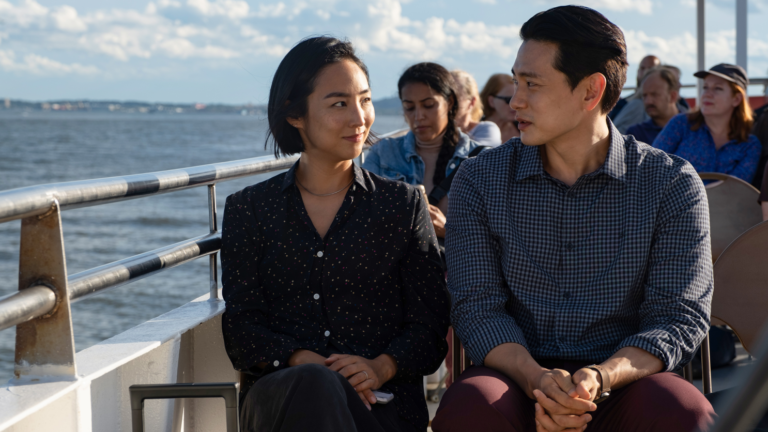
One of the first major Oscar contenders of 2023 is Past Lives, opening in theaters on June 2. Celine Songโ€™s debut film tells the story of Nora (Greta Lee) and Hae Sung (Teo Yoo), who meet in childhood but then are pulled apart when Noraโ€™s family emigrates from South Korea. Twenty years later, they reunite and find out what couldโ€™ve been in their relationship.ย 

The romance drama, which brings to mind Richard Linklaterโ€™s Before trilogy in the way it deals with the passage of time between two people who share a deep connection, was my favorite title at the Sundance Film Festival in January. Past Lives will likely be my favorite movie for all of 2023, its beautiful storytelling and powerful performance still haunting me months later. Iโ€™m excited for more people to discover it, and I canโ€™t wait to see what kind of impact it will have on the next awards season.

A few potential Oscar contenders have been released so far this year, namely Ben Affleckโ€™s drama Air from April, but Past Lives is going to be the first major 2023 release that has the potential to get into major categories at the Academy Awards next year. What are the most likely categories I see Past Lives getting into at the Oscars? Here are five of themโ€ฆ 

1. Best Picture

With ten nominees for Best Picture, you can guarantee that Past Lives will make it into the top category. The A24 release is close to 100% on Rotten Tomatoes and has been getting raves from critics and audiences since its Sundance premiere many months ago. Itโ€™s the kind of deeply emotional story that is going to work its magic on awards voters, and I can see it winning Best Picture from some of the major critic groups at the end of the year. Even if it underperforms on Oscar nominations morning in some of the other categories, I canโ€™t imagine it missing in Best Picture. Itโ€™s one of the most affecting films Iโ€™ve seen in the last five years, and awards voters are going to feel the same way.  

2. Best Actress

The other Oscar nomination I believe with my whole heart will happen is Best Actress for Greta Lee, who is astounding in the role of Nora. A lot of the performance is internal, which might not scream awards to some, but she has a specifically heartbreaking moment at the end, a major cathartic release for her character and for the audience, that will make Lee a major contender for Best Actress. She gives Nora strength and confidence, but also a raw delicateness, her scenes with Teo Yoo as Hae Sung filled with so many complex emotions. She was excellent in Russian Doll and the second season of The Morning Show, but her role in Past Lives is her breakthrough. Look for Lee to make it into the Best Actress final five at next yearโ€™s Oscars.

3. Best Original Screenplay

If Past Lives gets into Best Picture and Best Actress at the 96th Academy Awards as I predict, thereโ€™s no way itโ€™s missing a nod in Best Original Screenplay. Itโ€™s not a showy movie, itโ€™s talky, itโ€™s quiet, itโ€™s not reinventing the wheel, and thus some voters might not put the filmโ€™s original screenplay at the top of their minds. However, the three-act structure implemented by writer-director Celine Song is gorgeously orchestrated; those moments early on with Nora and Hae Sung in childhood having incredibly effective payoffs at the narrativeโ€™s end. Past Lives not getting into Best Original Screenplay would be shocking, especially if it makes it into Best Picture. 

4. Best Supporting Actor

Another performance awards voters are likely going to respond to is John Magaro as Noraโ€™s husband Arthur. The two characters meet and fall in love, and then the way he deals with Hae Sungโ€™s re-entry into Noraโ€™s life is complicated and feels so real moment to moment. He also gives the film some welcome humor and levity, especially toward the end when the emotional stakes couldnโ€™t be higher. Magaro has been consistently excellent throughout the years in Carol, The Big Short, First Cow, and The Many Saints of Newark. Outside of First Cow, Magaro really hasnโ€™t received many nominations from critics or awards bodies, but that I imagine is going to change for his nuanced turn in Past Lives. 

5. Best Film Editing

A contemporary drama like Past Lives isnโ€™t going to show up in categories at next yearโ€™s Oscars like Costume Design or Production Design, but one technical category I can see it getting into is Film Editing. It doesnโ€™t have flashy editing you always notice, but Academy voters will likely respond to the way the editor Keith Fraase so masterfully plays with passage of time, always keeping the narrative at a steady pace that works wonders for those powerful final scenes. Thereโ€™s also one incredible cut at the end that, sadly, the trailer has already spoiled, but wow, in the moment, itโ€™s a punch to the gut. 

I would also love to see Past Lives get into Best Director for Celine Song, remarkably making her directing debut here, and Teo Yoo for Best Actor, but as of now, the most likely categories we may see the film in next year are Best Original Screenplay, Best Actress, and Best Picture. Iโ€™m not sure if the A24 release will turn into a runaway box office sensation and awards juggernaut like their 2022 title Everything Everywhere All at Once turned out to be, but I have hope, and Iโ€™ll be championing the magnificent Past Lives every step of the way. 

Podcast Review: The Little Mermaid

On this episode, JD is joined by Women InSession co-host Amy Thomasson to discuss Disney’s live-action remake of The Little Mermaid! These Disney remakes haven’t always been great, but there is something about The Little Mermaid that gives it a refreshing quality. And we do our best to articulate why that’s the case.

Review: The Little Mermaid (3:00)
Director: Rob Marshall
Writers: David Magee
Stars: Halle Bailey, Jonah Hauer-King, Daveed Diggs, Awkwafina

Subscribe to our Podcasts RSS
Subscribe to our Podcasts on iTunes
Listen on Spotify
Listen on Stitcher
InSession Film Podcast – The Little Mermaid

Movie Review: ‘The Boogeyman’ is Nearly One Big Clichรฉ


Director: Rob Savage

Writers: Scott Beck, Bryan Woods, and Mark Heyman

Stars: Sophie Thatcher, Chris Messina, Vivien Lyra Blair

Synopsis: High school student Sadie Harper and her younger sister, Sawyer, are still reeling from the recent death of their mother. They’re not getting much support from their father, Will, a therapist who’s dealing with his own intense pain. When a desperate patient unexpectedly shows up at their house seeking help, he leaves behind a terrifying supernatural entity that preys on families and feeds on the suffering of its victims.


Everything that master horror author Stephen King, who has created classic tales like Carrie, The Shining, and Pet Sematary, doesnโ€™t turn into gold. And although I really respect his constant drive for creating horror stories decade through decade, there have been plenty of lackluster ones. An example is the short story included in Kingโ€™s 1978 โ€˜Night Shiftโ€™ collection, The Boogeyman. The acclaimed genre auteurโ€™s name isnโ€™t enough to excite me to watch a feature anymore. You need a talented director who has their own voice and can translate that story from the pages onto the big screen successfully. I believed Rob Savage was once that director that could bring enough horrific pizzazz onto a project and make it its own, even if itโ€™s an adaptation, because of his hit debut Host, which startled many horror cinema lovers during the pandemic. Unfortunately, the British filmmaker makes a highly disappointing feature that dwells in every genre trope imaginable, making it a tough watch due to its dullness. 

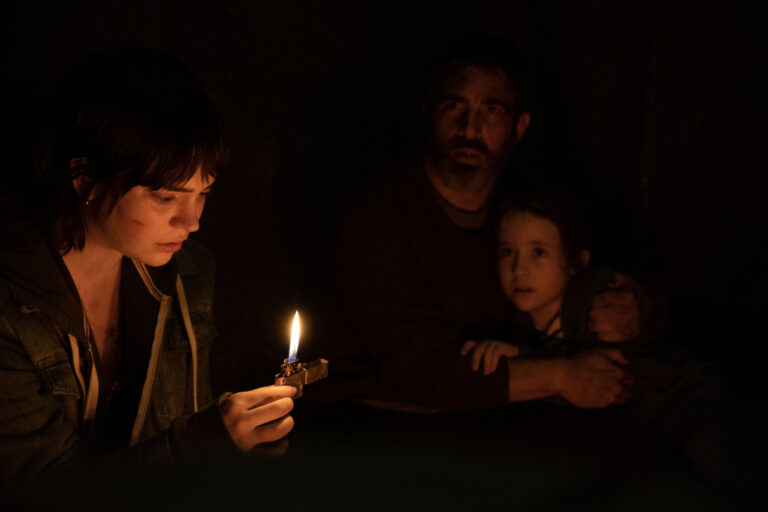
The Boogeyman centers around a sixteen-year-old girl named Sadie (Sophie Thatcher) and her ten-year-old sister, Sawyer (Vivien Lyra Blair), who are struggling to connect and move forward in the wake of their motherโ€™s brutal passing. Their therapist father, Will Harper (Chris Messina), seems to be so isolated emotionally that heโ€™s distant, not only to his patients, but also to his two daughters. After introducing these characters, a cheesy high school bully scene follows, inducing plenty of eye rolls. The dialogue feels that it was generated by an A.I. of some sort. Nonetheless, Sophie heads home after an altercation with the mean girl in the locker near her. And thatโ€™s when a strange man, Lester Billings (David Dastmalchian), knocks on Willโ€™s door, asking him to understand his pain and the belief of a dark entity haunting his daily life. Haunted by the entity that personifies his grief and depression, Lester kills himself at the Harper house, paving the way for the creature to lurk in their hallways. 

Putting all of the cliches aside, the narrative is intriguing enough for the audience to put their attention into. Everything might not be sharply put together until this point, yet you go with it to see where it might lead. Unfortunately, it doesnโ€™t go anywhere interesting. The biggest problem of them all is that The Boogeyman is, in all of its aspects , average and harmless โ€“ never having a unique identity of its own and choosing to go down a route that doesnโ€™t deliver an emotional payoff. I heavily disliked Rob Savageโ€™s previous feature, Dashcam. But, Iโ€™d prefer him to go broader into shlock-like horror cinema โ€“ with buckets of blood being spilled, people throwing up, foul-mouthed characters, and some experimental direction โ€“ because, in those films, he can express himself better as a filmmaker. Unfortunately, in these studio films, Savage is restrained from demonstrating his talents because he has to curate a film that targets the Stranger Things audience.ย 

With The Boogeyman, Savage presents us with one of the most bland and uninspired horror narratives this year. Not even the titular creature has a great design; it feels like a copy of a Demogordon, albeit without the flower-like head and with a more hound look to it. Some of the same problems I had with Scott Dericksonโ€™s The Black Phone, targeted to the same audience as this one, are repeated here. Both films frustratingly rely on the precise Stephen King horror tropes to the point where they are rendered indistinguishable and hollow. This is an issue because you canโ€™t shake the feeling that we have seen this type of film before, and has been done better by filmmakers that make twists to the narrative or, at the very least, develop a unique directorial language to tell a commonly seen tale about the effects of grief and trauma, which seems to be the central theme in most recent big studio horror pictures. 

There are a few instances in which you see Rob Savage trying to breathe life into the film with some flashy lighting and using shadowplay. In those moments, you notice Savageโ€™s gift of providing good scares. Yet, those moments are forgotten by the time the end credits arrive. The performances carry the emotional weight and heart that The Boogeyman has on its sleeve, particularly the leading girl Sophie Thatcher, Chris Messina, and the always fascinating (but ultimately wasted) Marin Ireland. Both Thatcher and Messina portray the drowning sensation grief puts onto you in a way that makes you believe in their pain. The former has several moments where she can express her desire for her mother to return with her facial expressions rather than by dialogue. Ireland has the most superficial role in the film compared with the two aforementioned actors. But sheโ€™s so engaging to watch, no matter the role, that you are excited to see her, even if it is for less than five minutes. 

Nevertheless, the cast can only go as far as the screenplay, rapidly filling in the tension and risk-less blanks. It sometimes feels as if Savage and his team of screenwriters barely want to create an inventive story. Every narrative beat has been seen before multiple times; cliches and tropes of teen-oriented horror pictures are at the forefront โ€“ the unnecessarily mean bully (whom Sadie slaps at one point in the movie and people cheered for some reason), the โ€œyou never listen to meโ€ line and a literal fiery climax. You can see everything coming from a mile away. And since the direction is uninspired, the viewer doesnโ€™t want to engage with whatโ€™s happening. Even when the actors have shared the respective ways they prepared for the role and to connect with them more, Thatcher created a playlist that resembles the feeling of a grief-hardened heart, every cinematic element in The Boogeyman seemed that there wasnโ€™t any care or thought put into it. I have wanted to cheer Rob Savageโ€™s career on since he made one of the very first highly effective pandemic horror films with Host. But, his latter works have made me hopeless to see him in top form again. 

Grade: D

Movie Review: ‘Past Lives’ Offers No Easy Answers


Director: Celine Song

Writer: Celine Song

Stars: Greta Lee, Teo Yoo, John Magaro

Synopsis: Nora and Hae Sung, two deeply connected childhood friends, are wrest apart after Nora’s family emigrates from South Korea. 20 years later, they are reunited for one fateful week as they confront notions of love and destiny.


As humans, weโ€™re only trying to do our best with what weโ€™re given. Choices we make and the people who become a part of our short lives only happen through circumstance, chance, and ultimately, fate. Throughout, people will come and go and love will be had and lost, but the one thing you can never force in this world is fate.

Past Lives starts with our three characters, Nora (Greta Lee), Arthur (John Magaro), and Hae Sung (Teo Yoo) conversing at a bar while onlookers try to guess what their relation to one another is. Without delay, it jumps 24 years into the past to see a younger Nora (then Na Young) and her best friend, a younger Hae Sung. From a young age, the connection the two share is obvious and feels even more than friendship. However, when Na Young has to immigrate with her parents from Seoul to Canada, the bond they share becomes simply a memory.

Fast forward 12 years, and the two reconnect in their 20s after Hae Sung attempts to find Na Young, now Nora, through Facebook. She sees his attempts and reaches out to him looking to rekindle the dying flame. Through emails and plenty of Skype calls back and forth, they pick up as if they had never lost one another and their romance blossoms even more. That is until Nora, heartbreakingly, has to end it between them to focus on her current life, and not dwell in the past. After they end communication, she meets Arthur at a writer’s retreat over the Summer. The bond they share isnโ€™t as quick, or as natural, as the one that is shared between Nora and Hae Sung, but itโ€™s real.

12 years later, Nora and Arthur are now married and living in New York together, and Hae Sung is about to make a trip to see her in person for the first time in 24 years. From the first look shared between them, there is a feeling that is natural yet distant. The quiet walks and time shared feel like everything that should make for a pretty fantastic romance story, but, as shown throughout the film, not all romance is physical, and not all love is acted upon.

In her debut, writer/director Celine Song takes the quiet side of love and fate and creates something full of vibrancy. Her script is subtle, weaving in Nora and Hae Sung’s connections with poignancy, leaving some of the best moments left unsaid rather than spoken. Past Lives revolves heavily around the Korean/Buddhist term โ€œIn-Yun.โ€ As explained in the film, this is an all-encompassing term that references fate or the ties two strangers share throughout their many lives. Sometimes the ties two people share bring them together in a way that is explored in their current life, and sometimes two people can feel so right for each other, but it just isnโ€™t their time yet.

The love between Nora and Hae Sung is there, it is evident in every moment and the glances they share, but sometimes fate just gets in the way. While Songโ€™s script beautifully articulates this notion, itโ€™s her directing that truly shines. Her majestic sense of framing continuously shows how these two are so close to being perfect for one another, but there is constant space between them. Coming from a theater background makes sense given how well she positions her characters to tell a story visually rather than verbally. It might, at times, feel too precise, but it never once feels dull.

Bringing to life this vision are three performances worthy of awards consideration. Greta Lee, John Magaro, and Teo Yoo all find their place in this film. Magaro and Yoo, each playing a different half of Noraโ€™s love. For Yoo, he is the theoretical love, someone who feels comforting to her in a fantastical way. While Magaro is the practical love, the person who is there and is present and makes sense. Each of these men wants what the other person has, and both of them effectively display the struggle that goes on with trying to be the right person for her. However, itโ€™s Greta Leeโ€™s transcendent performance that shines above the rest. Torn in two directions, itโ€™s Lee who constantly has to make the impossible choice. Does she follow her heart or does she listen to fate? Itโ€™s a complex decision, especially in her case, in which one half feels right while the other half is right, and a choice is made near the end that is genuinely heartbreaking.


Thatโ€™s because there are no right answers; no matter the choice made, someone will be hurt. Past Lives tells the story of the โ€œright person, wrong timeโ€ in a gorgeously subtle way. Even if it can be too subtle at times, Songโ€™s writing and directing help display a longingness of wanting to be the perfect person for someone, but fate makes other plans. The trio of actors all give stellar performances but itโ€™s Greta Lee who should be remembered throughout the year. One of the most brutally honest love stories in quite some time.

Grade: B+

Criterion Releases: June 2023

Into the summer we go and here comes the next batch from Criterion. Two films are re-editions, two join the club, and a film director gets a very special box set a lot like his fellow countryman, Federico Fellini. While the re-releases are a 1930s French masterpiece and an eye-popping adventure from a Monty Python member, the two newcomers are a psychosexual drama from Britainโ€™s New Wave and the debut film from an American modernist who stands as one of the best directors of today.


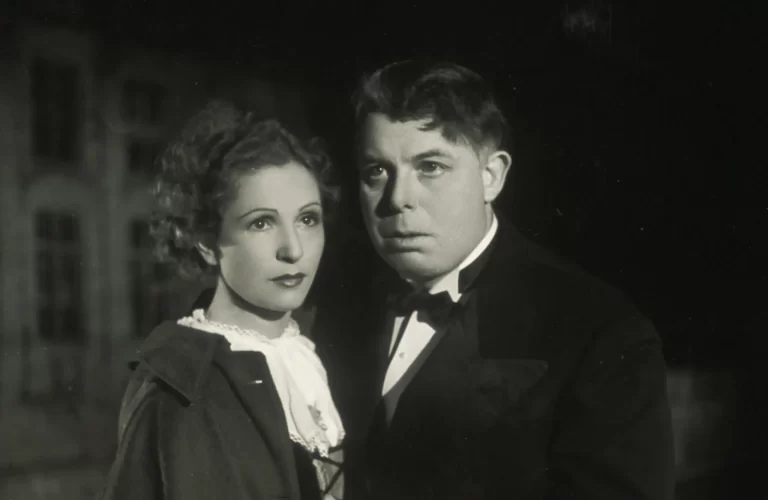
The Rules Of The Game (1939)

One of two re-releases for 4K also comes with a new cover, and I have to say, it speaks out on the era it is from and the formality in which it presents itself. Except, this film is no formality. It is a comedy of manners and it zings the bourgeois heavily, exposing the French upper class as rotten that call out their hypocrisies. For Jean Renoir, who directed and co-starred in this satirical devil of a story, it also looks back on his upbringing as the son of a famous artist and how much he despised the elite he once was part of. Banned and cut, its incredible restoration after the Second World War brings us what Renoir had originally served to unsuspecting viewers.


The Servant (1963)

Legendary writer Harold Pinter scripted this story of class structure through a psychological prism as Dirk Bogarde plays a new servant for a wealthy family. Soon, he becomes a tool in the familyโ€™s personal relationships and even gets to switch roles. The upper-class family being stripped down to unabashed power is disorienting and creates the social monster from its Victorian roots in a decade where such family values fall like dominoes. It was a great vehicle for director Joseph Losey who had been blacklisted from Hollywood and allowed him to instill his leftist views in the story. 


Time Bandits (1981)

The second re-release for 4K is from Terry Gilliam and his magical fantasy tale that cemented his solo directorial skills. With his fellow Monty Python players John Cleese and Michael Palin, Gillamโ€™s creativity went wild in this adventure of a boy and a group of thieves who go through periods of history. Sean Connery, Shelly Duvall, Ian Holm, David Rappaport, Kenny Baker, and Sir Ian Richardson are part of an ensemble that plays along the journey with impressive animation and special effects that fully encapsulated Gilliamโ€™s visions for his future works.


Medicine For Melancholy (2008)

Barry Jenkins showcased his talent with this romantic drama of two people (Wyatt Cenac and Tracey Heggins) who have an affair and spend the day together through Bohemian San Francisco. The story focuses on the identity of Blackness and their social gentrification in a community that is mostly White and how the two see things differently. It is an inner look of being Black, very much like Moonlight and If Beale Street Could Talk, and maximizes the use of shooting on video (with a budget of $15,000) that was a first look at how artistic Jenkins could get with any story anywhere. 


Pasolini 101

I wrote an article about this controversial figure last year, who was unlike anyone that had sat in the directorโ€™s chair before or since. He was flagrant with purpose and his films of the 1960s told the world what he was about. Pasoliniโ€™s films focused on the poor, such as the plight of prostitutes, sex amongst the hierarchy, and the religious quality of life, which is ironic because he was an atheist. But, he was also about attacking Italyโ€™s embedment with capitalism and consumerism, especially by referencing the countryโ€™s past with fascism.

Nine films from the decade are now in one box, from his debut Accattone to his Greek tragedy Madea. The lifelong Communist was not afraid of angering the establishment and his films were always under attack by conservatives as immoral. This group of films spat in the face of the elite (and his final film, Salo, got him killed for it) to pick apart the hypocrisies he saw, and the injustices, and Pasolini turned them inside out to show how corrupt it all was. 


Follow me on Twitter: @brian_cine (Cine-A-Man)

Movie Review: ‘The Machine’ Won’t Be As Memorable as the Viral Video


Director: Peter Atencio

Writers: Kevin Biegel and Scotty Landes

Stars: Bert Kreischer, Mark Hamill, Jimmy Tatro

Synopsis: Bert’s drunken past catches up with him 20 years down the road when he and his father are kidnapped by those Bert wronged 20 years ago while drunk on a college semester abroad in Russia.


Something that catches the short attention span of humans in the 21st century will likely be forgotten by the majority of us about an hour after we see it. We’ll see it again when someone shows it to us and we’ll agree with them that it’s a very funny thing. After about five or so viewings, it loses the spark. After a month, it’s likely gone. Then it’s three or four years later and there’s a movie adaptation because a producer saw the story potential and needed the rights to it, but film production is glacial compared to the internet. so It’s far too late. The moment has passed. So, here’s The Machine, a film that expands the world of a very funny story comedian Bert Kreischer tells during his stand up act that was captured on video and went viral.

The story is funny enough. Kreischer is funny when telling it. Yet, this new adventure Bert goes on is just O.K. The reason it never elevates beyond its source material is because it wants to be something more than just a wacky story. There is an emotional throughline in the film that is never earned. At one point Bertโ€™s eldest daughter has an outburst at her birthday party. She starts crying and rather than the scene feeling real, itโ€™s too intimate, too early. It’s stuck to the narrative like gum on a shoe.

This odd feeling is perpetuated by a lack of score in some of the beginning where jokes are supposed to be vulnerable and from a dark place, but fall flat. Without something underneath the tension never resolves. The jokes land with a thud. Theyโ€™re funny and you know theyโ€™re funny, but unlike in the best kinds of cringe comedy, thereโ€™s not that good timing or reaction. Itโ€™s a bit of a Mike Myers effect where in the early scenes Bert has to be the only one whoโ€™s funny and the one who gets the best lines. Without music or a reaction to underscore it, he just looks like a complete jerk.

There are other pieces that don’t really fit as well. It’s mostly the action scenes. They are superbly choreographed and shot very well. They just don’t fit. They feel entirely tacked onto the film like they can be cut out and used for someone’s demo reel. Director Peter Atnecio already has a reputation as an action comedy director, but maybe heโ€™s disappointed Marvel hasnโ€™t brought him on for a project yet. The fight scenes make sense when Bert and Albert (Mark Hamill) get into it with some foes, but there’s no real need for so much Irina (Iva Babic) in full Black Widow mode kicking henchman keister some place else.

What is a delight to see is Mark Hamill. Hamill is so rarely given the opportunity to show off his talent outside of a Star War or some heightened version of himself that he’s a refreshing presence. He’s got such excellent comedic timing and he plays the nitpicking father so well. He’s the highlight of the film for sure.

There are enough laugh out loud one liners that the film isn’t utterly unwatchable. The Machine wants to be the kind of phenomenon that people talk about and word of mouth spreads, but it just doesn’t have the legs the original viral video had. Too much of it tries to be something it’s not, like an all out action film or an emotionally tinged comedy. It’s just so so, which can be a nice distraction from the summer heat.

Grade: C

Movie Review: ‘Kandahar’ Features the Return of Gerard Butler’s B-Movie Skills


Director: Ric Roman Waugh

Writer: Mitchell LaFortune

Stars: Gerard Butler, Navid Negahban, Ali Fazal

Synopsis: A CIA operative and his translator flee from special forces in Afghanistan after exposing a covert mission.


I think itโ€™s safe to say that Gerard Butler has been typecast in a slew of B-level action pictures and is on track to become the next Liam Neeson. He even reunites with director Ric Roman Waugh for Kandahar. Waugh directed Butler in Angel Has Fallen and the surprisingly fun Greenland. One who expects Butler to go through an impossible mission to get to his family (that has been the plot of every Butler action film for a while now) may enjoy Kandahar. However, those looking for serious entertainment may leave the theater feeling disappointed. 

At least the action scenes are good. Waugh knows how to direct tight and exciting setpieces, ranging from a car chase inside a densely-packed market, a night vision battle between Tom Harris (Gerard Butler) and a helicopter, and a duel in the sand between Harris and ISI agent Kahlil (Ali Fazal). The latter is the coolest setpiece of the bunch, with Waugh and cinematographer MacGregor amping up the tension with long, wide shots, whilst editor Colby Parker Jr. cuts the confrontation with precision. The result is terrifically exciting and worth the price of admission for the big screen experience. 

Unfortunately, it takes a long time to get going. The film spends a good forty minutes setting up its multiple storylines, of many enemies going after Harris and translator Mo (Navid Neghaban) trying to flee Afghanistan to get to Kandahar after their cover is blown. There are perhaps way too many characters that, unfortunately, do not do much other than act in a brooding evil look. Fazalโ€™s Khalil is a one-note ISI agent with a cool motorcycle. Thatโ€™s it. He does nothing else but travel on his motorcycle, travel in a truck that carries his motorcycle, and then prepares his motorcycle to travel with it once more. At least it looks cool as hell. 

Thereโ€™s a journalist character who gets kidnapped, which serves as a way for Waugh to insert a half-assed geopolitical commentary that goes absolutely nowhere, just like most of the filmโ€™s side characters. One character appears during a pivotal action scene, only for him to completely disappear during the rest of the film until he reappears at the end to reveal that he died. Itโ€™s as if the filmmakers forgot to show that he died in action. But since the side characters are so forgettable, maybe they thought no one would notice?

That said, Butler gives his all for the first time in a long time. He has phoned it in since starring in Olympus Has Fallen and hasnโ€™t gotten any better with time. But in Kandahar, he seems to care about the bond between Harris and Mo genuinely, played with great emotional resonance by Negahban, who is one of the most underappreciated character actors working today (Iโ€™ll direct you to his work as The Shadow King in FXโ€™s Legion). Theyโ€™re why you slowly care about their quest because their performances are excellent. However, this exact story was done in a much better movie a month ago, with only a few differences: Guy Ritchieโ€™s The Covenant (it also doesnโ€™t help that I watched that film last week, which left quite an impression on me). 

In a sense, Kandahar is the Cannon Group version of Guy Ritchieโ€™s The Covenant. Itโ€™s got great action and two great lead performances. However, the difference in quality between the two is staggering, especially when it tries to shoehorn a geopolitical commentary that doesnโ€™t work since Waugh doesnโ€™t do anything with his journalistic subplot. Thereโ€™s a lot heโ€™s trying to balance out in this film  โ€” some of it works, but most of it doesnโ€™t. As far as his collaborations go with Butler, itโ€™s, unfortunately, his weakest, even if he manages to get a great performance out of him. Hereโ€™s hoping his next B-grade action film will be significantly better. 

Grade: C