


There is an iconic image of a goth girl running away from a castle in pulp horror romances. Those covers dominated the gothic horror romances of the ’60s and ’70s, but as a millennial bookworm I devoured those books. As a self-identified feminist teenager, those books were a guilty pleasure of mine. Imagining myself as this helpless, dainty woman, running away in a long, flowing chiffon gown with a fitted bodice, and a corset. There is always a corset at the crime scene to make my breasts bigger.
This image, as misogynistic and reductive as it is, haunted my gothic romance girl mind. I fantasized about it as I read one pulpy romance after another. Then it got buried deep inside the frozen lake in my psyche, reemerging after watching Jane Schoenbrun’s Teenage Sex and Death at Camp Miasma, especially the controversial scene that drove the internet wild with speculation, disdain, and repulsion…yet in other instances like mine, pure arousal. In that scene, Kris (Hannah Einbinder) runs away from danger in the dark forest. She is wearing a thin t-shirt, panties, and her nipples are hard as she runs away from danger. She’s scared but she’s also aroused by the imminent danger and the helplessness of her sexually submissive nature. It’s not an exaggeration when I say that this scene is what meme Martin Scorsese would describe as “Absolute Cinema!”
They say movies hit each of us differently, especially when it comes to alternative indie cinema, films that aren’t made for mass consumption. Some movies speak directly to a particular underrepresented community and still find universality because they tap into something deeply human that exists beyond the demographic they represent.
Schoenbrun’s cinema is horny, longing, and brutal. People have sex with slasher monsters, voyeurism is real and potent and the only way to get off and find orgasms, and people have to be buried alive to find release. Schoenbrun has made those films with a very unique experience in mind: their own queerness and the trans experience, but what about other people who haven’t gone through a similar experience of mega transformation, but who still have metamorphosis experiences of their own? How does it hit them?
In Schoenbrun’s world, characters live their deepest, darkest fantasies, shamelessly. Characters speak their minds, letting go of repressed desires and feelings.
In I Saw The TV Glow, they pay homage to those horror TV shows and TV movies. Are you Afraid of the Dark? Goosebumps, Twin Peaks, Sliders, and a dozen Stephen King TV adaptations come to mind as we watch Owen and Maddy’s story unfold. It’s that little TV show that no one in one’s community cares about. So when you find a person who shares the same passion, it’s like winning the lottery. Schoenbrun deep dives into how attachment to art works. Owen and Maddy bond over this fictional TV show The Pink Opaque, and immediately I remember my best friend in high school and me, and how I got her into fangirling over Roswell, the Jason Katims TV series inspired by the “Roswell High” series of books written by Melinda Metz. They capture this feeling brilliantly; not just the joy of discovery but the ecstatic expectant wait for every detail to be devoured by a like-minded friend. Like a secret that only two can experience, a popsicle of a taste that no one else has dared to taste. Back then, we were the only people in my school who had even remotely heard of Roswell, and that gave me all the rush to discuss the intricacies of every episode with her. Episode guides, spinoff book series, and the original series were consumed by us in the back of the school playground, or in hidden corners behind the giant staircase. We lived in a magical world that only we got to discover, and it felt better than a thousand conversations with classmates about popular films at the time.
With Teenage Sex and Death at Camp Miasma, there is a very self-centered, self-absorbed fantasy that Schoenbrun cherishes, and yet, in their brilliant artistic narcissism, they touch a lot of other people with similar fantasies. What if the heroes of the films we loved, those little films and genre TV that no one cared about but us, what if they existed in that world, and by some magical miracle extended a hand to drag us to TV land with them?
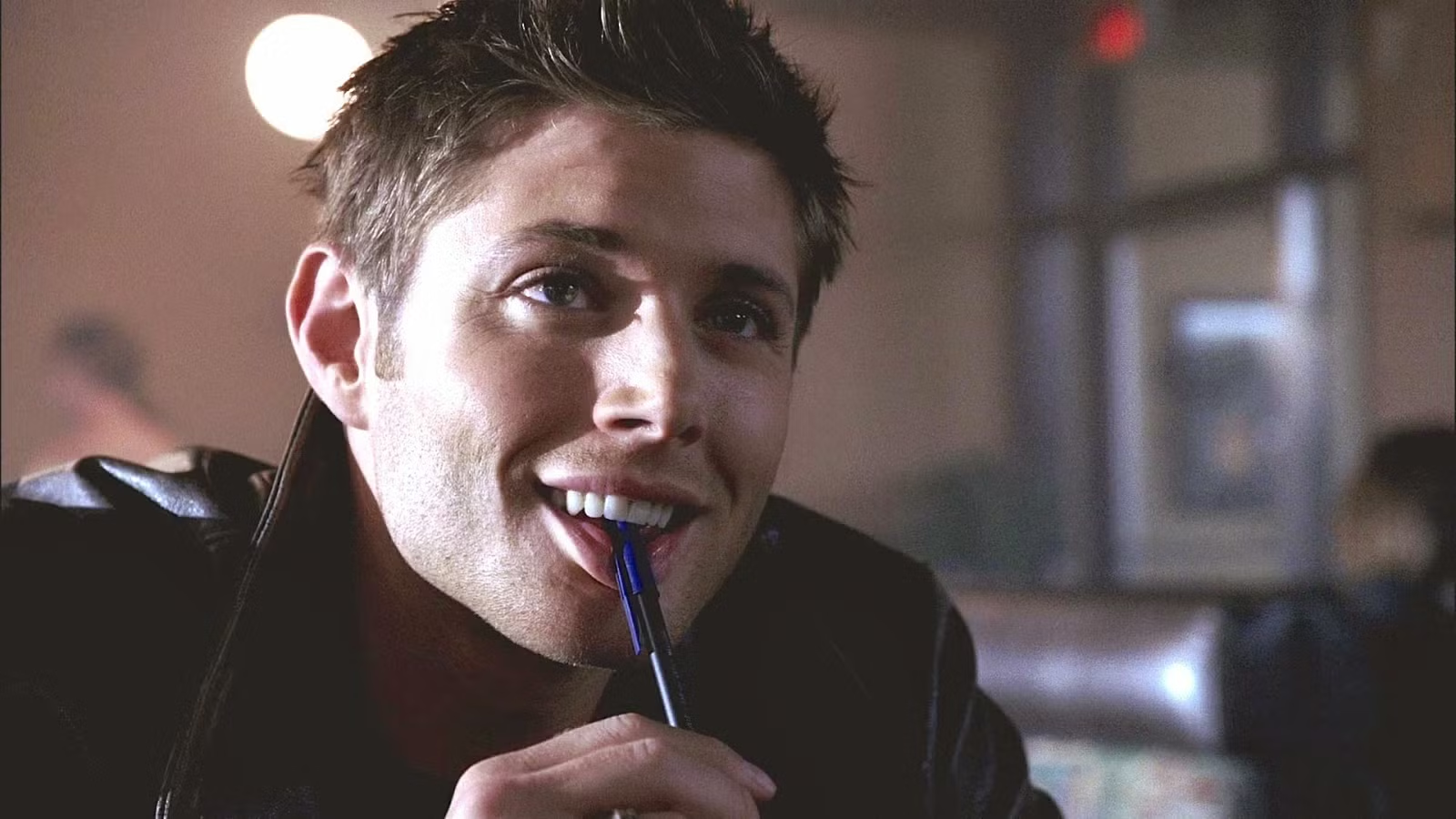
I think about all the times I obsessed over an actor or actress in a particular film or TV show. Dean Winchester in Bobby’s Lair or The Roadhouse. Wil Ohmsford in the Elcrys. Lucas Wolenczak inside the SeaQuest DSV under the sea. Rory and Lorelai at Luke’s Diner. Bodhi surfing forever at Latigo Beach. I imagine myself like Kris, awkward, imaginative, artistic, and eternally horny. My sexuality is always a block of ice in the face of my expectations and desires. Then I imagine all those actors I loved, not forever, but frozen in a fragment of their careers. Jensen Ackles forever trapped as the smoldering, sexy, sassy hunter Dean Winchester, traveling across the highways of Americana in his leather jacket, despite spending half of his life inside his muscle car, still smelling as I imagine him to be: Old Spice, cigarettes, whiskey, and cleanliness, like he washes himself every morning with morning dew. Austin Butler, never aging, this young, sensitive healer -no elf ears please, what a turn off- scouting this lonely island, Aborlon or the Druid’s Keep. His life is a series of cave exploration, herb collection, and saving princesses from silly MTV-coded monsters. Then I imagine Shiri Appleby, forever young as Liz Parker, in The Crashdown, that diner in the heart of the hot desert of Roswell, New Mexico, dreamy in her silly waitress costume, with long brown hair and caramel eyes. Then I extend the fantasy, and there I am, an awkward queer director struggling with sexual expression, meeting my heroes as they withdraw from the world, and live forever inside forgotten sets that -against all odds- seem fresh, like things have just been prepared for the new season.
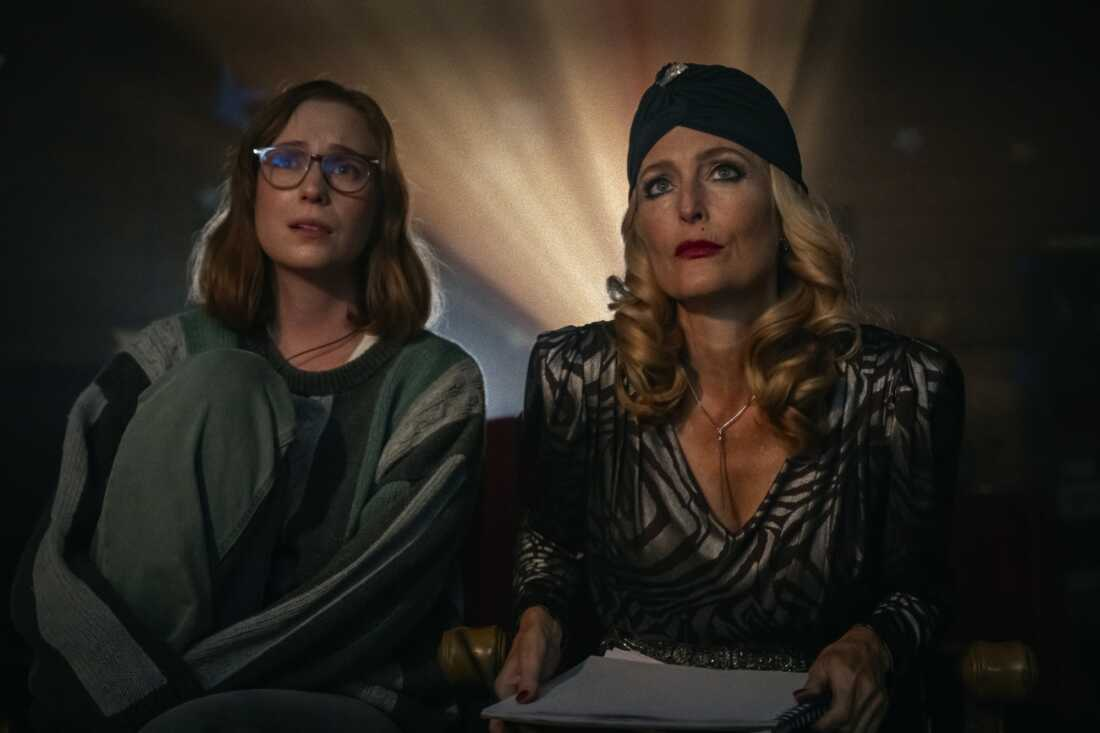
But there’s also another grim fact. Schoenbrun shows how the show that one has loved and lusted after, or a sexual awakening moment for a young, sexually experienced girl watching her favorite actor onscreen could actually be this actor’s biggest misery. That’s what Kris discovers with Billy Presley (Gillian Anderson), in an honest moment that no one gets to glimpse in real life. Who wants real life when they can have this? Every fangirl’s dream: jump inside the set and have a deep, raw talk with the actor, suspended in time, who made them relevant in the first place. As a grown up now, reading some disturbing confessionals from actors about certain films they’ve made, and how the experience was to them behind the scenes rather than the joyful, immersive one that I got to experience as the gullible viewer, puts me as a fan in a really tight position: do I feel guilty for still finding a particular scene sexy? Do I feel bad for enjoying a character’s suffering when they probably were also suffering off screen?
I remember reading about Jared Padalecki during the shooting of the third season of Supernatural, and feeling guilty about making fun of Sam Winchester’s storyline, or even criticizing his look during the season. My mind would drift to moments where Sam was being tortured or breaking down during those seasons, and how as a hardcore fangirl I would find that sexy or exciting, then remembering the real person suffering in the background, and my empathetic nature wonders: is it wrong to consume art that way? Do I have to dig and find how the actor felt about that scene, or is ignorance a bliss? Was it wise of Kris to go deep and listen to Billy Presley’s heartfelt talk, that which awakened Little Death from his dormancy down the lake, and aroused him back into becoming a killing machine?
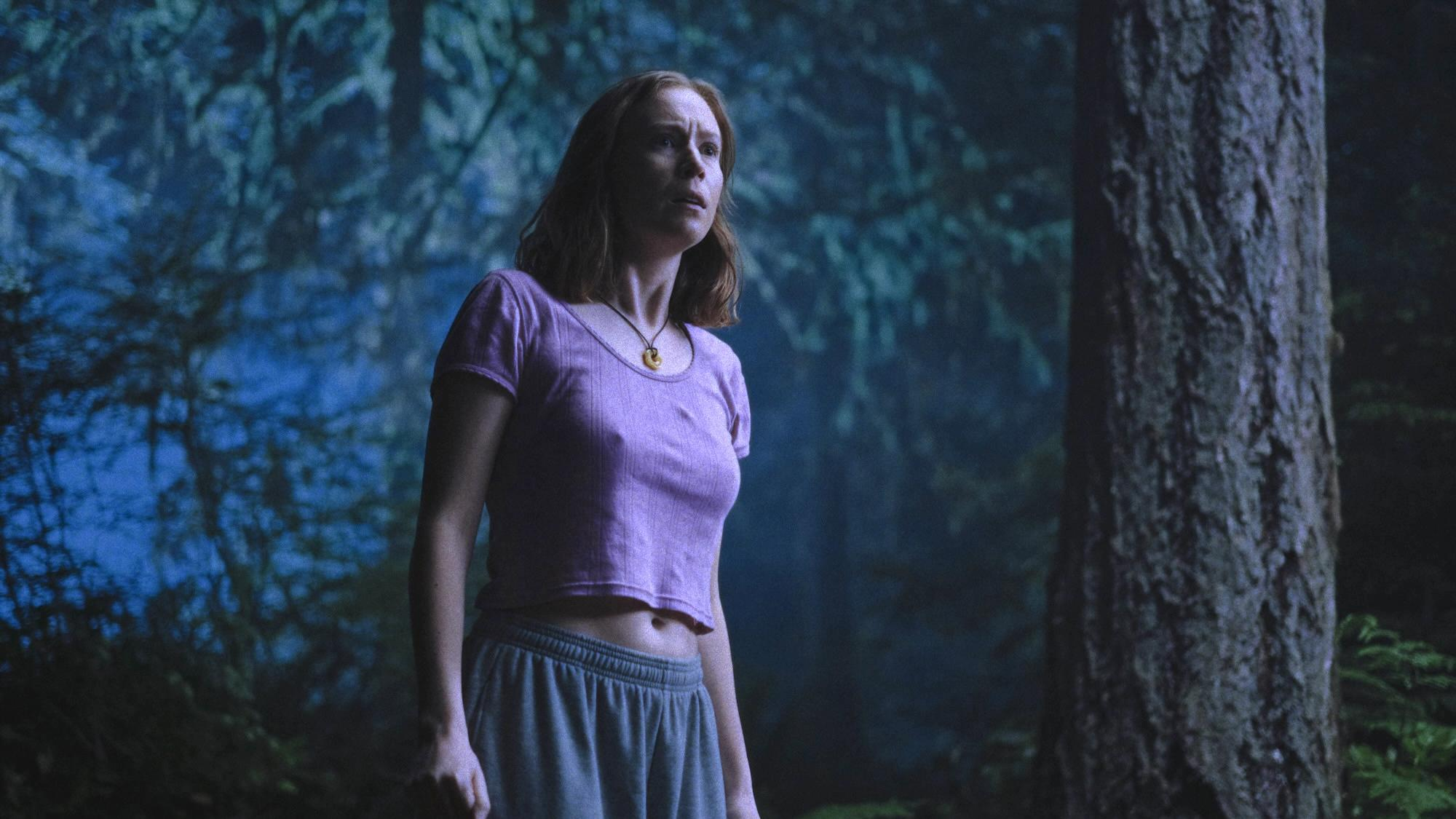
All Kris wants is to be a final girl in a slasher film: sexualized, objectified, helpless, and victimized. She liberates from the chains of female independence and expectations. She waits for her time as the masked killer takes those around her one by one. And in that death, she finds the ultimate release from the confinements of the real world.
Maddy professes to Owen that The Pink Opaque sometimes feels like real life more than real life. How truthful is that sentence. On the third season of Supernatural, when the clock was ticking for Dean to go to Hell, my sister and I would cry while watching every episode, in anticipation of the doomed season finale. I would go to college feeling suffocated underneath the feeling of distress and despair. I would tell my best friend then -who would later become my partner- that my heart was aching and I would cry before class thinking of Dean getting tortured in Hell. My best friend would then take me for ice cream and burgers to cheer me up, from the fictional verse I found myself sunk in, deep down a rabbit hole of intense feelings and worry over a fictional character, who to me was a person I would never meet.
Filmtwt declares that self-absorbed, masturbatory art is bad. But if anything, Schoenbrun did what none of us, self-reflective, painfully imaginative kids never dared to do. They turned hours-long fantasies and orgasmic bliss into masterpieces. Their films will live forever, and people will witness how they see art and artists, while our dreams and fantasies will remain behind the rusty doors of our souls.
So forgive me, Jane, for writing a masturbatory piece about your masturbatory art. It really deserves lusting after. To quote Ada in The Piano, “At night I think of my piano in its ocean grave, and sometimes of myself floating above it. Down there everything is so still and silent that it lulls me to sleep. It is a weird lullaby and so it is; it is mine.”
Substitute Little Death for Ada’s piano and you’ll get what I mean.