



Director: Paula Delsol
Writer: Paula Delsol
Stars: Jacqueline Vandal, Lucien Barjon, André Nader
Synopsis: A carefree young woman navigates romantic and sexual encounters with various men while seeking freedom and self-discovery in the sun-drenched landscape of southern France after leaving Paris behind.
In the introduction for the new 4K restoration of Paula Delsol’s 1964 film, The Drift, the audience was reminded that Delsol has effectively been “completely forgotten” within the French New Wave, a movement historically connected to the idea of being a “boys club.” Obviously, Agnès Varda remains a vital name within the history of cinema and is widely regarded as a crucial figure in the landmark cinematic movement, but her name unfortunately rings out as an exception when looking at lists of those many consider to be the most well-known figures within the French New Wave. One can only hope that this restoration of Delsol’s first feature film will spark the necessary conversations surrounding all the female filmmakers who have been cast to the sidelines of cinema by the men of history. It’s also equally unfortunate that a film as playful, jaunty, and direct as this one has simply been lost to time for so long. To uncover more films such as this would be nothing but a gift to cinephiles everywhere.
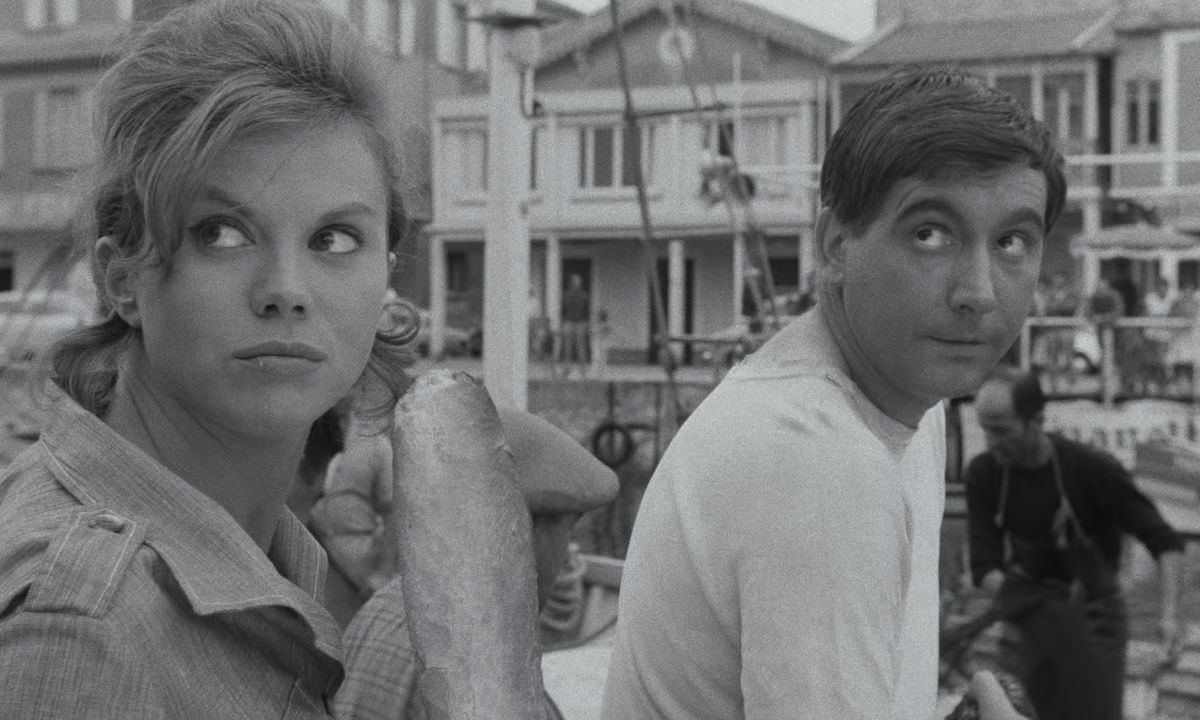
The first piece of dialogue in Delsol’s debut is spoken into the void: “I’m so hungry.” It makes sense considering 20-year-old Jacquie (Jacqueline Vandal) has hitched her life onto Pierre who, despite the alluring charm of his bohemian, artist lifestyle, largely seems like a wishy-washy bum. Considering his disaffected demeanor, Jacquie may as well be speaking into a void whenever he’s nearby. And it’s through Jacquie that Delsol is also speaking directly to her audience. Here is a woman determined to put her art into the world, any obstacles be damned. Jacquie is a fitting vessel in that regard. As the beautiful couple manage their way through what could be considered a two-way conversation in the most generous of definitions, images of famous destinations around the world rapidly flash on screen. All Jacquie wants to do is drift. It’s a lifestyle which may cause its fair share of troubles, but in her own words, “I’d rather trouble than boredom.” It’s a fitting credo to live by, and one that will be tested over the course of the film’s 83-minute-runtime.
As Pierre abandons Jacquie in her sleep while on a train ride through the country, we are outright told by on-screen text that “this film is a portrait.” In other words, Delsol has no interest in shying away from any of the details that make up Jacquie’s life going from place to place or man to man. The film excels in that regard as it is effectively structured through vignettes which speak directly to Jacquie’s experiences. Through this framework, Delsol has the freedom to make a film that’s as multi-faceted as she chooses. Some of Jacquie’s experiences with these men can be freewheeling and fun. Others can be much more frightening. Some can even be tragic or unexplored by way of determined commitment. In any case, each encounter with a new man is depicted entirely without flair, instead choosing to focus on the more genuine emotions that can arise from a particular situation. One thing is made starkly clear, serving as one of the key through-lines of this film: men behaving as slimeballs is nothing new!
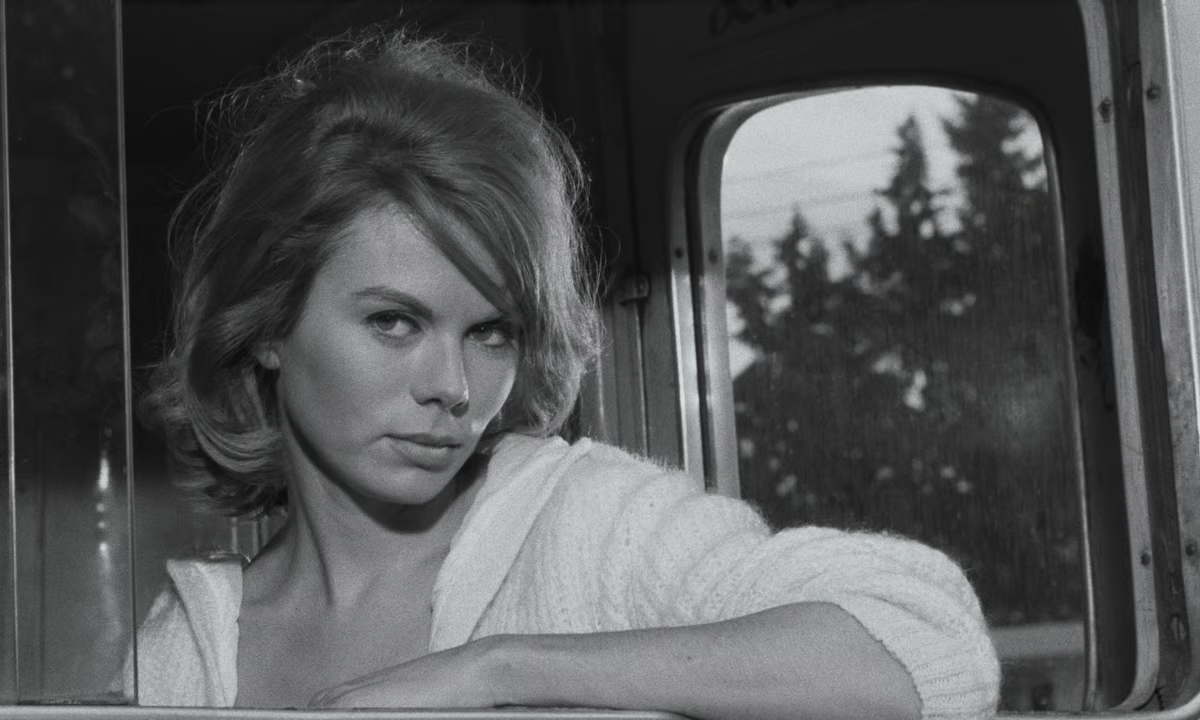
Left with little options on what to do next, Jacquie decides to return home to her mother and married sister for the first time in two years. While they may put on smiles and warmly welcome Jacquie back home, Delsol reveals a reality which is much more saddening. Through a montage that still finds a way to remain comedic, the entire town seems to be running its mouth with gossip as the news is broken of Jacquie’s return. The rapid pace with which Delsol traverses across town with this gossip is funny, but it speaks to how close-minded so many are when it comes to young people, particularly women, who choose to live life to the beat of their own drum. It’s made all the more disheartening upon Jacquie’s own mother using Jacquie’s sister as an example to follow, especially “after all that’s happened.” Rather than love her daughters equally for who they choose to be, she’d rather do all she can to force conformity upon Jacquie to fit within whatever boxes society deems “respectable” or “pragmatic.” It’s an issue that still plagues contemporary society to this day. This particular examination of society makes The Drift feel all the more striking as a rediscovery of how cinema grappling with the frustrations of a given time can still be felt for decades to come. It can be seen as an upsetting reminder that perhaps some things never change, but can also serve as a testament to the essential place art has in the world as a means to crystallize emotion across time and space in order to feel more accurately seen and understood.
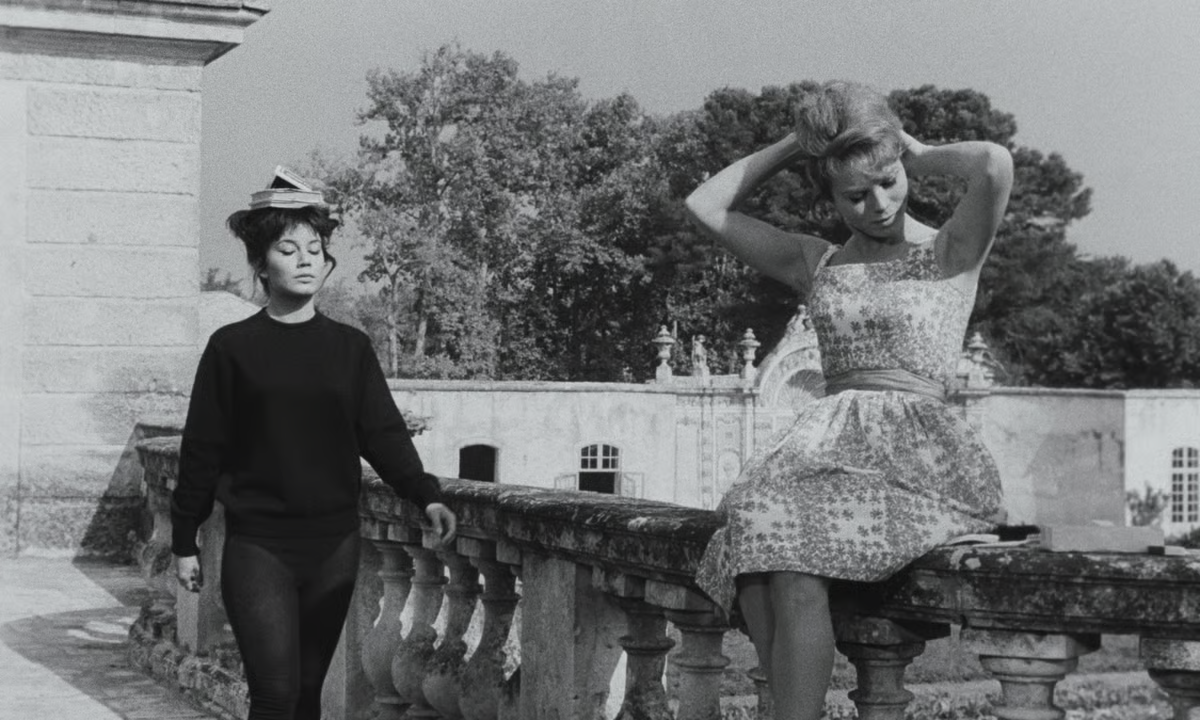
Though what’s perhaps most wonderful about The Drift is how little it is interested in being a didactic film. Of course, Delsol is channeling her thoughts and frustrations about society through Jacquie, but this is ultimately quite the playful film in regards to how its main character explores all the experiences she’s living through. She certainly feels the pain that can still be experienced despite living with such freedoms. She directly clashes back about the transactional views so many men seem to have when it comes to the women in their lives. She resents the notion that she should ask for forgiveness from others who judge her for merely desiring freedom. But Jacquie is the compelling sort of character who is perhaps unwilling to radically alter any of her decisions because of these observations about the life she is building for herself. There’s a jaunty quality to this film which stems from Jacquie’s blind faith in following what she feels. Even if others cast judgment, to live life in our own distinct way feels more essential than pragmatism. It may lead to an endlessly repeating cycle, but if all we can do in life is merely live it however we are called to do so, then so be it. That The Drift is a film directly addressing the shamefulness of any such judgment and allowing its character the freedom to live life dully to her heart’s content paints a wonderfully entertaining film that flies by.
The new 4K restoration of The Drift is celebrating its North American premiere in the Revivals section at the 64th New York Film Festival.