


Director: Jon M. Chu
Writer: Winnie Holzman, Dana Fox, Stephen Schwartz
Stars: Cynthia Erivo, Ariana Grande, Jeff Goldblum
Synopsis: Elphaba, the future Wicked Witch of the West and her relationship with Glinda, the Good Witch of the North. The second of a two-part feature film adaptation of the Broadway musical.
The hope would be that Wicked: For Good, the sequel to last year’s all-encompassing grand spectacle, would not only maintain the intoxicating blend of old-Hollywood grandeur and modern special effects but also strengthen the script rather than detract from it. In other words, could the movie stand on its own or, for that matter, separate itself from the film that was nominated for ten Academy Awards, including Best Picture?
Wicked: For Good has a reason to exist, but it is a movie that is incredibly dependent on two things. First, whether you are a fan of the intellectual property, which almost certainly means you are a fan of The Wizard of Oz and unfazed by its revisionist reimagining. Second, you would absolutely benefit from rewatching Wicked, because without doing so, the sequel feels like an appendage sliced off from the original, relying heavily on your connection to and enjoyment of the characters’ origins.
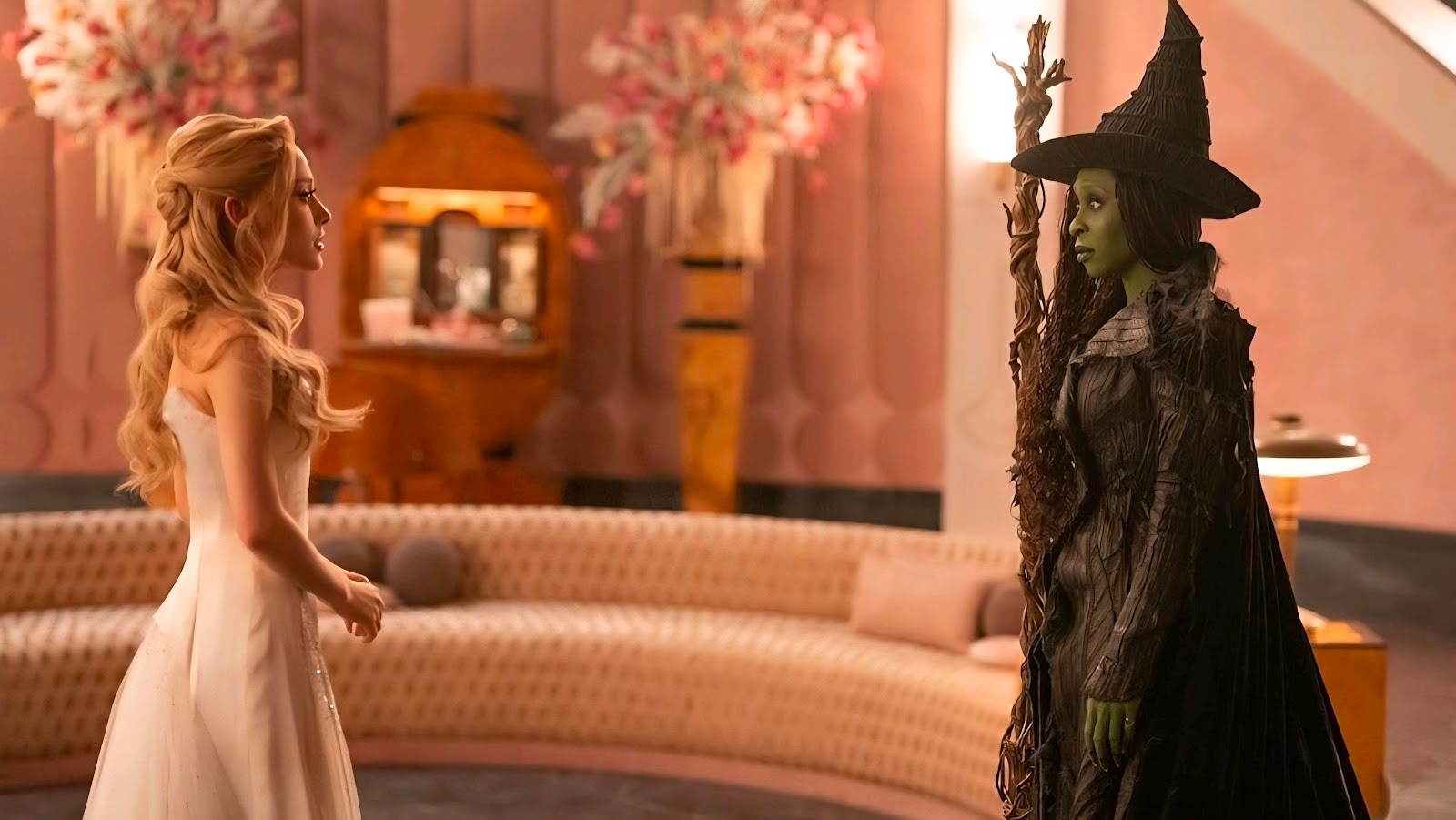
The answer, however, falls somewhere in between because the sequel depends heavily on your familiarity. You must love the Oz universe, and a recent rewatch of Wicked – Part 1, or the movie cannot differentiate itself. Though the performances from the two leads and the easter eggs planted throughout for the built-in audience ultimately make the film a satisfying, if flawed, conclusion.
The last time we saw Elphaba Thropp (Cynthia Erivo), aka the Wicked Witch of the West, she was delivering the show-stopping number “Defying Gravity,” giving audiences the goosebumps they deserve. She escapes the city’s guards, leaving her best friend, Glinda, behind, now under the mentorship of the awful Madame Morrible (Michelle Yeoh), who has her claws in the Wizard (the incomparable Jeff Goldblum). And of course, you also have the handsome and dashing Fiyero (Jurassic World Rebirth’s Jonathan Bailey) sprinting out of Shiz on horseback.
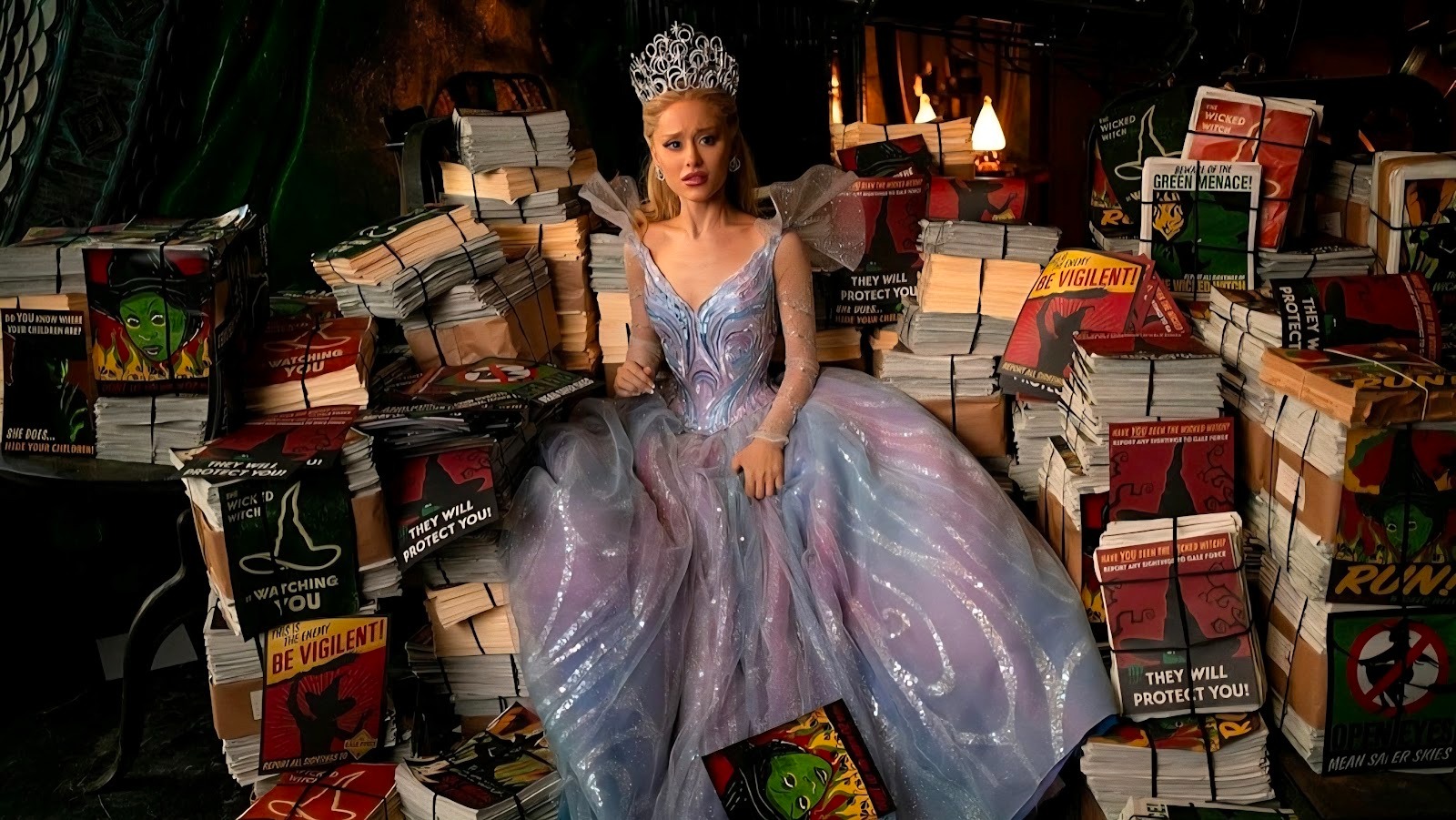
From there, the movie takes on a political slant I would almost call a bent, with Glinda using her popularity to become the “Good Witch” of Oz. Now engaged to Fiyero, who has apparently returned to town, she rises in influence while Elphaba continues her quest for animal rights in Oz. Meanwhile, Elphaba is forced into hiding as the corrupt leaders attempt to stage the wedding of a lifetime, using it as political propaganda to convince the citizens they should follow the shining beacon of light that is Glinda.
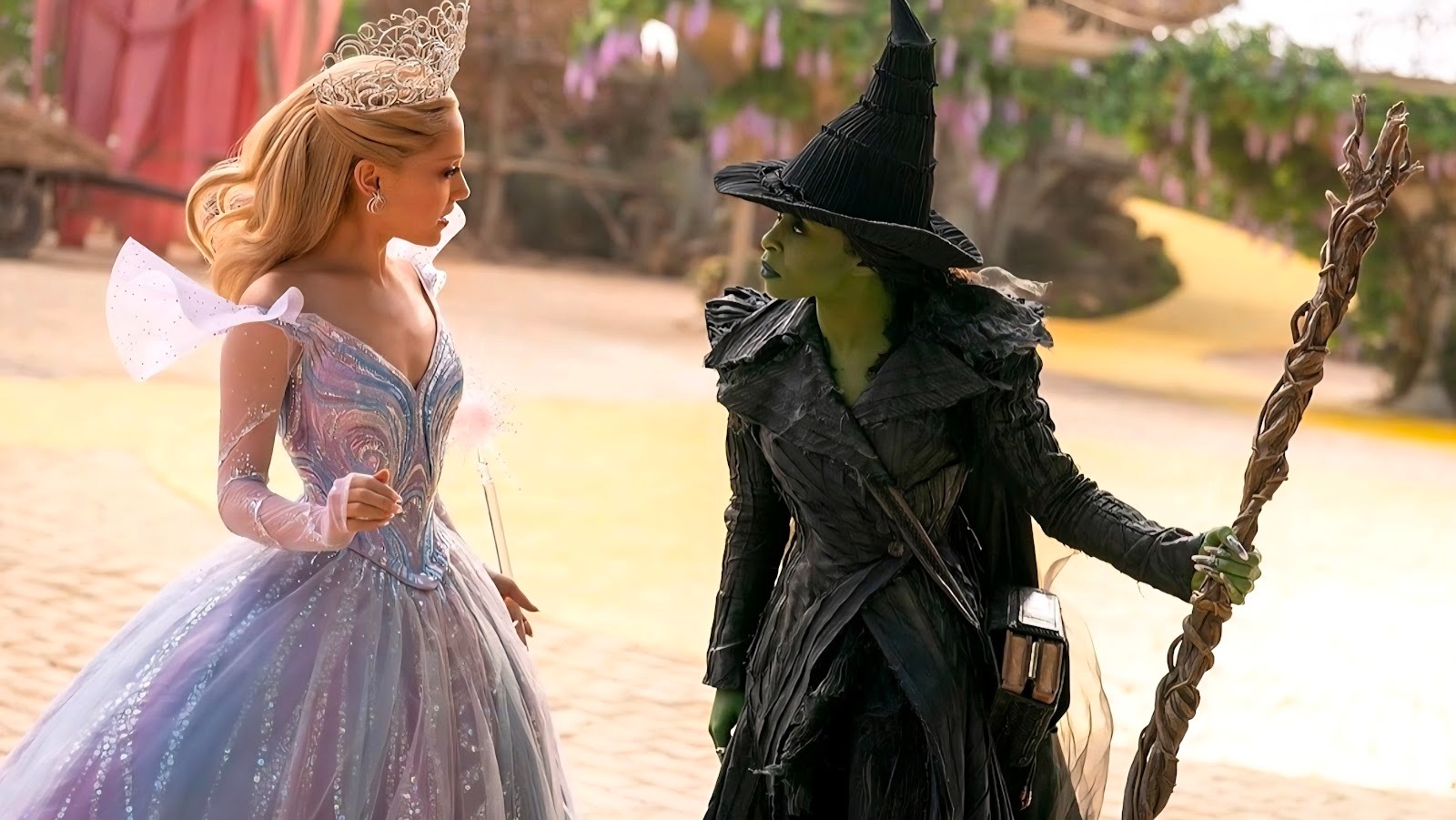
From there, most of the movie focuses on keeping Glinda and Fiyero together. At the same time, the latter continues trying to locate the “evil” witch, the cinematic equivalent of an adolescent boy pulling a girl’s pigtails because he likes her. The other subplot centers on Elphaba’s sister, Nessarose (Marissa Bode), now the Governor of Munchkinland, who is determined to keep Boq (Lost on a Mountain in Maine’s Ethan Slater), her servant, firmly within her grasp. She has become so codependent on the young man that she even passes laws preventing any of the Munchkins from leaving the city’s gates.
Director Jon M. Chu (Crazy Rich Asians, In the Heights) is back for the conclusion, working with another screenplay from Winnie Holzman, who wrote the smash stage original, and Dana Fox (Cruella), working from the source material from Gregory Maquire. The movie is, again, heavily dependent on your love for the original story and last year’s film. Some of the surprises, such as how certain beloved characters come to be, are a mixed bag. On one hand, the unveiling of the Tin Man is one of the movie’s best moments, as is the Scarecrow’s revelation.
On the other hand, the script undercuts what could have been a genuinely meaningful moment, glossing over the buildup and losing an emotional beat. That is directly connected to the significant number where Erivo and Bailey belt out “As Long as You’re Mine.” The two genuinely lack heat and passion, as evidenced by his later attempt to save the day. Then there is the problem of Michelle Yeoh, who does what she can with a thin villain role but is detached from the material, as if she is not in the moment. At the same time, Jeff Goldblum needed more screen time.
Much of the supporting comic relief from the first film is tossed aside after the opening scene, which is a shame. In addition, the animals, while central to the plot, take a back seat, even though they added so much color and flair in the previous installment. However, there are some performances that stand out, including Slater’s Boq, who represents the marginalized group in the film, underscoring the authoritarian theme. It is his rebellious turn that will stay in the viewer’s memory and what it represents.
While Erivo owns the first film and sets such a high standard, the film lacks a true showstopping number, even with “No Good Deed.” Whereas Grande continues her knack for comic delivery while also finding poignant moments, particularly in “I’m Not That Girl (Reprise)” and “Wonderful.” Grande is sensational in the role here, hilarious and very moving. The chemistry between the two is undeniable, leading to satisfying winks and callbacks that make the experience fun and balance out those meaningful beats.
Which is why Wicked: For Good is worth watching, because despite its flaws, the film is an incredibly immersive experience, especially for fans of the genre, the first film, or the source material. While there are plenty of issues, the movie is an extension of the first, closing the narrative loop in an emotionally resonant fashion. Yet, since the film fails to build on the powerful theme of how society stigmatizes specific populations in this second chapter, it ultimately lacks the thematic weight core audiences deserve.
You can watch Wicked: For Good only in theaters starting November 21st.