



Director: Lucy Bowden
Synopsis: A young mother and son’s walk on Wimbledon Common ends with a shocking murder in plain sight.
Netflix has spent years building an impressive catalogue of true-crime documentaries, and audiences continue to show an almost endless appetite for them. Part of the appeal lies in our natural curiosity; we’re fascinated by mysteries, investigations, and the search for justice. Yet, the more recent entries in the genre do more than simply recount shocking events. They explore the people at the heart of the story and examine the lasting consequences of tragedy. Good examples of this are Kidnapped: Elizabeth Smart and The Perfect Neighbor, both of which are available to watch on Netflix. The Murder of Rachel Nickell is one of the more thoughtful and emotionally affecting true-crime documentaries I’ve seen, where, after 34 years, the grief and tragedy feel new.
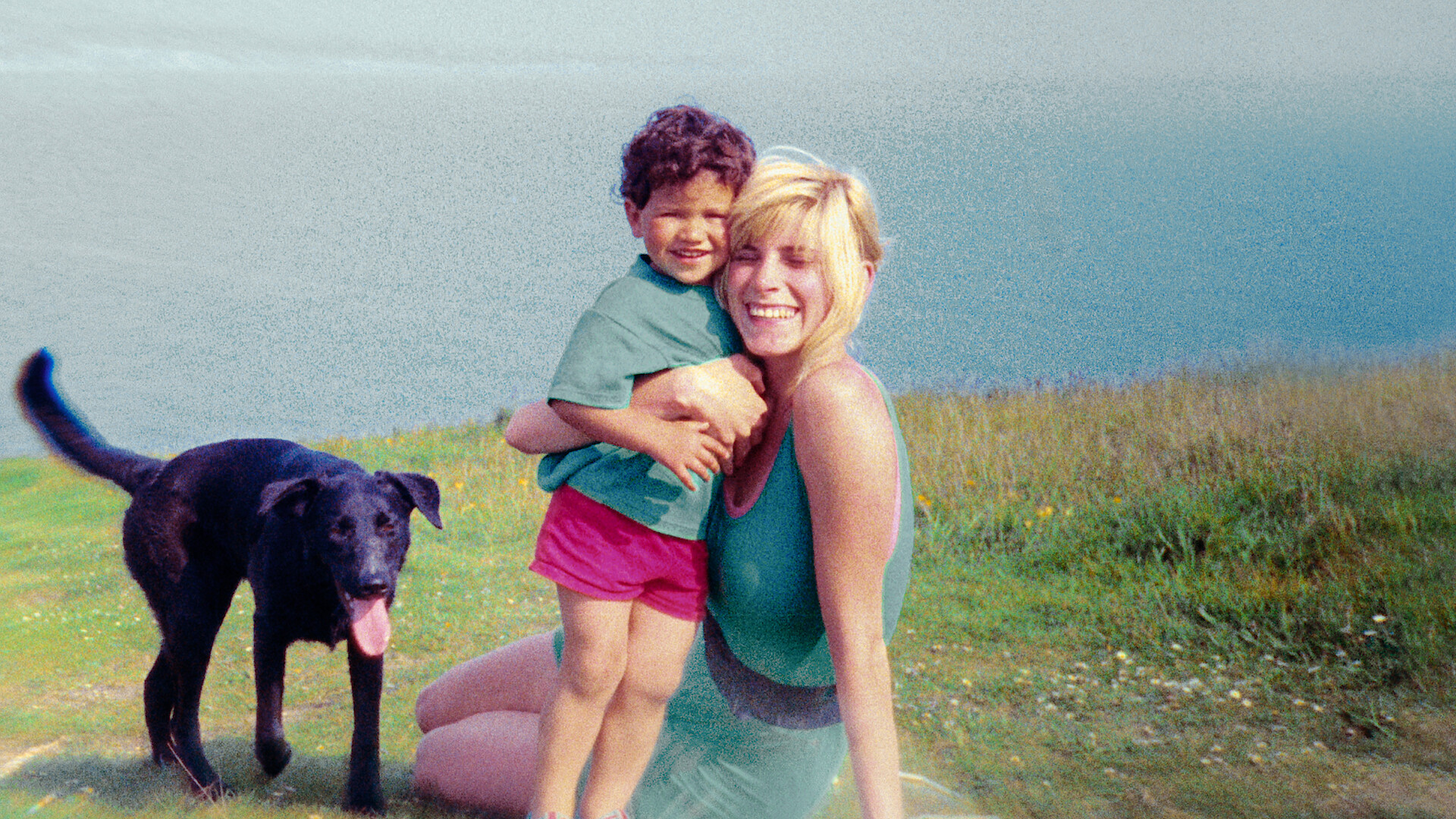
In July 1992, Rachel Nickell was brutally murdered while walking across Wimbledon Common with her two-year-old son. She was stabbed 49 times and left with her son, Alex, clinging onto her body. This story shocked the nation, and the search for justice became almost as controversial as the crime itself, with police focusing on and charging an innocent suspect who was later acquitted. The case remained unsolved for years before advances in forensic science allowed investigators to revisit the evidence. In 2008, Robert Napper, already being held in a secure psychiatric hospital for separate murders, admitted responsibility for Rachel’s killing, finally bringing a measure of closure to a case that had exposed serious flaws in the original investigation.
While many viewers may already be familiar with the broad outlines of the case, the documentary does well in gently explaining what happened, whilst making Rachel’s loving and caring personality shine through. We hear from news reporters, detective sergeants, child and adolescent psychiatrists, and most importantly her partner, and father of their child, Andre. His grief feels tangible, but so does the resilience. As the documentary develops, you do want to hear from Alex and towards the end, that craving is satisfied. His views, experience, and truth give this documentary an edge and honesty.
The film is determined to place Rachel at the center of the narrative. There are home videos, photos, and family members and loved ones provide moving reflections that add emotional depth to the story. True-crime documentaries often risk becoming stories about killers, police investigations, or courtroom drama. Here, Rachel is presented first and foremost as a person: a daughter, a partner, a mother, and someone whose life was abruptly and senselessly taken away. That decision gives the documentary a sense of purpose beyond simply revisiting a notorious crime.
The investigation itself remains deeply compelling. The film carefully unpacks the challenges detectives face and the consequences of decisions made under intense public scrutiny. As the case unfolds, viewers are reminded that solving crimes is rarely as straightforward as television dramas suggest. Mistakes, assumptions, and pressure can all shape outcomes with lasting repercussions. One of the most difficult aspects was interviewing young Alex, as he was a witness, but they needed to protect him. There is footage from the interview which is very compelling, emotional, and distressing to watch. These sections will definitely make you question your morals and what you would do as a parent, an investigator and as the psychiatrist.
Visually, the production is polished without feeling overly stylized. Archival footage, interviews, and carefully chosen imagery are blended effectively. The pacing is deliberate, allowing viewers time to absorb the emotional weight of the story without losing momentum.
There are moments when the documentary could have explored certain aspects in greater detail. Some viewers may wish for a deeper examination of the wider social and media landscape surrounding the case, particularly how public perception influenced events as they unfolded. And the constant threat of violence towards women from the 1990’s to now. The Murder of Rachel Nickell is a sensitive, compelling, and often heartbreaking piece of filmmaking. While it contains all the elements that draw viewers to true crime, it never forgets the human story at its core. In a genre that can sometimes prioritize mystery over meaning, this documentary chooses empathy instead, and is all the more powerful because of it. The Murder of Rachel Nickell serves as a reminder that behind every headline lies a family forever changed. It asks audiences to look beyond the crime itself and consider the lives affected by it.