Director: Virgilio Villoresi
Writers: Dino Buzzati, Virgilio Villoresi, Alberto Fornari
Stars: Luca Vergoni, Giulia Maenza, Aomi Muyock
Synopsis: A pianist falls for a mysterious woman who vanishes into a supernatural realm. Following her through a doorway, he encounters fantastical beings and must navigate a dreamlike afterlife to find her, guided by music and memories.
Debut features are some of the most rewarding films to review. They are the first films that directors share with the world to showcase what makes their work special. Italian director Virgilio Villoresi’s debut feature, Orfeo, is one of the most distinctive examples. Based on Dino Buzzati’s “Poema a fumetti,” the groundbreaking 1969 Italian graphic novel, Villoresi shows an intoxicating confidence in his filmmaking. Blending dreamlike visions of lost lovers and the enchantment of 1960s Milan, Orfeo plays into what makes going to the movies so fantastical.
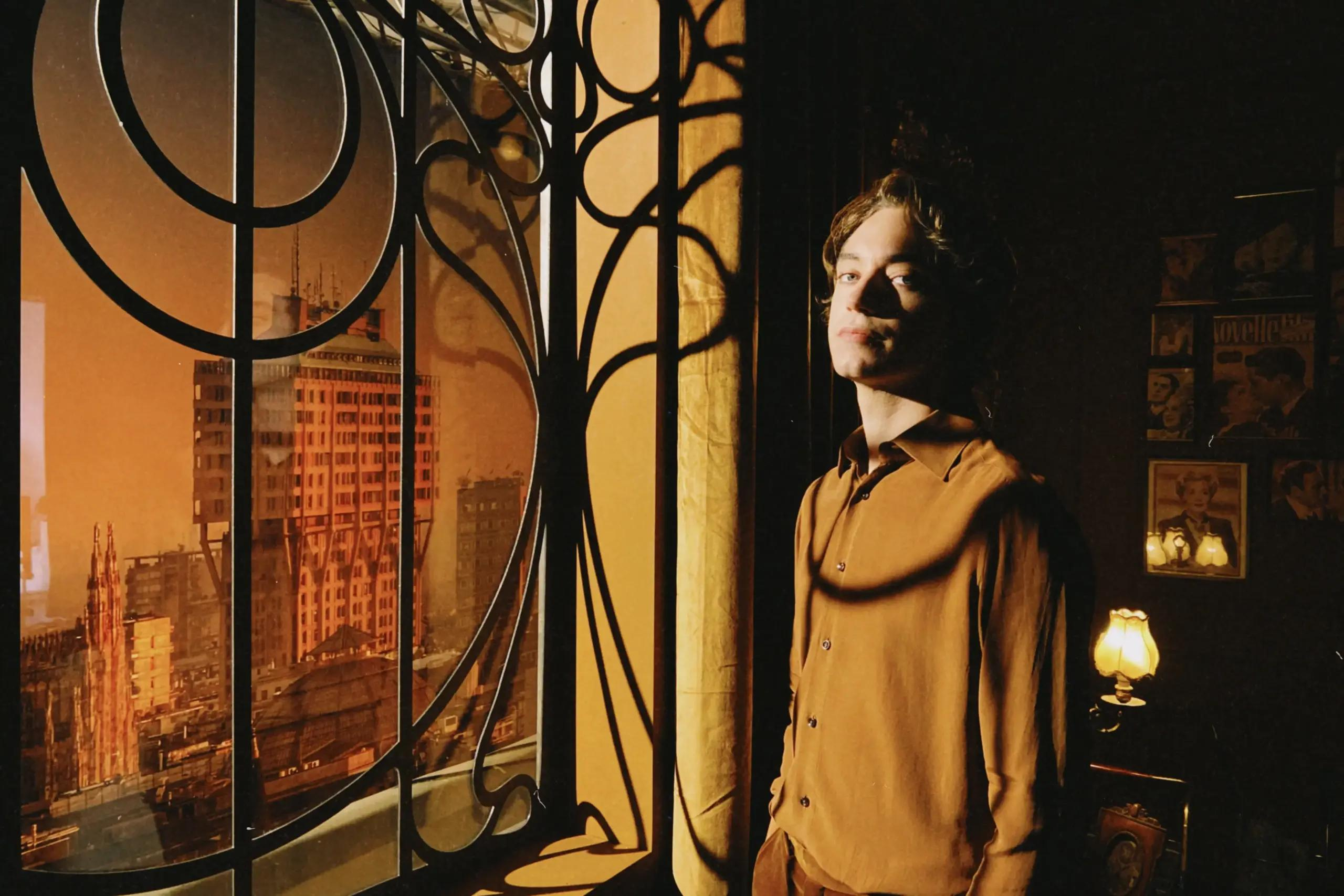
Orfeo opens with the titular character, Orfeo (Luca Vergoni), skillfully playing the piano in a room packed with attentive, fashionable guests. It instantly transports audiences into the ritzy Italian club Polypus, where he and Eura (Giulia Maenza) first meet. She is as transfixed by his ivory musings as anyone in the crowd, but their connection is magnetic. Naturally, they fall deeply in love, and their romance ends as quickly as it begins. When Eura suddenly disappears from their short-lived love affair in a cozy, remote cabin, Orfeo becomes desperate to get her back. It culminates in a journey to find lost love through several trials that challenge him beyond anything he’s experienced. Orfeo doesn’t hold back on magic, monsters, and ghostly figures; Villoresi shows just how far a man will go for love.
The film emphasizes the afterlife several times, and as a retelling of Orpheus, it’s clear why. The tragic Greek story follows Orpheus as he travels to the underworld to rescue his lover, Eurydice, after her death. The yearning, despair, and romance are palpable from the moment the film starts. Even though the story is over 2,000 years old, the film explores it in a timeless, relatable way. When you have a love that passionate and intense, who wouldn’t want to fight to keep it alive?
Hauntingly, the figures, real or supernatural, that Orfeo faces on his journey to find Eura are where the veil between reality and dreams blurs. Eura herself is a great example; she has a physical presence in Orfeo’s life, but later floats through the film in a haunting way. One of the first times Orfeo sees her after she disappears is when she passes through a doorway in a ghostly way. She still exists, but only in small fragments of Orfeo’s memories that he holds dear. Her character is central to the film’s mysticism; she’s a constant reminder of love that pushes Orfeo into the unknown beyond the veil of reality. There, he faces much more foreboding figures, like ghouls, that force Orfeo to confront the terrifying aspect of loss.
From the film’s visual language, it’s clear that Orfeo was crafted by people with a clear passion for the medium. Surreal at times and even a bit overstimulating (complementary), Orfeo balances stop-motion animation, puppetry, and the grain of 16mm film to bring the story to life. The colors are rich and vivid as Villoresi takes audiences along on the film’s journey. Undoubtedly, the film relies on giallo visuals, seen best during the club scenes, where dark shadows and crisp colors decorate the screen, giving a rich, glamorous allure. Production designers Riccardo Carelli and Federica Locatelli enhance the grand scale of Orfeo’s travels through the afterlife. Paired with Marco De Pasquale’s cinematography, the hazy atmosphere only heightens the mystery and panic of Orfeo’s challenge to bring Euridice back.
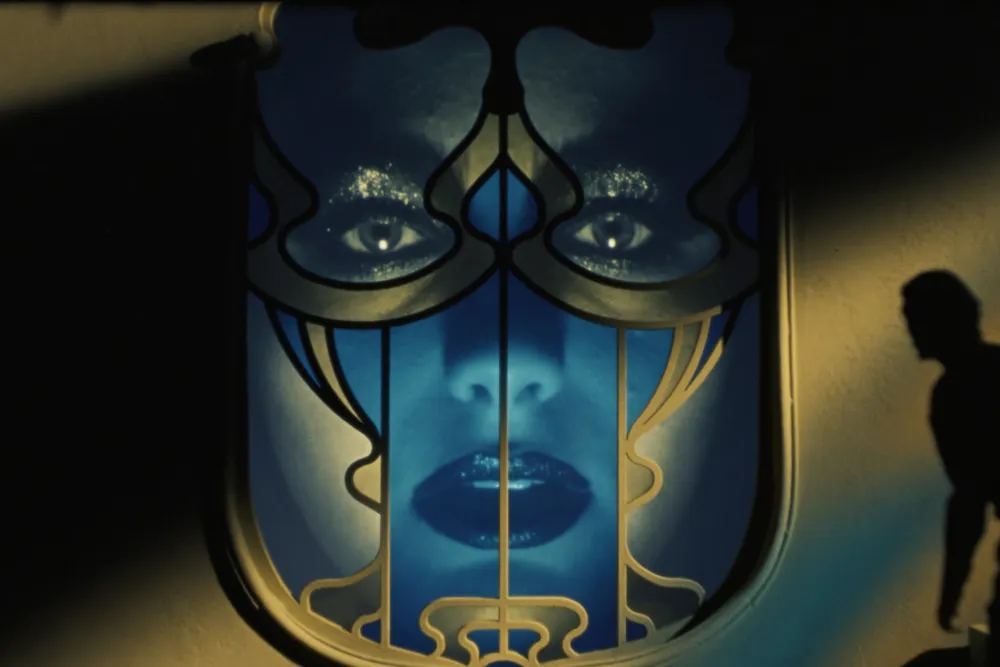
For those familiar with the Greek myth and the graphic novel Orfeo is based on, the film’s plot doesn’t do much to stand out as its own thing. Other than from a visual standpoint, there’s nothing new for audiences attuned to the story to latch onto. Though Vergoni and Maenza are enchanting to watch on screen, and their love is easy to get swept into, the film’s spectacle relies heavily on its visuals to keep it going. That isn’t a complete deal-breaker, since it’s one of the most visually stunning films of the year, but it still leaves something to be desired for those seeking more story.
At the end of the day, Orfeo is a lavish, hand-crafted film that tells a classic story in a new way. With deeply saturated, vibrant colors and stop-motion animations that decorate the film, Orfeo is a debut feature that is refreshingly creative. Beyond its passionately thrilling romance lies a terrifying reality about the lengths lovers will go to for their happily-ever-after.