


Director: Sian Heder
Writer: Sian Heder, Judith Heumann, Kristen Joiner
Stars: Ruth Madelay, Mark Ruffalo, Dylan O’Brien
Synopsis: In 1977, disability rights activist Judy Heumann leads a historic 28-day occupation of San Francisco’s Federal Building, uniting protesters in a fight for accessibility laws and equal rights.
Based on the life of Judy Heumann, the pioneering disability rights activist who helped transform the fight for equality in America, Being Heumann shines a light on the people who refused to accept a world that treated disability as a reason to exclude. From challenging discriminatory laws to fighting for basic accessibility, Heumann’s journey reminds us that rights are rarely handed over willingly; more often, they are won by people who refuse to give up. At a time when inclusion, representation, and equal access remain pressing issues, this film serves as a strong reminder that progress depends on listening to those who have been ignored for far too long.
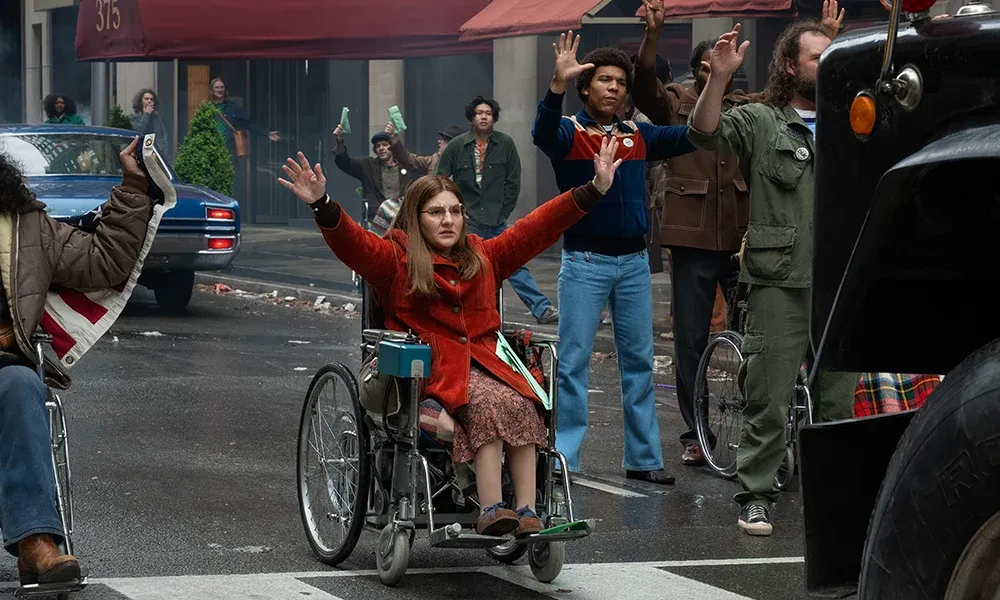
I watched Being Heumann at the London Film Festival, and it was clear from the audience’s reaction just how deeply effective the story was – many people around me were brought to tears. It’s an emotional response that the film earns by building impact through the weight of injustice, frustration and, ultimately, hope. I came away thoroughly impressed, feeling like I’ve learned something and been inspired.
At the heart of it all is a terrific lead performance by Ruth Madeley. Playing a figure as influential as Judy Heumann is no small undertaking, particularly when the real-life story carries so much historical and emotional weight. The performance strikes a lovely balance between vulnerability and determination. We see someone who can be frustrated, hurt and exhausted, but who is also headstrong, passionate and utterly unwilling to be kicked aside. Crucially, the character is never reduced to an inspirational symbol. She feels like a person, with all the complexity that entails, which makes her achievements all the more powerful.
Mark Ruffalo is equally compelling as the film’s principal antagonist. He makes an excellent villain, although the more interesting aspect of his performance is that you can see his hands are tied. Ruffalo brings enough nuance to the role to suggest that the problem extends beyond any one person. He also brings a lot of the comedic relief, especially the scenes where his character is climbing out of the back window to avoid everyone on his lawn.
Dylan O’Brien also makes a welcome impression, particularly through the film’s portrayal of journalists and news reporters. The media are often easy targets in stories about social change, but here, reporting is given a more positive role: it can help people be seen, heard and understood. O’Brien’s character has a particularly satisfying full-circle moment. Early on, he ignores a disabled person because he does not understand them. Later, he interviews that same person and takes the time to listen. It is a simple narrative beat, but an effective one. No grand speech or dramatic revelation is needed; the difference between the two encounters says everything.
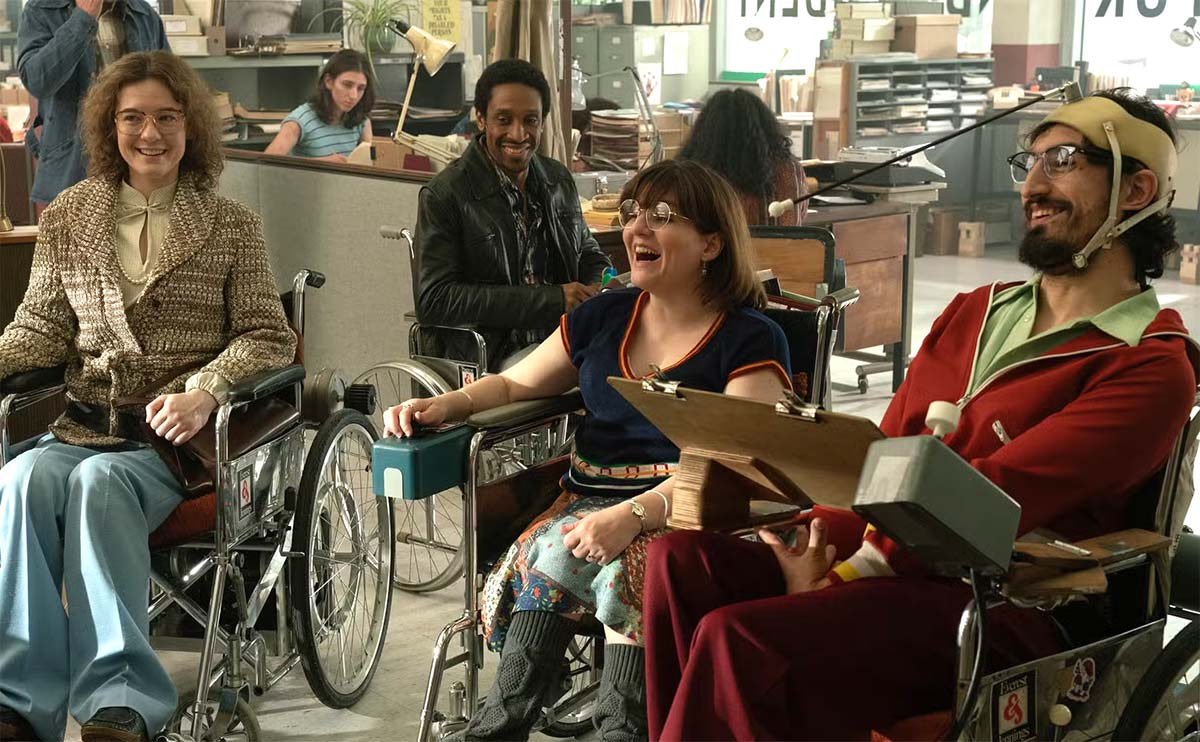
One of the film’s greatest strengths is its pace. There is little time to get comfortable before another obstacle appears, another protest takes shape, or another battle must be fought. Its energy comes from the people at its center, their determination and their refusal to accept that the world must remain as it is. The protests give the story momentum, while the quieter moments allow us to appreciate the personal cost of continually having to fight for dignity. It is an engaging balance, keeping the narrative moving without losing sight of the human beings behind the headlines.
I also enjoyed the complexities of what progress means for people with disabilities, amongst those with disabilities. For example, wheelchair users need curbs to be lowered but blind people need curbs to know where they are. These conversations are honest, build tension, and show how there is not one simple answer and it’s about working together to create equity.
The story is also filled with a lot more humor than at first expected – you’re laughing at how people treated and spoke about people with disabilities because it feels absurd. But the reality is, it’s not, as many still struggle with stigma and similar bullying today. And that’s why this film has a deeper message: While perseverance does pay off, there is still a long way to go. Laws can change, attitudes can improve, and barriers can be dismantled, but equality requires ongoing effort. The film encourages us to celebrate progress without mistaking it for the finish line.
Ultimately, Being Heumann is an engaging, moving, and important film that balances its educational value with genuine emotional force. Its message is clear without becoming preachy, its pace keeps the story alive, and the performances give the fight for equality a deeply human face. I left the cinema feeling both uplifted by what determination can achieve and reminded of how much work remains. This film is filled with heart, purpose, and plenty of fighting spirit.