Director: Jennifer Siebel Newsom
Writer: Gretchen Miller, Camille Servan-Schreiber, Jennifer Siebel Newsom
Stars: Gretchen Carlson, Hillary Clinton, Frances Haugen
Synopsis: Examines the rising backlash against women’s progress and the hostile landscape of technology designed to harass and, ultimately, silence women
I’ve watched plenty of documentaries in my time, and some make you nod along, others make you angry, and a rare few make you wonder why we are still having the same conversations. Miss Representation: Rise Up manages to do all three. Fifteen years after Jennifer Siebel Newsom’s Miss Representation sparked a conversation about the way women are portrayed and represented, this follow-up asks a rather uncomfortable but important question: how much has really changed? My answer, after watching it, is not enough.
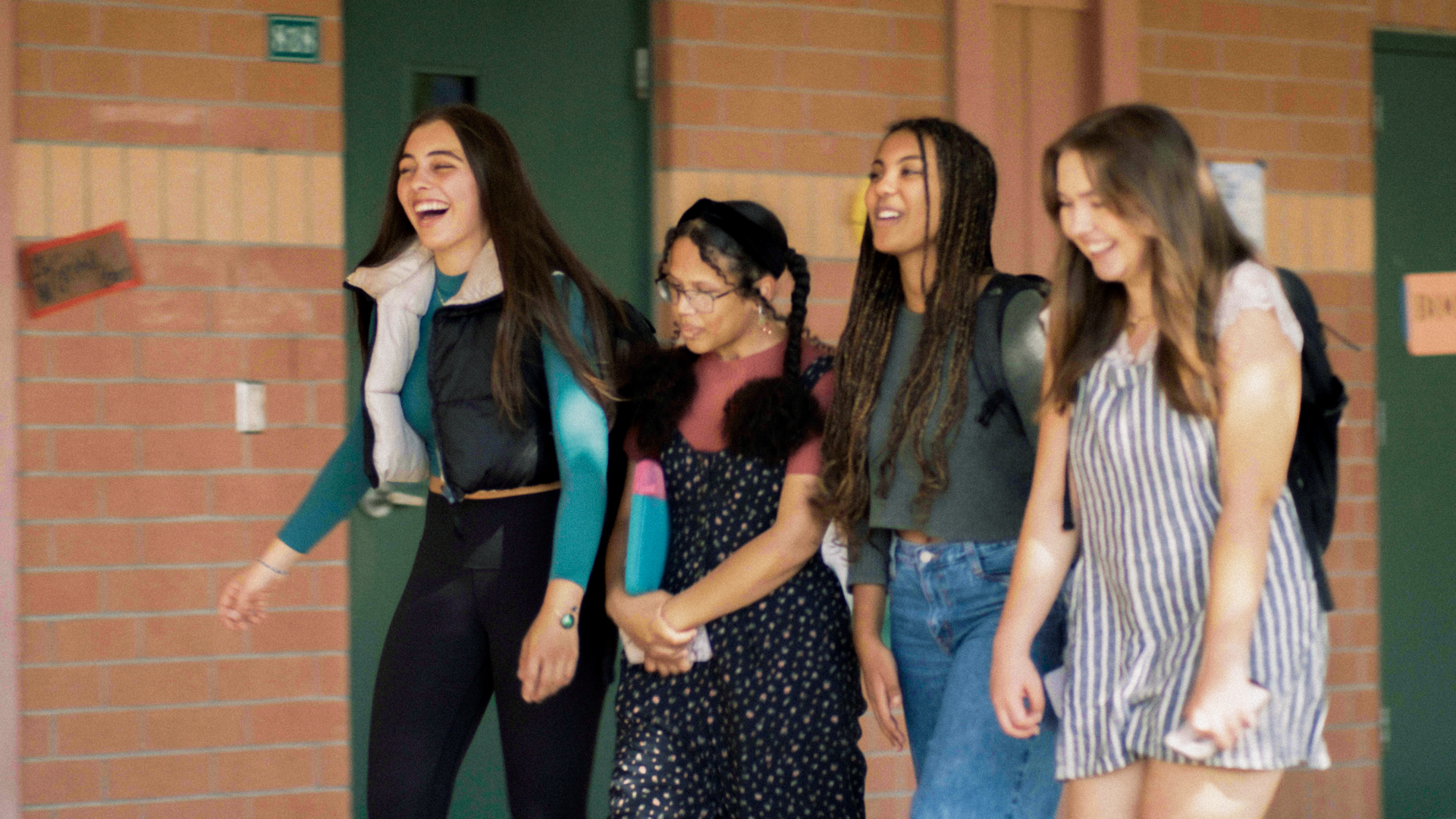
What has changed is the technology. What hasn’t changed nearly enough is the way that technology can be used to judge, control, intimidate, and silence women and girls. If anything, the arrival of social media, AI-generated imagery, and deepfakes has given misogyny an entirely new set of unregulated tools. Women used to be afraid outside; now they’re afraid in their own homes.
Directed and produced by Newsom, Miss Representation: Rise Up focuses its attention on young women growing up in a world that previous generations simply didn’t have to navigate. Social media has become part of everyday life, meaning appearance, popularity and public opinion can follow young women everywhere. The film explores the impact this can have on confidence, self-image and mental wellbeing, while also examining the rise of online bullying and misogynistic abuse.
Whilst this is based in the US, it is completely relevant worldwide. As a woman living in the UK, I found some of this film particularly uncomfortable because there is an awful familiarity to the underlying message: women are still being told, directly and indirectly, that how they look, behave and present themselves matters enormously. And when they cannot meet these impossible standards, they are slandered for it.
While many young women’s own experiences sit at the heart of the documentary, Newsom brings her personal perspective to the film as both a filmmaker, advocate, and mother of four. The film also brings together a sizeable collection of voices from media, politics, technology and academia, including Hillary Rodham Clinton, Safiya Noble, Frances Haugen, Reshma Saujani, Jameela Jamil, Gretchen Carlson, and Nancy Pelosi. That range is useful because the problem isn’t confined to one corner of society. Representation, online abuse, confidence, and women’s leadership all overlap, and the documentary makes a convincing case that tackling one without considering the others is unlikely to be enough.
We also hear from young women, students, sharing their current experiences, from hands being gently touched in public, to being scared to block a male in their school/college out of fear of being seen as hostile or rude. There are also statistics on the screen in between conversations to really show the data around women in the workplace (gender pay gaps included), how women are targeted, how women of color experience higher amounts of abuse online, and these statistics are very shocking.
One of the most important conversations is around women in positions of power; in the workforce and in government leadership. We hear stories about the reasons why women run for office (which is related to the way women are treated and the change they want to make), the struggles they’ve faced, and how it is a numbers game.
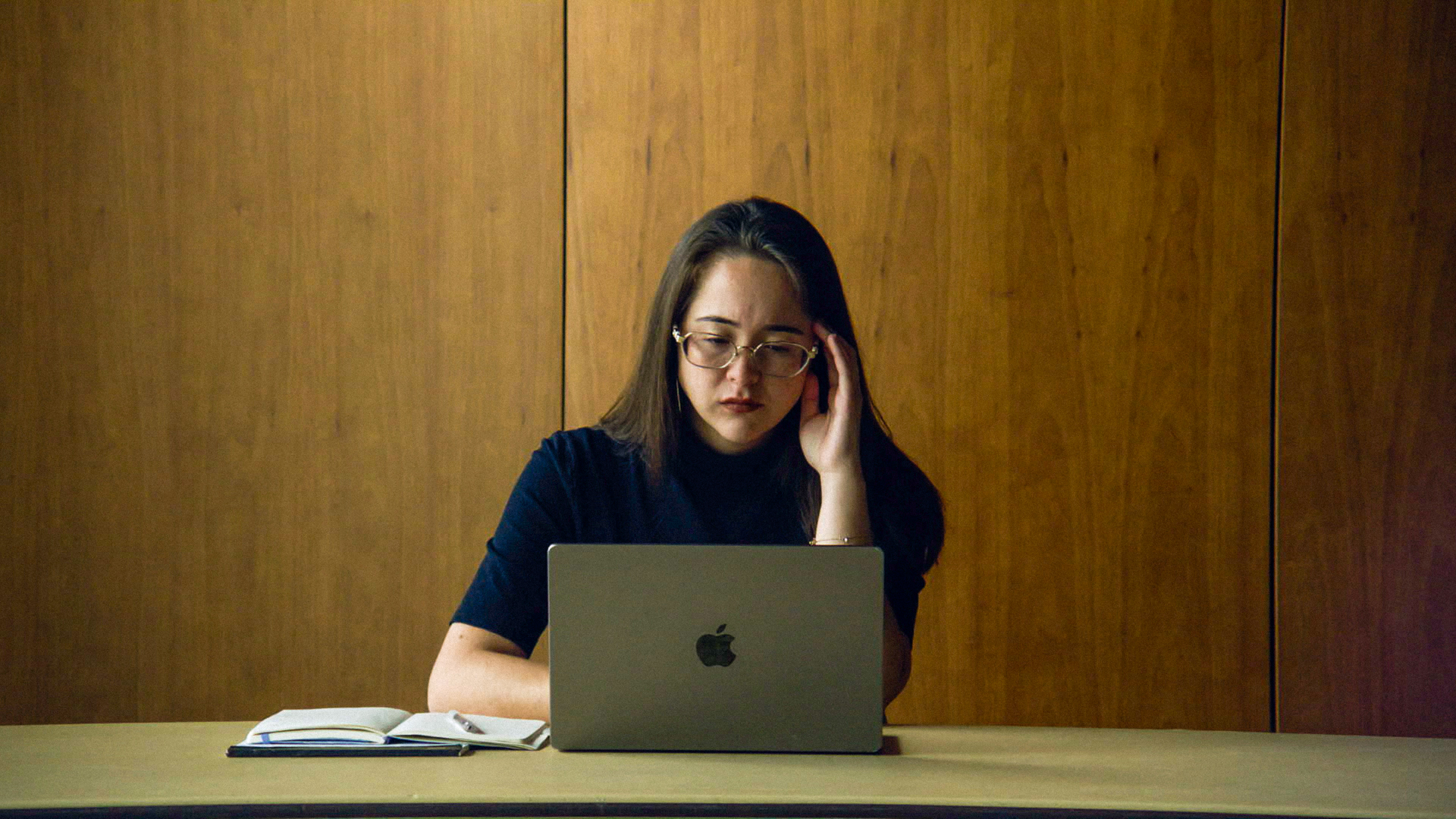
The film’s discussion of AI-generated deepfakes is also incredibly important. Technology itself isn’t inherently the problem; what matters is how people choose to use it. When increasingly sophisticated technology can create convincing images or videos of children, girls, and women without their consent, the potential for harassment and humiliation becomes another extension of a much older problem. Elon Musk’s X was recently under fire as the AI support bot Grok was removing clothing from people when asked to. This included children as well as adults.
The documentary doesn’t spend its 87 minutes telling audiences what is wrong with the world; it wants us to know what can actually be done about it. That gives Rise Up a more hopeful tone than its subject matter might initially suggest. Where I think the film occasionally becomes less effective is in its desire to cover so much ground. There are enough enormous subjects here to fill several documentaries: social media, mental health, misogyny, AI, deepfakes, bullying, leadership, and the cultural expectations placed on girls. At times, Rise Up moves quickly between them, meaning some issues could arguably have benefited from more detailed examination.
Parents, schools, communities, technology companies, and leaders all have roles to play in creating environments where girls can grow up feeling safe, confident and heard. The film’s emphasis on healthier boundaries with technology and stronger support networks is therefore more constructive than simply telling young people to put their phones down. I also appreciated that the documentary connects confidence with leadership. Representation isn’t just about seeing women on screen or in photographs. It is about women believing they have a legitimate place in rooms where decisions are being made.
After the horrible stories coming from Cornell University, I was feeling very uncomfortable and disheartened. But Miss Representation: Rise Up is an encouraging watch. This film is helping young women find their voices, challenge expectations, and demand something better. Because if a girl grows up believing that being outspoken makes her difficult, ambitious makes her intimidating, or confident makes her arrogant, we shouldn’t be surprised when fewer women feel comfortable putting themselves forward later in life.
Fifteen years after Miss Representation, I wish we didn’t need Rise Up quite as much as we do. But I’m glad this film is taking a stand. If you’re mad, angry, sad, and want change, Miss Representation: Rise Up is a must-watch.