


Director: Eleanor Coppola
Stars: Sofia Coppola, Kirsten Dunst, Diane Lane
Synopsis: Follows filmmaker Eleanor Coppola’s behind-the-scenes documentation of her daughter Sofia Coppola directing the 2006 film Marie Antoinette, capturing the craftsmanship and challenges of being a young female director.
The documentary, especially a relatively unplanned one, is a strange beast. There is a certain cobbling together of films like these and it can become a bit of a Frankenstein’s monster. Some documentaries are planned ahead of time and those are not without their challenges, but the molding of a narrative from hours of footage is always done with great difficulty. Eleanor Coppola is no stranger to this, after the stunning work of Hearts of Darkness: A Filmmaker’s Apocalypse, in which she recorded her husband, Francis Ford Coppola during the many intense trials and tribulations of creating Apocalypse Now. Almost 35 years later, the Coppola family has returned with a similar project, this time accompanying her daughter, Sofia Coppola on, quite literally, the making of Marie Antoinette.
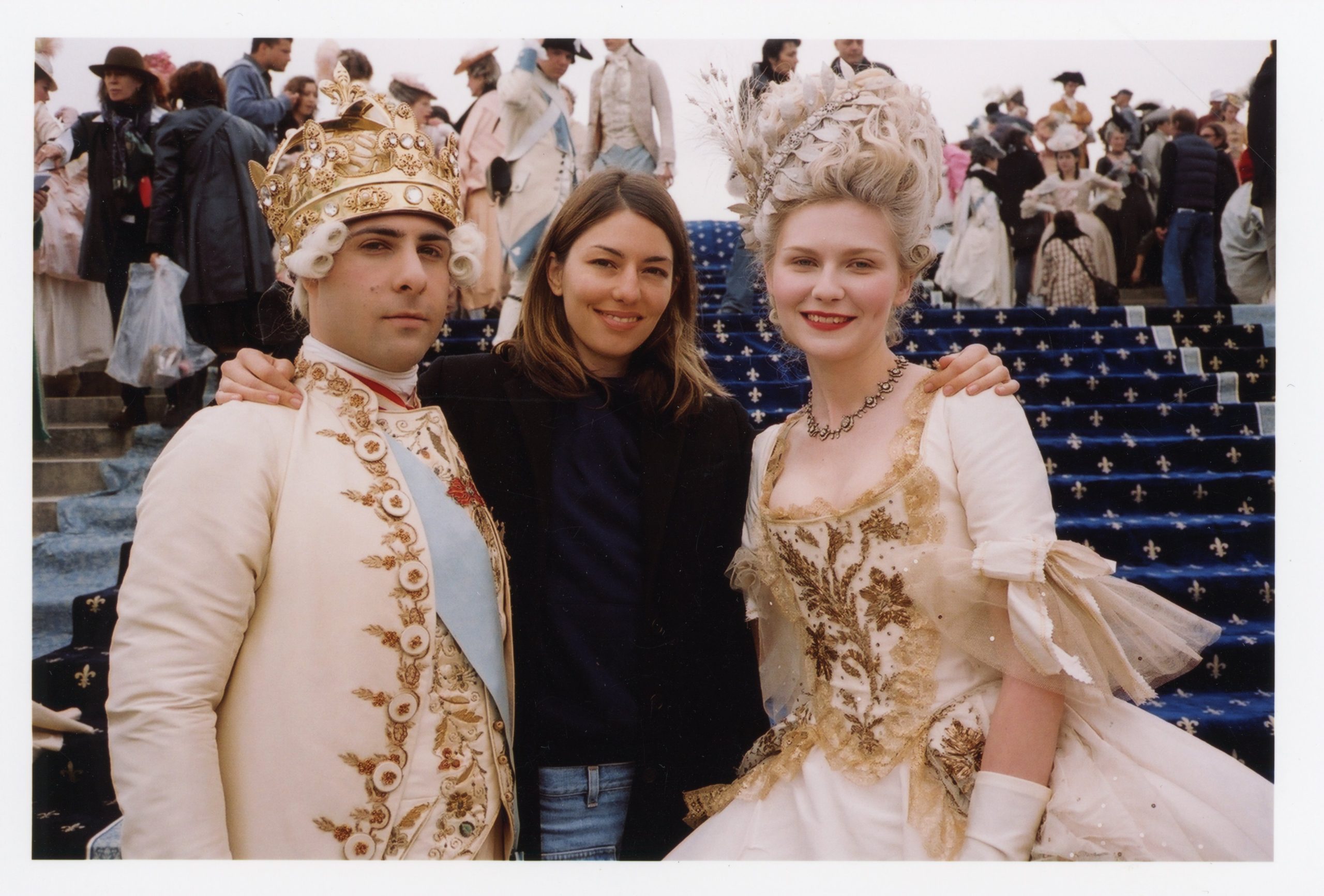
Much has been made of the infamous “blank check” that successful filmmakers are often given, although this is exceedingly rare with female directors. Sofia Coppola, after the wild success of Lost in Translation, chose to go as big as possible by making a film about one of the most hated (possibly unfairly) women in history in Marie Antoinette. Using the voice of Diane Lane, Making Marie Antoinette announces the fact that the film is from Eleanor’s perspective, using not only her behind the scenes footage, but also her journals as a narrative structure. For any fan of the medium, it is a treat to see a production, especially one of this size and scope, in action without the bells and whistles of an official film crew controlling the narrative.
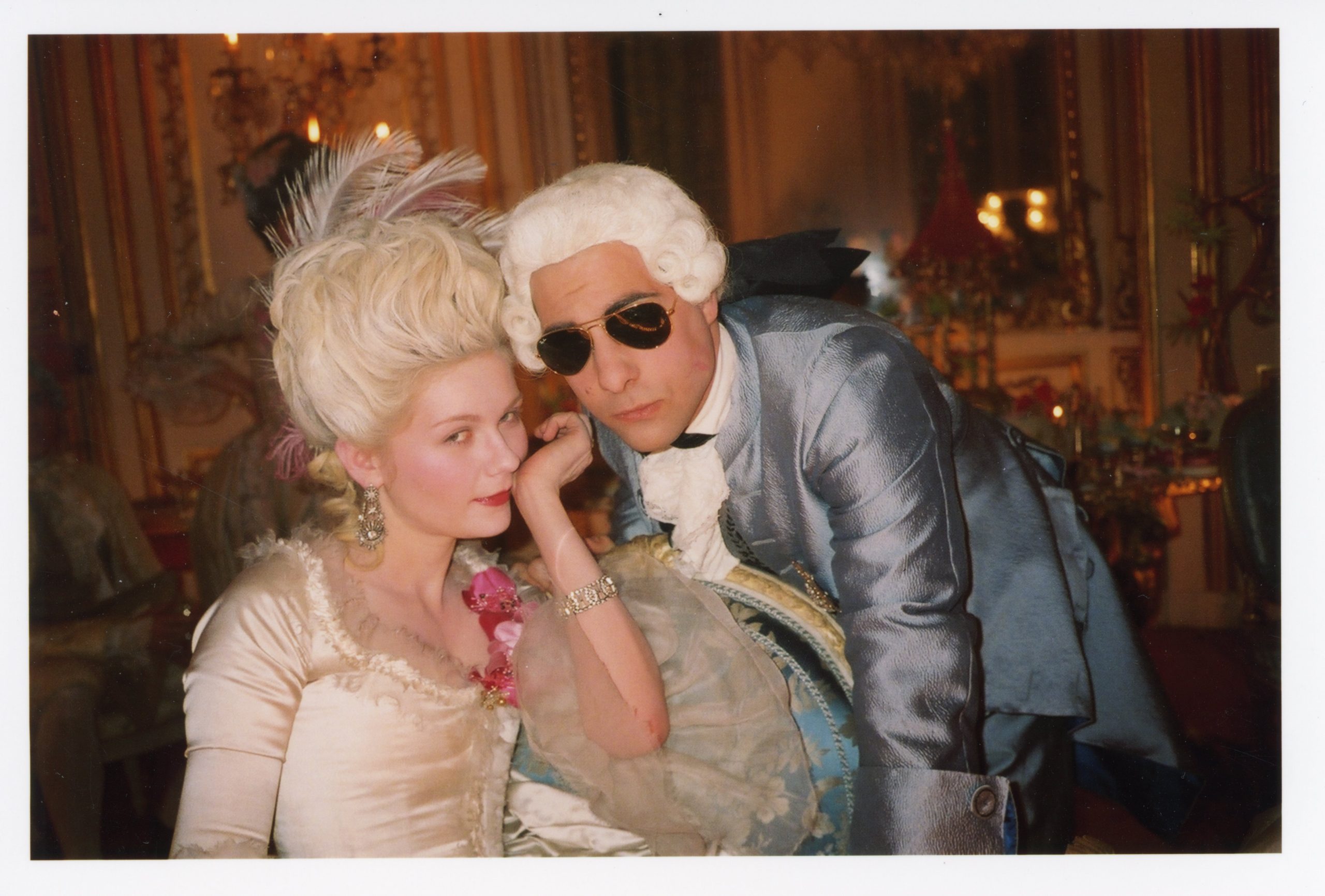
To be completely honest, there is not a lot of new information to be found, but that does not make the film unworthy of your time. Seeing a young filmmaker take on such an arduous task makes Making Marie Antoinette an interesting watch. The only drawback of this is that Ms. Coppola, perhaps because of the pressure of this production, in combination with her natural personality, is a relatively calm force and manages to stabilize her cast and crew despite the obvious stress. This, in direct opposition to her father in Apocalypse Now, does not make for the most striking portrait. Coppola is able to take on each new challenge, some that might defeat a lesser director, with aplomb. Frankly, some of the background of how they were able to gain access to The Palace of Versailles could have made an incredible documentary all on its own.
What really separates this from being akin to simply an extended extra on a physical media release is Eleanor Coppola. Through her journals, the film’s narrative does finally take shape. So, the film becomes less about the making of a movie and more about a mother watching her own daughter take shape as an adult creative in a world that she knows so well. The clever use of some reflective mirror shots enables us to see Eleanor see Sofia. This, paired with her words guiding us, allows us to feel what it must be like to be unable to protect your child from a creative world just dying to pounce. This would be true for any young director, but especially for a woman who is interested in telling stories about women, in particular. Unlike Francis (who makes a brief appearance), there is an additional gendered pressure for Sofia. Briefly, she speaks about being concerned that she is telling the same story over and over. This is, of course, a criticism levied more at female filmmakers, whereas men are able to lean on being an “auteur” when revisiting a type of story or thematic interest.
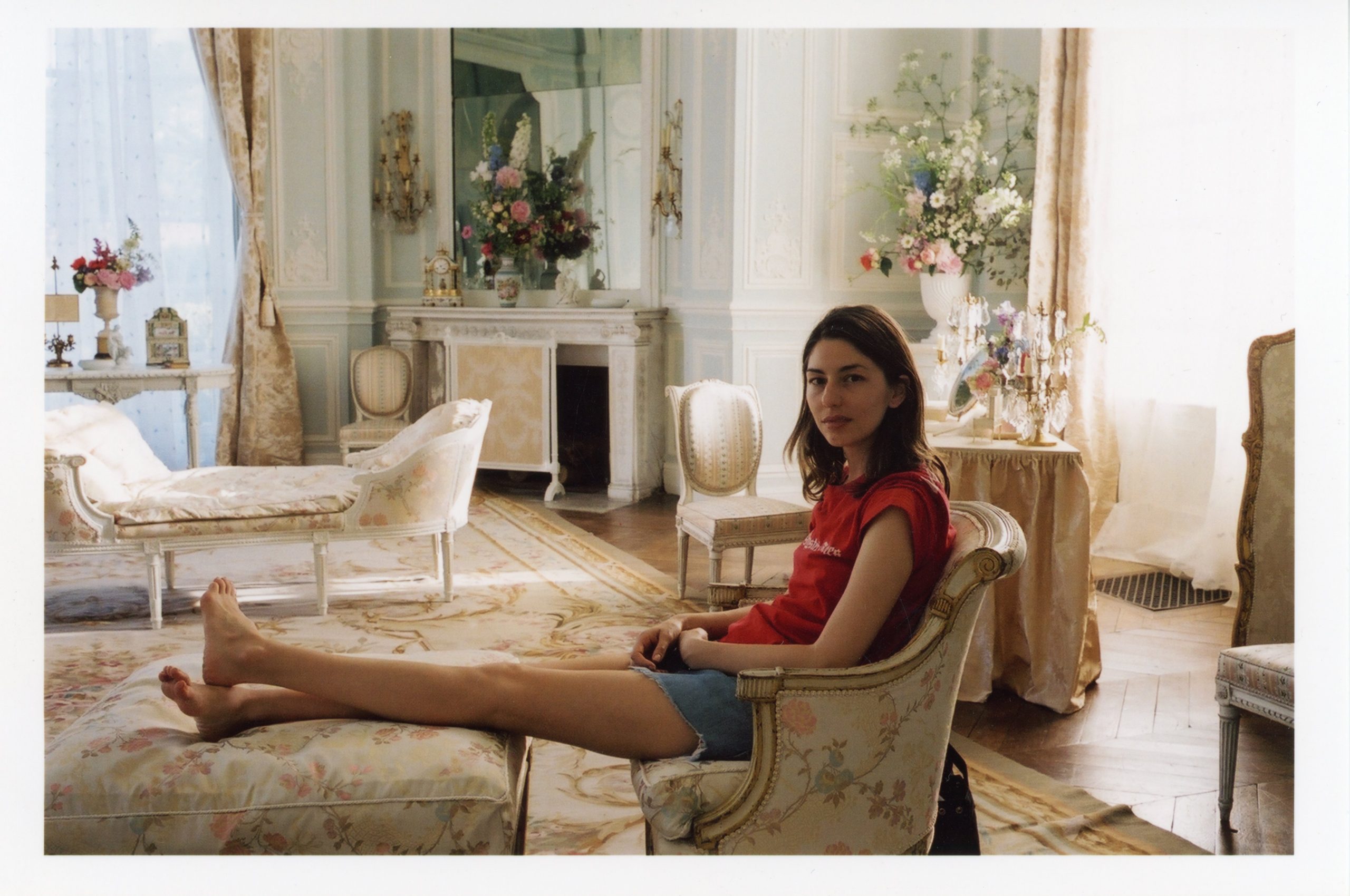
Making Marie Antoinette manages to pair a mother’s love with a love for cinema quite well. Seeing the ostentatious food, costumes, and Ms. Coppola working in more than one language already makes for an amazing amount of emotional fodder. Seeing her interact with Kirsten Dunst and Jason Schwartzman, in particular, shows us something that has not been talked about as much as Coppola’s films look: how well she works with actors, especially under the time pressure of a major production. Despite budget stress, time crunches, and even a bout with bronchitis, Coppola’s calm continues to float through the production and is especially apparent when processing performance with her actors. Both Coppolas, Eleanor and Sofia, shine through in a film that leaves us constantly begging for more. It is not Sofia Coppola’s style, but what we would not give for a series of her own journals, detailing the difficulties and stresses without the need to be the stabilizing force for everyone else. Regardless, there is something quite beautiful about the warmth of a mother and daughter’s love shining through, even in the always crazy circumstances of making a major motion picture. The subject of Making Marie Antoinette may be one of Sofia Coppola’s greatest accomplishments, but it is nowhere near as important as being given the privilege of watching Eleanor express her love through her own film, which led to her making her own feature film directorial debut. We all eventually switch roles with our parents, but this is a bit different, and viewing it feels like a lovely intimacy rarely shown.