Director: Attila Korosi
Writer: Attila Korosi
Stars: Jiyeon Han, Anita Korosi, Jungchan Jul
Synopsis: After tragedy shatters her life, professional ballerina Sua allows the demon Nara to possess her—transforming her body, movement, and rage into a deadly weapon.
Forget pointe shoes and graceful pirouettes, in Demon Dancer: Sua/Nara, ballet becomes a weapon, grief fuels vengeance, and the answer to a life falling apart is apparently to invite a demon inside.
Written, directed, and produced by Attila Korosi, this independent action-fantasy horror film centers on Sua, a Korean professional ballerina whose life is shattered by tragedy. Forced to kill her husband, Jack, to save his soul from a demonic curse, she is left desperate for justice and answers. Her response is to place the same curse upon herself, allowing the demon Nara to possess her. Two souls now sharing one body, Sua and Nara must learn to combine their abilities as they set out to discover who cursed Jack and why.
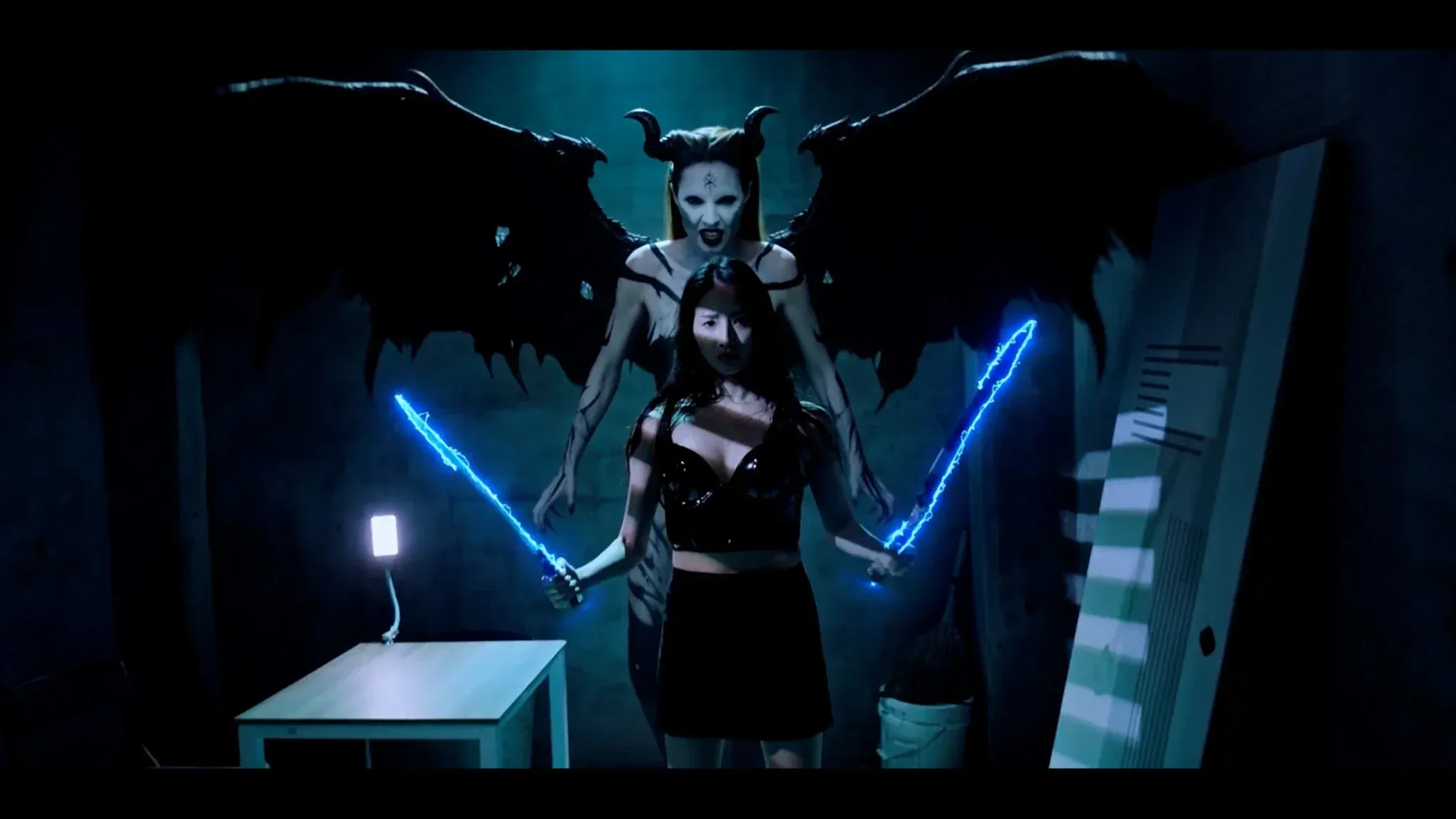
It’s an intriguing and interesting premise, particularly because the film makes movement central to its identity. Rather than treating ballet as a character detail or a visual flourish, Demon Dancer: Sua/Nara looks to fuse its precision, balance, and physical discipline with the aggression of supernatural combat. The idea of turning a dancer’s technique into a means of fighting is an appealing one, offering a different physical language for an action film. There is something wonderfully unexpected about the thought of graceful choreography meeting demonic brutality.
The lead is played by Jiyeon Han, a professional ballerina and choreographer who spent more than a decade with Gwangju City Ballet, bringing genuine experience to a role that demands both technical ability and emotional expression. That background gives the central concept a strong foundation. Anita Korosi plays Nara, the demon who offers Sua survival and power, but whose presence is far from reassuring. The relationship between these two characters, sharing one body while pursuing a common objective, provides an unusual dynamic at the heart of the story. With supporting characters to help drive the story along, there are times when acting feels a little amateurish, but the fighting sequences are to a very high standard, so the cheesy lines and awkward interactions are easily forgiven.
The film also has a distinctive visual identity. Filmed entirely in South Korea, despite being a US production, the film brings together an international creative approach and Korean locations. The style combines anime-inspired compositions and heightened fantasy with practical movement and supernatural elements. That blend gives the action a striking personality, particularly when the physicality of ballet drives both the fighting and the storytelling. There are some spots where it feels a little clunky, or some sections need more of the supernatural to keep the theme alive. There’s no doubt the dancing is beautiful to watch; scenes of multiple ballet dancers, blended with the fighting, create a striking contrast. But it does wear thin after a while. The supernatural sections reminded me of a video game, which does help separate the real world from the demon world; it isn’t the worst quality for an independent film, either.
One particularly unusual production detail is a fight sequence staged inside a descending Automated Parking System. This scene, captured without visual effects helps retain a raw, immersive quality. It’s an inventive choice and an indication of the ambition behind the film’s action design. Who knew an automated car park could become such a promising battleground?
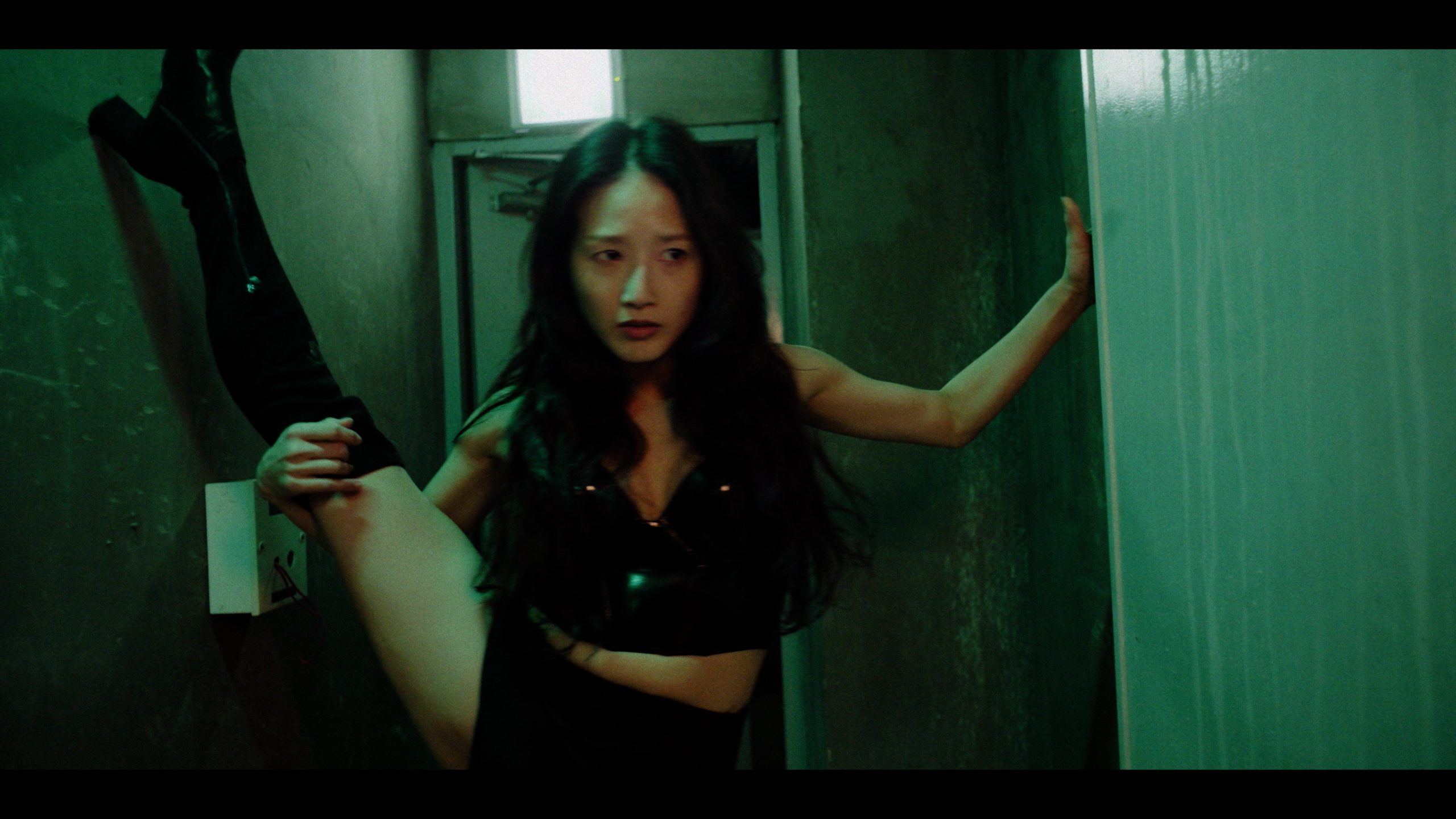
The film has a lot to balance; revenge, possession, a murdered husband, two personalities sharing a body, and the mystery of a demonic curse make for a fairly crowded dance card. This keeps the 90-minute runtime moving, but the mythology and movement do overshadow the grief, so if audiences are looking for deeper, more emotional drama, they might struggle.
Demon Dancer: Sua/Nara certainly makes its own rules. Its combination of ballet, demonic possession and action gives it a distinctive hook, while its central relationship between dancer and demon offers room for something more emotionally complicated beneath the spectacle. For horror and action fans looking for a genre offering with a different kind of physical flair, this is one to keep an eye on when it arrives in limited US theatres this December.