



Director: Jennie Livingston
Stars: Brooke Xtravaganza, André Christian, Dorian Corey
Synopsis: A chronicle of New York’s drag scene in the 1980s, focusing on balls, voguing and the ambitions and dreams of those who gave the era its warmth and vitality.
Thirty-five years after its release, Jennie Livingston’s Paris Is Burning remains one of the most extraordinary achievements in documentary filmmaking—not simply because it captured a specific moment in time, but because it captured something timeless about the human experience. It is a film about identity, survival, performance, and community; but above all else, it is a film about the desperate and beautiful need to be seen. Long before conversations surrounding chosen family became more widely understood, Paris Is Burning was already documenting the power of people coming together to create the love, acceptance, and safety that the outside world refused to give them. It is not a film that looks at queer people from a distance or treats them as symbols of suffering. Instead, it allows them to exist fully—as complicated, funny, ambitious, vulnerable, and deeply human individuals. Thirty-five years later, the film does not feel like a relic of the past. It feels like a conversation that never ended.

What makes Paris Is Burning such a remarkable piece of cinema is the way it understands that the lives of its subjects cannot be reduced to a simple narrative. Livingston does not force these individuals into a conventional documentary structure where every moment exists to serve a predetermined argument. Instead, the film moves with the rhythm of memory itself—jumping between personalities, stories, dreams, heartbreak, and moments of pure joy. Some have criticized the film for feeling fragmented, but that fragmentation is part of what makes it so alive. Communities are not built in neat chapters. Families are not formed through perfect beginnings and endings. They are created through years of shared experiences, through laughter and loss, through moments of survival and moments of celebration. Paris Is Burning understands that people are never just one thing. They are not defined solely by their trauma, their identities, or the challenges placed before them. They are defined by everything they are able to create despite those challenges.
At its heart, the film is not merely about ballroom culture—it is about the revolutionary act of creating a world where you are finally allowed to exist. The ballroom was never simply a stage. The categories were never simply competitions. The costumes, the performances, the poses, and the carefully crafted personas were never just about fantasy. They were about recognition. They were about being looked at and, for once, not being judged as something lesser. For people who had been rejected by families, institutions, and society itself, the ballroom became a place where they could reclaim ownership over their own identities. Every walk across that floor carried meaning. Every pose became a statement. Every cheer from the crowd became proof that someone was there to witness them.
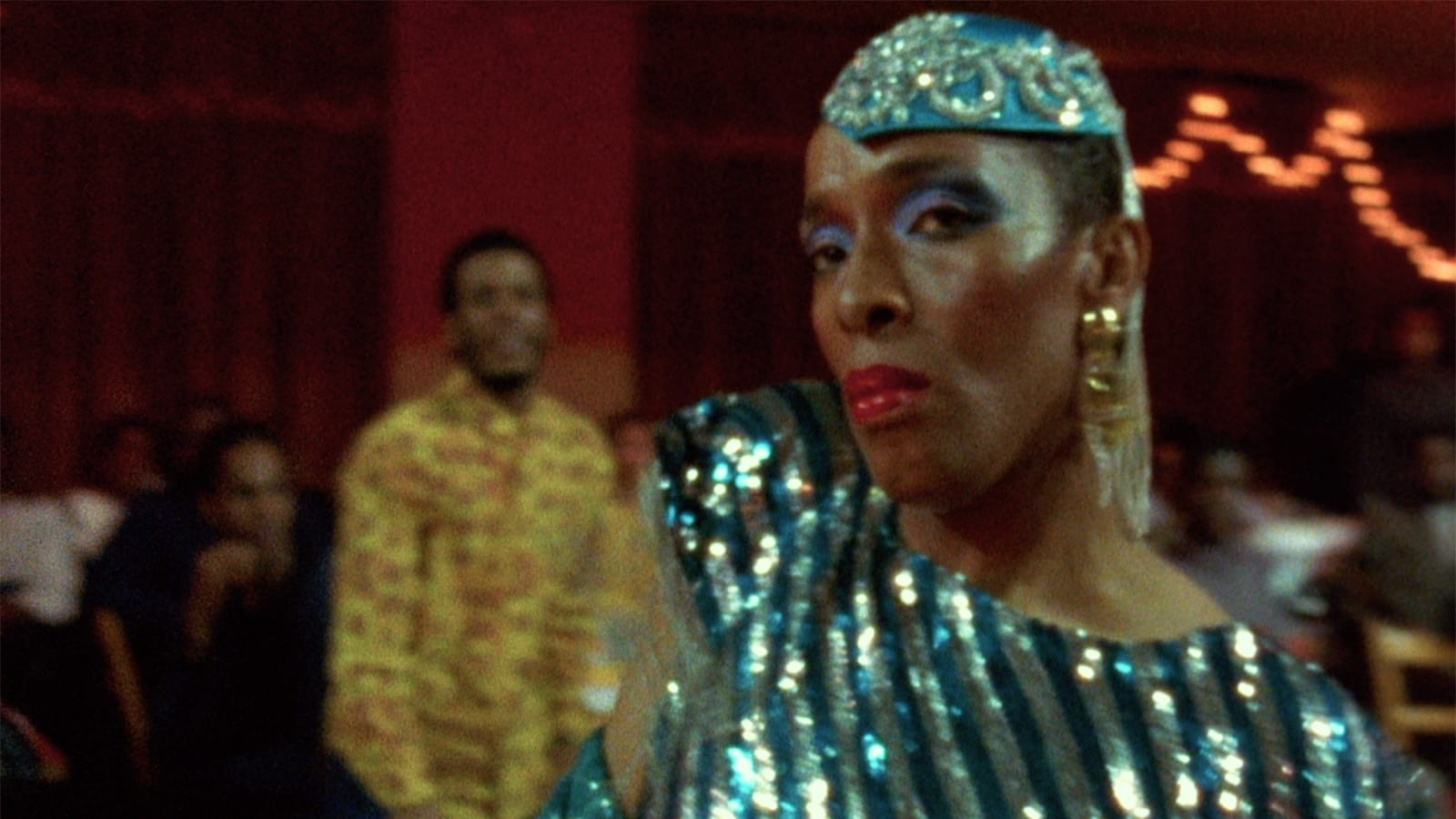
The brilliance of Paris Is Burning is that it understands glamour as something much deeper than appearance. Glamour, in this world, is survival. Confidence is survival. Creating beauty in a world that constantly tells you that you do not belong is survival. These communities were not pretending to be something they were not—they were expressing the fullest versions of themselves. The ballroom gave them permission to dream, even when reality was often unbearably cruel. It gave them a place where they could transform rejection into artistry and isolation into belonging.
Thirty-five years later, the emotional truths of Paris Is Burning remain painfully relevant. The film exists within a specific historical moment—the New York ballroom scene of the 1980s—but the feelings it captures have never disappeared. The fear of being rejected by those who are supposed to love you. The exhaustion of constantly having to prove your humanity. The longing to find somewhere you can finally stop apologizing for who you are. These experiences continue to resonate with countless queer people today. While progress has been made, the need for chosen family and community remains just as important because there are still people searching for the acceptance and safety that the world has denied them.
Yet what makes Paris Is Burning so powerful is that it never allows pain to become the only story. This is not a documentary interested in asking viewers to pity its subjects. It is a celebration of their humanity. The film is filled with laughter, personality, ambition, and unforgettable moments of joy. It recognizes that queer history is not only a history of struggle—it is also a history of creativity, resilience, and love. The ballroom was not simply a response to oppression. It was an expression of life itself. These individuals were not only surviving; they were creating something extraordinary.
One of the film’s most profound observations comes when it describes the meaning of family:
“It wasn’t a question of a man and a woman and children, which we grew up knowing as a family. It’s a question of a group of human beings in a mutual bond.”
Few ideas in cinema have aged with such emotional clarity. Paris Is Burning understands that family is not always something we inherit. Sometimes, family is something we find. Sometimes, it is something we build piece by piece with people who understand us in ways the world never tried to. Family is the person who protects you when others abandon you. It is the person who sees your potential when others only see your differences. It is the person who reminds you that you deserve love when society tells you otherwise.
The house mothers and members of these ballroom communities were doing something truly extraordinary. They were not just creating social groups—they were creating survival systems. They were providing guidance, care, and a sense of belonging to people who desperately needed it. They were giving young queer people something that every person deserves: the ability to imagine a future where they are still here.
As a trans woman, revisiting Paris Is Burning feels deeply personal. There is a profound comfort in watching people who refused to disappear. People who, despite living in a world determined to erase them, continued to create, celebrate, and love. Their confidence did not come from privilege. It came from resilience. Their beauty was not about perfection. Their glamour was not vanity. It was resistance. It was a declaration that they deserved to take up space.
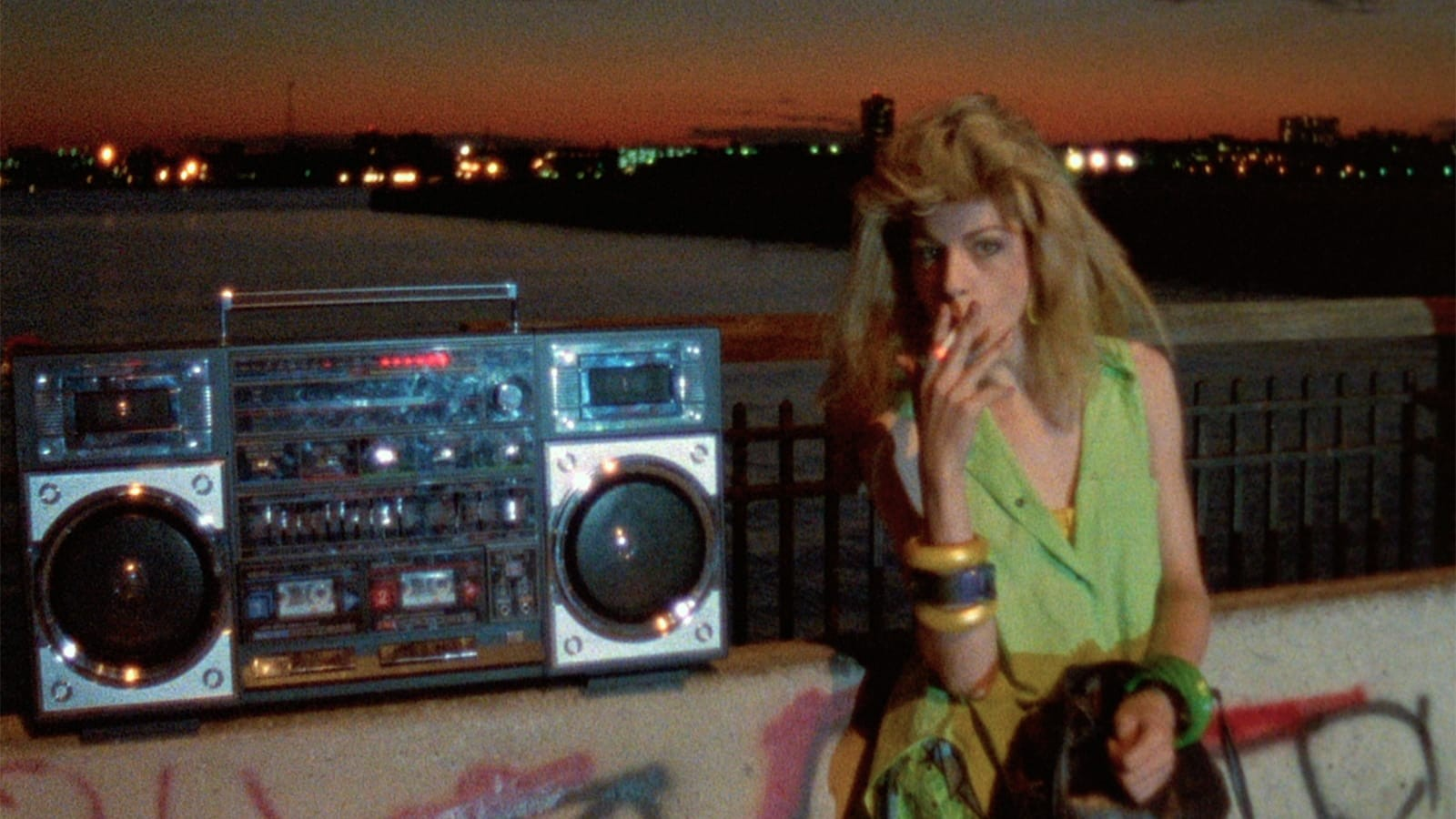
There is something incredibly moving about watching people who were never supposed to become cultural icons leave behind a legacy that continues to influence generations. Many of the people featured in Paris Is Burning never received the recognition they deserved during their lifetimes, and that remains one of the film’s greatest heartbreaks. But their impact cannot be denied. Their fingerprints exist throughout modern queer culture. Their language, their artistry, their fashion, their creativity, and their courage have shaped the world in ways that are still being discovered today.
They built something when they had almost nothing.
They created beauty when the world gave them ugliness.
They created family when the world gave them rejection.
That is why Paris Is Burning remains so powerful thirty-five years later. It is not simply a documentary about a community that existed in the past. It is a reminder of what marginalized people have always done: they create, they survive, and they find ways to love one another even when the world makes that difficult. It is a testament to the fact that visibility is not something that is handed to people—it is something they fight for. It is something they build through courage, through art, and through refusing to disappear.
“You’ve made a mark on the world if you just get through it.”
Those words feel like the perfect summary of the film’s legacy. To survive is not a small thing. To create something meaningful while carrying the weight of a world that does not always accept you is extraordinary. Every person in Paris Is Burning left behind a piece of themselves. They left behind a reminder that joy can be revolutionary, that community can be life-saving, and that the families we create can sometimes become the most important ones we ever know.
Thirty-five years later, the ballroom lights are still shining.
The legends are still being remembered.
And Paris Is Burning remains one of the most beautiful reminders cinema has ever given us: sometimes home is not a place we are born into.
Sometimes home is something we find.
Sometimes home is something we create together.