Home Blog Page 117

Movie Review: ‘Bhakshak’ Highlights the Transformative Power of Journalism


Director: Pulkit
Writers: Jyotsana Nath, Pulkit
Stars: Bhumi Pednekar, Sanjay Mishra, Aditya Srivastava

Synopsis: Revolves around the journey of an unwavering woman’s quest to seek justice and her perseverance in getting a heinous crime to light.


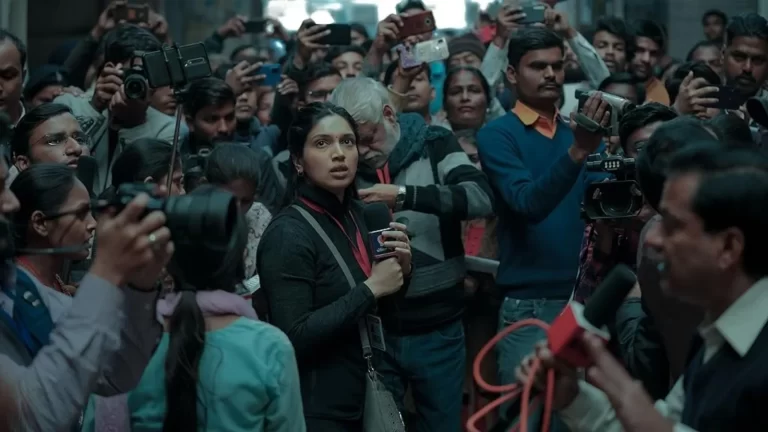
The role of a journalist, or their mission, has been heavily debated over the years. Should they objectively report the news or involve themselves in a story to hold the people in power accountable? In Bhakshak, Vaishali Singh (Bhumi Pednekar) wants to do the latter after she receives a tip from her source that a government-funded shelter home has been engaging in the abuse (and murder) of young girls. The police know what is happening but do not intervene, as the man who runs the home, Bansi Sahu (Aditya Srivastava), has several government officials and police officers in his pockets. 

As Vaishali learns more about whatโ€™s going on, she wants to bring this story to light to expose all the figures involved, but her family thinks itโ€™s a futile โ€“ and dangerous โ€“ effort. Her news channel barely gets any views, and Sahu immediately targets family members to shut her up. However, Vaishali never backs down despite these intimidation tactics, even when her brother-in-law gets severely injured and wants to investigate the story as deeply as she can so the truth can be uncovered to the public and the people responsible for these heinous crimes are behind bars. 

This causes a division in her family, with plenty of one-dimensional dialogue scenes attempting to give emotional stakes to the proceedings. Her family is more concerned about Vaishaliโ€™s husband than her quest for the truth and would rather she procreate before itโ€™s too late. Yeah, instead of attempting to save young girls from extreme abuse, her familyโ€™s focus is on Vaishali having kids. However, she immediately claps back with one hell of an impassioned monologue, in which she reverses the situation and asks her family, what if she was stuck in a home with no way out and was forced to sell her body to Sahu just to survive? Itโ€™s at that moment when Vaishaliโ€™s quest for objectivity leaves her mind, as it has now become a life-or-death situation for her and the girls who are still being abused by the men and women who run the shelter.ย 

Produced by Gauri Khan and Gaurav Verma, Bhakshak asks timely questions about journalismโ€™s purpose in society, especially in a country where corruption runs rampant. And while its flaws stick out like a sore thumb, the importance of a film like this cannot be overstated. Director Pulkit doesnโ€™t shy away from showing harrowing moments of abuse either. While nothing explicit is shown on screen, the agonizing screams from its victims are enough to make your stomach churn. 

Perhaps the antagonists are stretched out to be as one-note as possible, but Srivastavaโ€™s portrayal of Sahu is terrifying in and of itself. He posits himself as a calm and patient man who has done a lot for the community, which is what he continuously says to Vaishali, only for his darker side to reveal itself as the camera observes him in the shelter, making innocent girls beg for their lives as he beats them with a belt and rapes them. Vaishali sees right through Sahuโ€™s calm demeanor and fake smile and will stop at nothing until his entire operation shuts down.ย 

However, it will prove far more complex than she initially thought, especially when she learns that Mithilesh Sinha (Chittaranjan Tripathy), who works for the Child Welfare Association, is a key player in Sahuโ€™s operation, paid off to tamper with files and bring anyone who escaped from the shelter back into Sahuโ€™s hands. The corruption is even deeper when government officials deliberately ignore taking action at Sahu, but some things will have to change once Vaishali publicizes their involvement. 

The best parts of Bhakshak are when Pulkit observes Vaishali believing in the transformative power of journalism as a vehicle for truth to be conveyed since the ones in power donโ€™t want it to come out. In that sense, journalism is treated here as a watchdog for democracy, which many scholars believe is its primary function (Rasmus Kleis Nielsen disagrees, but thatโ€™s a story for another time). Pulkit treats it as such and gives its central figure enough time to shine so that the truth comes out naturally when all the pieces are laid out. 

As such, Pednekar gives a career-defining performance after a streak of lousy turns. Her plentiful monologues as she gradually gives more proof to the public are confidently delivered, and the filmโ€™s bravura sequence in which she begs Indians to fight for whatโ€™s right and stand up against oppressors is as timely of a message as ever. This arc is the only reason Bhakshak is worth watching โ€” showing the lengths a journalist has to go for the truth, especially in a climate where trust in the media is at an all-time low, and users turn to angrier, less truthful depictions of society. 

Against all odds, Vaishali shows how transformative journalism can be, especially when used against corrupt governments who would rather fill their pockets with dirty money than bring these criminals to justice. Itโ€™s a tale as old as time but one whose message needs to be reaffirmed in an era when journalism faces more challenges than ever. Journalism is a deeply human activity in which its best pieces humanize its subjects in a way that no one else can. Vaishali not only brings out the truth of a corrupt system but also humanizes the ones who have been oppressed and abused for years when nothing has been done. As a result, the victims saved by Vaishaliโ€™s journalistic activities are the real heroes of the story, the ones we must remember when the full picture of this story is revealed.ย 

Through this figure of a truth-seeking Vaishali, Pednekar reminds us all why journalism must โ€“ and will โ€“ survive. 

Grade: B

The Best Of Berlinale’s Winners

After Sundance, the next important film festival is the Berlin International Film Festival, or Berlinale for short, held every February. Since 1951, this has become a major place for international releases, equal in stature to Cannes and Venice during the year. Among the films making their premiere are Seven Veils from director Atom Egoyan (The Sweet Hereafter), Spaceman starring Adam Sandler and Carey Mulligan, and Treasure starring Lena Dunham and Stephen Fry. It is almost forgotten because it is at the beginning of the year, but several films have carried on from Berlin towards the end of the year as a major awards player. Here are a few notable winners from the top prize, the Golden Bear.

12 Angry Men (1957)

Sidney Lumetโ€™s debut film took home the top prize with his single room drama of a jury debating the fate of an accused killer and a single man (Henry Fonda) holding out on convicting him that easily. With Martin Balsam, Lee J. Cobb, Jack Warden, and Ed Begley, Lumet makes a hot day even hotter inside with a passionate discussion of presumption of innocence contained in a small room. Itโ€™s an actorโ€™s film where everyone is on their A-Game and it is a pressure cooker which the young Lumet was able to make in the beginning of his illustrious career. 

The Ascent (1977)

The last film in the short career of Larisa Shepitko before her tragic death is an astonishing piece of work set in the harshest winter during the Second World War. It follows two Soviet partisans who are captured by Nazi collaborators and pressured to give them information, one who is willing to die keeping quiet and the other being more willing to talk. Nearly banned for its semi-religious undertones, The Ascent is about integrity and patriotism in the face of the enemy and in such a desolate state in war. 

Veronika Voss (1982)

Native director Rainer Werner Fassbinder was finally given his due at home with this story of a former German actress, once a star, and her new relationship with a journalist. When the journalist discovers that Veronika is under the influence of a doctor who gives her countless drugs to take all her money, the journalist tries to break Veronika from the doctorโ€™s spell. It is the last of Fassbinderโ€™s BRD Trilogy with The Marriage of Maria Braun and Lola, and was the penultimate film of his career before Fassbinderโ€™s sudden death that same year, age 38. 

The Thin Red Line (1998)

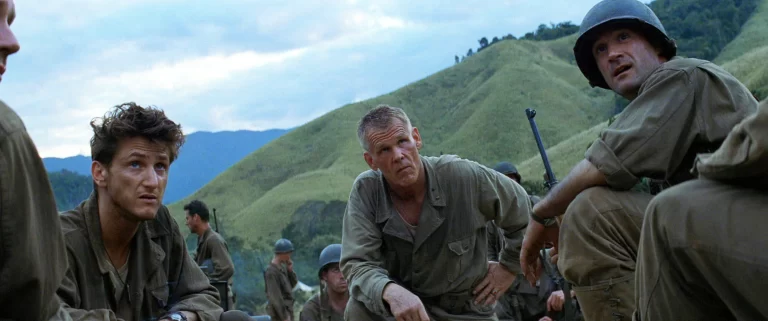
Oddly, the film was part of Berlinale 1999, so it won after its release in the United States. It worked out well since Terrence Malickโ€™s comeback after twenty years was shut out from winning any Oscars and it is a much worthy win for this deeply philosophical story during the Battle of Guadalcanal. A major ensemble cast featuring Sean Penn, John Travolta, Jim Caviezel, Nick Nolte, John C. Reily, and Woody Harrelson deal with the horrors of war, the beauty of nature they fight in, and whether personal glory is worth it, with Hans Zimmerโ€™s mesmerizing score, John Tollโ€™s lush cinematography, and Malickโ€™s timely direction that makes Red Line a standout.  

Bloody Sunday / Spirited Away (2002)

Two films shared the Golden Bear that year, one introducing us to Paul Greengrass as a film director and one anointing the legendary career of Hayao Miyazaki. 

In Bloody Sunday, Greengrass gives us a docudrama about the tragic events of January 30, 1972, in Derry, Northern Ireland when British soldiers shot upon a protest crowd, killing 14 people. Using his background in making documentaries, Greengrass pieces together the moments leading up to the tragedy and its aftermath with an incredible force of power, now more than 50 years after the tragedy. 

With Spirited Away, it became Miyazakiโ€™s magnum opus that led him to his Oscar victory for Best Animated Feature and made Miyazaki a truly international star. His fairy tale is a mix of Buddhism, the spirit world, and traditionalism versus modernism which catapults us to another level of imagination only he could have created. For an animated movie to get the top award at an international film festival, no less one of the big ones, is a testament to how great and beloved Spirited Away is. 

Women InSession: Sharon Stone Favorites

This week on Women InSession, we take a look at the great Sharon Stone and discuss our favorite movies that she’s starred in over the years! Stone was a massive star and has some iconic moments in cinema history, and we had a lot of fun talking about her rise and fall.

Panel: Kristin Battestella, Jaylan Salah

On that note, check out this week’s show and let us know what you think in the comment section. Thanks for listening and for supporting the InSession Film Podcast!

Subscribe to our Podcasts RSS
Subscribe to our Podcasts on iTunes
Listen on Spotify
Listen on Stitcher
Women InSession – Episode 72

To hear this Extra Film episode and everything else we do, download our apps on the Amazon Market for Android and the Podcast Source app on IOS devices. The mobile app covers all of our main shows, bonus podcasts and everything else relating to the InSession Film Podcast. Thanks for your wonderful support and for listening to our show. It means the world to us.

Movie Review: ‘Bleeding Love’ is an Act of Forgiveness


Director: Emma Westenberg
Writers: Vera Bulder, Ruby Caster, Elle Malan
Stars: Ewan McGregor, Clara McGregor, Jake Weary

Synopsis: A father takes his estranged daughter on a road trip in an effort to get her out of trouble. Along the way they meet all types of strangers, as their strained relationship is put to the test.


Emma Westenbergโ€™s New Mexico set drama Bleeding Love is, at times, too raw to not feel that it is a deeply personal story for Clara McGregor and her father Ewan McGregor. Both actors have spoken openly about their issues with addiction. Ewan became an alcoholic after starring as Renton in Trainspotting in 1996. Clara was heavily medicated for anxiety disorders. Clara publicly denounced her father for divorcing her mother and starting a new family with a younger actor. The issues of abandonment, addiction, and resentment fuel Turboโ€™s (or Daughter โ€“ Clara McGregor) deep distrust of her father. She almost died of an overdose earlier in the day when Father (Ewan McGregor) convinces her to go from San Diego to Santa Fe to meet a man who might be interested in exhibiting her art.

The screenwriters, including Ruby Caster, Vera Bulder, Elle Malan, and Clara McGregor waste no time setting up the fractured dynamics between Daughter and Father. Daughter is listening to โ€œIโ€™m Yer Dad,โ€ by Grlwood and ignoring every effort Father is making to communicate with her. She stares out the window, sickly and sweaty. She makes Father pull over so she can pee and then runs off into the desert. Where she was planning to escape to is irrelevant. There is nothing for miles. She just doesnโ€™t want to be with her father.

The opening circles back to Ewan McGregorโ€™s breakout role as Renton in Trainspotting. One thing Renton did a lot of in that film was running. Here, as a man playing someone in his late forties, he is chasing after his daughter โ€“ aged twenty. It is a reminder that there is a generation who saw Renton and his escapades as something almost cool before it lurched into inevitable tragedy. The question the film asks is if Daughter, who is now faster than Father, is going to end up a statistic to drug abuse. And just how much of her predilection for addictive behavior came directly from the alcoholic man who walked out on her when she was a child?

Bleeding Love has the gritty realism of someone hitting rock bottom and trying to ignore the fact that they have. But it also has a hazy fairy tale quality. From the flashbacks to young Turbo (Devyn McDowell) and the perceived fun that a child has with a reckless parent, to the odd assortment of people Father and Daughter meet on the road. Some are magical helpers, and some are big bad wolves. Westenbergโ€™s flashbacks have a distinct Florida Project feel.ย 

Father has rebuilt his life via AA and is doing everything he can to help daughter rebuild hers. Yet, daughter has no reason to trust him. Why should she? For his part, Father has to do more than say sorry; he has to prove he does love the child he abandoned. No easy task because a โ€˜mea culpaโ€™ doesnโ€™t suffice when he has been gone for her formative years. He can be as good humored and concerned as he likes in Daughterโ€™s eyes โ€“ but nothing fixes the fact he now has a new family with a son who he reads bedtime stories to. Something that she didnโ€™t get in her chaotic childhood.

Westenberg uses New Mexico to her advantage. Christopher Ripleyโ€™s cinematography captures the beauty and the strangeness of the state. Deserts, dive bars, strip malls, abandoned spaces, bizarre themed motels, and collectives made by people living on the fringe of society. A busted tire means Father and Daughter are picked up by a gun-toting astrologist tow-truck driver. Elsie (Kim Zimmer) takes her to her found and actual family of generous people living mostly off grid. Daughter meets Kip (Jake Weary, who in real life is Kim Zimmerโ€™s son) who is dressed as a party clown and tries to seduce him to get booze and drugs. The hapless guy is half smitten by Daughter, but also intimidated. He doesnโ€™t realize sheโ€™s underage and is ill prepared for the blowback he gets from Father.

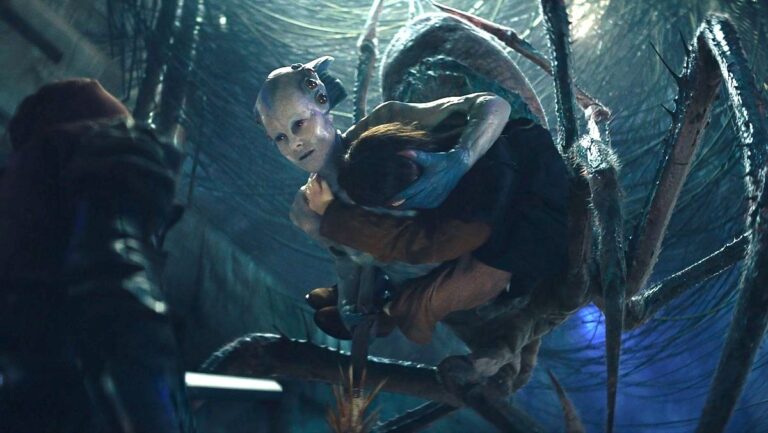
A gift of a pumpkin gets handed on to a truck stop sex worker, Tommy (Vera Bulder) who helps when Daughter is bitten by a spider on the side of the road. In a glitter filled moment, Father and Daughter watch Tommy perform in the headlights. Tommy is going to get out of town and be a playwright and actor โ€“ sheโ€™s headed for New York City and the boulevard of broken dreams. Maybe Daughter can provide her art for the background sets to her plays? Maybe Tommy will make itโ€ฆ maybe Father and Daughter will too.

Another encounter which happens after Daughter realizes that Father is not taking her to meet a gallery owner, but instead is driving her to rehab is with a feral drug addict and his partner (Travis Hammer and Eve Kozikowski). Eli and Kentucky fill her full of dangerous drugs and dump her on the road. Father desperately searches for her in bars. While Daughter spins out of control in one scene the cross fade has a bartender putting a shot of liquor in front of Father. Is it possible they will both be overcome by their vices?

Music is the one point where the good memories exist for Father and Daughter. They joyously sing Leona Lewisโ€™ โ€˜Bleeding Loveโ€™ (which doubles as the title of the film, which was originally called You Sing Loud, I Sing Louder). โ€˜Seabirdโ€™ by the Alessi Brothers is another key work. Ewan McGregor is not only a distinguished dramatic and comedic talent โ€“ he is also a well-known song and dance man. The connection Father and Daughter through music is essential. Itโ€™s unfiltered joy and pain.

Clara McGregor is a captivating screen presence and her natural chemistry with Ewan is palpable. The script takes decided and quite funny digs at Ewan โ€“ the presumption that Father and Daughter are actually a couple by many characters is quite pointed. Bleeding Love is obviously fiction โ€“ but the elements of emotional truth will resonate with many fathers and daughters. People have to take responsibility for their lives and the damage they caused and are causing. 

Eventually Father has to give Daughter the keys to her own life โ€“ a decision which is built out of a tenuous trust on both their behalf. Father admits the damage he has done: โ€œThings start to slip away. I was acting like a child, but I had a child,โ€ he says in an impromptu AA meeting. He is speaking directly to his daughter. Daughter has to admit that she is indeed an addict, and that she canโ€™t stop anytime she likes.

Bleeding Love is an accomplished first feature. There are moments where it can be a bit heavy handed with the metaphors, and like its protagonists it is not without flaws. However, it is ultimately a work about redemption and trust. โ€œYou are like me. But better. I love you more,โ€ is inscribed in Fatherโ€™s diary which he gives to Daughter. A road trip across New Mexico and the space trail with added Roswell weirdness. A fairy tale. An extended apology. An act of forgiveness. Bleeding Love is a calling card for both Clara McGregor and Emma Westenberg. 

Grade: B-

Movie Review: ‘Suncoast’ Hits the Right Notes When It Counts


Director: Laura Chinn
Writer: Laura Chinn
Stars: Nico Parker, Laura Linney, Woody Harrelson

Synopsis: While caring for her brother along with her audacious mother, a teenager strikes up a friendship with an eccentric activist who is protesting one of the most landmark medical cases of all time.


The film Suncoast made its debut at Sundance last month and had a short turnaround on Hulu a few weeks later. The movie is a semi-autobiographical tale of its writer and director, Lauren Chinn. She has written a story about her experiences helping raise her brother, who was stricken with a terminal illness. The story is emotionally raw while combining the type of coming-of-age narrative that is empathetic and unafraid to strip away the sugarcoating from the mother-daughter relationship.

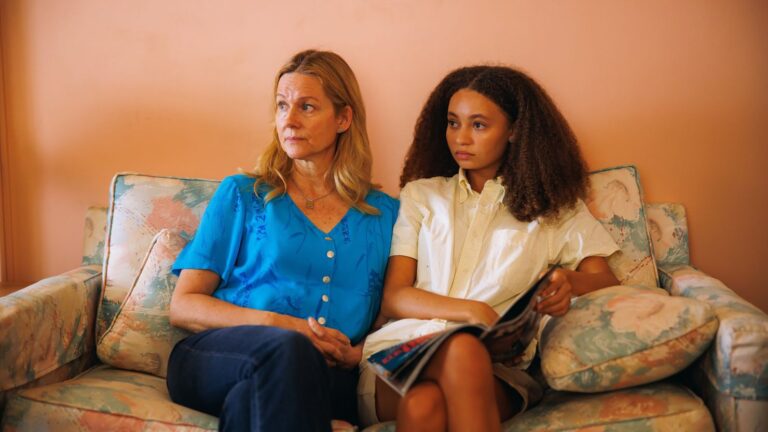
Nico Parker (Dumbo) plays Doris, the character inspired by a small window of her high school life. Doris is a loner, socially awkward, and, unfortunately, has no friends. That’s not because she’s a bad kid. She has been cut off from the rest of the world because she is helping take care of her brother, Max, who has brain cancer. The tumor has taken over his body, and he can no longer speak or move. (It appears that he may have a condition known as aphasia.)

As a result, in order to pay the medical bills and send Doris to a better school, her forthright mother, Kristine (Laura Linney), works seven days a week. However, Max’s degenerative disease is progressing to the point where he needs all-day care at a facility called Suncoast, a hospice facility in town. Kristine, overcome with guilt, decides to sleep in the same room as Max so he won’t be alone. The move is devastating to Doris. However, she begins to form new friendships, inviting a group of “cool” kids to her home because her mother no longer lives there.

Chinn’s movie embraces the modern trope of friends forming a support system around Doris, which is refreshing. What’s nice about the script is that these kids act like dumb teenagers but are considerate enough not to dismiss Doris’s situation callously. The other support comes from a man Doris meets at Suncoast, Paul (Woody Harrelson). The character acts as a temporary surrogate parent, guiding her through complex thoughts even if Doris doesn’t want to hear them.

Now, the character of Paul may be based on someone or a composite of a couple of characters from Chinn’s life. However, the relationship is inappropriate for various obvious reasons. A teenage girl hanging out with an adult male nearly four times her age without parental consent is borderline negligent. We also consider this a storytelling device to move the plot along and highlight how consumed Kristine is by ignoring her other child’s emotional needsโ€”you have never seen a teenager want to be needed by a parent more.

In a striking scene, when Doris tells her mother she’s her child too, Linney is cold and flippant, snorting at such a remark. Linney can create a character detached from being mindful of the people she has left in her life, which is maddening and also sad. Doris then becomes an evolving character by slowing coming to grips with othechild’Chinn’s time limit. There are several scenes like that in Chinn’s semi-autobiographical tale, including a jaw-dropping one where Kristine harshly pretends Max is about to pass to get her daughter to come home after sneaking out to be with her friends.

The point of Suncoast is that you have a child like Doris who is achingly trying to be seen. By anyone, really. It’s hard to argue with a script inspired by actual events, but Suncoast doesn’t recognize how much Doris is a child in crisis. One of the reasons I have issues with biographical films is that a filmmaker who is the subject has a brutally unfiltered view of others (like Kristine), and the author, in turn, will show a filtered view of themselves. Essentially, deep insights into childhood isolation, loneliness, and depression are largely ignored.
And that’s fine, to a degree. Suncoast’s tale about a mother and daughter’s relationship that a thread has held onto for years can be emotionally raw at times, perhaps using too many film cliches to keep the story moving. However, Linney’s performance, which evolves from an emotional wrecking ball to a cocoon of warm reassurance, has a beautiful candor. Overall, Chinn’s film hits the right notes when the story counts, and her coming-of-age can resonate with her audience.

Grade: B-

Episode 572: Best Picture Nominees Draft

This weekโ€™s episode is brought to you by Koffee Kult. Get 15% OFF with the code: ISF

This week on the InSession Film Podcast, we open the show by talking about this year’s crop of Super Bowl trailers and end the show with another draft as we sift through the Best Picture Nominees that lost the Oscar!

Check out this week’s show and let us know what you think in the comment section. Thanks for listening and for supporting the InSession Film Podcast!

– Super Bowl Trailers (2:04)
The Super Bowl is one of the biggest cultural events of the year, and with it comes a variety of fun movie trailers. This year we saw footage for Deadpool & Wolverine, Wicked and Twisters, among others. Since we had already seen teasers for the new Apes and Quiet Place movies, we decided to focus on the big three that were new to us. The discourse on all three were pretty wild, and understandably so, and of course we were itching to give our thoughts on them as well.


RELATED: Listen to Episode 516 of the InSession Film Podcast where we discussed our Top 10 Movies of 2023!


– Best Picture Nominee Draft (34:12)
Last week on the show, we had some fun drafting our teams of Best Picture Oscars winners. This week, we thought it would be equally exciting to expand the pool and talk about the Best Picture nominees that lost the Oscar. So for this draft, the winners are ineligible. We simply drafted from the movies that were nominated for Best Picture and didn’t take home the top prize. There are, of course, a ton of great movies to choose from here, and it made for an arguably more challenging exercise. But boy it was fun! Are you Team JD or Team Brendan?

– Music
Ashes – Celine Dion
Surf Rider – The Lively Ones

Subscribe to our Podcasts RSS
Subscribe to our Podcasts on iTunes
Listen on Spotify
Listen on Stitcher
InSession Film Podcast – Episode 572

Next week on the show:

Something Coen Brothers Related

Help Support The InSession Film Podcast

If you want to help support us, there are several ways you can help us and we’d absolutely appreciate it. Every penny goes directly back into supporting the show and we are truly honored and grateful. Thanks for your support and for listening to the InSession Film Podcast!

VISIT OUR DONATE PAGE HERE

Movie Review: ‘Cobweb’ is Tangled Meta-Cinema


Director: Jee-woon Kim
Writers: Jee-woon Kim, Yeon-Shick Shin
Stars: Park Jeong-su, Krystal Jung, Oh Jung-se

Synopsis: Described as an experimental and genre-defying drama shot entirely on sound stages in support of a film-within-a-film narrative.s.


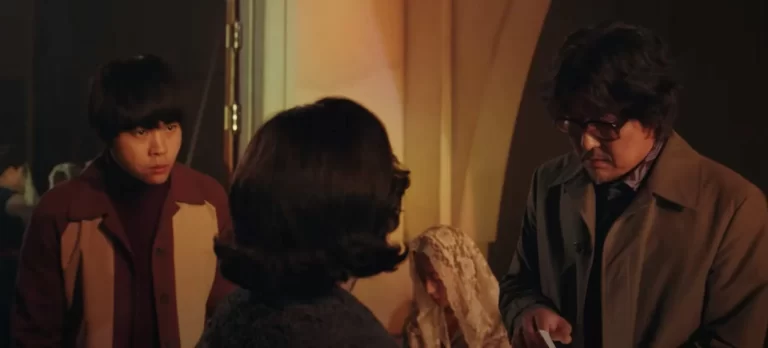
Cobweb can easily be viewed as another exercise in filmmakers’ self-importance in the world around them. And on the surface, it can be. However, as Jee-woon Kim’s black comedy unfolds, the filmmaker’s subversive film experience begins to poke fun at the establishment while simultaneously challenging the establishment about why truth is essential in any entertainment art form. Kimโ€™s South Korean tale of obsession is a darkly funny and skillfully crafted work of meta-cinema.

The story follows Kim (Parasite’s Song Kang-ho), a director obsessed with finishing his current film. The director’s career has been on a downward slope since his acclaimed movie, which was made after the death of his mentor. The production company funding his project is under strict budgetary restrictions and also under the eye of the South Korean government’s censorship program (known as “The Korean Motion Picture Promotion Corporation,” created by President Park Chung Hee, known as the authoritarian Yusin System).

The movie, AKA Cobweb, is finished, but suddenly, a reworked ending develops inside his head, and he asks for two more days. The company’s owner, the widow of his mentor, Chairwoman Baek (Jang Young-Nam), refuses to give Kim extra time. In part, her staff is also worried about how the government may react to such a daring ending. That’s until the daughter of his late mentor and co-owner, Shim (Jeon Yeo-been), a staunch supporter of Kim, reads the rewritten ending and thinks it’s a masterpiece. She grants the days while Baek is out of town.

Kim’s script works because of the supporting characters he draws, one of the best ensembles you may see this year. There is Kang (Oh Jung-se), a Hallyuwood star who never met an actress he shared the screen with but didn’t sleep with, even though he’s married. He gets Yu-rim (Krystal Jung) pregnant and smothers her, to her dismay, when she only cares about returning to being the star of her K-drama. Some of the movie’s best scenes are between Jung’s Yu-rim and Yeo-been’s Shim, who have a legendary feud, while the latter acts like a tyrant to keep the cast in line.

Kim’s Cobweb isn’t a composite of a group of directors but obviously of himself. His obsession offers a dark (sometimes playful) commentary on filmmaking. You learn a lot about the process from the film. In particular, the third act’s climax is how the scene would be shot in one glorious tracking shot. Almost all the actors are offered their moments to shine comedically. In particular, Young-Nam and Yeo-been have often hilarious deadpan deliveries. 

Cobweb will remind you of films like Black Bear and Birdman or (The Unexpected Virtue of Ignorance) in the way you may question whatโ€™s real or not. (Kim has several compelling scenes from his film shot in stunning black and white.) Also, there is an obsession with an artistโ€™s vision. What was striking is how Kimโ€™s film puts truth on trial in Cobweb, which is revealed in the filmโ€™s highly entertaining third act. For example, someone like Shim could not possibly be an actor, and Yu-rim could find truth in her character, even in salacious scenes.  While, by the end, showing the subversive veracity of what truth means to the central figures themselves. 

That makes Cobweb a story of redemption seen through the eyes of Song Kang-hoโ€™s interpretation of Kimโ€™s moral and professional character. The film is a filmmaker’s journey of self-discovery and reinvention of themselves. 

Grade: A

Movie Review: ‘Lisa Frankenstein’ is an Enjoyable Bolt of Lightning


Director: Zelda Williams
Writer: Diablo Cody
Stars: Kathryn Newton, Cole Sprouse, Liza Soberano

Synopsis: A coming of RAGE love story about a teenager and her crush, who happens to be a corpse. After a set of horrific circumstances bring him back to life, the two embark on a journey to find love, happiness – and a few missing body parts.


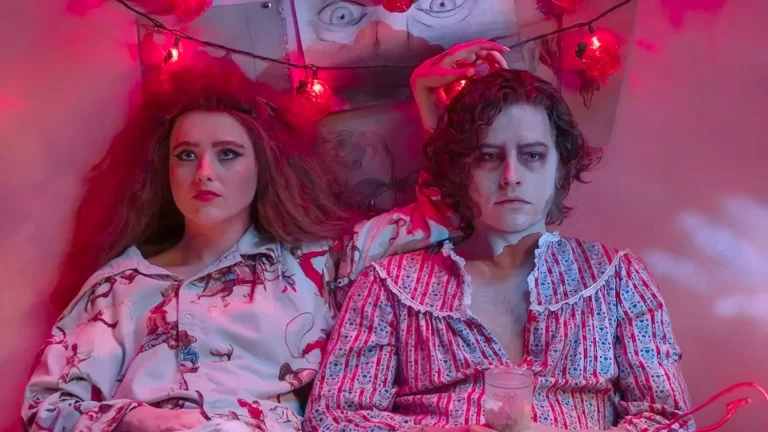
It’s hard to describe the feeling you get leaving the theater after watching Lisa Frankenstein. There’s a hodge podge of emotions. You’ll find yourself grossed out, confused, strangely melancholy, and in stitches at the wackiness that hit you like a strange dream. Is Lisa Frankenstein perfect? In parts, yes, but as a whole it feels a little too much like chopped up pieces sewn into a new form.

The film is a little slow to get going. With director Zelda Williams’ flair for dreaminess, we sort of get trapped in a state of not knowing how we should feel about certain characters or situations. Much of LisaFrankenstein plays like a fantasy sequence, even with its own fantasy sequences within. It was hard not to wonder if a theory can be developed, like the famous Ferris Bueller’s Day Off theory*, that everything after Lisa gets a shock from a faulty tanning bed is all in her head. This script by Diablo Cody is not as snappy as some of her previous films. It has some excellent laughs, but it lacks some of the bite she’s known for, possibly because of an effort to make this a more accessible PG-13. Where the script really struggles is in the overall story.

Lisa Frankenstein is a mishmash of genres sewn together. While it’s a horror comedy, it also fits into the subgenre of coming of age, with direct homage to ’80s teen films of the John Hughes variety and 19th century love stories a la Jane Austen. None of these really quite connect and they fail to spark something truly supernatural. Though, once the film leans into its strangeness, it takes on something extraordinarily enjoyable.

Especially Kathryn Newton’s exceptional performance as Lisa. Her performance has several different layers to it from her grief over her mother, her anger at her father remarrying so soon, and angst at switching schools just before senior year. She takes every change in circumstance and weaves some beautiful magic from it, releasing Lisa from her cocoon of insecurity into a terrific goth butterfly. It’s just a nerdy girl coming into her own. Newton is matched perfectly by the physical performance of Cole Sprouse as The Creature. Sprouse can communicate so much with a look and a grunt which is as impressive as it is entertaining to watch.

There’s a beautiful alchemy in the craft of the film that keeps the audience engaged. Meagan McLaughlinโ€™s costumes from The Creatureโ€™s band tees and blazers to Lisaโ€™s incredible goth outfits are stellar. They bring the characters to life in new ways. The same goes for production designer Mark Worthington, art director Michelle C. Harmon, and set decorator Andrew W. Bowfingerโ€™s teams creating a cemetery to swoon over, superb fantasy sequences on practical sets and some truly amazing โ€˜80s interiors. Praise to the makeup and hairstyling teams, as well, for a superior job on The Creatureโ€™s different states of decay as well as the fabulous period hair.

Lisa Frankenstein, when put under the microscope, is a little lacking. The nuts and bolts are there, but the product seems only partially finished. It could be that the film needs a couple of viewings before it really sinks in. It’s thoroughly enjoyable in spite of its flaws and it will make you appreciate REO Speedwagon’s “Can’t Fight This Feeling” in an entirely new way. See it with a bunch of people because the crowd reaction is almost as enjoyable as the film.

*The Ferris Bueller’s Day Off theory is that when the camera zooms in on Ferris’ friend Cameron’s face at the Art Institute of Chicago, Cameron has a small break with reality and we enter Cameron’s fantasy for the rest of the film.

Grade: B

Movie Review: Lousy Carter Capitalizes on Krumholtz


Director: Bob Byington
Writers: Bob Byington
Stars: David Krumholtz, Martin Starr, Olivia Thirlby

Synopsis: Man-baby Lousy Carter struggles to complete his animated Nabokov adaptation, teaches a graduate seminar on The Great Gatsby, and sleeps with his best friend’s wife. He has six months to live.


What would you do if you had six months left to live? I think this is something we all think about. There is a kind of freedom in the impending doom.  Would we spend all of our savings? Spend time with loved ones? Or something darker. Would we push social mores and acceptability?  Or is it some devious crossover between all of these? There are a lot of directions one can go in this circumstance. Lousy Carter makes many of these choices, perhaps a few too many, despite its scant runtime.

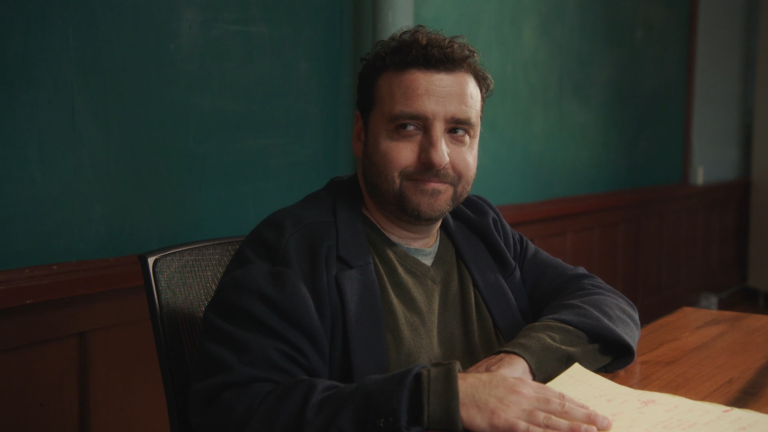
Writer and director Bob Byington does have a secret weapon at his disposal. The grungy charm of David Krumholtz is on full display here. As the eponymous Lousy, the movie follows him from stem to stern. This aforementioned charm is completely necessary, because he is about to make, well, lousy choices. He is able to wave away the morality due to a combination of maternal mistreatment and his death sentence via mystery diagnosis.

Briefly, Lousy Carter was a promising animator and, on the strength of that, was given a position at a college teaching English, specifically โ€œThe Great Gatsby.โ€ Yes, it is silly that he is teaching an entire course on one book in a graduate program, which the film gently pokes fun at. His dream is to create an animated Nabokov film, which sounds like, to put it likely, a difficult sell. But this is really all means to an end type plot material. It allows him to crush on his young student, Gail (Luxy Banner), who almost steals every scene she shares with Krumholtz. Unlike most minor characters in a film such as this, she seems to have a full interior life, and that is almost solely to do with her performance. She plays a mixture of disgust, interest, wariness, and amusement with Lousy and his obvious attempts to ingratiate himself to her.

There is also an odd subplot which features Lousy sleeping with his best friendโ€™s wife. Said best friend, Kaminsky is played by Martin Starr and is quite funny, but letโ€™s face it, if youโ€™ve seen his monotone delivery in Silicon Valley, among other performances, then youโ€™ve seen this one too. Thereโ€™s a few running gags here that never really catch on. No one, including his own wife, can quite remember his first name and there is no idea of actual friendship between Kaminsky and Lucky. This is played for laughs that never really arrive. The criminally underseen and undercast Jocelyn DeBoer (watch Greener Grass immediately) in her role of Kaminskyโ€™s wife, Olivia, is giving her all, but thereโ€™s not much for her to grasp on to. 

But the film really soars when it is focused on Lousyโ€™s considerable neuroses. This is compounded in scenes with the incomparable Steven Root, playing his Jungian analyst. Root, obviously having a grand time, puts on a wildly stereotypical Freudian style accent, while matching his demeanor and seated position to a perfectly placed photograph on the wall behind him. These scenes are not breaking new ground, but it definitely allows playfulness and an insight into Lousyโ€™s mildly deranged mind. It is not surprising that a character in analysis has a widely difficult relationship with his mother (Mona Lee Fultz) and his sister (Trieste Kelly Dunn). Allowing Krumholtz to riff and engage completely with this man who is clearly avoidant, forces the slight empathy needed towards a man who is trying to have sex with a student, not doing his job, and letโ€™s not forget, having sex with his best friendโ€™s wife. 

Although I enjoyed watching Lousy Carter, it does feel like this could be a truly great short film. It finds itself stretching credulity with its characters, but never to the point of snapping completely. As mentioned, much of this is due to Krumholtz and Banner. His consistent attempts to woo her, combated by her clear awareness and edge, has moments of pure mastery. It should be noted that Byingtonโ€™s script is sharp and incisive in its best moments. There may not be quite enough meat to chew on in Lousy Carter, but sometimes those few bites make it worth the cost of the meal.ย 

Grade: B

Podcast Review: Orion and the Dark

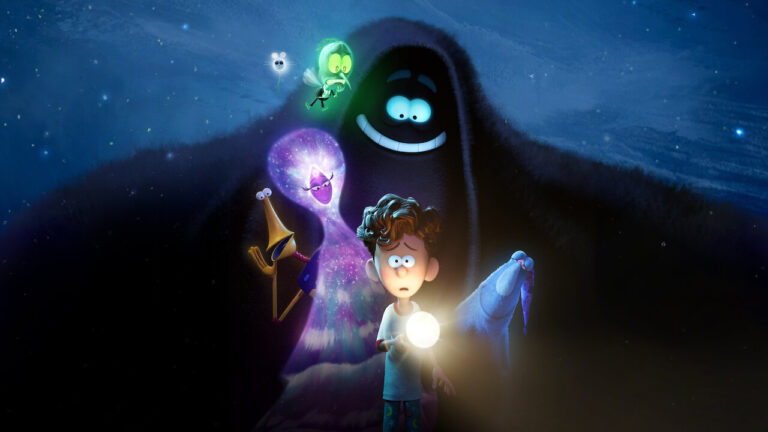
On this episode, JD and Brendan discuss the Dreamworks/Netflix animated film from Sean Charmatz, and written by the great Charlie Kaufman, in Orion and the Dark! We already have a major contender for Best Surprise Movie at this year’s InSession Film Awards. It’s early, but Orion and the Dark was one heck of a surprise and we had great fun talking about why Kaufman’s sensibilities work here.

Review: Orion and the Dark (4:00)
Director: Matthew Vaughn
Writers: Sean Charmatz
Stars: Jacob Tremblay, Paul Walter Hauser, Colin Hanks

Subscribe to our Podcasts RSS
Subscribe to our Podcasts on iTunes
Listen on Spotify
Listen on Stitcher
InSession Film Podcast – Orion and the Dark

Odd and Unusual Sharon Stone Films

From early horror and obscure thrillers to Razzie worthy bads and maligned comedy, these peculiar films peppering Sharon Stone’s repertoire remain surprisingly entertaining viewing despite their flaws โ€“ or maybe because of them.

Deadly Blessing

Wes Craven (A Nightmare on Elm Street) directs Ernest Borgnine (McHaleโ€™s Navy) and the debuting Sharon Stone in this 1981 rural cult thriller that will be too stereotypical and country slow paced for some viewers. Fortunately, Peeping Tom angles, peering camera depths, blinding lights, red photography, and scary shadows provide the sinister afoot. Extreme religious implications, farm country isolation, creepy barns, and the backwoods lack of technology create fear. This is not for those afraid of snakes and spiders! Although the music accents the scares and suspense alongside some lovely character moments, innocence, and well done themes; the flat script leaves certain dramatic and supernatural elements unexplored. The pieces don’t all fit together as Borgnine’s stern and spooky looming and Stoneโ€™s very effective heebie jeebies don’t always mesh. The weird ending combines slasher and mystical scaries but the uneven girl power versus scream queens ends up as unfulfilling and out of place. Thankfully, there’s a very freaky bath tub scene and enough mystery and creepy atmosphere for fans of the cast and crew.


Allan Quatermain and the Lost City of Gold

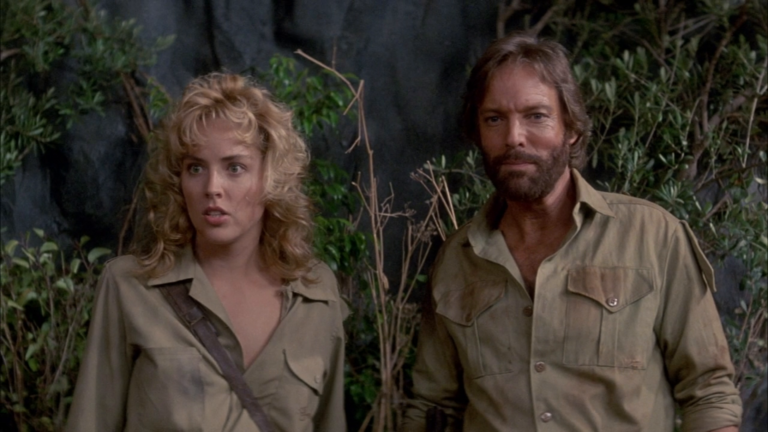
James Earl Jones (Coming to America) and Cassandra Peterson (Elvira: Mistress of the Dark) join the titular Richard Chamberlain and his lady love Stone in this 1987 sequel to King Solomon’s Mines based upon the H. Rider Haggard adventures. Unfortunately, snakes, chases, and gunfire can’t distract from the cringe worthy colonialism, white savior heroics, nondescript interwar setting, and eighties anachronisms of this cheap, rushed, turbulent production. Superfluous characters with terribly racist accents, poor dialogue, and weak backstory waste time when our arguing, no chemistry couple could have uncovered the gold pieces and Phoenician daggers themselves. The uneven first half hour can be skipped in favor of the lovely waterfalls, rainbows, sunsets, and lions, but the various terrains and picturesque views are just montages with a very thin script occasionally peppered by fun booby traps.

For every decent action moment, two more Temple of Doom knockoff sequences drag on, and the overplayed score forces the adventure on even when nothing is happening. This almost has to be seen to be believed, yet these mistakes have much in common with today’s franchise ad nauseam โ€“ strung together stories, shoddy action sequences, flat characterizations, and danger wrongly played for humor. Contrived perils are resolved easily through happenstance, and although he never has to reload, Quatermain’s only successful when using his gun. Overacting Stone’s Jesse is treated as capable sassy one minute then petulant and screaming the next, stomping her foot or clingy as needed. Peterson is also wasted as a non-speaking evil queen, and the evil priest slave labor a la Mola Ram goes on fifteen minutes too long with no rhyme or reason to the laughable gold weapons, thunder, yelling, and yes, golden showers.

Scissors

Craft shears, elevator attacks, and red bearded culprits spell tension, repression, and paranoia for ingenue Stone, doctor Ronny Cox (Total Recall), and Steve Railsback (Lifeforce) twins in this 1991 thriller. The claustrophobic atmosphere is thick thanks to penetration symbolism, sleazy old men, and scissors as self-defense. Frenetic camerawork, distorted angles, and zoomed in details reflect Angie’s understandable fears amid seemingly kind men who nonetheless linger uncomfortably close in her personal space. Angie retreats to her pink apartment with a room for her creepy doll restorations โ€“ dressing the hip 26 year old in a little black dress one minute and childlike in white lace the next. She looks at herself nude but turns away from her piggy puppet toy watching her and avoids discussing her childhood in regression therapy. Our doctor applauds her strength, but we wonder about her background and the underlying male dominance controlling her psyche. An attempted romance with a soap star neighbor is stilted by his lecherous wheelchair bound brother, and their making out on her little white daybed is also weird โ€“ innocence mixed with steamy music, shadowed lighting schemes, peepers looking through the blinds, and our smiling piggy.

Angie is threatened again in a dark movie theater, running away in fear while men stare but don’t notice anything’s wrong. She hides in the dark with her dolls but is called to a stenographer job in an under construction building with a swanky sample apartment and elaborate machinations. Stone carries the suspenseful build in solo scenes โ€“ sans the corpse in the bedroom โ€“ as panoramic overhead spins and colorful lighting changes reflect Angie’s unraveling. Choice pans, carnival crescendos, duplicitous mirrors, and a voyeuristic camera follow Angie as she recoils before still silence while she bangs on the soundproof windows. It is however a mistake to break from the trapped isolation for obvious twin stunt double struggles and the old pencil rubbing on the notepad contrivances. The traumatic source is also apparent despite pointless red herrings and superfluous characters, and things get silly as her deprivation increases, descending into camp with the corpse at the doll tea party. The flashback probably shouldn’t be so laughable, but the turnabout topper embraces the preposterous psychological analysis.

The Muse

Writer and Director Albert Brooks (Defending Your Life) is losing his edge screenwriter Steven Phillips and Sharon Stone is the muse who helps him finish his latest script in this 1999 Hollywood play within play farce. Everyone’s a fake stealing ideas, and studio executives admit to churning out repetitive bad action movies just to meet three picture deals. These snotty execs lied about liking Steven’s last picture and it’s not their problem if he depends on this next writing income to support his family. They suggest he take a vacay, go back to the smaller films they earlier claimed no one was buying or perhaps he try television. Clever one on one conversations laced with Hollywood mirror to nature remain relevant as Steven leaves Paramount before being denied at the Universal Studios gate and walking across the uphill backlot only to meet nepo hires who also never see the real Spielberg. No one’s telling Steven’s writer friend Jeff Bridges (The Big Lebowski) that he’s too old to write because he had a hit movie, and talk of writers having short lives or killing themselves hint at a deeper Hollywood darkness.

Our writer must accept this windfall with no questions asked, but always without a pen Steven also expects it easier, wanting Sarah to write his script for him. His wife Andie Macdowell (Groundhog Day) has to roll with the Tiffany gifts for his muse and put her family first, becoming slightly clichรฉ with her own onscreen safe and domestic cookie business. Steven objects to the idea that Laura’s Cookies will support them when he’s turned out of his own bedroom and can’t finish his script before a deus ex machina oil strike idea from Sarah and one more everyone believes everything in Hollywood wink. At times, the tone here is flat, mirroring downtrodden writer Brooks instead of embracing the whimsy peppered by sardonic cameos from James Cameron, Martin Scorsese, and more. Fortunately, Stone’s whirlwind diva remains memorable thanks to her increasingly outrageous intrusions. Her funky hair style matches her shiny, feathered pajama frocks while folding fan exaggerations and snappy mannerisms hit home the creative hurricane. Is Sarah really an uplifting deity in disguise or a manipulative couch surfer faking it to make it? Wild errands for Spago salads, aquariums trips, and demanding the walls be painted a nicer color are all part of Steven’s inspirational experience, and this zany commentary deserves multiple viewings.


Cold Creek Manor

New York skylines, business flights, and scary accidents lead to a perilous country renovation for Dennis Quaid (Innerspace) and Sharon Stone in this 2003 thriller from director Mike Figgis (Leaving Las Vegas). High end style, brick manors, overgrown charm, and unusual slaughter tools forgive the clichรฉ driving to the scares and redneck rest stops. Spiderwebs, children’s clothes left behind, vintage family portraits, and saucy Polaroids set off older phones that feel more rural rather than dated. Overhead camera angles, up close shots, in and out of focus usage, slow zooms, and pans in the stairwell provide eerie while intercut conversations build tension. Snakes, nasty old men, threatening dialogue, and tavern violence accent the backwoods car chases, animals in peril, and buried evidence as storms approach. Unfortunately, the trailer park naughty, shirtless handyman, foreclosure dilemmas, and mano y mano contests are weak, trying too hard alongside several unnecessary characters compromising what should be taut isolation. Nobody pays attention to the son with all the information or the real estate deal that would have saved everyone this trouble. Evasive editing doesn’t distract from the confusing logistics, affairs contrivances, and claims that the pretty rich white people have no other resources to leave. Although this tries to be a sophisticated, steamy, cerebral thriller and the quality pieces don’t quite come together before the weak rooftop standoff; the most frightening scenes are the quiet chills and this can be bemusing if you enjoy the house horrors. 

Movie Review: ‘Bob Marley: One Love’ is Too Many Kinds of Biopic


Director: Reinaldo Marcus Green
Writers: Terence Winter, Frank E. Flowers, Zach Baylin
Stars: Kingsley Ben-Adir, James Norton, Lashana Lynch

Synopsis: The story of how reggae icon Bob Marley overcame adversity, and the journey behind his revolutionary music.


Biographical films are always slippery. There is sometimes a sweet spot where a director can give a meaningful cinematic version of the subject. There are other times when so many details of someoneโ€™s life are alluded to but not discussed to retain the perceived integrity of the people involved. Then there is the biographical picture which just jots down key points and makes a lot of the โ€œfactsโ€ up. And then, there is the biographical film where the audience feels like they need Wikipedia just to understand what is going on. Unfortunately, Reinaldo Marcus Greenโ€™s Bob Marley: One Love is a mix of every category except for the one it should be in โ€“ the sweet spot.

Opening with some facts such as Bob Marley was born in 1945 in the Saint Ann Parish in Jamaica, was raised by a single mother, grew up in the hardscrabble area Trenchtown in Kingston. Despite his struggles, by 1976 he was the most famous Jamaican music artist in the world. The film loops back to his early childhood on a plantation with his white British father who left his mother; his teen years where he meets and falls in love with both music, Rastafari, and Alfarita Anderson (later known as Rita Marley), his evolving music career, and the pivotal shooting before the Smile Jamaica concert which made him decide he had to flee Jamaica for the safety of family, friends, and to protect his own life.

Robert Nesta Marley is played by three actors โ€“ primarily the regularly excellent Kingsley Ben-Adir. However, there is a mostly wordless child version who leans on his motherโ€™s chest, runs out of a can fire chasing or being chased by a man in British colonial garb. The teen version of Bob has conversations with Alfarita in Trenchtown after his mother has emigrated to the United States. They both feel they are in some ways orphans โ€“ they both love to express themselves through music. They become enraptured by the teachings of Ethiopian emperor Haile Selassie I and Jamaican politician, Marcus Garvey.

Beyond the short prelude, the audience is thrust into Bob Marleyโ€™s life just before the day of the 56 Hope Road shooting on December 3rd, 1976. Bob gets up early. Runs with his friends and fellow Wailers, plays football with them. Has his kids Ziggy and Stephen with him. Gunshots can be heard all around. Kingston is a controlled city and Jamaica was declared to be in a state of emergency in January 1976 by Prime Minister Michael Manley. Violence is everywhere while two parties are struggling for political control. Bob is interviewed by world journalists about the Smile Jamaica concert, ostensibly organized by Manleyโ€™s Peopleโ€™s National Party to help usher in a kind of peace in the region.

Reinaldo Marcus Green and his extended list of screenwriters use the early part of the film up to, and including, the shooting to do a massive information dump. We see Bob as the family man, interacting with his children and his wife, Rita (Lashana Lynch). We see Bob the musician and patois speaking Rastafari inspiration to the people of Jamaica. We see Bob interact with his Wailers and jam with them. And we meet his friend and manager Chris Blackwell (James Norton). They are celebrating during the evening at the large house on Hope Road when a group of young men, more than likely sent by Manleyโ€™s opposition Edward Seaga, break in and shoot four people. Included in those four are Rita who was shot in the head, Don Taylor, Louis Griffths, and of course Bob. โ€œIs Seaga men! Dem come fi kill Bob!โ€ someone yells in the chaos. 

The most indelible piece of acting Ben-Adir does in the film is when he looks into the eyes of the young shooter. At first, it is almost a warm welcome when he sees the youth, then the realization that the boy has a gun in his hand. That realization registers not as fear but profound disappointment verging on empathy. In that one small exchange, the film has perhaps said everything that needed to be said about the hope for peace which Marley held and his general goodwill to people.

No one is fatally wounded โ€“ but the bullets are still bullets, and Rita especially is lucky to have escaped with her life. Two days later, Bob has organized his exit from Jamaica. He is sending Rita and the children to his mother in America, and he will go to London with any of the Wailers prepared to follow him. Two days later he also plays the Smile Jamaica concert beginning his set with โ€˜Warโ€™, his song set to the proclamation of Haile Selassie. After the shooting and the Smile Jamaica concert Bob Marley: One Love just falls into a lot of labored tropes.

Bob is depressed. Bob is disconnected. England is a safer refuge. He goes to see The Clash: which acknowledges the rise of Ska โ€“ but also the white nationalist skinheads also around. White coppers are still racist, and he gets put in prison for marijuana. Bob becomes less depressed when making his most famous album โ€œExodusโ€ (which according to the film was inspired by the โ€œTheme from Exodusโ€ by Ernest Gold written for the 1958 Preminger epic). Bob is cheating on Rita. Bob is the chief who everyone listens to. Bob notices that people around him arenโ€™t acting ethically. Bob flashes back to the shooting, his formative years, his childhood. 

โ€œExodusโ€ becomes a world-wide smash and Bob Marley and the Wailers tour all over Europe being greeted with champagne by Royalty and politicians. Yet he both longs to return to Jamaica and dreads it. He becomes violent with Don Taylor. Rita tells him, โ€œThis is not the way,โ€ and yells at him for his flaws which are almost all justified in the film.

There is a prestigious amount of talent in the film. Both Lynch and Ben-Adir are doing their very best with the material they are given, and both make one feel like they understand Marleyโ€™s music. The understanding of Marleyโ€™s music comes down to the fact that many of the Wailers are played by children of the original members. Almost all of them are musicians. For the concert performance, Stephen Marley takes on Ben-Adirโ€™s vocals. Do a quick rundown of the cast and it includes Micheal Ward, Ben Gandolfini, and Tosin Cole. Anna-Sharรฉ Blake, Naomi Cowan appear as the other I-Threes along with Lynch.

Bob Marley: One Love is very much a family affair โ€“ and perhaps that is what hampers the film the most. Few films can do an adequate cradle to the grave portrait of any artist with a career as influential and important as Bob Marleyโ€™s. It is also nigh on impossible to explain everything that was going on in Jamaica not only at the time, but right back to its colonized history. If the audience wants to know anything concrete about Marley they are consistently blocked by vagueness and proclamations by other characters about his greatness. Hence when we see that the man on the horse in the pith helmet isnโ€™t his Norval Marley, but Haile Selassie offering the ten-year-old boy his hand in friendship and fatherhood; the gesture which is supposed to be filled with power and mental liberation for Bob, is just confusing.

Bob Marley: One Love is buoyed by the performances when it slows down long enough for the audience to absorb them. Kingsley Ben-Adir does some outstanding work as Marley โ€“ inhabiting his accent, his mannerisms, and stage presence. Likewise, Lashana Lynch, herself of Jamaican background is wonderful as Rita when she actually has a chance to act. James Norton is often doing solid but unnoticed work as an actor.ย 


Despite everything Reinaldo Marcus Green does to lend veracity to the film, including shooting on location in Jamaica and the Hope Street mansion, and the addition of reputable musicians, Bob Marley: One Love is overwhelmed by shallow artifice. Those who know little about the icon, peace activist, pan-African symbol, and one of the most important musicians of the twentieth-century will emerge from the film feeling not much wiser. For fans, the film is flimsy and overly metaphorical. Bob Marley: One Love claims to be the apogee of understanding who Bob Marley was in encompassing his complexity โ€“ yet it is both rote and confounding. Bob Marley deserves better, as does the audience.

Grade: D

Podcast Review: Argylle

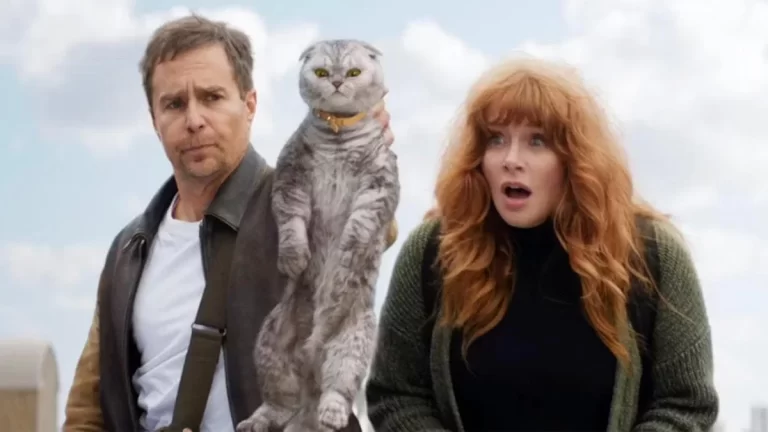
On this episode, JD and Brendan reveal who the *real* Agent Argylle is as they discuss Matthew Vaughn’s new film Argylle! Finally. The trailer has been in theaters for what feels like a year now, so it was borderline cathartic to see and discuss the absurdity of Vaughn’s latest.

Review: Argylle (4:00)
Director: Matthew Vaughn
Writers: Jason Fuchs
Stars: Bryce Dallas Howard, Sam Rockwell, Bryan Cranston, Catherine O’Hara, Henry Cavill

Subscribe to our Podcasts RSS
Subscribe to our Podcasts on iTunes
Listen on Spotify
Listen on Stitcher
InSession Film Podcast – Argylle

The Great Preservationist: Henri Langlois

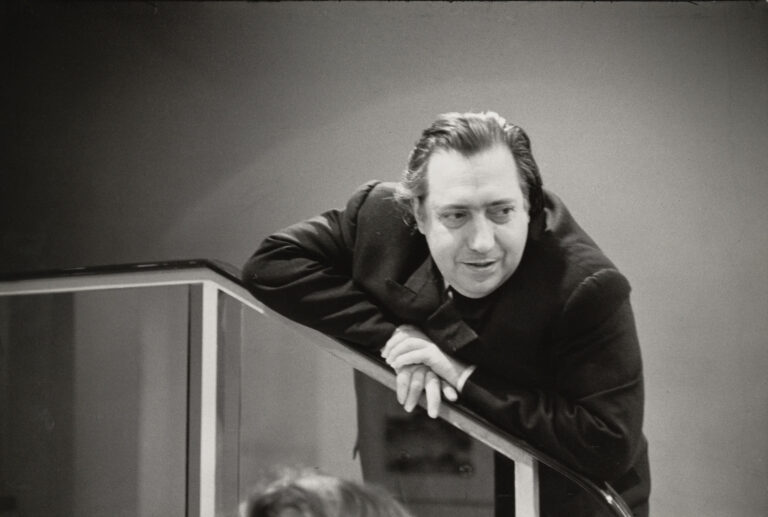
When I was young and getting into movies, I wanted to get my hands on everything. I am still working to get my hands on anything. As I dabbled in film classes, I realized that I had no talent in writing scripts or directing, so reading about movies and watching them is what I settled on. Eventually, when I learned about the French New Wave, a man who was not a filmmaker came to my attention as a pioneer in many respects. That person, Henri Langlois, was this oaf of a man with a personality of love that attracted every young cinephile to his abode full of dreams on celluloid. I wanted to be like him. Watch movies, preserve movies, show movies – under government funding. Itโ€™s a dream job and Langlois founded it themselves. 

Henri Langlois was born in 1914 in Turkey and moved to France when he was eight. From childhood, he was highly interested in attending the cinema and immediately wanted to work in something related to movies. Every Thursday and Sunday afternoon, Langlois would be at the cinema, but his father wanted the young Henri to be a lawyer and so sought to enroll him in law school. But Langlois defied his father by intentionally failing his entry exam, simply submitting a blank page before leaving the school and going to his local theater. He said, โ€œIโ€™m the black sheep of the family. I loved cinema too much.โ€ 

Finding work in a printing press, Langlois would meet Georges Franju, who would later direct Eyes Without A Face and Judex, and with fellow filmmaker Jean Mitry, they founded the Cinematheque Francaise in 1936. With early assistance by Paul-Auguste Harle in funding and no government funding until 1945, ten films were part of the first collection and slowly would grow based on requests for donations. As a columnist for a film magazine, Langlois wrote about the importance of preserving silent films as talking pictures were normalized and many silent films were presumed lost. Franju credits Langloisโ€™ push to save silent films in helping him become a better director because he would constantly watch silent films recommended by Langlois. 

By the start of Nazi occupation in France in 1940, Langois and company had successfully kept a vast collection of movies and memorabilia. This included old cameras, projection equipment, costumes from period films, and vintage theatre programmes. When the Nazis ordered the destruction of all films prior to 1937, he and others smuggled most of their collection out of Paris and hid them in various places, holding secret screenings until the end of the war. Langlois would describe the loss of movies as, โ€œa crime against civilization.โ€ His main curator was German exile Lotte Eisner and she would hold that position of the Cinรฉmathรจque Franรงaise until her retirement.

It is at the Cinematheque Francais where directors from the French New Wave got together and watched films as critics before becoming directors. Francois Truffaut, Jean-Luc Godard, Claude Chabrol, Eric Rohmer, Alain Resnais, and others would attend daily screenings and become friends with Langlois. They were called, โ€œles enfants de la cinรฉmathรจque,โ€ or ‘children of the cinรฉmathรจque.’ It also changed government support when funding went up from 3.4 million Francs between 1945 and 1959 to 20 million Francs from 1959 to 1968 and moved into the much-bigger Palais de Challiot. However, it resulted in more scrutiny on the Cinematheque, conflicting with Langloisโ€™ way of working in it.

With his eccentric way with his preservation methods, Langlois faced consistent criticism from the French governmentโ€™s Ministry of Culture. He was accused of neglecting administration and having no approach in proper recordkeeping such as the library’s ownership rights, as well as being careless with thousands of films which deteriorated and blocked researchers from gaining access. In 1959, some of its collection was lost to a nitrate fire, and Langlois would be in conflict with the International Federation of Film Archives, in association with counterparts in London, Berlin, and New York, which he had a role in establishing. His stature however prevented any serious changes at the Cinematheque. Years of battles resulted in the firing of Langlois in February 1968 by the French Minister of Culture Andre Malraux. 

The massive pushback against the decision became worldwide as protests led by leading French film figures including Truffaut, Godard, actress Simone Signoret, and director Jean Renoir spilled out onto the street. The police were brought over to break the protest of over 3000 people in front of the Cinematheque and became violent, with Godard suffering a gash and his noteworthy glasses being shattered, a foreshadowing event for protests in May that year leading to the cancellation of that yearโ€™s Cannes Film Festival. Dozens of actors, writers, and directors around the world signed a letter calling for Langlois to be reinstalled including Orson Welles, Ingrid Bergman, Charlie Chaplin, Stanley Kubrick, Alfred Hitchcock, Akira Kurosawa, and Federico Fellini among many others. Eventually, Malraux changed course and Langlois was reinstated two months later.

For his work in film preservation, he was awarded an Honorary Oscar in 1974, “for his devotion to the art of film, his massive contributions in preserving its past and his unswerving faith in its future.โ€ From ten films at the start, the collection reached over 60,000 films by the early 1970s. Langoisโ€™ collection was so big that when it was donated to the newly established Musรฉe du Cinรฉma, the amount total spanned two full miles. Langlois remained active until his death on January 13, 1977, but his passion, now in a more modern building with Costa-Gavras (Z) as President, is still alive for current film lovers to see in person. 

Women InSession: Joan Fontaine Overview

This week on Women InSession, we discuss the great Joan Fontaine and what made her a special actress! She had a prolific career accompanied by three Oscar nominations and one win for Suspicion. There’s of course her famous fued with her sister Olivia de Havilland. There’s plenty to talk about with the great Joan Fontaine.

Panel: Kristin Battestella, Zita Short

On that note, check out this week’s show and let us know what you think in the comment section. Thanks for listening and for supporting the InSession Film Podcast!

Subscribe to our Podcasts RSS
Subscribe to our Podcasts on iTunes
Listen on Spotify
Listen on Stitcher
Women InSession – Episode 71

To hear this Extra Film episode and everything else we do, download our apps on the Amazon Market for Android and the Podcast Source app on IOS devices. The mobile app covers all of our main shows, bonus podcasts and everything else relating to the InSession Film Podcast. Thanks for your wonderful support and for listening to our show. It means the world to us.

Episode 571: Best Picture Winner Draft

This weekโ€™s episode is brought to you by Koffee Kult. Get 15% OFF with the code: ISF

This week on the InSession Film Podcast, we discuss the sad news of Carl Weathers passing last week and reflect upon Philip Seymour Hoffman as it’s now been 10 years since we lost him. But we end the show with some great fun as we do an Oscars Best Picture Winner draft!

Check out this week’s show and let us know what you think in the comment section. Thanks for listening and for supporting the InSession Film Podcast!

– Carl Weathers / Philip Seymour Hoffman (2:45)
Last week was a saddening one with the news of Carl Weathers passing at the age of 76. He was an absolute legend that we will miss deeply. His role as Apollo Creed is iconic. His work on Happy Gilmore is remarkably funny and engaging. And most recently, he was a revelation in The Mandalorian, on screen and behind the camera. So, we of course wanted to spend some time talking about his amazing career. Last week also marked 10 years since we lost the great Philip Seymour Hoffman. It’s hard to believe. It’s a loss that still stings heavily. So we wanted to talk about that a little bit further as well given some of the conversation out there recently about Hoffman and his career.ย 


RELATED: Listen to Episode 516 of the InSession Film Podcast where we discussed our Top 10 Movies of 2023!


– Best Picture Winner Draft (34:12)
With the Oscars on the horizon, we wanted to have some fun talking about previous Best Picture winners. We’ve already done a Top 3 list on the subject, so this time around we wanted to have some fun by doing a draft. As we’ve done previously, we did ten rounds drafting the best “team” of winners we could. In a few days, we’ll release the lists on social media for you all to vote on and determine who won this draft. Are you Team JD or Team Brendan?

– Music
My Heart Will Go On – Celine Dion
Roots and Beginnings – Howard Shore

Subscribe to our Podcasts RSS
Subscribe to our Podcasts on iTunes
Listen on Spotify
Listen on Stitcher
InSession Film Podcast – Episode 571

Next week on the show:

Best Picture Nominees Draft

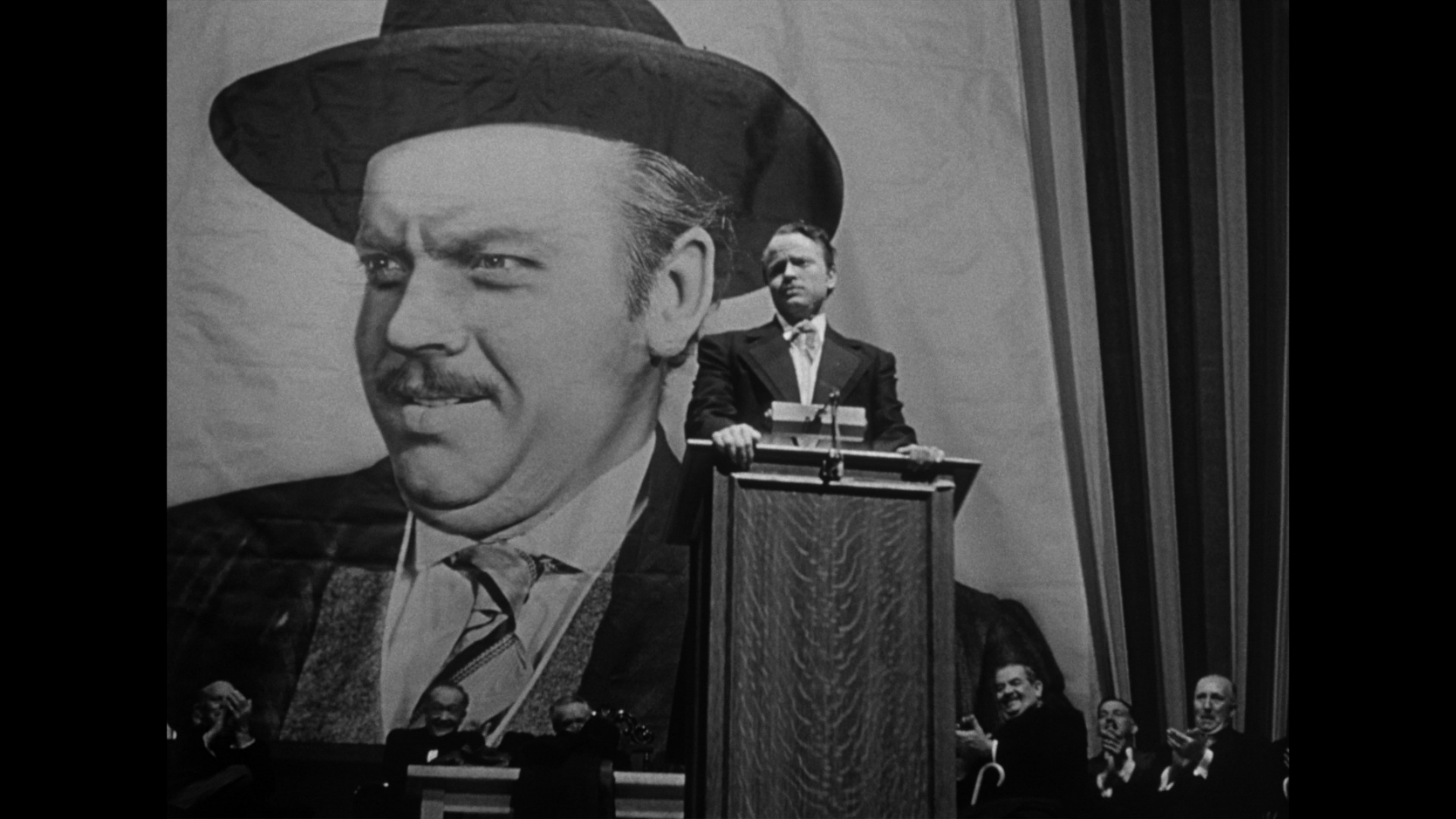
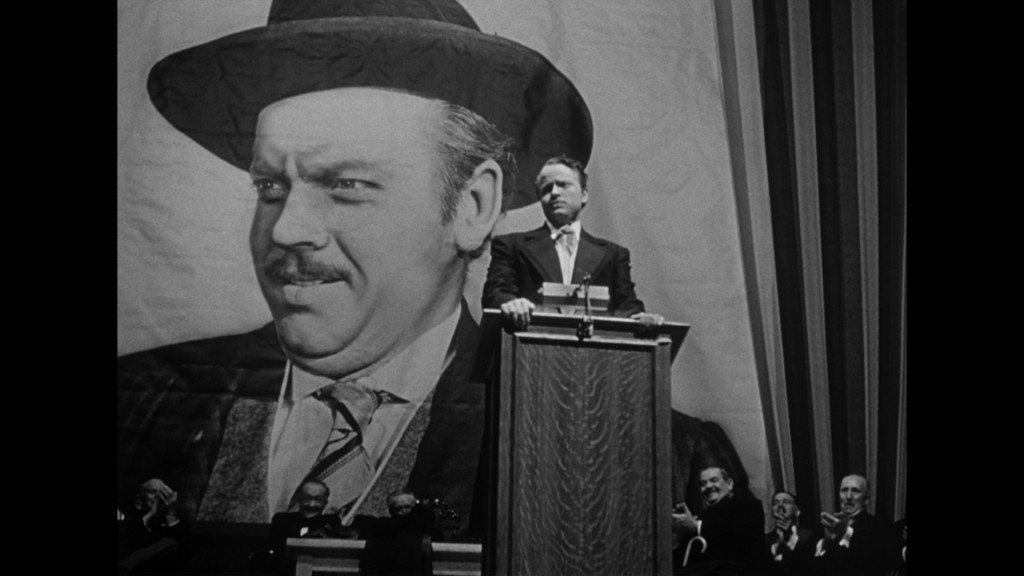
Citizen Kane movie

Help Support The InSession Film Podcast

If you want to help support us, there are several ways you can help us and we’d absolutely appreciate it. Every penny goes directly back into supporting the show and we are truly honored and grateful. Thanks for your support and for listening to the InSession Film Podcast!

VISIT OUR DONATE PAGE HERE

Movie Review: ‘Golden Years’ Shows That Personal Growth Doesn’t Stop With Age


Director: Barbara Kulcsar
Writer: Petra Biondina Volpe
Stars: Esther Gemsch, Stefan Kurt, Ueli Jรคggi

Synopsis: A retired couple is getting ready to enjoy their life as pensioners on a cruise trip through the Mediterranean. The spouses end up going on separate journeys of self-discovery and finding unexpected ways of how to spend their golden years.


There is a certain tendency amongst particular groups to sneer at the โ€œgrey-rinseโ€ comedy. Especially if that comedy is written about people of a certain middle-class and relatively affluent background. Barbara Kulcsarโ€™s Golden Years is precisely the kind of film that will raise those hackles because a journey of self-(re)discovery for privileged white Swiss people is ultimately going to be read as unimportant fluff. What this reading elides is that we are all on the inevitable march towards death. Some of us are most certainly in a better position to cope with it than others, but it is coming, no matter what. Itโ€™s highly unlikely that Barbara Kulcsar and screenwriter Petra Biondina Volpe are making a film with universal appeal. However, they are making one with a particular appeal and charm.

The film begins twice. In the first scene we see Alice (Esther Gemsch) grimacing in a dance class for seniors. The next scene is her husband, Peter (Stefan Kurt) at his low-key retirement party. Heโ€™s sixty-five and he can stop working. His job isnโ€™t even going to be filled. Heโ€™s redundant in so many senses of the word. He steps outside and lets the red party balloon float off into the sky. Hereโ€™s to the โ€œbright horizonsโ€ of his future.

Alice and Peter have been married for over forty years. They have two adult children, Susanne (Isabelle Barth) and Julian (Martin Vischer). Susanne is eyeing her parentsโ€™ large house for herself and her family as she has decided they donโ€™t need all that space now they are old. Julian doesnโ€™t want the house as heโ€™s happy(ish) living a more bohemian permanently single life elsewhere. The siblings bicker perhaps more than their parents do. Yet, there is a sense that Alice and Peter have little in common except the familiarity of a pair of comfortable shoes. 

Alice believes that now Peter finally has leisure time, and she is no longer bringing up a family, itโ€™s the moment to reinvigorate their relationship. Whereas Peter really just wants to do nothing much at all. They both believe theyโ€™ve earned something from life and each other but what that actually is, neither can properly articulate.

The sudden exercise-related death of Aliceโ€™s best friend Magali (Elvira Plรผss) puts them both into a form of crisis mode. Peter suddenly becomes a fitness fanatic and Alice discovers an entire life Magali was hiding from her milquetoast husband, Heinz (Ueli Jรคggi). Magali had a secret lover named Claude in Toulouse for fifteen years. Peterโ€™s goal is to extend his life (โ€œWhat for?โ€ Alice asks), and hers it to find something as passionate as whatever was going on between Magali and her once yearly lover.

A cruise ship holiday through the Mediterranean crystallizes just how far apart they have drifted in love and life philosophy. Peter is more interested in early morning workouts with accidental third-wheel, Heinz, than he is in sex with Alice. Alice meets Michi (Gundi Ellert) a divorced woman from Basel who tells her that she finally feels free to do what she wants โ€“ her deliberate unfettering somewhat shocks Alice, but also intrigues her.

A luxury cruise might seem like the least auspicious place for a radical marriage breakdown โ€“ but in a way it makes perfect sense. Everyone on board is told to have โ€œfunโ€ โ€“ all their material needs are catered for. They just have to sit back and relax and enjoy the ride. So, Alice essentially jumps ship in Marseilles to go on her own journey which will eventually lead her to Toulouse where she can tell the mysterious Claude that Magali has passed away. Peter canโ€™t believe Alice would ever do something that reckless without first consulting him and immediately flies into tantrums and panic-based hypochondria. Realizing he canโ€™t get the ship to stay in port to find Alice (a real the world doesnโ€™t stop just because you want it to moment for him), he eventually flies home with his new โ€œwifeโ€ figure, Heinz.

Aliceโ€™s journey is very much her down the rabbit hole experience where she comes across a bunch of colorful characters. She meets some mushroom dosing grey nomads, buys new dresses because she just feels like it. Gets admired by men and women alike. Gets lost and found by a series of people. She finally reaches Claude and the revelation of who Claude actually is both shocks and satisfies her. It might not be at all shocking for the viewer, but for Alice and her quiet and restrained existence, itโ€™s a rewiring of what she thought was possible in life.

On the home front, Peter moves into a cozy domesticity with Heinz. Essentially, he replaces Alice with a man who seems as uncomplicated, if a little morose. His daughter Susanne is having a nervous breakdown and is drinking too much and arguing in front of her kids who know whatโ€™s going on better than Peter does.

When Alice finally returns to her home she finds she doesnโ€™t have one. Peter has thrown her out for leaving him on the cruise. Susanne doesnโ€™t want to deal with her because she thinks Alice was selfish for leaving Peter. Only Julian has some sense of what is happening to his mother and takes her in, but even that wonโ€™t work with his Tinder Hook-up lifestyle. At some point, everyone is going to have to sit down and work stuff out.

There is of course a whiff of โ€œfirst world boomer problemsโ€ in the film. Yet, the humor and general good-naturedness of the film mostly overcomes its flaws. Barbara Kulcsar is pointing out that love and working out life is difficult for every generation. No one is truly settled and sorted out as long as theyโ€™re alive. Their levels of fiscal ease may vary; but when one is looking at the so called โ€œlast stretch of lifeโ€ in their sixties, Mary Oliverโ€™s poetic question โ€œTell me, what is it you plan to do with your one wild and precious life?โ€ comes into play.

Golden Years is breezy, silly, and often frustrating. It commits to its more serious themes through comedy and sometimes that lets it down. Barbara Kulcsarโ€™s โ€œsenior comedyโ€ does have enough unpretentious pathos to allow the audience to connect with characters who seem insufferable. As Mary Oliver wrote, โ€œDoesn’t everything die at last, and too soon?โ€

Grade: B-

Op-Ed: The Ouroboros of Modern Film Distribution

When the trailer for Rebel Moon: Part One – A Child of Fire came across my path, I had no idea what it was or where it came from. I watched the trailer and was awestruck by the visuals. The film has some incredible CGI, it looked so immersive and beautifully realistic. At the end of the trailer, though, I sighed with disappointment. I saw the Netflix logo appear with a date for when it will be on the site. I did a little research afterwards and saw that there wouldn’t even be an attempt by Netflix to release it in theaters. It’s a shame Netflix didn’t, because while my television, and likely yours, is high definition, this film deserved to be on a big enough screen that the sound and the impact of each scene could blow you back in your seat.

There could have been a number of factors as to why Netflix kept this one just for themselves. It saw the other original sci-fi film of the Fall, The Creator, not quite bomb, but not quite live up to domestic box office hopes. It didn’t want to try and compete with the IP crowded theaters grasping for the eyes of winter break viewers. They might have just realized that a film with three credited writers couldn’t make a story that didn’t play exactly like space opera Mad Libs, that’s a flimsy rip off of Seven Samurai. 

Yet, in Fall of 2023, Apple TV+ did what Netflix couldn’t or wouldn’t attempt and broke through with two films that couldn’t have been less geared toward the current state of the movie theater audience. Both Killers of the Flower Moon and Napoleon, like Rebel Moon, boasted hefty runtimes, hefty budgets, and megawatt directors. The difference is Apple TV+ sought a partnership between the new and the old. Killers of the Flower Moon was produced with the help of Paramount and Napoleon with the help of Columbia/Sony. 

These partnerships made these films more than just a streamer breaking from format, it guaranteed a theatrical run that wasn’t mired in the idea that people could just wait a week for the film to drop onto the streamer. Not only that, but the films as co-productions could take advantage of the VOD rental and purchase market, opening up a deeper revenue stream before they found their forever home. Even with modest domestic success, their added international grosses boosted them much closer to recouping their cost. Napoleon, according to BoxOfficeMojo, more than doubled its domestic box office in the international markets.

Amazon Prime, too, found a bit more success, or at least word of mouth to drive people to their streamers after a theatrical run. When the tech giant bought MGM, one of the oldest movie studios around, it looked like it was just buying a library. It also felt like Amazon Prime was really just buying the James Bond franchise, much like when Disney bought LucasFilm so it could produce a galaxy of far, far too many Star Wars properties. But it was doing something much more stealthy. Amazon Prime was buying a brand they could use to generate content for their streaming service, and subsequently an unnecessary additional streaming service, MGM+, in order to release things theatrically, then pluck them for the streamer when the time was right. Also, like Apple TV+, Amazon Prime, under the MGM and associated smaller studio labels, added several of these types of films to VOD platforms for additional revenue.

Disney,on the other hand, has been straddling multiple strategies to try and boost its lagging properties. Its streaming platforms, Disney+ and Hulu, have exclusives, shows and movies that one cannot find anywhere else. Its studios, Walt Disney Pictures and 20th Century Studios, are able to put tickets in hands and butts in seats at least two weekends of every month. Yet, it’s finding neither one to be enough as the quality or enthusiasm for the studio’s output has waned. 

Marvel Studios, a Disney property, isn’t  bombing spectacularly, but the studio is finding that the once golden goose of a formula is laying some eggs, which means a scaled back 2024. There is only one Marvel property scheduled for theatrical release this year, Deadpool 3, and it’s a legacy property of which they had no hand in the prior successes of. 

Disney’s emotion churning, family friendly, animated film juggernaut Pixar has also had a few less than stellar moments lately. In an attempt to try and bring back some of the money it’s lost on the Disney+ venture, Disney has a plan to release those Pixar films stymied by the pandemic, which premiered on Disney+, into theaters the first three months of this year. 

The studio also pivoted on their streaming exclusivity by going to their old standby of home physical media. Several Disney+ shows are releasing as collector’s editions on blu-ray. It’s a gambit that may pay off for them, but it’s also a clear sign that the streaming revolution may never be total.

So, why are streamers flailing and studios failing? These entertainment juggernauts don’t realize that by creating so many options, building so many platforms, and releasing so much content, they’re creating a paradox. The paradox being that they need to create content to keep viewers, but the more content they create without waiting for the first batch to recoup their cost means they spend far more than they could ever make and in making more, more, more, they create the burden of choice on their viewers.

These companies have no real way out of this mess. The only way they can try is an almost tried and true method of failure, attempting to repeat something spontaneously and genuinely successful that happened not because of their influence. Yeah, I’m referring to Barbenheimer.

There is no way anyone at any studio could have predicted that the counter programming pairing of a film based on a toy line with a storyline that includes existential dread and a dense, lengthy film about a divisive scientist, also filled with existential dread, could have been as lucrative as it has. Barbie and Oppenheimer became the number 1 and number 5 highest grossing films of 2023. They toppled records and brought people into the theater the way only a Marvel or other IP behemoth could have. What’s more, these films stayed in theaters. According to data on BoxOfficeMojo, Barbie played on over 1,000 screens across the US for 77 straight days. On the 78th day it dropped to a โ€œmereโ€ 808 screens. The last data point for Barbie on BoxOfficeMojo has it that it was playing in some theater, somewhere in the U.S. for 185 consecutive days. The site hasnโ€™t updated with information on Barbieโ€™s rerelease after its eight Oscar nominations.Oppenheimer during that same period lasted 70 days at over 1,000 screens and has had a bump back to 254 screens in its 185th day, with several hundred more added in the wake of thirteen Oscar nominations. It still gains theatrical momentum as it mows through the competition at awards shows like aโ€ฆ. wellโ€ฆ like a very well made film should.

Unfortunately for us, the studios are going to try and recreate this. They will force something into being without letting it take the natural course. They will probably pay influencers far too much money to gain word of mouth. They will parse through dozens of reviews to find one critic who types the phrase “one half of this year’s Barbenheimer” to paste the phrase on all their posters regardless of the context in which the critic uses the phrase in their review. They’re going to try because they can’t imagine the simple truth that they’ve stretched themselves too thin.

In the beginning of the studio system, studios found a niche. There would be the occasional foray against type, Warner Brothers would eschew a gangster picture for a drama, Universal would try out a comedy rather than another creature feature, but they knew what they were known for and generally tried to stick with it. This system eventually broke down, much as sound replaced silent, color replaced black and white, and digital replaced film. It seemed for a while there like the next big shift was that movie theaters would be replaced by home streaming. Yet, even after a global pandemic that nearly destroyed movie theaters as an industry, there seem to be hints that the projection booths have a little more life in them yet.

The studios seem to have found a way to strike a bit of balance between their streaming ambitions and the movie theater ecosystem. The Super Mario Bros. Movie lasted several months in theaters and Universal, the studio that released it, waited until there were only a few showings a week and the money was trickling in slower to announce the film’s premiere on Peacock, the studio’s streamer. Alternatively, Amazon Prime, guiding MGM, did a slow release of Saltburn into U.S. theaters and as the anticipatory indie crowds began to fade during the deluge of prestige at the beginning of December, the streamer quietly placed it among the offerings for members a few weeks after its theatrical run began.

It’s always a risk trying to build an audience for original films. It’s even more of a risk to stay in a niche. Just ask beloved indie studio/cult A24 as they attempt a pivot toward IP, action, and profitability. But with a built-in buffer in place of both the booming VOD market and streamers that belong to the studios themselves as well as Netflix purchasing the rights to back catalogs and Sony releases, the film ecosystem could actually begin to evolve into a model that benefits a diverse array of offerings at movie theaters and a more egalitarian distribution model. They just have to take several steps back, stop stampeding toward something that’s the same as everything else, and create quality not quantity.

History shows that movie studios will find a way to survive and evolve. Typically by piggybacking off of one of the other’s better ideas to diminishing returns. Their greed for influence, market share, and being first knows no bounds. We can only hope that they understand the power of the movie theater, that exclusivity is only as good as the overcrowded platform that claims it, and that while we hungered for nostalgia for a time, we leave our houses more and our navel gazing has turned to wanderlust, a searching for the unknown and radical.

Before I got around to actually watching Rebel Moon: Part One – A Child of Fire, I stumbled on the trailer for Rebel Moon: Part Two – The Scargiver. I didn’t know it at the time, but I was seeing some plot threads I was not supposed to know going into the first film. It didn’t really matter as I predicted each and every major plot point from, about, the opening narration and developed a theory for the finale that I’m pretty confident I’m right about. But it doesn’t change the fact that I wanted to be in a dark room with surround sound and a screen that takes over my entire vision while watching it. It made me want to have seen and to have experienced They Cloned Tyrone, You Are So Not Invited to My Bat Mitzvah, and Nimona with an audience. 

Films are better with other people, not just your friends, roommates, or immediate family who walk by the TV and loudly interrupt with questions about the plot or what’s for dinner, but other people you can’t predict, strangers who might also have tears in their eyes, or laugh at what you laugh at. Maybe one day Netflix will find that they don’t hate making money in addition to their subscriber base. Maybe the next Knives Out will get an actual theatrical run because a five day theatrical run is ludicrous and completely, embarrassingly incomprehensible when the original film grossed over $150 million dollars domestically. 

The theatrical experience has changed, but it can always swing back to bring audiences to something unique again. All it took was a woman trying to find herself and a scientist succeeding at turning theory to fact and immediately regretting it to get people to wonder if there is a world out there beyond shared universes, reboots, requels, sequels, and legacyquels. We learned in 2023 what we’ve known since grade school, homework sucks. Here’s hoping the studios and streamers take the lessons of the past year to heart and let us have class outside the box more often.


Movie Review: ‘Force of Nature: The Dry 2’ Meanders Through Mystery


Director: Robert Connolly
Writers: Robert Connolly, Jane Harper
Stars: Eric Bana, Anna Torv, Jacqueline McKenzie, Deborra-Lee Furness, Robin McLeavy, Sisi Stringer, Richard Roxburgh

Synopsis: Five women participate in a hiking retreat but only four come out the other side. Federal agents Aaron Falk and Carmen Cooper head into the mountains hoping to find their informant still alive.


The huge Australian box office success of Robert Connollyโ€™s The Dry is, to excuse the pun, due to optimal clear sky conditions. The primary reason it was a money maker for Screen Australia was timing. Australia was in between various COVID lockdowns. Many major overseas releases had been rescheduled. It was based on Jane Harperโ€™s bestselling novel which spoke to the impact of climate change on a rural community after the in real life Australia had suffered devastating bushfires in 2019. And finally, it starred one of Australiaโ€™s most bankable and likeable stars, Eric Bana as the detective Aaron Falk.

Prefacing why The Dry was a homegrown hit is not devaluing the film which is a solid piece of Outback Noir (sometimes termed โ€œyeah, noirโ€ based on idiomatic Australian language usage). 

It followed a familiar formula. Big city detective returns to hometown to attend a funeral and gets caught up in what could be related cases. One coming straight from his guilt ridden past. With two timelines working through the film, Falk as a teenager when his girlfriend drowned in a local swimming hole, and Falk as an adult, when, due to drought, the entire riverbed is dry, and the small farming community is a tinderbox waiting to ignite.

The setting of rural Victoria did as much storytelling as Falk did detecting. Unravelling his past and the present of the town he left behind. The psychological state of a mostly office bound Federal police detective working in financial crime needs to have something to anchor it. Remorse and redemption were Falkโ€™s motivations.

Cut to 2024 and a strike which delayed the Australian release of Force of Nature: The Dry 2 and we are witnessing a perfect storm of why the film is not going to garner as much attention. Before one even looks at the quality of the film, which in no manner matches the first, there are too many other movies itโ€™s up against. People are investing their attention in potential major awards contenders.

Context aside, Force of Nature: The Dry 2  is simply not as compelling nor competent as its predecessor. Falkโ€™s role in Harperโ€™s novel is functional, not particularly personal. Heโ€™s there to find an asset heโ€™s been pushing to help bring down a corporate money laundering scheme.

Aaron Falk is back in his high-rise office in Melbourne. He receives a distressed call from Alice Russell (Anna Torv) who is acting as his informant against BaileyTennants, a conglomerate run by Jill Bailey (Deborra-Lee Furness) and her sneeringly arrogant husband Dan (Richard Roxburgh). The company has been using charitable donations to clean money from organized crime.

A corporate retreat for BaileyTennants employees in the Giralong Ranges (fictional) in the Victorian Alpine region becomes fraught when four of the women hiking through the dense winter forests are found traumatized but alive, but Alice is not with them. No one can genuinely say they know exactly where she is.

Falk and his partner Carmen Cooper (Jacqueline McKenzie) join in the search for Alice as she was carrying vital data taken the morning of the retreat. The local police force doesnโ€™t appreciate the Feds stepping in, especially as they appear to be glorified forensic accounts. Itโ€™s up to Falk and Cooper to work out what happened during the hiking trip where the group went missing for days in order to possibly find Alice alive before a storm front sets in.

Time is of the essence for Falk and Cooper as they question the four women who made it back to the luxury accommodations. Jill, younger siblings and new employees Bree and Beth McKenzie (Lucy Ansell and Sisi Stringer), and Aliceโ€™s childhood friend and co-worker Lauren Shaw (Robin McLeavy). Before everyone can lawyer up, something that Daniel reminds Falk he might want to consider before questioning his wife and himself; Aaron and Carmen have to get clues as to Aliceโ€™s possible whereabouts from four confused and dissembling women with conflicting stories.

By rights, Aaron Falks should be the least interesting character in the mystery. However, Robert Connolly working in conjunction with Jane Harper, realized that one of the biggest draw cards for the franchise is Eric Bana. Interspersed with the present timeline is a thinly excused hunt for the very likely deceased serial killer Martin Kovac who was active in the area years ago. The local copper Sergeant King (Kenneth Radley) is more invested in finding Kovacโ€™s base of operations; a shack where the women sheltered one night, as he is with finding Alice. Relatives of the dead are searching for the bodies of those who were lost.

Connolly and Harper decide this is a good opportunity to make the case a part of Falkโ€™s past. Flashing back to years ago when he, as a child, was hiking with his parents in the same area. A momentary distraction on behalf of Aaron led to both he and his father Erik (Jeremy Lindsay-Taylor) losing sight of Aaronโ€™s mother Jennifer (Ash Ricardo). She vanishes, possibly at the hands of Kovac and Aaron along with Erik searching for her for days.

Four timelines begin to emerge. The present-day search for Alice. The lead up to Alice agreeing to work with Falk and Cooper, and why. Aaronโ€™s childhood, and the most interesting which is what happened during the hike.

Alice more than likely is already dead in the present โ€“ something for personal reasons Falk refuses to accept. The audience needs to know what happened over those days where the โ€œExecutive Adventuresโ€ hike went terribly wrong for the quintet of women so they can find a possible murderer.

According to Jill, Alice was meant to attend the team building exercise because she was a workplace bully. Something both Beth and Bree can attest to. Lauren seems so deeply disconnected and traumatized that she just stands atop a waterfall staring into the distance. She defends her friend. After all, Alice got her the job and covered for her when she was making mistakes during her divorce. Their daughters Margot (Ingrid Torelli) and Rebecca (Matilda May Pawsey) attend the same exclusive Grammar school. 

โ€œExecutive Adventuresโ€ tour guide and organiser Ian Chase (Tony Briggs) explains that everything was business as usual when he sent the five out. They had everything they needed for their hike. Supplies were set out. They had a map and compass. They made it to the first checkpoint where they were greeted with luxury hampers and drinks. Plus, the men from BaileyTennants who were doing their own version of the hike and met up with them on the first evening.

The theme, which should revolve around five women going into feral survival mode akin to Lord of the Flies, gets watered down to a โ€œa bunch of incremental bad decisions led them to get lost,โ€ both in the past and present. As the curtain is pulled back on what occurred, the focus is on decisions each woman makes. Going down the wrong path by presuming they are reading the map correctly, only to wind up lost. Jill berates Alice for being too harsh on Bree who was guiding them and tells her itโ€™s symptomatic of her bullying. The confrontation leads to more mistakes happening. The map is lost. Lauren almost drowns. Beth and Bree start to distrust each other due to Bethโ€™s past as an addict. Jill has presumed Alice is having an affair with Dan. Lauren remains mostly passive until she realizes Alice not only has a phone, but sheโ€™s planning on abandoning them all.  Yet somewhere in all of that there is a strange kumbaya moment where they sit and talk about stars, life, and love.

Jill with her fake thick and fashionable brows is the kind of woman for whom a lack of luxury is anathema. Lauren simply drifts and tries unsuccessfully to be a peacemaker. No one really cares what she thinks. The siblings arenโ€™t strangers to difficult situations; but theyโ€™ve never been lost in a seemingly endless forest where roots can trip you, the ground is uneven, the canopy of trees rarely allows light, and itโ€™s sodden and freezing. Only Alice seems to have a plan and thatโ€™s โ€œmy way or the highway.โ€

The sheen of civility is what has kept BaileyTennants from being fully investigated before. The companyโ€™s multiple donations to charitable funds is what makes them near untouchable. The parallel is that civility only works in controlled environments. Thereโ€™s nothing controlled about โ€œthe force of nature that reveals us all,โ€ when you are lost in a forest and no one is searching for you.

There is precious little to engage with beyond Andrew Commisโ€™ cinematography of the region and a smattering of effective set pieces. Mostly this comes down to the uneven drip feeding of essential information to make the plot seem plausibly tense. 

Aaron Falk already had his trauma, redemption, and hero moments in The Dry. Rehashing the same ground for Force of Nature is a mistake. No one really wondered all that much about Jennifer Falk, so it wasnโ€™t necessary to insert her into the place specific backstory. 

It is okay for the film to admit Aaronโ€™s just a serious, somewhat damaged man with no outside life and a sense of empathy. It isnโ€™t necessary to relegate his partner Carmen to a โ€œWe will get it no matter who it hurts, theyโ€™re all guilty of somethingโ€ foil to make Falk more human. He doesnโ€™t have to be the filmโ€™s most righteous feminist. Women can, and do, behave badly to each other. Psychological bullying is a specialty. Violence can happen between the โ€œgirls and ladies.โ€ Privilege and social class arenโ€™t erased by โ€œsisterhood.โ€

What Force of Nature excels at is showing another side of the Australian landscape. Already the outback noir has its definitive detective in Jay Swan created by Ivan Sen. Ray Lawrence (Jindabyne) and Cate Shortland (Somersault) gave us versions of the Snowy Mountains. We have seen beaches and tropical locations more times than it is possible to list. But the inherently eerie, and at times deeply dangerous, winter forest doesnโ€™t often get a big budget film to showcase it. 

Force of Nature: The Dry 2 mostly limps along as a mystery because it doesnโ€™t decide where the audience should look. Usually, some obfuscation is what makes a mystery compelling. A few red herrings, and people with enough motive to want someone gone. Instead, the audience is given a stoic sad sack โ€œheroโ€ detective who resembles supermarket white bread. Itโ€™s a shame because Eric Bana is generally a fantastic actor. So are two Australian screen icons Jacqueline McKenzie and Deborra-Lee Furness. Richard Roxburghโ€™s performance seems to be just โ€œWe need a slightly extended cameo by a big name who can do menacing.โ€ At least Anna Torv is given some gristle to chew and she dominates every scene sheโ€™s in with her changeable demeanour. It is also good to see Robin McLeavy on the big screen again after her breakout performance in Tasmanian horror comedy The Loved Ones from 2009. Sisi Stringer is a cast stand out. Her twitchy, guilt ridden Beth is the best performance outside of Torvโ€™s.


If the thematic idea of the film is that the force of nature forces us to reveal our true natures is to work, then more time is needed to be given to the people central to the mystery. Force of Nature: The Dry 2 jettisons character backgrounds to the point where the audience is working overtime to infer meaning and proper motivation. It renders the work featureless and lacking teeth. Aaron Falk is neither the hero the film needs, nor deserves because there arenโ€™t clearly enough defined villains except corrupt capitalism and keeping up appearances. A more apropos title would be Sodden: The Dry 2.

Grade: C

Movie Review: ‘Argylle’ is All Twists and Turns, Leading Nowhere


Director: Matthew Vaughn
Writer: Jason Fuchs
Stars: Henry Cavill, Bryce Dallas Howard, Sam Rockwell

Synopsis: A reclusive author who writes espionage novels about a secret agent and a global spy syndicate realizes the plot of the new book she’s writing starts to mirror real-world events, in real time.


I imagine that during the studio pitch, director Matthew Vaughn and scribe Jason Fuchs sold Argylle as a fun spy adventure with twists at every turn. I’m almost certain that the words “spectacular,” “stunning,” and “remarkable” were never uttered and were intentionally left out because there is simply nothing surprising about any of the curveballs it tries to throw at the audience. Any spy cliche or trope you can think of, Argylle has it in spades. The result is a jam-packed film overstuffed with so much utter nonsense that you could call it an attack on the senses with diphenhydramine.

And that’s a shame because anyone who loves a good spy novel or movie should love Argylle. You have a great cast where Bryce Dallas Howard plays a socially reclusive author, Elly Conway, who spends too much time with her cat, Argylle, and not enough trying to find someone to share her life with. That’s her mother (the irreplaceable Catherine O’Hara) talking, who also adds the fifth book in the Agent Argylle series, which doesn’t have an ending that will appease her fans. However, her novels have hit too close to home.

At least, that’s what a stranger on a train named Aiden (Sam Rockwell) tells her before defending her against a couple of dozen armed assassins. Confusingly, Howard’s Elly keeps trying to run away from Aiden, the one man not trying to kill her, but we will get into that later. Aiden helps her escape and then tells her about a secret rogue organization called The Division, led by Director Ritter (Bryan Cranston), who wants to abduct Elly (and not her cat) to find out how she unwittingly knows so much about their dirty deeds that she puts to paper.

The film slogs along at 134 minutes. To put that in perspective, thatโ€™s on par with the last three of the Fast & Furious franchise, and some of the things that happen in Argylle are just as ludicrous. Itโ€™s hard to tell you just how much thatโ€™s true with facts because we cannot ruin it with spoilers. As much as I try to keep things cautious, most of this involves laying parallel narratives with Ellyโ€™s previous four Argylle novels, the current one she is trying to write, and the real-life mystery that places it all together. Frankly, Fuchsโ€™s script thinks itโ€™s smarter than it is.

Much of the filmโ€™s plot relies on red herrings or implausible common-sense connections. Not to mention the endless montages of a one-note joke comparing Henry Cavillโ€™s Argylle to Sam Rockwellโ€™s Aiden. When the film makes its big reveals, itโ€™s more of a cheap trick where, if you look back, significant character decisions feel like filler and vain attempts to move the story forward. Vaughn tries to distract most of this with big names, handsome faces, the charm of its leads, and a cute cat. And to his credit, he nearly does.

Rockwell brings the type of mixed lunacy and folksy charm that has made him a household name. I could see the pairing of Henry Cavill and John Cena in a real-life buddy action comedy. I will admit the filmโ€™s best scene, involving a ridiculously goofy song and dance ballet of bullets, did put a wicked grin on my face. Itโ€™s so out of place but so entertaining that I almost forgave everything that came before it. 

Samuel L. Jacksonโ€™s cameo is a head-scratcher. He plays a former head of the CIA with a man cave filled with sports memorabilia, a ticker for stocks and sports betting, and a movie-sized screen for espionage and Lakers games. Personally, I was hoping this was Jacksonโ€™s real-life office, and he made the filmmakers bring the cameras to his doorstep in a power move built off his legendary Hollywood swagger and gravitas.


And thatโ€™s how distracted I was with the relentless onslaught of Hollywood nothingness that Argylle is (or maybe thatโ€™s just my crippling case of ADHD). Even the final scene and mid-credits scene are head-scratching. While I enjoyed the endless charm of Rockwell, youโ€™ll be asking yourself, โ€œWho cares?โ€ until the final credits roll.

Grade: D+