As a Seattlelite and a lifetime Washington State resident, any time the Mariners get national attention, or look like they may make it into the playoffs, I take it with a grain of salt. This time felt different, though. There was an undeniable magic in the air, the city seemed to be holding its collective breath. Even as other life long residents would say, as we always say around the beloved, beleaguered, and baffling Ms, that they’ll lose, that they’ll choke, that they’ll make a crucial mistake, there was a glimmer in their eyes this time. It was a spark of hope as if the legendary Seattle Freeze had begun to thaw. We all suddenly thought about where we were during the last magical season, 24 years before.
Baseball can do that to us. Unlike any other game, there is deep superstition and romance to the sport. It’s about numbers, percentages, angles, yards, hang time, pitch speed, and body rotation, but also rally caps, eating the same meal, sitting in the same seat, and wearing the same socks. So much happens during one inning of baseball that it feels like full seasons between batters. Time slows and the infinite possibilities that come from a pitch are all simultaneously likely. It’s why baseball inspires such great movies.
From The Natural to Field of Dreams, baseball is the quintessential element in a sports movie about hope. Lately, there haven’t been many baseball films and fewer sports films that give the kind of hope and inspiration that baseball films always have. It’s possible that because sports films have shifted heavily toward biopics and period pieces that they lose this appeal of the underdog that an original film can evoke. If we see the trailer for a film based on a true story, we can just look it up. They won or they lost. It’s not got the same feel to it that an original story does. Even if we don’t know the story right away or choose not to look up the details beforehand, sports films based on real events and athletes lack a sense of tension after a while.
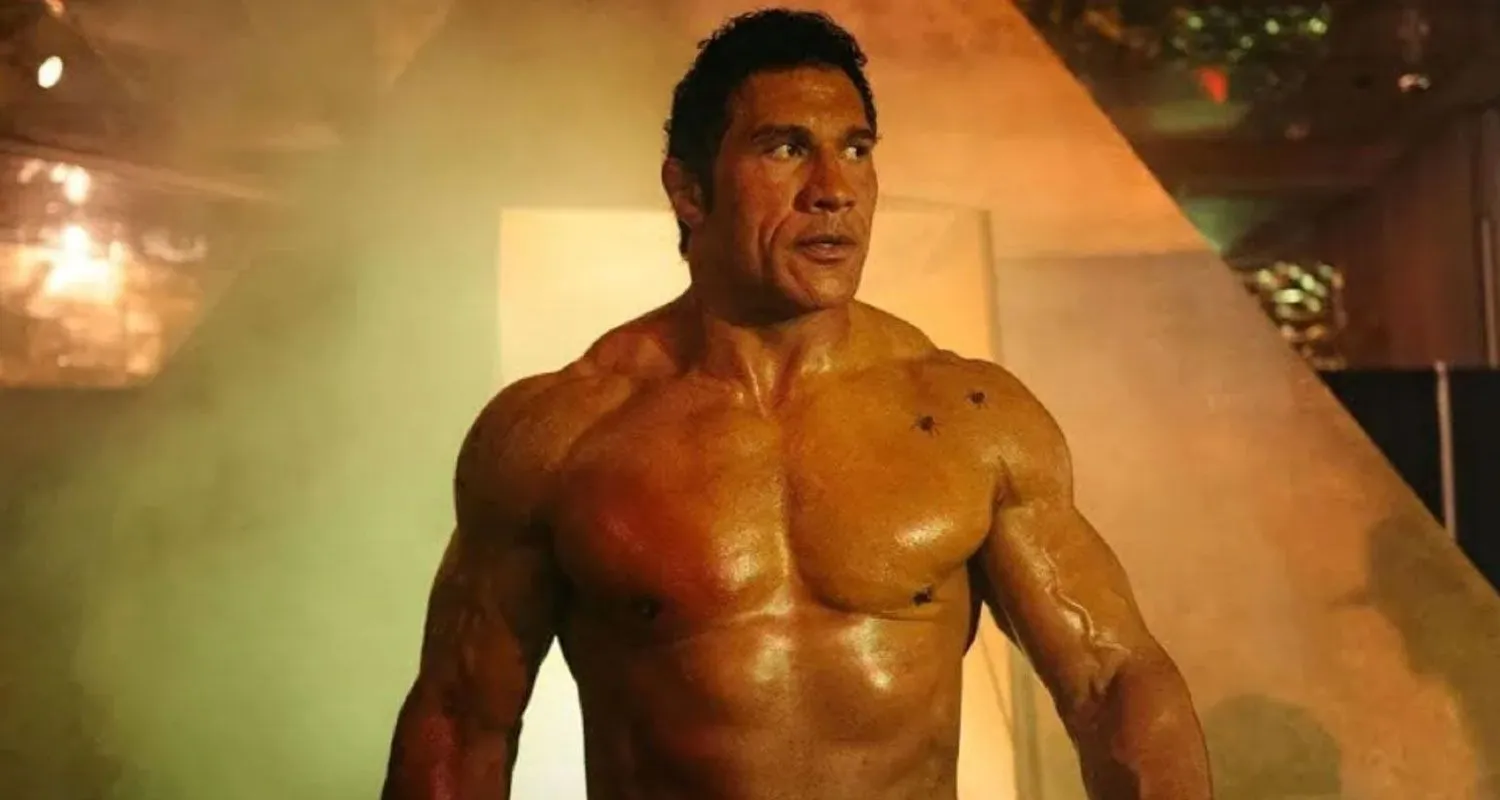
Take The Smashing Machine for example. It’s about a significantly lesser known mixed martial arts fighter, Mark Kerr (Dwayne Johnson), who is both literally and metaphorically big in Japan. He isn’t a down on his luck fighter, necessarily. He isn’t an old war horse ready for retirement. He isn’t trying to get enough money to support his large family at home. He isn’t going into the ring with a major disadvantage. He’s a good fighter who, because he’s in constant pain from all his brutal fights, gets addicted to pain medication, which is what drives much of the conflict of the film.
If it had been handled differently, The Smashing Machine could have been the kind of uplifting, inspirational story that resonates. Though, it is a vision of a filmmaker who may not have really understood the material. The actors’ strange, robotic choices, the uneven direction, and the overall blandness of the film account for much of The Smashing Machine‘s ineffectiveness. Yet, it has the formula for a comeback sports movie. It’s just that we have no reason to care about this fighter’s journey other than the fact that he’s a fellow human being attempting to make better choices for the future.
When we talk about Oscars and sports films, it’s films like The Smashing Machine that often get louder than average buzz. Their pedigree and the promise of an actor taking on something more challenging often push these films to the detriment of something better from earlier in the year. It’s a shame when a much better sports movie that is inspirational, but also a meticulously and beautifully crafted film, won’t get all the recognition it deserves as people will continue to debate films like The Smashing Machine.
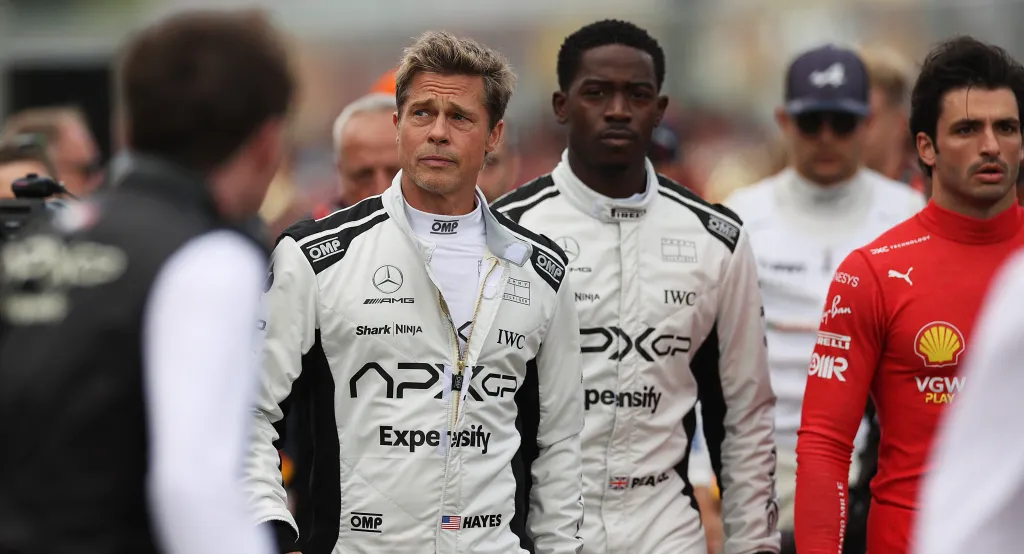
With a dumb title like F1:The Movie, it’s easy to overlook the original story that, in many ways, functions like an advertisement to get more Americans to care about Formula 1 racing. Yet, this film is very good and an original that doesn’t lend itself to people coming into it with preconceived notions, except where the genre tropes apply. Its story brings a Steve McQueen like cool guy, Sonny Hayes (Brad Pitt), onto a failing F1 team. Through talent, intelligence, and charm, Sonny guides the different personalities at odds with each other and helps inspire a cohesive unit. APX, the racing team at the heart of the film, are underdogs in every sense of the word. They are scrappy and work the system that’s always against them. The movie looks cool, sounds cool, feels cool, and might bring a tear or two to your eyes by the end.
F1 is a film that would have been past Oscars catnip. It’s showy and it made a worldwide impact at the box office that most original films can only dream of. It also made a box office impact that is nearly unheard of for a film that was co-distributed by a streaming service. Like the film’s success, the story is about the thin line between skill and luck, between pushing yourself to the limits and trusting your teammates and your guts. It’s what sports movies have always aspired to be and what we really want from our sports movies. It’s an underdog to root for.
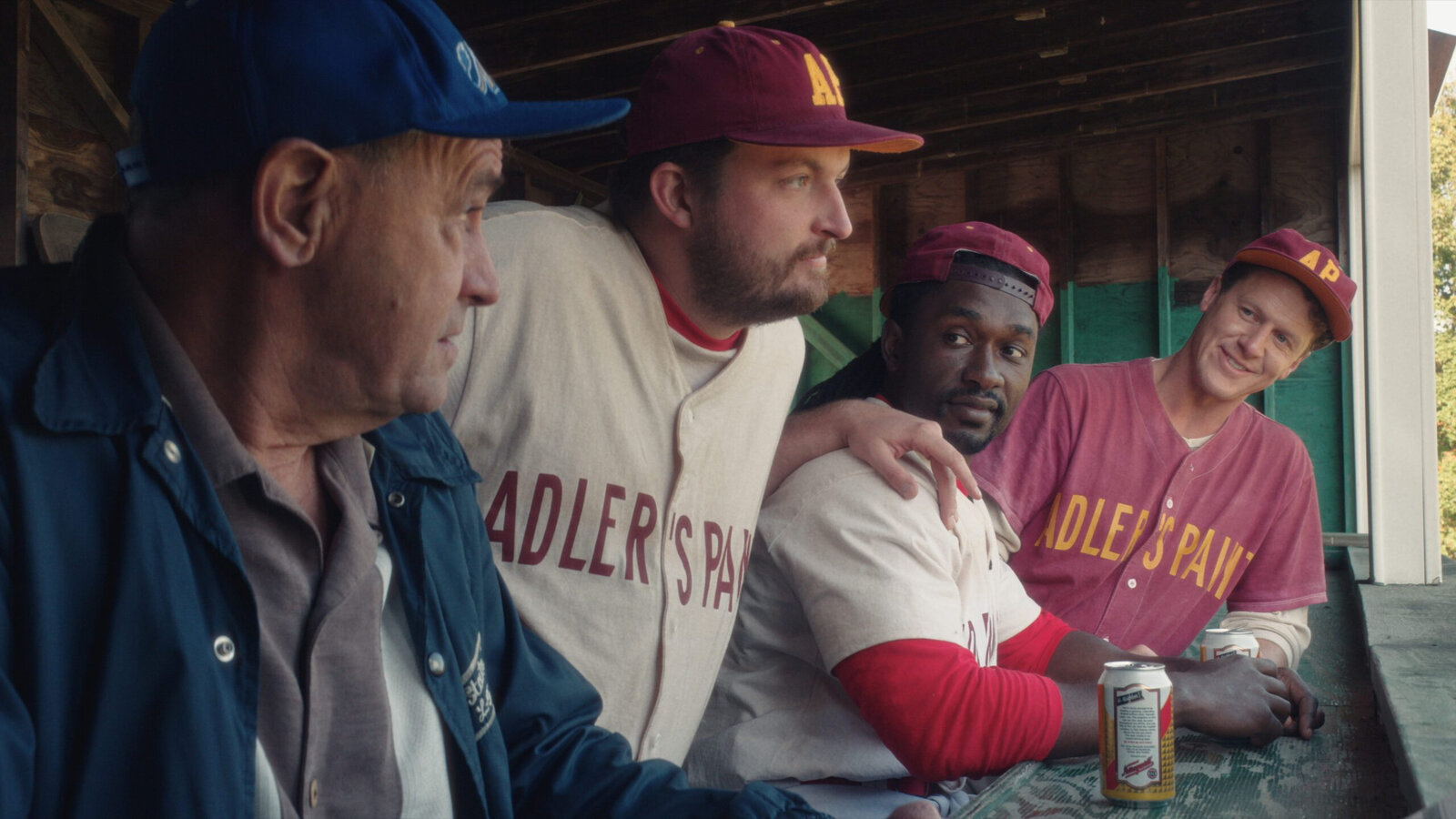
This is why Eephus is one of the best baseball movies ever made. All the players, and all the characters, really, are underdogs. Each side is full of men past their prime, or who never really achieved a prime. They play this game, not because it’s important to their respective teams, or because it’s their league championship, but because their league is disbanding and their field is being razed to make way for something new. They won’t give up even when their umpires leave or when it’s too dark to play. They just keep going because they know this is it. They know that the moment they stop it will all be over and their time on the field will be complete. It’s simultaneously heartbreaking and uplifting as you see that the point of it all wasn’t the people or the place, it’s the game and how it makes you feel to do what you love.
Sports can be reduced to winning and losing. The statisticians record the minutiae, but only film can capture the deeper resonances of an athlete. It can bring forward the psychology of sport and how the mind and the body create something that narrates those statistics. Sports films don’t have to be happy and hopeful affairs all the time, but there is something magical when they are. It evokes in us a sense of wonder about the nature of chance. No matter what, no matter the reports from spring training, there’s always a chance and that’s what keeps us coming back, that’s what makes our hearts race, our stomach flutters, and tears of either joy or disappointment run down our cheeks.