


“Can you imagine how beautiful it would be to wake up one day and be in the mood for falling in love?”
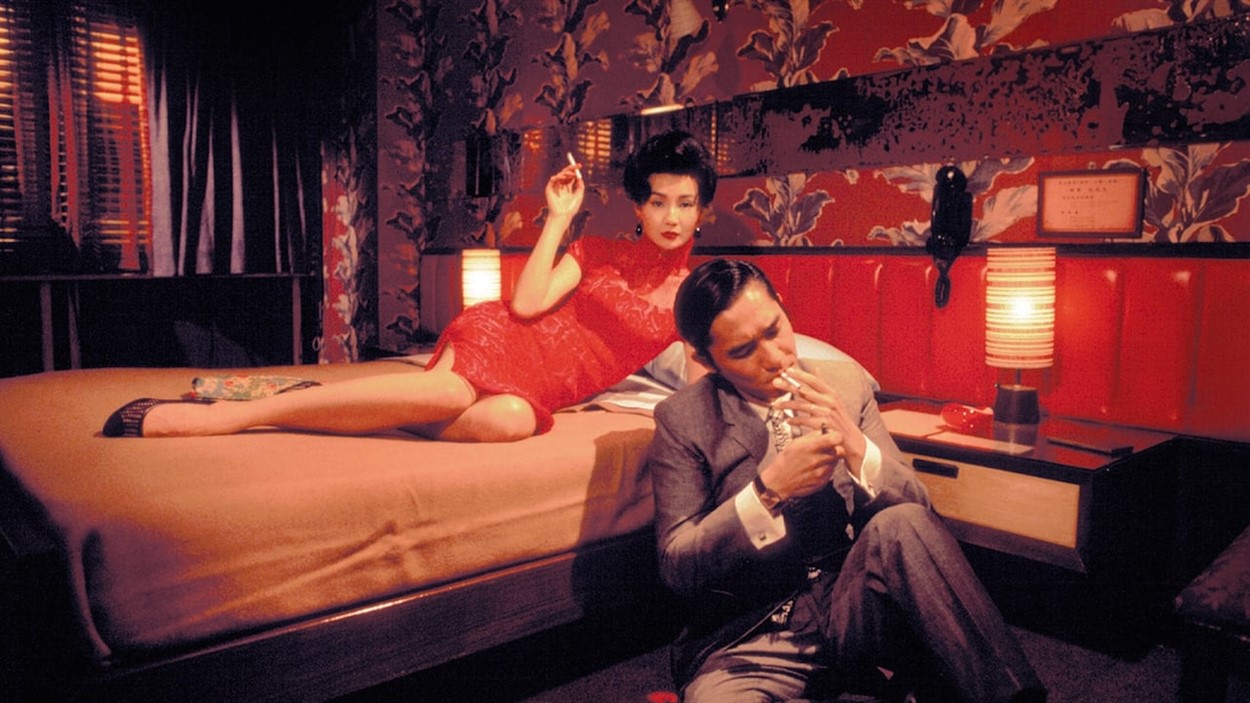
I watched In the Mood for Love with one of my ex-boyfriends. He was a film critic, and it was during a great local film criticism and scriptwriting workshop. I remember feeling sucked into the movie theater (a small screening hall) seat, as if I were being swallowed by a gigantic force bigger than me. Lights went on, and my boyfriend then looked at me and waved his palm underneath his chin, saying, “Nah, didn’t do it for me.” I knew then we weren’t meant to be together.
We were watching movies from the BBC’s 100 Greatest Films of the 21st Century, as recommended by our instructor. On every film we disagreed on, my boyfriend and I would argue, then we’d go home happy. Until that movie. That film. That bright, kaleidoscopic film of sensations and fragmented narrative pieces. It really felt like the director who made this film can do no wrong, and the more our viewpoints — my partner’s and mine — regarding In the Mood for Love diverged, the further we drifted. I went and asked our instructor about the director. “Oh, Wong Kar-wai,” he sighed, then gave me a list of all his works (that was before the internet was as insanely accessible as the social media revolution took over the world).
Discovering Wong Kar-wai’s filmography was like entering an ice cream shop of imaginary flavors. A concoction combined by the top chefs in the world, and I had the honor of being the only one to taste them. That’s the thing with cinema, it may be a universal language, but it feels like your own. It’s even different from food or drinks. You might get pissed that someone tried that restaurant before you. But a film, whether you discovered it on the night of its world premiere, or in the comfort of your dark room years later, is yours and only yours to hold.
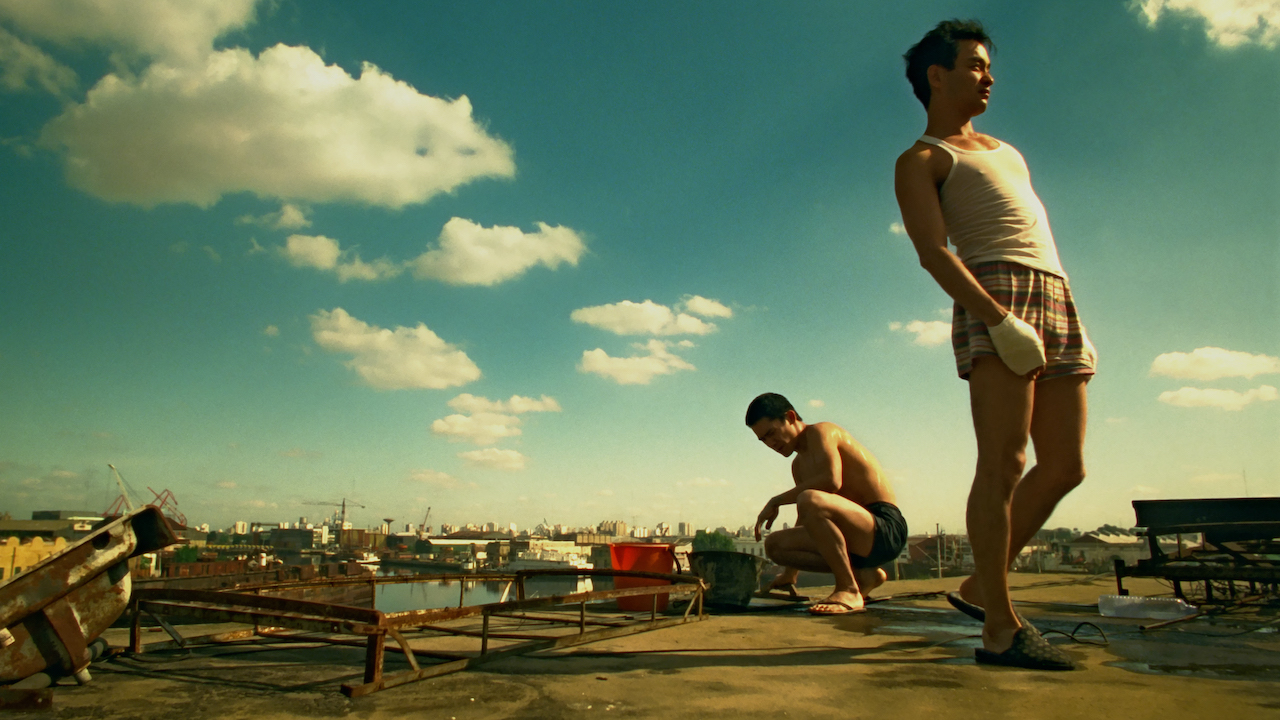
Wong Kar-wai gave me a life of movies that always felt my own. I started a Wong Kar-wai marathon a month after my initial screening of In the Mood For Love. I found myself wholeheartedly immersed in Happy Together, a gay love story, but also one of the best depictions of a toxic relationship onscreen. A kind guy in love with a charming yet parasitic bad boy. Another reflection on lost love stories, love failures, getting lost in busy foreign cities, and regret.
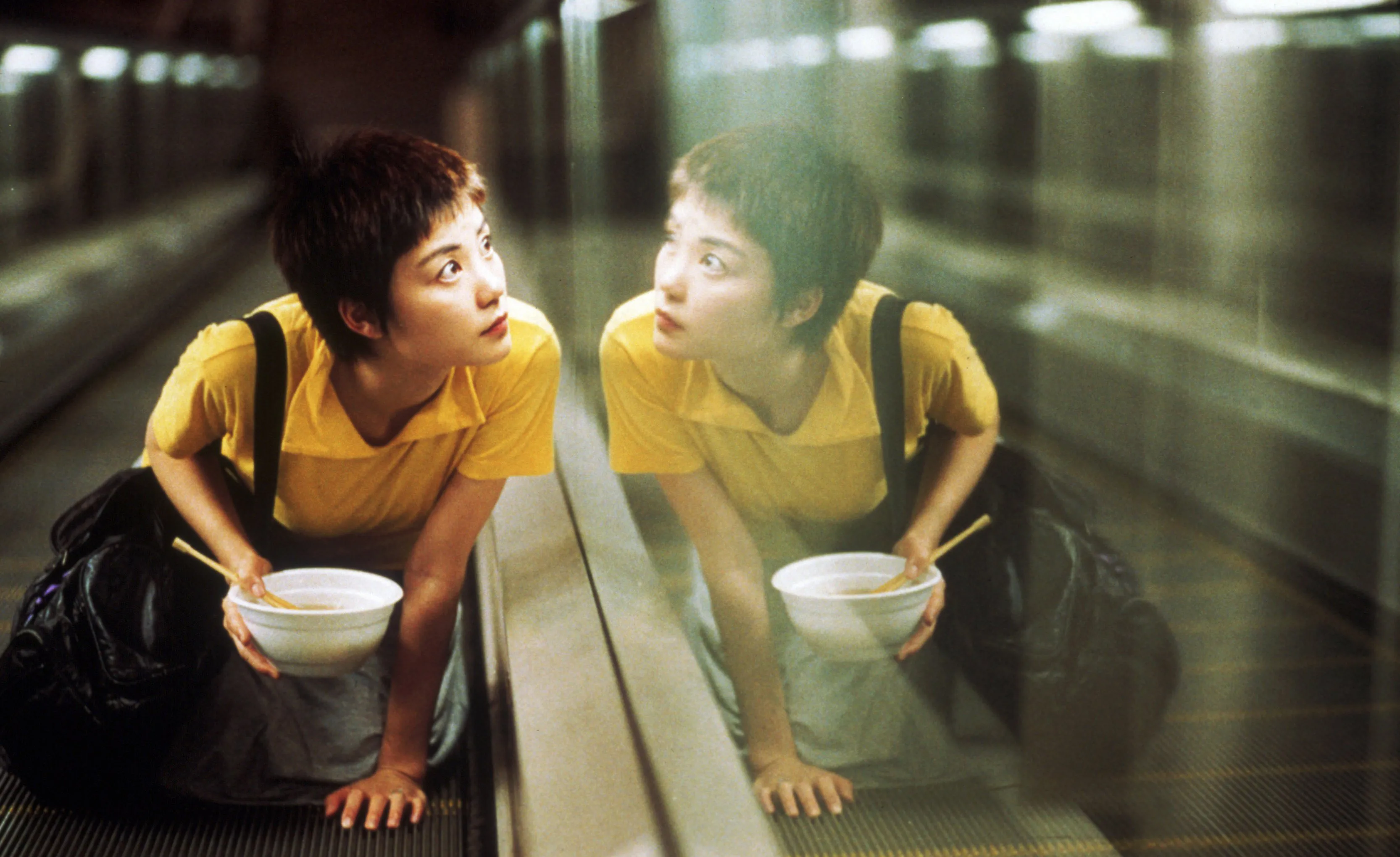
Chungking Express was another revelation. The film had the most chaotic, insane narrative structure I’ve seen -at least till then- in a movie. Split into two stories, thinly interconnected, it had one of the most perfect uses of a song in a movie soundtrack. But it was -again- a meditation on loneliness, falling in and out of love, unrequited romance, and some gangster violence in the first half. Love takes different forms and shapes in a Kar-wai movie. It’s not just sex or longing or meet-cute moments, but it’s long nights spent getting drunk in a bar, or a walk down a narrow alley with stolen glances in a conservative, curious society. It’s holding a recording device and crying at loss for words, it’s a kiss with cream-smeared lips, as shot from the most acute angle ever in My Blueberry Nights.
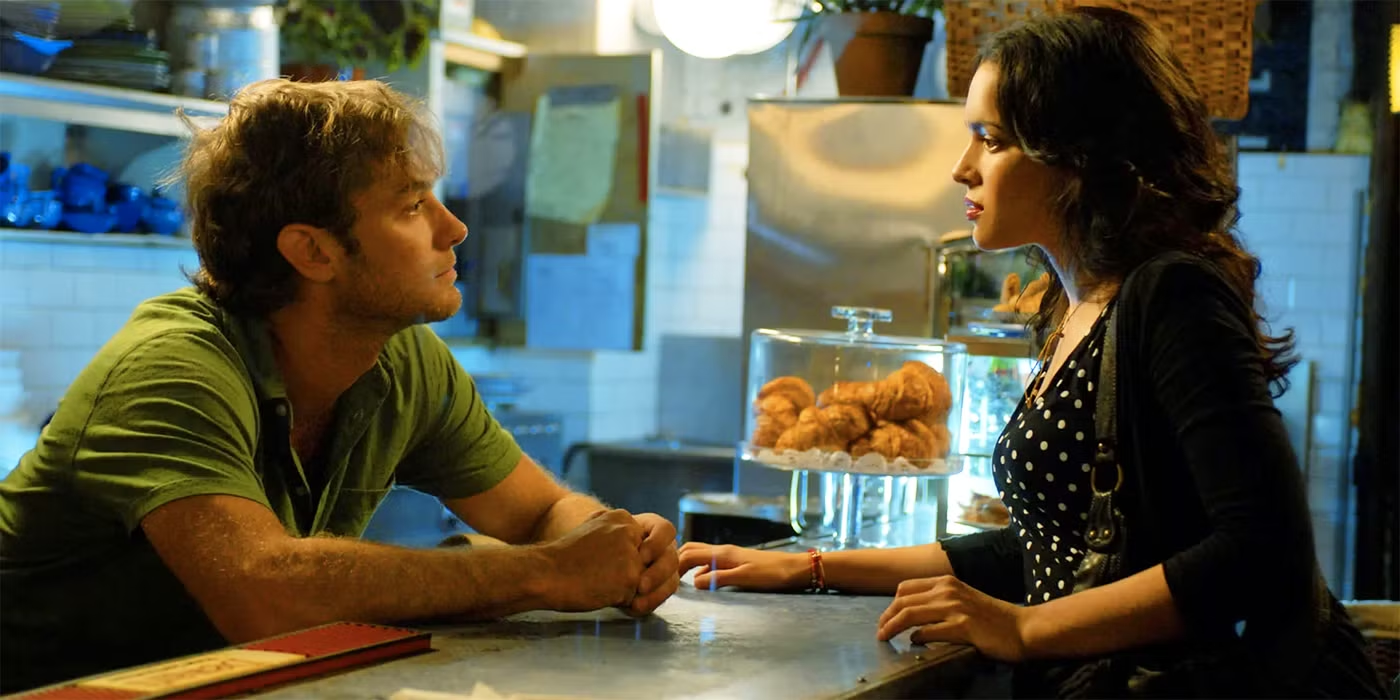
Even Jude Law -one of the few Hollywood actors Kar-wai has collaborated with- commented on it, stating that it blew his mind how someone could have an emphasis on a moment. What a precise description of Kar-wai’s cinema. It’s a cinema of moments, of fleeting feelings, of holding back. The greatness of In the Mood For Love, specifically, is that it’s a movie about holding back, about unconsummated desire. As boring as that sounds, as unexciting as one might think, in comparison to any other film about infidelity and cheating spouses, Kar-wai creates the most sexually charged feature of them all. This is all due to his creation of the repressed feelings of the oppressed. He brings to the front what’s not being said or done or performed. His characters are always broken, lost, meditative, yearning, drunk, crying, and on the verge of taking one step ahead, only to be consumed by an unforgiving precipice.
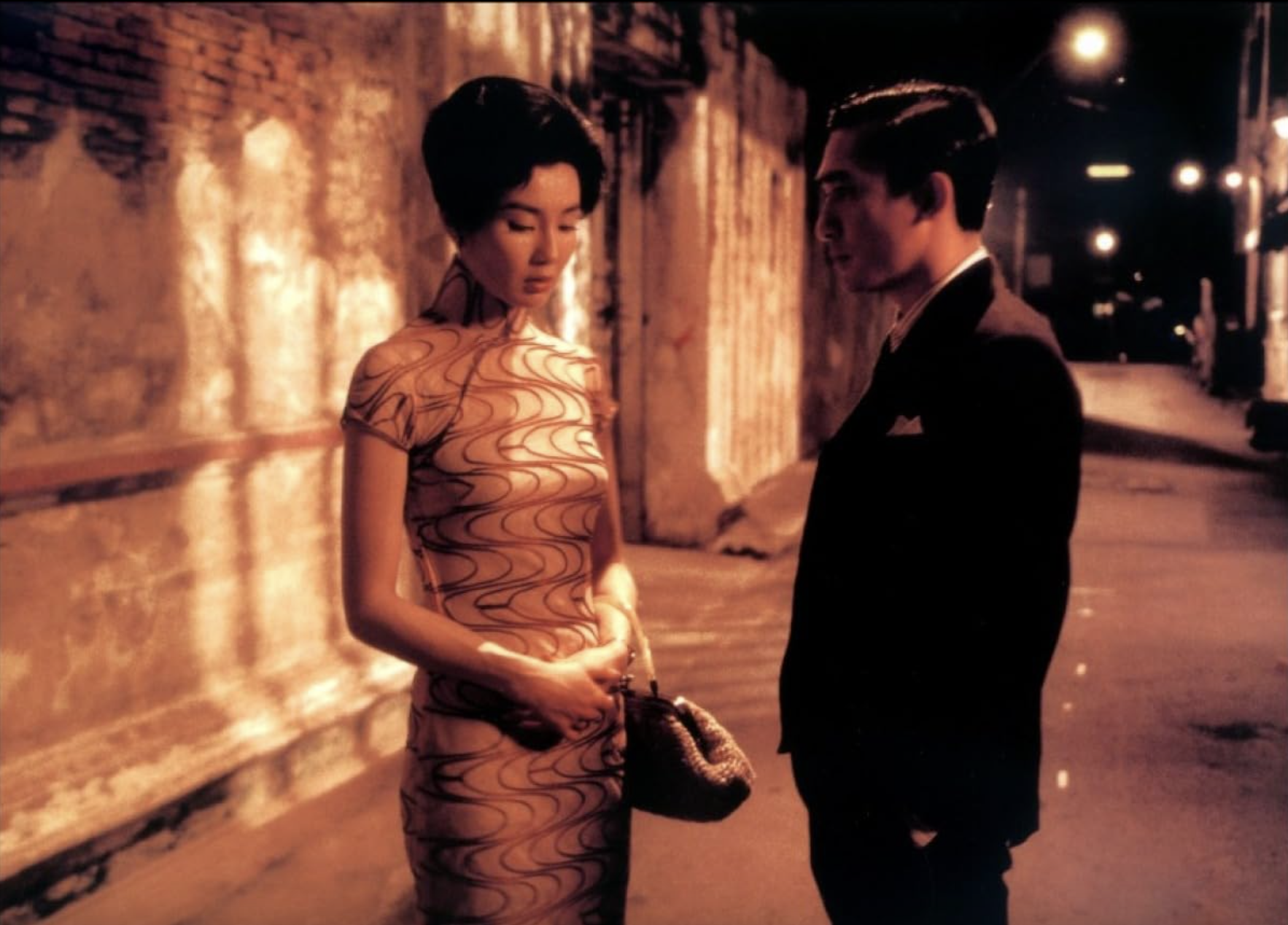
Fast forward seven years later, I am watching In The Mood For Love for the second time with my sister. Credits roll, and she turns to me and says dreamily,
“Can you imagine how beautiful it would be to wake up one day and be in the mood for falling in love? Is that possible anyway? So I woke up today and my mood is set to falling in love?”
Happy 67th birthday, Wong Kar-wai, modern cinema would never be this aching dreamscape of neon lights and longing without you.