



Director: Kensuke Sonomura
Writer: Yugo Sakamoto
Stars: Akari Takaishi, Masanori Mimoto, Mario Kuroba
Synopsis: After being possessed by the ghost of vengeful hit man Kudo, college student Fumika Matsuoka agrees to help him finish his quest for vengeance from beyond the grave.
Those who have been on action choreographer Kensuke Sonomura’s train for some time, since Resident Evil: Vendetta or the Baby Assassins trilogy, know he’s one-of-a-kind, and has crafted some of the best action sequences you’ll ever see. He should be known by all action movie lovers as a household name in the genre, because his choreographies push the boundaries of what many of his predecessors have established in showcasing bodies in motion, the likes of which you’ve never seen before.
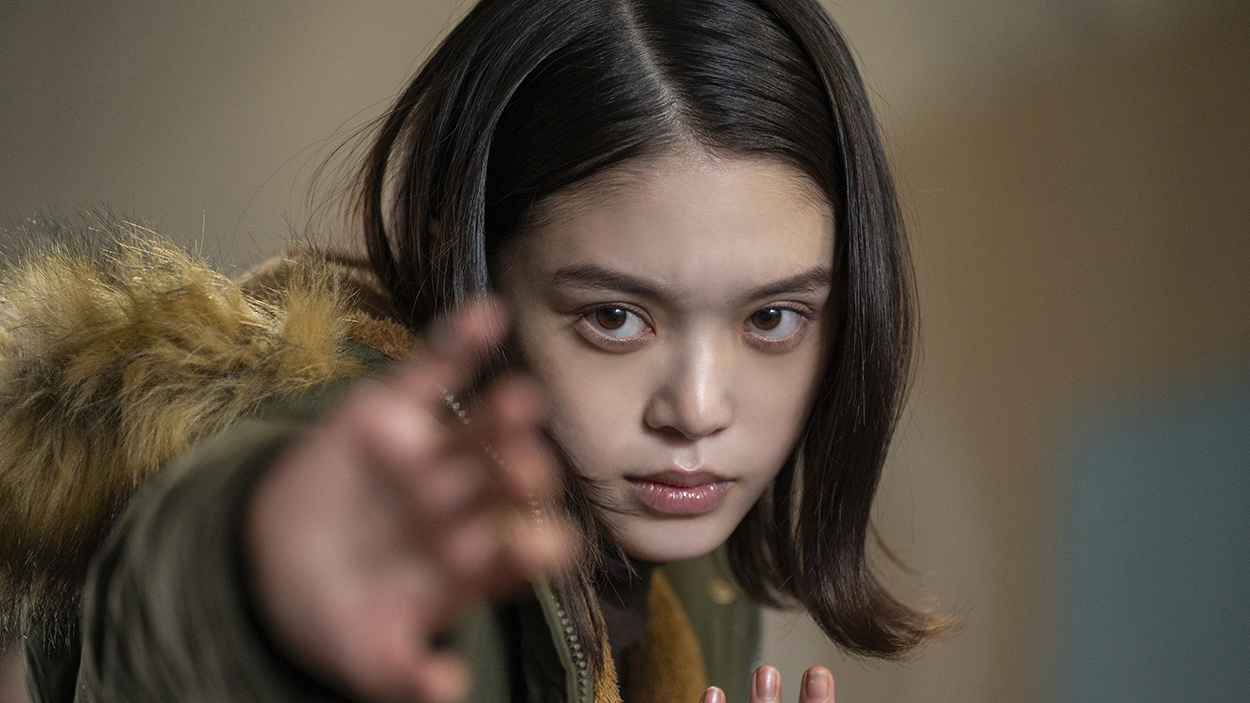
Sonomura seems to elevate what Chang Cheh and Lau Kar-leung have established within martial arts cinema, through choreographies that focus on the body first before anything else, because it is a vehicle for all types of emotion, whether physical or psychological. We feel everything in how each character expresses themselves through their fighting styles, or smartly attempt to overthrow baddies, just in how they use their bodies as the fuel for all emotion. And in his latest directorial effort, Ghost Killer, he takes this approach to the extreme.
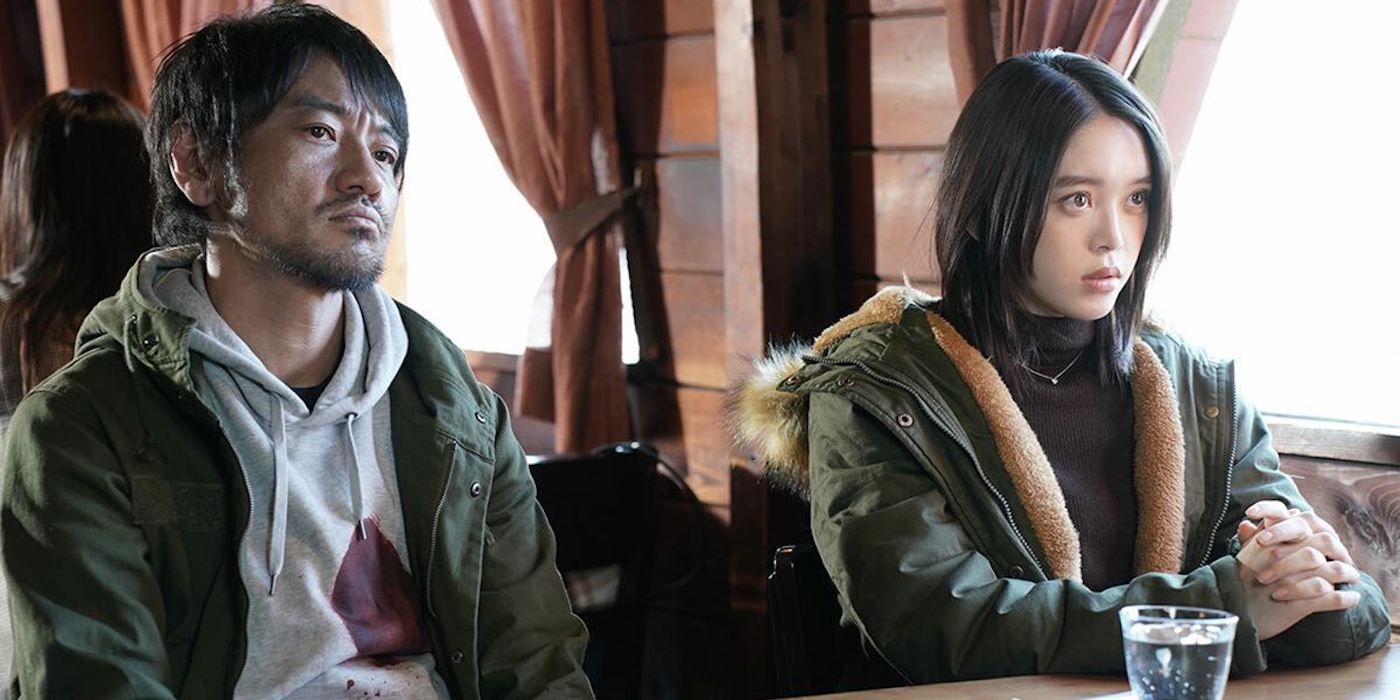
The conceit is essentially an excuse for Sonomura and screenwriter Yugo Sakamoto (the man behind the Baby Assassins franchise) to put their protagonist, Fumika Matsuoka (Akari Takaishi), inside one elaborate action set piece after the next. As she discovers a bullet case on the street, she picks it up and is immediately connected with the ghost of Kubo (Masanori Mimoto), who appears after Fumika touches the bullet. Kubo has been killed by assailants for reasons that we’ll eventually learn as the plot develops, but for now, the two have realized that they can connect their souls if they hold their hands together.
When this happens, Kubo’s spirit can inhabit Fumika’s body, giving her fighting skills she never knew she had. Once we understand this framing device and Sonomura clearly defines how it works within a given action scene, this is where the fun begins, and where the filmmaker pushes the limits of his mind/body approach to martial arts choreography. Each fight, whether fleeting or extended, is a genuine work of art. There’s playful physical comedy in the movie’s first half, when Fumika attempts to process what’s going on; confused, terrified, even at the mere thought of a spirit taking control of her body.

But the film gets increasingly violent as the story progresses, and we learn more about what caused Kudo’s death. It also becomes much darker, with a final half that ramps up the bloodletting and perverse sense of slapstick. The movie constantly enthralls and surprises, especially during the final confrontation between Fumika/Kudo and its main antagonist, a fight worthy of Lau Kar-leung’s Dirty Ho, where each punch (or stab) leads to more endless movements of emotion as the stakes get higher and Fumika’s life is literally on the line, while Kudo swore he would protect her with his otherworldly presence.
It’s a fight scene that ranks high among Sonomura’s best, and would probably be his crowning achievement if he weren’t a major part of the success of the Baby Assassins movie, and that the third film (which is coming out on VOD next month but this critic saw at Fantasia last year) may be the decade’s greatest action movie. His understanding of kineticism rivals any good action artist who established themselves in Hollywood – even Chad Stahelski. That’s how good he is, and it’s unfortunate that most covering film in this space have no idea who he is.
But none of this would work if the chemistry between the human and the ghost wasn’t in top form. Luckily, Akari Takaishi has been one of the most exciting burgeoning actors from Japan, and what she does in this movie is nothing short of exceptional. It may not be as narratively strong as the last Baby Assassins film, but Takaishi’s performance is just as good, if not better than her starmaking turn as Chisato Sugimoto in those pictures. How she lets her eyes shift between her two states of mind – unpossessed and possessed – is genuinely riveting, and her sense of comedic timing seems effortless.
When she needs to convey the physicality of being possessed by the spirit of an assassin, she more than understands the assignment, until Fumika’s body is fully taken over by Kudo’s, leading to a succession of action setpieces that will make your head spin in utter bewilderment. Her sense of alchemy with Mimoto is explosive, especially when the two need to work hand-in-hand to topple a horde of endless baddies. It’s action cinema at its purest and most sincere – the type of stuff you usually crave to see on the big screen from major Hollywood studios, who prefer to fill their slate with endless CGI battles instead of the tangible, tactile creativity of Kensuke Sonomura’s innovations.
Hopefully, as the internet chatter on Baby Assassins intensifies, people will divert their attention to examine Sonomura’s directorial works, and Ghost Killer might be his finest effort yet. Its sense of pacing is still a bit wobbly, but it almost doesn’t matter when he stages one of the greatest final fights you’ll ever see. It cements Sonomura as a real action artist, and someone who isn’t afraid of pushing the mind and body in fighting combinations you’ve never seen. Lau Kar-leung probably dreamt of directing something as bracingly kinetic and emotionally exciting as Ghost Killer, but it’s Sonomura who will be long remembered for it on the same level as the greatest martial arts masters.