



Directors: Rob Savage
Writer: William Greaves
Stars: Romare Beardon, Arna Bontemps, Ida Mae Cullen
Synopsis: A decade post-death, filmmaker William Greaves reveals his final work: footage of a 1972 gathering he arranged with Harlem Renaissance legends, which he deemed his most significant capture.
Learning from history should be the most basic of lessons that everyone should agree with, regardless of background. We have a myriad of sayings about this fact, including “Those who cannot remember the past are doomed to repeat it.” Despite this, we live in a time in which many ignore truth, and especially history that is not white, straight, male. Every once in a while, we receive a reminder that, not only have we had these discussions before, but we have forgotten and need to be shook up by voices from the recent past. From beyond the grave (and thanks to his family), William Greaves’ footage from an important meeting comes to life in Once Upon a Time in Harlem.
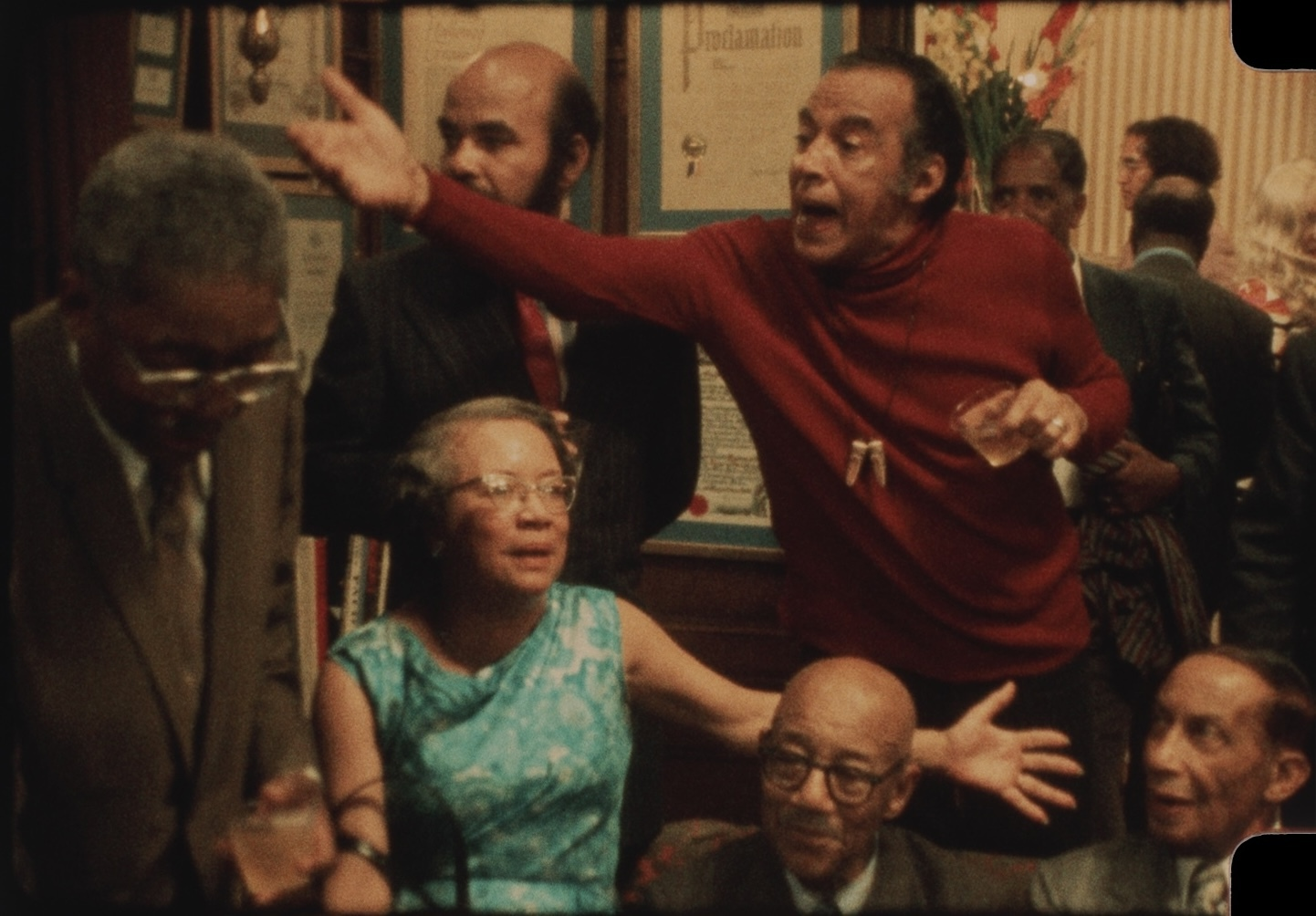
One negative of learning about movements through a history class is the lack of life and a funneling of many people and personalities into one general idea. As someone who learned about The Harlem Renaissance from a text book, this could not be more true of this particular time in history. Put simply, although it should not be, The Harlem Renaissance was a cultural, artistic movement of Black creatives in the 1920s and ‘30, focused in the Harlem area of New York City. This description completely flattens the output of dozens of talented people into a simple, general idea, and that’s a damn shame. Among many other positives, one of the greatest that Once Upon a Time in Harlem has to offer is a feeling of being in the room and understanding the myriad of personalities and passions. It should be noted that the footage was filmed in the early 1970s, so it also has the benefit of looking back through a half century of history. Given that The Harlem Renaissance occurred around a century ago, the signposts of the ‘70s is helpful so we understand that none of this happens in a silo, art echoes through the annals of history.
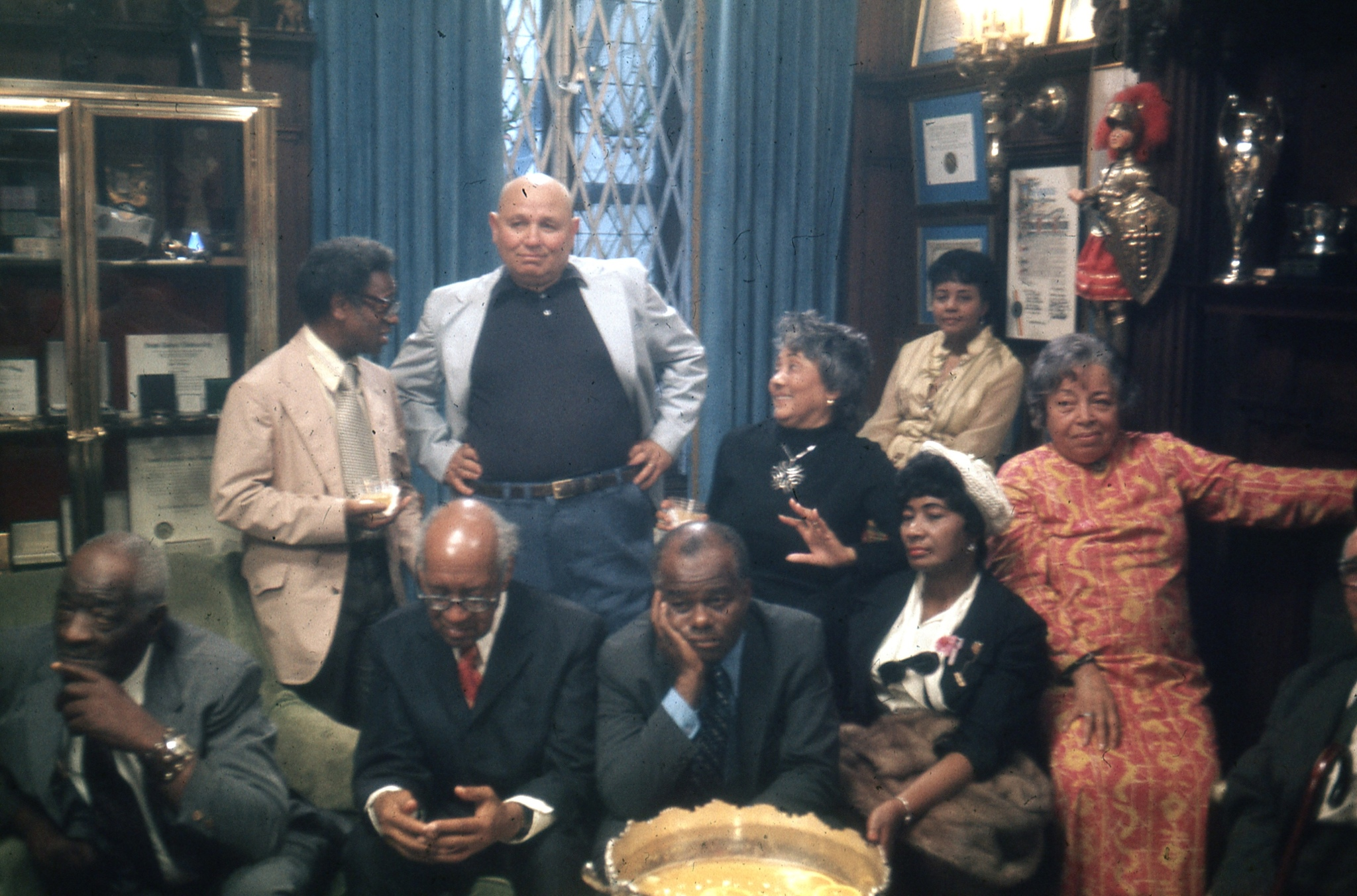
The film opens, appropriately, with an invitation. This meeting of the minds (and hearts and souls) takes place at the home of Duke Ellington, and hosted by the man who shot the film, William Greaves. There is a certain feeling of destiny at work, as Greaves himself was born during The Harlem Renaissance, and became an artist himself. What an incredible way to give back to the artists who paved the way forward. Showing them both looking back at their accomplishments and forward to what may come next honors them, and him, in a way that could not be accomplished by anyone else. Much of the film travels through the party and moves between conversations in the same way one might at a party to which they were invited. Greaves interjects minimally, but you do feel his guiding hand. Additionally, he pulls individuals in for side interviews to delve in deeper ways than a party with many people talking concurrently could afford.
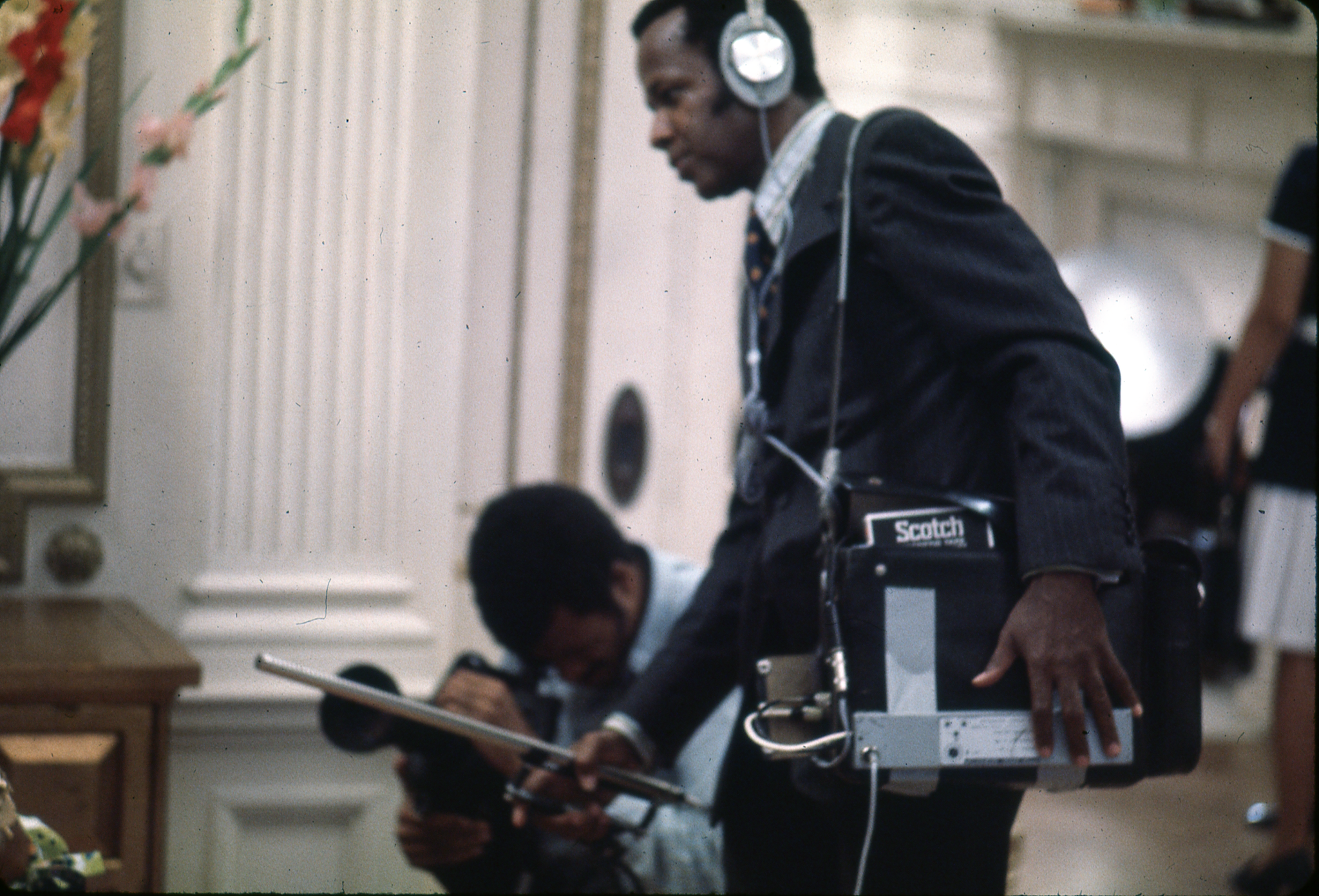
As this gathering took place over four hours, the editing of this film is stunning and worthy of repeated mention. At no point does the film stay with one thread too long, and we always feel the energy of the room. Lynn True, Anna de Mare, and the Greaves family all play a part in the incredible forward momentum of the film, pushing the conversation at just the right moments. In particular, the focus on the photographic work from James Van Der Zee not only shines a light on an artist some may not know, but also provides context for the numerous other artists introduced.
That introduction is desperately important because these Black men and women have not only created art, but struggled through the hideous history of racism in this country. The light should shine on them, especially now. But importantly, this documentary is not simply laudatory. From the outside, it would be easy to assume that Black creatives of that time (or any time) would likely agree on political and cultural ideals. But these conversations, many of them heated, allow us to see the individuals as just that, and not a generalized version focused on background or race.
Everyone here has an agenda, and that is understandable given their long history both with one another and as representations of this movement. In a particular powerful moment, Ida Mae Cullen (the widow of poet Countee Cullen), points out that the women of the movement have not been spoken of enough. This not only gives her the opportunity to alter the focus, but also for the men to sit back and listen. This only lasts for a moment, as several men chime in with memories of women like Zora Neale Hurston, but the beat continues long enough to be memorable. There are additional scenes filled with tension, especially when discussing Marcus Garvey and the “Back to Africa” movement. In just a few minutes of footage, Greaves is able to imbue decades of shared history without pressing people into full on arguments.
Frankly, that is Once Upon a Time in Harlem’s lasting legacy. This is a living document, a history distilled down to a few hours that entertains, educates, and primes us to want to know more. Whether it be the images of Van Der Zee, the music of Duke Ellington, the poetic words of Langston Hughes (who sadly died 5 years before this event), or the stunning images of Romare Bearden; Once Upon a Time in Harlem not only reminds those of us with previous knowledge, but welcomes those in who have not yet learned. The Greaves family has not only threaded that needle, but left us with a beautiful gift, a blessing that will inspire and push us forward to a better world, if we would only listen.