Director: Dominga Sotomayor
Writers: Inés Bortagaray, Pilar Quintana
Stars: Manuela Oyarzún, Selton Mello, Paula Dinamarca
Synopsis: A middle-aged woman living alone on a Chilean island finds an abandoned puppy, naming it Yuri – her chosen name for a daughter she never had. Through bonding with the dog, she seeks healing from her past.
Dominga Sotomayor is known for autobiographical work about her life in Chile and the political quandaries that have troubled the country for many years. For example, in De Jueves a Domingo (Thursday Till Sunday), Sotomayor expels about her childhood, when her parents were going through a divorce, the Chilean filmmaker at the time being at an age where she would notice that something was wrong between them–the detachment and isolation growing bigger and bigger–but being unable to do something about it. But her latest film departs from that autobiographical feel and veers into a more experimental route, yet is equally personal and intimate, as her works tend to be.
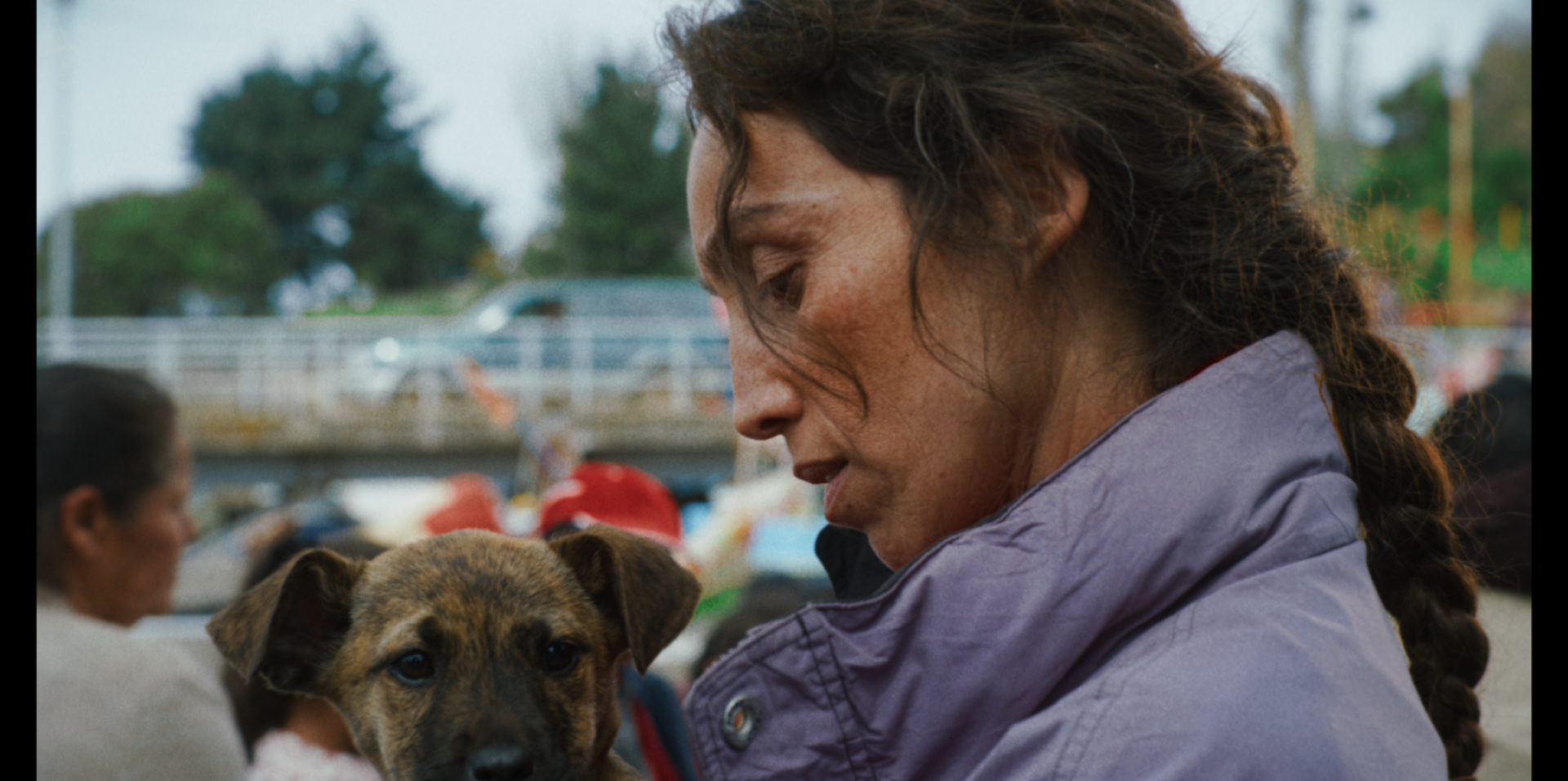
In La Perra (The Bitch, screening in the Quinzaine des cinéastes at the 2026 Cannes Film Festival), Sotomayor paints a portrait of guilt and grief in the mold of a dog movie, free of the tropes and clichés associated with that genre. Instead of focusing solely on how a woman’s relationship with her newly adopted pup changes as affection grows, Sotomayor develops the connection between people and their landscapes. This memory lingers in certain places, sceneries, and interactions with locals. Adapted from Pilar Quintana’s novel of the same name, La Perra follows Silvia (Manuela Oyarzún), a lonely woman who lives on a remote island off the coast of Chile, harvesting seaweed and shellfish alongside her partner Mario (David Gaete).
Silvia lives a modest life, working the same traditional jobs as the people in that small coastal community, and living in a shack that is nearly breaking apart. The days there are standard, with few changes outside of a local debacle; everyone just goes about their own business alongside their loved ones, since there isn’t much to do. But that monotony is about to change for Silvia. As she drops off some of her goods to the locals, Silvia sees a pick-up truck surrounded by children carrying a bunch of puppies. Everyone is overjoyed with the young pups, including Silvia. And it doesn’t take much time to unite one with Silvia–a magical attachment drew them together. She names the dog Yuri, and the pup immediately brightens Silvia’s day.
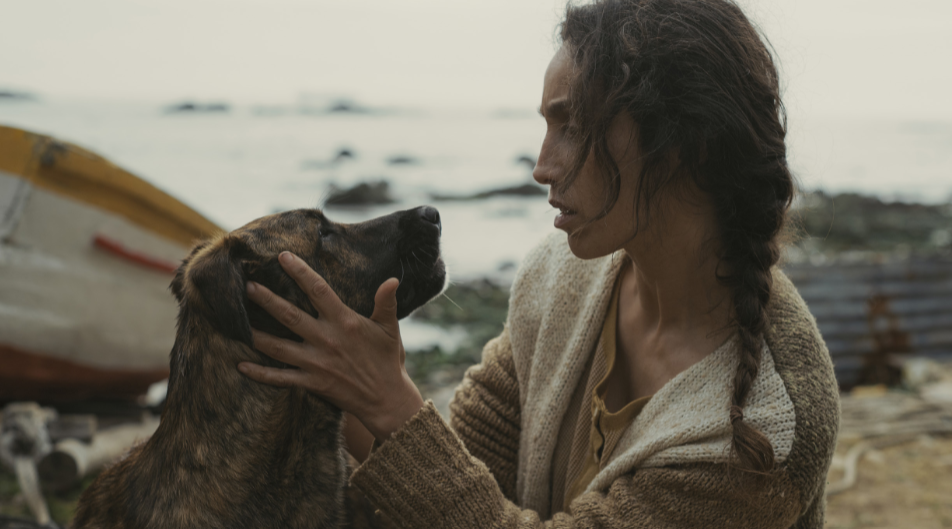
Sotomayor makes sure to include some charming scenes of the two growing affectionate towards each other through Silvia’s mother-like nurture. The sweetness of seeing Yuri playing and running through the wilderness is a lovely sight, although things hit a melancholic turn when the pup goes missing after a New Year’s celebration. It is then and there where Sotomayor breaks the idyllic mold of the dog movie and flips La Perra into something thematically stronger and moving. As Silvia searches for the missing Yuri, she encounters faces and places that remind her of a traumatic past, one we get glimpses of throughout the film’s runtime, and give way to the hypnotic emotional drift that slowly consumes the film. The tender story of companionship becomes a haunting meditation on memory and the scars left in the soil.
From an abandoned, hunted home to a coastal cave where a young boy once disappeared, never to return, Sotomayor offers us bits and pieces of why Silvia is traumatized by certain terrains on her native island. Secrecy covers the initial passages, but their unravelings carry a devastating weight. In the flashbacks, we learn why Silvia is so keen on finding Yuri, which relates to the young boy who disappeared during her childhood. We get notions about motherhood. Not only do we see it through Silvia’s concern, but also through her quandaries with a pregnant family member. La Perra reveals how grief and unresolved guilt linger within landscapes long after the events themselves have faded from public memory. Sotomayor does not sugarcoat the emotional turmoil and trauma from Silvia’s memories.
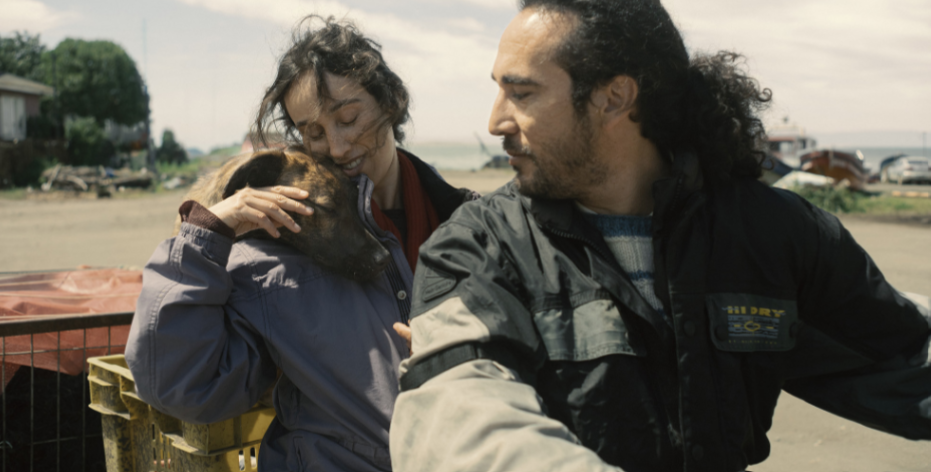
She wants the melancholy to drench each frame, making the audience feel trapped in Silvia’s state of mind. It is disquieting, rapidly drifting away from the sweetness of the initial passages. Every corner of the island carries echoes of loss; cinematographer Simone D’Arcangelo coats the frame in a ghostly tint, casting a mournful haze over the coast’s natural beauty. Yet, beneath the sorrow, Sotomayor finds tenderness in the act of confronting the wounds of the past rather than escaping them. It becomes a quietly devastating reflection of the memories that haunt and give life to a place forever. Each patch of grass, mountain, or coastline in the world has the recollections of everyone who has inhabited it. Places remember, and faces fade through time, but the emotional mossy residue is left behind and will continue to shape the land.