


Director: Vincent Grashaw
Writers: Zach Montague
Stars: Lou Diamond Phillips, Nick Stahl, Dana Namerode
Synopsis: A weathered tribal cop and his new trainee must find a ruthless fugitive, whose return to their rural Indigenous reservation has exposed its darkest secrets and could ignite a violent gang war.
When you look deeper at Gangland, originally titled Keep Quiet, a more appropriate title in my opinion, the script goes beyond your typical crime thriller. Beneath all the weathered Indigenous grit and moral ambiguity, the film becomes much more complex once you take a step back and cross the line that defines tribal land.
Directed by Vincent Grashaw and written by first-time screenwriter Zach Montague, the story looks at the genre through a lens of sovereignty, jurisdiction, poverty, trauma, and underfunded law enforcement trying to fill the gaps where crime begins to exploit authority. With Gangland, the community’s leaders see borders meant to preserve sovereignty and police themselves.
That’s where Lou Diamond Phillips comes in, giving his best performance since La Bamba as a conflicted police officer trying to uphold his community’s values and independence, even as he sometimes feels as much like an outsider as a member of it. The result is a tragic thriller about community policing, identity, and the weight of history that is quite profound.
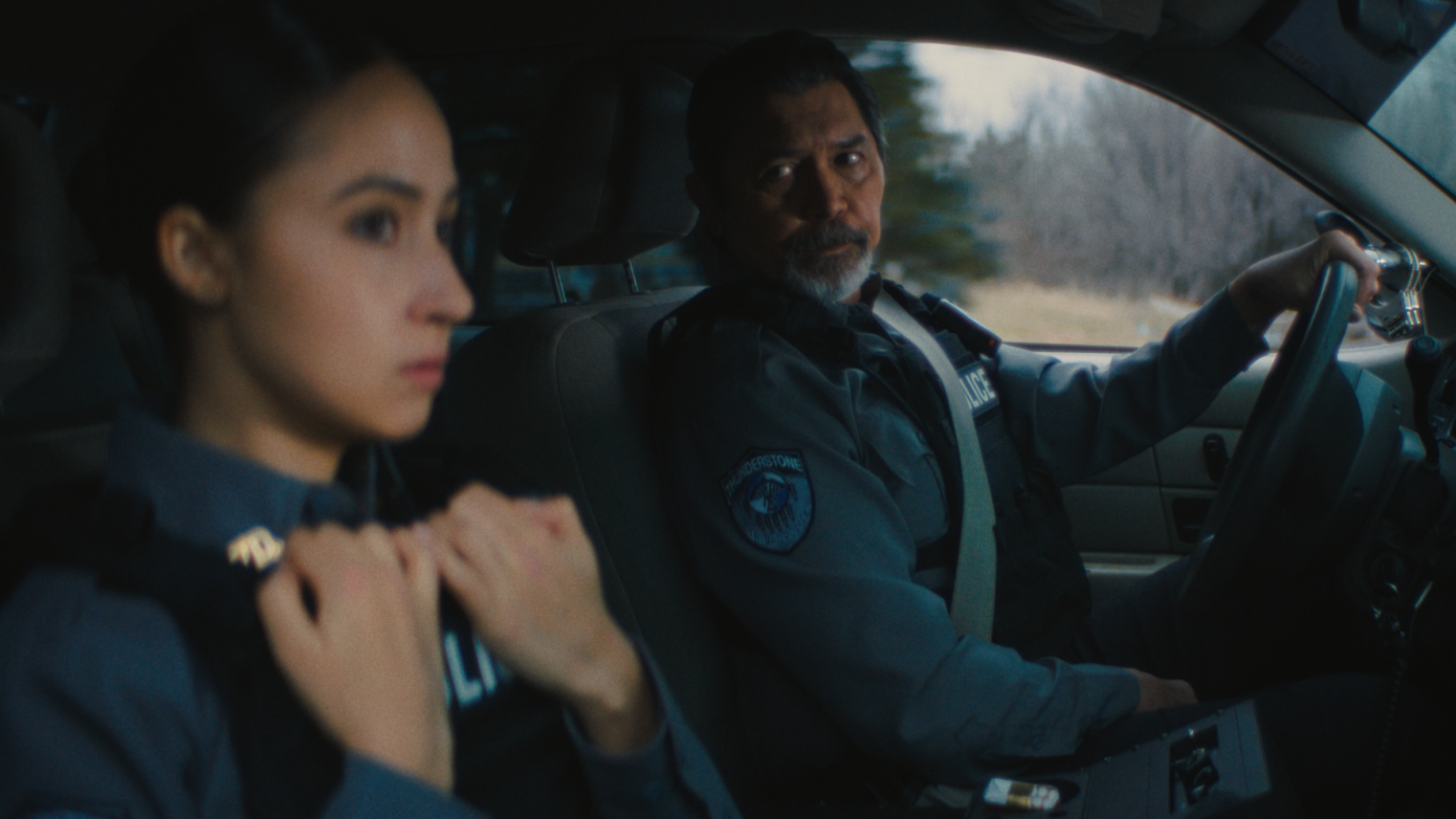
The story follows Officer Teddy Sharpe (Phillips), who polices the Thunderstone Reservation. Weathered and empathetic, but guided by his own moral code, Teddy patrols the streets with a heavy hand and a big heart. That approach unsettles his new trainee, Sandra (The A-Frame’s Dana Namerode), a former outside law enforcement officer who is now afraid to let anything slide.
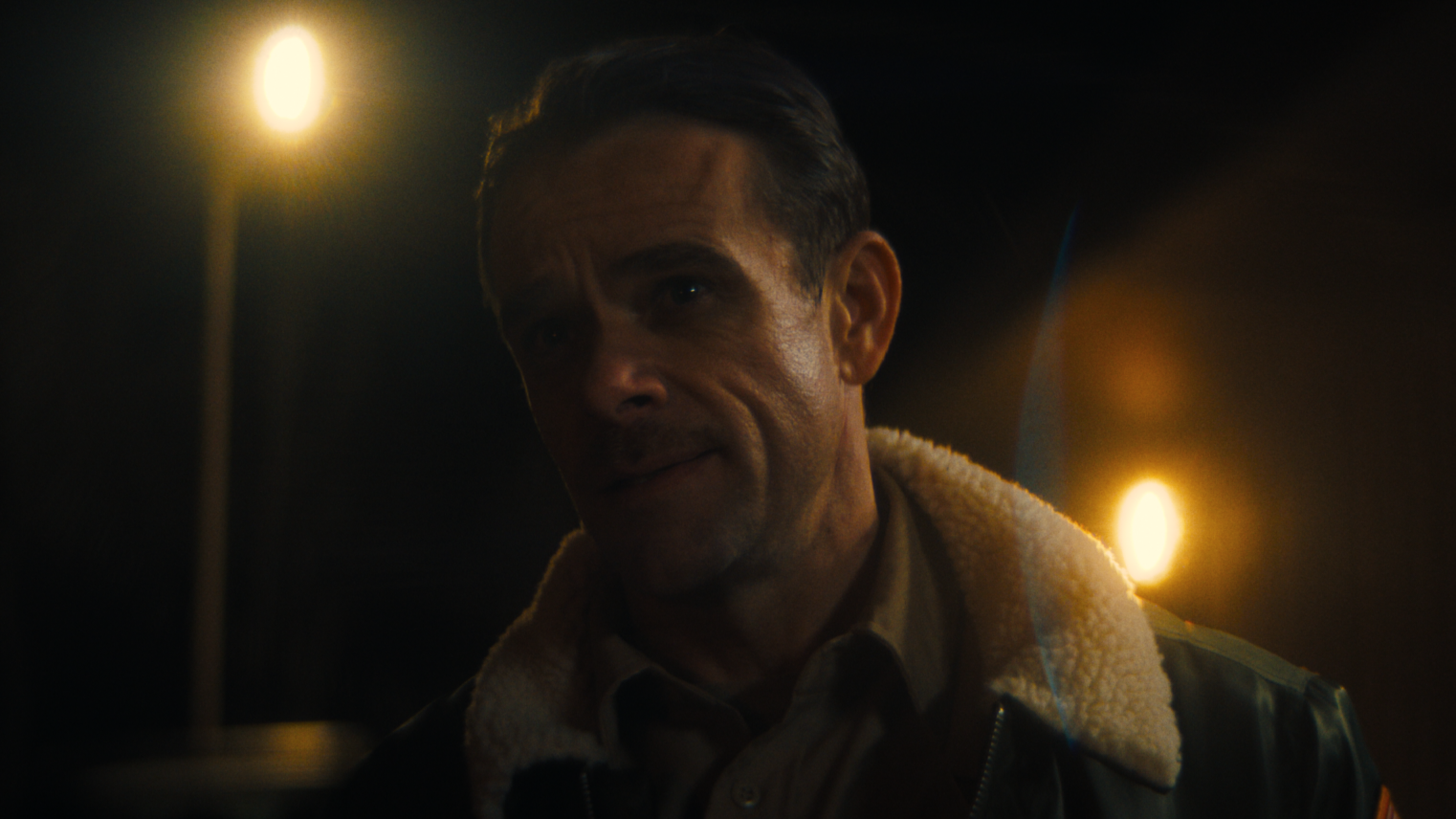
This causes Sandra to buddy up with Darius (What You Wish For’s Nick Stahl), who works for the local sheriff’s department just outside the border. Soon, she sees why Teddy is so careful around them: he is wary of an outsider who sees Thunderstone as his right to oversee, which is more about power than outreach, even if they are both looking for a murderer on the loose.
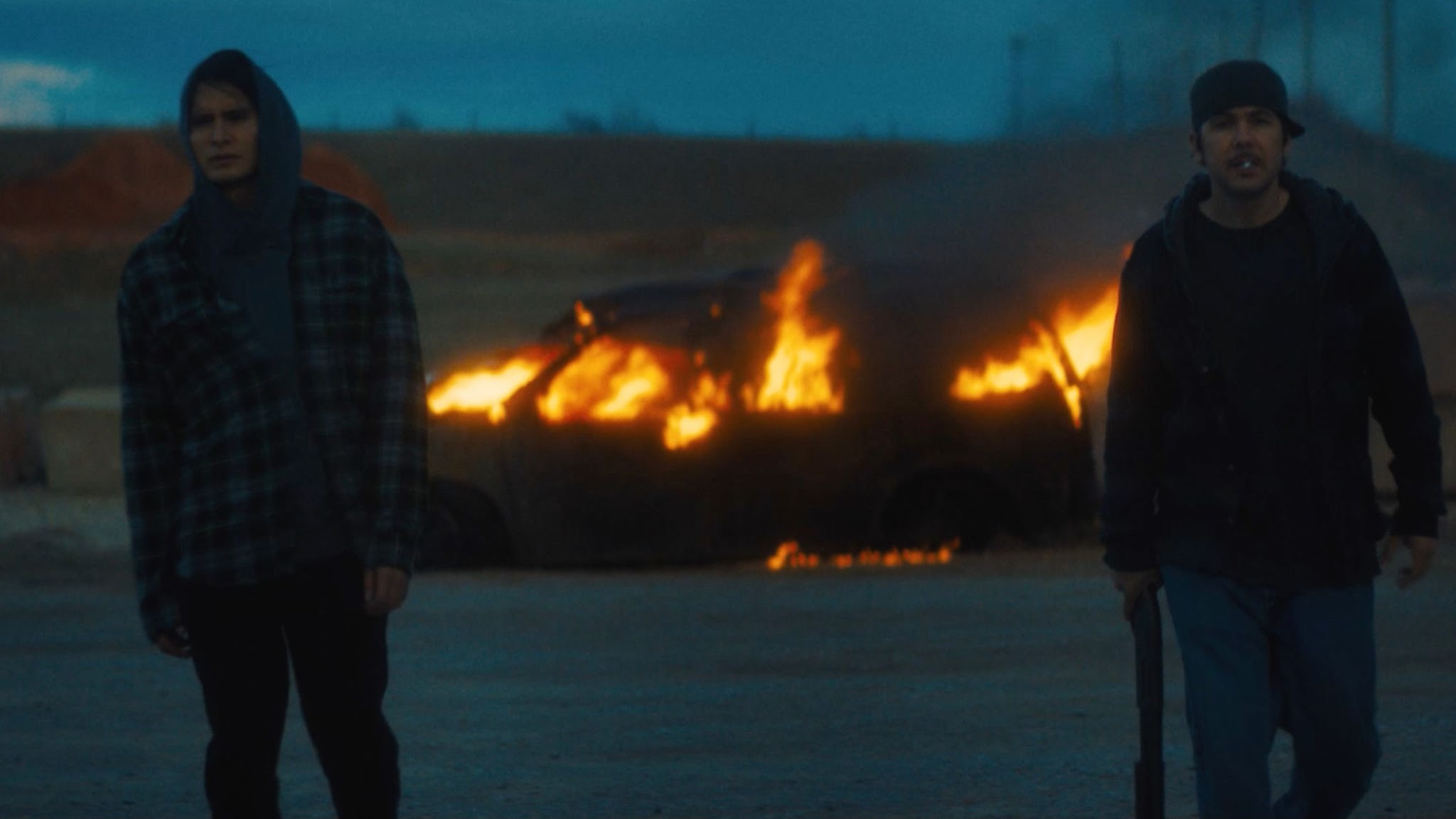
That is Richie (Killers of the Flower Moon’s Elisha Pratt, who is magnetically terrifying here), who killed a Thunderstone member and a police officer after a drug deal went wrong, right after being released from prison. Richie is not welcomed home, and then takes his nephew, Albert (Reservation Dogs’ Lane Factor), under his wing, an innocent who immediately gets more than he can stomach.
Gangland works because it has a disguised structure. Richie represents wounds that have curdled into violence, where anger, poverty, and incarceration are caused by unresolved trauma. Teddy has gone the other way, feeling the guilt of being a compromised guardian, seen as tainted by outside government agencies, yet bearing the burden of holding the community together.
Albert represents the future, with each side trying to “save” him. The film views the problem from multiple perspectives: law enforcement, a fugitive, a young tribal member, and an outsider. That allows Gangland to operate on several subjective levels, in which justice, loyalty, survival, and identity look different depending on who is telling the story.
The film works best in the grey areas, where the story is not just about right or wrong. The story, anchored by the performances of Phillips and Pratt, pushes and pulls between law and loyalty, protection and control, and survival and identity. Albert becomes the face of the fight for the future, while Sandra serves as the observer, with both characters dragged into a world they hardly understand.
Both Phillips and Pratt are excellent here, but Phillips, so good in films like Courage Under Fire and finding a scene-stealing niche on television in recent years, does what the best actors do: he listens. In one reaction shot, Brandon Waddell’s camera focuses solely on Phillips as another character delivers a speech about the past and the present.
Phillips does not need a single line of dialogue to carry the moment; his presence does the work, absorbing the weight of everything Teddy has tried to bury over the years, only to let it go finally. This is not a showy scene, but it is a great moment in a genre film that goes well beyond its trappings to something meaningful and resonant.
Gangland acts as a slow burn, where, as the film progresses, the lines blur, culminating in a stunning conclusion that suggests the cleansing of old wounds, community, and secrets that goes beyond a thrilling, action-packed, and suspenseful climax. Without giving away spoilers, the scene represents heaven and hell, one coming back home to acceptance, and the other left to his own devices, consumed by the violence he refused to escape from.
You can watch Gangland in limited theatrical release and on digital on-demand platforms starting July 10.