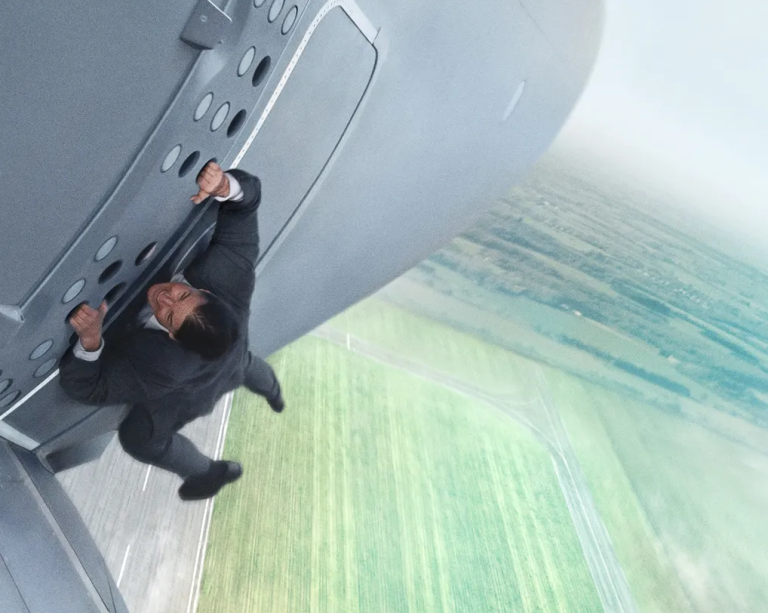
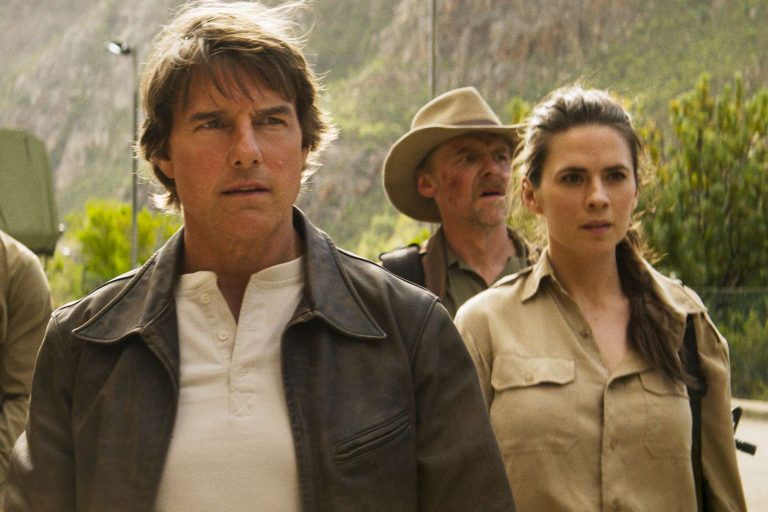
This week on the InSession Film Podcast, with The Final Reckoning maybe being the end, we do a consensus ranking of the Top 5 stunts in the Mission: Impossible franchise! We also discuss the weekend box office and the 2025 Cannes Film Festival.
– More on The Final Reckoning (0:34) Despite having a cathartic conversation with Griffin Schiller of FilmSpeak in our review of Mission: Impossible – The Final Reckoning, it turns out we had more to say on the film. We love this franchise and there’s something about these last two and its hard right turn with how they treat Ethan that left us quite frustrated.
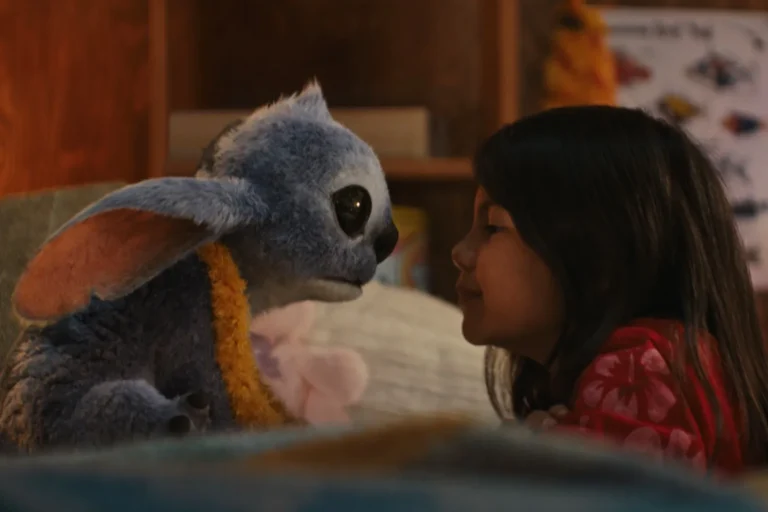
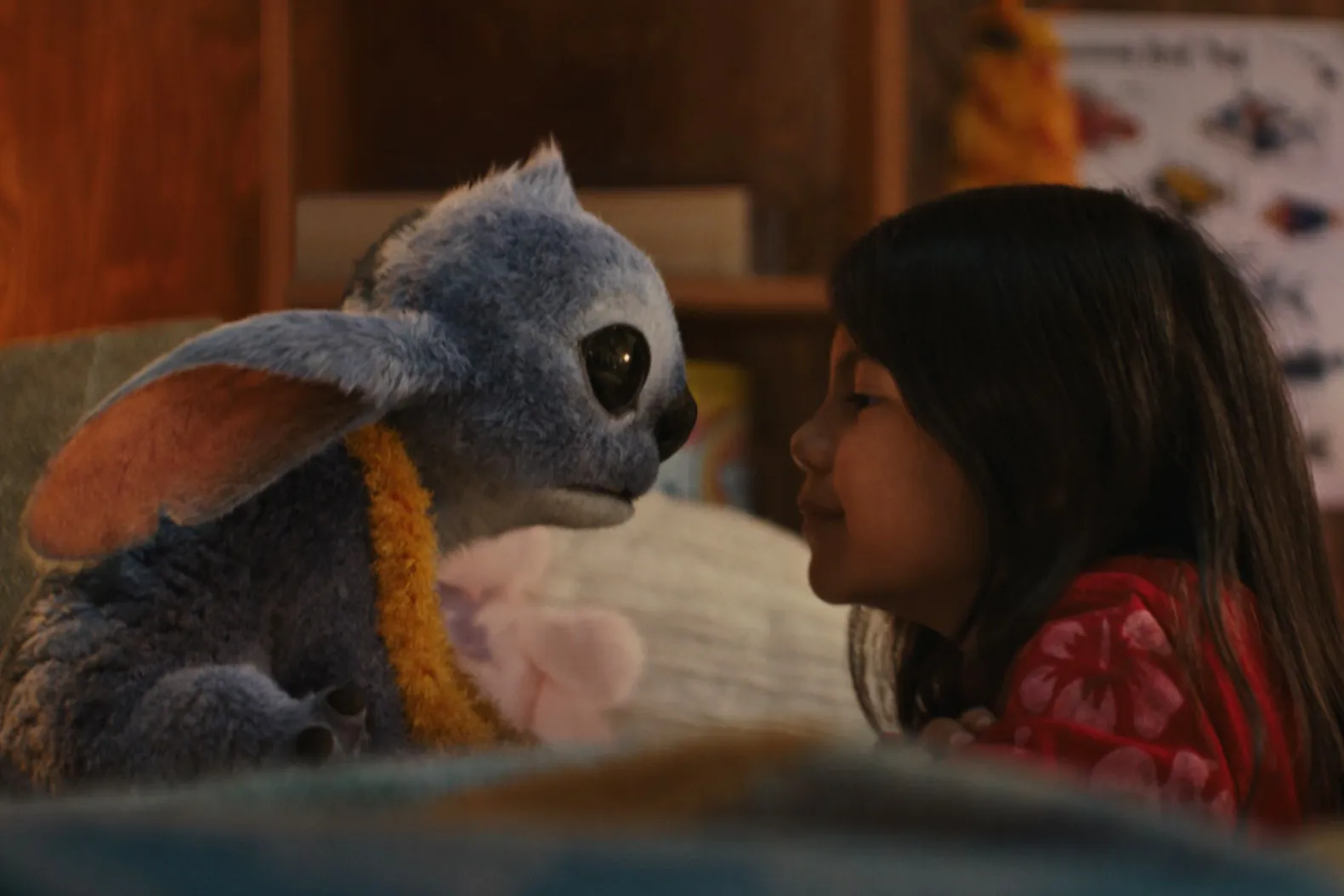
– Dumb Twitter Discourse / 2025 Cannes (26:29) The discourse around Lilo & Stitch has been nothing short of dumb and disingenuous. We felt inspired to not only address it, but specifically talk about why parents would take their kids to see *checks notes* a kids movie. Of all the movies out right now, it turns out there’s only one option appropriate for young kids. And you guys are never going to guess which one it is. After losing our minds, we end the segment celebrating the great films to come out of this year’s Cannes Film Festival. The fall season looks to be really exciting.
– Mission: Impossible Stunts Ranking (1:04:57) Instead of doing a traditional Top 5 this week, we thought it would be more fun to do a consensus ranking of the best Mission: Impossible stunts. We started off by aiming for the five stunts that we loved the most, and ended up discussing thirteen because we just couldn’t help ourselves. There’s just so many absurd and incredible stunts to talk about, with some of them changing Hollywood filmmaking as we know it. With that said, what would be your Top 5 Mission: Impossible stunts?
If you want to help support us, there are several ways you can help us and we’d absolutely appreciate it. Every penny goes directly back into supporting the show and we are truly honored and grateful. Thanks for your support and for listening to the InSession Film Podcast!
Director:Stanley Kubrick Writers:Stephen King, Stanley Kubrick, Diane Johnson Stars: Jack Nicholson, Shelley Duvall, Danny Lloyd
Synopsis: A family heads to an isolated hotel for the winter, where a sinister presence influences the father into violence. At the same time, his psychic son sees horrifying forebodings from both the past and the future.
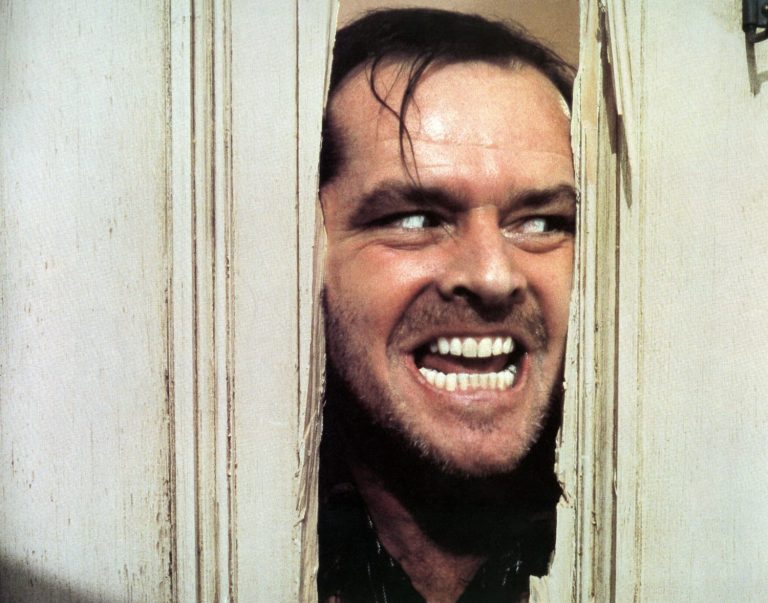
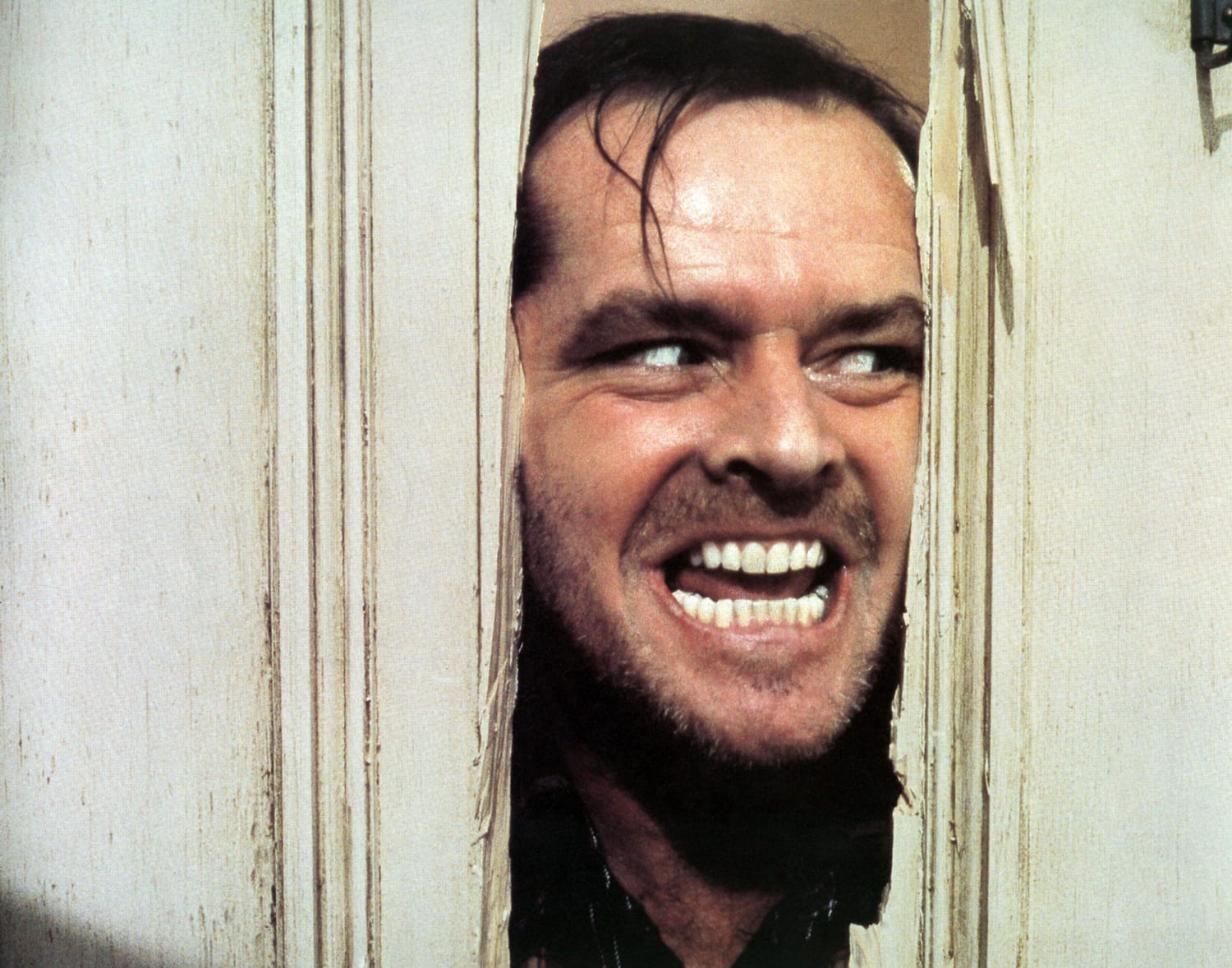
Is Stanley Kubrick’s The Shining a horror movie? Perhaps in the modern sense, but if you make that determination, you’d have to believe it was the only one he’d ever made. It’s certainly scary, but now 45 years post-release, it may be more aptly placed in a genre all its own. The Shining would be one of the greatest horror movies of all time, but what it actually is has transcended any such definition. In simpler terms, the movie is “its own thing”.
Evidence for the film’s existence on a higher plane than just about any other can be found, much like other great works of art, in just how many copies, and copies or copies of it, that there are. Take It Chapter Two, for example, which releases four decades after The Shining. That one is a horror movie, no doubt, yet far less scary than the former. It also directly references the former in a way completely irrelevant to the plot, wherein a character shouts “Here’s Johnny!” towards the film’s climax.
Yes, Stephen King wrote both books, but for movies so far apart and otherwise completely unrelated, such a focused inclusion only nods to the overwhelming impact The Shining has had on the horror genre, whether or not it meant to. Kubrick’s film is one that you’ve got to be patient with; it’s a prodding narrative that seeps into your psyche with painstaking precision. It sneaks up on you, like a car you can’t hear running, and before you know it you, too, are running from an axe-wielding Jack Torrance. From that teal title card accompanied by an irreplaceable, natural film grain, the film’s eventual mania is immediately felt in a kind of encapsulated, instant vision.
Notoriously, King didn’t like this adaptation of his book at all, preferring a made for television version that would come a little later down the line. But that one didn’t have Jack Nicholson, so… why bother? It goes without saying, but Nicholson’s performance in The Shining is the driving core that makes the entire thing tick. It’s the same general impact that an action star may make on a big movie franchise, but on a much smaller scale and in one singular instance — and he isn’t just good towards the end, when he’s shouting and chasing and losing his mind.
Nicholson plants Torrance’s seed of unease very early on in the film, well before any of the characters around him care to recognize the potential evils that outline him. When he takes the job to care for the Overlook Hotel, his eventual descent appears to be faintly visible in the look he gives the man who makes the offer. It’s a life yet to be lived by a man who may not mentally be there just yet, but the writing’s on the wall. Just a brilliant performance that enough can’t possibly be said about.
That goes for the whole film, really. It’s one of those that you’re forced to turn your brain off for in the best way possible; could you nitpick it and find something to complain about? Sure, but why would you when what’s present is so passionately crafted that it puts most everything being released today to shame? Whether in the horror genre or elsewhere, this is the sort of once in a lifetime cinematic experience that permanently changed the way people saw the medium back in 1980. In fact, it hasn’t been the same since. A trip to the Overlook is the perfect antidote to any film buff who may feel bummed out after another mediocre trip to the movies; if all else fails, this is one you can boot up in any mood, at any time, for any reason, and it’ll do the trick and then some.
Director:Dean Fleischer Camp Writers:Chris Kekaniokalani Bright and Mike Van Waes Stars: Maia Kealoha, Chris Sanders, Sydney Agudong
Synopsis:The story of a Hawaiian girl meeting a fugitive alien who helps mend her broken family
For well over a decade now, Disney has been sucking their well of classic animated films dry to make a quick buck by creating live-action versions of the same material. Some are completely different takes on the material like 2020’s Mulan, and others are lifeless photocopy jobs like 2019’s The Lion King. Their latest attempt at this tried and true formula with Lilo & Stitch (2025) ends up lying somewhere in between these two types. The original Lilo & Stitch film from 2002, despite coming out at a time when Disney Animation was in a slump, proved to last through multiple generations as a heartwarming story about the meaning of family. Unfortunately, considering the quality of all of their others, it’s no surprise that Disney’s latest live-action revamp misses the core, the heart from the original.
The new Lilo & Stitch, despite running 20 minutes longer than the original film, has so much less thematic substance than the original that it’s utterly confounding. When it’s not just following the beat-by-beat strokes of the original, it makes some of the most bizarre and haphazard changes and additions to the story that either add nothing to the film but fluff or actively harm what the remake is trying to accomplish. Young actress Maia Kealoha, as Lilo, seems to be the only aspect of this remake that the movie captures with the warmth of the original. Still, Lilo & Stitch appears to yet again render these remakes as pointless, sludgy-looking cash grabs for the company’s benefit.
The narrative of this remake mostly remains the same with mad scientist Jumba (Zach Galifianakis) being put on trial for the creation of experiment 626, aka Stitch (voiced by Chris Sanders, co-director and voice of Stitch in the original film). Still, Stitch goes on to escape his capture and lands on planet Earth in the state of Hawaii where he is adopted by Lilo and Nani (Sydney Agudong). However, the issues with this remake are apparent from the start with a weirdly breakneck pace through its first 20 minutes of introducing us to the characters while trying to hit beats that the movie knows its audience will remember. The main problem is that this is yet another case where the lack of these moments in the remake will be filled in with the nostalgia that many have for the original film, which is the laziest way to tell this story to both newer and older audiences.
As stated previously, it’s very apparent that the only performance here that manages to capture even an iota of the original’s charm is Maia Kealoha, who brings a similar likability to the character that is present in the original. She manages to find a nice connection to Stitch even though the CG creature is not there with her on set, an incredibly impressive feat for such a young first-time performer. Unfortunately, performance-wise there isn’t much else to talk about other than the shockingly awful performance from Zach Galifianakis. From the opening minutes, it is so obvious that his type of voice and mannerisms as an actor do not fit the character whatsoever, and it doesn’t help matters when they entirely shift Jumba as the villain of this film. This haphazard change ruins the dynamic he is supposed to form with Stitch later in the film, when he realizes the creature has greater purpose than destruction.
Even though the central focus of the original surrounds Lilo and Nani’s family, there are a shocking amount of changes and new additions to the human cast of the film, as well. The most apparent of them is the inclusion of Tūtū (Amy Hill) as a neighbor who lives next to Nani and Lilo, but as with the other remakes, it comes off as an inclusion whose presence makes no difference to the film. Courtney B. Vance plays this film’s version of Cobra Bubbles who is also bizarrely changed to be a CIA agent who decides to be a social worker in disguise instead of the reverse; yet another unneeded fluff change that somehow doesn’t even compare how different Sydney Agudong’s Nani is in this version of the story. Here, she is made to be an aspiring marine biologist who can’t achieve that career because of her little sister. Not only does this change barely add anything new to the core of the story, but it forgets that what made Nani’s smaller regular life conflicts so important was that it could relate so much more to the struggles of the average person. It’s an utterly confounding change that takes so much more away than it adds.
The truth is, I wish I could say Disney’s Live-action Lilo and Stitch was even just mildly better than the bottom of the barrel quality we’ve been getting from these kinds of movies for years now, but that would just be a swerve further away from the truth than imaginable. It’s yet another limp reincarnation of such an lively 2D animated film that fails to even remotely capture the same sort of magic that was present in that 2002 film. Lilo & Stitch (2025) is an empty husk that will leave the brains of those who watch it immediately after the fact.
Synopsis: With her mother’s diary in hand, Marina’s search for official documents for university leads her to her biological family on the Atlantic coast. What starts as an administrative quest reveals long-buried family secrets.
Since her directorial debut, Summer 1993, Spanish filmmaker Carla Simón has been crafting a loose trilogy centered around family relationships and identity, where she draws inspiration from her own life to create poignant, nuanced stories that play with her memory in poetic ways. Each film covers a different time and place. Simón takes her experiences as a kid, whether in the rural area or farming region of the Catalan countryside, and sends us on a journey through remembrance, without drowning too much in the overly sentimental nostalgia trips that many directors adopt during their retellings. She looks at these moments through a new lens, capturing what might have passed her mind when younger.
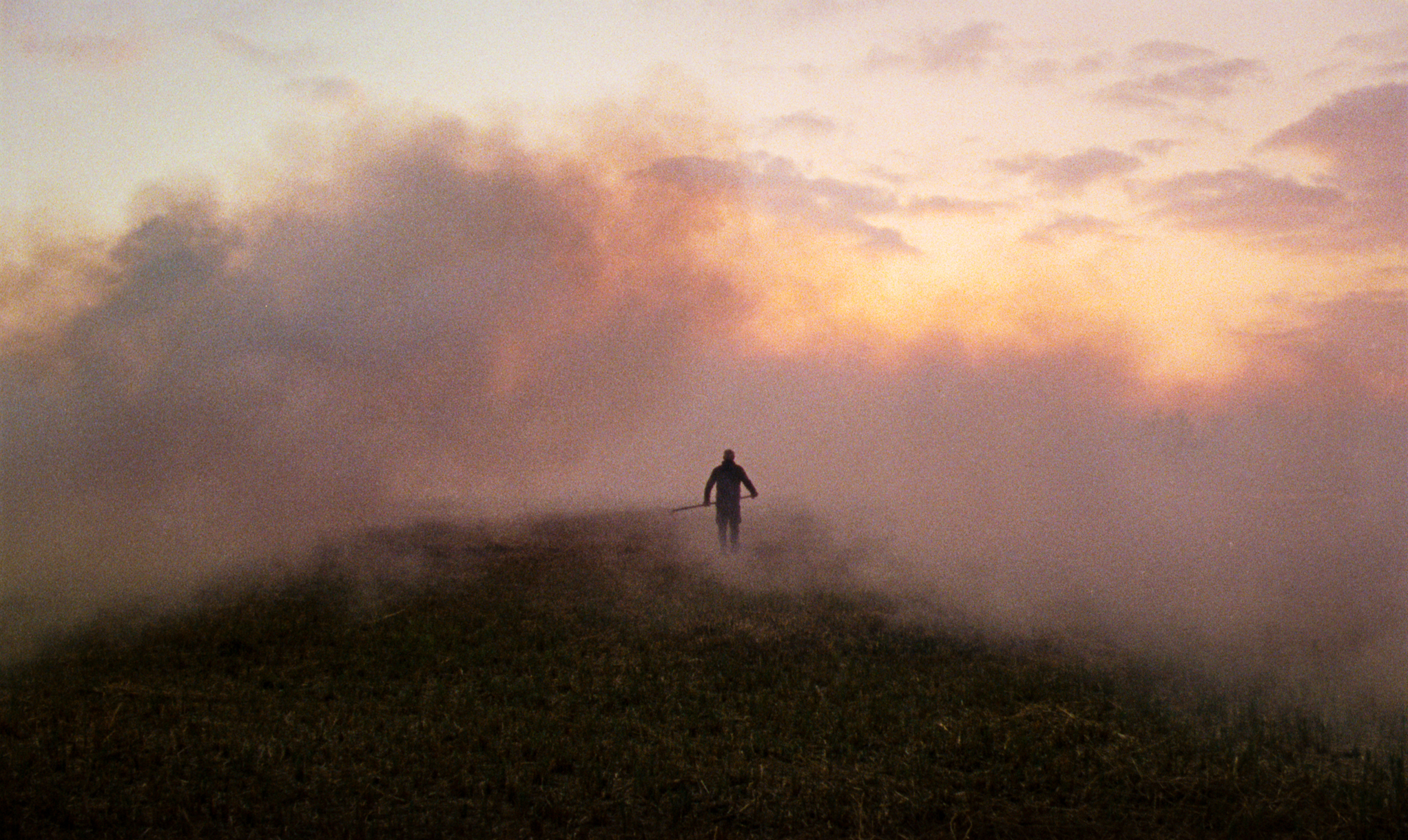
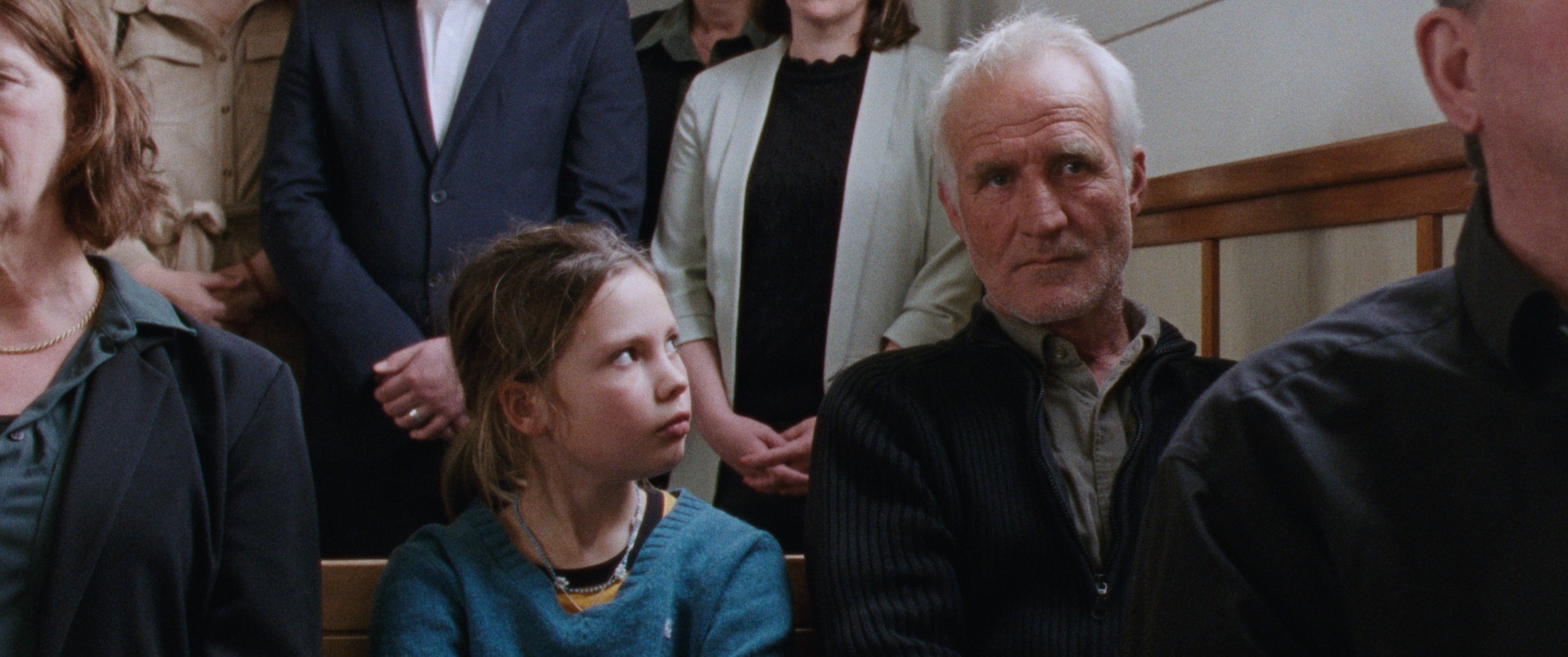
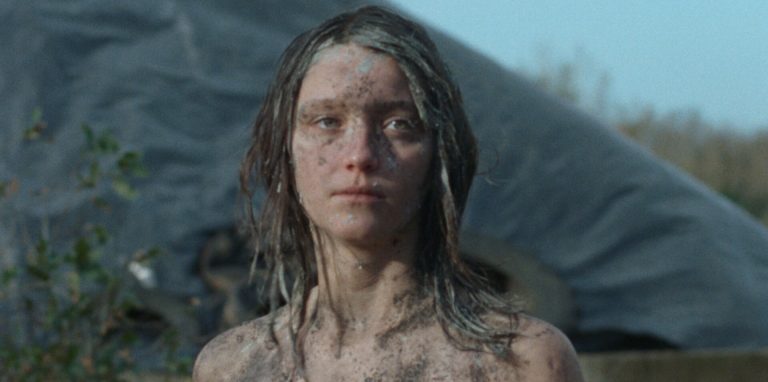
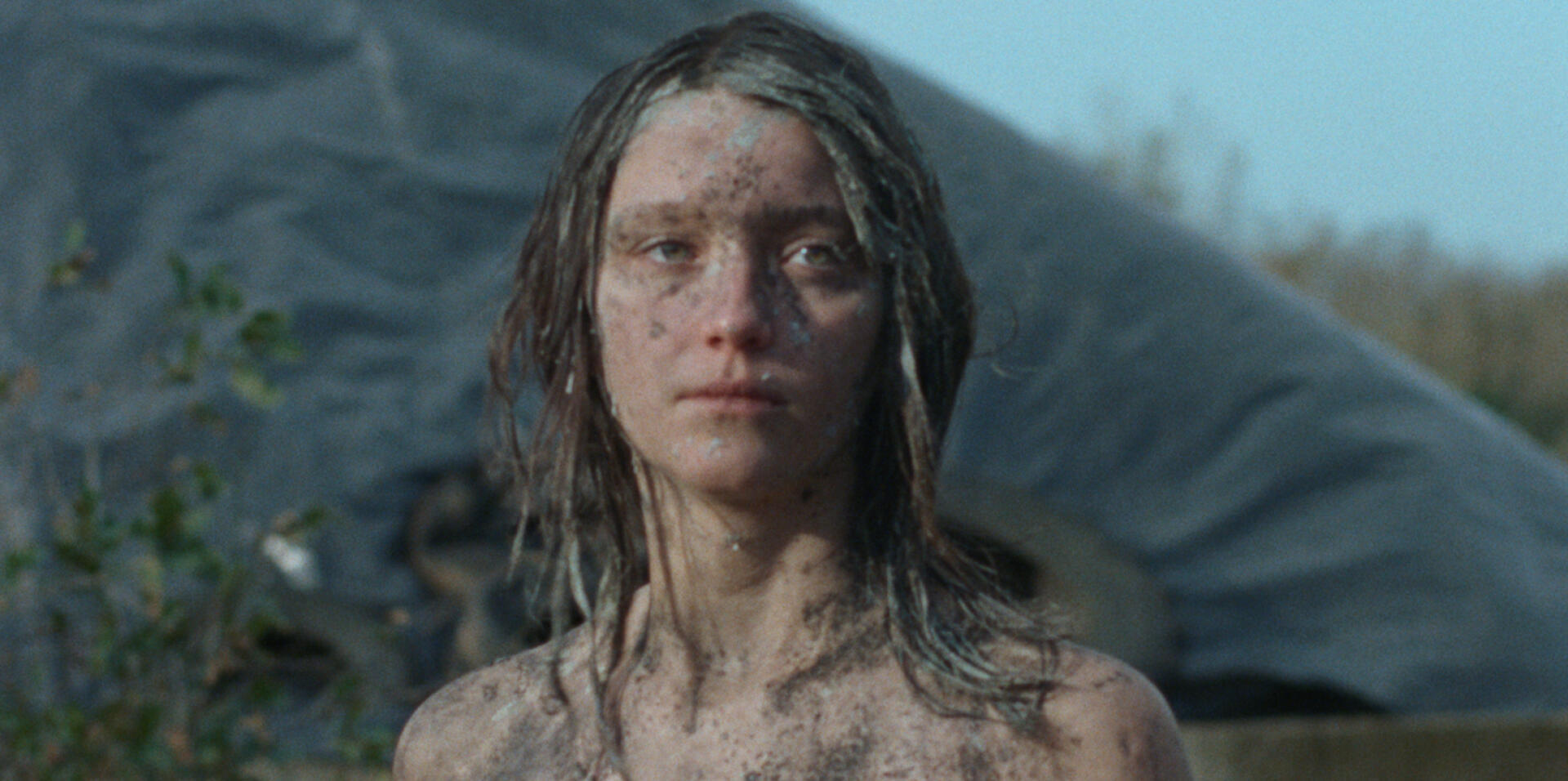
The things that children don’t understand in adult situations are presented with the innocence of the kid at the center of the story and a maturity from the now older filmmaker. But the trilogy is now coming to a close. Following her excellent Golden Bear-winning Alcarràs, Simón presents Romería (screening in competition at the 2025 Cannes Film Festival), the third and final installment of this series of films about family, memory, and coming of age. Switching scenarios from the Catalan countryside to the Galician seaside towns, Simón’s latest is her most personal work, covering a period in her life that has made a mark on her–one that still hurts her to some degree. It was a period of fragmented remembering, during which portraits deemed incomplete turned into beautiful paintings.
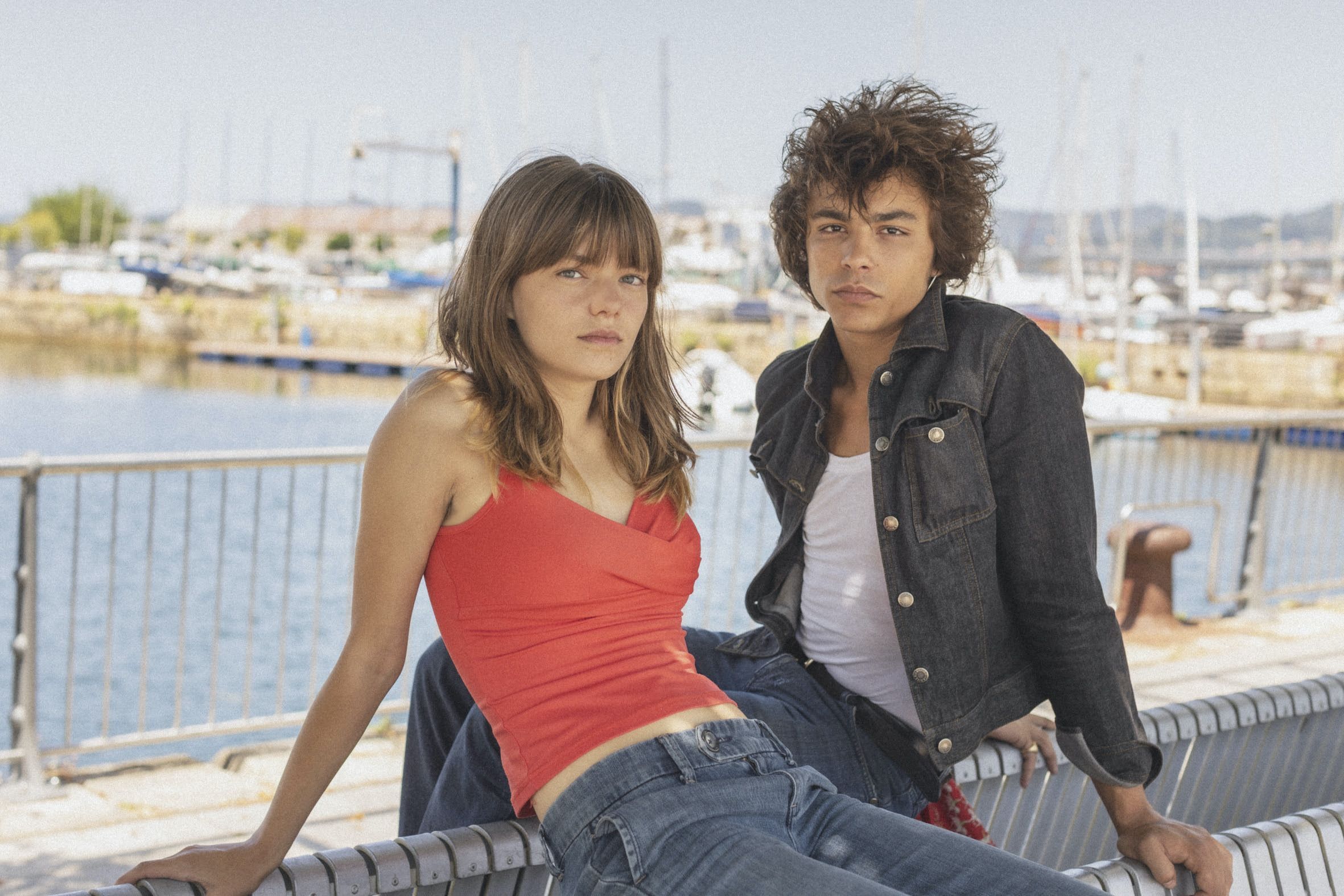
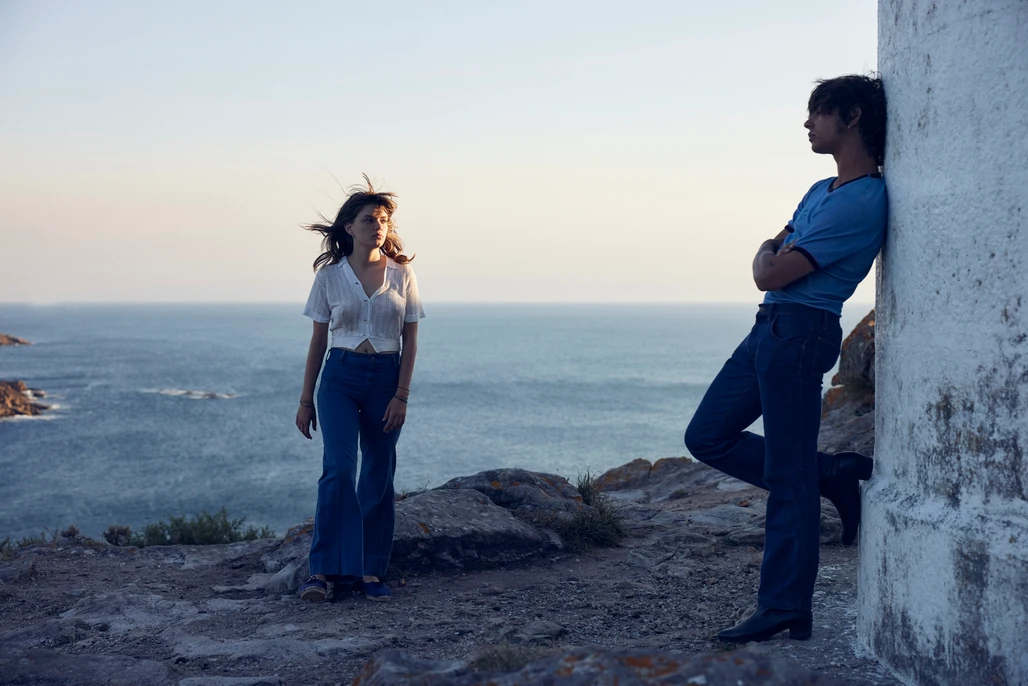
People who were once estranged were brought back into your life to guide you during this reminiscence. Romería is set during the summer of 2004, in the town of Vigo, Galicia, and follows an eighteen-year-old girl, Marina (Llúcia Garcia, Simón’s surrogate), who travels from Barcelona to Spain’s Atlantic coast in order to get her parents’ death certificates from her biological grandparents needed for a film school grant. The scholarship Marina is applying for requires a document acknowledging her bloodline. Marina’s parents passed away from AIDS–the second film at the festival about the topic, alongside Julia Ducournau’s Alpha–during the ‘90s epidemic, hence her being taken care of by adoptive parents. Like Ducournau, Simón reflects on a time that was deeply affected by drugs and the transmission of this disease, with many people losing their loved ones via overdose, AIDS, and other related incidents.
It was a troubling time that Ducournau and Simón lived through and they felt those pains firsthand, specifically the Spanish filmmaker. But the two have different approaches to discussing the time and the people affected by it. Ducournau is broader (and more mournful) in her dissection, utilizing the collective community’s fears, melancholy, and worries to shape her story about an ostracized family. She brilliantly basks in the darkness. But Simón embraces the light that kisses the Galician terrains and coasts–the places where her parents fell deeply in love–without shying away from the coldness that emerges from the recollections of her family. The two films are polar opposites, yet connected at their hearts, with pain and resilience holding them together.
From here, very early in the film, you sense Simón’s openness; her willingness to share personal details about her youth and disconnected family has always been present in all her projects, including her shorts. However, in Romería, since it is a point in her life when she finally knew who her parents were, it feels like a topic she would’ve kept hidden previously during her early years. But now, with three feature films in her portfolio and having reconciled with all those thoughts during the filming process, she invites us to hear the complete story–completing the picture of what made her parents the people they were. Upon arrival, Marina is met with open arms from her aunts, uncles, and cousins, all happy to know everything about her.
The only person with a different approach towards her is Uncle Iago (Alberto Gracia), a sidelined member of the family who refuses to bury the past of those who have passed. Iago is the only member of this family who is willing to talk about Marina’s parents and their turmoil, like her father’s heroin addiction, which ultimately led to the contraction of the disease, and his bond with her mother. Curious as a teenager always is, Marina converses with Iago and learns the secrets that lingered in her parents’ lives. Even though they have been dead for many years, these conversations and the trip to Galicia have helped her grow closer to them–her fractured memories slowly being repaired as they unfold in a new light that shines their double-edged personalities.
Simón then plays with these retellings from Iago and the rest of the family in a fleeting manner, with tons of poetic nuances and her usual swift delicacy. From a single instance where her grandmother tells Marina that she has a keen resemblance to her mother, Simón takes the viewer from the 2000s to the ‘80s, where we see a young couple deeply in love. Those are Marina’s parents, played by Llúcia Garcia and Mitch Martin. It is a daring swing (Simón’s most daring swing in her filmmaking career, if you ask me) into the mystical, where Garcia not only is a stand-in for Simón, but her mother as well. Simón’s trust in Garcia must be enormous, as she is tasked with not only the role of playing her, but also the caretaker who left her life way too soon. Simón also has another actor playing dual roles in Mitch Martin, who plays Marina’s father (and in counterpart Simón’s) as well as her eldest cousin, Nuno.
A spectral element blossoms from these scenes of cinematic remembrance; they capture the haunting beauty of memory and time–the displacement of recollection. Using her mother’s diary as a framing device helps us navigate these moments as if it were Simón reading it for the first time. And in a festival where cinematic poetry has been vast and seen in various effective forms (Sirât, Alpha, Resurrection, Sound of Falling, amongst other excellent examples), Simón finds a way to make her wistfulness stand out in the competition and in her filmography too. As we travel from the past to the present, and vice versa, Marina connects with the rest of the family members, each revealing a small yet intricate detail about her parents. But that means that the depicted retellings do take a darker turn.
What begins as a love story from these visions later descends into addiction, where the heroin takes control of them and ultimately separates the two emotionally. Dashes of the late Carlos Saura’s Deprisa, Deprisa (Faster, Faster) are noticed in Romería not only in the story itself but in the actors’ characteristics too–Garcia and Martin resemble the two leads from the film, Berta Socuellamos Zarco and José Antonio Valdelomar, who, rather tragically, passed away from a heroin overdose. The excellent and tragic 1981 film follows Angela (Zarco) and Pablo (Valdelomar) as they fall in love and into the hands of drugs. A cinematic circle begins to shape itself, where Simón and Saura, a significant influence on her work, connect with reverence, adding an equally touching and saddening splendor that is easy to be moved by.
Like Saura, Simón takes time to talk about people succumbing to the periphery of drugs in ‘80s Spain. Although Romería does not expand on the impossibility of escape during the post-Franco urban margins as much as Deprisa, Deprisa, there is a heartfelt commentary on youth and love during a period of uncertainty. The Spanish filmmaker questions: Why do people pick and choose the stories they keep secret and decide to tell? And she comes up with Romería as an answer to such a question. What I love about the film, and Simón’s approach, is that even if this is a story based on her experiences, she concocts a universal portrait, not explicitly related to losing your parents (and the things we never knew about them), but the search for clarity and lucidity in the blurred, melancholic moments of our lives.
Director:Wes Anderson Writer:Wes Anderson Stars: Benicio del Toro, Mia Threapleton, Michael Cera
Synopsis:Wealthy businessman Zsa-zsa Korda appoints his only daughter, a nun, as sole heir to his estate. As Korda embarks on a new enterprise, they soon become the target of scheming tycoons, foreign terrorists, and determined assassins.
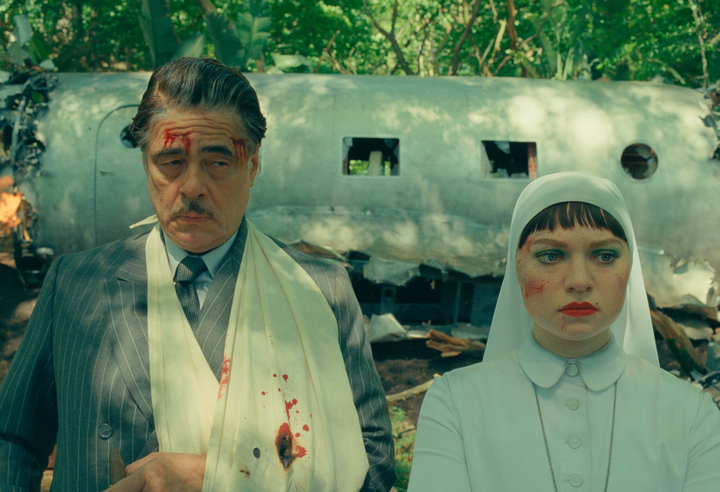
“Myself, I feel very safe.” That’s what Zsa-zsa Korda (Benicio del Toro) tends to tell himself moments before potential disaster, when everyone around him has reason to panic. A ticking time bomb that was covertly hidden under his private plane’s lunch trolley? No bother, it shouldn’t go off before he and his companions reach the tarmac. A catastrophic engine failure that requires a forced landing, one that his pilot is reasonably anxious about performing? Good thing Korda, an infamous international businessman and one of the richest men in Europe, is a capable aviator himself. (Perhaps it’s no coincidence that a number of these crises unfold while he floats among the clouds.) A global project that he has been nurturing for years and could feasibly set the wheels of global commerce in motion anew is suddenly in jeopardy of losing its financing? More complicated than a plane crash – he has survived six – but for a master negotiator such as himself, Korda’s ability to convince his financiers to fork over a bit more dough should be as easy as taking candy from a baby. He’s a man of endless means, after all, despite the fact that practically everyone he’s ever communicated with wants him dead. “I’m still in the habit of surviving,” he notes following the first aerial accident we see him escape with but a few minor-ish injuries, despite the fact that, in his glib phrasing, he keeps getting assassinated. If anyone should feel safe in times of trouble, it’s probably the man with this much luck on his side.
This idea of feeling safe amidst logical uncertainty also happens to make a lot of sense for audiences taking in a new film from Wes Anderson, the auteur whose style has become more recognizable with every passing feature, arguably to the point of being overdone. He strokes a familiar, comforting brush when he paints, making art that you might feasibly say you’ve seen before, only what you really mean is that you’ve seen something only slightly similar. While each of Anderson’s films look, sound, and feel analogous on their surface – singularly and intricately designed by a mad diaramist with an infinite toolbox – there’s newfound magic aplenty to what Anderson achieves in each work of art, and the fresh stories he tells while maintaining his elegant, orderly technique.
Zsa-zsa Korda, the main character in his latest journey, The Phoenician Scheme, is the ideal Andersonian archetype, a wealthy, idiosyncratic man who has a complicated relationship with his many children and a particular goal in mind, one that serves as the film’s engine. This objective, one that quickly transforms from an ambitious business venture into a madcap caper, fits squarely in the narrative realm its writer-director has been operating within for the better part of three decades. Its thematic dressing is a slightly newer presence in Anderson’s filmography, though viewers of his two most recent films – 2021’s The French Dispatch and 2023’s Asteroid City – will clock The Phoenician Scheme’s poignancy from a mile away and still appreciate the trip that is required to get to its heart. Most, if not all of his films are cut from the same cloth, but every individual creation exists unto itself.
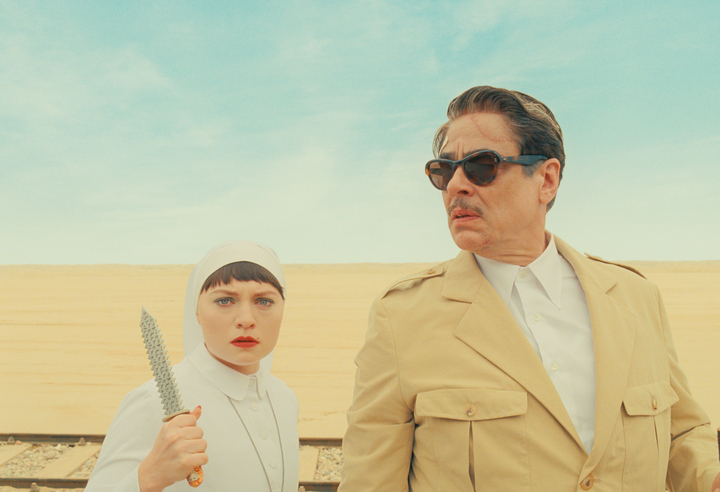
The Phoenician Scheme is no exception, and not only because it feels as though Anderson saw the heartfelt responses to his two preceding features and asked, “What if that tone, but funnier and bloodier?” Of course, that simply means that there will be a bounty of sight gags, glorious quips, and gunfire aplenty, but it’s Scheme’s heartwarming spirit that should still be the primary draw. The film doesn’t fully set off on its globe-trotting excursion until Korda is reunited with his only daughter, Liesl (Mia Threapleton), who he hasn’t seen in six years, not since sending her to a convent where she would become a nun. He didn’t necessarily want her to become religious; he just figured it was safer than living in his chaotic transactional world.
Korda has sent for her in order to will his estate to her in the event of his inevitable, albeit untimely death, a prospect that comes with a fortune as sizable as Liesl’s doubts, given she and her father’s self-induced estrangement. Nothing a quick prayer can’t fix, though, and after confiding in the Lord, Liesl agrees to work with Zsa-zsa on a trial basis, one that she intends to use as proof that she belongs in the convent. Thus, their adventure begins, and because Anderson is nothing if not a filmmaker who loves to employ a vast ensemble, Korda’s entomology tutor, Bjørn (Michael Cera), tags along.
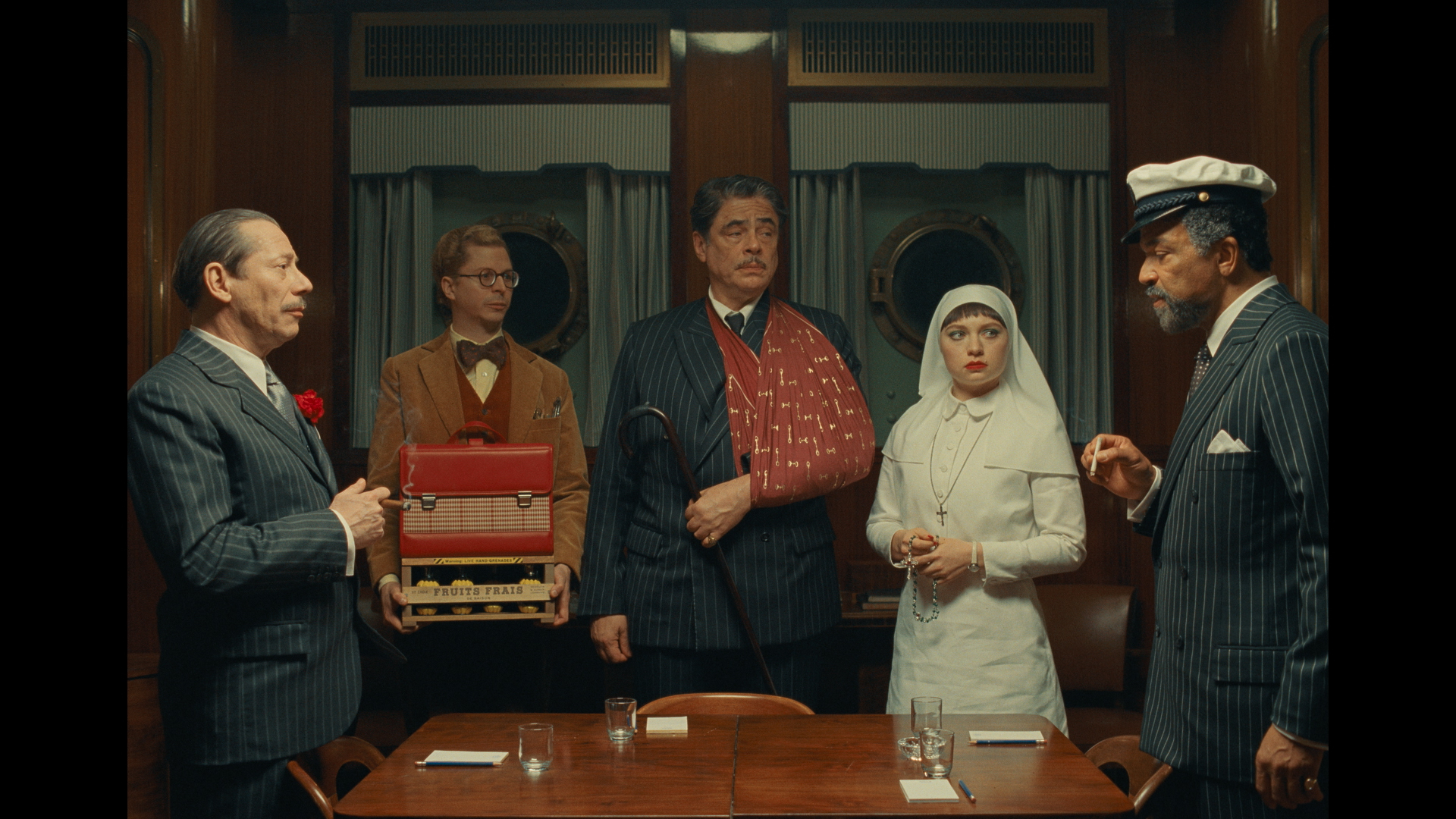
As the trio’s travels ensue, so, too, does the United Nations’ concerted effort to bring Korda down once and for all, as his dealings in international markets have caused a great deal of turmoil between a number of international countries. Led by Rupert Friend, this U.N. task force has been fudging prices for the materials Korda requires to complete his next enterprise, a collection of profit-maximizing channels across six separate locations in the territory formerly known as Phoenicia. In order to balance the cost, Korda (with Liesl and Bjørn’s assistance) has to negotiate the reduction of “the gap” with the other involved parties: the mousy Prince Farouk (Riz Ahmed), railroad barons Leland and Reagan (Tom Hanks and Bryan Cranston, respectively), the nightclub-owning Marseille Bob (Mathieu Amalric), the fast-talking ship captain Marty (Jeffrey Wright), and Korda’s cousin, Hilda (Scarlett Johansson), who has been tasked with heading up construction of a dam at the center of the whole operation. Uncle Nubar (Benedict Cumberbatch, sporting one hell of a beard) is the biggest obstacle of all, and is a significant figure in Korda’s past to boot. But the numbers they’re all negotiating don’t matter nearly as much as the journey to each destination, as The Phoenician Scheme is as much a road movie as it is an action-comedy, and combining those two genres makes for a blissfully entertaining romp that only Anderson could devise.
And while said romp tends to get a bit distracted by the plethora of schemes hiding within its titular one, it’s a fitting quality, given its protagonist’s own inability to handle one thing at a time, and certainly his struggles with keeping it all in order. “If something gets in your way, flatten it,” Korda tells Liesl, nevermind that it was the advice his own father gave him before he cut Zsa-zsa out of his will. That’s not an idea that one might typically associate with Anderson, though maybe that’s because “flatten” is the term used and not “escape.” The latter has been far more present throughout his career, from 1996’s Bottle Rocket to his masterpiece, 2014’s The Grand Budapest Hotel, and beyond. In each, someone (or multiple someones) spend a great deal of time running from something, attempting to evade capture and narrowly succeeding.
The same happens in The Phoenician Scheme, but with another obsession of Anderson’s working its way into the foreground: How these dire straits bring people closer together. Who better to pair in this particular scenario than a father and a daughter –The Royal Tenenbaums, anyone? – with del Toro delightfully inhabiting the role of the pompous puppet master who softens up over time, and Threapleton turning in a breakout performance as the kid he once left behind for bigger and better things. Her understanding that emotions need not always be plastered on an actor’s face is the smartest casting-related revelation, perhaps only surpassed by how at home the Anderson first-timing Cera is in this quirky world. He’s a riot and a natural, and is thankfully given a part that expands far beyond the trappings that Bjørn’s accent might suggest.
In terms of its action, The Phoenician Scheme’s violence serves as Anderson’s most overt use of combat to date, but it’s treated with a slickness that is at home here as it would be in a Monty Python tale. (Gunshot wounds tend to be met with “Tis just a flesh wound” type responses.) Yet the scales are always cleverly balanced out by how other characters look at Zsa-zsa after he’s thrown himself in harm’s way on their behalf. Furthermore, when Korda is severely wounded, Anderson alters his aspect ratio to Academy and shifts to heavenly tableaus where his main character dreams of God (Bill Murray) and others from his past, as if he’s briefly ascended to the afterlife. Shot in black and white (which cinematographer Bruno Delbonnel previously mastered in Joel Coen’s The Tragedy of Macbeth), these brief departures from the reality Anderson has molded are among his deepest constructions to date, and allow for real-time introspection about what exactly he might be getting at with this particular piece.
They occur infrequently and are relatively brief, but these interludes feel more in line with Phoenician’s grand scheme than they appear at first blush. “Somewhere along the line, we realize this guy is being confronted with his own death so aggressively and overtly that it’s actually starting to change his view of the world,” Anderson told Vulture’s Bilge Ebiri in a recent interview. “Which is not something he’s ever been open to. And what he’s learning in those moments I guess he’s learning from himself.” As the audience learns along with Korda – about life, death, legacy, regret, and love – there’s a chance they’ll be hesitant, given what much of The Phoenician Scheme has presented itself to be. It would be a mistake. Like Asteroid City and the rest of Anderson’s body of work before it, something deeper is at play. You just have to look beyond the pristine scenery to find it.
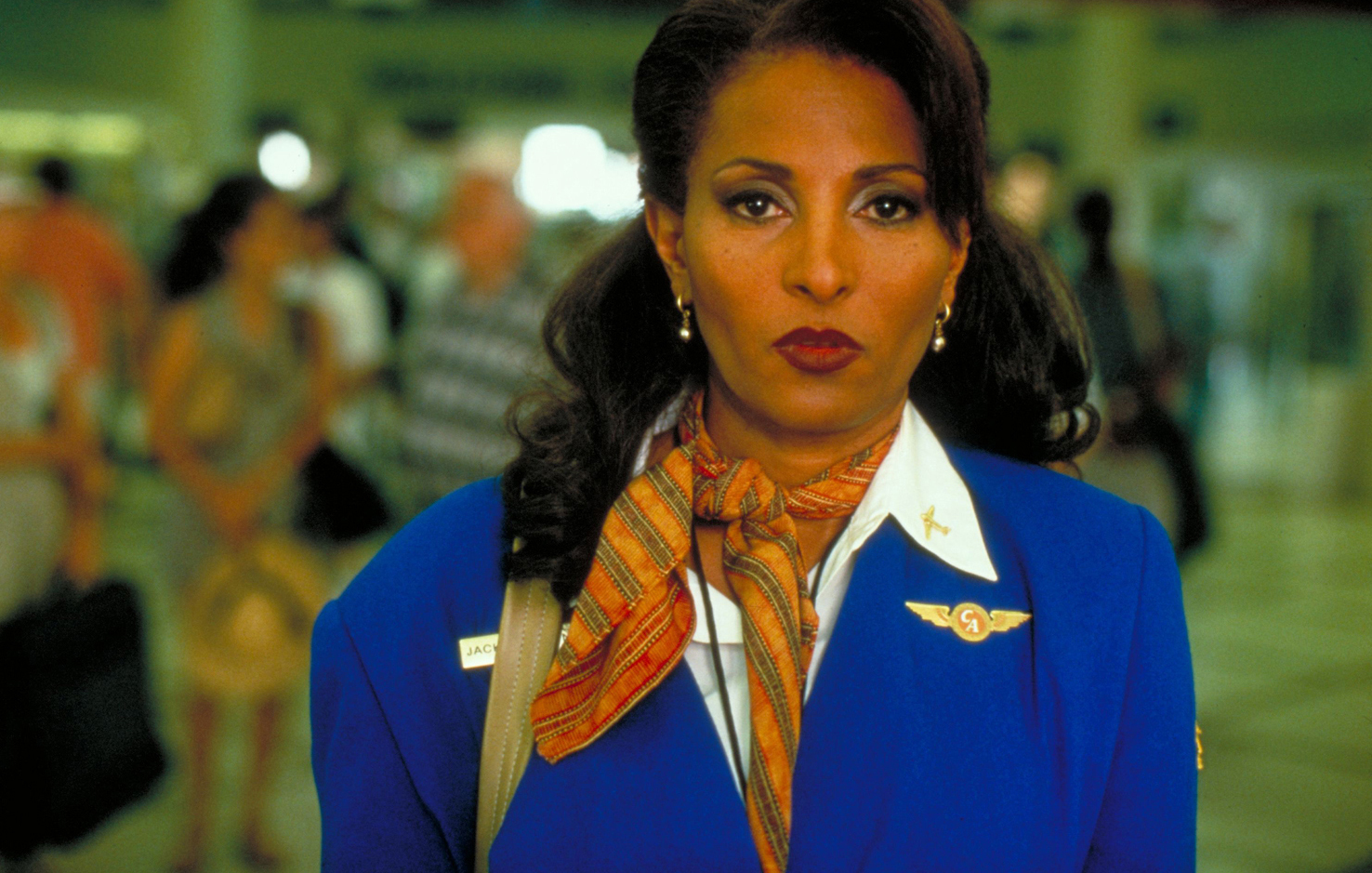
I still remember the first time I saw Pam Grier in a movie.
It was my early cinephilia days, I was on a Quentin Tarantino marathon, a.k.a. keeping up with releases before “Inglorious Basterds,” which was probably the first QT movie I ever saw. I had seen Pulp Fiction at a film criticism workshop screening before; it was a required viewing as part of our “curriculum,” but it still hadn’t grown on me as a film lover.
Jackie Brown was the penultimate Tarantino film I watched. I remember how back then I finished the marathon with a sense of euphoria that, of course, left me back in 2017 with the illusion of “Here’s to many Tarantino movies to come!” only to get one only in 2019 and be faced with the epic Tarantino drought ever since.
But the experience of watching Jackie Brown for the first time, to me, was incomparable. There’s always a magical moment when I watch a movie, then I get fascinated by a particular actor in it, so I isolate them from the entire movie and start fantasizing about them for a long time afterward, hunting them down as people, not just the characters in the movie I watched. It happened to me most recently with Austin Butler in Elvis, but way before that there was Maggie Cheung in In the Mood For Love, and Marcello Mastroianni in La Dolce Vita.
Pam Grier here took my breath away, although this wasn’t even the Pam Grier of her heyday as the Blaxploitation bombshell. But there was something about her performance here that spoke to me on strange levels, ones I couldn’t comprehend when I was watching this masterpiece at the time. Grier plays Jackie Brown with such fluidity; earthy toned and calm, serene, despite playing a scary woman living in a scary world. There is something about a tired, aging woman who carries her sexuality and independence with grace and pride, but also feels wary of the burden she’s been carrying all her life. I can’t imagine any actor other than her to play this woman. To me, she embodies the experience of a Black woman over forty, a non-White woman with zero privilege, growing older, and tired of chasing life and the dream of a luxurious retirement. Her street smart and her coy seduction of Max Cherry (Robert Forster), but also that sultry voice that she uses to deliver her lines in the perfect tone and rhythm, that’s why she stands out in every scene she’s in, even opposite major actors and mega movie stars.
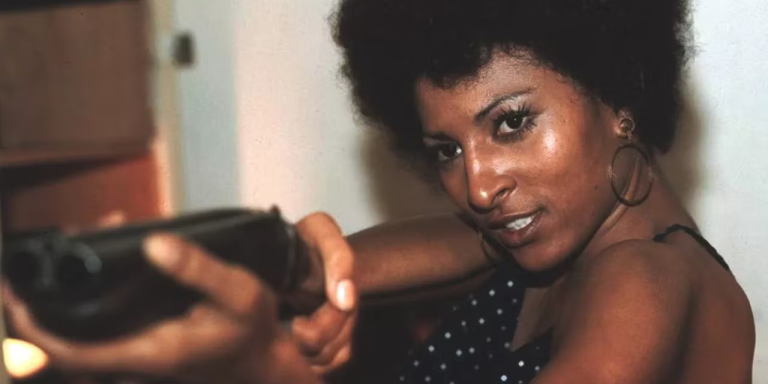
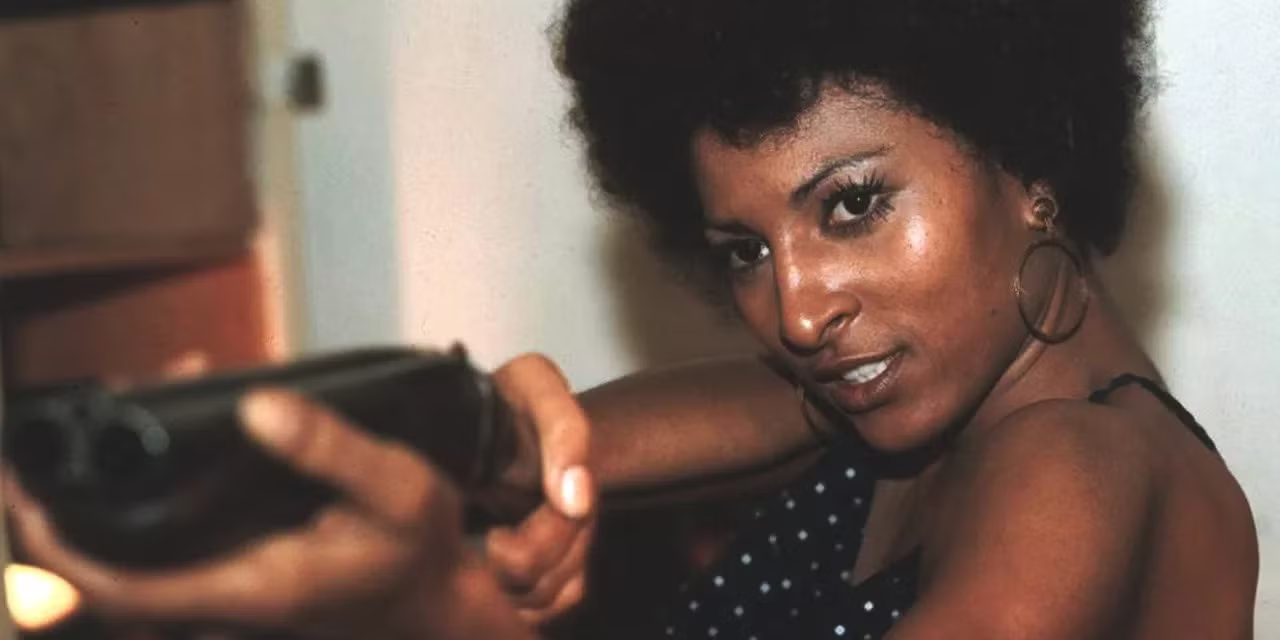
After Jackie Brown, I was expectedly blown away by the dazzling Grier. I searched for her every other project, and opened the Blaxploitation goldmine, consuming one hit after the other; Coffy, Sheba, Baby, and Foxy Brown. Blaxploitation is a fun genre, and no one can imagine it without Grier, whose athleticism, eroticism, and beauty have helped carve those movies into the hearts and souls of fans for many years. She has been a passionate advocate for the genre, and rightly so. It was likely the first time Black people had a distinct voice in American art, despite the negative criticism associated with it, particularly regarding the reinforcement of stereotypes about Black individuals. In every Blaxploitation film she is in, Grier plays an action star. She handles guns like a pro. She kicks men to the curb and she does that in heels. She’s smart, she’s energetic, and she’s seductive. Her afro and her wigs, as well as her form-fitting dresses make it difficult to keep your eyes off her anytime she’s on screen. I adored Grier’s Blaxploitation performances. I saw her as a badass, brave, tall, sexy, and violent, unafraid of committing whatever visceral act of depravity to save herself. Admittedly, the sexual violence was at times too much, but seeing her coming on the other side strong and avenging the men who wronged her was so cathartic.
I see Grier as an icon. A form of sexuality on screen mixed with a physical presence unlike any action star pre the sexy sultry action star of the late ‘90s and aughts. But how she plays it in those films; unabashed, sexual, violent, and sometimes sadistic, gives her an aura of fearlessness and intensity that are usually preserved for other more “airbrushed” stars, favored by Hollywood while the big execs have tried to not-so-coyly shove her accomplishments under the rug, delusionally thinking they can shove her into the pit of forgetfulness.
But no one forgets a face like Pam Grier, or the sweltering, intense performances she has given in every role she plays. Happy 76th birthday to this icon and hopefully we get to see a Grieraissance sometime soon.
On this episode, JD and Brendan are joined by the great Griffin Schiller of FilmSpeak to discuss Christopher McQuarrie and Tom Cruise’s latest (and last?) mission with Ethan Hunt in Mission: Impossible – The Final Reckoning! This is one of the most cathartic reviews we’ve maybe ever had on the show. Mission: Impossible is a franchise we love, but these last two films disappointed in ways that left us frustrated and we purged those emotions in a way that ended up therapeutic.
Review: Mission: Impossible – The Final Reckoning (4:00) Director: Christopher McQuarrie Writer: Christopher McQuarrie, Erik Jendresen Stars: Tom Cruise, Hayley Atwell, Ving Rhames, Simon Pegg, Angela Bassett
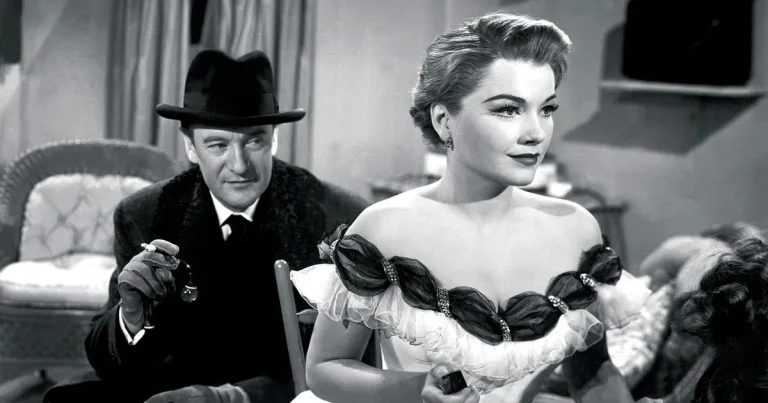
This week on Women InSession, we discuss the legendary costume designer Edith Head and her astounding career that includes a record eight Academy Awards for Best Costume Design! Renowned for her impeccable eye for detail and ability to enhance a character through costume, Head worked for some of the best filmmakers and actors in her era, helping shape some of the most iconic images ever put to film. Which is to say, we had a really fun time with this conversation.
On that note, check out this week’s show and let us know what you think in the comment section. Thanks for listening and for supporting the InSession Film Podcast!
Synopsis: Alpha, 13, is a troubled teenager who lives alone with her mother. Their world comes crashing down the day she comes home from school with a tattoo on her arm.
It is fair to say, and has been said many times at this point, that the pandemic was a cursed time for all of us, brooding in enclosed rooms, dealing with our unshielded minds, and fear lingering in the possibility of being infected with this disease that took the lives of many around the world. All of us were scared; it was a time nobody wants to repeat. At Cannes this year, there is a blatantly obvious (and outright trepid) film about said time, in all of its political madness and societal hysteria, in Ari Aster’s Eddington. But there is another picture about a disease that consumes people inside and out in Julia Ducournau’s Alpha (screening in competition at the 2025 Cannes Film Festival), the follow-up to her Palme d’Or-winning Titane.
From the director who brought us touching pictures from bloody, brutal, and strange canvases–a father-daughter story intertwined with John Carpenter’s Christine in the aforementioned 2021 picture and a story about sisters and their sins of the flesh in Raw–you never know what to expect, which is a testament to her visionary artistry and brilliance. And so her next move is completely unexpected: a very personal and mournful rumination on the AIDS crisis, the loss of loved ones, our fear of death, and the succumbing nature of grief and loneliness. This is not feral or as violent as her previous features, but Alpha is equally tantalizing in its observations of the flesh and how it taints the soul, and vice versa. Ducournau switches from the Cronenbergian style of body horror. However, this is in a more poetic manner rather than visceral, to the existentialism of the works of Clive Barker and the dark poems of Edgar Allen Poe.
“This shift redefines Ducournau’s voice in horror—now steeped in vulnerability and emotional risk, rather than just visceral shock. It proposes the question: “How are you born into the world when everything around you is dying,” as she stated in an interview before the film’s world premiere. The answer to that question is not easily decipherable, even after seeing Alpha, since it is a very tricky picture to pick apart. However, Ducournau ensures that her response comes from within–her deepest fears and worries rooted in her past experiences. The film has a bruised heart, beating slowly, yet at a pace where one can still sense each ounce of pain and sincerity Ducournau felt then and still does. But it is a heart, and whether bruised or not, the cast and crew care for it, to the point you feel moved, vastly so.
Alpha follows the titular character, played by newcomer Mélissa Boros (another excellent addition to Ducournau’s talented selection of young lead actresses), a thirteen-year-old girl going through the growing pains of adolescence. Alpha shows signs of the atypical behavior a teenager goes through, rage, defiance, and everything in between. Ducournau’s protagonists have had this angst and terror inside them, whether from the beginning (Agathe Rouselle’s Alexia) or gradually (Garance Marillier’s Justine). But no matter which one of these it is, they have an innocence to them–a search for nurture and care in the moments of darkness. And the young Alpha is no different, with discontent on the outside while vulnerable on the inside. She sees her life in disarray and disrepair, just like the classrooms and bathrooms in her school, all deteriorated and torn apart.
The film’s color palette matches the brooding deterioration with desaturated colors, emphasizing greys and blacks, that diverges from cinematographer Ruben Impens’ more lively lens in his previous Ducournau collaborations. Still, the feeling in the atmosphere remains palpable, even if it is a feeling one wouldn’t want to be in the presence of for far too long. As this disrepair in the school is not noticed by her classmates, you get the feeling that this sensation the film basks on–the grey color-tainted lens covering, and eating, the scenery whole–is seen through the eyes of Alpha. The young girl envisions this dystopian world through freezing-cold glasses of decay. Later, this perception becomes more collective, where Ducournau exhibits her most mature and moving storytelling in her directorial career.
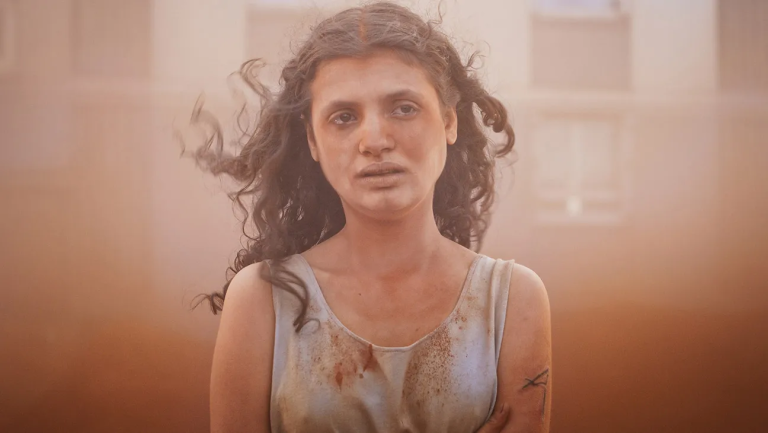
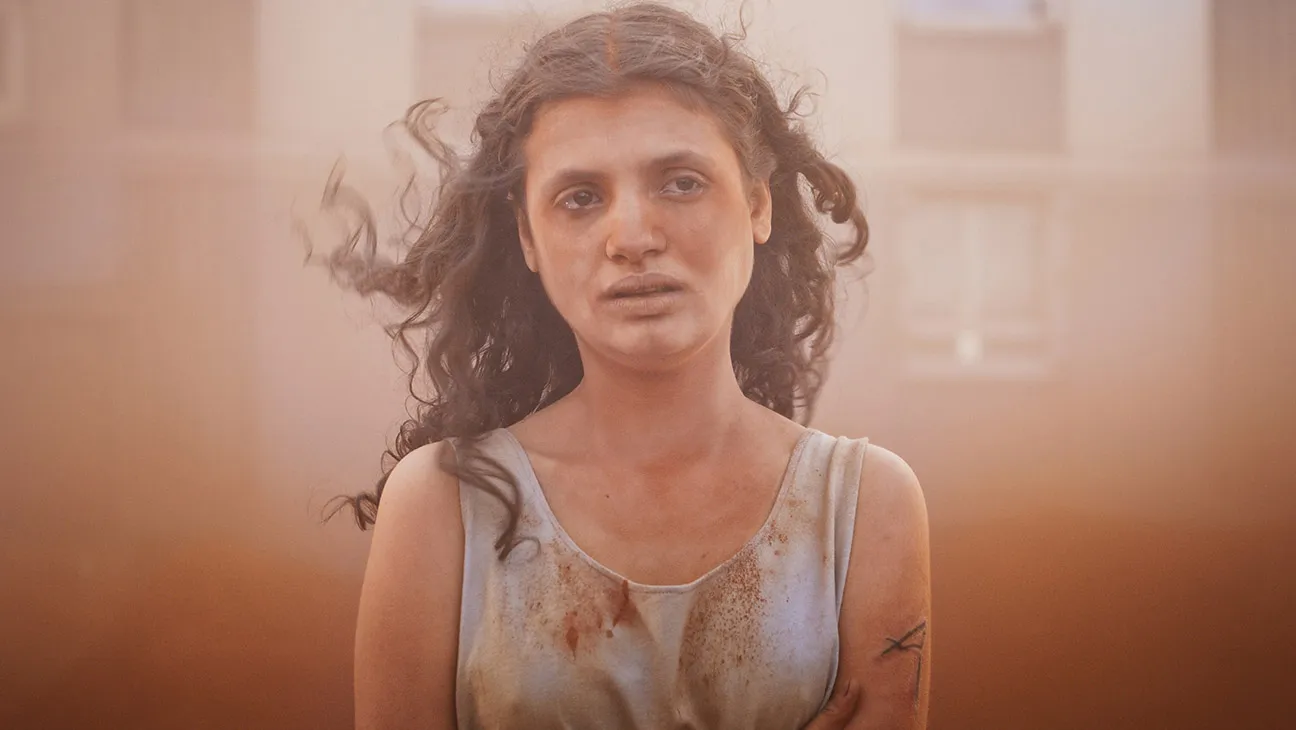
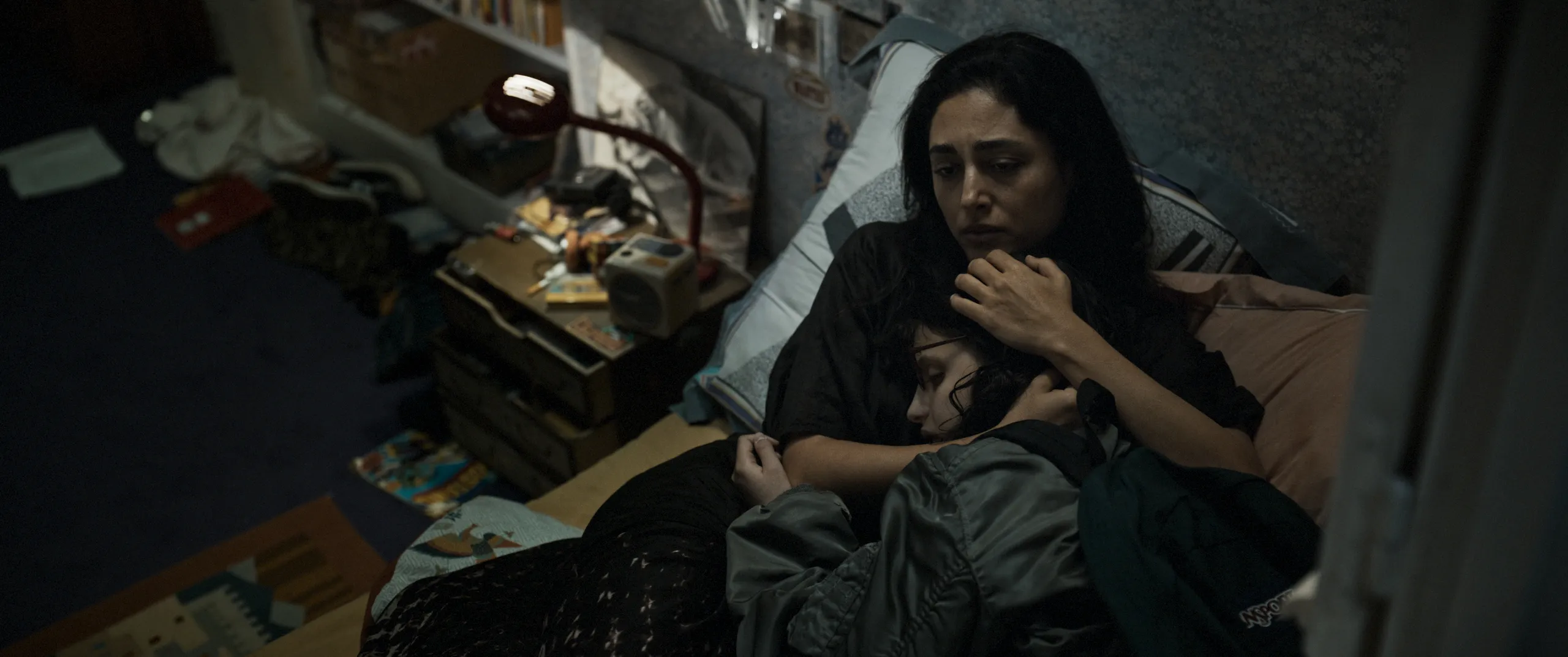
At this point in the narrative, it is all on Alpha, who wanders through this world in this saturated state of mind. In one of her acts of teenage defiance, Alpha gets a tattoo–a giant capitalized letter A on her arm–alongside some other classmates, all sharing the same dirty needle. The tattoo does not look good and isn’t healing properly. Once she gets home, and her mother (Golshifteh Farahani) finds out about it, panic amongst the household occurs not because of her rebellious ways specifically, but of what the needle might have transmitted to her. There is a possibility that Alpha has contracted a deadly blood-related disease that turns people into marble statues, stone cadavers with a sand-ish color that causes chills down your spine once you see them.
It reminded me of the burial shrouds in David Cronenberg’s latest work, The Shrouds. Instead of seeing a body in a bag, with a screen as an attachment to see your loved one decompose, it is people turning into raw material–both being monuments for the dead, their headstone. These are two creative ways of having filmmakers explore their fears of death and the grieving process. In the Cannes press conference for Alpha, Ducournau elaborated plenty on her references, particularly the small easter eggs she placed about Edgar Allen Poe in the film, saying plenty about that specific image of the statues and how it reflects her existential dread. And it is curious, and utmost fascinating, how Cronenberg and Ducournau–the labeled king and queen of body horror by many (including me)–made poetic films that, on one side of their multilayered story, reflect their mortality and fears of one day venturing into the void.
When those scenes appear, whether the shrouds or marble statues, there’s a coldness that strips the films of any amount of life for a few seconds and feels the worries of the auteurs, the darkness overcoming the light–drowning in the pool of existence. It is just not a coincidence, as also at last year’s Cannes there were many other features, from veteran directors specifically, that talked about memory and existence in different ways, shapes, and forms: Paul Schrader’s Oh, Canada, Francis Ford Coppola’s Megalopolis, Leos Carax’s It’s Not Me, Jean-Luc Godard’s Scenarios, etc. The pandemic caused them to reflect. Time was running out, or at least it seemed like that to many; as Schrader said during the Q&As for his film: “If I’m going to make a film about death, I’d better hurry up.”
These filmmakers were in a “rush” to make a picture that channeled their own lives; we watched and traversed through their memories, experiences, woes, and joys via a uniform canvas, being distinct compared to the rest of their work, and very personal. While Ducournau does not explore legacy like the rest of the aforementioned projects, as she is still young in the medium, she does present herself in a new light with an unexpected swing towards the mature, without the shock. She utilizes her dark memories from her time as a kid during the ‘80s and ‘90s, the time of the AIDS crisis, and adds in the trepidation of the COVID pandemic to paint a portrait of the melancholy waves both periods were riding on. She saw many people pass away during these times, which left a mark on her, leading to the creation of Alpha, a film that wants to remember those we lost.
This is only one angle of the film’s narrative. As it develops, Ducournau constructs a touching brother-sister story amidst the terror boiling from the effects of a rebellious tattoo. That part of the story is also rooted in a needle, used by a past addict. Alpha’s estranged uncle, Amin (Tahar Rahim, in a Machinist-like role), re-enters her life after many years, with flashbacks to when she was five years old, where she draws with a marker the scars on his arm, a symbolic, quick image of the beauty in destruction, and vice versa. He comes back, a ghost from the past. And Alpha fears death is knocking at her door, waiting to collect. The last image of Ingmar Bergman’s The Seventh Seal started to appear in my mind. Her bones go cold; her body gets numb. The greys become greyer, and the shadows loom heavily.
Everybody in her class set her to the side, with the belief that they’ll get infected. The community ostracizes her entire family. And Amin helps her navigate this life of distress and adversity. The two of them, affected by a needle, find mutual understanding in pain and melancholy. Alpha begins to care for Amin, even as his emotions fluctuate from this withdrawal. Her mother cares for the two connected, misguided souls, as the worries grow stronger, a resistance to fixing what has been broken for years. This is where Ducournau, alongside editor Jean-Christophe Bouzy, breaks the canvas and plays with time, memory, and dreams to create a new abstract mural that unites the wounds, literally and metaphorically, of the past, present, and possible futures. It is an uncanny presentation, often rich in poetic prose and vivid imagery, focusing on the nature of reality.
The messy fractures of lineage and genre work for and against the film, with Ducournau often placing the viewer in between the thin line of distance and closeness, yet always with a sense of compassion shining through the darkness, even at its most mournful scenes, which there are plenty of. Ultimately, Ducournau basks in the dread that consumes the people who lose someone they love, finding beauty in passing from one plain to another. Alpha is contrived with abstractions and despair, never letting go until you do; like grief, you must let go to stop the emotional bleeding. But it is a maneuver so personal and pensive that you can’t help but accept this dance with death for two hours.
Director:Matt Palmer Writers:Matt Palmer, Donald McLeary Stars: India Fowler, Fina Strazza, Katherine Waterston
Synopsis:When the “it” girls competing for prom queen at Shadyside High start to disappear, a gutsy outsider discovers she’s in for one hell of a prom night.
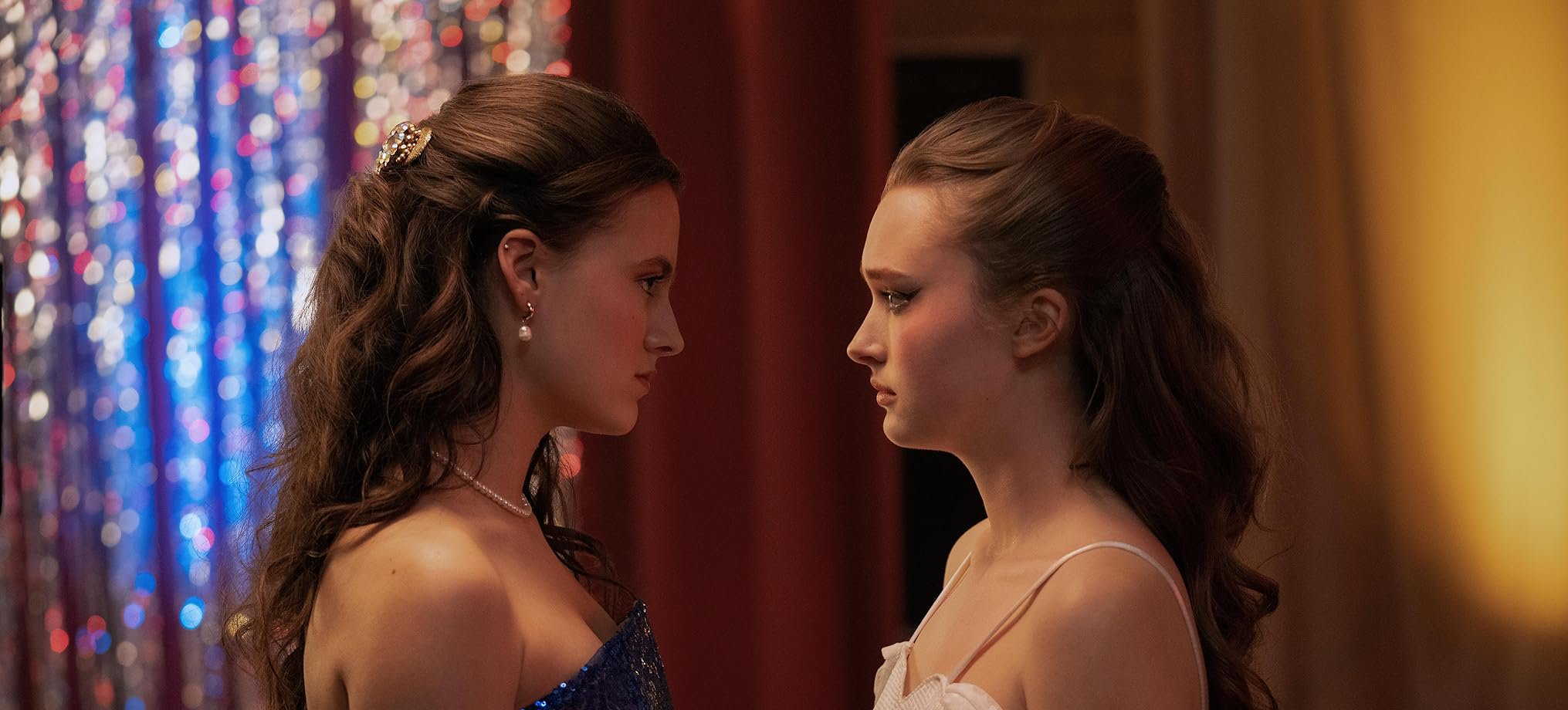
After an experimental release strategy with the initial trilogy, the Fear Street franchise has now returned on Netflix for a new installment, specifically adapting R.L. Stine’s The Prom Queen. While it doesn’t reinvent the wheel of slasher pictures, the movie still solidifies itself as a welcome return for one of Netflix’s best series, ensuring they can make as many installments as they can every couple of years. Why not have a lean, meat-and-potatoes, 89-minute-long slasher that has a well-defined beginning, middle, and go-for-broke conclusion that’s perfectly attuned to the sensibilities of 80s filmmaking, where the subgenre blew up, not only in cinemas, but on VHS? Sometimes, that’s all you need in a movie to be entertained.
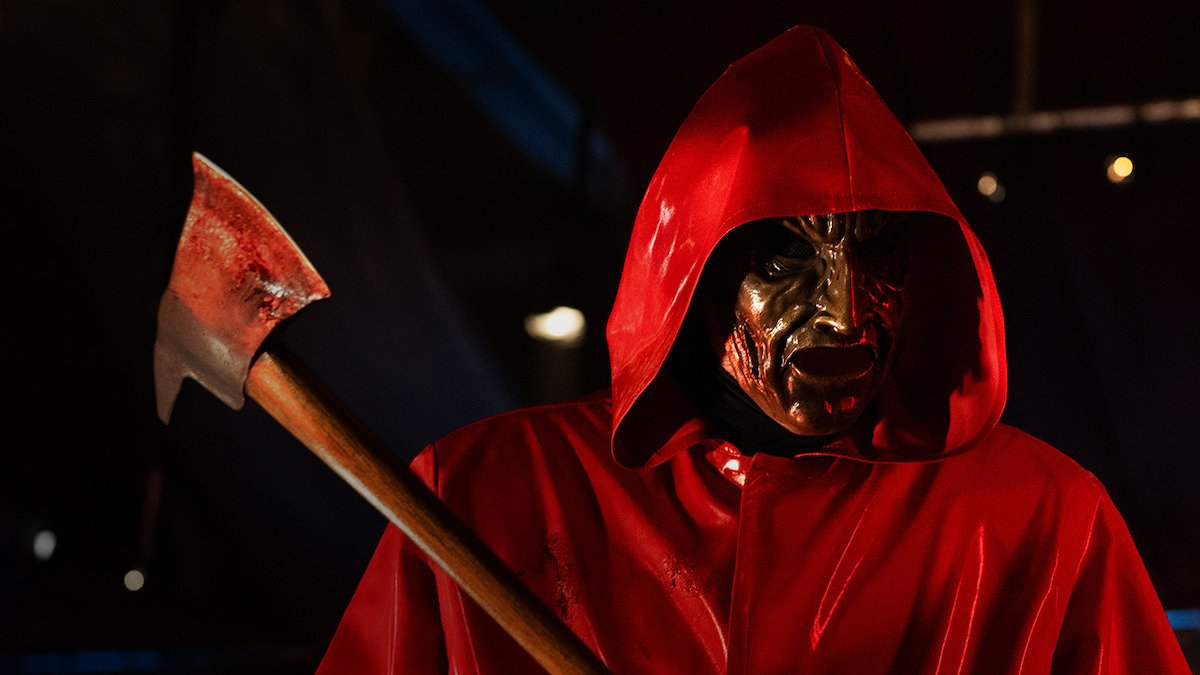
Director Matt Palmer takes over the reins from Leigh Jeniak and presents a relatively easy going time where you fully know how the story will pan out. However, in this case, it almost doesn’t matter, even if it rips heavily from the Prom Night franchise. If you’ve seen any of these films, Prom Queen has virtually no surprises. One knows exactly who the masked assailants who attack Shadyside High’s prom are, and you don’t even need to put two and two together to figure it out. As soon as the moving pieces are all introduced, we know who the killers will murder first, and who will end up as the movie’s final girl.
Though for the benefit of this review, and for the people who want to check it out, I will not reveal a thing. Let’s just say that, even with a giallo-like twist, worthy of Dario Argento, that occurs as five minutes are left to the movie which caught me completely off-guard and actively improved upon who the telegraphed killers were, the movie goes through the motions and offers little to no excitement in the storytelling department.
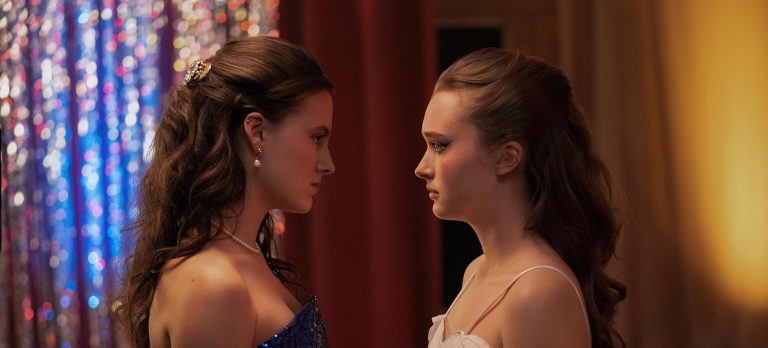
Even the characters are as paper-thin as it gets, including the protagonist, Lori Granger (India Fowler), who vies to become the school’s prom queen after a traumatic event in her family made her Sunnyside High’s laughing stock, notably to its pack of popular girls, with leader Tiffany Falconer (Fina Strazza) constantly finding ways to humiliate Lori.
Lori, of course, gets the most development, but it’s not as interesting as in the first Fear Street installment, when we actively spent as much time as possible with the characters to solidify their dynamic before many of them were killed off in gratuitous, often cartoonishly violent ways. That’s why, for Prom Queen, the main attraction isn’t the relationship (or lack thereof) between the characters, but the kills, alongside another incredible, synth-heavy score from The Newton Brothers, which, in many ways, recalls the work of John Carpenter, without feeling like a blatant carbon copy.
Seeing masked killers exact their blood-soaked plan in motion through often hilariously perverse slaughters is what makes slashers like these so unabashedly fun. The retro aesthetic from cinematographer Márk Györi frequently combines the emulsion of 35mm film with the sheen of a VHS camcorder brilliantly, adding some verve and texture to a movie that desperately needs one, especially in how it stages its practical kills. Utilizing weapons at their disposal, including a paper trimmer for the movie’s funniest sequence, Palmer showcases how schools are filled with as many dangerous objects as possible that, in the wrong hands, can lead to our gory demise. This ensures Prom Queen always has some forward momentum and never stops delivering on what we want to see out of such a movie like this, even if it stumbles along the way.
When it eventually reaches its denouement and throws at us an unexpected reveal, it solidified the deal for me that Prom Queen may be the best installment in the Fear Street franchise since Part One: 1994. It’s fully aligned with the sensibilities that have made giallo stand the test of time for genre aficionados, and delivers a lean, but fiendishly good time at the movies. And if you’re watching it with friends, the experience may be even better, though one hopes Netflix comes out of their “streaming or nothing” shell and finally embraces the potentialities that theatrical can have for some of their titles like this one. Here’s hoping their tune will change when Greta Gerwig shows them what they’ve been missing next year…
Director: Mark O’Connor Writers: Luke McQuillan, Mark O’Connor Stars: Luke McQuillan, Aidan Gillen, Daniel Fee
Synopsis: Danny, an ex-soldier homeless in Dublin, meets Will, a teen fleeing a drug gang. Their encounter forces them to confront their pasts while navigating the harsh realities they face.
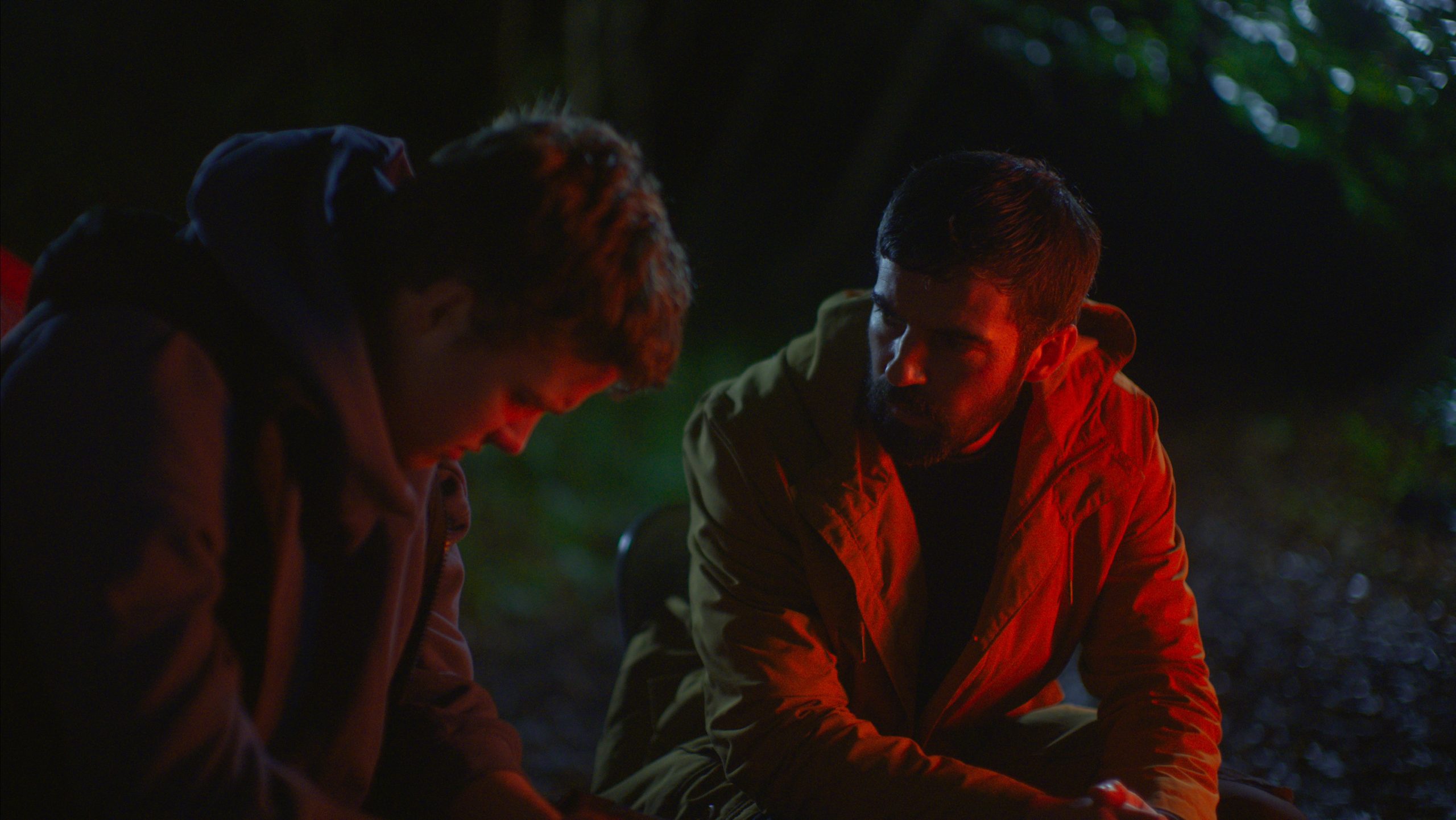
Everyone has experiences in their lives that leave scars. Whether those scars are visible to others or not, they alter our lives, challenging us in new ways. When misfortune leads to desperation, those seeking to prey on others at their lowest make themselves known. Amongst the Wolves weaves a narrative that attempts to blend a thrilling crime tale with a psychological journey for the film’s lead. Life becomes bleak for Danny (Luke McQuillan) when his life takes a downward turn that is seemingly impossible to reverse. There’s a lot packed into this film, leaving the most compelling moments with more to say.
We first meet Danny in the shroud of night, rummaging through trash bags outside of a clothing donation drop-off. Cleaning off a pair of children’s cleats he has found, he’s confronted by a group of young men whose intentions are anything but kind. Amongst The Wolves quickly shows just how down on his luck Danny is; without a home or his family by his side, he reflects on his life and the choices he has made to get to where he is. A veteran who is haunted by flashbacks of his past, he keeps to himself until he stumbles upon Will (Daniel Fee), a young man hiding in the woods from dangerous drug lords. The film is at its best while it is exploring Danny’s dark and often muddled past; moments where he must face his mistakes make for the most tragic and memorable bits of the story.
Danny and Will form an unlikely pairing; one is an ex-soldier at the lowest point of his life, and the other made one small mistake that will end up costing him something money can’t buy. They both bond over their situations; Danny sees himself as someone who needs to redeem himself for his past, which isn’t fully revealed to the audience outside of flashbacks that give just enough insight to show his flaws. Will needs Danny’s help to fend off crime boss, Power (Aidan Gillen) and his band of violent thugs. It’s easy to get lost in Amongst The Wolves with Danny constantly on the move, and new plot lines popping up with each new character that is introduced. Danny’s life is almost too chaotic to believe, leading the film to a resolution that takes away from the more important conversations this film attempts to create.
Where Amongst The Wolves hooked me was its leading performance from McQuillan, fully embracing his character’s shortfalls and playing him with just enough empathy. Danny is a character that you root for even when he gives you all the reasons not to. McQuillan’s best work is in the subtleness of his approach to the character; he has a quiet demeanor and often only makes eye contact when it’s absolutely needed. But he’s able to ramp up his performance during action sequences or when he’s holding someone up that owes his new friend, Will, some money. The rest of the cast is serviceable; Fee, who has his feature film debut here, has few moments outside of his scenes with McQuillan to showcase his acting abilities that unfortunately don’t leave much of a lasting impression. Gillen gives a rather on-the-nose performance as the main villain and feels like characters he’s played already in his filmography.
Writer and director Mark O’Connor juggles a lot of themes in Amongst The Wolves, tying into the culture of the land whether it be through the court systems with Danny’s ongoing child custody battle or how homelessness is viewed and treated. When O’Connor is exploring the societal impacts of losing all that you love and care for is where the film shines, showing a man who is imperfect but still worthy of a better life. It shows how untreated PTSD chips away at all aspects of life. Sadly, the film loses its focus with its attempt to be some kind of high-stakes action thriller, and the touching story of a man trying to redeem himself gets lost. O’Connor gives the female cast, Danny’s wife Gill (Jade Jordan), and charity worker love interest Kate (Louise Bourke), little to do outside of being obstacles for Danny or showing his more tender side.
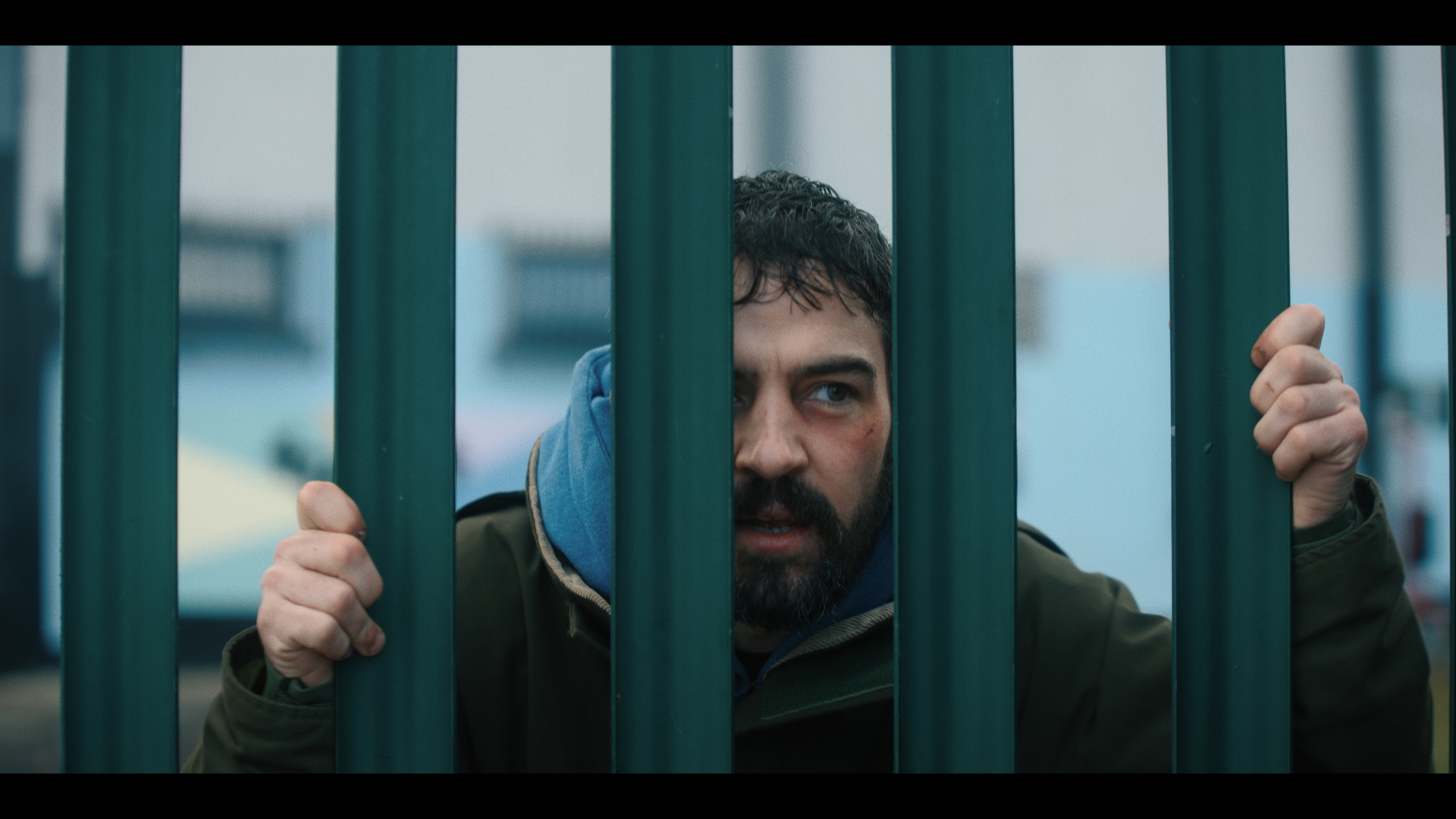
The film’s visuals crank up the bleakness of Danny, and even Will’s circumstances, with its gloomy backdrop of Ireland. Everything is either drowned out by the nonstop rain or caked in grime and dirt. Danny can often be seen with dried blood in his hair from a previous tussle, or hands filthy from sleeping on the soaked ground. Power and his band of punch-happy followers don a mask at the end of the film that, although it is completely out of place next to the modest clothing each character wears, showcases sleek design. Ignas Laugalis, the film’s cinematographer, captures the mundane beauty in the smaller details of the film, the way the sun peeks through the windows of a charity shop, or the quiet sadness of Danny watching his son through a barred fence just out of reach of his old life. At times, you can almost smell the rain or the fresh dewy morning of the forest through Laugalis’ visuals.
Overall, there’s enough to enjoy within Amongst The Wolves from its lead performance to its often scenic visuals that make the film worth a watch. Its refusal to stick with one genre over another is ambitious, and although it doesn’t completely pay off, there’s a conversation to be had about mental health and the treatment of those society deems unworthy, and its impact on all aspects of life.
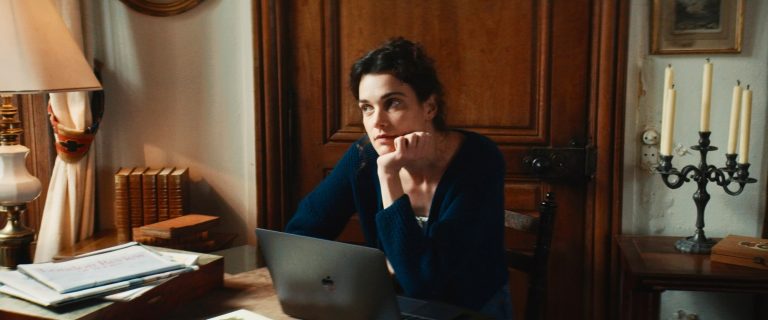
On this episode, JD and Brendan review the charming French rom-com Jane Austen Wrecked My Life, from first-time director Laura Piani! We don’t get enough romantic comedies anymore, and this film is another example of why there should be more. It leans into convention only for it to pull its Jane Austen rug out from under you and cleverly tap into thematic ideas that make Austen’s writing so appealing.
Review: Jane Austen Wrecked My Life (4:00) Director: Laura Piani Writer: Laura Piani Stars: Camille Rutherford, Pablo Pauly, Charlie Anson
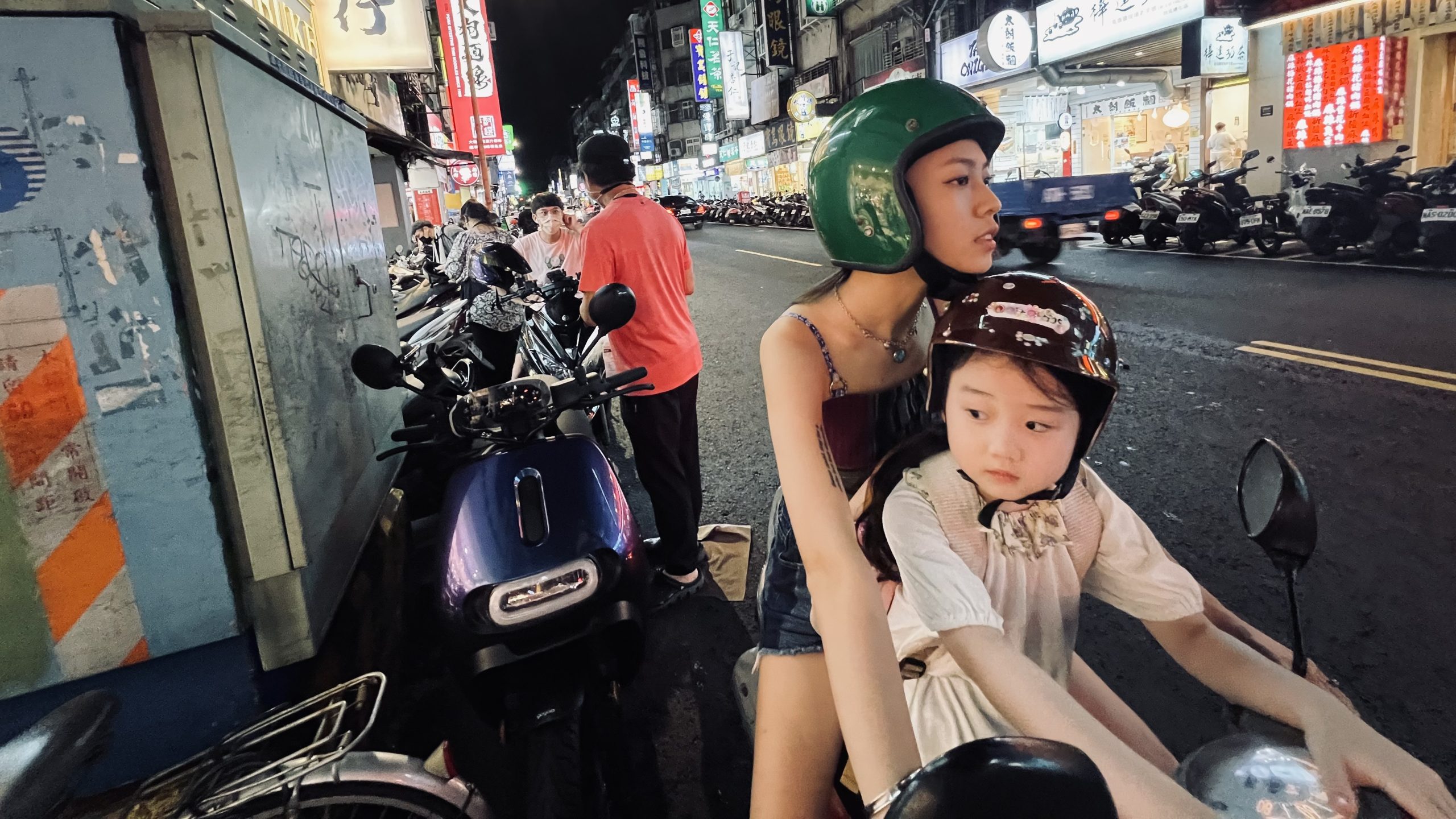
Director: Shih-Ching Tsou Writers: Sean Baker, Shih-Ching Tsou Stars: Janel Tsai, Nina Ye, Shi-Yuan Ma
Synopsis: A single mother and her two daughters relocate to Taipei to open a night market stall, each navigating the challenges of adapting to their new environment while striving to maintain family unity.
Sean Baker has become a filmmaker who has everyone’s eyes on him, now more than ever, after Anora, his rendition of the Cinderella story, earned him multiple Oscar wins, including Best Picture. It was a surprise for many, me included, especially after seeing it at the Cannes Film Festival last year. But Baker didn’t become the director he is today–focusing on sex workers’ lives since Starlet–without the films he made in the 2000s, particularly his sophomore feature, Take Out, which he co-directed with Taiwanese filmmaker Shih-Ching Tsou. Much like the Safdie Brothers, who gradually honed their hectic, stress-inducing style with more dramatic features like Daddy Longlegs, Baker and Tsou created a film that showed their talents and knack for the craft, relying on the nitty-gritty elements of the setting to capture it with honesty. While Tsou later transitioned into a producing role, Baker remained behind the camera.
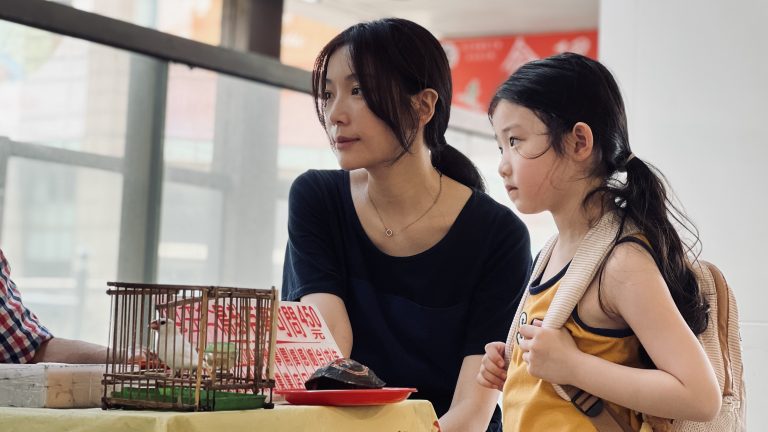
Their paths still crossed, as Tsou is equally responsible for many of Baker’s works getting financing. Yet one would have liked her to have made more pictures. Her influence is still felt on Baker’s works, but Tsou took twenty-one years to place herself again behind the camera with Left-Handed Girl (screening at the 2025 Cannes Film Festival in the Semaine de la critique). Much like Take Out, Left-Handed Girl is a human and grounded story, highlighting the working-class life. Instead of the streets of New York, we get the Taipei night market, both basked in the neon lights from the shop signs and restaurants that brighten up the cold streets. The film follows a mother, Shu-Fen (Janel Tsai), who, after many years, returns to Taipei with her daughters, I-Ann (Ma Shih-yan) and I-Jing (Nina Yeh), to open up a noodle stand in the night market.
Shu-Fen struggles to keep the shop afloat, as ex-husbands and estranged fathers return to her life after the departure. All the while I-Ann, the eldest of the two daughters, has great difficulty adapting to this new life. I-Jing explores the city with an innocence that Tsou and Baker, who is a co-writer and editor in the film, explore through a playfulness in the movie’s look and style–oversaturating the bright colors to create a dream-like sensation and, simultaneously, hiding the coldness that lurks in the streets of Taipei at night, without shying away from uneasy narrative developments. But also, her ventures provide some disarray into their lives, sending the story to realistic and exaggerated territories, although it keeps moving. Tsou may elevate the drama with various plot scenarios that each member of this family goes through. Yet, Left-Handed Girl feels authentic and raw, with each secret kept and lie told paving the way for these characters’ respective progressions.
Like Baker, Tsou has a way with actors; she directs them to genuine performances, as if they were playing themselves rather than characters in a film. Sure, the framing of the film does not make it documentary-esque. However, these are true-to-life works, which never fail to see the humanity in the characters and the actors portraying them. Through the film, you sense both the sensibilities of Tsou and Baker, one in the director’s chair and the other in the writing and editing room. But the two never overlap; you never feel that they are trying to one-up or that one’s style and technique is sensed more than the other because Baker and Tsou’s collaborative effort matches each other to perfection.
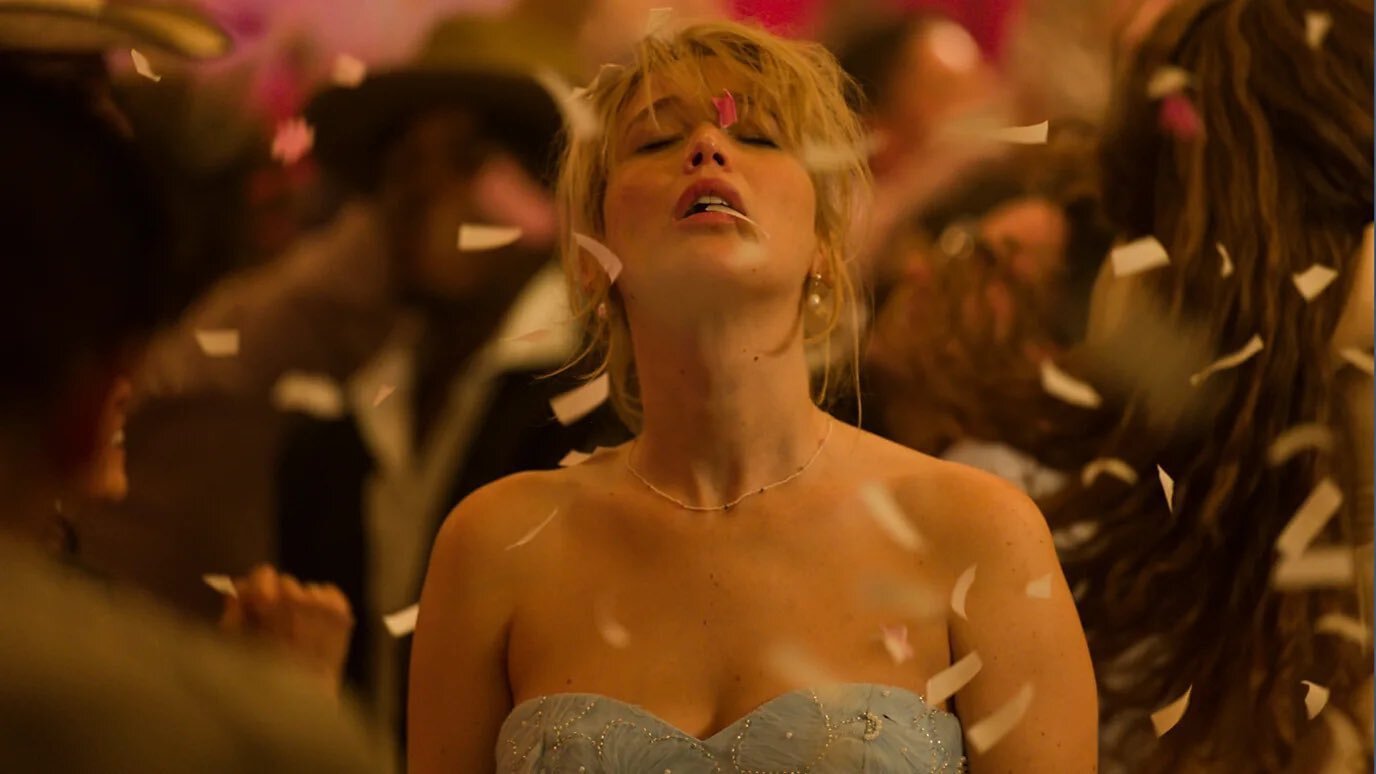
Director: Lynne Ramsay Writers:Ariana Harwicz, Lynne Ramsay, Enda Walsh Stars: Jennifer Lawrence, Robert Pattinson, LaKeith Stanfield
Synopsis: In a remote forgotten rural area, a mother struggles to maintain her sanity as she battles with psychosis.
Every time Lynne Ramsay has a new film ready for us, it is cause for celebration. Since she makes films so sporadically, her last one being You Were Never Really Here back in 2017, each release feels like an event for cinephiles worldwide, much like Terence Malick, Apichatpong Weerasethakul, and Jane Campion, amongst others. This high anticipation comes from her reputation as a singular, prominent director with a unique vision and knack for grim, psychological storytelling. Like those filmmakers mentioned, Ramsay emphasizes images, poetry, and feeling rather than dialogue and exposition; she shows the importance of crafting daunting, textured imagery left imprinted in our minds for an extended period.
Some examples of her striking imagery are the opening of Ratcatcher, the Christmas tree with flickering lights against the boyfriend’s dead body in Morvern Callar (my favorite film by Ramsay), and the red paint-covered house in We Need to Talk About Kevin. Many contemporary directors don’t give this much attention to the images they create. That’s why Ramsay stands out in the medium. Her imagery has meaning, creating a poetic visual language distinct to her. After eight long years, Ramsay has a new visceral experience, Die, My Love (screening in competition at the 2025 Cannes Film Festival), adapted from Ariana Herwicz’s novel of the same name.
Once again working with source material, Ramsay presents the fragmented story of Grace (a magnificent Jennifer Lawrence), a writer who becomes increasingly uneasy on her isolated estate in the countryside. After living in New York for a while, Grace moves to the home of her partner’s, Jackson (Robert Pattinson), now-deceased uncle, Harry, who killed himself a while ago. This huge house seems like the perfect place for them to start their family, as Grace and Jackson are expecting their first child. The two are in love, desperately and passionately; they cannot be without one another, with Lawrence and Pattinson’s chemistry oozing from the screen in these initial moments. However, this idyllic start soon starts to unravel.
As the days pass, Grace withdraws from both her picture-perfect “white picket fence” life and her newborn. She exhibits some erratic, violent behavior. She spends most of her time alone in the house, unable to write as her thoughts are blurred, and cleaning a spotless house. It is all getting to her head. She reaches out to Jackson for salvation, but Grace is too far submerged in melancholy to recover from this easily. The self-harm is not only physical, but also psychological, the latter becoming an even more significant affliction. Her psyche distorts once Karl (LaKeith Stanfield), her motorbike-riding neighbor, appears on screen.
You don’t know if Karl is actually real or a figment of Grace’s deteriorating mental state. Fantasy and reality blur in a way only Ramsay can render, where chaos and grace rarely meet, but when they do, the result is devastating emotional catharsis. The protagonist remains unnamed in the novel, with Herwicz immersing us in her stream-of-consciousness. Ramsay retains that intimacy by embodying the character as Grace, giving us a similarly unfiltered glimpse into her unraveling mind. And she, although in a more streamlined yet equally unconventional fashion, crafts a very similar experience for the viewer. You are inside Grace’s head, going through every nook and cranny, memory and feeling, to a point where it becomes an exasperating view, but deliberately so.
Think back to her previous feature, where Joaquin Phoenix’s Joe, a traumatized veteran, is overtaken by his nightmares and isolation, leading him on a downward spiral, with reality being blurred with each step he takes. The same happens to Grace, as she dismantles her house–the only place where she can reign in her pain with utmost control–and Ramsay lets Lawrence fiercely play in that madhouse. And it isn’t the first time Lawrence has been placed on a deconstructed, mad canvas. In the 2017 feature from Aronofsky, mother!, she was tasked with showcasing frenzy and madness for two hours straight; with each passing minute, the setting became as frenetic as Lawrence’s performance.
The difference between the visions of Aronofsky and Ramsay is that the latter adds more humanity and empathy to the character Lawrence plays, instead of being a conduit for distress and suffering as it is in mother!. It is symbolic in Aronofsky’s film, and her character’s pain adds to the parable. Yet, I think some of it is done for exasperation and provocation (and I liked the film for such off-the-wall behavior). In Die, My Love,Ramsay uses the distress to reflect on postpartum depression, a topic rarely discussed in cinema, as well as blindsided love and domestic life. This is why each movement, expression, and look Lawrence’s Grace does, whether violent or gentle, feels genuine and heartbreaking.
The violent or brash moments aren’t even the ones that feel the most dangerous; the tender and gentle scenes have a trepidation to them, where you don’t know when Grace is going to strike and eat Jackson alive, like a lion watching its prey from afar, waiting for the perfect moment. It is the effect of Ramsay’s double-headed love story, where devotion fills the atmosphere in desolation, and chaos is the natural sensation. And after resting with the film for some days now, I have grown to like it more for that. Even when Jackson can’t do anything to save or help his despondent Grace, the commitment transmits–the unwillingness to let the love, as its title says, die and rot amidst it all.
On this episode, Brendan is joined by ISF writer Joey Gentile to discuss the new horror film Final Destination Bloodlines! While it is well-scripted and overall a fun movie, this is perhaps one of those cases where the general critical consensus sees a different version of the film than we did. There are some clever elements to its twist on generational trauma, but on the whole this is akin to The Oscars giving out legacy Oscars to actors who deserved it long ago.
Review: Final Destination Bloodlines (4:00) Director: Zach Lipovsky, Adam Stein Writer: Guy Busick, Lori Evans Taylor Stars: Kaitlyn Santa Juana, Teo Briones, Richard Harmon, Tony Todd
In the light of Star Wars’ modern state, looking back at older films puts a depressing spin on nostalgia. Having been a half-decade or so removed from the last truly good film in the franchise (I’ll leave specifics up to the imagination) and perhaps more than two decades beyond the last one to have a lasting impact on the cinematic landscape, the galaxy far, far away that we’re all accustomed to appears rather bleak.
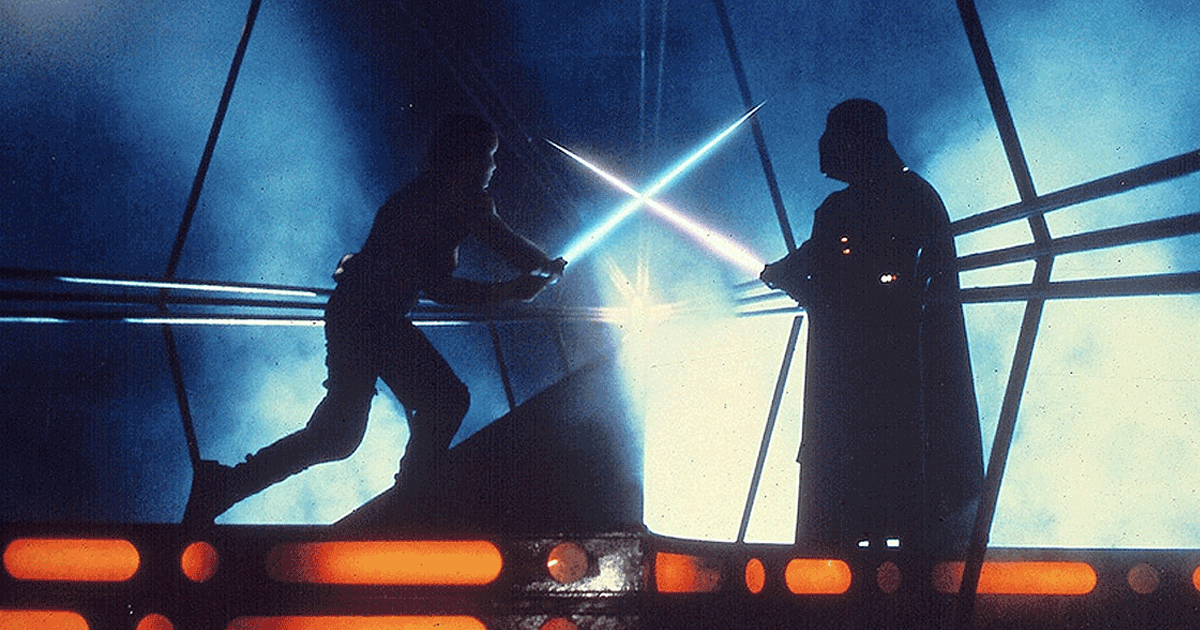
Yet the franchise’s defining talisman, The Empire Strikes Back, shines as spotlessly as ever, even 45 years after release. While it’s become popular to mince one’s ranking of the Star Wars films, as the internet loves to argue about nothing else more, anyone who has ever put Empire anywhere but first place is kidding themselves. It seems to be one of the only movies to ever possess the ability to remove the watcher from their current plane of existence and transport them directly into the frame. You’re a pile of snow on Hoth, a cloud on Coruscant; you get the picture.
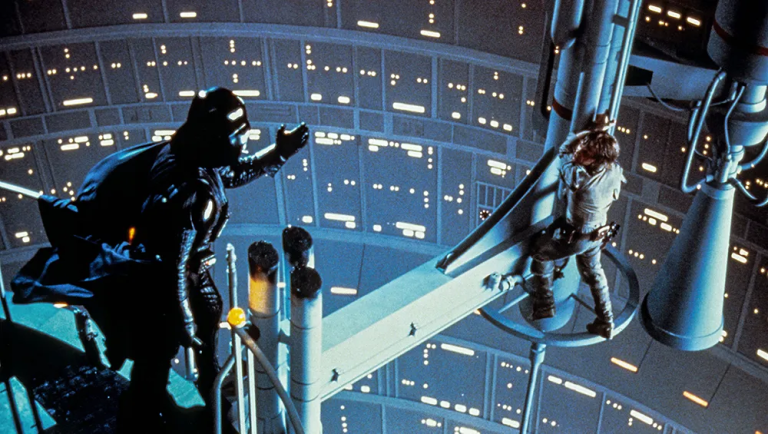
Beyond the basic but legendary quotability, an underrated quality of a movie’s long standing impact, Empire stills boasts the most honest inspection of the series’ most consistent themes: breathless suppression, hapless hope, and damning love. The latter is what gets Han frozen in carbonite by the hand of the former; the middle ideal is what drives Luke throughout the entire series, though most intensely in Empire. Lying with a severed limb in the face of his newfound father, the same face that he thought he’d defeated just one film ago, Skywalker cries out in languishing denial.
He knows the truth as well as the audience does, but to see a character hold to his core trait, hope, in the face of such a truth… Well, that’s what makes him the arguable face of Sci-Fi cinema to this day. In another way, his wail is a war cry for the weary and defeated who suffer under similar such protocols as the one’s Darth Vader imposes. Whether in personal life or on a much larger scale, you can throw Empire on for anyone and, if nothing else, they’ll sink into the same silence during the father reveal scene that their parents did 45-years-ago. This unfailing sequence, upheld by undying longevity, is a capsule for the feeling that the entire film elicits. Everything great about The Empire Strikes Back is wrapped up into the one scene that still, to this day, nobody can forget. It’s a beautiful, once in a lifetime occurrence on the cinematic landscape. I’m not sure we’ve had anything like it — maybe not anything even close — since.
And that’s just one scene. Consider the aforementioned Han and Leia “I love you” moment in the bowels of Vader’s control, moments before Solo is frozen in carbonite and hauled out of sight for the rest of the film. Or the opening, surprisingly long detail on Hoth, from the quieter moments with Luke and Obi-Wan’s force ghost to the full-scale battle that displays an unreal mastery in practical effects and superimposed visual scale. If you shoot something in camera, it’ll always look good; Empire, both on Hoth and everywhere else, is the best example of that to this day.
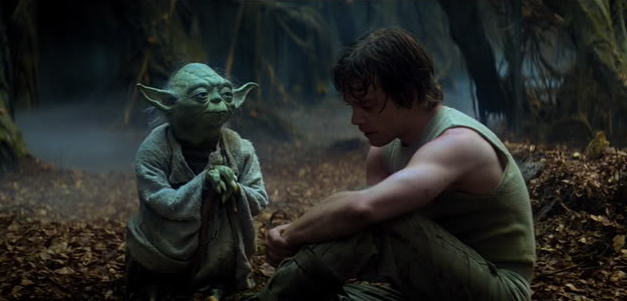
Oh, and Yoda is introduced here. No big deal, right? This is a film with clips, cuts, and tidbits shared across social media in thousands, if not millions of forms, and it hasn’t lost a single stroke of popularity. Even as the franchise actively worsens and its output grinds to an almost complete halt, audiences set their watches back 45-years now and again to experience what really started it all. A New Hope was first, sure, but there wouldn’t be a Star Wars as it stands today without The Empire Strikes Back. The original definition of a classic, and unarguably one of the greatest, most influential movies ever made. Happy 45th birthday… here’s to a trillion more.
Director:Laura Wandel Writer: Laura Wandel Stars:Léa Drucker, Anamaria Vartolomei, Alex Dascas
Synopsis: Against hospital protocol and court restrictions, a compassionate nurse finds herself caught between helping a distraught mother and maintaining professional standards of care.
The Dardenne Brothers (Jean-Pierre and Luc) are a director pairing that is as influential and inspiring as they are daring, becoming bolder as they have aged. Ever since The Promesse in 1996, they have remained a staple in French cinema (and constant Cannes Film Festival attendees–with their latest film again in competition this year) and shifted the cinematic landscape with their storytelling. They are known for their hyper-realist, socially conscious narratives, focusing on the struggling working-class, placing the characters on a journey that tests their morals, without melodramatic or sentimentalist beats attached for sympathy with the characters. Much like their storytelling, every aspect of their filmmaking is stripped down, from natural lighting to hand-held cameras, which employs a sense of intimacy and authenticity to the film.
It is as natural and grounded as it can be. You are immersed in the lives of these characters; you may have even encountered or known people who have gone through similar scenarios and communicated with someone who underwent such troubles. Their films feel less like constructed narratives and more like fragments of real lives—intimate, unvarnished, and eerily familiar. They have inspired many with this style and technique, one of the best modern examples being Laura Wandel, whose latest work, Adam’s Sake (L’Intérêt d’Adam, the opening film of the 2025 Cannes Film Festival’s Semaine de la critique), is not only influenced by them but also backed by the Dardennes.
Wandel, whose previous film, Playground, an honest and realistic drama about bullying and the toll it takes on both the children and their parents, put the spotlight on her as a storyteller akin to the Dardennes, although with a bit more dramatic sensibilities than that of Rosetta or The Son. Playground wasn’t the best film about the topic, but when watching it, you felt so connected with the story because it felt real–it made you think back about the days in high school and middle school. And even though her follow-up feature has more specific scenarios than her debut, Adam’s Sake has that same effective realist sting that she utilized before, cementing her as a potential heir to the Dardenne style of filmmaking.
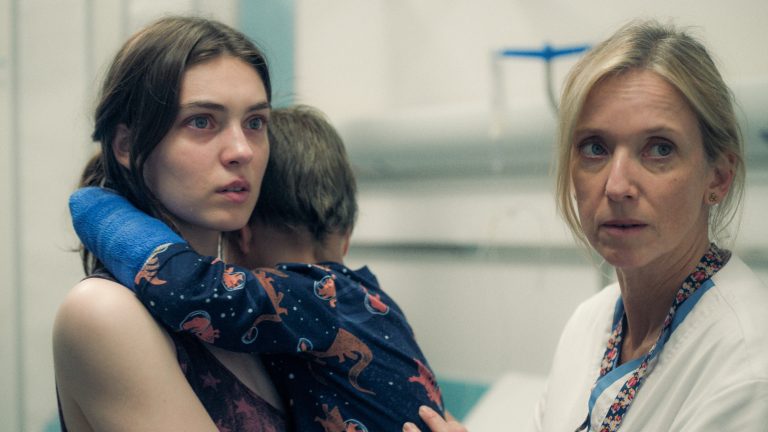
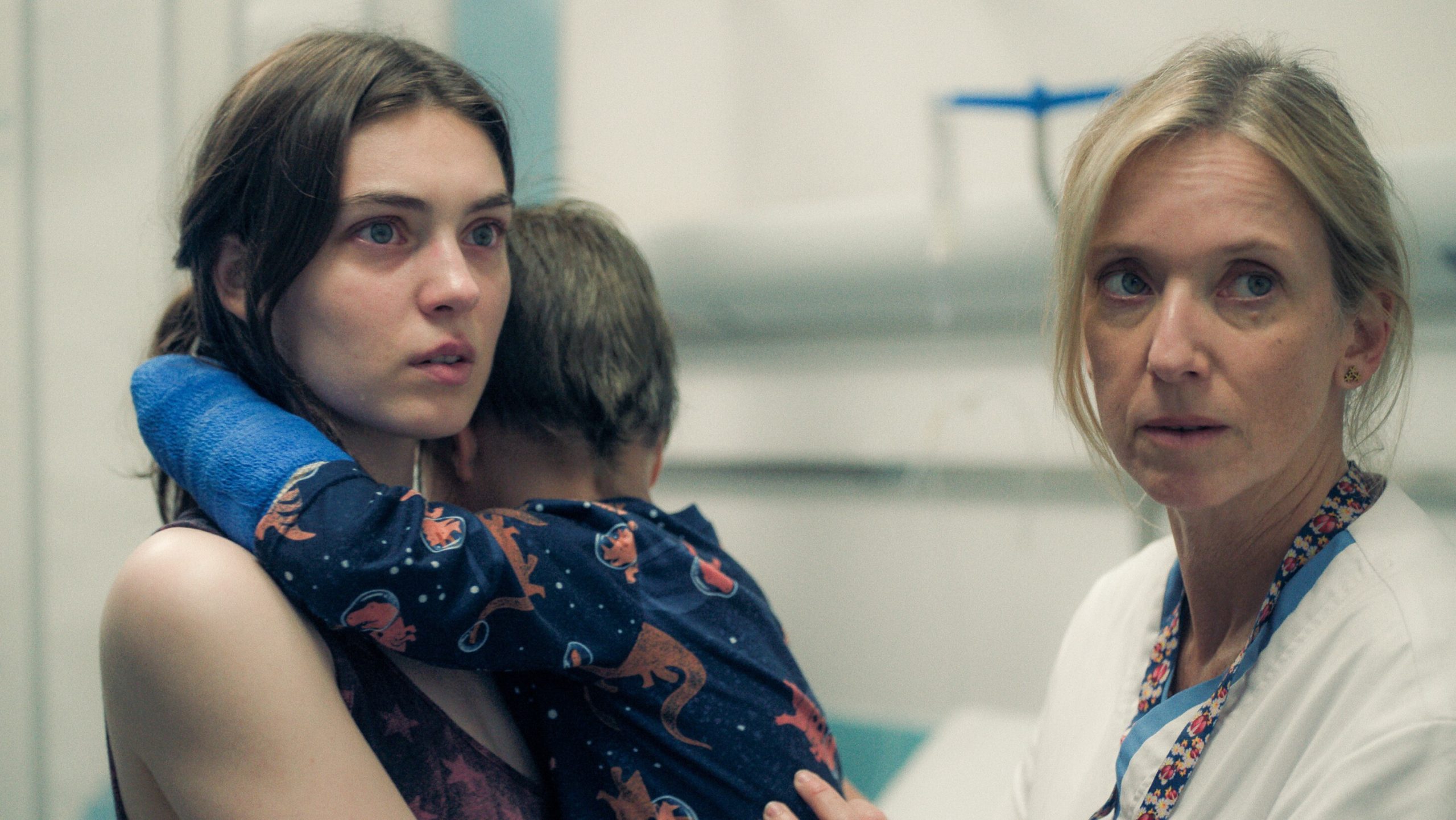
Laura Wandel unfolds the narrative almost in real time, with each passing minute becoming as crucial as the next, set around a hospital with tons of chaos. And it is about to get even more tense. The film follows Lucy (Léa Drucker, who never misses a beat in her performances), the head nurse in an unnamed pediatric ward, constantly crawling with patients and their desperate parents. She has been following the case of a child called Adam (Jules Delsart), a four-year-old kid overcoming some serious health issues because of the poor diet restrictions imposed by his mother, Rebecca (Anamaria Vartolomei). The kid already has a broken arm from malnourishment, and he’s beginning to show signs of decline.
Lucy knows that Adam needs proper treatment to keep him healthy, but she has trouble making Rebecca cooperate with the care. The audience becomes frustrated, not because of the story beats, but because of the mother’s negligence, whose child is suffering and needs better care. However, Wandel begins to show the backend of the setting–how cruel and manipulative health institutions are to people–and that frustration switches to understanding. This change is gripping, effective to the point where you feel you are in Lucy and Rebecca’s position. Once more details about Rebecca and her child are shared, the story becomes even more powerful. Rebecca has been given court access to Adam twice a day because he can’t eat anything without his mother.
It becomes apparent that Rebecca and Adam don’t want to, and can’t, be without one another. The two mirror each other; Vartolomei and Delsart deliver performances so convincing you’d think they were mother and child. Child performances are nearly always mesmerizing because most haven’t had the experience that the rest of the cast might have had. But Delsart is something else. He slightly matches Drucker and Vartolomei, two of the best European acts working today, in terms of performance. Each second that passes, you feel a lingering sensation of forced separation, as an institution moves to distance this unbreakable bond. Lucy does her best to keep them together, but something bigger than her wants to prevent it. She fights back against an institution that strips people of their humanity.
Adam’s Sake explores more than the nurse and patient relationship; Wandel wants you to see them as humans and their protectors, who should (yet don’t) keep them safe. Wandel is very wise, so she does not judge her characters’ actions, whether it is Rebecca malnourishing her son or Lucy’s over-involvement in the case. This is an element that makes the film as effective as it is. There are many scenes in which Wandel could have swung towards melodrama, having her lead belt out their “Oscar scene.” However, she distances herself from that behavior and lets us linger in the moment, as if it were a real pediatric case.
We stay with these characters, corridor to corridor, hospital bed to hospital bed, and Wandel invites us to sit with the situation, to reflect without easy resolution. She questions the psychology behind the mother-son, doctor-patient, and institution-civilian relationships in a tad heavy-handed way, dwelling on the characters’ distress in many moments. Considering the muted nature of Adam’s Sake, one expects that Wandel didn’t rely on the stress-inducing pot-boiler act. Adam’s Sake is not a revelation in the same way as Playground was, but it affirms Laura Wandel as a filmmaker of striking empathy and formal precision. She refuses to moralize or manipulate emotions and allows the story to speak with raw honesty, echoing the Dardenne brothers’ legacy while charting her path. If the Dardennes represent the gold standard of realist European cinema, Wandel is well on her way to joining that conversation.
Synopsis: Rescued from Earth’s nuclear annihilation, four friends crash-land on an unknown planet and courageously set out to locate a new home capable of sustaining their species.
Momoko Seto has spent the great majority of her film career crafting animated shorts and pieces about nature. Her films are somewhat unconventional, but they are interesting because she experiments with animation and live-action footage to create parables about the world surrounding us and why we must protect it at all costs. It is related to her studies at Le Fresnoy, the National Studio for Contemporary Arts, and her work in the CNRS (National Scientific Research Center), where she combines her love for science and admiration for cinema in her documentaries. The films that most reflect this intertwining are the ones in her Planet scenes, which began in 2009 with Planet A and continues with her latest work, and feature-length debut, Dandelion’s Odyssey (Planètes, screening at the 2025 Cannes Film Festival sidebar, Semaine de la critique).
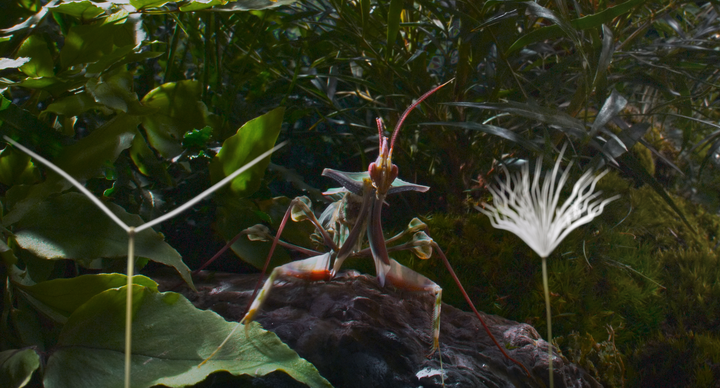
Dandelion’s Odyssey is a very intriguing picture conceptually, like most of Seto’s decades-long work. She plays with the concept of stop-motion animation and the silent film tropes, particularly slapstick comedy, to keep the story fresh and interesting for viewers of all ages as Seto extends her narrative from ten minutes to seventy-two. There are moments where you feel you are watching real animals wandering around the animated plains, and others where it feels like a stop-motion picture from a big studio. This intertwining between documentary and animation kept me hooked on the film for half of its runtime. But these intriguing, mold-breaking techniques in its production can’t take you far enough if you have a weak structure and narrative. This odyssey is quite a drag, feeling like a chore as it runs its course.
A bombastic score, similar to the ones heard in the MCU’s most suspenseful moments, introduces the film, as the stars in the galaxy unite to form a dandelion. The vast void of space is now embalmed in the flowers’ pappus, which dissipate upon uneasy blow, turning the screen entirely black, once again into a void, hinting at a forthcoming cataclysm. Each freckle of the pappus falls onto the Earth’s soil. It plants itself into the ground and is reborn as a full-grown dandelion. The flower sits upon the plains, abiding by the rule of nature, alongside other insects and animals that wander the terrain. But sooner rather than later, paradise becomes hell for every living creature. A series of nuclear explosions bolstering the land in sheer flames, with only two dandelions managing to escape–the select survivors of the planet once called Earth.
They float into space, reaching the moon, as the dandelions bask upon a planet becoming a great ball of fire. It is a striking image that calls back to disaster and end-of-the-world films, although it has a more visually stimulating and dread-inducing atmosphere than most pictures in the subgenre could concoct. With no sense of direction or a place to call home, the dandelions float in the void of space, entering a black hole which transports them into a new galaxy, with mystical creatures all over. The rest of the film follows these dandelions going from one planet to another in search of a place to call home and begin their species lineage anew. On these planets, some beautiful scenery and landscapes immediately grab your attention.
There’s a beauty that feels palpable and ultra-realistic, as if these flowers and animals were right there with you. Seto uses varied animation styles to create distinct textures and moods for each planet, whether an ice-covered land or a dangerous tundra. The images don’t have much depth, as the film’s message about protecting the Earth gets across early in the expedition. The one that struck me the most was seeing a planet bursting into flames, but that is because of the existential crisis that sometimes talking about the nothingness of space causes. Outside of that one, the great majority didn’t move me. I did feel intrigued. My continued engagement stemmed mainly from fascination with the film’s technical ingenuity, especially in how Seto came up with the specificity of these planets. Nevertheless, concerning the story being told, my interest fades vastly.
The use and potency of the imagery aside, the main reason why Dandelion’s Odyssey drags on is that the concept is better suited for a short rather than a feature-length film. Seto has created many successful shorts in the past few decades, even winning a handful of awards for some of them. She wants to utilize the same formula that worked in the short film format in a lengthier, broader canvas, front and back. And as she extends this story and formula from ten minutes to seventy-plus, there’s a feeling that halfway through, it repeats the same beats over a different landscape. It becomes quite boring; the film is not dull per se, as the technical elements arouse genuine interest, but it is definitely repetitive and tedious. I wish Seto would venture into other territories and continue to play with the medium. She has a unique and innovative vision as a filmmaker; the only thing keeping her from achieving her top potential is the scope of her concepts.
Synopsis: When reed cutter Johan discovers the lifeless body of a girl on his land, he is overcome by an ambiguous sense of guilt. While taking care of his granddaughter, he sets out on a quest to track down evil.
Something gloomy occurs whenever the wind blows in director Sven Bresser’s Reedland (Rietland, screening at the 2025 Cannes Film Festival in the Semaine de la critique). An unraveling of secrets, mysteries, or dark paths happens each time the wind hits those Dutch plains and wheat fields, which are soon bathed by blood and oil. In this tonally creaky and nearly compelling Dutch drama, there are troubles all around; the poison these characters consume is rooted in such, cursing those who have done misdeeds. We see these troubles, changes, and internal fights through the eyes of Johan (Gerrit Knobbe), an elderly man who lives a calm life until he sees something unusual in his land.
Reedland begins with that same blow upon a beautiful field similar to the one seen in Terrence Malick’s Days of Heaven, without the sunlight kissing every inch of it. The wind hitting the wheat soothes the viewer’s ears, immediately calming us before Bresser switches gears later in the narrative. We see Johan tending the grain and taking his time during the process. The first ten minutes follow this man’s routine; no dialogue is spoken, just mere silence and the sounds of nature back these introductory scenes. We don’t know much about this man, but you can paint the picture through a few shots of old photographs. His partner has passed, and he misses her plenty.
Johan currently cares for his granddaughter, whom he protects more than anything. Everything he does is simply to keep her safe. But once the dead body of a young girl appears in his field, something changes in him that shakes him to the core. Even though Knobbe does not express much with his performances as Johan, this finding has profoundly affected him. It recalls something in his past, yet he is suppressing it. The police arrive and investigate the area, questioning Johan, who worked there the night before. It leads nowhere, and overcome with a strange feeling, Johan embarks on an investigation of his own, searching for the truth and justice for that poor woman. As that happens, the effects of industrialization are taking their toll.
The possibility of every farmer and agriculturist, including Johan, losing their land becomes higher than ever, with companies wanting to buy them out and machines ready to replace them. After a while, the once beautiful wheat fields coat the skies with a sinister atmosphere. Johan’s mind becomes tainted; his routine becomes a burden. The toll of it all eats up his soul inside and out. But his granddaughter keeps him alive. The film often depends more on cold, foreboding atmosphere than dialogue, shifting the focus from the actors, who still deliver engaging performances, to Sam du Pon’s striking cinematography. However, some tonal shifts during the film took me out of the film and its story, making the project inert rather than inspiring. For example, the fart scene; it does not match with the rest of the movie at all.
These tonal shifts may be attempts to inject levity into the film’s steadily darkening narrative, but they feel unnecessary, or at least clumsily executed by Bresser. And that goes to the rest of the scenes that caused me this reaction, like the one featuring a chat room pop-up ad. Reedland benefited from basking in the darkness to tell its tale. Instead, Bresser wanted to dismantle his built atmosphere by including these scenes. It pains me to say this because the last fifteen to twenty minutes of Reedland are excellent. It concludes with a fantastic sequence of a children’s play version of ‘The Flooded Village,’ where we see the director as playful and adventurous. The tension and atmosphere carefully built during the first act are thrown away. These incomprehensible changes in tone taint the film’s most effective element. Some noteworthy aspects in Reedland work very well, but the lasting impression is disappointment from its lack of commitment.
Director:Julia Kowalski Writer:Julia Kowalski Stars:Maria Wróbel, Roxane Mesquida, Wojciech Skibinski
Synopsis: In a remote village, Nawojka grapples with dark urges she believes stem from an ancestral curse. Her world shifts when Sandra moves in next door, offering a glimpse of freedom from her family’s rigid control.
Not every horror coming-of-age story about a distressed girl in a drowning town refers to Brian De Palma’s 1976 classic, Carrie. Still, the elements from said picture are smeared across the conceptually similar films after it. The lonely girl in a small, cold town who has secret abilities she can’t seem to control. A parent who neglects her and suppresses her mysticism. A set of bullies who wear down the young girl and end up as the catalyst for the impending tragedy. Lastly, an older mother-like figure who embraces the girl and helps her come face-to-face with her true self. These stories have been told time and time again. Yet these stories remain fascinating because skilled filmmakers reframe them through new perspectives and settings.
Julia Kowalski’s sophomore effort, Her Will Be Done (Que ma volonté soit faite, screening at the 2025 Cannes Film Festival in the Quinzaine des cinéastes) is yet another example of a reinterpretation of this tale that remains truly fascinating because of its unique perspective, location, and horror influences. In the film, the girl with uncontrolled supernatural abilities is Nawojka (Maria Wróbel), a twenty-year-old who dreams of being free after spending her whole life working at the family farm. The lines “My mother knelt before Satan. The evil was in her. It is inside me too.” provide Her Will Be Done with a fiery introduction. Nawojka’s parents stare at a bonfire, bearing subtle, yet malevolent, grins on their faces, as though they seem ready to accept this evil in their souls, no matter the cost.
The flames rise, rise, and continue to rise, to the point where it swallows the screen. And when it does, the young Nawojka wakes up. Was it a dream or a memory? Whether it is one or the other, it doesn’t seem like this was the first time Nawojka has had this vision. Upon waking, it becomes clear how lonely she is in the small house with her father and two brothers, who act like wild animals at any moment. They are harsh and mean for no reason on some occasions and nonjudgmental in others. But there’s a particular disdain towards her from the two brothers, as if she’s guilty of their mother’s passing. While working at the farm one day, she notices a woman outside the window, Sandra (Roxane Mesquida, an underused French talent who should get more recognition).
Nawojka stares at her with much interest and curiosity, fascinated by the messy-haired, free-spirited wanderer. With the arrival of Sandra into her eyesight and later life, as the two connect, and who is deemed a witch by the locals, Nawojka begins to experience some trance-like episodes. During these trances, she can’t control herself and berates herself for things that aren’t her fault, like the insults thrown out at Sandra or her mother’s passing. These episodes are depicted in two forms, both of which call back to Luca Guadagnino’s reimagining of Suspiria. Either it is seeing Nawojka convulse as queasy, squeamish sounds and groans are heard, or hallucinogenic collages appear on screen, both of which are equally creepy and effective.
Kowalski lets the camera linger for enough time on the disturbing scenes to make the viewer uneasy, and nearly always she succeeds in doing so. Although there are sequences that are provocative because of the inclusion of murder of animals by euthanasia (not the only film at Cannes this year that does that) and brutal, cold-blooded killings, Kowalski is wise enough to distance her lens and not dwell on it; instead, the film cuts away, leaving the gore up to the imagination of the viewer and letting the crimson red spill out of the frame instead of in. The movie descends into madness as Nawojka and Sandra slowly connect and understand each other’s grievances, the pain and toll the city and its people have done to them.
One of the few moments of happiness happens when the two are together. But sooner rather than later, Kowalski makes the atmosphere feel darker and colder than before. The film will shift from the mundane to something fresh and distinctive because of her bravery in her imagery placement. Her Will Be Done, like Carrie, is a tale not solely about female independence but also female empowerment and the challenges of traditional gender roles. Kowalski explores the societal expectations placed on women in these male-dominated small towns as women struggle for autonomy and potential, embracing their unique abilities, literally and metaphorically. The film falters in sparse moments when the dialogue becomes too repetitive.
Similar scenes were being thrown one after the other, which tended to bother, specifically during its most horrific scenes. For example, the brothers’ bullying of Nawojka or Sandra tends to happen often. And most of those scenes are constructed in the same manner or contain similar dialogue. They are crucial to the other being told about women’s autonomy. However, I do feel there could have been a diverse way of exploring the sexist men’s dynamics instead of repeating the same routine. Nevertheless, I felt entranced by the other and its potent imagery because of Kowalski’s boldness and steady direction with the performances. Her Will Be Done can be considered one of the many in the vast landscape, although Kowalski and her team offer a different angle to a recurrently told story.