


Director: Frank Oz
Writers: Howard Ashman, Roger Corman, Charles B. Griffith
Stars: Rick Moranis, Ellen Greene, Vincent Gardenia
Synopsis: A nerdy florist finds his chance for success and romance with the help of a giant man-eating plant who demands to be fed.
Every time I watch Little Shop of Horrors, I’m reminded just how gleefully strange, and strangely perfect, it is. First released in 1986, the film follows meek florist Seymour (Rick Moranis), who stumbles upon a mysterious plant that promises fame, fortune, and romance… so long as he keeps it well fed with human blood. What begins as a scrappy skid row fairytale quickly spirals into a darkly comic morality tale with a killer hook (quite literally). Despite strong reviews and a growing fanbase, the film was only a modest success at the box office on its initial release, overshadowed by bigger studio offerings of the time such as Top Gun and Aliens. And yet, in the decades since, it has blossomed into something far more enduring: a bona fide cult musical classic.
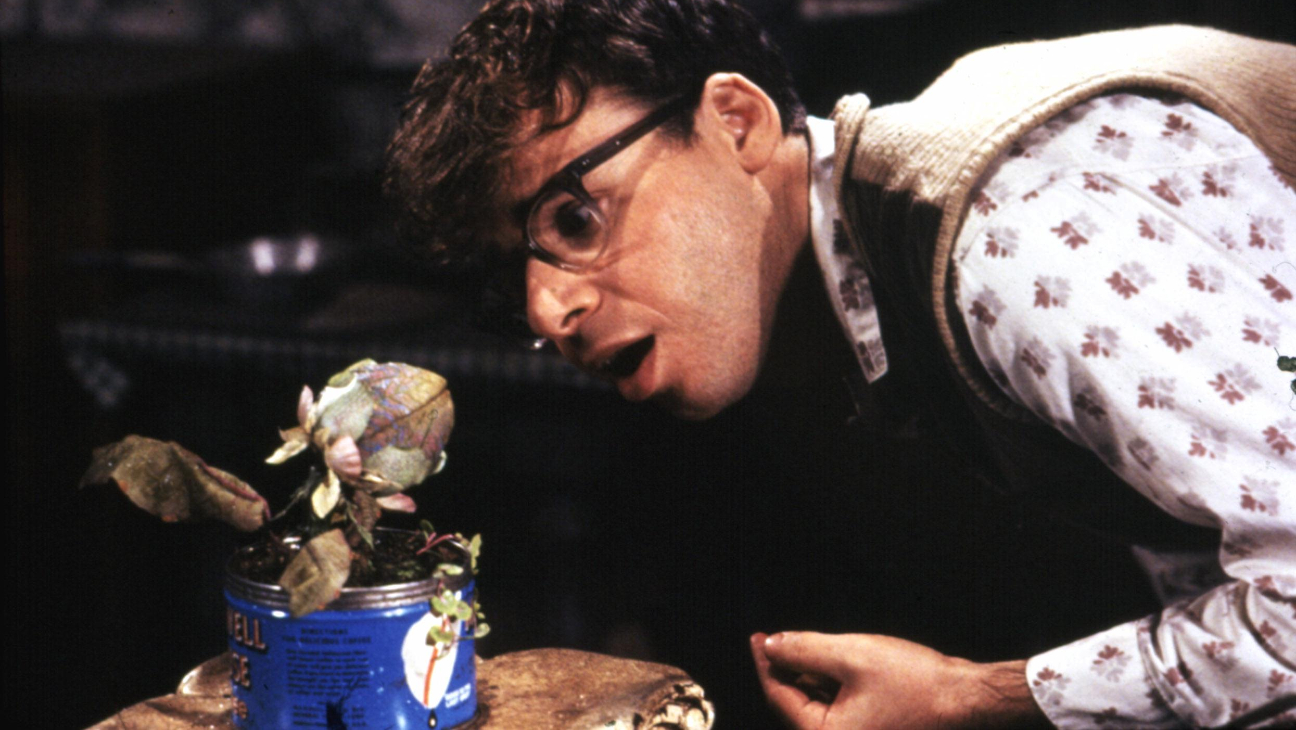
Rewatching it now for its 40th anniversary, I felt the same rush of joy I did the first time. There’s something undeniably infectious about its blend of horror, comedy, and toe-tapping musical numbers. Directed by Frank Oz, the film adapts the off-Broadway stage musical with a cinematic flair that never loses its theatrical charm. It’s heightened, stylized, and proudly artificial in all the right ways.
The cast is a huge part of why it works so well. Rick Moranis is pitch-perfect as Seymour, bringing a sweetness and awkward sincerity that makes his increasingly questionable decisions feel oddly relatable. Opposite him, Ellen Greene reprises her stage role as Audrey, delivering a performance that’s equal parts cartoonish and heartfelt. Steve Martin absolutely steals every scene he’s in as the sadistic dentist, Orin Scrivello. His musical number is still one of my favorites; it’s completely outrageous, energetic, and just the right side of unhinged. Knowing where these actors would go next adds an extra layer of appreciation. Moranis would go on to lead family favorites like Ghostbusters and Honey, I Shrunk the Kids. Martin continued to cement his legacy as one of America’s great comedic performers, and the film itself has become a defining credit in all of their careers. There’s also memorable supporting performances from Bill Murray and John Candy that can’t go without mention.
Of course, it would be impossible to talk about Little Shop of Horrors without mentioning Audrey II – the man-eating plant with a voice smoother than velvet. Brought to life through extraordinary puppetry rather than CGI, Audrey II remains one of the most impressive practical creations in film. The fact that it still looks and feels so alive today is a testament to the craftsmanship behind it. There’s a tangible weight and presence to the character that modern effects often struggle to replicate.
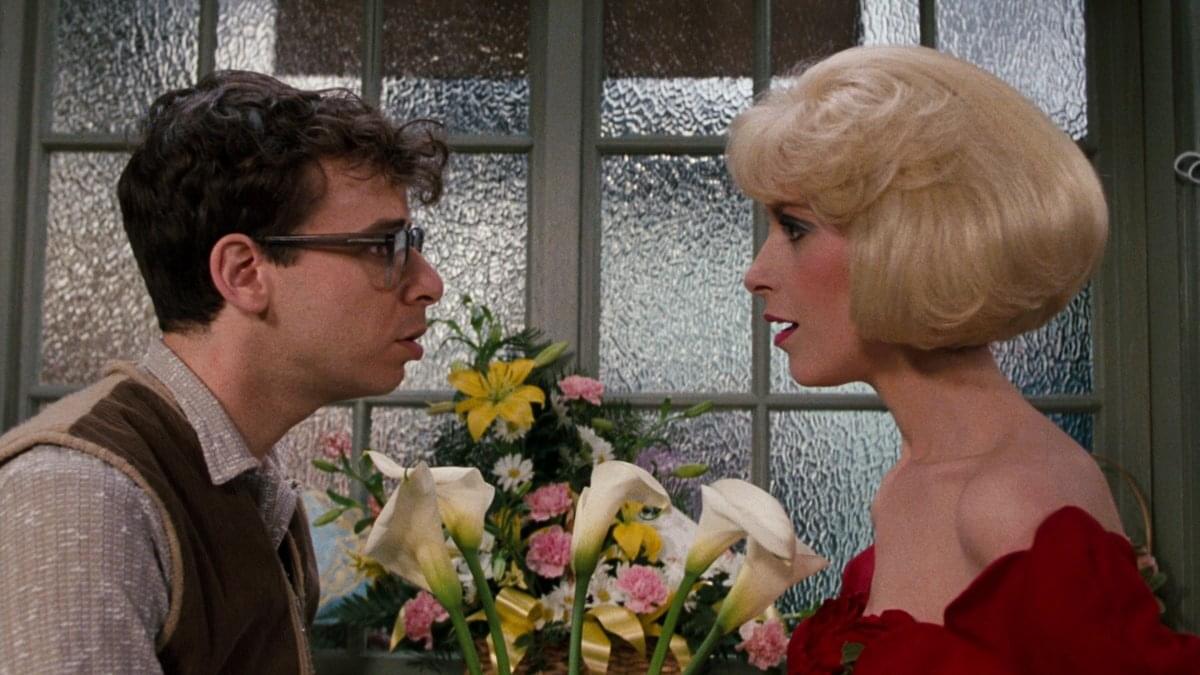
The songs are catchy, clever, and packed with personality. From the infectious “Suddenly, Seymour” to the gloriously sinister “Feed Me,” every number pushes the story forward while deepening the characters. Beneath the camp and spectacle, there’s a surprisingly sharp commentary on ambition, consumerism, and the cost of “making it.” But it never feels heavy-handed. It’s too busy having fun and inviting you to do the same.
If I had to nitpick, there are moments where the pacing dips slightly, but honestly, it’s hard to dwell on that when the film is this charming. It knows exactly what it is and leans into it wholeheartedly. The costumes, the hair, makeup, everything about this film is thought-out and on-point and no wonder people come back to it time after time.
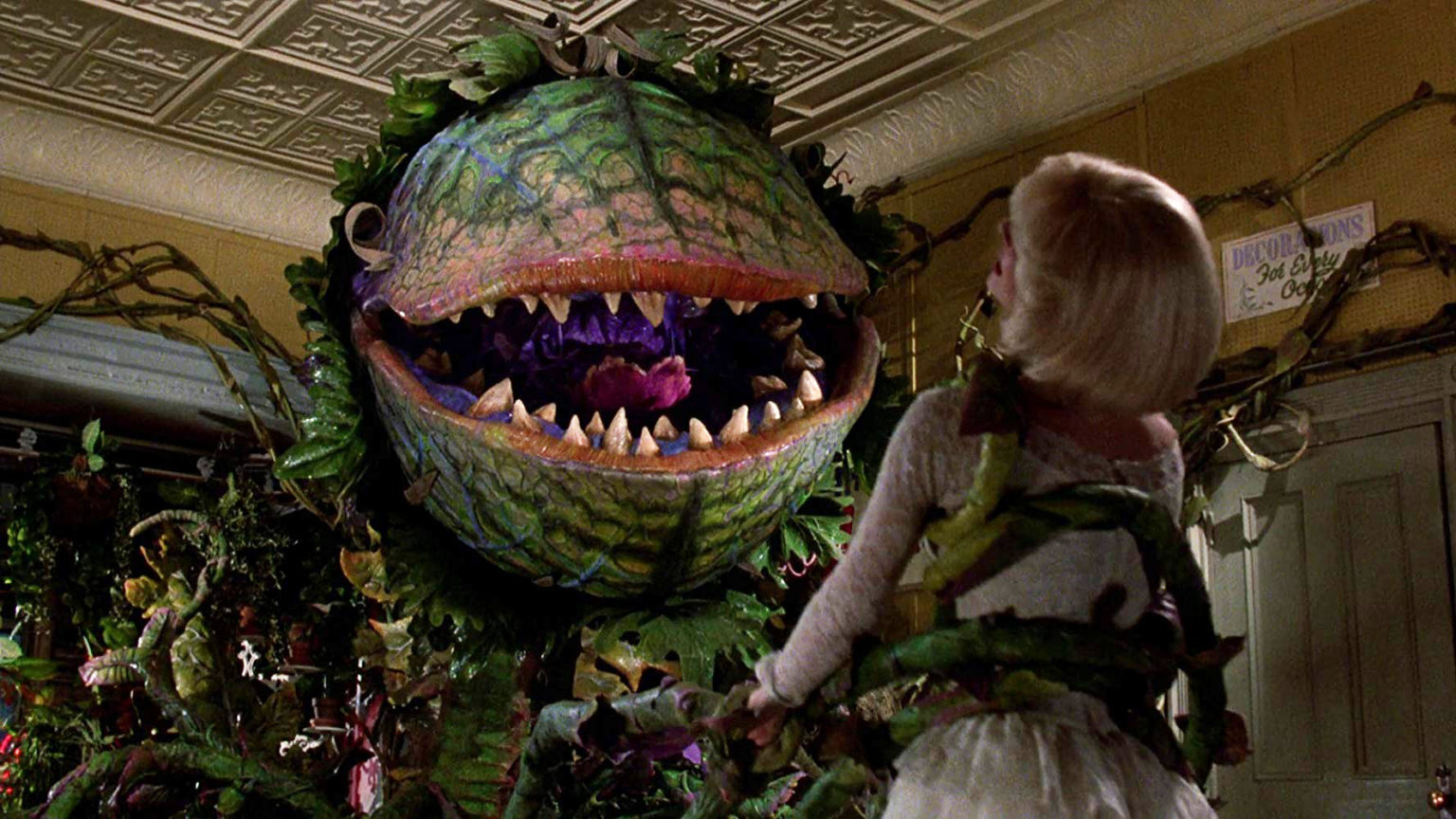
What was most surprising for me was the end. On my VHS, then DVD version the end is seemingly a happy one. In the cinema, I was given an ending where the plants win and take over the world. It screamed “let’s break the set because we can” and felt as if they didn’t know how to end the film. But there was something so interesting and nostalgic about this B-movie ending. I’m glad it exists. Forty years on, Little Shop of Horrors doesn’t just hold up, it thrives. Watching it back on the big screen feels like rediscovering an old favorite that never really left. If you’ve never seen it, now is the perfect time. And if, like me, you already love it, then you probably don’t need convincing. Go and see it. Let it pull you back in. Just remember… don’t feed the plants.